Sannai Maruyama Site
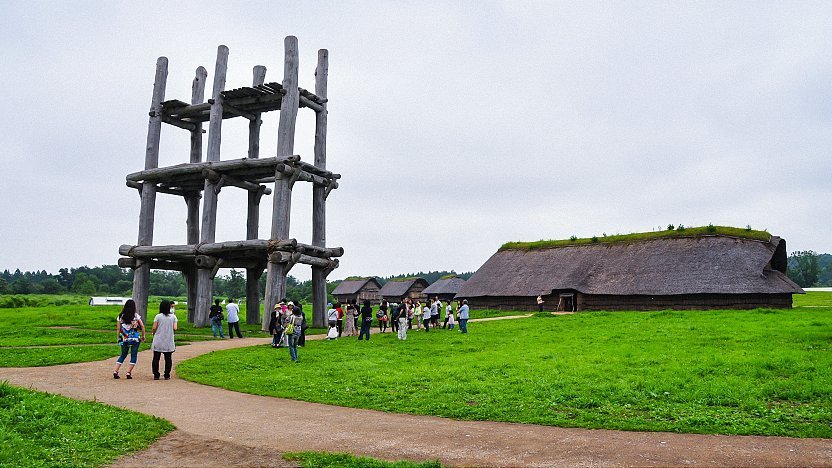
The Sannai Maruyama Archaeological Site (三内丸山遺跡, Sannai Maruyama Iseki) is the largest and one of the most complete and best preserved villages from the Jomon Period (13000-300 BC). Unearthed by accident while surveying land to build a baseball field, the former village once included over 700 structures and dwellings including long houses, storage structures, roads, and trash and burial pits.
After the excavation and study of the site, the village was reburied with earth and a number of reconstructed pit dwellings, long houses and a large tower were built on top. Visitors can enter the reconstructions, some of which are quite large, as well as see a few of the original excavation sites around the grounds.

Adjacent to the excavation site stands the Jomon Jiyukan which exhibits objects excavated from the area and explains about the people who lived during the Jomon Period. It is also possible to try on Jomon period clothing, use tools of the era and try making handicrafts and toys. Typical food that the Sannai Maruyama villagers ate is served at a restaurant.
The Sannai Maruyama Archaeological Site, together with similar sites in the northern Tohoku Region and Hokkaido was registered as a World Cultural Heritage Site in 2021. It is easily visited in combination with nearby Aomori Museum of Art, which was designed in a style that imitates the excavation site.

Getting there and around
The Sannai Maruyama Jomon Archaeological Site is located next to the Sannai-Maruyama-Iseki-mae bus stop (三内丸山遺跡前), a twenty minute, 310 yen bus ride from Aomori Station. It is also a five minute walk from the Aomori Museum of Art.
How to get to and around Aomori

Hours and Fees
Hours
Admission ends 30 minutes before closing
Closed
Admission
Questions? Ask in our forum.
Links and Resources
Hotels around Aomori

-
-
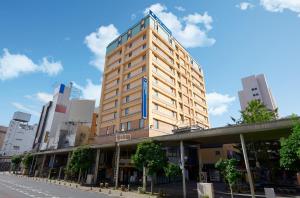
![]() Daiwa Roynet Hotel AomoriSet in Aomori, within 5.8 km of Sannai-Maruyama site and 43 km of Tsuta Hot Spring, Daiwa Roynet Hotel Aomori offers accommodation with free WiFi throughout the property. Each accommodation at the 4-star hotel has city views, and guests can enjoy access to a fitness centre and to a restaurant. Aomori Camp Garrison and Defense Hall is 3.8 km from the hotel and Shin-Aomori Station is 4.9 km away. The hotel will provide guests with air-conditioned rooms offering a desk, a kettle, a fridge, a safety deposit box, a flat-screen TV and a private bathroom with a bidet. At Daiwa Roynet Hotel Aomori every room has bed linen and towels. Guests at the accommodation can enjoy a buffet breakfast. Languages spoken at the reception include English and Japanese. Hirosaki Castle is 42 km from Daiwa Roynet Hotel Aomori, while Aomori Station is 500 metres away. The nearest airport is Aomori Airport, 12 km from the hotel.View on Booking.com
Daiwa Roynet Hotel AomoriSet in Aomori, within 5.8 km of Sannai-Maruyama site and 43 km of Tsuta Hot Spring, Daiwa Roynet Hotel Aomori offers accommodation with free WiFi throughout the property. Each accommodation at the 4-star hotel has city views, and guests can enjoy access to a fitness centre and to a restaurant. Aomori Camp Garrison and Defense Hall is 3.8 km from the hotel and Shin-Aomori Station is 4.9 km away. The hotel will provide guests with air-conditioned rooms offering a desk, a kettle, a fridge, a safety deposit box, a flat-screen TV and a private bathroom with a bidet. At Daiwa Roynet Hotel Aomori every room has bed linen and towels. Guests at the accommodation can enjoy a buffet breakfast. Languages spoken at the reception include English and Japanese. Hirosaki Castle is 42 km from Daiwa Roynet Hotel Aomori, while Aomori Station is 500 metres away. The nearest airport is Aomori Airport, 12 km from the hotel.View on Booking.com -
![]() Hotel JogakuraLocated at the foot of Mount Hakkoda, Hotel Jogakura provides mountain resort accommodation boasting natural hot spring baths, saunas and gorgeous Japanese meals. Free Wi-Fi is available throughout the property, and ski equipment rentals can be arranged. Fitted with wide windows and dark-coloured wooden flooring, each guestroom comes with a TV, a fridge and a telephone. Guests can make a cup of tea using an electric kettle and tea bags. The en suite bathroom includes a bath tub and a hairdryer. Jogakura Hotel provides free luggage and ski storage services. Free-use internet PCs and a water server are available at the lobby. Laundry facilities can be used for free. The hotel offers free shuttles to/from JR Aomori Station, a 50-minute drive away. Aomori Airport is a 45-minute drive from the property. Japanese multi-course dinner is served at the dining room. A breakfast buffet with Western and Japanese dishes is also available.View on Booking.com
Hotel JogakuraLocated at the foot of Mount Hakkoda, Hotel Jogakura provides mountain resort accommodation boasting natural hot spring baths, saunas and gorgeous Japanese meals. Free Wi-Fi is available throughout the property, and ski equipment rentals can be arranged. Fitted with wide windows and dark-coloured wooden flooring, each guestroom comes with a TV, a fridge and a telephone. Guests can make a cup of tea using an electric kettle and tea bags. The en suite bathroom includes a bath tub and a hairdryer. Jogakura Hotel provides free luggage and ski storage services. Free-use internet PCs and a water server are available at the lobby. Laundry facilities can be used for free. The hotel offers free shuttles to/from JR Aomori Station, a 50-minute drive away. Aomori Airport is a 45-minute drive from the property. Japanese multi-course dinner is served at the dining room. A breakfast buffet with Western and Japanese dishes is also available.View on Booking.com -
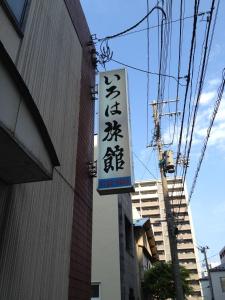
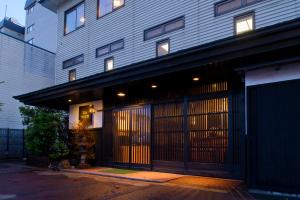
![]() Iroha RyokanOnly a 2-minute walk from JR Aomori Train Station, Iroha Ryokan offers simple Japanese-style rooms with a flat-screen TV. Japanese Yukata robes are provided for all guests and free parking is available. Guests sleep on tatami (woven-straw) floors and Japanese futon bedding in each air-conditioned room. Bathrooms and toilets are shared. A free-use washing machines is provided and luggage storage is available at the front desk. A Japanese set-menu is served for breakfast and dinner. Dinner is served at the guests’ room and guests can choose to have breakfast in their rooms or at the shared dining room. Guests who want to eat dinner must make a reservation upon booking. Ryokan Iroha is a 15-minute drive from Sannai Maruyama Site and a 20-minute drive from Showa Daibutsu Buddha Statue. Aomori Museum of Art is a 15-minute drive away.View on Booking.com
Iroha RyokanOnly a 2-minute walk from JR Aomori Train Station, Iroha Ryokan offers simple Japanese-style rooms with a flat-screen TV. Japanese Yukata robes are provided for all guests and free parking is available. Guests sleep on tatami (woven-straw) floors and Japanese futon bedding in each air-conditioned room. Bathrooms and toilets are shared. A free-use washing machines is provided and luggage storage is available at the front desk. A Japanese set-menu is served for breakfast and dinner. Dinner is served at the guests’ room and guests can choose to have breakfast in their rooms or at the shared dining room. Guests who want to eat dinner must make a reservation upon booking. Ryokan Iroha is a 15-minute drive from Sannai Maruyama Site and a 20-minute drive from Showa Daibutsu Buddha Statue. Aomori Museum of Art is a 15-minute drive away.View on Booking.com -
![]() Yadoya TsubakiSituated in Aomori and only 20 km from Sannai-Maruyama site, Yadoya Tsubaki features accommodation with sea views, free WiFi and free private parking. This 2-star ryokan provides a spa experience, with its hot spring bath and open-air bath. The property offers allergy-free units and is located 15 km from Aomori Station. The ryokan will provide guests with air-conditioned units offering a tatami, a kettle, a microwave, a fridge, a safety deposit box, a flat-screen TV and a shared bathroom with a a bath or shower. At the ryokan, every unit is fitted with bed linen and towels. There is a coffee shop on-site. The ryokan is located in a geothermal area, with a number of hot springs nearby for guests to relax in. Guests at the ryokan will be able to enjoy activities in and around Aomori, like hiking and walking tours. Aomori Camp Garrison and Defense Hall is 18 km from Yadoya Tsubaki, while Shin-Aomori Station is 19 km from the property. The nearest airport is Aomori Airport, 25 km from the accommodation.View on Booking.com
Yadoya TsubakiSituated in Aomori and only 20 km from Sannai-Maruyama site, Yadoya Tsubaki features accommodation with sea views, free WiFi and free private parking. This 2-star ryokan provides a spa experience, with its hot spring bath and open-air bath. The property offers allergy-free units and is located 15 km from Aomori Station. The ryokan will provide guests with air-conditioned units offering a tatami, a kettle, a microwave, a fridge, a safety deposit box, a flat-screen TV and a shared bathroom with a a bath or shower. At the ryokan, every unit is fitted with bed linen and towels. There is a coffee shop on-site. The ryokan is located in a geothermal area, with a number of hot springs nearby for guests to relax in. Guests at the ryokan will be able to enjoy activities in and around Aomori, like hiking and walking tours. Aomori Camp Garrison and Defense Hall is 18 km from Yadoya Tsubaki, while Shin-Aomori Station is 19 km from the property. The nearest airport is Aomori Airport, 25 km from the accommodation.View on Booking.com -
![]() Richmond Hotel AomoriA 15-minute walk from JR Aomori Train Station, Richmond Hotel Aomori features rooms with VOD channels and free Wi-Fi. Guests can request relaxing massages for an extra cost and use the on-site coin launderette. Rooms come with air conditioning/heating facilities, a flat-screen TV and a seating area. Featuring a shower, private bathrooms also come with a bath and free toiletries. A fridge and an electric kettle with green tea bags are included in each as room as well. An air purifier and humidifier is provided in each room. The 24-hour front desk offers luggage storage, photocopying services and concierge services. Drinks vending machines are on site and guests can use the shared microwave. The property offers children's amenities including slippers and toothbrushes. A Japanese and Western-style breakfast buffet including local specialities is served at Sky Dining Brillianterrace. Aomori Richmond Hotel is a 15-minute drive from Sannai Maruyama Site and Aomori Museum of Art. Aomori Airport is a 20-minute drive away.View on Booking.com
Richmond Hotel AomoriA 15-minute walk from JR Aomori Train Station, Richmond Hotel Aomori features rooms with VOD channels and free Wi-Fi. Guests can request relaxing massages for an extra cost and use the on-site coin launderette. Rooms come with air conditioning/heating facilities, a flat-screen TV and a seating area. Featuring a shower, private bathrooms also come with a bath and free toiletries. A fridge and an electric kettle with green tea bags are included in each as room as well. An air purifier and humidifier is provided in each room. The 24-hour front desk offers luggage storage, photocopying services and concierge services. Drinks vending machines are on site and guests can use the shared microwave. The property offers children's amenities including slippers and toothbrushes. A Japanese and Western-style breakfast buffet including local specialities is served at Sky Dining Brillianterrace. Aomori Richmond Hotel is a 15-minute drive from Sannai Maruyama Site and Aomori Museum of Art. Aomori Airport is a 20-minute drive away.View on Booking.com -
![]() Super Hotel AomoriSuper Hotel Aomori is situated in Aomori, within 7 km of Sannai-Maruyama site and 42 km of Tsuta Hot Spring. This 2-star hotel offers luggage storage space and free WiFi. Aomori Camp Garrison and Defense Hall is 5 km from the hotel and Shin-Aomori Station is 6.1 km away. All guest rooms in the hotel are fitted with a flat-screen TV. The rooms at Super Hotel Aomori have air conditioning and a desk. Hirosaki Castle is 42 km from the accommodation, while Aomori Station is 1.7 km from the property. The nearest airport is Aomori Airport, 12 km from Super Hotel Aomori.View on Booking.com
Super Hotel AomoriSuper Hotel Aomori is situated in Aomori, within 7 km of Sannai-Maruyama site and 42 km of Tsuta Hot Spring. This 2-star hotel offers luggage storage space and free WiFi. Aomori Camp Garrison and Defense Hall is 5 km from the hotel and Shin-Aomori Station is 6.1 km away. All guest rooms in the hotel are fitted with a flat-screen TV. The rooms at Super Hotel Aomori have air conditioning and a desk. Hirosaki Castle is 42 km from the accommodation, while Aomori Station is 1.7 km from the property. The nearest airport is Aomori Airport, 12 km from Super Hotel Aomori.View on Booking.com -
![]() HOTEL MYSTAYS Aomori StationHOTEL MYSTAYS Aomori Station is a 3-minute walk from Aomori Train Station. Guests can enjoy their meals and a drink at the on-site caf? and restaurant. With free WiFi, the air-conditioned rooms all come with a flat-screen TV and an electric kettle. Each has a private bathroom equipped with free toiletries and a hairdryer. The restaurant serves local specialities. A Japanese and continental breakfast is offered daily. Sannai-Maruyama site is a 10-minute drive from HOTEL MYSTAYS Aomori Station. Aomori Airport is 15 km away.View on Booking.com
HOTEL MYSTAYS Aomori StationHOTEL MYSTAYS Aomori Station is a 3-minute walk from Aomori Train Station. Guests can enjoy their meals and a drink at the on-site caf? and restaurant. With free WiFi, the air-conditioned rooms all come with a flat-screen TV and an electric kettle. Each has a private bathroom equipped with free toiletries and a hairdryer. The restaurant serves local specialities. A Japanese and continental breakfast is offered daily. Sannai-Maruyama site is a 10-minute drive from HOTEL MYSTAYS Aomori Station. Aomori Airport is 15 km away.View on Booking.com -
![]() Hotel AomoriSet a 6-minute drive from JR Aomori Station and Nebuta House Warasse, Hotel Aomori features a restaurant and free WiFi throughout the property. Guests can enjoy the on-site bar. The hotel is 30 minutes by car from Sannai-Maruyama site. There is free shuttle service, a 24-hour front desk, and shops at the property. The hotel also offers bike hire. JR Shin-Aomori Station is 20 minutes by car. The nearest airport is Aomori Airport, a 30-minute drive km from the property.View on Booking.com
Hotel AomoriSet a 6-minute drive from JR Aomori Station and Nebuta House Warasse, Hotel Aomori features a restaurant and free WiFi throughout the property. Guests can enjoy the on-site bar. The hotel is 30 minutes by car from Sannai-Maruyama site. There is free shuttle service, a 24-hour front desk, and shops at the property. The hotel also offers bike hire. JR Shin-Aomori Station is 20 minutes by car. The nearest airport is Aomori Airport, a 30-minute drive km from the property.View on Booking.com -
![]() Hotel JAL City AomoriLocated a 6-minute walk away from JR Aomori Train Station, Hotel Jal City Aomori offers stylish rooms. Free WiFi is accessible throughout the property. Air-conditioned rooms feature a flat-screen TV with foreign language satellite broadcasting and and an en suite bathroom with free toiletries, a hairdryer and a bath. Each is fitted with a desk, an electric kettle and a refrigerator. At Aomori Jal City Hotel, guests can get a massage or use the laundry service. A luggage storage service and a designated smoking area are also available on site. La Sera serves a buffet-style breakfast as well as a la carte lunch items. Aspumu, a shopping site for local products is a 3-minute walk away, Nebuta house Warasse is a 5-minute walk and Aomorigyosai Centre where guests can enjoy Nokkedon is a 10-minute walk away. Mt. Hakkoda is a 55-minute drive from the property. The Sannai-Maruyama Site can be accessed within a 15-minute drive. Aomori Airport is a 25-minute bus ride away from the property.View on Booking.com
Hotel JAL City AomoriLocated a 6-minute walk away from JR Aomori Train Station, Hotel Jal City Aomori offers stylish rooms. Free WiFi is accessible throughout the property. Air-conditioned rooms feature a flat-screen TV with foreign language satellite broadcasting and and an en suite bathroom with free toiletries, a hairdryer and a bath. Each is fitted with a desk, an electric kettle and a refrigerator. At Aomori Jal City Hotel, guests can get a massage or use the laundry service. A luggage storage service and a designated smoking area are also available on site. La Sera serves a buffet-style breakfast as well as a la carte lunch items. Aspumu, a shopping site for local products is a 3-minute walk away, Nebuta house Warasse is a 5-minute walk and Aomorigyosai Centre where guests can enjoy Nokkedon is a 10-minute walk away. Mt. Hakkoda is a 55-minute drive from the property. The Sannai-Maruyama Site can be accessed within a 15-minute drive. Aomori Airport is a 25-minute bus ride away from the property.View on Booking.com -
![]() Hotel Route-Inn Aomori Chuo InterConveniently located a 2-minute drive from the Aomori Chuo Interchange (IC), Hotel Route-Inn Aomori Chuo Inter offers rooms with a video-on-demand system on the flat-screen TV. Guests can request in-room massages and enjoy fresh baked bread at the free breakfast buffet. Modern rooms feature air conditioning, a fridge and an en suite bathroom. Green tea can be made using the electric kettle and a safety deposit box is available for storing personal belongings. The hotel is a 15-minute drive from JR Aomori Train Station, the Aomori Museum of Art and Nebuta no Sato Village Museum. Guests can unwind in the spacious public baths. A coin-operated launderette is available. Hanachaya serves a breakfast buffet of Japanese and Western dishes. In the evening, Hana-Hana-Tei offers Japanese food and drinks (closed on weekends and holidays).View on Booking.com
Hotel Route-Inn Aomori Chuo InterConveniently located a 2-minute drive from the Aomori Chuo Interchange (IC), Hotel Route-Inn Aomori Chuo Inter offers rooms with a video-on-demand system on the flat-screen TV. Guests can request in-room massages and enjoy fresh baked bread at the free breakfast buffet. Modern rooms feature air conditioning, a fridge and an en suite bathroom. Green tea can be made using the electric kettle and a safety deposit box is available for storing personal belongings. The hotel is a 15-minute drive from JR Aomori Train Station, the Aomori Museum of Art and Nebuta no Sato Village Museum. Guests can unwind in the spacious public baths. A coin-operated launderette is available. Hanachaya serves a breakfast buffet of Japanese and Western dishes. In the evening, Hana-Hana-Tei offers Japanese food and drinks (closed on weekends and holidays).View on Booking.com
-