Echigo Tsumari Art Triennial 2012
by Scott, staff writer of japan-guide.com
This journal is a log of my travels within Japan. Here you'll find my personal opinions on the places I've been and the things I've seen. Also expect to see the occasional review and editorial. Thanks for reading.
| previous post |
| next post |
2012/07/30 - Echigo Tsumari Art Triennial 2012
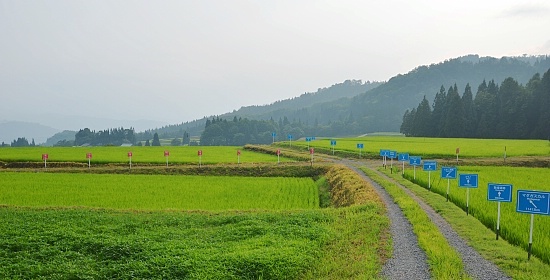
Yesterday marked the opening of the 2012 Echigo Tsumari Art Triennial, a huge modern art festival in the rural mountains of Niigata Prefecture. Today I spent the entire day driving through rice fields and narrow mountain roads to try and check out as much of the art as I could, but considering the scope of the festival (it has more than 300 artworks covering over 750 square kilometers) it would have been an impossible feat to see it all in a daytrip.
The Echigo Tsumari Art Triennial runs from July 29 to September 17, 2012. Afterwards, about two thirds of the art pieces will be dismantled, but about 100 will remain on permanent display beyond the triennial.

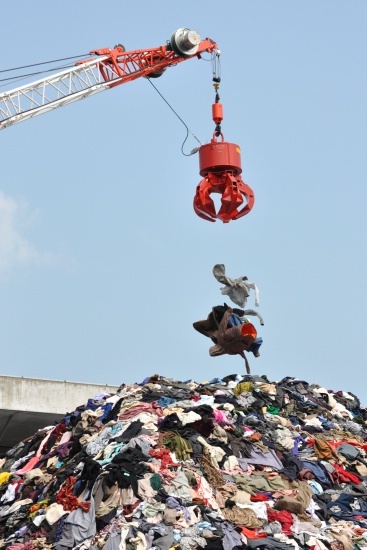
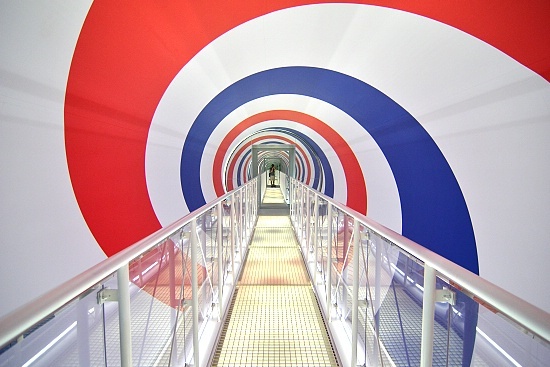

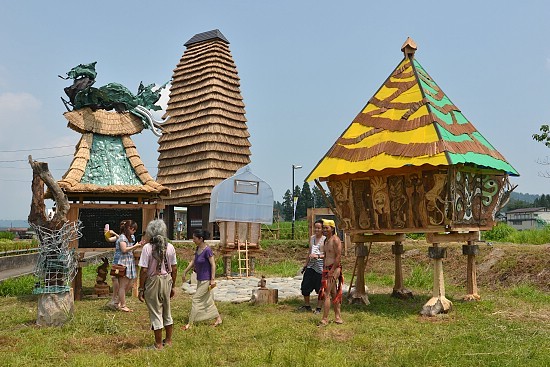
The area is divided into six regions. My first stop was to the Kinare in central Tokamachi, a museum and visitors center, which functions as the central point of the festival. If you could only visit one spot this would be the logical choice, as a lot of art can be found at the Kinare museum and around the city center. Some of the best exhibits here were No Man's Land, a huge pile of discarded clothing that is constantly, meticulously, and almost lovingly rearranged by a large orange crane; and Lost #6, a really cool art piece consisting of a model train travelling around a darkened room, passing traditional Japanese objects which cast shadows that look like a cityscape from a passing train. Several other artworks are located around the station and town center.
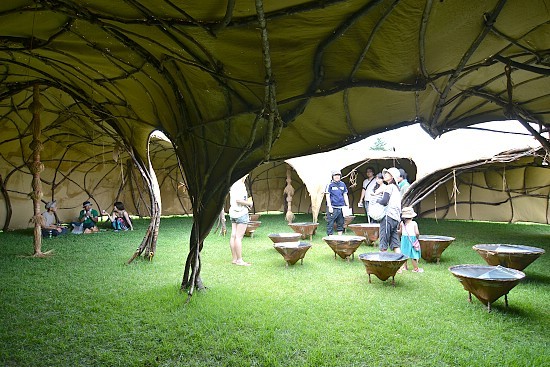
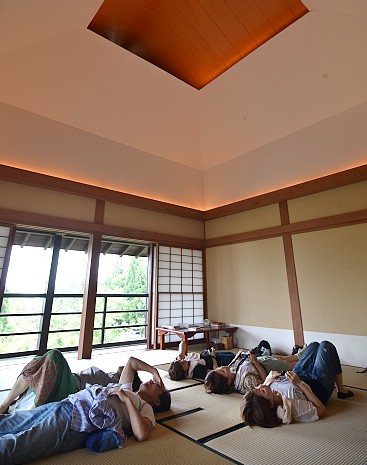
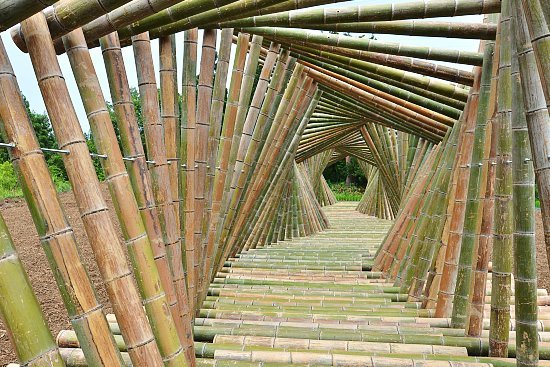
The next town over from Tokamachi is Kawanishi. Much of the art here is centered around Nakago Green Park, a small city park surrounded by art and golf courses (there's a regular course, putter golf, and a driving range surrounding three sides of the park). One of the interesting projects here was the Echigo Tsumari Rainbow Hut, an organic looking, donut shaped building with mirrors and prisms set in the center to cast rainbow across the walls. James Turrell's House of Light, a beautiful house that features one of the artist's signature open ceilings, overlooks the park. The House of Light doubles as an accommodation, and looks like a neat place to stay when visiting the festival.
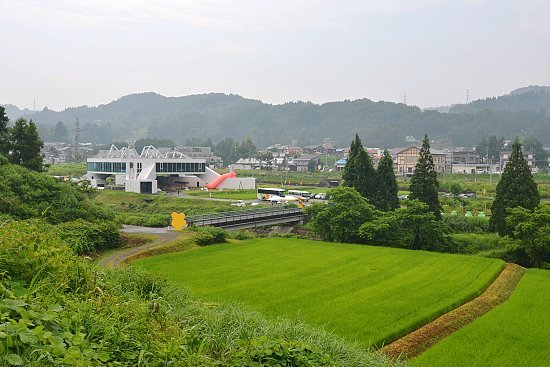
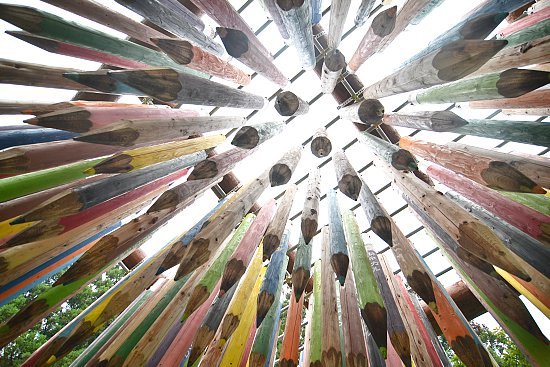
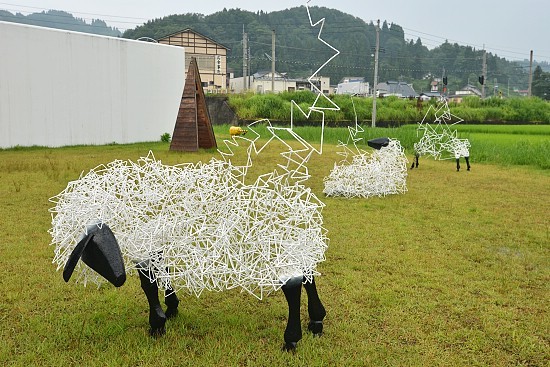
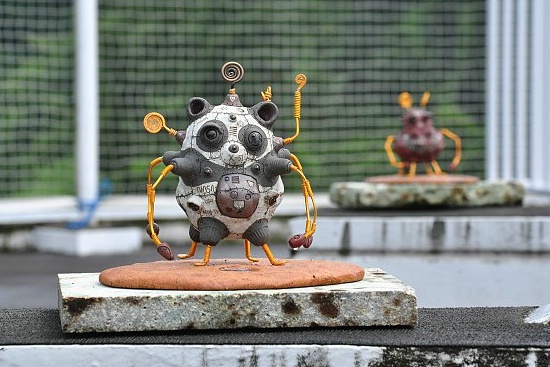
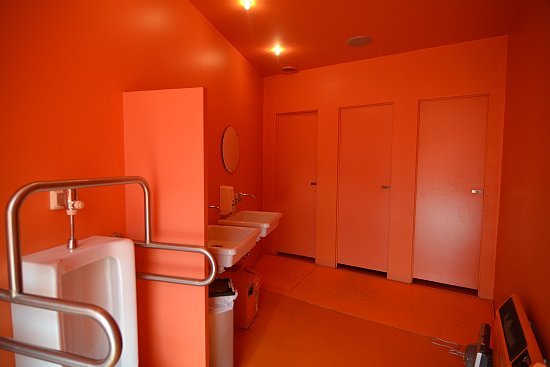
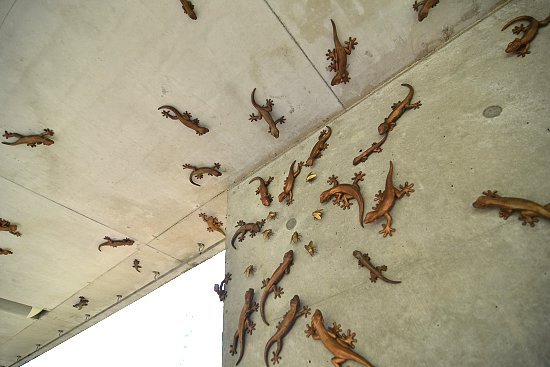
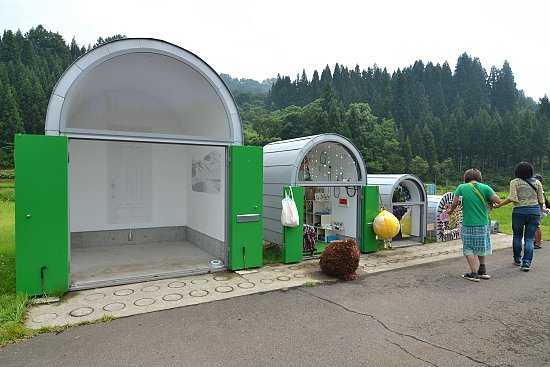
A second festival center is the Noh Butai, a museum, restaurant, observation deck, museum store, and information center, all rolled into one. There was a ton of art around the Noh Butai and in the hills behind it. The area is a must see.
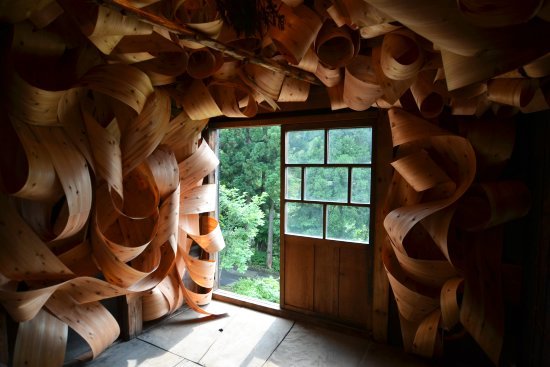
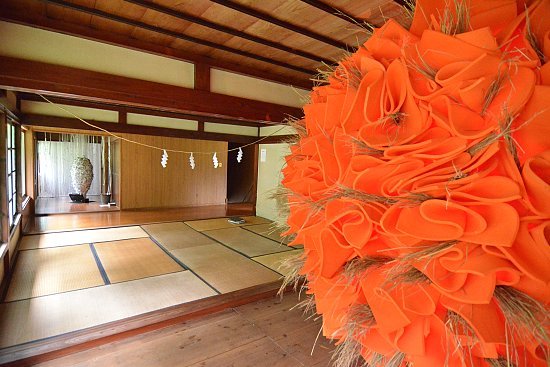
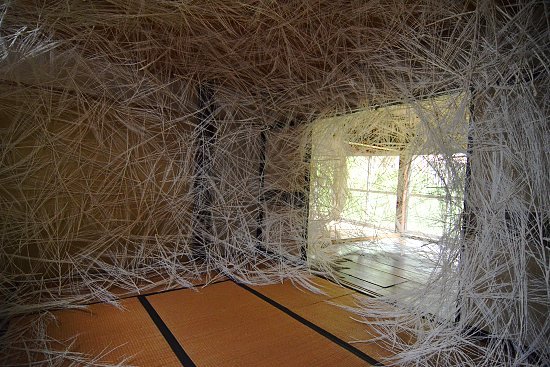
Deep in the mountains of Matsudai is the Ikebana no Uchi, an ancient house whose rooms have been converted into large artworks that you can enjoy from within the art itself. Although its difficult to reach, this ended up being one of the highlights of the day.
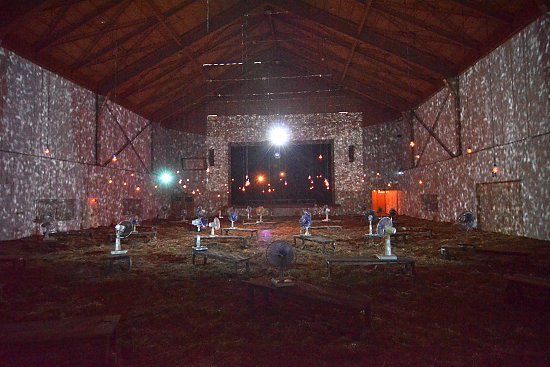
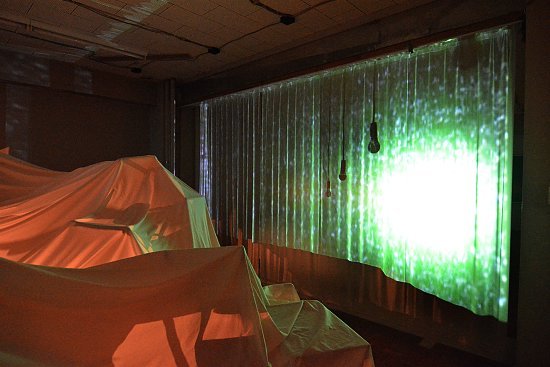
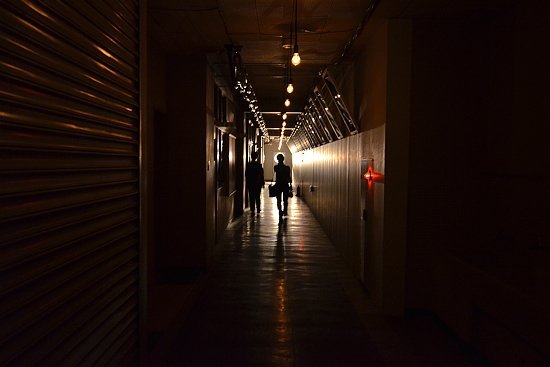
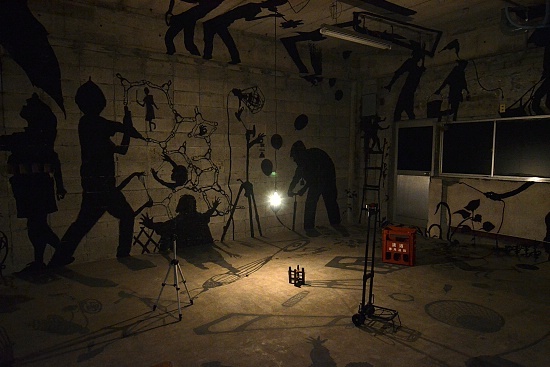
The last highlight of my trip today was The Last Class, one of the older art sites, which was built in an old abandoned school. It is pitch black inside the building except for the artworks which incorporated light into their designs. It was like a haunted house and totally creeped me out to the point where I'm not sure I'll be visiting any Japanese elementary schools for a while.
Read more about the Echigo Tsumari Art Triennial.
| previous post |
| next post |