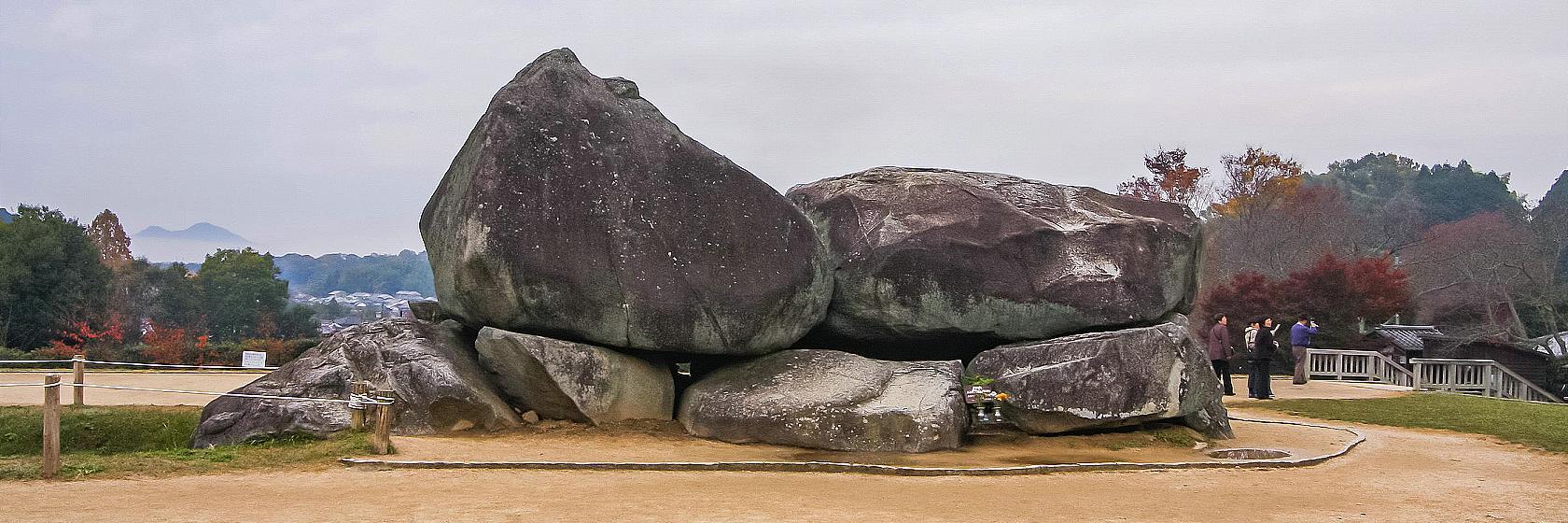
The area around Asuka (”ò’¹) and Sakurai (�÷ˆä) in Nara Prefecture, about 20 kilometers south of Nara City, can be considered the cradle of Japanese civilization. It is here where the first Japanese emperors established their capitals and many of the country's oldest shrines, temples, tombs, stone monuments and archaeological excavations can be found.
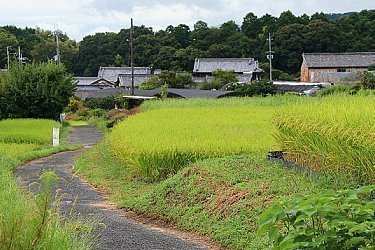
Kyoto served as the Japanese capital for over a thousand years from 794 to 1868, and Nara was the first permanent capital from 710 to 784. Before 710, the center of power was first located in the area around Sakurai and then around Asuka. During the period, there was much influence from the Asian mainland, and Buddhism was introduced to the country via the Korean peninsula. Today, the area also attracts with its tranquil, rural side.
Top attractions in Asuka and Sakurai
-
![]() 1
1 -
![]() 2
2 -
![]() 3
3 -
![]() 4
4 -
![]() 5
5 -
![]() 6
6 -
![]() 7
7 -
![]() 8
8 -
![]() 9
9




-
![]() 1
1 -
![]() 2
2 -
![]() 3
3 -
![]() 4
4 -
![]() 5
5



Getting there and around
Questions? Ask in our forum.