Kamakura Report
| Autumn Color Report 2012 Official autumn color reports by japan-guide.com |  |  |
| previous post |
| next post |
2012/12/05 - Kamakura Report
by scott
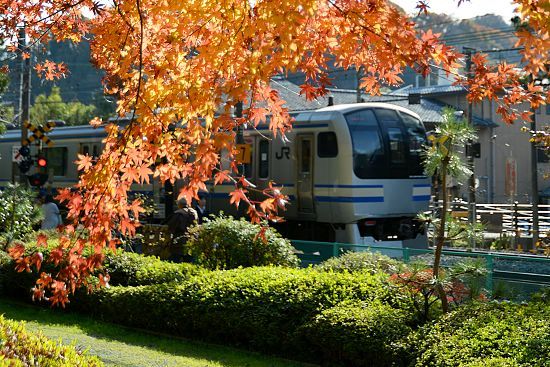
Almost three months after our first autumn report, the colors have finally begun to change around Kamakura. Typically one of the latest places in Japan where the leaves change, the season doesn't usually peak here before early December.
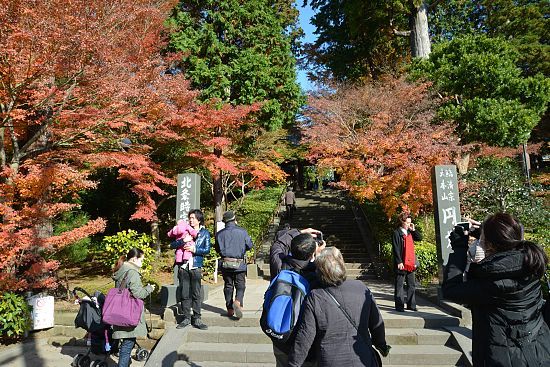
My first stop this morning was to Hasedera, a Jodo Sect Buddhist temple that houses a nine meter high statue of Kannon, the goddess of mercy. Hasedera has several maple trees planted along its staircases and around its main lower pond. Most of the trees were still approaching the peak today, and were particularly nice along the staircases. However, as we have seen in previous years, the foliage around the lower pond was looked dry and burned.

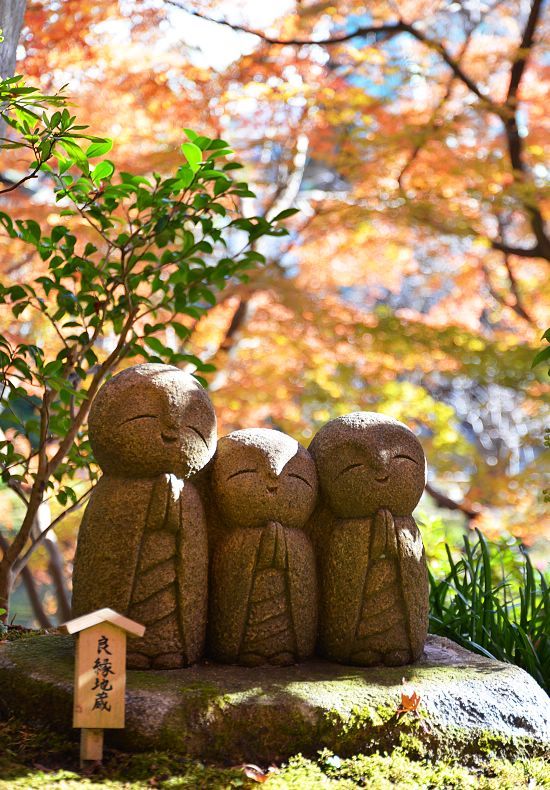
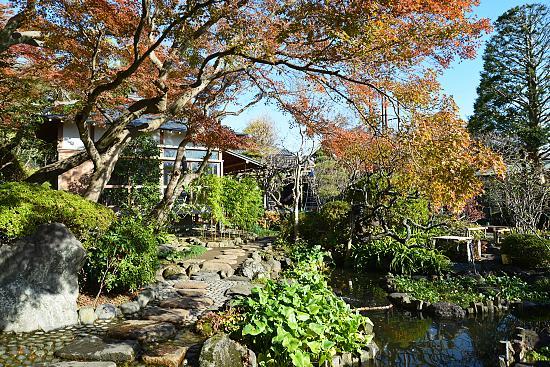
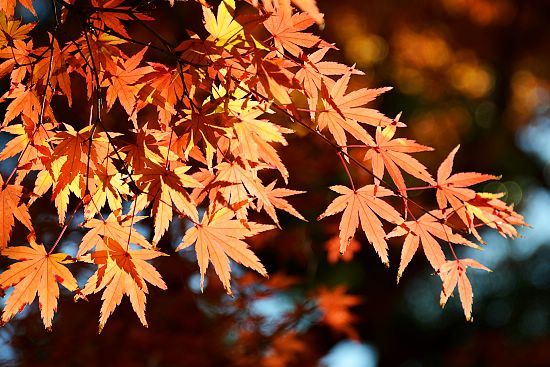
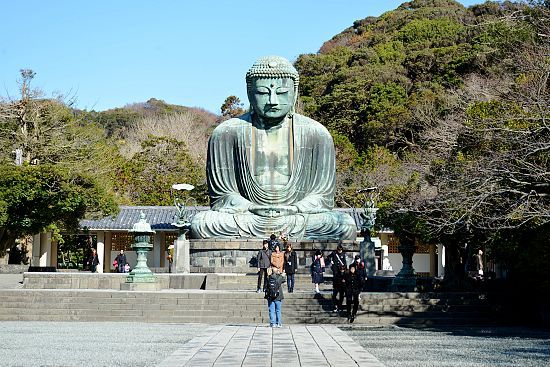
A short walk away is the Great Buddha (Daibutsu), a large bronze statue of Buddha that is probably one of the most iconic images of Kamakura. There are not many trees planted around the statue, but the maples that were there looked to be approaching their peak.
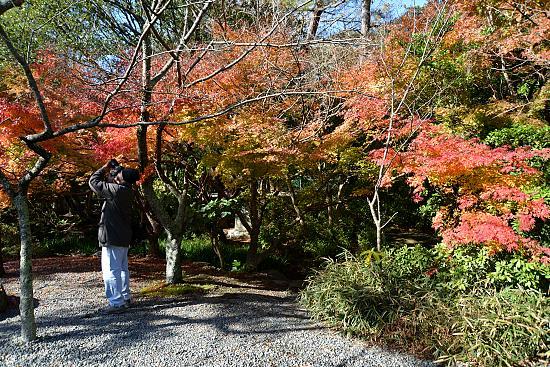
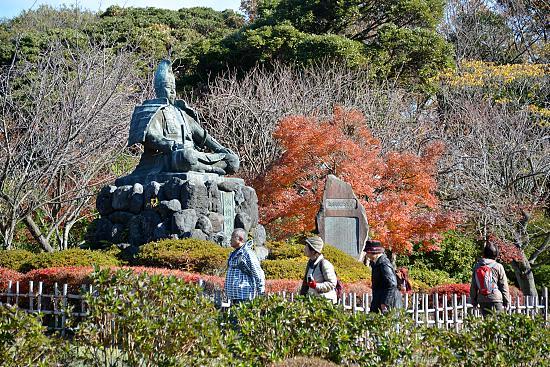
Kamakura's hiking trails begin just a little ways down the road from the Daibutsu. Though there weren't many trees that change colors along the trails, they eventually lead to Genjiyama Park, a public park that is built on the site of the former government buildings of the Kamakura Bafuku. A statue of Minamoto Yoritomo, the shogun who founded the military government in Kamakura at the start of the Kamakura Period, can be seen at the center of the park.
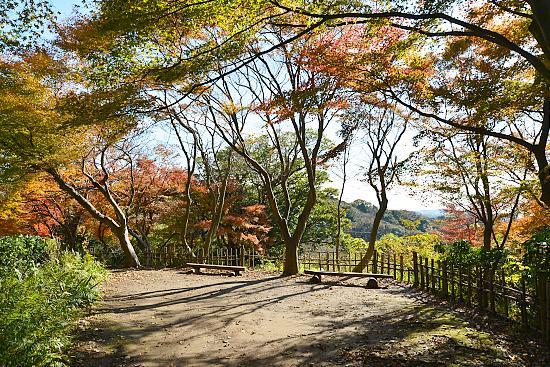
Probably due to the higher elevations of the park, the autumn foliage around Genjiyama was much closer to the peak than the rest of Kamakura today. Many of the maples were showing nice colors, while a few trees were already starting to drop their leaves.
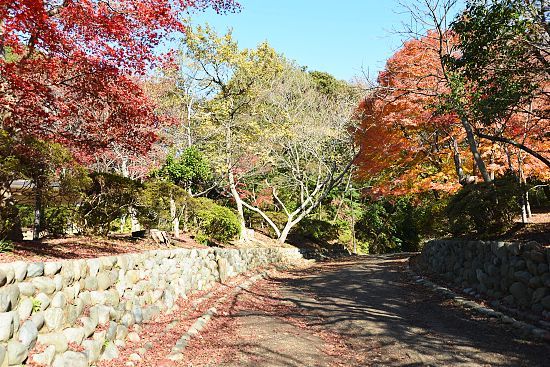
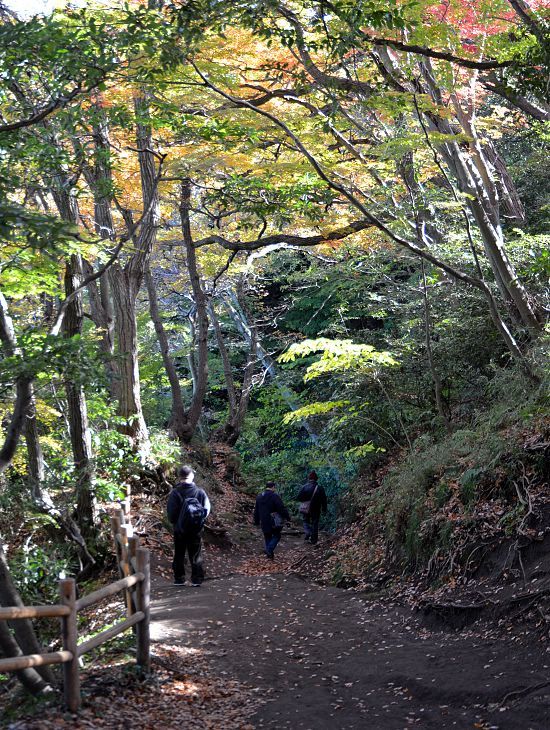
From Genjiyama the trails lead down the mountains to Jochiji Temple, the fourth of Kamakura's five great Zen Temples. Several maple and ginkgo trees are scattered around the temple grounds, and while the ginkgoes looked close to peak, the maples appear to be a bit later than the other places that I visited today. Many of the trees were only just beginning to change colors.
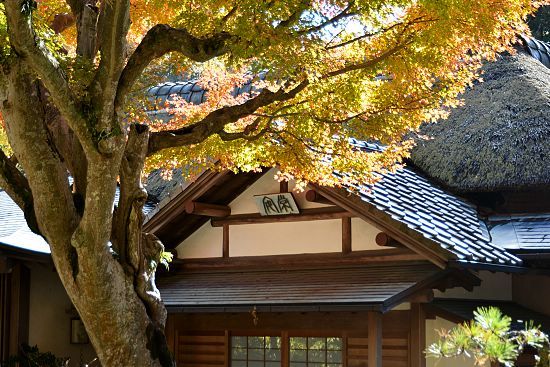
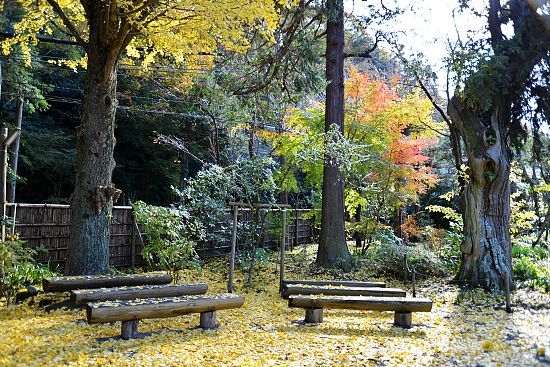
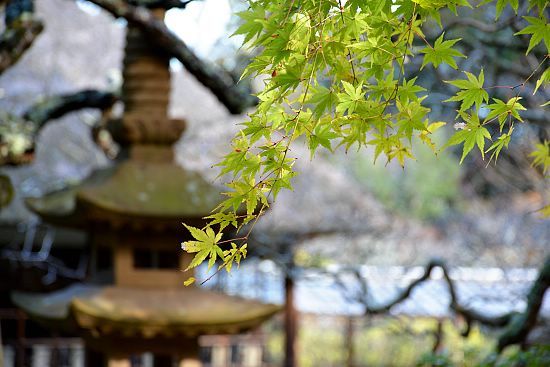
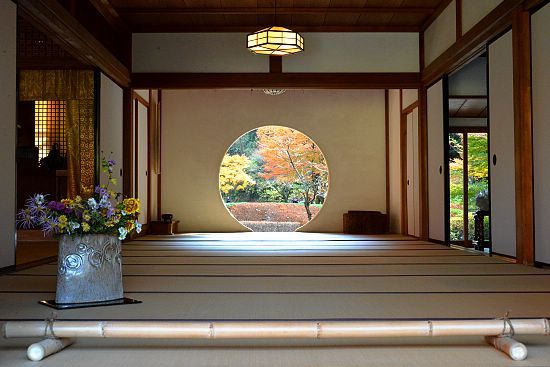
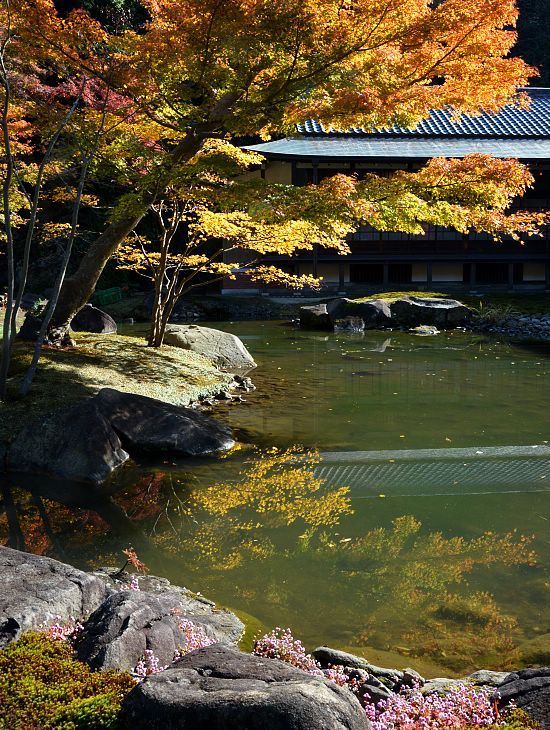
Afterwards I headed over to Meigetsuin, which is best known for its summer hydrangeas but also has lots of nice autumn colors. The maples around Meigetsuin looked to be just before the peak and were some of the best of the day. Make sure to check out the gardens behind the main hall, which had some of the nicest colors around the temple. It is well worth the additional 500 yen entrance fee.
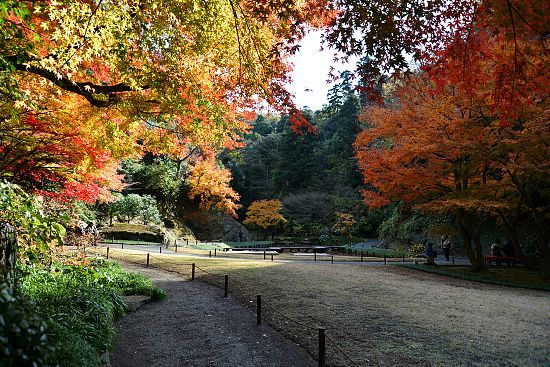
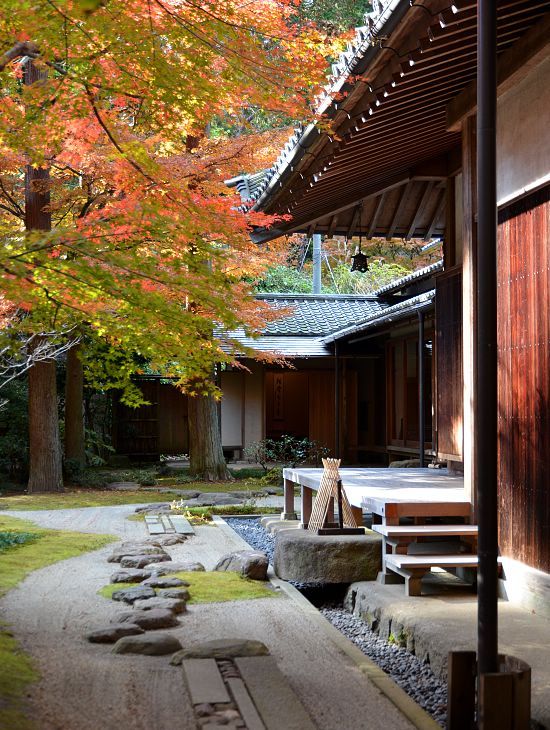

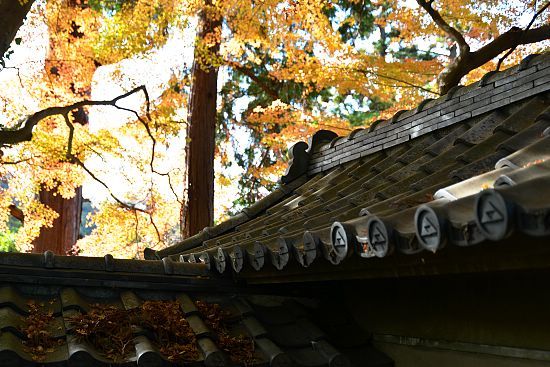
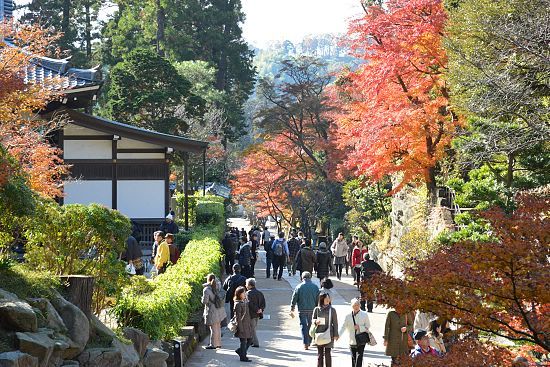
Finally, I ended the day at Engakuji which tends to be one of the busiest sights in Kamakura during the koyo season. However, it looked as if it was still early in the season at Engakuji as the maple trees around the temple grounds appeared to still be approaching their peak.
| previous post |
| next post |
Questions? Ask in our forum.