JR Keihin-Tohoku Line
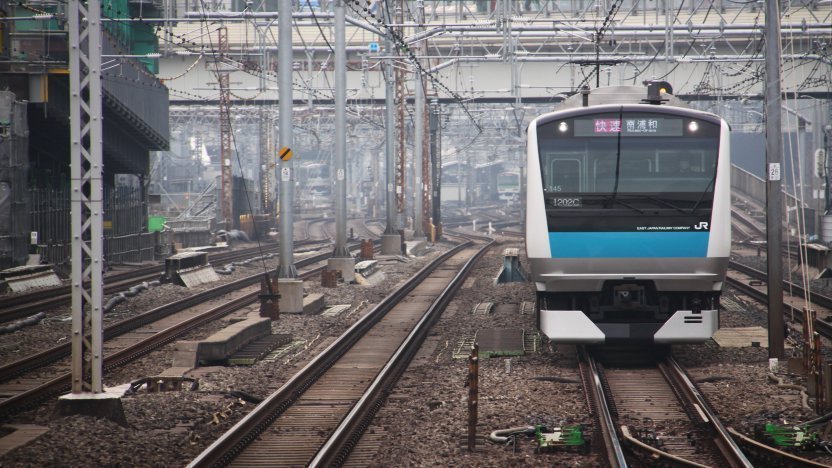
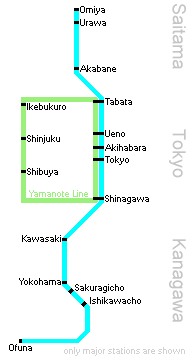
The Keihin-Tohoku Line (京浜東北線, Keihin-Tōhoku-sen) is a local train line serving central Tokyo and the neighboring prefectures of Saitama and Kanagawa, including Saitama City in the north and Kawasaki and Yokohama in the south.
In central Tokyo between Tabata and Shinagawa, the Keihin-Tohoku Line runs parallel to the Yamanote Line. Some trains on the Keihin-Tohoku Line operate as rapid trains (kaisoku), which stop only at Ueno, Akihabara, Kanda and Tokyo between Tabata and Hamamatsucho.
South of Yokohama Station, the Keihin-Tohoku Line is known as the Negishi Line, serving central and southern Yokohama before terminating at Ofuna, a large station on the border to Kamakura. Note that there are faster connections between Tokyo and Yokohama than the Keihin-Tohoku Line.
Below are more details about the stations of the Keihin-Tohoku Line in their actual order. Stations not served by rapid trains are colored lighter than the stations served by all trains.
| Largest station in Saitama City. The shinkansen to/from northern Japan stop at Omiya Station. | ||
| |||
| Akabane is a busy train station in northern Tokyo just at the border to Saitama Prefecture. | ||
| |||
| |||
| |||
| |||
| |||
| Convenient connections to the Keisei trains to/from Narita Airport is possible at this station. | ||
| |||
| The shinkansen trains to northern Japan stop at Ueno Station. Ueno Park and the Ameyoko shopping street are located next to the station. Several suburban train lines commence at Ueno Station. | ||
| The Ameyoko shopping street starts at Okachimachi Station. | ||
| Akihabara Station is located in the center of Akihabara Electric Town, a large shopping area for electronics and otaku goods. | ||
| |||
| Tokyo Station is the terminal station of all shinkansen lines. It is located in the prestigious Marunouchi business district, close to the Imperial Palace and the Imperial Palace East Gardens. Several suburban train lines pass through or commence at Tokyo Station. | ||
| Yurakucho Station is the closest JR station to the Sakuradamon entrance gate of the Imperial Palace and to the famous Ginza shopping and entertainment district. Dozens of interesting dining establishments can be found below the train tracks north and south of the station. | ||
| Shimbashi is a large business area and the closest JR station to the Tsukiji Outer Market, Shiodome Shiosite and Hama Rikyu Gardens. | ||
| Hamamatsucho is the closest JR station to the Tokyo Tower and Zojoji Temple. It is also the terminal station of the Tokyo Monorail, which connects central Tokyo with Haneda Airport. | ||
| |||
| Opened in 2020, Takanawa Gateway is the newest station along the Yamanote Line. Its station building was designed by star-architect Kuma Kengo. It is the closest JR station to Sengakuji Temple. | ||
| Shinagawa is a stop along the Tokaido Shinkansen and will become the terminal station of the Chuo Shinkansen which is scheduled to connect Tokyo and Nagoya with maglev trains in the late 2020s. | ||
| |||
| |||
| This is the main station of Kawasaki, one of Japan's top ten most populated cities. | ||
| |||
| This is the main station of Yokohama, Japan's second most populated city. | ||
| Sakuragicho Station stands next to Minato Mirai 21 where the Landmark Tower is located. | ||
| The Yokohama Stadium, home of the city's professional baseball team is located next to Kannai Station. | ||
| Ishikawacho Station is the closest JR station to Yokohama Chinatown and the Motomachi Shopping Street. | ||
| Despite its name, Yamate Station is not the closest station to Yokohama's Yamate area. Ishikawacho Station is closer. | ||
| This is the closest station to Sankeien, a beautiful Japanese-style garden. | ||
| |||
| Ofuna is a large station on the border between Yokohama and Kamakura. The city center of Kamakura with its many historical attractions, is located two stations south of Ofuna by the JR Yokosuka Line. |
Questions? Ask in our forum.
Hotels

-
-
![]() MokkoanFeaturing free WiFi and a hot tub, Mokkoan offers accommodation in Kita Ward, Tokyo. Private parking is available on site. Every room comes with a flat-screen TV with cable channels. Certain units have a seating area where you can relax. For your comfort, you will find slippers and free toiletries. You will find a shared kitchen at the property. The guest house also offers free use of bicycles. Yokohama is 37 km from Mokkoan, while Chiba is 41 km away. The nearest airport is Tokyo Haneda International Airport, 24 km from Mokkoan.View on Booking.com
MokkoanFeaturing free WiFi and a hot tub, Mokkoan offers accommodation in Kita Ward, Tokyo. Private parking is available on site. Every room comes with a flat-screen TV with cable channels. Certain units have a seating area where you can relax. For your comfort, you will find slippers and free toiletries. You will find a shared kitchen at the property. The guest house also offers free use of bicycles. Yokohama is 37 km from Mokkoan, while Chiba is 41 km away. The nearest airport is Tokyo Haneda International Airport, 24 km from Mokkoan.View on Booking.com -
![]() SOLA HOTELView on Booking.com
SOLA HOTELView on Booking.comComfortable Accommodations
SOLA HOTEL in Tokyo offers family rooms with air-conditioning, private bathrooms, and modern amenities. Each room includes a kitchenette, balcony, and free WiFi, ensuring a pleasant stay.Convenient Facilities
Guests can enjoy a terrace, outdoor seating area, and private check-in and check-out services. Additional facilities include a lift, full-day security, express services, and luggage storage.Prime Location
Located 21 km from Tokyo Haneda Airport, the aparthotel is near attractions such as Tokyo Skytree (less than 1 km) and Kameido Tenjin Shrine (800 metres). Guests appreciate the scenic views and excellent service. -
![]() East SQUARE TokyoView on Booking.com
East SQUARE TokyoView on Booking.comComfortable Accommodations
East SQUARE Tokyo in Tokyo offers family rooms with air-conditioning, balconies, and tatami floors. Each room includes a TV, electric kettle, and free WiFi.Convenient Facilities
Guests can relax on the terrace or lounge area. The hotel provides a 24-hour front desk, concierge service, laundry, and luggage storage.Prime Location
Located 18 km from Tokyo Haneda Airport, the hotel is near attractions such as Chokei-ji Temple (a few steps), Edo Hyogu Museum (3-minute walk), and Miroku-ji Temple (300 metres). -
![]() hanareView on Booking.com
hanareView on Booking.comComfortable Accommodations
hanare in Tokyo offers a 2-star guest house experience with free WiFi, air-conditioning, and a private bathroom. Each room features a tatami floor, shower, and free toiletries.Convenient Facilities
The property provides private check-in and check-out, a public bath, concierge service, daily housekeeping, a coffee shop, and luggage storage. Additional amenities include a work desk, refrigerator, and seating area.Prime Location
Located 25 km from Tokyo Haneda Airport, hanare is near attractions such as Asakura Museum of Sculpture (4-minute walk), Kyoouji Temple (400 metres), and Tennoji Temple (8-minute walk). Guests appreciate the quiet street view and excellent service. -
![]() Oyado Kien RyogokuView on Booking.com
Oyado Kien RyogokuView on Booking.comComfortable Accommodations
Oyado Kien Ryogoku in Tokyo offers family rooms with air-conditioning, private bathrooms, and tatami floors. Each room includes a kitchenette, refrigerator, and TV.Essential Facilities
Guests enjoy free WiFi, a lounge, shared kitchen, and luggage storage. Additional amenities include a hairdryer, slippers, and a sofa bed.Prime Location
Located 19 km from Tokyo Haneda Airport, the guest house is a short walk from Yokoamicho Park and The Sumida Hokusai Museum. Nearby attractions include Tokyo Metropolitan Memorial Hall and NTT Docomo History Square.Guest Satisfaction
Highly rated for its friendly host, excellent public transport options, and convenient location. -
![]() Palace Hotel TokyoSituated right in the heart of Marunouchi business district, Palace Hotel Tokyo is 5-star luxury accommodation boasting a spa and a free-access fitness centre and indoor swimming pool. It is directly connected to Otemachi Subway Station and an 8-minute walk from JR Tokyo Station. Free WiFi is provided in the entire area. Offering elegant and chic ambience, each spacious room comes with a large LCD TV, a blu-ray/DVD player and a safety box. A fridge and an electric kettle are also provided. The en suite bathroom includes a small TV, a bath tub and toiletries. While staying at Tokyo Palace Hotel, guests can enjoy a workout at the fitness gym, or receive rejuvenating treatments at the on-site Evian Spa Tokyo. The concierge desk can arrange various services for guests. Tablet rentals, copy and fax services are available for an extra charge upon request at the front desk or club lounge. Located right next to the Imperial Palace, the hotel is a 10-minute walk from Ginza shopping area, and a 5-minute train ride from Akihabara electric town. Popular Tsukiji Fish Market can be reached within a 10-minute taxi ride. Airport limousine buses are available to/from Narita and Haneda airports at an extra charge.View on Booking.com
Palace Hotel TokyoSituated right in the heart of Marunouchi business district, Palace Hotel Tokyo is 5-star luxury accommodation boasting a spa and a free-access fitness centre and indoor swimming pool. It is directly connected to Otemachi Subway Station and an 8-minute walk from JR Tokyo Station. Free WiFi is provided in the entire area. Offering elegant and chic ambience, each spacious room comes with a large LCD TV, a blu-ray/DVD player and a safety box. A fridge and an electric kettle are also provided. The en suite bathroom includes a small TV, a bath tub and toiletries. While staying at Tokyo Palace Hotel, guests can enjoy a workout at the fitness gym, or receive rejuvenating treatments at the on-site Evian Spa Tokyo. The concierge desk can arrange various services for guests. Tablet rentals, copy and fax services are available for an extra charge upon request at the front desk or club lounge. Located right next to the Imperial Palace, the hotel is a 10-minute walk from Ginza shopping area, and a 5-minute train ride from Akihabara electric town. Popular Tsukiji Fish Market can be reached within a 10-minute taxi ride. Airport limousine buses are available to/from Narita and Haneda airports at an extra charge.View on Booking.com -
![]() No Borders HostelView on Booking.com
No Borders HostelView on Booking.comComfortable Accommodations
No Borders Hostel in Tokyo offers clean and comfortable rooms with air-conditioning, parquet floors, and free WiFi. Guests enjoy amenities such as a lounge, shared kitchen, and luggage storage.Convenient Facilities
The guest house provides free use of bicycles and a washing machine. Additional facilities include a dining area, tea and coffee maker, and a refrigerator.Prime Location
Located 12 km from Tokyo Haneda Airport, the property is an 8-minute walk from Togoshi-ginza Shopping Street and near attractions like Meguro Fudoson Ryusen-ji Temple (1.5 km) and Ohsaki New City Shopping Mall (1.7 km).Guest Satisfaction
Highly rated for its friendly host, cleanliness, and excellent service. -
![]() The Okura TokyoComposed of 2 buildings, The Okura Tokyo boasts a garden and bar. Among the facilities of this property are a restaurant, a 24-hour front desk and room service, along with free WiFi. The accommodation features a concierge, ticket service and currency exchange for guests. All rooms are fitted with air conditioning, a fridge, kettle and flat-screen TV with satellite channels. All guest rooms have a private bathroom with a bath, hairdryer, bidet and free toiletries. Located on 28-40 floors, Prestige Tower offers rooms with cityscape views. Guests booking room type with Club Lounge Access in Heritage Wing can enjoy Club Lounge. Spacious rooms in Heritage Wing include complimentary welcome drink, steam sauna and spa bath. Guests at the hotel can enjoy a buffet breakfast. Popular points of interest near The Okura Tokyo include Iino Hall and Conference Centre, National Diet Building and Space FS Shiodome. The nearest airport is Tokyo Haneda International, 22 km from the hotel, and the property offers a paid airport shuttle service.View on Booking.com
The Okura TokyoComposed of 2 buildings, The Okura Tokyo boasts a garden and bar. Among the facilities of this property are a restaurant, a 24-hour front desk and room service, along with free WiFi. The accommodation features a concierge, ticket service and currency exchange for guests. All rooms are fitted with air conditioning, a fridge, kettle and flat-screen TV with satellite channels. All guest rooms have a private bathroom with a bath, hairdryer, bidet and free toiletries. Located on 28-40 floors, Prestige Tower offers rooms with cityscape views. Guests booking room type with Club Lounge Access in Heritage Wing can enjoy Club Lounge. Spacious rooms in Heritage Wing include complimentary welcome drink, steam sauna and spa bath. Guests at the hotel can enjoy a buffet breakfast. Popular points of interest near The Okura Tokyo include Iino Hall and Conference Centre, National Diet Building and Space FS Shiodome. The nearest airport is Tokyo Haneda International, 22 km from the hotel, and the property offers a paid airport shuttle service.View on Booking.com -
![]() Hotel Yuni Star-ClubView on Booking.com
Hotel Yuni Star-ClubView on Booking.comComfortable Accommodations
Hotel Yuni Star-Club in Tokyo offers family rooms with air-conditioning, private bathrooms, and city views. Each room includes a bath, shower, hairdryer, refrigerator, free toiletries, slippers, carpeted floors, wardrobes, and TVs.Essential Facilities
Guests enjoy free WiFi, ensuring connectivity during their stay. The hotel provides a work desk and interconnected rooms for added convenience.Convenient Location
Located 23 km from Tokyo Haneda Airport, the hotel is near attractions such as Sotobori Park (16-minute walk), Museum of Science Tokyo University of Science (1.1 km), and Shinjuku Historical Museum (1.4 km). Public transport options are highly praised by guests.Guest Satisfaction
Highly rated for its friendly host, excellent service, and proximity to public transport, Hotel Yuni Star-Club ensures a comfortable and enjoyable stay. -
![]() Kaminarimon RyokanView on Booking.com
Kaminarimon RyokanView on Booking.comPrime Location
Kaminarimon Ryokan in Tokyo offers a central position in the city centre, Taito-ku. Asakusa Public Hall is a 3-minute walk away, while Asakusa Station lies 300 metres nearby. Tokyo Haneda Airport is 22 km from the hotel.Comfortable Accommodations
Rooms feature air-conditioning, private bathrooms with baths, and free WiFi. Additional amenities include a work desk, seating area, and city views. Guests appreciate the room comfort and attentive staff.Dining Experience
An Asian breakfast with local specialities is served daily. The hotel also offers a terrace and balcony for relaxation.Nearby Attractions
Nearby attractions include the Drum Museum (500 metres), Asakusa ROX Shopping Centre (5-minute walk), and Sumida Riverside Hall (700 metres).
-


Restaurants

-
-
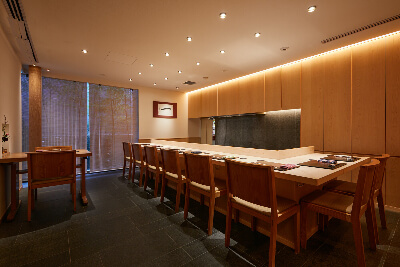
![]() Udatsu SushiAwarded One Star in 2024 - People from around the world visit to experience Mr. Udatsu's sushi. Inside the restaurant, which resembles an art gallery with its modern decor and numerous artworks, guests can enjoy sushi crafted from the highest quality ingredients. While the foundation is traditional nigiri, the menu also features original creations born from the chef's relentless curiosity and innovation.View on JapanEatinerary
Udatsu SushiAwarded One Star in 2024 - People from around the world visit to experience Mr. Udatsu's sushi. Inside the restaurant, which resembles an art gallery with its modern decor and numerous artworks, guests can enjoy sushi crafted from the highest quality ingredients. While the foundation is traditional nigiri, the menu also features original creations born from the chef's relentless curiosity and innovation.View on JapanEatinerary -
![]() WaketokuyamaAwarded One Star in 2025 - With a meticulous focus on allowing guests to enjoy seasonal ingredients at their peak, the menu changes approximately every two weeks. The signature dish, "Grilled Abalone with Seaweed Aroma," features thick slices of abalone generously coated in a rich liver sauce, offering an exquisite taste of the sea.View on JapanEatinerary
WaketokuyamaAwarded One Star in 2025 - With a meticulous focus on allowing guests to enjoy seasonal ingredients at their peak, the menu changes approximately every two weeks. The signature dish, "Grilled Abalone with Seaweed Aroma," features thick slices of abalone generously coated in a rich liver sauce, offering an exquisite taste of the sea.View on JapanEatinerary -
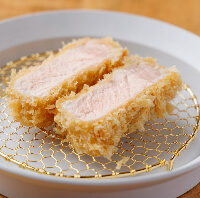
![]() Fry-yaExquisite fried dishes crafted by a head chef with experience earning stars in both Switzerland and Japan. The remarkably light tonkatsu is a favorite not only among Japanese diners but also among visitors to Japan. With the theme of "small portions, many varieties," guests can enjoy sampling a wide selection of tonkatsu in smaller portions.View on JapanEatinerary
Fry-yaExquisite fried dishes crafted by a head chef with experience earning stars in both Switzerland and Japan. The remarkably light tonkatsu is a favorite not only among Japanese diners but also among visitors to Japan. With the theme of "small portions, many varieties," guests can enjoy sampling a wide selection of tonkatsu in smaller portions.View on JapanEatinerary -
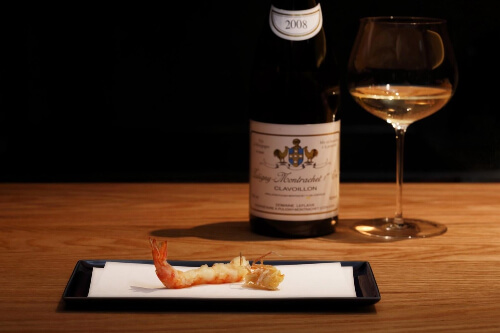
![]() TEMPURA & WINE SHINOThe kind of restaurant that is known only to true gourmets, serving as a sort of "Hidden gem". In a chic space with black walls and a ceiling adorned in gold, you can enjoy tempura with a light and elegant texture, delicately fried using refined techniques to achieve a thin, white batter that minimizes the aroma of oil. Savor tempura that maximizes the flavors of the ingredients, paired with Champagne and Burgundy wines carefully selected by the sommelier.View on JapanEatinerary
TEMPURA & WINE SHINOThe kind of restaurant that is known only to true gourmets, serving as a sort of "Hidden gem". In a chic space with black walls and a ceiling adorned in gold, you can enjoy tempura with a light and elegant texture, delicately fried using refined techniques to achieve a thin, white batter that minimizes the aroma of oil. Savor tempura that maximizes the flavors of the ingredients, paired with Champagne and Burgundy wines carefully selected by the sommelier.View on JapanEatinerary -
![]() HikarimonoWith a prime location and quality that rivals high-end sushi restaurants, this restaurant maintains the goal of being a place for everyday dining. It offers a casual and relaxed atmosphere, free from stiffness or formality. The signature "Hikari-maki," featuring ingredients such as sardines, pickled plum, and bettarazuke (sweet pickled radish), boasts unique flavors that are especially popular among international visitors.View on JapanEatinerary
HikarimonoWith a prime location and quality that rivals high-end sushi restaurants, this restaurant maintains the goal of being a place for everyday dining. It offers a casual and relaxed atmosphere, free from stiffness or formality. The signature "Hikari-maki," featuring ingredients such as sardines, pickled plum, and bettarazuke (sweet pickled radish), boasts unique flavors that are especially popular among international visitors.View on JapanEatinerary -
![]() Daikanyama Issai KassaiThe owner, Shinji Odahara, boasts a 30-year career in Japanese cuisine and has the remarkable achievement of opening a Japanese restaurant in New York that earned a star. Guests can enjoy exquisite charcoal-grilled meat dishes and rice cooked in a clay pot, all within a modern interior with dim lighting that sparks adult curiosity.View on JapanEatinerary
Daikanyama Issai KassaiThe owner, Shinji Odahara, boasts a 30-year career in Japanese cuisine and has the remarkable achievement of opening a Japanese restaurant in New York that earned a star. Guests can enjoy exquisite charcoal-grilled meat dishes and rice cooked in a clay pot, all within a modern interior with dim lighting that sparks adult curiosity.View on JapanEatinerary -
![]() SudachiYou can enjoy dishes that make the most of seasonal ingredients, transcending the traditional boundaries of Japanese cuisine. While rooted in the traditions of Japanese cooking, the menu features unique offerings such as dishes incorporating shark fin - rarely seen in Japanese cuisine - and sushi that reflects the chef's background in sushi restaurants. At the open kitchen counter, where the lively atmosphere comes alive, you can savor the culinary creations with all five senses.View on JapanEatinerary
SudachiYou can enjoy dishes that make the most of seasonal ingredients, transcending the traditional boundaries of Japanese cuisine. While rooted in the traditions of Japanese cooking, the menu features unique offerings such as dishes incorporating shark fin - rarely seen in Japanese cuisine - and sushi that reflects the chef's background in sushi restaurants. At the open kitchen counter, where the lively atmosphere comes alive, you can savor the culinary creations with all five senses.View on JapanEatinerary -
![]() TorinaoIn a relaxed and serene atmosphere, you can enjoy exquisite yakitori made with "Koshu Kenmidori" chicken, grilled to perfection over Kishu Binchotan charcoal for a delightful aroma. The tender and fluffy tsukune (chicken meatball) is particularly popular for its juicy flavor. Additionally, the carefully selected Japanese sake, chosen by the owner, pairs wonderfully with the yakitori.View on JapanEatinerary
TorinaoIn a relaxed and serene atmosphere, you can enjoy exquisite yakitori made with "Koshu Kenmidori" chicken, grilled to perfection over Kishu Binchotan charcoal for a delightful aroma. The tender and fluffy tsukune (chicken meatball) is particularly popular for its juicy flavor. Additionally, the carefully selected Japanese sake, chosen by the owner, pairs wonderfully with the yakitori.View on JapanEatinerary -
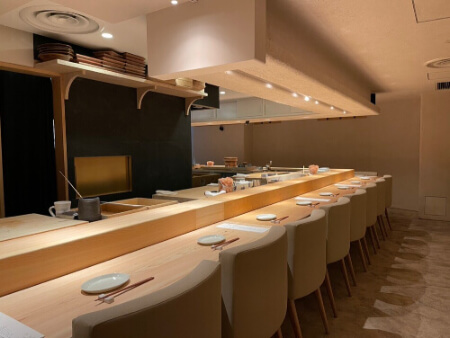
![]() IchiuChef Hamano is renowned for his experience training at three different two-star restaurants. In addition to sushi, he has honed his skills in Japanese cuisine at the esteemed Akasaka Kikunoi, giving him a strong foundation in traditional Japanese culinary techniques. When it comes to nigiri, he is meticulous not only about the toppings but also the rice. He uses a premium rice variety from Akita, enhanced with two types of red vinegar and plum vinegar to create a refreshing flavor.View on JapanEatinerary
IchiuChef Hamano is renowned for his experience training at three different two-star restaurants. In addition to sushi, he has honed his skills in Japanese cuisine at the esteemed Akasaka Kikunoi, giving him a strong foundation in traditional Japanese culinary techniques. When it comes to nigiri, he is meticulous not only about the toppings but also the rice. He uses a premium rice variety from Akita, enhanced with two types of red vinegar and plum vinegar to create a refreshing flavor.View on JapanEatinerary -
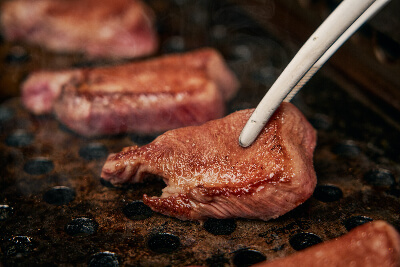
![]() Yakiniku OnukiThe restaurant is proud of its "Tare Yakiniku" (grilled meat with sauce), which is made from Japanese black beef that has inherited the "excellent sauce" from the main restaurant, and is so tender that it melts in your mouth.The beef tongue is also superb. The thickly cut beef tongue is very difficult to grill, so the waiter grills it and serves it to you. Enjoy a blissful moment with wine that pairs well with the meat.View on JapanEatinerary
Yakiniku OnukiThe restaurant is proud of its "Tare Yakiniku" (grilled meat with sauce), which is made from Japanese black beef that has inherited the "excellent sauce" from the main restaurant, and is so tender that it melts in your mouth.The beef tongue is also superb. The thickly cut beef tongue is very difficult to grill, so the waiter grills it and serves it to you. Enjoy a blissful moment with wine that pairs well with the meat.View on JapanEatinerary
-
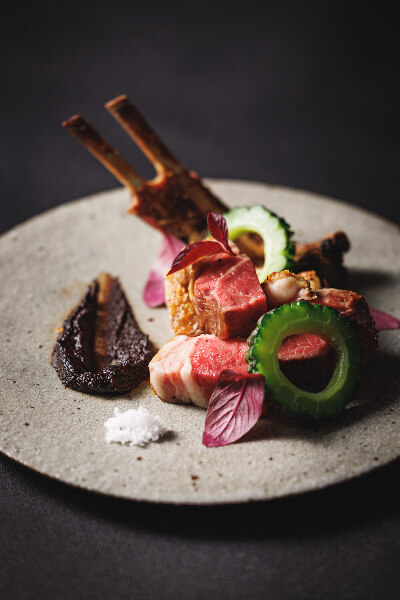
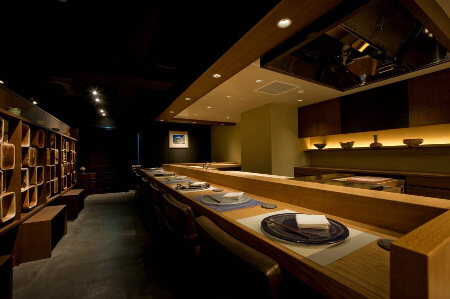
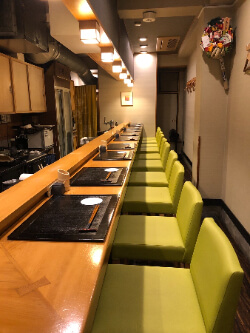
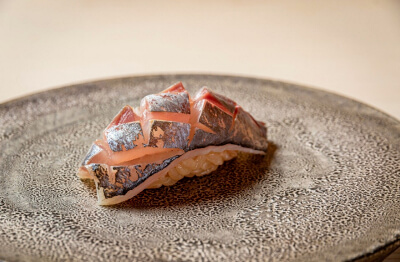
Experiences
-
-
![]() SponsoredPrivate Toyosu Market Off-Limits Wholesale Area Tour with an Acclaimed ChefTour the wholesale area of Toyosu Market, which is normally off-limits to the public, with distinguished Japanese cuisine chef Kazuhiko Tajima, who previously worked as the chef for the official residence of the Consulate General of Japan in San Francisco.View experienceSponsored
SponsoredPrivate Toyosu Market Off-Limits Wholesale Area Tour with an Acclaimed ChefTour the wholesale area of Toyosu Market, which is normally off-limits to the public, with distinguished Japanese cuisine chef Kazuhiko Tajima, who previously worked as the chef for the official residence of the Consulate General of Japan in San Francisco.View experienceSponsored
-


-
-
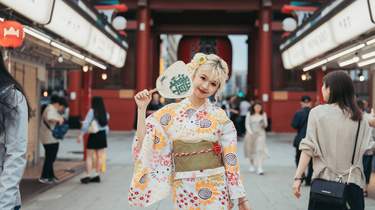
![]() Asakusa Kimono&Yukata Rental at Kimono Miyabi Asakusa in Main Branch**Klook Exclusive Free Next Day Return! Limited Time Only!** Show this message and return your Kimono the next day for FREE for rental during Sep 15 - Dec 15, 2023. Exclusions applied to Formal Kimono Furisode and Homongi. See What to Expect for more detailsView on Klook
Asakusa Kimono&Yukata Rental at Kimono Miyabi Asakusa in Main Branch**Klook Exclusive Free Next Day Return! Limited Time Only!** Show this message and return your Kimono the next day for FREE for rental during Sep 15 - Dec 15, 2023. Exclusions applied to Formal Kimono Furisode and Homongi. See What to Expect for more detailsView on Klook -
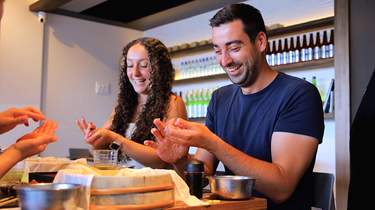
![]() Sushi Making Tokyo Roll and Authentic Japanese Sushi ClassYou can learn how to make **Maki-Sushi (Roll-Sushi) & Temari-Sushi** or **Maki-Sushi (Roll-Sushi) & Nigiri Sushi**View on Klook
Sushi Making Tokyo Roll and Authentic Japanese Sushi ClassYou can learn how to make **Maki-Sushi (Roll-Sushi) & Temari-Sushi** or **Maki-Sushi (Roll-Sushi) & Nigiri Sushi**View on Klook -
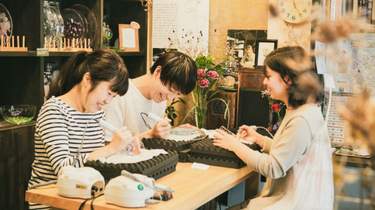
![]() Original Glass Making Experience (Tokyo)You can make your own original work by digging the glass as if you were writing with a pen.View on Klook
Original Glass Making Experience (Tokyo)You can make your own original work by digging the glass as if you were writing with a pen.View on Klook -
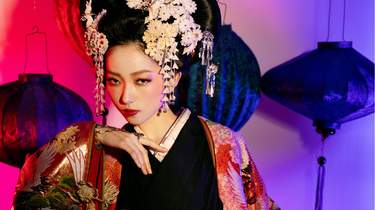
![]() Fancy Kimono Dress up and Photoshoot in TokyoMinina will give you a fabulous memorial of a Trip to Tokyo and change you whatever you want to beView on Klook
Fancy Kimono Dress up and Photoshoot in TokyoMinina will give you a fabulous memorial of a Trip to Tokyo and change you whatever you want to beView on Klook -
![]() Tokyo Asakusa Kimono&Yukata Rental at Kimono Miyabi Asakusa StationEnjoy visiting Asakusa or Ueno while wearing a Japanese traditional kimono by Kimono MiyabiView on Klook
Tokyo Asakusa Kimono&Yukata Rental at Kimono Miyabi Asakusa StationEnjoy visiting Asakusa or Ueno while wearing a Japanese traditional kimono by Kimono MiyabiView on Klook
-