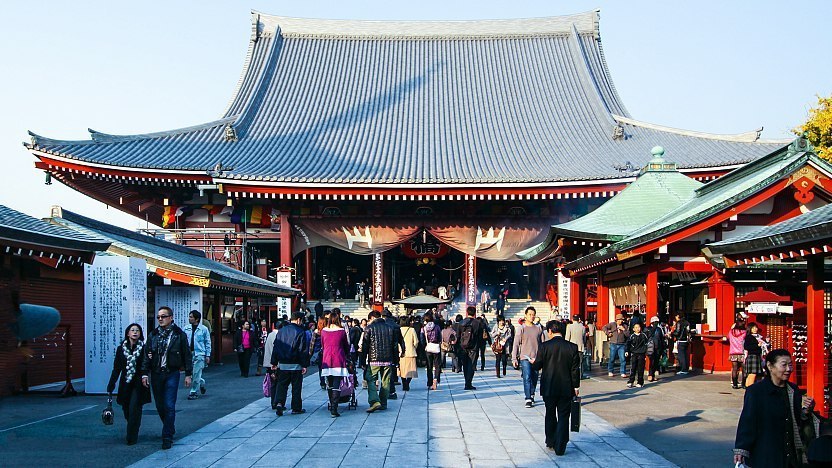
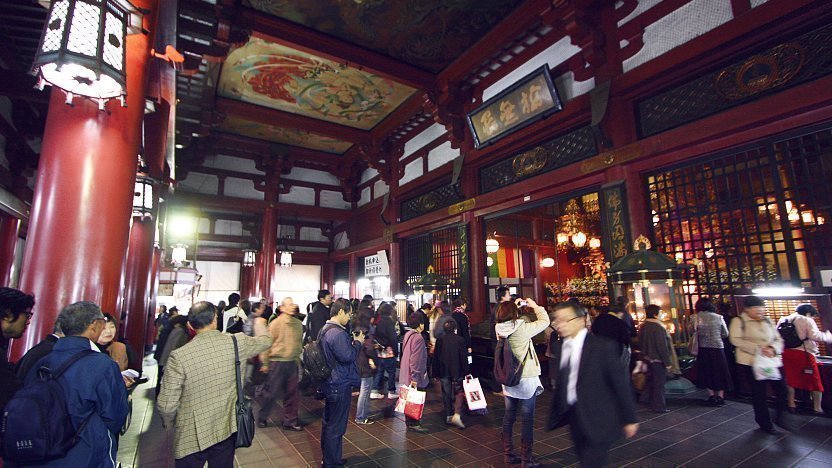
Sensoji (浅草寺, Sensōji, also known as Asakusa Kannon Temple) is a Buddhist temple located in Asakusa. It is one of Tokyo's most colorful and popular temples.
The legend says that in the year 628, two brothers fished a statue of Kannon, the goddess of mercy, out of the Sumida River, and even though they put the statue back into the river, it always returned to them. Consequently, Sensoji was built nearby for the goddess of Kannon. The temple was completed in 645, making it Tokyo's oldest temple.
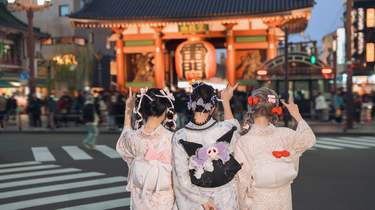
When approaching the temple, visitors first enter through the Kaminarimon (Thunder Gate), the outer gate of Sensoji Temple and the symbol of Asakusa and the entire city of Tokyo.
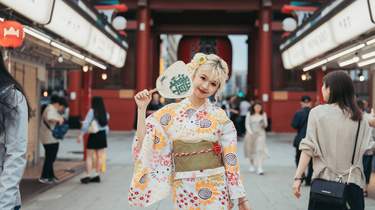
A shopping street of over 200 meters, called Nakamise, leads from the outer gate to the temple's second gate, the Hozomon. Alongside typical Japanese souvenirs such as yukata and folding fans, various traditional local snacks from the Asakusa area are sold along the Nakamise. The shopping street has a history of several centuries.

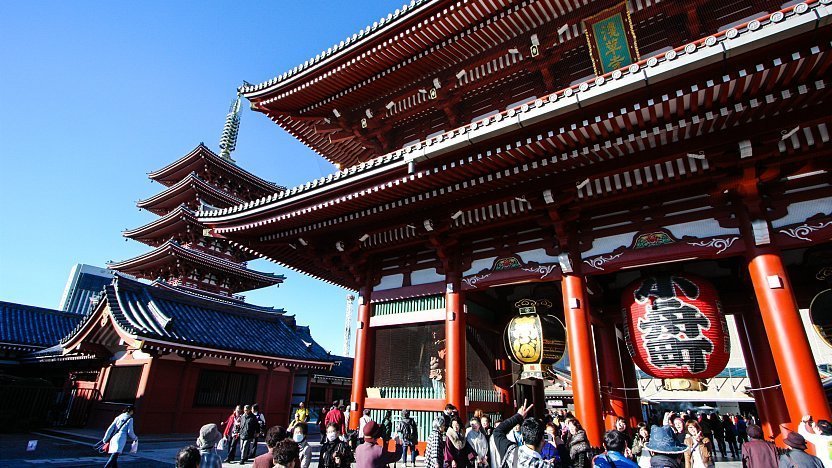
Beyond the Hozomon Gate stands the temple's main hall and a five storied pagoda. Destroyed in the war, the buildings are relatively recent reconstructions. The Asakusa Shrine, built in the year 1649 by Tokugawa Iemitsu, stands immediately adjacent to the temple's main building.
Various events are held throughout the year in the Sensoji Temple area. The biggest of them is the Sanja Matsuri, the annual festival of the Asakusa Shrine, held in May. Other events are the Asakusa Samba Carnival in August and the Hagoita-ichi (Hagoita Market) at which decorated wooden paddles used in the traditional game of hanetsuki are sold.
Getting there and around

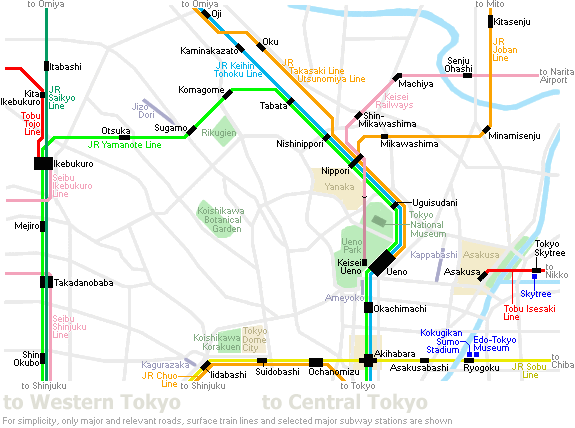
Sensoji Temple is a few steps from Asakusa Station, served by the Ginza Subway Line, Asakusa Subway Line and Tobu Railway.
From Tokyo Station
Take the JR Yamanote Line to Kanda Station (2 minutes, 150 yen) and transfer to the Ginza Subway Line for Asakusa (10 minutes, 180 yen).
From Shinjuku Station
Take the orange JR Chuo Line to Kanda Station (10 minutes, 180 yen) and transfer to the Ginza Subway Line for Asakusa (10 minutes, 180 yen).
Hours and Fees
Hours
Temple grounds: Always open
Closed
Admission
Questions? Ask in our forum.
Links and Resources
English
Japanese
Hotels around Tokyo

-
-
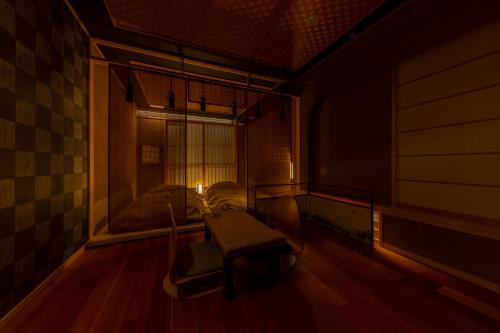
![]() Tokyo inn Sakura AnSet in Tokyo, 200 metres from Tokyo Origami Museum and 600 metres from Komagatado, Tokyo inn Sakura An offers free bikes and air conditioning. Among the facilities at this property are a 24-hour front desk and full-day security, along with free WiFi throughout the property. The ryokan also offers facilities for disabled guests. The ryokan is equipped with a satellite flat-screen TV. The kitchen is fitted with an oven, a microwave and a toaster and there is a private bathroom with slippers and a hair dryer. For added privacy, the accommodation has a private entrance and soundproofing. Popular points of interest near the ryokan include Chiisanagarasunohonno Museum, Asakusa Station and Sumida Riverside Hall. Tokyo Haneda Airport is 22 km away.View on Booking.com
Tokyo inn Sakura AnSet in Tokyo, 200 metres from Tokyo Origami Museum and 600 metres from Komagatado, Tokyo inn Sakura An offers free bikes and air conditioning. Among the facilities at this property are a 24-hour front desk and full-day security, along with free WiFi throughout the property. The ryokan also offers facilities for disabled guests. The ryokan is equipped with a satellite flat-screen TV. The kitchen is fitted with an oven, a microwave and a toaster and there is a private bathroom with slippers and a hair dryer. For added privacy, the accommodation has a private entrance and soundproofing. Popular points of interest near the ryokan include Chiisanagarasunohonno Museum, Asakusa Station and Sumida Riverside Hall. Tokyo Haneda Airport is 22 km away.View on Booking.com -
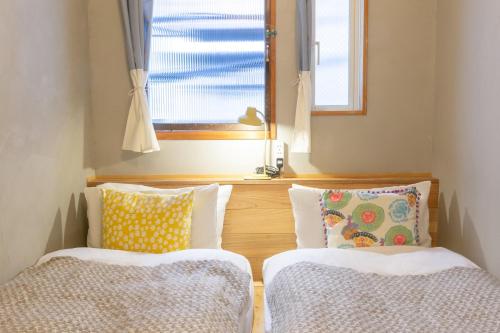
![]() cyashitsu ryokan asakusaSituated in Tokyo, 300 metres from Asakusa Fujiasama Shrine and 7.5 km from the centre, cyashitsu ryokan asakusa features air-conditioned accommodation with free WiFi, and an open-air bath. This 3-star ryokan offers a lift and full-day security. The ryokan offers a hot tub and luggage storage space. At the ryokan, the units come with a wardrobe. Each unit has a safety deposit box and some rooms include city views. The units are equipped with heating facilities. At the ryokan, the family-friendly restaurant is open for dinner and specialises in Japanese cuisine. Guests can also relax in the shared lounge area. Popular points of interest near cyashitsu ryokan asakusa include Nitenmon Gate, Edo Taito Traditional Crafts Center and Hozomon Gate. Tokyo Haneda Airport is 24 km from the property.View on Booking.com
cyashitsu ryokan asakusaSituated in Tokyo, 300 metres from Asakusa Fujiasama Shrine and 7.5 km from the centre, cyashitsu ryokan asakusa features air-conditioned accommodation with free WiFi, and an open-air bath. This 3-star ryokan offers a lift and full-day security. The ryokan offers a hot tub and luggage storage space. At the ryokan, the units come with a wardrobe. Each unit has a safety deposit box and some rooms include city views. The units are equipped with heating facilities. At the ryokan, the family-friendly restaurant is open for dinner and specialises in Japanese cuisine. Guests can also relax in the shared lounge area. Popular points of interest near cyashitsu ryokan asakusa include Nitenmon Gate, Edo Taito Traditional Crafts Center and Hozomon Gate. Tokyo Haneda Airport is 24 km from the property.View on Booking.com -
![]() Kaminarimon RyokanIdeally set in the centre of Tokyo, Kaminarimon Ryokan offers Asian breakfast and free WiFi throughout the property. Popular points of interest nearby include Hozomon Gate, Nitenmon Gate and Asakusa ROX Shopping Center. The property is non-smoking and is set 300 metres from Asakusa Public Hall. The hotel will provide guests with air-conditioned rooms with a desk, a coffee machine, a fridge, a safety deposit box, a flat-screen TV and a private bathroom with a shower. The rooms come with a kettle, while selected rooms also feature a terrace and others also feature city views. At Kaminarimon Ryokan, the rooms include a seating area. Languages spoken at the reception include English and Japanese, and guests are invited to request information on the area when needed. Popular points of interest near the accommodation include Drum Museum, Komagatado and Asakusa Station. Tokyo Haneda Airport is 22 km from the property.View on Booking.com
Kaminarimon RyokanIdeally set in the centre of Tokyo, Kaminarimon Ryokan offers Asian breakfast and free WiFi throughout the property. Popular points of interest nearby include Hozomon Gate, Nitenmon Gate and Asakusa ROX Shopping Center. The property is non-smoking and is set 300 metres from Asakusa Public Hall. The hotel will provide guests with air-conditioned rooms with a desk, a coffee machine, a fridge, a safety deposit box, a flat-screen TV and a private bathroom with a shower. The rooms come with a kettle, while selected rooms also feature a terrace and others also feature city views. At Kaminarimon Ryokan, the rooms include a seating area. Languages spoken at the reception include English and Japanese, and guests are invited to request information on the area when needed. Popular points of interest near the accommodation include Drum Museum, Komagatado and Asakusa Station. Tokyo Haneda Airport is 22 km from the property.View on Booking.com -
![]() Tokyo Hikari GuesthouseLocated in Tokyo and with Kuramae Mizu no Yakata reachable within 300 metres, Tokyo Hikari Guesthouse provides concierge services, non-smoking rooms, a garden, free WiFi and a shared lounge. This 2-star hostel has air-conditioned rooms with a shared bathroom. The accommodation features a shared kitchen and luggage storage space for guests. Popular points of interest near the hostel include Kuramae Jinja Shrine, Jinnai Shrine and Choju-in Temple. Tokyo Haneda Airport is 21 km away.View on Booking.com
Tokyo Hikari GuesthouseLocated in Tokyo and with Kuramae Mizu no Yakata reachable within 300 metres, Tokyo Hikari Guesthouse provides concierge services, non-smoking rooms, a garden, free WiFi and a shared lounge. This 2-star hostel has air-conditioned rooms with a shared bathroom. The accommodation features a shared kitchen and luggage storage space for guests. Popular points of interest near the hostel include Kuramae Jinja Shrine, Jinnai Shrine and Choju-in Temple. Tokyo Haneda Airport is 21 km away.View on Booking.com -
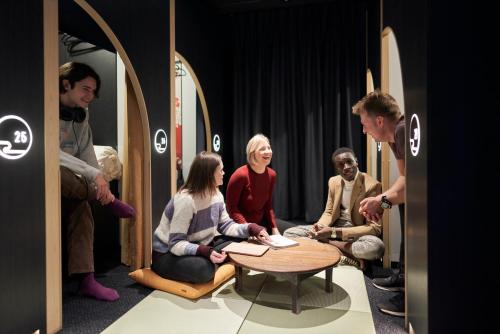
![]() Resol Poshtel Tokyo AsakusaIdeally set in the Taito district of Tokyo, Resol Poshtel Tokyo Asakusa is set 300 metres from Drum Museum, 300 metres from Kappabashi-dori Shopping Street and 500 metres from Kinryu Park. Featuring a shared lounge, the 1-star capsule hotel has air-conditioned rooms with free WiFi, each with a shared bathroom. The property is 6.8 km from the city centre and 200 metres from Asakusa ROX Shopping Center. All guest rooms feature a safety deposit box. Popular points of interest near the capsule hotel include Asakusa Public Hall, Sogenji Temple and Honpo-ji Temple. Tokyo Haneda Airport is 24 km from the property.View on Booking.com
Resol Poshtel Tokyo AsakusaIdeally set in the Taito district of Tokyo, Resol Poshtel Tokyo Asakusa is set 300 metres from Drum Museum, 300 metres from Kappabashi-dori Shopping Street and 500 metres from Kinryu Park. Featuring a shared lounge, the 1-star capsule hotel has air-conditioned rooms with free WiFi, each with a shared bathroom. The property is 6.8 km from the city centre and 200 metres from Asakusa ROX Shopping Center. All guest rooms feature a safety deposit box. Popular points of interest near the capsule hotel include Asakusa Public Hall, Sogenji Temple and Honpo-ji Temple. Tokyo Haneda Airport is 24 km from the property.View on Booking.com -
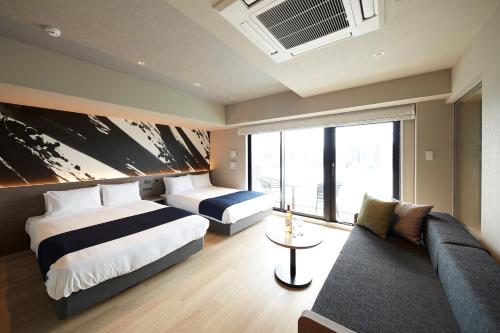
![]() Asakusa HomeSuites TokyoConveniently situated in the Taito district of Tokyo, Asakusa HomeSuites Tokyo is located 500 metres from Rinko-ji Temple, 400 metres from Drum Museum and 400 metres from Asakusa ROX Shopping Center. With free WiFi, this 3-star hotel offers room service. The property is 6.6 km from the city centre and 100 metres from Kappabashi-dori Shopping Street. Guest rooms are equipped with air conditioning, a fridge, a microwave, a kettle, a bidet, free toiletries and a desk. The hotel provides certain rooms that include a safety deposit box, and each room is equipped with a private bathroom with a shower and a hairdryer. The units in Asakusa HomeSuites Tokyo are equipped with a flat-screen TV and slippers. Popular points of interest near the accommodation include Matsuba Park, Kinryu Park and Sogenji Temple. Tokyo Haneda Airport is 23 km away.View on Booking.com
Asakusa HomeSuites TokyoConveniently situated in the Taito district of Tokyo, Asakusa HomeSuites Tokyo is located 500 metres from Rinko-ji Temple, 400 metres from Drum Museum and 400 metres from Asakusa ROX Shopping Center. With free WiFi, this 3-star hotel offers room service. The property is 6.6 km from the city centre and 100 metres from Kappabashi-dori Shopping Street. Guest rooms are equipped with air conditioning, a fridge, a microwave, a kettle, a bidet, free toiletries and a desk. The hotel provides certain rooms that include a safety deposit box, and each room is equipped with a private bathroom with a shower and a hairdryer. The units in Asakusa HomeSuites Tokyo are equipped with a flat-screen TV and slippers. Popular points of interest near the accommodation include Matsuba Park, Kinryu Park and Sogenji Temple. Tokyo Haneda Airport is 23 km away.View on Booking.com -
![]() MONday Apart Premium AsakusaMONday Apart Premium Asakusa offers accommodation within 6.7 km of the centre of Tokyo, with free WiFi, and a kitchen with a toaster, a fridge and a stovetop. This 4-star aparthotel offers a 24-hour front desk and a lift. Private parking can be arranged at an extra charge. The units come with air conditioning, a flat-screen TV with streaming services, a microwave, a kettle, a bidet, slippers and a desk. There is a seating and a dining area in all units. At the aparthotel, each unit comes with bed linen and towels. Popular points of interest near the aparthotel include Kappabashi-dori Shopping Street, Drum Museum and Asakusa ROX Shopping Center. Tokyo Haneda Airport is 29 km away.View on Booking.com
MONday Apart Premium AsakusaMONday Apart Premium Asakusa offers accommodation within 6.7 km of the centre of Tokyo, with free WiFi, and a kitchen with a toaster, a fridge and a stovetop. This 4-star aparthotel offers a 24-hour front desk and a lift. Private parking can be arranged at an extra charge. The units come with air conditioning, a flat-screen TV with streaming services, a microwave, a kettle, a bidet, slippers and a desk. There is a seating and a dining area in all units. At the aparthotel, each unit comes with bed linen and towels. Popular points of interest near the aparthotel include Kappabashi-dori Shopping Street, Drum Museum and Asakusa ROX Shopping Center. Tokyo Haneda Airport is 29 km away.View on Booking.com -
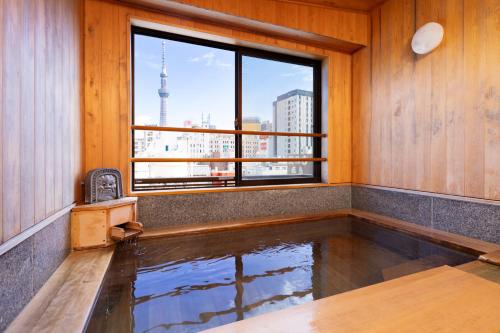
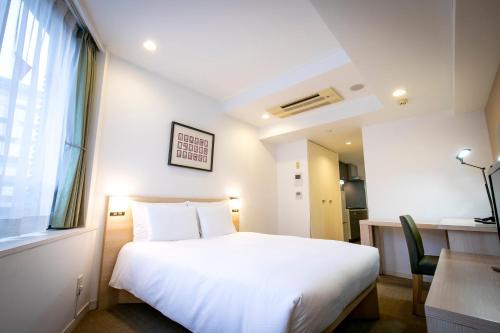
![]() Ryokan Asakusa ShigetsuSituated in the Asakusa area, Ryokan Asakusa Shigetsu has a history of 70 years. The accommodation boasts a view of the Tokyo Skytree from its Hinoki wood bath. There is a bath for each gender on site and both the female and male baths offer a view of Senso-ji Temple’s Five-storied Pagoda. Ryokan Asakusa Shigetsu is situated a 5-minute walk from Asakusa Subway Station, near Nakamise-dori Street and Senso-ji Temple. Asakusa Subway Station provides direct access to Ueno, Shibuya and Ginza areas, and also to the Narita and Haneda international airports. Japanese-style rooms and Western single rooms are available. Each guest room comes equipped with air conditioning, a satellite TV, a refrigerator and an en suite bathroom. Hairdryers, yukata robes, tea sets and mineral water are provided. The street in front of the hotel is closed to general vehicles during the day and is located in a quiet area.View on Booking.com
Ryokan Asakusa ShigetsuSituated in the Asakusa area, Ryokan Asakusa Shigetsu has a history of 70 years. The accommodation boasts a view of the Tokyo Skytree from its Hinoki wood bath. There is a bath for each gender on site and both the female and male baths offer a view of Senso-ji Temple’s Five-storied Pagoda. Ryokan Asakusa Shigetsu is situated a 5-minute walk from Asakusa Subway Station, near Nakamise-dori Street and Senso-ji Temple. Asakusa Subway Station provides direct access to Ueno, Shibuya and Ginza areas, and also to the Narita and Haneda international airports. Japanese-style rooms and Western single rooms are available. Each guest room comes equipped with air conditioning, a satellite TV, a refrigerator and an en suite bathroom. Hairdryers, yukata robes, tea sets and mineral water are provided. The street in front of the hotel is closed to general vehicles during the day and is located in a quiet area.View on Booking.com -
![]() B:CONTE AsakusaOnly a 5-minute walk from Asakusa Subway Station and Tawaramachi Subway Station, B:CONTE Asakusa offers modern accommodations with a kitchen and an in-room launderette. Free Wi-Fi is available at the entire property and Japanese/English-speaking concierge service is available. Senso-ji Temple is a 3-minute walk away. This air-conditioned room features a flat-screen UHDTV and ironing facilities. The kitchen comes with a microwave, a fridge and a stove. Kitchenware is provided as well. Asakusa B:CONTE is a 10-minute train ride from Tokyo Sky Tree and Ryogoku Sumo Hall. JR Ueno and Akihabara Train Stations are both a 5-minute train ride away.View on Booking.com
B:CONTE AsakusaOnly a 5-minute walk from Asakusa Subway Station and Tawaramachi Subway Station, B:CONTE Asakusa offers modern accommodations with a kitchen and an in-room launderette. Free Wi-Fi is available at the entire property and Japanese/English-speaking concierge service is available. Senso-ji Temple is a 3-minute walk away. This air-conditioned room features a flat-screen UHDTV and ironing facilities. The kitchen comes with a microwave, a fridge and a stove. Kitchenware is provided as well. Asakusa B:CONTE is a 10-minute train ride from Tokyo Sky Tree and Ryogoku Sumo Hall. JR Ueno and Akihabara Train Stations are both a 5-minute train ride away.View on Booking.com -
![]() Onyado Nono Asakusa Annex - Natural Hot SpringIdeally set in the centre of Tokyo, Onyado Nono Asakusa Annex - Natural Hot Spring features air-conditioned rooms, a restaurant and free WiFi. Located in the Taito district, the property provides guests with access to a hot spring bath. The hotel provides a sauna and a 24-hour front desk. At the hotel, the rooms are fitted with a desk. All rooms in Onyado Nono Asakusa Annex - Natural Hot Spring are fitted with a flat-screen TV and a hairdryer. Guests at the accommodation can enjoy a buffet breakfast. Popular points of interest near Onyado Nono Asakusa Annex - Natural Hot Spring include Edo Taito Traditional Crafts Center, Asakusa ROX Shopping Center and Kinryu Park. Tokyo Haneda Airport is 24 km from the property.View on Booking.com
Onyado Nono Asakusa Annex - Natural Hot SpringIdeally set in the centre of Tokyo, Onyado Nono Asakusa Annex - Natural Hot Spring features air-conditioned rooms, a restaurant and free WiFi. Located in the Taito district, the property provides guests with access to a hot spring bath. The hotel provides a sauna and a 24-hour front desk. At the hotel, the rooms are fitted with a desk. All rooms in Onyado Nono Asakusa Annex - Natural Hot Spring are fitted with a flat-screen TV and a hairdryer. Guests at the accommodation can enjoy a buffet breakfast. Popular points of interest near Onyado Nono Asakusa Annex - Natural Hot Spring include Edo Taito Traditional Crafts Center, Asakusa ROX Shopping Center and Kinryu Park. Tokyo Haneda Airport is 24 km from the property.View on Booking.com
-



Tokyo Restaurants

-
-
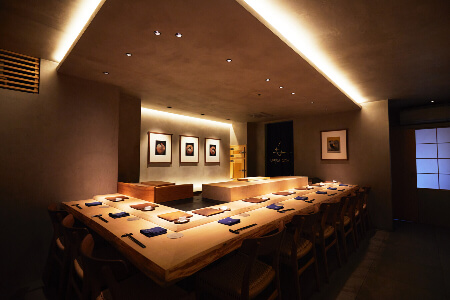
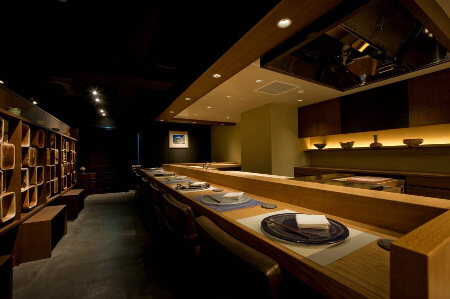
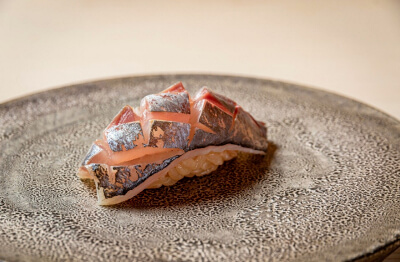
![]() Udatsu SushiAwarded One Star in 2024 - People from around the world visit to experience Mr. Udatsu's sushi. Inside the restaurant, which resembles an art gallery with its modern decor and numerous artworks, guests can enjoy sushi crafted from the highest quality ingredients. While the foundation is traditional nigiri, the menu also features original creations born from the chef's relentless curiosity and innovation.View on JapanEatinerary
Udatsu SushiAwarded One Star in 2024 - People from around the world visit to experience Mr. Udatsu's sushi. Inside the restaurant, which resembles an art gallery with its modern decor and numerous artworks, guests can enjoy sushi crafted from the highest quality ingredients. While the foundation is traditional nigiri, the menu also features original creations born from the chef's relentless curiosity and innovation.View on JapanEatinerary -
![]() WaketokuyamaAwarded One Star in 2025 - With a meticulous focus on allowing guests to enjoy seasonal ingredients at their peak, the menu changes approximately every two weeks. The signature dish, "Grilled Abalone with Seaweed Aroma," features thick slices of abalone generously coated in a rich liver sauce, offering an exquisite taste of the sea.View on JapanEatinerary
WaketokuyamaAwarded One Star in 2025 - With a meticulous focus on allowing guests to enjoy seasonal ingredients at their peak, the menu changes approximately every two weeks. The signature dish, "Grilled Abalone with Seaweed Aroma," features thick slices of abalone generously coated in a rich liver sauce, offering an exquisite taste of the sea.View on JapanEatinerary -
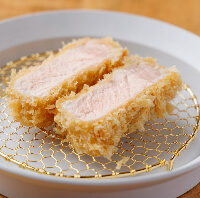
![]() Fry-yaExquisite fried dishes crafted by a head chef with experience earning stars in both Switzerland and Japan. The remarkably light tonkatsu is a favorite not only among Japanese diners but also among visitors to Japan. With the theme of "small portions, many varieties," guests can enjoy sampling a wide selection of tonkatsu in smaller portions.View on JapanEatinerary
Fry-yaExquisite fried dishes crafted by a head chef with experience earning stars in both Switzerland and Japan. The remarkably light tonkatsu is a favorite not only among Japanese diners but also among visitors to Japan. With the theme of "small portions, many varieties," guests can enjoy sampling a wide selection of tonkatsu in smaller portions.View on JapanEatinerary -
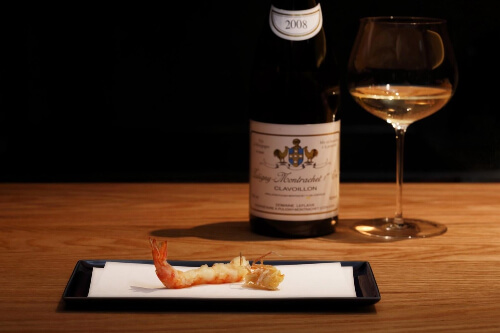
![]() TEMPURA & WINE SHINOThe kind of restaurant that is known only to true gourmets, serving as a sort of "Hidden gem". In a chic space with black walls and a ceiling adorned in gold, you can enjoy tempura with a light and elegant texture, delicately fried using refined techniques to achieve a thin, white batter that minimizes the aroma of oil. Savor tempura that maximizes the flavors of the ingredients, paired with Champagne and Burgundy wines carefully selected by the sommelier.View on JapanEatinerary
TEMPURA & WINE SHINOThe kind of restaurant that is known only to true gourmets, serving as a sort of "Hidden gem". In a chic space with black walls and a ceiling adorned in gold, you can enjoy tempura with a light and elegant texture, delicately fried using refined techniques to achieve a thin, white batter that minimizes the aroma of oil. Savor tempura that maximizes the flavors of the ingredients, paired with Champagne and Burgundy wines carefully selected by the sommelier.View on JapanEatinerary -
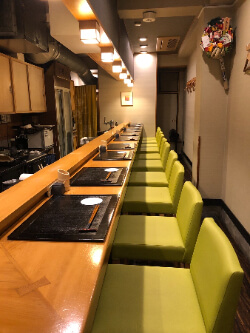
![]() HikarimonoWith a prime location and quality that rivals high-end sushi restaurants, this restaurant maintains the goal of being a place for everyday dining. It offers a casual and relaxed atmosphere, free from stiffness or formality. The signature "Hikari-maki," featuring ingredients such as sardines, pickled plum, and bettarazuke (sweet pickled radish), boasts unique flavors that are especially popular among international visitors.View on JapanEatinerary
HikarimonoWith a prime location and quality that rivals high-end sushi restaurants, this restaurant maintains the goal of being a place for everyday dining. It offers a casual and relaxed atmosphere, free from stiffness or formality. The signature "Hikari-maki," featuring ingredients such as sardines, pickled plum, and bettarazuke (sweet pickled radish), boasts unique flavors that are especially popular among international visitors.View on JapanEatinerary -
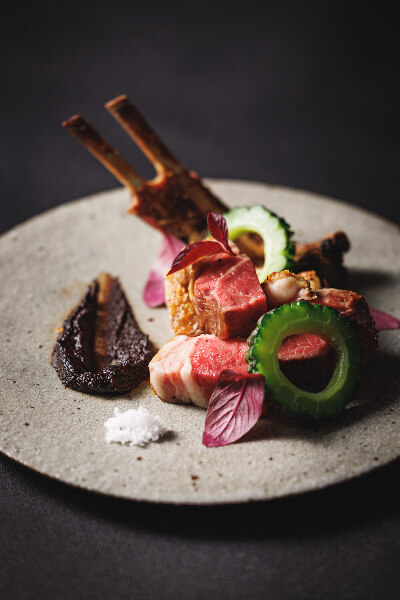
![]() Daikanyama Issai KassaiThe owner, Shinji Odahara, boasts a 30-year career in Japanese cuisine and has the remarkable achievement of opening a Japanese restaurant in New York that earned a star. Guests can enjoy exquisite charcoal-grilled meat dishes and rice cooked in a clay pot, all within a modern interior with dim lighting that sparks adult curiosity.View on JapanEatinerary
Daikanyama Issai KassaiThe owner, Shinji Odahara, boasts a 30-year career in Japanese cuisine and has the remarkable achievement of opening a Japanese restaurant in New York that earned a star. Guests can enjoy exquisite charcoal-grilled meat dishes and rice cooked in a clay pot, all within a modern interior with dim lighting that sparks adult curiosity.View on JapanEatinerary -
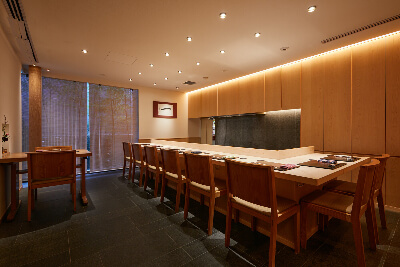
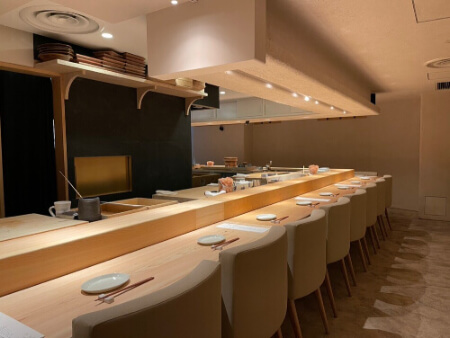
![]() SudachiYou can enjoy dishes that make the most of seasonal ingredients, transcending the traditional boundaries of Japanese cuisine. While rooted in the traditions of Japanese cooking, the menu features unique offerings such as dishes incorporating shark fin - rarely seen in Japanese cuisine - and sushi that reflects the chef's background in sushi restaurants. At the open kitchen counter, where the lively atmosphere comes alive, you can savor the culinary creations with all five senses.View on JapanEatinerary
SudachiYou can enjoy dishes that make the most of seasonal ingredients, transcending the traditional boundaries of Japanese cuisine. While rooted in the traditions of Japanese cooking, the menu features unique offerings such as dishes incorporating shark fin - rarely seen in Japanese cuisine - and sushi that reflects the chef's background in sushi restaurants. At the open kitchen counter, where the lively atmosphere comes alive, you can savor the culinary creations with all five senses.View on JapanEatinerary -
![]() TorinaoIn a relaxed and serene atmosphere, you can enjoy exquisite yakitori made with "Koshu Kenmidori" chicken, grilled to perfection over Kishu Binchotan charcoal for a delightful aroma. The tender and fluffy tsukune (chicken meatball) is particularly popular for its juicy flavor. Additionally, the carefully selected Japanese sake, chosen by the owner, pairs wonderfully with the yakitori.View on JapanEatinerary
TorinaoIn a relaxed and serene atmosphere, you can enjoy exquisite yakitori made with "Koshu Kenmidori" chicken, grilled to perfection over Kishu Binchotan charcoal for a delightful aroma. The tender and fluffy tsukune (chicken meatball) is particularly popular for its juicy flavor. Additionally, the carefully selected Japanese sake, chosen by the owner, pairs wonderfully with the yakitori.View on JapanEatinerary -
![]() IchiuChef Hamano is renowned for his experience training at three different two-star restaurants. In addition to sushi, he has honed his skills in Japanese cuisine at the esteemed Akasaka Kikunoi, giving him a strong foundation in traditional Japanese culinary techniques. When it comes to nigiri, he is meticulous not only about the toppings but also the rice. He uses a premium rice variety from Akita, enhanced with two types of red vinegar and plum vinegar to create a refreshing flavor.View on JapanEatinerary
IchiuChef Hamano is renowned for his experience training at three different two-star restaurants. In addition to sushi, he has honed his skills in Japanese cuisine at the esteemed Akasaka Kikunoi, giving him a strong foundation in traditional Japanese culinary techniques. When it comes to nigiri, he is meticulous not only about the toppings but also the rice. He uses a premium rice variety from Akita, enhanced with two types of red vinegar and plum vinegar to create a refreshing flavor.View on JapanEatinerary -
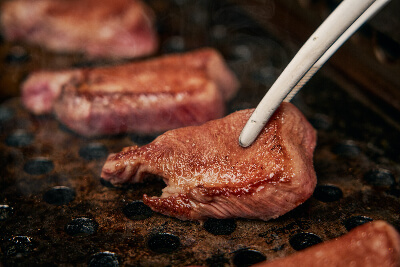
![]() Yakiniku OnukiThe restaurant is proud of its "Tare Yakiniku" (grilled meat with sauce), which is made from Japanese black beef that has inherited the "excellent sauce" from the main restaurant, and is so tender that it melts in your mouth.The beef tongue is also superb. The thickly cut beef tongue is very difficult to grill, so the waiter grills it and serves it to you. Enjoy a blissful moment with wine that pairs well with the meat.View on JapanEatinerary
Yakiniku OnukiThe restaurant is proud of its "Tare Yakiniku" (grilled meat with sauce), which is made from Japanese black beef that has inherited the "excellent sauce" from the main restaurant, and is so tender that it melts in your mouth.The beef tongue is also superb. The thickly cut beef tongue is very difficult to grill, so the waiter grills it and serves it to you. Enjoy a blissful moment with wine that pairs well with the meat.View on JapanEatinerary
-
Experiences around Tokyo

-
-
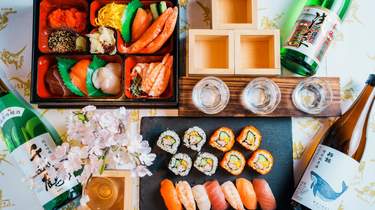
![]() Sushi Making Tokyo No1 Cooking Class in JapanYou can learn how to make **Maki-Sushi (Roll-Sushi) & Temari-Sushi** or **Maki-Sushi (Roll-Sushi) & Nigiri Sushi**View on Klook
Sushi Making Tokyo No1 Cooking Class in JapanYou can learn how to make **Maki-Sushi (Roll-Sushi) & Temari-Sushi** or **Maki-Sushi (Roll-Sushi) & Nigiri Sushi**View on Klook -
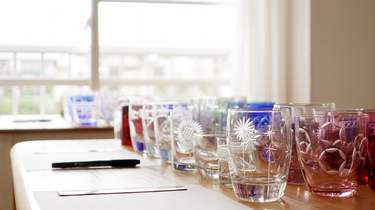
![]() Crafting Your Own Unique Edo Kiriko Glass in Asakusa at SokichiExperience the time-honored traditional craft of Edo Kiriko, which has continued since the Edo period first-hand.View on Klook
Crafting Your Own Unique Edo Kiriko Glass in Asakusa at SokichiExperience the time-honored traditional craft of Edo Kiriko, which has continued since the Edo period first-hand.View on Klook -
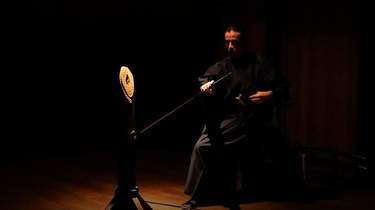
![]() Samurai Trial Cutting Experience of Japanese Swords in TokyoIaido, an ancient Japanese martial art, traces its origins back to the era of samurai warriorsView on Klook
Samurai Trial Cutting Experience of Japanese Swords in TokyoIaido, an ancient Japanese martial art, traces its origins back to the era of samurai warriorsView on Klook -
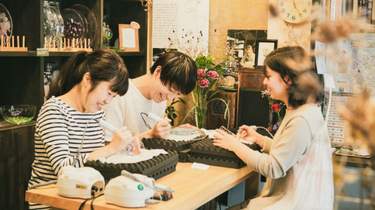
![]() Original Glass Making Experience (Tokyo)You can make your own original work by digging the glass as if you were writing with a pen.View on Klook
Original Glass Making Experience (Tokyo)You can make your own original work by digging the glass as if you were writing with a pen.View on Klook -
![]() Tokyo Private Chartered Day Tour|Exclusive Driver for 10 Hours to Explore Tokyo's Popular Attractions (Senso-ji Temple, Meiji Jingu Shrine, Shibuya Sky)*Tokyo has many sightseeing spots and experience activities, ranging from historical sites to futuristic locationsView on Klook
Tokyo Private Chartered Day Tour|Exclusive Driver for 10 Hours to Explore Tokyo's Popular Attractions (Senso-ji Temple, Meiji Jingu Shrine, Shibuya Sky)*Tokyo has many sightseeing spots and experience activities, ranging from historical sites to futuristic locationsView on Klook -
![]() Fancy Kimono Dress up and Photoshoot in TokyoMinina will give you a fabulous memorial of a Trip to Tokyo and change you whatever you want to beView on Klook
Fancy Kimono Dress up and Photoshoot in TokyoMinina will give you a fabulous memorial of a Trip to Tokyo and change you whatever you want to beView on Klook -
![]() Tokyo Asakusa Kimono&Yukata Rental at Kimono Miyabi Asakusa StationEnjoy visiting Asakusa or Ueno while wearing a Japanese traditional kimono by Kimono MiyabiView on Klook
Tokyo Asakusa Kimono&Yukata Rental at Kimono Miyabi Asakusa StationEnjoy visiting Asakusa or Ueno while wearing a Japanese traditional kimono by Kimono MiyabiView on Klook -
![]() Tokyo Asakusa Kimono & Furisode Rental ExperienceTake the subway to Asakusa Station (Ginza Line) Exit 4 and walk for 20 seconds. It is 220 meters away from Sensoji Kaminarimon Gate. The location is perfect!View on Klook
Tokyo Asakusa Kimono & Furisode Rental ExperienceTake the subway to Asakusa Station (Ginza Line) Exit 4 and walk for 20 seconds. It is 220 meters away from Sensoji Kaminarimon Gate. The location is perfect!View on Klook -
![]() Asakusa Kimono&Yukata Rental at Kimono Miyabi Asakusa in Main Branch**Klook Exclusive Free Next Day Return! Limited Time Only!** Show this message and return your Kimono the next day for FREE for rental during Sep 15 - Dec 15, 2023. Exclusions applied to Formal Kimono Furisode and Homongi. See What to Expect for more detailsView on Klook
Asakusa Kimono&Yukata Rental at Kimono Miyabi Asakusa in Main Branch**Klook Exclusive Free Next Day Return! Limited Time Only!** Show this message and return your Kimono the next day for FREE for rental during Sep 15 - Dec 15, 2023. Exclusions applied to Formal Kimono Furisode and Homongi. See What to Expect for more detailsView on Klook -
![]() Asakusa Kimono Rental Experience at a Historic Japanese ShopVisit Yae in Asakusa, Tokyo and get to experience Japanese culture through clothing by renting a kimono/yukataView on Klook
Asakusa Kimono Rental Experience at a Historic Japanese ShopVisit Yae in Asakusa, Tokyo and get to experience Japanese culture through clothing by renting a kimono/yukataView on Klook
-