Kitano Tenmangu Shrine

Kitano Tenmangu Shrine (–k–ì“V–ž‹{, Kitano Tenmangū) is one of the most important of several hundred shrines across Japan that are dedicated to Sugawara Michizane, a scholar and politician who was unfairly exiled by his political rivals. A number of disasters were attributed to Michizane's vengeful spirit after his death in exile, and these shrines were built to appease him.
Sugawara Michizane is associated with Tenjin, the kami ("Shinto god") of education. Consequently, many students visit Kitano Tenmangu to pray for success in their studies, and the shrine can become especially crowded with students during exam seasons.

Michizane loved plum trees, and one tree, called tobiume or flying plum tree, is said to have followed him from Kyoto to his exile in Kyushu. Because of this, a plum tree can always be found standing in front of the offering hall of Tenmangu shrines.
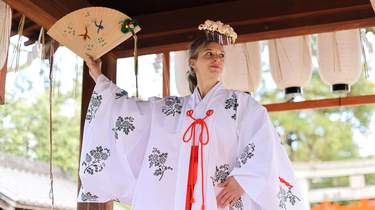
In addition to the tobiume tree, Kitano Tenmangu features an entire grove of nearly 2000 plum trees, which bloom from February to March. The shrine hosts a special tea ceremony, called Baikasai, in this plum grove every February 25, attended by maiko and geiko of the nearby Kamishichiken geiko district.

Kitano Tenmangu is also a popular autumn color spot, as the shrine opens its garden to the public during the peak of the autumn leaf season from late October to early December. Hundreds of maple trees line the garden's river and are lit up in the evenings.
Last but not least, a flea market is held on the shrine grounds and surrounding streets on the 25th of every month. Hundreds of vendors selling plants, antiques, tools, toys and crafts are joined by many food stands selling festival food such as yakisoba, karaage and takoyaki.

Getting there and around
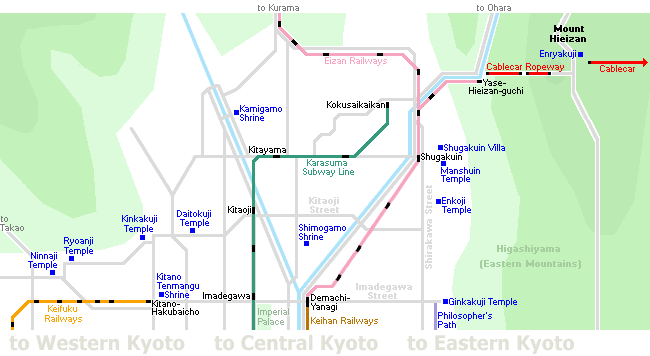
Kitano Tenmangu Shrine can be reached directly by Kyoto City Bus number 50 from Kyoto Station (230 yen, 30 minutes). An indirect but perhaps quicker route during rush hours is to take the Karasuma Subway Line to Imadegawa Station and catch bus 203 to the shrine. In either case get off at the Kitano Tenmangu-mae bus stop.
How to get to and around Kyoto
Hours and Fees
Kitano Tenmangu Shrine
Hours
Closed
Admission
Flea Market
Hours
Plum Grove
Hours
Admission
Maple Tree Garden
Hours
Admission
Questions? Ask in our forum.
Links and Resources
Hotels around Kyoto
-
-
![]() SponsoredRyokan TogetsuteiA historical onsen ryokan in front of Togetsukyo Bridge. Enjoy in-room private baths commanding views of Arashiyama and its Kyoto cuisine. Free pick-up from JR station.View siteSponsored
SponsoredRyokan TogetsuteiA historical onsen ryokan in front of Togetsukyo Bridge. Enjoy in-room private baths commanding views of Arashiyama and its Kyoto cuisine. Free pick-up from JR station.View siteSponsored -
![]() Sponsoredarashiyama villa Serenitas kyotoA private wooden rental house with Japanese garden, down an alley from the bustling street of Arashiyama. Located right next to Tenryu-ji the World Heritage.View siteSponsored
Sponsoredarashiyama villa Serenitas kyotoA private wooden rental house with Japanese garden, down an alley from the bustling street of Arashiyama. Located right next to Tenryu-ji the World Heritage.View siteSponsored -
![]() SponsoredArashiyama HanaikadaA little, superior ryokan right near Togetsukyo Bridge in Arashiyama. Free transfer from JR station. Private bath and open-air baths available. 5min walk to the Bamboo Groves.View siteSponsored
SponsoredArashiyama HanaikadaA little, superior ryokan right near Togetsukyo Bridge in Arashiyama. Free transfer from JR station. Private bath and open-air baths available. 5min walk to the Bamboo Groves.View siteSponsored
-



-
-
![]() Guesthouse KYOTO COMPASSLocated in Kyoto, this traditional Japanese guest house features free Wi-Fi and a free public computer. Shichijo Onmae bus stop is 3 minutes�f walk away. A seating area and shared bathroom are provided with each room at Guesthouse KYOTO COMPASS. Free toiletries are provided and blankets are available upon request. Select rooms have a garden view. A shared living area and bicycles are available for guests�f use during their stay at this Kyoto Guesthouse Compass. Access to the shared kitchen is available upon request. The guest house is 4.5 km from Imperial Palace and 2.2 km from Kyoto Station. Nijo Castle and Toji Castle are within a 30 minutes�f bus ride away.View on Booking.com
Guesthouse KYOTO COMPASSLocated in Kyoto, this traditional Japanese guest house features free Wi-Fi and a free public computer. Shichijo Onmae bus stop is 3 minutes�f walk away. A seating area and shared bathroom are provided with each room at Guesthouse KYOTO COMPASS. Free toiletries are provided and blankets are available upon request. Select rooms have a garden view. A shared living area and bicycles are available for guests�f use during their stay at this Kyoto Guesthouse Compass. Access to the shared kitchen is available upon request. The guest house is 4.5 km from Imperial Palace and 2.2 km from Kyoto Station. Nijo Castle and Toji Castle are within a 30 minutes�f bus ride away.View on Booking.com -
![]() Ryokan Mugen (Adult Only)Mugen is a property that was built 160 years ago, situated in Kyoto, 1 km from Nijo Castle. Every room at Mugen features an en suite shower room, toilet, free toiletries and a hairdryer. Free WiFi is available throughout the entire property. You will find a shared lounge on site and a bar at the annex building. The ryokan also offers bike hire. Imperial Palace is 1.1 km from Mugen, while Kitano Tenmangu Shrine is 1.6 km from the property. The nearest airport is Osaka Itami Airport, 39 km from the property.View on Booking.com
Ryokan Mugen (Adult Only)Mugen is a property that was built 160 years ago, situated in Kyoto, 1 km from Nijo Castle. Every room at Mugen features an en suite shower room, toilet, free toiletries and a hairdryer. Free WiFi is available throughout the entire property. You will find a shared lounge on site and a bar at the annex building. The ryokan also offers bike hire. Imperial Palace is 1.1 km from Mugen, while Kitano Tenmangu Shrine is 1.6 km from the property. The nearest airport is Osaka Itami Airport, 39 km from the property.View on Booking.com -
![]() Mitsuki KyotoView on Booking.com
Mitsuki KyotoView on Booking.comComfortable Accommodations
Mitsuki Kyoto in Kyoto offers a 2-star ryokan experience with air-conditioning, private bathrooms, and garden views. Each room includes a tea and coffee maker, refrigerator, and free toiletries.Dining and Amenities
Guests can enjoy a bar and free WiFi, complemented by a daily housekeeping service. Breakfast is available in-room with vegetarian, vegan, and gluten-free options, featuring local specialities.Prime Location
Located in the city centre, the ryokan is a 6-minute walk from Kyoto International Manga Museum and 1.1 km from Nijo Castle. Itami Airport is 46 km away. Highly rated for its host, breakfast, and garden. -
![]() Ryokan ToriRyokan Tori is located in Kyoto, 2 km from Kitano Tenmangu Shrine. The property is around 2.3 km from Nijo Castle and Kyoto Imperial Palace. The property is 3.2 km from Kinkaku-ji Temple and 3.7 km from Kyoto International Manga Museum. All guest rooms in the ryokan are fitted with a kettle. Each room has a shared bathroom, while selected rooms are fitted with a balcony and others also offer a garden view. All rooms will provide guests with a fridge. Guests at tori can enjoy an Asian breakfast. Heian Shrine is 5 km from the accommodation. Itami Airport is 50 km from the property.View on Booking.com
Ryokan ToriRyokan Tori is located in Kyoto, 2 km from Kitano Tenmangu Shrine. The property is around 2.3 km from Nijo Castle and Kyoto Imperial Palace. The property is 3.2 km from Kinkaku-ji Temple and 3.7 km from Kyoto International Manga Museum. All guest rooms in the ryokan are fitted with a kettle. Each room has a shared bathroom, while selected rooms are fitted with a balcony and others also offer a garden view. All rooms will provide guests with a fridge. Guests at tori can enjoy an Asian breakfast. Heian Shrine is 5 km from the accommodation. Itami Airport is 50 km from the property.View on Booking.com -
![]() Yado KiramachiView on Booking.com
Yado KiramachiView on Booking.comComfortable Accommodations
Yado Kiramachi in Kyoto offers family rooms with private bathrooms, air-conditioning, and garden views. Each room includes a tea and coffee maker, refrigerator, and free toiletries.Exceptional Facilities
Guests enjoy a garden, terrace, bar, and free WiFi. Additional amenities include a hot tub, balcony, and private open-air bath. The property provides a concierge service, daily housekeeping, and luggage storage.Prime Location
Located in the city centre, Yado Kiramachi is a 6-minute walk from Kyoto Shigaku Kaikan Conference Hall and 1.3 km from Kyoto International Manga Museum. Itami Airport is 45 km away. Guests appreciate the attentive staff and convenient location. -
![]() Gallery Nozawa InnGallery Nozawa Inn offers accommodation in Kyoto, 25 minutes on foot from JR Kyoto Station. Free WiFi is available throughout the property. Every room includes a flat-screen TV and air conditioning. Each room is equipped with a private toilet, and bathrooms are shared. For your comfort, you will find free toiletries and a hairdryer. There is luggage storage space at the property. Guests can sample Japanese-style breakfast featuring seasonal ingredients. There is a public bathhouse located a 10-minute walk away. Nijo Castle is 2.4 km from Gallery Nozawa Inn, while Kyoto International Manga Museum is 2.4 km from the property. Osaka Itami Airport is 36 km away.View on Booking.com
Gallery Nozawa InnGallery Nozawa Inn offers accommodation in Kyoto, 25 minutes on foot from JR Kyoto Station. Free WiFi is available throughout the property. Every room includes a flat-screen TV and air conditioning. Each room is equipped with a private toilet, and bathrooms are shared. For your comfort, you will find free toiletries and a hairdryer. There is luggage storage space at the property. Guests can sample Japanese-style breakfast featuring seasonal ingredients. There is a public bathhouse located a 10-minute walk away. Nijo Castle is 2.4 km from Gallery Nozawa Inn, while Kyoto International Manga Museum is 2.4 km from the property. Osaka Itami Airport is 36 km away.View on Booking.com -
![]() Kyo-Anthu InnView on Booking.com
Kyo-Anthu InnView on Booking.comComfortable Accommodations
Kyo-Anthu Inn in Kyoto offers family rooms with air-conditioning, private bathrooms, and free WiFi. Each room includes a work desk, TV, and soundproofing for a pleasant stay.Convenient Facilities
Guests can enjoy a serene garden and a continental breakfast with fresh fruits. The property provides full-day security, ensuring a safe and secure environment.Prime Location
Located 44 km from Itami Airport, the guest house is a short walk from Sanjusangen-do Temple (600 metres) and Kiyomizu-dera Temple (1.8 km). Kyoto Station is 17 minutes away, offering easy access to attractions.Guest Satisfaction
Highly rated by guests for its friendly host, family-friendly environment, and convenient location, Kyo-Anthu Inn is praised for its excellent service and comfortable accommodations. -
![]() AzukiyaView on Booking.com
AzukiyaView on Booking.comComfortable Accommodations
Azukiya in Kyoto offers family rooms with private bathrooms, air-conditioning, and garden views. Each room includes a tea and coffee maker, refrigerator, and free toiletries.Exceptional Facilities
Guests enjoy a garden, free WiFi, hot tub, private check-in and check-out services, shared kitchen, laundry service, and full-day security. Additional amenities include bicycle parking, bike hire, and luggage storage.Delicious Breakfast
A variety of breakfast options are available, including vegetarian, vegan, halal, and gluten-free. Breakfast is served in the room, ensuring a pleasant start to the day.Prime Location
Located 8 minutes from Shoren-in Temple and 1.2 km from Samurai Kembu Kyoto, Azukiya is near attractions such as Heian Shrine and Kiyomizu-dera Temple. Itami Airport is 47 km away. -
![]() Hotel MusoView on Booking.com
Hotel MusoView on Booking.comComfortable Accommodations
Hotel Muso in Kyoto offers family rooms with air-conditioning, private bathrooms, and modern amenities. Each room includes a tea and coffee maker, free toiletries, and a work desk.Essential Facilities
Guests enjoy free WiFi, a lift, hot tub, concierge service, and daily housekeeping. Additional services include express check-in and check-out, luggage storage, and breakfast in the room.Prime Location
Located in the city centre, the hotel is less than 1 km from Gion Shijo Station and 45 km from Itami Airport. Nearby attractions include Sanjusangen-do Temple and Kiyomizu-dera Temple.Guest Satisfaction
Highly rated for its attentive staff, convenient location, and comfortable rooms. -
![]() Hotel Yuraku Kyo-yasakaView on Booking.com
Hotel Yuraku Kyo-yasakaView on Booking.comComfortable Accommodations
Hotel Yuraku Kyo-yasaka in Kyoto offers family rooms with air-conditioning, private bathrooms, and free WiFi. Each room includes bathrobes, a minibar, and a TV.Exceptional Facilities
Guests can enjoy massage services, a lounge, and a coffee shop. Additional amenities include a terrace, private open-air bath, and sofa bed.Prime Location
Located less than 1 km from Gion Shijo Station and near attractions such as Kiyomizu-dera Temple (1.3 km) and Heian Shrine (1.9 km). Itami Airport is 46 km away.Guest Satisfaction
Highly rated for its attentive staff, delicious breakfast, and comfortable rooms.
-




Kyoto Restaurants

-
-
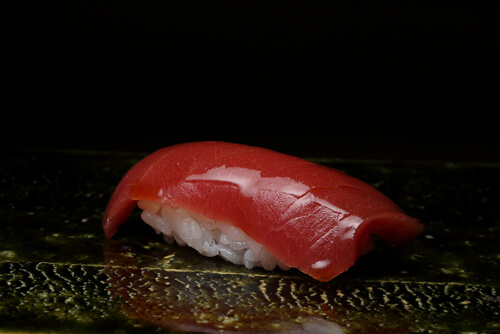
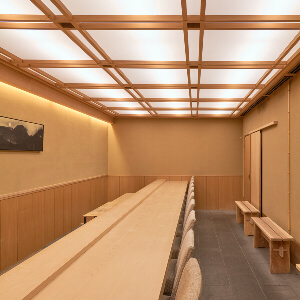
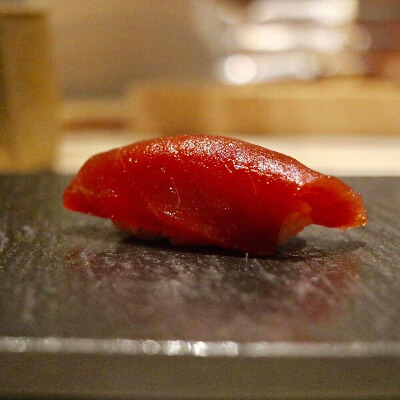
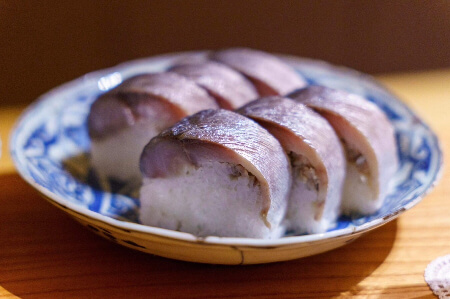
![]() Sushi HayashiAwarded One Star in 2024 - A unique sushi restaurant that blends traditional Edomae (Tokyo-style) sushi with Kyoto-style sushi, such as mackerel sushi and steamed sushi, in its courses. The head chef, who trained as a sushi artisan in Switzerland, carefully selects Swiss wines, making them a perfect pairing to enjoy with the meal.View on JapanEatinerary
Sushi HayashiAwarded One Star in 2024 - A unique sushi restaurant that blends traditional Edomae (Tokyo-style) sushi with Kyoto-style sushi, such as mackerel sushi and steamed sushi, in its courses. The head chef, who trained as a sushi artisan in Switzerland, carefully selects Swiss wines, making them a perfect pairing to enjoy with the meal.View on JapanEatinerary -
![]() Noguchi TsunaguAwarded One Star in 2024 - The sister restaurant of the highly exclusive Japanese cuisine establishment, Kyotenjin Noguchi. While maintaining the culinary essence of the main branch, this kappo-style restaurant incorporates ingredients from the chef’s hometown in the Goto Islands. Its signature dish, Nikusui, is a masterpiece made from carefully prepared, top-quality A5-grade sirloin.View on JapanEatinerary
Noguchi TsunaguAwarded One Star in 2024 - The sister restaurant of the highly exclusive Japanese cuisine establishment, Kyotenjin Noguchi. While maintaining the culinary essence of the main branch, this kappo-style restaurant incorporates ingredients from the chef’s hometown in the Goto Islands. Its signature dish, Nikusui, is a masterpiece made from carefully prepared, top-quality A5-grade sirloin.View on JapanEatinerary -
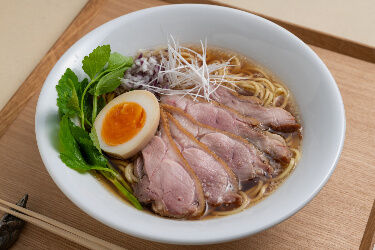
![]() Kamoryori TabuchiWithin a historic wooden house over 100 years old, savor exquisite dishes crafted with the finest premium brand duck, Kawachi Duck. Raised on feed free from pesticides and delivered fresh every morning, Kawachi Duck is so fresh it can even be enjoyed raw. Indulge in a superb multi-course duck cuisine experience that only a specialty restaurant can offer.View on JapanEatinerary
Kamoryori TabuchiWithin a historic wooden house over 100 years old, savor exquisite dishes crafted with the finest premium brand duck, Kawachi Duck. Raised on feed free from pesticides and delivered fresh every morning, Kawachi Duck is so fresh it can even be enjoyed raw. Indulge in a superb multi-course duck cuisine experience that only a specialty restaurant can offer.View on JapanEatinerary -
![]() Enyuan KobayashiAwarded One Star in 2024 - Under the skillful craftsmanship of a master chef trained at renowned establishments, this restaurant offers tempura that highlights seasonal ingredients, including richly sweet tiger prawns and their signature sea urchin wrapped in seaweed. Mid-course, the menu also features exquisite simmered dishes and sashimi.View on JapanEatinerary
Enyuan KobayashiAwarded One Star in 2024 - Under the skillful craftsmanship of a master chef trained at renowned establishments, this restaurant offers tempura that highlights seasonal ingredients, including richly sweet tiger prawns and their signature sea urchin wrapped in seaweed. Mid-course, the menu also features exquisite simmered dishes and sashimi.View on JapanEatinerary -
![]() Sushi RakumiAwarded One Star in 2024 - You can savor a creative omakase course that combines refined Japanese cuisine with Edomae sushi, crafted by a highly skilled chef who trained at Japanese restaurants and sushi establishments that have earned three stars. Ingredients are primarily sourced from Kyoto Central Market, with seasonal, high-quality ingredients also procured from Tokyo's Toyosu Market and Yaizu Market in Shizuoka.View on JapanEatinerary
Sushi RakumiAwarded One Star in 2024 - You can savor a creative omakase course that combines refined Japanese cuisine with Edomae sushi, crafted by a highly skilled chef who trained at Japanese restaurants and sushi establishments that have earned three stars. Ingredients are primarily sourced from Kyoto Central Market, with seasonal, high-quality ingredients also procured from Tokyo's Toyosu Market and Yaizu Market in Shizuoka.View on JapanEatinerary -
![]() Kanamean NishitomiyaAwarded One Star in 2024 - Sophisticated kaiseki cuisine experienced at a ryokan. Combining tuna with caviar or pairing soba noodles with truffles, the dishes showcase a creative approach that explores unique combinations and flavors. The only establishment in Kyoto affiliated with Relais & Chateaux, where the owner and proprietress draw on their experiences gained abroad to collaborate with chefs in crafting the menu.View on JapanEatinerary
Kanamean NishitomiyaAwarded One Star in 2024 - Sophisticated kaiseki cuisine experienced at a ryokan. Combining tuna with caviar or pairing soba noodles with truffles, the dishes showcase a creative approach that explores unique combinations and flavors. The only establishment in Kyoto affiliated with Relais & Chateaux, where the owner and proprietress draw on their experiences gained abroad to collaborate with chefs in crafting the menu.View on JapanEatinerary -
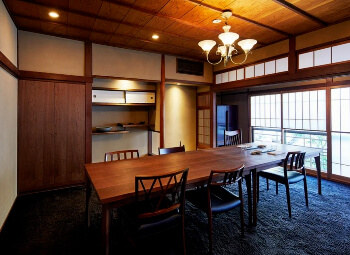
![]() VenaAwarded One Star in 2024 - A restaurant founded by a chef and sommelier born and raised in Kyoto, built on the concept of carefully selected seasonal ingredients and aged Italian wines. In an elegant space adorned with Scandinavian vintage furniture, guests can enjoy authentic Italian cuisine crafted with an abundance of seasonal ingredients unique to each time of year. Awarded One Star in 2024.View on JapanEatinerary
VenaAwarded One Star in 2024 - A restaurant founded by a chef and sommelier born and raised in Kyoto, built on the concept of carefully selected seasonal ingredients and aged Italian wines. In an elegant space adorned with Scandinavian vintage furniture, guests can enjoy authentic Italian cuisine crafted with an abundance of seasonal ingredients unique to each time of year. Awarded One Star in 2024.View on JapanEatinerary -
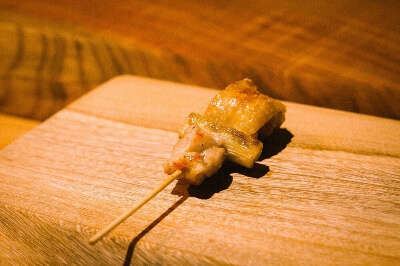
![]() Torisho SaiA newly spotlighted restaurant opened in 2024, part of the group of Yakitori Ichimatsu, one of Japan's most renowned yakitori establishments. Housed in a stylishly renovated traditional Japanese home, the restaurant serves yakitori made with Akita’s "Hinai Jidori," one of Japan’s top three premium chicken breeds, aged for about three days to enhance its flavor.View on JapanEatinerary
Torisho SaiA newly spotlighted restaurant opened in 2024, part of the group of Yakitori Ichimatsu, one of Japan's most renowned yakitori establishments. Housed in a stylishly renovated traditional Japanese home, the restaurant serves yakitori made with Akita’s "Hinai Jidori," one of Japan’s top three premium chicken breeds, aged for about three days to enhance its flavor.View on JapanEatinerary -
![]() NakatsukaAwarded One Star in 2024 - A one-of-a-kind restaurant where you can enjoy innovative cuisine crafted by the highly skilled Chef Mr. Nakatsuka, who honed his expertise at domestic and international three-star and two-star establishments. The restaurant is themed around "aroma" and features an open kitchen, designed to share the scents of the cooking process with its guests.View on JapanEatinerary
NakatsukaAwarded One Star in 2024 - A one-of-a-kind restaurant where you can enjoy innovative cuisine crafted by the highly skilled Chef Mr. Nakatsuka, who honed his expertise at domestic and international three-star and two-star establishments. The restaurant is themed around "aroma" and features an open kitchen, designed to share the scents of the cooking process with its guests.View on JapanEatinerary -
![]() MiyawakiA restaurant with a unique concept of offering traditional Kyoto cuisine in Tokyo, blending authentic techniques with innovative approaches. It is also known for attracting numerous prominent figures from various fields, including renowned Japanese music producers and soccer players.View on JapanEatinerary
MiyawakiA restaurant with a unique concept of offering traditional Kyoto cuisine in Tokyo, blending authentic techniques with innovative approaches. It is also known for attracting numerous prominent figures from various fields, including renowned Japanese music producers and soccer players.View on JapanEatinerary
-
Experiences around Kyoto
-
-
![]() SponsoredMaiko Tea and Entertainment with Behind-the-Scenes Insights at Kyoto�fs Oldest Geisha DistrictGain valuable insights into Kyoto�fs historic geisha culture at Umeno, a traditional ochaya banquet house in Kamishichiken, the oldest of Kyoto�fs five geisha districts. Although ochaya generally turn away new customers, Umeno�fs proprietress-to-be invites you to watch a maiko�fs (apprentice geisha) elegant dance and learn about her culture. Then, chat with them over sweets and matcha tea personally prepared by the maiko. After trying a traditional party game and snapping some pictures, hear about Umeno�fs sustainable practices and enter the dressing room used by its maiko, an extremely rare chance to go behind the scenes.View experienceSponsored
SponsoredMaiko Tea and Entertainment with Behind-the-Scenes Insights at Kyoto�fs Oldest Geisha DistrictGain valuable insights into Kyoto�fs historic geisha culture at Umeno, a traditional ochaya banquet house in Kamishichiken, the oldest of Kyoto�fs five geisha districts. Although ochaya generally turn away new customers, Umeno�fs proprietress-to-be invites you to watch a maiko�fs (apprentice geisha) elegant dance and learn about her culture. Then, chat with them over sweets and matcha tea personally prepared by the maiko. After trying a traditional party game and snapping some pictures, hear about Umeno�fs sustainable practices and enter the dressing room used by its maiko, an extremely rare chance to go behind the scenes.View experienceSponsored -
![]() SponsoredTea Plantation Tour and Organic Green Tea Tasting in the Birthplace of Japanese Green Tea, KyotoFounded in 1658 in the Kyoto town of Ujitawara – the birthplace of Japanese green tea – the Kaki-i plantation grows tea completely without the use of pesticides. In this experience, visitors can join the 21st generation head of the plantation to tour its fields and see historical sites associated with Soen Nagatani, who first developed the Japanese green tea enjoyed around the world today. If your seasonal timing is right, you can also observe the tea harvest or the processing of the leaf. Finally, enjoy a comparative tasting of 3 to 4 of Kaki-i�fs organic teas in a 150-year-old traditional Japanese home, and learn how best to enjoy each.View experienceSponsored
SponsoredTea Plantation Tour and Organic Green Tea Tasting in the Birthplace of Japanese Green Tea, KyotoFounded in 1658 in the Kyoto town of Ujitawara – the birthplace of Japanese green tea – the Kaki-i plantation grows tea completely without the use of pesticides. In this experience, visitors can join the 21st generation head of the plantation to tour its fields and see historical sites associated with Soen Nagatani, who first developed the Japanese green tea enjoyed around the world today. If your seasonal timing is right, you can also observe the tea harvest or the processing of the leaf. Finally, enjoy a comparative tasting of 3 to 4 of Kaki-i�fs organic teas in a 150-year-old traditional Japanese home, and learn how best to enjoy each.View experienceSponsored -
![]() SponsoredPrivate Stay at World Heritage Site Ninna-ji With Special Tour and Bewitching Light-UpExperience Ninna-ji Temple, a UNESCO World Heritage Site with deep links to the imperial family, like no other through an overnight stay inside the grounds. During a special private tour led by one of its monks, enter some of the oldest surviving temple buildings in all of Japan, such as the Great Hall (a National Treasure), which is normally closed to the public. Then, the grounds are yours for the night - after the sun sets, explore the lit-up grounds and take advantage of the lovingly curated accommodation, a former temple samurai residence (dinner also available as an optional add-on). Finally, refresh yourself by joining the monks�f morning service and Dharma sermon, as well as drawing rock patterns.View experienceSponsored
SponsoredPrivate Stay at World Heritage Site Ninna-ji With Special Tour and Bewitching Light-UpExperience Ninna-ji Temple, a UNESCO World Heritage Site with deep links to the imperial family, like no other through an overnight stay inside the grounds. During a special private tour led by one of its monks, enter some of the oldest surviving temple buildings in all of Japan, such as the Great Hall (a National Treasure), which is normally closed to the public. Then, the grounds are yours for the night - after the sun sets, explore the lit-up grounds and take advantage of the lovingly curated accommodation, a former temple samurai residence (dinner also available as an optional add-on). Finally, refresh yourself by joining the monks�f morning service and Dharma sermon, as well as drawing rock patterns.View experienceSponsored -
![]() SponsoredKiyomizu Ware Pottery Experience at a Century-Old Kiln in KyotoBased in Kyoto, the reputable Shoukoku Kiln, which was established more than 100 years ago, creates exquisite ceramic tableware that high-end ryotei restaurants use for kappo fine-dining cuisine. At this prestigious kiln that preserves tradition while constantly seeking innovation, discover the secrets to long-lasting, high-quality ceramics as you hand-build or paint pottery under the guidance of a skilled artisan who has mastered the art of Kyo-yaki and Kiyomizu-yaki ceramic ware.View experienceSponsored
SponsoredKiyomizu Ware Pottery Experience at a Century-Old Kiln in KyotoBased in Kyoto, the reputable Shoukoku Kiln, which was established more than 100 years ago, creates exquisite ceramic tableware that high-end ryotei restaurants use for kappo fine-dining cuisine. At this prestigious kiln that preserves tradition while constantly seeking innovation, discover the secrets to long-lasting, high-quality ceramics as you hand-build or paint pottery under the guidance of a skilled artisan who has mastered the art of Kyo-yaki and Kiyomizu-yaki ceramic ware.View experienceSponsored -
![]() SponsoredLearn the Art of Karesansui Dry-Garden Raking from a Kyoto MasterKyoto�fs Sagano-Arashiyama district is an iconic landmark, beloved by visitors from all over Japan and the world for its harmony of rich natural scenery and historic architecture. Here, the cultural property garden restoration and maintenance organization Sone Zoen – responsible for designing and managing the gardens of famous shrines and temples across Kyoto – runs the �gHogan�h facility, which offers visitors the chance to experience authentic Zen sand raking in a traditional Japanese house and garden. Find inner tranquility as you contemplate the garden�fs beauty, before experiencing the spirit of Zen and the historic tradition of karesansui dry gardening through sand-raking with a master.View experienceSponsored
SponsoredLearn the Art of Karesansui Dry-Garden Raking from a Kyoto MasterKyoto�fs Sagano-Arashiyama district is an iconic landmark, beloved by visitors from all over Japan and the world for its harmony of rich natural scenery and historic architecture. Here, the cultural property garden restoration and maintenance organization Sone Zoen – responsible for designing and managing the gardens of famous shrines and temples across Kyoto – runs the �gHogan�h facility, which offers visitors the chance to experience authentic Zen sand raking in a traditional Japanese house and garden. Find inner tranquility as you contemplate the garden�fs beauty, before experiencing the spirit of Zen and the historic tradition of karesansui dry gardening through sand-raking with a master.View experienceSponsored
-



-
-
![]() Kyoto 100% Pure Silk Kimono ExperienceBasic okomon kimono plan: [Included in the fee]: Only okomon kimono and half-width obi are included [Excluded from the fee]: Small bag, tabi socks, rental sandals, muscle wear, and corrections are not includedView on Klook
Kyoto 100% Pure Silk Kimono ExperienceBasic okomon kimono plan: [Included in the fee]: Only okomon kimono and half-width obi are included [Excluded from the fee]: Small bag, tabi socks, rental sandals, muscle wear, and corrections are not includedView on Klook -
![]() Matcha Tea Ceremony Experience (Kyoto)You can enjoy watching the tea ceremony by the teacher and experience the tea ceremony. Comes with matcha and Japanese sweets!View on Klook
Matcha Tea Ceremony Experience (Kyoto)You can enjoy watching the tea ceremony by the teacher and experience the tea ceremony. Comes with matcha and Japanese sweets!View on Klook -
![]() Private Kyoto Gion Highlights & Hidden Gems Tour with Local GuideExperience the best of Gion�fs nightlife scene with a local insider to guide youView on Klook
Private Kyoto Gion Highlights & Hidden Gems Tour with Local GuideExperience the best of Gion�fs nightlife scene with a local insider to guide youView on Klook -
![]() Ultimate Kyoto Arashiyama Tour: Bamboo, Monkeys, Zen Gardens & GemsSaga-Arashiyama Station: Meet at the Saga-Arashiyama Station, where you can take a few minutes to explore the surrounding area and get acquainted with your group.View on Klook
Ultimate Kyoto Arashiyama Tour: Bamboo, Monkeys, Zen Gardens & GemsSaga-Arashiyama Station: Meet at the Saga-Arashiyama Station, where you can take a few minutes to explore the surrounding area and get acquainted with your group.View on Klook -
![]() Kyoto City Highlights & Hidden Gems Private Custom Tour with a LocalGet to know the real Kyoto with your host (a city local) and avoid the tourist traps, whilst still seeing the highlights!View on Klook
Kyoto City Highlights & Hidden Gems Private Custom Tour with a LocalGet to know the real Kyoto with your host (a city local) and avoid the tourist traps, whilst still seeing the highlights!View on Klook -
![]()
-
![]() Kyoto 4 Hour Low-Down Private Walking TourSee a tailor-made selection of sites, picked by your local guide, that show every side of KyotoView on Klook
Kyoto 4 Hour Low-Down Private Walking TourSee a tailor-made selection of sites, picked by your local guide, that show every side of KyotoView on Klook -
![]() Kyoto Premium Kimono Rental and Photoshooting by Kimono Fusengawa**Klook Exclusive Free Next Day Return! Limited Time Only!** Show this message and return your Kimono the next day for FREE for rental during Sep 15 - Dec 15, 2023. Exclusions applied to Furisode. See What to Expect for more detailsView on Klook
Kyoto Premium Kimono Rental and Photoshooting by Kimono Fusengawa**Klook Exclusive Free Next Day Return! Limited Time Only!** Show this message and return your Kimono the next day for FREE for rental during Sep 15 - Dec 15, 2023. Exclusions applied to Furisode. See What to Expect for more detailsView on Klook -
![]() Kyoto Photography ServicesThe photographer has lived in Japan for many years and knows many niche places in Kyoto. If necessary, you can negotiate with the photographerView on Klook
Kyoto Photography ServicesThe photographer has lived in Japan for many years and knows many niche places in Kyoto. If necessary, you can negotiate with the photographerView on Klook -
![]() Kyoto Kimono Rental Experience, Photo Shoot, and Family (Aiwa Fuku Kyoto 6 Stores)Explore Kyoto�fs picturesque streets dressed in a traditional Japanese kimonoView on Klook
Kyoto Kimono Rental Experience, Photo Shoot, and Family (Aiwa Fuku Kyoto 6 Stores)Explore Kyoto�fs picturesque streets dressed in a traditional Japanese kimonoView on Klook
-