Favorite spots in Fukui

Situated along the Sea of Japan, Fukui is an underrated destination with highlights like peaceful temples and shrines surrounded by nature, amazing local food and friendly people. What makes all these even more appealing is the lack of crowds. For me, these are all important factors for creating a perfect relaxing trip. Fukui offers plenty to see and do, and this is a short list of my favorite spots that make me return time and again.
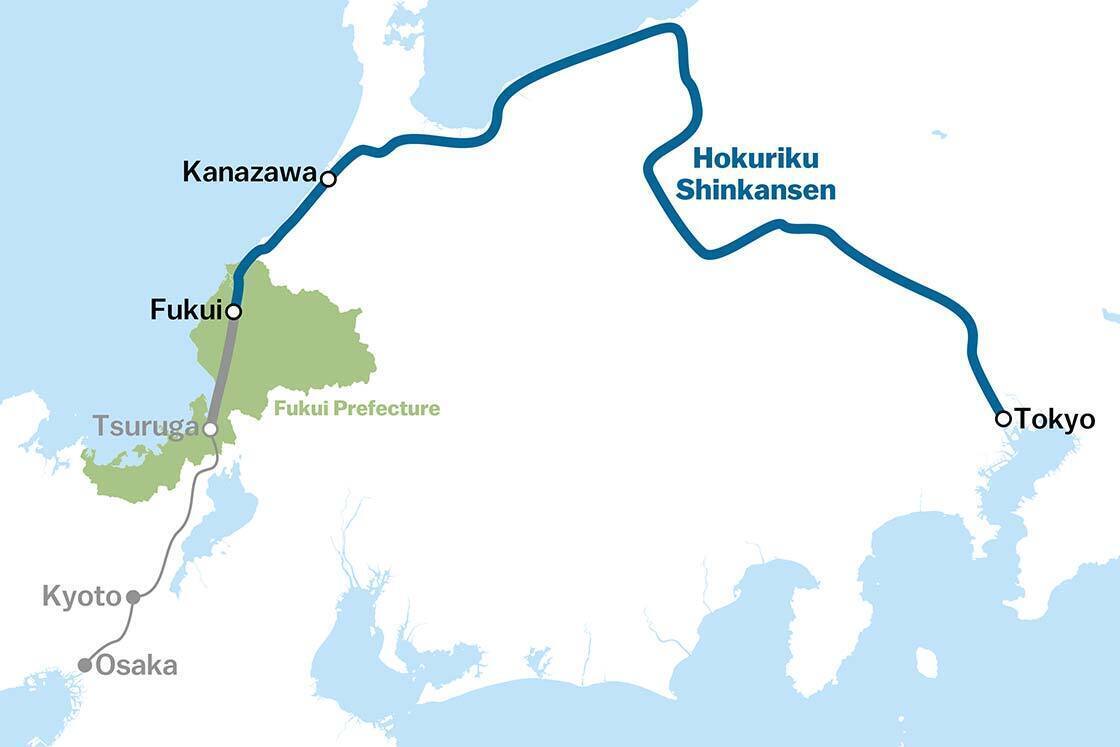
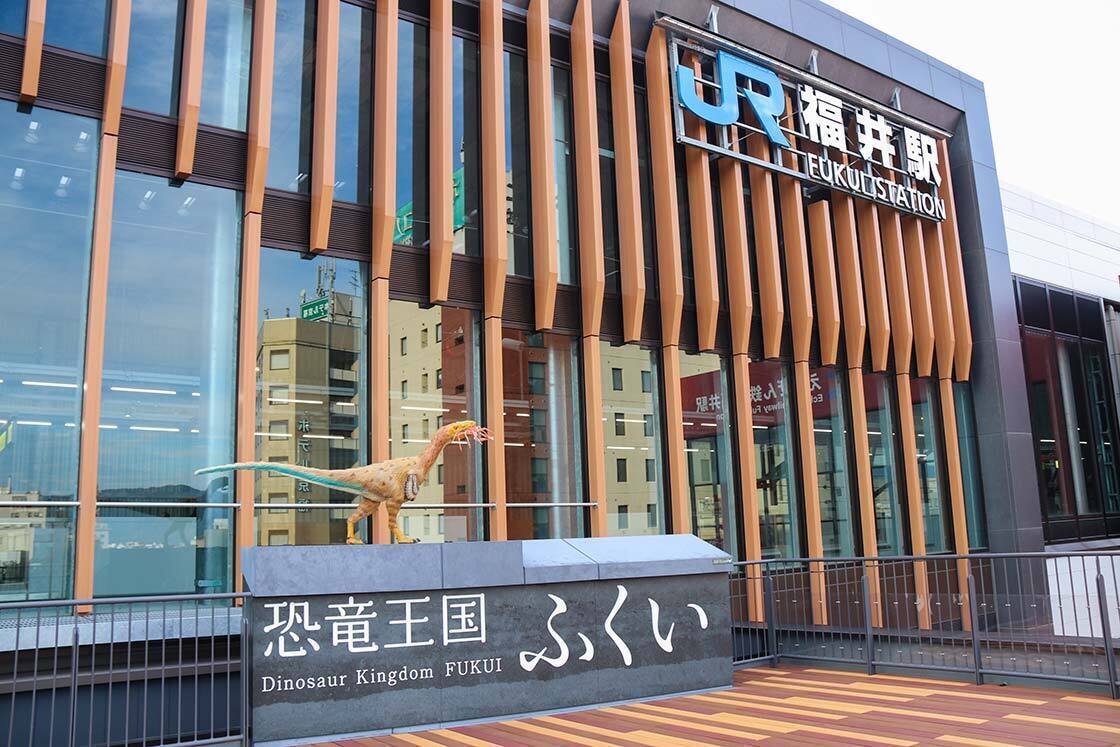
Fukui City, the prefectural capital, is a transport hub for the region, and staying in the city is recommended for those who want to explore the area at a leisurely pace. The extension of the Hokuriku Shinkansen in 2024 has made Fukui much easier to access. The city is only 30 minutes from Kanazawa, a popular destination in the Hokuriku region, or about three hours from Tokyo by bullet train.
Eiheiji Temple
Eiheiji Temple is the headquarters of one of the three Zen sects in Japan; the other two are Rinzai and Obaku. The first time I heard of Eiheiji Temple was when I read that Apple's co-founder Steve Job wanted to train as a monk there, which made me curious about it. Now that I have visited, I can say that Eiheiji Temple is worth visiting even for those who do not plan to be monks, like me.
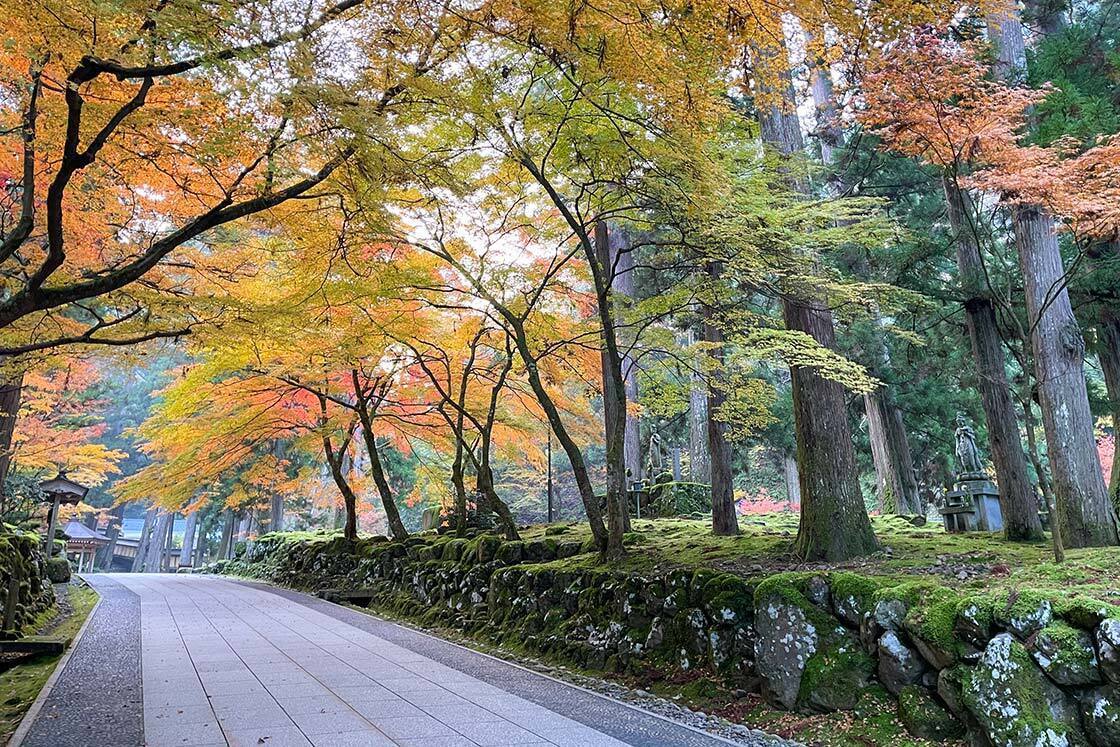
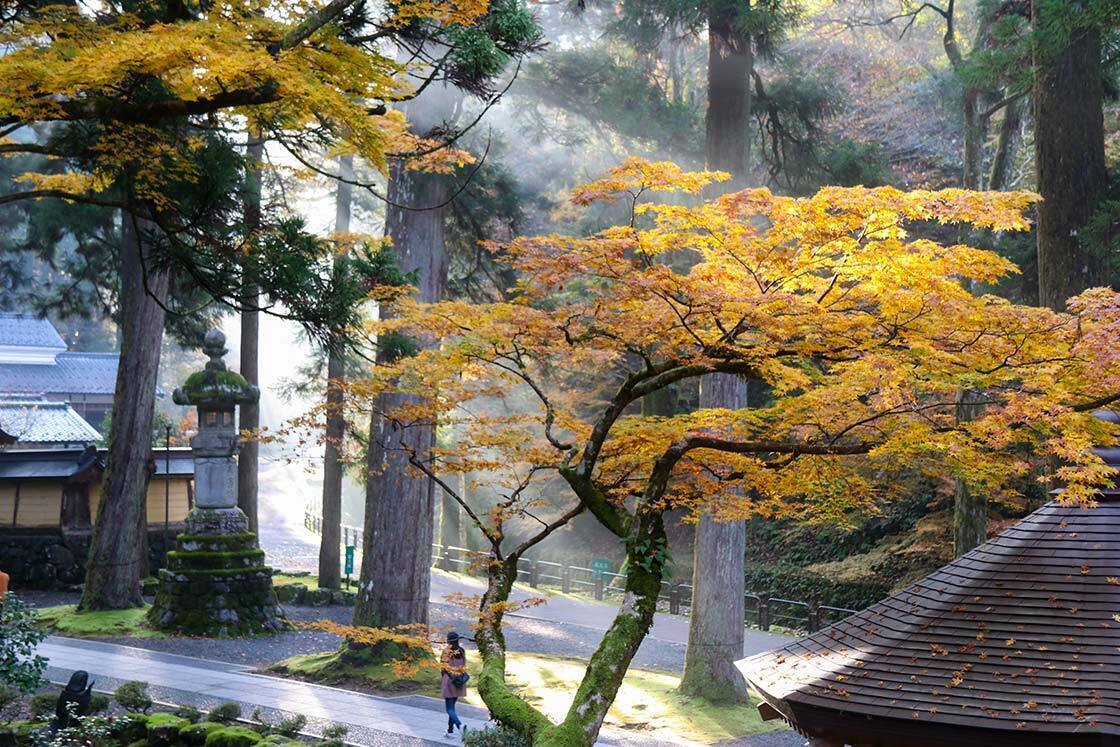
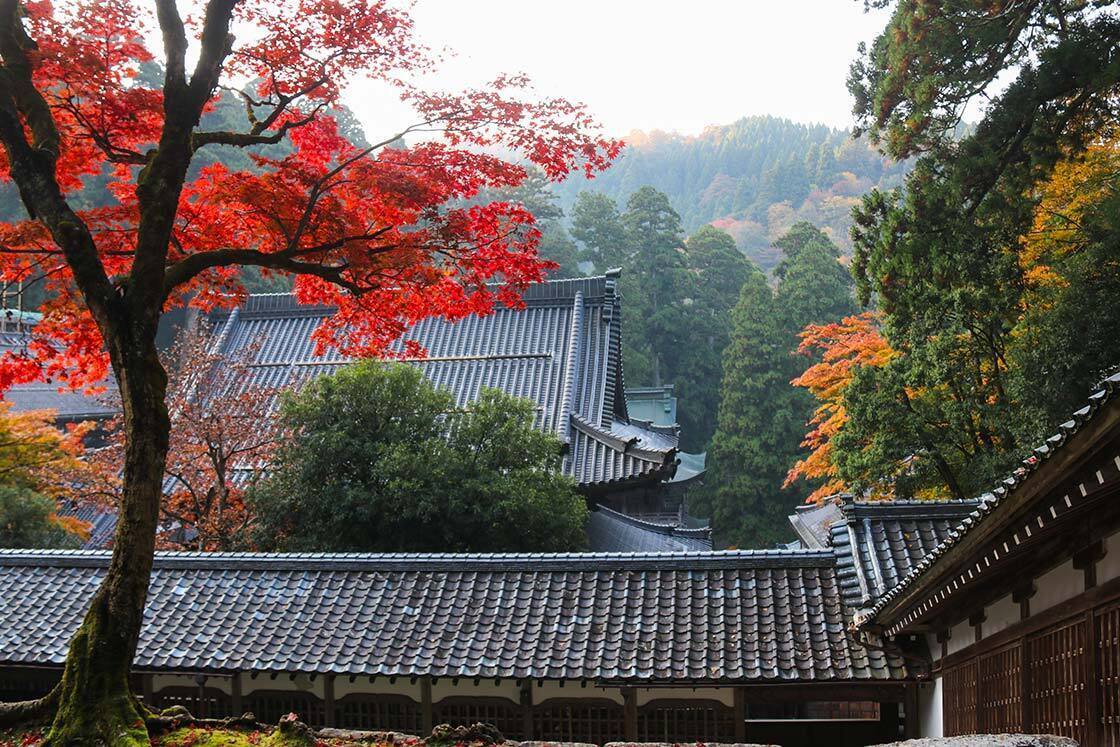
The working monastery is tucked away in a quiet valley, and has a calm and peaceful aura. Over 70 buildings make up the temple complex, but not all can be entered - most can only be appreciated from the outside. Seven main buildings make up the core of Eiheiji Temple, and they are connected by sheltered corridors, which make it easy to visit Eiheiji Temple even in rain or snow. The temple is nice to visit all through the year, but autumn is one of the most attractive periods when the trees on the temple grounds change the color of their leaves.
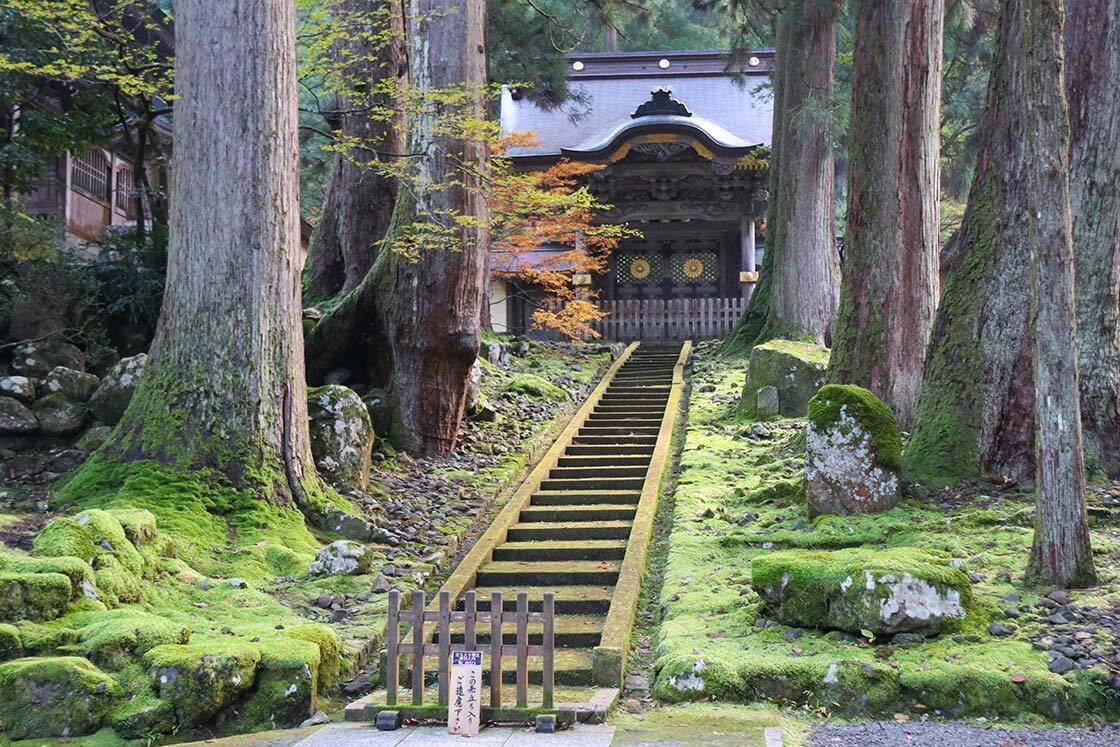
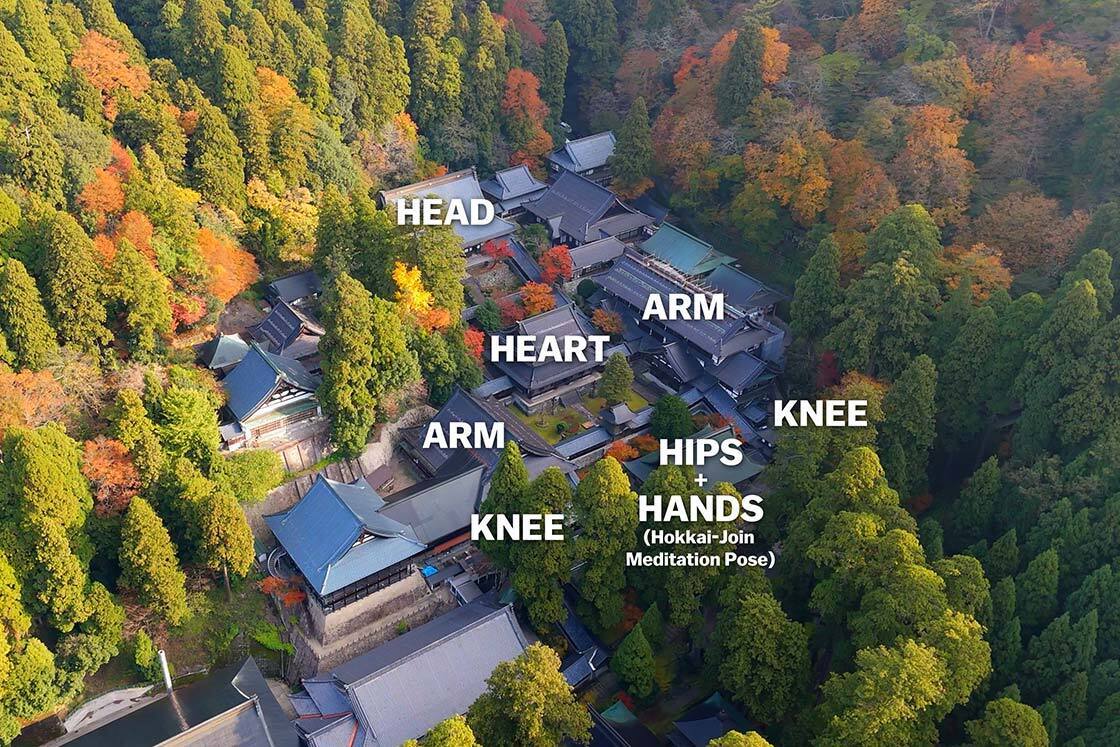
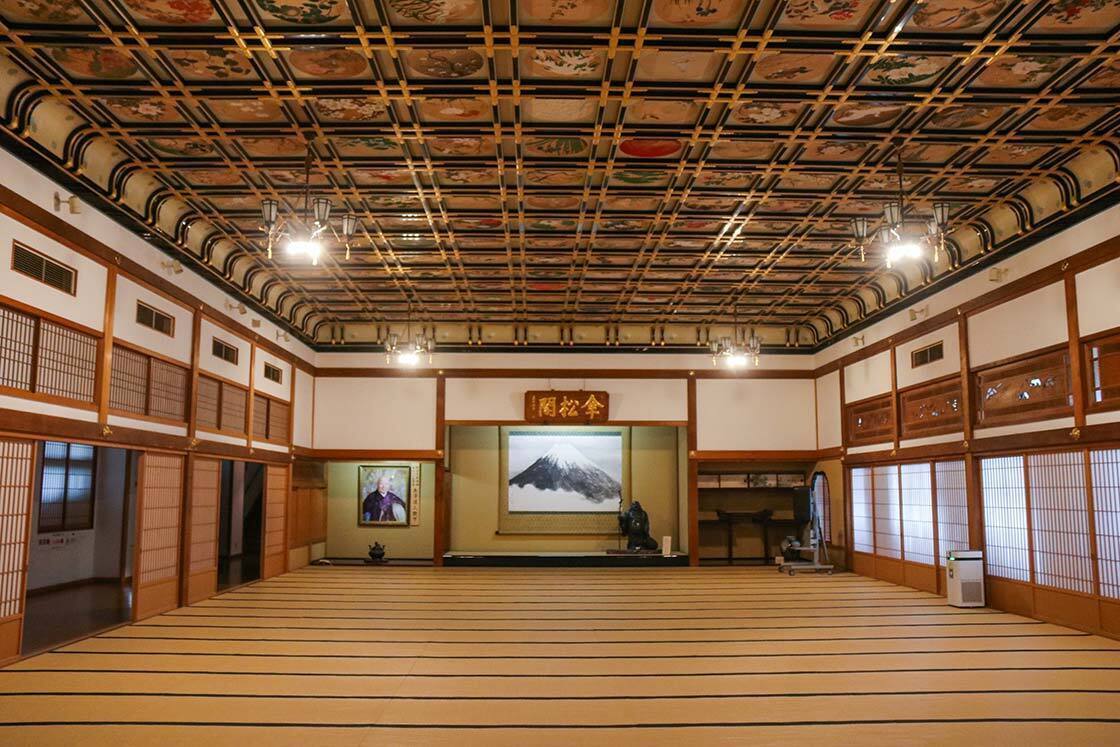
Starting at the main entrance where the admission fee is paid, the typical route continues through to the Kichijokaku, a large hall where visitors can sign up for a Zazen meditation session, purchase temple souvenirs or watch an explanatory video about Eiheiji Temple. The route leads to the Sanshokaku, a large 156 tatami mat room with a beautiful ceiling made of 230 panels of paintings by 144 artists from the early 20th century. Beyond that are the seven main buildings, which are usually visited in a clockwise loop.
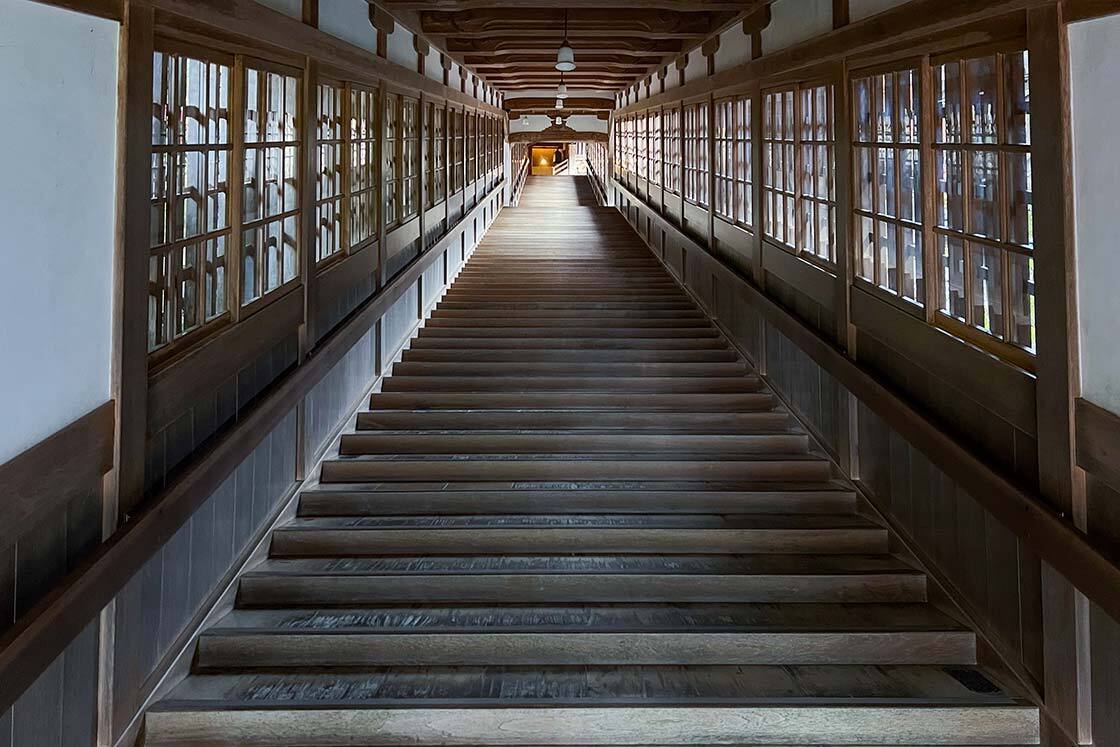
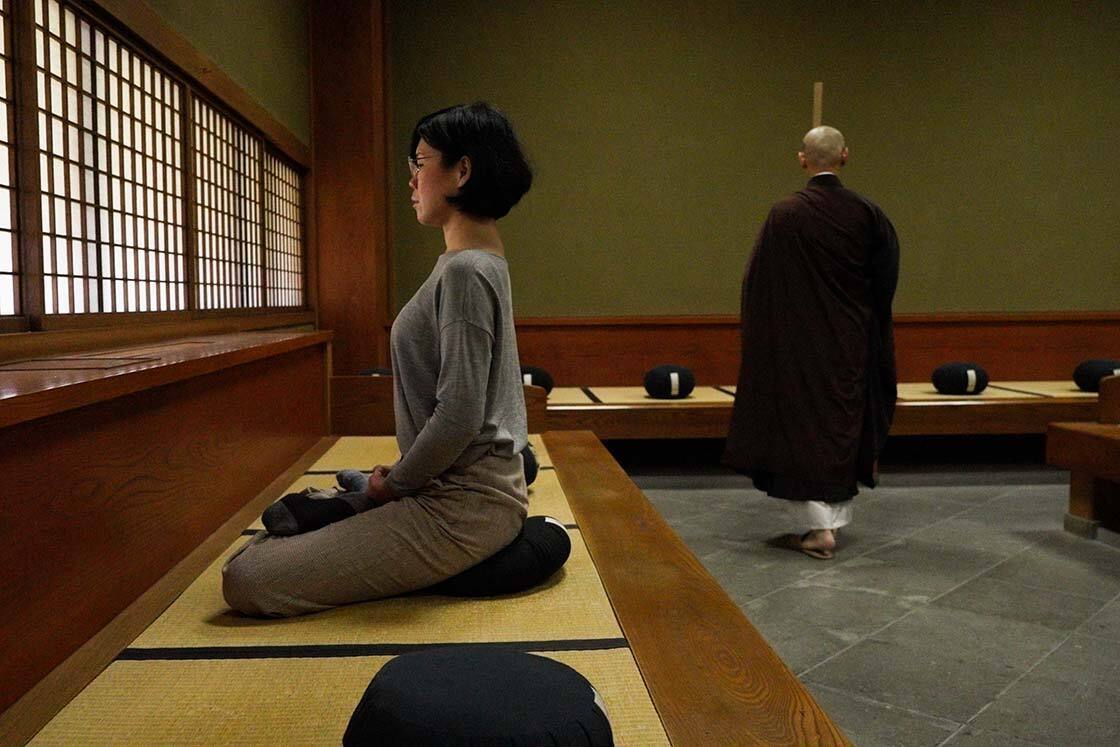
The Zen atmosphere at the Eiheiji Temple is unmistakable, and it is only respectful to keep the peace as visitors. I walked slowly to give myself time to feel the place and appreciate its simple beauty. In addition to visiting the temple, participating in a Zazen meditation session is another way to experience the temple, which was what I did. Zazen practice is the way of life for the monks at Eiheiji Temple, and it involves focusing on what is present through breath work and mental observations.
Zazen meditation may look simple at first glance, but the hardest part for me was releasing and removing all thoughts from my mind. I struggled to empty my mind, and decided after the hour was up that I truly needed more practice. Even for those who are not religious, practicing meditation could lead to a good habit of training mindfulness.
Opening hours and access
Taking into consideration travel times, I would recommend allocating about half a day for a visit to Eiheiji. The typical visit route in the temple takes about 60 minutes, and hour-long Zen meditation sessions are held several times a day.
Eiheiji Temple is open to the public from 8:30 to 16:30; admission until 16:00. The Express Eiheiji Liner (特急永平寺ライナー) is a direct bus service between Fukui Station and Eiheiji (30 minutes one way, hourly departures starting from 9:50).
Fukui Prefectural Dinosaur Museum
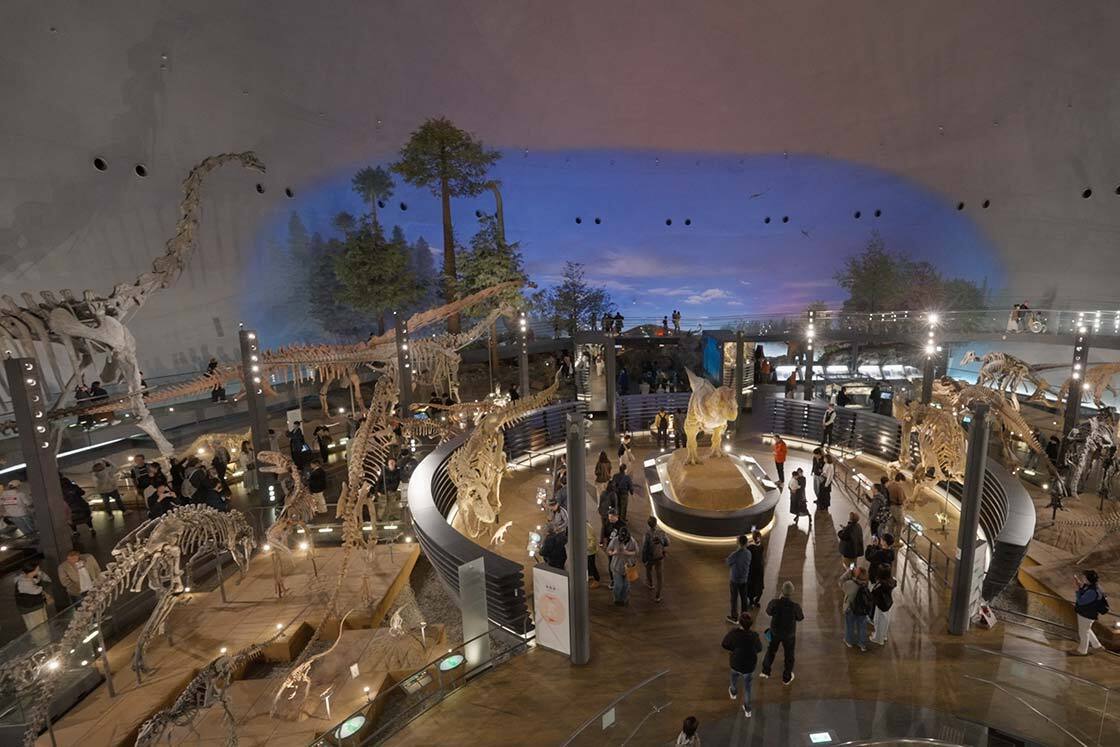
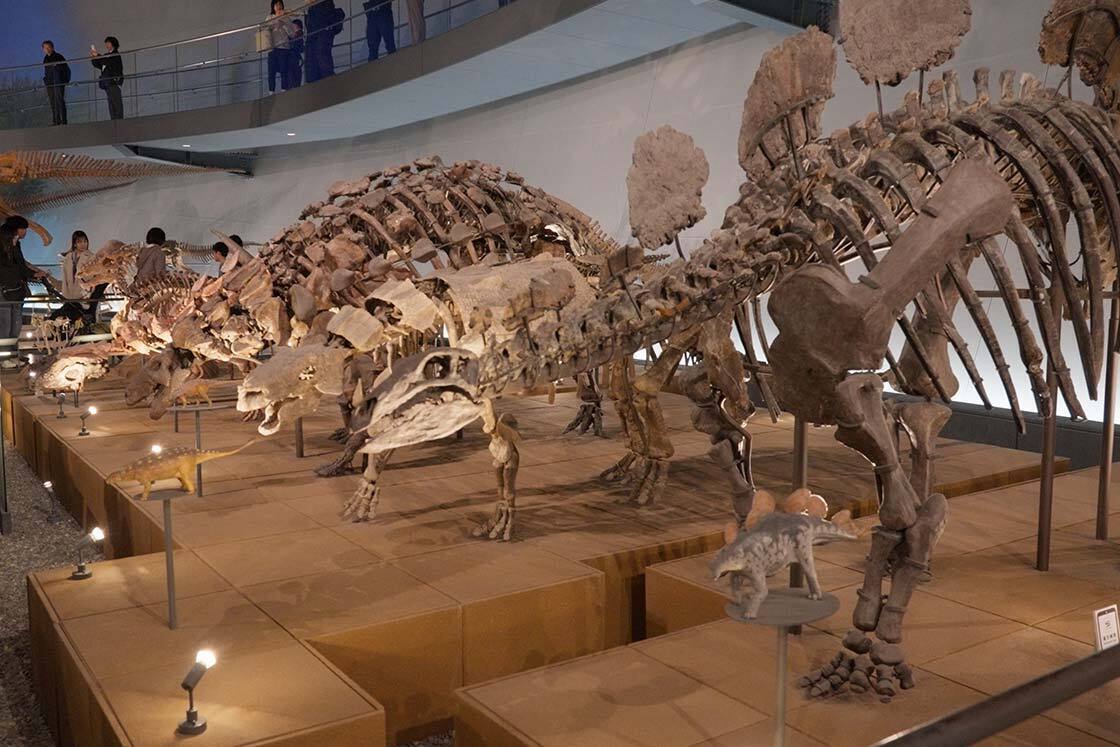
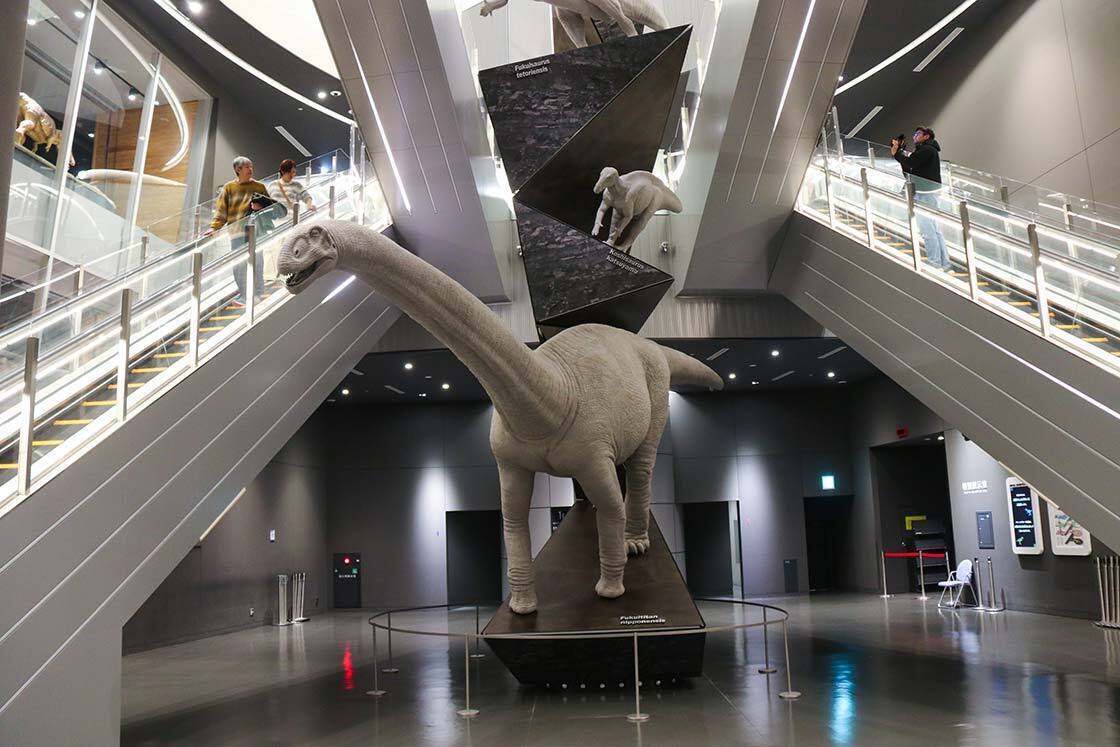
The Fukui Prefectural Dinosaur Museum is one of the world's best dinosaur museums and one of my favourite museums in the world. The area near the museum was where dinosaur fossils were discovered in the late 1980s. Since then, it has been a prolific site, where many more fossils were uncovered over the decades. In fact, several new dinosaur species were discovered in Fukui - six out of thirteen new species found in Japan to be exact - and the word Fukui is part of their genus names in homage to their place of discovery.
The well-rounded museum contains many fossils and bilingual descriptions of the exhibits as well as excellent dinosaur animatronics that add to the entertainment factor. As a dinosaur fan, who has visited multiple times, every trip to the museum has been highly enjoyable. There is something for visitors of all ages, and I am certain that everyone who visits the dinosaur museum will learn something or be entertained.
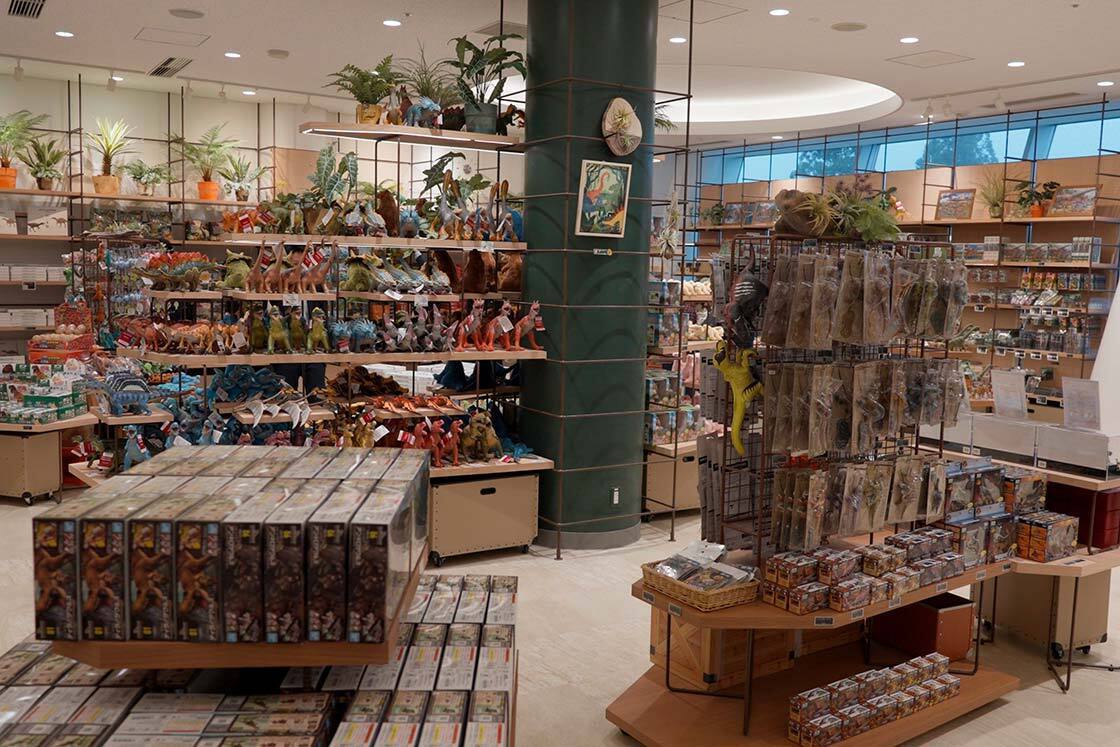
I usually spend at least 1.5 hours at the Fukui Prefectural Dinosaur Museum each time. In fact, I spent almost four hours at the museum the very first time I visited as I made sure to cover every part of the museum from the excellent exhibition rooms, restaurant and most importantly, the museum shop for all the dinosaur merch to bring home.
Opening hours and access
Including transportation there and back, I would recommend setting aside at least half a day for a visit to the museum.
The Fukui Prefectural Dinosaur Museum is open from 9:00 to 17:00; admission until 16:30. Take an Echizen Railway train bound for Katsuyama from Fukui Station and get off at the terminal station. The one way journey takes about 60 minutes. From there, transfer to the direct local bus bound for the Dinosaur Museum (15 minutes one way, 1-2 departures/hour). Taxis - a 10-minute ride - are also available at Katsuyama Station for an alternative to the bus.
Heisenji Hakusan Shrine
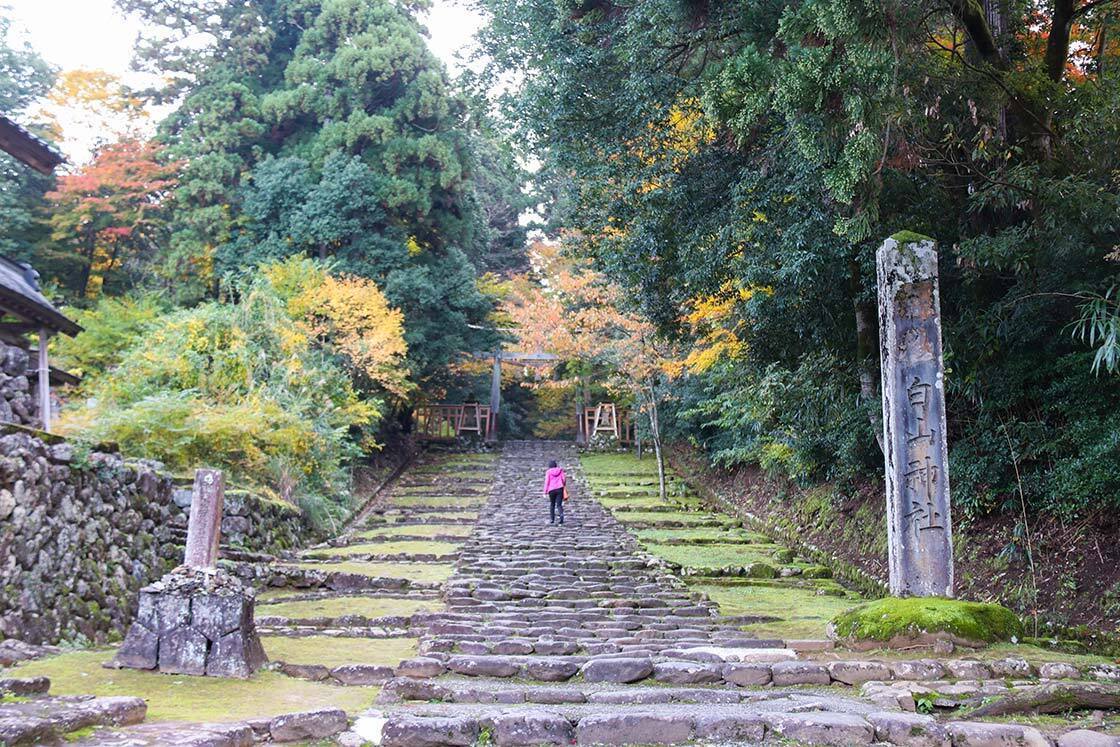
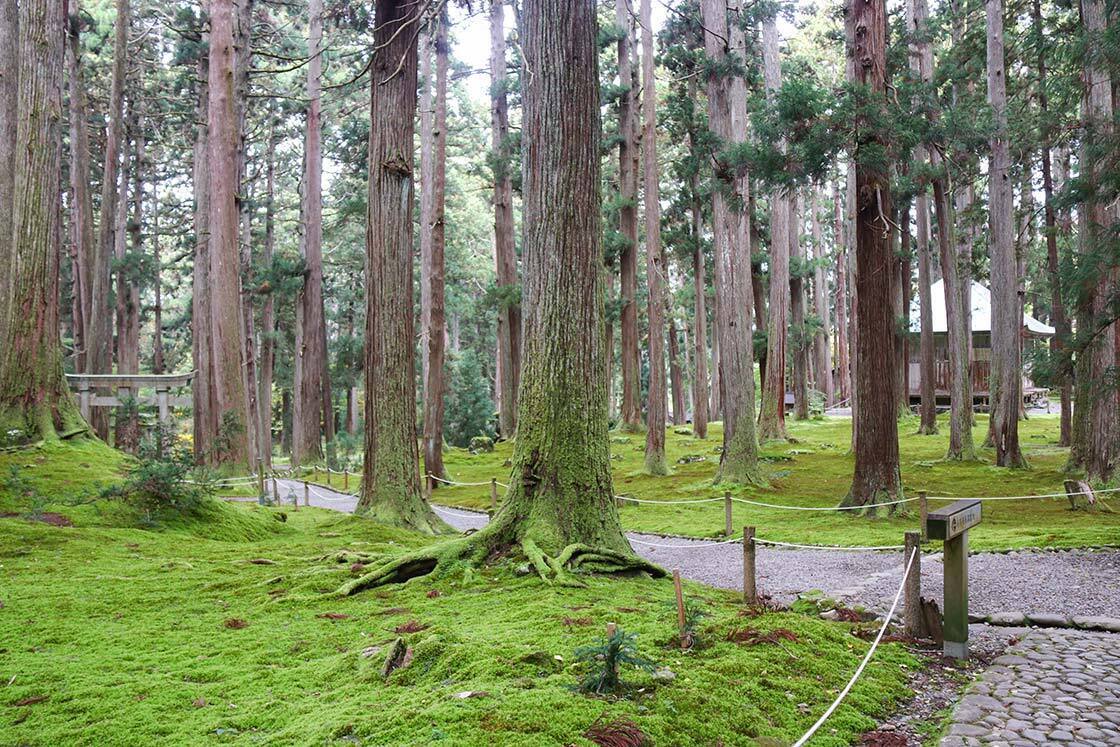
Heisenji Hakusan Shrine is a calm and peaceful shrine located in a forest about an hour from Fukui. Personally, I would recommend visiting the shrine in the early morning, when all is still quiet, and you pretty much have the whole place to yourself. The quietness of the shrine combined with the morning sunlight piercing through the tree canopy have made Heisenji Hakusan Shrine a special place for me.
A long time ago, Heisenji Hakusan Shrine was actually a massive temple complex with thousands of monks living and training here. But in the late 1500s it was destroyed during a local power struggle. For centuries, the southern part of the old temple grounds lay buried beneath layers of earth and moss, while the northern area developed into the forest area we can see now.
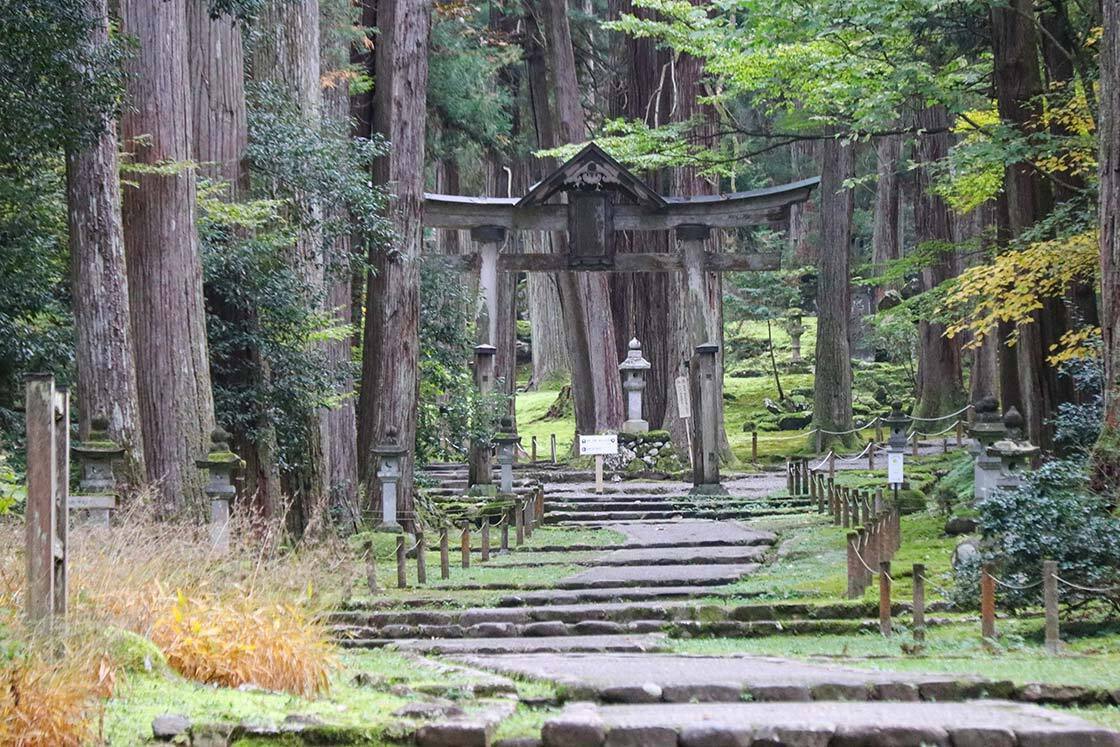
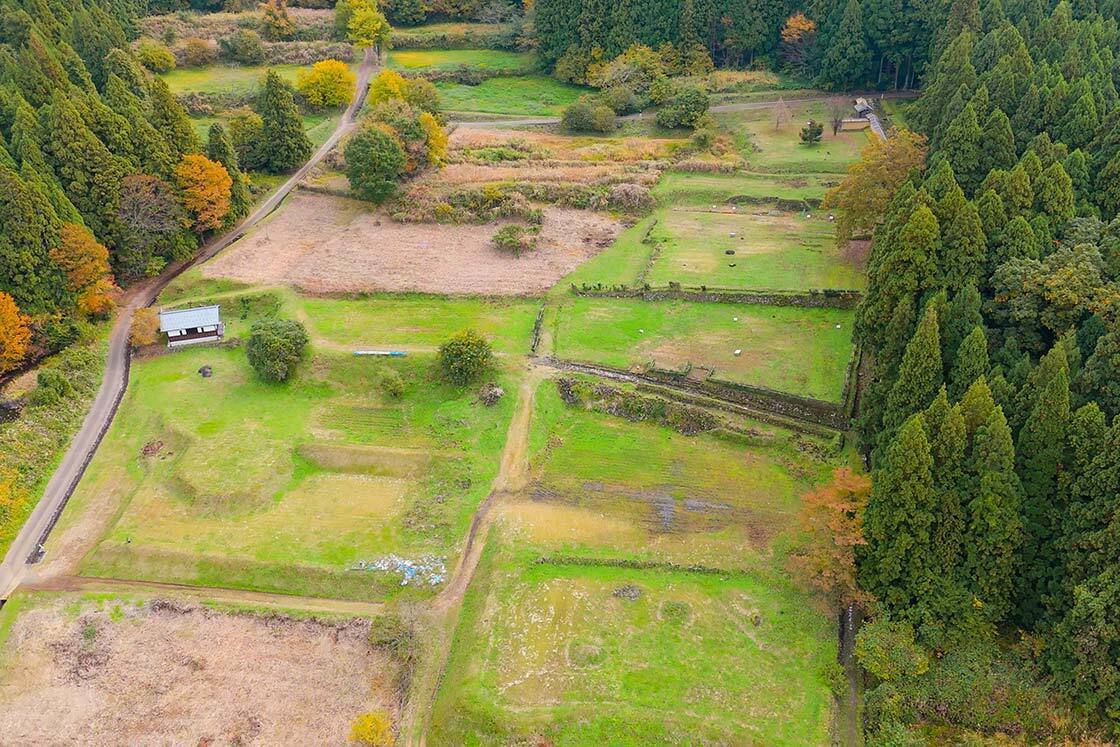
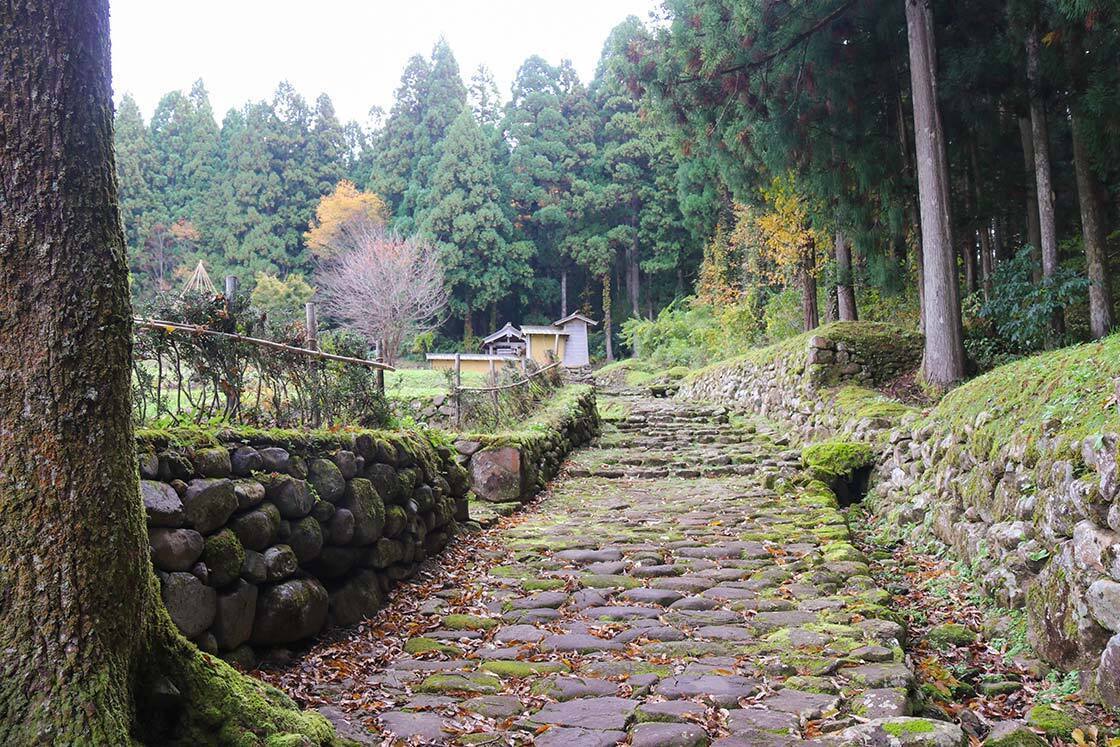
In the late 1980s, the southern area was excavated and the remains of the temple grounds were uncovered. When combined the physical evidence and some written records, it was clear as to what some excavated parts sections were. Today, this excavated area is open to the public, and there are descriptions explaining the function of each spot.
Despite knowing a bit about the history of Heisenji Hakusan Shrine, I was still surprised when I saw the excavated site as I did not imagine it to be that large. But I guess there had to be enough space for thousands of monks. The ruins that can be seen today are just a section of the former temple grounds, and that just showed me the scale of Heisenji at its height.
Opening hours and access
The grounds to Heisenji Hakusan Shrine are always open. Including transportation there and back, I would recommend setting aside at least half a day for a visit to the shrine. Heisenji Hakusan Shrine is best accessed by rental car as public transport is highly infrequent. Rental car outlets are available near Fukui Station, and the drive to the shrine takes about 40-50 minutes. Heisenji Hakusan Shrine is not far from the dinosaur museum, and it takes about 15 minutes to drive between the two.
Yokokan Garden
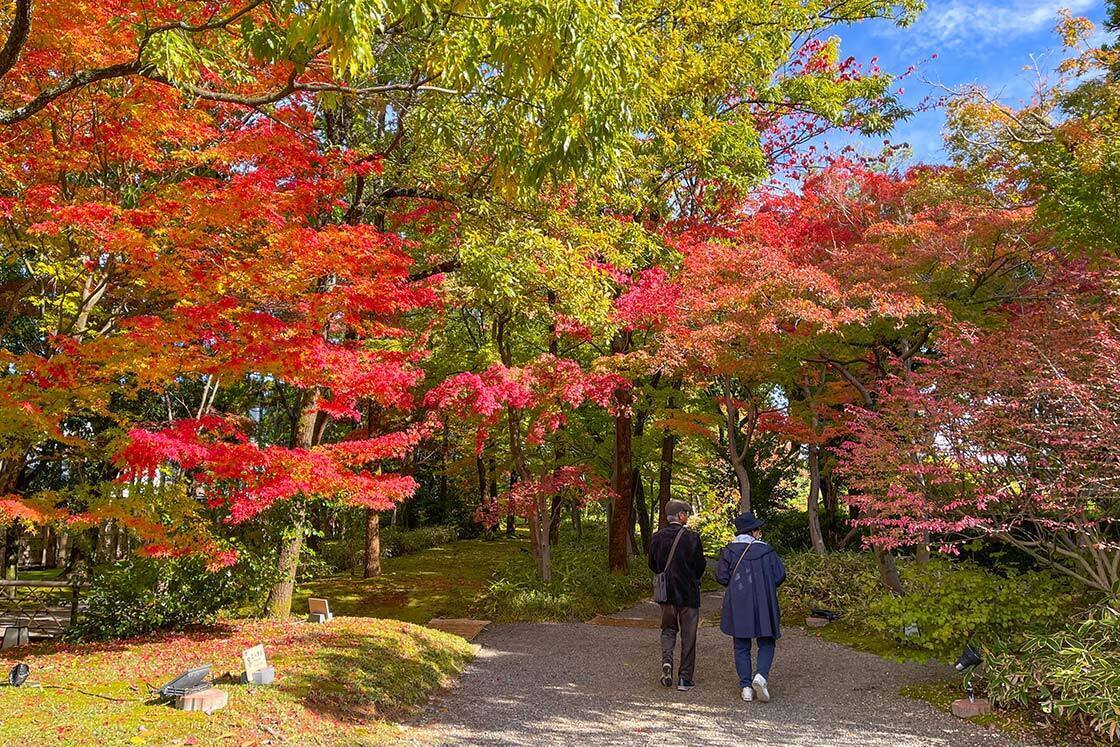
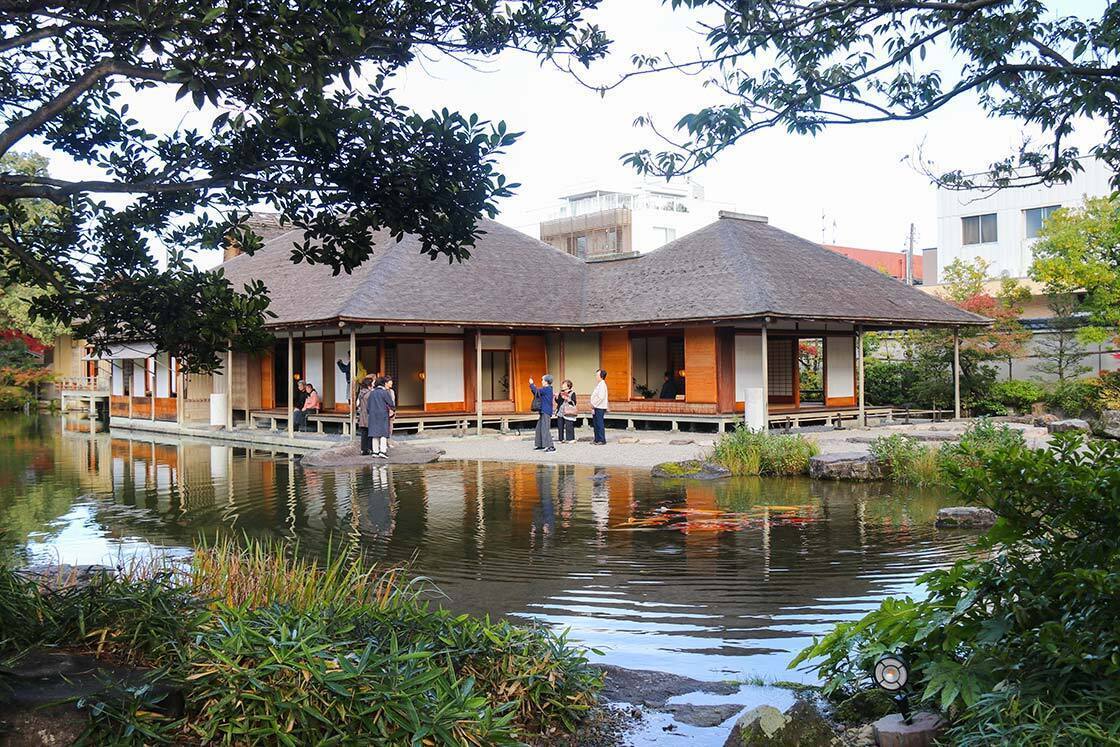
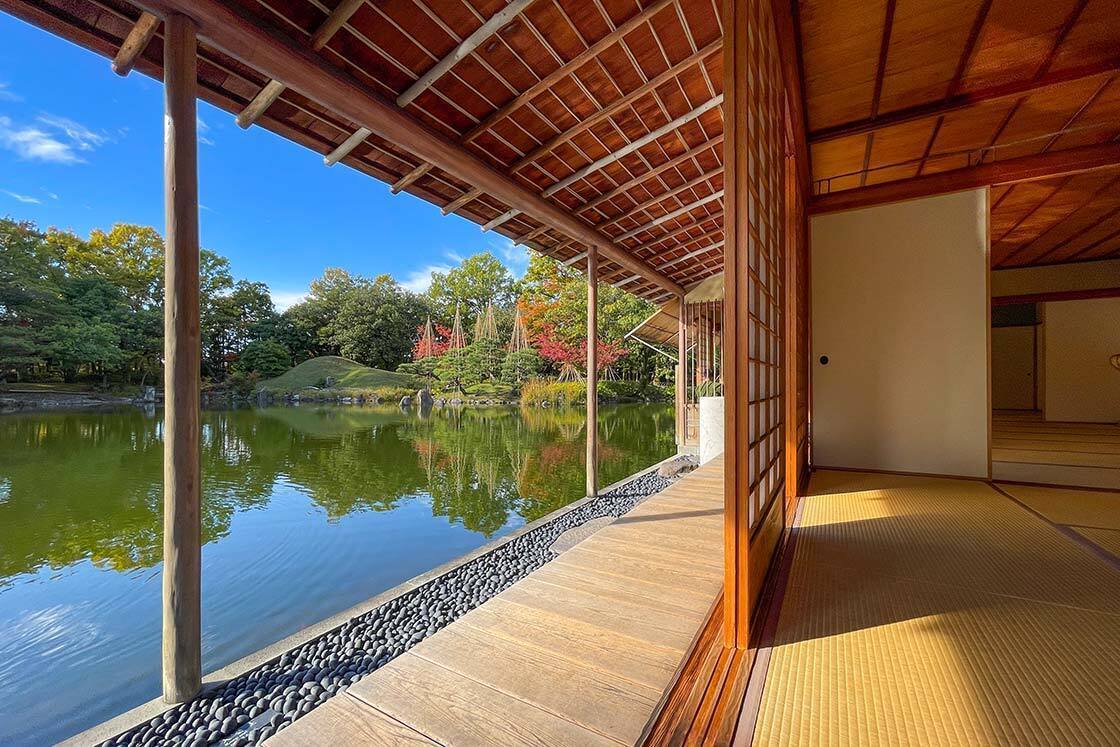
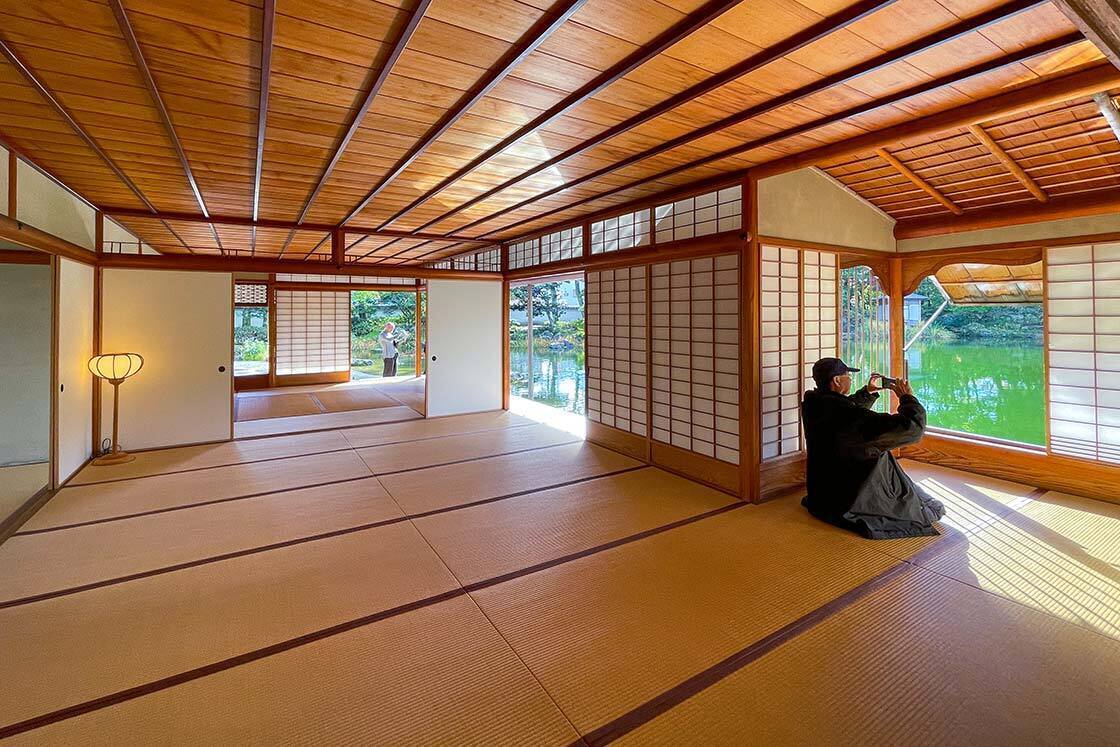
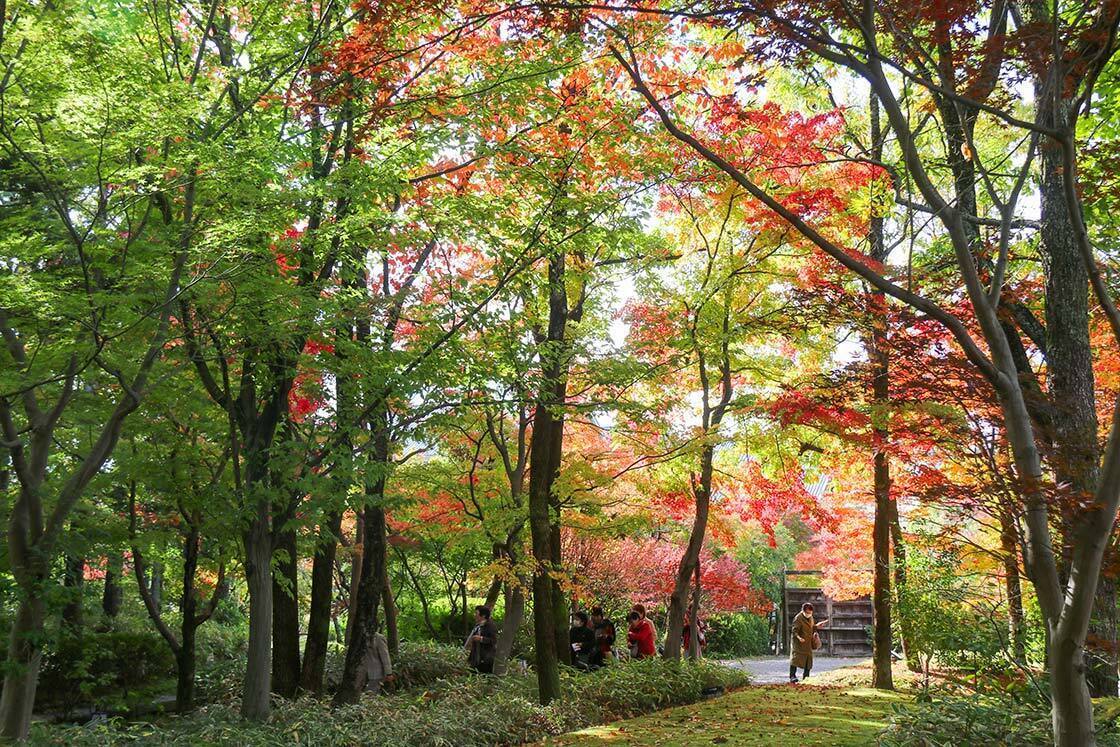
Yokokan Garden is the best landscape garden in central Fukui, and its villa is a beautiful reconstruction that blends in well with the greenery in the garden. The garden may not be large, but it definitely does not lose out when it comes to scenery. Yokokan Garden is nice to visit through the year, but I heard it is a popular place to take wedding pictures in the autumn when the leaves display their vibrant hues of red, orange and yellow.
A nice way to get to Yokokan Garden is walking through the Fukui Castle Ruins. Once the seat of the feudal lord, the castle grounds now house the prefectural government building and police headquarters - the contemporary version of a feudal government. In spring, the cherry trees that surround the castle walls turn the site into a cherry blossom viewing spot, adding a nice seasonal touch.
The last time I visited Fukui in spring, I made sure to visit the castle ruins for the cherry blossoms, and this time, I visited Yokokan Garden in autumn. Both were very pleasant in my books, and I would highly recommend them to visitors who want to see seasonal flora in Fukui.
Opening hours and access
Yokokan Garden is open from 9:00 to 17:00 (until 19:00 from March to early November); admission ends 30 minutes before closing. The garden is approximately 15 minutes on foot from Fukui Station.
Dining in Fukui City
Food can make or break a good trip, and Fukui has some of my favorite foods. The local specialties include Echizen crab, Echizen soba, mackerel, mochi and mizuyokan, which I have tried on previous trips. Sake and craft beer are also popular. Fukui has a wide variety of delicious food, and the biggest issue for me is choosing what to eat with limited stomach space. Here are two well-established shops in central Fukui that should not be missed.
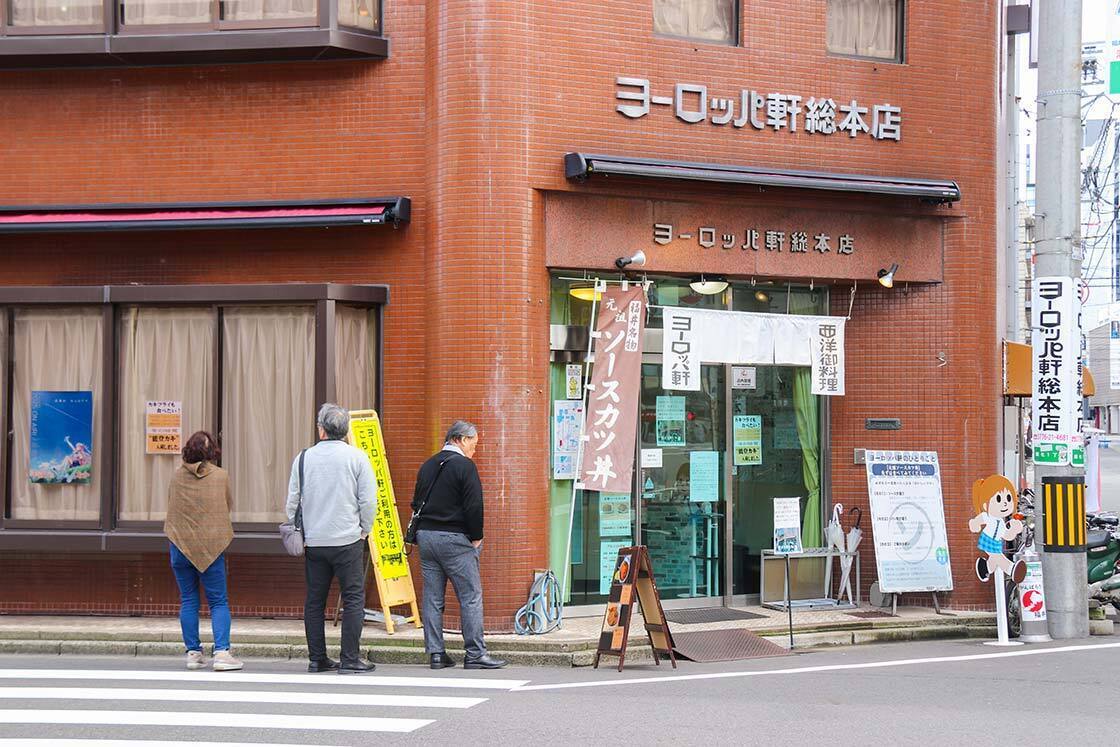
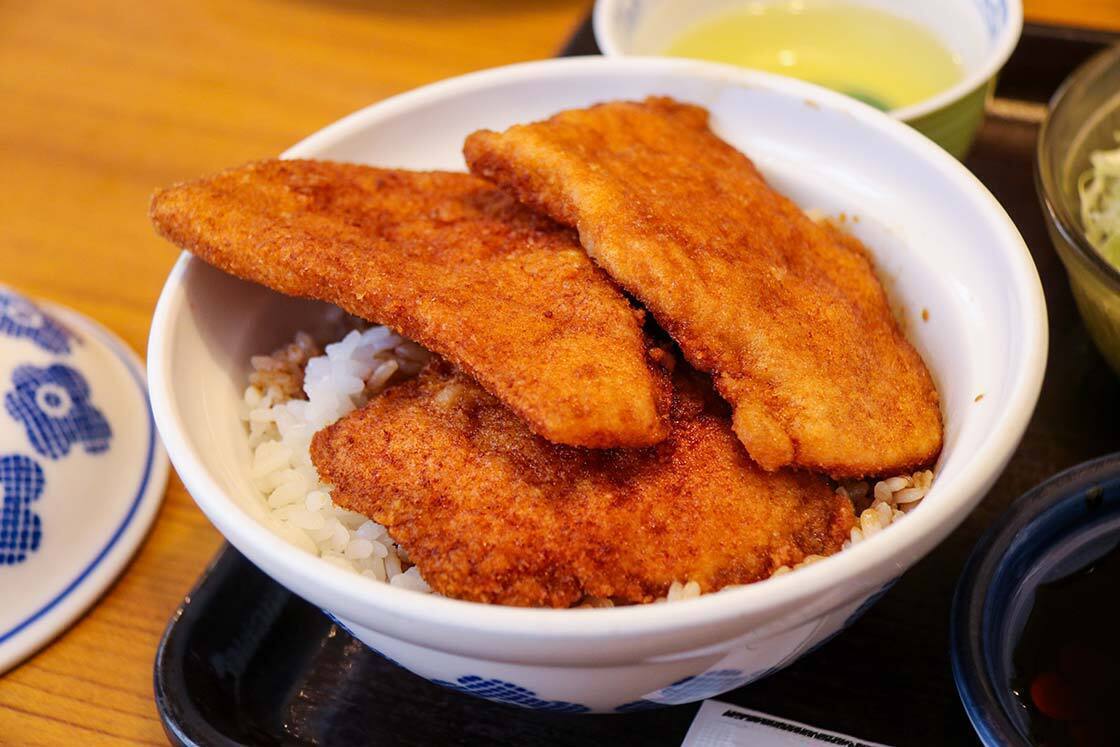
B-kyu gurume is a Japanese term for affordable and casual dishes that locals love, and each region or city has their own specialty. In Fukui, it is sauce katsudon, which is a pork cutlet dipped in a savory sauce made with soy sauce and mirin. Typically eaten with rice, this beloved dish can be found at many restaurants in Fukui, but Europe-ken is one of the oldest establishments serving the dish.
The Fukui-born founder of Europe-ken is said to be the creator of the first iterations of katsudon (fried pork cutlet on rice). He returned to Japan after six years of culinary research in Berlin, Germany and wanted to introduce the German-style of Worcestershire sauce to the Japanese palate. In 1913, he established his first restaurant named Europe-ken, in homage to his time in Europe, in Tokyo, then returned to Fukui in 1924 to set up his main store. Good food never fades out, and I was truly impressed at the legacy of the simple and hearty dish. I am grateful for my friend's recommendation to try this dish, which was both filling and fulfilling after I learnt about the history of the place.
Europe-ken's main store is open from 11:00 to 19:50, and is located in downtown Fukui. It is 10-15 minutes on foot from Fukui Station.
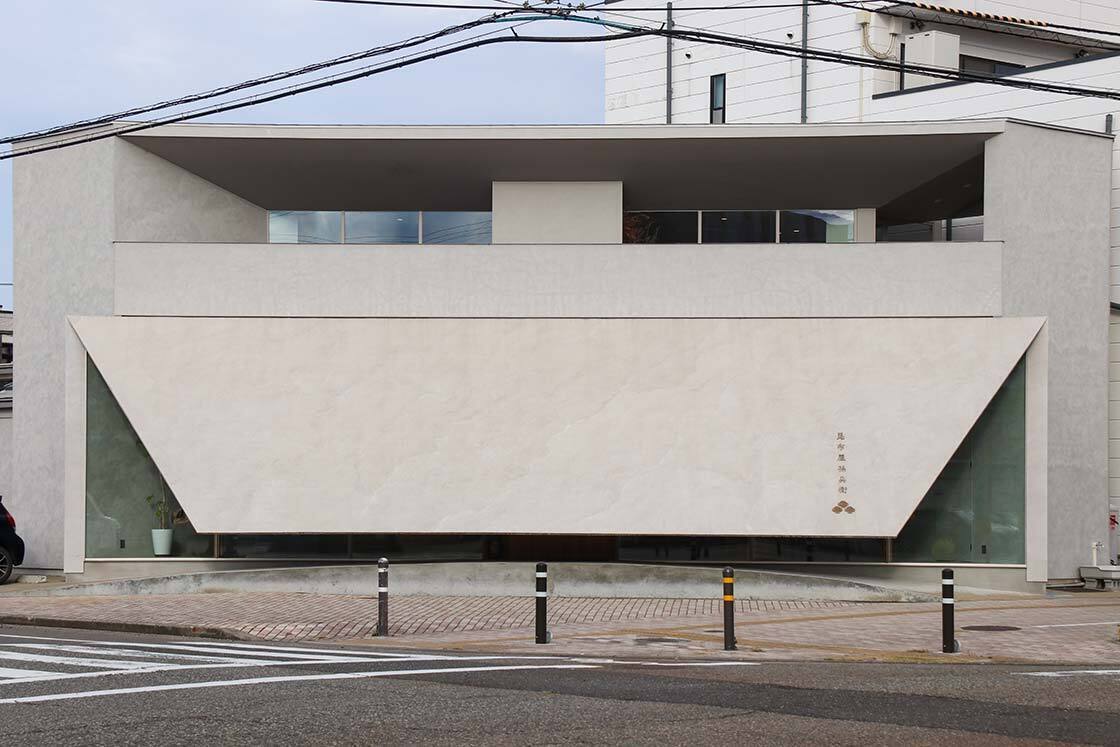
Moving on from local favorites to wagashi or traditional Japanese sweets. Kombuya Magobei is a wagashi shop that has been around for over 150 years and is currently run by the 17th generation of the Kombu family. The shop facade was renovated in 2023, and today sports a very modern look that is inspired by a teahouse.
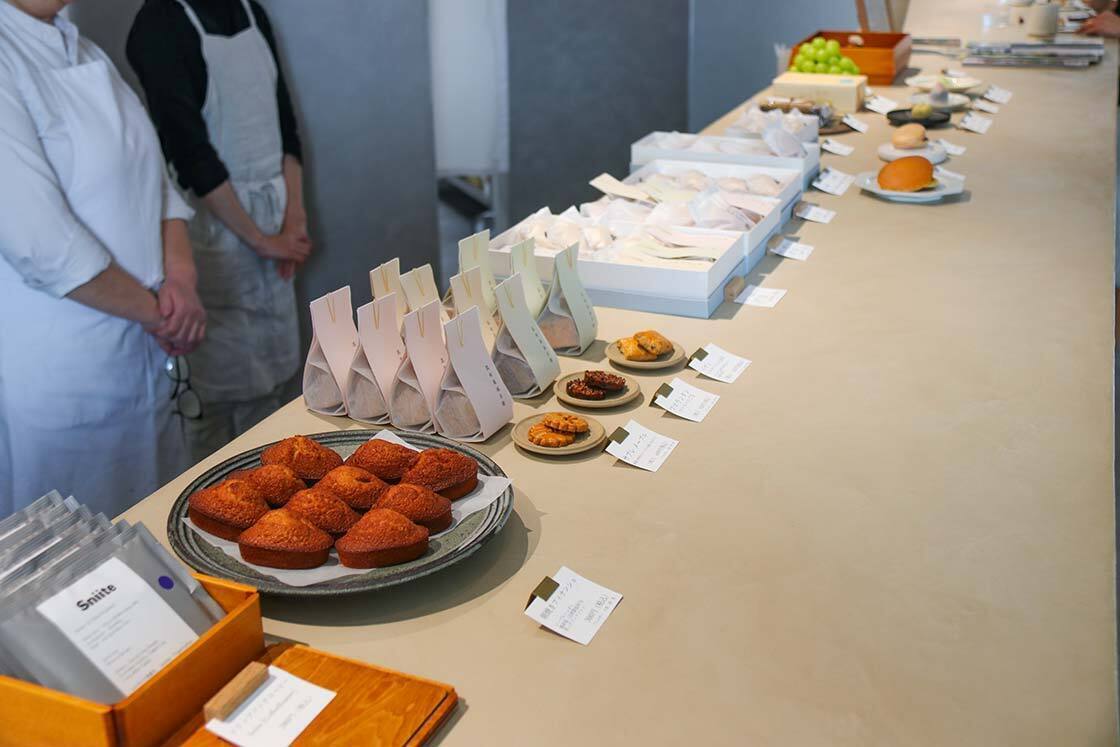
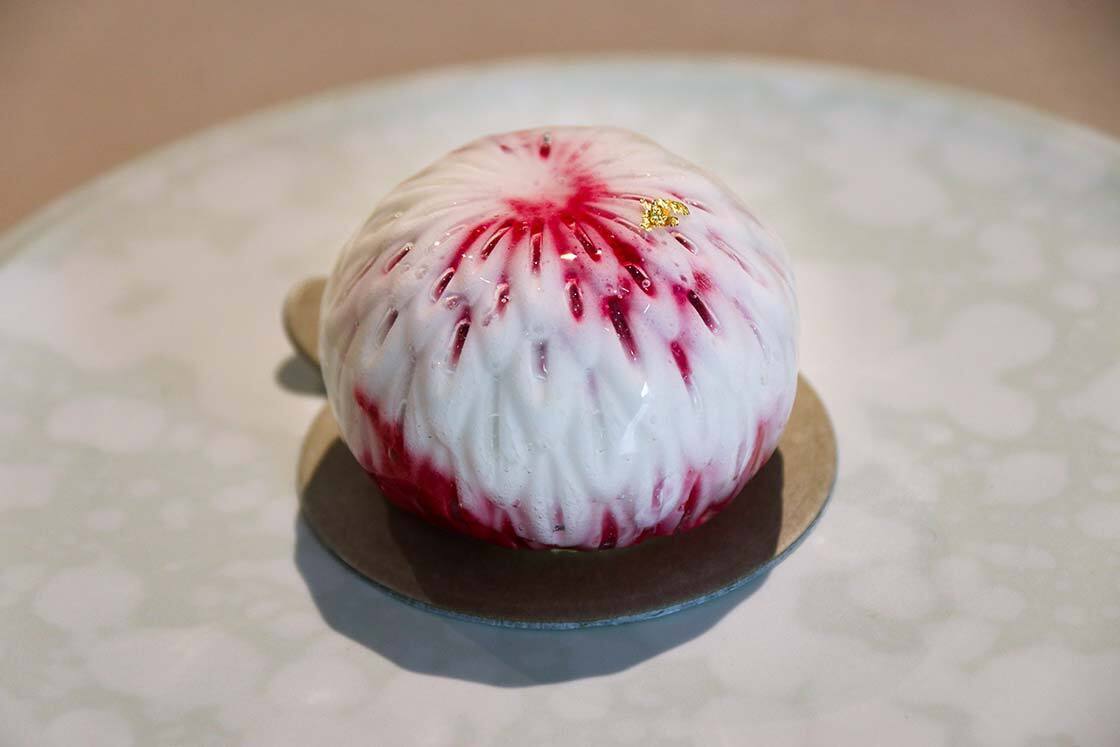
In addition to delicious traditional sweets, the wagashi-inspired Western-style cakes were also very delicious. In fact, everything tastes so good, you would want to visit every day you are in Fukui. It's my fail-safe wagashi shop as I know everything will be good.
I was fortunate to be able to speak with the current owner, and learnt that he had honed his craft at some of the top restaurants in Europe. Now that he is back in Fukui, patissiers from Michelin-starred restaurants have gone to train at his humble wagashi shop. This is how you know that the products you get at Kombuya Magobei are the real deal!
Kombuya Magobei is open from 10:00 to 17:00, and is located in central Fukui. It is less than 10 minutes on foot from Yokokan Garden or about 20 minutes on foot from Fukui Station.
Discover more
- Discover Fukui - Official travel guide to Fukui