Gold mines to geisha: 3 days in Niigata City and Sado Island
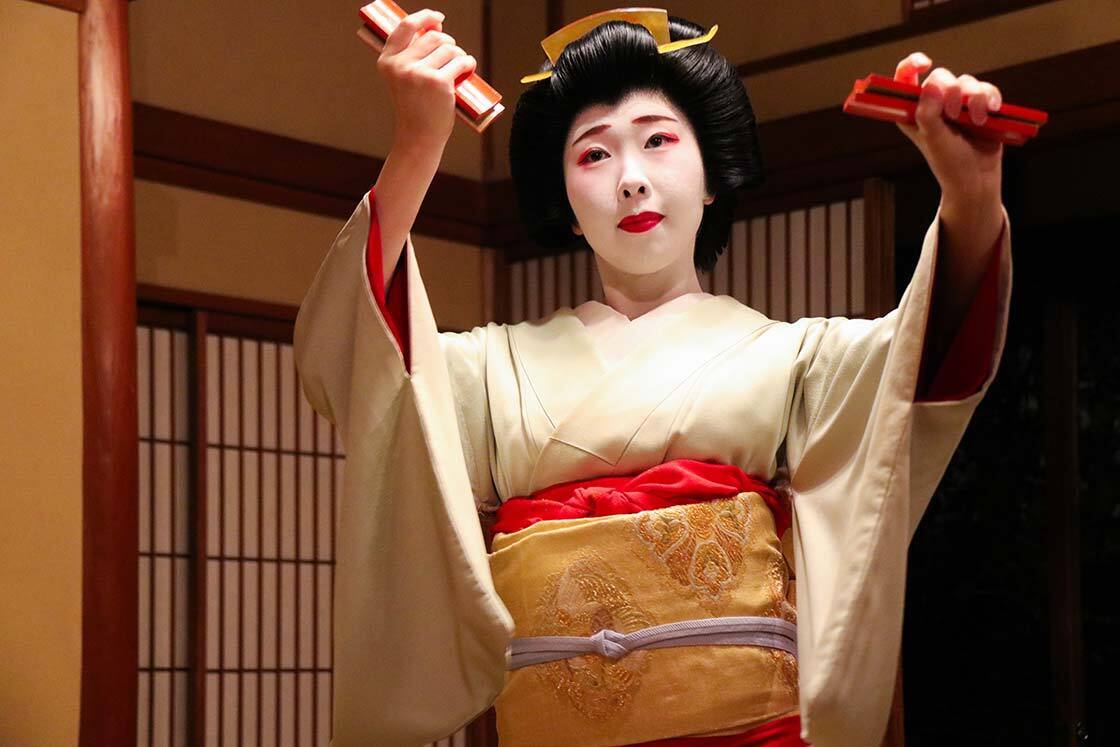

Winter sports, sake and rice are some of Niigata Prefecture's most well-known products and also some of the best in Japan. However, these are not the only treasures of Niigata. Aside from winter sports, which require visiting in the right season, Niigata offers plenty to see and do all year round. Niigata City, the prefectural capital, is about two hours by bullet train from Tokyo, and is a good place to start.
If you are a Niigata newbie who does not know what to see or do, then look no further. This 3-day guide takes you to some major attractions in Niigata City and Sado Island, allowing you to gain a basic understanding of the region.
Day 1 is about getting acquainted with the city, Niigata sake and geisha, who are locally referred to as geigi. Day 2 and the first half of Day 3 are spent on Sado Island, and the second half of Day 3 is spent back in Niigata City for last minute shopping and dining before returning to Tokyo. Detailed transport information is available at the end of this article.
Day 1: Niigata City sake culture and geisha tradition
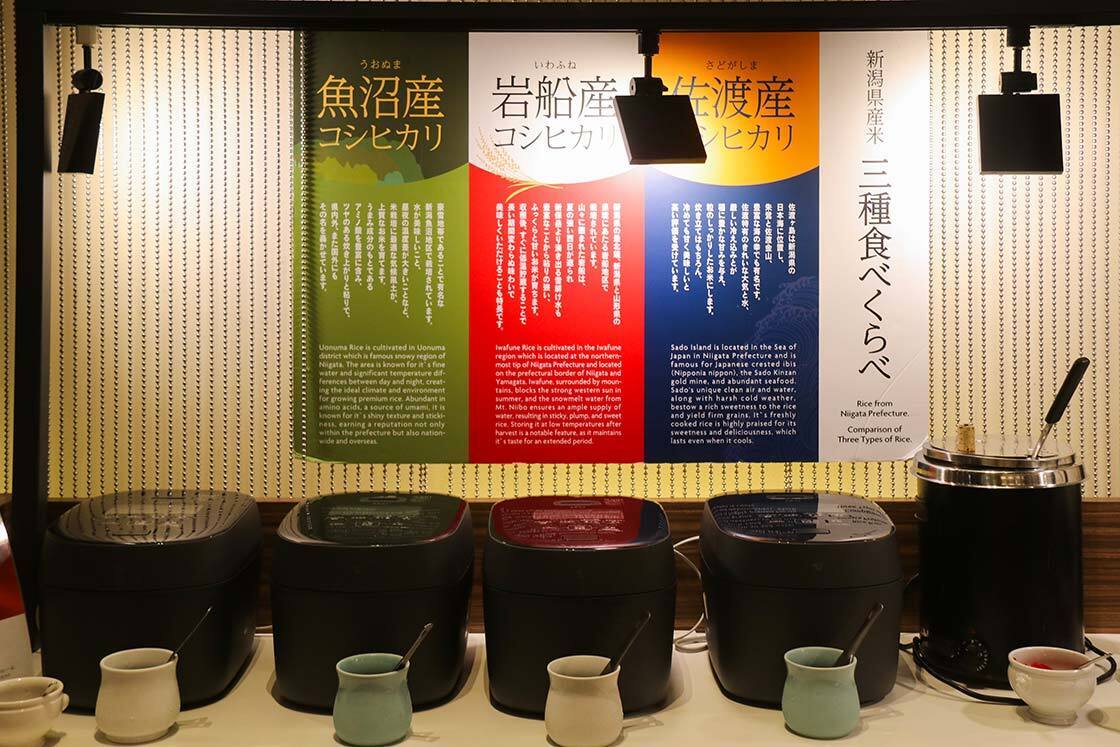
Niigata is a famous sake producing region, and the prefecture has the highest number of sake breweries in Japan. Imayo Tsukasa, established over a century ago, is a sake brewery not far from the station. Brewery tours are held at regular intervals during the day, and participants can also sample a variety of sake.
Still unknown to many is an affordable course lunch offered by the brewery. Produced in collaboration with an upscale restaurant in Niigata City, the dishes are a harmonious mix of Japanese ingredients and Western-style preparation. To pair with lunch, a selection of Imayo Tsukasa sake is available for an affordable, additional charge. A tour of the sake brewery - separate from the general public - is included in the lunch course.
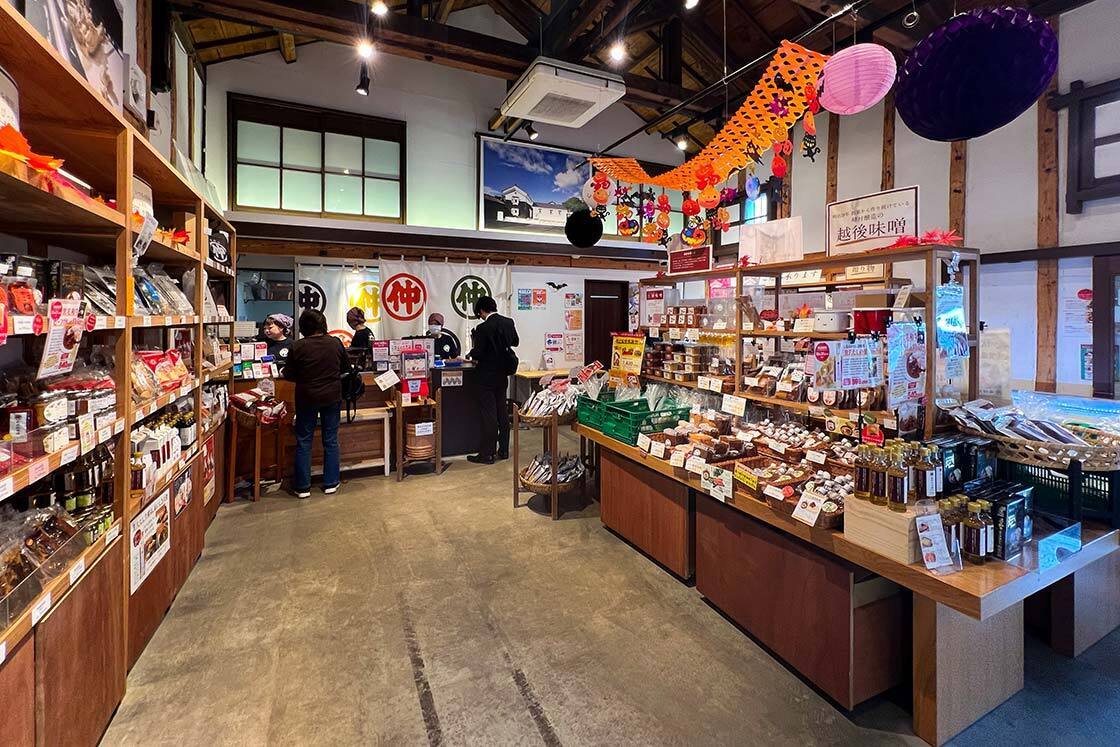
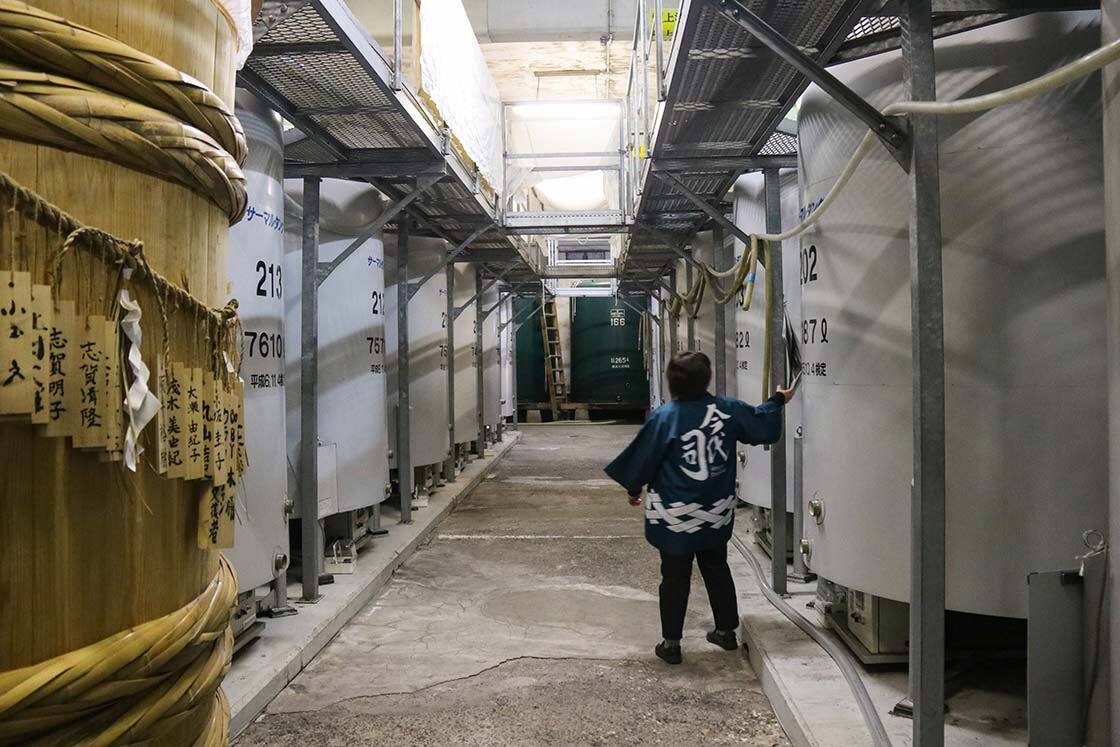
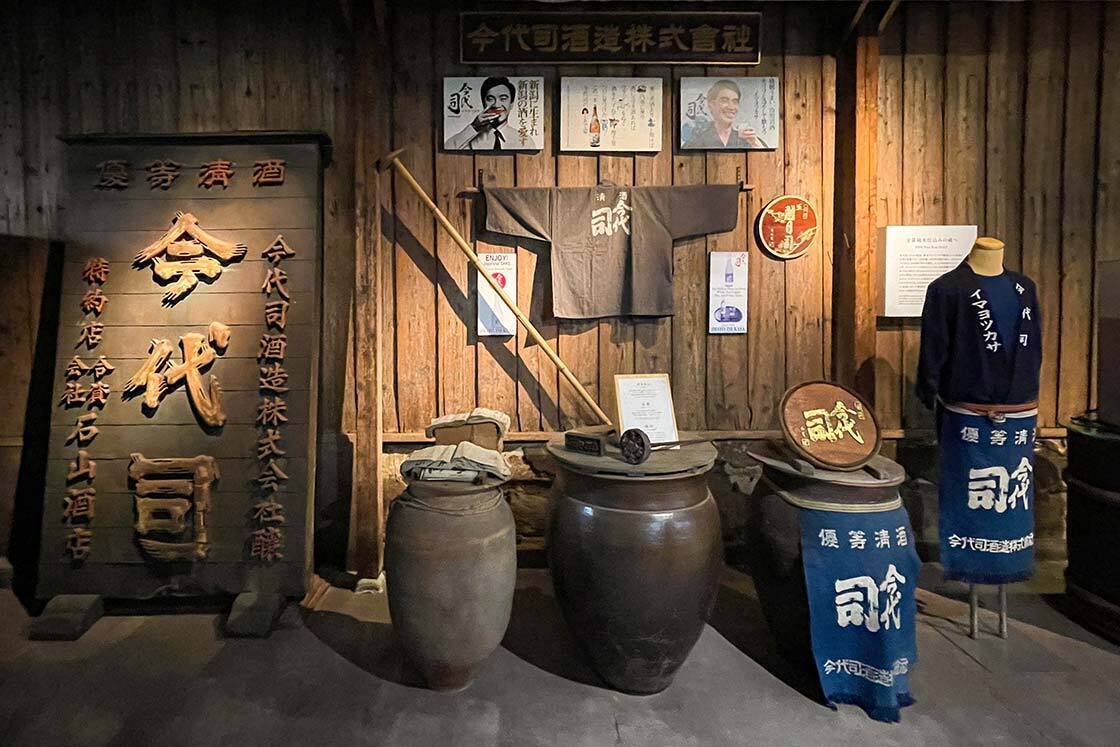
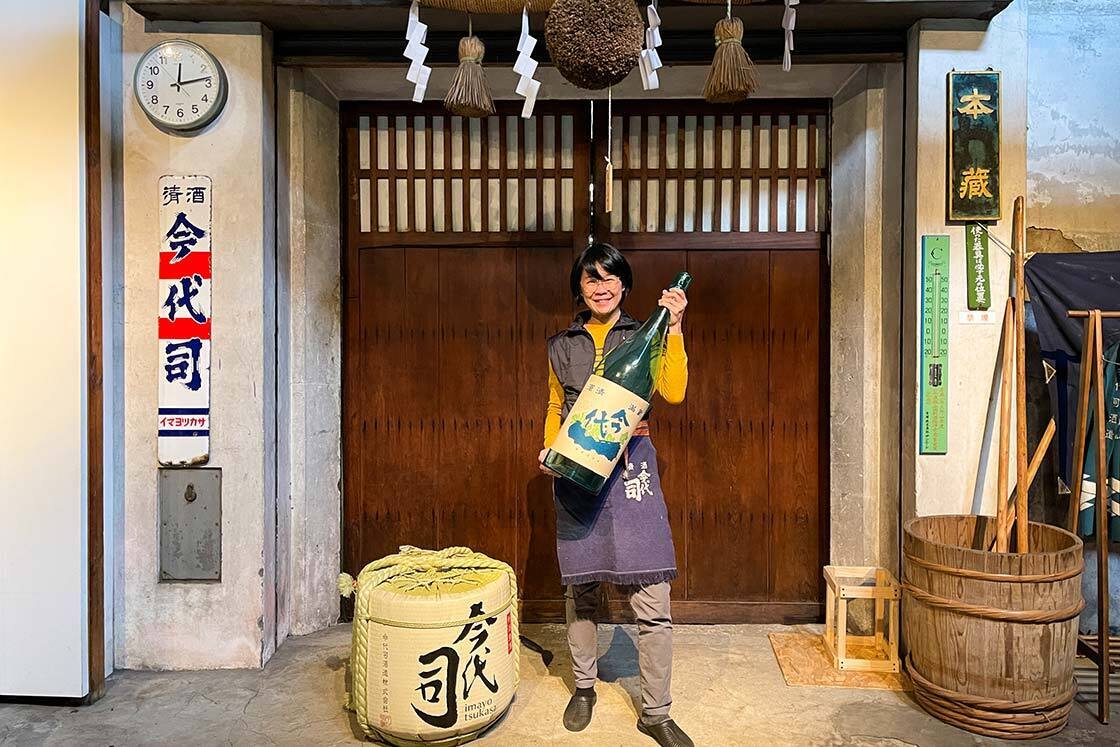
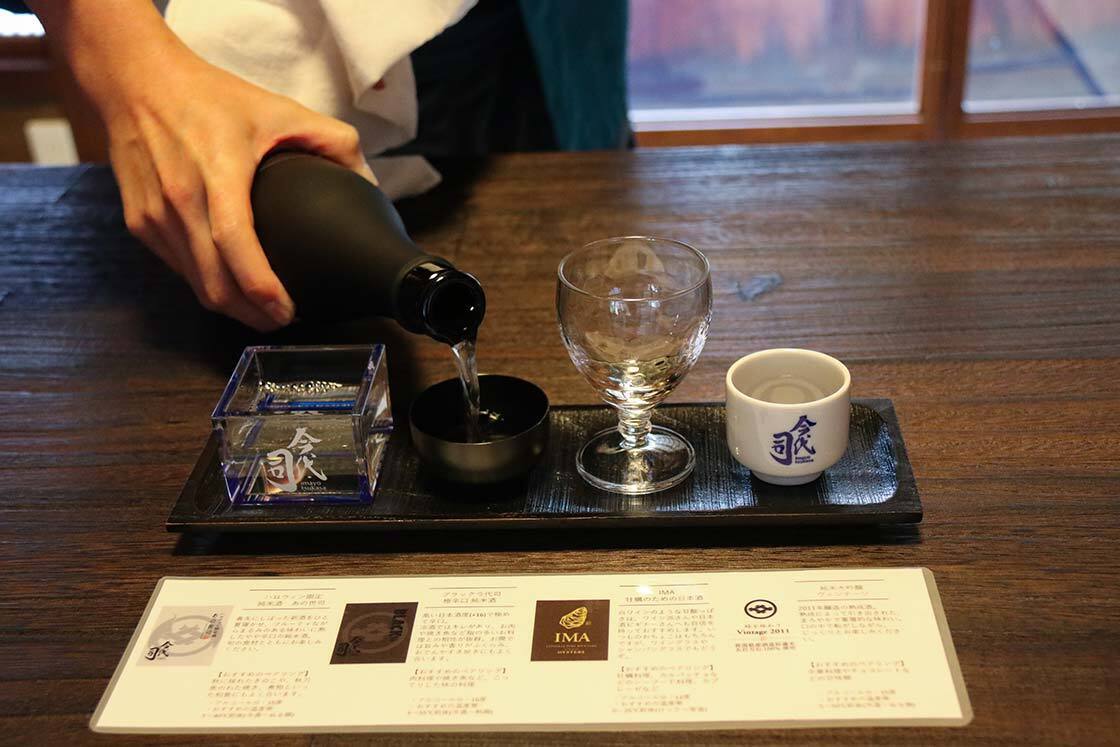
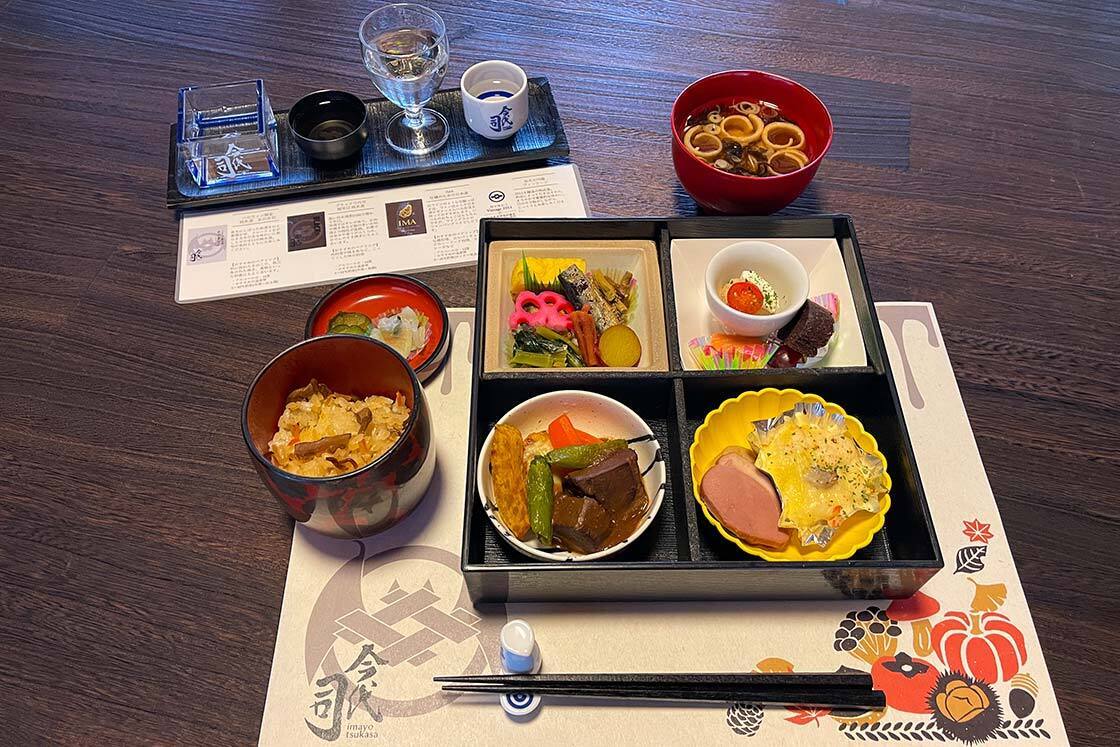
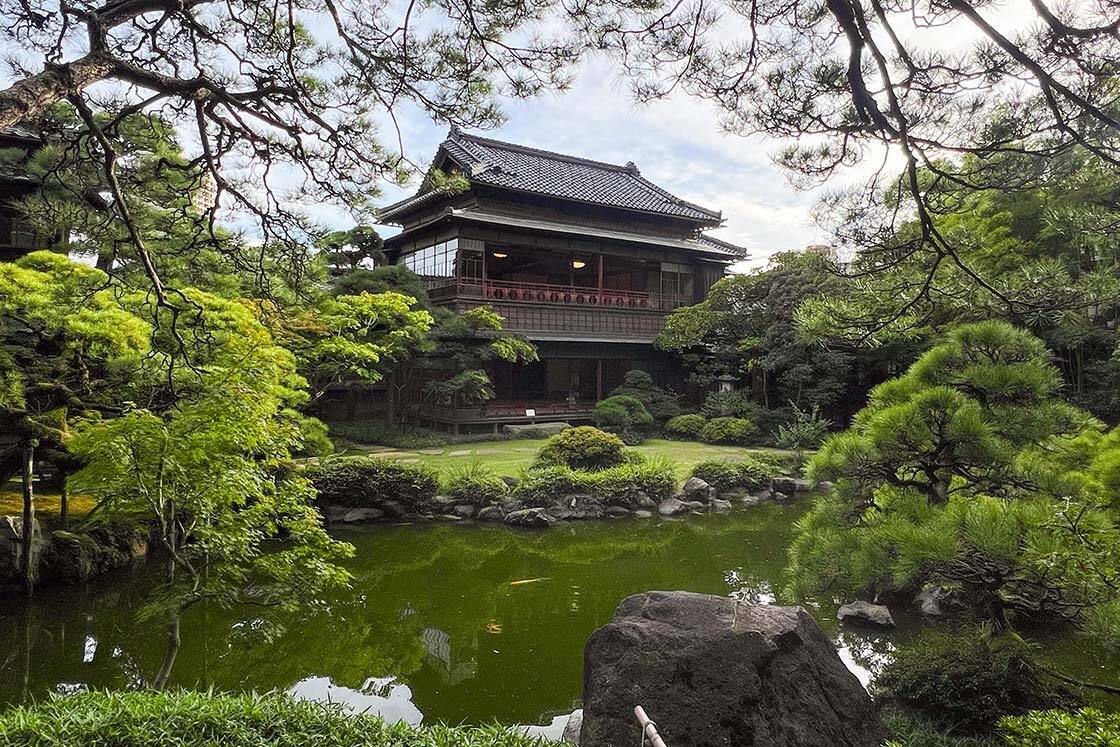
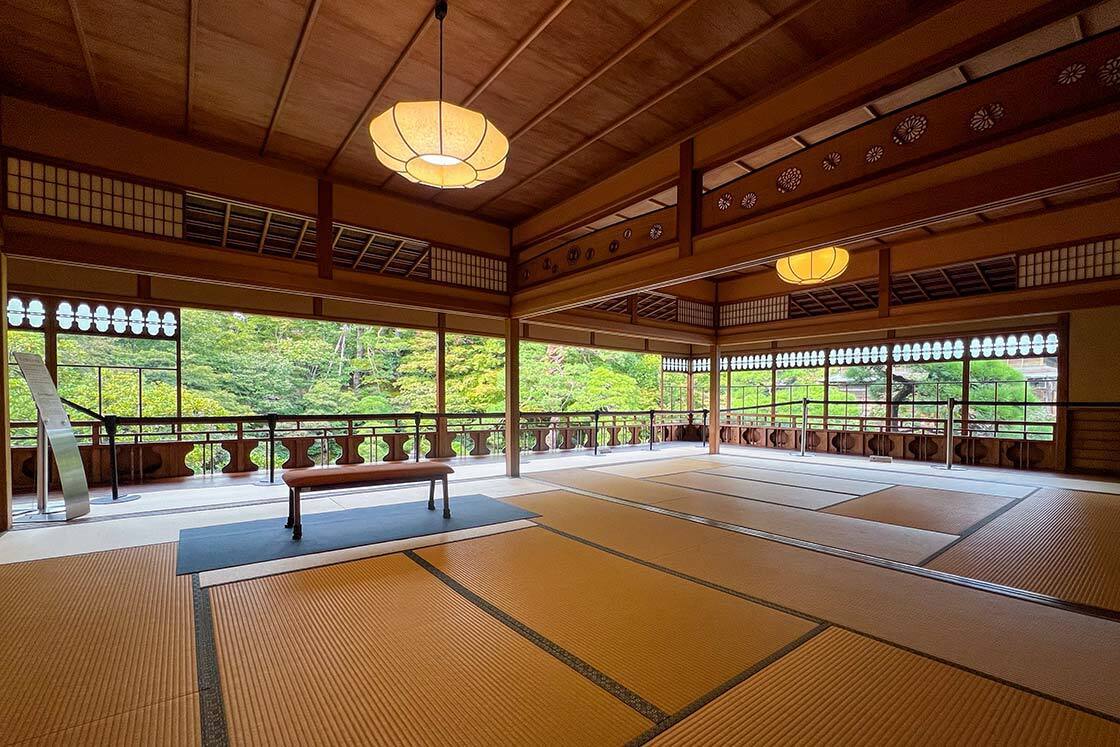
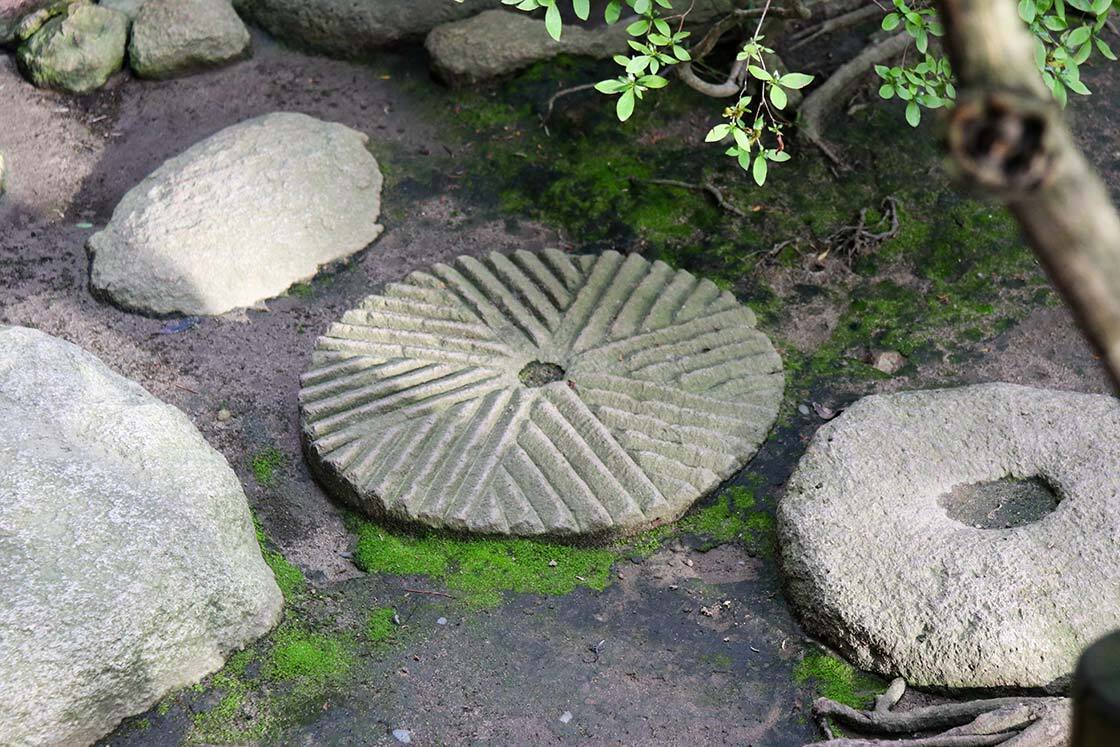
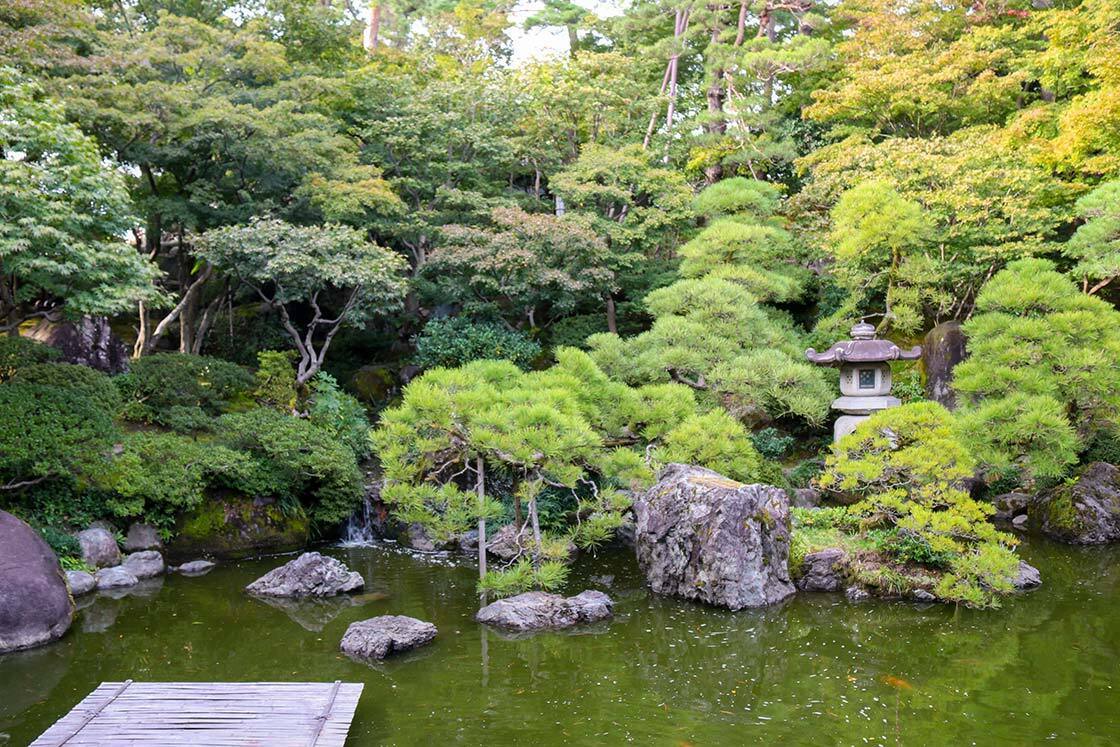
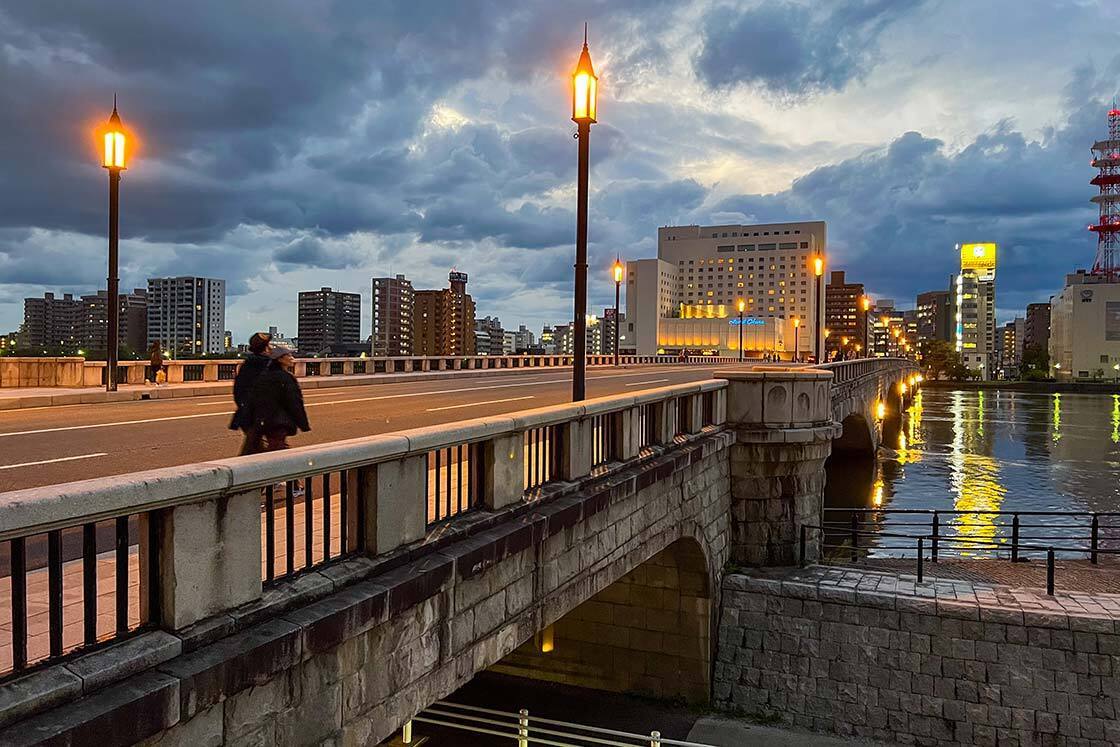
After a delicious sake pairing lunch at Imayo Tsukasa, I made my way to The Niigata Saito Villa, a former merchant home. The Saito family were one of the wealthiest family-controlled business conglomerates (zaibatsu) in Niigata who built their fortune in the shipping business and financial industry in the 19th and 20th centuries, and the villa was built as a guest house to entertain guests. The focus of the villa is its views of the garden; it brings about a sense of tranquility that makes the mountains seem close and the surrounding city seem distant.
Even though I knew that Niigata City is close to the sea, I was still surprised to learn that The Niigata Saito Villa is only about 600 meters from the sea. Shaped by sand dunes formed by strong winter winds from the sea, the garden’s raised hill is used to effectively create a deep and visually engaging landscape.
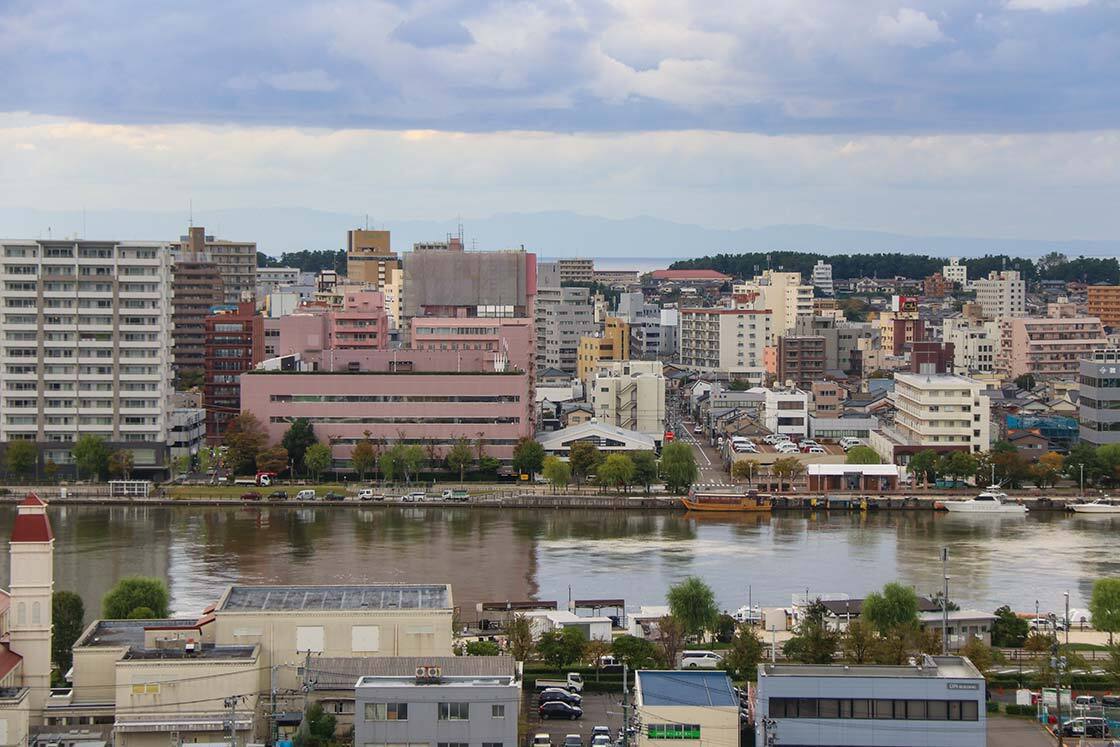
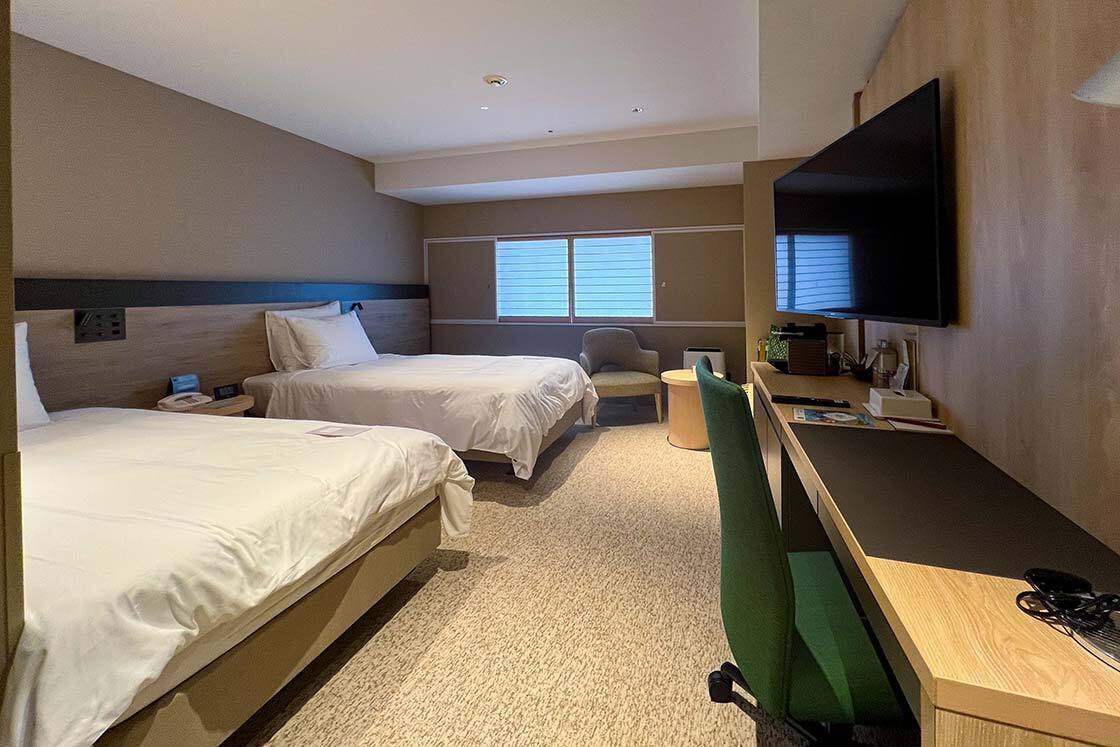
Following that visit to the villa, I made my way to my "villa" for the night, the ANA Crowne Plaza Hotel. The centrally located hotel has newly refurbished premium floors, which were quite pleasant. It was nice to stay in a decently sized room compared to the shoebox sized rooms for the same price in Tokyo. Not to mention, some of the rooms offer nice views of the city. I was fortunate to stay on one of the higher floors, and I could see Sado Island from my room.
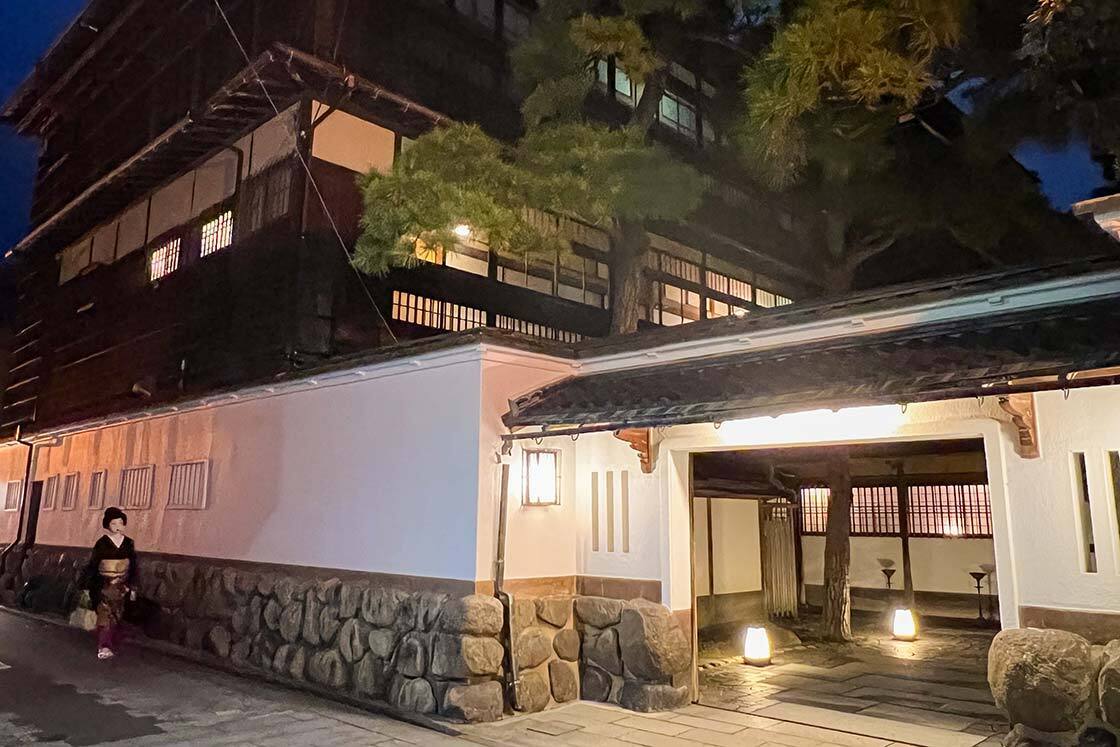
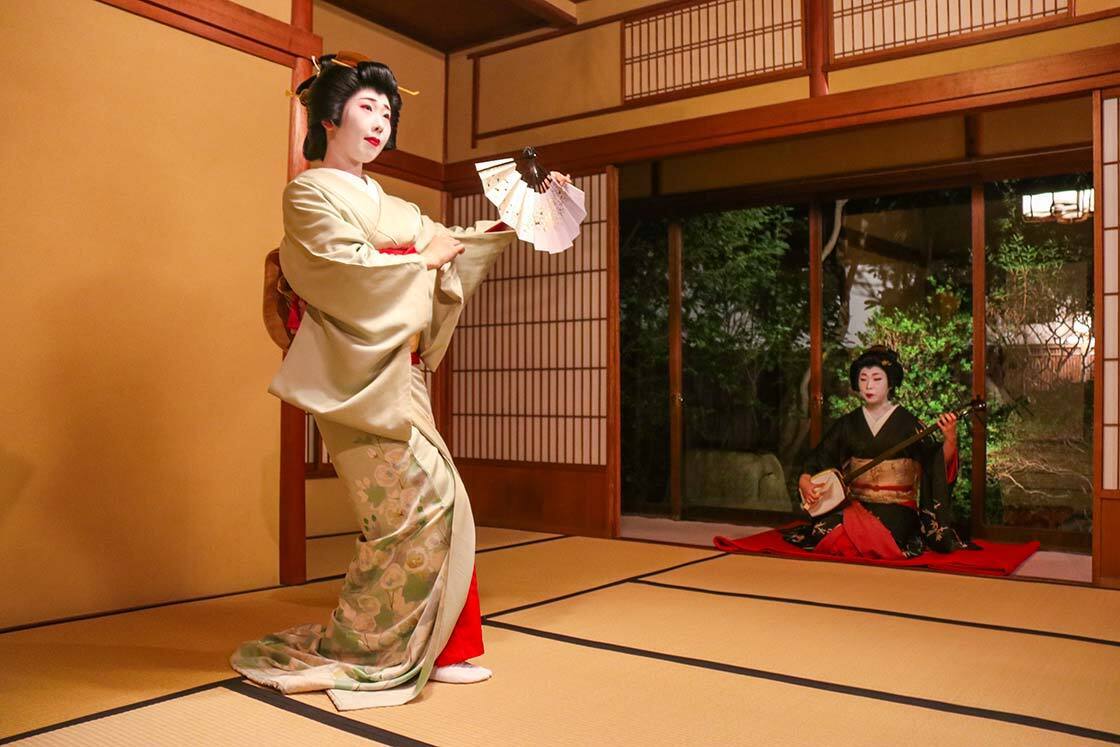
One experience I was quite excited about was my dinner reservation at Nabejaya. Situated in historic Furumachi in the heart of Niigata City, Nabejaya started off as a restaurant in 1846 and back then, was a teahouse that offered geisha entertainment. Today, this traditional ryotei (high end Japanese restaurant) continues to offer exquisite multi course meals and geisha entertainment.
During the 18th to 20th centuries, Niigata City was an important port along a major shipping route. As a major port, there were lots of business and trade happening in the city, and the entertainment district flourished as well. In Niigata, geisha are typically referred to as geigi, and the Niigata Furumachi Geigi has existed for over 200 years, providing travelers to the port with conversation and traditional arts entertainment.
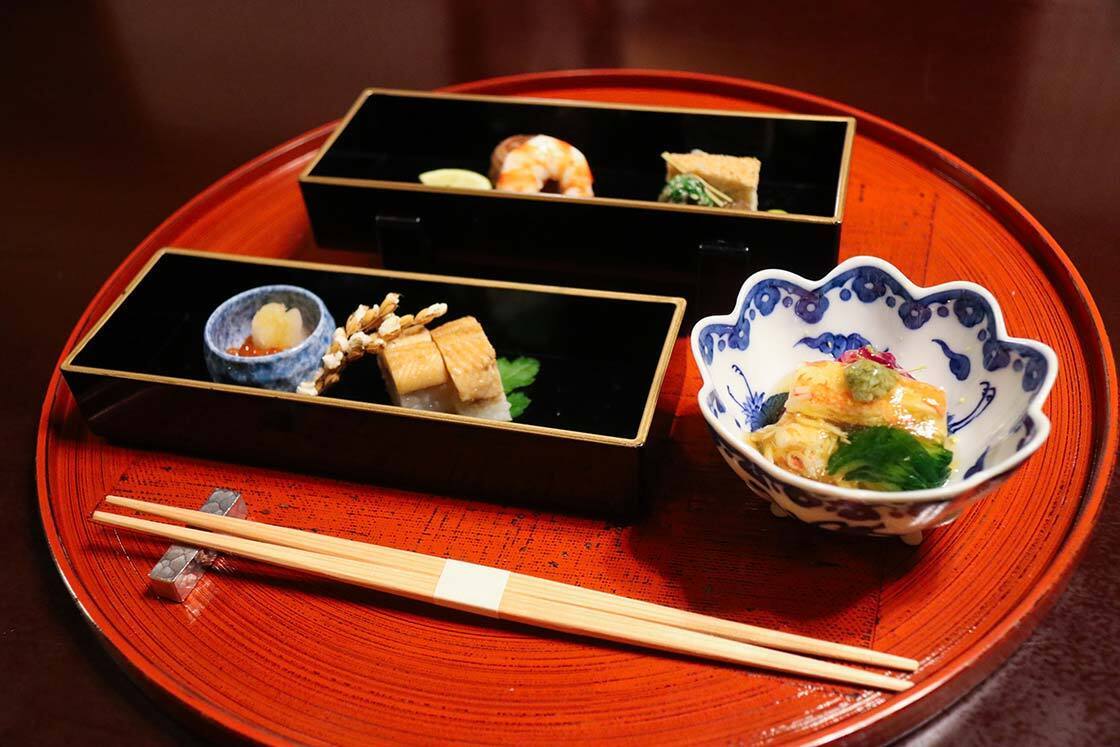
There are typically three parts in a geigi-accompanied dinner. First, some light conversation, then a song and dance performance with musical accompaniment, and finally playing drinking games and photo taking. The number of attending geigi depends on the size of the group. In my case, because of this report, there were two geigi, which is slightly special for a solo diner.
Between appreciating the amazing food and giving the geigi my attention, the time just flew right by. Soon it was time to head back to my hotel to rest and get ready for the next day.
Day 2: Sado Island taiko drumming and shipbuilding village
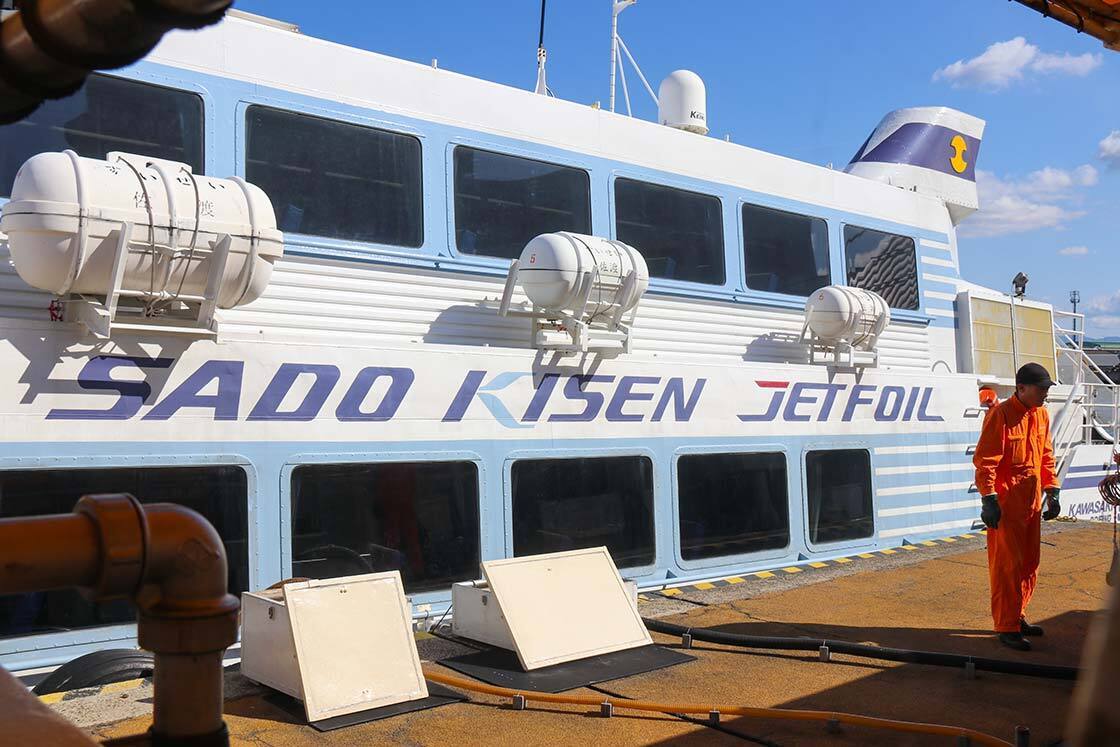
Having heard so much about Sado Island, I was looking forward to visiting for the first time. The island can be reached in about an hour by high speed jetfoil from Niigata Port. Access is pretty straightforward, and the details can be seen in the access section below.
But first, here are some notes about Sado Island. Sado Island is about 1.5 times the size of Tokyo's 23 special wards. This means that distances in Sado can be deceptive; what looks relatively near probably takes 45-60 minutes to drive due to fewer roads and lack of expressways. There are no trains on the island, and buses can be infrequent. There are few chain restaurants or shops on Sado, so this could be a good trip to truly experience all things local.
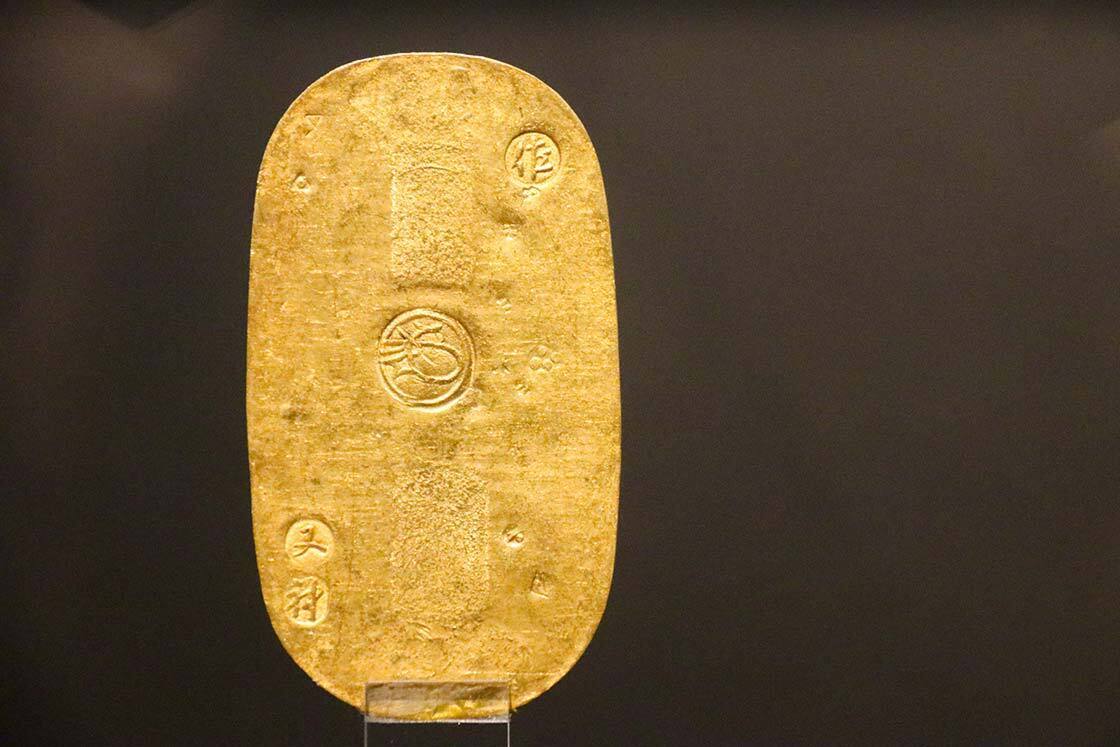
One of the biggest exports out of Sado was gold during the late 16th till mid 19th centuries. However, Sado's gold is not the only treasure on the island - its culture is also just as precious. To start my Sado adventure, I headed to the south of the island.
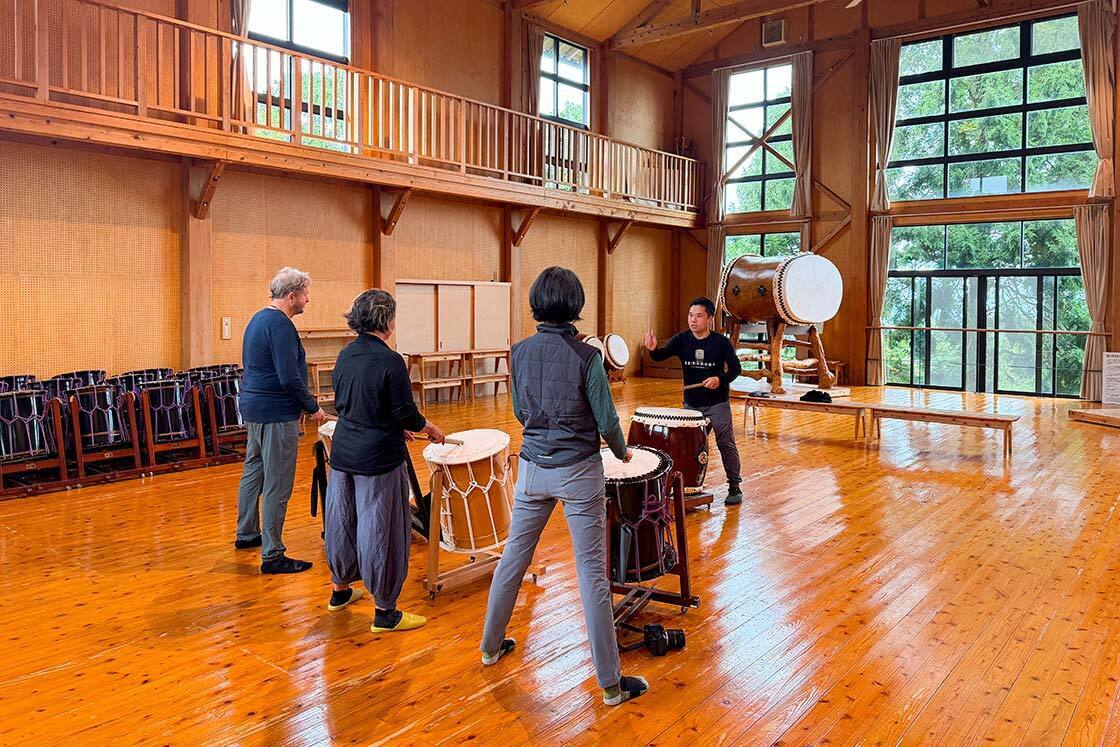
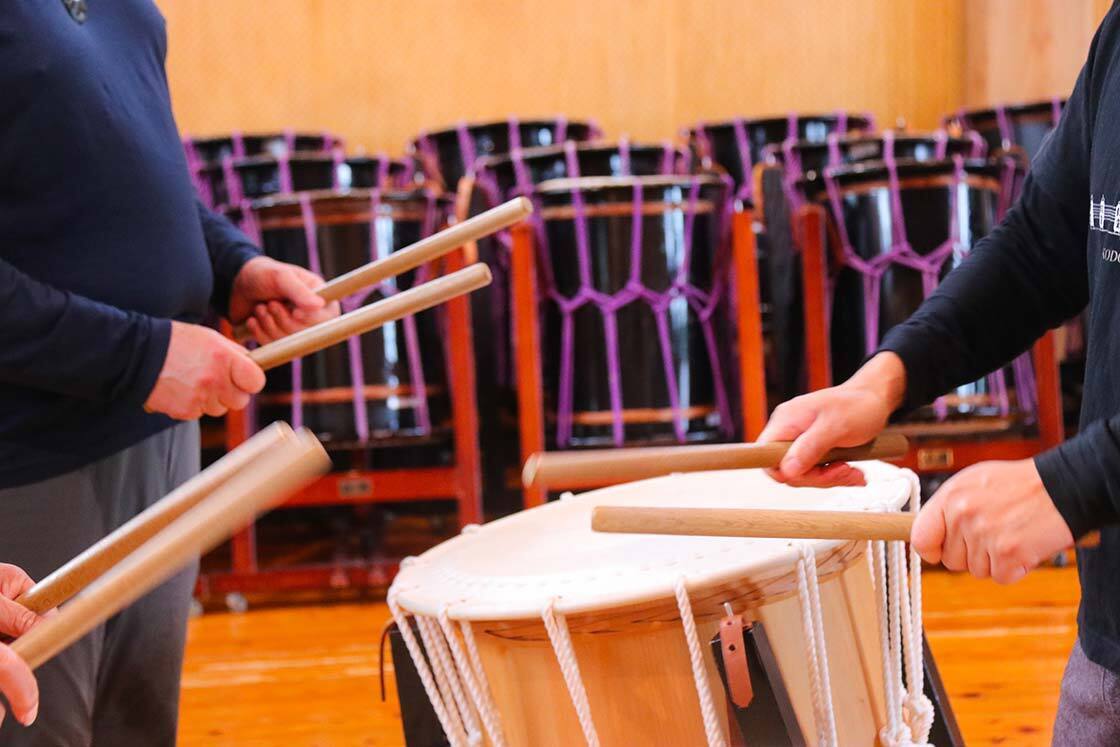
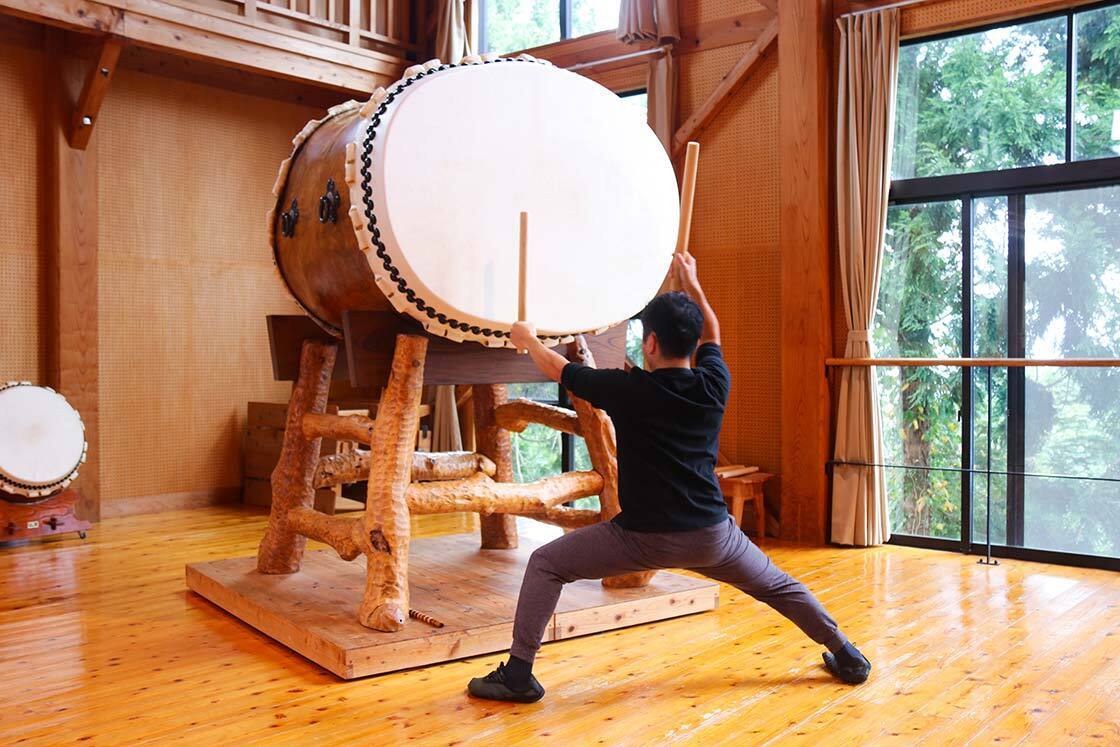
Sado taiko is one part of Sado culture that is both powerful and impressive. Taiko is Japanese drumming, and the most common way to experience it is at a festival as taiko are usually used as musical instruments. Sado Island Taiko Centre is operated by Kodo, the internationally renowned taiko performing arts ensemble, and where I participated in a taiko drumming experience. For those who are interested, Kodo hosts Earth Celebration, an annual music festival held for three days in mid to late August. This could be a nice way to experience music and drumming with many people.
I would say this experience is good for all ages, and the instructors can also speak English, which makes it easier to understand. The activity engaged my entire body, as we were led through drumming games and were also allowed to freestyle. I was glad I was not the only participant that day. With the others, I felt like we made some good drumming music together, and maybe even good enough to create our mini sideshow at a Kodo performance ;)
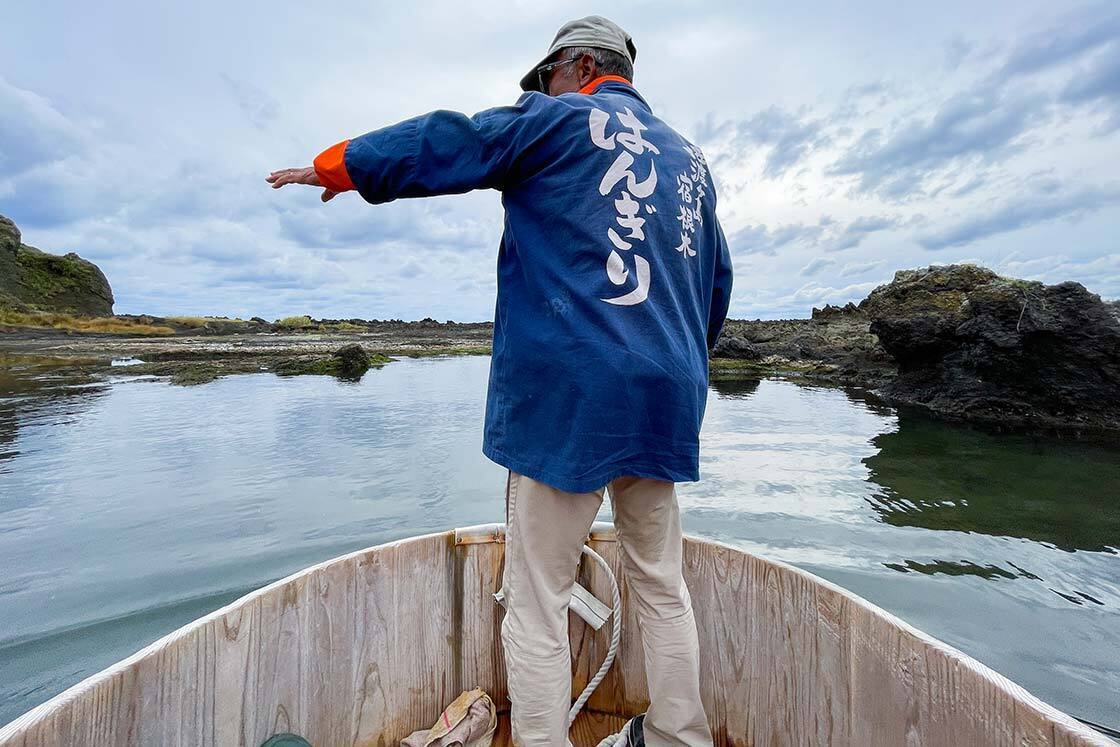
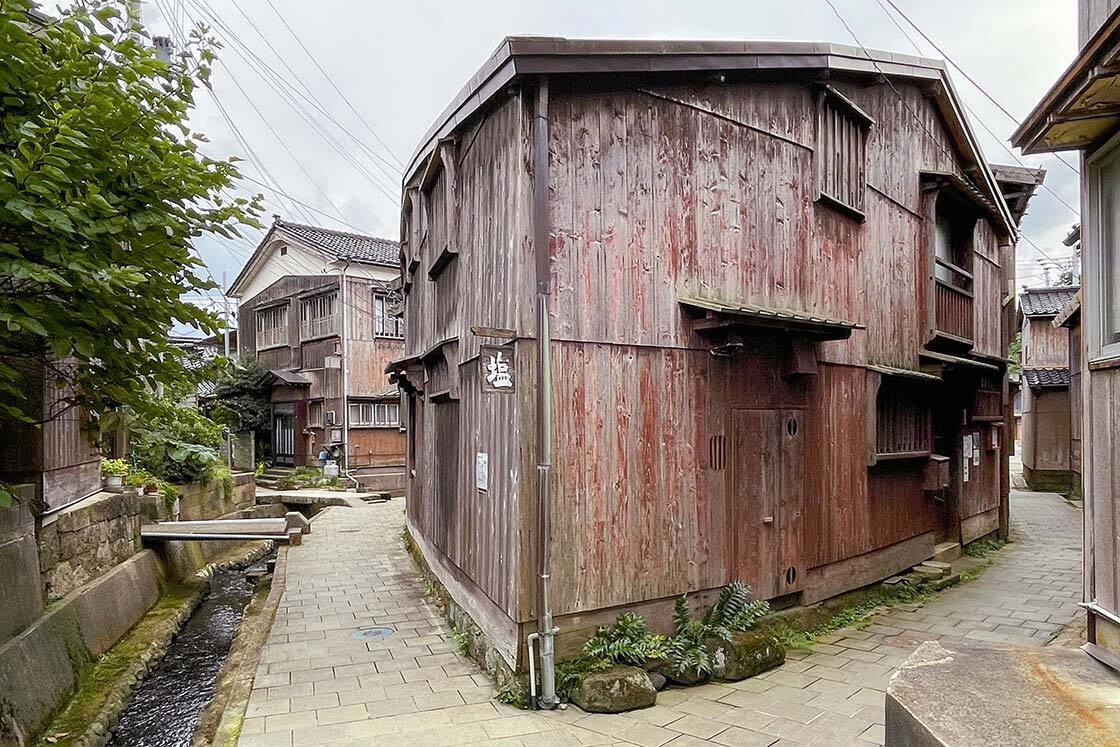
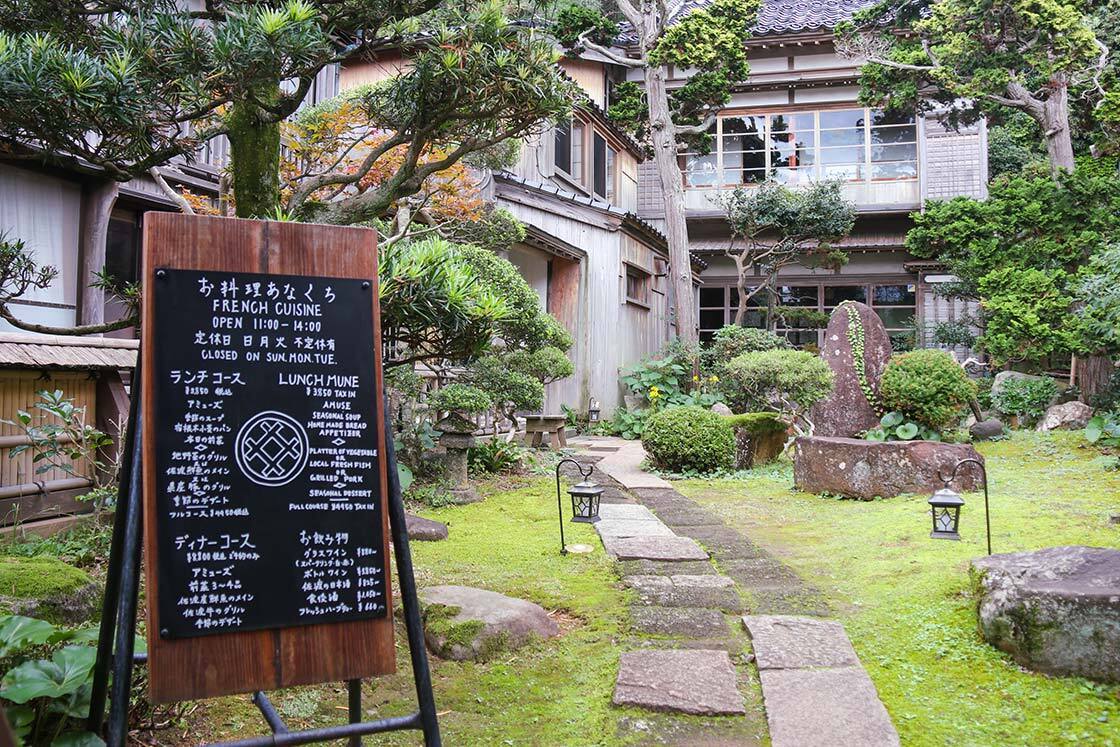
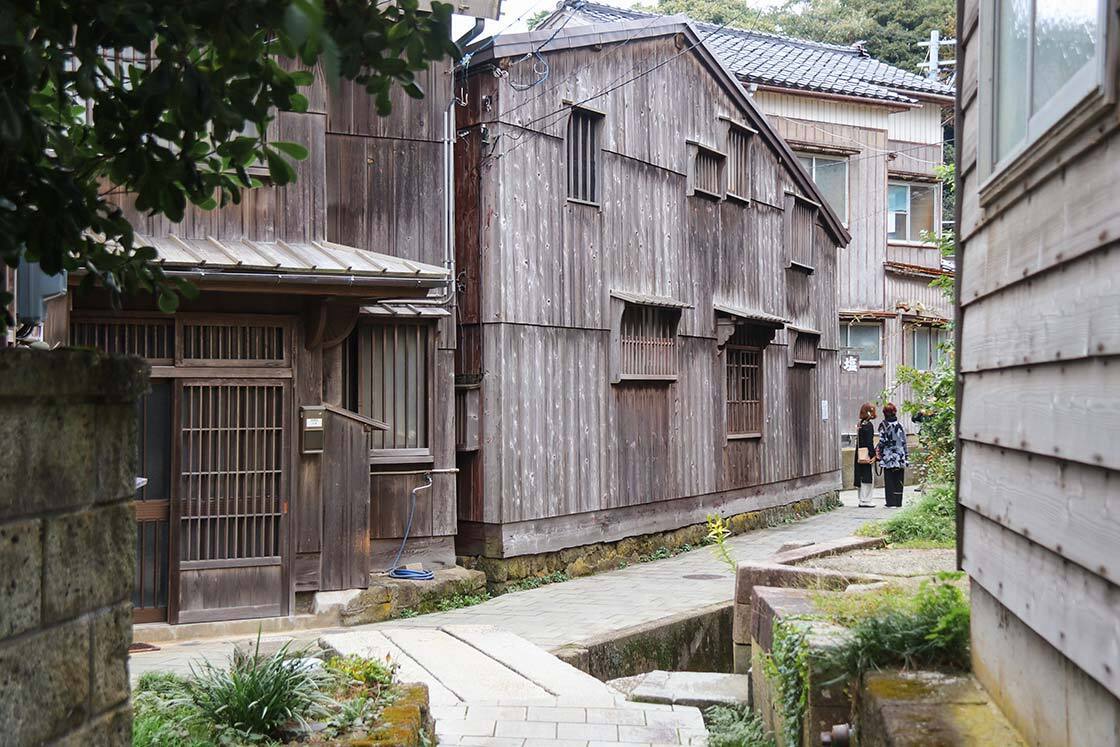
Following that exciting taiko activity, it was time to take things down a notch at Shukunegi, a nearby historical ship building village. There are two things to do: one is to walk in the village, and the other is to take a wooden tub boat ride in the sea.
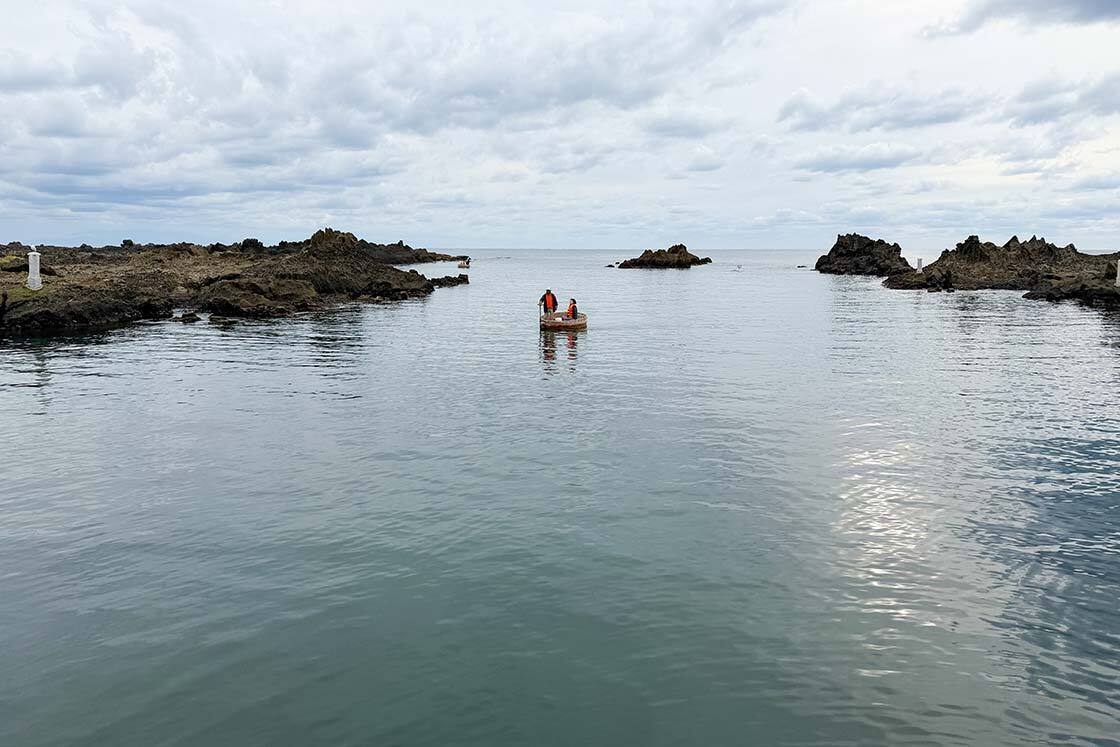
Originally used by fishermen to fish in the rocky shallow waters, wooden tub boat or taraibune have become a popular tourist attraction. The simple wooden tubs are historically half of a large wooden cask and can fit up to 2-3 adults excluding the boatman. These wooden tubs are typically handmade, and I learned that the one I rode was made by my boatman!
Taraibune rides start from 15 minutes, and the boatman usually gives an explanation about the coastline during the ride. An impressive fact I learned was that my boatman once sailed across the sea to the nearest shore on the Niigata mainland, a feat that took him about 19 hours in the open water!
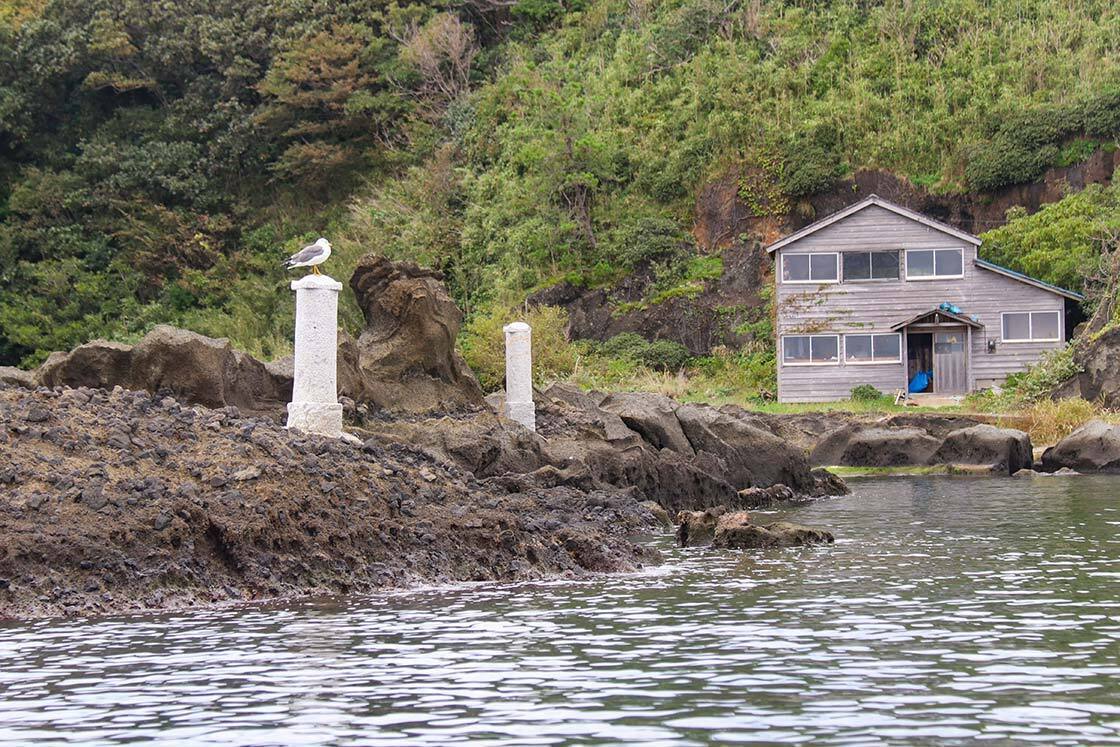
To recover my land-legs after the boat ride, I went for a stroll in Shukunegi, a compact historical ship building village. Time seems to stand still in the village, where the houses built with wood salvaged from boats have been preserved. I, personally, felt a bit like a time traveler strolling in the village after the taraibune ride.
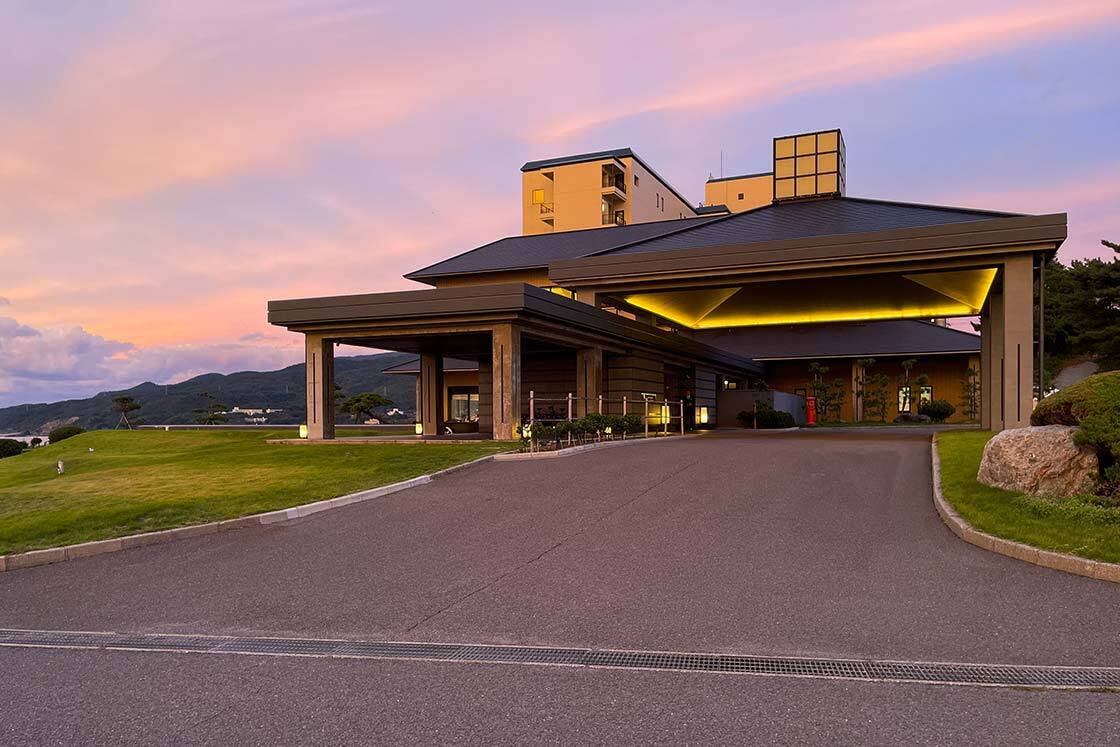
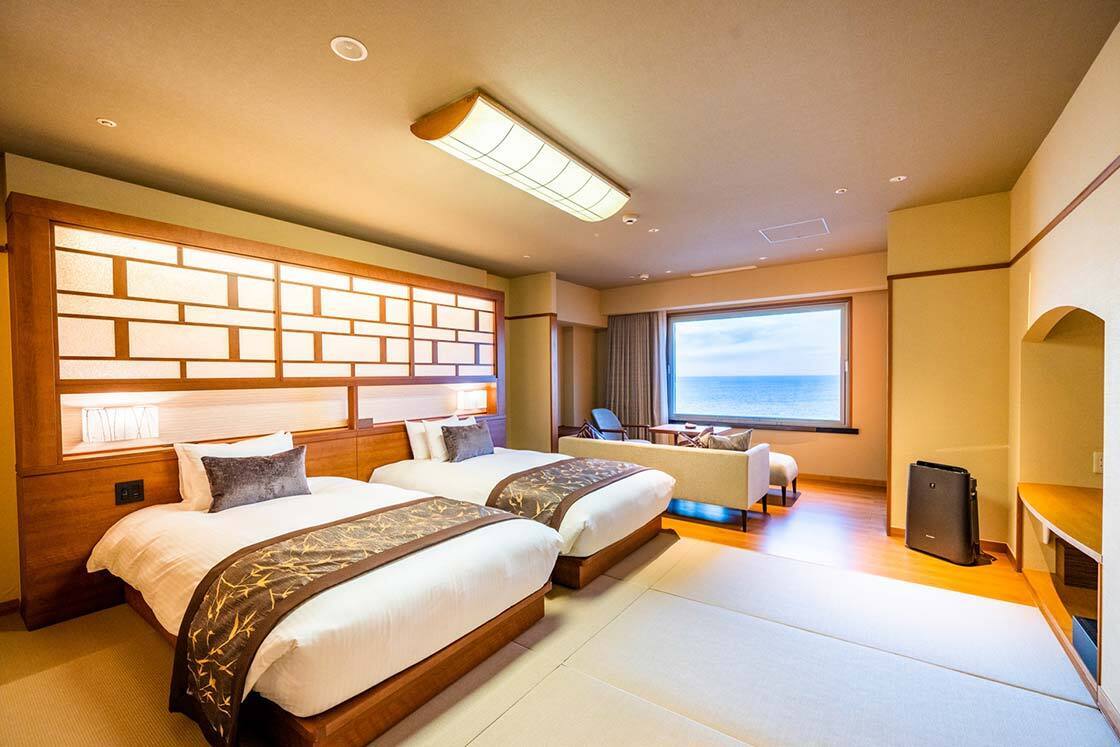
Soon it was time to head to Hotel Oosado, my accommodation, before it got dark. Sitting atop a hill, Hotel Oosado is one of the best places to see the sunset in Sado. Hot springs are also available at the hotel, and I made sure to enjoy a soak before dinner.
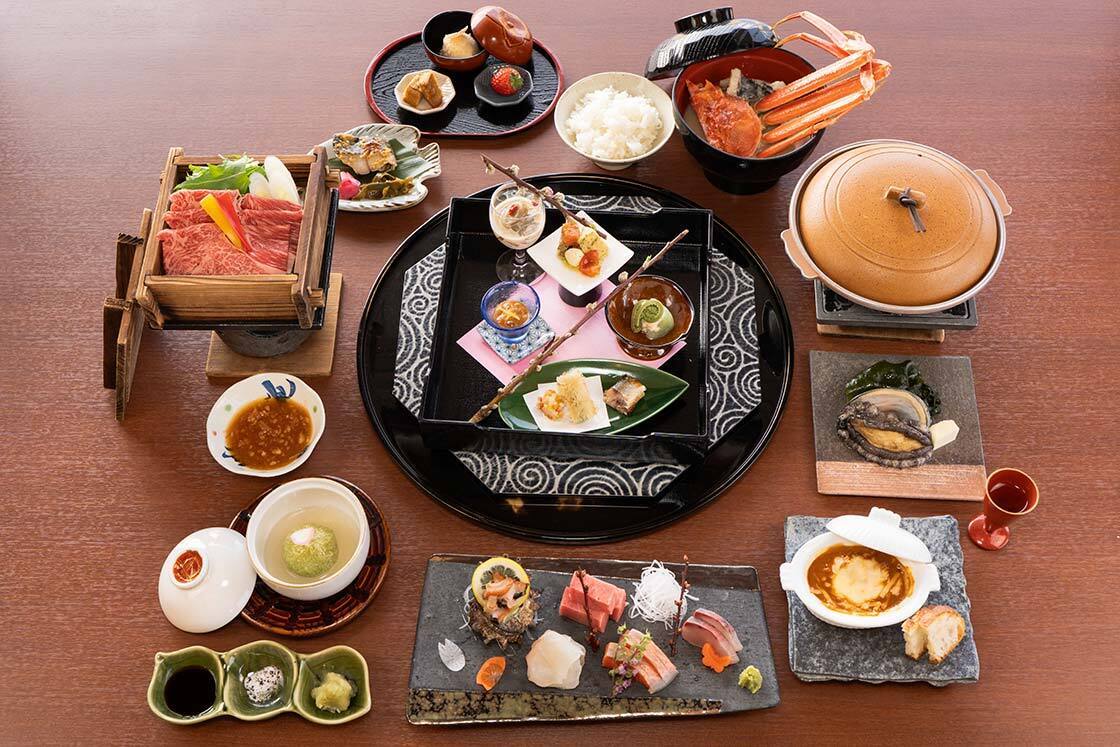
Day 3: Sado Gold Mines, shopping at Pier Bandai and Niigata Station
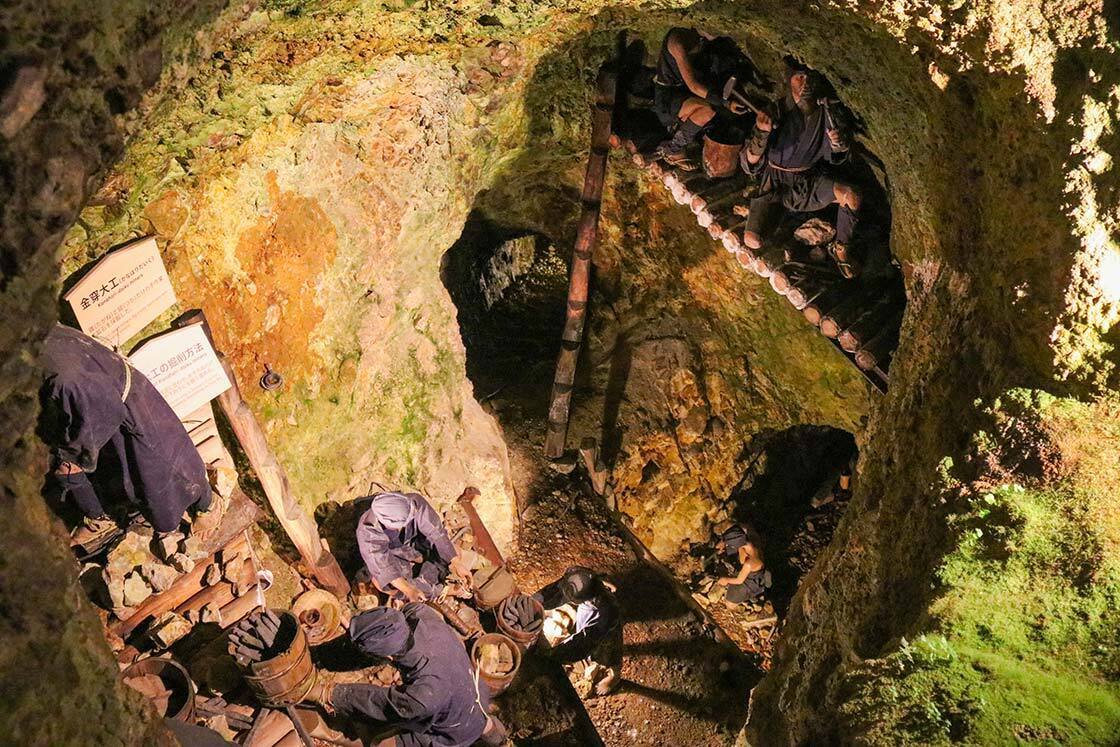
One of the big things I have heard about Sado is that time moves at a different pace on the island as things are more laid-back. However, I am sure this was not the case when gold mining was at its height on Sado. At its peak, there were over 50,000 people living and working just in the main gold mine area. Compare that to Sado Island's current population, which stands at under 47,000 as of October 2025.
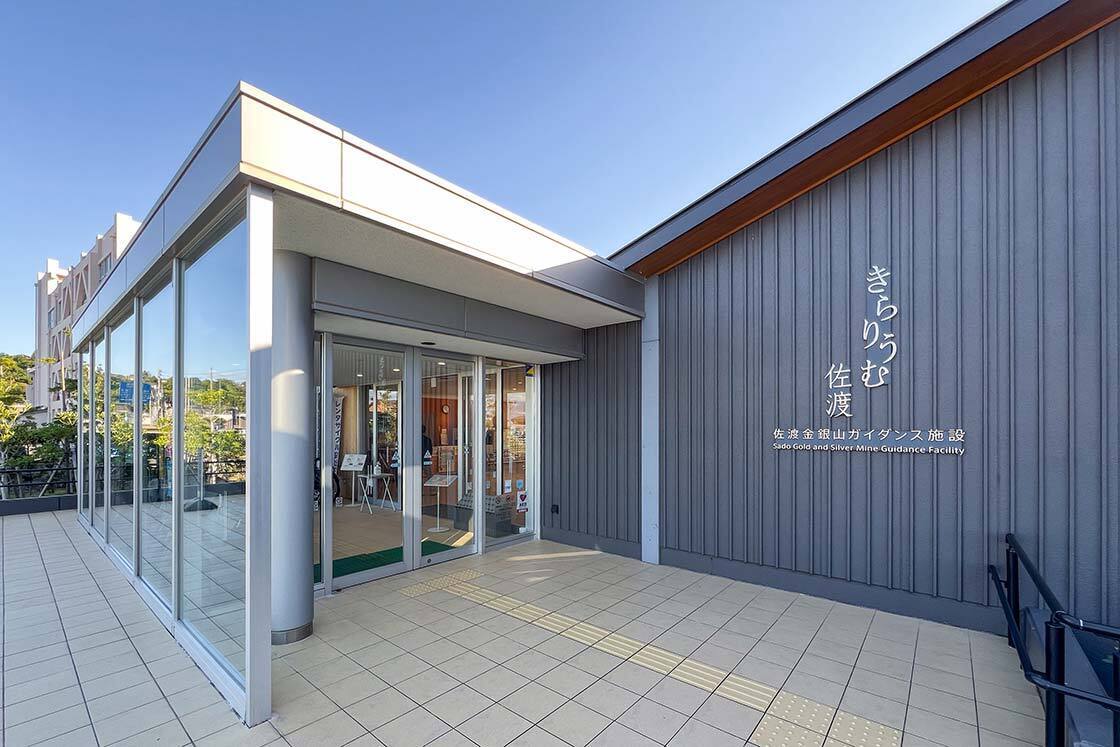
Before going to the gold mine, I visited Kirarium Sado, the Sado Gold and Silver Mine information facility, which is highly recommended. The well-done bilingual facility contains video displays and information about the history of the gold mine and processes of panning or mining and extracting gold. I found it especially helpful to understand the processes and history before visiting the actual mines to put it all into perspective.
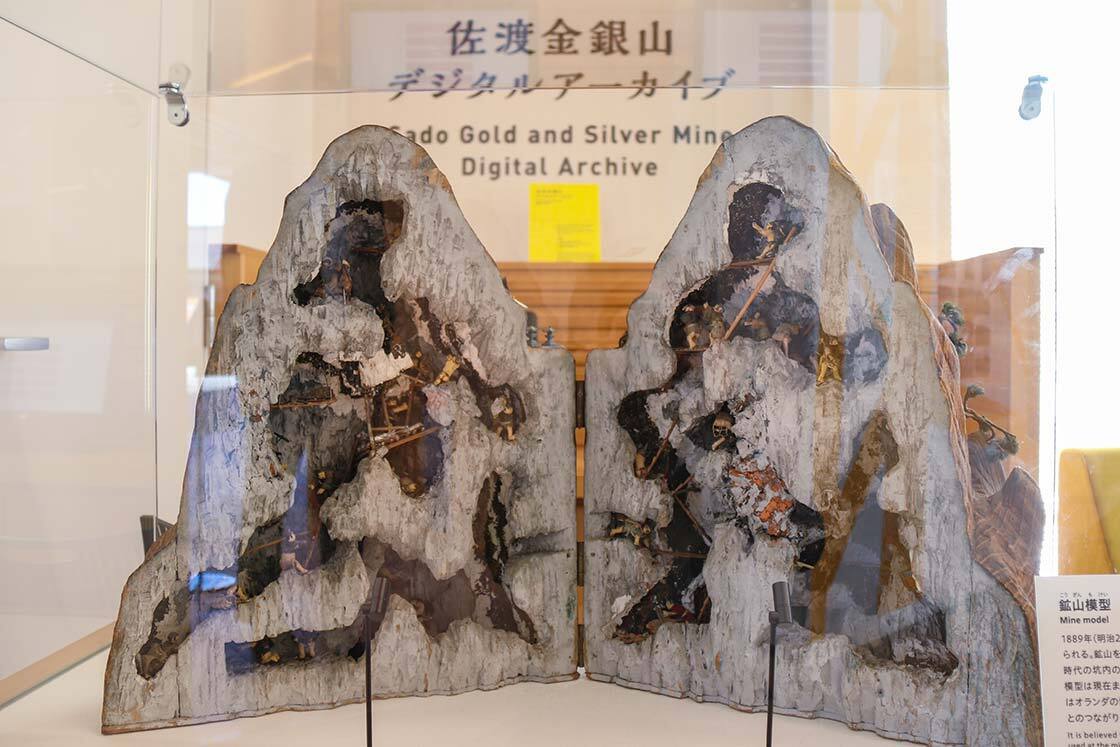
Full scale mining at Sado Island Gold Mines started in the late 16th century, and the mine was important for the Tokugawa Shogunate (1603-1868) as it supplied the funds that supported the government. As such, the shogunate was in direct control of the island and the mines until the end of the feudal period. The mine was in operation up until 1989, and Sado Kinzan was designated a UNESCO World Heritage Site in 2024.
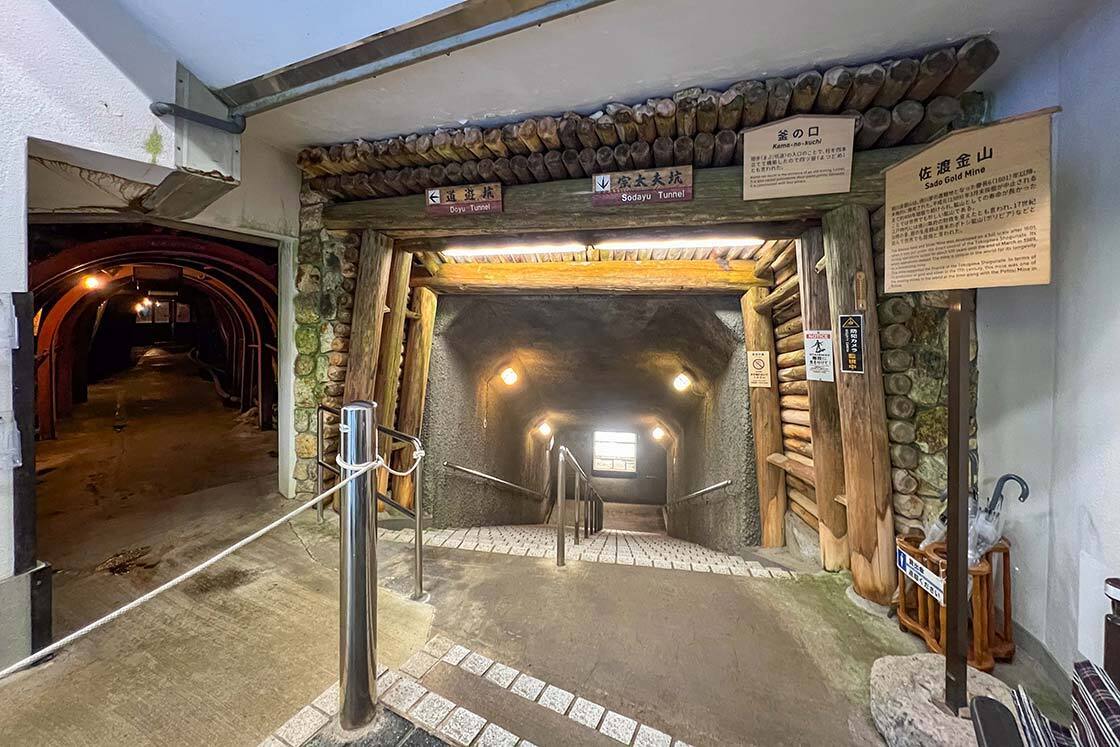
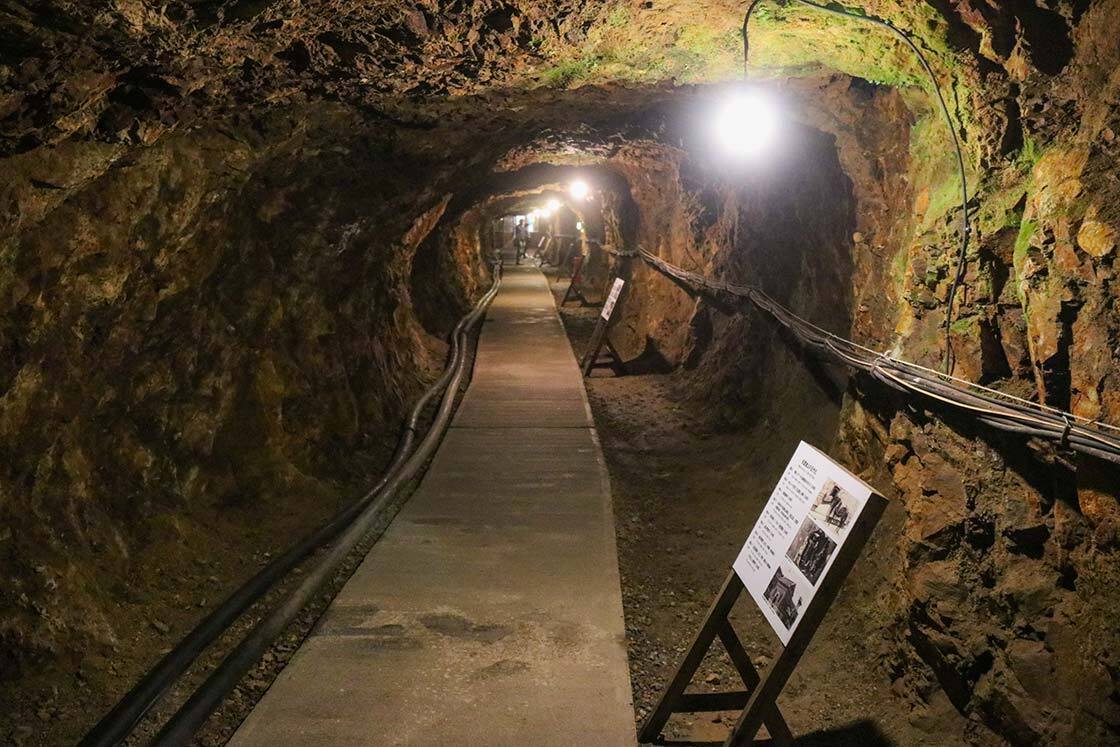
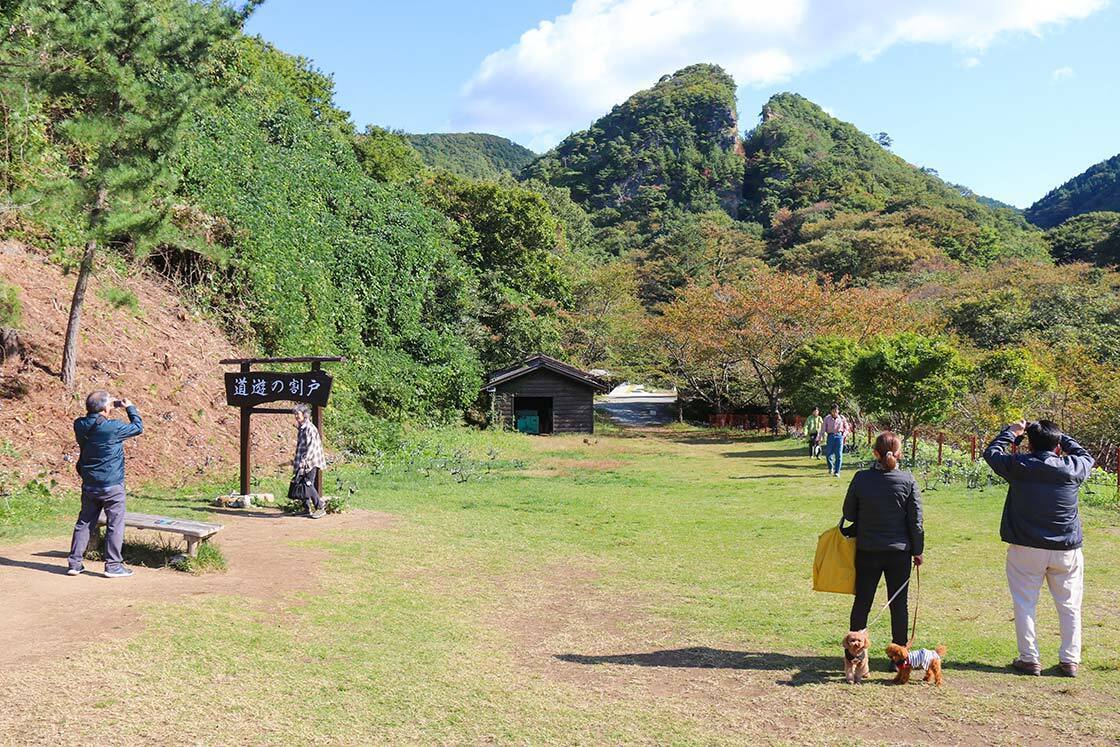
The former working mine is now open to tourists who can view a portion of the actual tunnels via two courses, a historical one from the feudal ages and a contemporary one. A mind-blowing fact about the tunnels in Sado Kinzan is that their total length measures about 400 kilometers, which more than the distance between Tokyo and Sado!
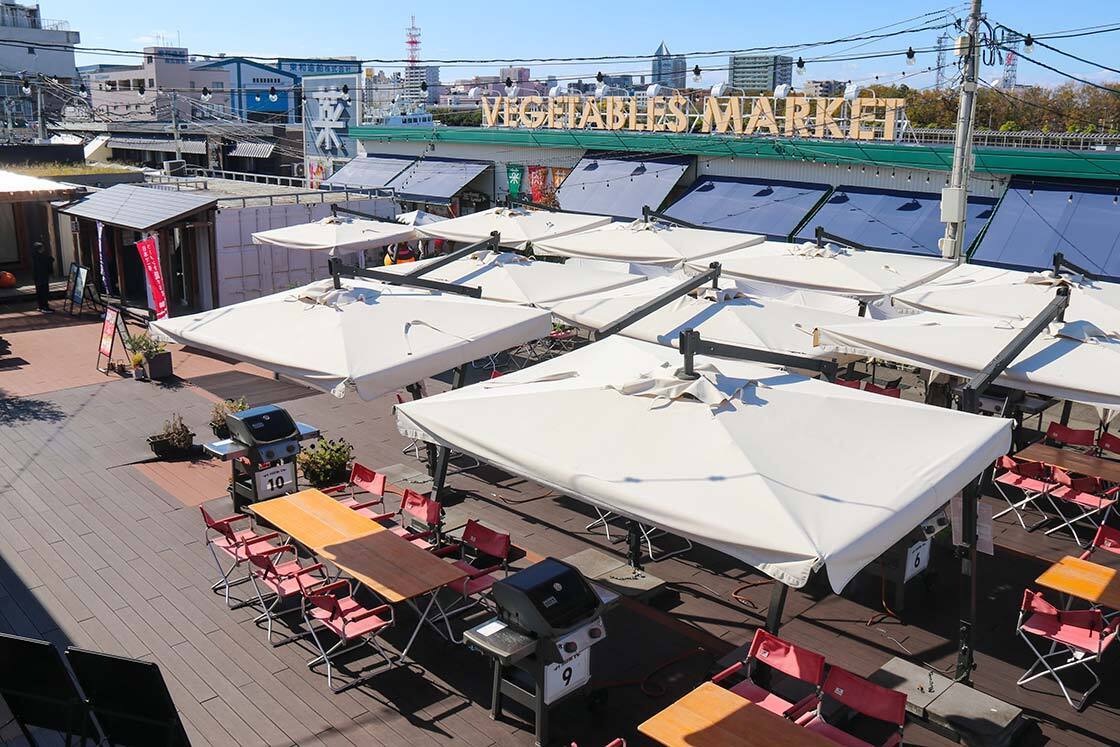
Then, it was time to head back to the ferry terminal to catch the jetfoil back to Niigata City. Instead of heading straight to the station, I stopped over at Pier Bandai, a popular rest stop not far from the ferry terminal. The market offers fresh seafood and vegetables, and the restaurants offer a variety of meals. It was nice to see what was local and in season, and pick up some souvenirs before heading home.
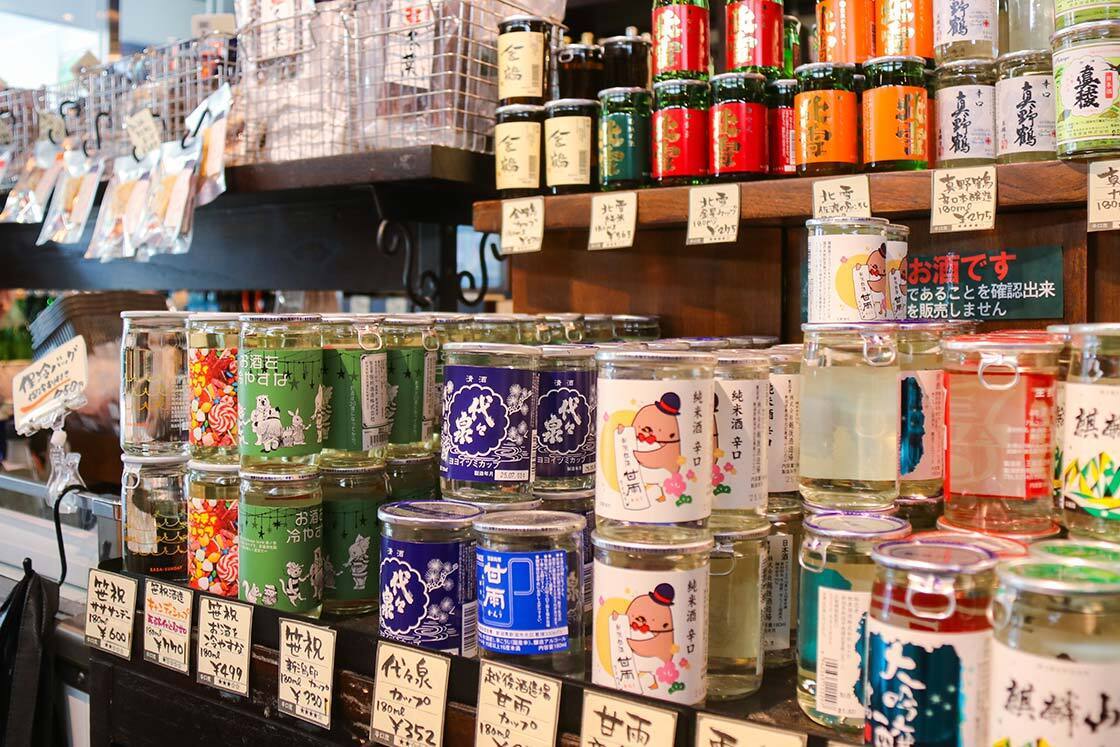
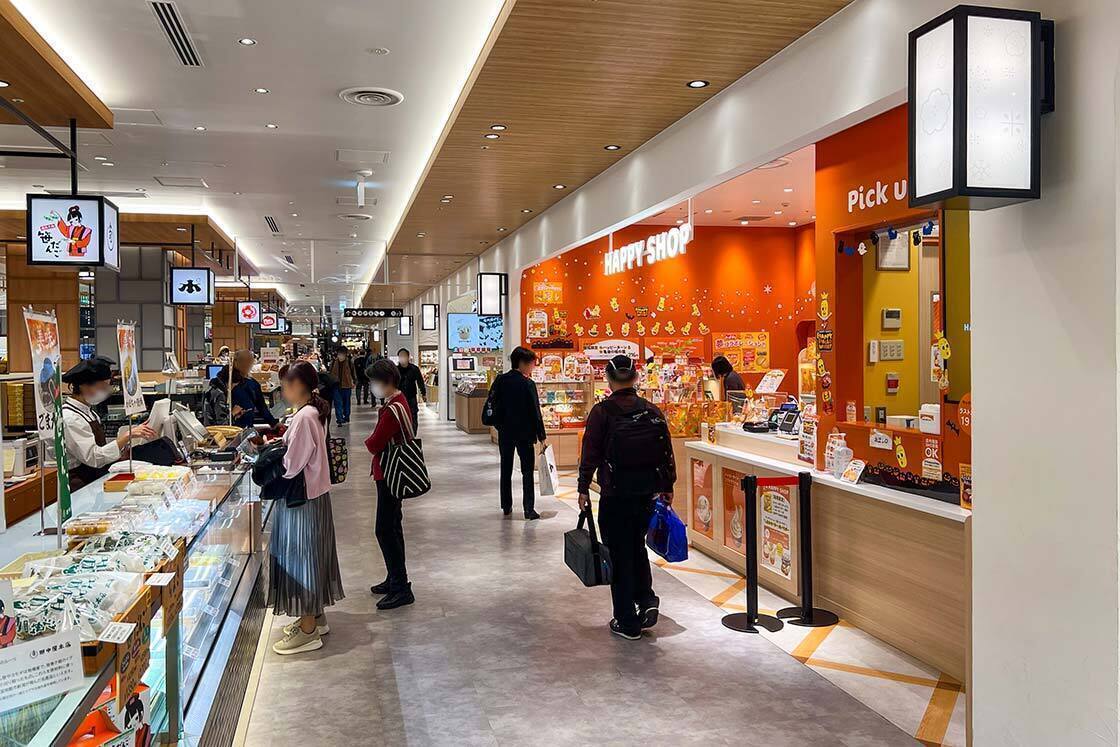
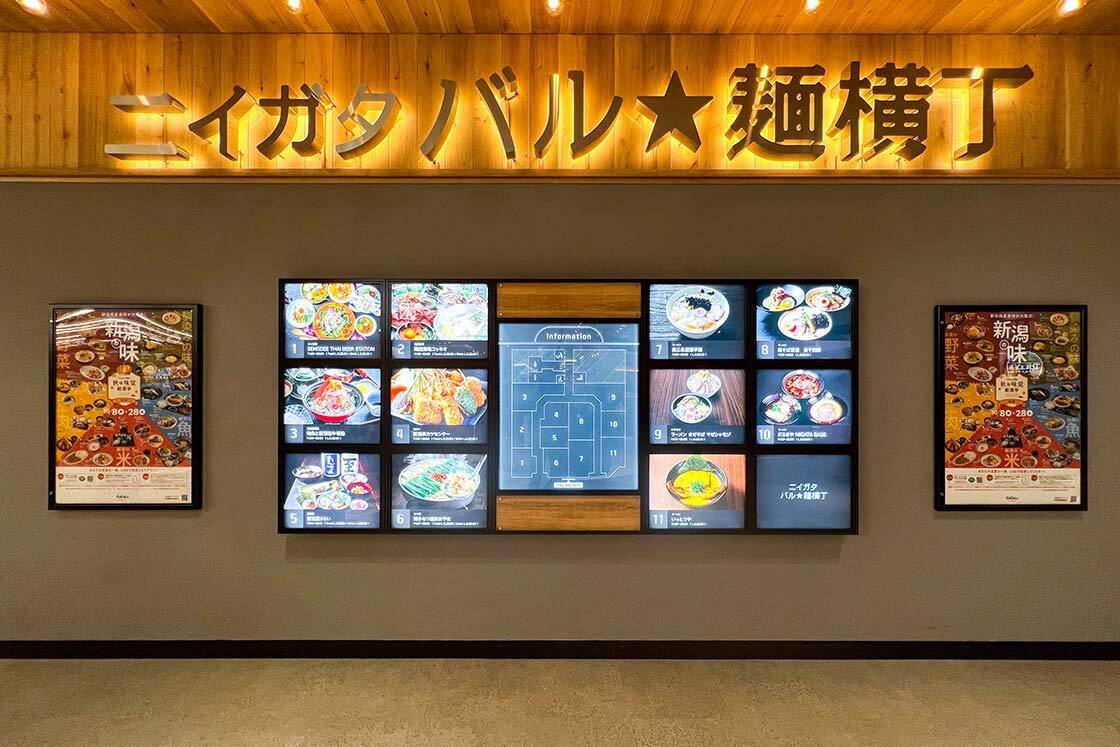
Niigata Station was where my trip started and where it also ends. As a major train station and transport hub, Niigata Station offers a large selection of souvenirs, and I recommend leaving the shopping for the last to have a lighter bag during your trip. In addition to visiting Ponshukan, I also took the time to explore the newly renovated station building Cocolo Niigata, which had its grand opening on April 25, 2024. The beautifully renewed station now has a host of restaurants and shops to satisfy all budgets and cravings. It is easy to spend an hour or so just shopping and eating at the station.
Just like that, my three day trip to Niigata City and Sado Island came to an end. I will definitely return again, and next time in a different season!

Access
How to get to and around Niigata City
Take the Joetsu Shinkansen bound for Niigata Station from Tokyo Station and get off at the terminus. The one way journey takes about two hours, and there are 1-2 departures an hour.
Good walkers can cover the spots in this itinerary on foot, and the approximate walking times are listed below. Alternatively, there is a tourist loop bus departing from Niigata Station that stops at many of the major sightseeing spots in the city (260 yen per ride, departures every 20-70 minutes). Taxis are also relatively easy to hail and can greatly reduce traveling time.
Approximate walking times between spots:
- Niigata Station to Imayotsukasa Sake Brewery: 15 minutes
- Imayotsukasa Sake Brewery to Former Saito Villa: 50 minutes
- Former Saito Villa to ANA Crowne Plaza Niigata hotel: 30 minutes
- ANA Crowne Plaza Niigata hotel to Nabejaya restaurant: 25 minutes
- Niigata ferry terminal to Pier Bandai: 20 minutes
- Pier Bandai to Niigata Station: 20 minutes
How to get to and around Sado Island
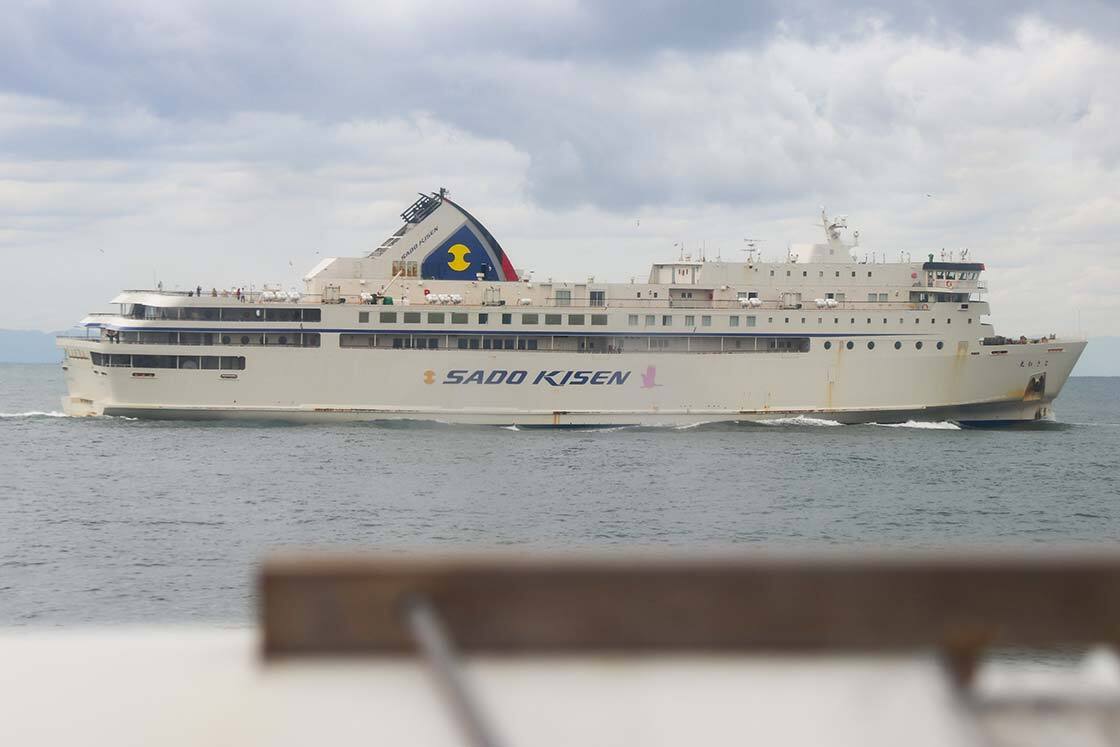
Sado Kisen operates jetfoils and car ferries between Niigata City and Sado Island. The most convenient way to get to the Sado Kisen ferry terminal in Niigata City is to take a taxi from the hotel. The one way journey takes about 10 minutes and costs approximately 1000 yen. From the ferry terminal, take a jetfoil (1 hour one way, departures every 2 hours) or car ferry (2.5 hours one way, departures every 3 hours) to Ryotsu Port on Sado Island.
A rental car is the most convenient way to get around Sado Island, and rental car outlets can be found around Ryotsu Port. Alternatively, hiring a sightseeing taxi is also an option for those who prefer not to drive. The approximate driving times between the spots visited in this itinerary are as follows:
- Ryotsu Port to Sado Island Taiko Center: 65 minutes
- Sado Island Taiko Center to Shukunegi village: 10 minutes
- Shukunegi village to Hotel Oosado: 60 minutes
- Hotel Oosado to Kirarium: 5 minutes
- Kirarium to Sado Gold Mine: 10 minutes
- Sado Gold Mine to Ryotsu Port: 45 minutes