Art and relaxation in the shadow of Mount Fuji
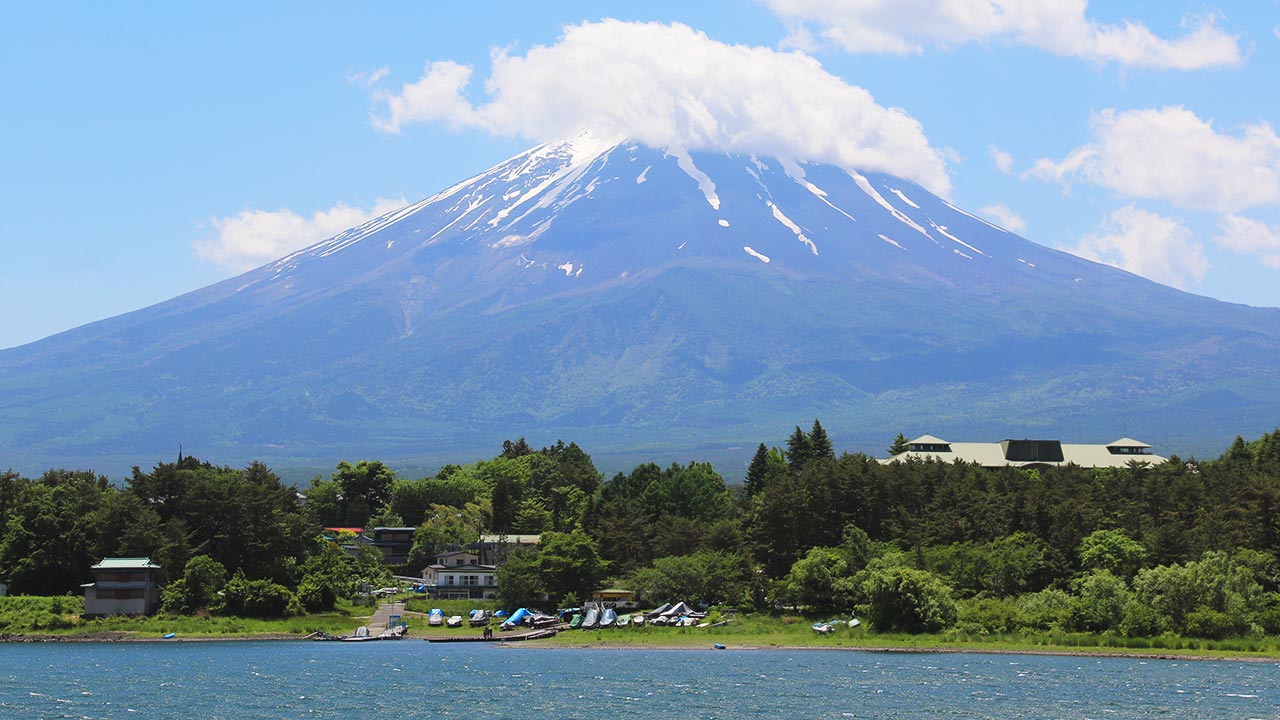

Whether from an observation deck high above the Tokyo metropolis, a distant mountain peak or even through the window of the Tokaido Shinkansen, there's nothing quite like your first glimpse of Mt Fuji. Of all the options, the shores of Lake Kawaguchiko in Yamanashi Prefecture are well-known as one of the most iconic places to enjoy that all-important view - but if you're planning a trip to Japan, you might be wondering if the scenery alone justifies a place on your travel itinerary. As it happens, the area has a huge amount to offer, as I discovered on a recent overnight trip with Kamenoi Hotels.
Often described as the most picturesque of the five lakes skirting Japan's best-loved mountain, it is also by far the most accessible, with direct train and bus options from Tokyo typically taking just around two hours. Ringed with forest-covered mountain slopes and dotted with museums and other attractions, the area is perfectly suited to travellers looking for a restful, mid-holiday pause with some relaxed sightseeing and a sprinkling of wellness-related activities.
Day 1
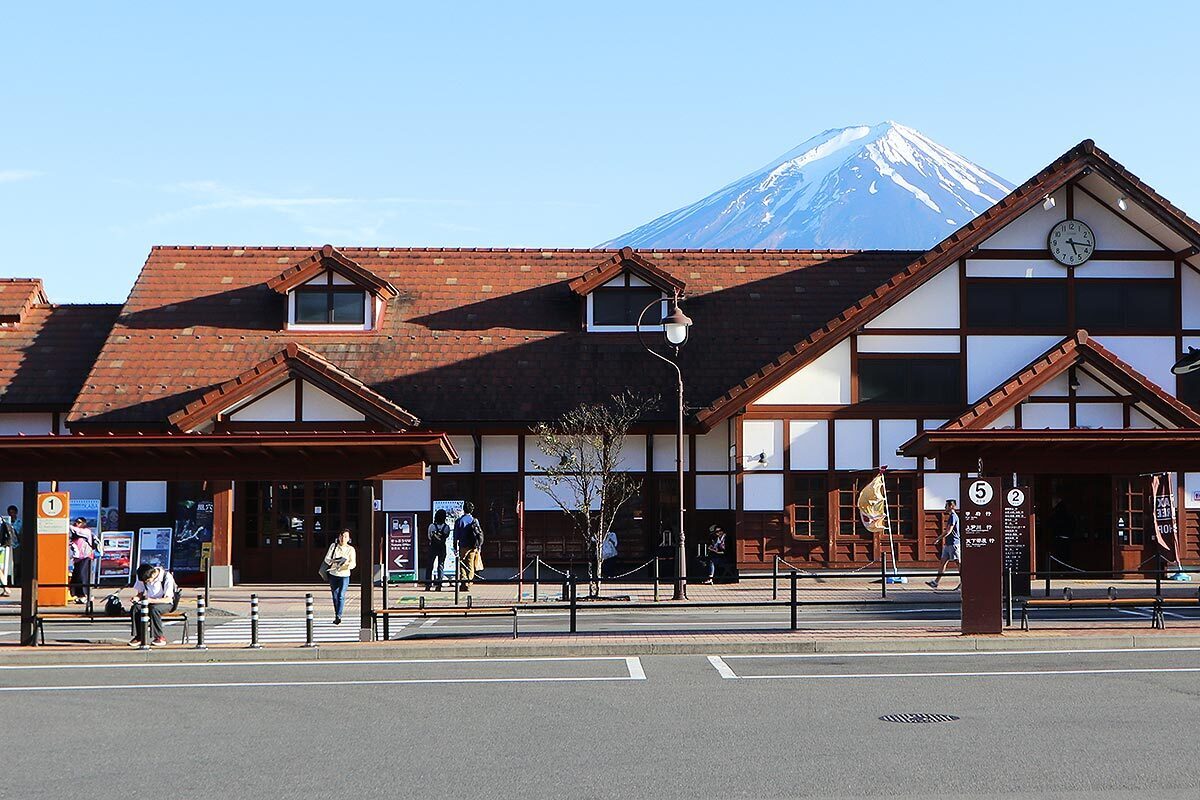
Stepping off the bus just across from Kawaguchiko Station, I immediately got my first look at the upper part of Mount Fuji just peeking over its slanted roof and rustic timber-frame structure - details that for me always conjure thoughts of chalets and mountain huts. Here, my first task before I could set off exploring was to secure a rental-bike, and fortunately the new app-based service Q-BIKE operates a collection point just a few steps from the station entrance.
With the app pre-installed on my phone, it was just a moment's work to connect to the point and choose a bike from its inventory. With this done, all that remained was to adjust the seat post and tap a button on a panel to the rear, causing the wheel-lock to click open and a meter within the app to start. Jumping on, I was soon threading my way along residential streets for a few hundred meters towards the lake.
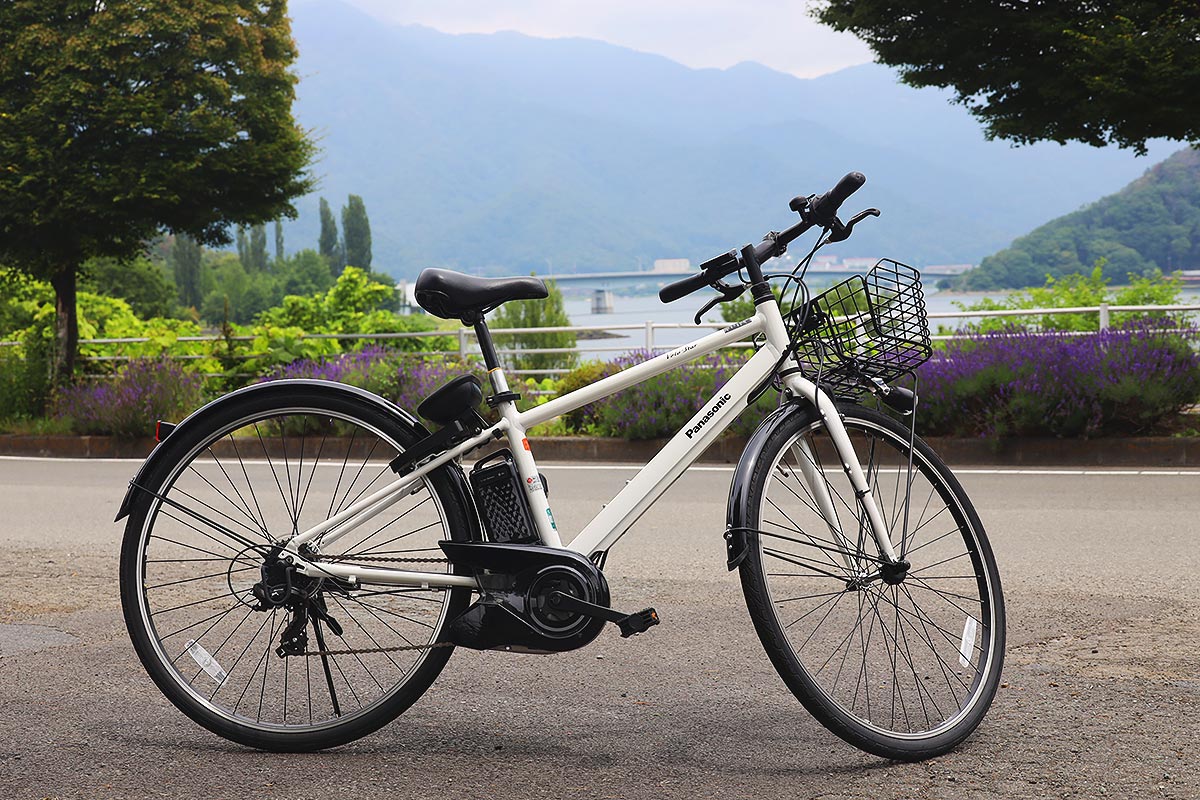
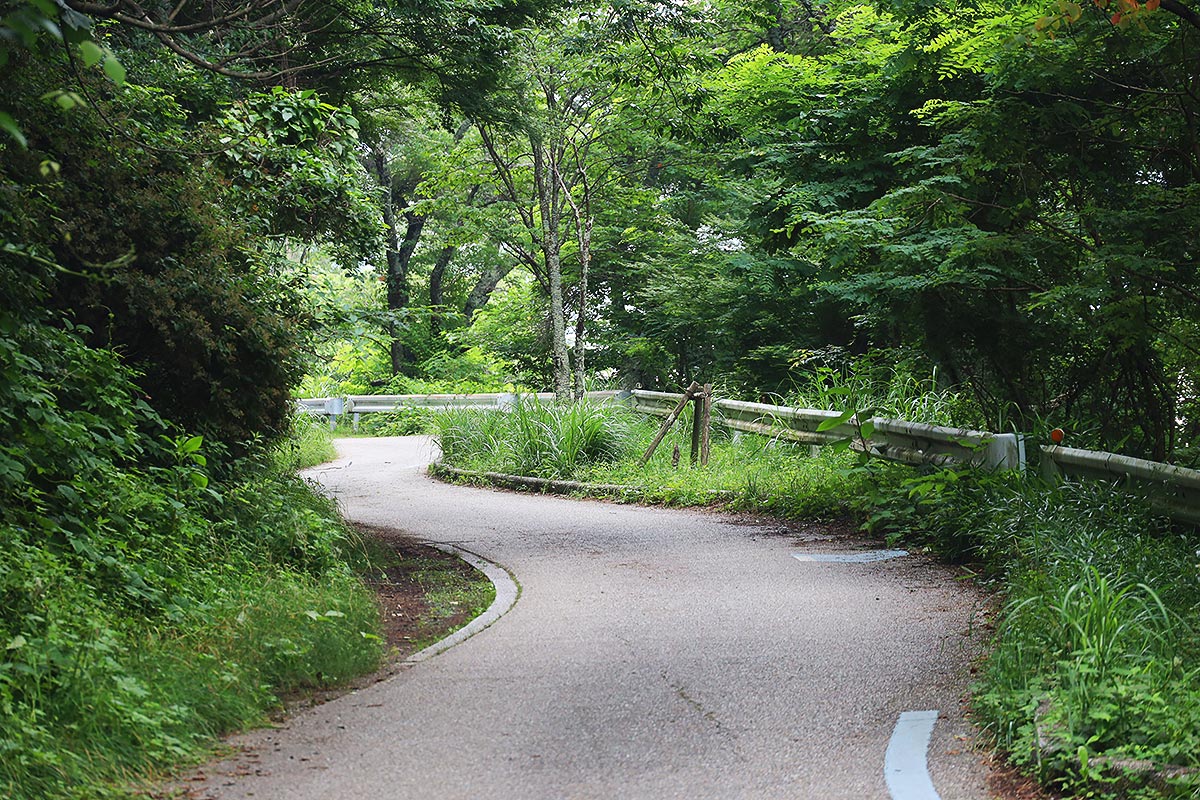
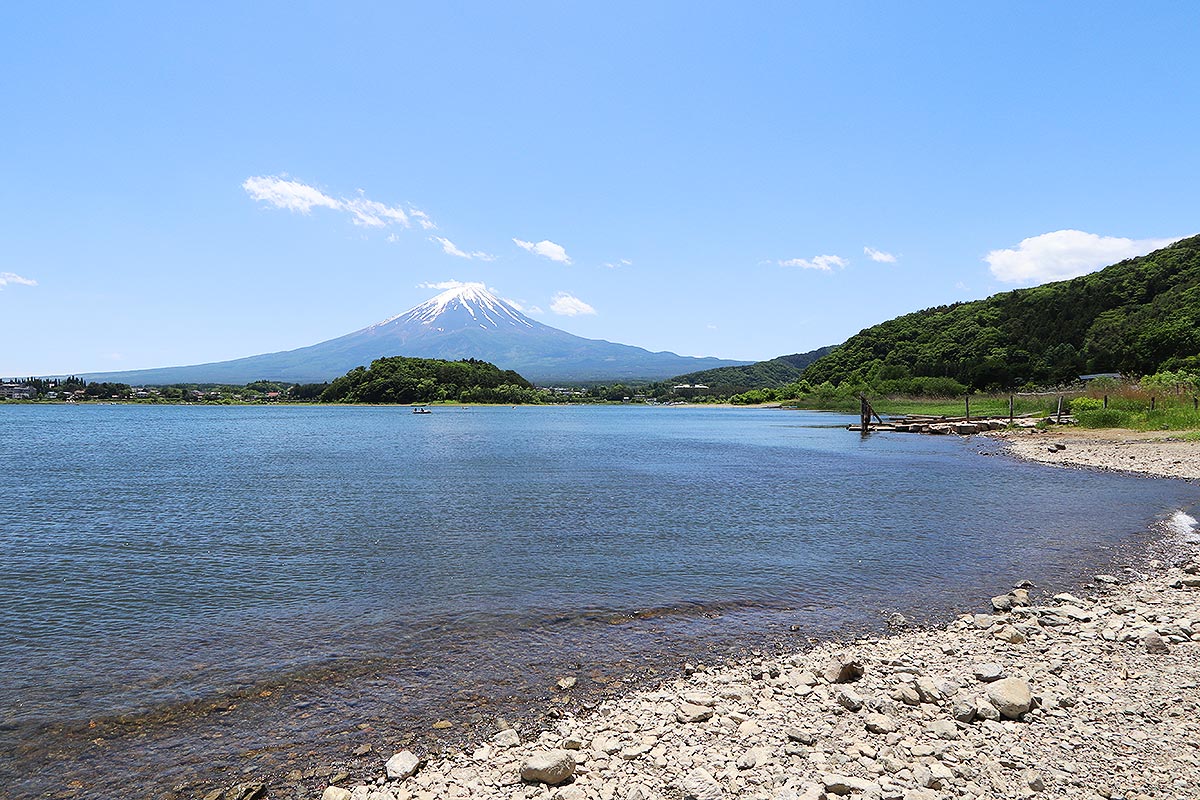
Arriving at the water's edge, I turned right and began working my way around the east side of the shore, enjoying some beautifully clear views across the lake and back towards the gently curving slopes of Mount Fuji rising up behind me. Despite the route following a fairly busy main road for most of the journey, the ride felt fun, easy enough and much improved by a clearly marked cycle path.
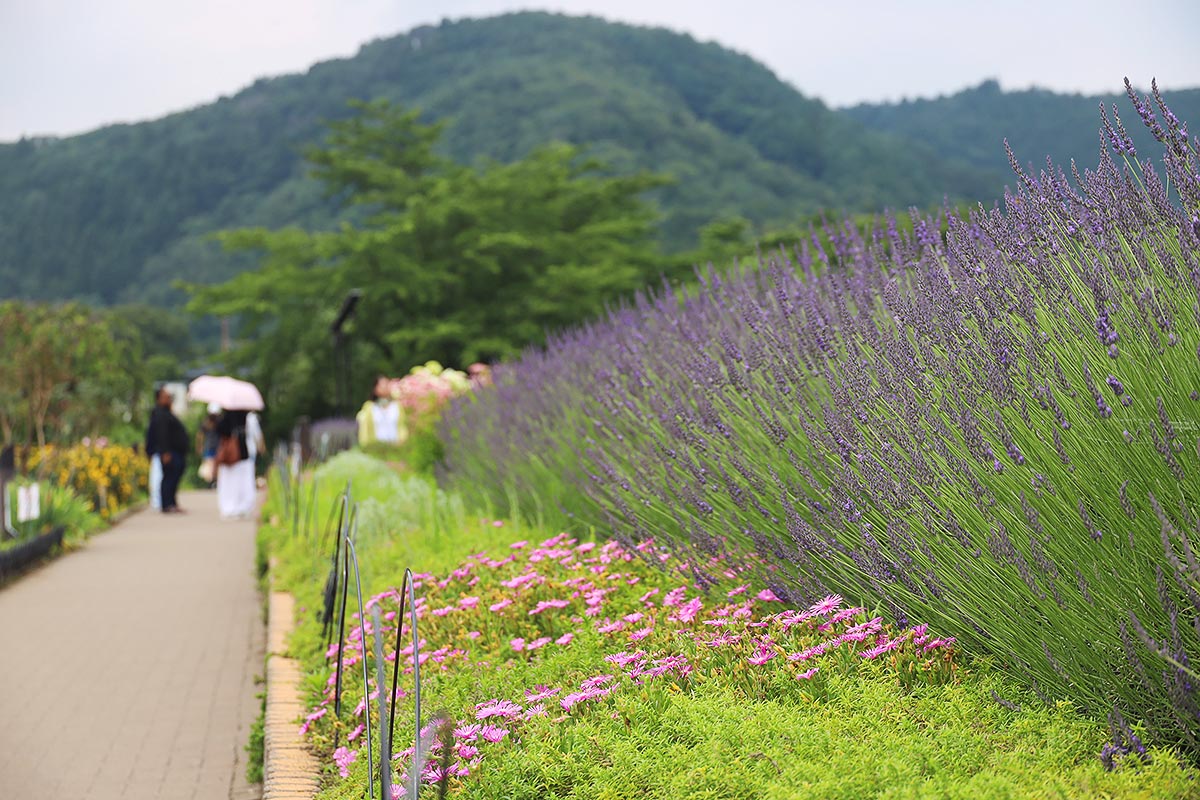
About 30 minutes of relaxed peddling brought me to Oishi Park along the northern shore, a lakeside garden forming an idealized backdrop for Japan's best-loved mountain with strolling paths and neat rows of flower beds. While the bigger patches of lavender dominate in early summer, the 350-meter "flower road" was planted to create attractive scenes throughout the year, from tulips and daffodils in spring through to intense red kochia, or summer cypress in fall.
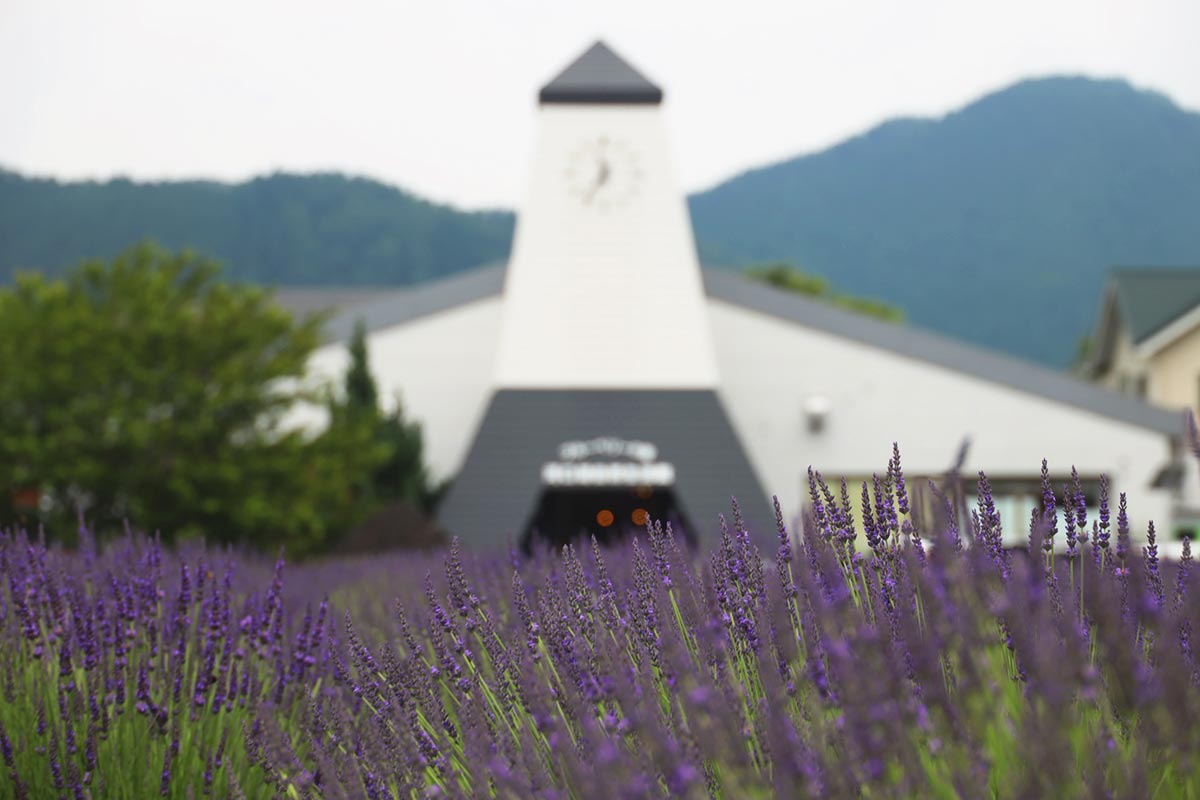
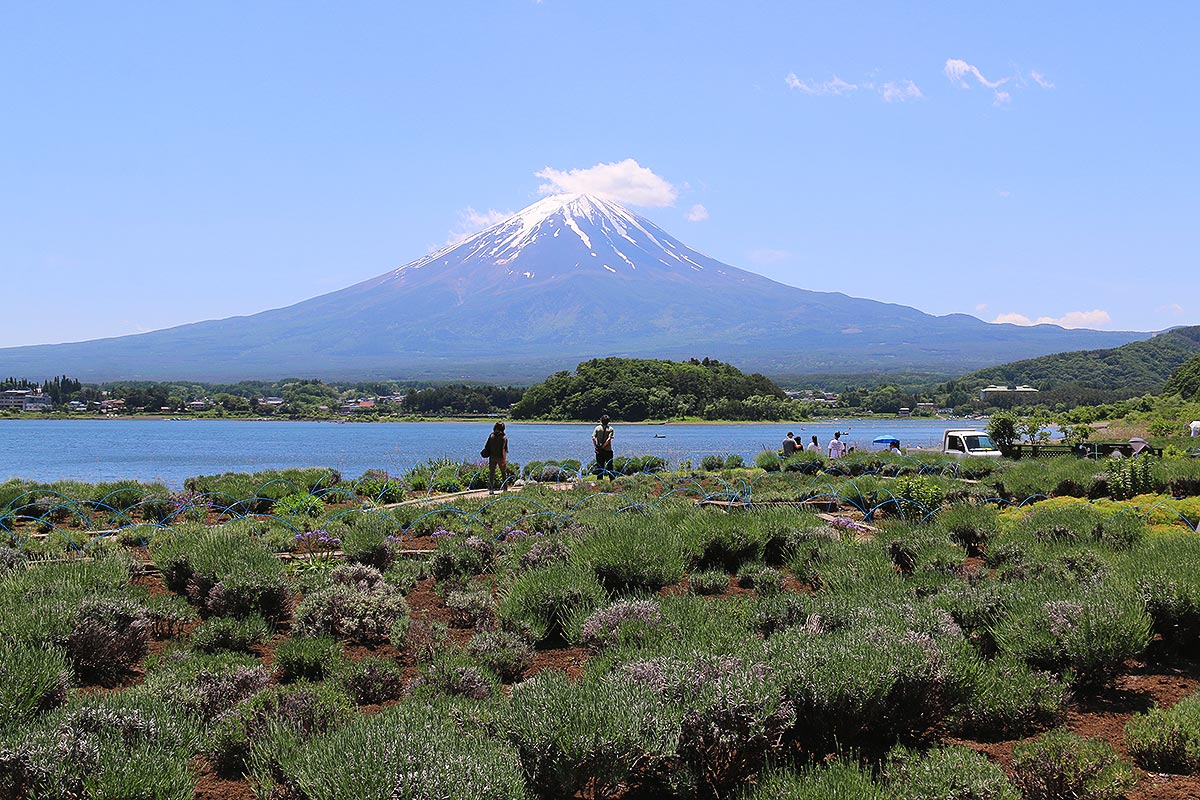
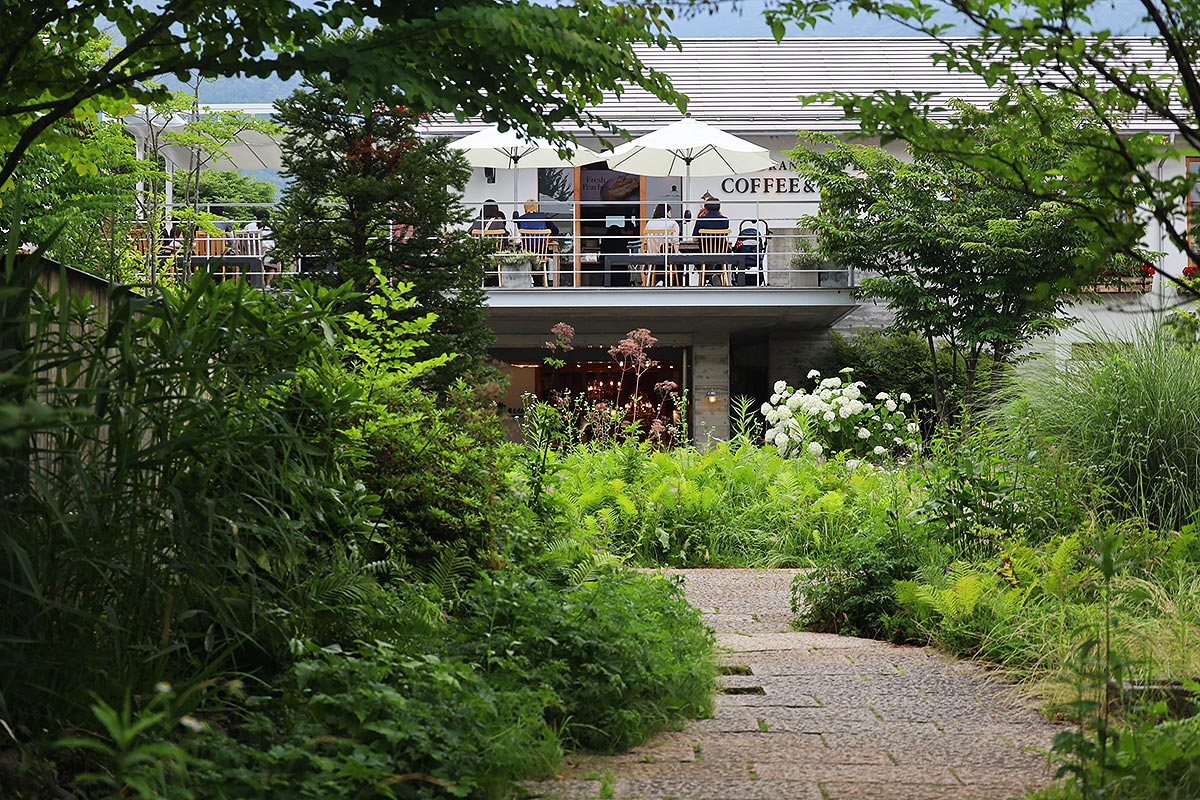
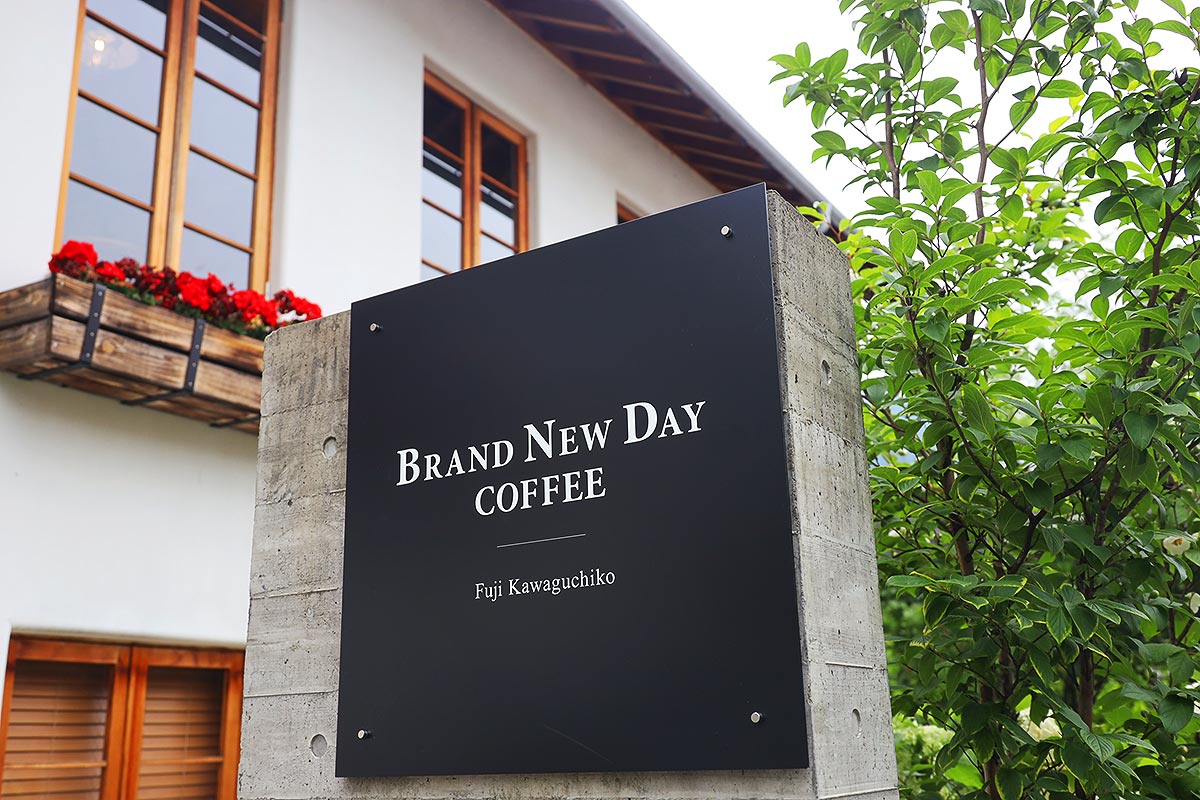
Directly adjoining the gardens is the Fuji Oishi Hana Terrace, a picturesque development of shops and restaurants, with white plaster walls, timber accents and stone paved lanes lending it the feeling of some rural alpine village. Occupying the upper floor of one of its cottage-style buildings is Brand New Day - a tastefully minimalist cafe and pizzeria, and one of just a handful of places where you can enjoy a coffee or meal with a direct view across the lake.
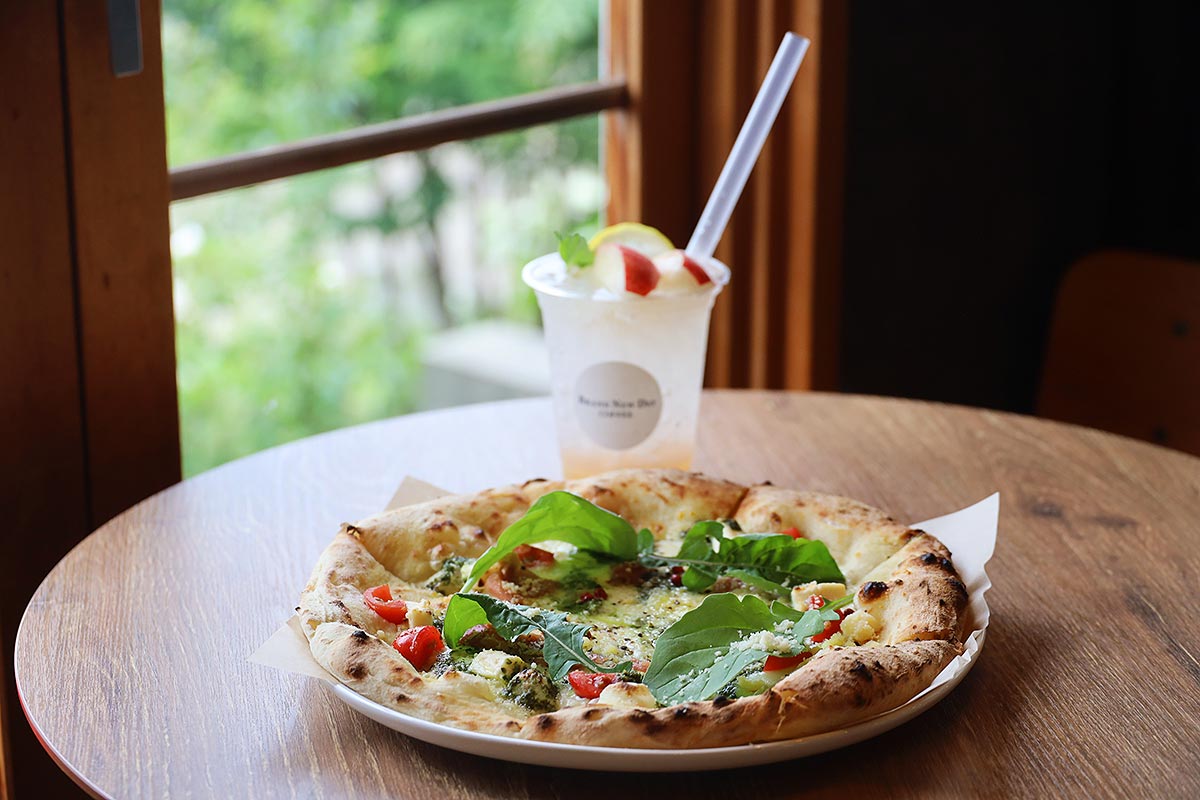
Taking a seat at a little table by one of the windows, I tucked happily into a prosciutto and arugula pizza that would certainly rank somewhere close to the best I've had in Japan, and washed it down with a peach soda - a seasonal special to mark Yamanashi Prefecture's summer peach harvest.
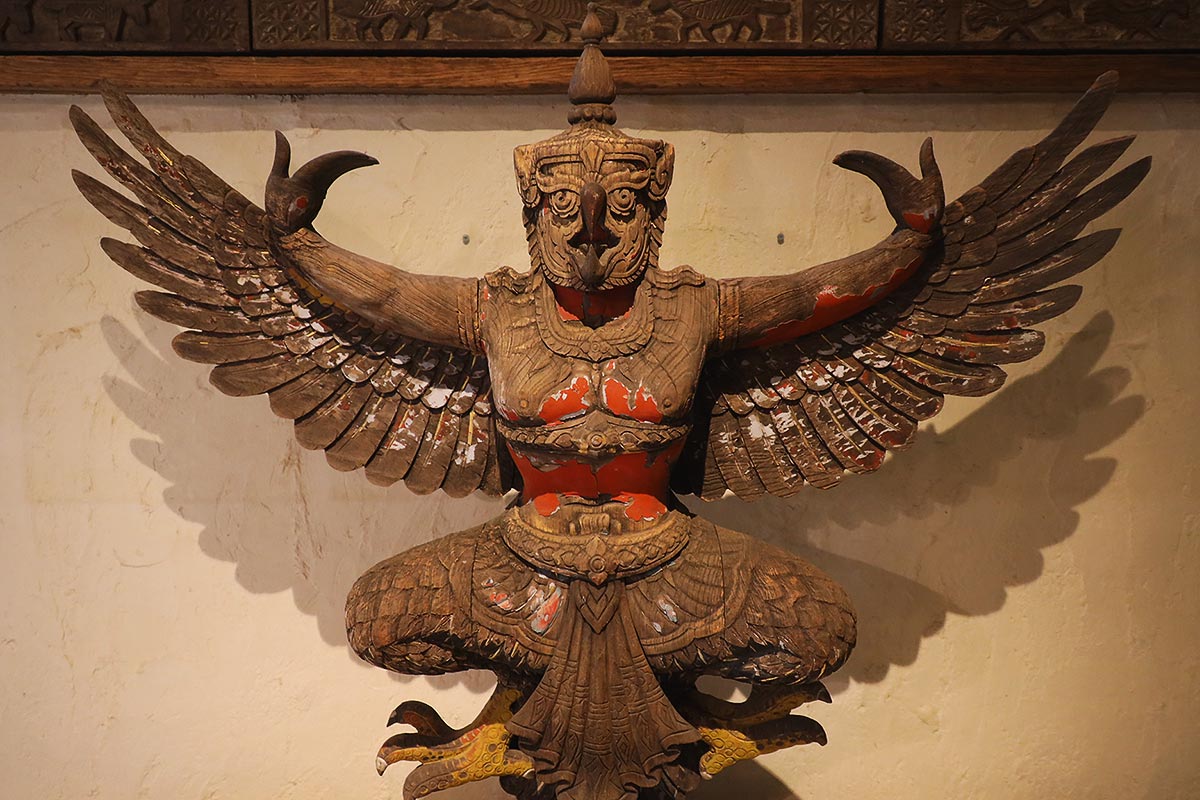
Back on my rental bike, I took a ten-minute ride back the way I had come before taking a left turn to my next stop at the Michelin Guide listed Kubota Itchiku Art Museum - a unique gallery dedicated to a single artist and, in bringing together his personal collection of Asian traditional art as well as some of his own signature pieces in such a striking natural setting, comprising something very like a fully-realised artwork in its own right.
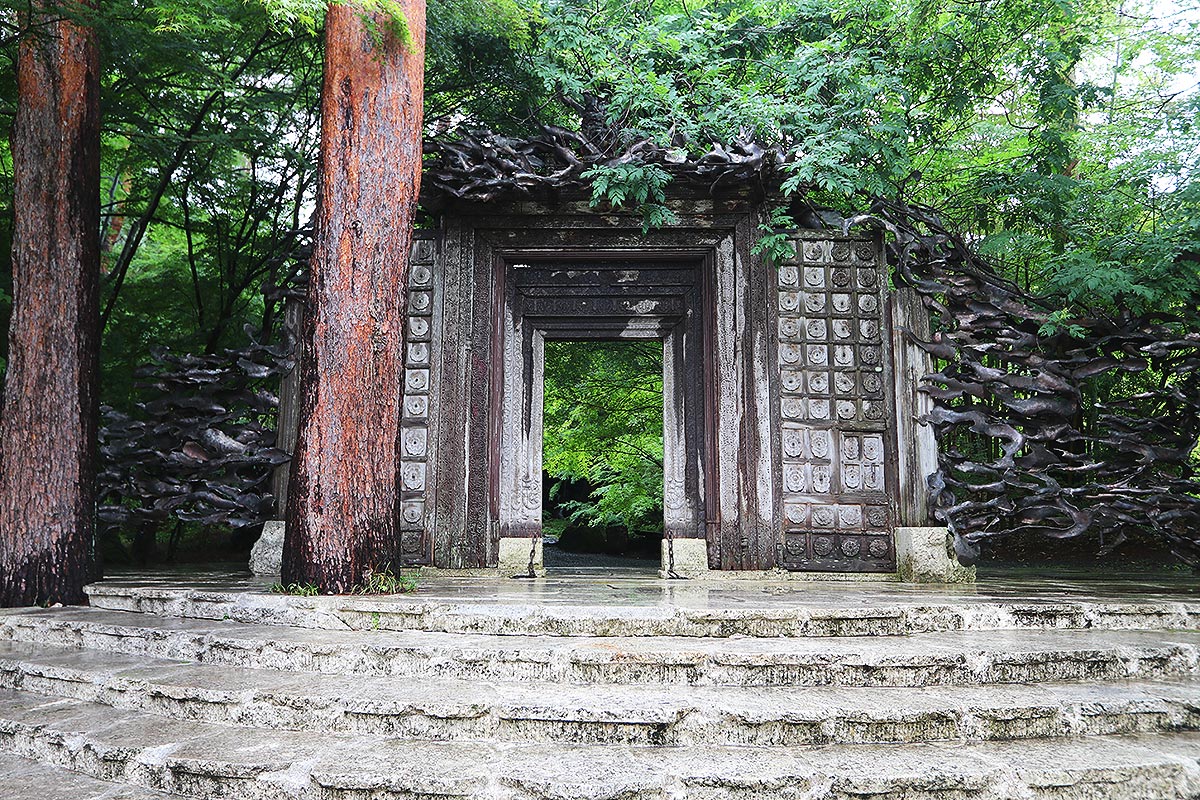
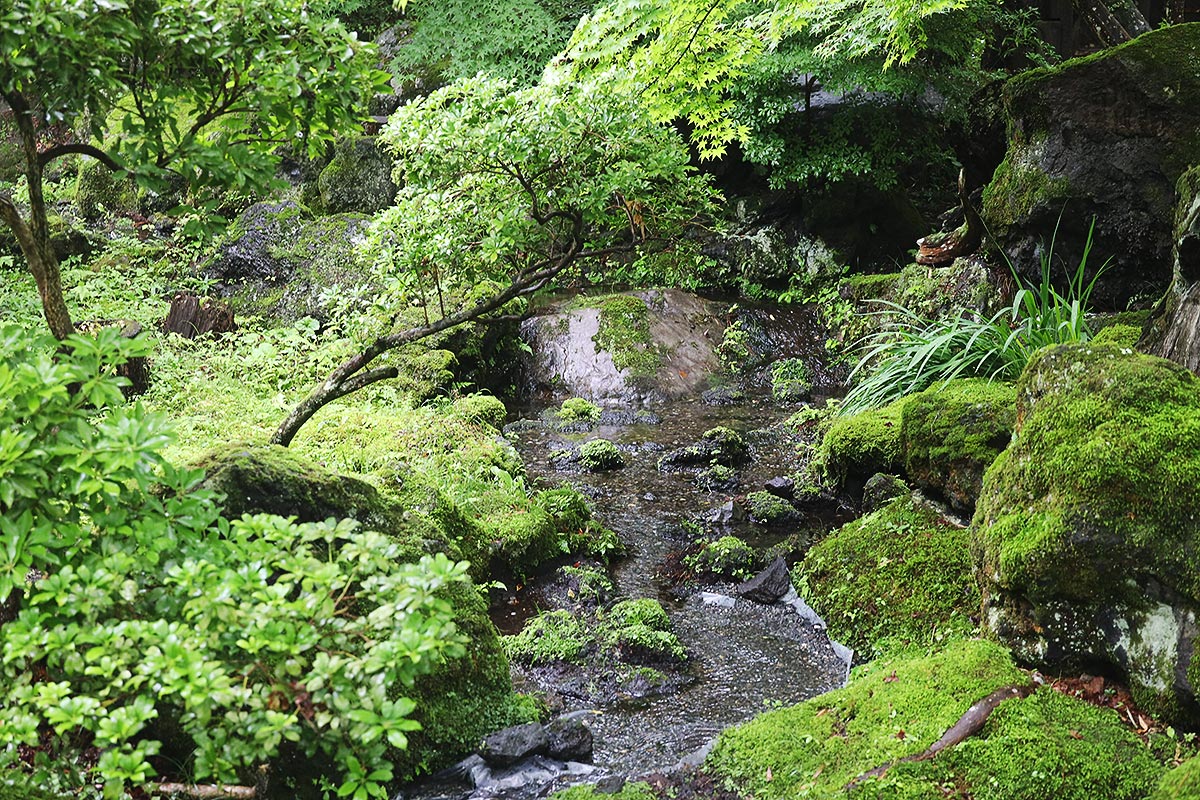
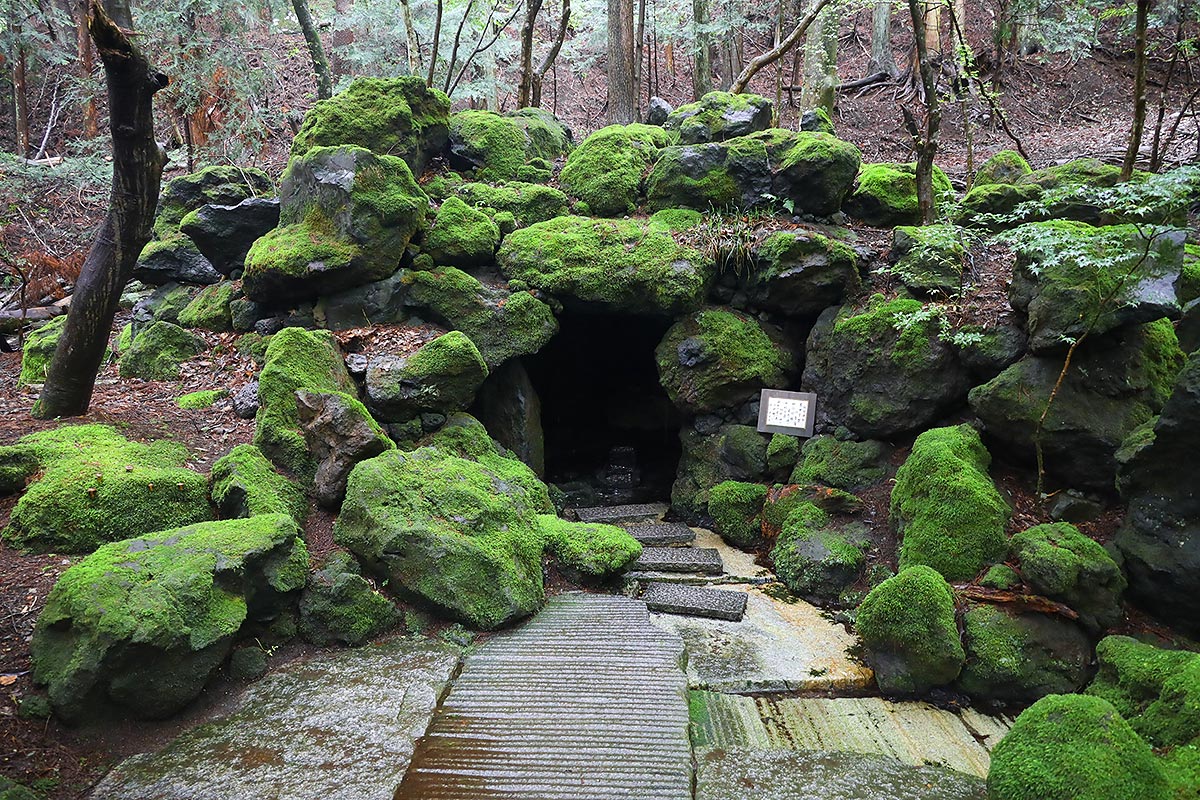
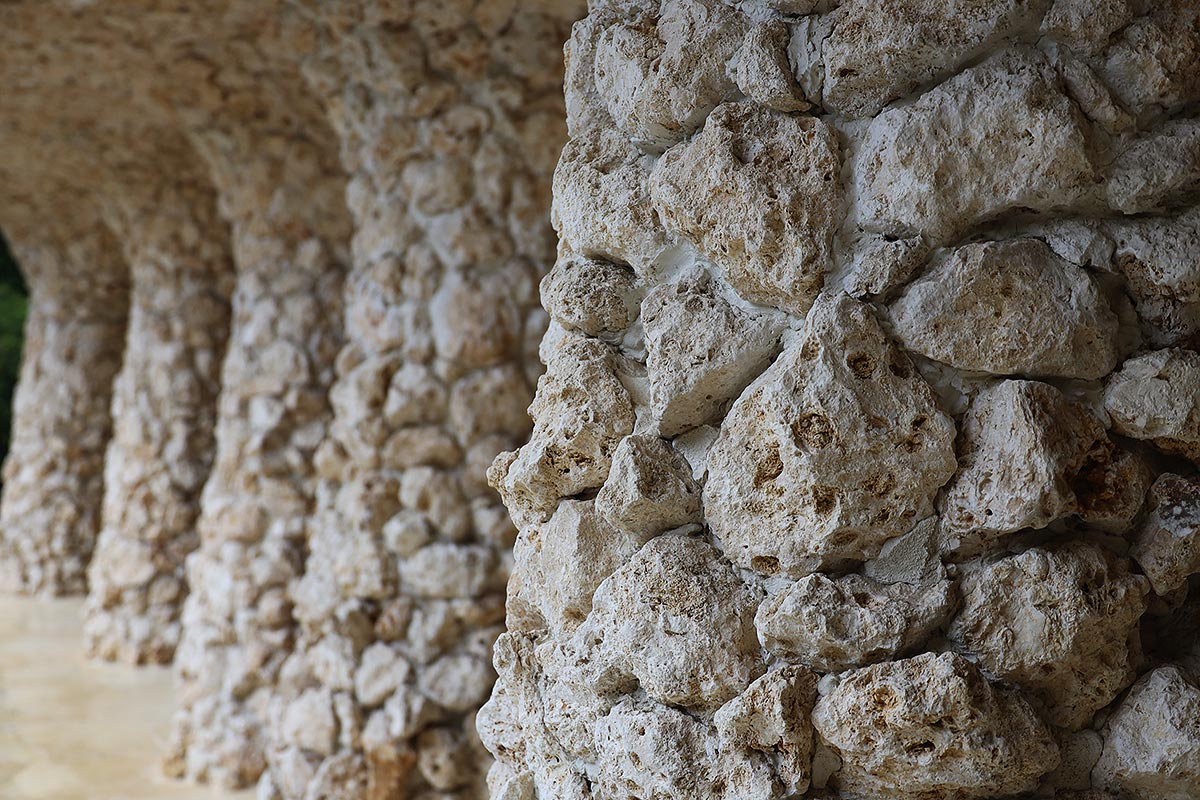
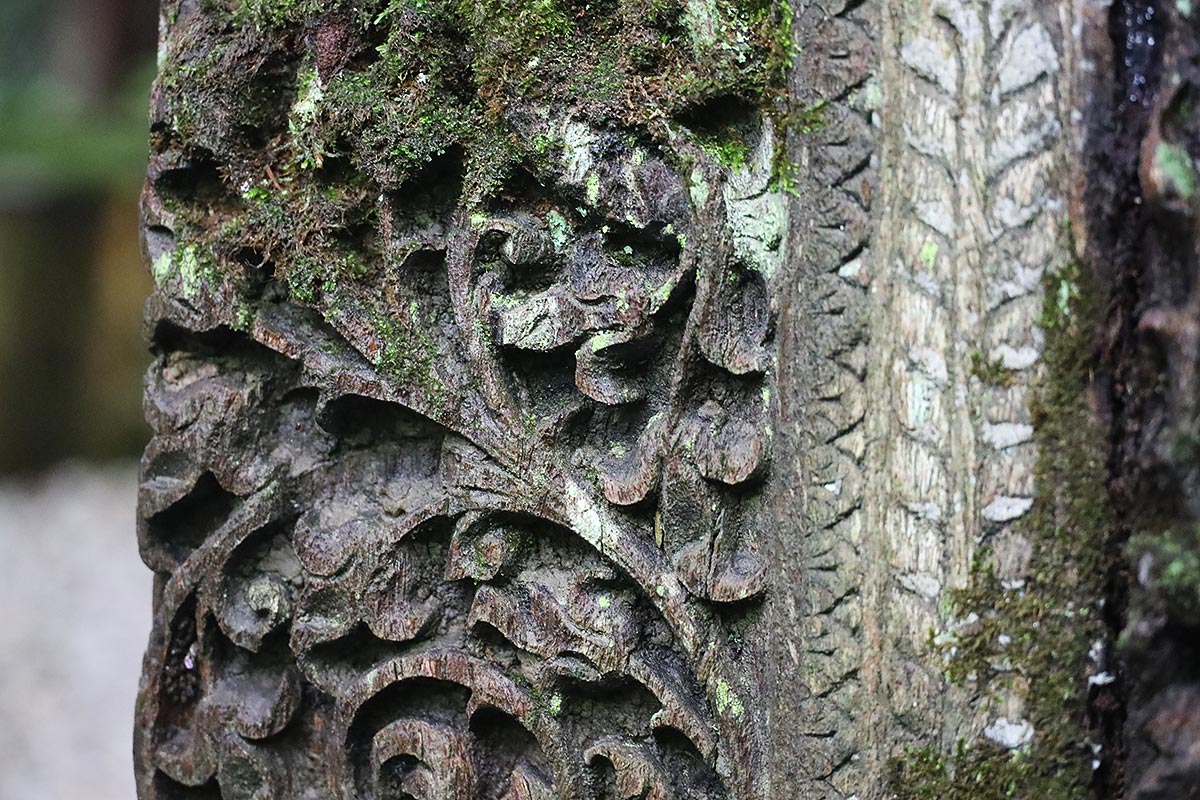
Entering the museum's wooded grounds feels a bit like stepping into a dream landscape complete with waterfalls, caves and antique art pieces. The otherworldly feeling carries on into the reception building, with its flowing pillars and craggy, Gaudi-inspired surface texturing.
Born in Tokyo in 1917, Kubota Itchiku grew up in an area known for its kimono-dyeing workshops and apprenticed in the traditional yuzen style of hand-dyeing from an early age. At 20, he happened to see an old scrap of fabric dyed in the by-then long extinct style called tsujigahana, or "flowers at the crossroads", igniting an obsession that would stay with him for the rest of his life.
Life intervened however, and after a stint on the frontlines of World War II and a three-year sojourn in an allied POW camp, it would take him until the age of 40 to devote himself fully to reviving the centuries-old technique.
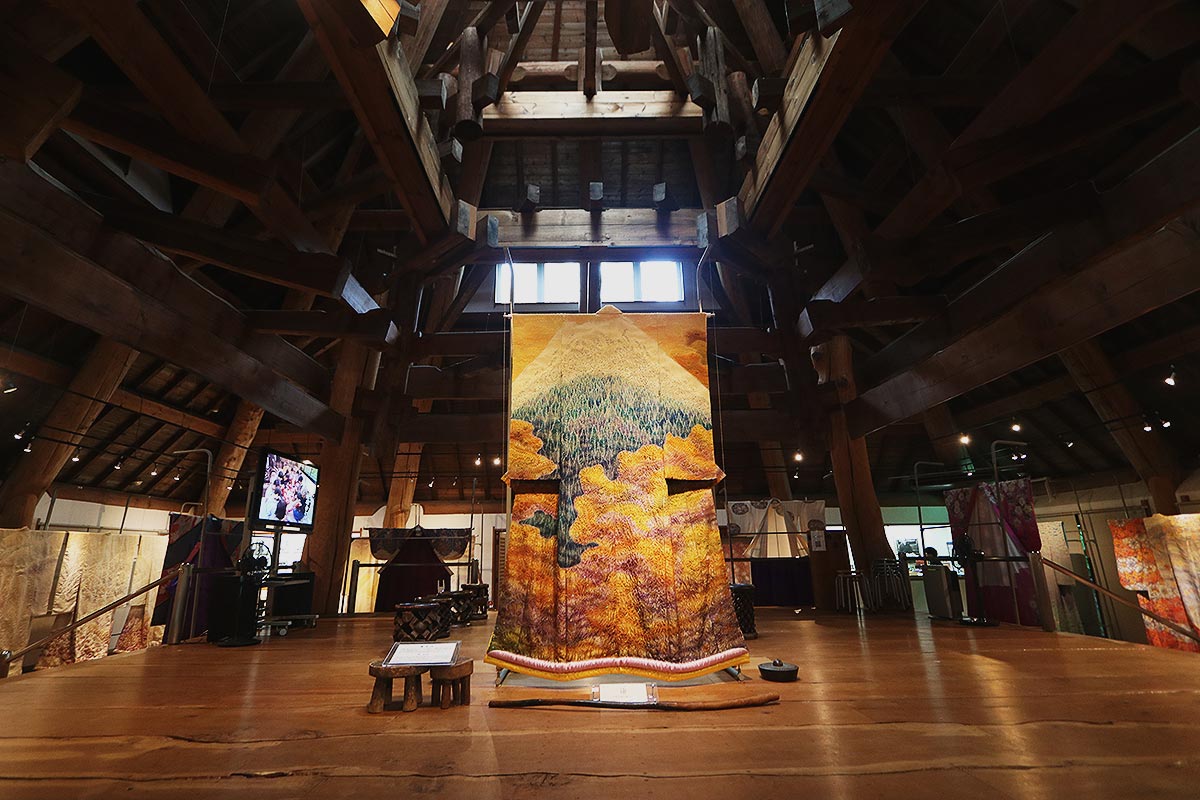
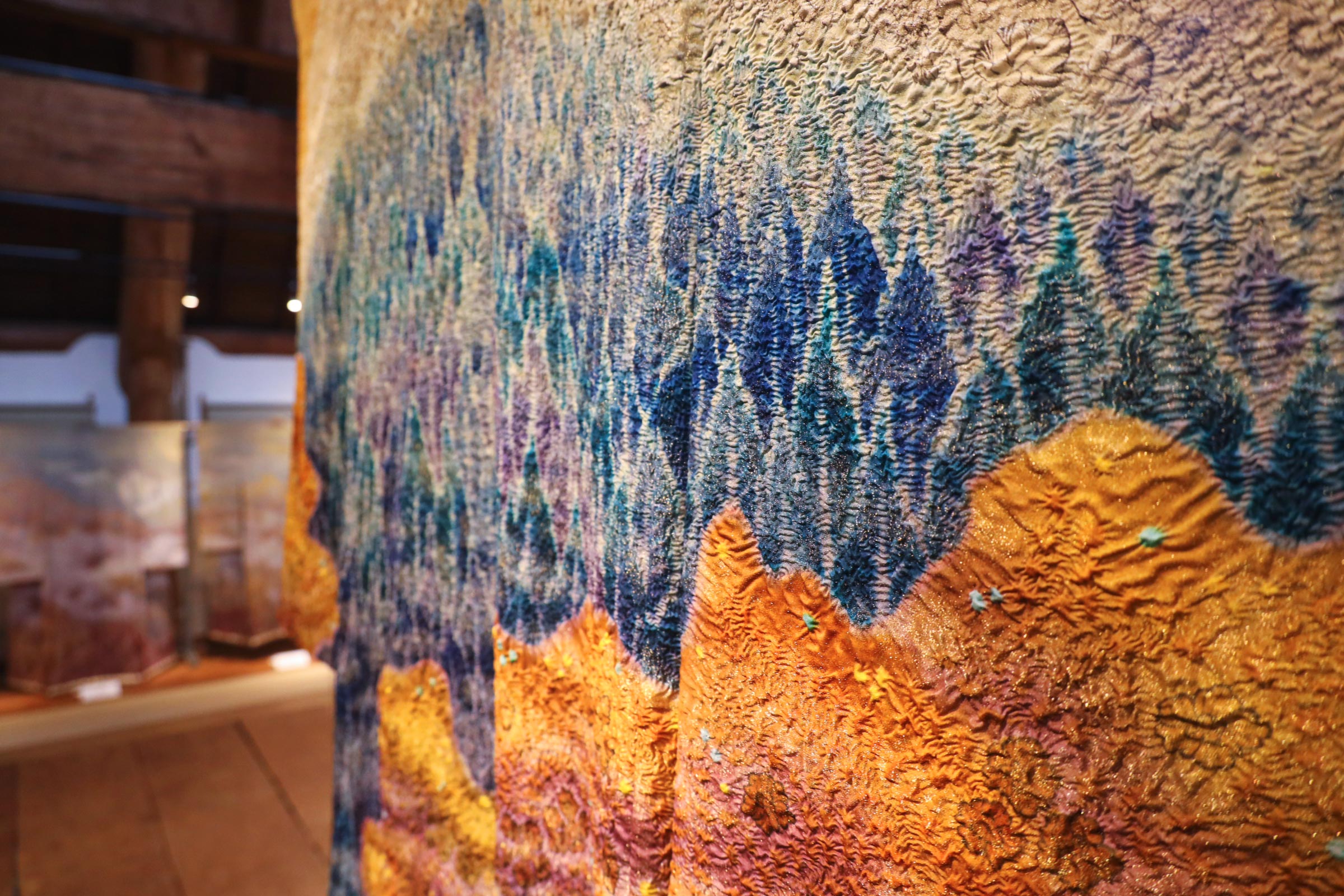
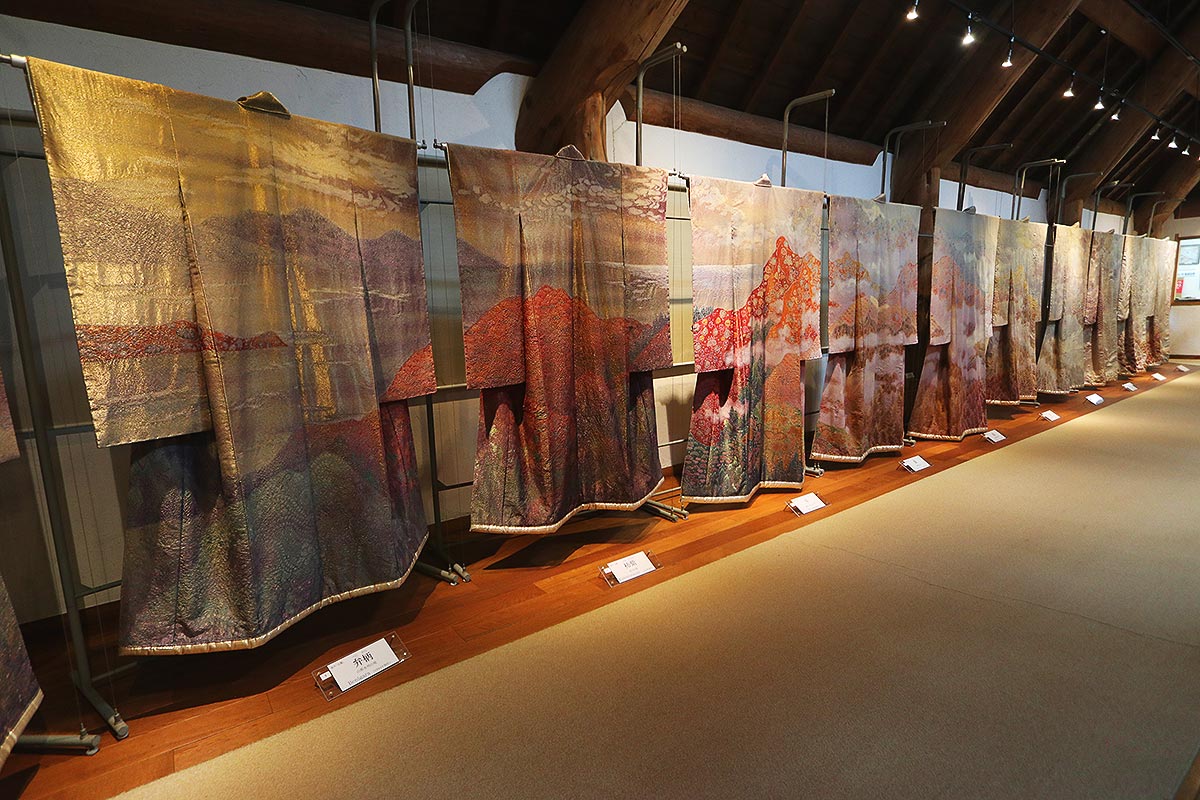
By then a master craftsman in his own right, his ambition had shifted from merely recreating tsujigahana to adapting it for the modern world, resulting in what he would later come to call Itchiku tsujigahana. Though it wasn't until 1977 at the age of 60 that he felt ready to present this new style to the public, from that point on it would entirely dominate his creative output. Within a year, he had embarked on the monumental series known as the Symphony of Light, for which he remains best known today and that forms the centerpiece of the museum's collection, housed in a spectacular gallery building built around a skeleton of 1000-year-old hiba cypress logs.
Inside, visitors see a rotating selection of pieces from the series, which at the time of my visit was mainly drawn from the artist's "Autumn" sequence, with multiple kimono forming a single sweeping landscape of mountains, red foliage and mist-covered forests. Individual pieces are every bit as impressive from close up, with delicate gradations of color and a soft, luminous glow.
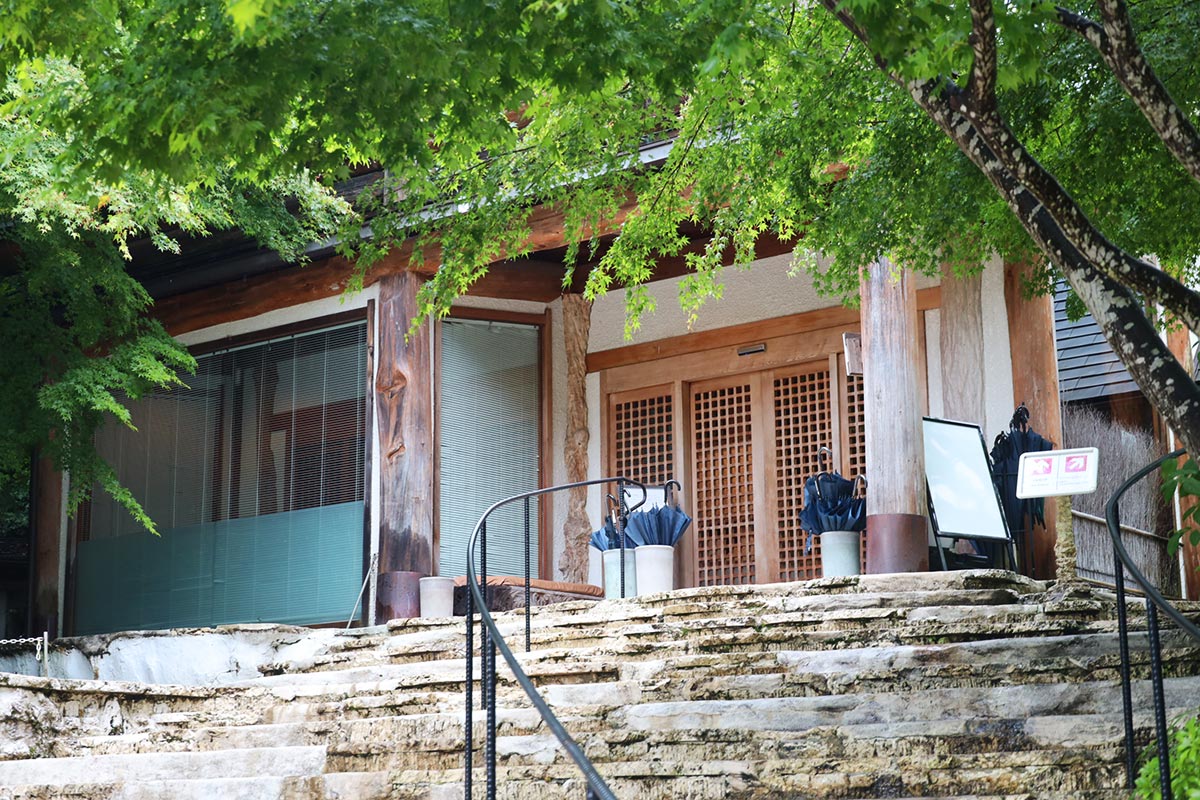
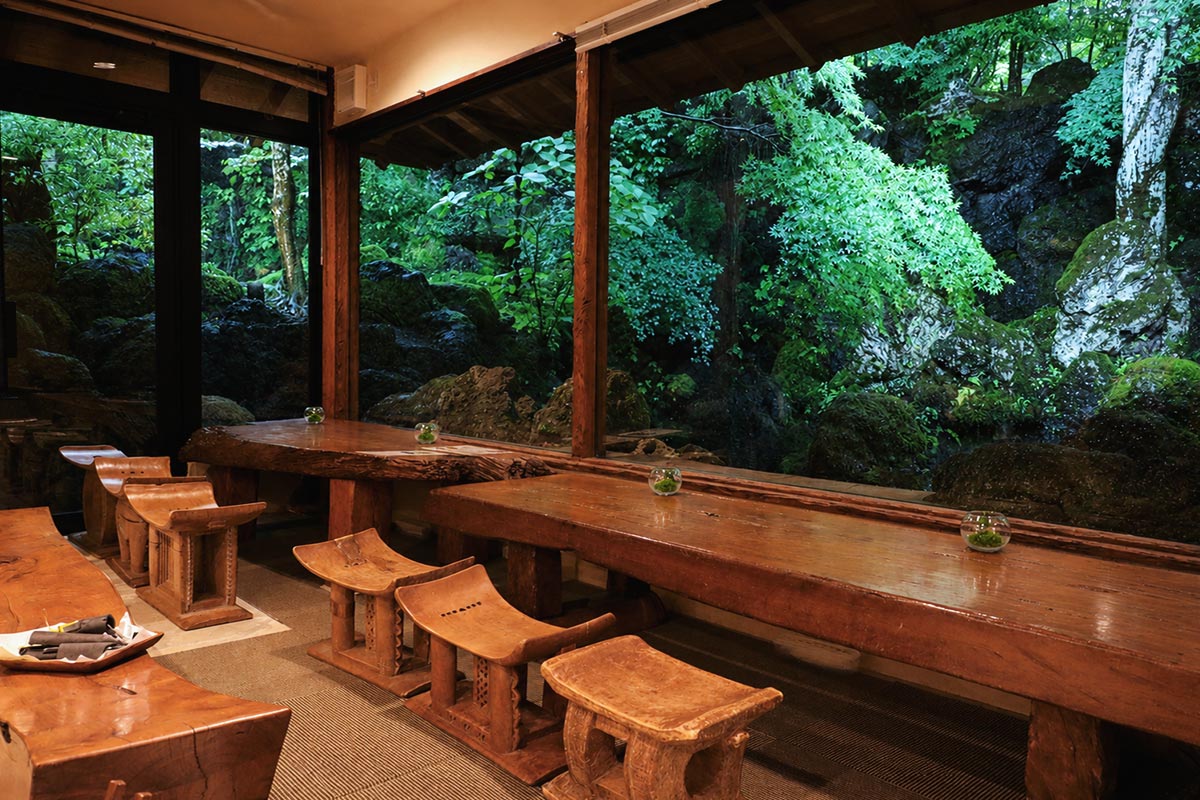
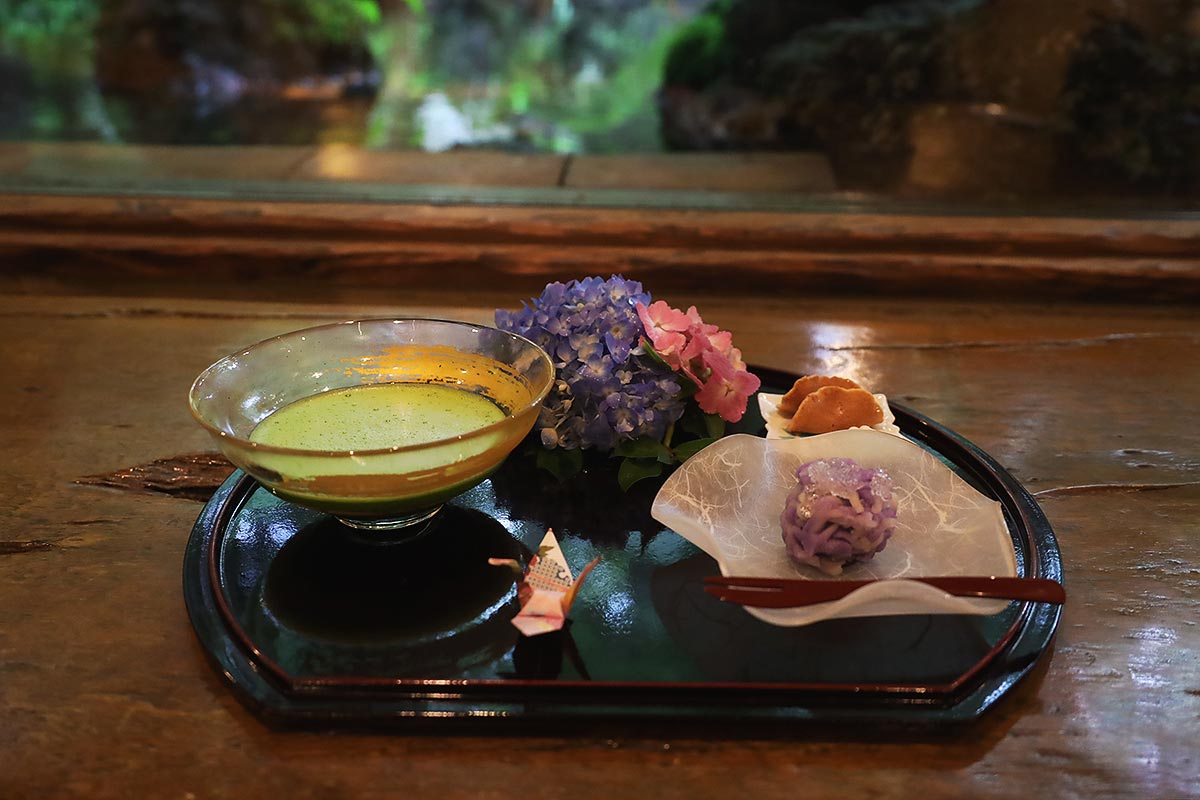
Before leaving the gallery behind, I made a final stop in the Itchiku-an Teahouse, a little cafe-like space tucked away at the back of the main gallery building in what was once Itchiku's own private room. Here I enjoyed a bowl of matcha with some seasonal sweets, while gazing out the window over a little waterfall pool.
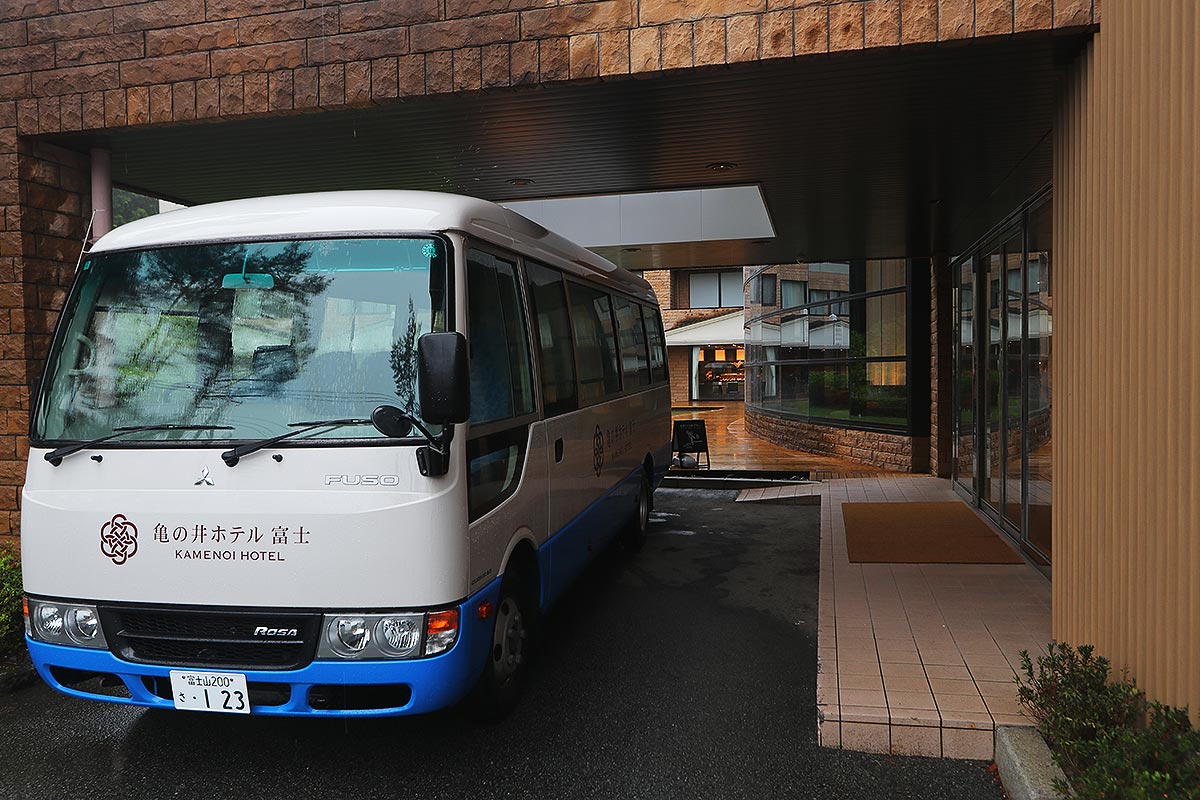
From the entrance, I continued to retrace my path the rest of the way around the edge of the lake and back through the town to Kawaguchiko Station. Here, I dropped off my rental-bike - a simple matter of opening the app, resetting the lock and pressing "confirm" on the little panel behind the seat post - before jumping aboard a pre-booked shuttle bus to my accommodation for the night.
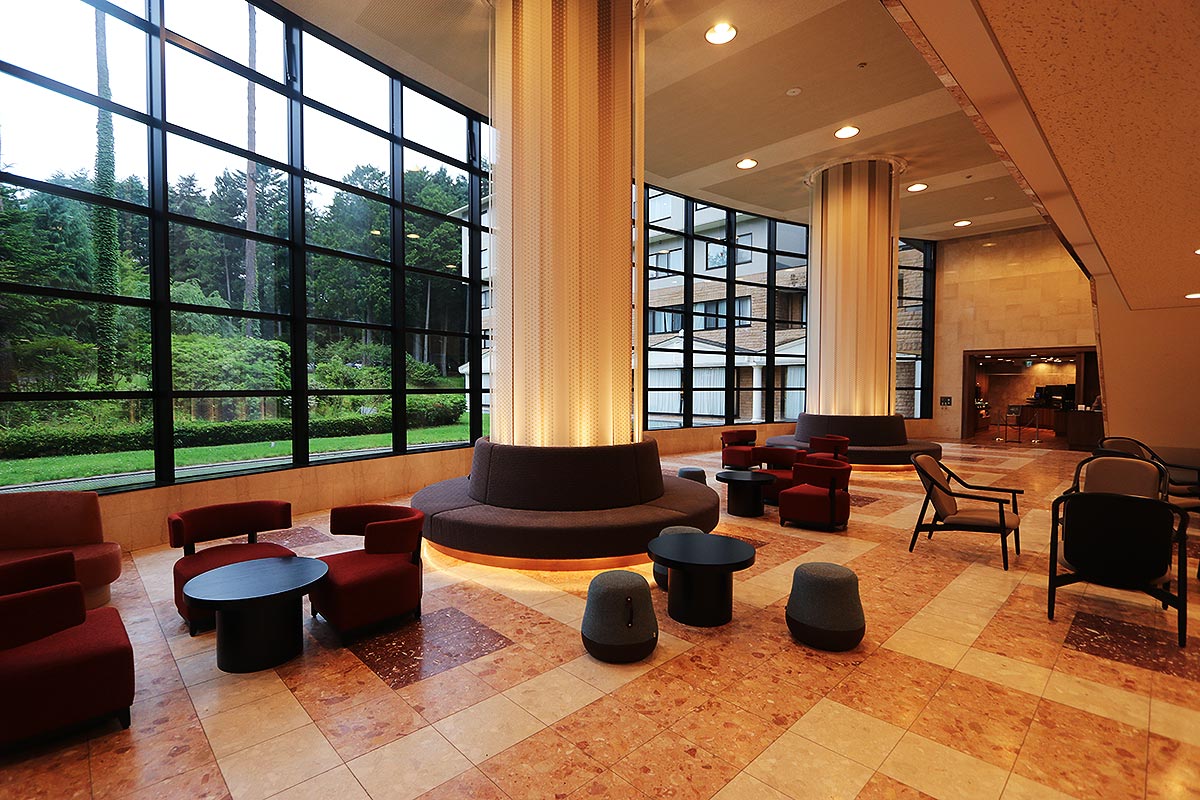
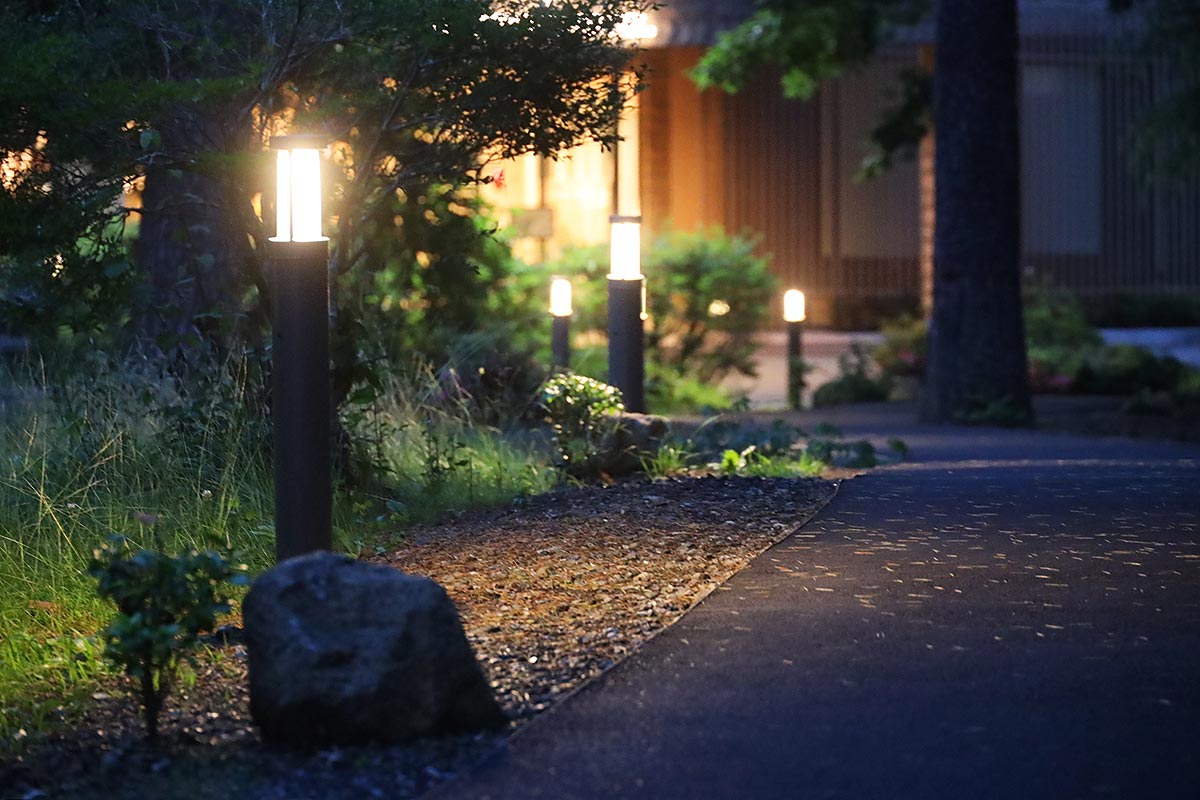
Located in a peaceful hillside spot just three kilometers south of the station, the Kamenoi Hotels Mount Fuji is a 88-room, family-friendly hotel offering spectacular views of its namesake mountain and a decidedly modern take on the onsen ryokan experience.
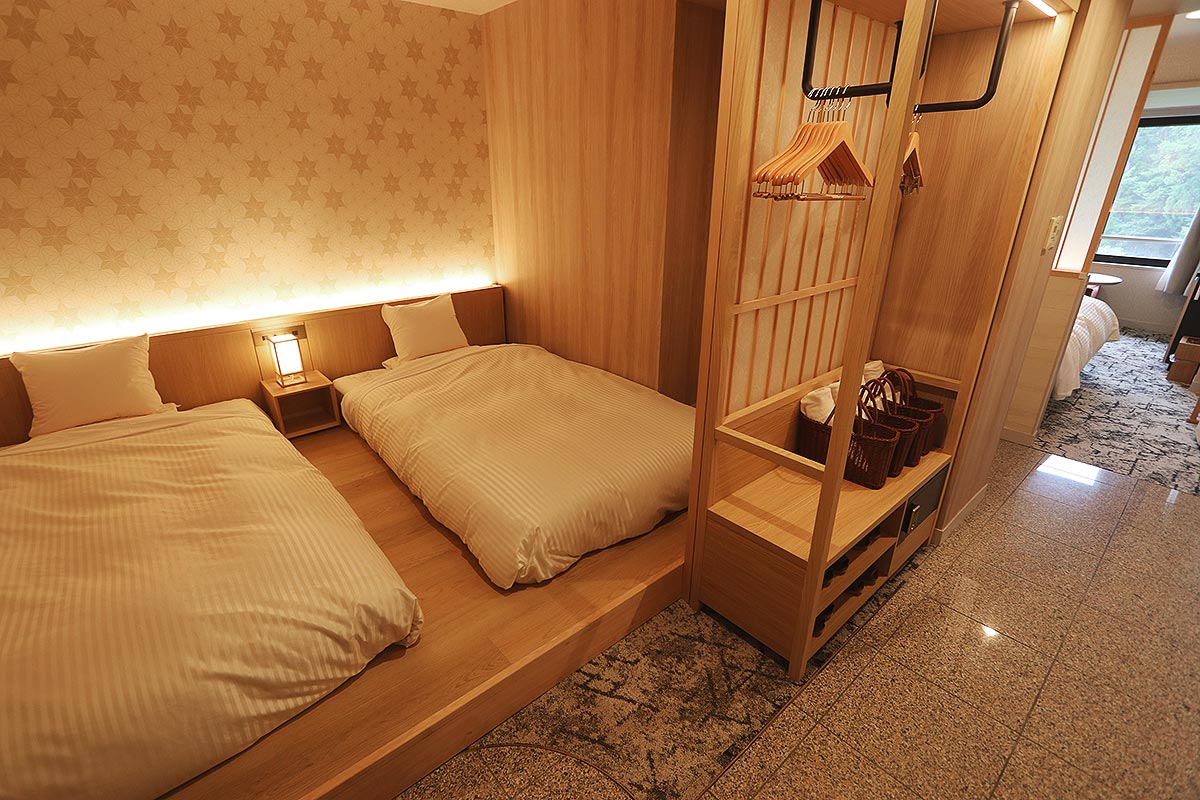
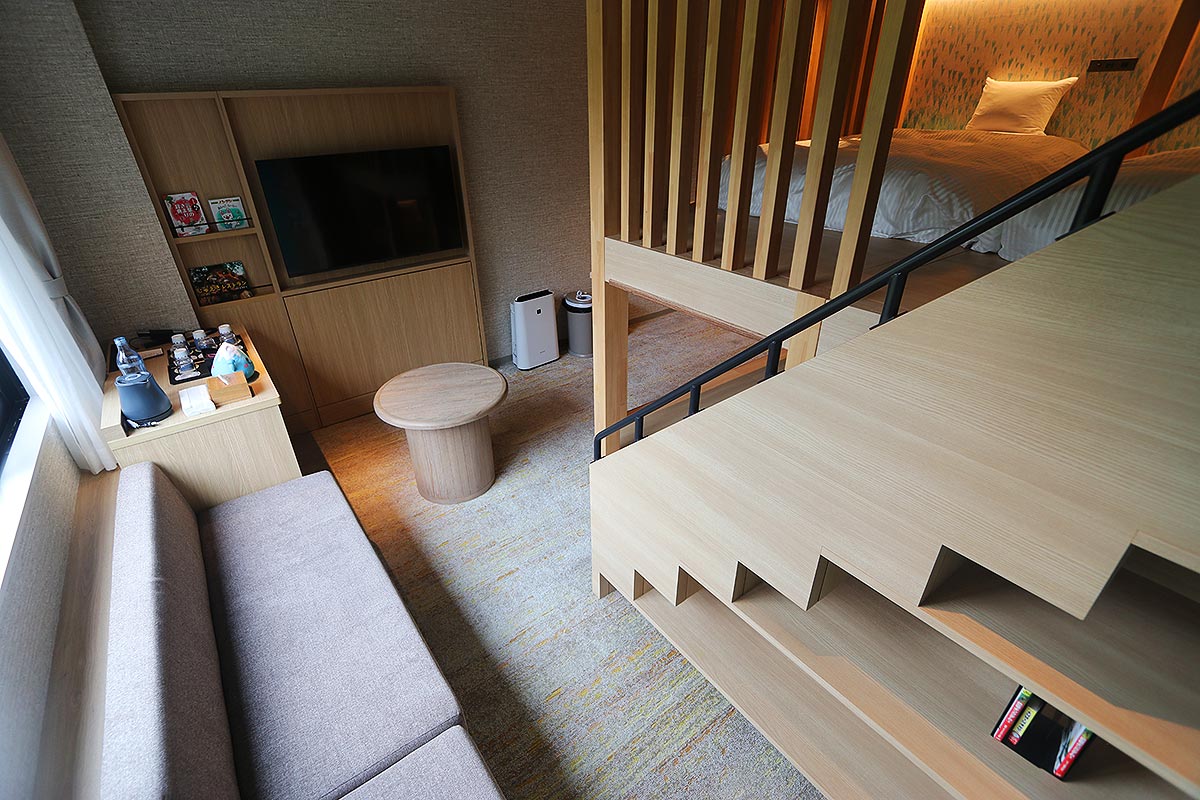
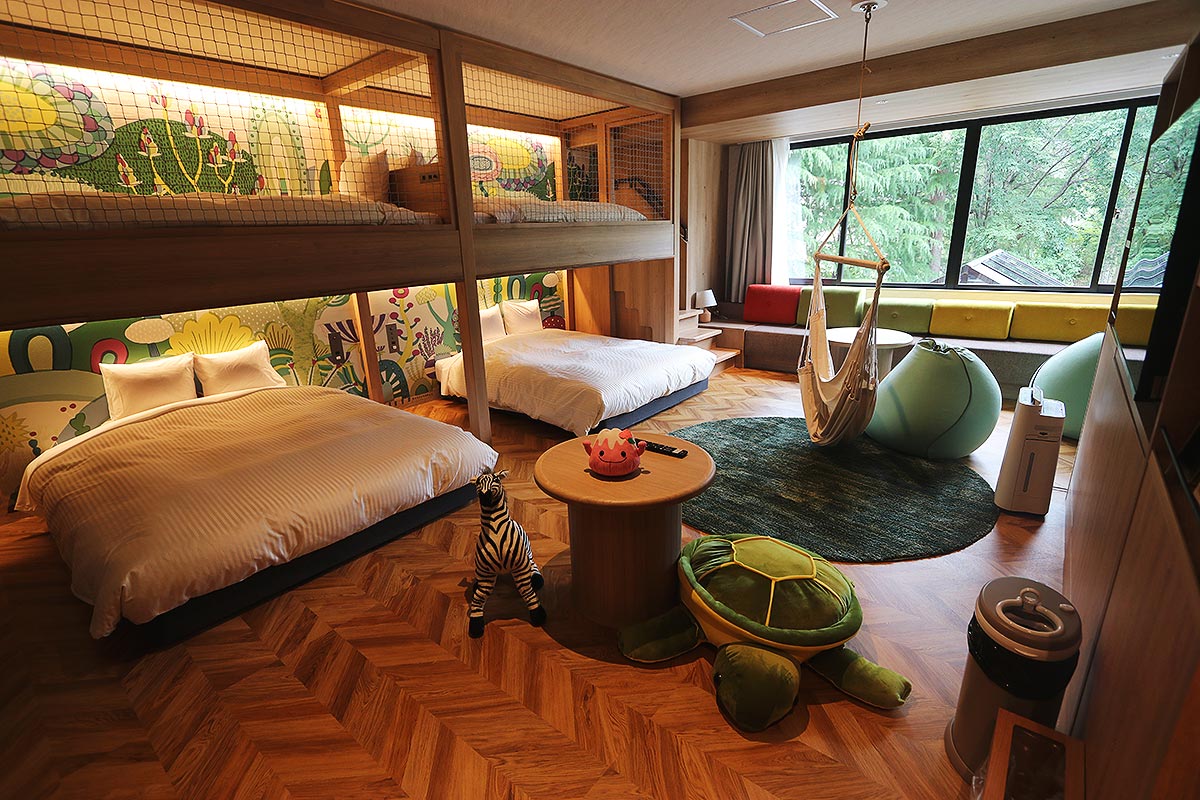
One of the biggest selling points is its wide range of room types, from the more spartan tatami-matted kind to western-style twins and quads. Among these, the most impressive were the kid's room type, with multiple single and double beds arranged playfully in a bunk-bed configuration, turning one night in your family itinerary into something more like a sleepover party.
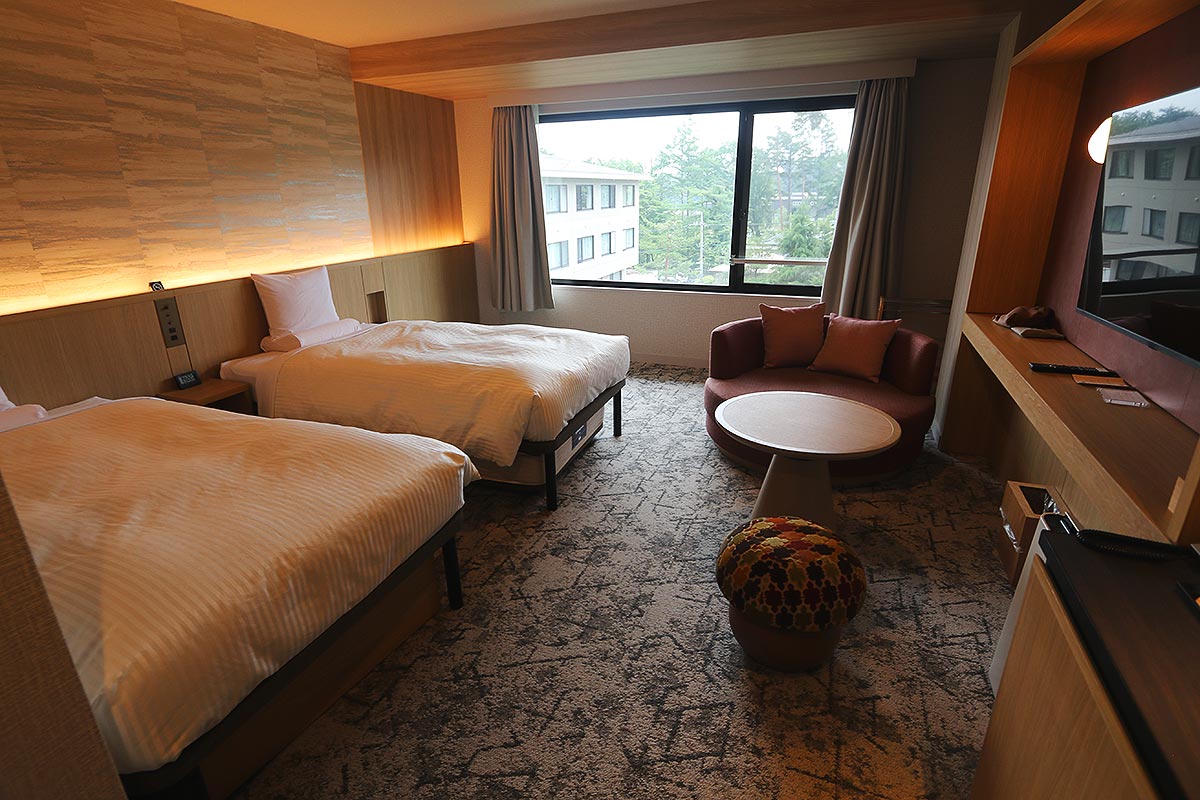
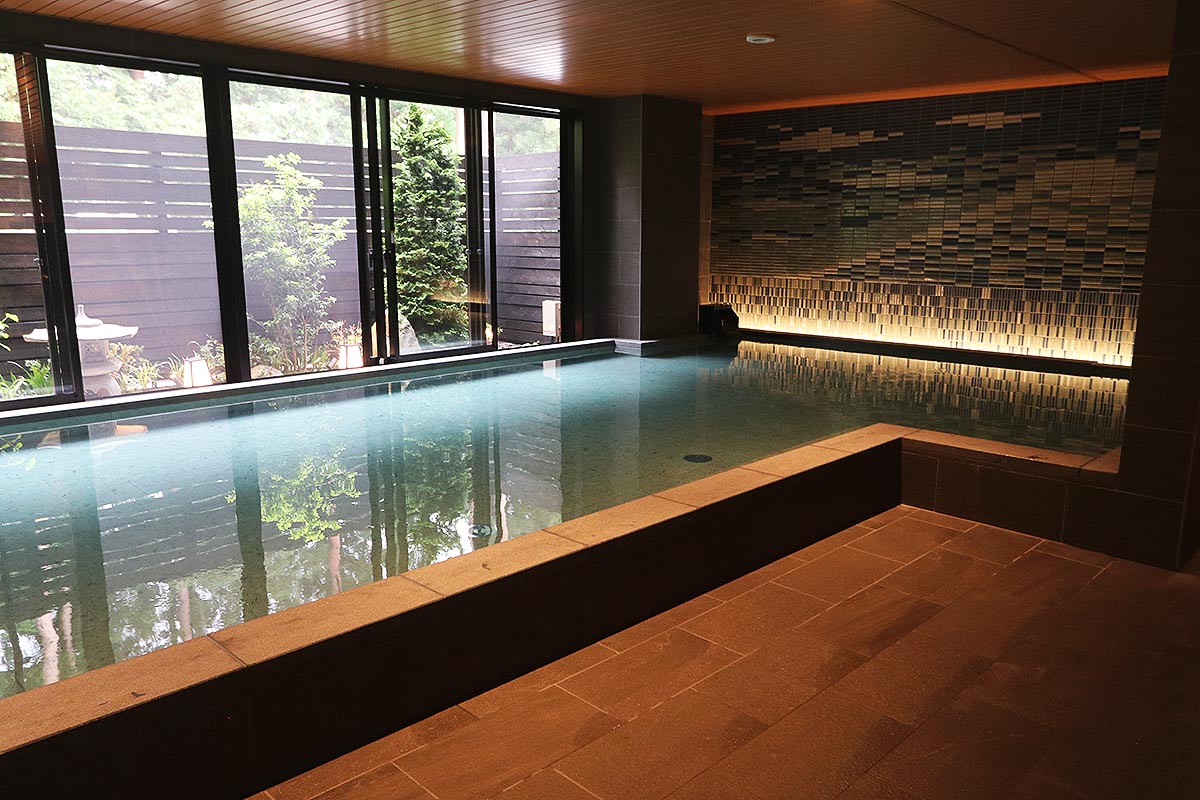
After checking in and dropping off my things at my own standard twin room for the night, my next stop was at the main public baths on the ground floor. As well as being fed by naturally sourced hot spring water - the hotel's website describes a mildly alkaline content said to be good for tiredness and muscle pain - the design inside the baths is chic and attractive, making you want to soak for longer.
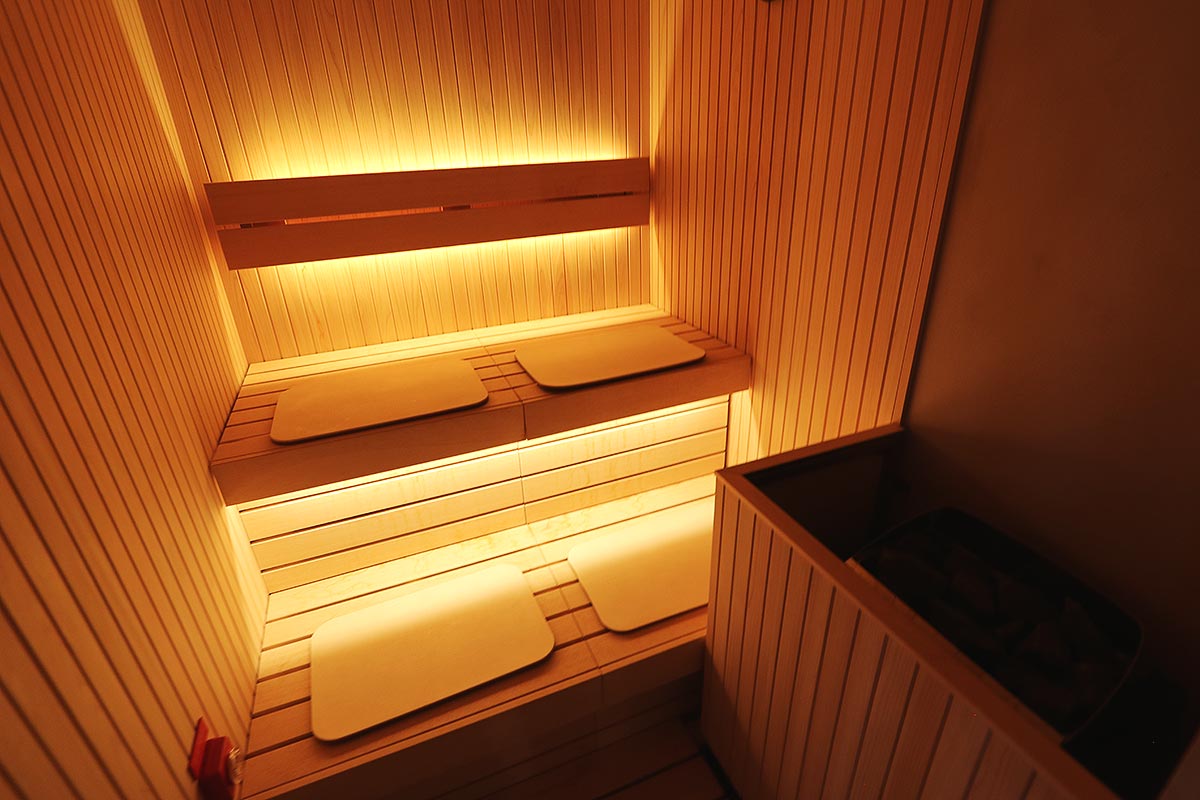
The slightly smaller baths on the second floor, though technically not naturally fed, do come with the added benefit of saunas. Like many other features around the hotel, having been renovated as recently as spring of 2026, these still felt brand new with hinoki wood panelling filling the inside with a rich, clean scent.
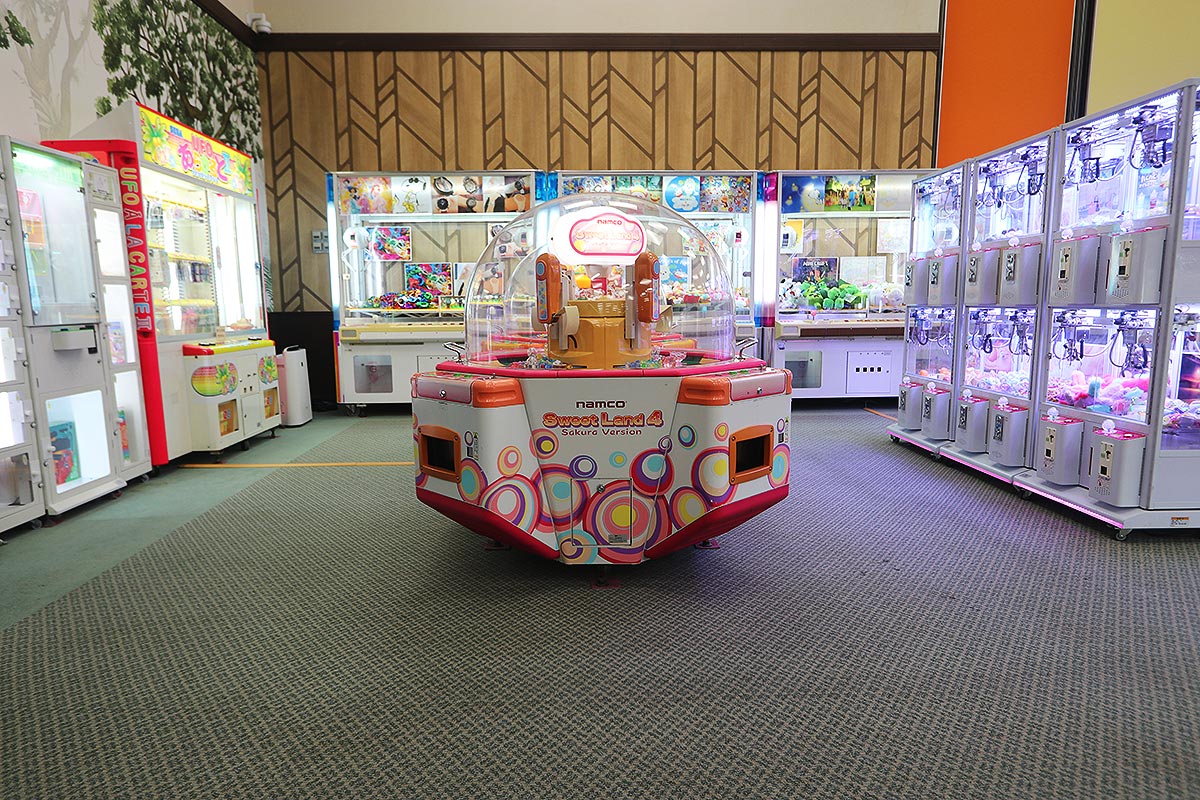
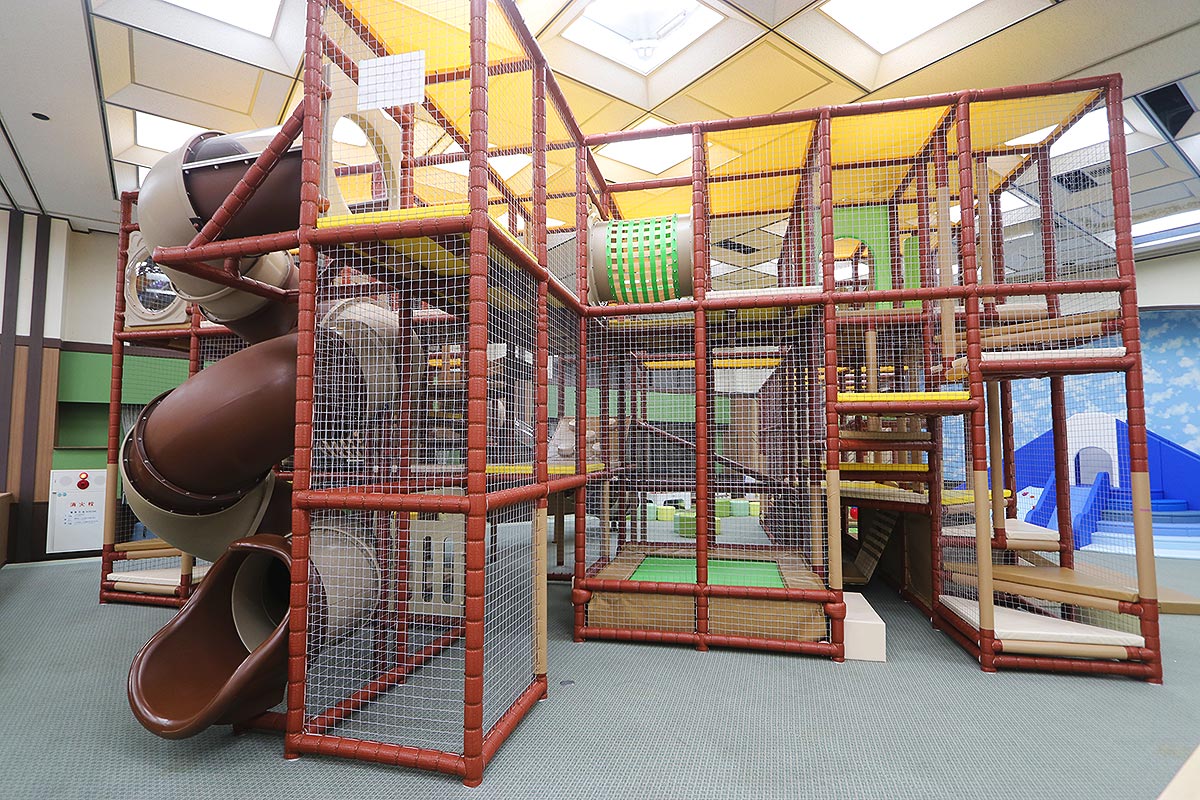
Two more spots within the hotel that particularly stood out for me were its separate game and reading rooms, both located on the second floor within easy reach of the specially designed kid's rooms I had been so taken with earlier. The impressively large game room comes with various gaming and gacha or capsule toy machines, and though I was a few decades too old for the giant, mazelike climbing frame I could certainly appreciate what a relief it might be for traveling parents with small children.
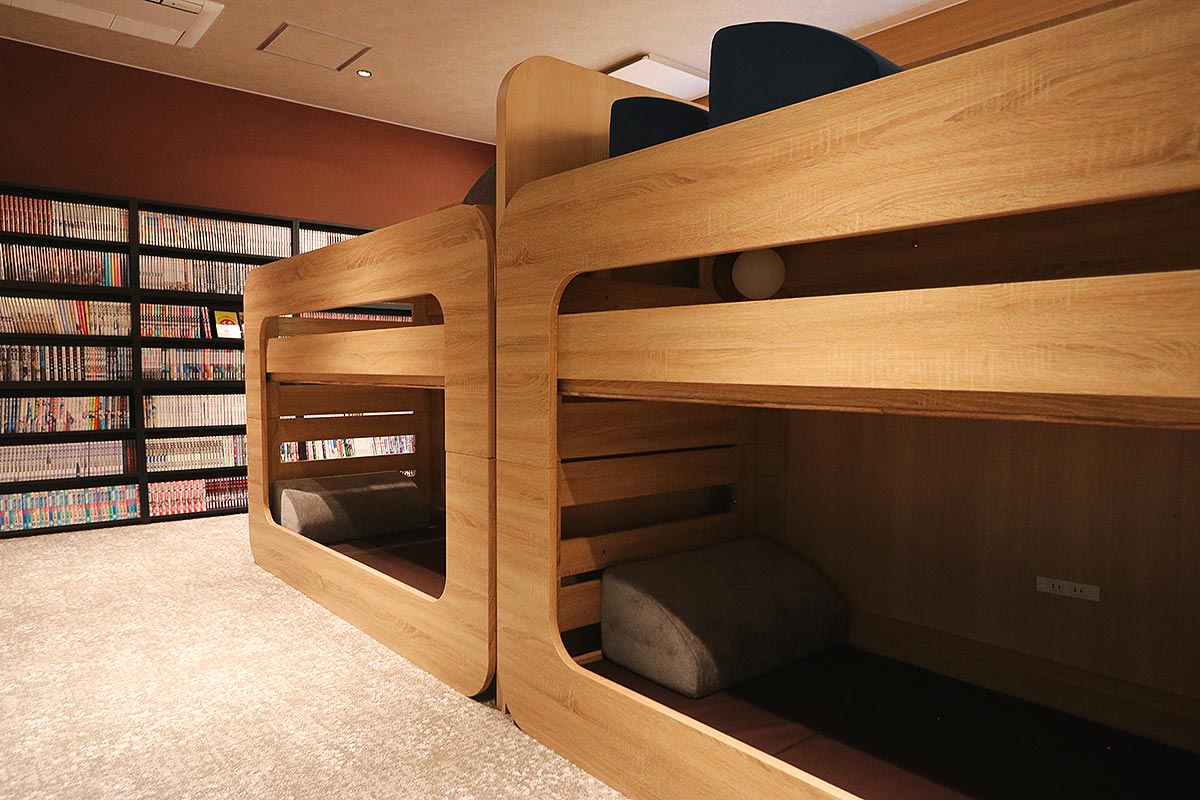
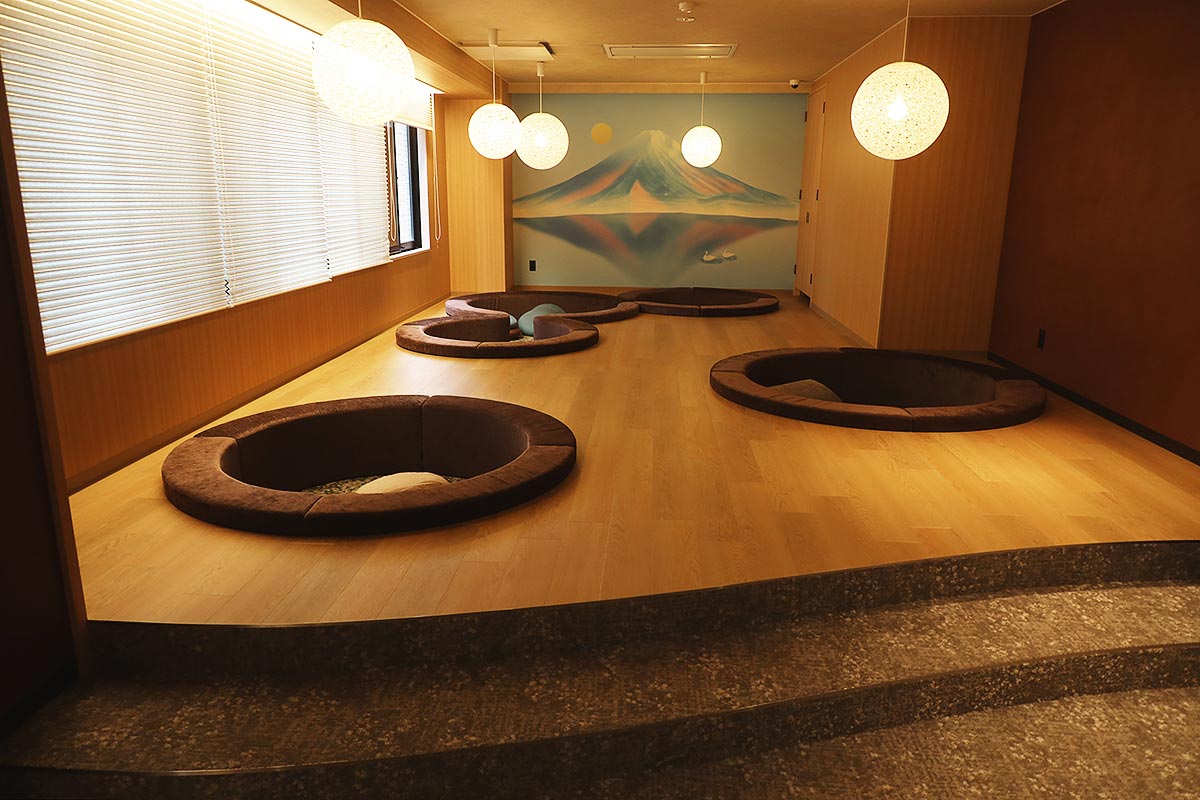
Just next door, the reading lounge offers floor-to-ceiling bookshelves packed with complete manga series - I could only find Japanese editions so English-only visitors might want to bring something of their own to flick through - as well as bunk-bed style loungers and adorable little recessed spaces with cushions to burrow into.
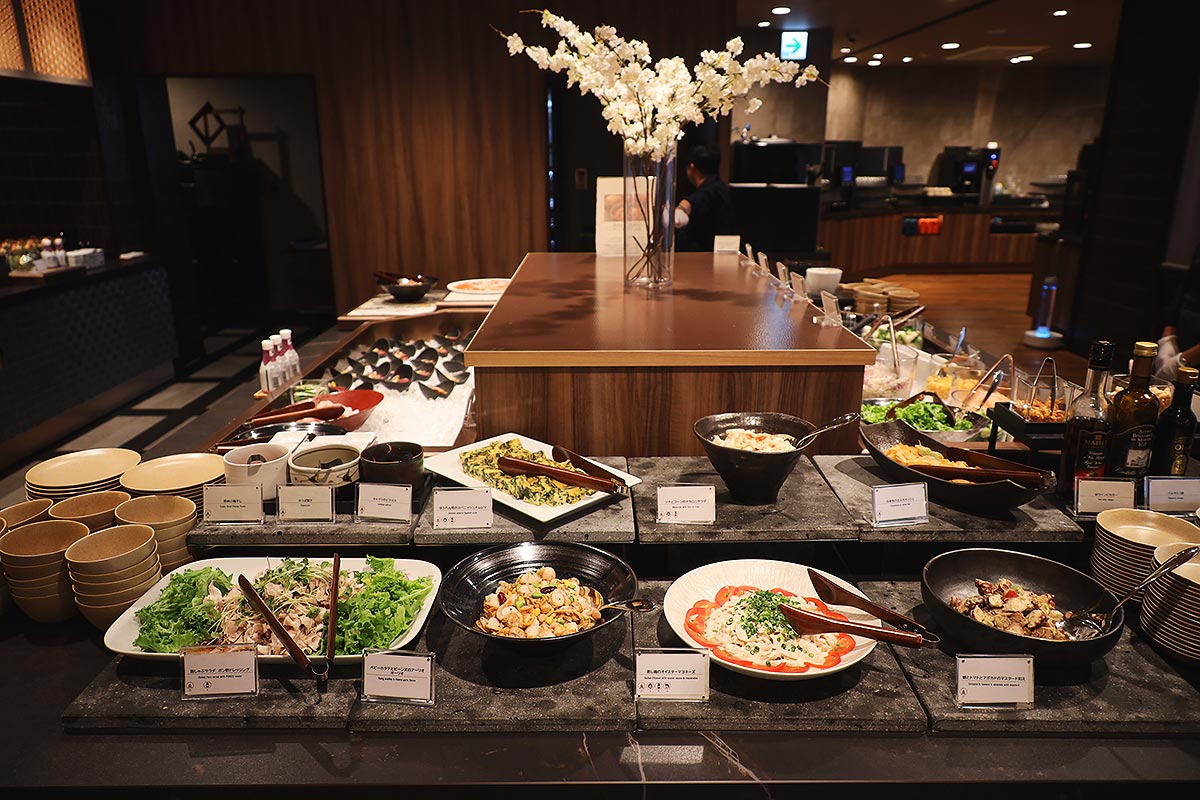
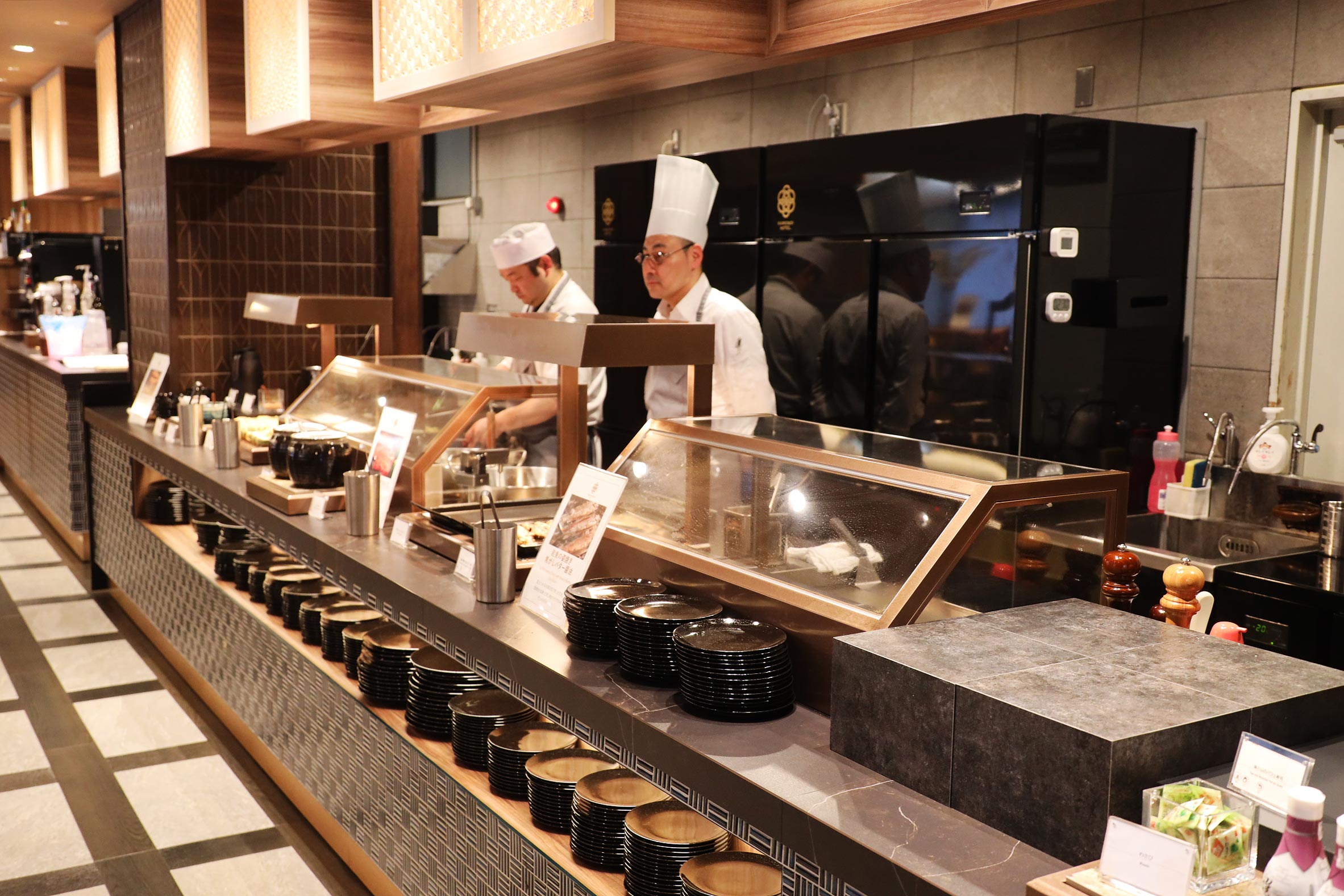
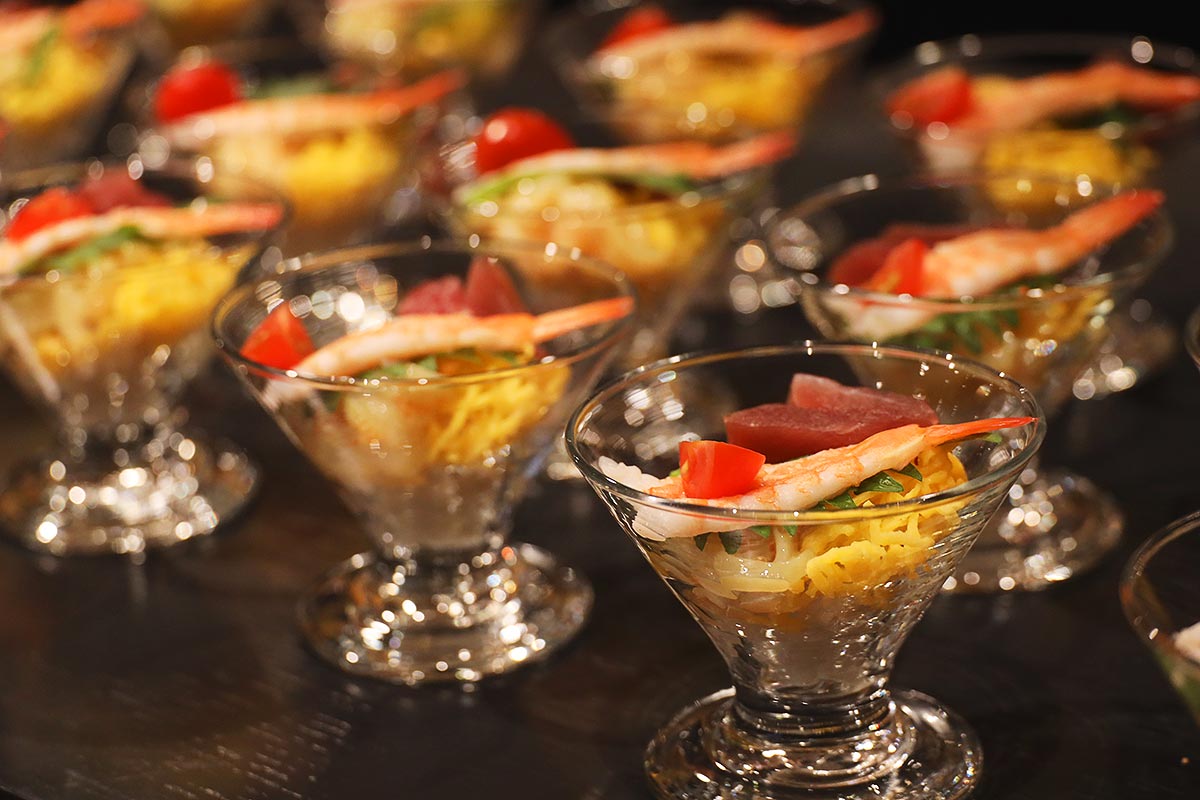
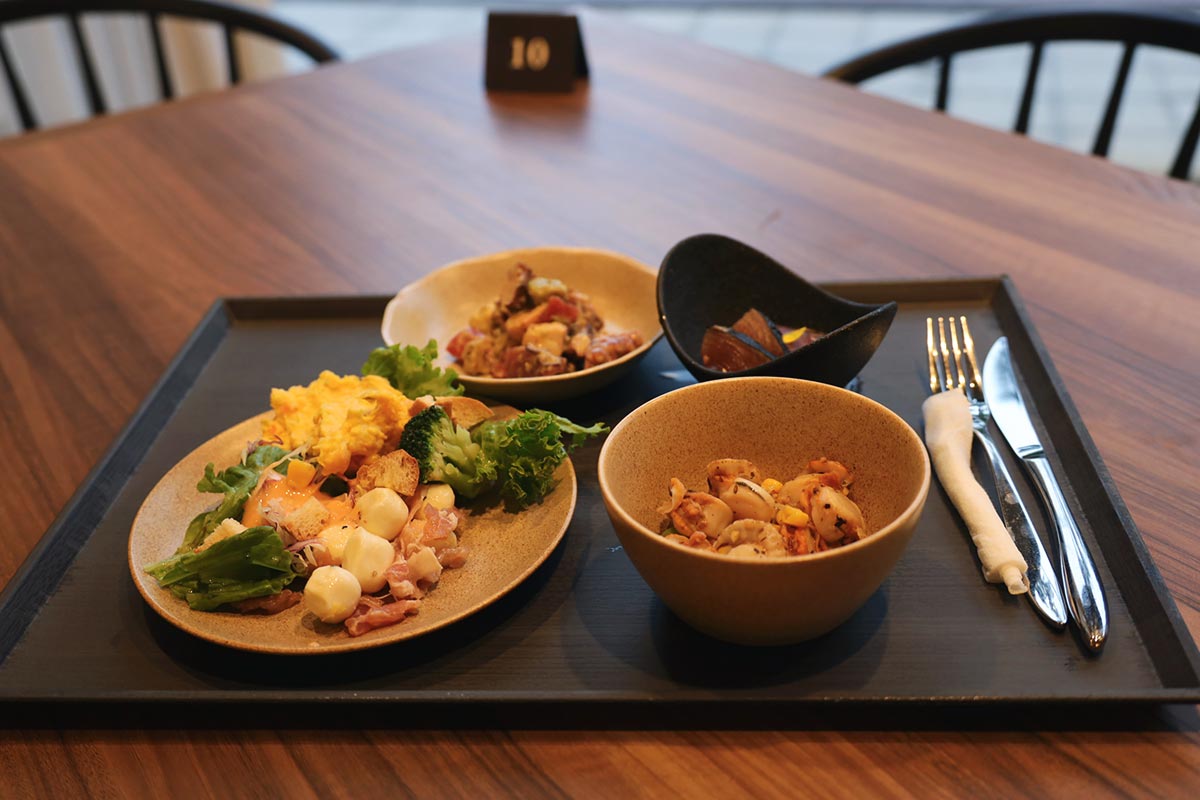
This was my fourth stay at a Kamenoi hotel so by now I had a pretty good idea of what to expect in terms of meals. Dinner as usual was buffet-style, with special hot dishes - tonight beef steak and tempura - freshly prepared and served over the counter, while a dizzying amount of different regional dishes was spread out to choose from. While more adventurous guests will no doubt be happy to try a bit of everything, I liked that the hotel has kept its "kids corner" with can't-miss options like fried chicken, meatballs and french fries to satisfy even the pickiest eaters.
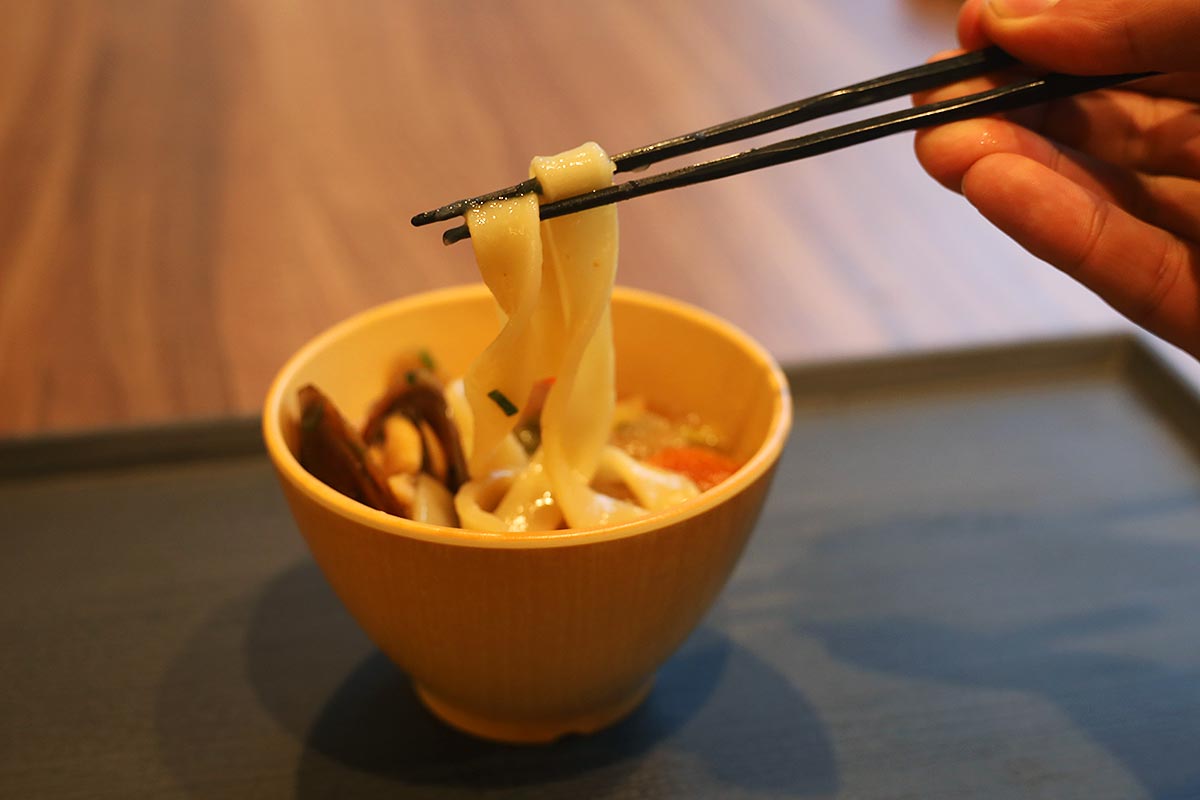
One instant favorite that soon brought me back for seconds was the hoto noodles - the hotel's own take on Yamanashi Prefecture's signature dish, with thick udon-like noodles in a starchy soup thickened with pumpkin - in this case with fish and clams joining the more traditional chicken and pork for a satisfyingly meaty bite.
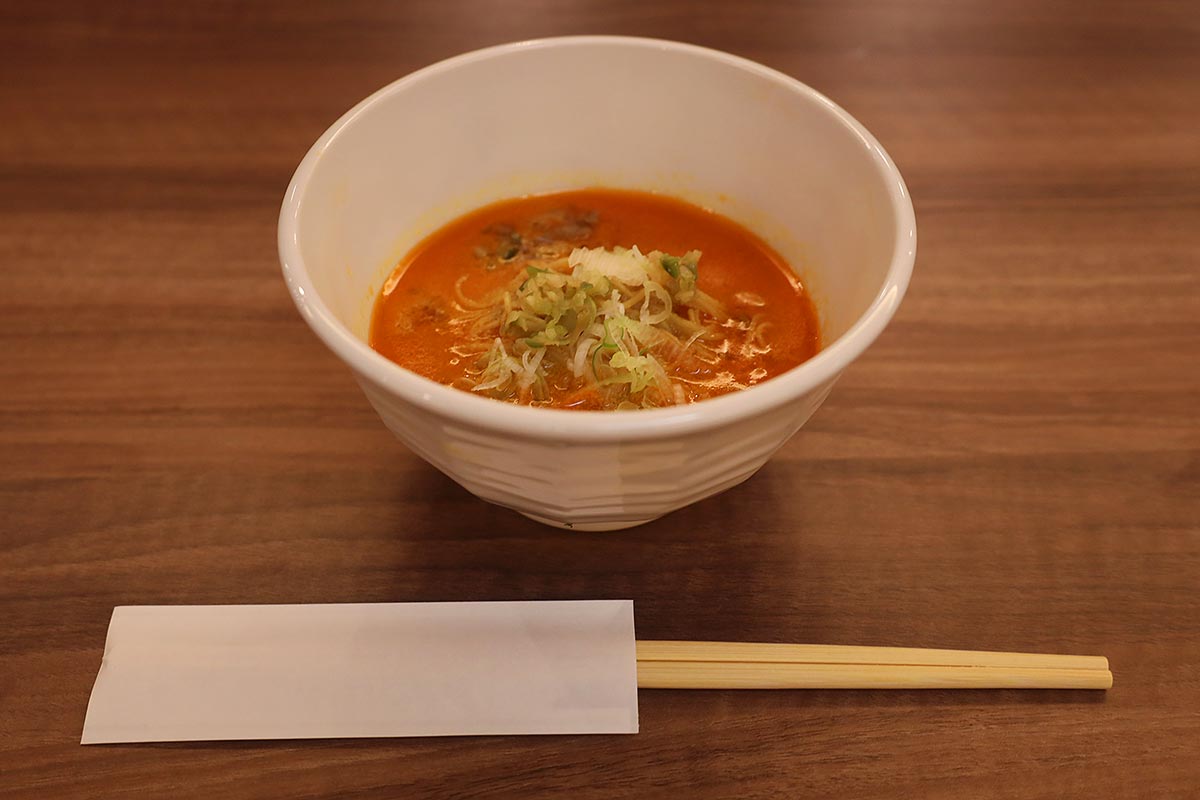
Feeling extremely full, I spent what was left of the evening winding down with at least one more visit to the baths and reading lounge, but as it happened I hadn't exactly finished eating for the night. In common with every property in the Kamenoi brand, the hotel also offers each guest a complimentary bowl of tantanmen - a rich, savory dish inspired by Chinese dandan noodles - available in the dining hall every night between 21:00 and 22:30.
Day 2
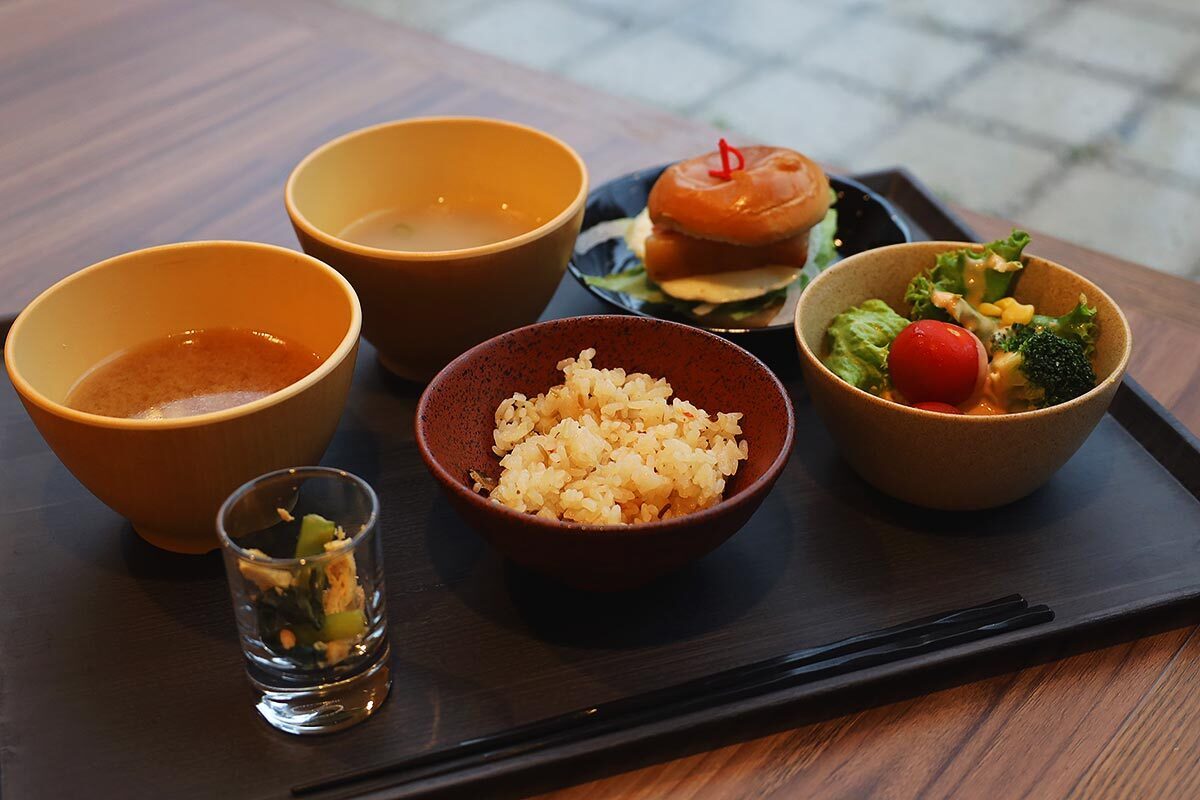
After starting the next day with another reviving dip in the hot spring baths, my next stop was once again at the dining hall for a buffet breakfast. Not surprisingly, this too came with an enormous selection of things to try from traditional to western, and despite usually limiting myself to a bit of light grazing, even I couldn't help going back again and again to pile more onto my plate.
Fully fueled up for the day ahead, it was time to say my goodbyes to the staff and check out, with the free shuttle bus turning my journey back to the station into another easy ten-minute ride. From there, another twelve minutes on foot brought me to Naturabase - a local operator offering a range of different tours and activities on Lake Kawaguchiko, based just a few steps from the water's edge.
Once that morning's group was assembled, we started with a demonstration of the basic techniques in English and Japanese, with some time to practice on the shore before pushing off on a relaxed two-hour tour of the lake, gradually working our way into deeper water as the general confidence level rose.
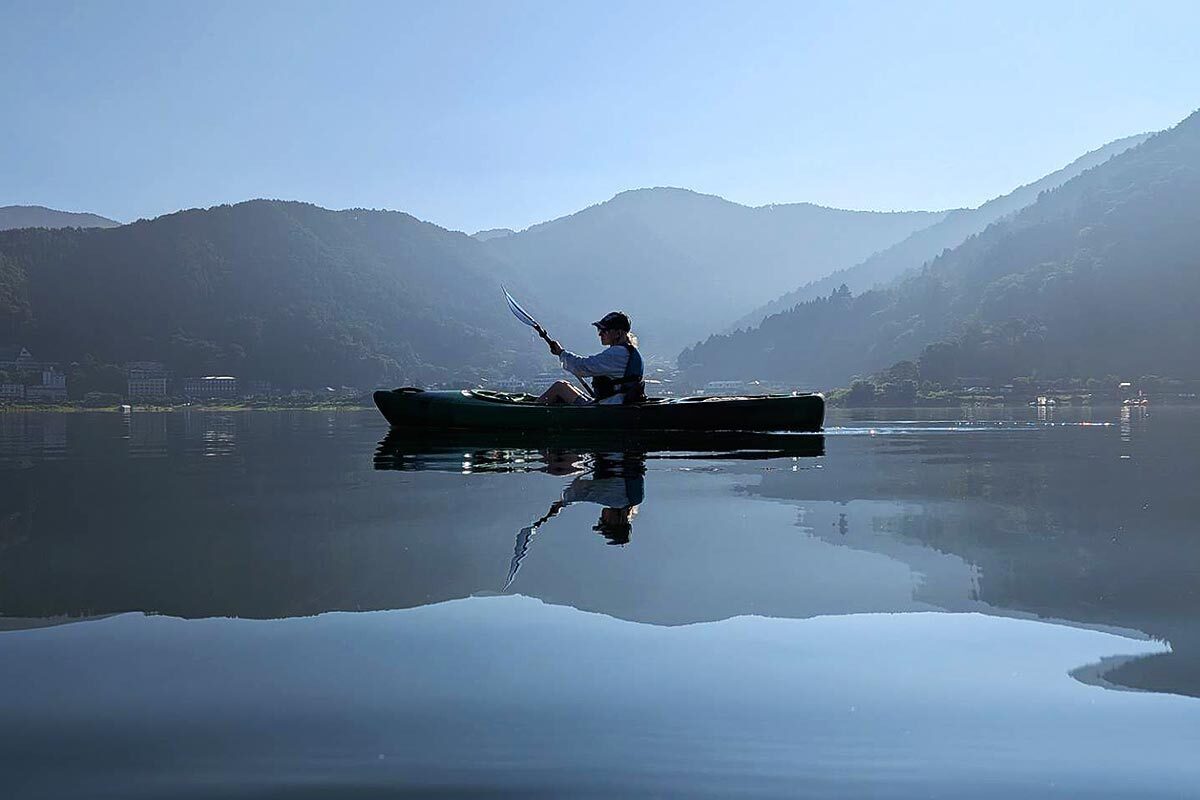
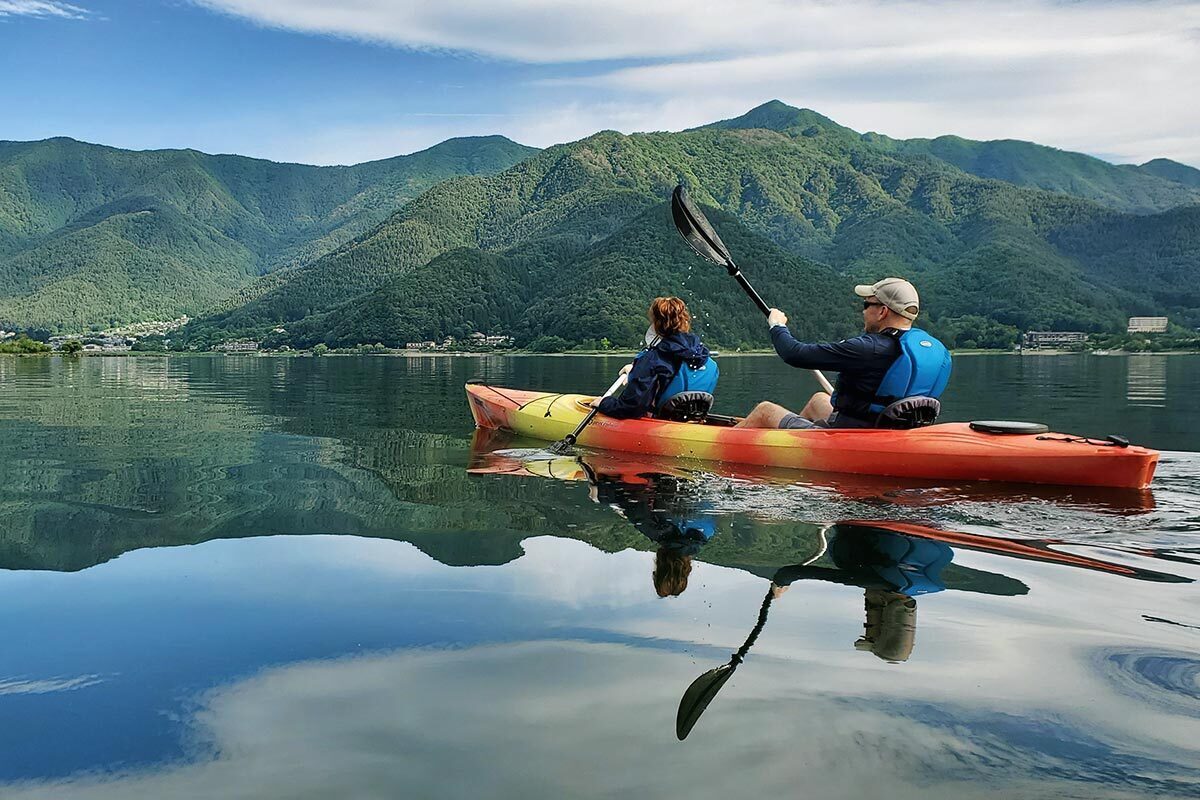
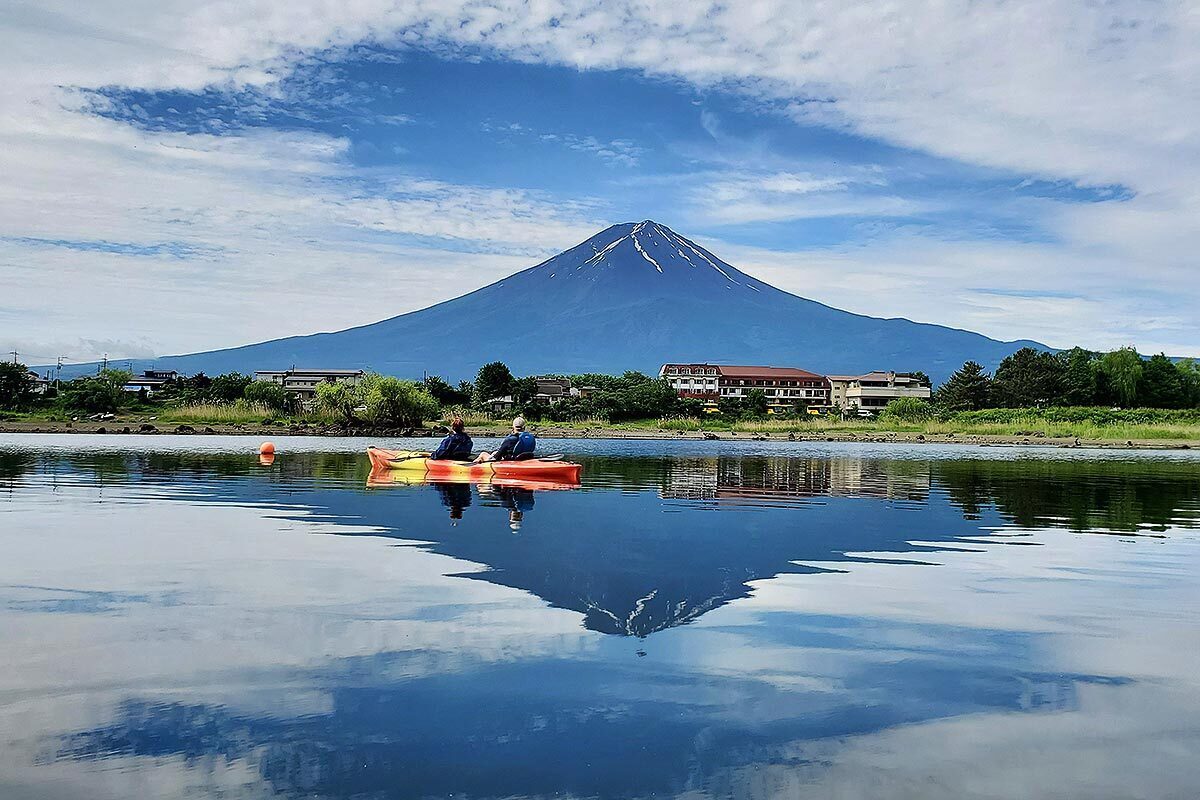
There's always something exciting about being out on the water, looking back to shore and seeing the same landscape from that new and unexpected angle. It's hard to imagine a more striking version of that effect though, than with the vast cone of Mount Fuji rising gracefully in front of you to fill the horizon.
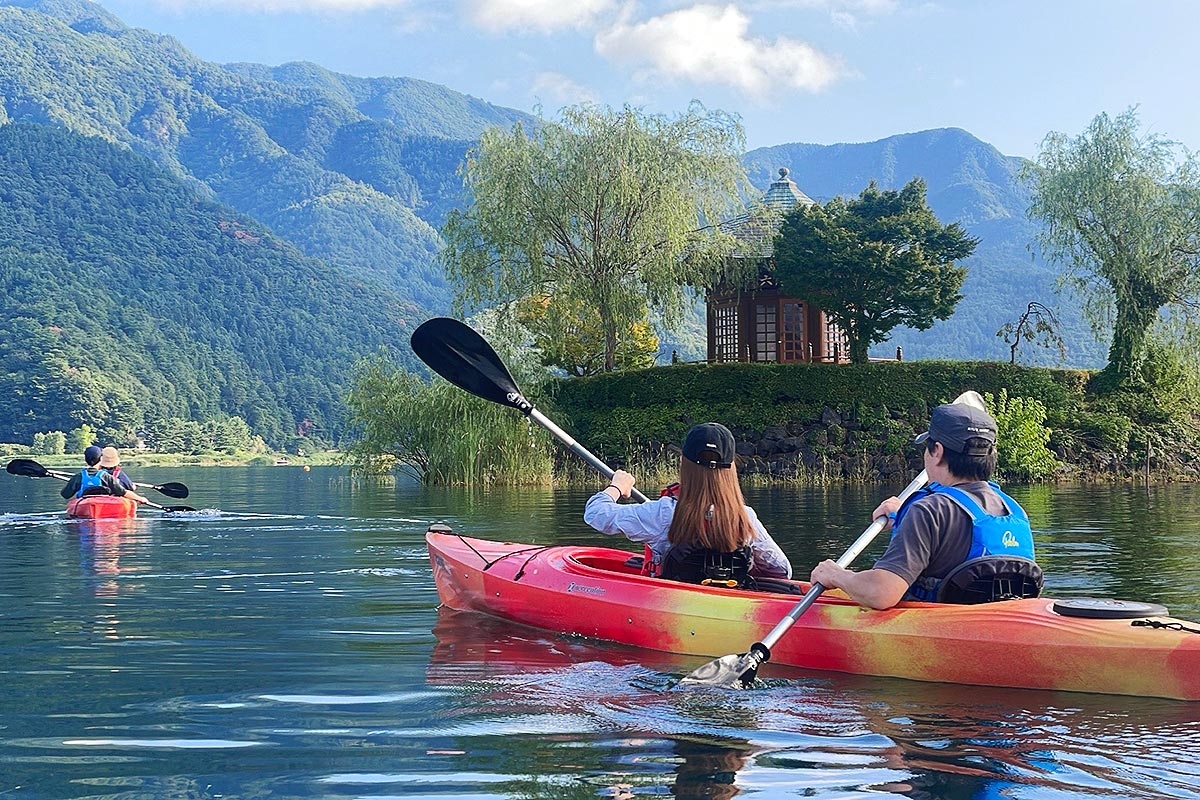
That's not to say that the lake itself doesn't have some fascinating spots - one of my favorite moments was paddling past the Rokkakudo - a distinctive six-sided Buddhist pavilion under a wide, sloping roof, located on a little islet. It's said that a larger temple once stood on the same spot, but heavy rains and snowmelt in 1559 forced its relocation to the shore, becoming the nearby Myohonji Temple.
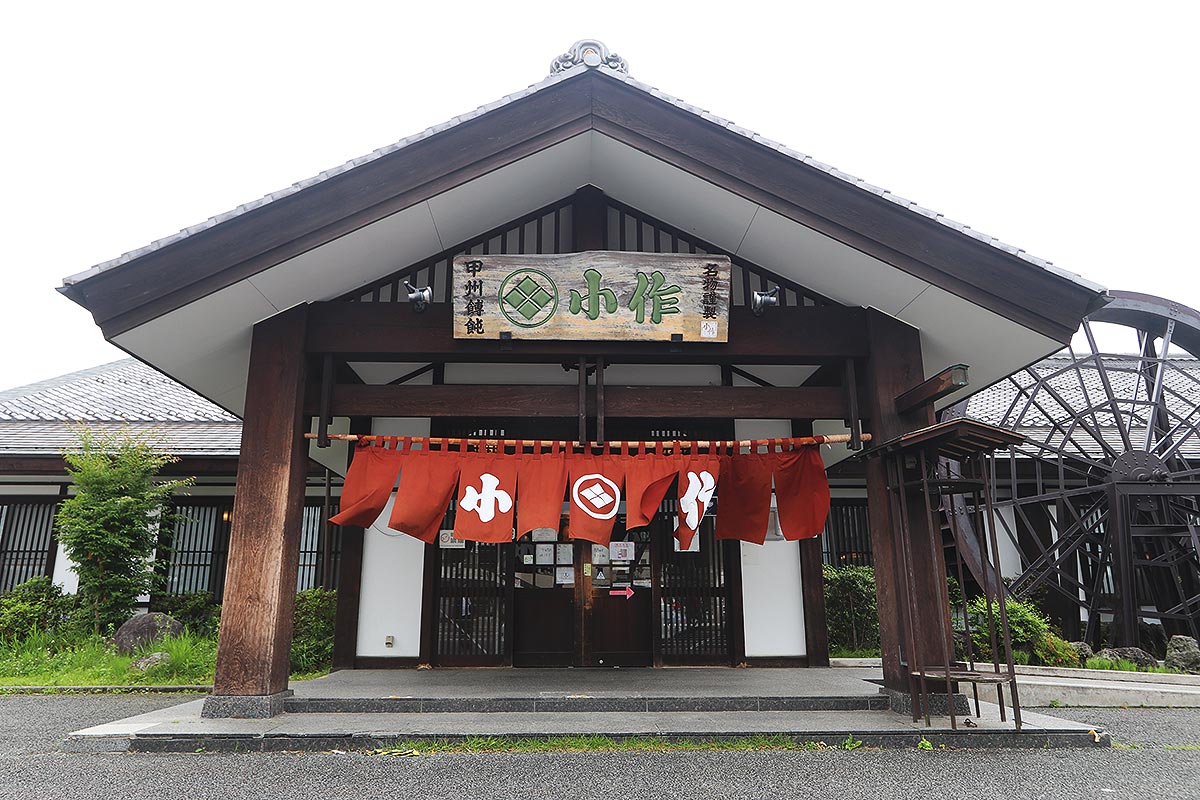
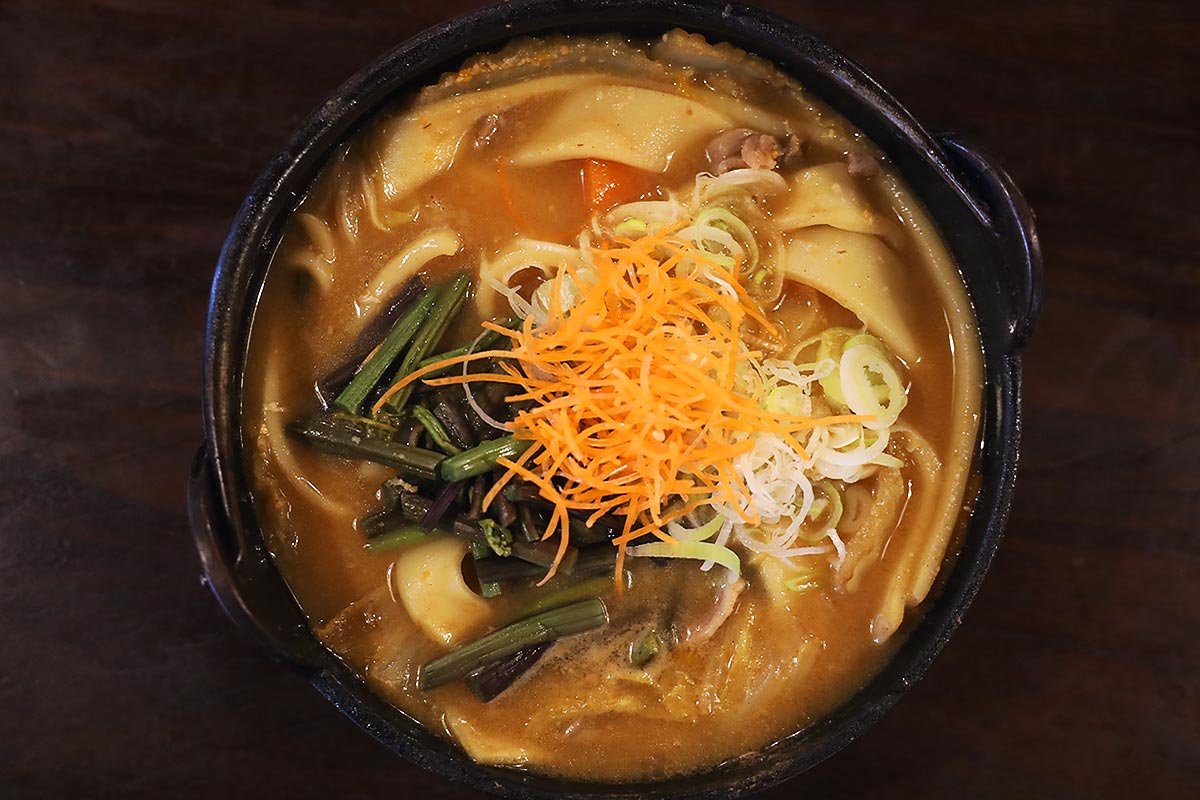
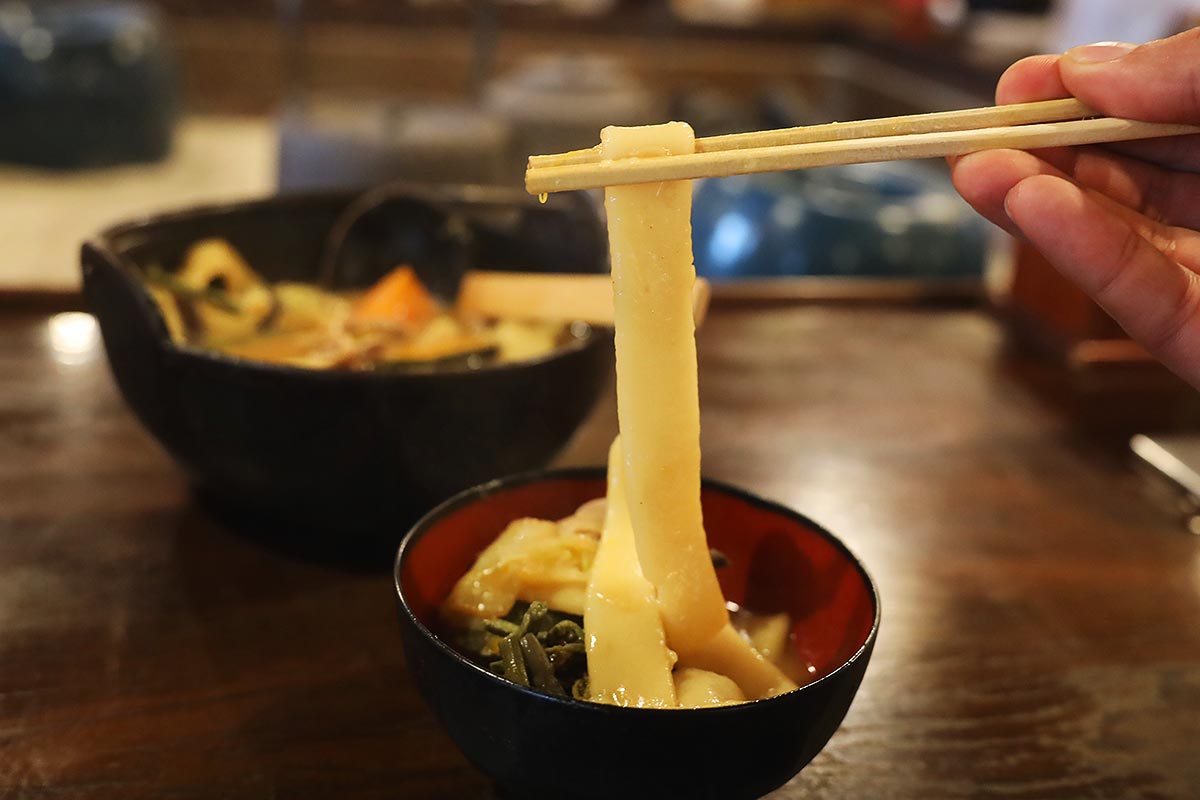
Back on dry land, I would soon be on a highway bus heading east towards Tokyo, but to fill up for that journey I first jumped in a taxi for a five-minute ride to Kosaku Kawaguchiko - perhaps the best-known spot to eat Yamanashi's specialty dish of hoto noodles in the Kawaguchiko area. Leaning heavily into a farmhouse-style aesthetic with tatami-matted floors and open fireplaces, the restaurant draws a lot of praise online for its hearty, authentic fare, and doesn't seem to have lost its local touch despite expanding to a few locations throughout the prefecture.
Although pork is the more popular choice of protein to enjoy with it overall, on the waiter's recommendation I went with strips of duck - another of Kosaku's signature items and widely enjoyed here in Yamanashi. Combined with an especially rich miso broth, the extra touch of fatty sweetness really elevated the meal into something special, and the perfect finish for my time here.
Kawaguchiko may have been loitering for a long-time on my travel to-do list, but like a lot of the visitors that pass it over, I had wondered if a single view, however breathtaking, was enough for it to win out over other destinations. As it happened, this just wasn't the issue that I expected it to be - for one thing, there really is nothing wrong with taking a day or two to slow down and recharge in the middle of a big trip, and all the more so if you're travelling with little ones.
For another, there really are some great experiences to be had here, with kayaking on the lake and my visit to the Kubota Itchiku Art Museum instantly finding their place among my list of top-tier local attractions. If you're looking for somewhere to slow the pace for a day or two while still making the most of your time in Japan, Kawaguchiko is an easy recommendation.