Discovering "Prince Moments" Along the Golden Route
When planning your first foray to the land of temples, tea, and samurai, it's easy to feel a little overwhelmed. There's so much to do and to see in Japan, and where to start? Thankfully, one established sightseeing itinerary guarantees a taste of almost everything Japan is famous for. Beginning in the bustling metropolis of Tokyo and heading west past Mt. Fuji, stopping at the ancient temples of Nara and taking in the hauteur of Kyoto before arriving in the lively mercantile hub of Osaka, this prestigious sequence of all-star destinations has a fitting name: the Golden Route. If you feel overwhelmed by everything that Japan has to offer, don't worry. You can't go wrong with the Golden Route.
There are almost as many ways to travel the Golden Route as there are potential stops along the way. The trip from Tokyo to Osaka can be made by plane, bus, and passenger train. However, in terms of comfort and convenience, nothing surpasses the high-tech bullet trains for which Japan is known. The Japan Railway company even offers their own suggested itineraries for traveling the Golden Route by bullet train.
The rail network makes it easy to get where you need to go, but there's still one major consideration when planning a multiday trip: choosing where to stay. Japan offers numerous options between its hotels, hostels, ryokan, pensions, and now sleeper trains. The service and accommodations among these choices range from luxurious to lackluster, and it can be hard to know whether you're getting a good deal or setting yourself up for a bad time. Maybe you feel energized to fire up Google maps and make a spreadsheet... or maybe that's a headache you'd rather avoid.
The question of "where to stay" can be made much simpler by choosing a single trusted hotel chain that operates in every major city along the Golden Route. As one of Japan's premier hotel chains, Seibu Prince Hotels & Resorts seeks to provide comfortable and individually tailored accommodations to first-time visitors and repeat travelers to Japan. For travelers on the Golden Route, they are a solid choice for quality comfort, ease of access, and - most importantly - peace of mind.
In this article, we will introduce a tried-and-true Japan travel itinerary along the Golden Route, together with some of the experiences and benefits offered by Seibu Prince Hotels & Resorts in each of the cities along the way.
Shinagawa (Tokyo)
There is nothing quite like your first day in Japan. There is a tremendous amount to see and do in Tokyo, and the urban bustle can be overwhelming for anyone. For travelers arriving from Europe, North America, or Australia, the flight itself can last ten hours or more, and most people arrive feeling a little bleary-eyed, travel-weary, and ready for a hot shower and a nap. Step one is clear: get somewhere to drop the bags, stretch the back, and recoup before your first excursion. In other words - get to the hotel!
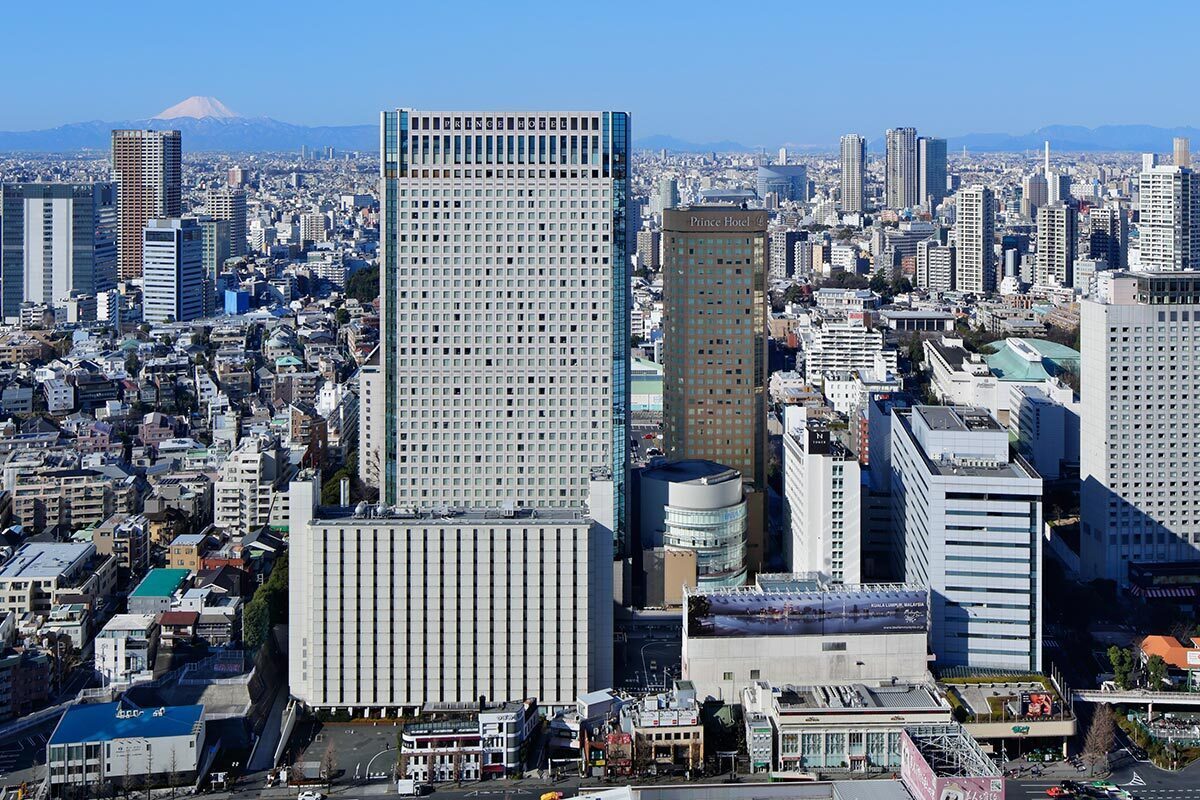
Thankfully, Shinagawa Prince Hotel is less than a half-hour from Haneda Airport via the Keikyu Main Line. The hotel itself is two minutes from the Shinagawa Station's Takanawa exit, and getting there is as simple as emerging from the station, pointing yourself toward the Prince Hotel building that rises above the surrounding shopping district, and wheeling your suitcase directly toward it.
Once you are feeling refreshed and ready to venture out into Tokyo, Shinagawa Station offers quick access to Tokyo Station and its many surrounding sightseeing staples, including the Imperial Palace and the Ginza shopping district, via the Yamanote Line and Keihin-Tohoku Line. Taking the Yamanote in the opposite direction is an easy way to reach Japan's famous Shibuya Scramble. Alternatively, Takanawadai Station and its Asakusa Line provide an easy route to Tsukiji Fish Market or the well-known Kaminari Gate at Sensoji Temple.
However, that can be a lot on Day 1. For those feeling worn down by the long flight, there is still plenty to do without leaving Shinagawa Prince Hotel itself. The hotel's complex includes an IMAX theater, a pool, indoor tennis courts, fitness center, indoor driving ranges (both virtual and non), bowling lanes, and even an entire aquarium called Maxell Aqua Park Shinagawa. The culinary options are no less vast: the hotel's establishments include a bevy of Japanese restaurants of various styles, Chinese, and everything from a cute boulangerie to an upscale multi-course buffet restaurant with dishes prepared before your eyes. In short, Shinagawa Prince offers everything you need for a relaxing day.
Shiomi (Tokyo)
One of the best parts of the Golden Route is that it can expand or contract to fit your own travel plans. The entire route can be condensed into a handful of days, but those with time will enjoy lingering in each city to explore some of the less-traveled areas.
Shiomi is a neighborhood in Koto Ward, an area of many reclaimed islands linked by bridges in Tokyo Bay. It includes the well-known sightseeing spots of Odaiba and Ariake, and Shiomi itself is home to a stunning number of parks and green spaces. Morning joggers will enjoy a few laps through Yumenoshima Park, with its trio of tropical greenhouse domes, and the nearby teamLab "Planets" exhibition offers an enchanting experience through several immersive art installations. The area is also a short hop from the Tokyo Disney Resort, a staple of Tokyo sightseeing.
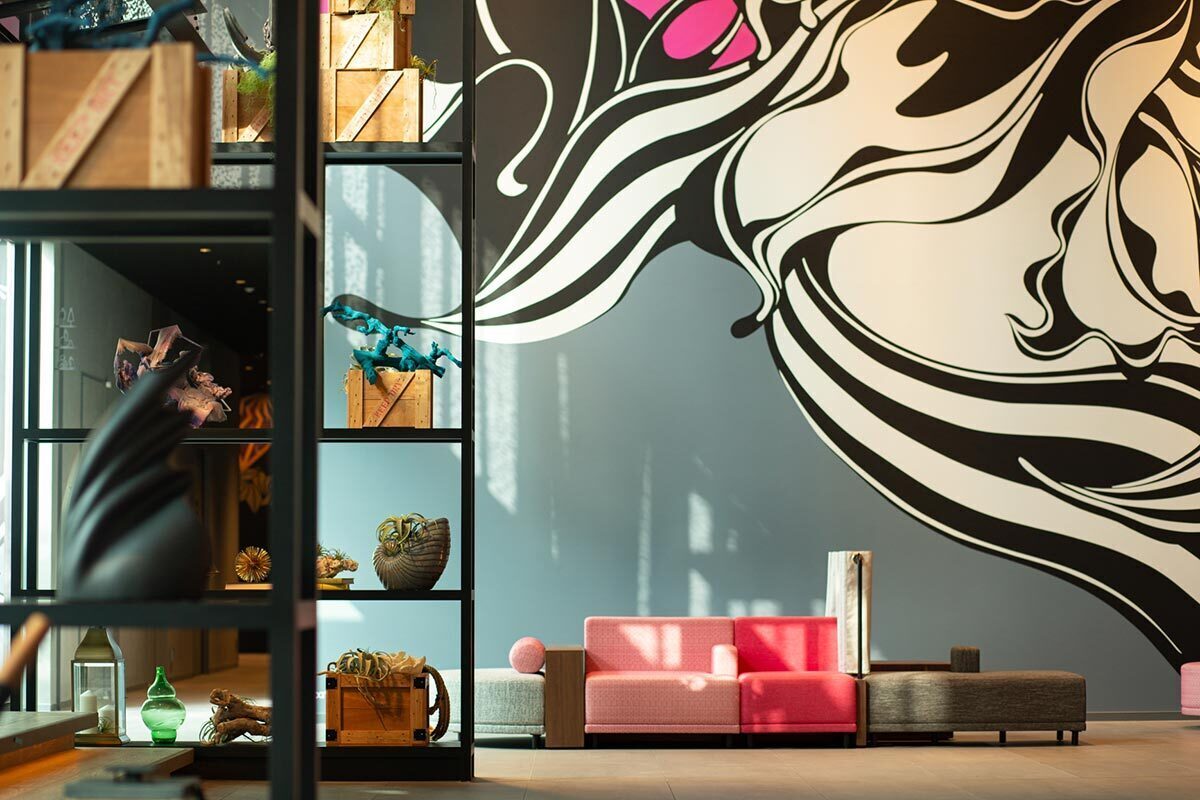
Koto is an encapsulation of Tokyo's slick modern urban cityscapes, and many of its attractions mirror that sense of forward-looking futurism and progress. The Tokyo Hydrogen Museum introduces the possible future of hydrogen-based energy infrastructure, and KidZania Tokyo lets kids explore different jobs in a two-thirds-scale city.
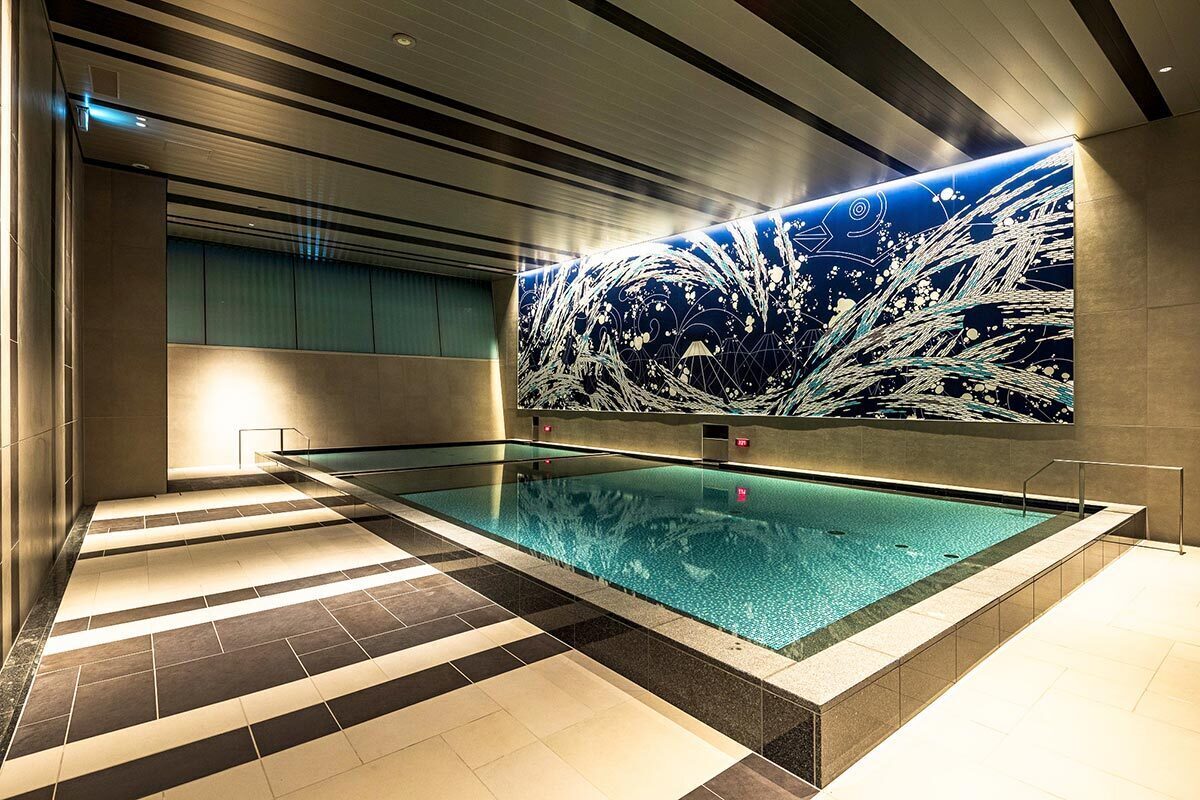
Tokyo Bay Shiomi Prince Hotel is right at home amid the modern art and futuristic atmosphere of Shiomi. Its spacious rooms are decorated with geometric murals and are furnished in a clean, modern, minimalist style. Even the hotel's large spa, complete with bathhouse and sauna, features art installations of classic motifs reimagined through a contemporary lens.
Kyoto
Kyoto is a keen contrast to the dense urbanism of Tokyo. As Japan's former capital, its history extends far back into the late eighth century, and the region is home to some of the country's most famous temples and historic districts, including the former imperial palace. If visitors go to Tokyo to see Japan's future, they undoubtedly go to Kyoto to feel Japan's past.
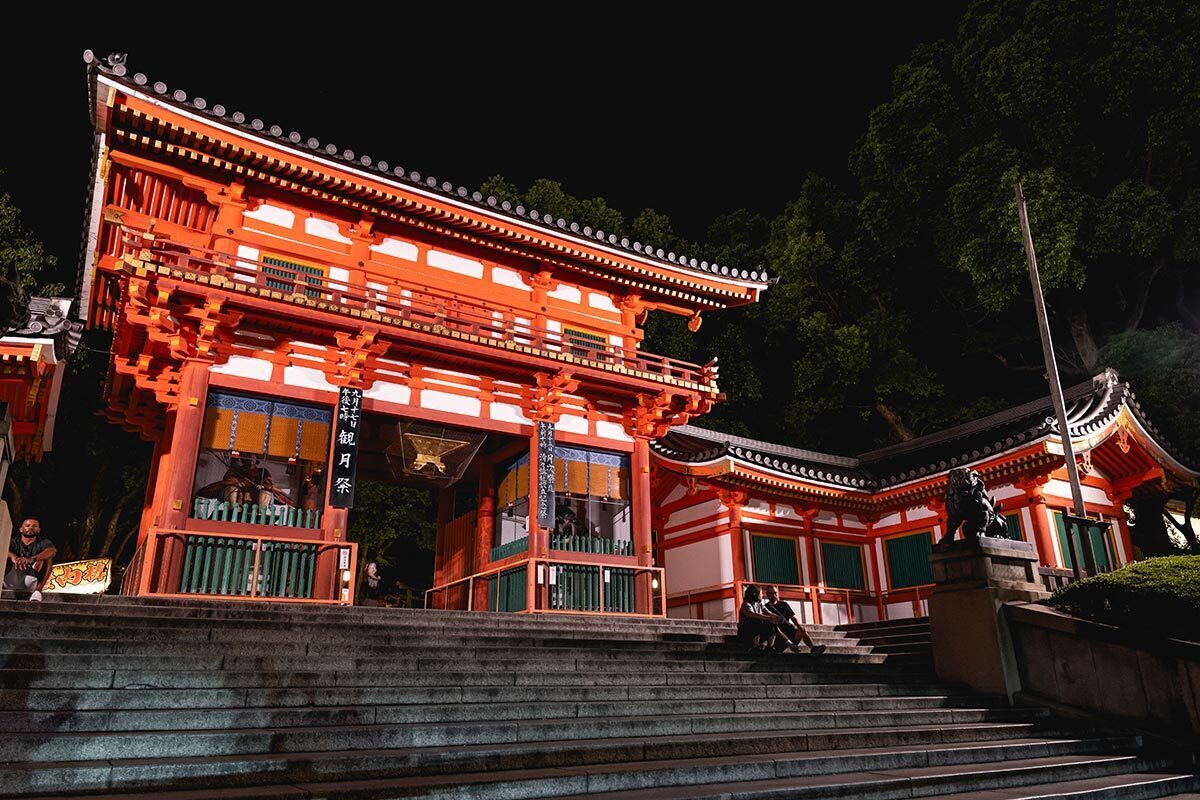
In eastern Kyoto, tourists throng the streets of the historic district of Higashiyama and the approach to Kiyomizudera Temple. And no wonder, because the view from the temple's Main Hall, a 13-meter-high platform perched on a steep incline that looks out over a sea of cherry and maple trees, is one of the most iconic spots in Japan. Just to the north is Yasaka Jinja Shrine, known also as Gion Shrine for its role in hosting the annual Gion Matsuri Festival, possibly the most famous float parade in the country.
Wandering just a little farther north brings you to Heian Jingu, a relative newcomer to the Kyoto landscape, having been built in 1895, but whose towering red torii gate is a well-known landmark. To its east are the temples of Nanzenji and Eikando, famous for their Zen rock garden and stunning autumn foliage, respectively.
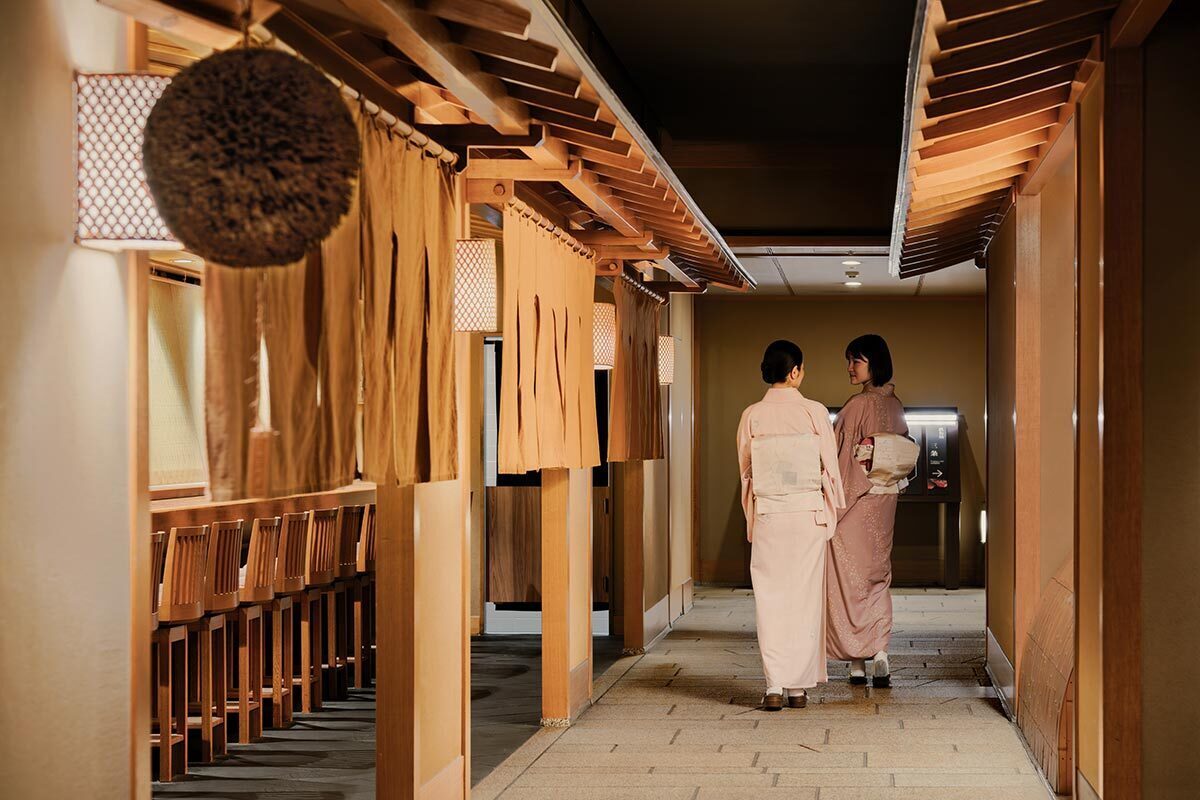
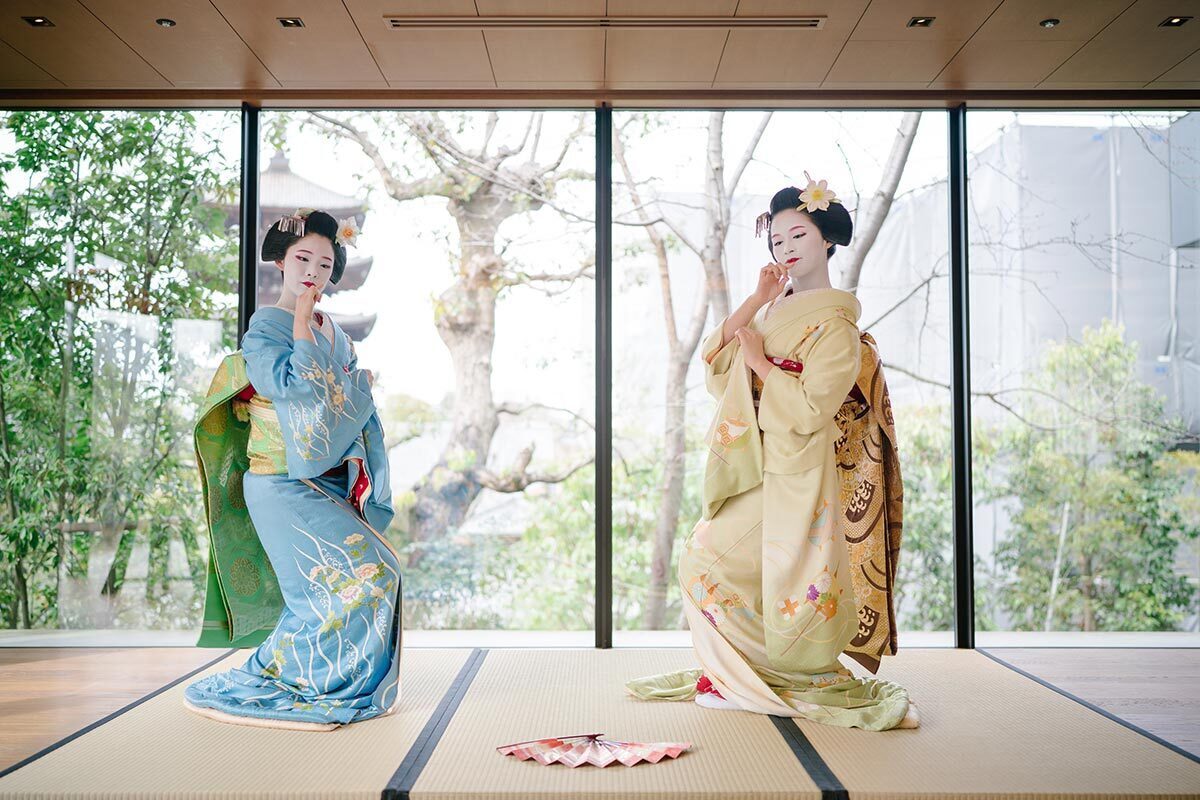
The Hotel Seiryu Kyoto Kiyomizu, another hotel from Seibu Prince Hotels & Resorts, occupies a former schoolhouse along a small road leading up Kiyomizu Hill. This 48-room establishment is the closest luxury hotel to Kiyomizudera Temple, and it embodies the sense of timeless traditional culture that is so redolent in its surrounding city. The hotel offers several different cultural experiences and events, including firsthand participation in tea ceremony, live performances of traditional Japanese instruments, and even individual appearances by apprentice geisha dancers from the famed Miyagawacho district. It is also just a few minutes' walk from several mainstays of Kyoto sightseeing, such as the Yasaka Pagoda at Hokanji Temple. A day spent immersed in traditional Japanese culture can be capped by an evening at the hotel's open-air rooftop bar, K36, which overlooks the historic district below.
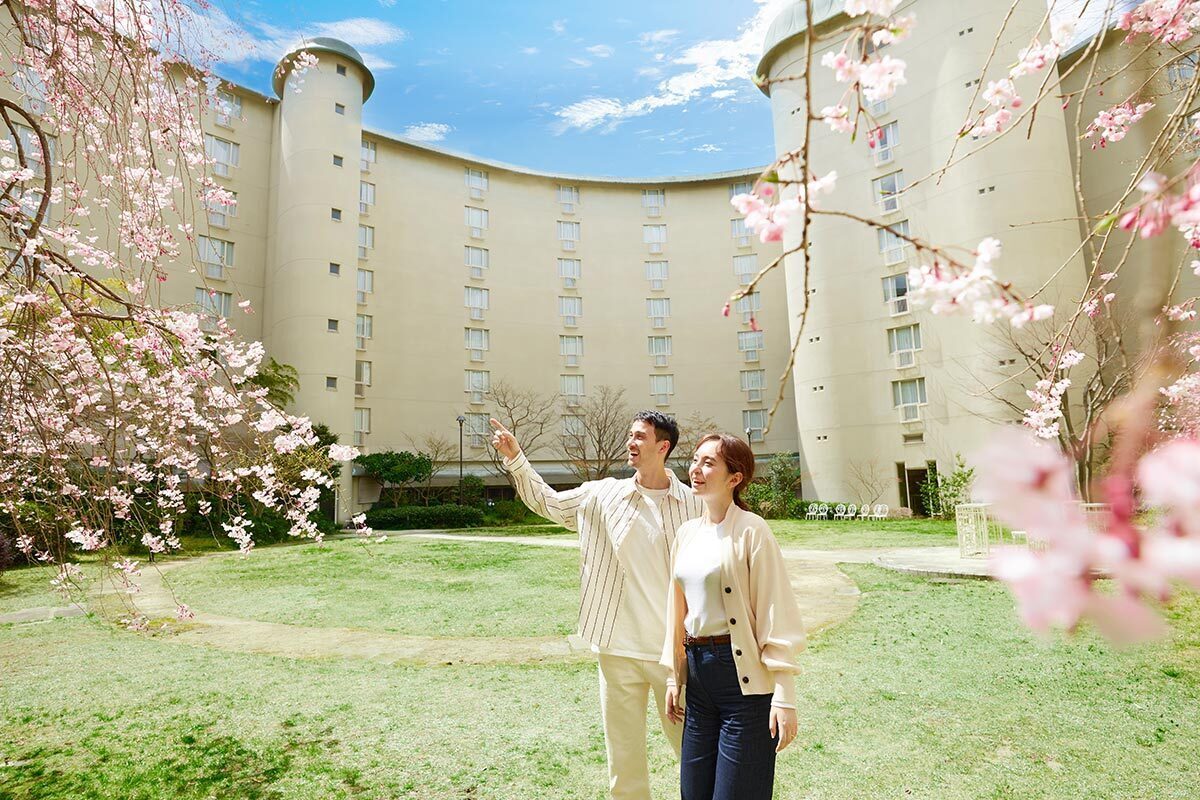
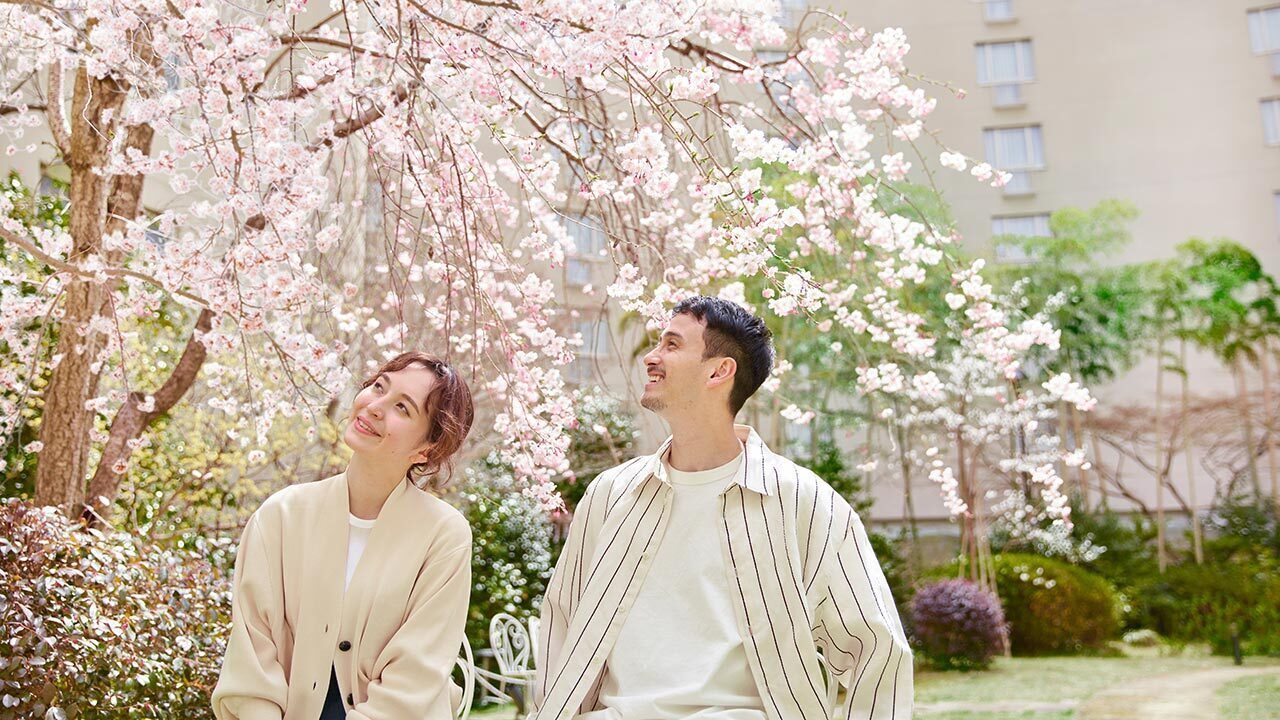
Located farther north, near Takaragaike Park, and just a few minutes from Kokusaikaikan Station, The Prince Kyoto Takaragaike is a distinctive cylindrical building, almost resembling a coliseum, which encloses a central courtyard. Its rooms are furnished in a smart modern aesthetic that is warm and bright, with wide windows that face the greenery of the Rakuhoku neighborhood. This is the same area in which guests can experience the summer tradition of kawadoko by dining on a platform above a flowing river or enjoy exclusive access to the normally closed-off cherry blossoms of "Sakura Hill" near Myomanji Temple, where approximately 200 cherry trees bloom in spring. The Prince Kyoto Takaragaike is a perfect luxury hideaway for travelers seeking to escape the throngs of tourists that crowd the streets of central Kyoto.
Osaka
Having departed the cozy lantern-lit streets of Kyoto, the Golden Route has you making a short jaunt southwest, following the Yodogawa River, to Osaka. In comparison to the bustling train-like rhythm of Tokyo, Osaka thrums with human energy. Once the center of power for the entire mainland, Osaka established itself as a major port of call for the trade ships that circled the archipelago, and this is where the warlord Toyotomi Hideyoshi built his castle during his bloody conquest of unification. That castle still stands in modern Osaka, a center of commerce, street food, and entertainment.
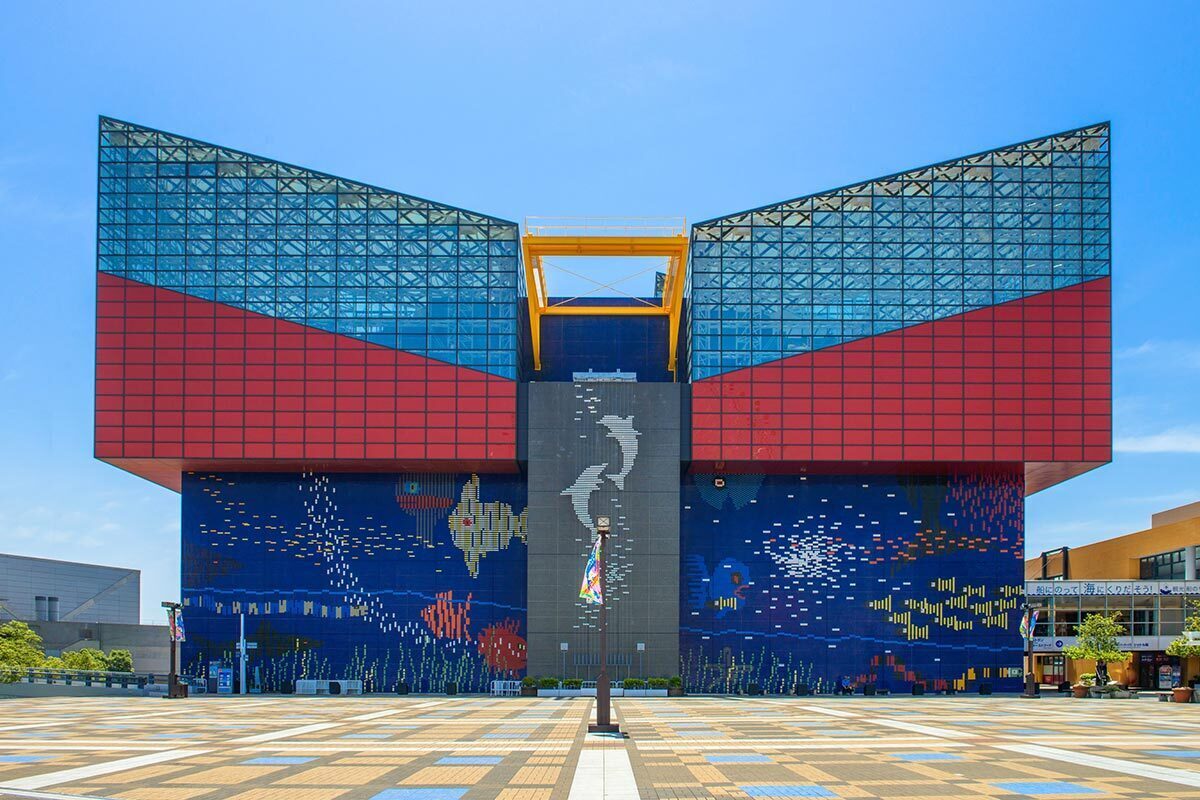
As a waterfront city, it is no surprise that Osaka boasts one of the most impressive aquariums in the country, with its eight floors of marine life. It neighbors the Tenpozan shopping area, known for its Ferris wheel that overlooks the bay. Just across the Ajigawa River is Universal Studios Japan, a theme park with rides and attractions that appeal to fans of Nintendo, Harry Potter, and several other well-known franchises.
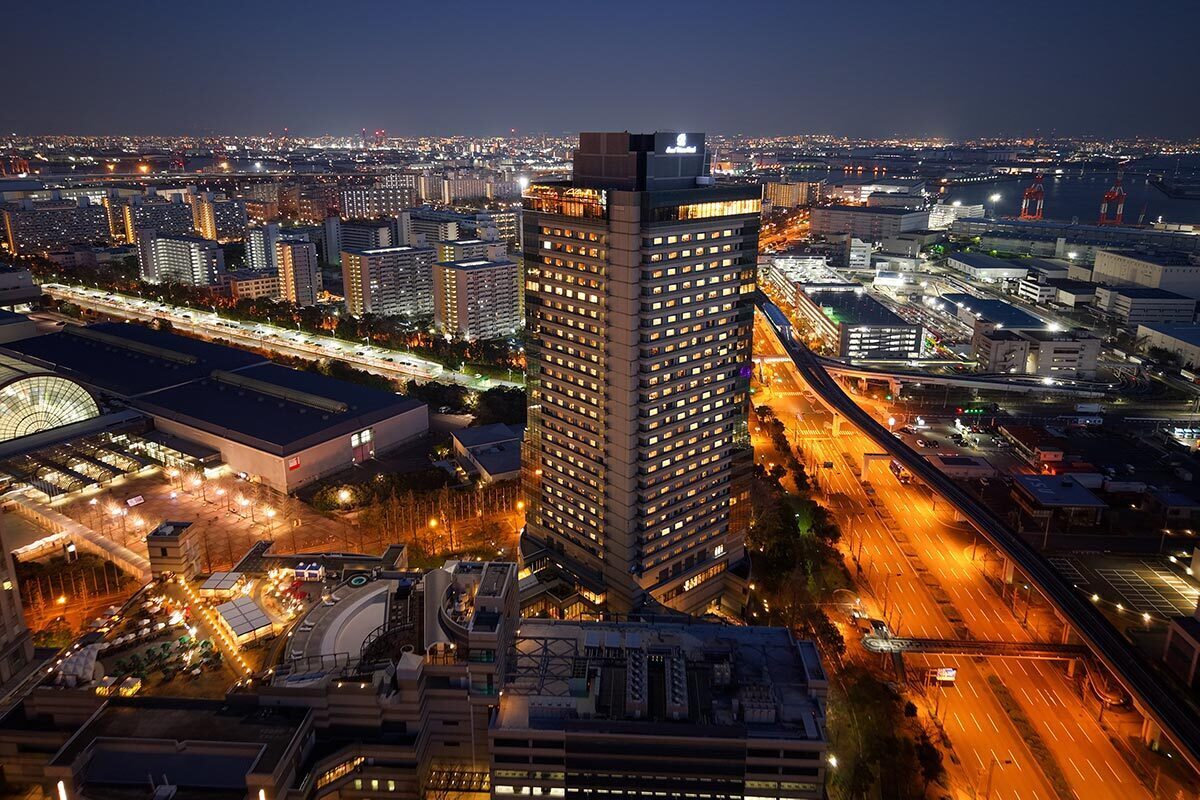
These sites are all clustered in Osaka Bay, where they intermingle with the many shipping companies that operate in Osaka. They share the area with the Grand Prince Hotel Osaka Bay, which operates a daily shuttle service to and from Universal Studios Japan and Shin-Osaka Station, with weekend and holiday transportation to Osaka Station (Umeda). Its rooms overlook the city skyline, and an even more stunning view can be had from the OSAKA BAY SKY LOUNGE & BAR on its top floor.
Seibu Prince Hotels & Resorts
Seibu Prince Hotels & Resorts operates 80 hotels throughout the Japanese archipelago, as well as in countries including Australia, Canada, the UAE, the UK, and the USA. Rather than offering a cookie-cutter experience, Prince Hotels seeks to provide luxury, comfort, and enjoyment that is unique to each hotel's location - and to each guest. They put great emphasis on creating "a place where you can be more yourself than anywhere else."
This philosophy is especially important in the boundary-pushing context of international travel, when you might sometimes need a comfortable and familiar place to rest. The freedom to create your own experiences and have those individual "Prince Moments" is central to its concept. To empower its guests to seek out the moments they have created Discover Japan, a web page that introduces themed travel ideas for different regions.
Members of the Seibu Prince Global Rewards program enjoy a wide array of special benefits, including late checkout, complimentary breakfast, and access to the club lounge at select locations. Members also accrue reward points for each 110 yen spent at Seibu Prince Hotels & Resorts, which can be redeemed during their next stay. There are even special perks offered on each member's birthday. For travelers planning a trip along the Golden Route, the Global Rewards program is worth considering.