Experience Sustainable Tourism in Ozu
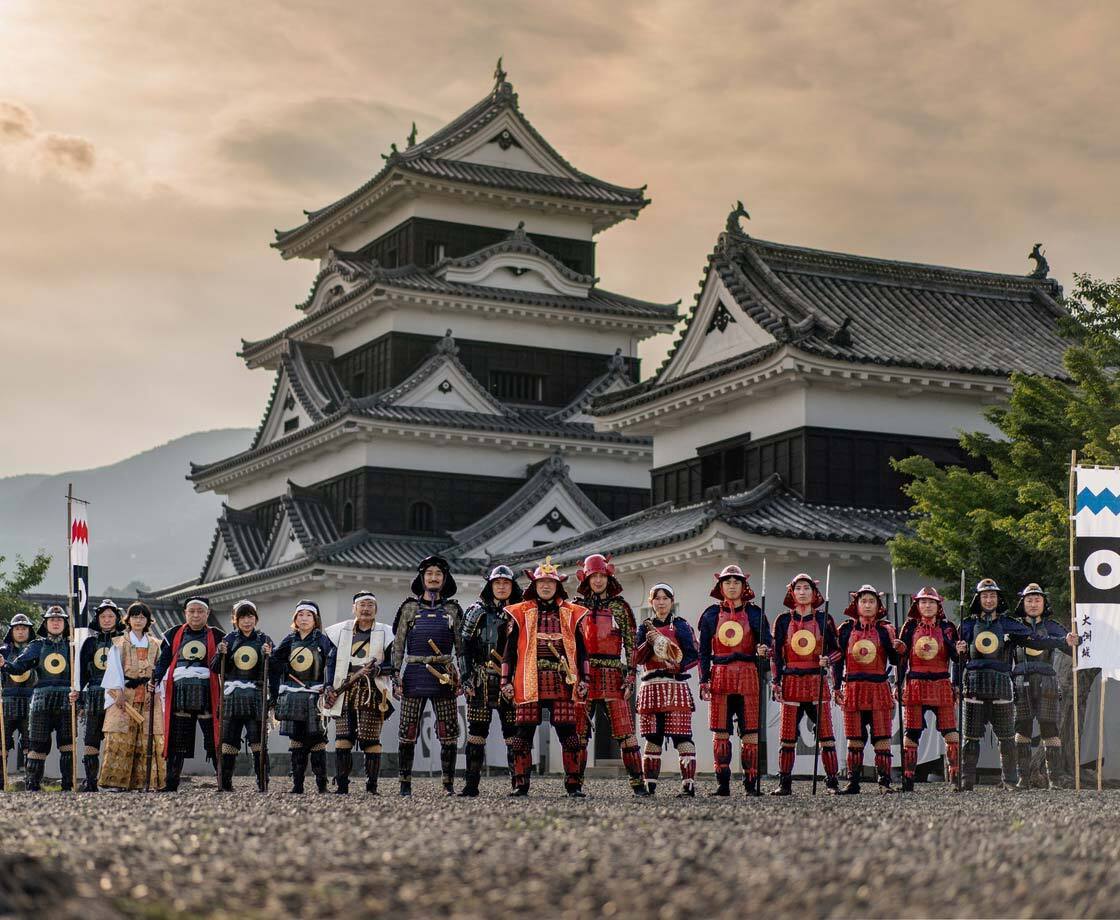
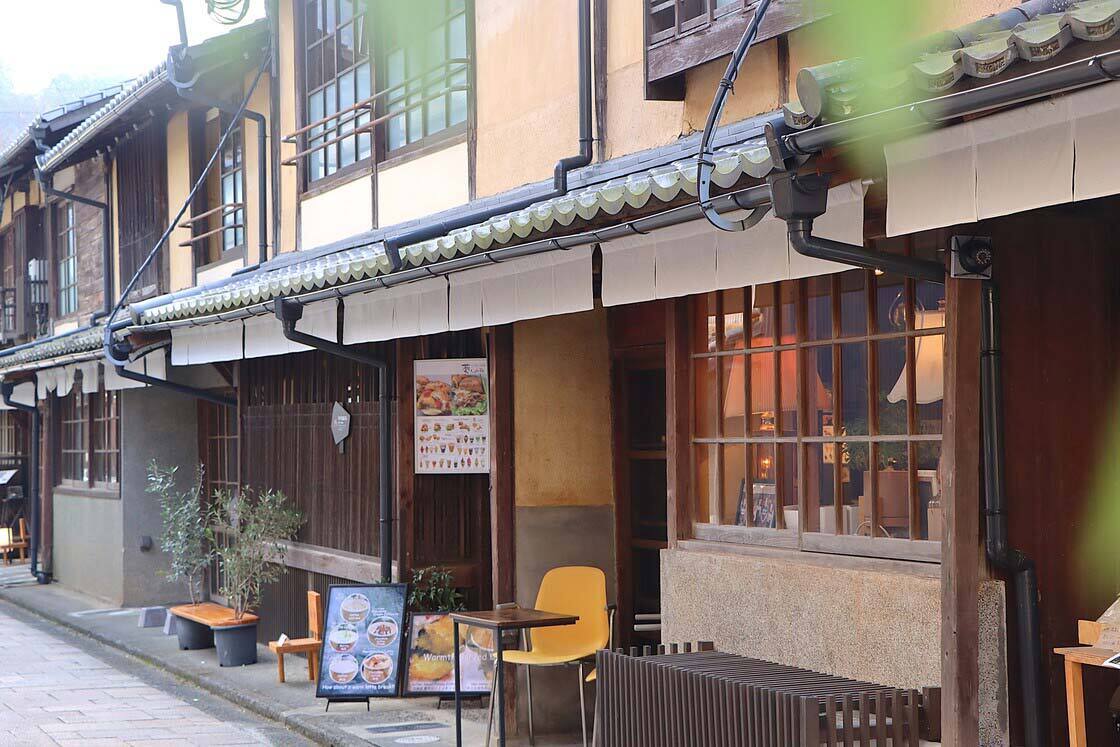
Ozu City is a small castle town located in Ehime Prefecture on the island of Shikoku. Historically, the city prospered through the production of Japanese wax (mokuro), Japanese paper (washi), and sericulture. The Konan district, in particular, features rows of historic merchant houses and folk houses dating from the Edo period to the Showa period, creating a townscape that retains the atmosphere of bygone days. The city is also home to many sightseeing spots where visitors can enjoy traditional Japanese culture and heritage, such as Ozu Castle, which was completely reconstructed using wood, and Garyu Sanso, a villa built in Ozu's most scenic location.
Ozu City is also famous as a sustainable tourism destination. Historically valuable old houses that had been left vacant have been renovated and repurposed as hotels and shops to preserve the townscape. These efforts have received global recognition: in 2023, Ozu won 1st place in the "Culture & Tradition" category at the Green Destinations Story Awards, and in 2024, it received the Silver Award at the Green Destinations "World Sustainable Destinations Awards."
Started from a crisis of losing townhouses
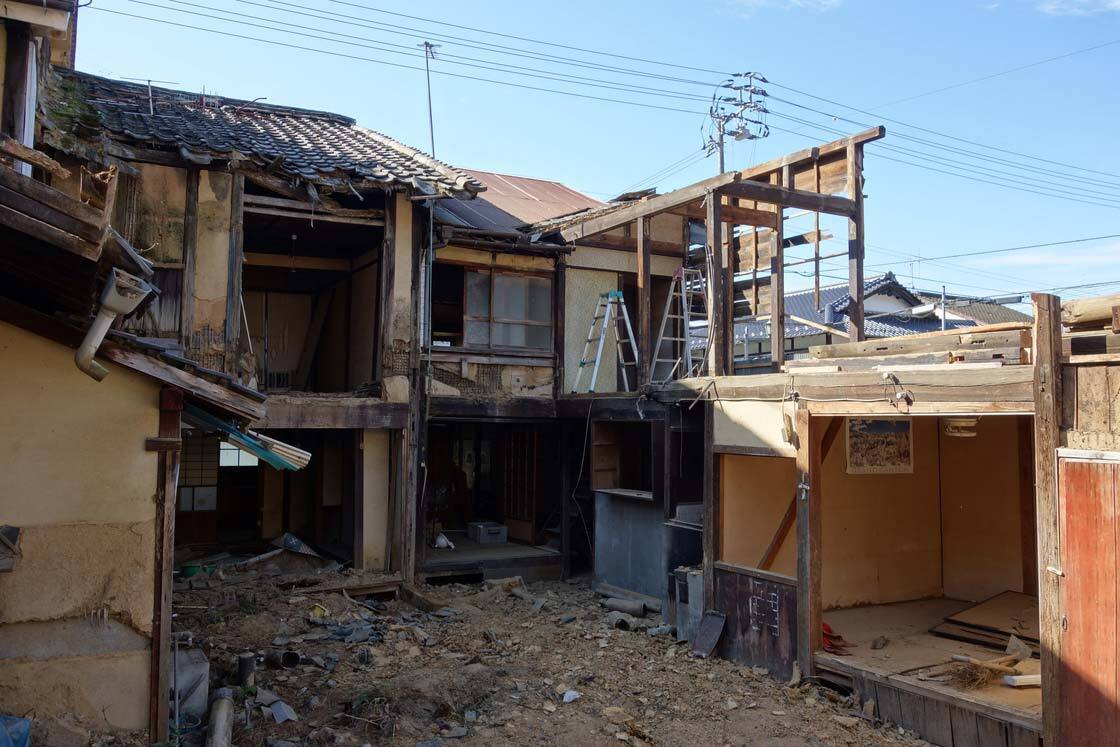
In recent years, the Ozu castle town area faced serious issues including depopulation, a declining birthrate and aging population, and an increase in vacant houses. Old houses left unoccupied for many years had crumbling walls and gardens overgrown with weeds, and many were half-destroyed. Furthermore, many owners were demolishing such properties to turn the land into parking lots, creating a situation where the historic townscape was in danger of becoming hollowed out. In 2017, plans arose simultaneously to demolish multiple large properties, pushing the castle town's landscape to the brink of crisis. To protect these historically valuable townhouses, the city administration, financial institutions, and private companies formed a partnership to solve the problem through "tourism community development utilizing historical resources."
Community development activities by local youth
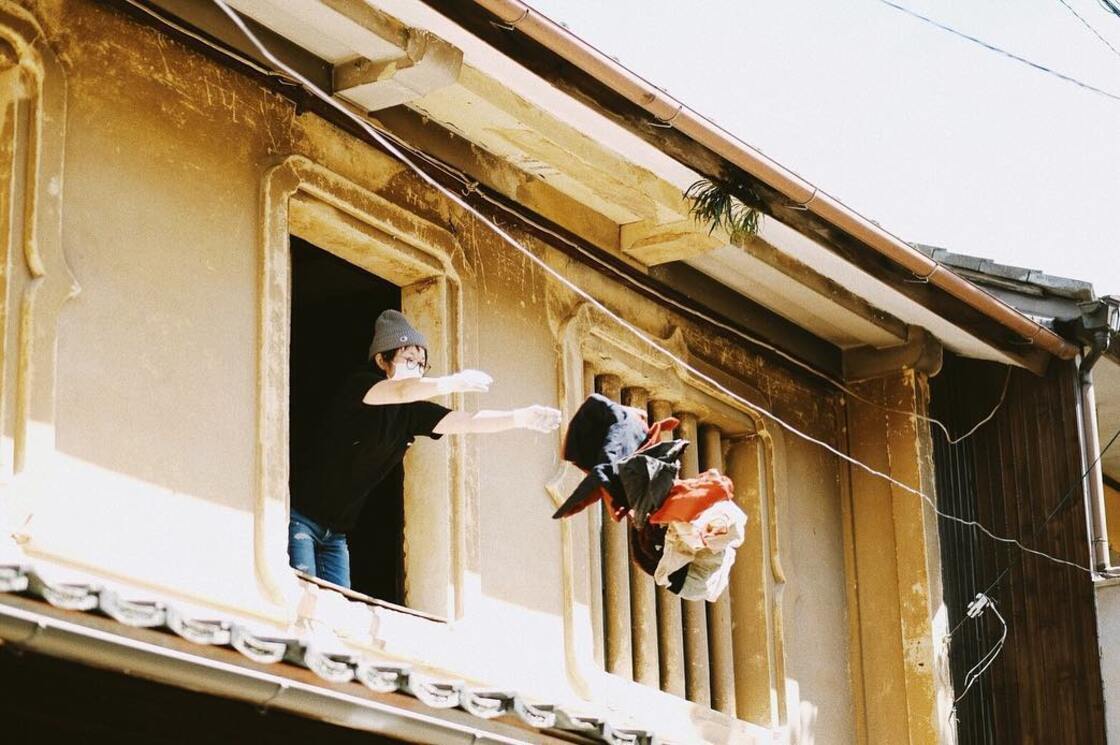
In the castle town, there were many vacant houses whose owners were absent, and many had become impossible to maintain. In parallel with the administration's activities, local young people who felt a sense of crisis about the loss of their town launched a group called "YATSUGI." Acting on behalf of owners living outside the city, they carried out simple repairs such as cleaning empty houses and re-papering shoji screens. This successfully alleviated the owners' anxiety and slowed the progression of damage to the vacant properties. Additionally, by holding an event utilizing old houses called "Shiroshita no MACHIBITO", they searched for businesses to open stores in the Ozu castle town, striving to improve the value of these historic properties.
Shops and hotels utilizing regenerated old houses
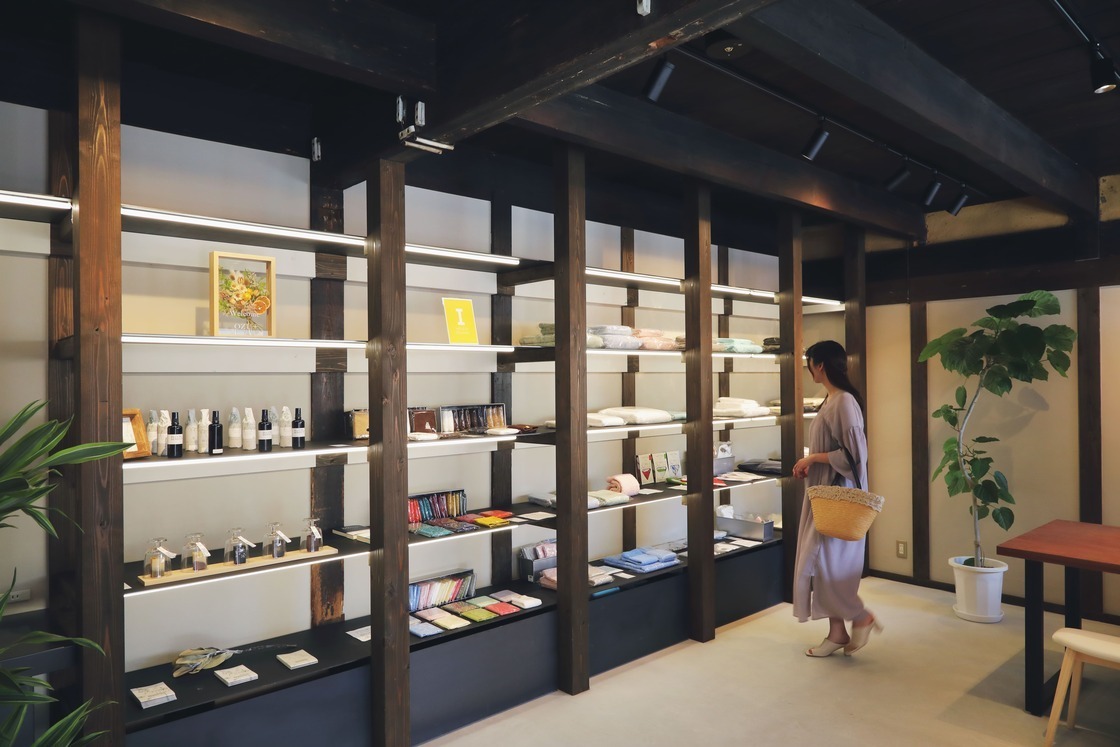
These activities bore fruit, and vitality has gradually returned to the Ozu castle town. In the castle town area, 35 historic buildings have been renovated over six years. Formerly vacant historic buildings are now being utilized in various forms, such as shops handling local products, cafes leveraging the high-quality atmosphere of old folk houses, and craft shops.
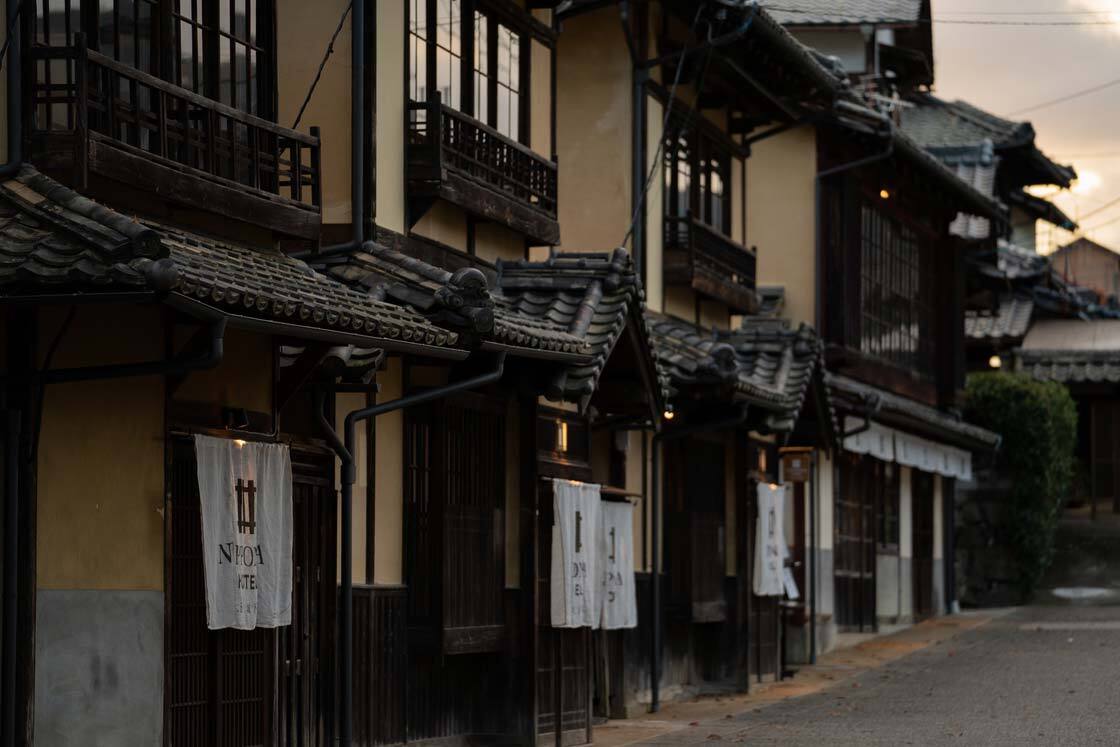
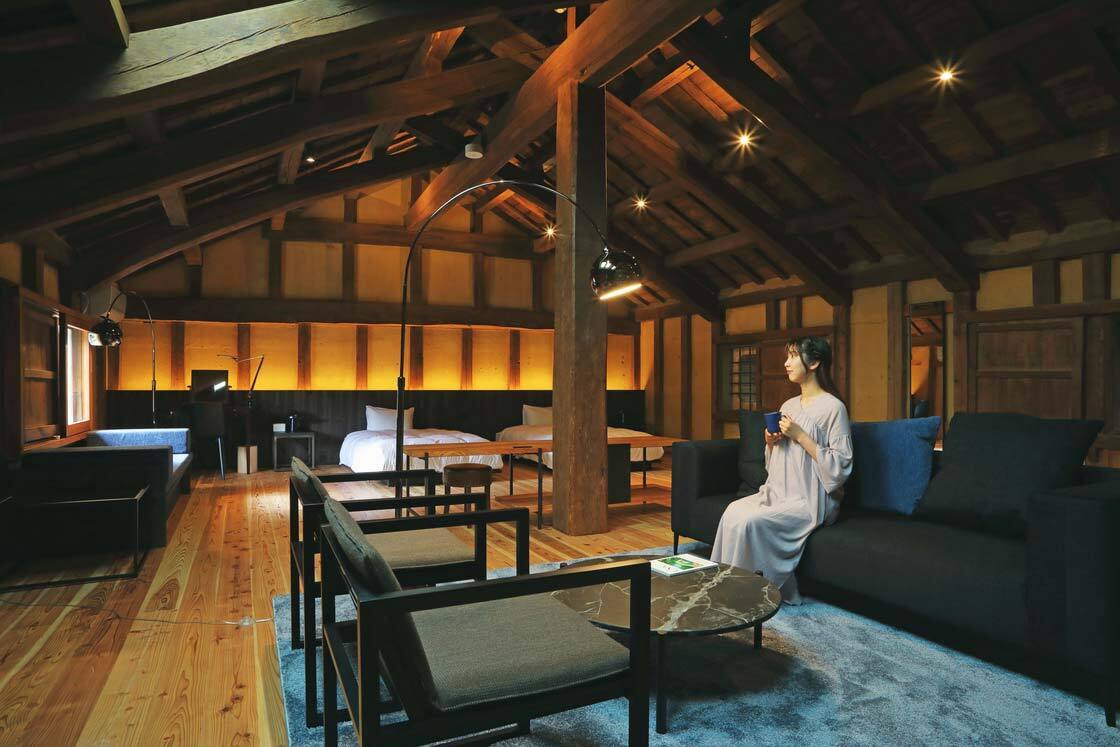
In 2020, "NIPPONIA HOTEL Ozu Castle Town," one of Japan's largest decentralized hotels which renovated vacant houses into guest rooms, opened. This hotel considers the entire castle town as a hotel, designing a new form of travel where guests can feel Ozu's history, culture, and lifestyle by strolling through the town during their stay. By utilizing entire buildings that are historically and culturally valuable - and which might otherwise have been demolished due to aging - staying at NIPPONIA HOTEL Ozu Castle Town signifies that the tourists themselves become part of the effort to preserve Ozu's beautiful townscape for the future.
Ozu Stories - Ozu Castle Town Regeneration Stories
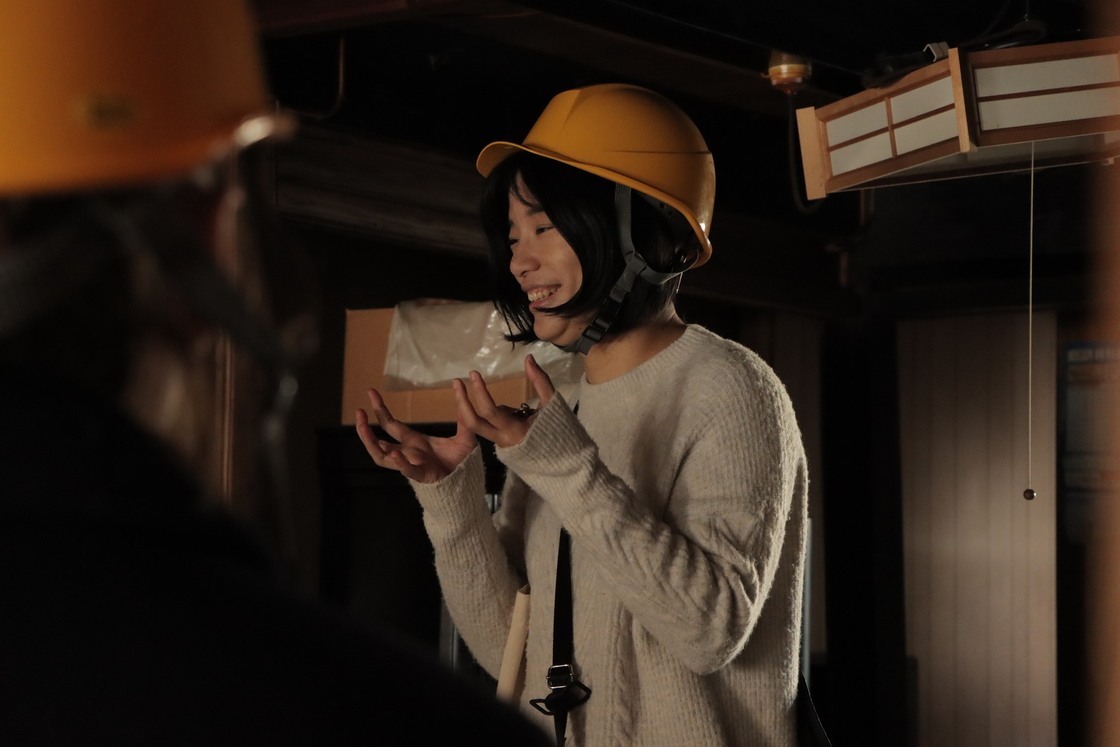
Ozu offers an experience called "OZU STORIES," where visitors can experience these narratives of Ozu together with guides known as "Tsumugi-bito" (Weavers of Stories). Guests tour the area with these guides who know Ozu inside out, learning the stories of Ozu's history, town planning, and the regeneration of old houses. Through interaction with local residents, rather than just a guided tour of the castle town, visitors can deepen their understanding of Ozu and enjoy tourism as participants in town making. Furthermore, "OZU STORIES" donates 5% of its revenue to organizations involved in town preservation, making participation in this journey an activity that helps weave the culture of Ozu into the future.
Ozu Castle
Ozu City has several other must-see tourist destinations. The one of them is Ozu Castle. The original main keep was dismantled in 1888 due to aging. The current keep was reconstructed in 2004, a project that took approximately 10 years, beginning with local preservation activities and donations, and realized through the techniques of experts using traditional construction methods. Ozu Castle was completely reconstructed using wood - a rarity in modern Japan - with a strict dedication to historical fidelity. The wooden framework inside the keep, restored using traditional Japanese techniques, is beautiful and impressive. As the castle staff says, "The true beauty of Ozu Castle is that you can see the exact same view that the feudal lords of the past once saw."
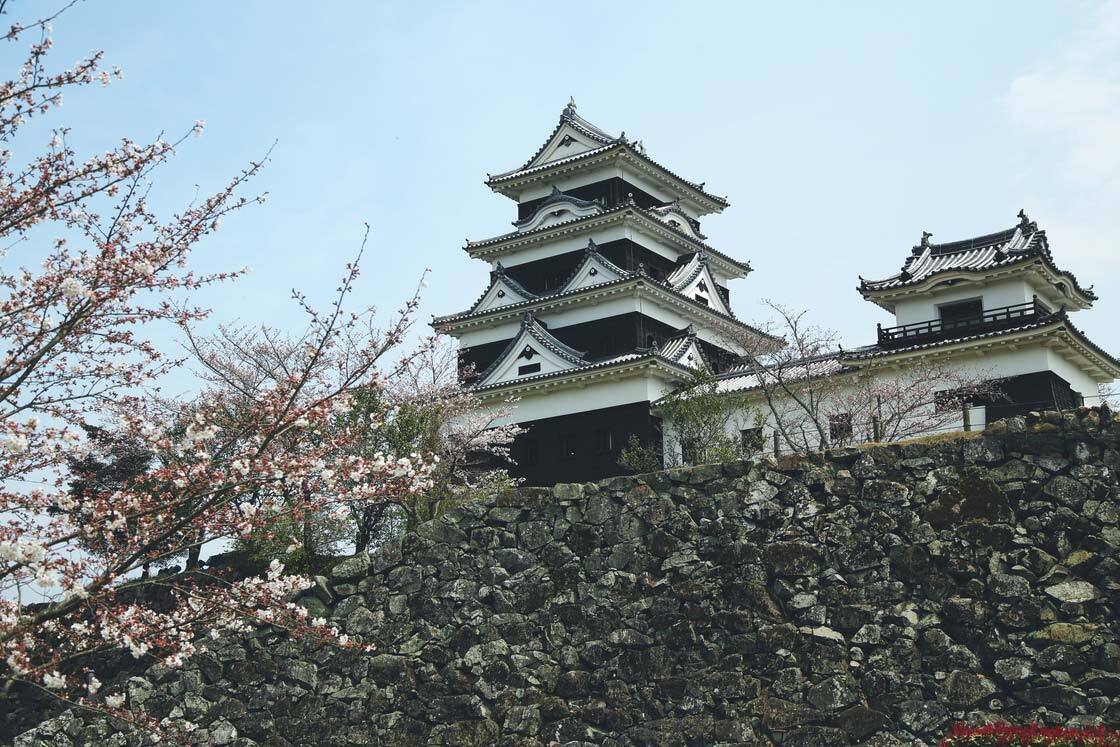
Ozu Castle Stay: A symbol of town planning
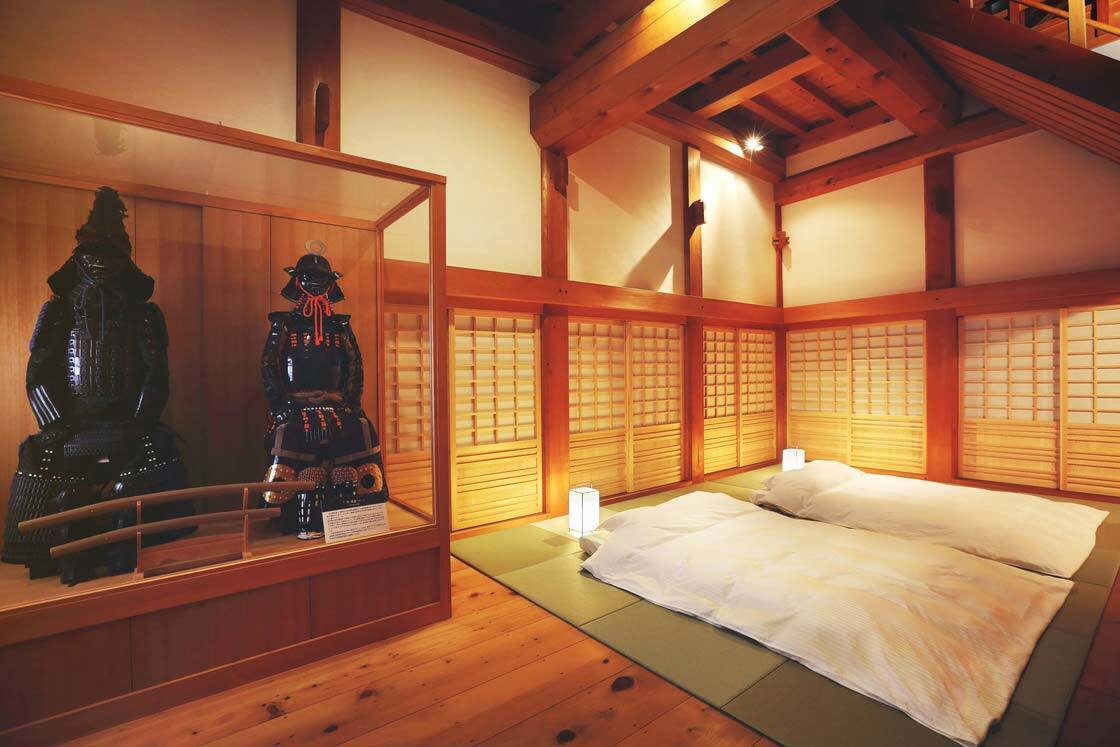
At Ozu Castle, which was completely reconstructed using wood, a unique experience called "Ozu Castle Stay" is offered, allowing guests to stay overnight in a real castle. This experience, the first of its kind in Japan, begins with the sound of a conch shell. Guests can relive various scenes from Ozu's history, including a reenactment of the feudal lord's entry into the castle, the awarding of a "castle lord certificate" by retainers, a welcoming salute by a matchlock gun squad, and performances of traditional arts. Dinner is served in the Koran-yagura (turret), an existing historical structure, and breakfast is served at Garyu Sanso, a National Important Cultural Property, featuring a "lord's menu" that interweaves carefully selected local ingredients. Initiatives related to the Ozu Castle Stay contribute not only to increasing the value of Ozu Castle but also to improving the recognition of the entire region and preserving regional culture.
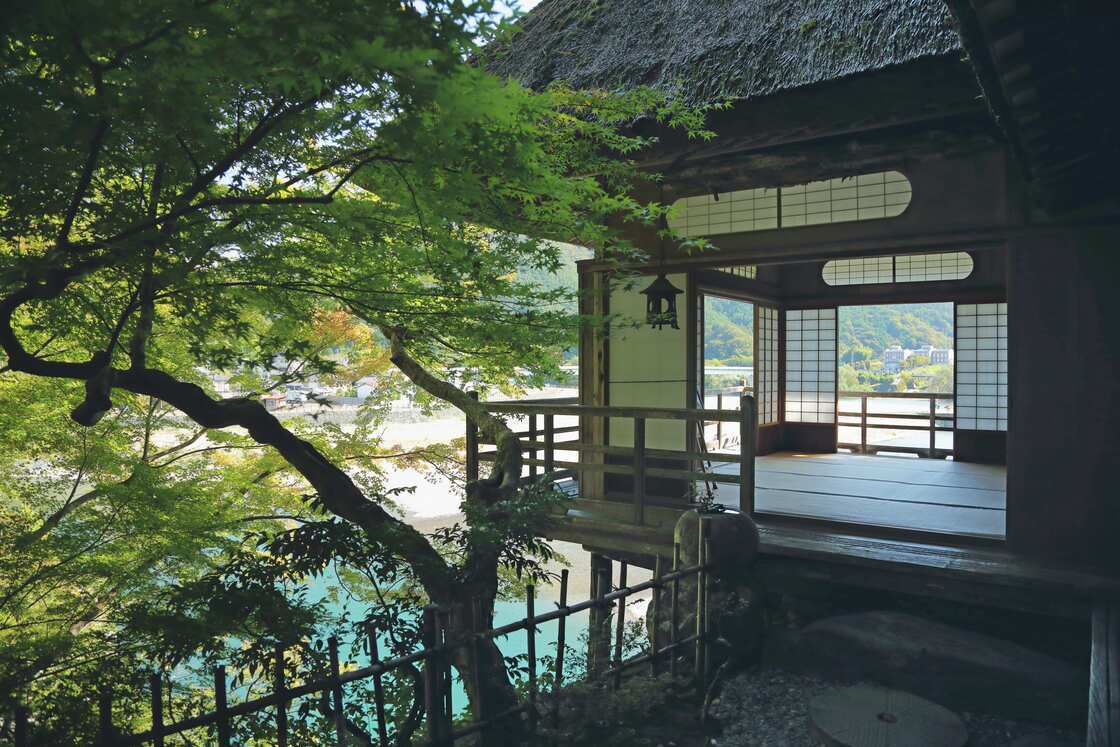
Garyu Sanso
Garyu Sanso, standing in Ozu's most scenic spot, was completed by Torajiro Kouchi, who made his fortune in the Japan wax trade. It took 10 years to conceive and 3 years and 8 months to construct. Built to preserve the culture of the Japanese tea ceremony, Garyu Sanso is often called a masterpiece of traditional Japanese architecture, incorporating Sukiya-zukuri (tea house style) designs. Of particular note is the building known as "Furoan," a structure built using kake-zukuri (suspension construction) overhanging the Hijikawa River that flows through Ozu (similar to the famous stage at Kiyomizu-dera Temple in Kyoto). The building itself is designed to resemble a boat, with the ceiling shaped like the bottom of a ship's hull. The design features a clever mechanism where the moon rising from the opposite bank reflects off the river surface and illuminates the ceiling, brightening the room with moonlight.
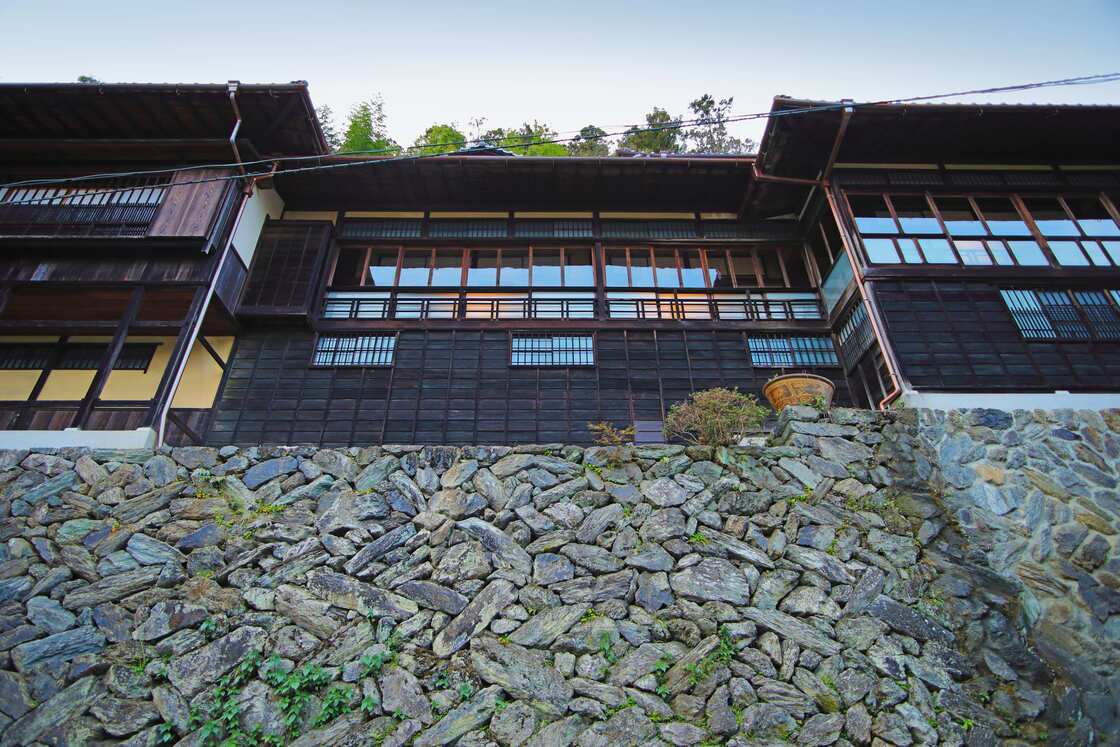
Bansenso
Bansenso is a renowned architectural work rich in international color, built in 1926 by Denzaburo and Kunigoro Matsui, who made their fortune through trade in the Philippines. The Matsui brothers amassed great wealth in trade and retail, including managing a department store for Japanese immigrants in Manila, and built this structure with the desire to construct a villa in their hometown of Ozu. Reflecting the brothers' success overseas, Bansenso features creative details with an international flair. The corridor features 20 continuous large planks of Ipil, a South Sea wood native to the Philippines, and the initials of Kunigoro Matsui, "K.M.," are carved into all the Onigawara (decorative roof tiles).
- Visit Ozu - Official tourist website
- Nipponia Hotel Ozu Castle Town - Official website