Inside Upopoy: Experience Japan’s indigenous Ainu culture
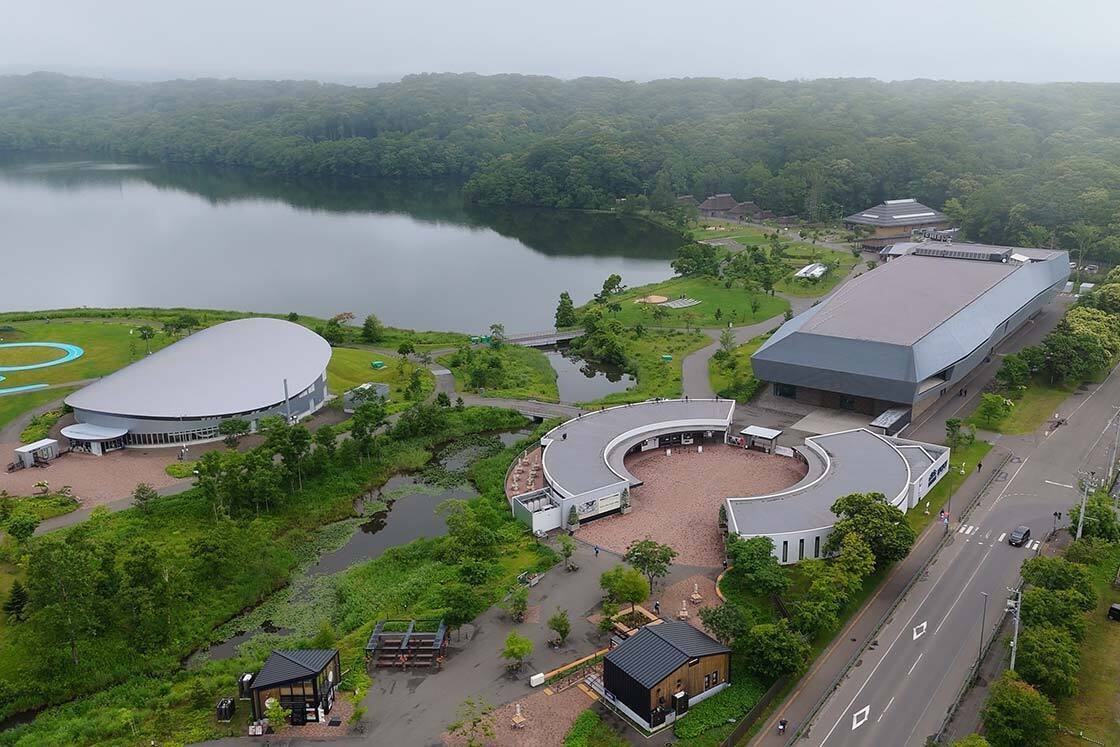

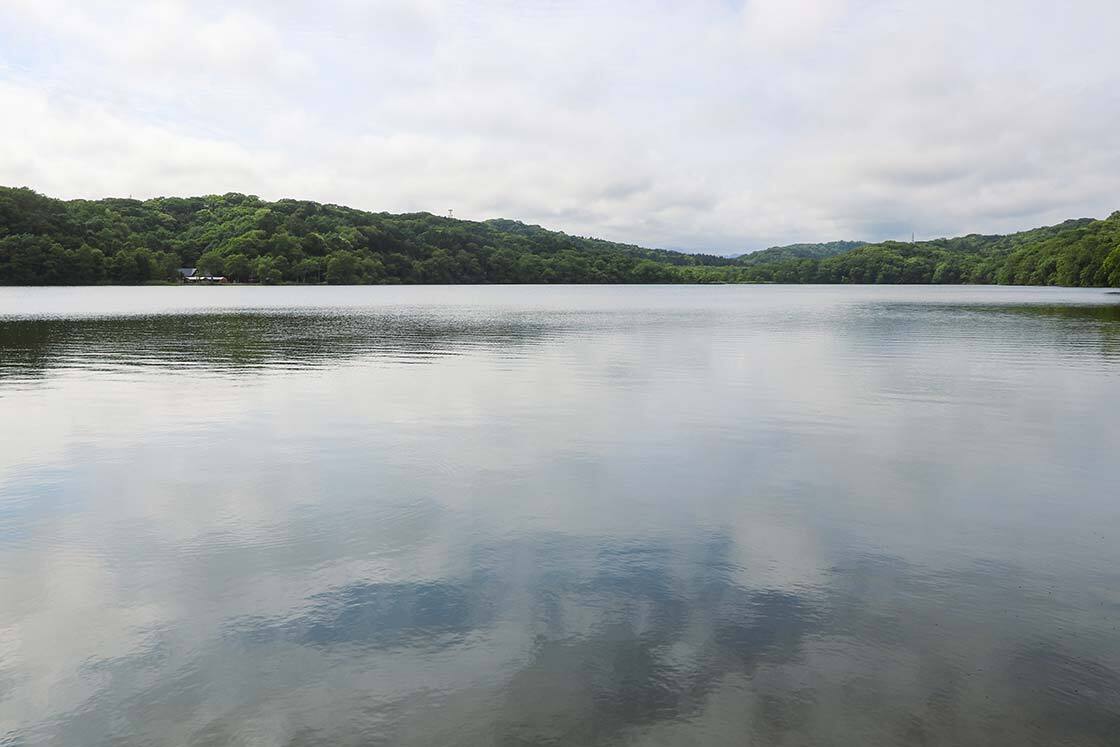
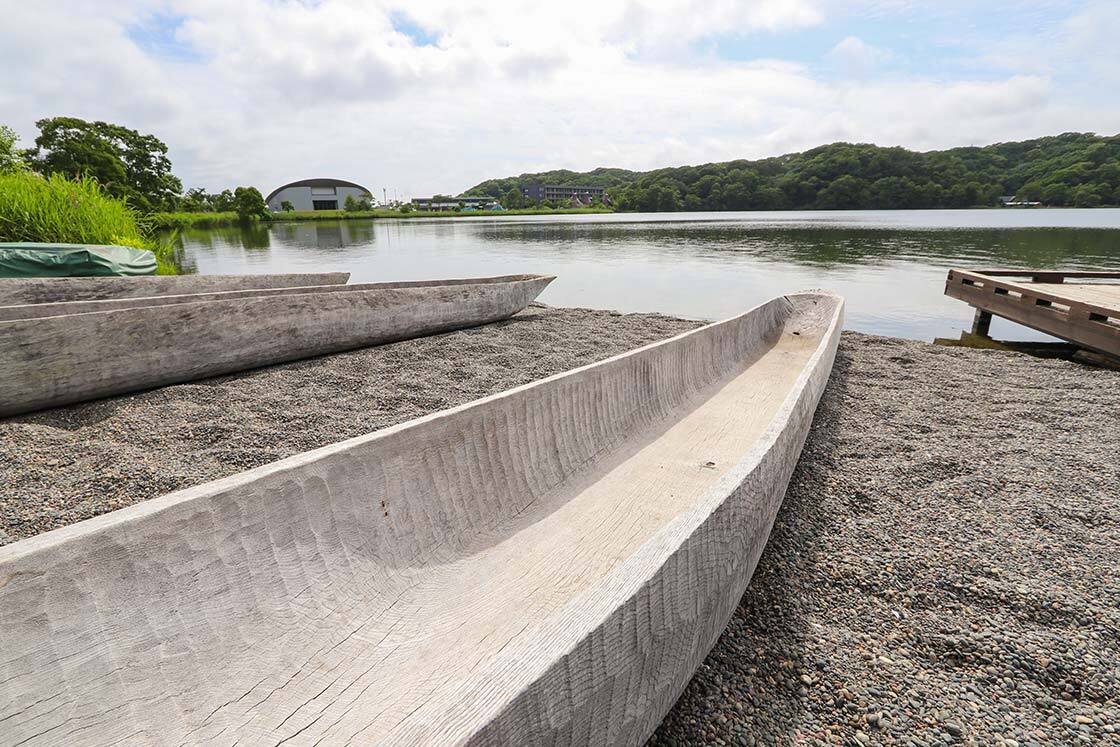
One of the best places to learn about Ainu history and culture is Upopoy National Ainu Museum and Park in Shiraoi, Hokkaido. Its nickname, Upopoy, is an Ainu word that means singing together in a large group. Upopoy consists of three parts: a national museum, a lakeside open-air park, where visitors can see traditional performances, explore reconstructed Ainu houses and take part in hands-on activities; and the Memorial Site, a 20-30 minute walk from the museum and park.
The Ainu are an indigenous people from the northern region of the Japanese archipelago and nearby islands, whose ancestors can be traced back roughly 30,000 years. These early communities lived mainly by hunting, gathering and fishing, and began growing grain around the 7th century. This, along with sea trade with neighboring groups, helped shape the distinct Ainu culture that emerged over the following centuries.
Assimilation policies in the 19th and 20th centuries severely disrupted this way of life, while efforts to preserve and revitalize Ainu identity, language and culture gained momentum in more recent decades and continue into the present. Today, Ainu live mainly in Hokkaido, but also elsewhere in Japan and in other countries.
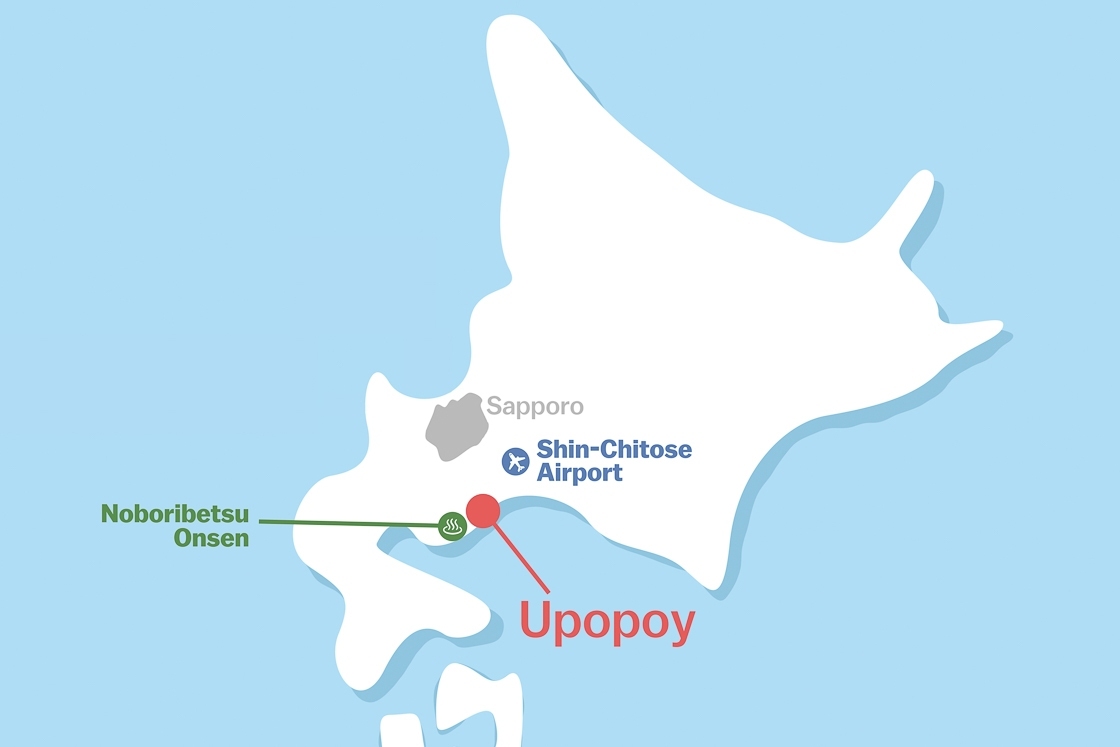
Upopoy is located between New Chitose Airport and Noboribetsu Onsen. See the access section below for details on how to get there.
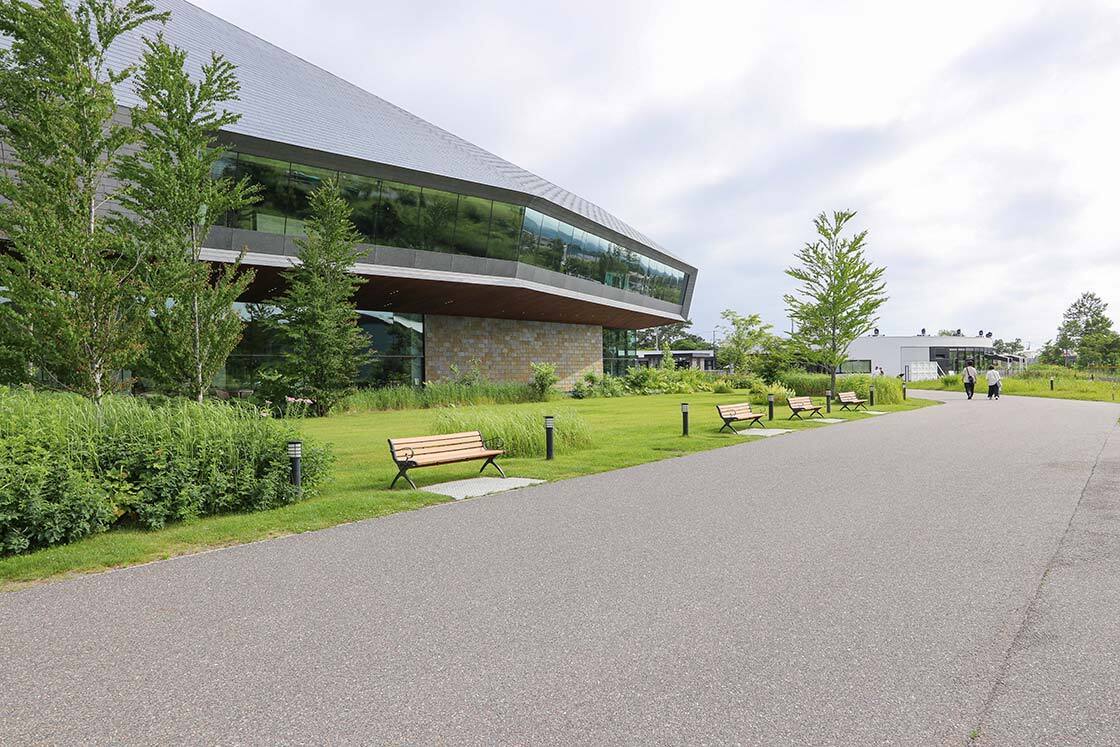
National Ainu Museum
The National Ainu Museum houses both permanent and temporary exhibitions, and is Japan's first and northernmost national museum dedicated to the history and culture of the Ainu.
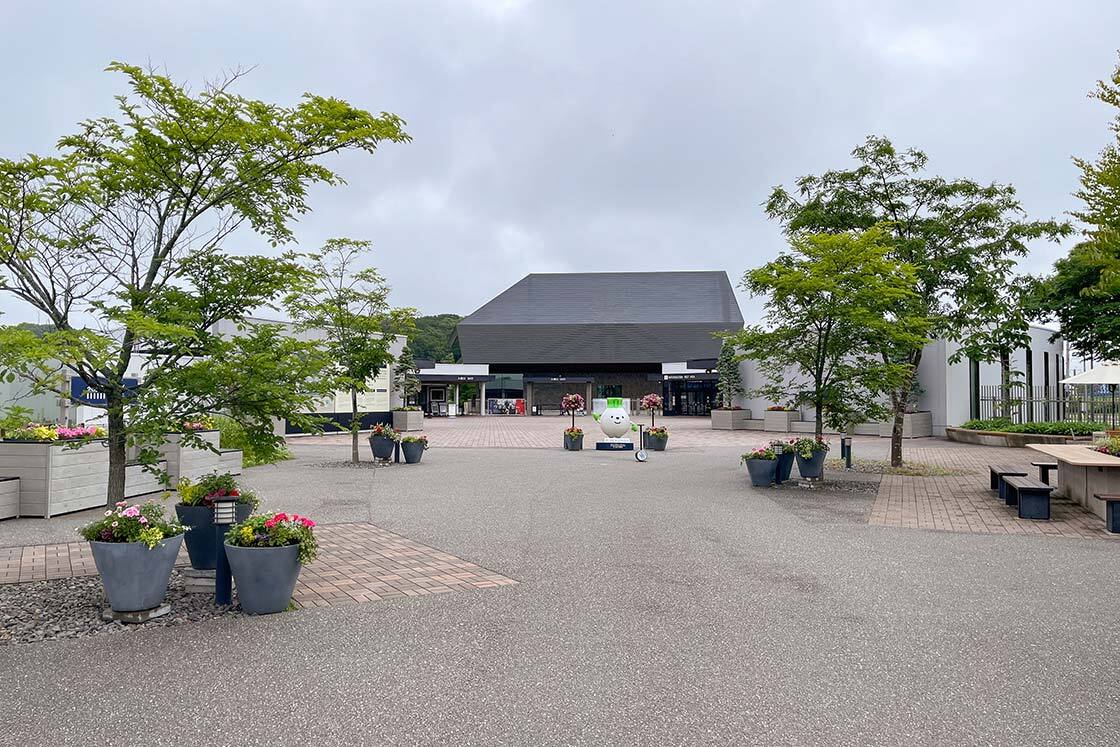
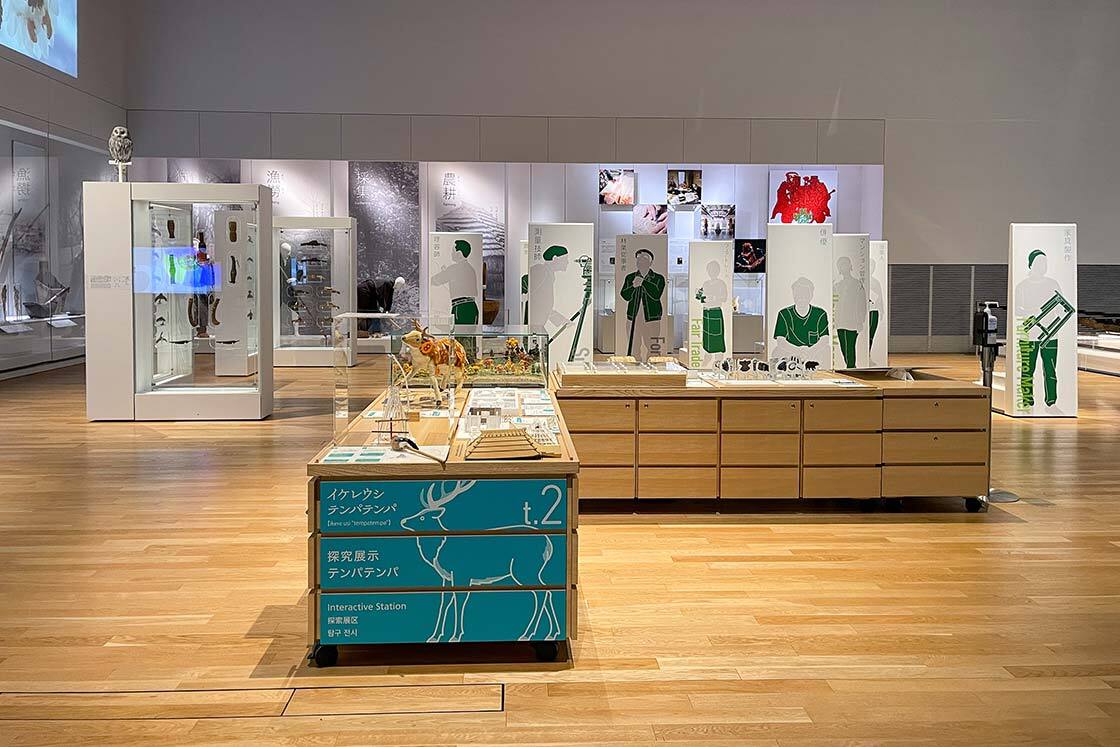
The two story museum building stands at the entrance to the paid area of Upopoy. The exhibition area is on the second floor, while a museum shop, library and theater occupy the ground floor.
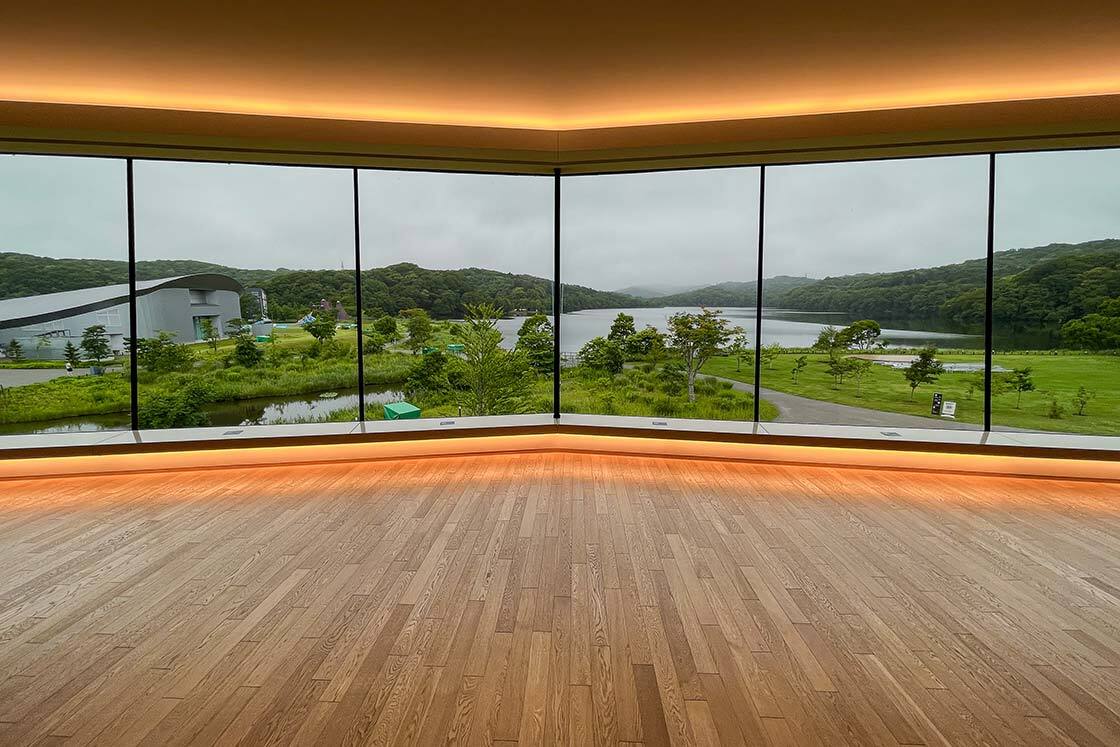
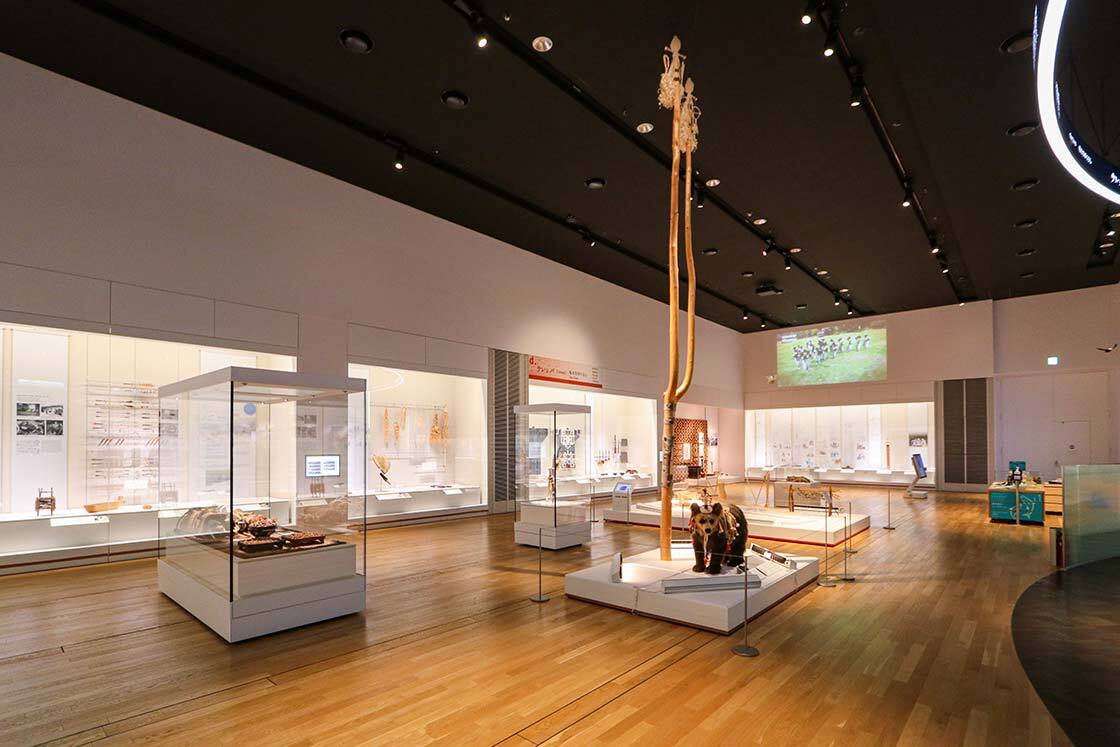
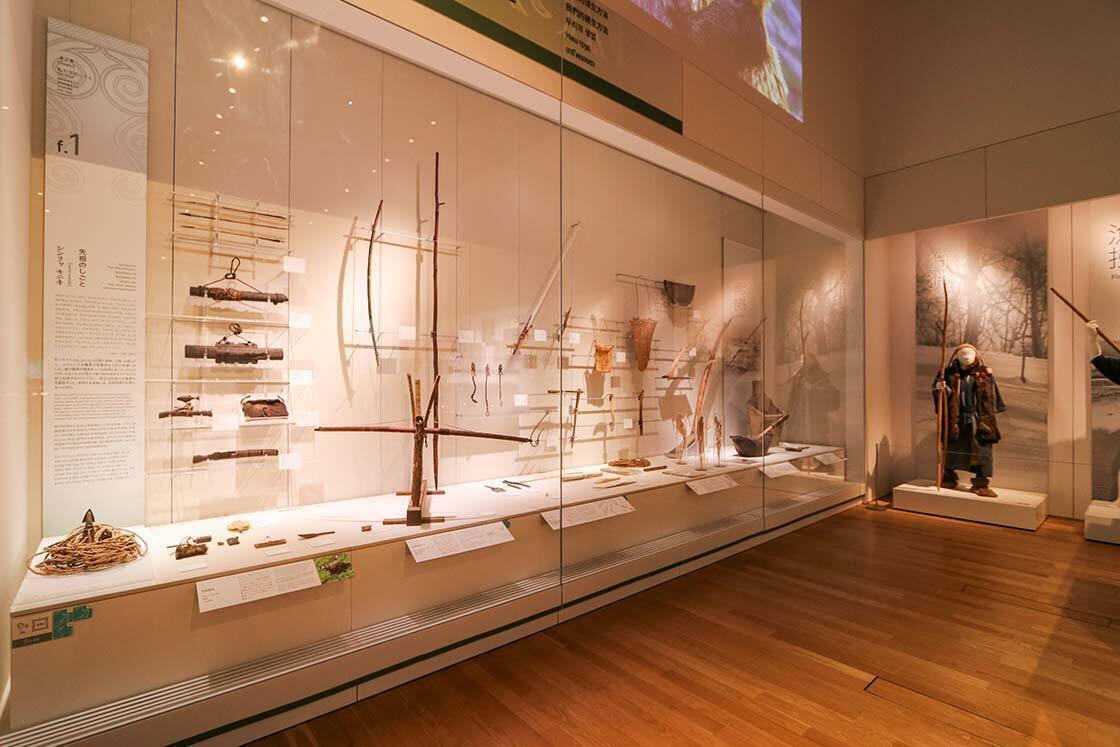
Visitors typically spend about one hour exploring the permanent exhibition room. It covers topics including the Ainu language, history, culture and tradition, way of life and spirituality. While efforts to write down the Ainu language had been made for a long time, it was in 1923 that an Ainu person first transcribed and published their oral literature. Today, modified versions of Japanese katakana and the Roman alphabet are used to represent Ainu words.
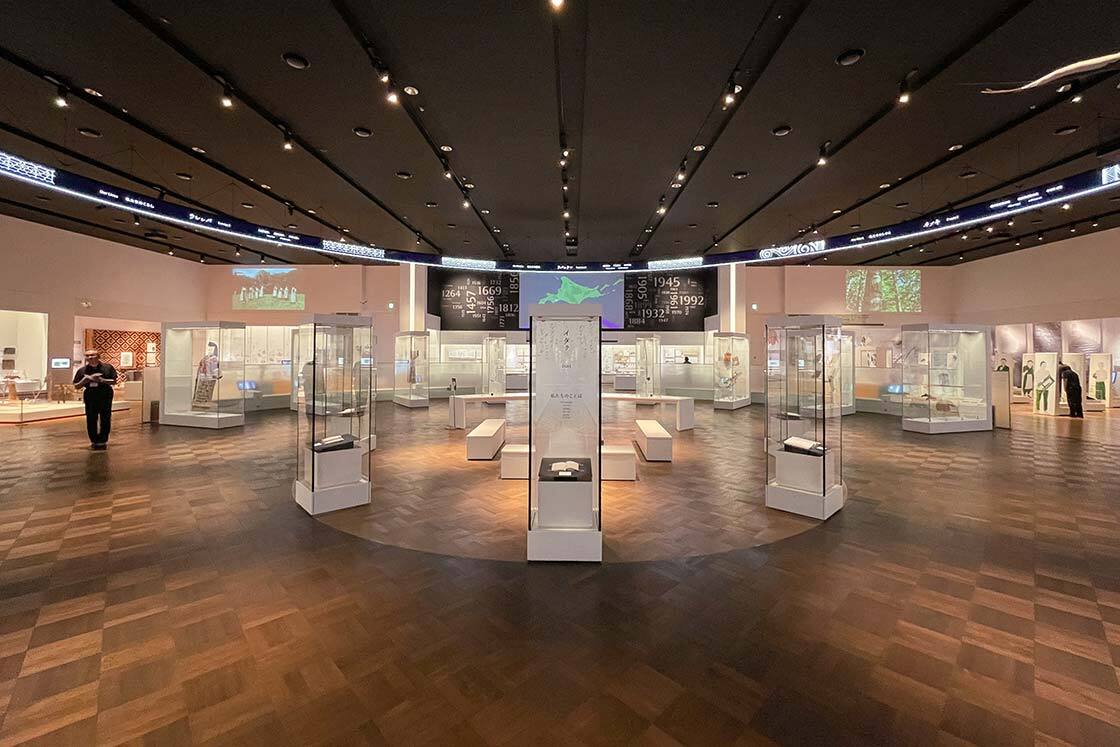
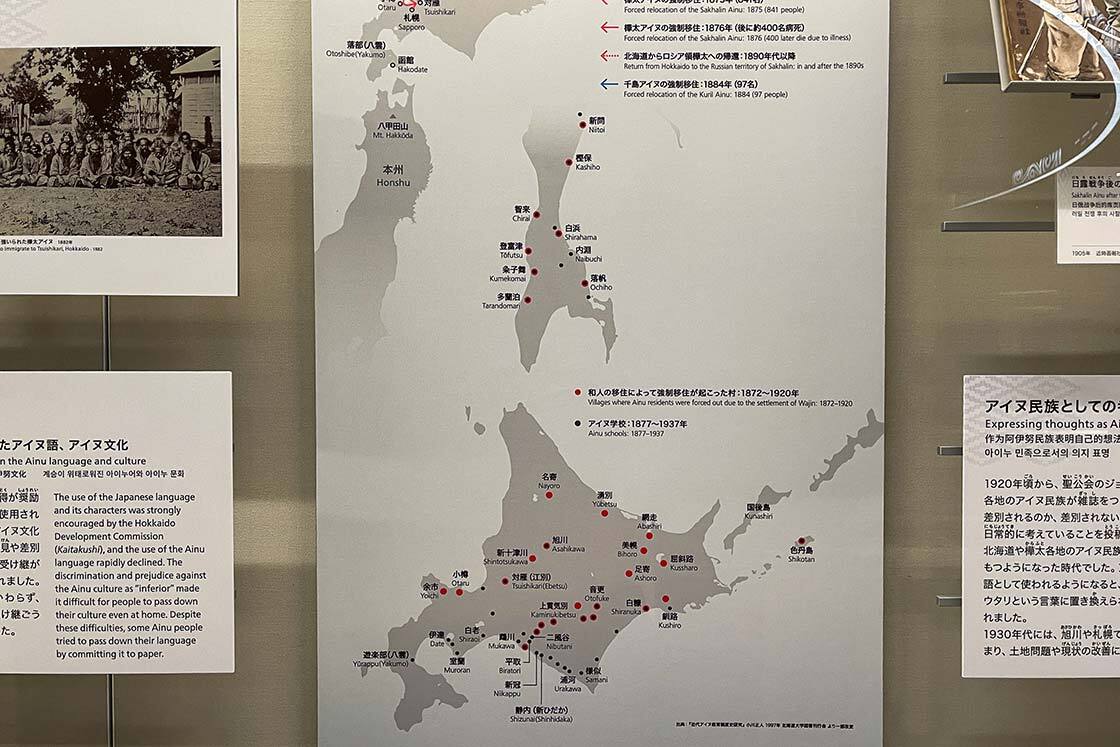
From the 17th century, Ainu trade was increasingly restricted - first by the Matsumae Domain in southern Hokkaido, which took control of trade and limited where and how the Ainu could exchange goods, then by Wajin merchants, ethnic Japanese from the main island of Japan, who took over trade and fishing operations in the 18th century. Many Ainu were forced to work in these fisheries, and Ainu society became increasingly tied to the Japanese economy.
In the late 19th century, as the Wajin approached from the south and Russians from the north, a border between Japan and Russia was established across the lands where the Ainu lived. The Ainu people were forcibly relocated from Sakhalin and the Kuril Islands to Hokkaido, and even within Hokkaido, some were made to move again so that Wajin settlements could be built. As a result, Ainu life changed dramatically. Traditional customs were banned, and government policies pushed the Ainu to adopt the Japanese language.
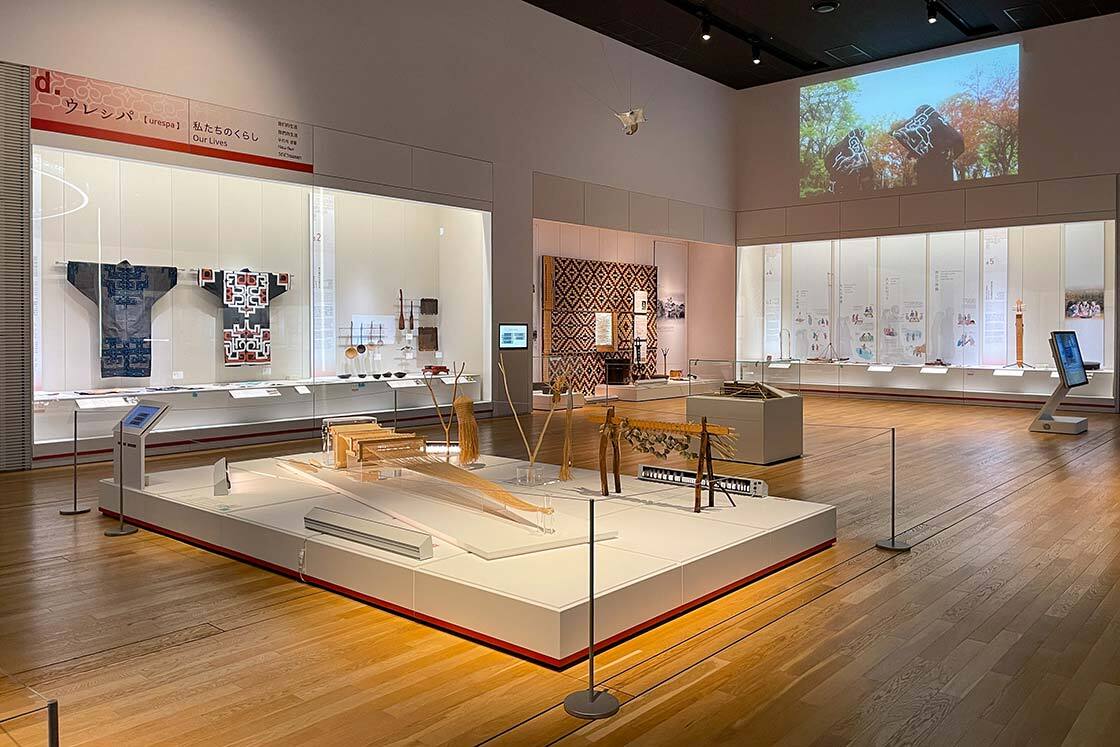
Since the 1970s, though, movements have emerged to help Ainu people reclaim and embrace their identity, including through the revitalization of Ainu culture.
National Ainu Park
While the museum covers Ainu history through exhibits, the National Ainu Park lets visitors explore Ainu culture through performances, demonstrations and hands-on activities.
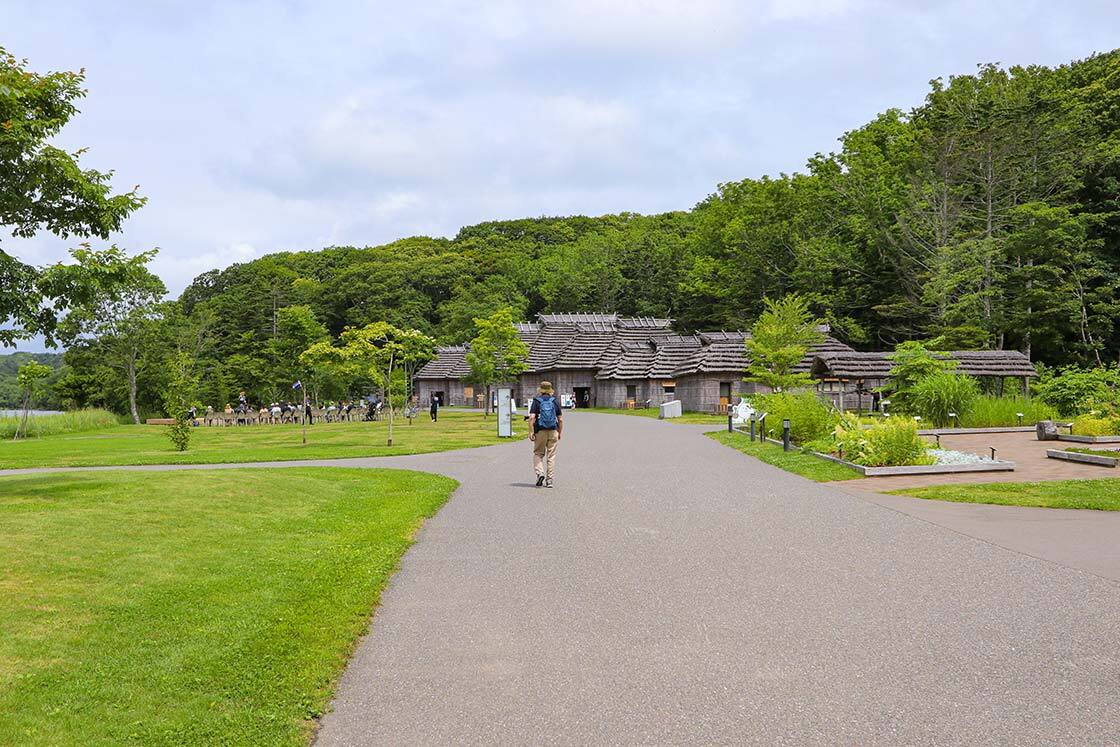
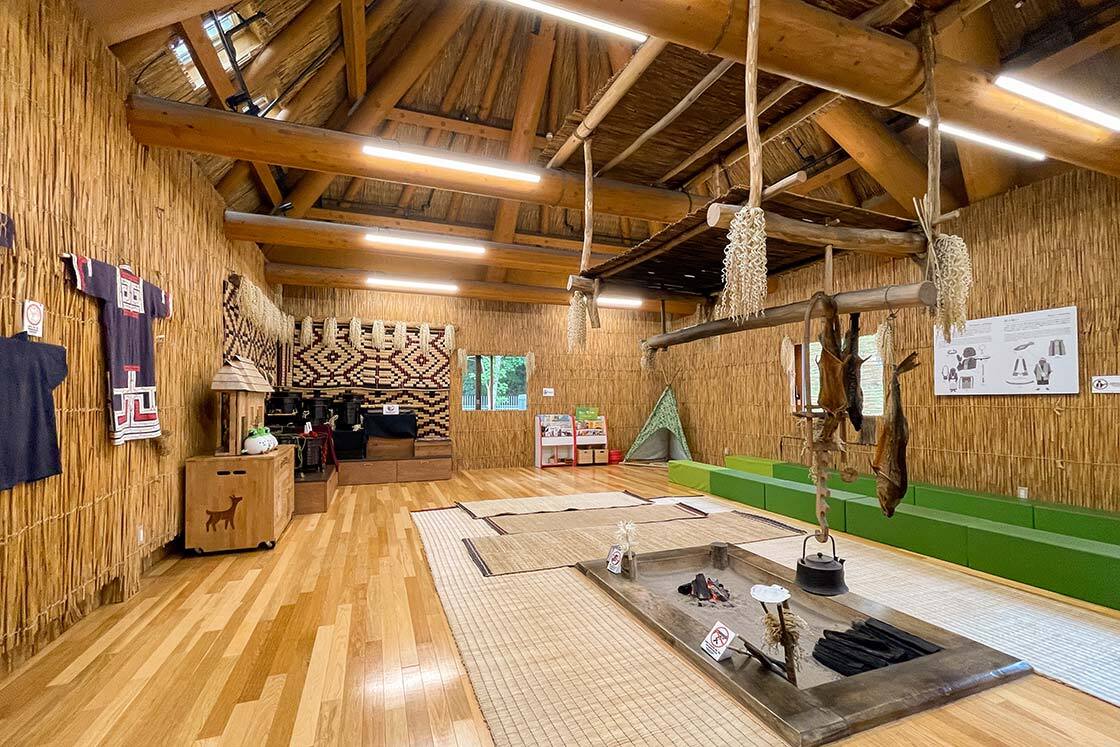
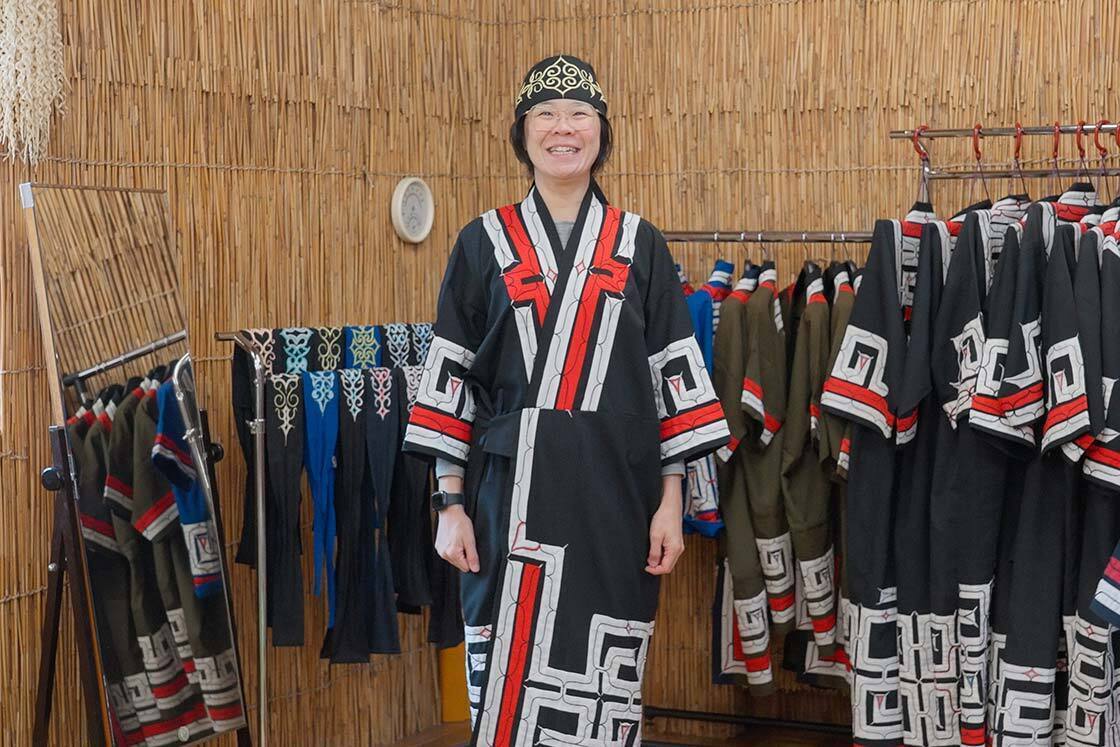
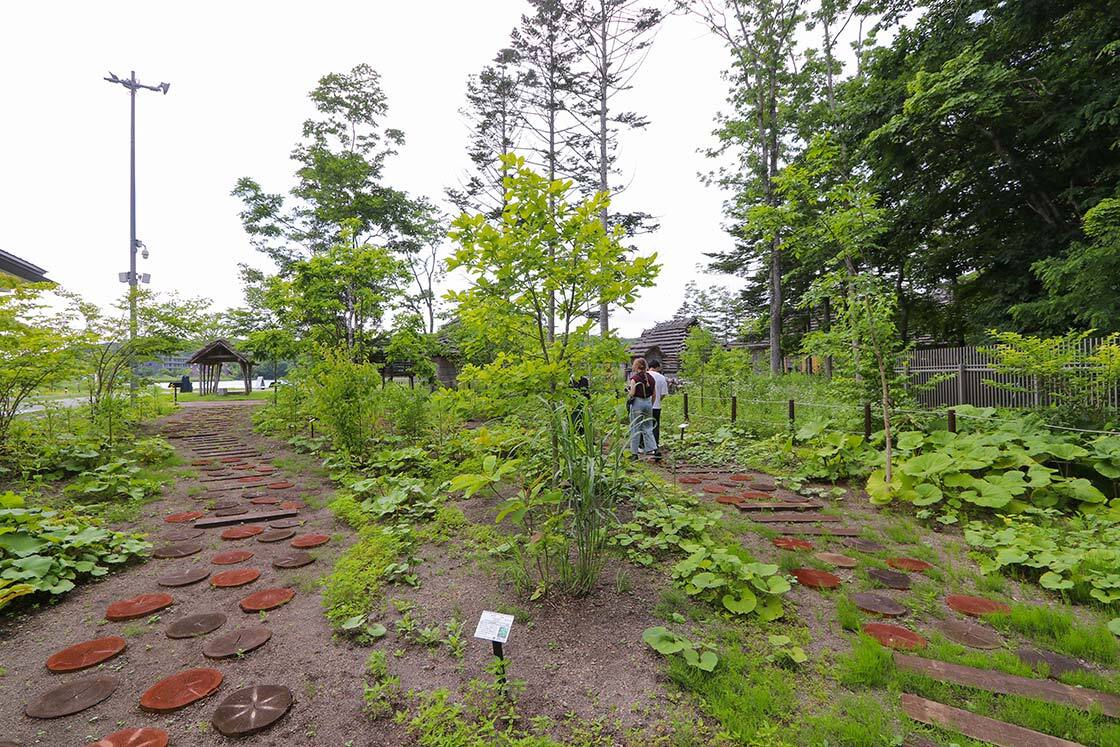
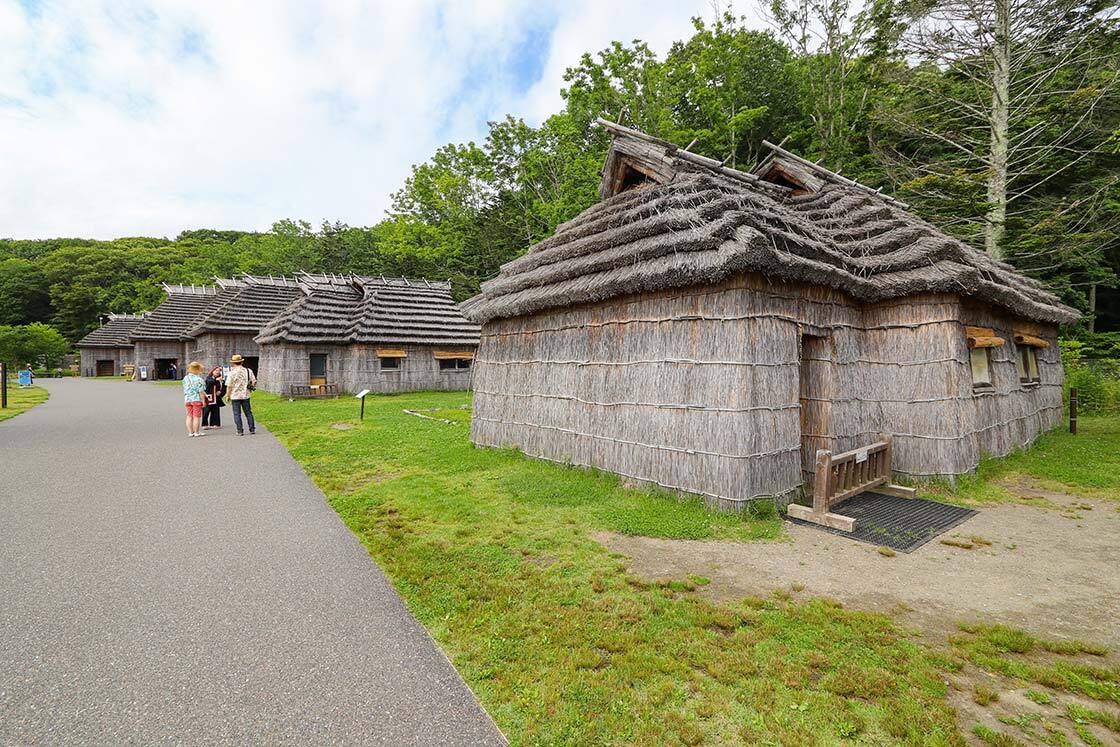
One of the highlights in the park is the kotan, which is a reconstruction of an Ainu village consisting of thatched houses called cise. Visitors can step inside to learn about traditional Ainu homes and daily life. Onsite staff are also available to chat about Ainu life in the kotan. Some cise also host activities such as Ainu language learning and trying on garments with Ainu patterns.
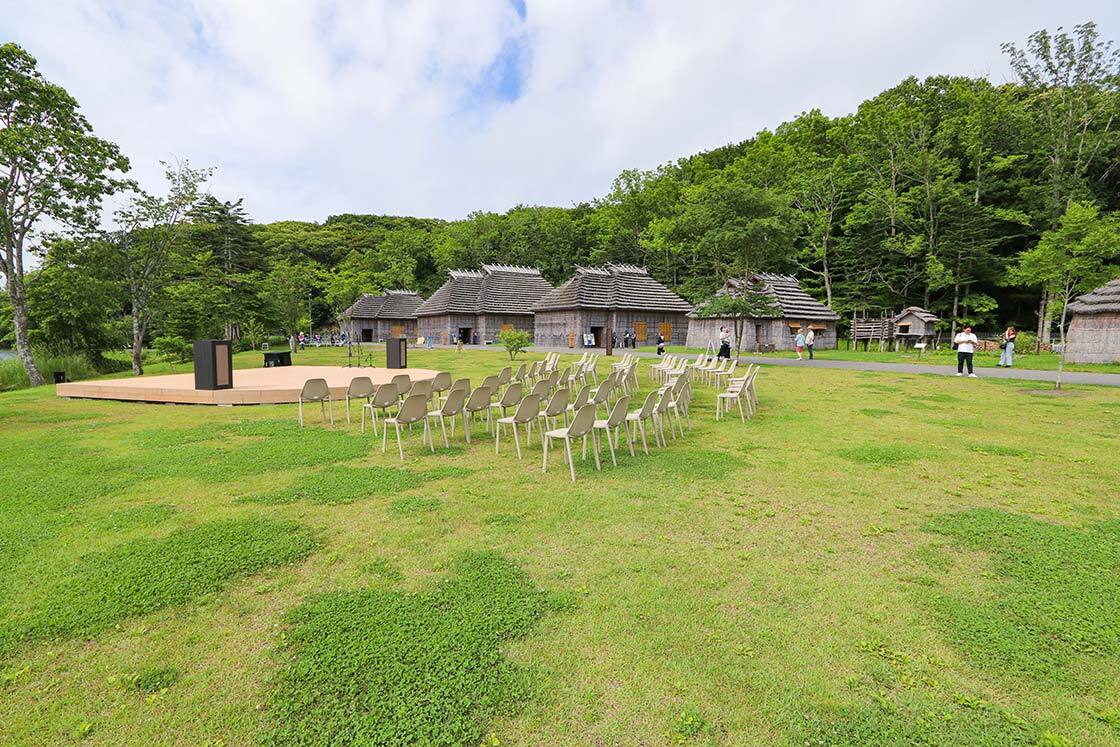
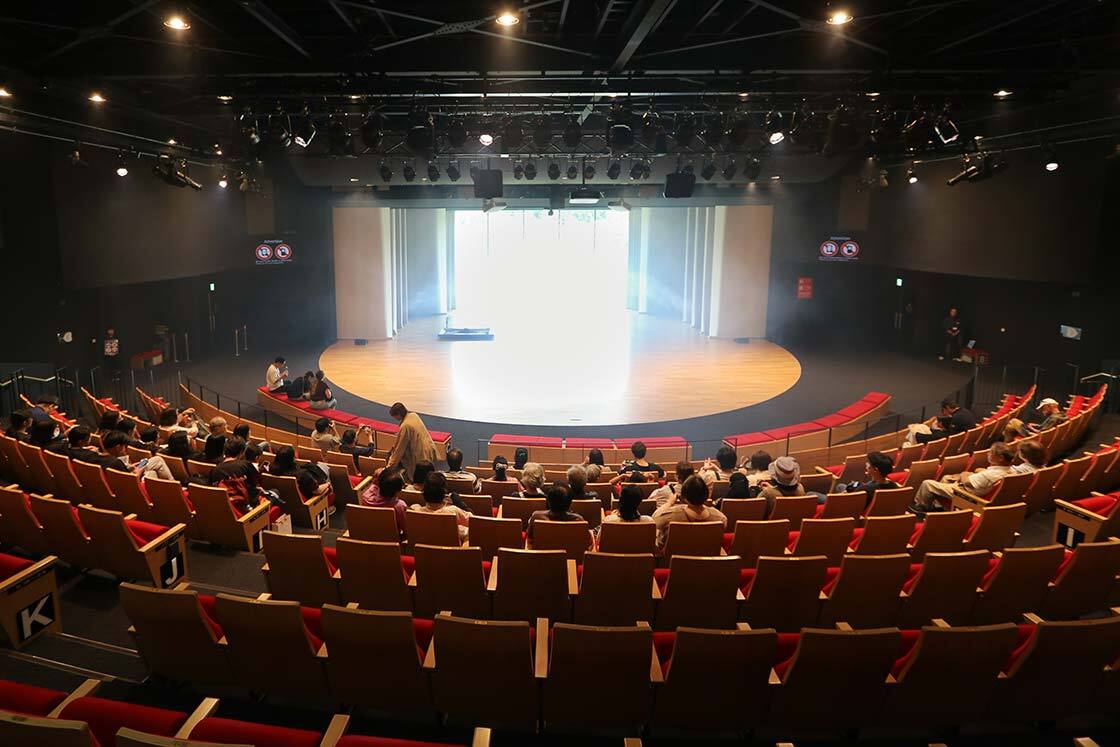
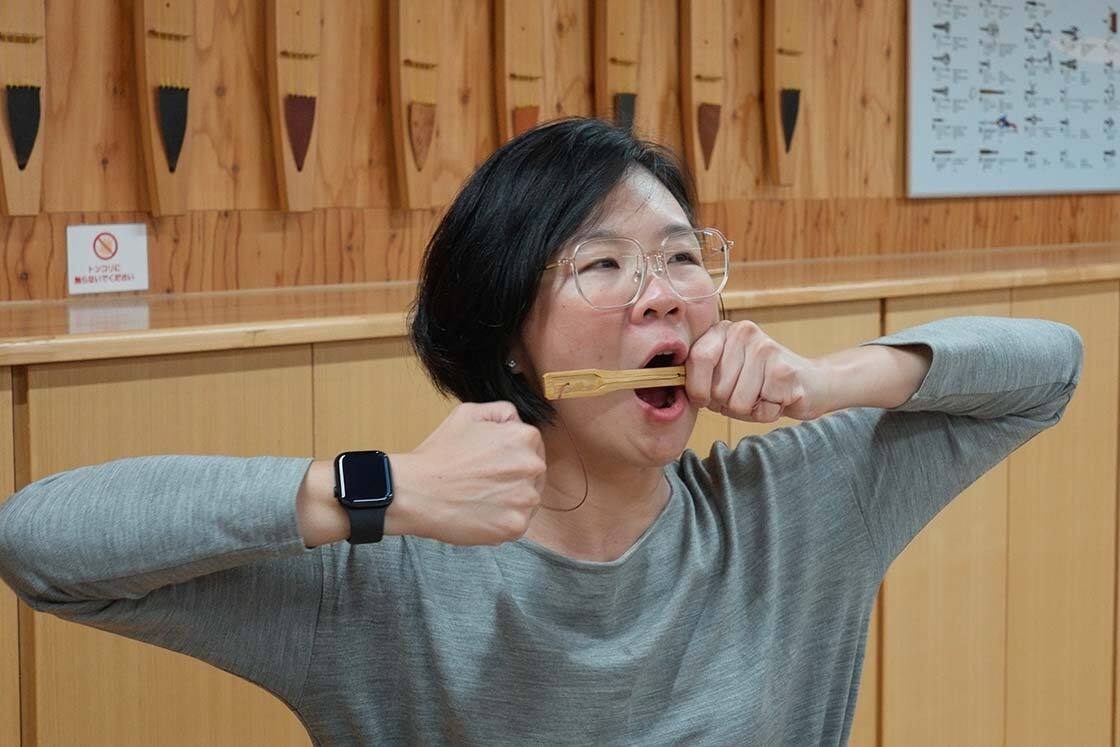
Music and dancing are central to the Ainu way of life, and different songs and dances are performed for different occasions. There are those shared with the kamuy (spirit-deities), those connected to work, and those meant to protect against harmful spirits. Performances often feature the mukkuri, a traditional mouth harp, and visitors can watch upopo - the group singing style from which the complex's nickname is derived. These performances are held in the kotan as well as in a large cultural exchange hall near the entrance of the complex.
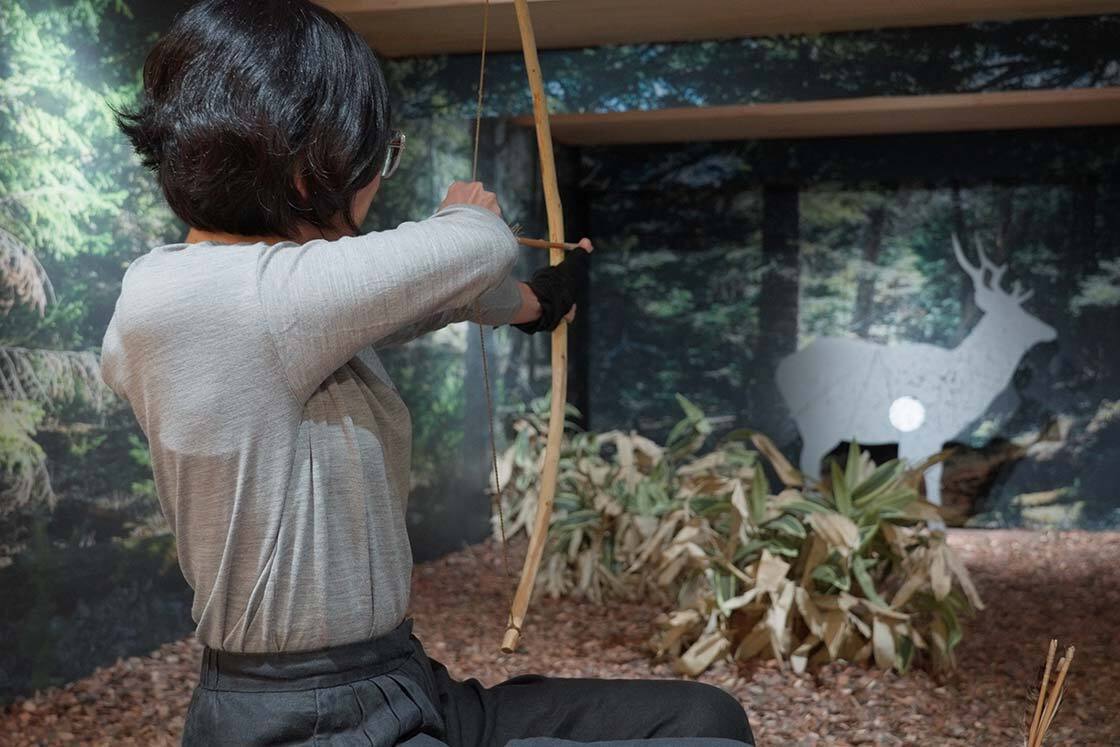
Aside from the cise, visitors can also try archery, learn to play the mukkuri, or join woodcarving and embroidery workshops. Most activities are free while some require a small fee. Check the activity schedule to see what is available during your visit.
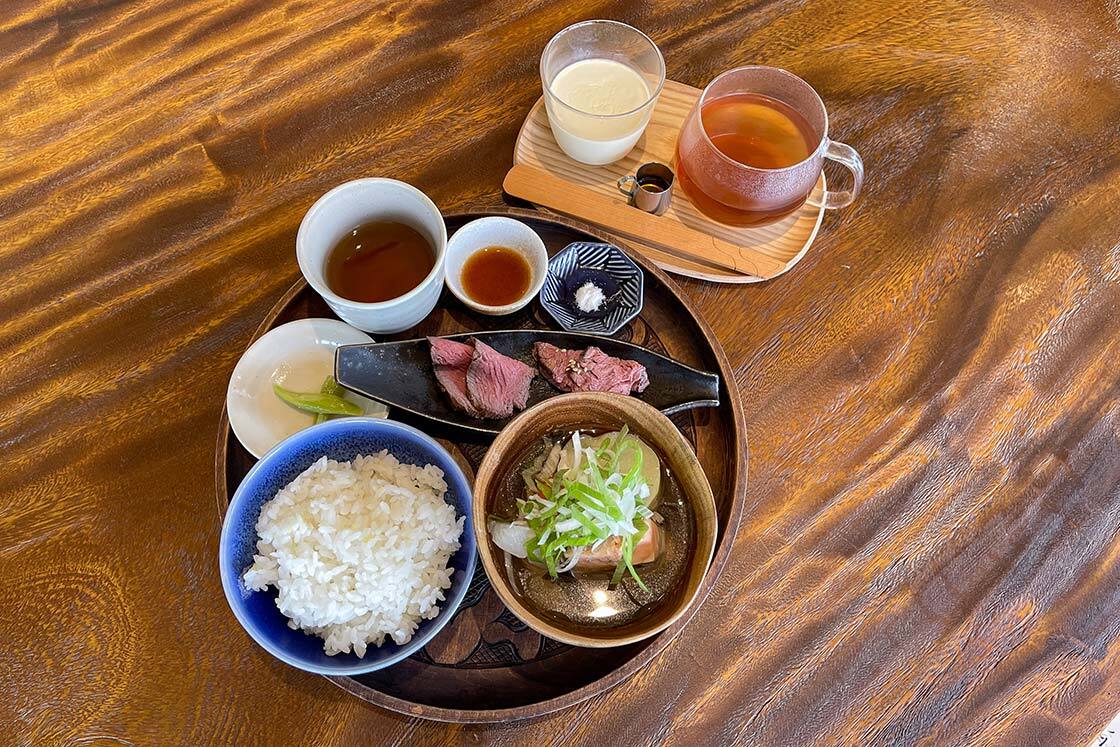
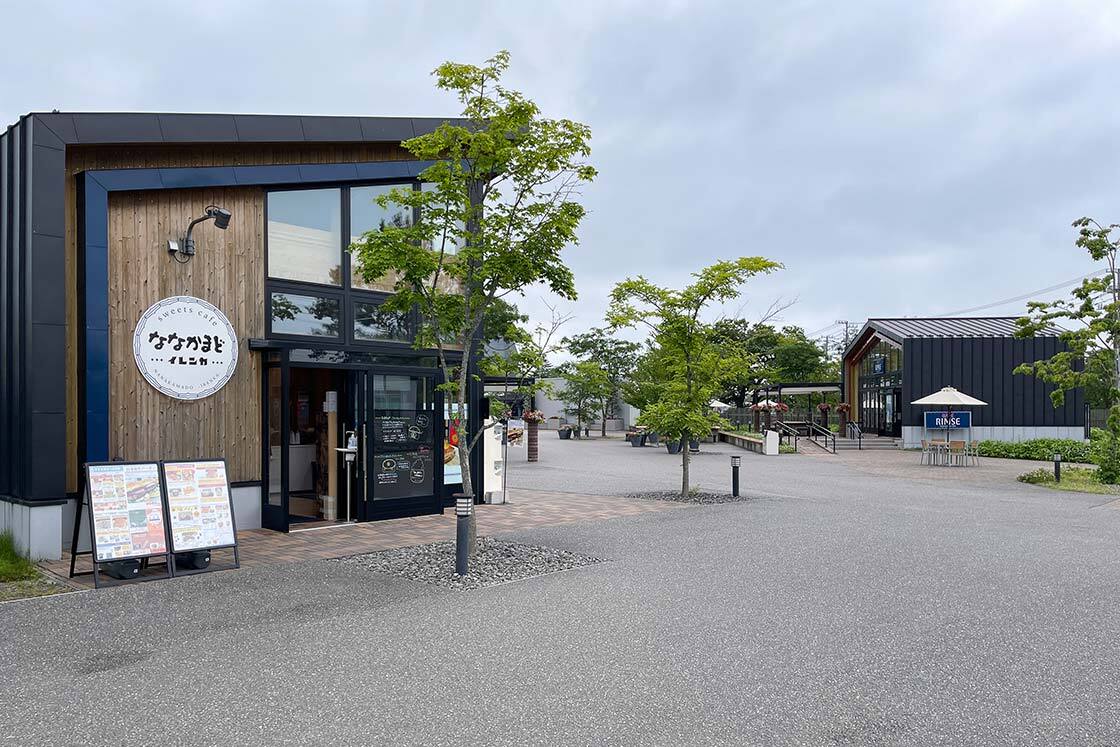
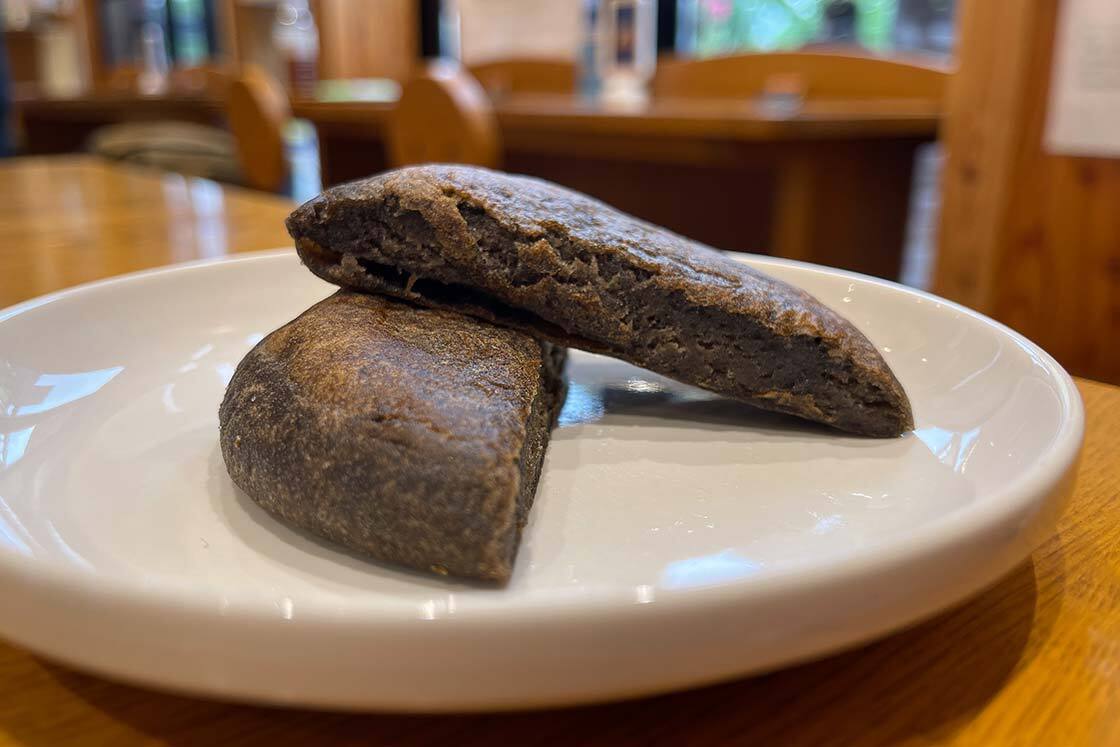
Upopoy also has restaurants where visitors can experience Ainu cuisine. Local deer and bear meat can be found on the menu, as well as ohaw, a traditional homestyle soup made with vegetables and salmon.
Access information
Upopoy is located between New Chitose Airport and Noboribetsu Onsen, and is most easily accessible by car or train. Shiraoi Station on the JR Muroran Line is a ten minute walk from Upopoy. Detailed transportation options to reach Upopoy are available on the official Upopoy website.
Approximate train travel times
- By train from Sapporo: 65 minutes by the Suzuran and most Hokuto limited express trains
- By train from New Chitose Airport: 40 minutes by express or limited express trains or 65 minutes by local train; one transfer required at Minami Chitose Station
- By train from Noboribetsu: 20 minutes by direct local train
Approximate driving times
- By car from Sapporo: 65 minutes when using the expressway; tolls apply
- By car from New Chitose Airport: 40 minutes when using the expressway; tolls apply
- By car from Noboribetsu Onsen: 25 minutes when using the expressway; tolls apply