Rediscovering the Hakone sightseeing loop

Located just 80 km west of central Tokyo lies Hakone - a hot spring resort town surrounded by mountain scenery, and the big city's definitive side trip of choice for well over half a century. Here, visitors can bathe in natural hot spring water from 17 different sources, enjoy spectacular views of Mount Fuji over Lake Ashinoko, experience Japanese hospitality at dozens of traditional lodgings, or take in a wide range of tourist-friendly attractions.
It's a winning combination and one that has been keeping us coming back again and again over the years. For this video project in partnership with Odakyu Electric Railway, we decided to include an overnight stay to show just how much of an impact this can have on your time in Japan, while also taking a closer look at some of the transport systems that come together to form Hakone's classic sightseeing loop.
While the more traditional approach has always been to take the sightseeeing loop in an anti-clockwise direction, since this has led to overcrowding in recent years we decided to do things a little differently and go the opposite way - beginning on the southeast shore of Lake Ashinoko and working our way around to finish in Gora.
Day 1
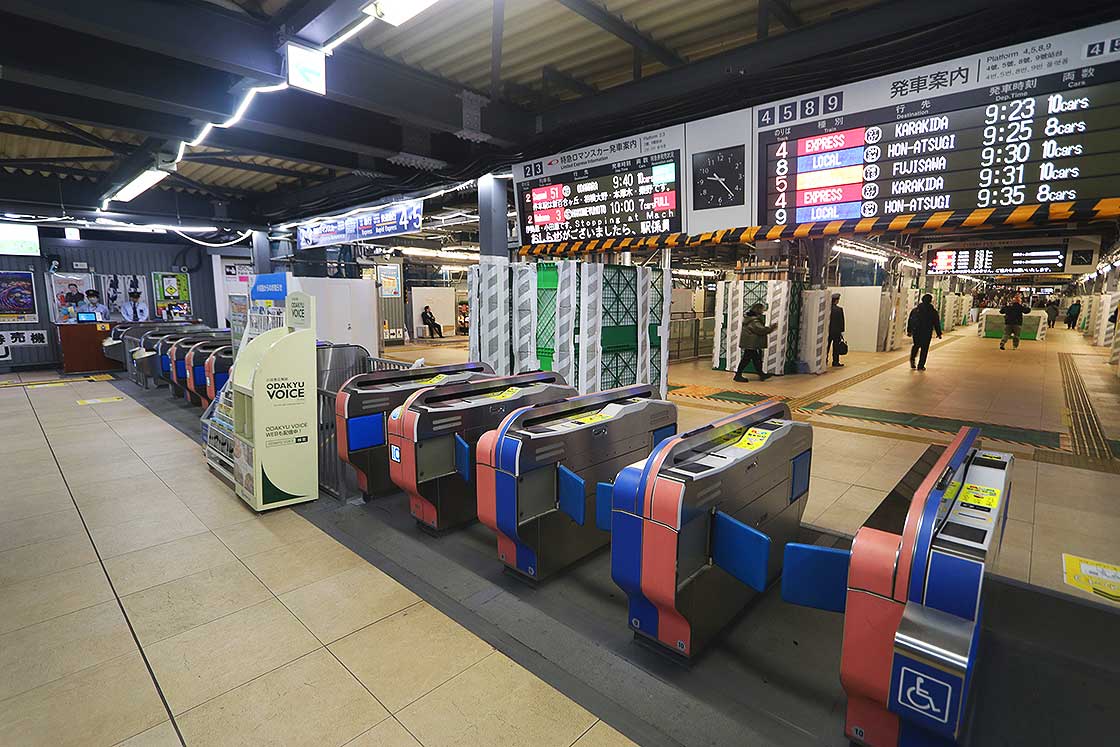
My trip began in Shinjuku Station - the busiest in the world, and about as urban an environment as it's possible to get. From here, I would be making my way to Hakone with the Odakyu Hakone Freepass. Available in 2 or 3-day versions, this popular pass bundles a round-trip ticket on the Odakyu Line from a specified station in Tokyo with unlimited use of Hakone's trains, ropeways, buses and sightseeing boats, as well as discounted entry at many attractions throughout the area. For added convenience, the pass can be bought in digital form online - all you need to do is tap to activate it on the day of your trip, giving you a QR code to scan as you pass through the ticket gate. To make things even easier, digital tickets for up to four people can now be managed on a single smartphone - an especially handy function for families with small kids.
While you can absolutely stick to the basic pass alone and make your way to Hakone on all but the fastest of Odakyu trains, the cost of a separate seat reservation gets you an upgrade to the flagship Limited Express Romancecar. These can also be booked online, allowing you to skip the queue at the ticket office and head straight to the platform.
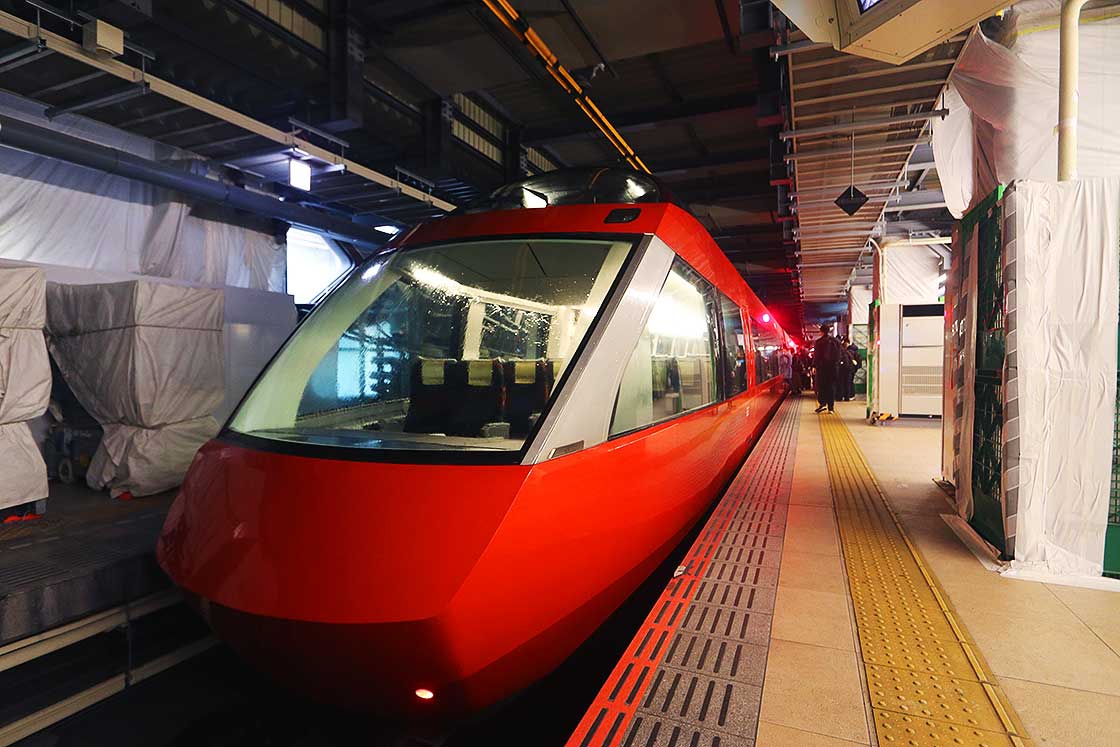
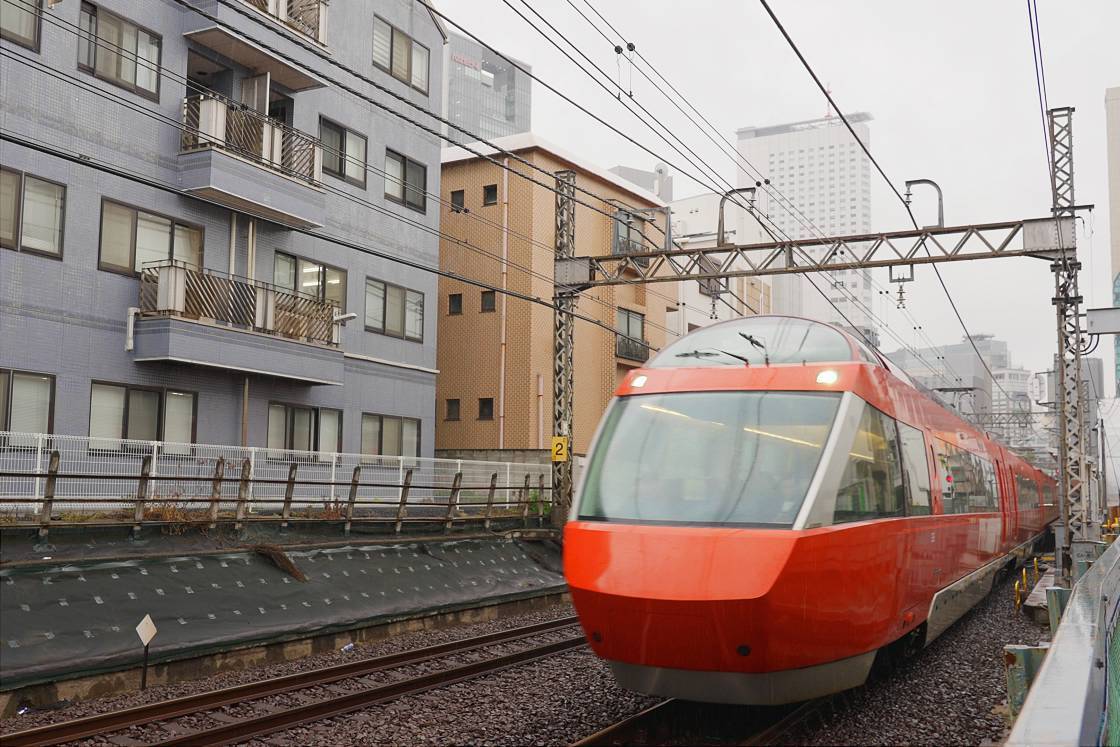
Popular getaways like Hakone depend on easy access, and this is where the Romancecar, introduced by Odakyu Electric Railway in 1957, comes in - its name said to be a reference to the two-person seats without a divider that began as a novelty and have remained a trademark of sorts ever since. By shortening the journey and adding a touch of style, it was arguably the Romancecar that laid the foundation for Hakone's future success, drawing millions of visitors annually while the train itself has lost none of its chic, premium feel.
In use since 2018, the GSE is the Romancecar's latest model with some really nice touches, like a continuous, 1m-tall window that beautifully frames the passing landscape. There is also a special observation area at the front with a single pane window - ideal for getting that perfect shot. Additional touches like improved accessibility, multimedia functionality and its distinctive vermillion livery also add to the experience, earning it the Good Design Gold Award.
In the course of about 80 minutes, the ride transitioned through dense urban sprawl, open plains and finally wooded foothills before chugging into Hakone Yumoto Station - the main gateway into the Hakone region and, for most visitors, the starting point of the classic sightseeing loop. From here, I jumped on a Hakonemachi Line Bus for a half-hour ride to Motohakone Port on the shore of Lake Ashinoko.
Formed about 3000 years ago in the last major eruption phase of Mount Hakone, the lake sits at an elevation of a little over 700 meters, towards the southeastern end of the wider caldera enclosing much of the region. The difficulty of the surrounding mountain terrain was enough to keep the area undeveloped and remote for much of its history, but that all changed in the 17th century when the newly installed Tokugawa Shogunate set about reorganizing and improving the nation's handful of overland routes into five major highways, with the largest - the Tokaido connecting Kyoto with what is today Tokyo - now cutting across the volcanic landscape and alongside the lake itself.
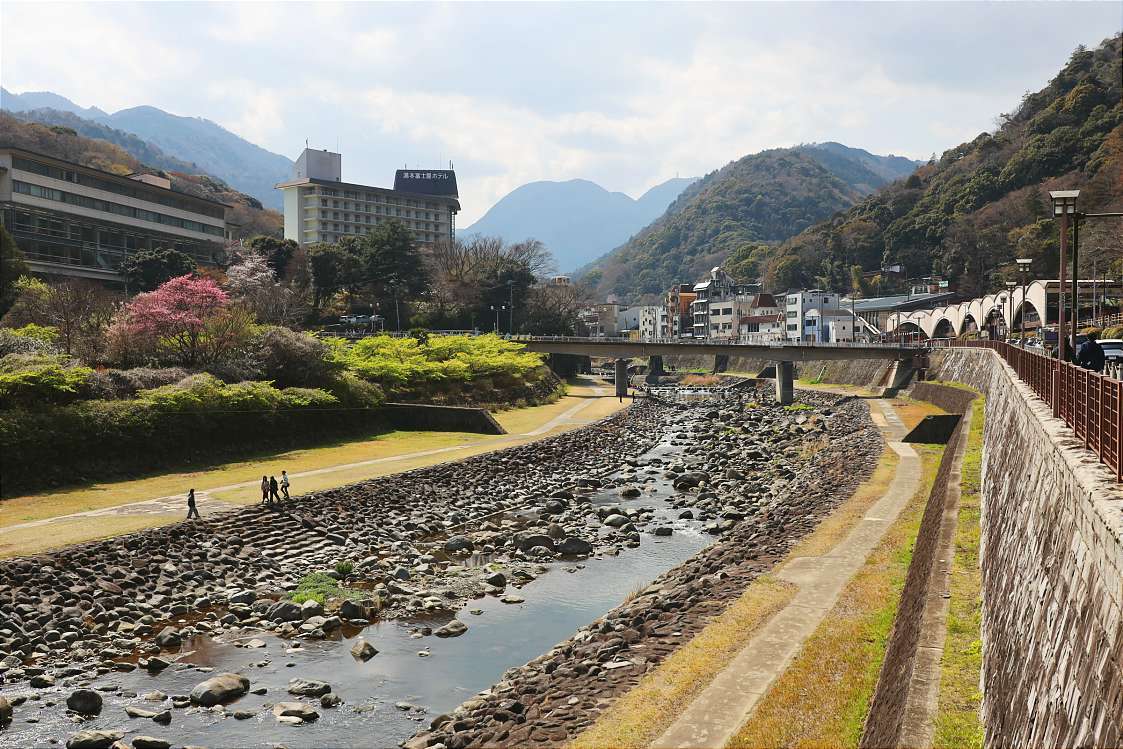
Getting off the bus at Motohakone Port on the lake's easternmost corner, my plan was to take the famous Sightseeing Cruise over to the opposite shore, but not before a quick detour to two nearby spots all about the area's historic connection to the Tokaido. Located just a few steps from the port, the first of these was the Old Tokaido Cedar Avenue, a pleasant, wooded stretch of the original trail still lined by towering cedar trees planted centuries ago to provide a measure of shelter for travelers on the road.
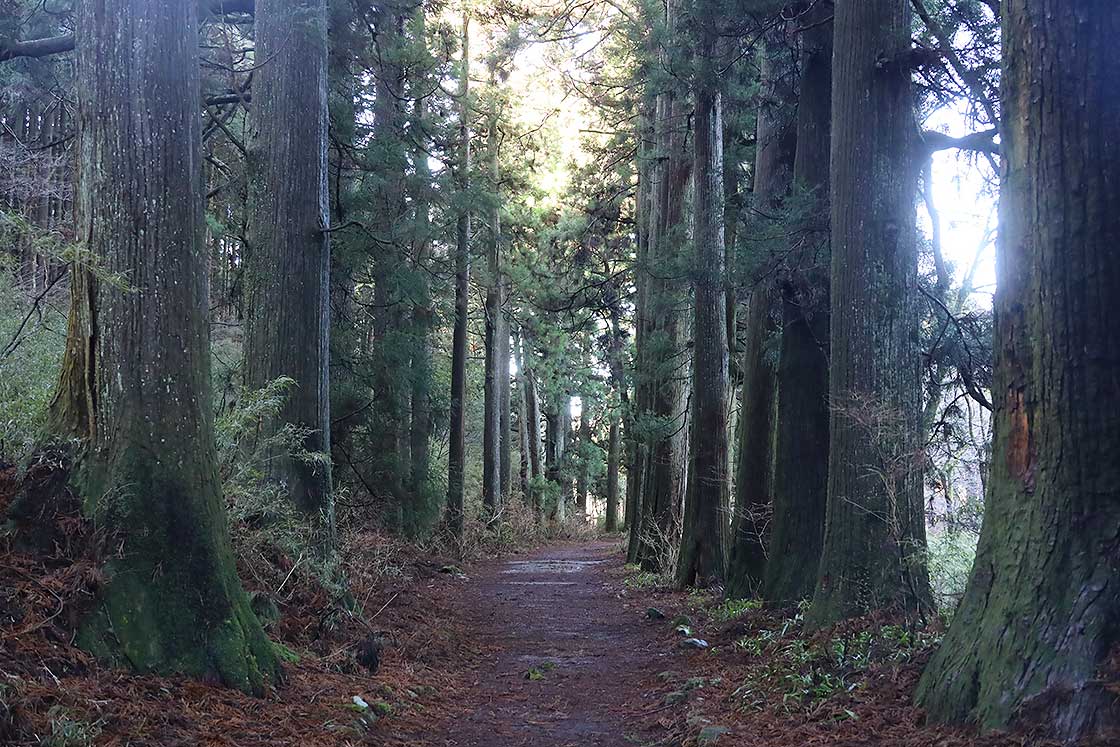
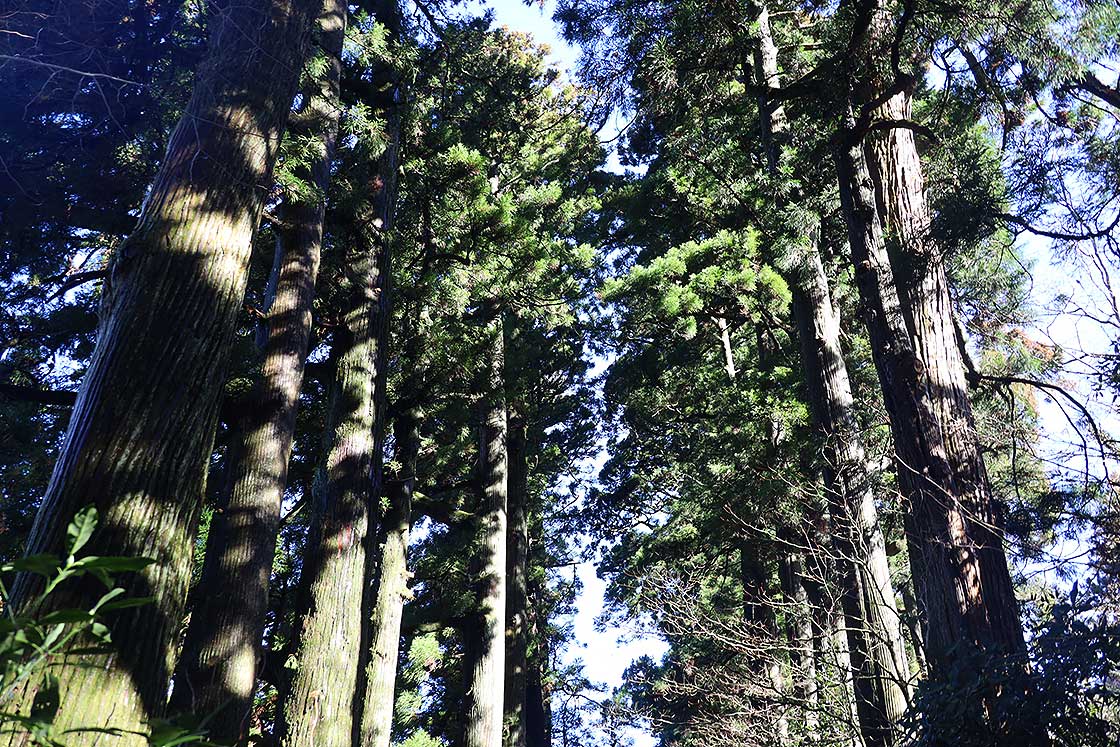
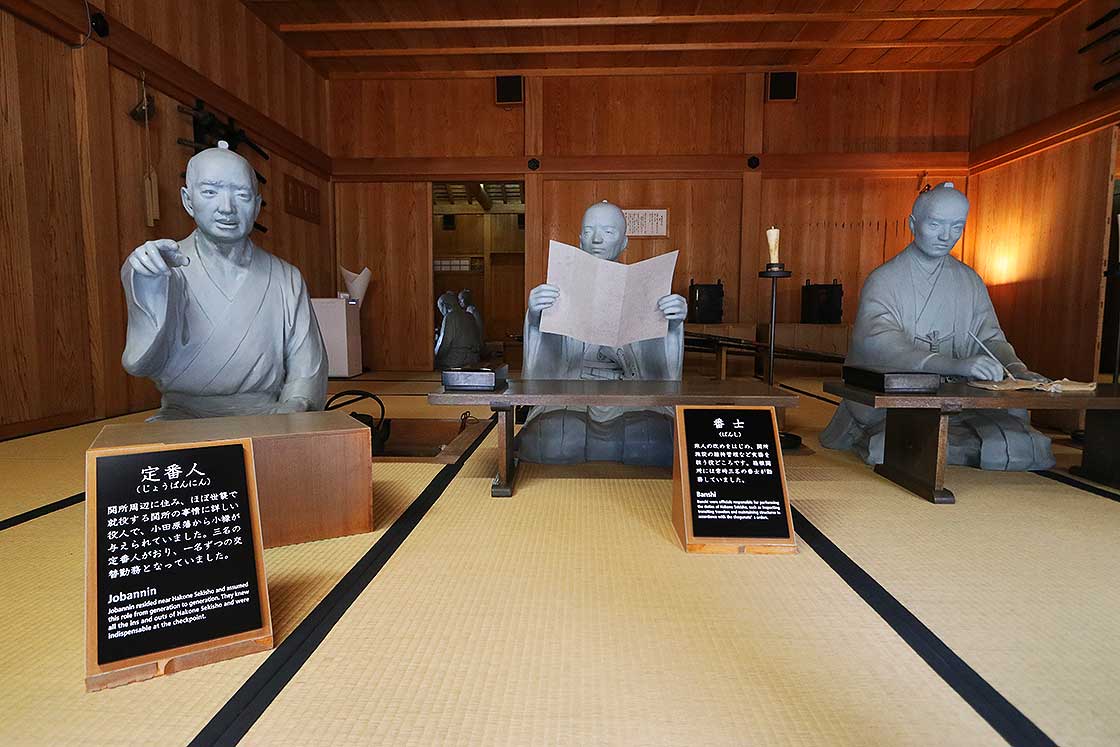
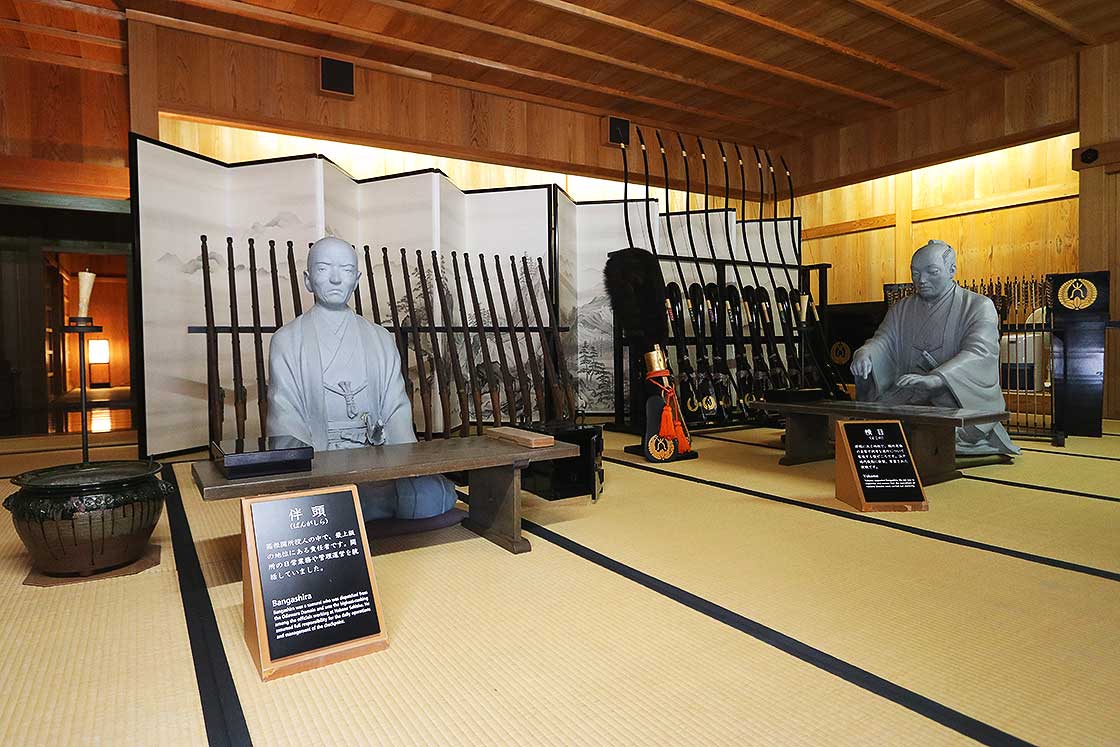
The second spot is the Hakone Checkpoint, located just a little after the avenue of cedars rejoins the main road. Recognising its potential as a perfect natural chokepoint, the shogunate erected a heavily fortified barrier here in 1619 to control the flow of people in and out of Edo - today Tokyo - by then the country's de facto political center, if not its formal capital.
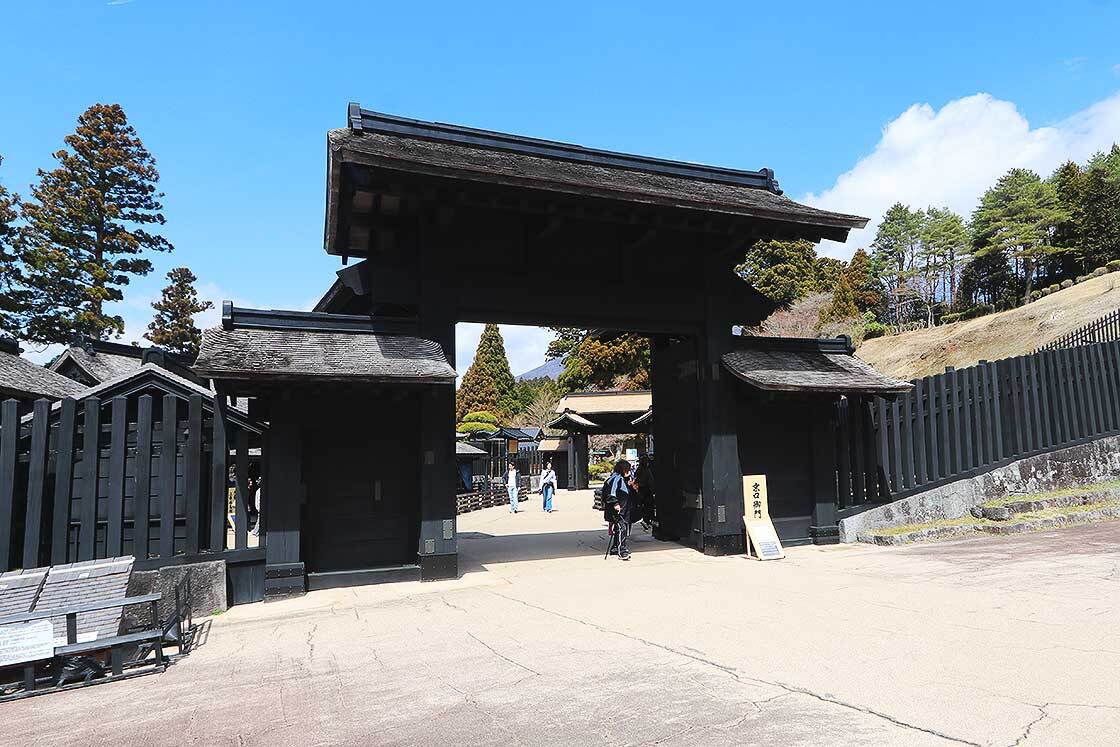
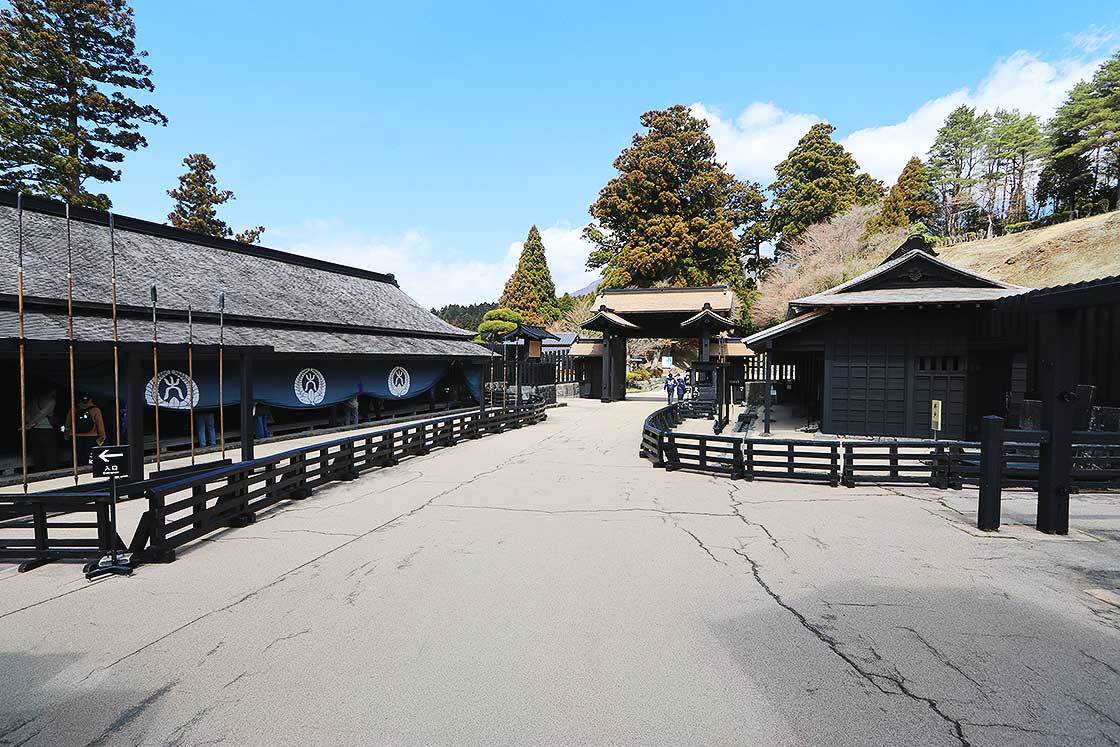
Visitors to the site today can see an atmospheric reconstruction of the original complex, complete with imposing palisade walls and a series of buildings including the main gate, guardhouses and an inspection office, each authentic enough to inspire a certain sense of claustrophobia and unease even after all these years.
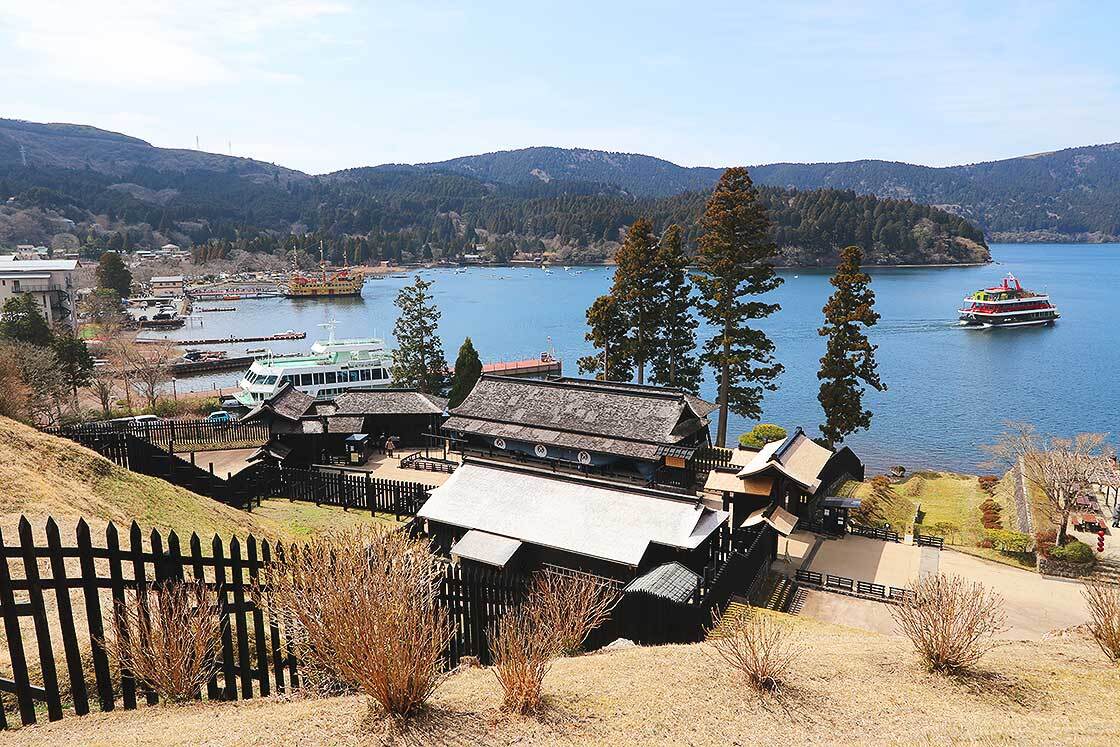
Another five minute stroll along the shoreline brought me to the Hakonemachi Port, one of several boarding points for the ever-popular Hakone Sightseeing Cruise - in fact a fleet of three galleon-style cruise ships criss-crossing the lake from Togendai on the opposite shore. Although not in any way historical, the ships' playful style is a hit with younger visitors, while the ride itself offers some unique angles to view the shore, the surrounding peaks of the caldera and - at least when the weather is clear - even Mount Fuji rising up in the distance.
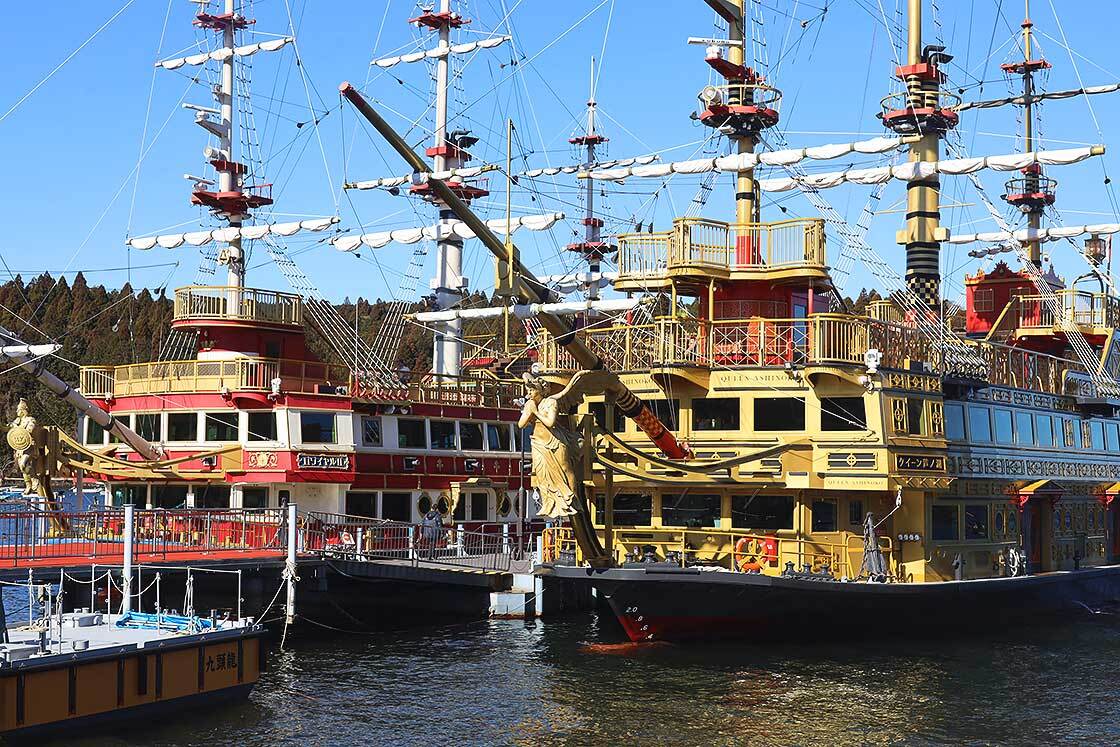
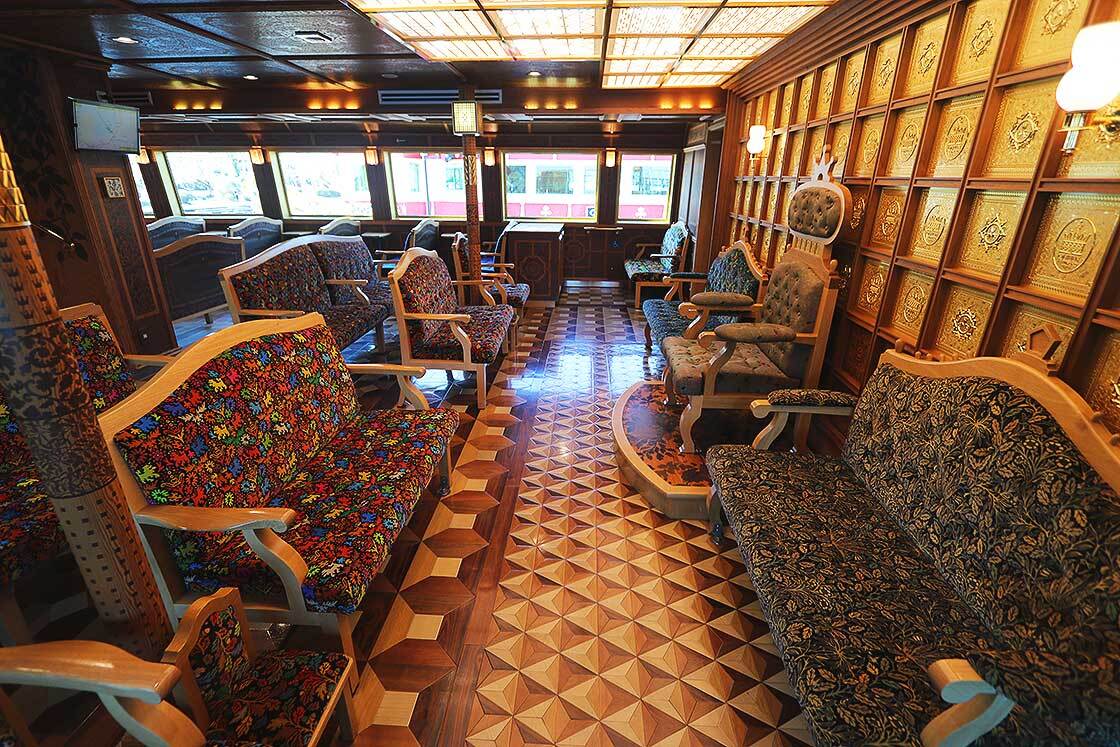
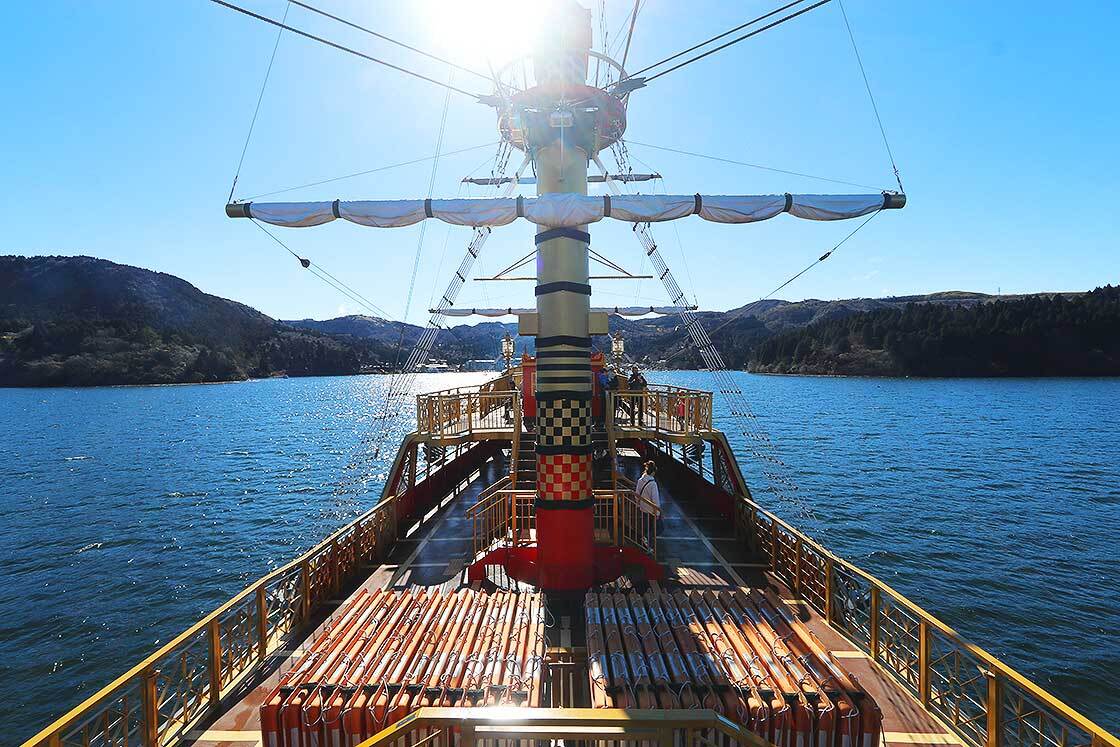
In my case, I had rather written off the experience in advance as something just for the kids, but in the event couldn't resist a certain rush of excitement when I stepped up onto the deck to feel the bright, cold air swooping past. Part of the broader Hakone volcanic complex, the lake itself was created about 3,000 years ago when Mt Hakone erupted violently, later collapsing in on itself to form the outline of the enclosing caldera.
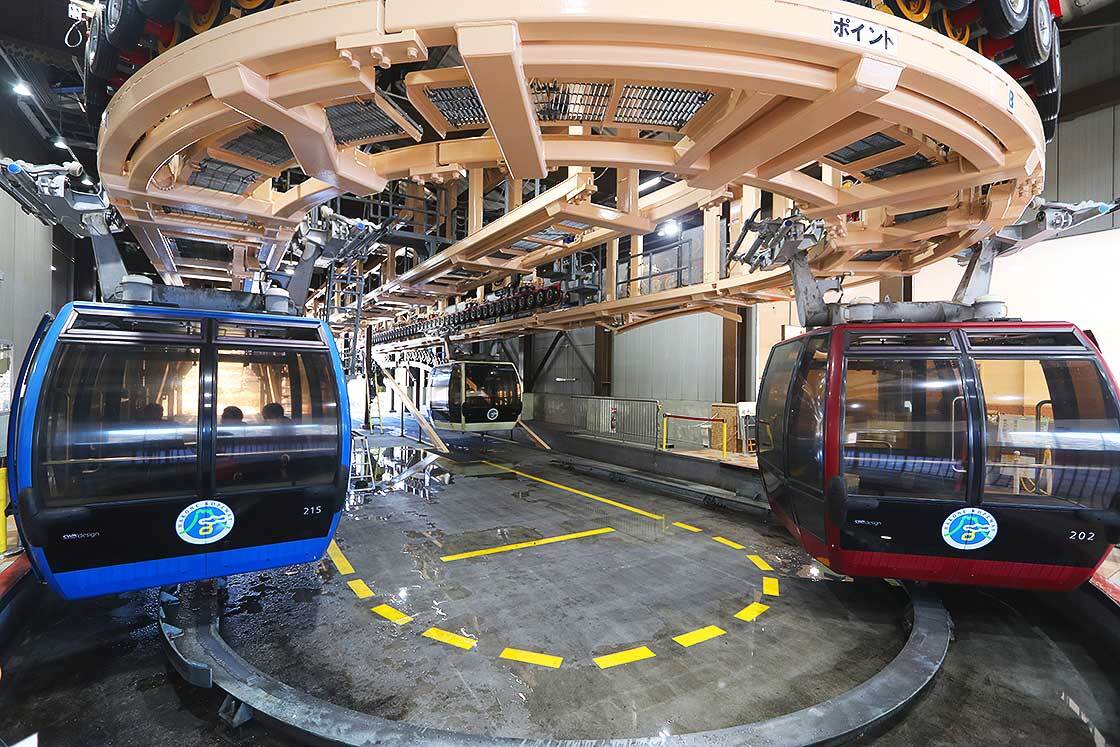
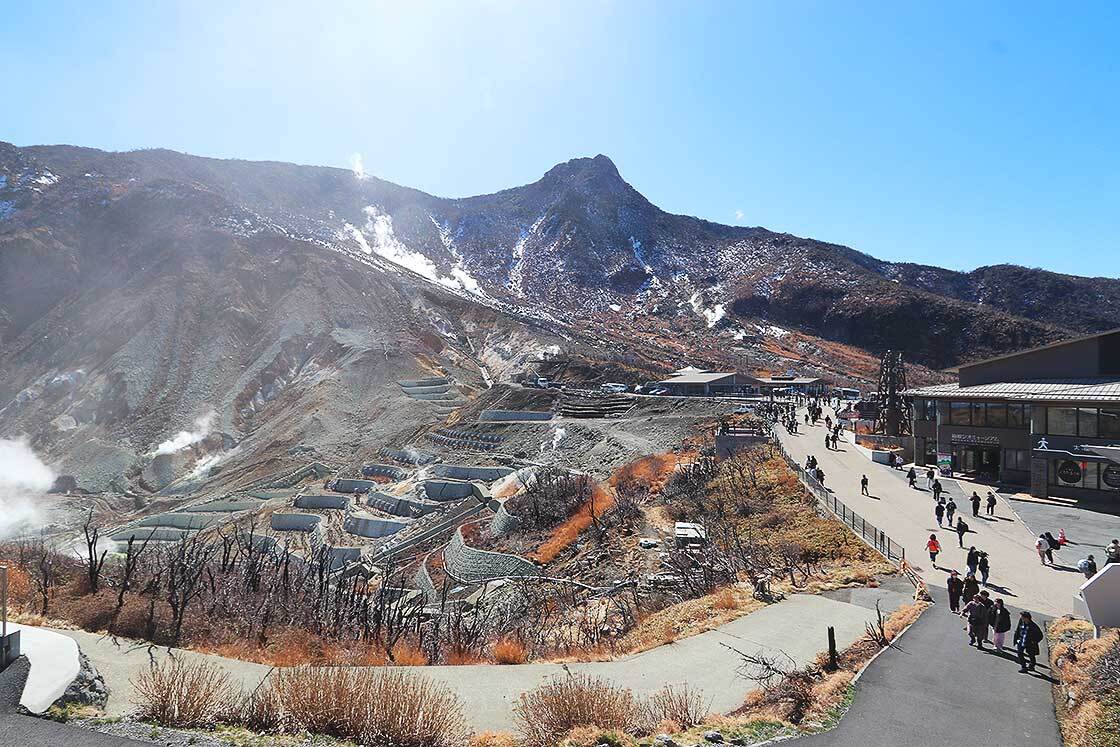
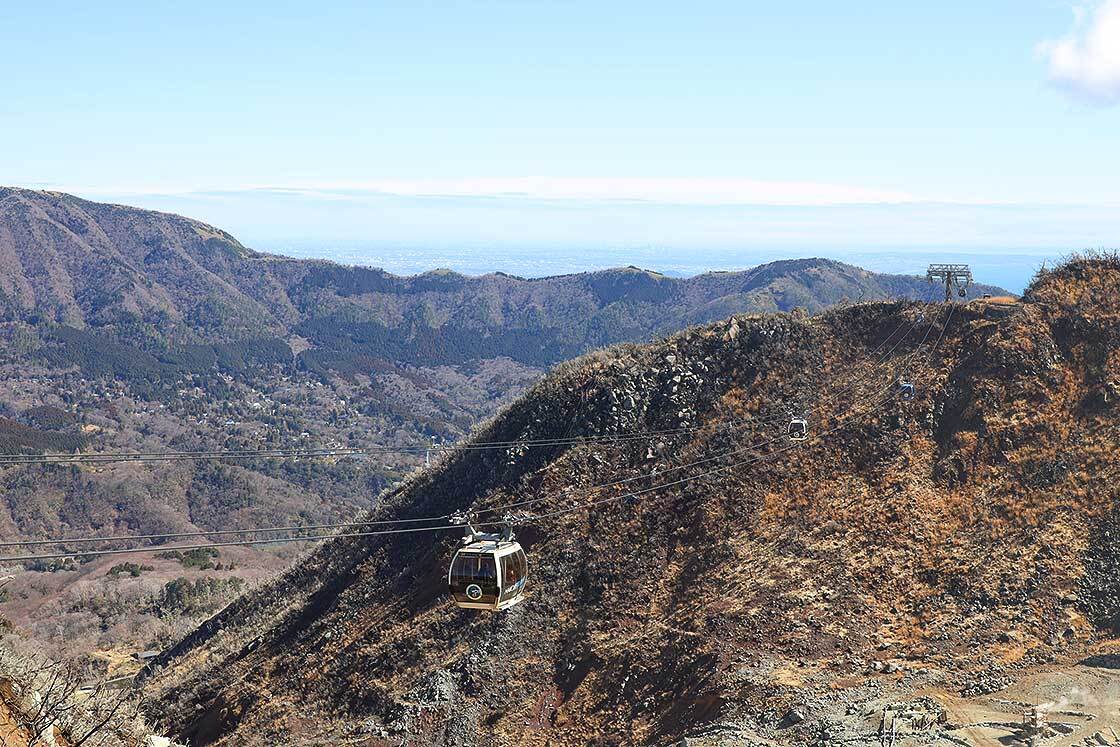
Stepping out onto the pier at Togendai Port about half an hour later, I made my way straight into the adjoining station building for an easy connection to the Hakone Ropeway. In just a couple of minutes I had boarded a gondola and was already gliding over the forested mountainside towards the "boiling valley" of Owakudani.
Formed in the same eruption as Lake Ashinoko, this steep patch of hillside still seethes with volcanic energy, bleached almost white by minerals and dotted with bubbling pools and hissing steam vents - an eerie, almost lunar landscape that becomes a lot more cheerful when you zoom out a bit to see the excited tourists thronging just outside.
Despite having made a few trips to Hakone, this was the first time I'd made it up here and I was delighted to finally see it. Two minor highlights that enhanced my visit were the new Chikyu no Tani viewing area - a newly added observation space encircling the ropeway station - and my first taste of onsen eggs, cooked slowly in onsen water at around 60-70 degrees, creating a custard-like white and soft, faintly sulfurous yolk.
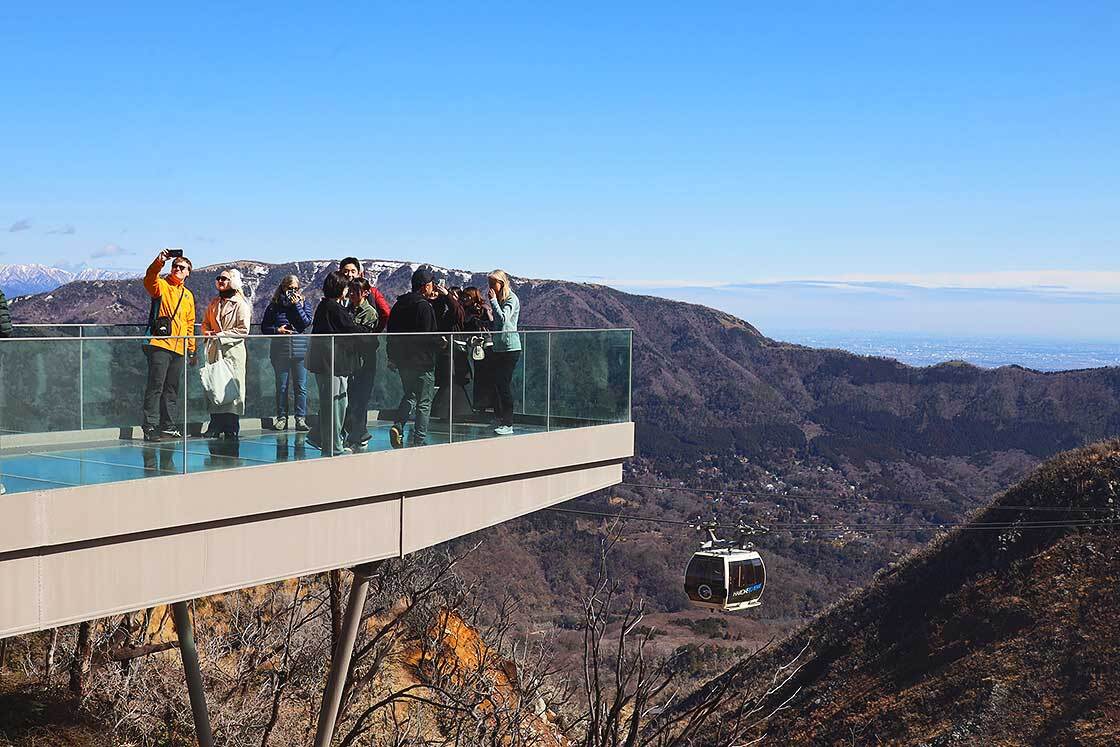
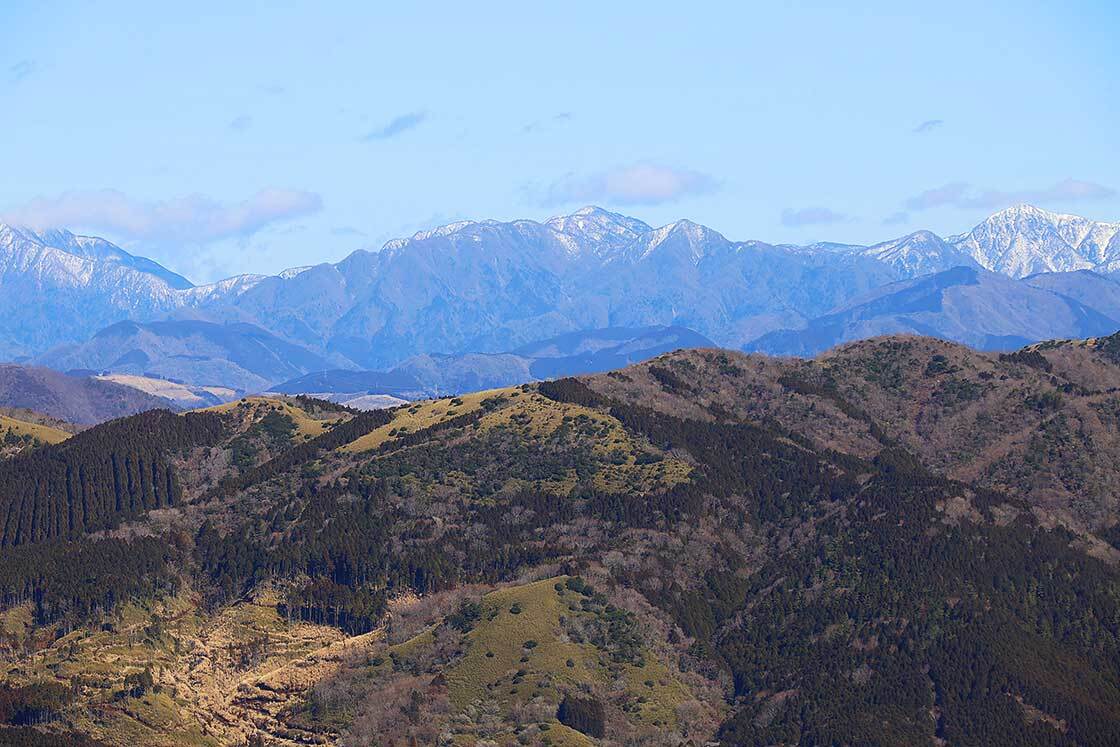
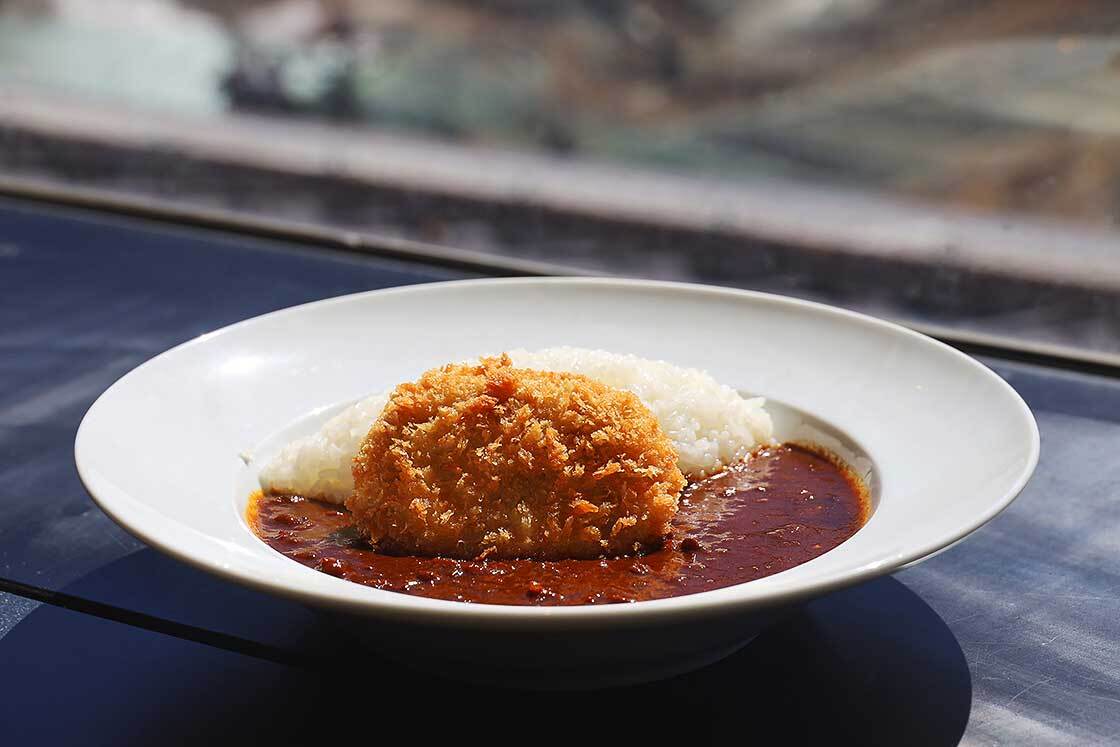
By now it was around lunchtime and, feeling the need for something a bit more substantial, I made my way back inside the station building and up to the second level where Owakudanieki Shokudo is located - a no fuss, self service style cafe overlooking the valley through large windows. Here, I was genuinely delighted to find one of my favorite dishes - menchikatsu or minced beef cutlet curry with rice and happily tucked in while enjoying the view.
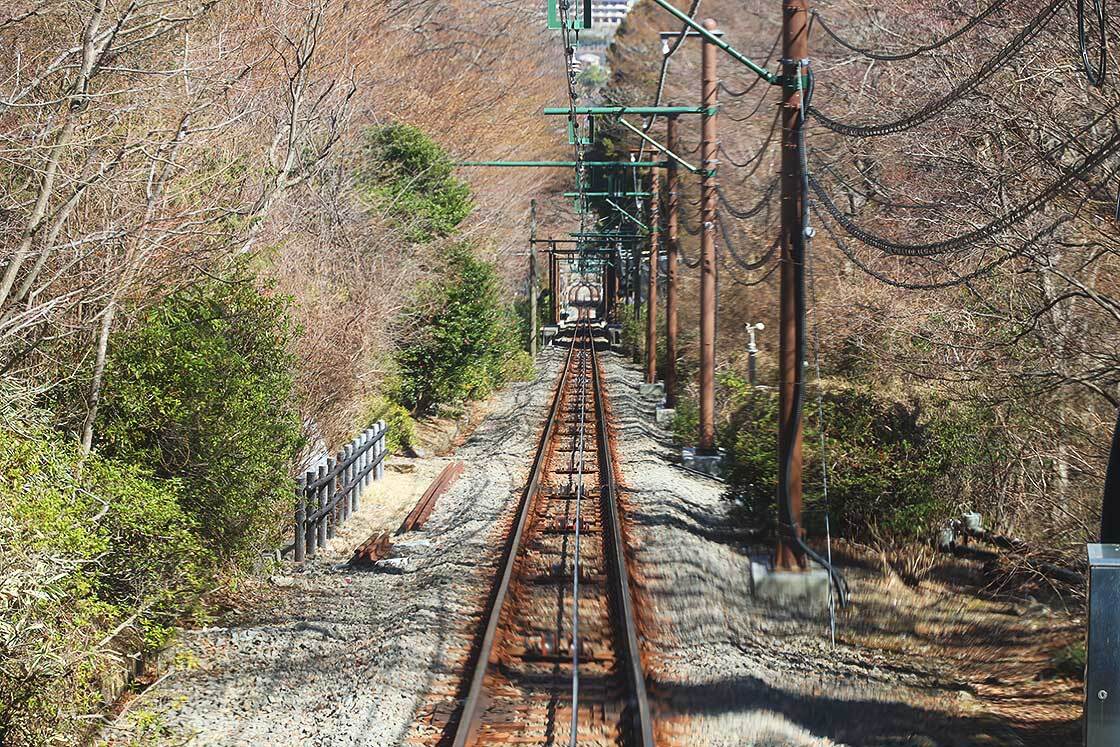
From here, I took the ropeway on to Sounzan Station, the gondola first crossing over the valley before descending steeply for a while over forested mountainside, dropping from an elevation of just over 1,000 meters to around 750. Here, I changed to a cablecar (the name Japanese give to a funicular) for a much more gradual descent to the resort area of Gora.
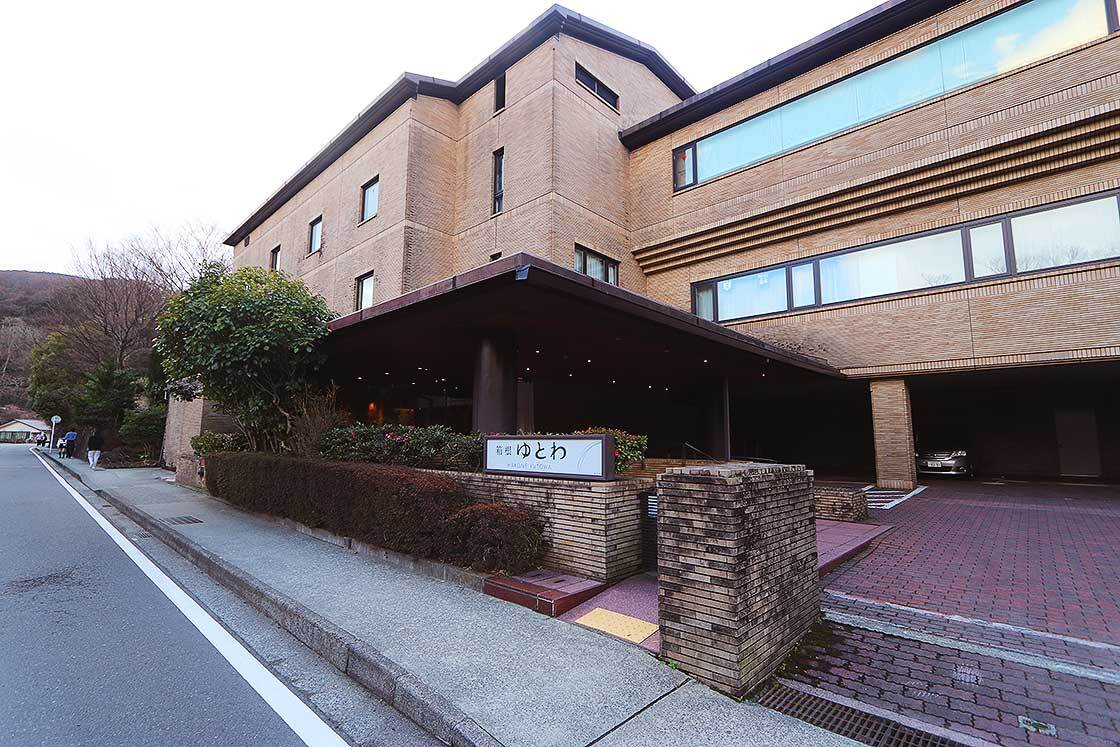
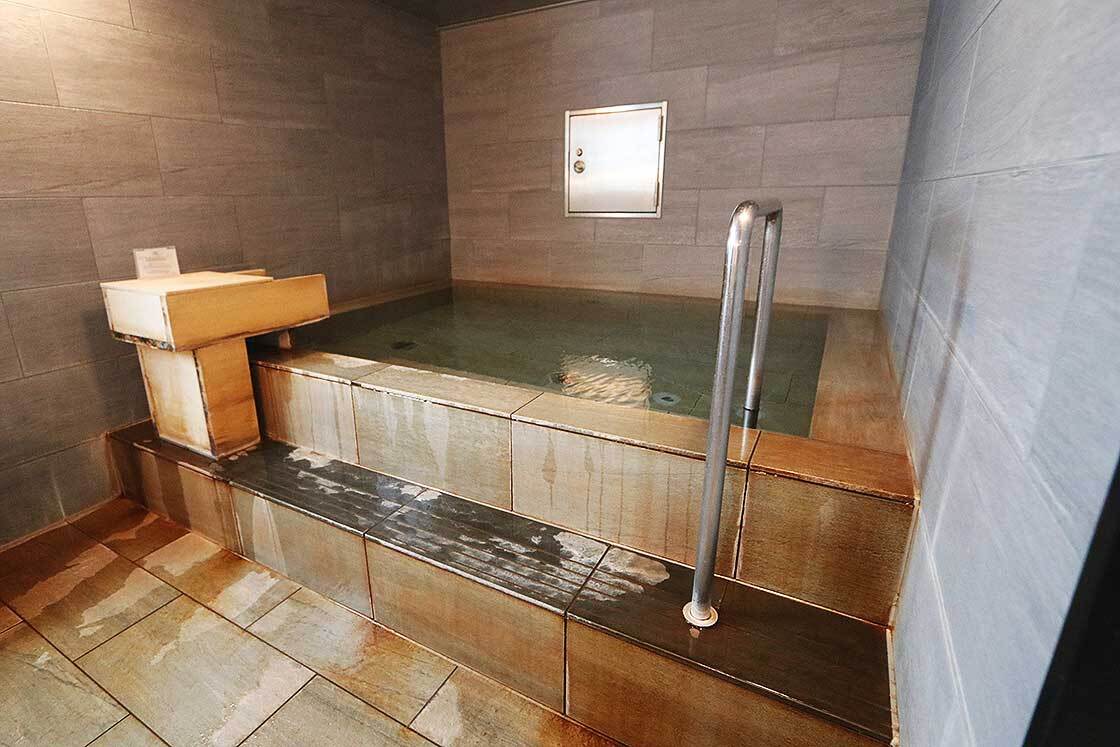
Located just a few steps from the station, my accommodation for the night was the Hakone Yutowa - a stylish, modern-looking hotel with many of the features of a typical ryokan, like hot spring baths from its own unique source, shared lounge spaces and a relaxed, low key atmosphere.
Interestingly, the hotel is divided into two distinct spaces - an east wing with a lobby, shared guest facilities and some western-style rooms, and a connected west wing with tatami-matted guestrooms and two reservable private baths, creating a nicely secluded atmosphere.
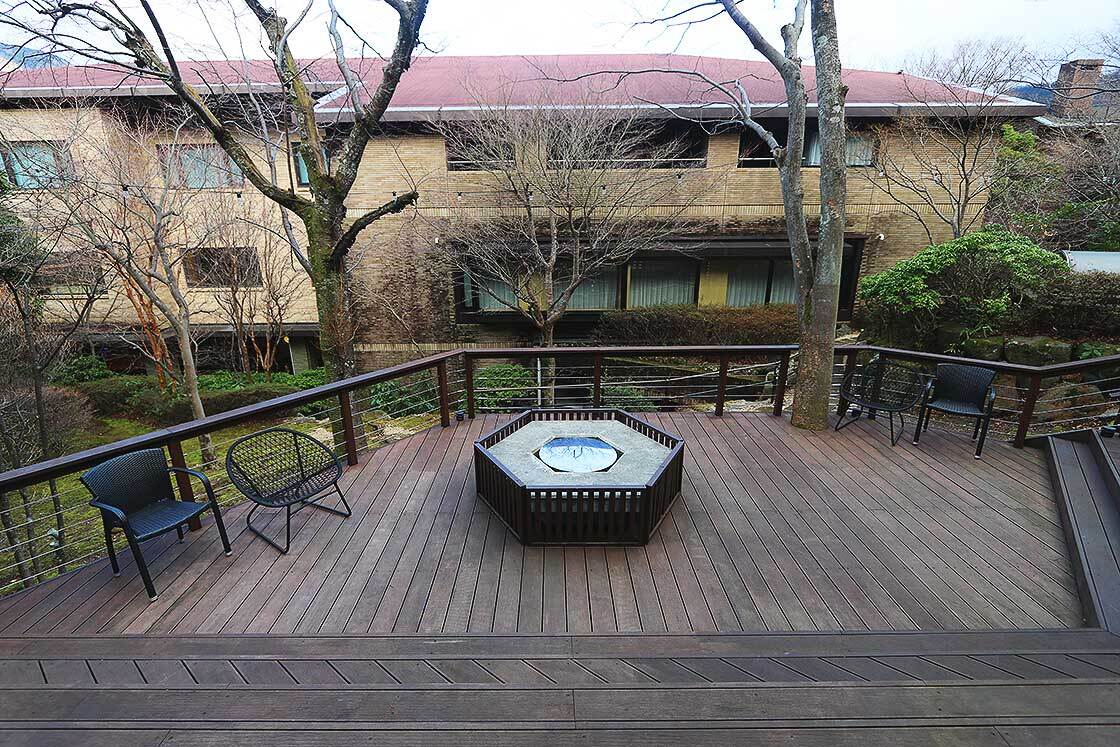
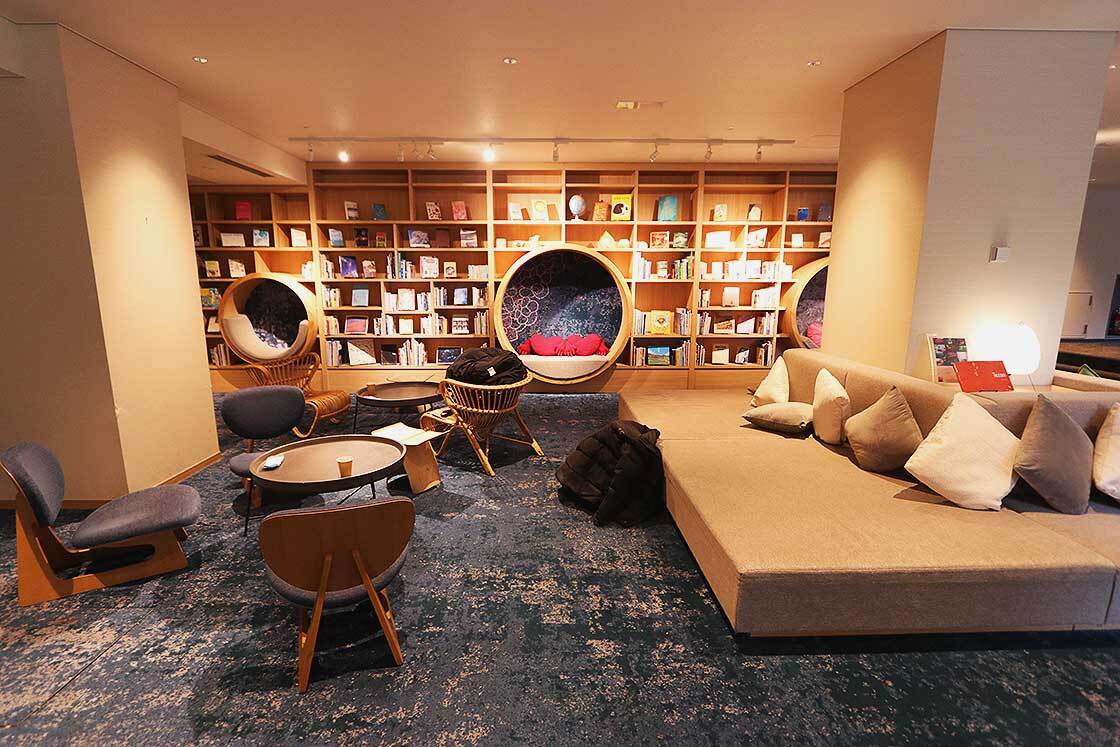
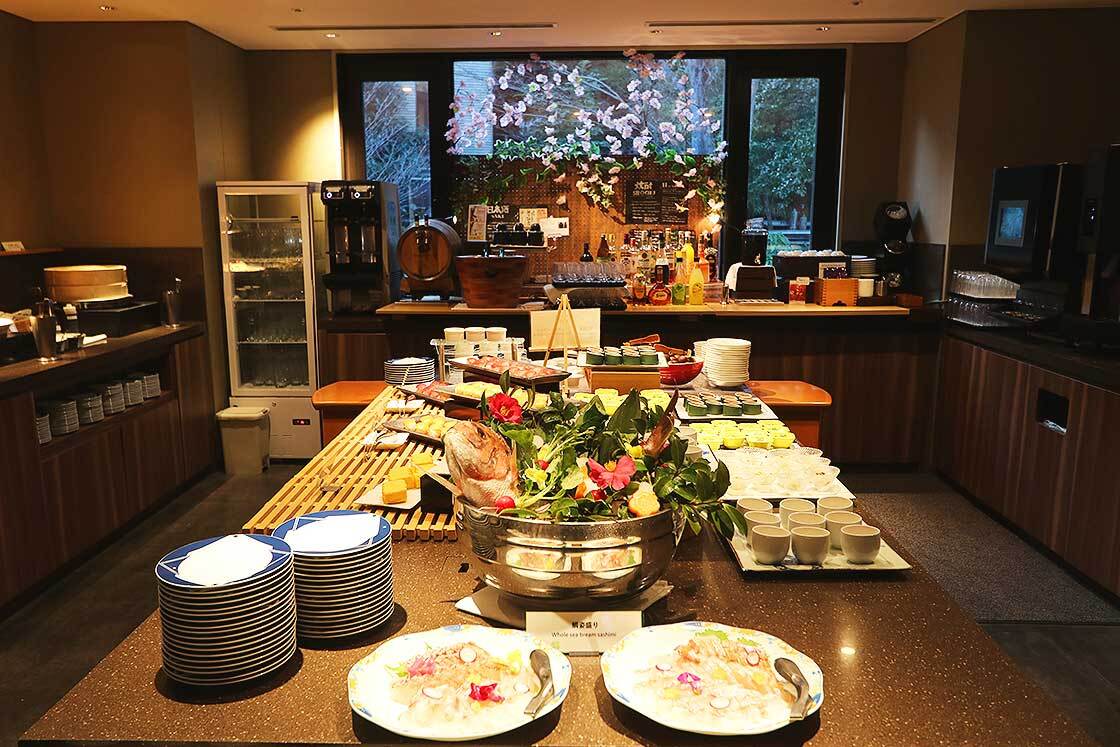
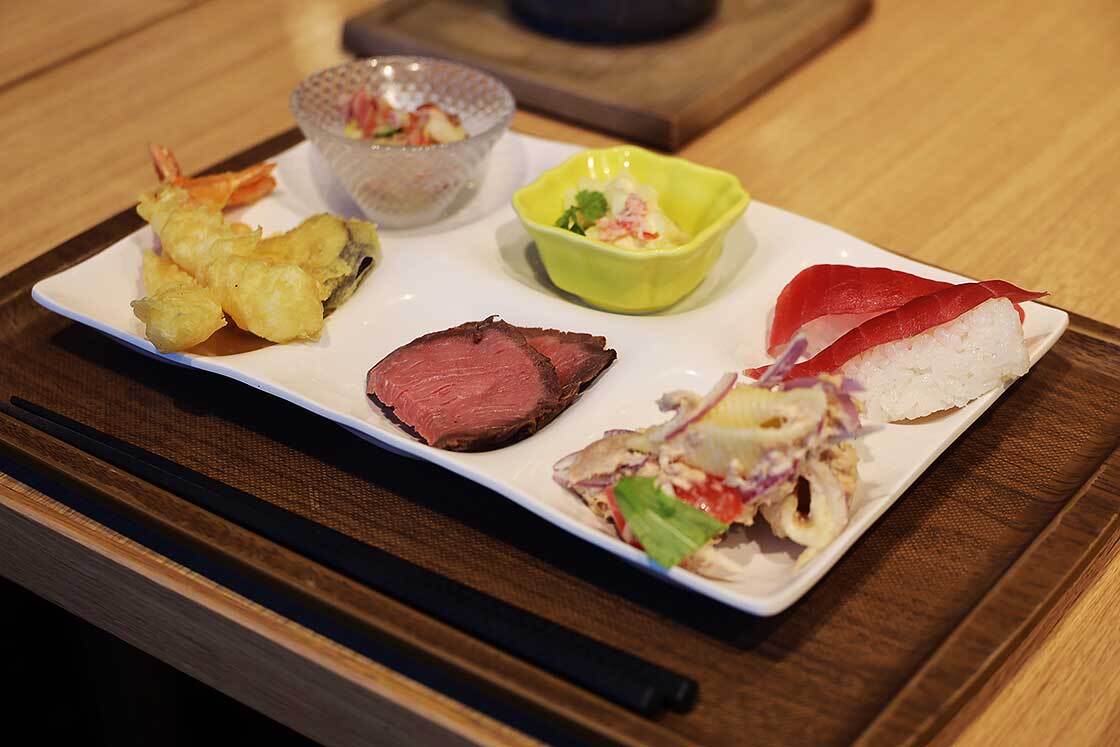
A few hours of soaking in the baths and discovering new spots to relax in slipped effortlessly by, and it was soon time for dinner. One key area in which the Yutowa differs from the traditional ryokan experience is in its buffet-style meals, and while the classic multi-course kaiseki banquet is a must-try, sometimes being able to pick out what you want - and as much of it as you want - is the perfect end to a busy day on the road.
Day 2
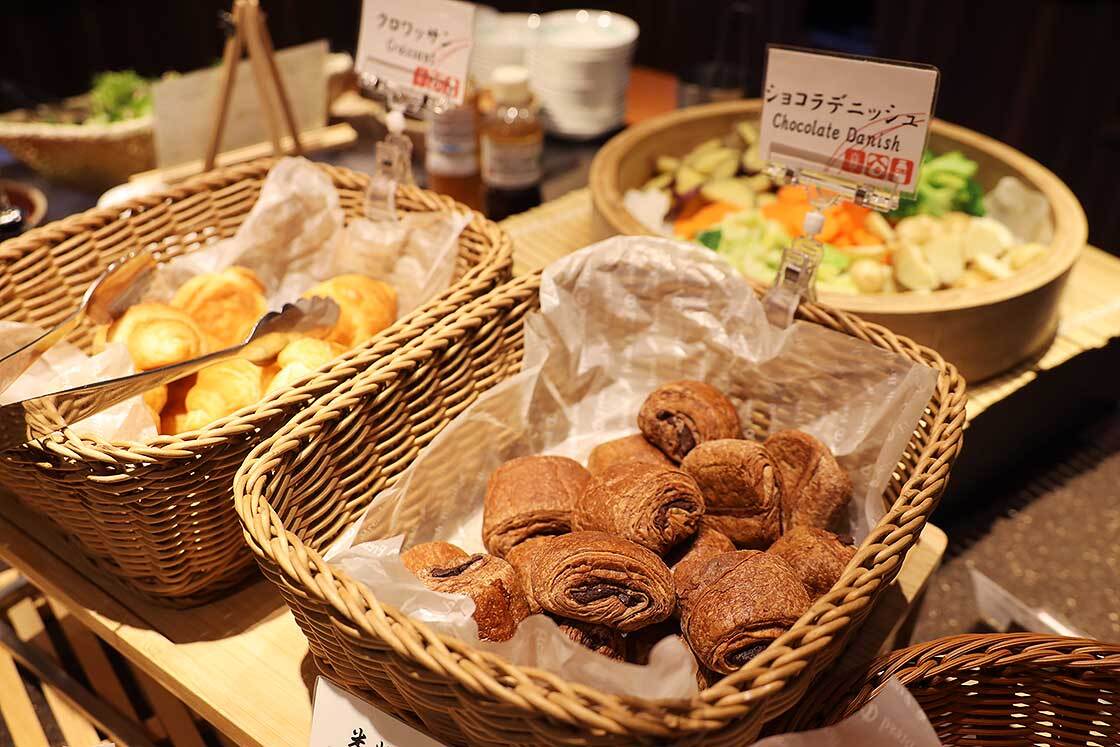
My second day in Hakone began not unlike the last one ended, with a trip to the dining hall, this time for a buffet breakfast with lashings of hot, strong coffee. Having had an especially hearty traditional breakfast recently, I can say that these certainly have their place - but for anxious travelers, fussy eaters or others worrying about how their young kids are likely to behave, simple sometimes really is best.
Saying a cheery goodbye to the staff, I set off from the ryokan for a quick visit to nearby Gora Park, a local beauty spot on a hilly plateau just above Gora Station. Built in 1914 by architect Isshiki Shichigoro, the park was conceived as Japan's first ever formal French garden and planned in conjunction with what is now the Hakone Tozan Railway - although environmental challenges coupled with supply chain problems caused in part by World War I would delay the opening of the railway until 1919.
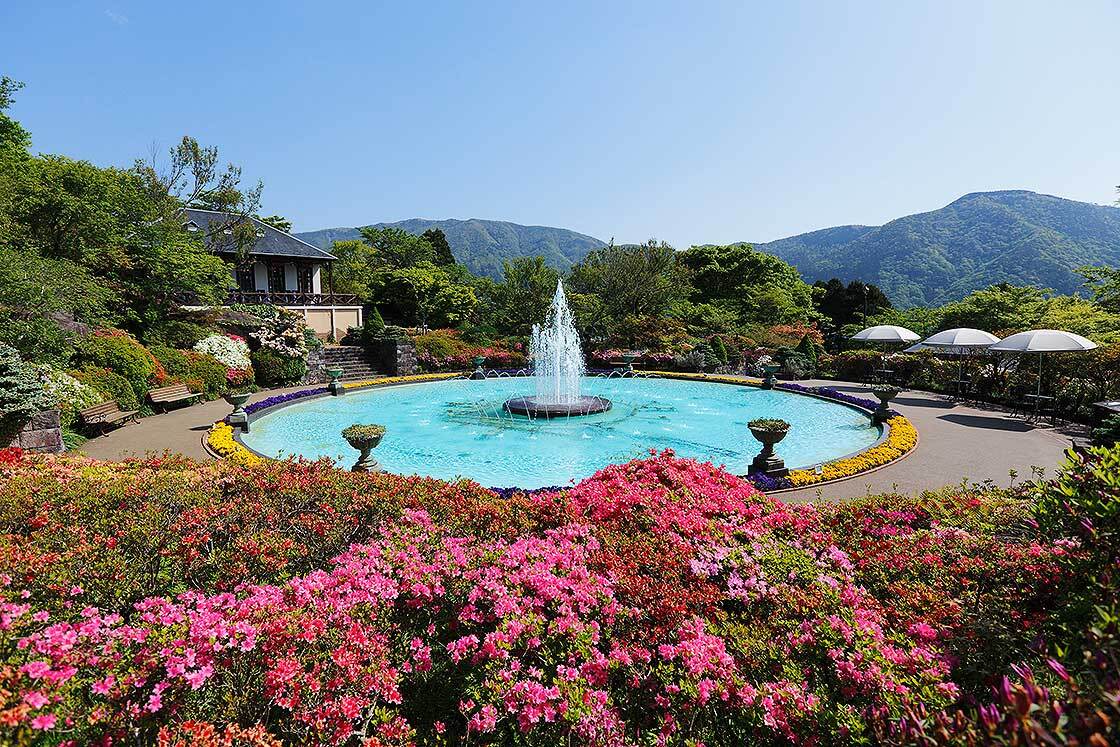
It is an unusual French garden in that it is built not on flat land but - like much of Hakone - on a steep slope, with paths and terraces leading up the mountainside. The difference in elevation between its highest and lowest points is about 40 meters - enough to notice subtle differences in temperature as you make your way around. Interestingly, the area originally included a Japanese garden, but this separated and became the Hakone Museum of Art.
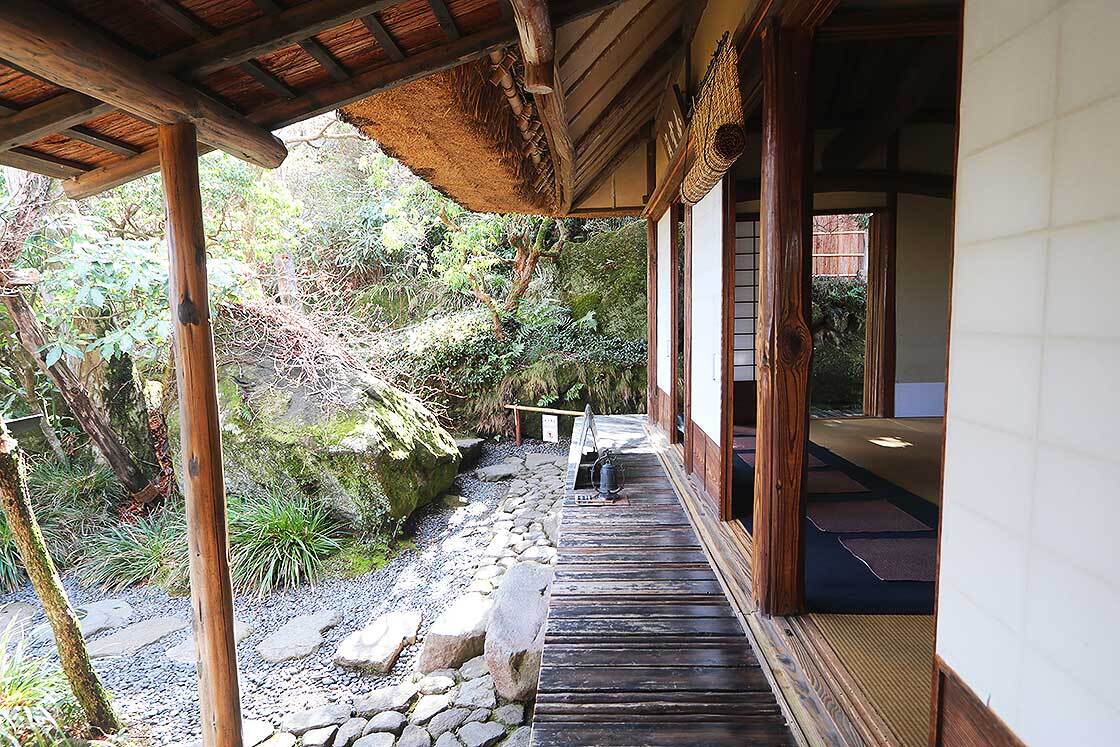
The park is known for seasonal flowers through most of the year, but I was more excited to visit the HAKUUN-DO Tea Garden located within its grounds. Originally created in the 1910s by business mogul and renowned tea master Masuda Takashi, it was expanded on by later owners to include additional rooms and connecting walkways, every bit of it with a wonderful lightness and grace.
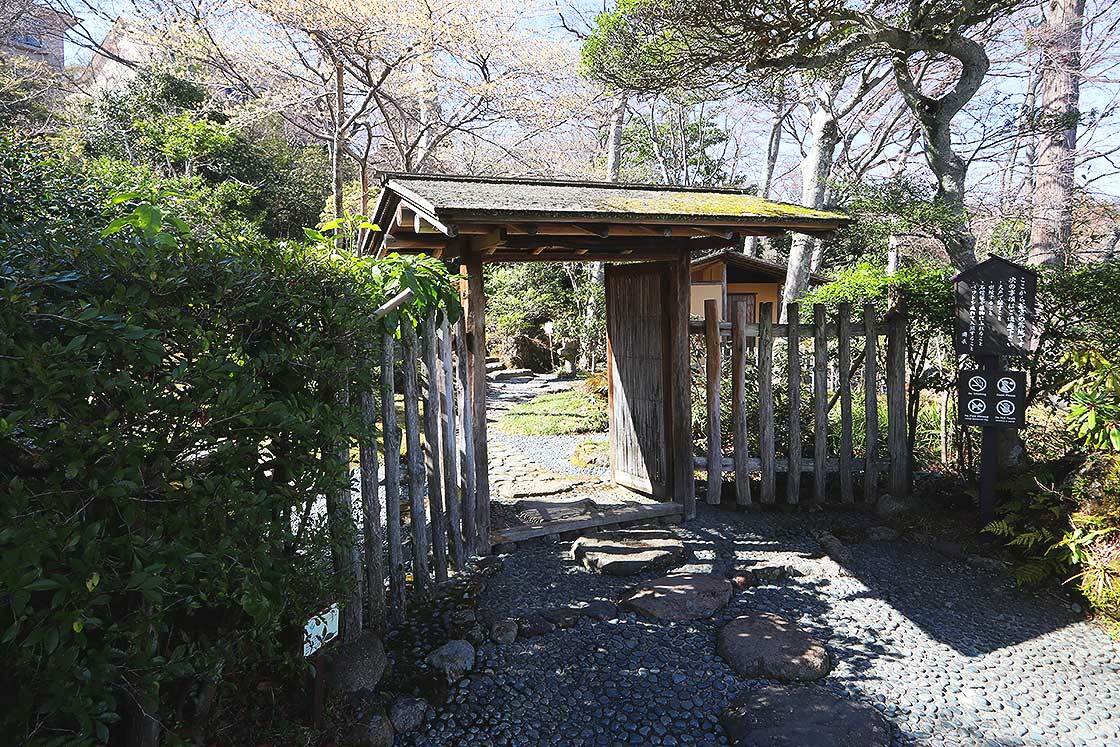
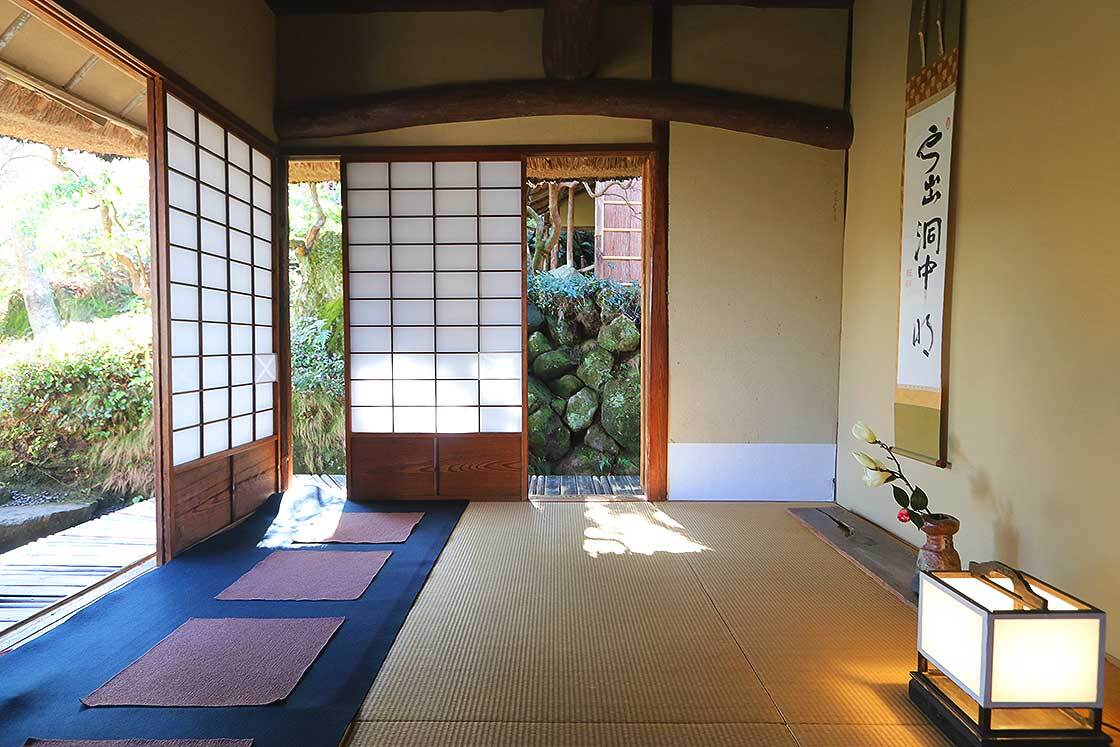
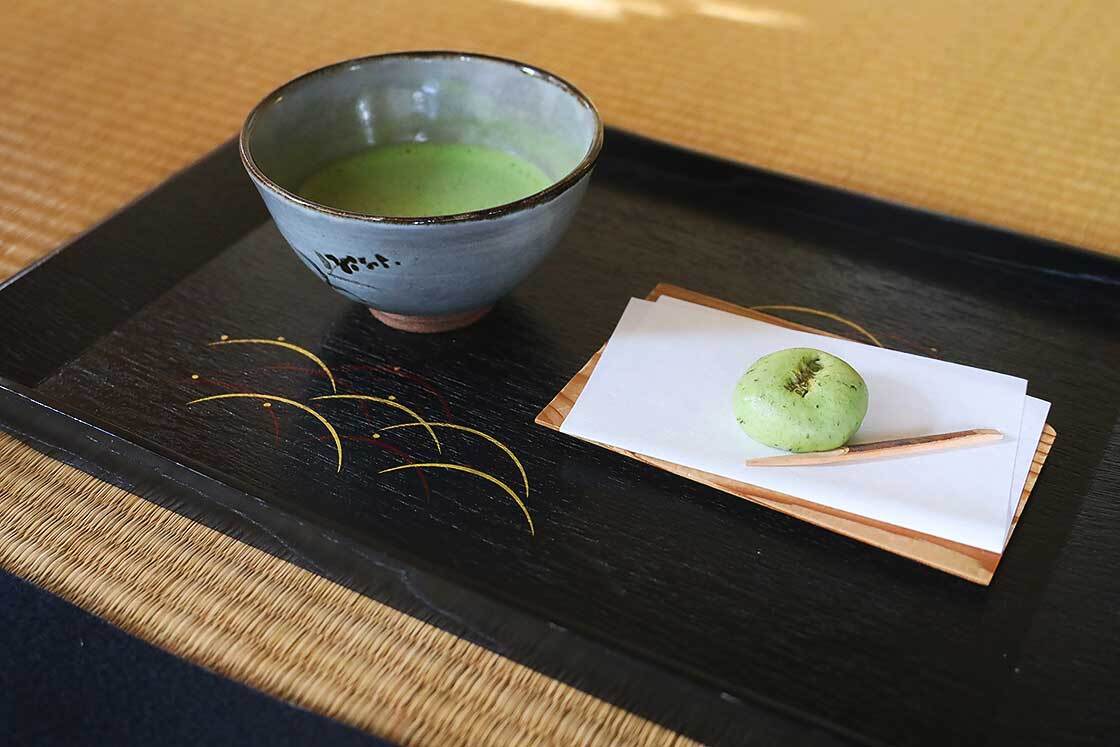
Taking a seat by an open veranda, I was served a bowl of matcha with a traditional sweet and spent a blissful few moments enjoying both together with the view onto the garden. I may not have been thinking of anything in particular, but this alone was one of the most wonderful experiences of the trip.
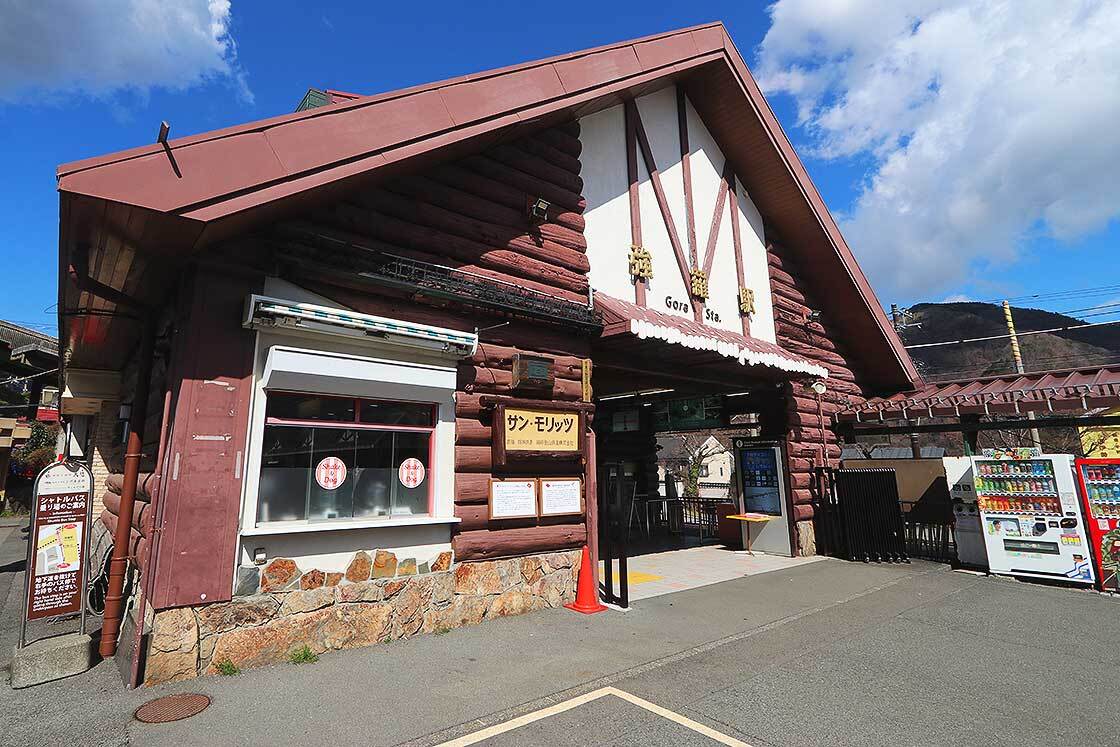
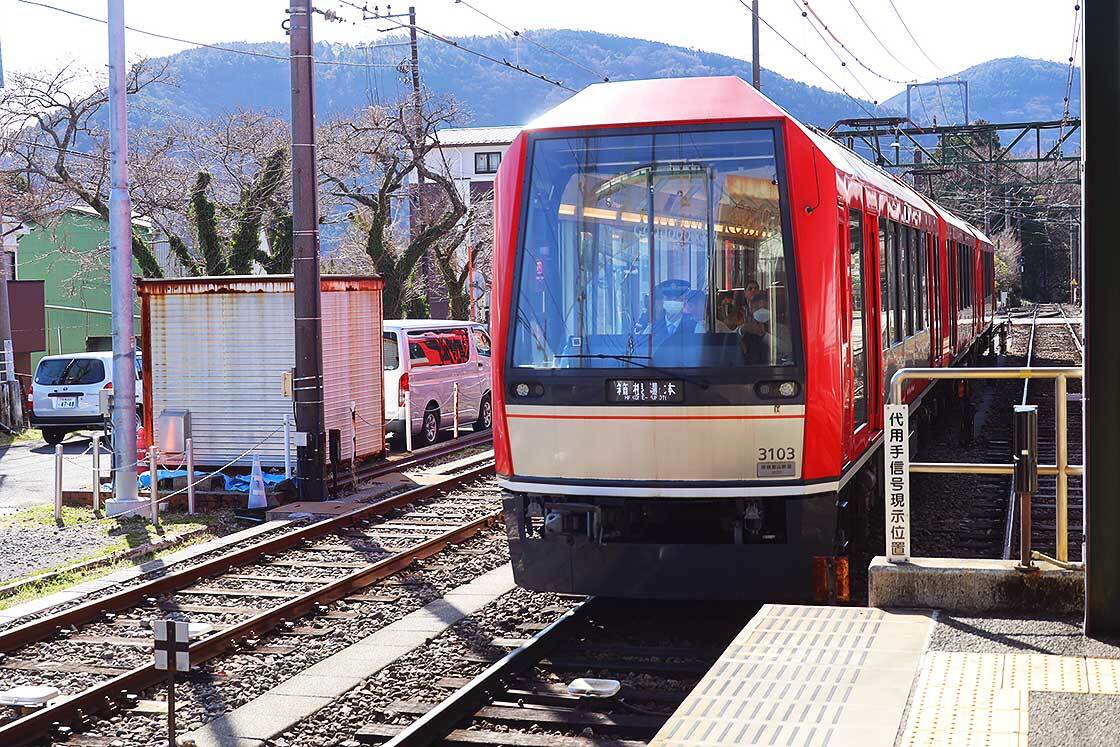
Leaving the park behind, I made my way back to Gora Station to continue my journey, this time with a ride on one of Japan's best-loved scenic railway lines - the Hakone Tozan Train.
Built in 1919, making it the oldest railway of its kind in the country, the line descends the Hakone Mountains all the way from Gora to Hakone Yumoto, on the way revealing those little flashes of wild scenery that always make rural train rides such a pleasure. Due to the steepness of the slope and the limitations of railway engineering at the time, the track incorporates three switchbacks, in which the train pulls into a short dead-end track and changes direction - a quaint touch that adds a surprising amount of character.
Getting off the train at Hakone Yumoto, I made an easy change to the lower section of the same line for another 5 minute ride to Kazamatsuri, where I had a stop to make at the Kamaboko Museum, a hands on, interactive museum dedicated to the history, science and craft of the traditionally processed fish cake.
As I learned in the course of several nicely designed exhibits, kamaboko is available in many different variations, though most will recognize the sliced form with a distinctive pink swirl often found in ramen, known as narutomaki. In fact, it is widely produced and well-liked all over Japan, although Odawara is especially known for it.
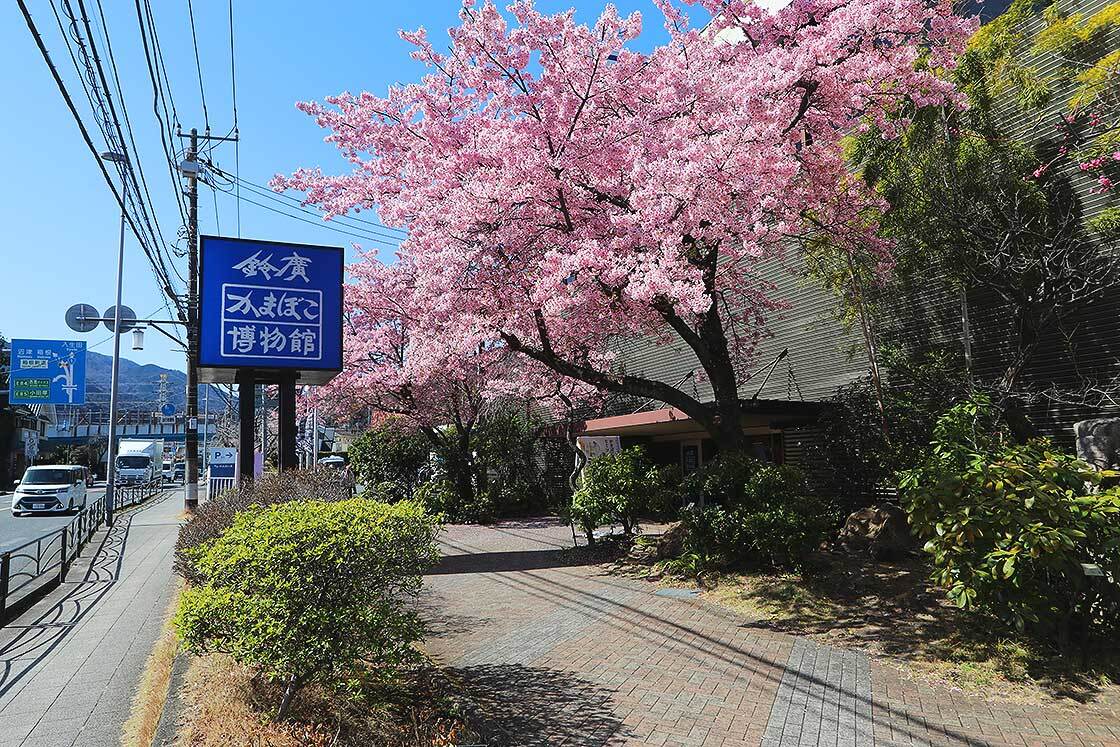
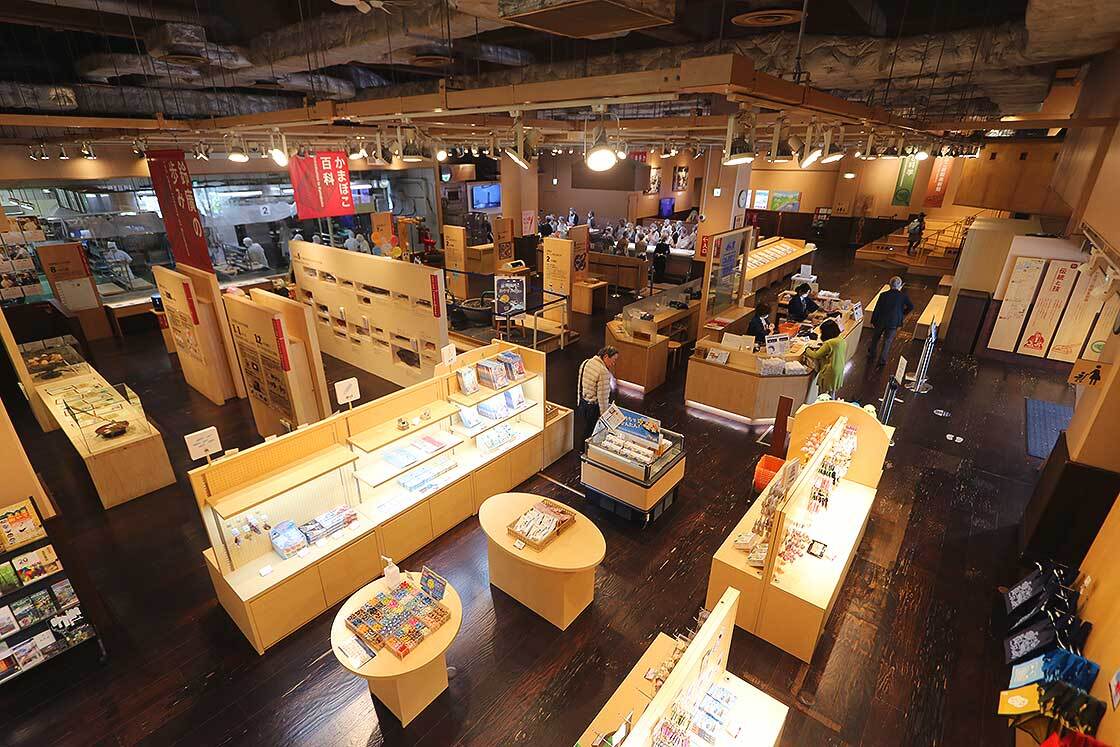
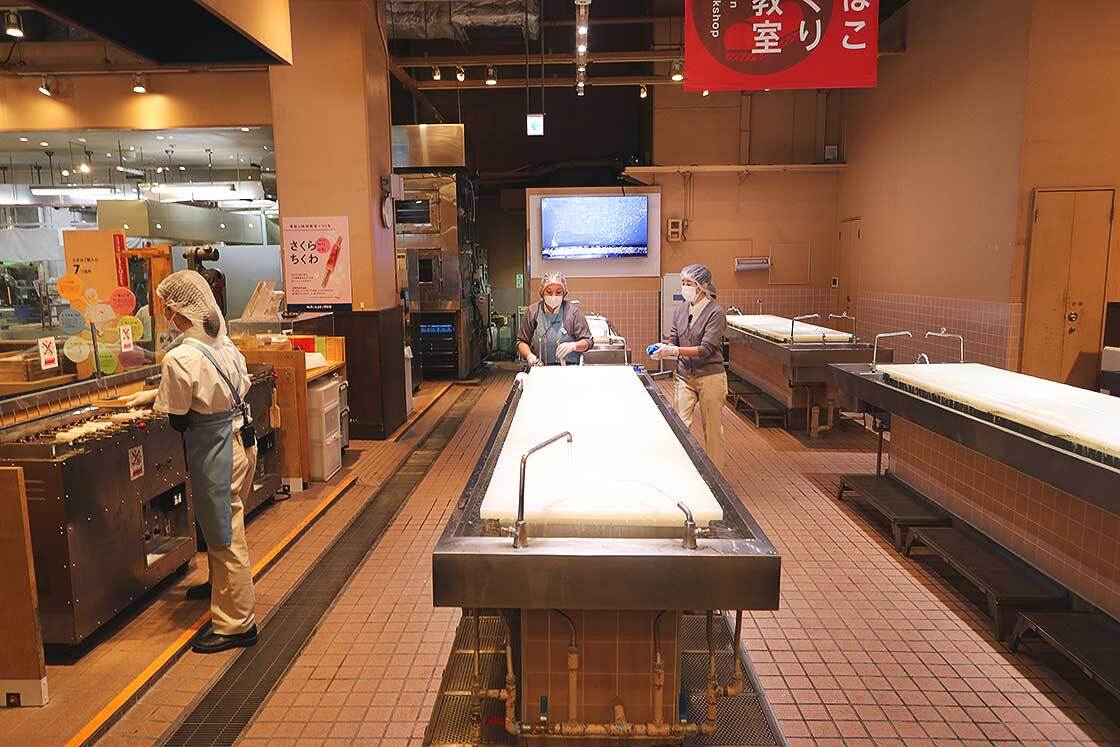
While the exhibits were fun to look at, the real star of the show is the hands-on workshop experience, in which visitors can learn to shape and steam or grill their own kamaboko - or, as in my case, its close relative chikuwa - from scratch in about 50 minutes. Donning an apron, gloves and hairnet, I took my place at the impressively industrial workshop space and did my best to keep up with the brisk instructions as I sliced, scraped and folded the sticky fish substance into a recognizable shape.
All kamaboko begins as a finely minced and seasoned fish paste called surimi. This is spread onto a wooden board to give it shape, and steamed - setting it with a distinctively firm, springy texture. Though made from the same raw material, chikuwa differs in that it is instead wrapped around a stick and grilled, adding a savory depth and slight, smoky tang.
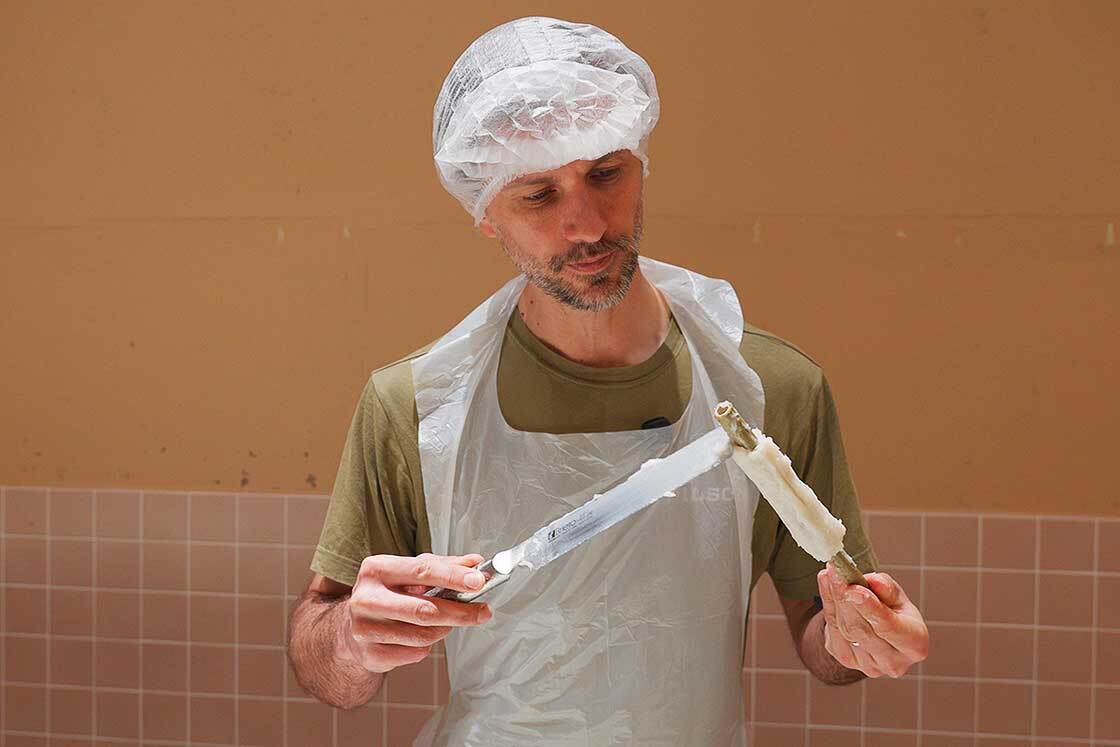
After tucking in to my newly created snack, it was soon time to retrace my steps to Kazamatsuri Station and take another short ride on to the major transport hub of Odawara. Once among the most important cities in eastern Japan - first as a stronghold of the powerful Hojo Clan, then later as a bustling castle town on the old Tokaido highway - it is today best known to travelers as the main gateway into Hakone.
While my main destination here was the reconstructed castle standing in expansive grounds just five minutes from the station entrance, I made a brief stop along the way at Minaka - a unique and eye-catching commercial built in the style of the Edo Period (1603-1868), complete with white plaster walls, dark timber framing and slanting tiled roofs.
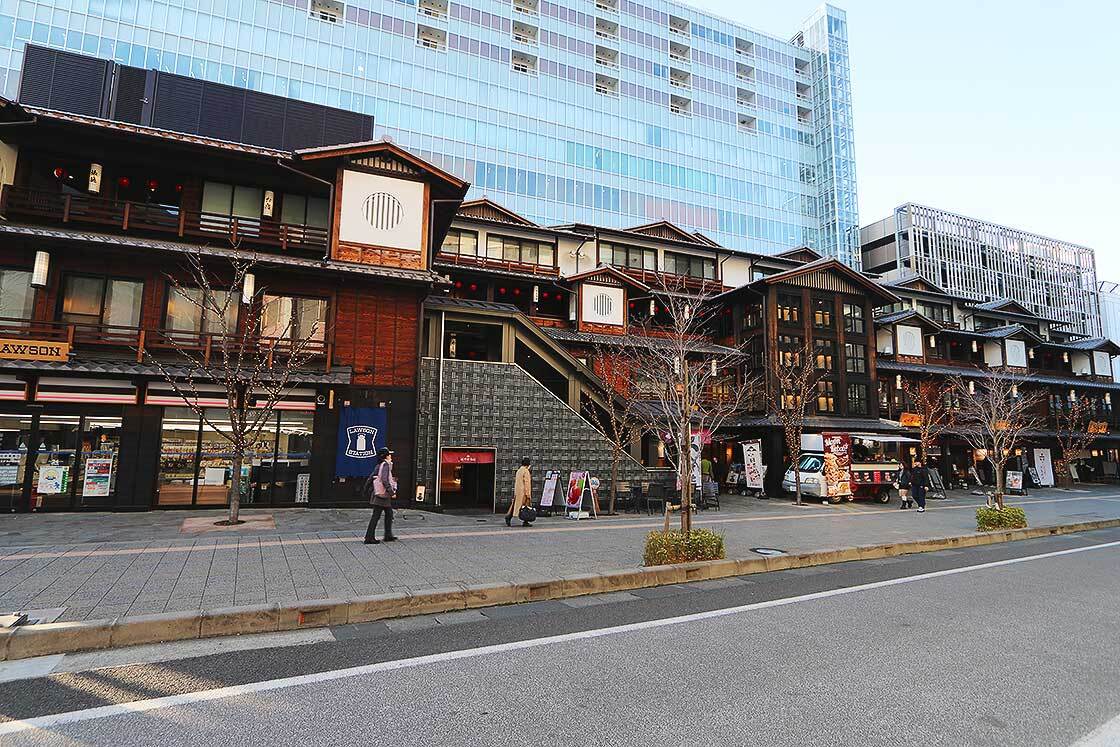
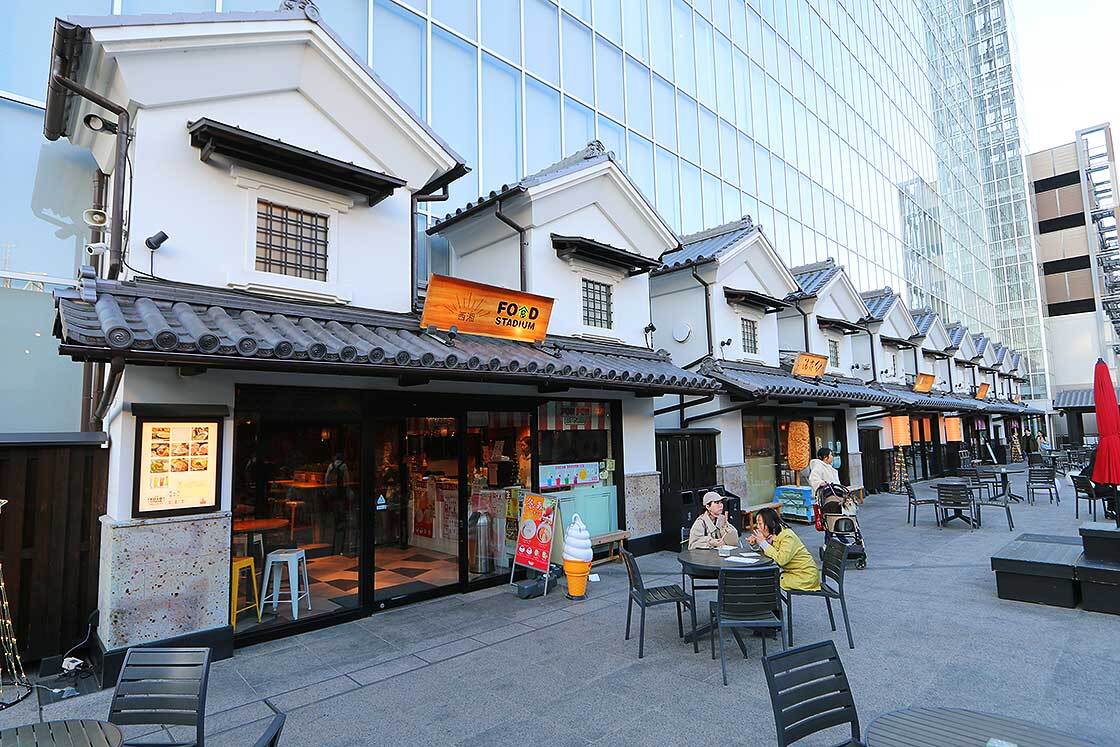
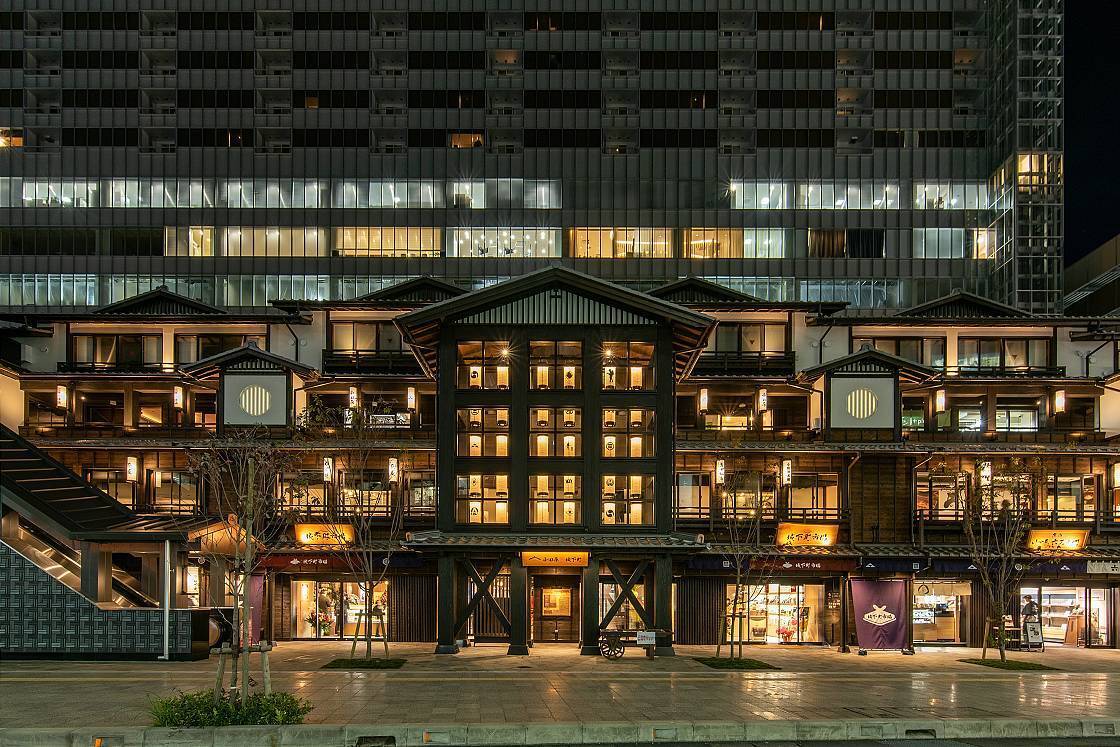
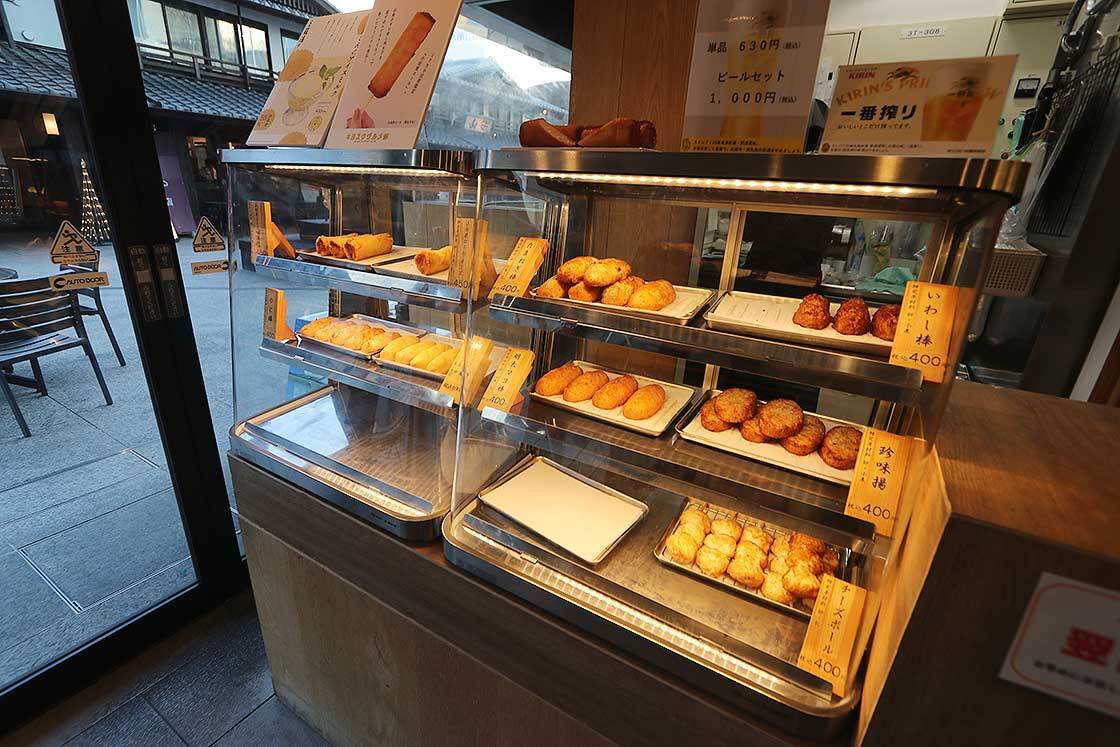
Of course, it's not hard to look past the exterior and see the modern shops and restaurants hidden inside, but there's something very fitting about it - throngs of travelers along this same stretch of road might well have looked around them and seen rows of buildings quite like it, although they would more likely have been home to merchant houses, teahouses and inns.
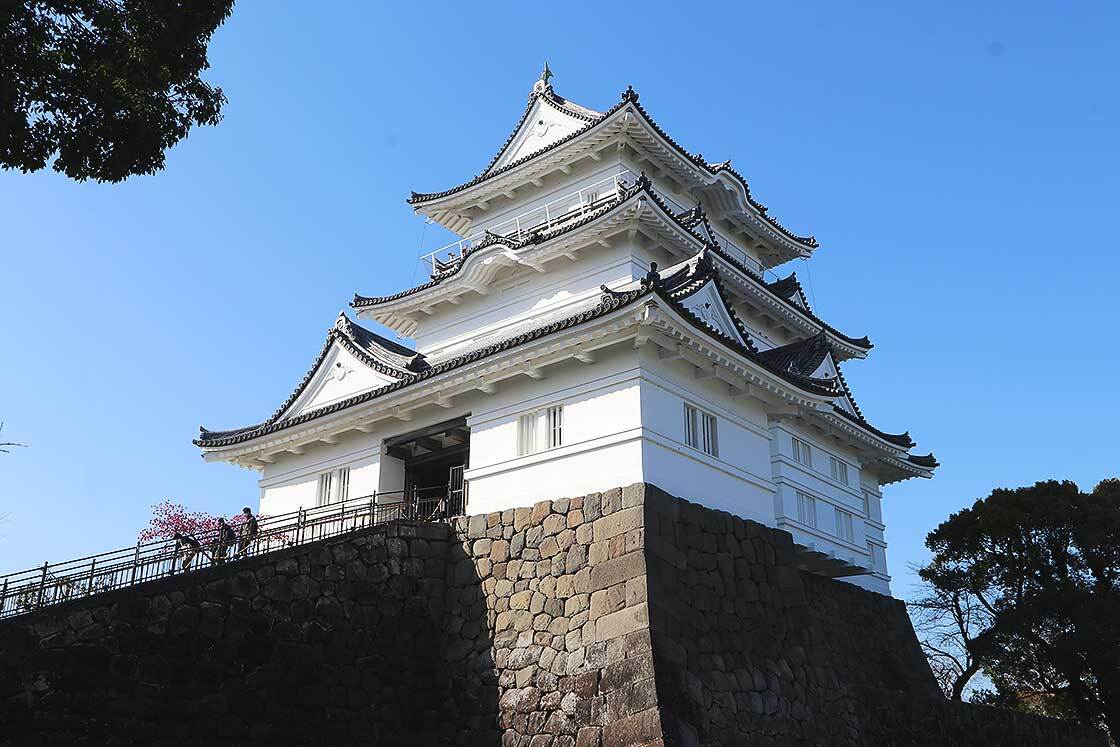
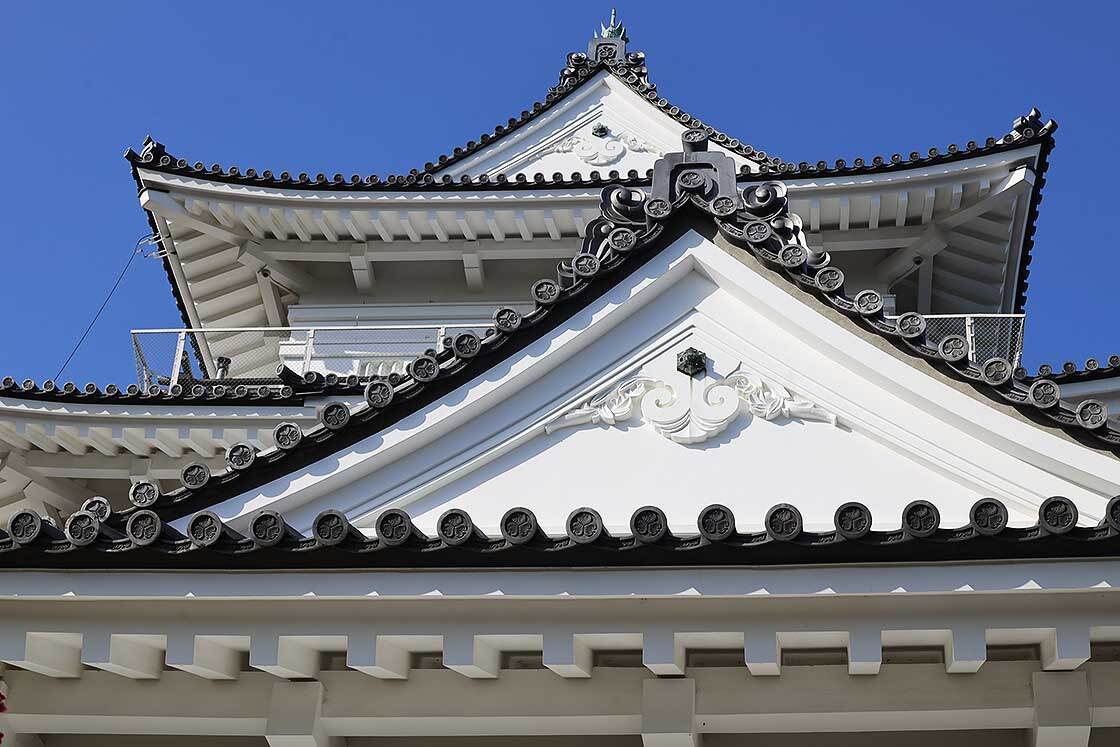
My last stop in Odawara was at the castle itself, reconstructed largely from concrete in 1960 sticking as closely as possible to the original layout. Though its history stretches back far longer, it reached the peak of its reputation in Japan's Era of Warring States, when it was known for its formidable defenses and successfully repelled attacks by two of the age's greatest warlords, Uesugi Kenshin and Takeda Shingen.
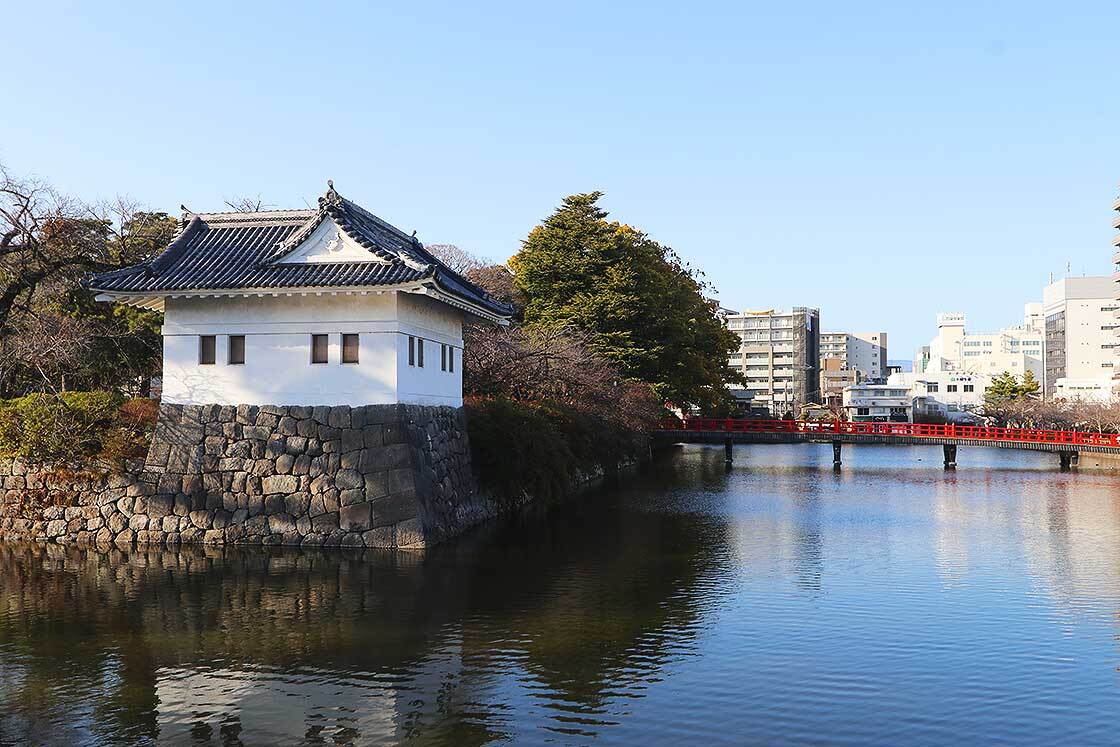
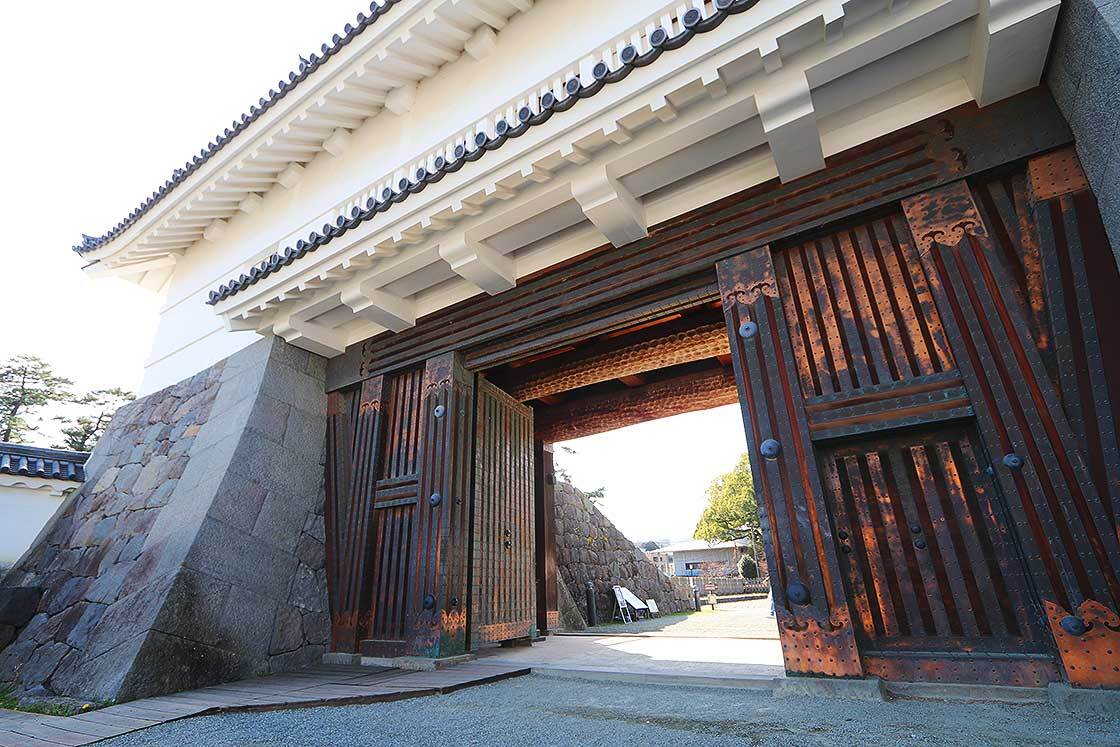
Its owners, the Hojo Clan, were once among the preeminent powers in Japan's Kanto Region, ruling over a network of castles and holdings with Odawara at its center. Despite significant expansions to the castle in the preceding years however, it would ultimately fall to the still greater warlord Toyotomi Hideyoshi in the Siege of Odawara of 1590.
Today, visitors can explore a large, open precinct roughly conforming to the original inner bailey - its full extent would have stretched right off into the distance - incorporating a lot of period-accurate details and even some surviving elements.
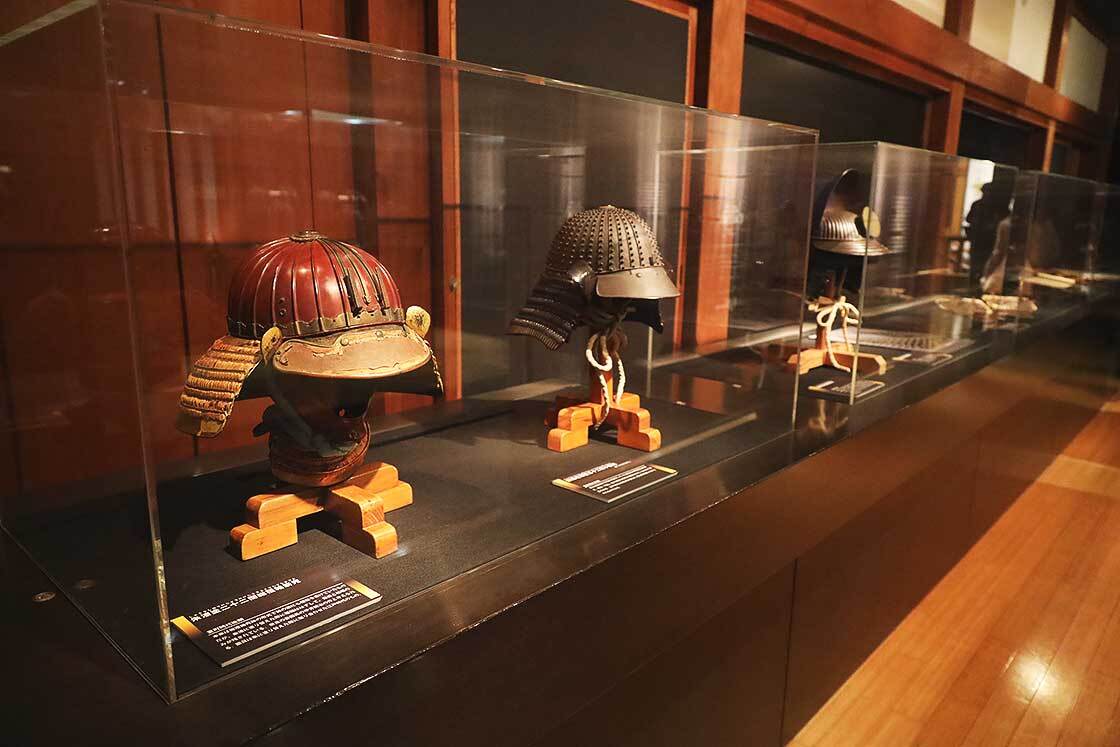
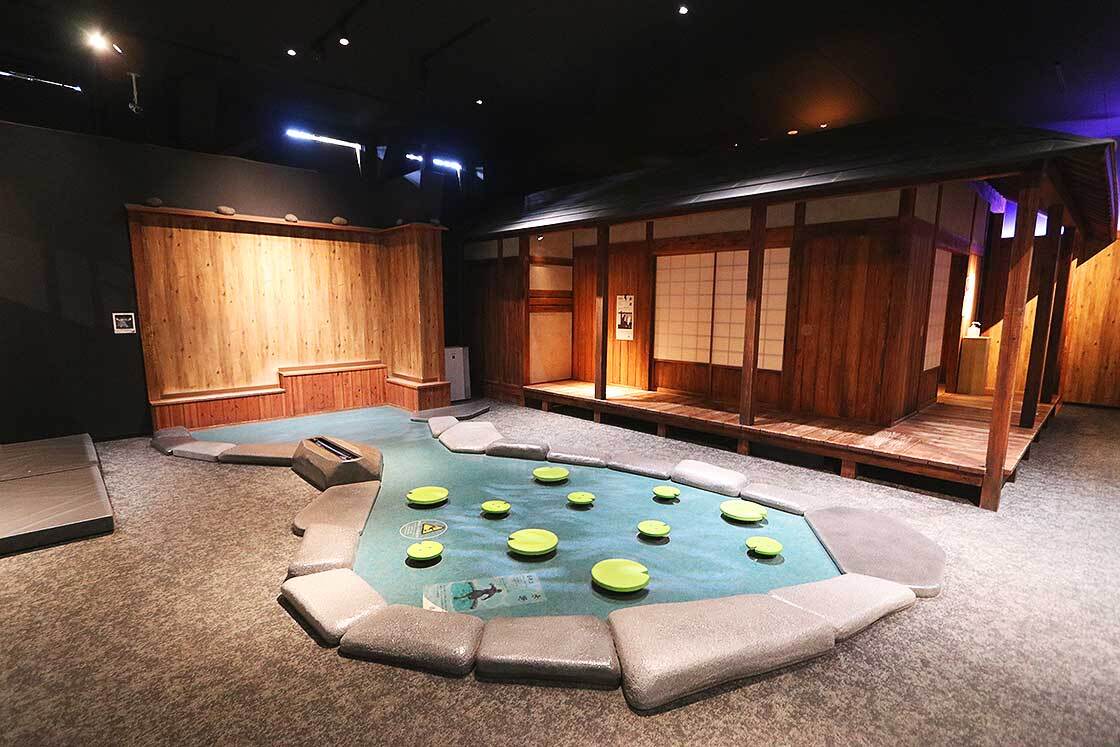
One spot I particularly recommend is the Samurai Museum, a compact exhibition space with rotating displays, which at the time of my visit included some striking pieces of weapons and armor from the time of the castle's heyday. For those traveling with kids, the Ninja Hall is another great little attraction featuring a fictionalised version of the historic Fuma ninja clan.
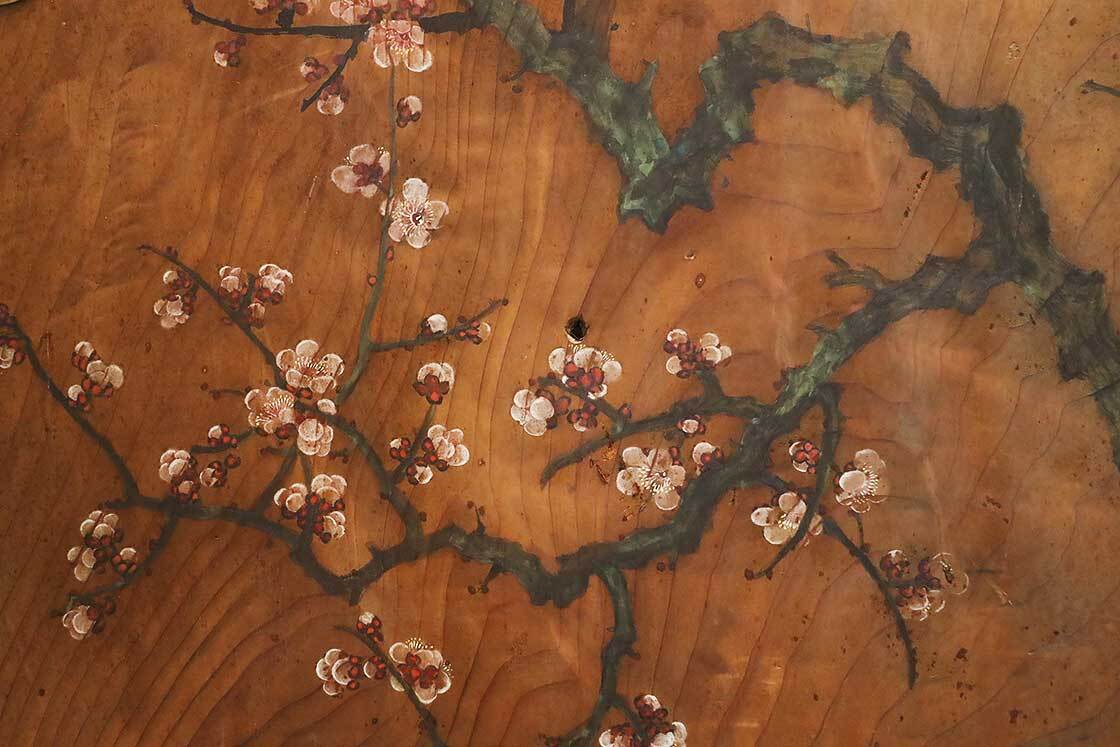
Standing proudly at the center of the grounds is the castle's reconstructed keep, entered via a long stone slope and with five distinct stories. Inside, visitors are guided through the history of the Hojo and the castle itself through panel after panel of informative material and a fascinating range of artifacts, from more arms and armor to beautifully painted sliding doors - just keep your google-enabled smartphone handy to translate the majority of written explanations, as English is quite limited.
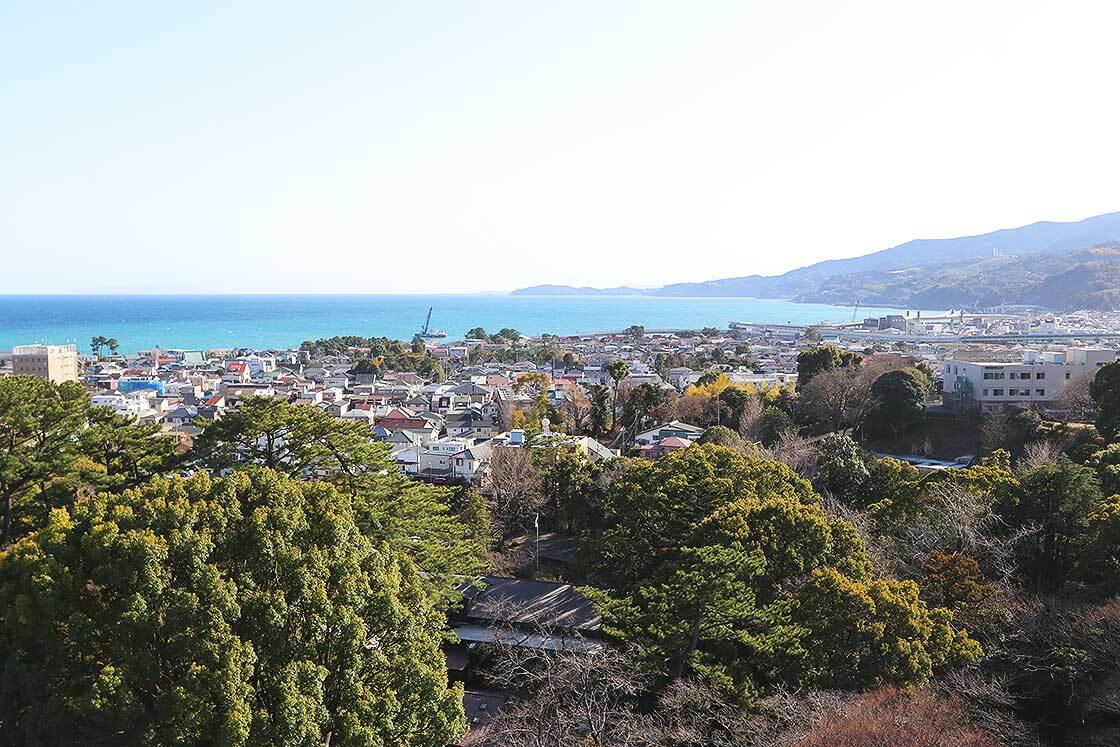
At last, I stepped out onto the top-floor observation deck, where I brought my time in Hakone to a fitting close with views of the Hakone Mountains to my rear, and the shore of the Sagami Bay sweeping across to the east.