Experiencing Hiroshima like a local

Though it may never fully move past its reputation as one of two cities to feel the effects of a nuclear blast, Hiroshima - today a vibrant and welcoming city with more than its share of popular sightseeing spots - holds a strong position somewhere in the middle of Japan's most visited cities.
Known for the nearby sacred island of Miyajima, its elegant reconstructed castle keep and many landmarks connected with the tragic events of August 6, 1945, the city lends itself perfectly to a day or two of relaxed exploring. For all its popularity however, few visitors will spend long enough, let alone venture far enough from the established tourist route to get a sense of the city's real personality.
For this article, I spent a single day checking out some of the city's more understated highlights, from sweeping views at the Orizuru Tower to a whole series of local delicacies at Shuhai Honmaru. In particular, I spend a hugely entertaining few hours at the BOAT RACE Miyajima stadium - very possibly the only race course in the world with a direct view over a world heritage site - for an extra bit of excitement.
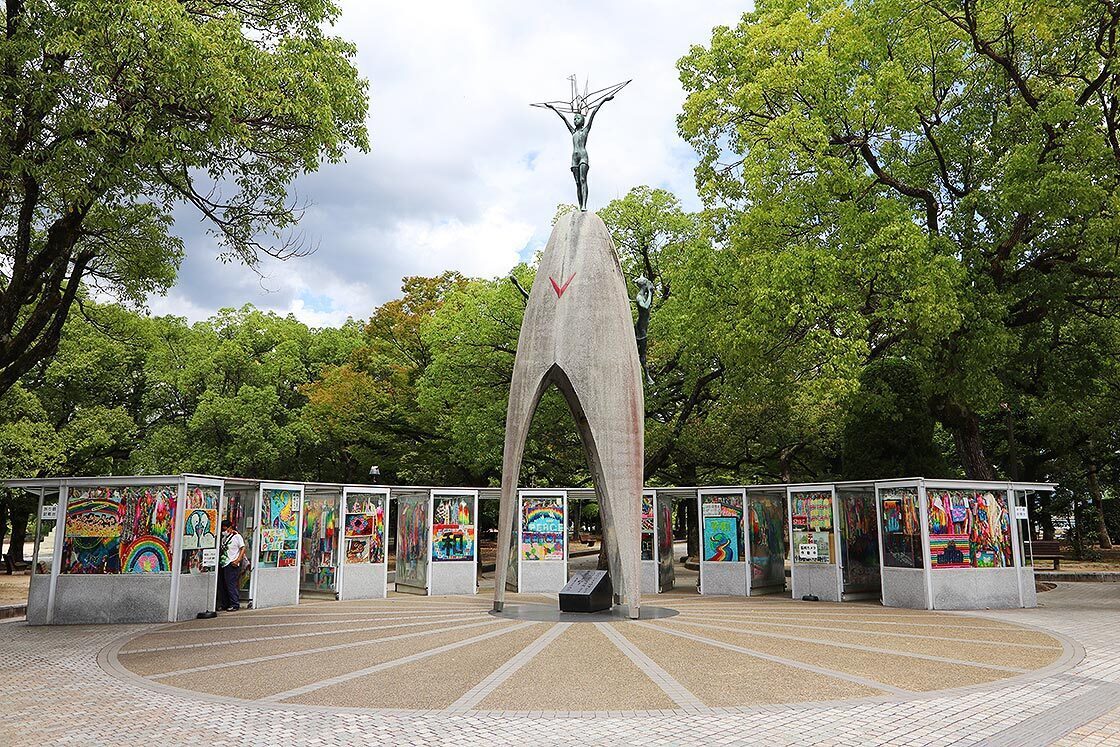
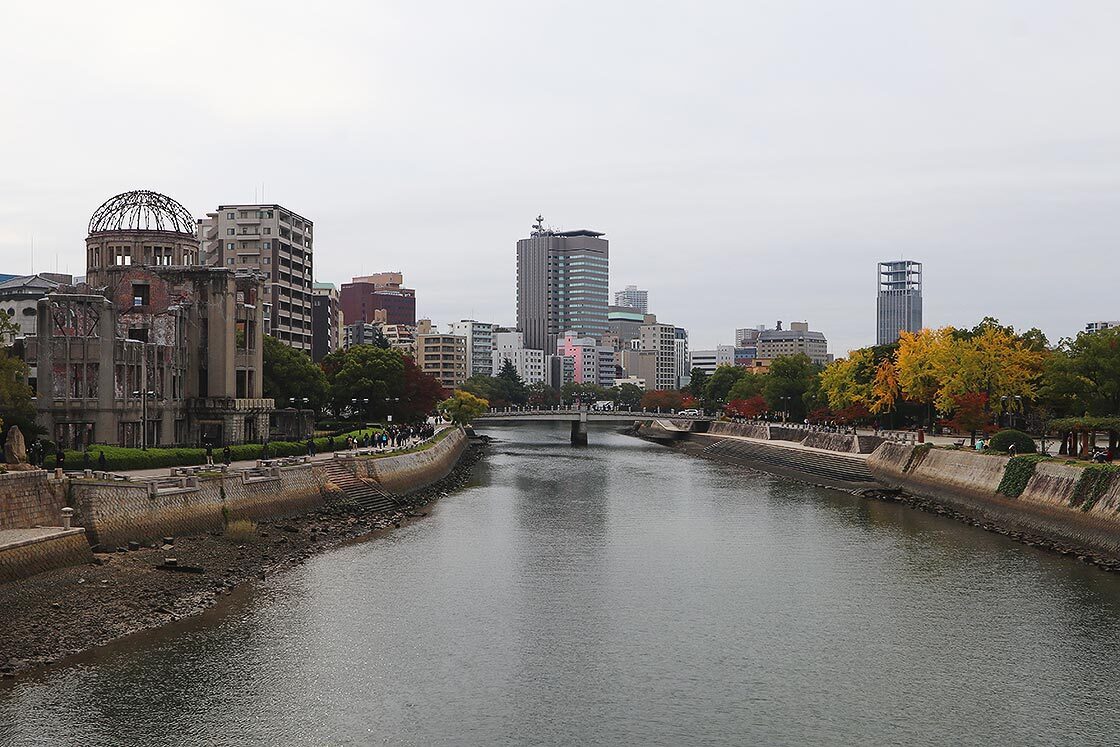
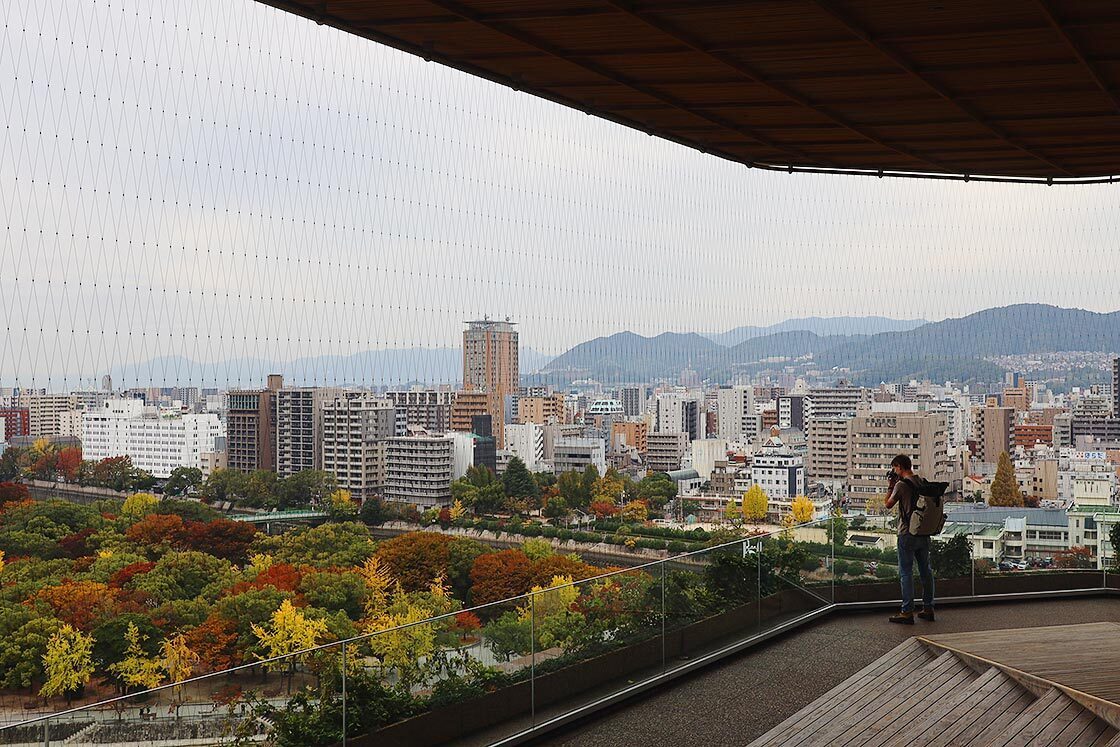
Stepping off the shinkansen on a chilly day in late fall, I immediately set off for the area surrounding the Peace Memorial Park. Rather than the many public monuments to Hiroshima's tragic wartime past however, my destination today was the HIROSHIMA ORIZURU TOWER where I planned to start my day with some sweeping views of the city and its surrounding landscape.
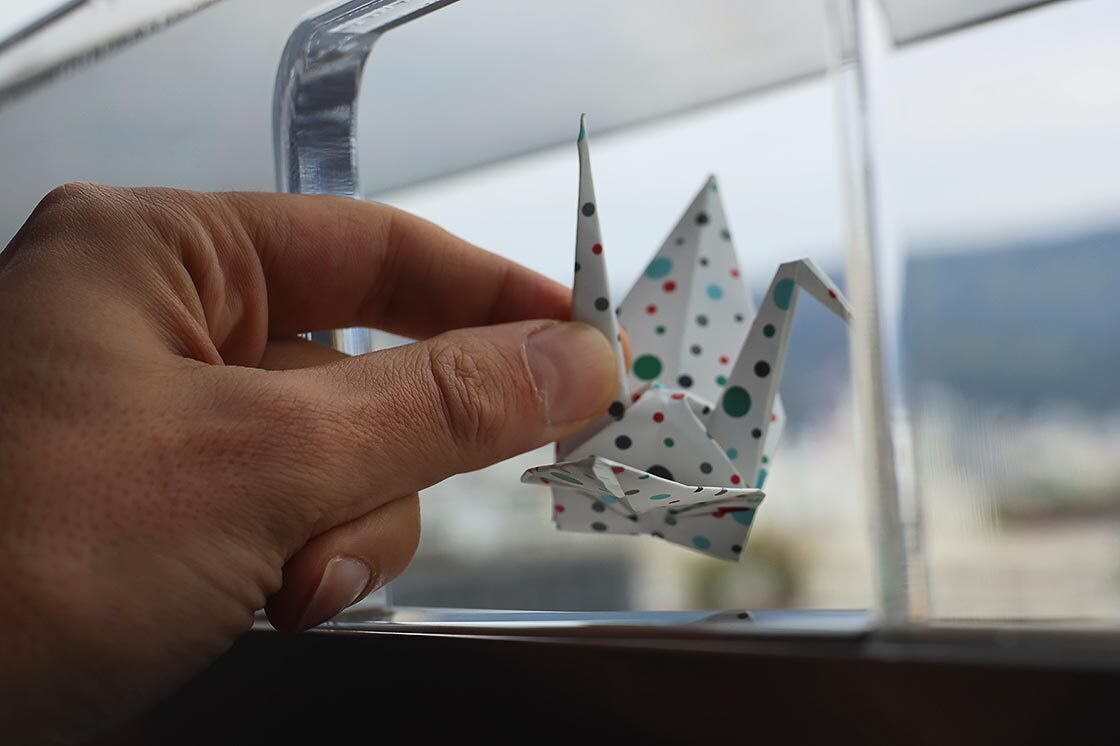
Located just across from the ruins of the Atomic Bomb Dome, the tower was built as a potent symbol of Hiroshima's revival as a vibrant, modern city. The name "orizuru" refers to the iconic origami crane, something first described in an early origami manual in 1797.
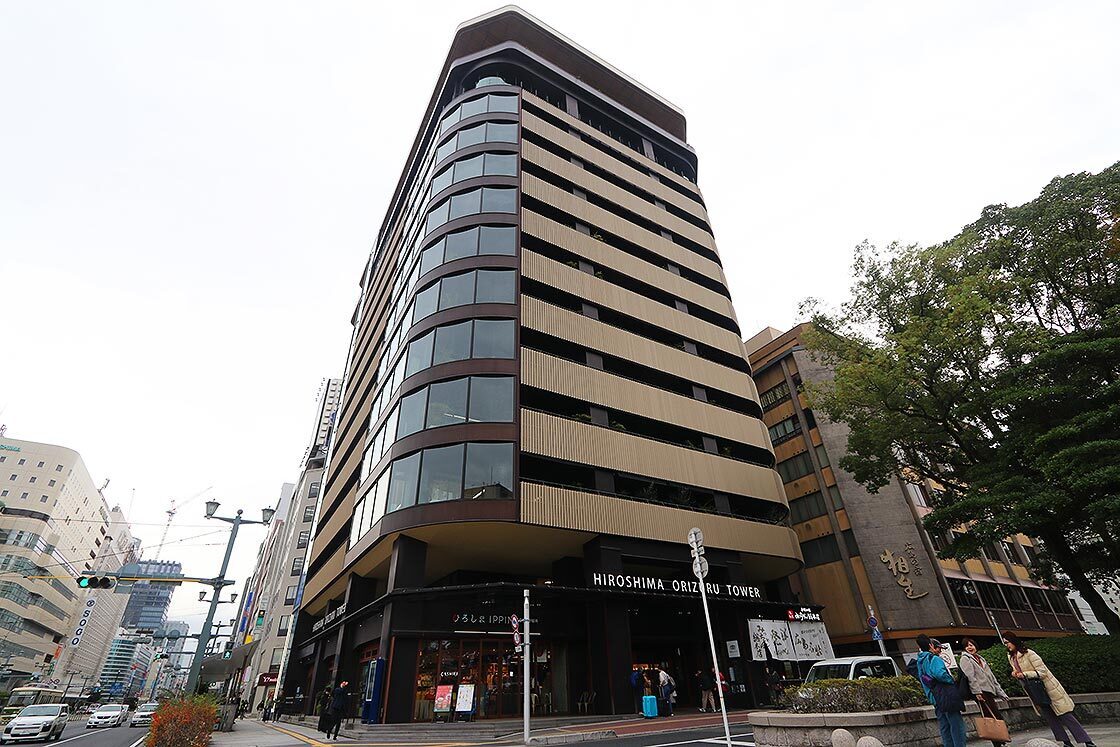
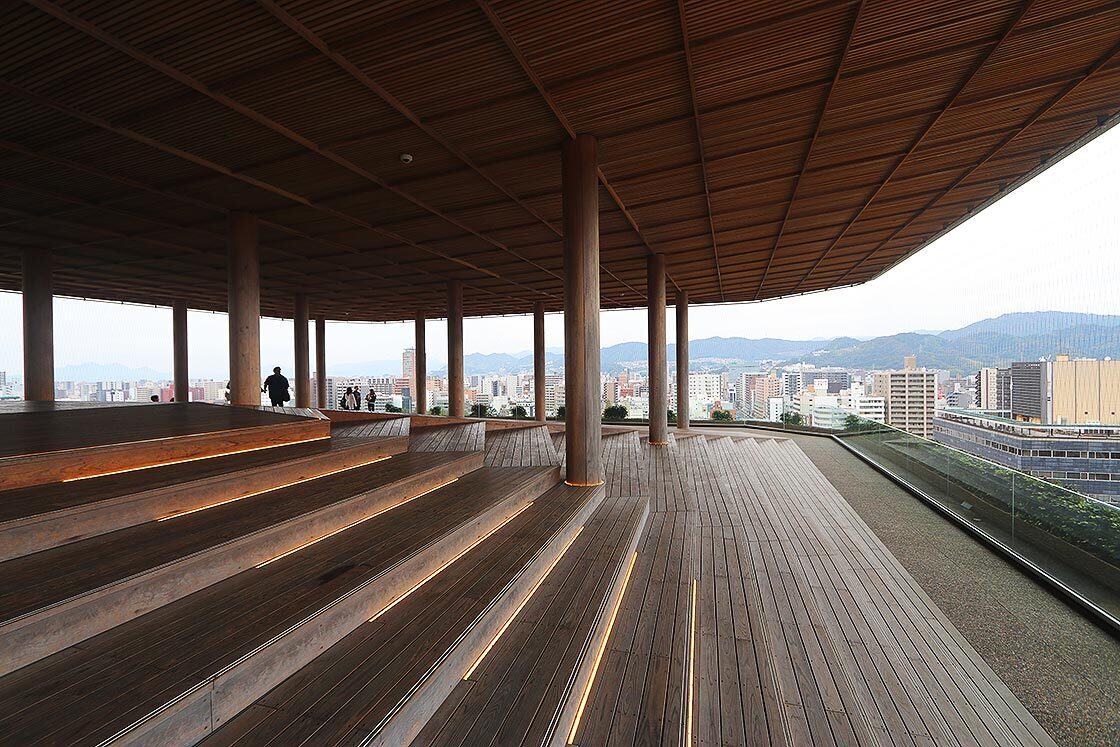
Designed by locally based Sambuichi Architects - the same studio behind the Inujima Seirensho Art Museum and Rokko Shidare Observatory in Kobe - the tower has a total of 14 floors, leading up to a distinctive top floor observation deck, sheltered overhead but open on three sides. Aside from its panoramic views across the city center, another real highlight is the undulating design of the wooden space, creating comfy spots to sit while mimicking the rolling hills of the Seto Inland Sea's coastal landscape.
With the tower created as recently as 2016, it's easy to forget that before then, there really weren't many sites within Hiroshima offering a decent vantage point. From the Orizuru's observation deck however, the city center fans out like a hand across a broad, flat delta, its wide avenues following the six channels of the River Ota. Still with few tall buildings, it feels remarkably open and low, adding to the sense somehow of a smaller and easily walkable city.
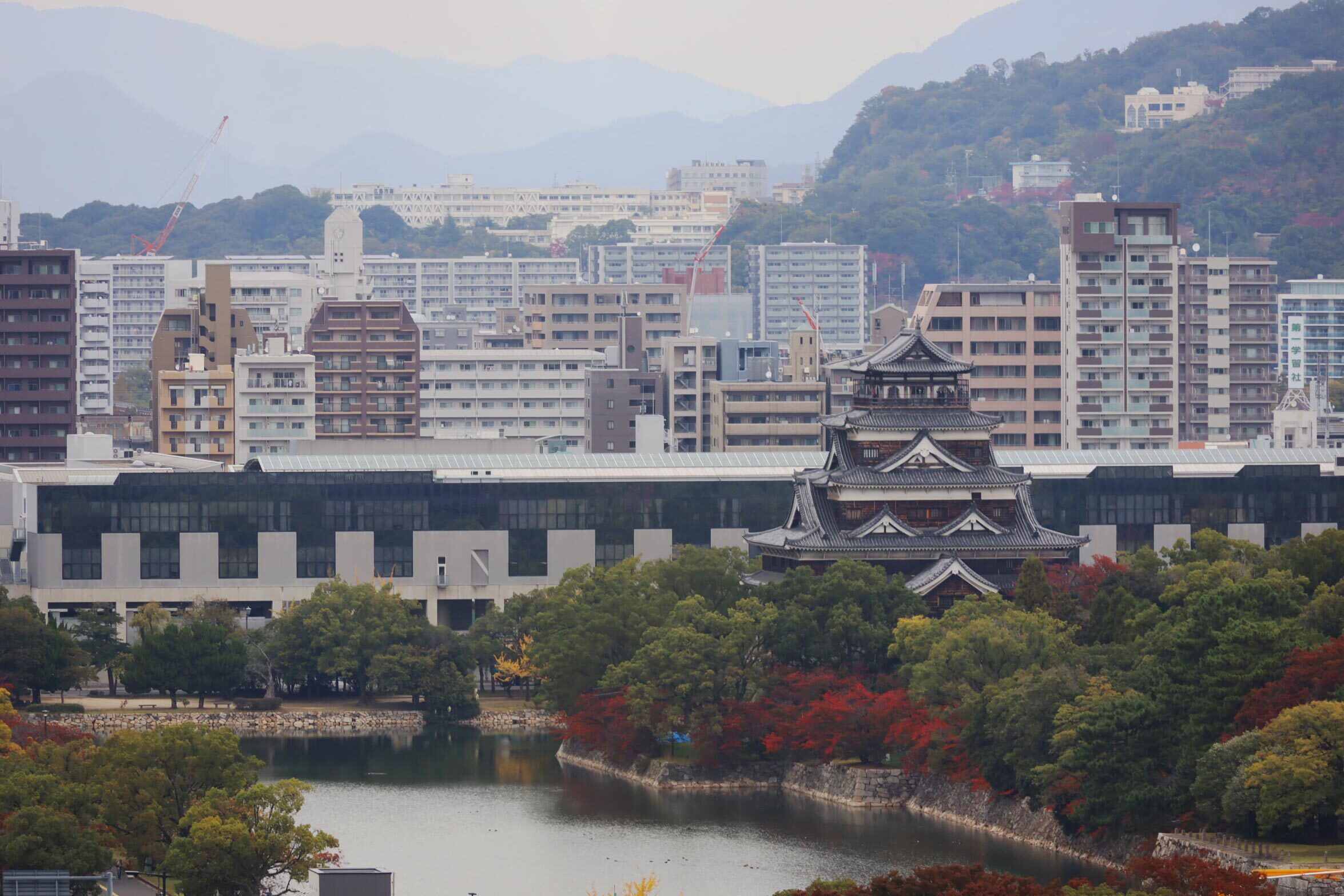
Looking east, my eyes were immediately drawn northward to the reconstructed castle with its neat, timber-clad walls, on which the city still seems to converge. Built on an easily defensible island within the delta in the 1590s, the castle predated the city and for a while was surrounded only by smaller settlements, collectively known as the Gokamura or five villages. In just a few years, a jokamachi or castle town formed around the fortress, with a samurai district as its administrative center and merchant and artisanal quarters just beyond the inner defenses.
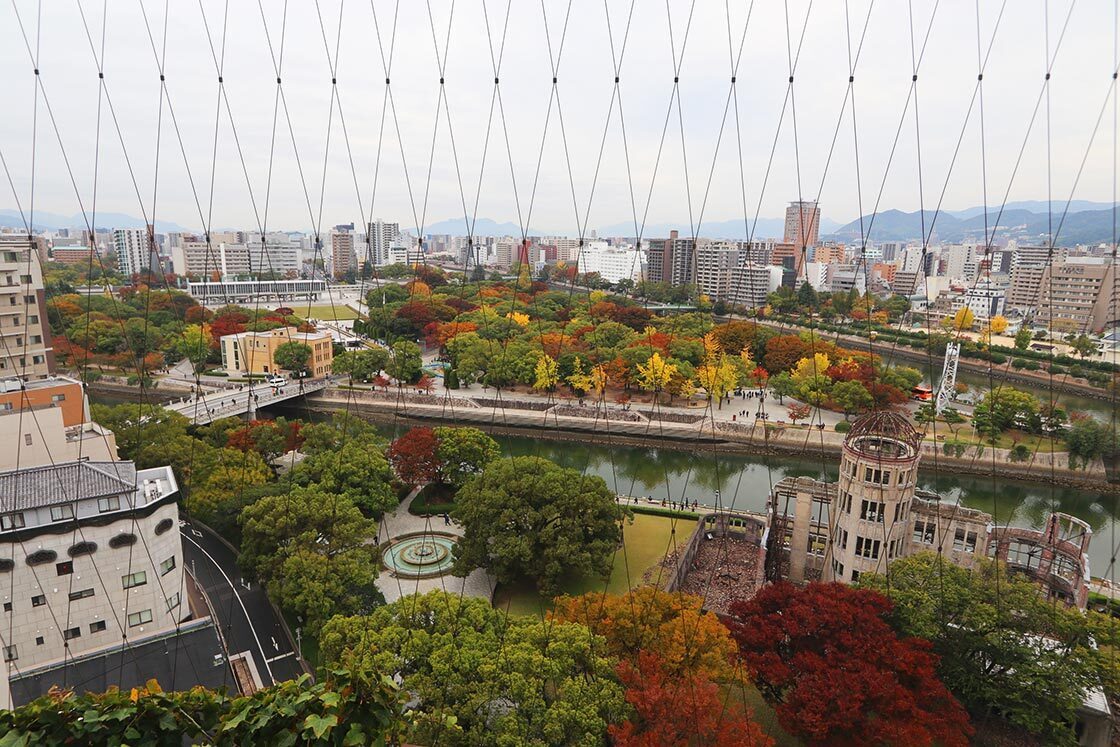
Over to the south, the deck directly overlooks the Peace Memorial Park, once the bustling Nakajima District obliterated along with over two thirds of the city center in the atomic bombing of 1945. In a rare example of a near total urban redesign, the government used the opportunity to create wide boulevards, linear parks and green spaces running alongside the riverbanks - recreating the devastated city in a stately and dignified way that reflected what it had been through.
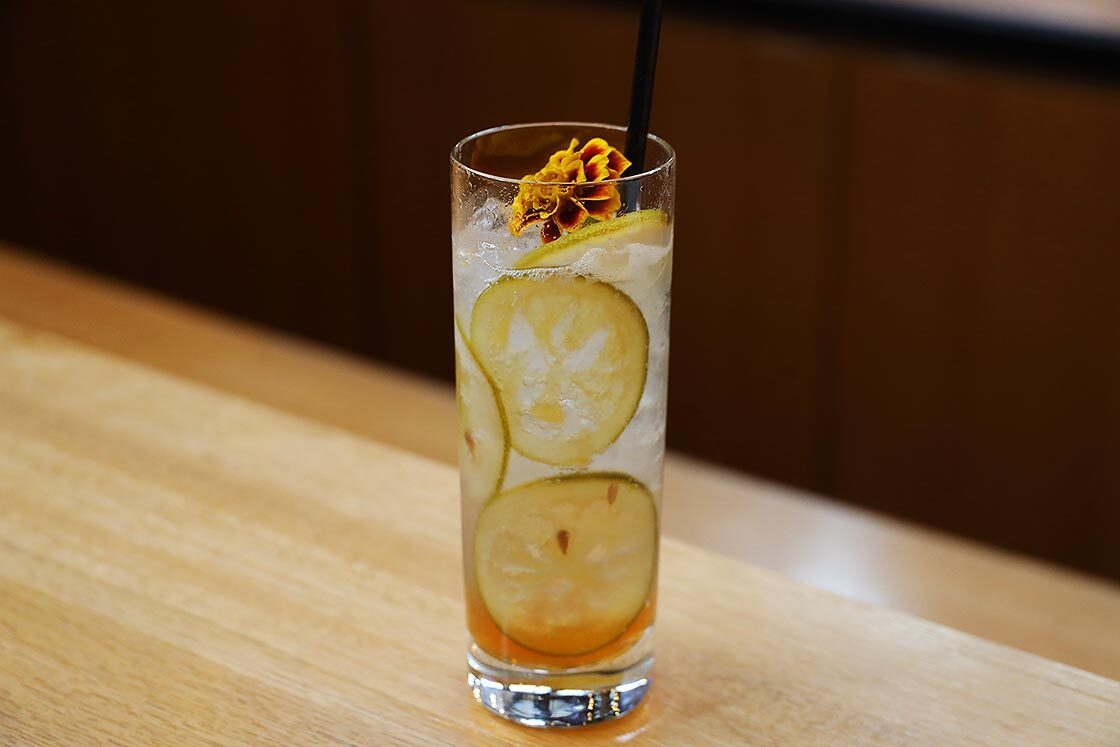
Taking a step back from the view, I made another brief stop at Akushu Cafe Windside - a well stocked drinks and confectionery stand also on the top floor, often making generous use of lemons from the surrounding Seto Inland Sea region, known for their sweetness and fragrant peel.
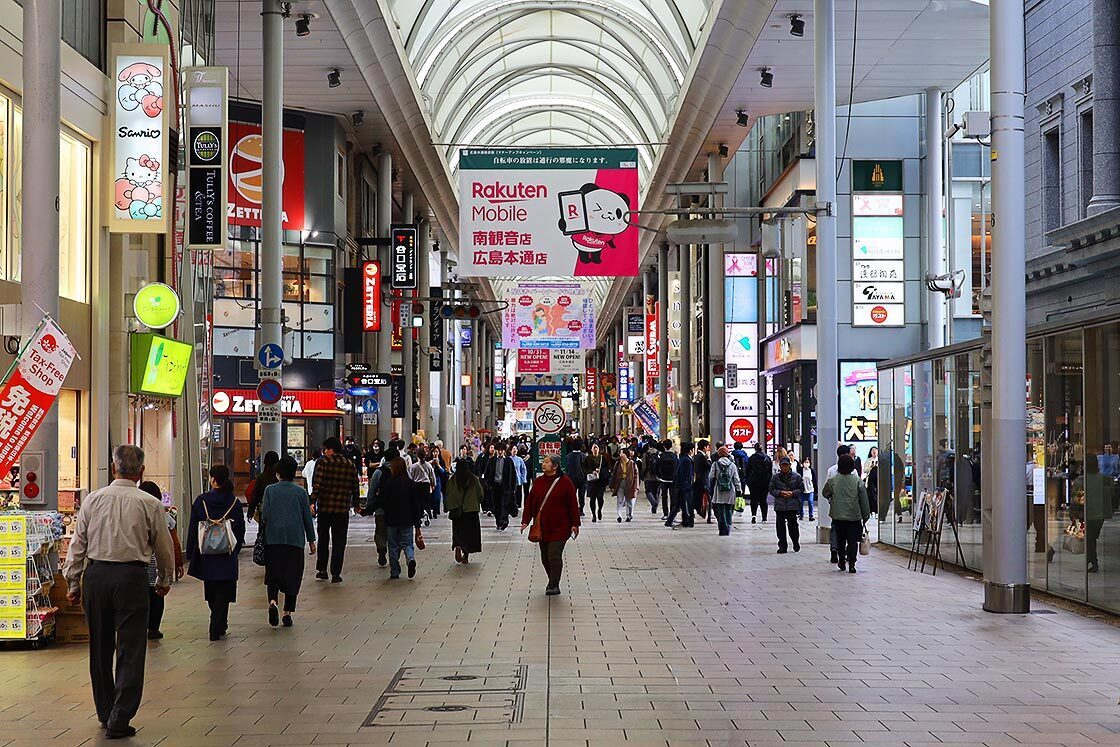
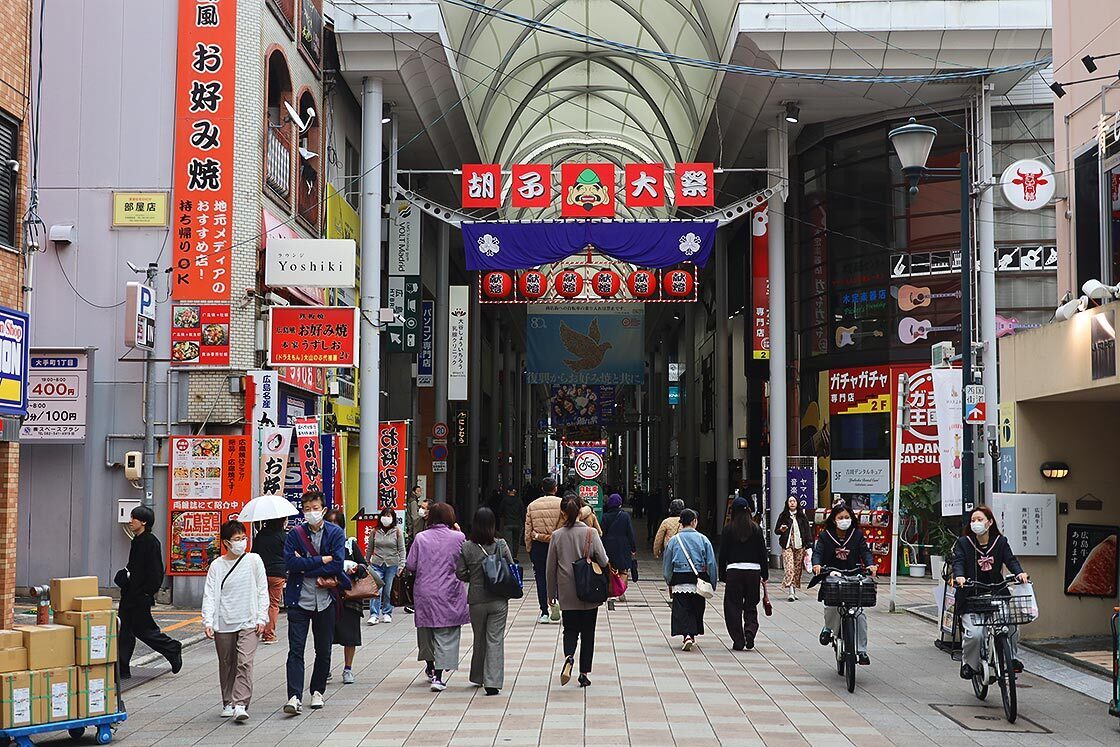
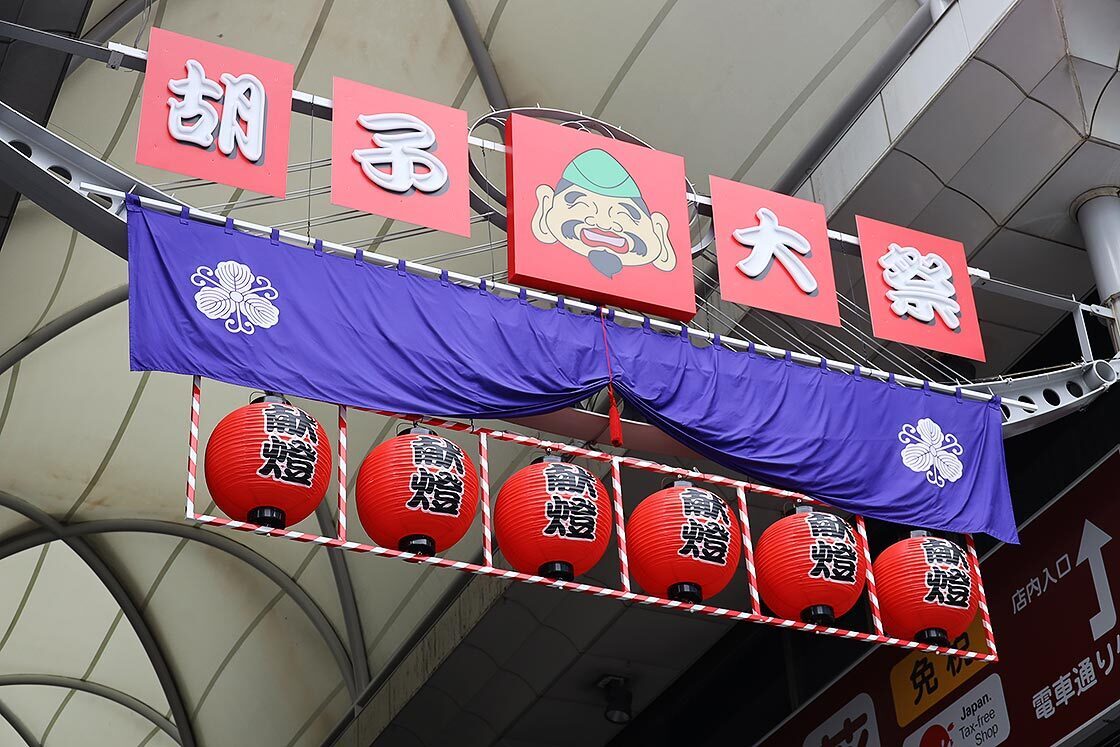
After a good look at the city from above, I set out for a stroll along the nearby Hondori Arcade - a covered shopping arcade stretching 500 meters across the city center from near the Peace Boulevard to the Yagenbori entertainment and nightlife district, and one of the city's busiest thoroughfares.
Packed with a huge range of different shops from comic book stores to bakeries as well as three major department stores, its wide avenue creates a surprisingly open and relaxed atmosphere, even compared with bigger cities like Tokyo or Osaka. On a different day I could have happily spent an hour or two just exploring, but today I was in the mood for some entertainment - towards the eastern end of the street, a slow 15-minute amble brought me to my next stop - Taito Station Hiroshima Hondori.
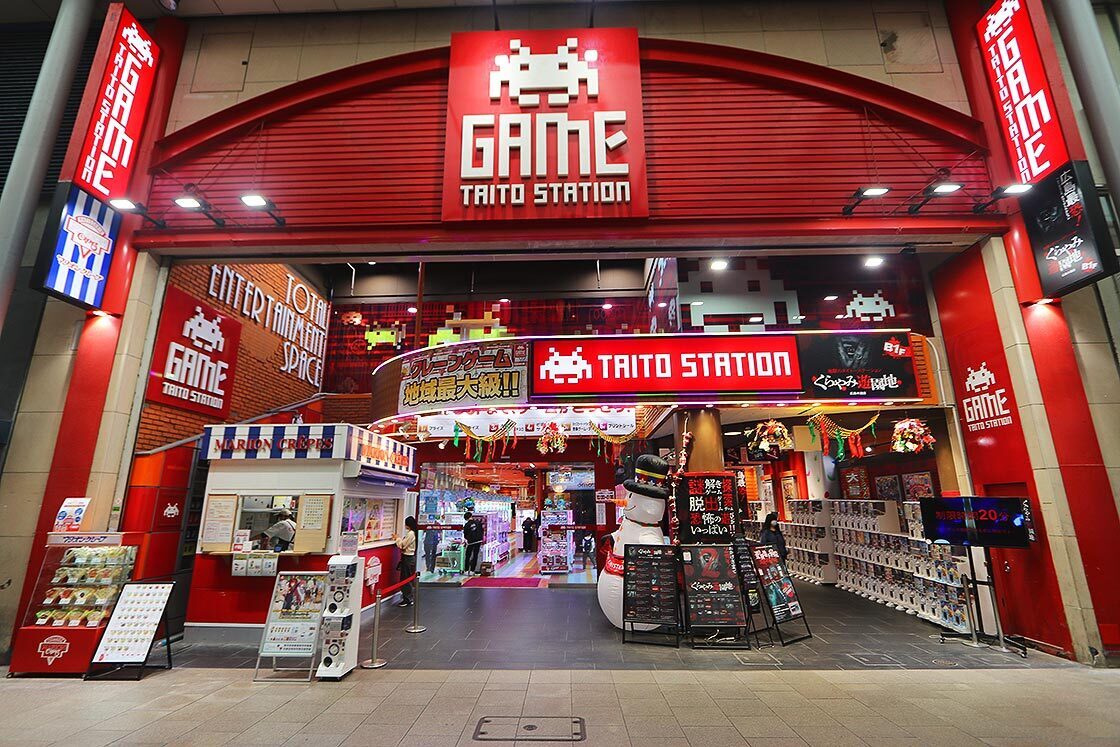
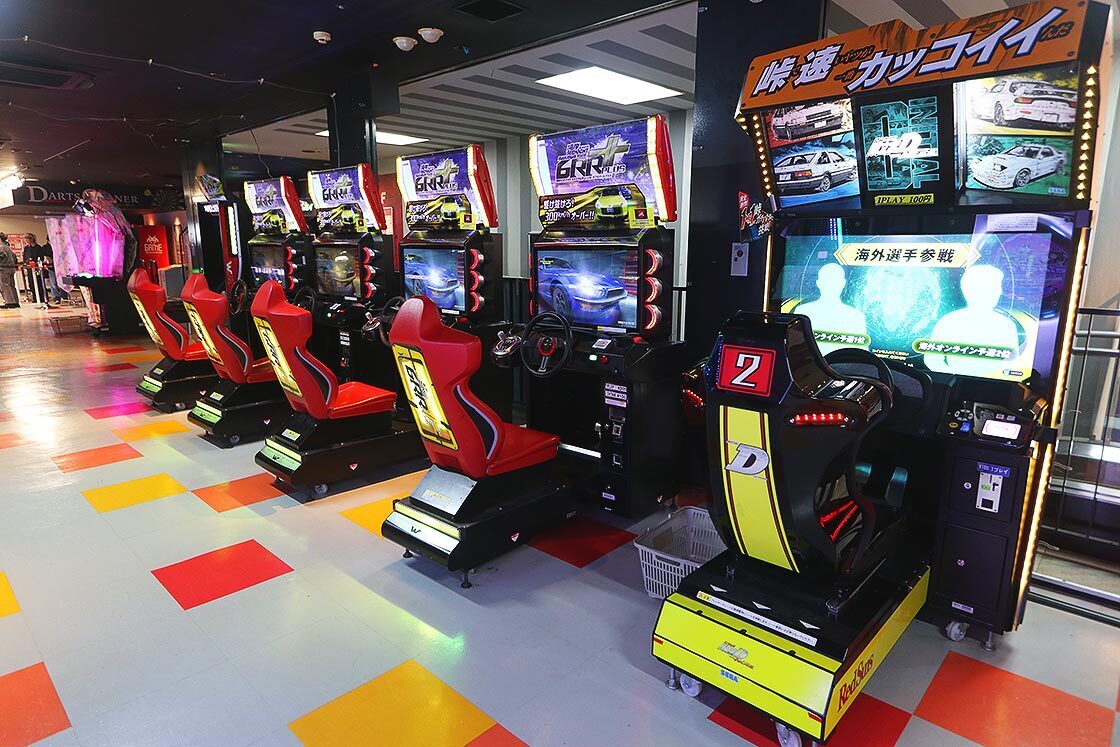
A popular amusement chain with branches in city centers across the country, Taito is easily recognized by its bright red store fronts and distinctive space invaders logo - a reminder of the company's role in developing the hit 1978 game, which went on to spawn Japan's arcade boom in the early 80s.
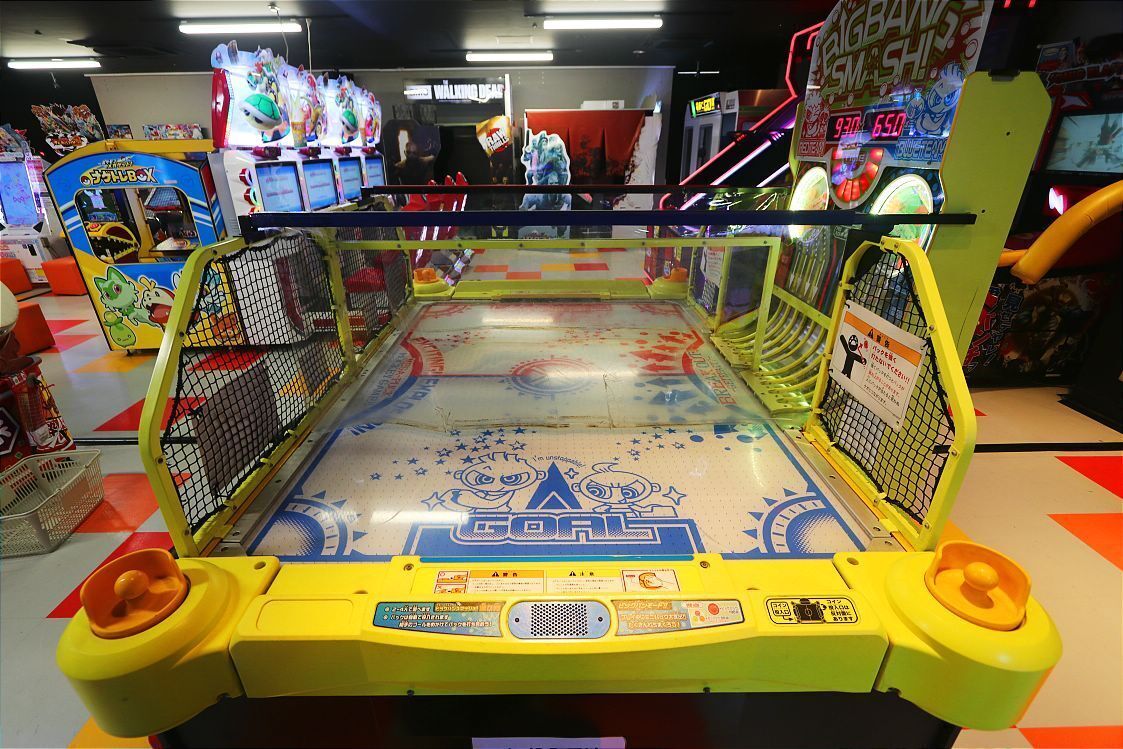
Despite being a Tokyo import, game centers like this are often hugely important for local youth as well as for the wider otaku or "nerd" community with its love for anime characters, idol groups and retro-style videogames. Although somewhat disorienting at first - the din of machines, blasts of music and shouted announcements, coupled with the sometimes confusing nature of the games themselves can all feel a bit overwhelming - once you start trying things out, you may well find it one of the more easy experiences to enjoy, even without any Japanese ability.
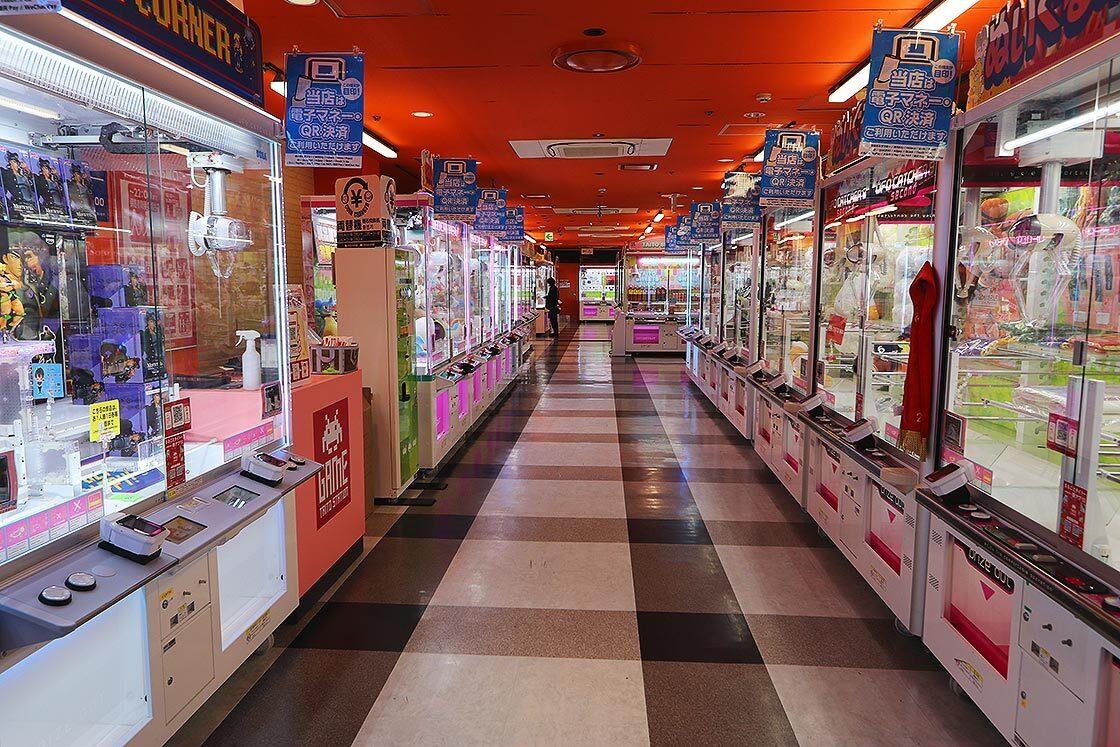
Making my way inside, the first thing I noticed was a wide range of "Crane Game" machines spread across the first two floors, glass boxes piled high with prizes of all kinds, from potato chips to plushies and even some consumer electronics. Bright, musical and relentlessly cheerful, the machines were hungry for my coins and it seemed as good a time as any to finally give the game a try.
Not surprisingly, the controls were fairly rudimentary - two buttons or joysticks to move the claw from left to right and front to back, with just a single button to drop it. What you can't control is where and how hard it grips, and therein - as I soon discovered - lay the difficulty. For readers keen to give it a go and who have the patience, I'm told what the real pros do is try to guide the item towards the slot a bit at a time, taking as long as needed.
Tearing myself away while I still had coins left to spend, I continued up to the third floor where I found a collection of medal games - a system not unlike pachinko, but without the option to trade the resulting coins for cash or other prizes. More my speed were the classic videogame cabinets on the next floor up including Tekken 7, where I spent longer than I plan to admit frantically button-bashing away - much to the delight of my inner teenager.
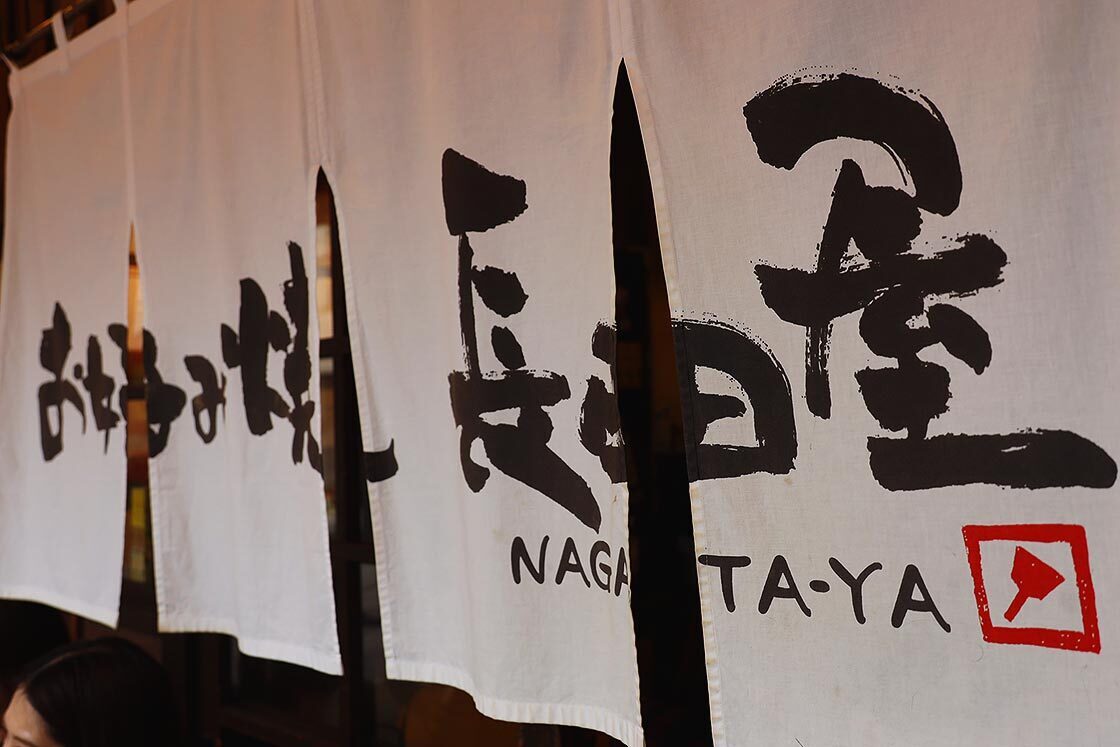
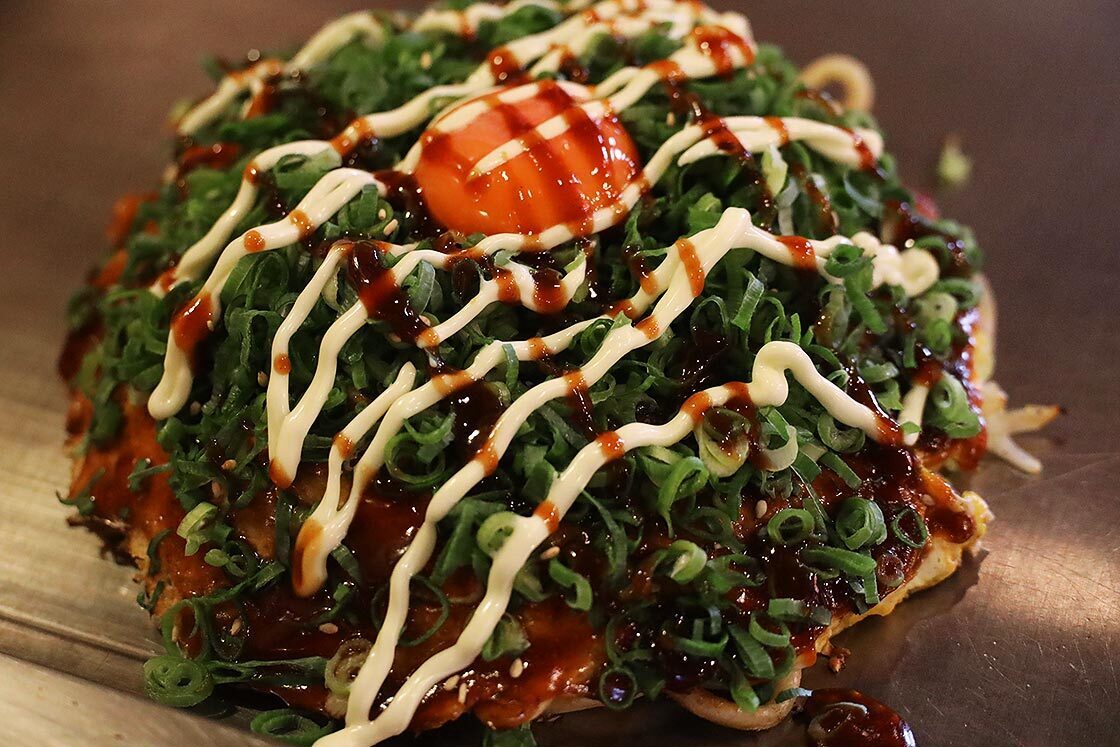
After playing with a few different machines, it was almost time for my next stop - an early lunch at Okonomiyaki Nagataya. Located within easy reach of the peace memorial park and atomic bomb dome, this cozy Showa-style eatery has proved a hit with locals and tourists alike, amassing over a thousand reviews and a 4.5 rating on tripadvisor. Widely praised for its use of fresh, high quality ingredients, Nagataya also offers a range of vegetarian and vegan options - something that can be a sticking point for many restaurants of its kind.
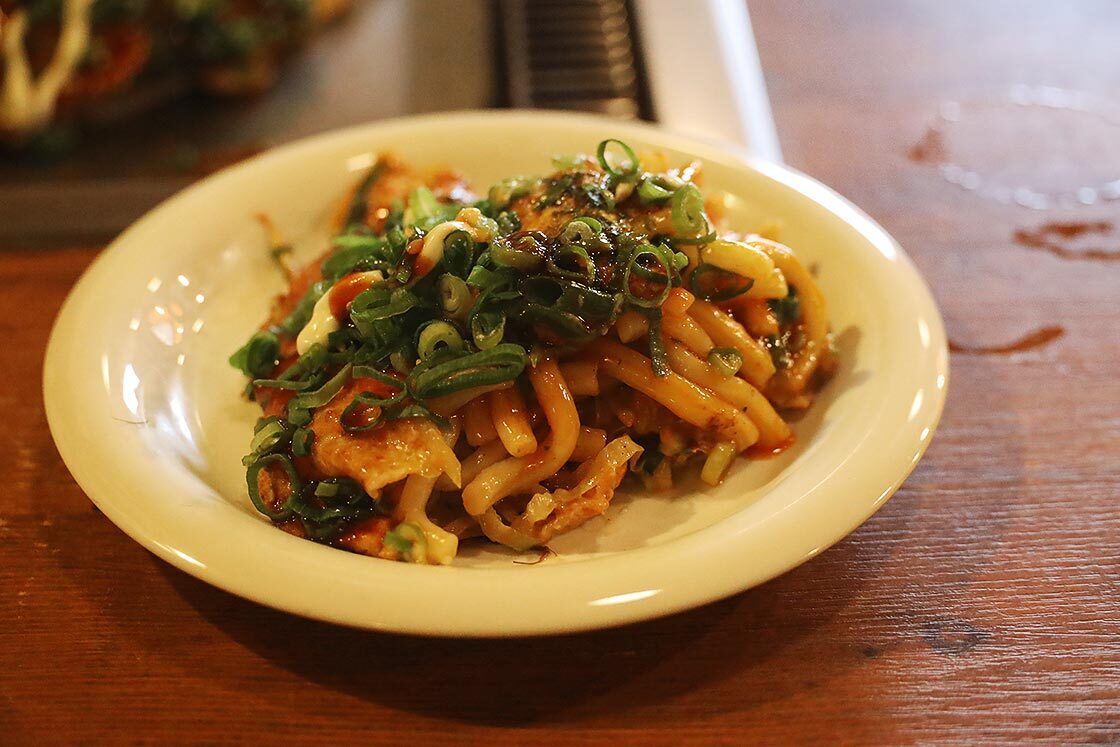
After maybe a forty-minute wait in line - a sign had helpfully warned "up to 90 minutes" so I counted myself ahead - I took a seat in one of the little booths and ordered the signature dish, called Nagataya-yaki, a rich mix of pork, shrimp and squid, topped with a mound of sliced green onions.
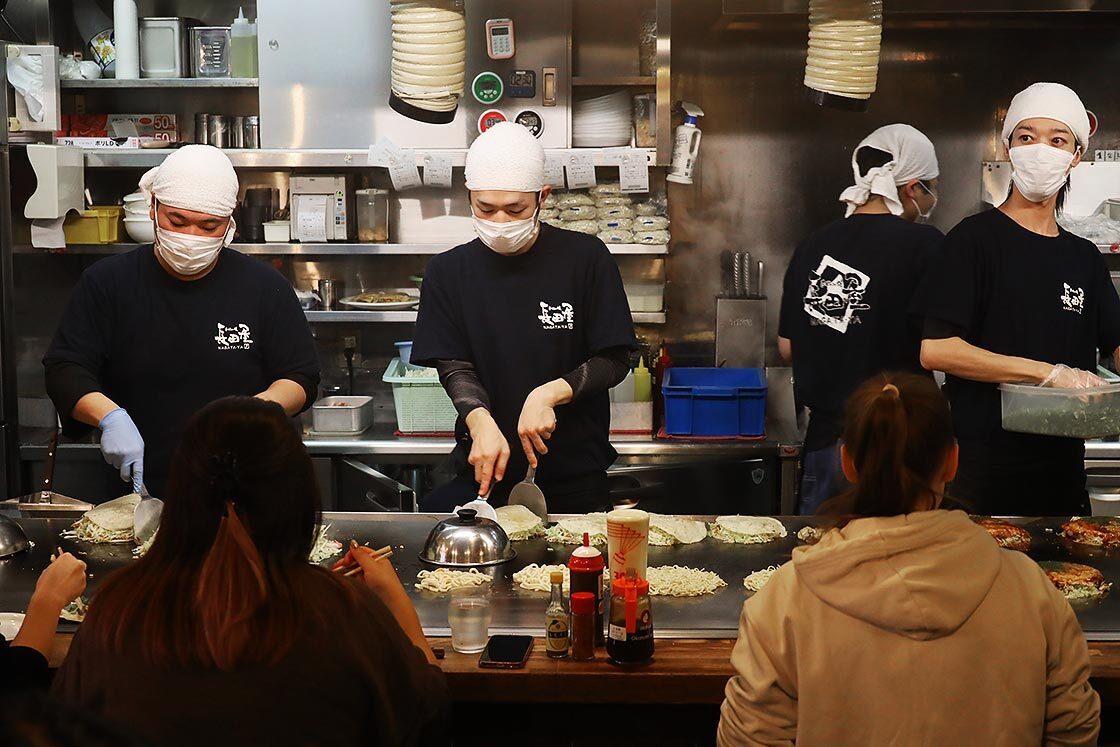
Unlike the more widely-known Kansai style - the classic "savory pancake" with ingredients mixed in - Hiroshima-style okonomiyaki is built up in layers, with a heap of shredded cabbage, toppings and noodles sandwiched together in a crepe-like batter envelope. Delicious, hearty stuff, and reliable fuel for a day spent on your feet.
Fully refueled, I took a 5-minute walk along the river to the Genbaku Dome-Mae tram stop and jumped on the tram line number 2 for my main stop of the day, at the BOAT RACE Miyajima Stadium - a pleasant coastal ride of just under an hour.
The Hiroshima Electric Railway or Hiroden was founded in 1912, created to modernize a city that was already a regional capital, a growing trade port and a military center. By the 1920s and 30s, the city had a well-developed tram network at a time when many other cities still relied on a mix of early buses and rickshaws. In the wake of the atomic bombing of August 1945, some portions of the tram network could be seen up and running in just three days, providing a lifeline for survivors searching for family, water or aid.
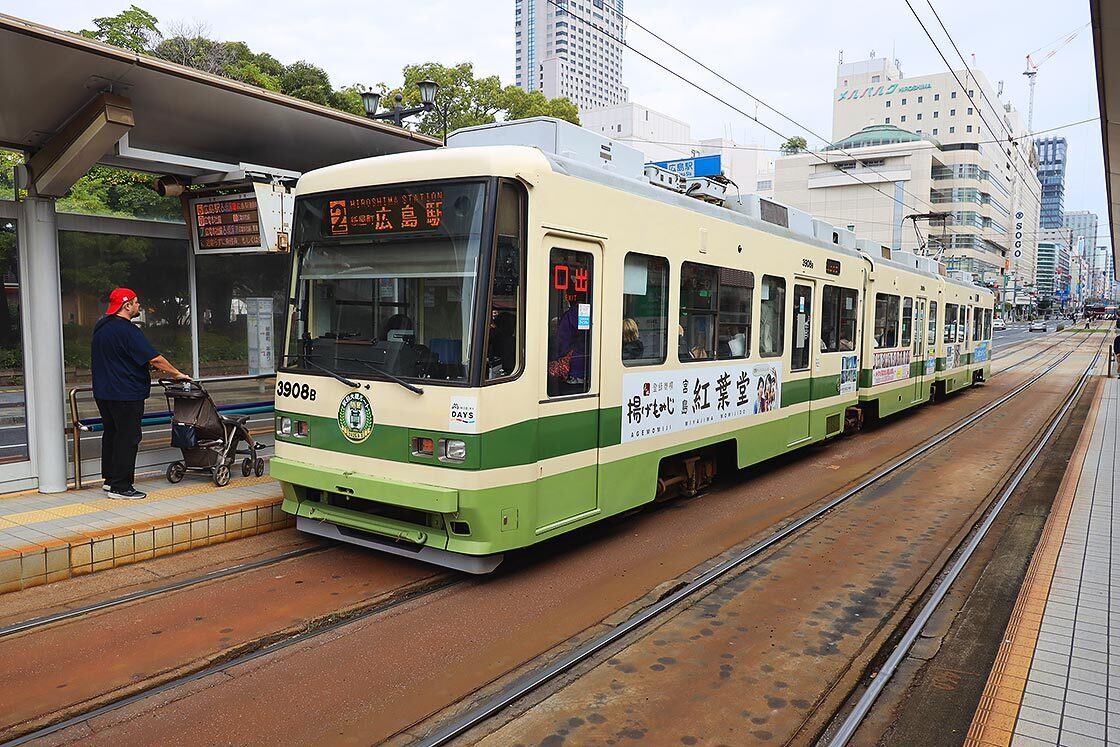
Fast forward to the present, and Hiroden operates one of the most varied fleets in the world, including trams from the 20's to 40's, postwar streetcars, imported machines from Europe and even retired models from other Japanese cities. Most famous of all however are cars 651 and 652 - two trams that were operating on the day of the bombing, later to be extensively refurbished and brought back into service.
Stepping off the tram at Hiroden Miyajimaguchi just a few steps from the ferry terminal a little after noon, I made my way over to the stadium just in time for the early afternoon portion of the day's races - typically the period when energy reaches its peak and the roster of players is most varied, but note that races may finish earlier in autumn or winter. Once through the ticket barrier requiring a cash payment of 100 yen, I made my way straight through to the outdoor seating area to catch the first of several races from trackside.
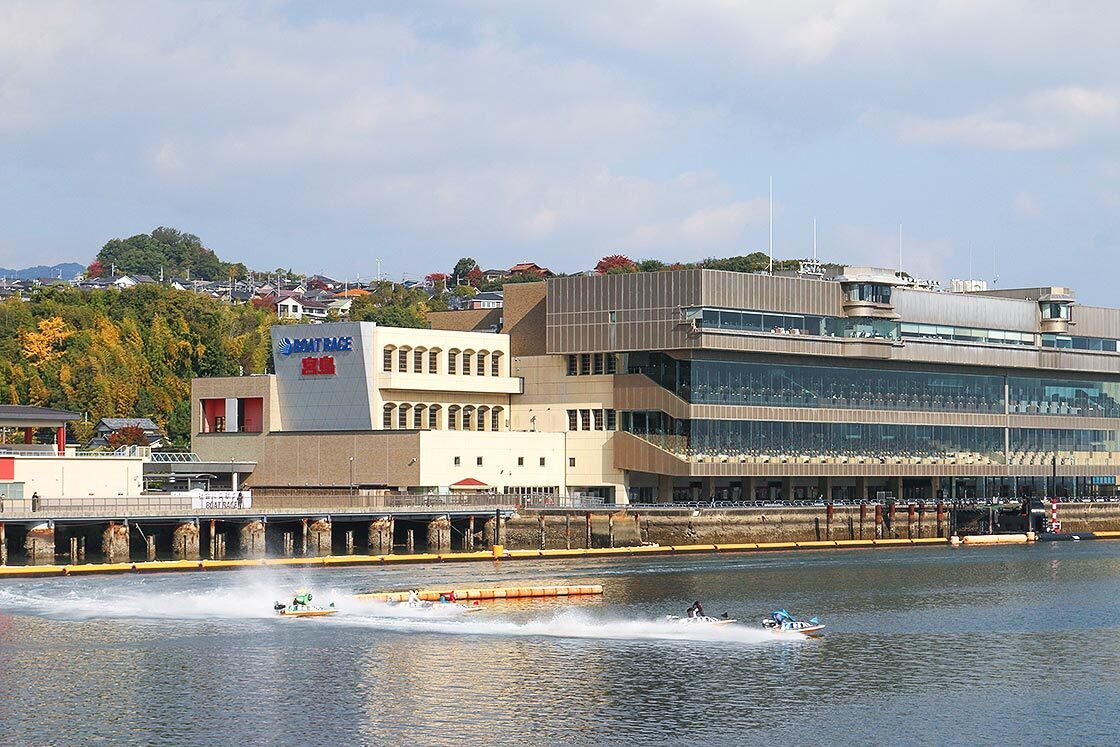
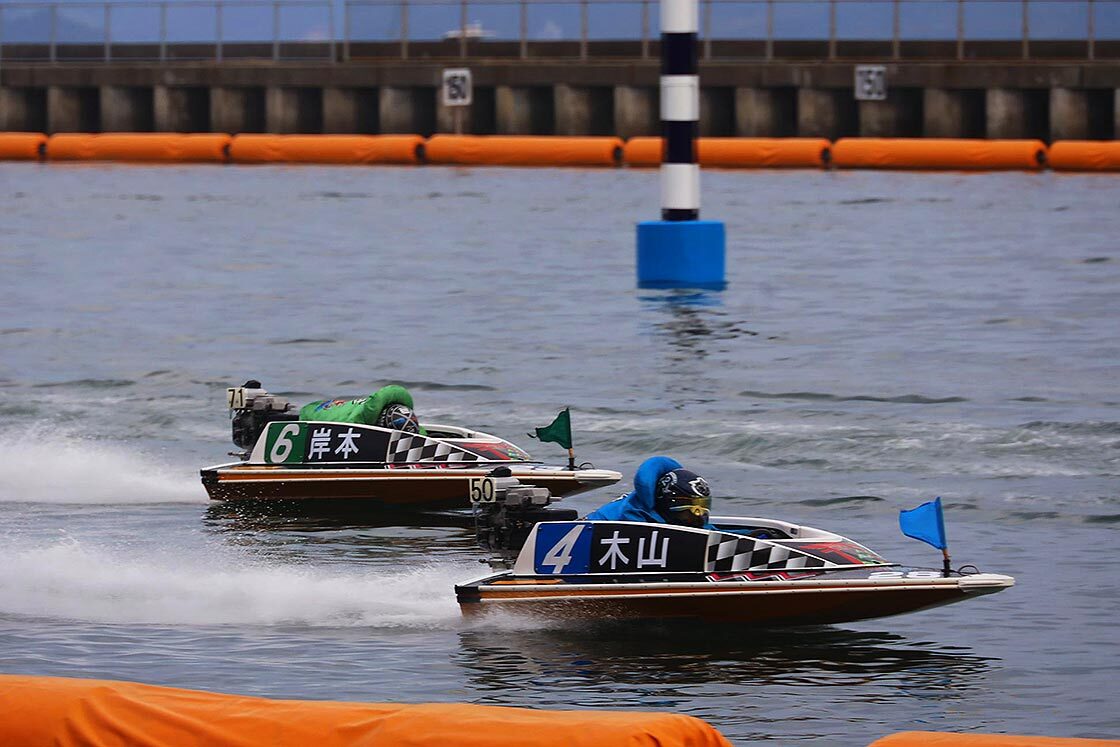
Outside, the water of the track seems to expand outwards into the sound towards the spiky ridgeline of Mount Misen out on Miyajima, creating a surprisingly immersive scene. The stadium is one of ten nationwide flooded with sea, not freshwater - adding a touch of lift to the boats and helping to even the odds between lighter and heavier racers. Tidal changes of up to four meters in difference meanwhile add a slight "wildcard" effect, affecting everything from surface conditions to the pull of wakes.
Just as I was getting my first look, an announcer let me know that my first race of the afternoon was about to begin. With a roar, six boats came bouncing out of the pit into a practice lap of the course - a key moment for experienced betters, who will be watching for factors like straight line speed, turning control and stability in the water. Instead of lining up for the race proper, the boats perform a rolling start - approaching the starting line in formation and aiming to hit full throttle within a very tight window.
It's said that the race is often won or lost in the first turn - a chaotic-looking melee as Boat 1 on the inside tries to defend its position while those on the outside try to slingshot around. Water explodes in a wall of spray, hulls lean at impossible angles and one or two competitors are swallowed in the building wake - a lot of drama squeezed into a few busy seconds. Altogether, the race continues for three laps of a 600-meter oval for a total of 1,800 meters in an increasingly breathless, spray-filled chase that always seems over in a flash.
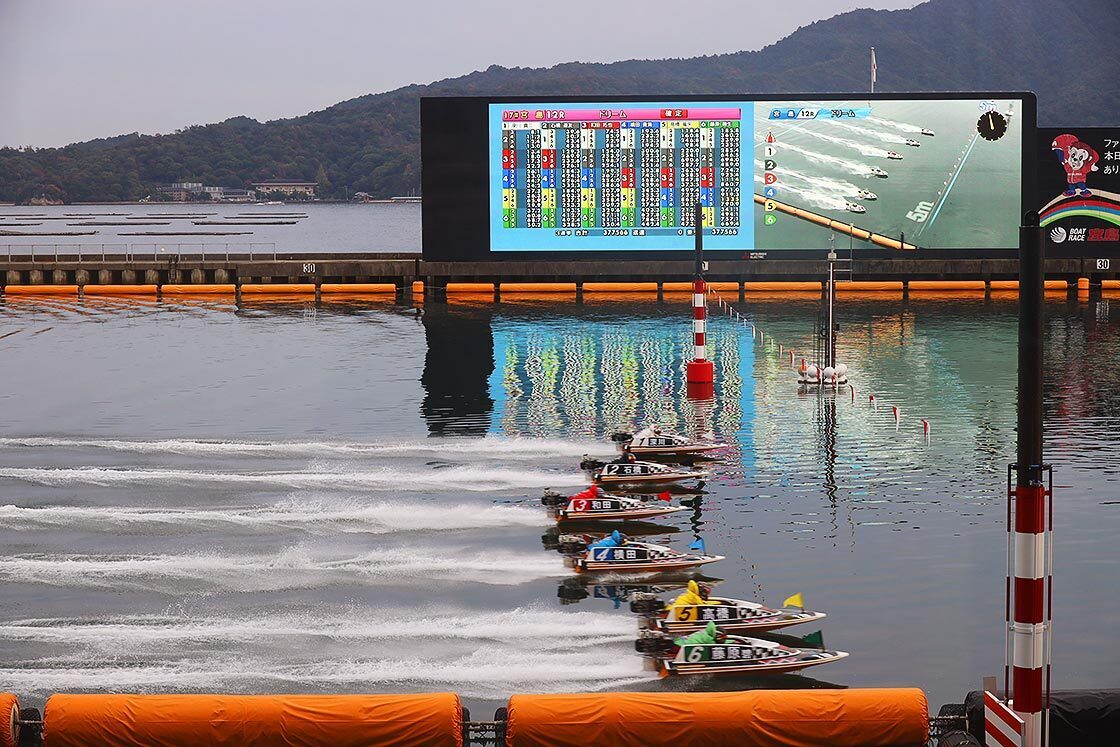
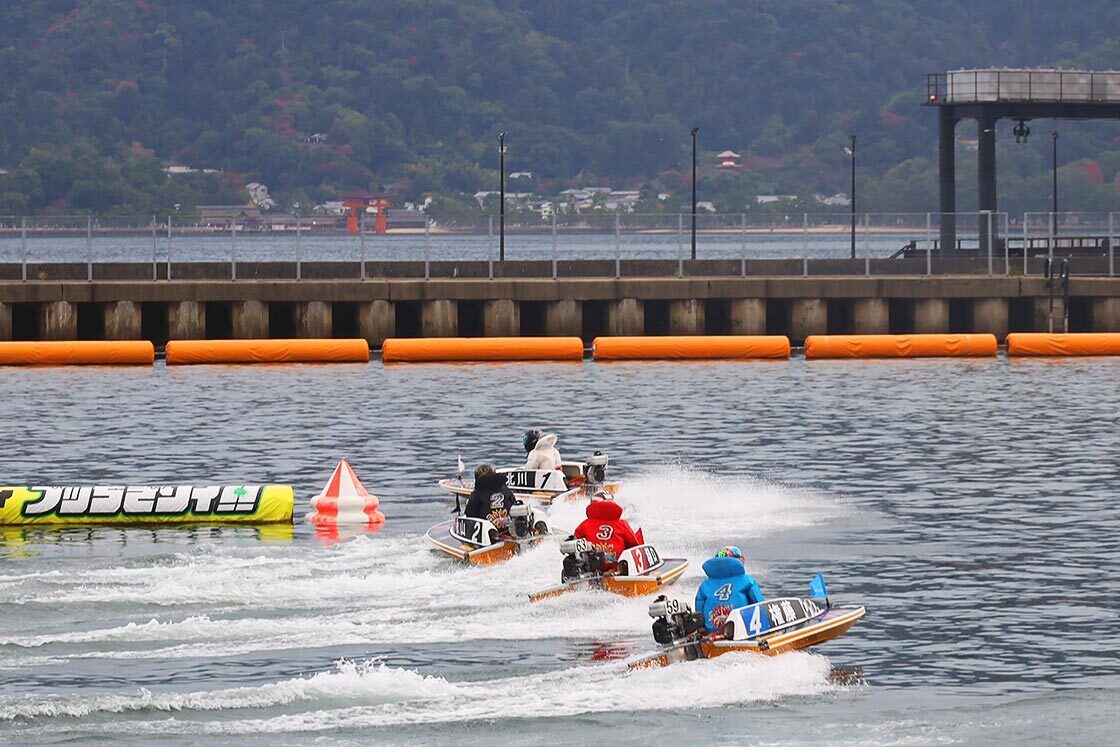
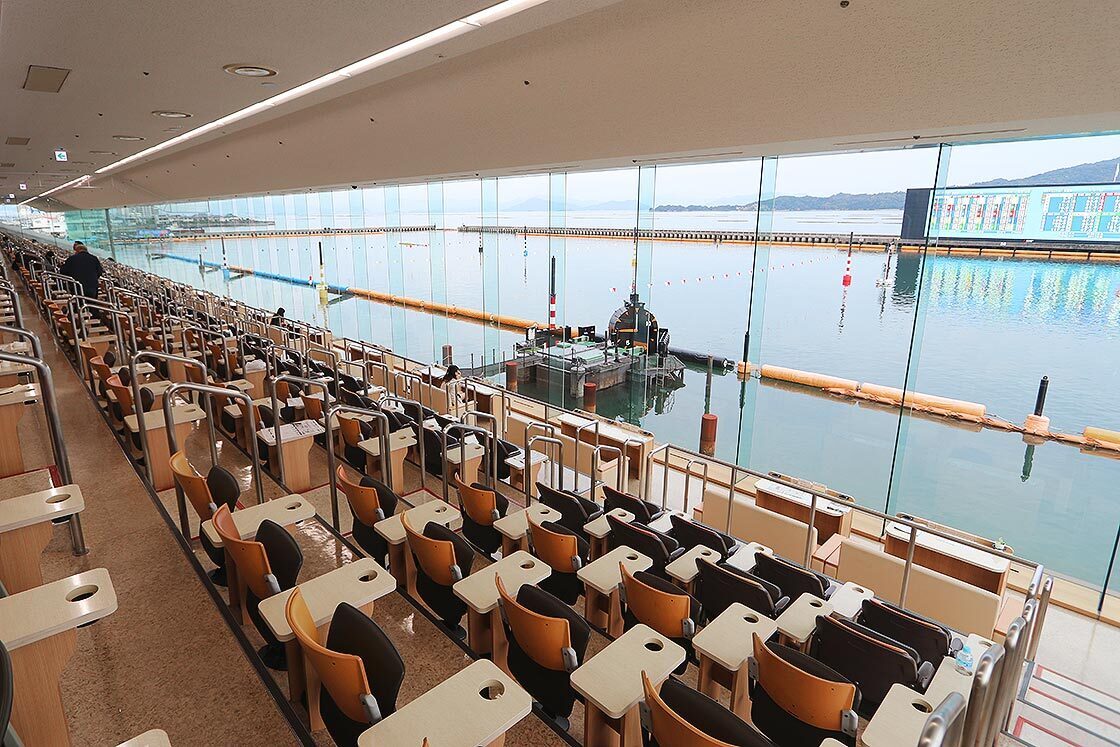
Eager to liven things up even further with a bit of low stakes gambling, I made my way up to the third floor seating area - a smart, comfortable space with a panoramic view across the stadium and the Inland Sea beyond.
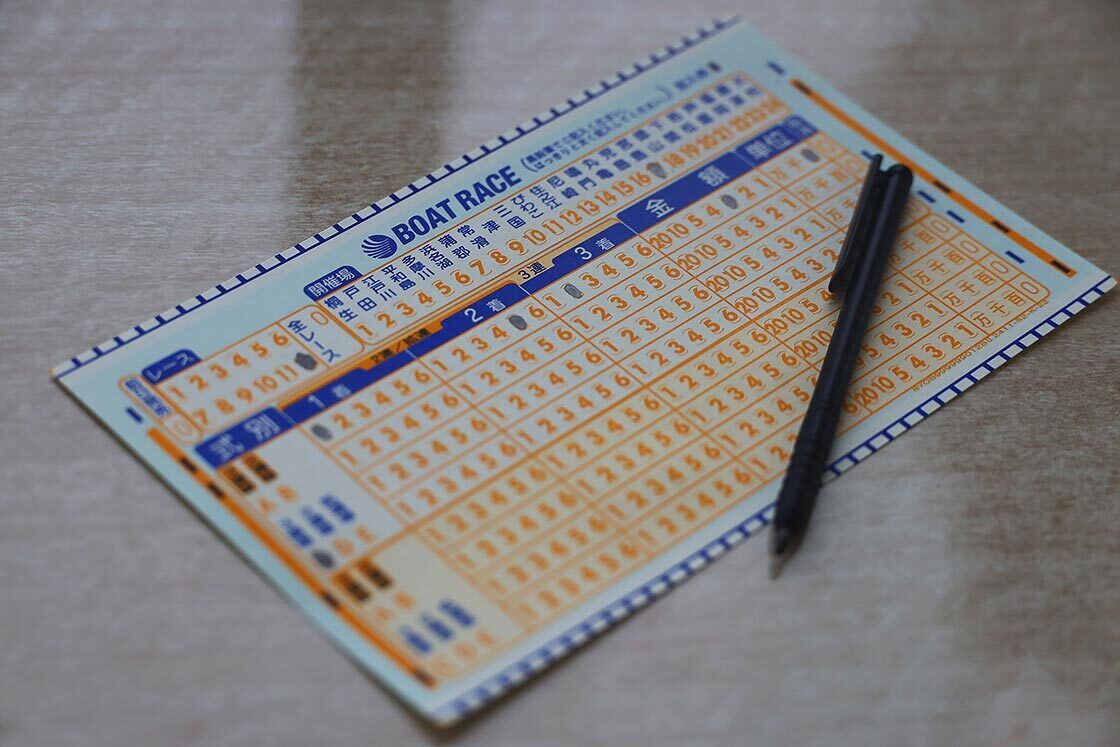
Settling into one of the seats with its little desk, I did my best to remember the baroque system of rules and classifications (for a great explanation, please see Raina's previous article) while poring over the day's program - a list of scheduled races complete with an almost hilariously comprehensive set of player stats. Are you the sort of better who prioritizes wins overall, or experience in this stadium specifically? How about the number of wins of the boats or motors, selected individually each time by lottery? Performance when the tide is rising or falling? It's all there.
The beautiful, inventive weirdness of it all extends well beyond the available data and into the betting process itself, in which choosing anything so crass as the actual winner isn't really the done thing. Rather, one can choose the winner and second place in order (Ni-rentan), the first and second without regard to order (Ni-renpuku) or first, second and third in order (San-rentan), the latter odds kaleidoscoping into one in 120 different outcomes.
With a rush of misguided confidence, I placed a few hundred yen on a San-renpuku sequence of the top three players. My logic was flawless - this player, who never seems to lose in this stadium, then this boat, which never fails… and number 3? Well, yellow seems like a fast color. Incredibly, as the race began, my prediction seemed to make the leap into real life - I had cracked the code, and was actually going to win! I did not win.
The sun was just beginning to set as I left the stadium and retraced my steps back towards central Hiroshima, where I had one last experience to look forward to. From the station, I took a 20-minute stroll southwest, across the river and into the area surrounding Nagarekawa and Yagenbori, generally thought of as the city's main nightlife and entertainment hub.
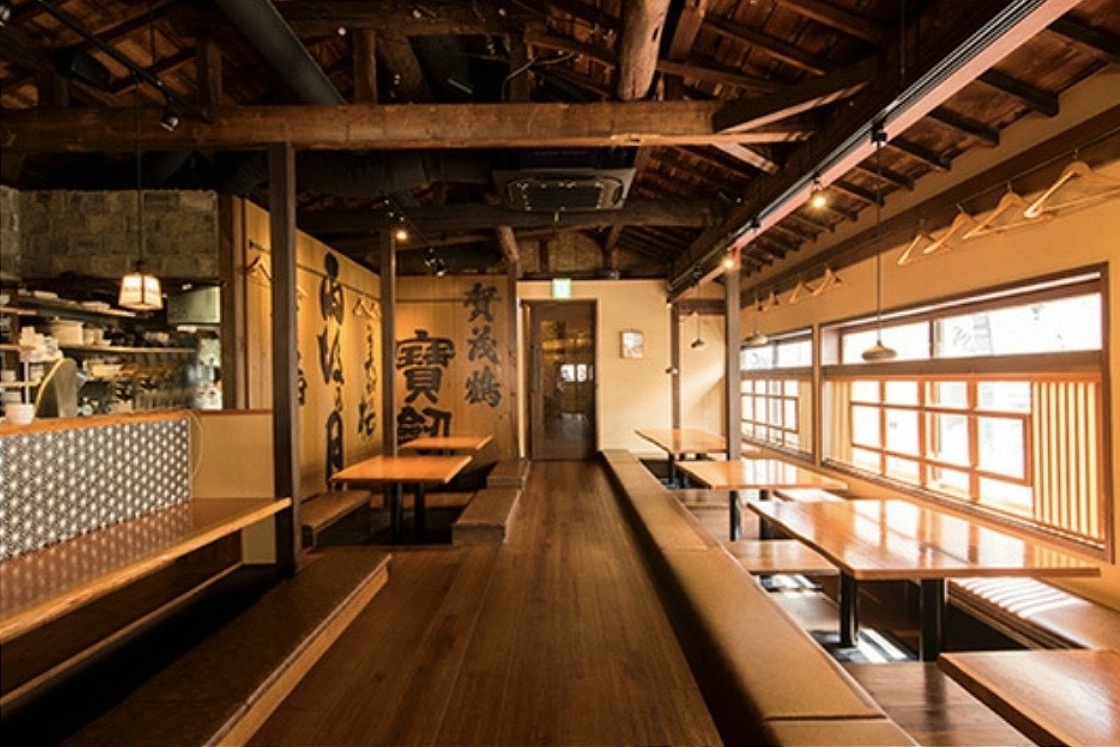
My destination here was Shuhai Honmaru, a calm and refined izakaya with room for about 50 spread across larger raised tables and horigotatsu or sunken seating up against the counter. As well as many of the usual "Japanese pub" classics, Honmaru offers an excellent line in locally caught seafood and regional sakes, making it the perfect spot to get better acquainted with Inland Sea culture after a busy day of exploring.
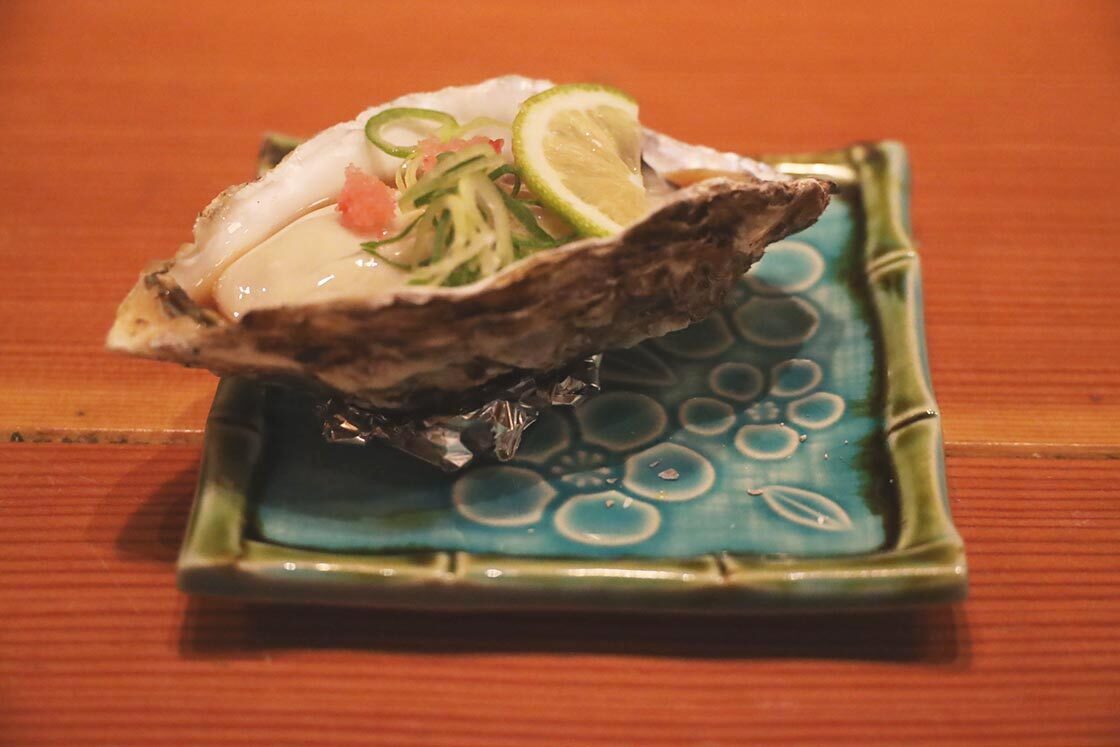
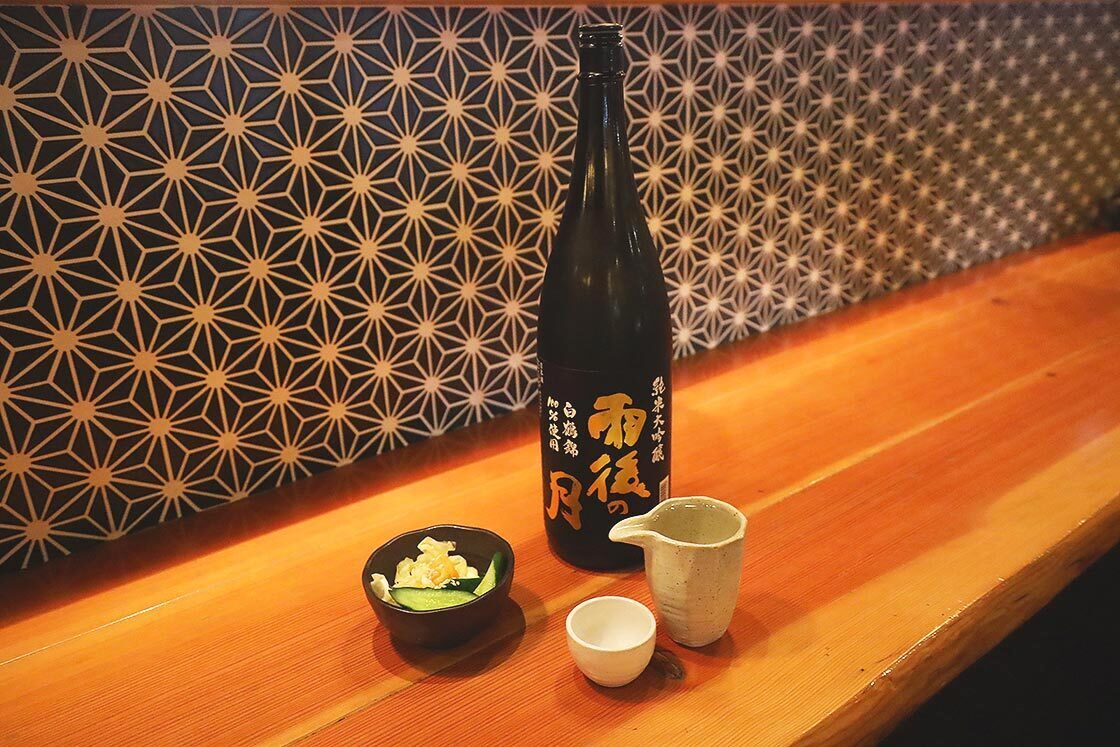
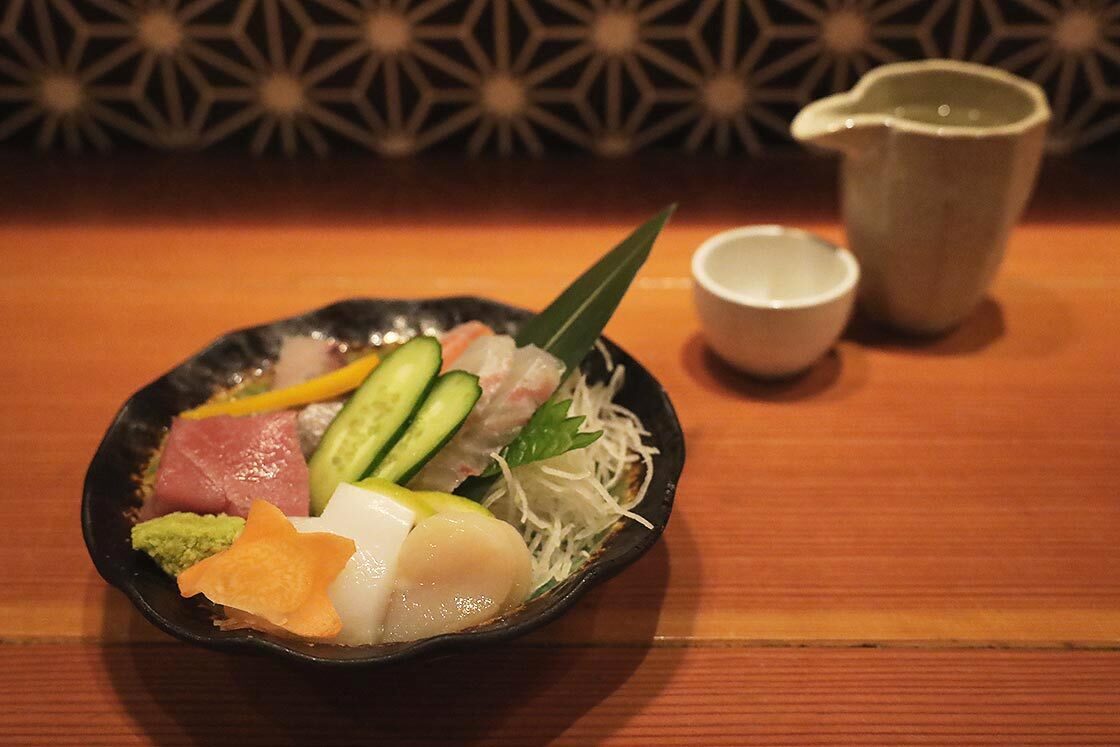
Following a staff member's advice, I kicked things off with a flask of Ugo no Tsuki, or Moon after the Rain - a wonderfully soft and smooth sake from local brewer Aihara Shuzo, with a subtly floral scent and a touch of something like pear on the palate. This led perfectly into a nicely presented dish of sashimi, raw oysters with spring onions and sweet, tangy ponzu sauce - both always high on my list when I travel in Japan's Inland Sea region.
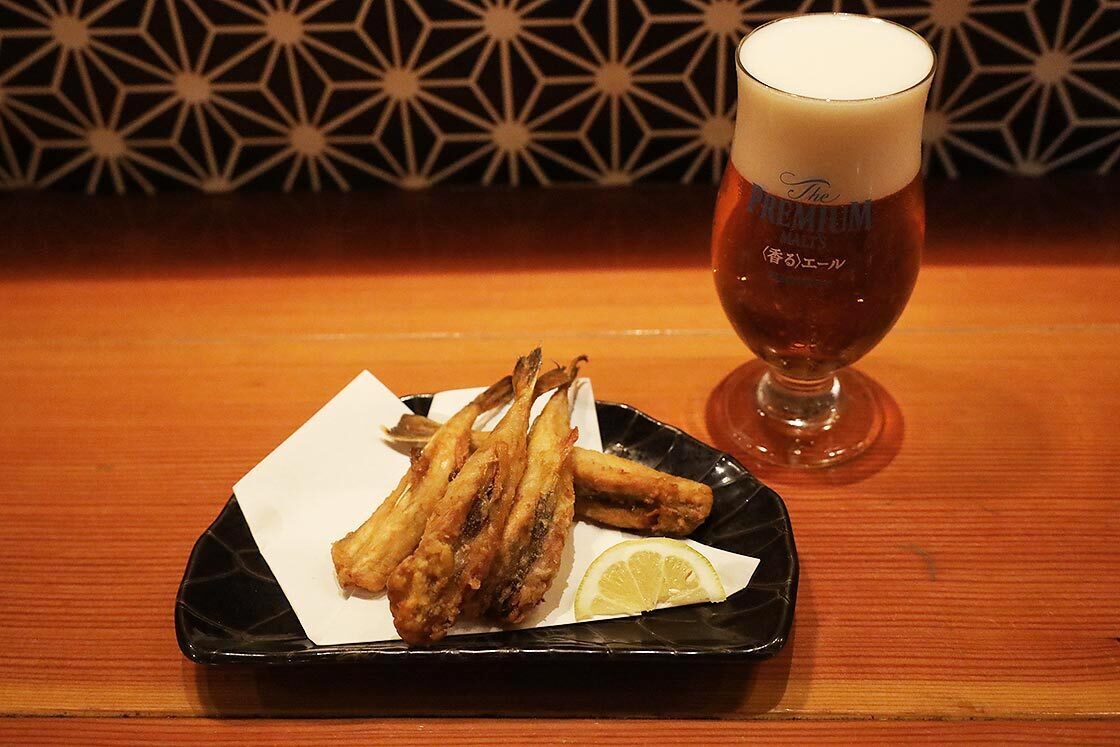
So far, so tasty - but I didn't want to leave without taking the opportunity to try something new. Next came the distinctly local favorite of kone - thin slices of seared beef brisket served over lettuce with more ponzu and a little mound of grated daikon. Making short work of that, I couldn't resist following it up with a plate of deep-fried fugu - yes, THAT fugu - albeit one of the smaller and less expensive varieties one often sees in the western part of Japan.
For one last taste of Hiroshima, I ordered the kani miso, which despite the name isn't miso at all but rather a paste made from the soft organs inside a crab's shell - rich, briny and complex served simply with few crackers - my first time that I can remember, and sheer heaven.