Beyond Kanazawa: Discover the Real Ishikawa
With foreign visits to Kenrokuen Garden surging, Kanazawa has earned its place on travel lists worldwide. Once the castle town of the Kaga Domain, Kanazawa offers rich cultural heritage and traditional streetscapes, from the narrow streets of Higashi Chaya to atmospheric temples and gardens. As the center of Ishikawa Prefecture today, the city has evolved into a destination where tradition meets modernity, with contemporary art museums, shopping districts, and innovative restaurants sitting alongside centuries-old craft workshops and tea houses.
Just beyond Kanazawa lies the Kaga region, a different side of Ishikawa Prefecture. Known for its four hot spring areas, Kaga offers abundant natural scenery and traditional crafts such as Kutani pottery and Yamanaka lacquerware. The pace here is more relaxed and tranquil, ideal for leisurely exploration. Small domestic tourist retreats sit quietly waiting, and overtourism hasn't yet changed the fundamental character of daily life.
The appeal of exploring both regions isn't simply about choosing between crowded and quiet. It's that staying longer in Ishikawa Prefecture allows you to experience Kanazawa's blend of culture and urban energy, and Kaga's hot springs, nature, and crafts. Accommodation in Kaga is often more readily available, locals offer a naturally welcoming atmosphere to the international visitors who are gradually discovering the area, and each small town has cultivated its own distinct identity over centuries.
Start with Kenrokuen, But Keep Going
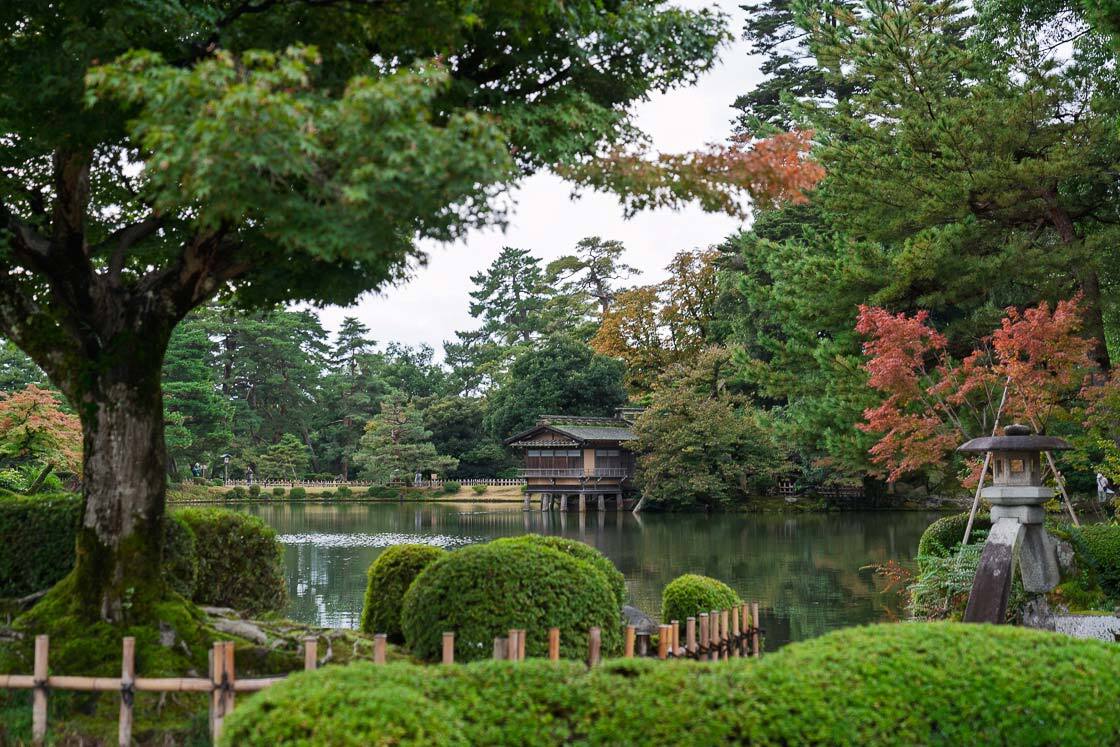
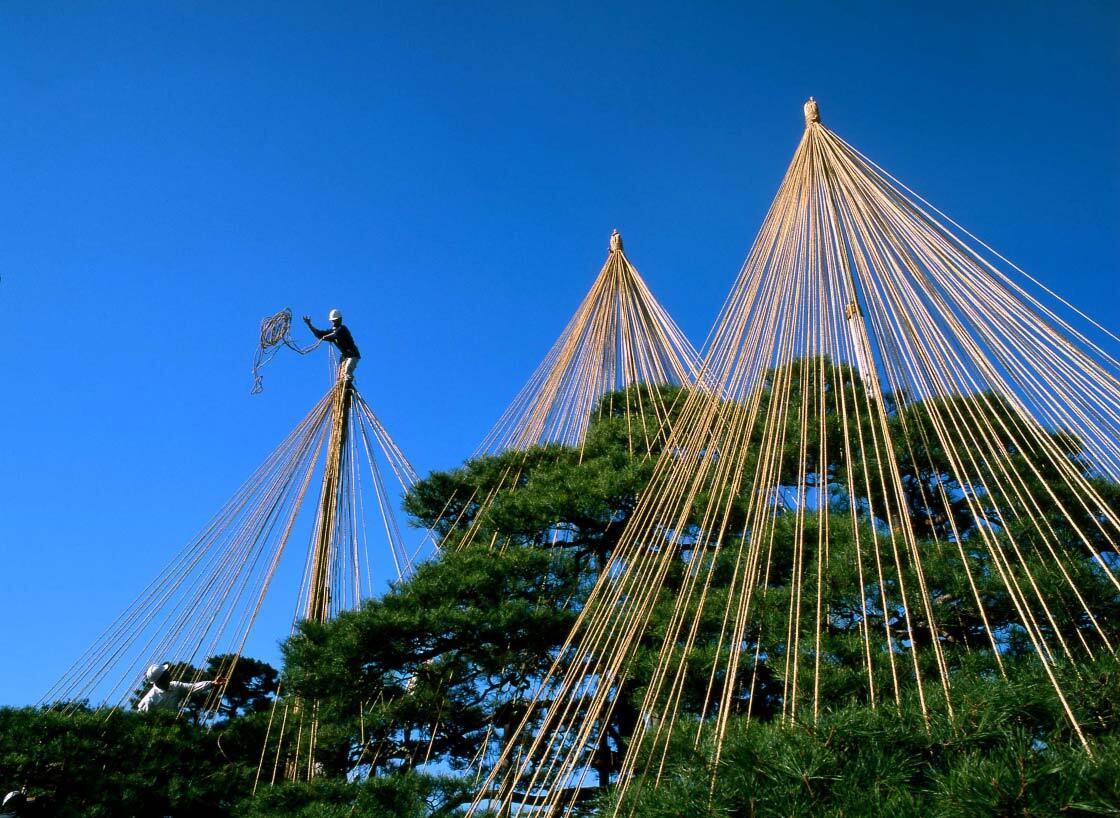
Kenrokuen Garden is a sprawling landscape of impressive angles, carefully curated over centuries to make every step as impressive as the last. The natural water fountain pushes water high into the air through pressure alone, trees have their extended branches lovingly held up by supports, and the iconic two-legged Kotojitoro Lantern stands at the pond's edge, creating one of the garden's most photographed views. What appears to be a manicured lawn from a distance reveals itself as meticulously tended moss once you approach, and the garden delivers on the promise that many curators make about their spaces being beautiful in any season. It's certainly worth your time, just don't let it be the end of your journey through Ishikawa Prefecture.
Yamanaka Onsen: Where Tradition Meets Tranquility
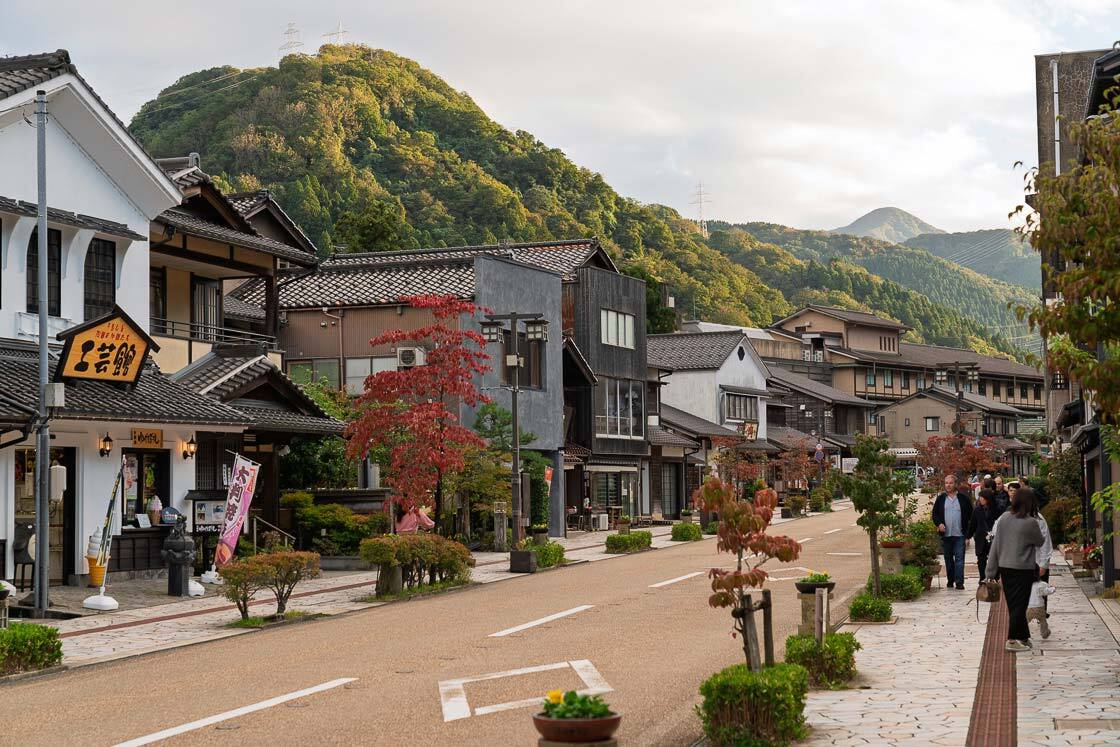
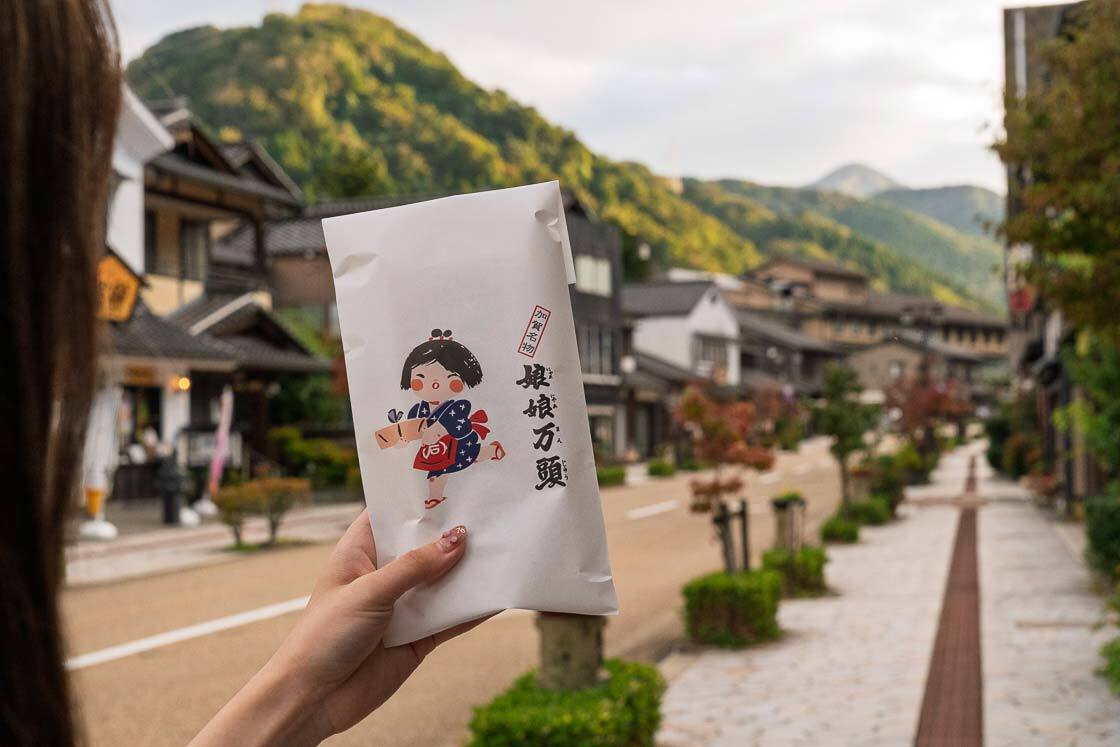
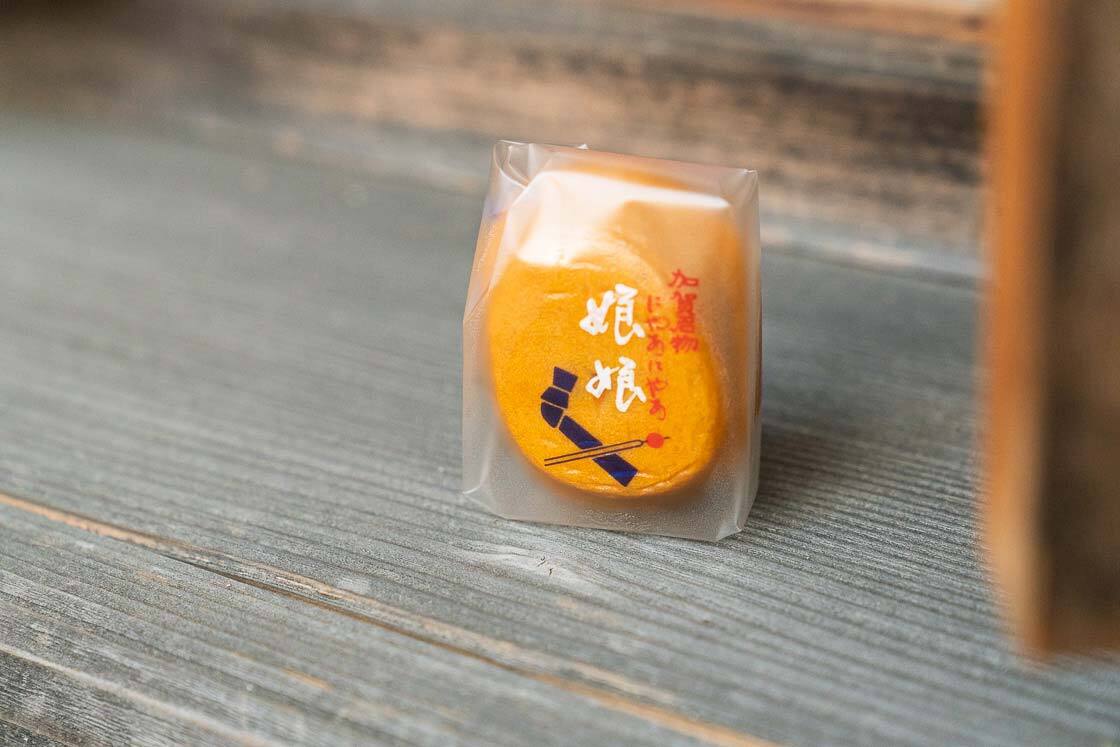
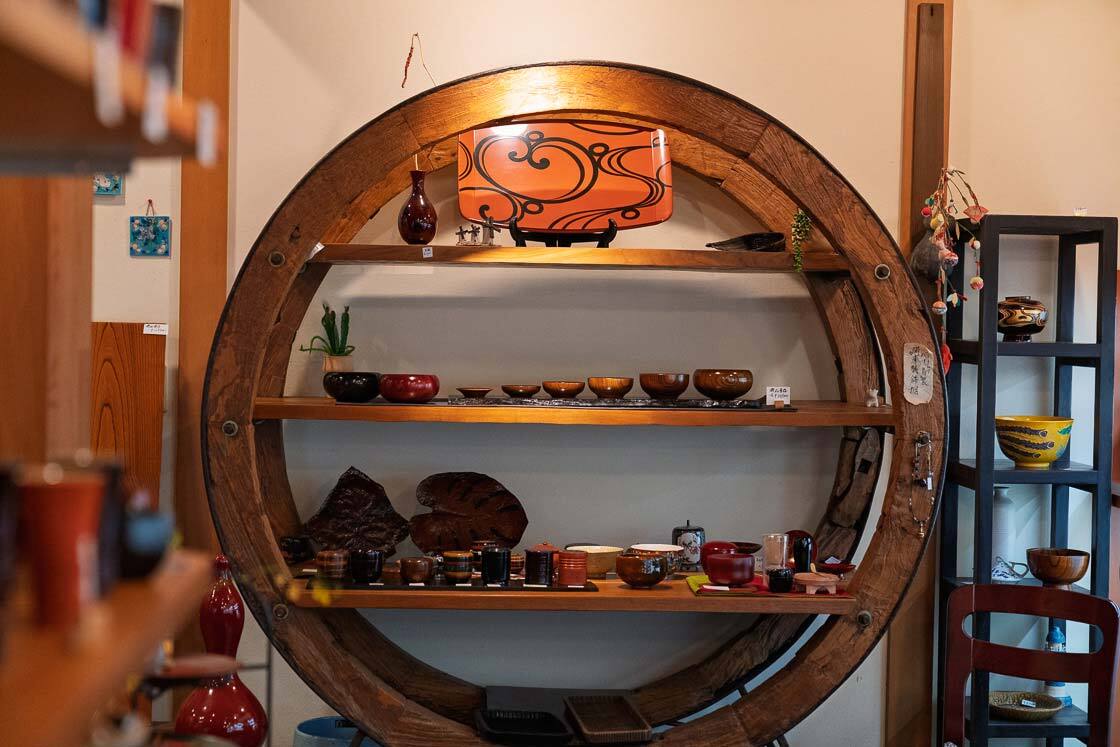
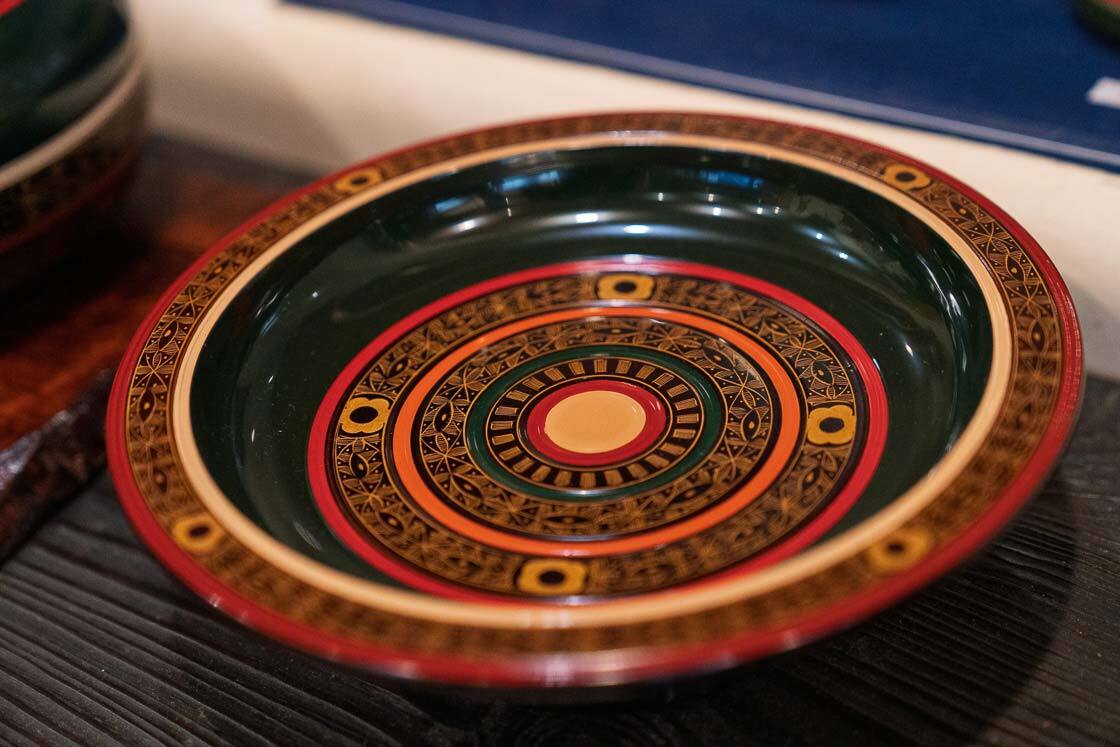
Yamanaka Onsen, with a history spanning over 1,300 years, remains relatively unknown to foreign tourists despite being popular with domestic travelers mainly during spring and autumn. Walk down Yuge Kaido, the main street, and you'll notice the power lines have been buried or tucked away in side streets, leaving clean sightlines to traditional buildings and steam rising from the hot spring water flowing throughout the streets. The atmosphere is especially serene, with a quietness that invites leisurely exploration. The street is lined with shops showcasing Yamanaka lacquerware, famous for its detailed patterns and concentric circles refined over 450 years of continuous practice, and sweet snacks made to be enjoyed on the stroll.
A short walk from town brings you to Kakusenkei Gorge. The Ayatori Bridge spans the ravine in an oddly constructed way that somehow works, giving your first glimpse of what's below. Moisture from the rushing river has covered every surface in moss, creating something that looks pulled from a Ghibli film. The sound of water is constant, and with dappled light filtering through the canopy, the effect is immediately calming. Benches are positioned at intervals along the footpath for sitting and taking it all in.
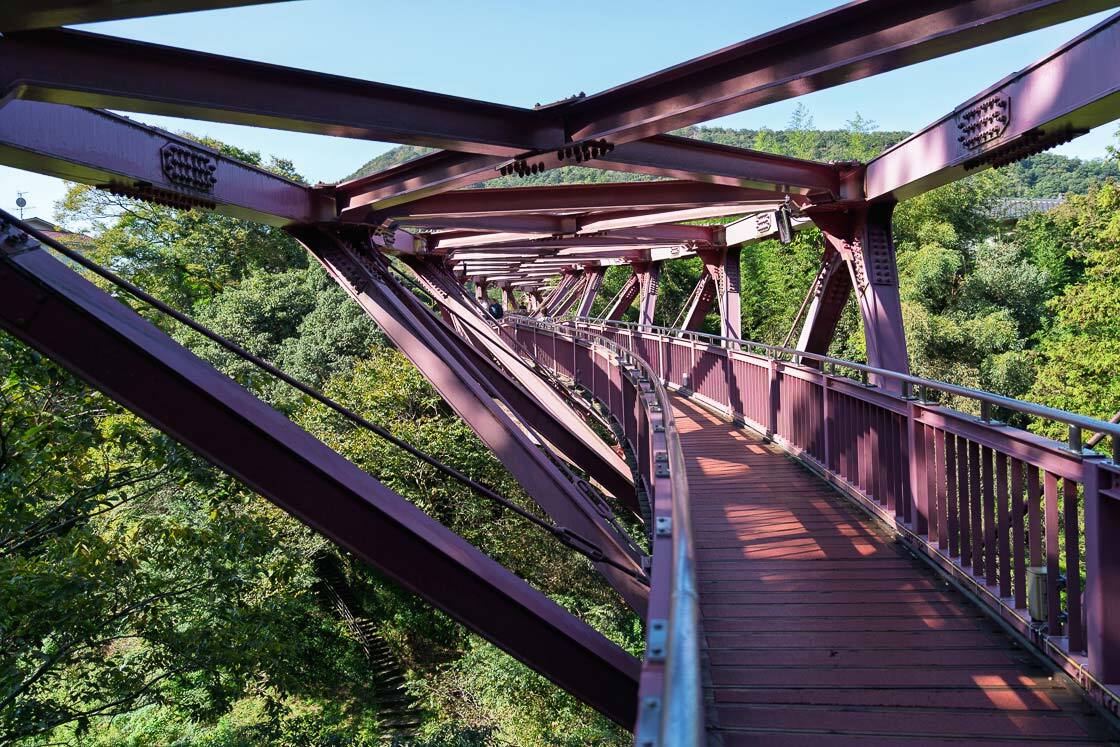
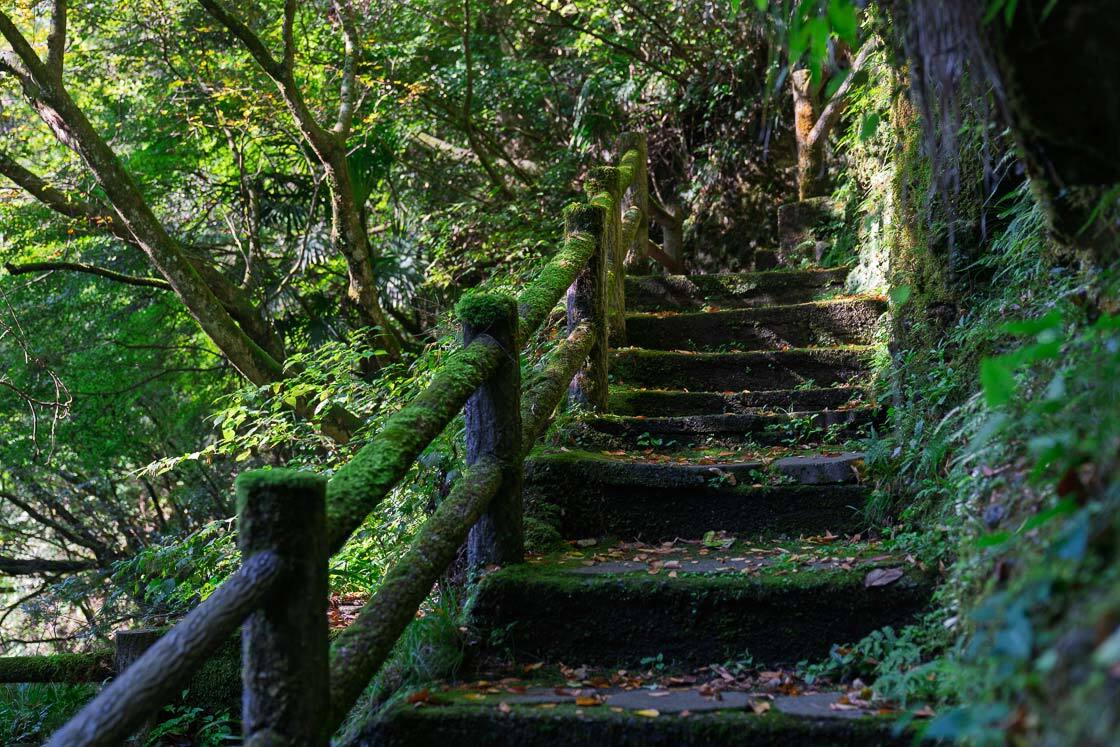
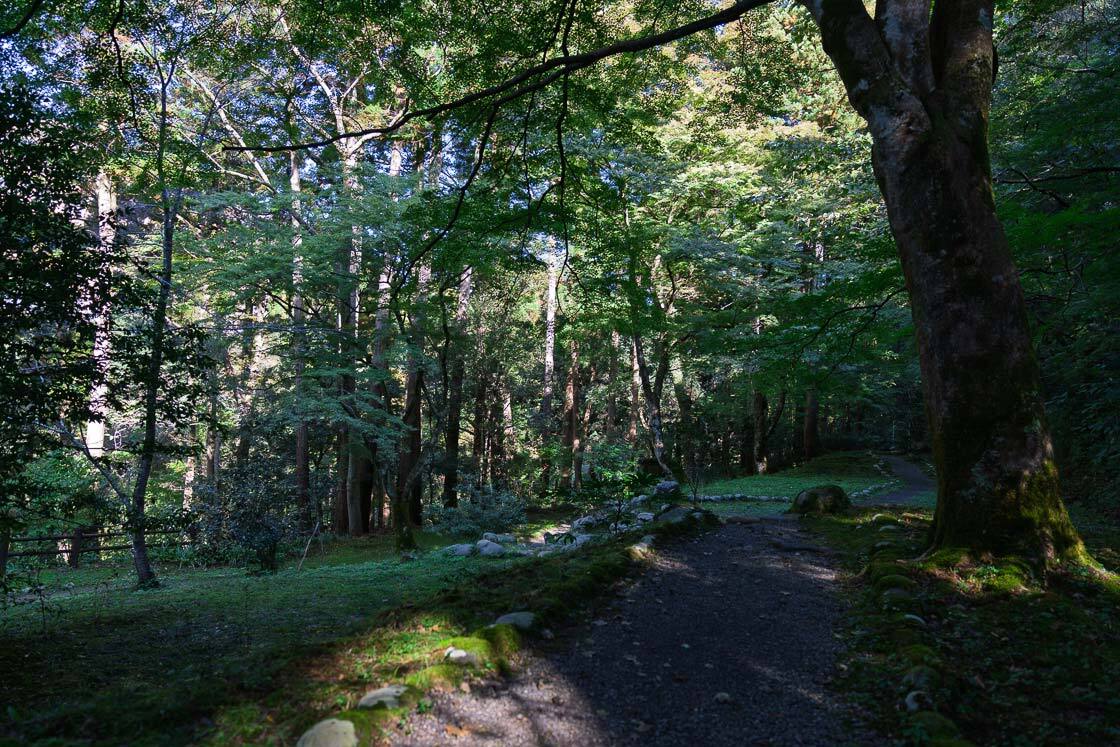
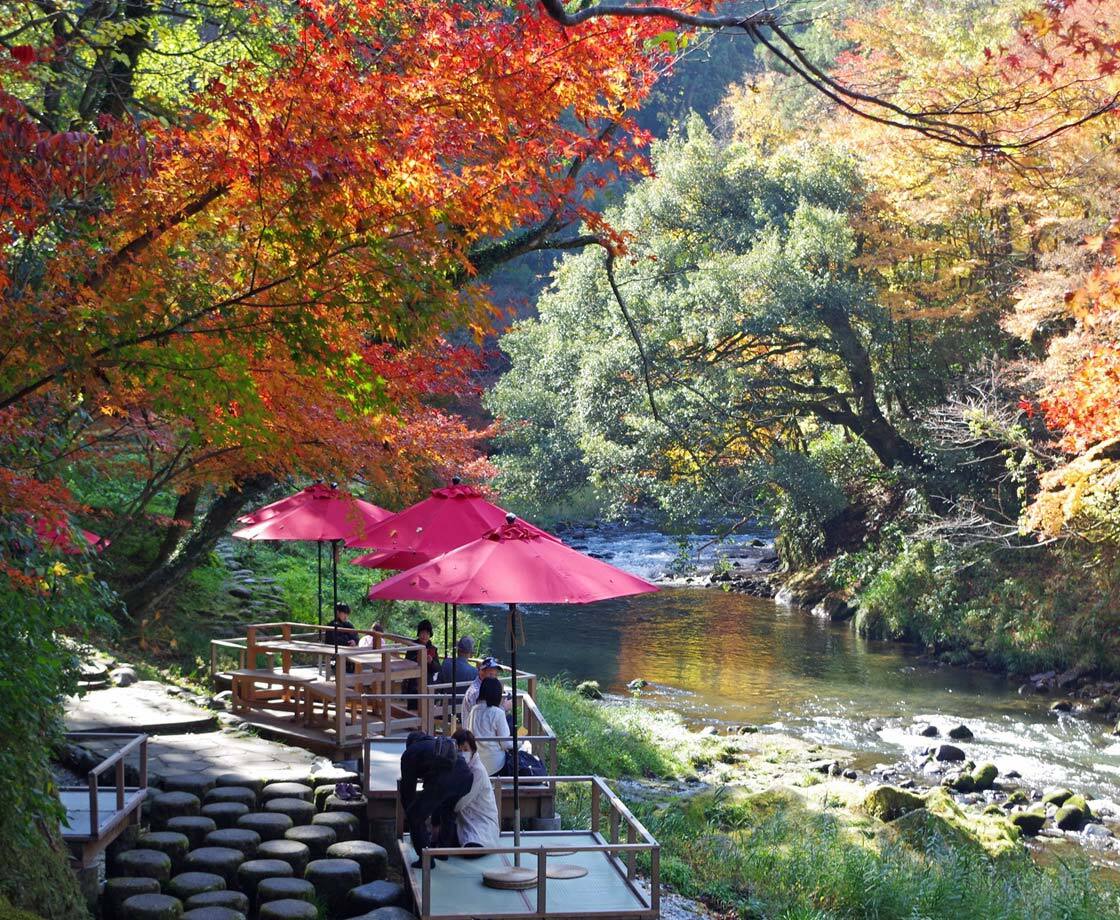
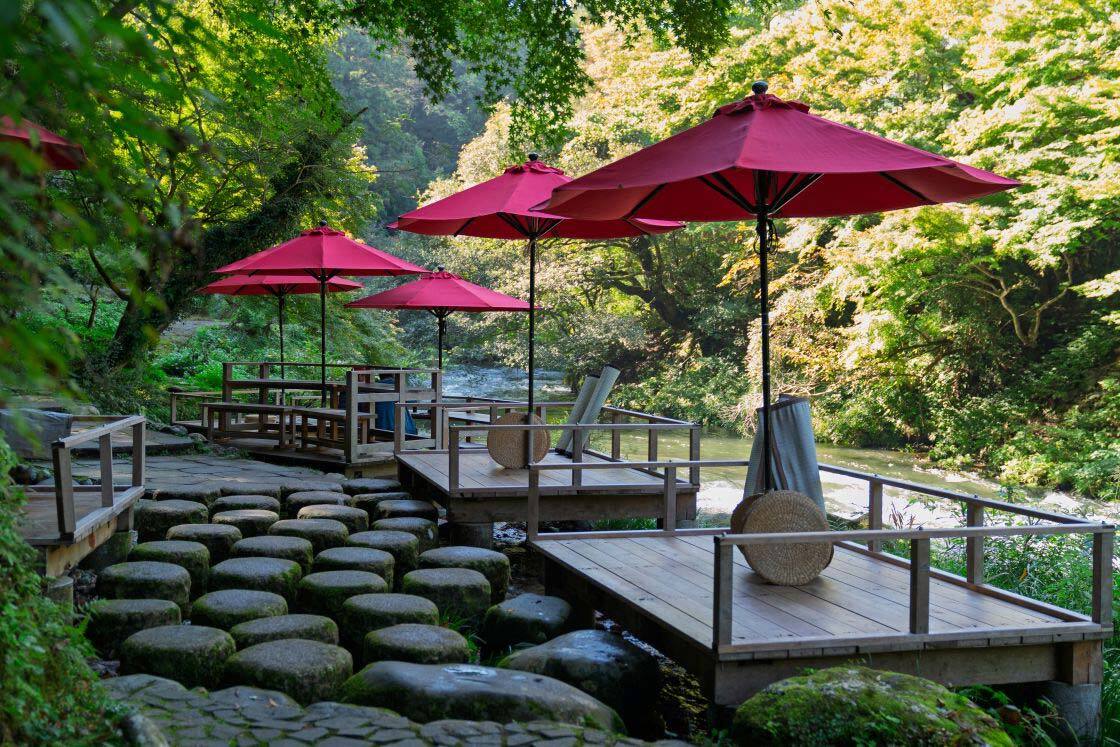
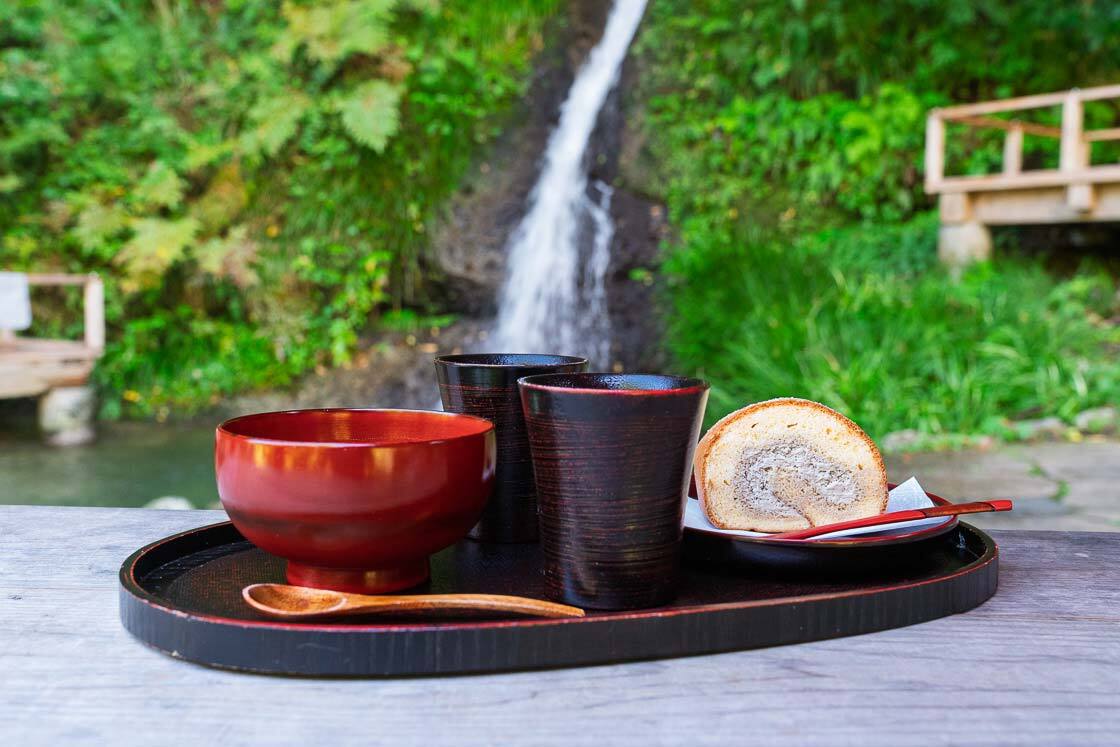
The Kakusenkei Kawadoko riverside cafe sits right at the water's edge on raised platforms, and is open from April to November. To reach it along the cobblestone path, you cross a small stream flowing from a waterfall-fed pool upstream, so you're surrounded by the sound of water from multiple directions. The development of the sweets served here was supervised by Rokusaburo Michiba, one of the famous Iron Chefs, who was born in Yamanaka Onsen.
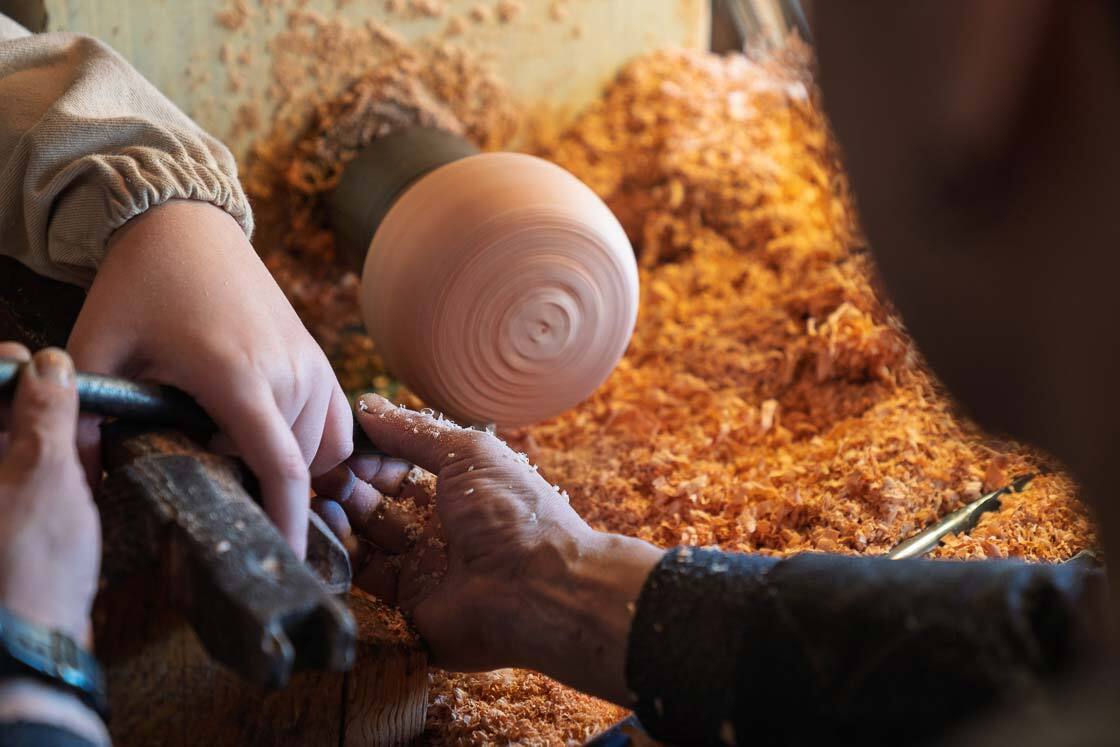
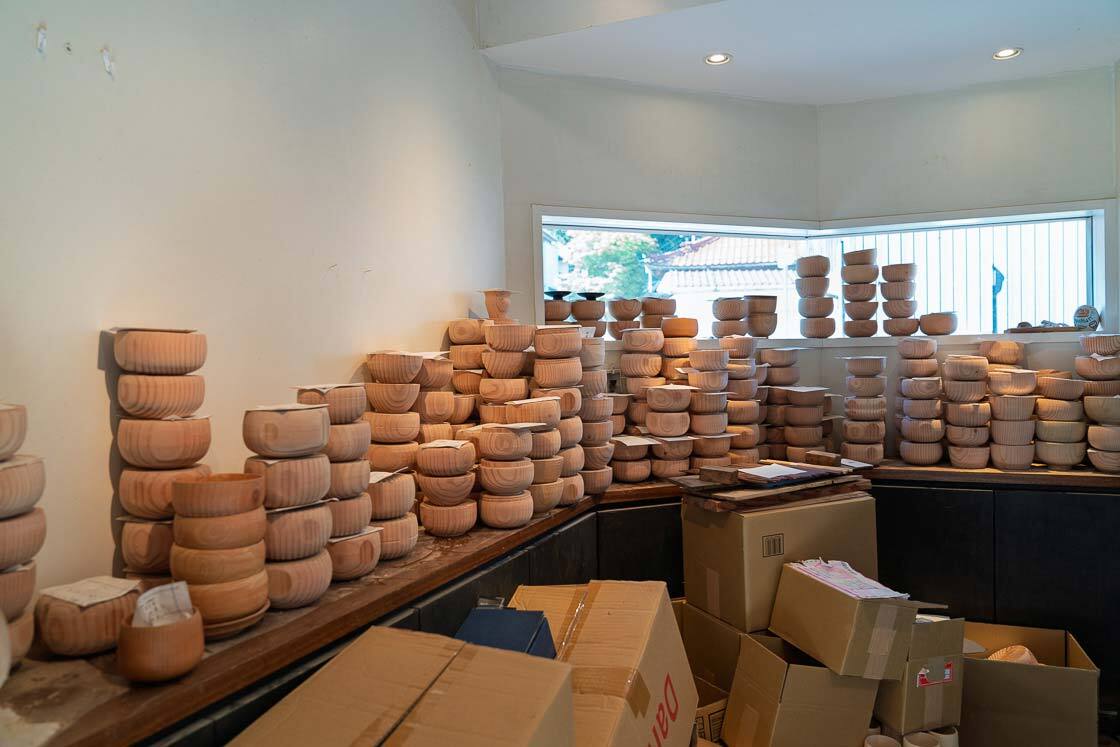
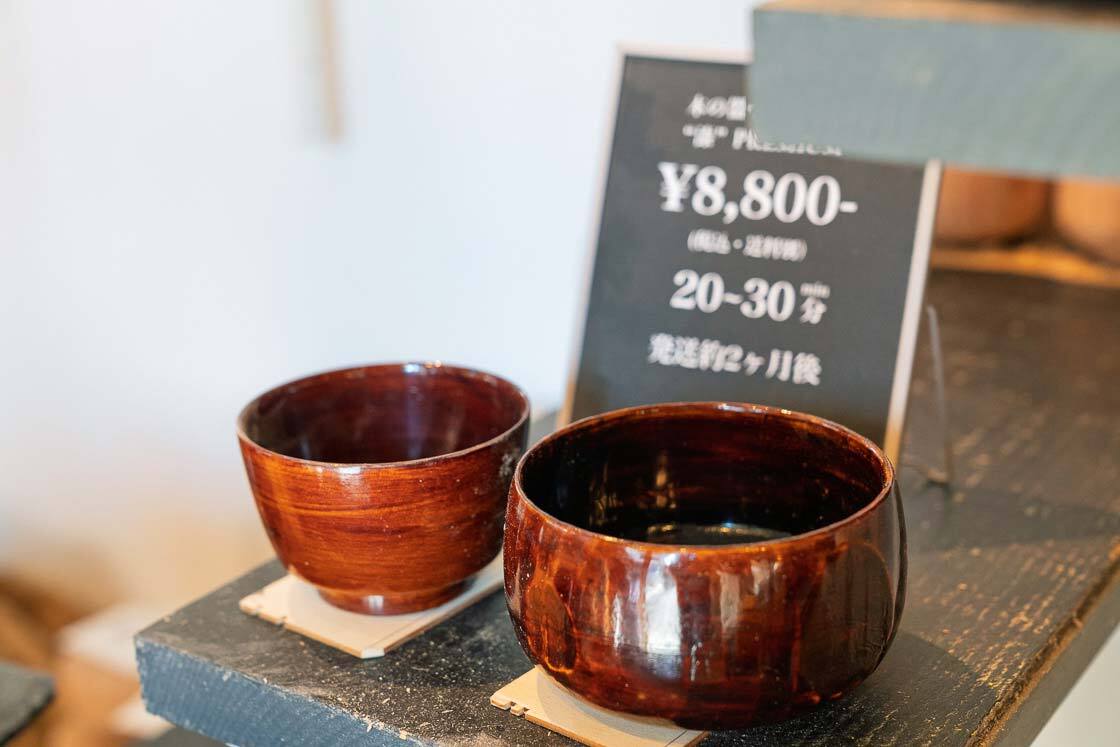
At mokume woodworking studio, visitors can experience traditional Yamanaka woodworking techniques firsthand, creating their own lacquered bowl under the guidance of a master craftsman. The open lathe looks intimidating at first, but once you start working it slowly, shaping the piece of wood into a smooth bowl becomes almost meditative. Multiple tools take the surface from rough to fine as the experience progresses. Craftsman Yuji Sato is hands-on throughout, showing you exactly how to work each tool and helping craft the piece. You'll shape the outside of the bowl, and then Sato will remove the center, lacquer it, and send it to you later. The factory and showroom are compact and intimate, with pieces created by previous students piled along the walls and wood shavings in the corners indicating the space is constantly in use.
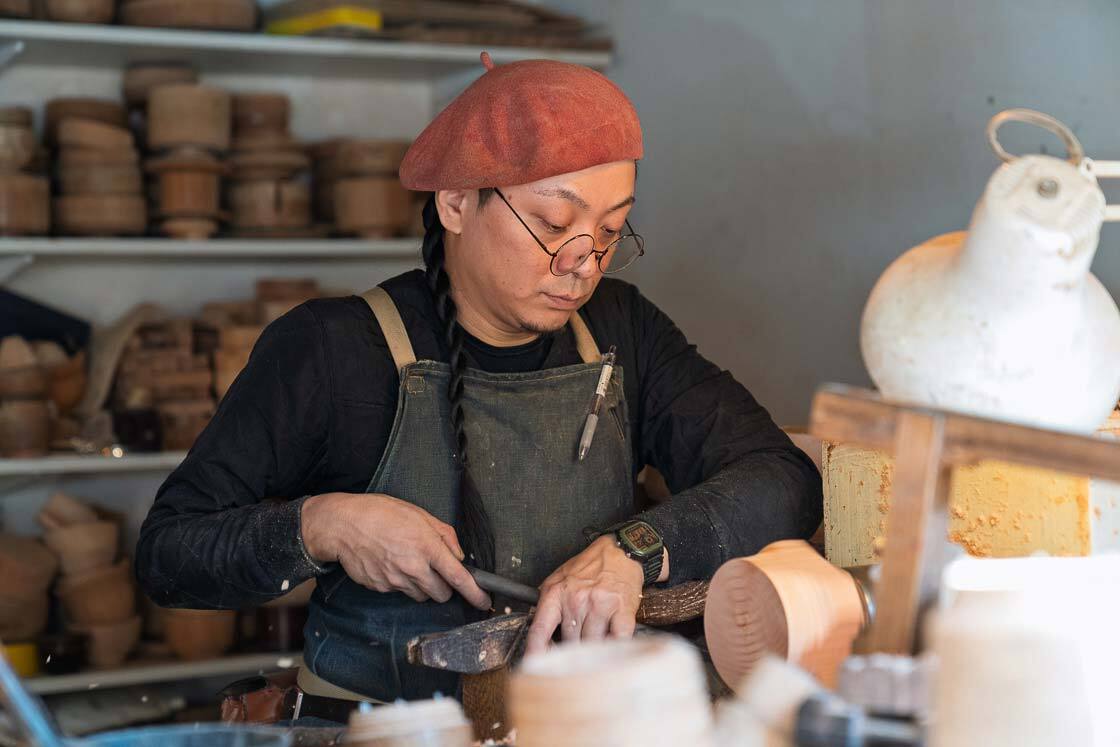
Sato moved here from Osaka after studying design at university. He felt drawn to making physical objects rather than visual work, and came to Yamanaka Onsen specifically because the woodworking practitioners here have the best techniques in the country. The area has over 450 years of woodworking history, and he studied here for five years before deciding to open his workshop, which he has now run for 12 years. Many woodworkers come to study and leave after two to four years to set up their own practices elsewhere, but Sato stayed because there's so much to learn while living in the region.
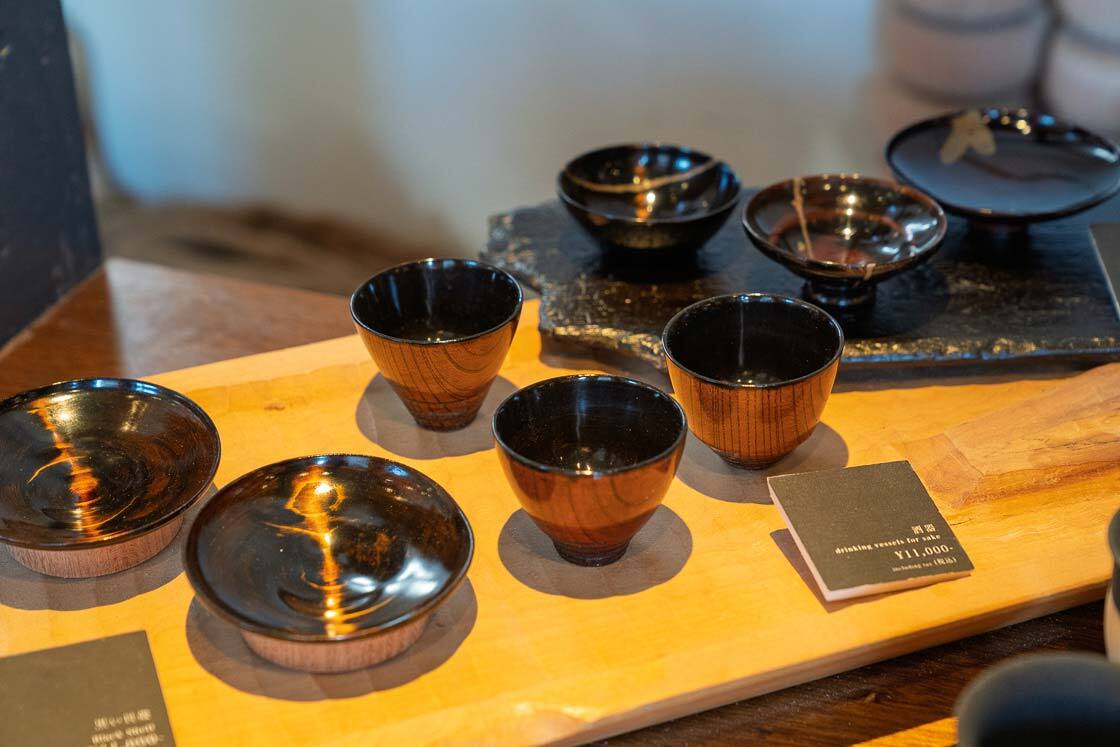
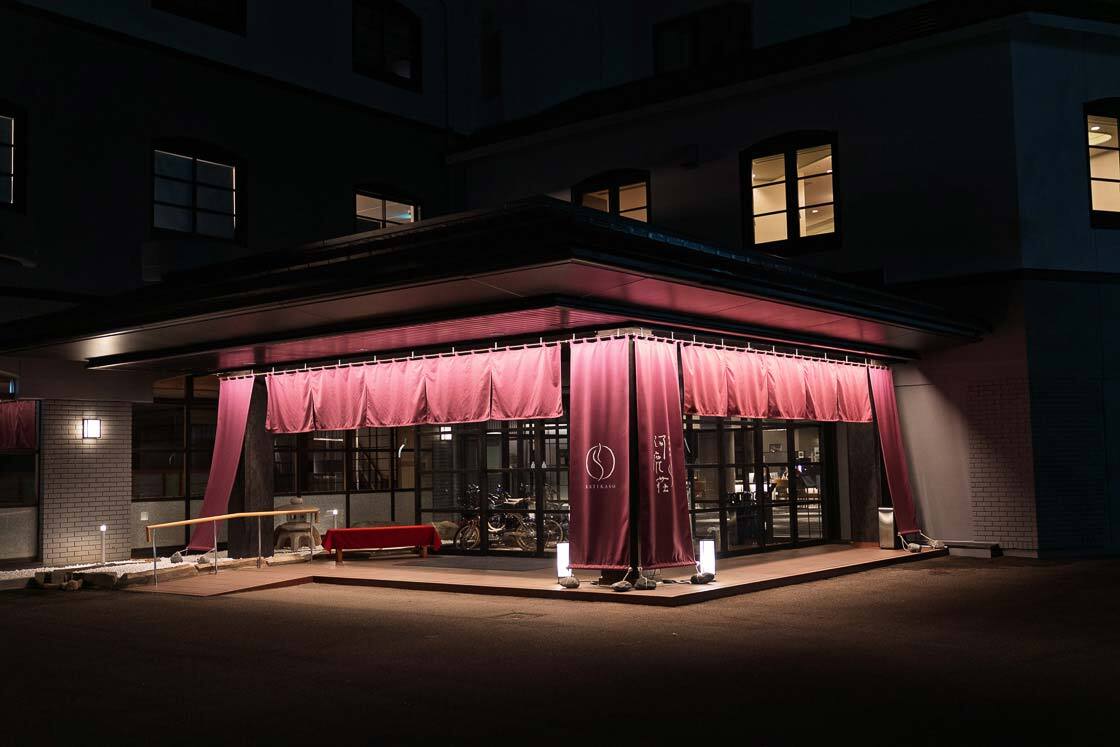
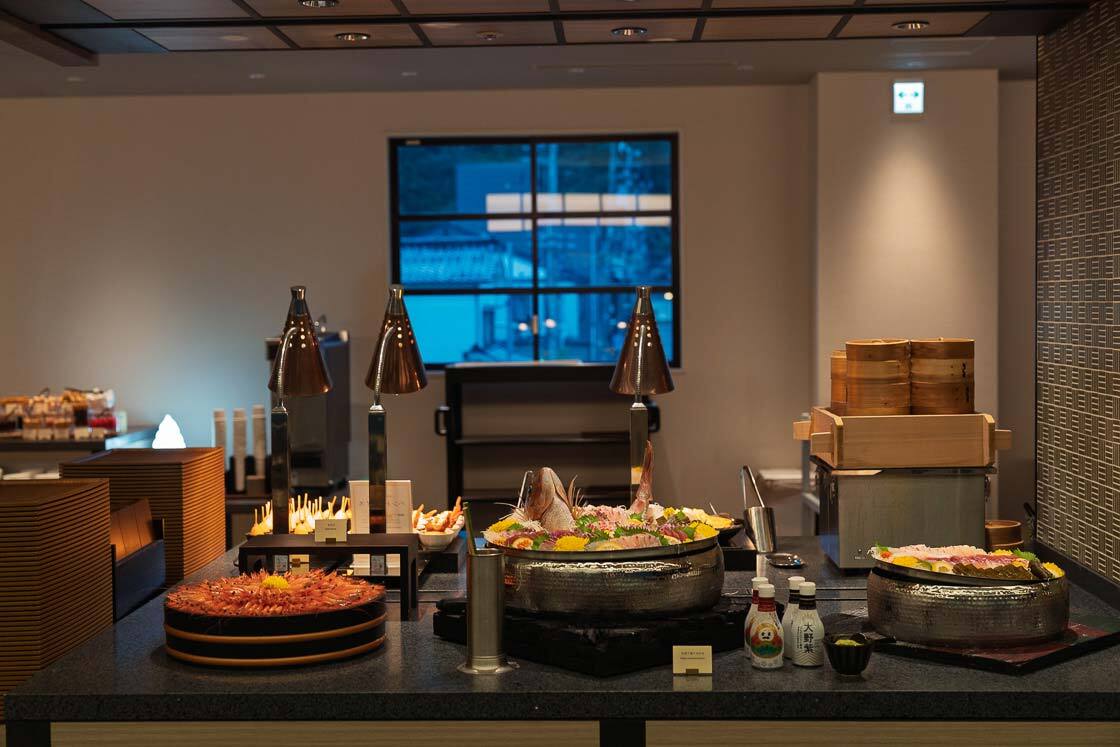
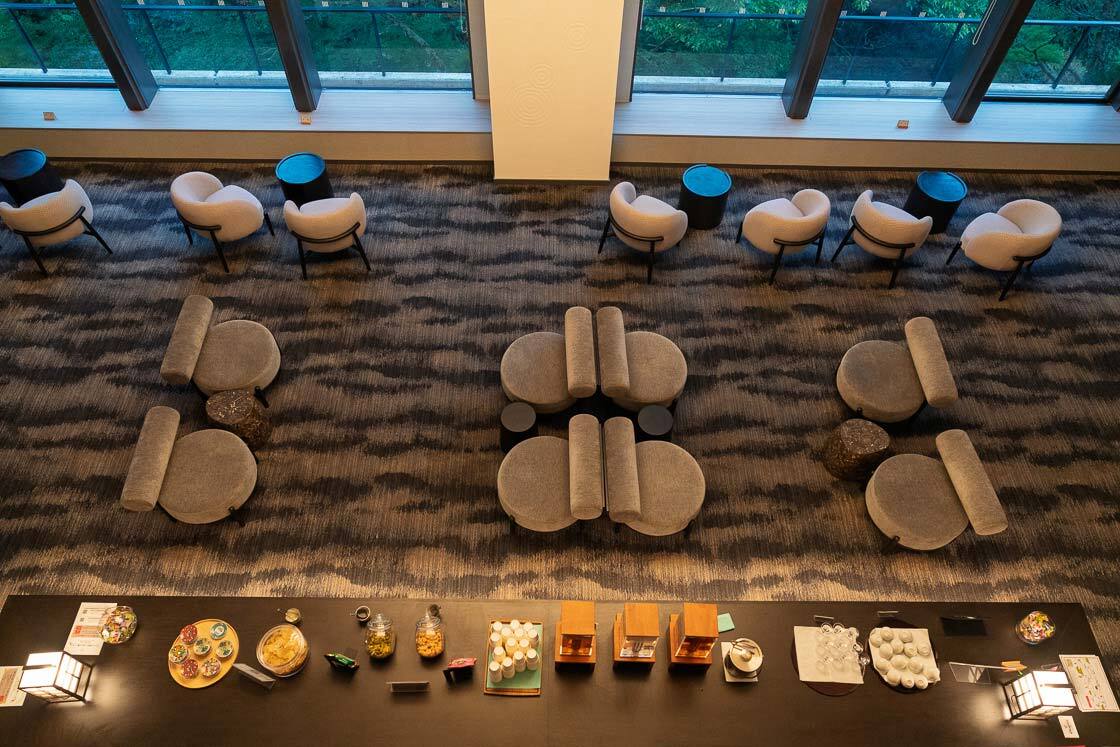
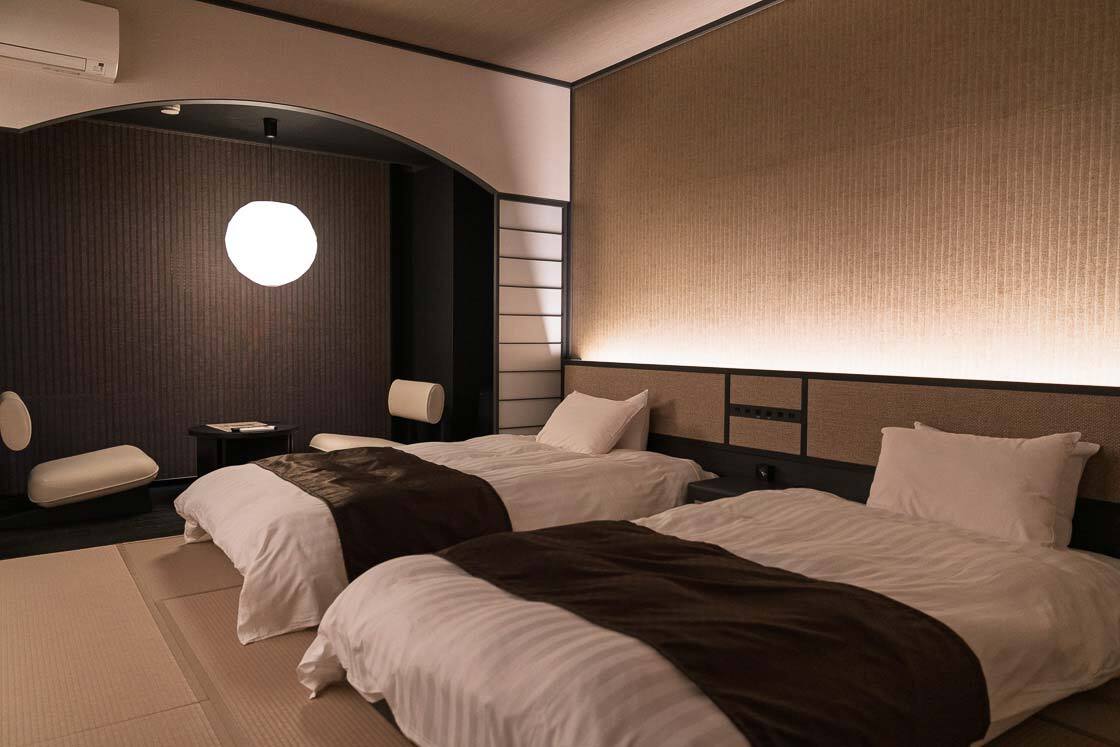
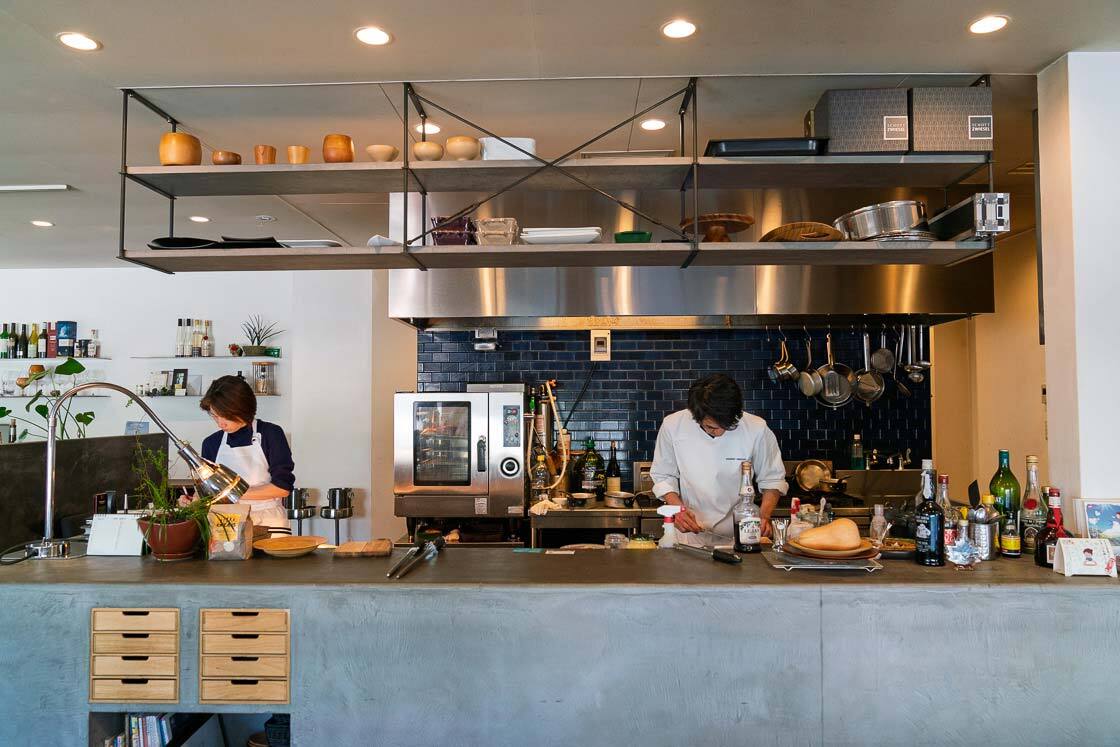
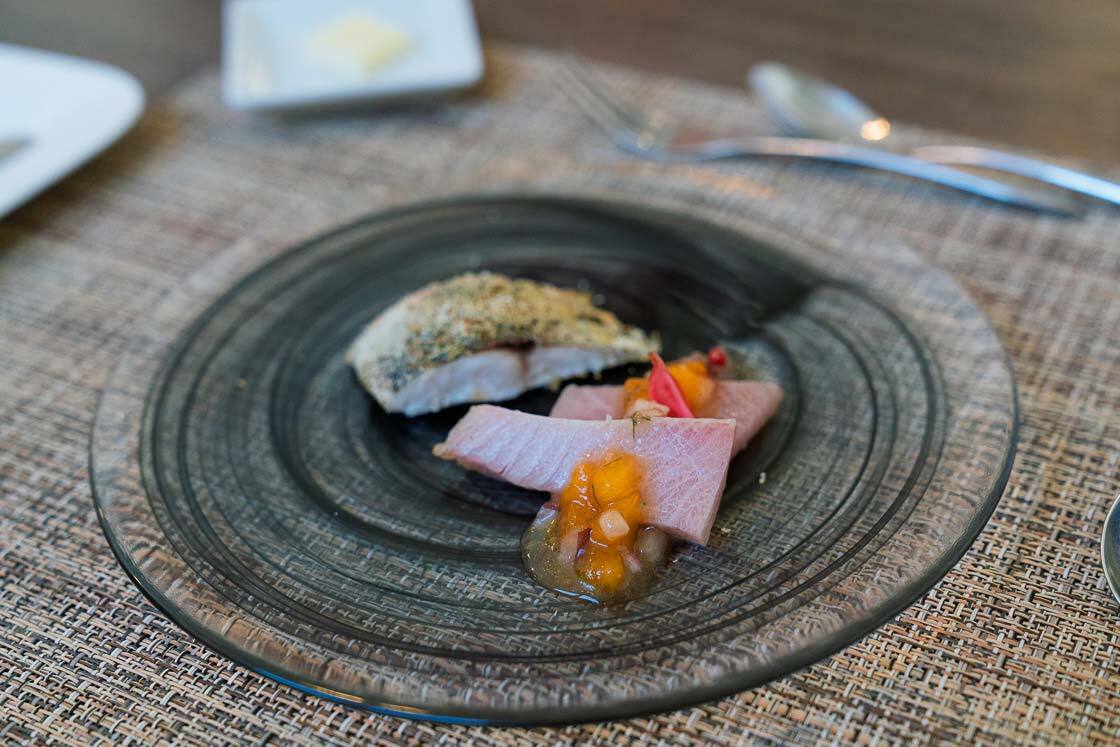
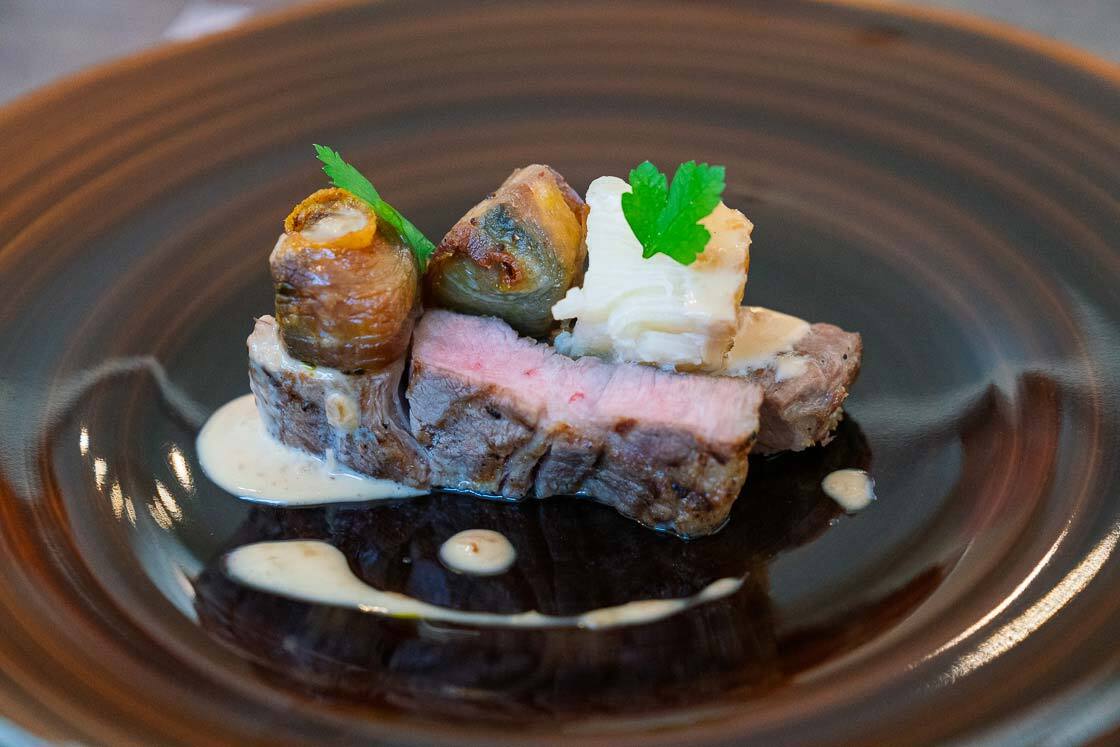
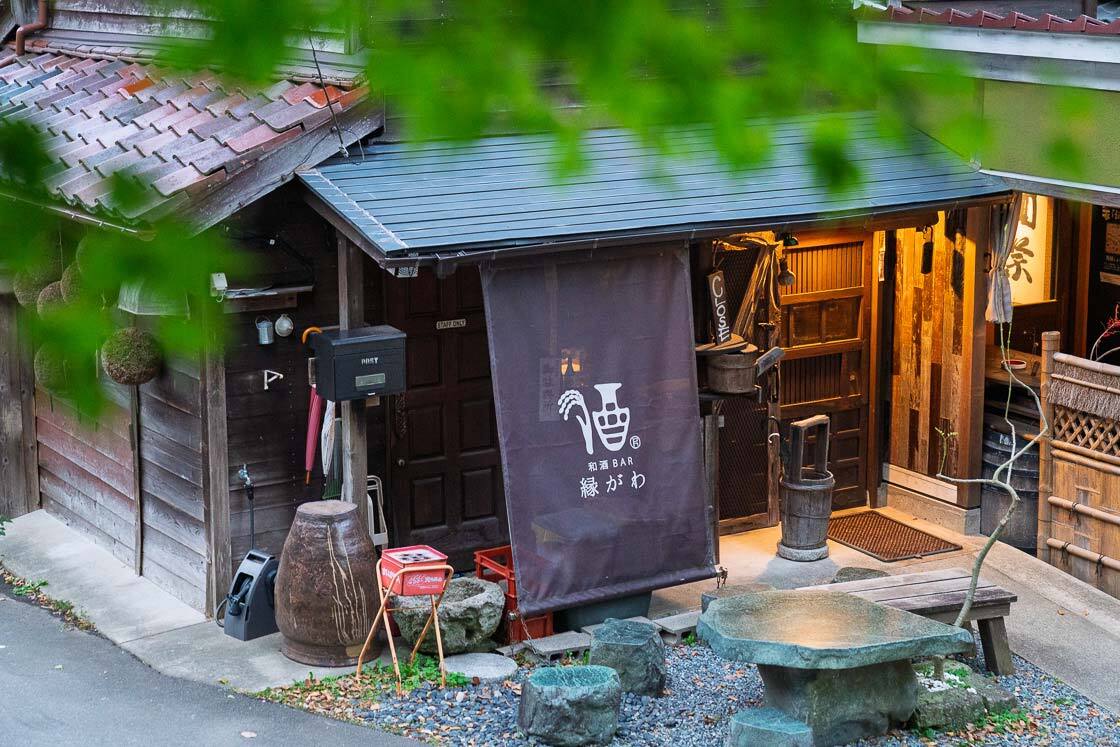
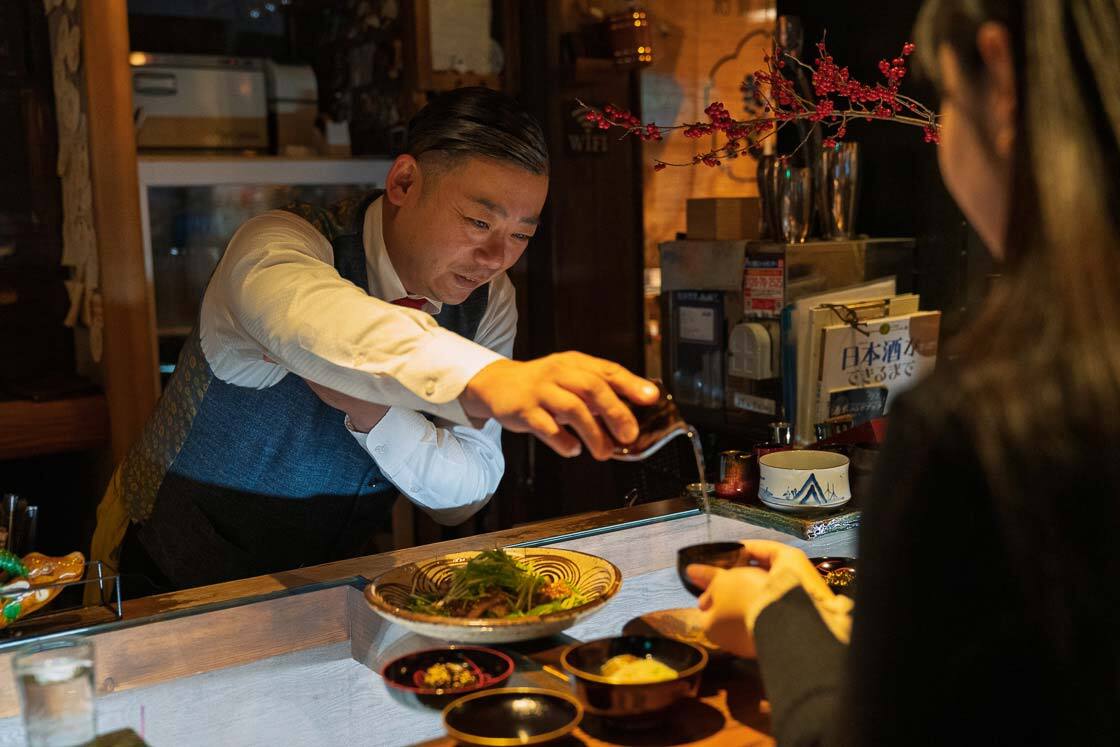
Opened in August 2025, Yamanaka Onsen Kajikaso offers accommodation with breathtaking views of Kakusenkei. The buffet dinner in Restaurant Ryusai features an overwhelming selection from traditional Japanese foods like sushi and oden to kid-friendly options and vegetarian dishes. Enuma Station, run by Kazuyuki Kuchide and his wife, offers beautifully presented French cuisine using fresh local ingredients with a daily-changing menu. Hidden in a back street, Washu BAR Engawa is an intimate ten-seat bar where Yusuke Shimoki, Ishikawa Prefecture's first sake master, offers sake pairings in a tastefully converted old house.
Yamanaka Onsen is compact and walkable, making it accessible for all travelers. Everything from the gorge to the workshops and restaurants can be reached on foot, allowing you to experience the town at your own pace without relying on what can often be opaque transportation methods.
Kaga Hashitate: Tranquil Streets and Coastal Wealth
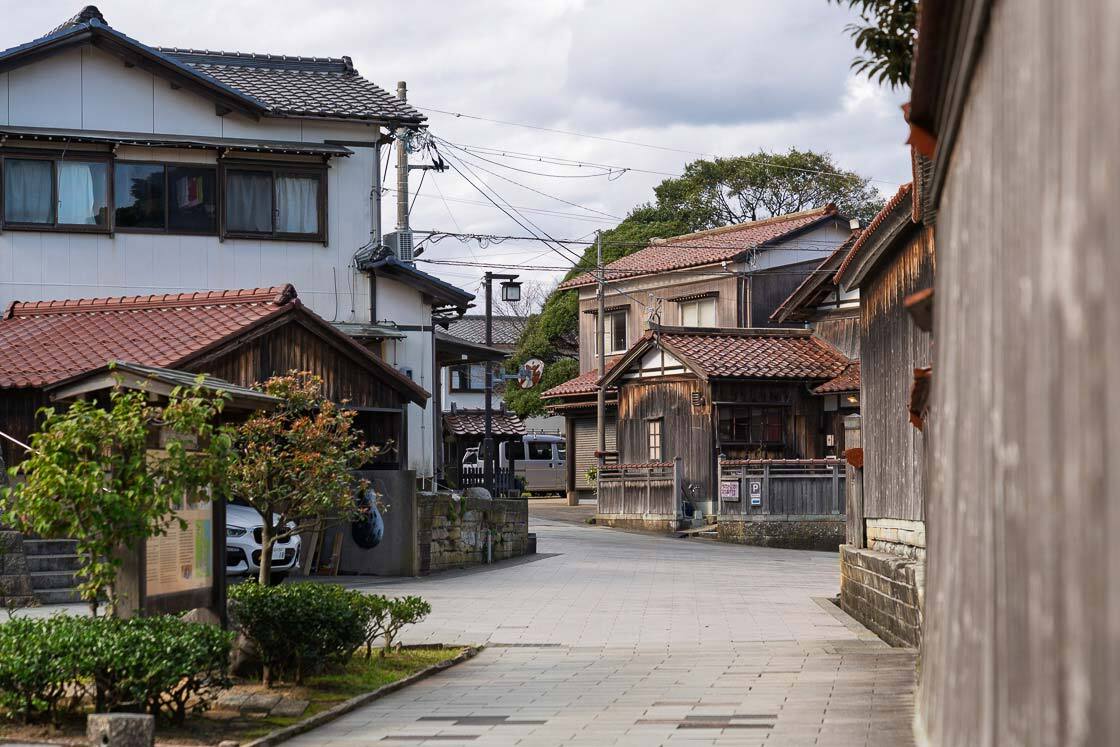
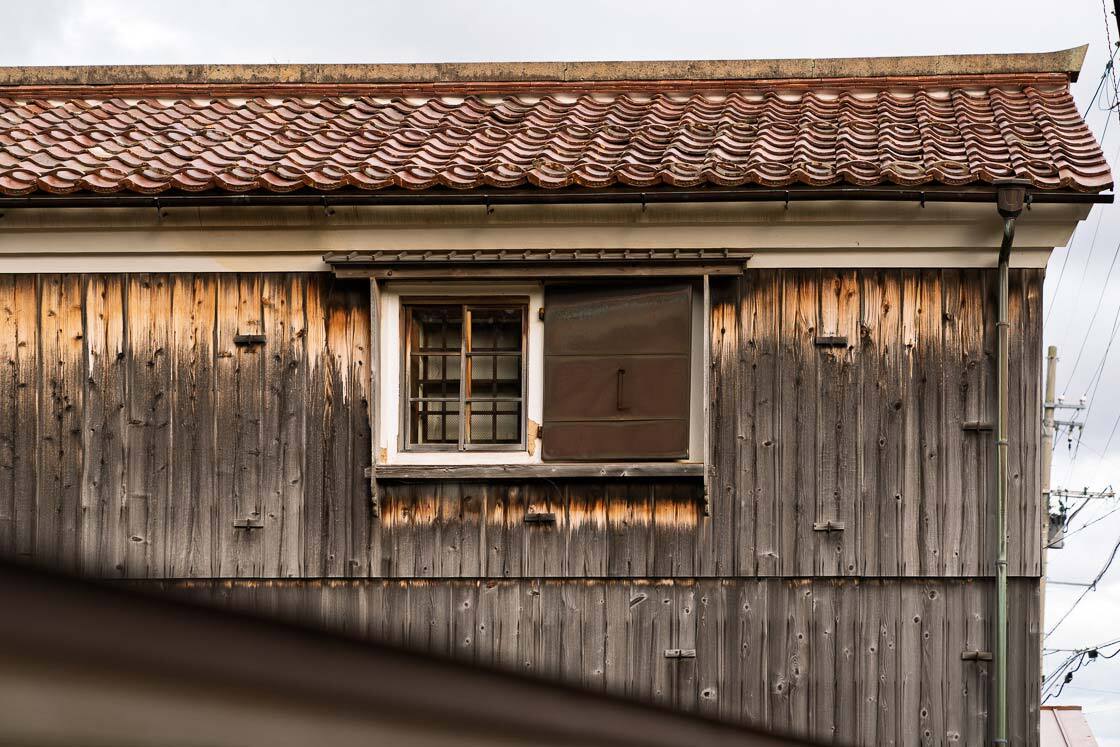
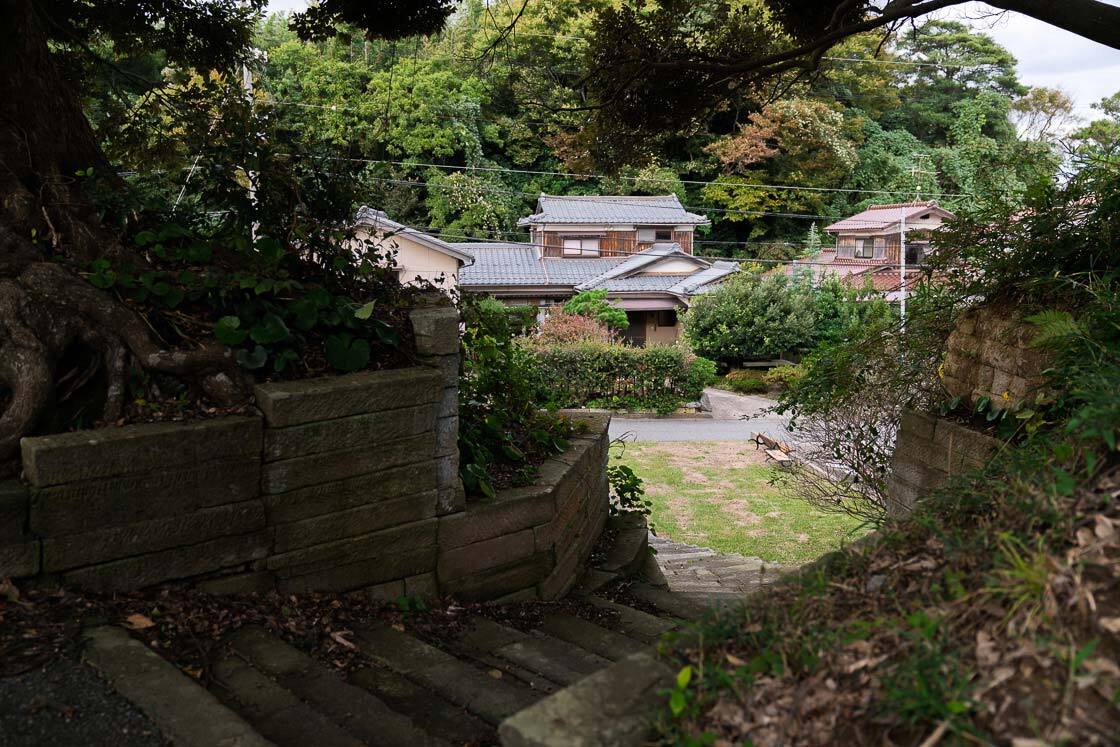
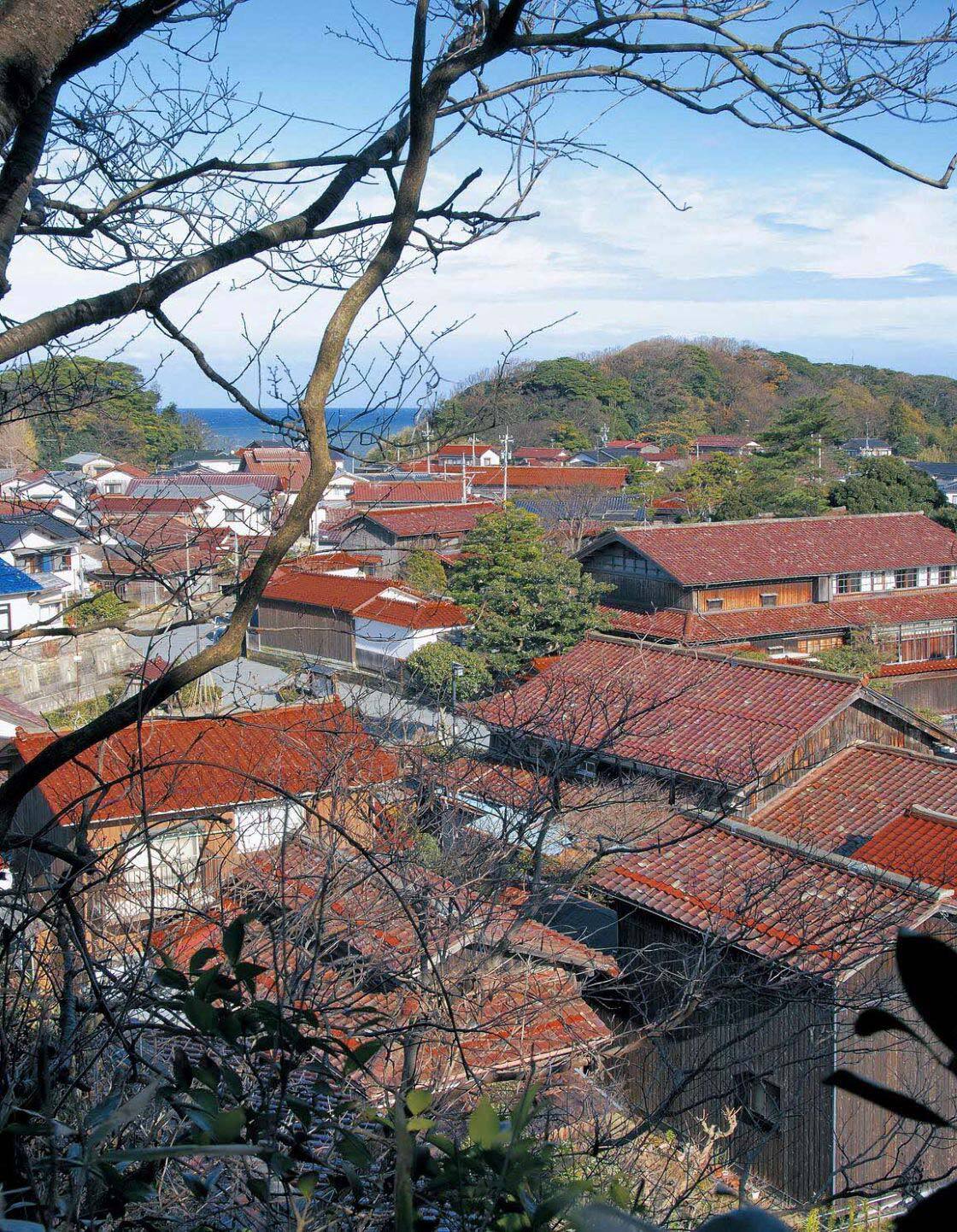
The Hashitate district in Kaga City was once known as 'Japan's richest village', flourishing as a settlement of Kitamae ship owners. These small towns along the coast earned significant riches from the Kitamae-bune trade artery, which moved goods between Hokkaido and Osaka, and made the ship captains and owners extremely wealthy. Destinations like Hashitate offer peaceful streets where locals greet visitors warmly, with beautifully maintained buildings, which are still lived in, waiting to be explored.
The highlight here is simply walking around the town. As I walked around town taking photos, an older lady on a bike rode past, smiled, and said 'konnichiwa', almost unheard of in the more accessible towns. The town is sprawling, with paths to explore around every corner.
Hakusan City: Nature by Bicycle
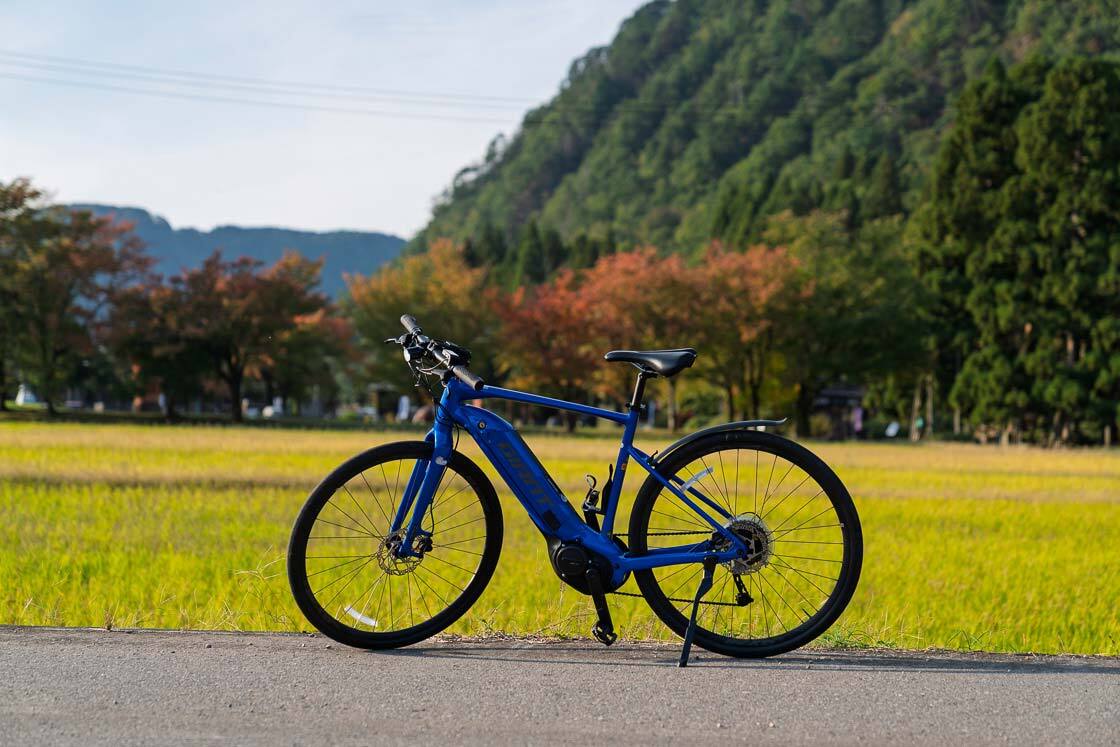
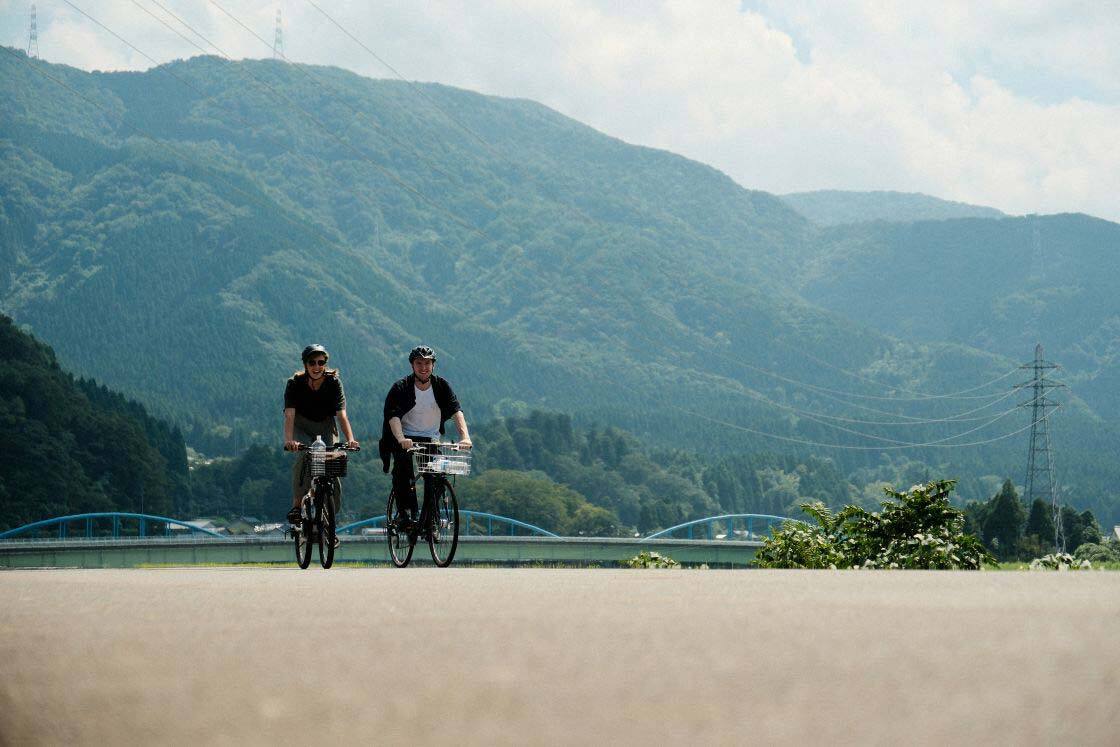
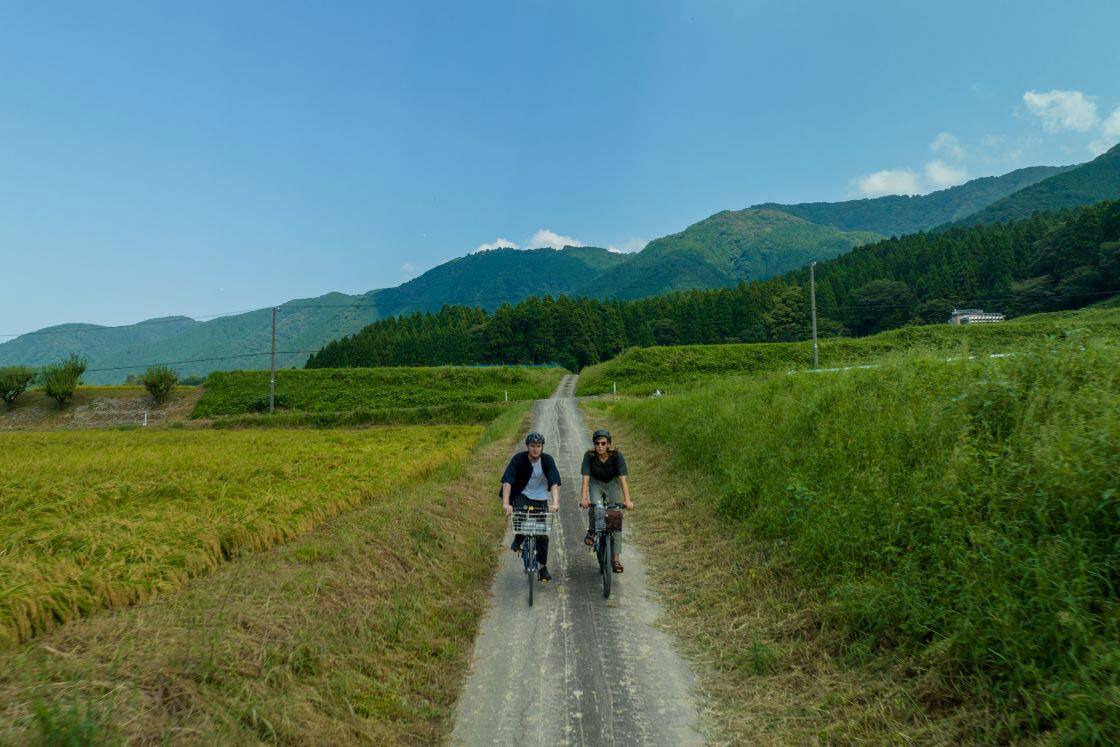
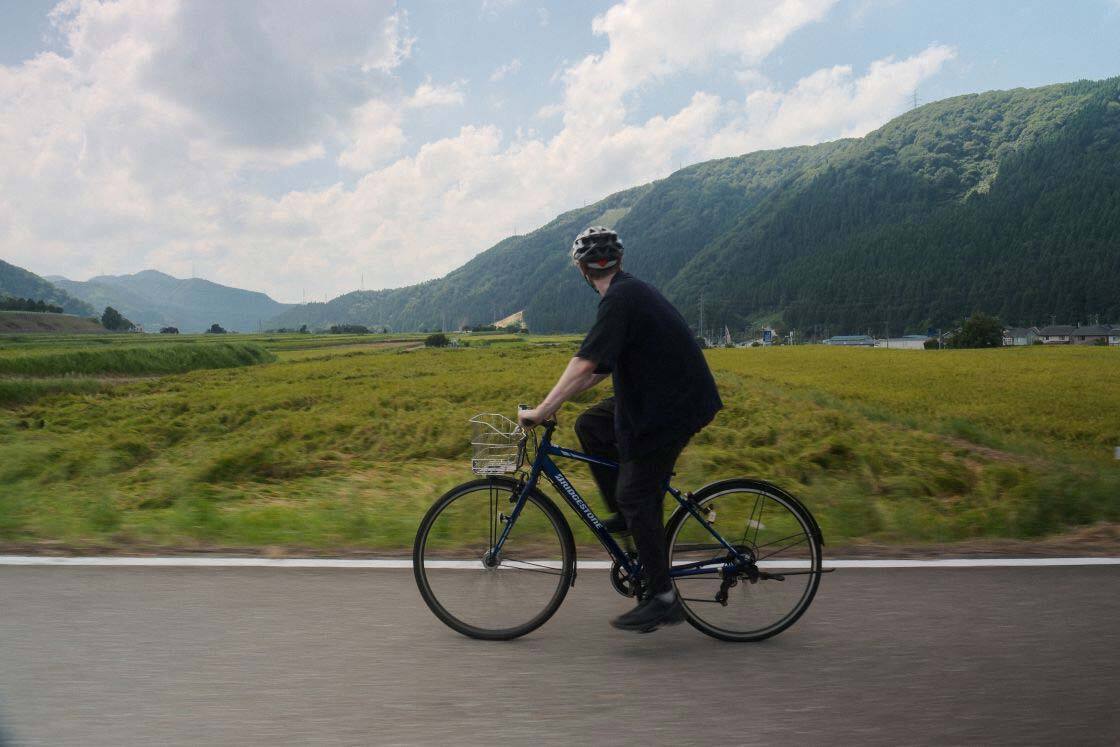
Located at the foot of Mount Hakusan, one of Japan's three most famous mountains, e-CRUTTTO is a bicycle rental shop that started in April 2024, offering professional biking tours through the Hakusan-Tedorigawa Geopark. You can pick up the bikes at Tsurugi Station, just a short train ride from Kanazawa Station. The paths chosen generally have little to no traffic, with one route making use of a disused train line that's wide and comfortable, cutting through idyllic rice fields with the only other riders being kids on their way home from school.
The cycling route isn't hard and would be comfortable for families with teenagers or couples, especially when making use of electric bikes, which help a lot going up hills. The Waterfall Tour Course showcases the area for four hours, with paths cutting through both nature and towns, and on the Shrine Tour Course, you can visit several temples. The guide, Mr. Koshimura, has experience running bike stores and loves riding, having traveled around Japan on bikes, and he often takes groups of international tourists around the area, introducing both nature and spiritual locations.
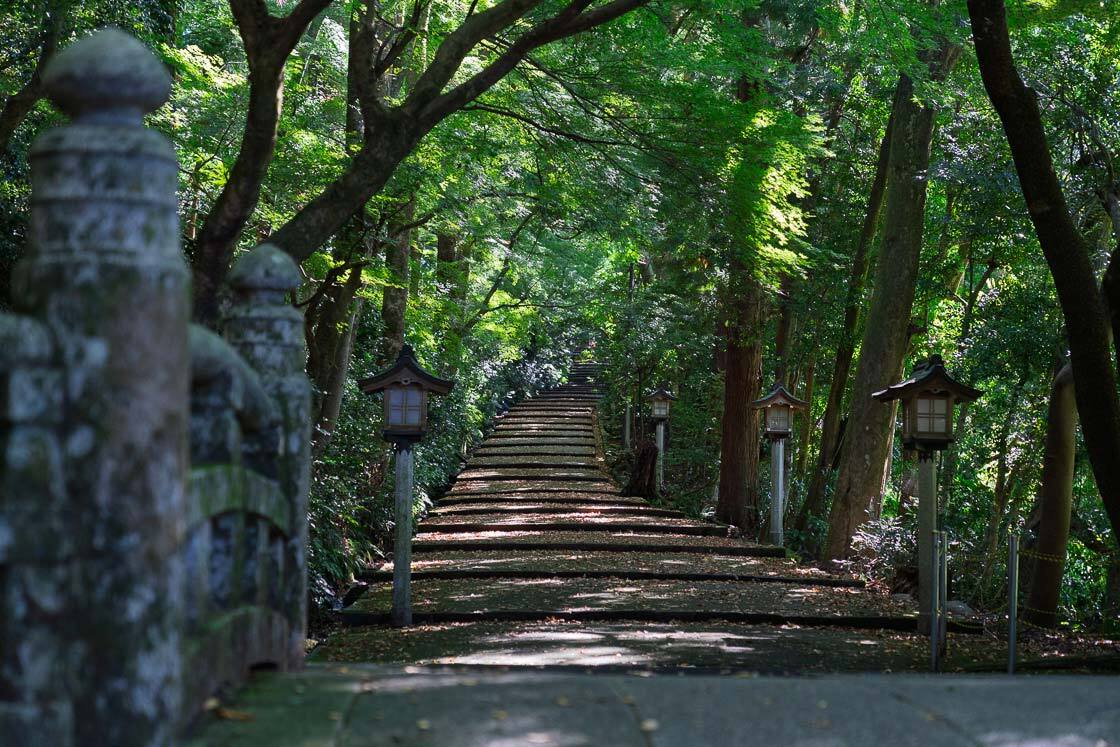
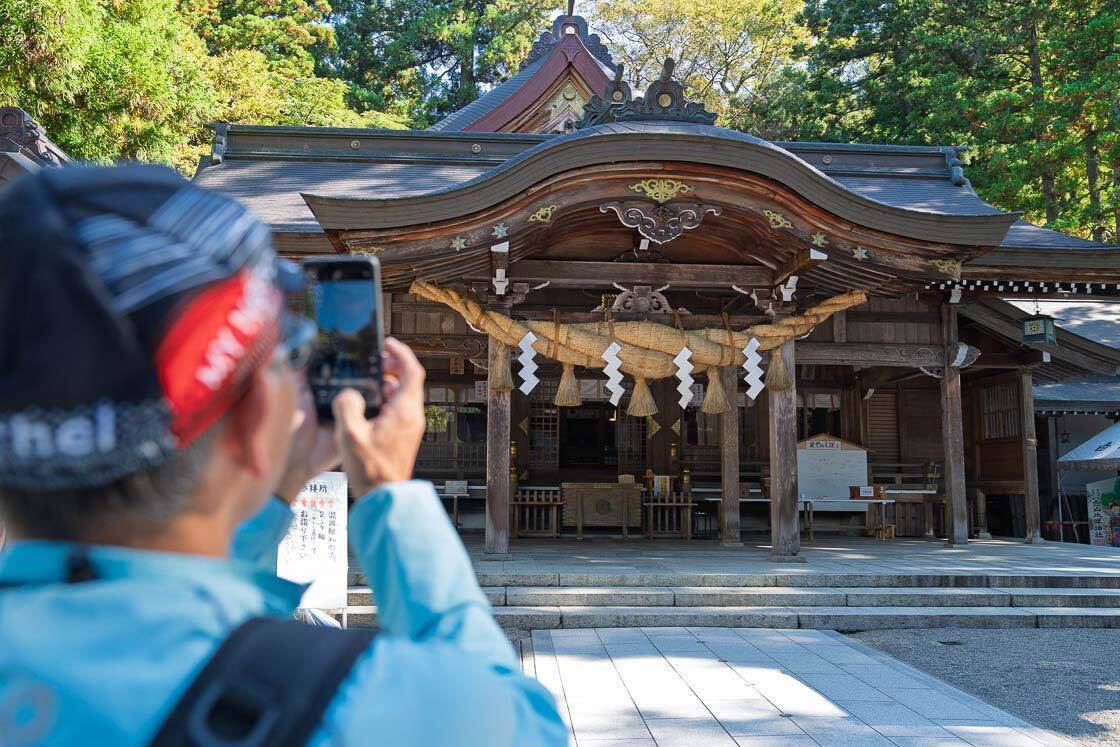
One of the highlights is Shirayama-Hime Shrine, the sohongu (head grand shrine) of more than 3,000 Hakusan shrines across Japan. It enshrines the deities of Mount Hakusan, a sacred peak revered for over 2,100 years. Approaching from the lower entrance, the long cedar-lined 'Omote Sando' path that leads up to the main gate is an impressive introduction. It's a working shrine, not a tourist site, and most visitors are locals. The shrine contains an area with large rocks taken from local sacred peaks so that people could pray there instead of having to make the pilgrimage to the Okumiya shrine at the mountain's summit.
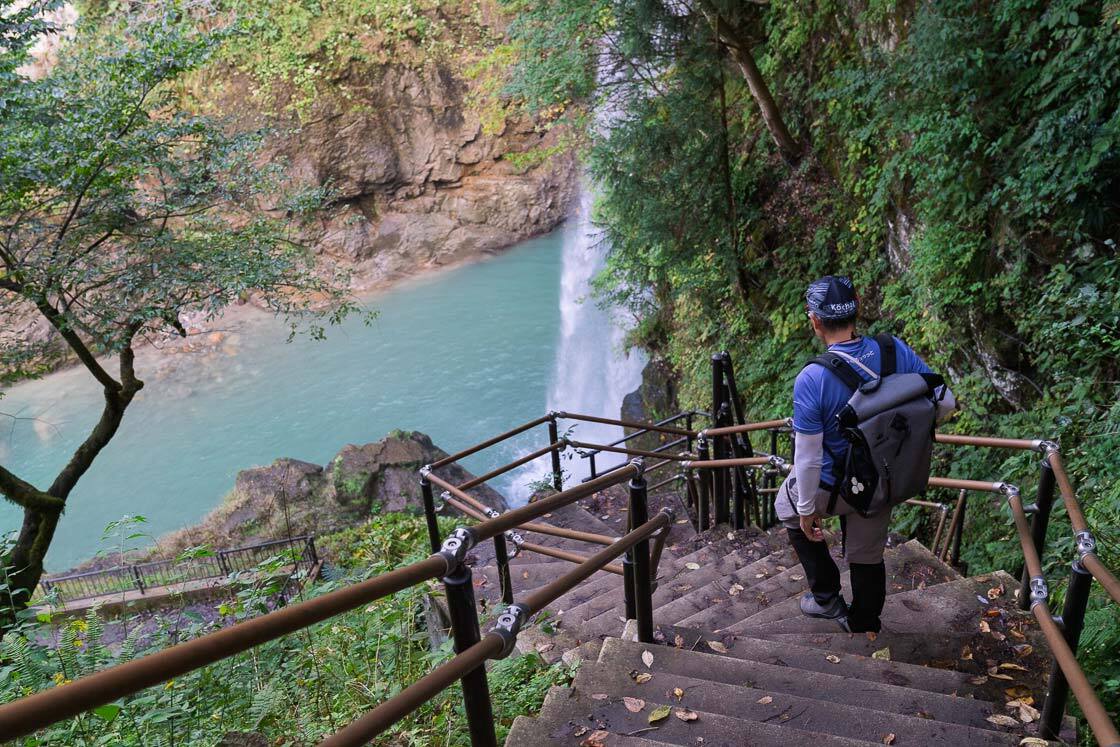
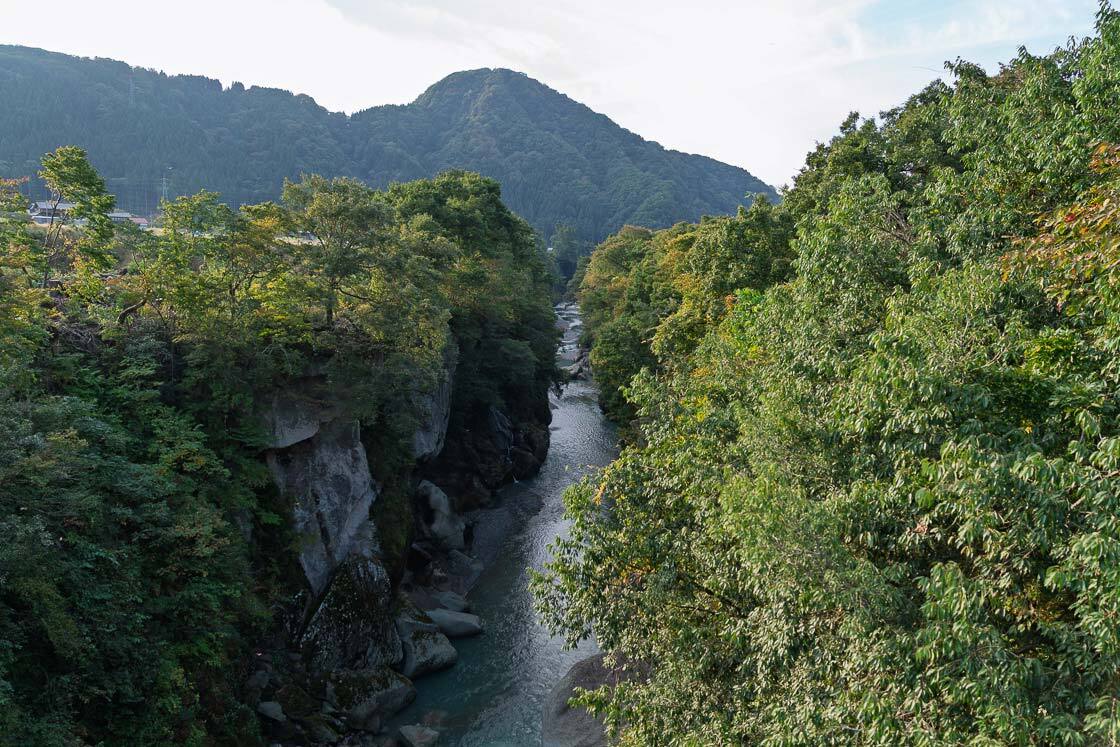
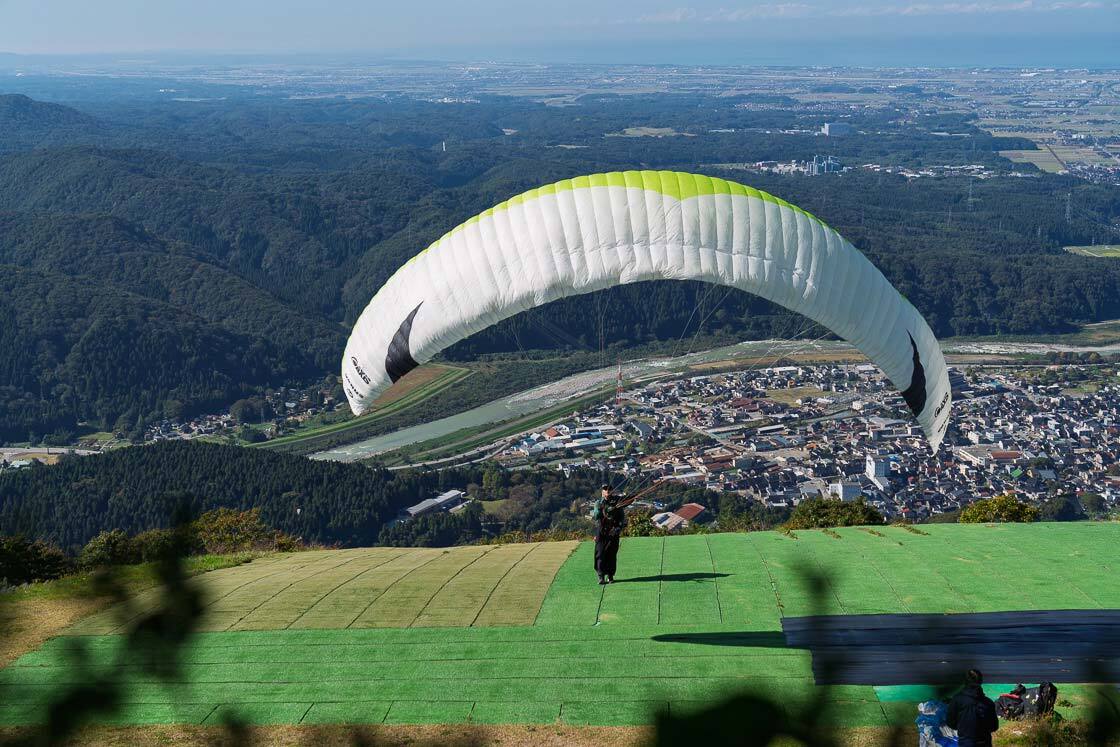
Along the routes, you'll also encounter Tedori Gorge, where the river has cut deep into the rock, giving a raw and natural feel. Wakagataki Waterfall is another feature of the area, with water cascading down the rock face. The falls are accessible from the cycling route, making them a natural place to stop. At Shishiku Plateau, a gondola takes visitors to about 650 meters elevation, where paragliders lift off facing the Tedori alluvial fan. On good days when the wind is appropriate, over a hundred people take off the paragliding ramp, making for a spectacular view whether you're at the top watching them launch or at the bottom seeing them glide around above you. The tours can be customized in consultation with your guide, and spots not included in the standard route can be added upon request, allowing you to tailor the experience to your interests.
The Hakusan area is more spread out than Yamanaka Onsen, which is precisely why the bike tour approach works so well. It allows you to cover ground efficiently while still experiencing the landscape intimately, stopping at points of interest that would otherwise be difficult to reach.
A Different Kind of Journey
These towns throughout Ishikawa Prefecture offer the opportunity to travel spontaneously, something increasingly difficult to find in modern Japan. Accommodation is generally cheaper and better than in overcrowded tourist centers, nothing is booked out months in advance, and the experiences are unique and less well known but no less special than those in the major cities.
Use Kanazawa as your gateway, but don't let it be your only destination. The real Ishikawa Prefecture is waiting just beyond the city limits, in small towns where you can walk the streets without navigating through crowds, and where the morning greeting from a local on a bicycle isn't a performance for tourists but simply how life has always been lived here.
For more exclusive information and ideas to add to your journey, visit The Official Ishikawa Travel Guide and follow the prefecture on Instagram.