Golden Route Detour: Taking the Pearl Route to Mie

Perhaps you've heard of Japan's Golden Route: Tokyo, Kyoto and Osaka. But what if you wanted to add something a little less well-known into the mix?
On this trip, I'm taking a detour between Tokyo and Osaka to explore what we will call here the Pearl Route.
After our start in Tokyo, we'll head to Mie, Japan's pearl capital. We'll end the trip in lively Osaka. Mie is Japan's pearl capital because it was in this prefecture where the world's first cultured pearls were created, but it is also home to the shining cultural pearl of Ise-Jingu, Japan's most important shrine. So let's get going!
Day 1
Getting to Mie
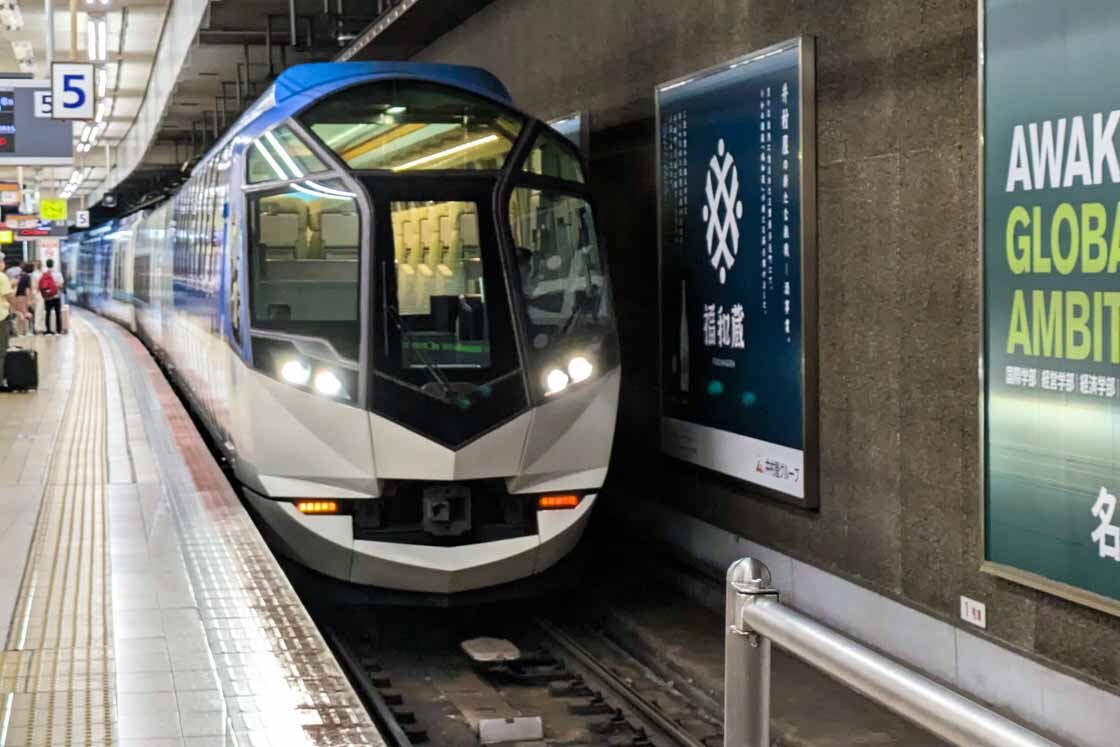
Although on the first day I traveled quite far, the journey was pretty simple: I got the Shinkansen to Nagoya, followed by the Shimakaze sightseeing train from Nagoya to Ujiyamada.
The bullet trains to Nagoya are pretty frequent, as are the regular twice hourly Kintetsu limited express trains between Nagoya and Ujiyamada. But this time I took the Sightseeing Limited Express "SHIMAKAZE" train that only runs once per day from Kintetsu Nagoya Station, so if you want to experience it yourself, make sure to line up your trains well! You can book your Shinkansen tickets in advance using the Shinkansen Online Reservation website and get a QR code ticket.
On the day I traveled, there was an 8:00am Nozomi to Nagoya which arrived at 9:39am, which gave me plenty of time for the Shimakaze from Kintetsu Nagoya at 10:25am. Nagoya and Kintetsu Nagoya stations are connected, just follow signs to go underground to find the platforms.
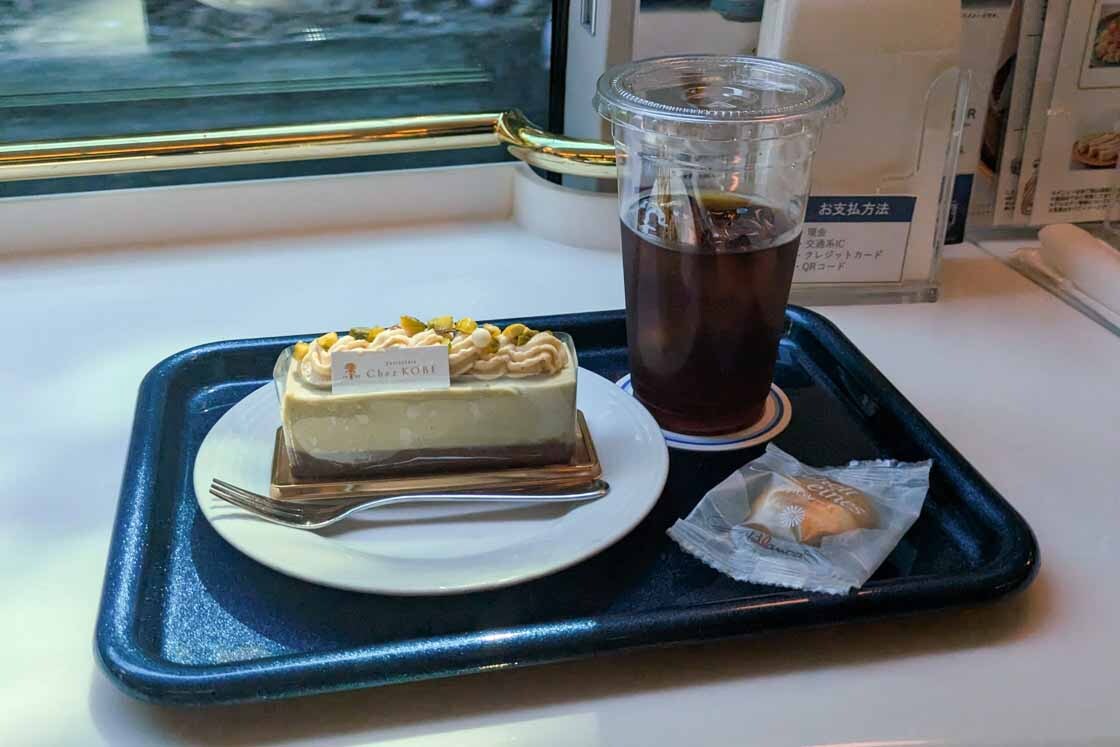
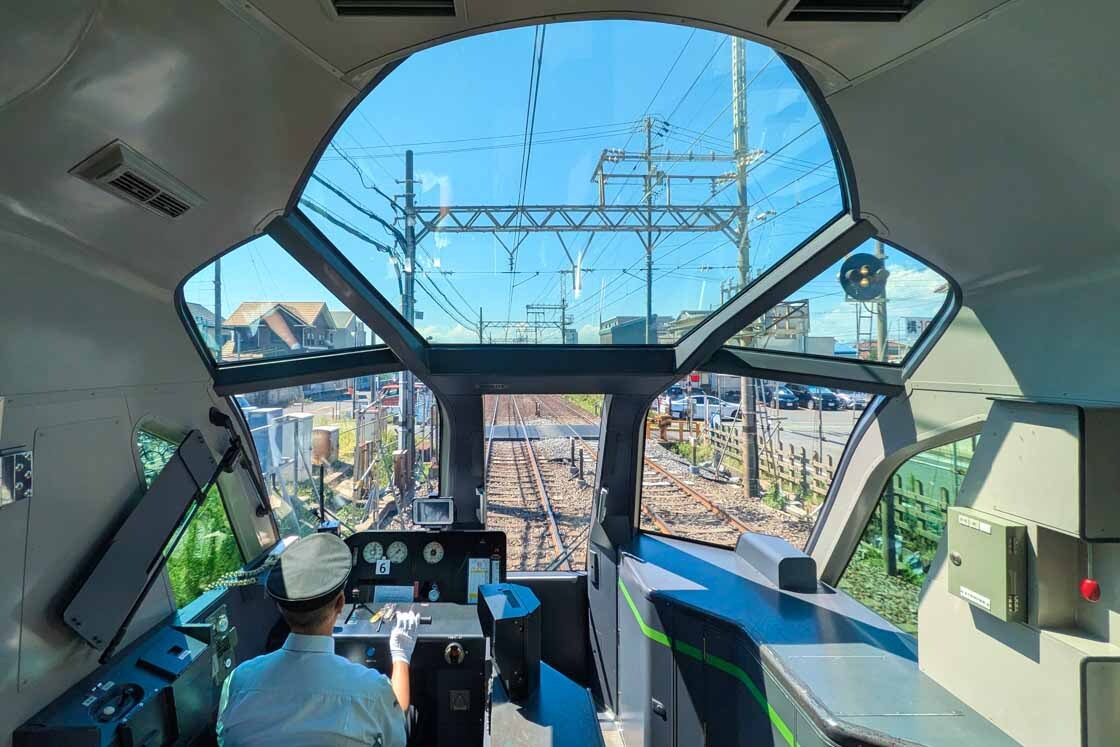
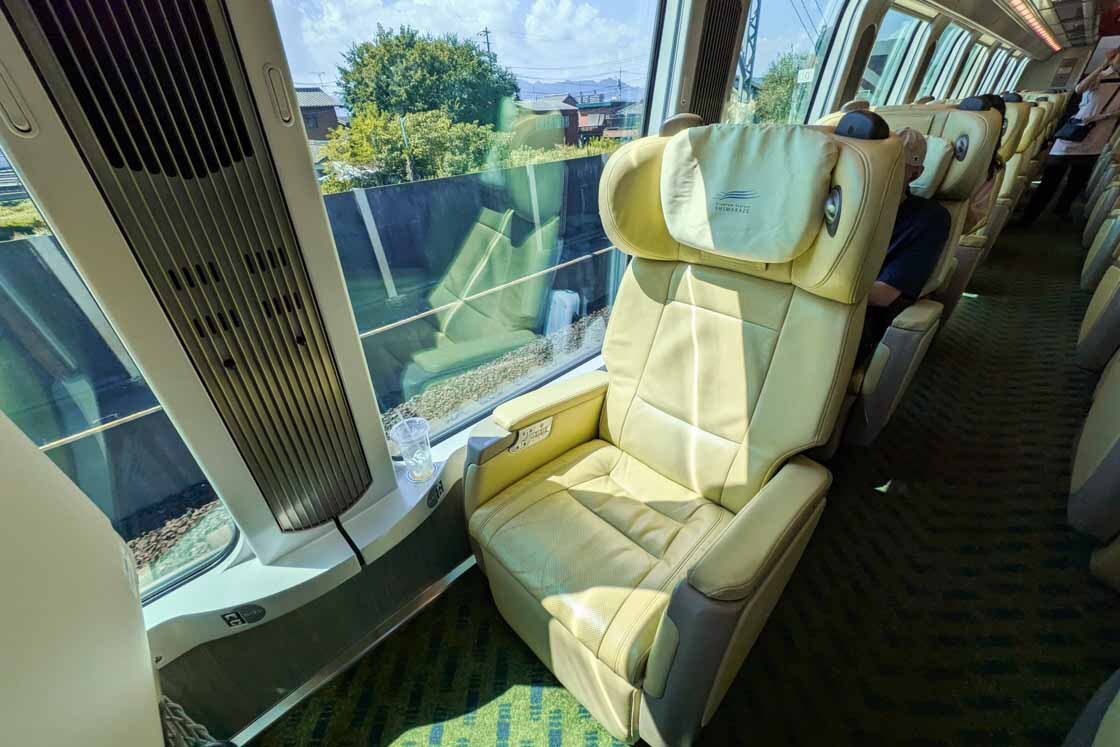
This was my first time on the Shimakaze train, so it was very exciting for me to see the huge panoramic windows at the front and the lovely reclining seats (with a lower back massager to boot)! I even spent a bit of time in the onboard cafe, and got myself a pistachio dessert and an ice tea. I definitely recommend having a look at the cafe car for yourself.
If you're following this itinerary and book through you can also do what I did and make use of the Kintetsu Iseshima Free Pass. The pass includes a round-trip ticket from Kintetsu Nagoya to anywhere in the Ise-Shima "Free Zone" (Matsusaka to Kashikojima), as well as covering the base fare for unlimited Kintetsu rides within the Ise-Shima Free Zone. The pass can also be used for one ride on the Pearl Shuttle bus connecting Ise Shrine to partner hotels, and an up to 20% discount at Orix Rent-a-Car. You'll just need to book your Shimakaze seat separately, as it doesn't cover reserved portions, and the pass is only available to those who have used the Shinkansen Online Reservation website and have a booking number ready.
Oharaimachi
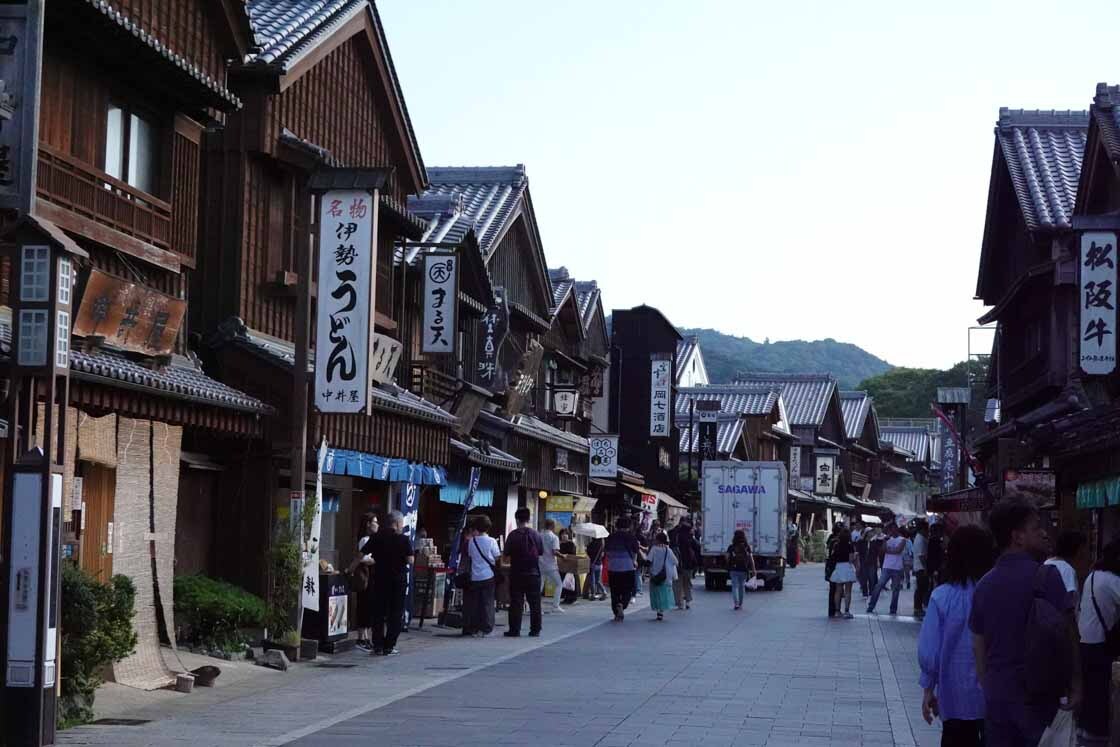
Ise is home to Japan's most important shrine, Ise Jingu, my main stop for the day. But on the way there from Ujiyamada Station I'm making a stop in Oharaimachi.
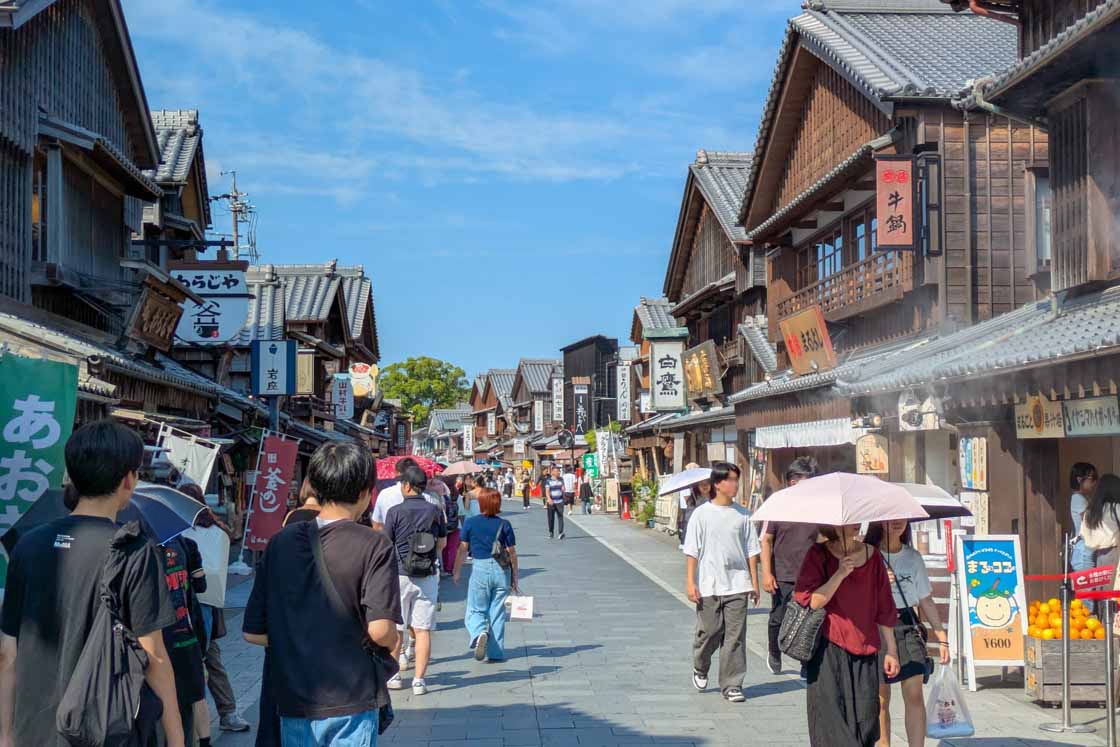
Over centuries, Oharaimchi has catered to the many travelers making the important, large-scale pilgrimage to Ise Jingu. All those weary travelers needed food, a place to stay, and a bit of entertainment.
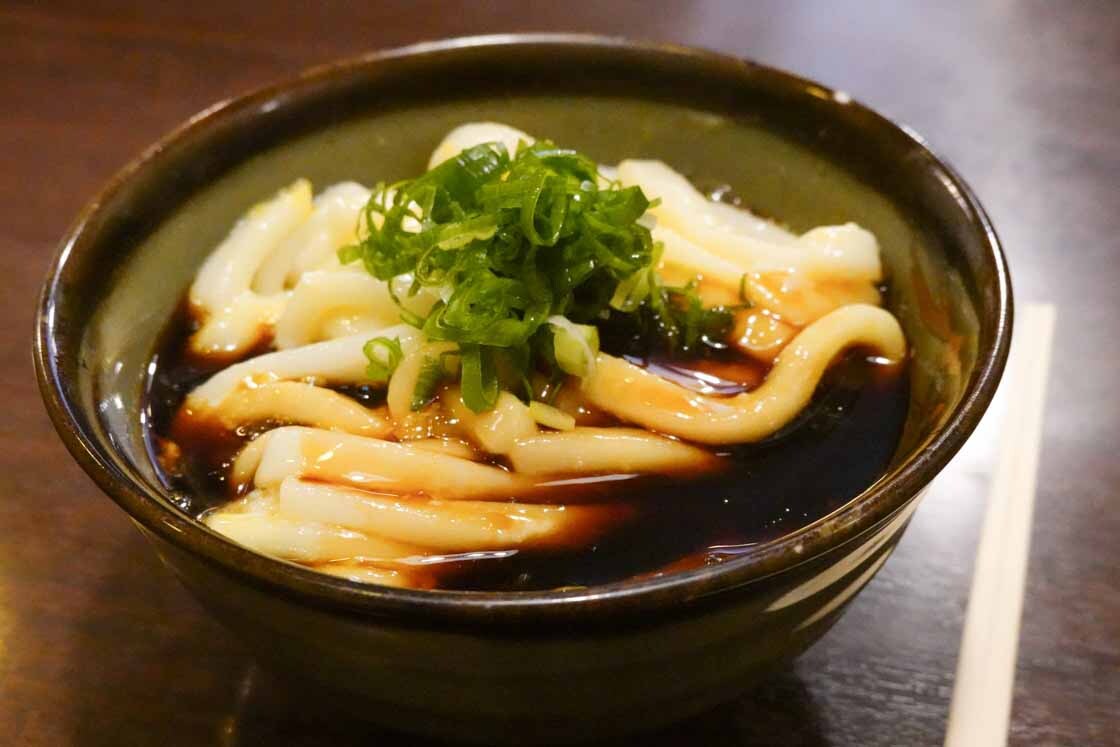
With my love of food, I was excited to find out that with its popularity also came their own specialty noodle dish, called Ise Udon. Because there were so many mouths to feed, restaurateurs needed something that could be whipped up quickly. So, although udon is usually thick with a bit of chew to it, these noodles are super soft, because they use a dough that is quicker to make. It's put into a rich soy-based sauce (and I saw a lot of bottles of Ise soy sauce around Oharaimachi if you want some to take home), so it has a much stronger flavor than regular udon.
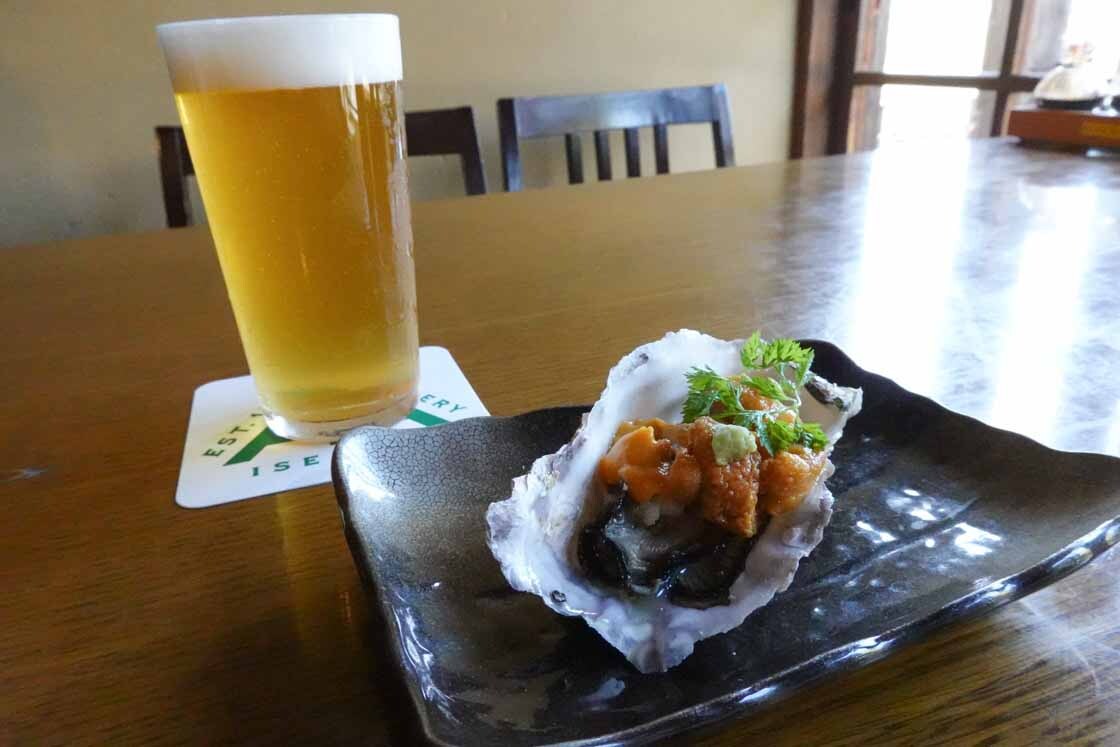
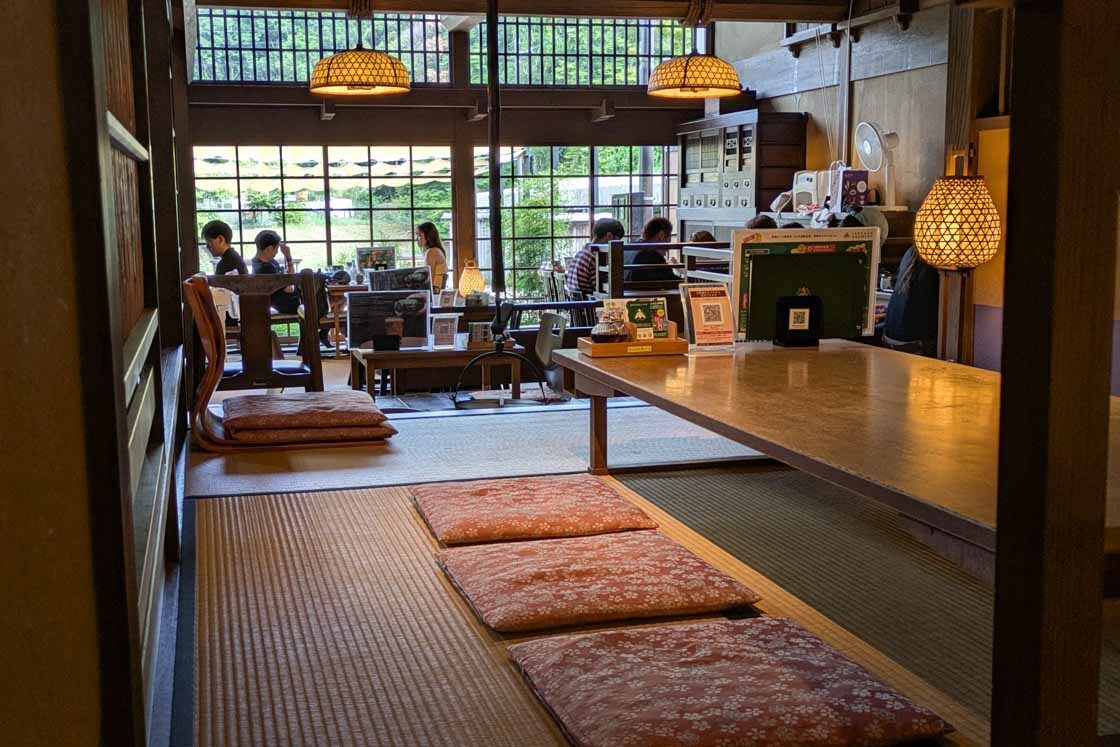
I then walked literally next door to have a pint of local craft beer at Ise Kadoya Beer. I loved the atmosphere of this place, as it is spacious with a large windowed wall at the back, but surrounded by dark wood, making it feel like I've stepped backed in time into an old tavern from the Edo period (1603-1868). I tried a lavish oyster with sea urchin, which was surprisingly buttery and flavorful, to go with my beer, a light American style pale ale - enough to refresh me and add to the journey without inebriating me to disturb the gods. Maybe visit Oharaimachi after the shrine if you fancy more than half a pint!
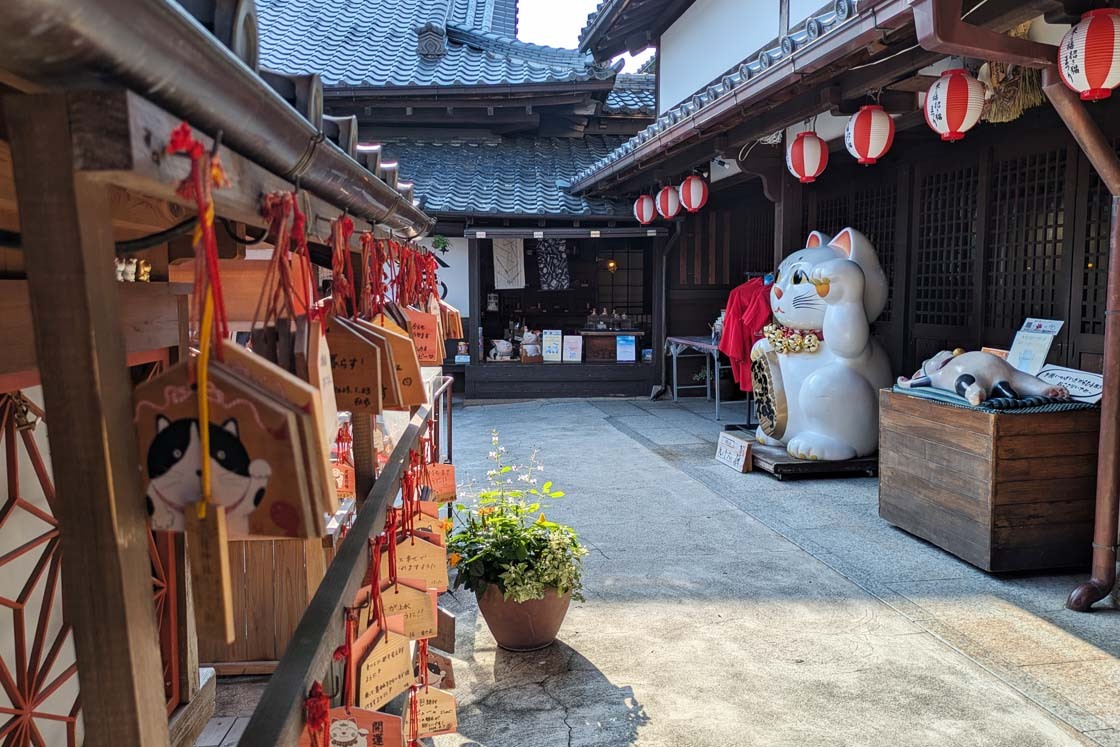
About halfway down Oharaimachi there's also Okage Yokocho, a small area that recreates the atmosphere of the past, namely the Edo Period to early Meiji Period. It's a nice little place to get souvenirs, in particular some local soy sauce which is used for Ise Udon, and you'll know you're there when you see all the lucky cats!
Ise Jingu
Now onto Japan's most important shrine - Ise Jingu.
It holds that reputation because it is dedicated to the Sun Goddess, Amaterasu. She is considered the highest deity in the Shinto religion, and the ancestor to Japan's imperial family. The site is believed to have been founded over 2,000 years ago.
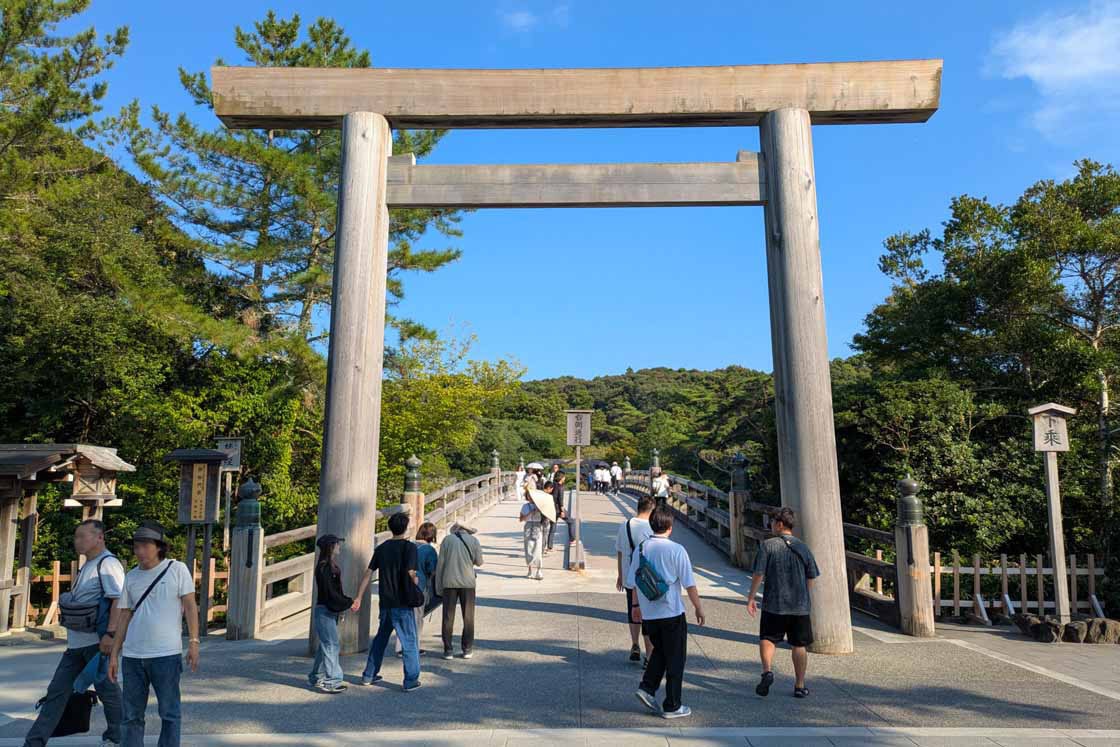
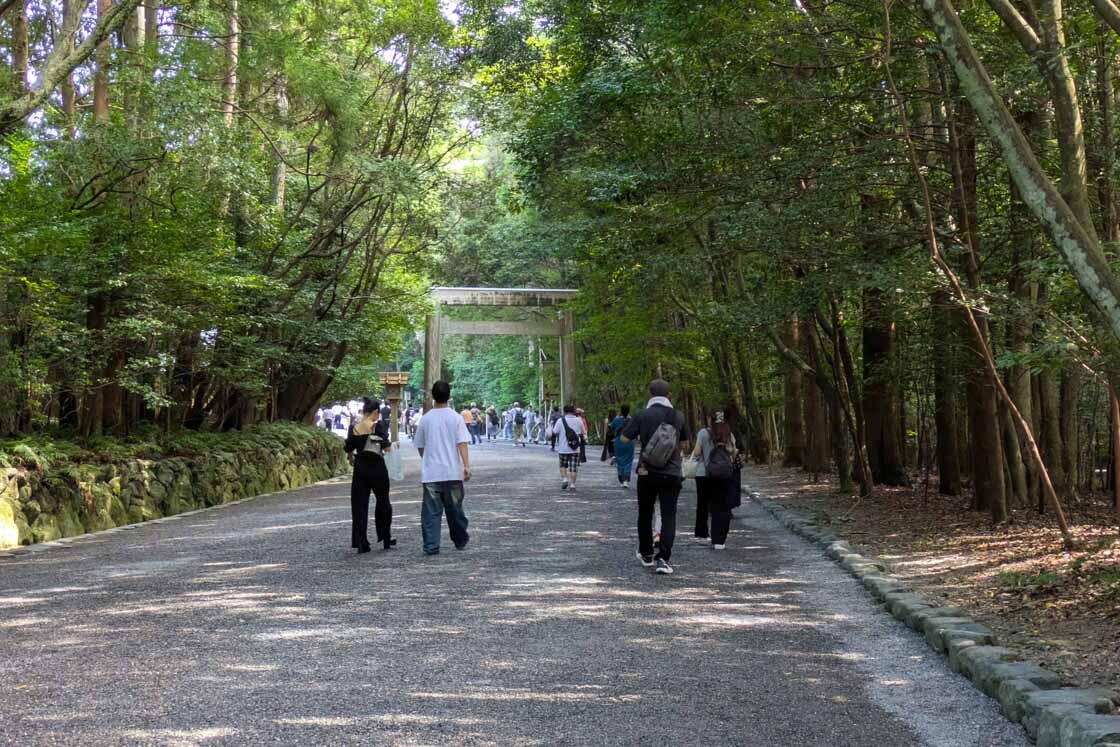
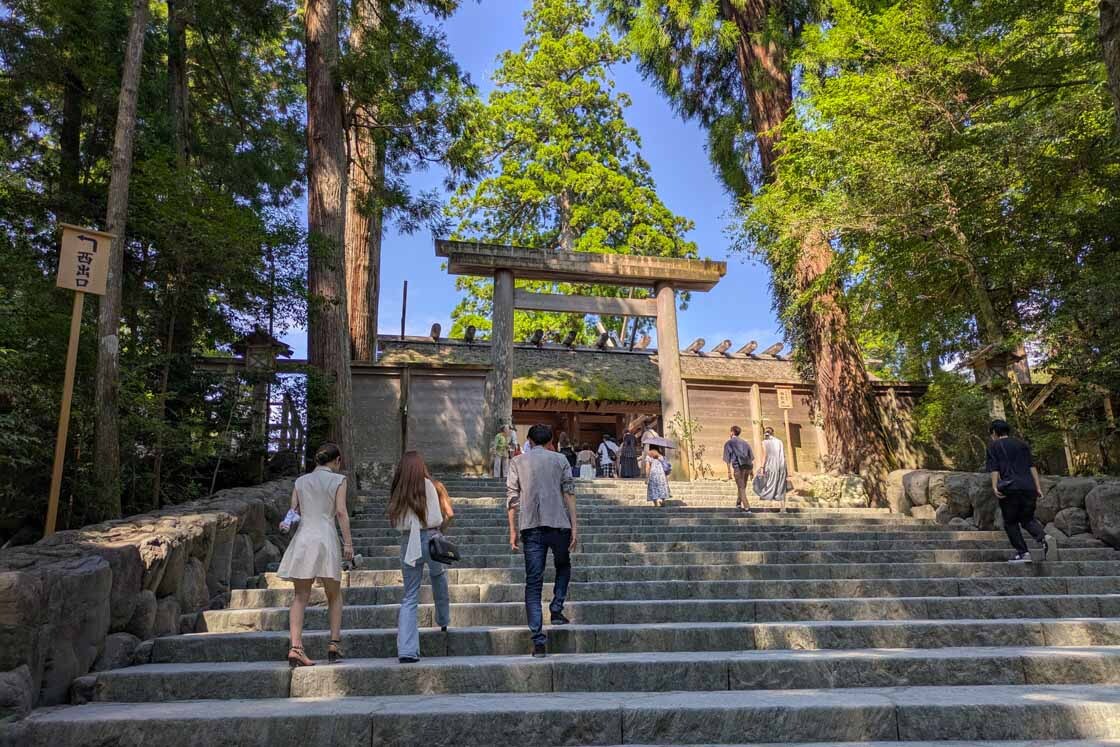
Ise Jingu is actually made up of a lot of different shrines, but the main two areas are Geku (the outer shrine) and Naiku (the inner shrine). Within those shrine grounds there are even smaller shrines! This time, due to time constraints between getting the Shimakaze and the shuttle to the hotel, I chose to only visit Naiku, but you can easily make adjustments to visit both.
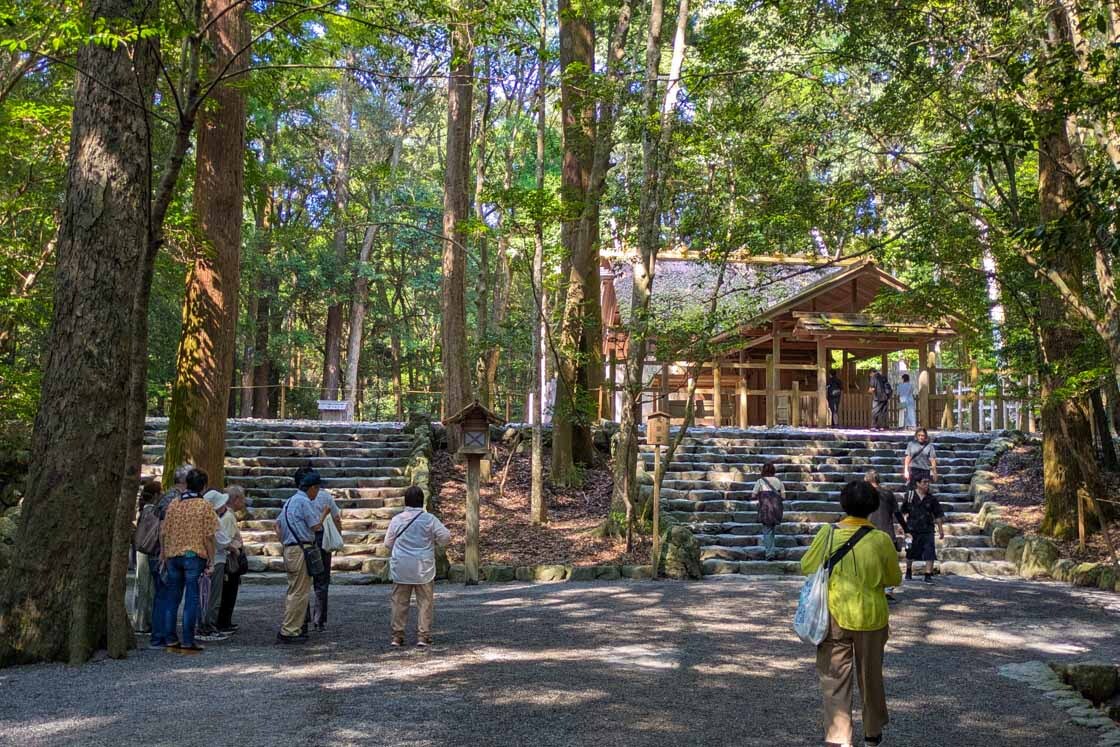
Here, there are two identical plots of land next to each other, one with a shrine building, and one without. Every 20 years, the shrine is rebuilt on its adjacent site.
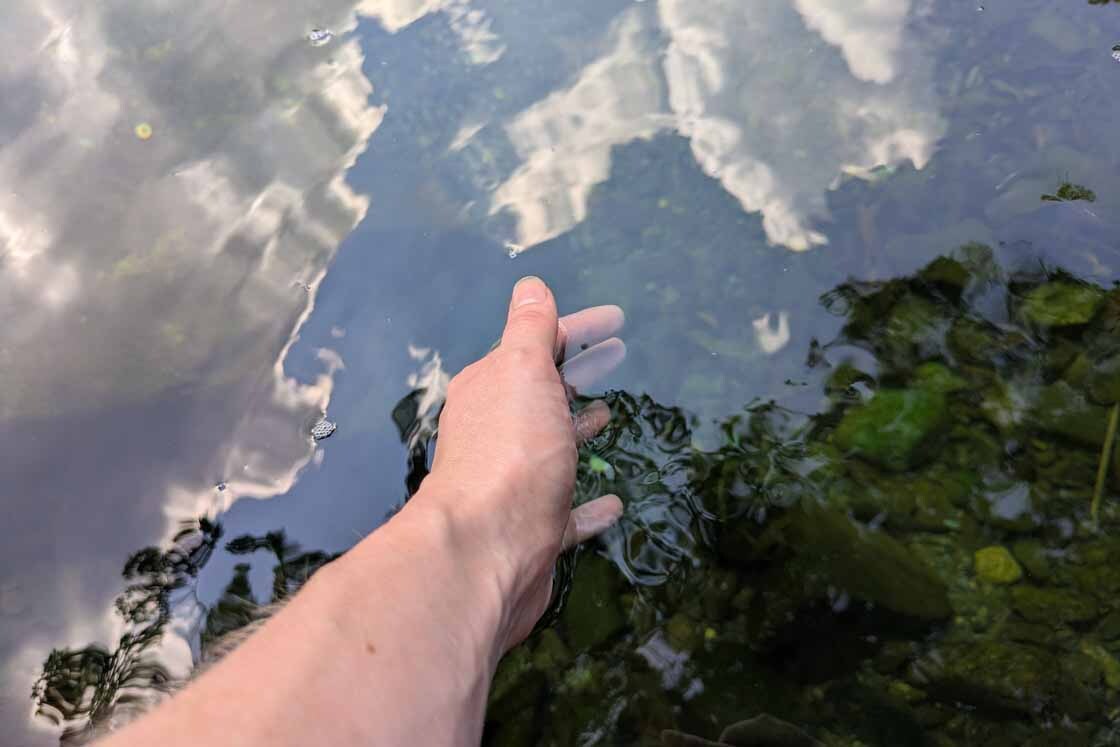
No-one is actually allowed to film or photograph at the innermost shrine in Naiku, so these photos here, and the footage in our video, is actually of a smaller shrine within the Naiku grounds called Aramatsuri-no-Miya Shrine. This follows the same practice of being rebuilt every 20 years, and is in the same style, so it's a good spot for us photographers!
Kashikojima Hojoen Hotel
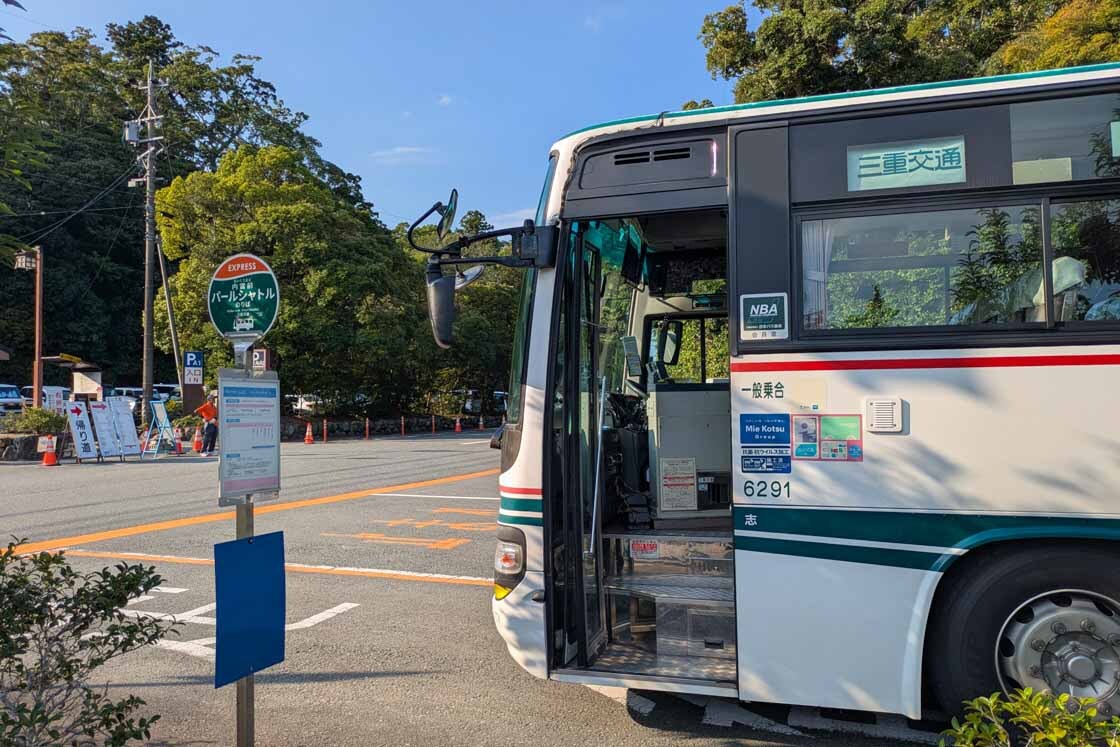
The most convenient way for me to get to the hotel from Naiku was to get the Pearl Shuttle, a shuttle bus that stops at a few different hotels, as well as Kashikojima Station. The bus stop position near other tourist buses, so be careful to look for the Pearl Shuttle. If you have an Iseshima Free Pass, you can book the bus two days or more in advance, then on the day, show your pass to the driver, and you will not have to pay a fee.
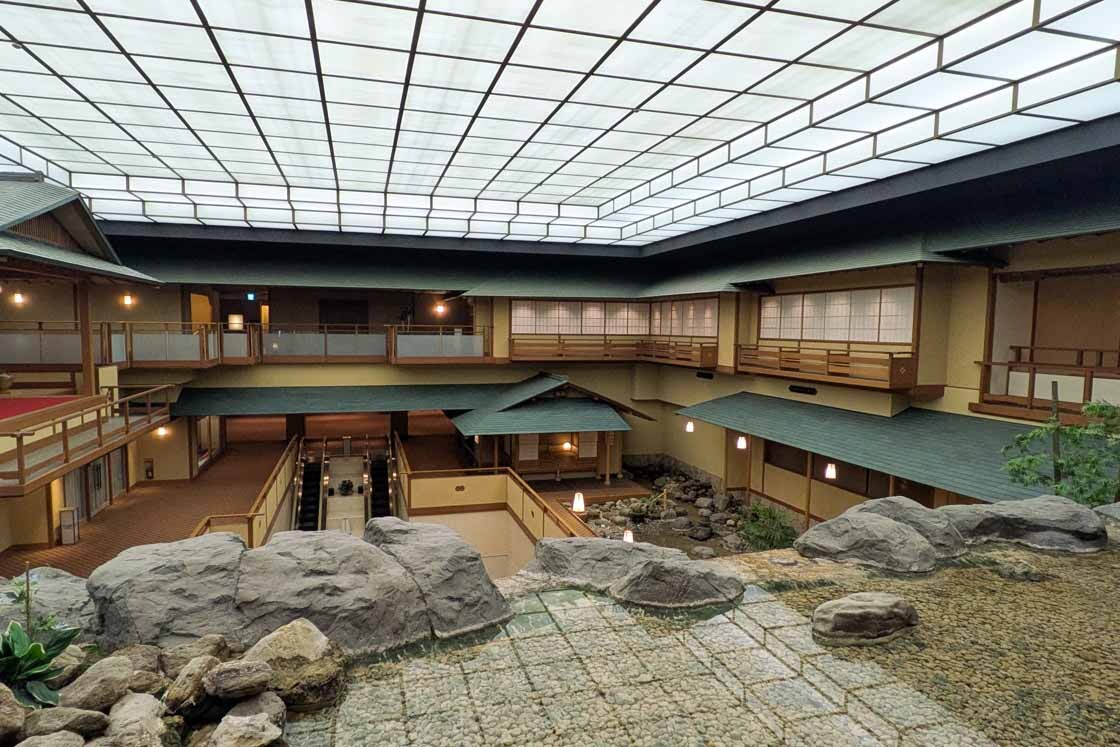
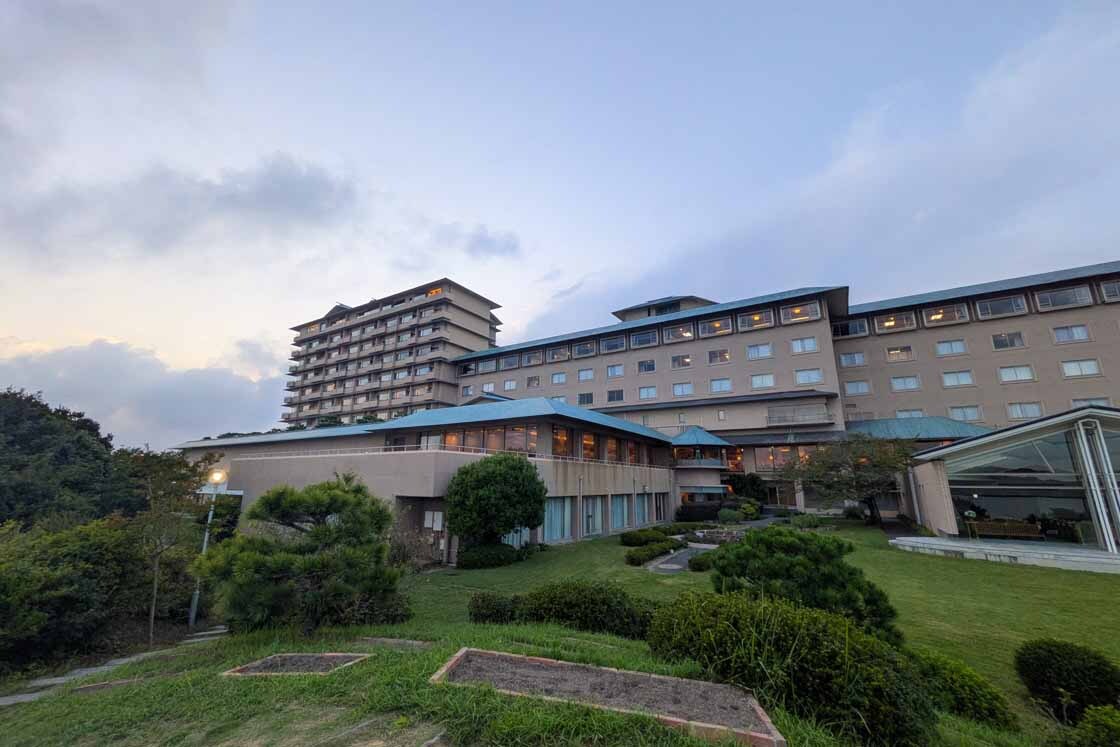
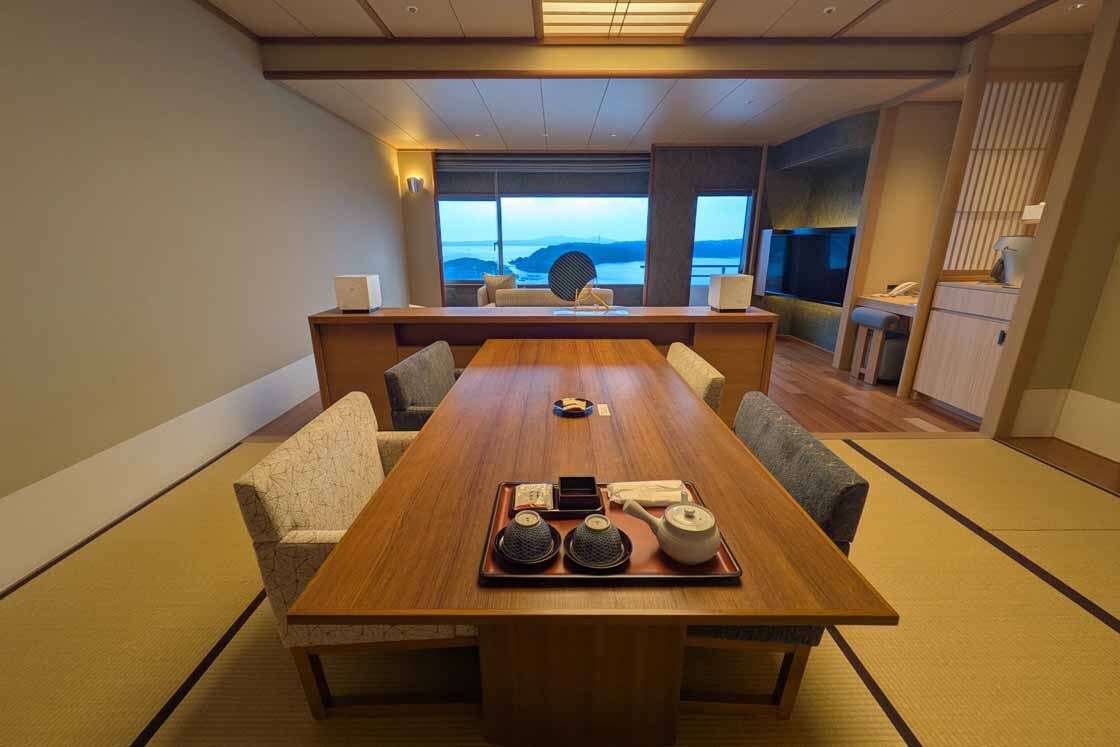
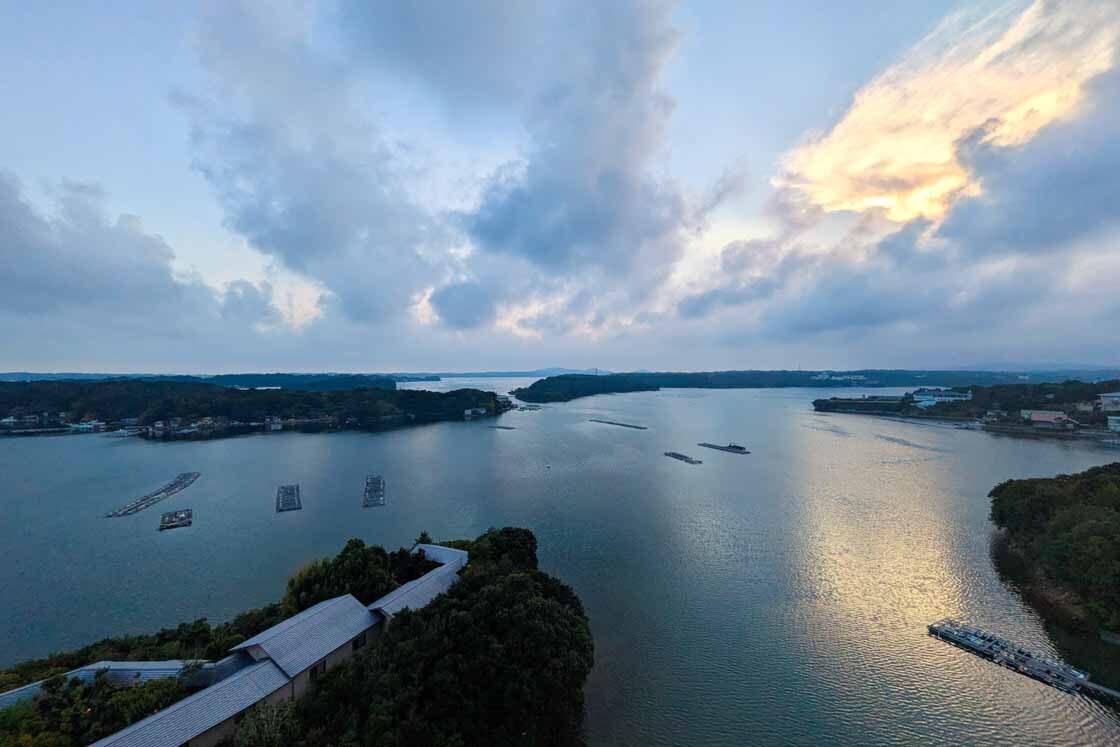
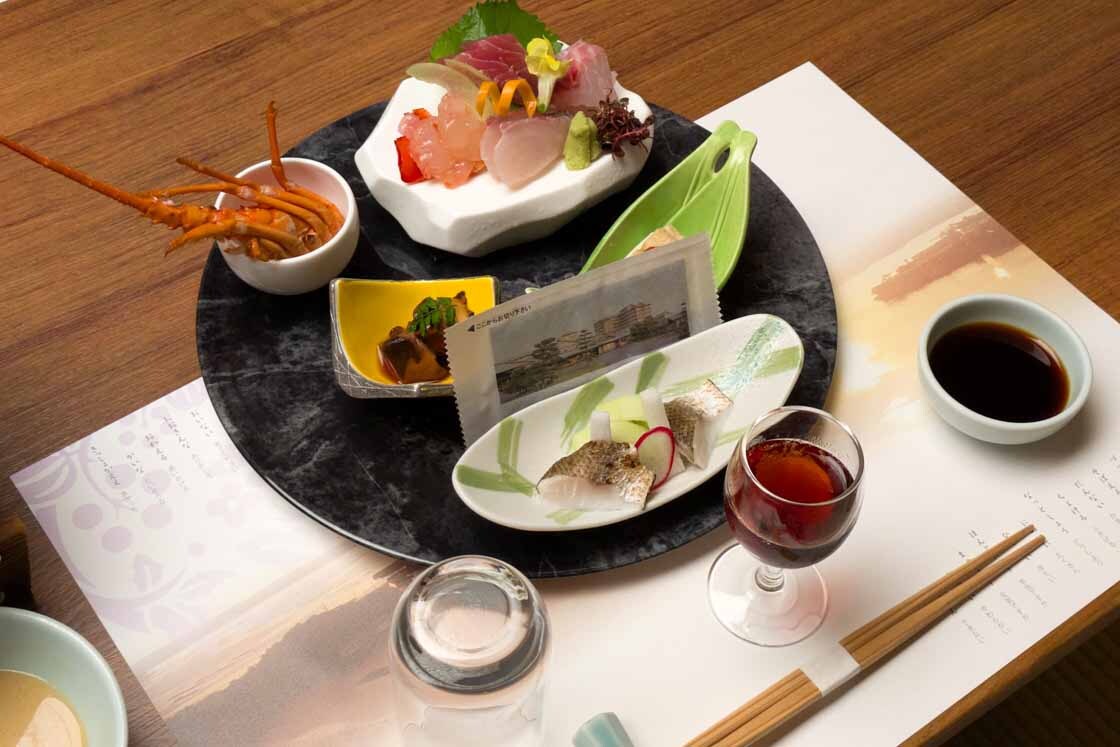
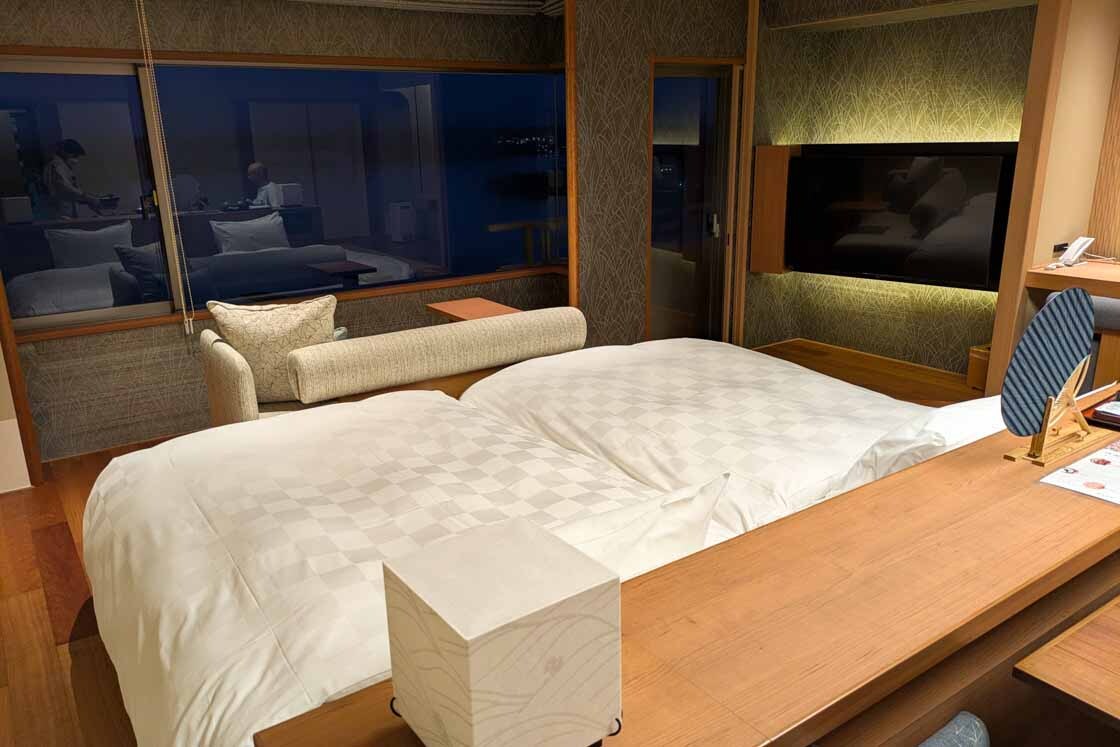
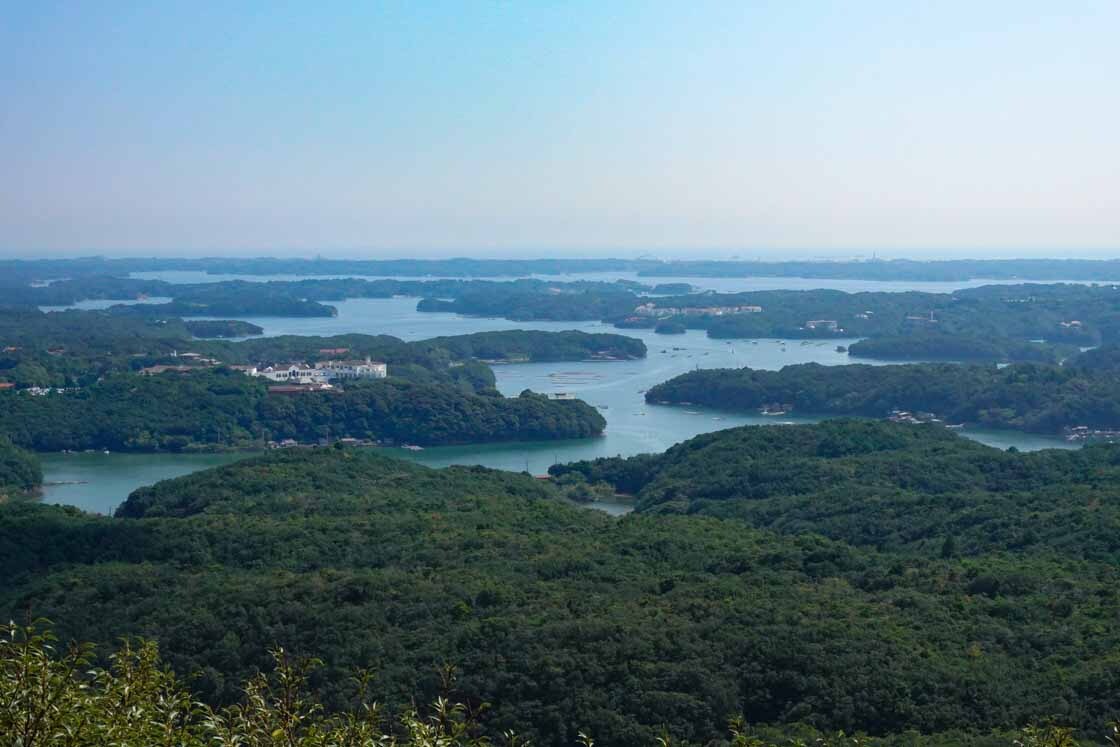
The hotel had an impressively spacious lobby area, with an indoor garden complete with a waterfall. As we were there for a video and article, we were shown two different types of room, but it seems anywhere you stay has a lovely view of Ago Bay. Depending on the type of room, you can have dinner downstairs or in your room. It was a lovely several-course meal rich with seafood from the area.
The hotel has quite a lot to explore, including an outdoor garden, a game center, and indoor and outdoor shared baths. I think the best part was the view, though. I could have sat and looked at the waves all day!
Day 2
Ama Boat Tour
After the buffet breakfast at the hotel, I went straight to Kashikojima Port, which is walking distance from the hotel.
I was very excited for this experience, because it was a chance to meet an Ama diver, who practices a tradition I had heard a lot about but never come into contact with.
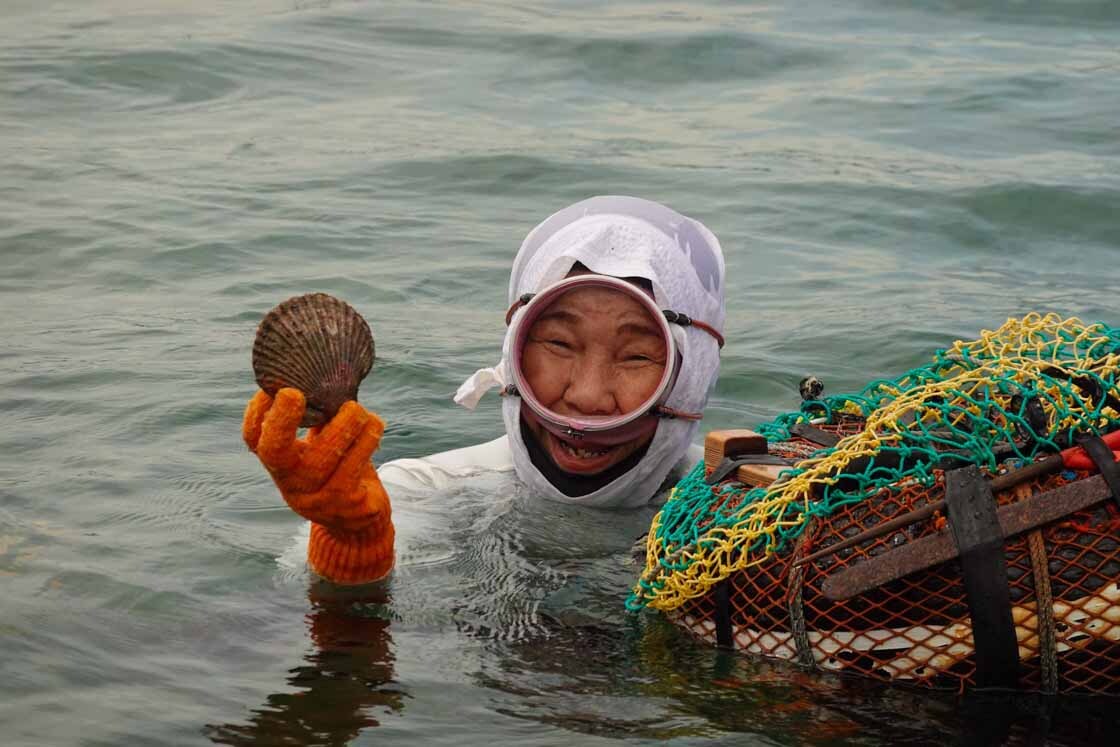
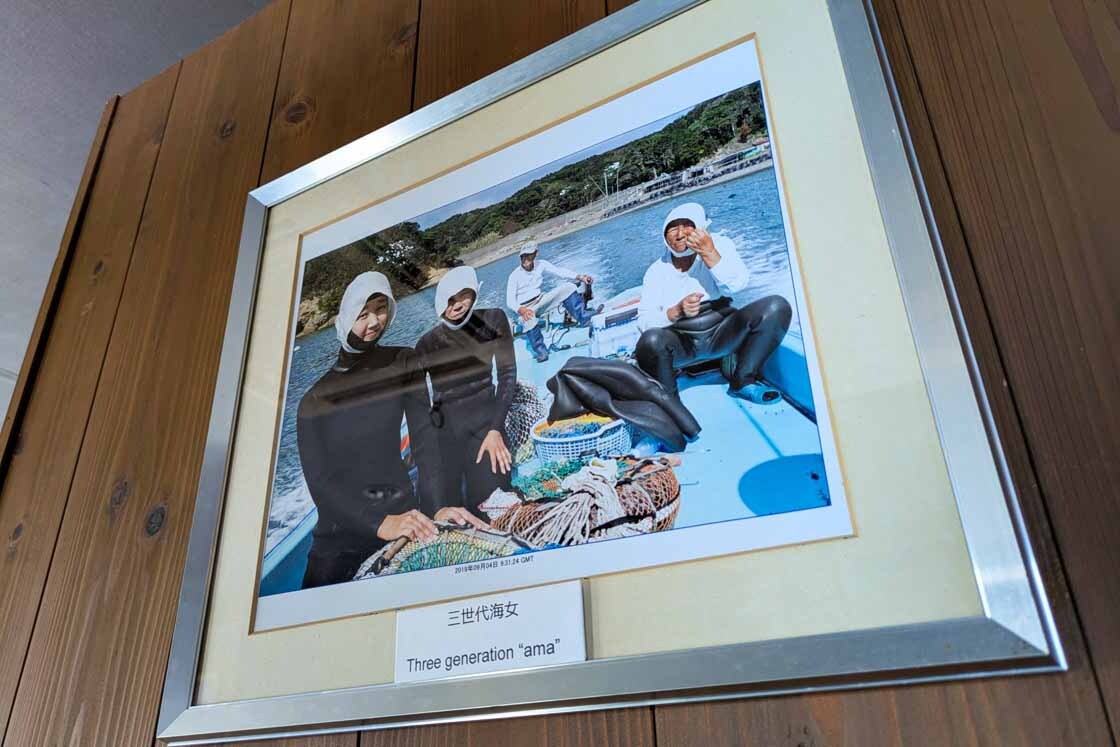
Ama in Japanese literally means "sea woman", and they will free-dive to depths of 15 meters, and sometimes more, in minimal gear. While these days ama often use wetsuits, that and their diving masks are the only diving equipment they use. Records of Ama diving go back to the year 927, and they were traditionally tasked with collecting seafood, and bringing abalone for shrines and emperors.
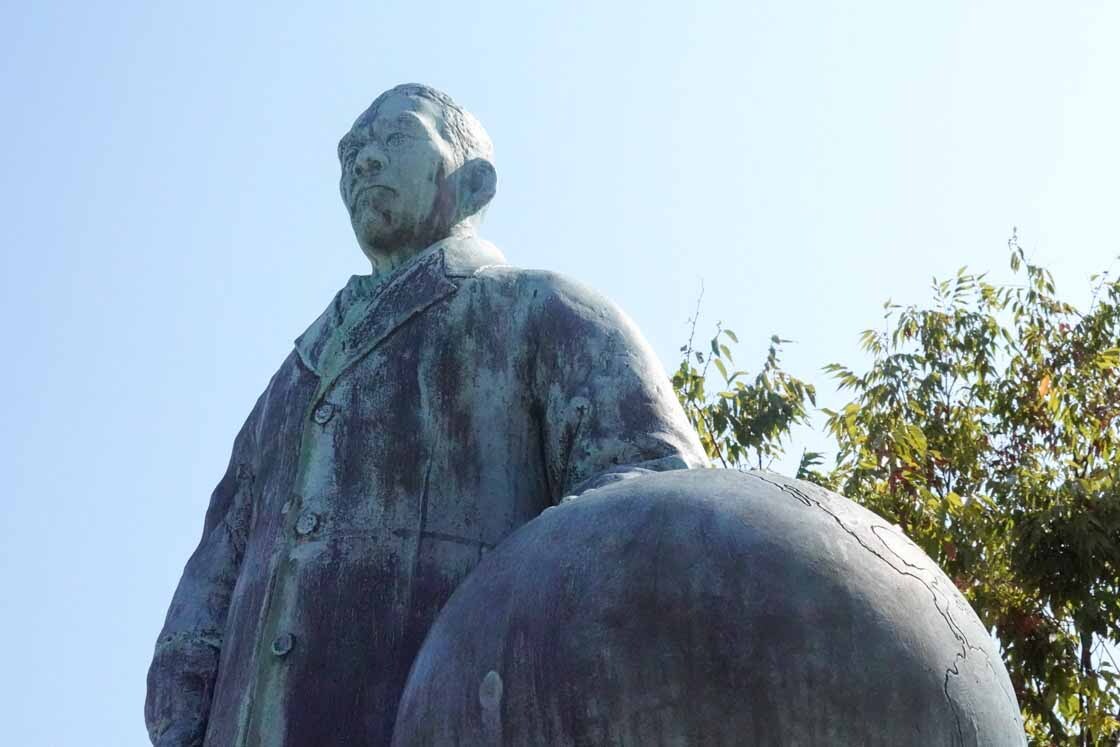
They started diving for pearl oysters when Mikimoto Kokichi (whose island I visited on Day 3), produced the first ever cultured pearl in 1893 and employed the ama.
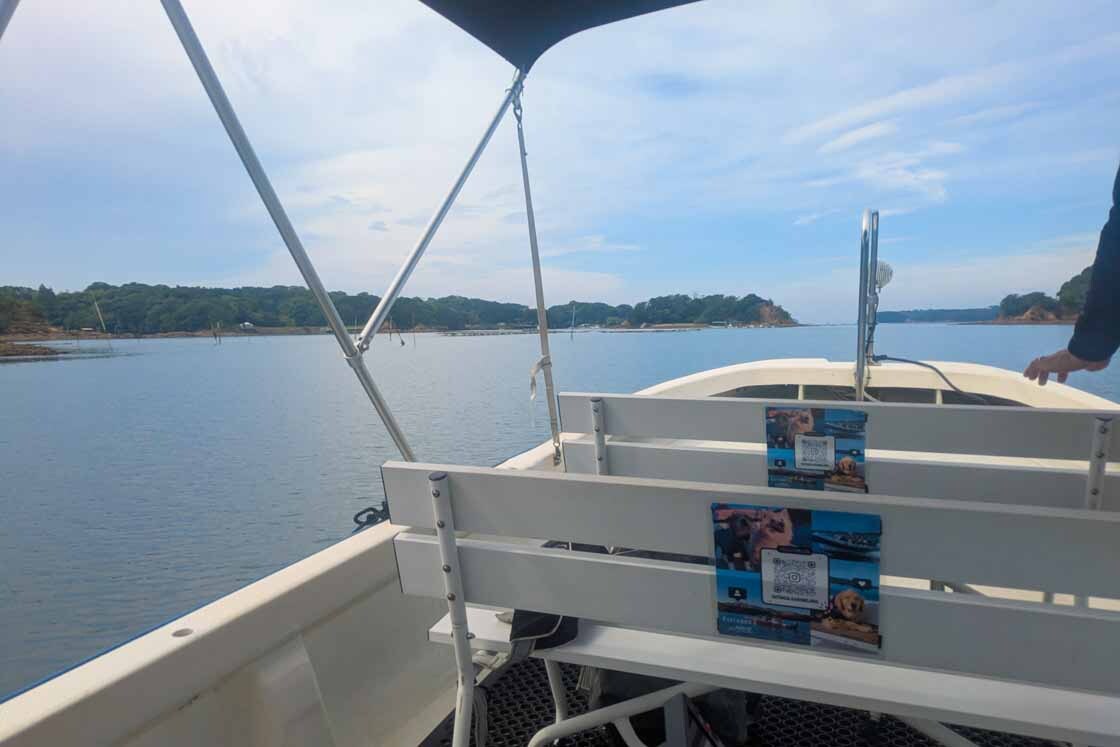
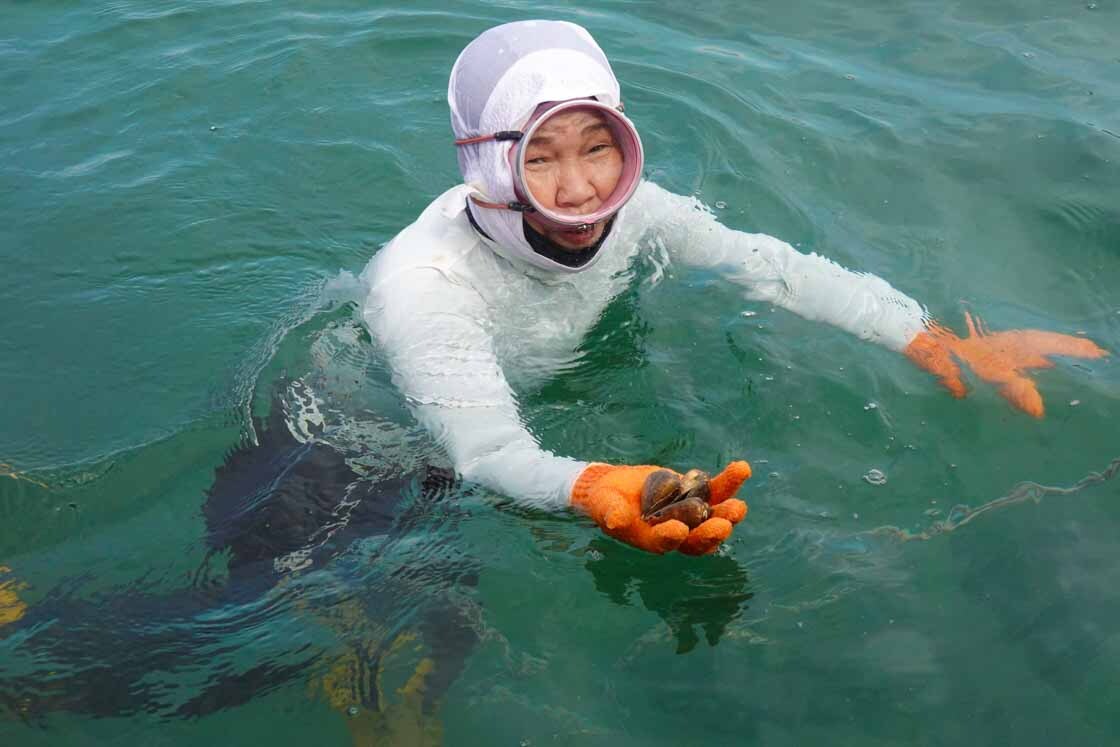
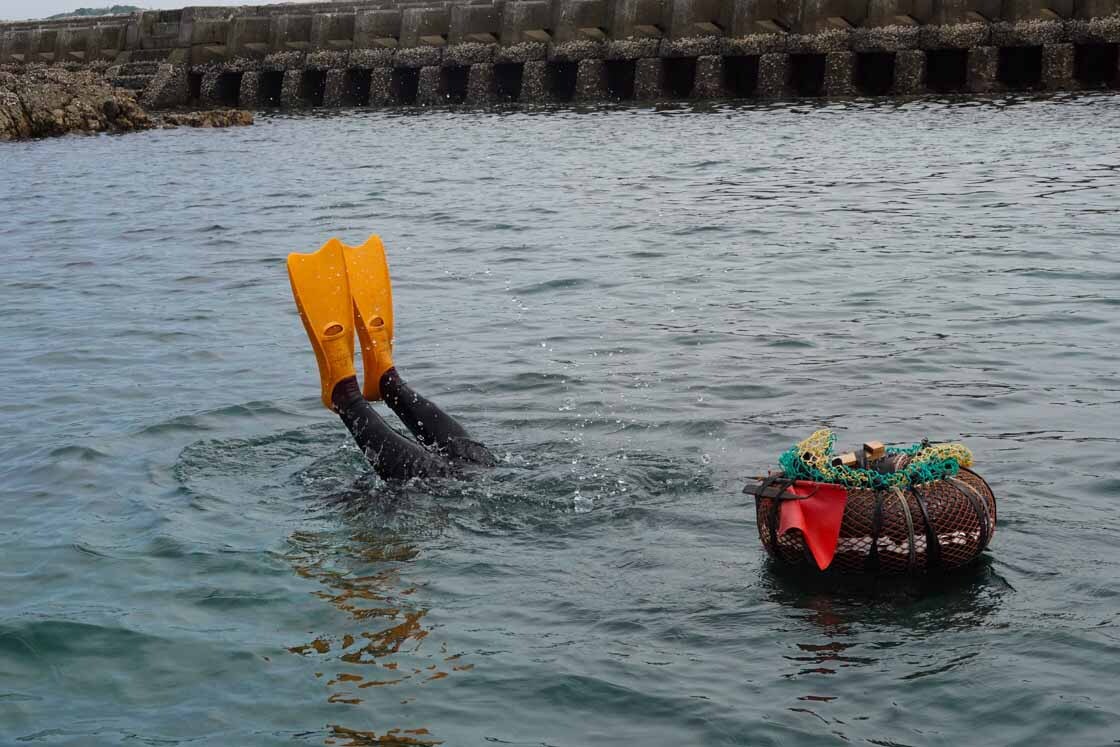
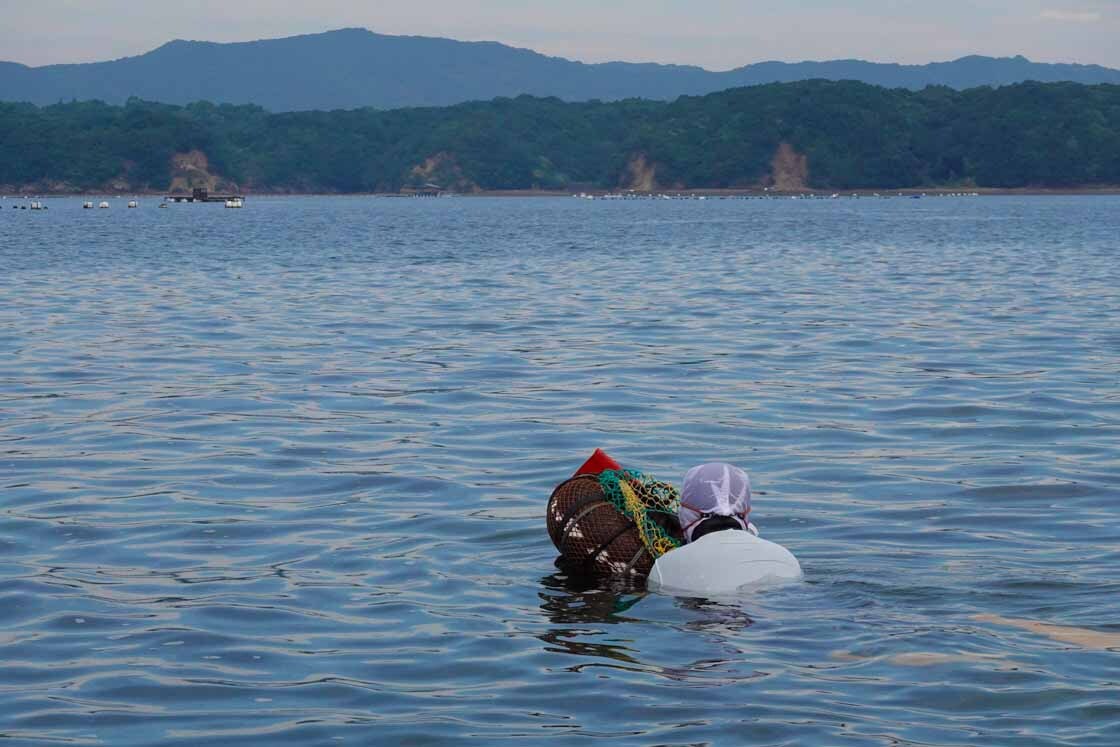
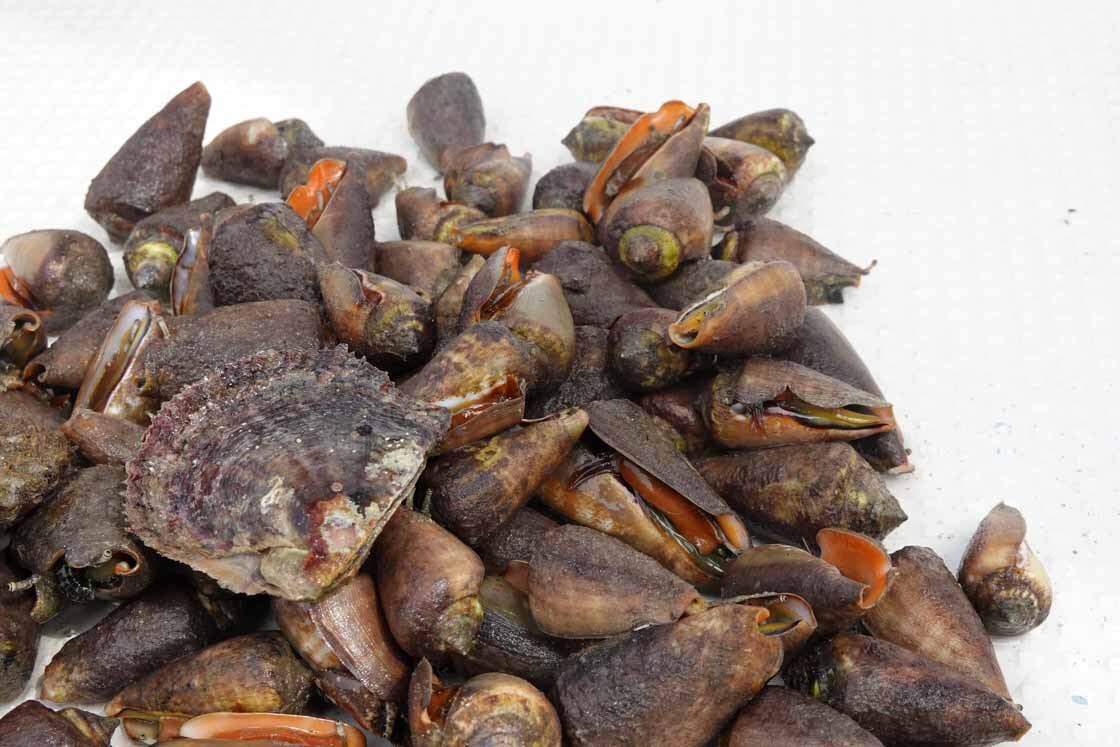
On my tour, I met the staff and ama at Entrada Kashikojima, where I was guided onto a boat. We had a little cruise around the bay before stopping at what the ama deemed a suitable spot for diving. She hopped off the boat with what looked like a life ring with netting attached to her. She dove down into the water for under a minute, and came back up with two handfuls of sea snails to show us! I applauded, she put them into her net, and dove back down. Watching from the boat was a fascinating yet peaceful experience, with the sound of the water and the sea breeze.
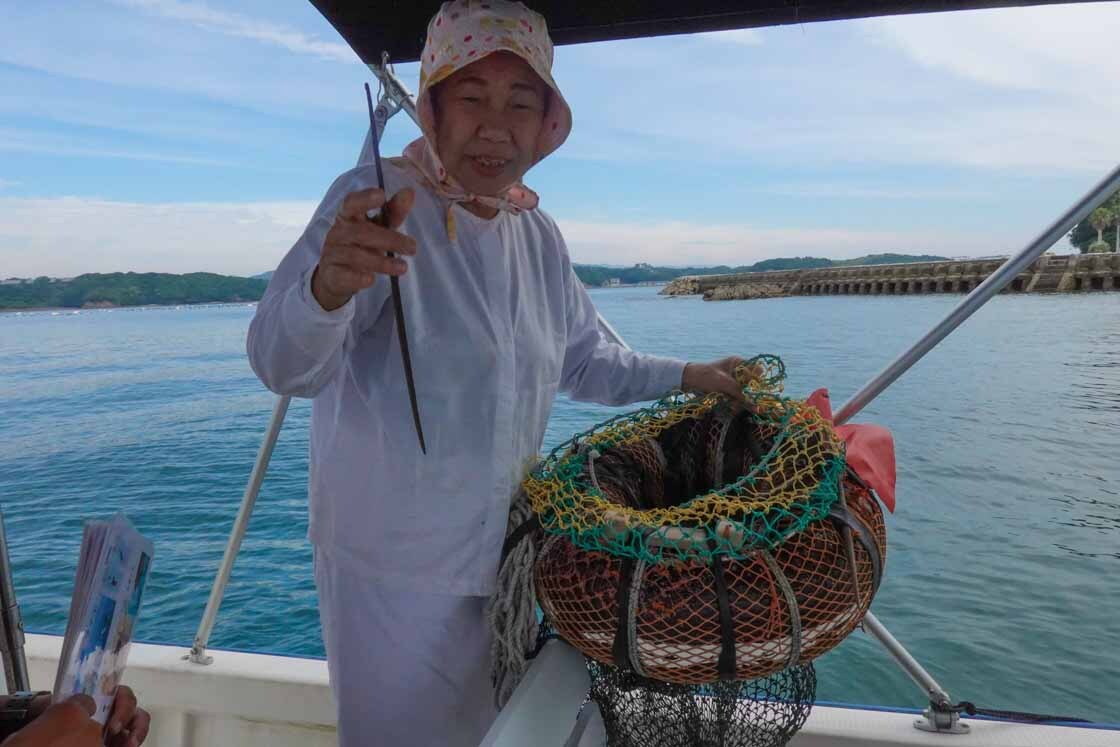
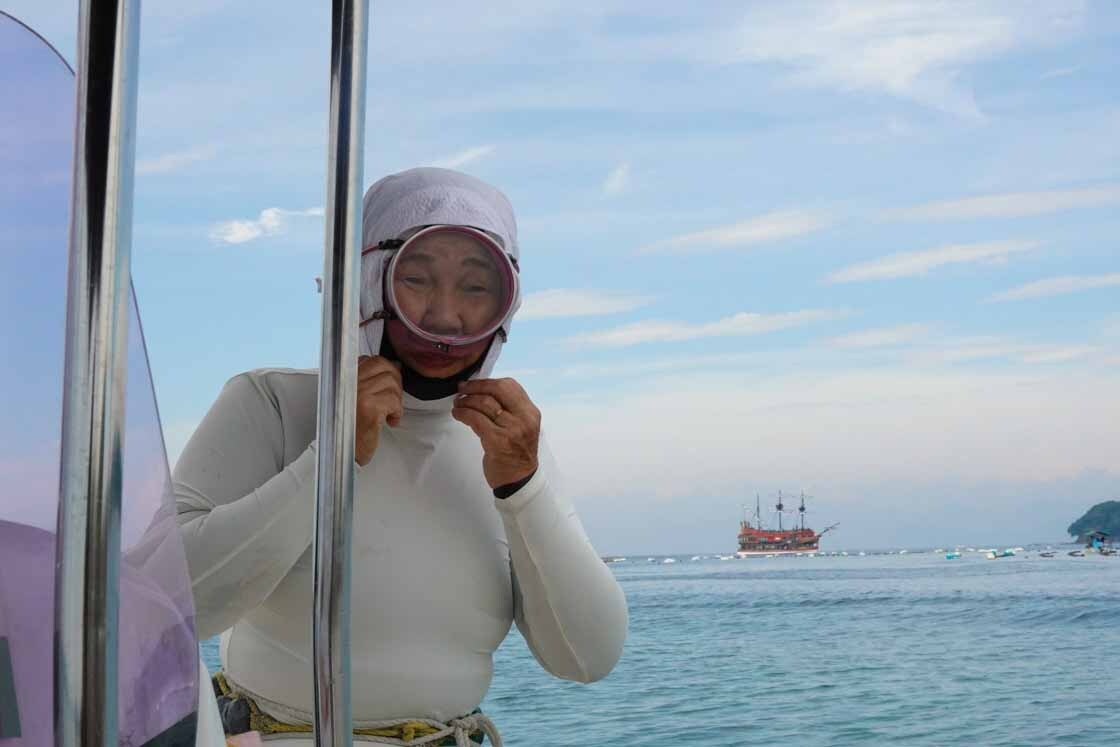
She dove into the water continuously for about an hour, diving down and popping back up with handfuls of shellfish almost every time, her keen eye spotting them straight away. When the hour was up, she came back on board and poured all the shells onto the boat for me to see.
Then, she returned the shellfish to the water and we returned to the dock.
Pearl Experience
The other two spots of the day are a little bit far from any train stations, so while you can take a bus or ferry, I would recommend to get a taxi and keep their phone number so you can call them to pick you up as well. It should take around 30 minutes by taxi to Shinju no Sato.
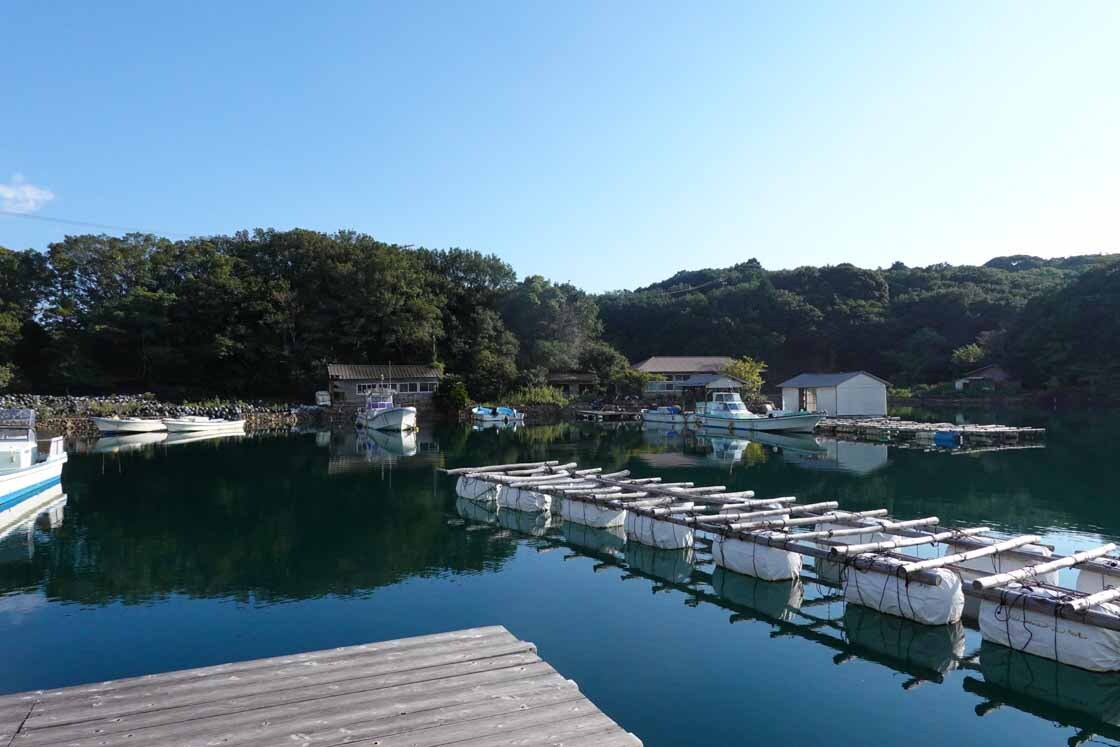
Shinju no Sato means "pearl village", and this is where you can harvest and take home your very own pearl! I've got to admit, this is not something I ever anticipated doing in my life, so I have no idea what to expect.
After watching a little video about the pearl creation process, it's then time to choose an oyster. There's no way to tell what kind of pearl is hidden inside, but when he brought out the net with all the oysters on it, I knew which one I wanted to pick.
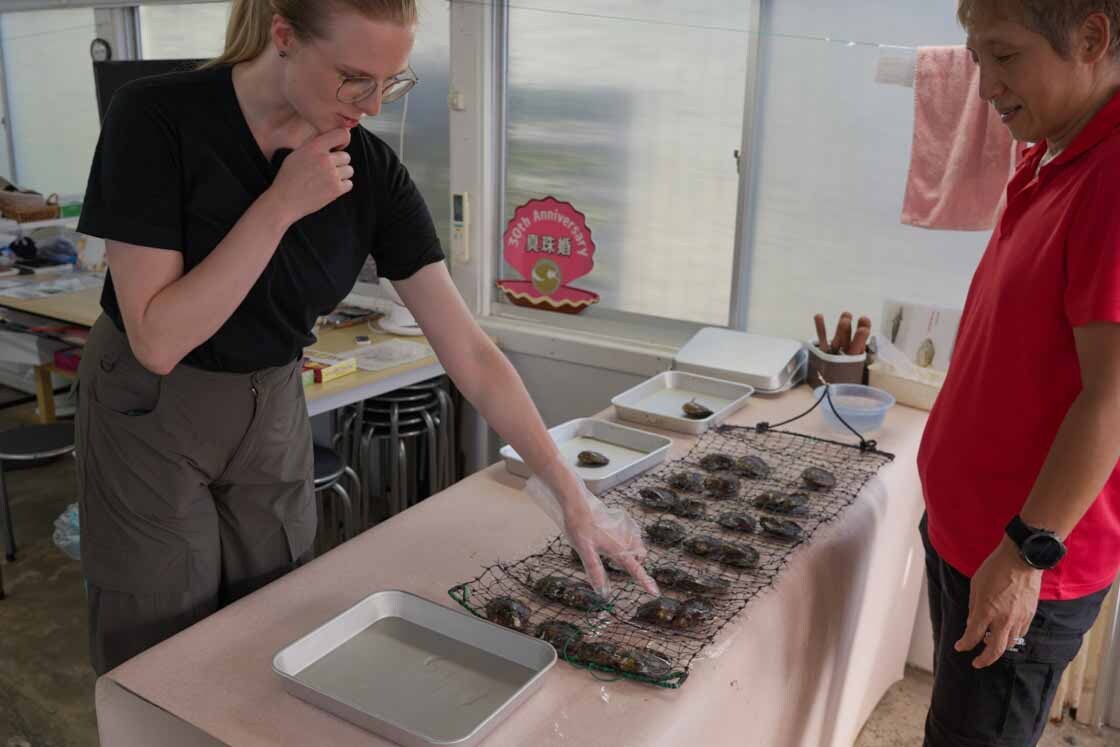
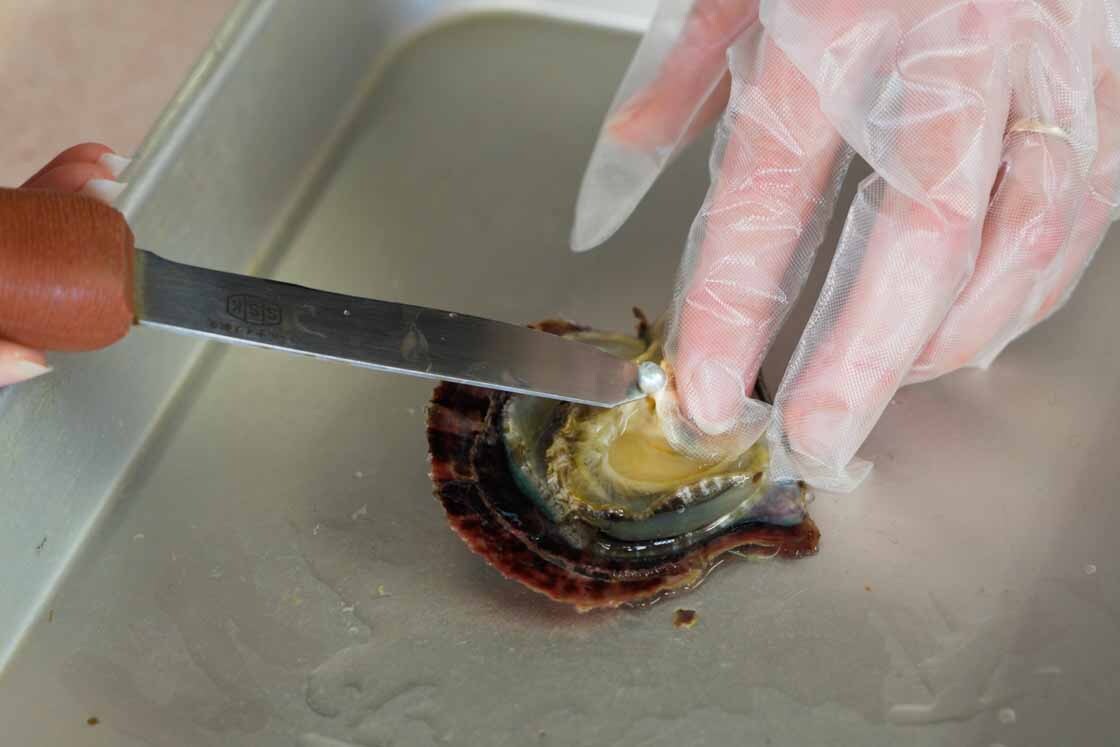
Apparently it was a good choice, because inside was a rare blue pearl!
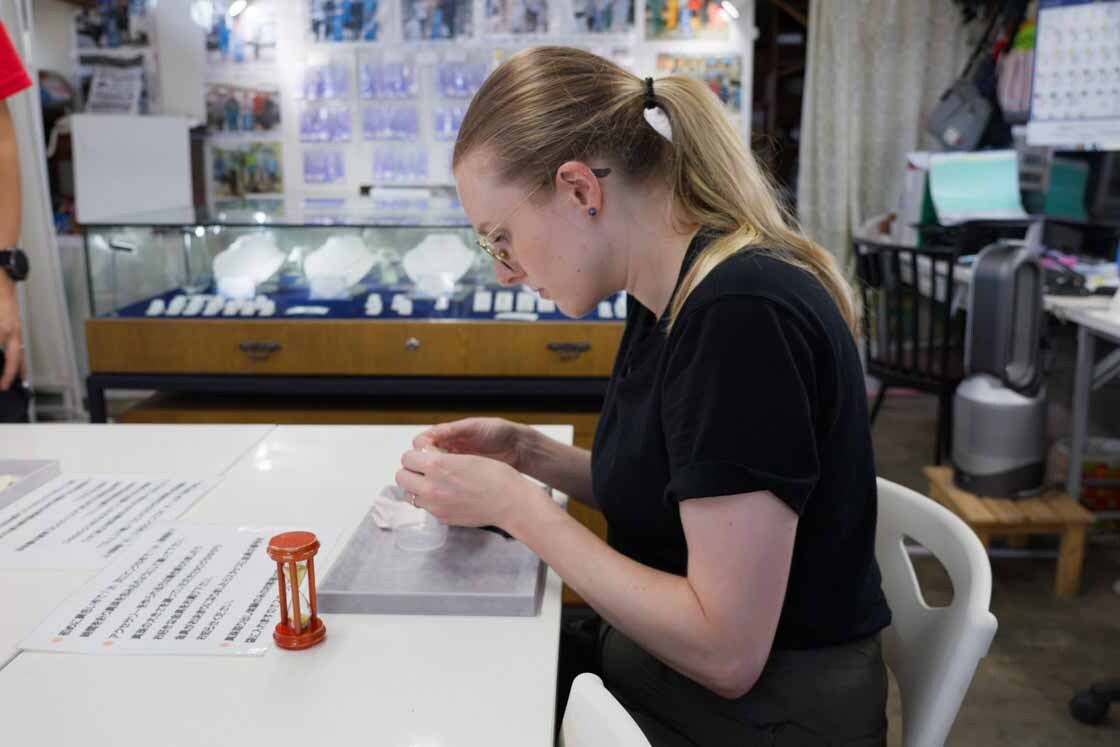
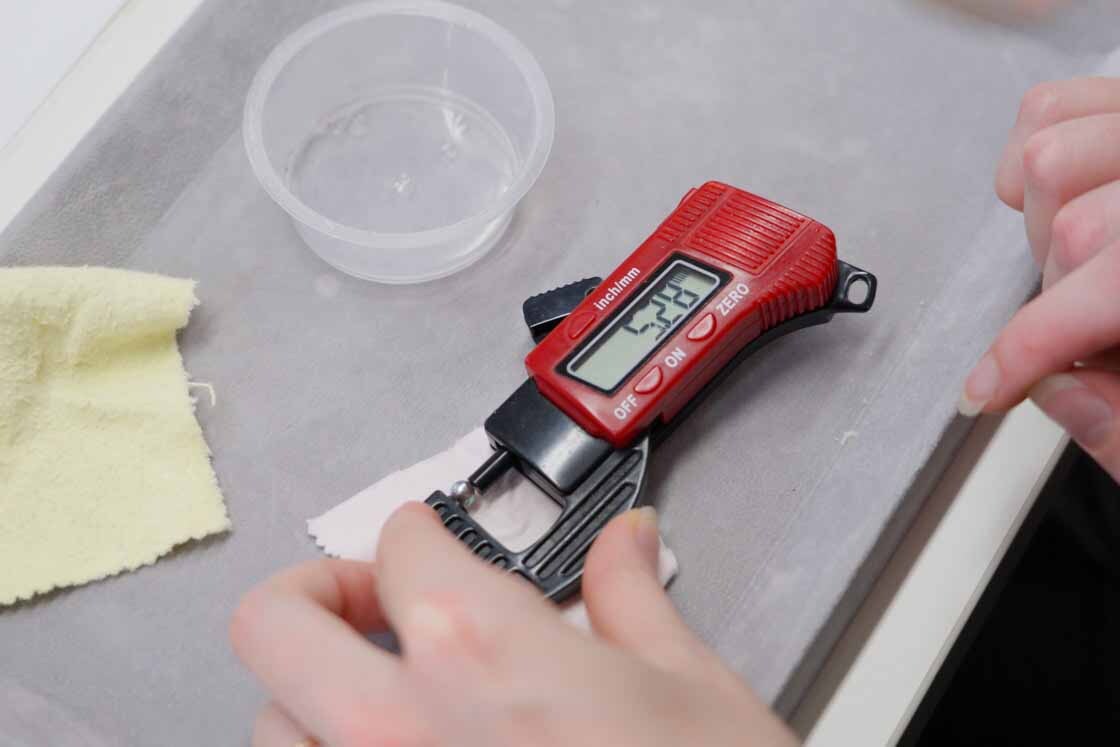
After taking it out of the oyster with a small knife, we then rubbed the pearl in salt, and polished it with two different cloths. The hardest part for me was measuring it with the clamp measure - the pearl is so small and smooth I was scared it was going to fly away!
There were two other participants there during my visit, and we all ended up with different colors and sizes. It is kind of crazy to think how much effort is needed to make a string of pearls for a necklace. They first do the "surgery" on the oyster, then put it into the sea on a net. The net has to be checked regularly for seaweed and larger abalone that interfere with the oysters, and eventually, finally, you can take the oyster out of the water to find the pearl. But at that stage, you would need to open up so many oysters to get identical pearls together!
After learning all about the pearl process, especially how different each pearl can be once you open the oyster, I feel especially attached to this one and have a new appreciation for it all.
Honestly, I know it's a bit off the beaten path, but if you really want to understand and appreciate pearls, Shinju no Sato is the place to go.
Satoumian
To round off my second day, I went to the other side of the peninsula that faces the Pacific Ocean, about a 5-minute drive or a 40-minute walk away.
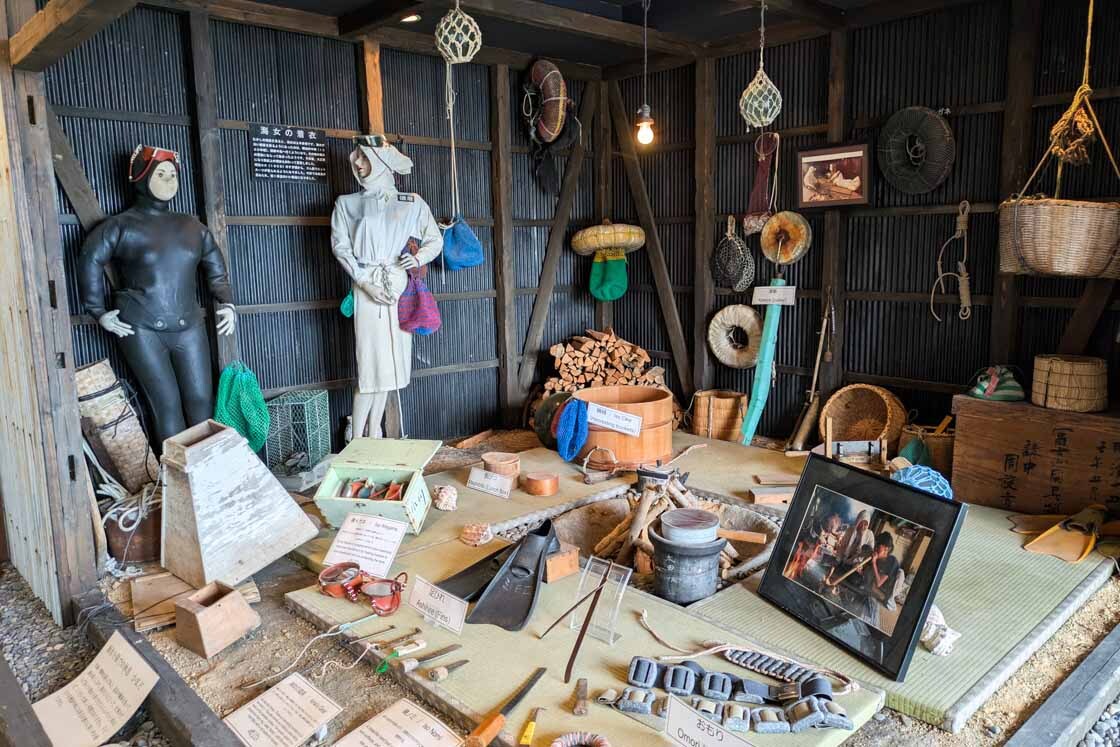
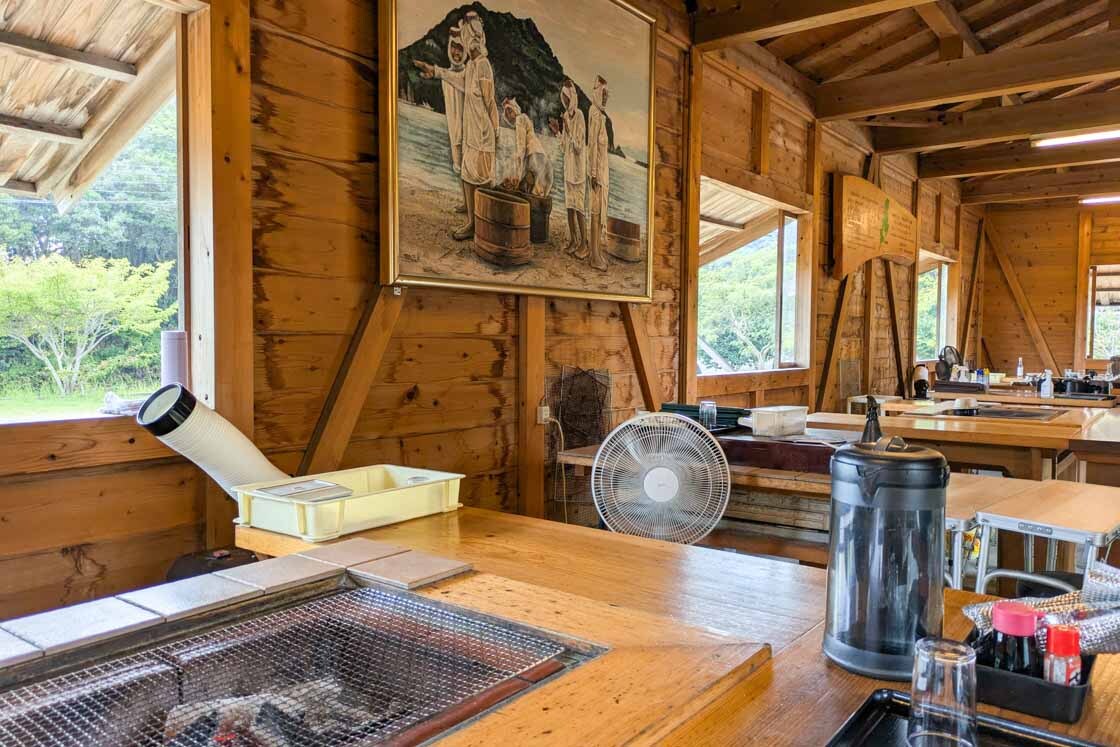
This is another fun place to interact with the ama divers and show them your support. The reception is like a mini museum of ama history, and you are then guided to a hut where one of the ama cooks a fresh seafood meal on the grill in front of you.
The ama don't speak much English, but they are very friendly and it's an interesting way to try out a lot of different types of seafood from the local area.
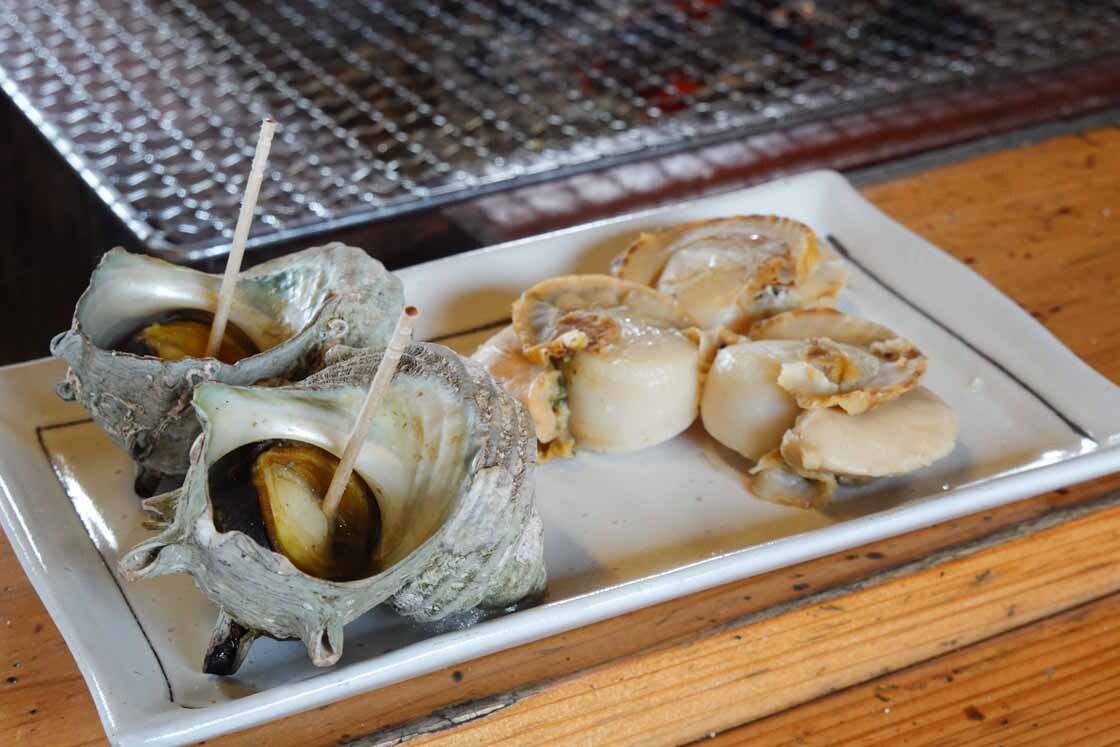
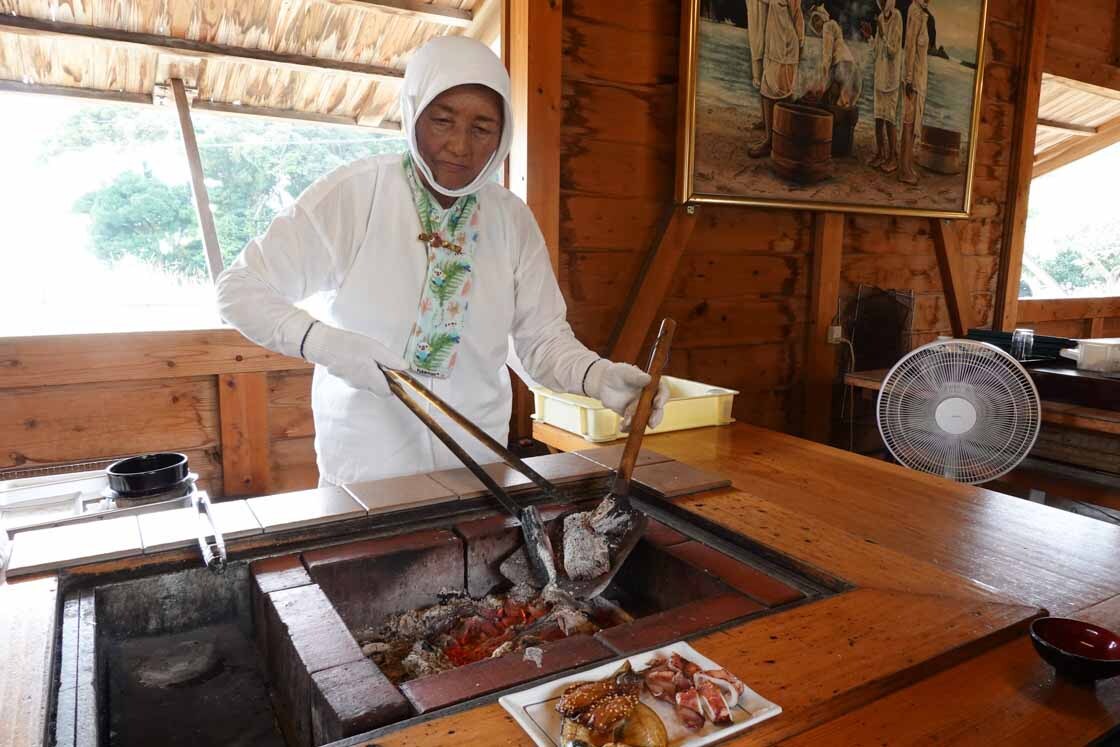
After the experience, I headed back to the hotel. But if you want to explore the area further, you can always add an extra day and do some other activities like cycling, visiting the Yokoyama View Point, or even going on the Kashikojima Espana Cruise. If you're interested in cycling in particular, there are several ports in the area to use the bicycle sharing service, HELLO CYCLING, including Ugata Station, Kashikojima Station, and Toba Station.
Day 3
Mikimoto Pearl Island
On this last day, I just made a quick stop at Mikimoto Pearl Island before heading back on to the Golden Route in Osaka.
To get to the pearl island from the hotel in the morning, it's just a short walk to Kashikojima Station, followed by a 30-minute train ride to Toba Station. From there it's about a 10-minute walk to the island.
The island itself is surprisingly petite, and it's possible to do a lap of it in about 15 minutes, but it's a nice final pearl stop before leaving the area.
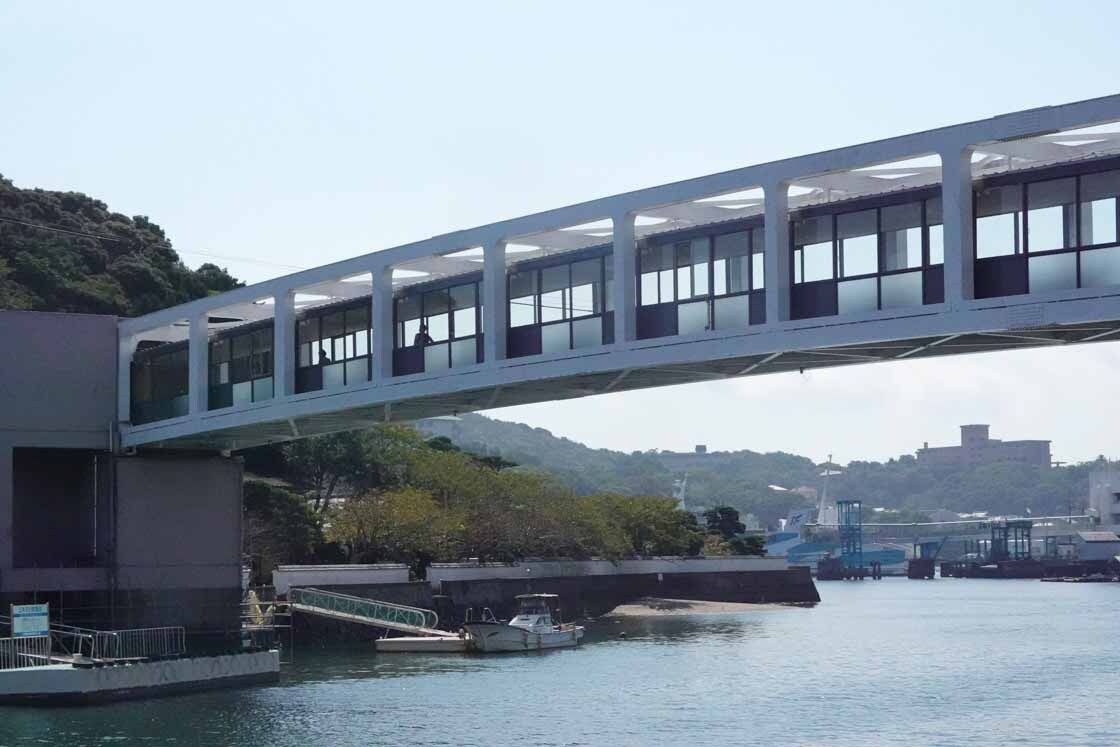
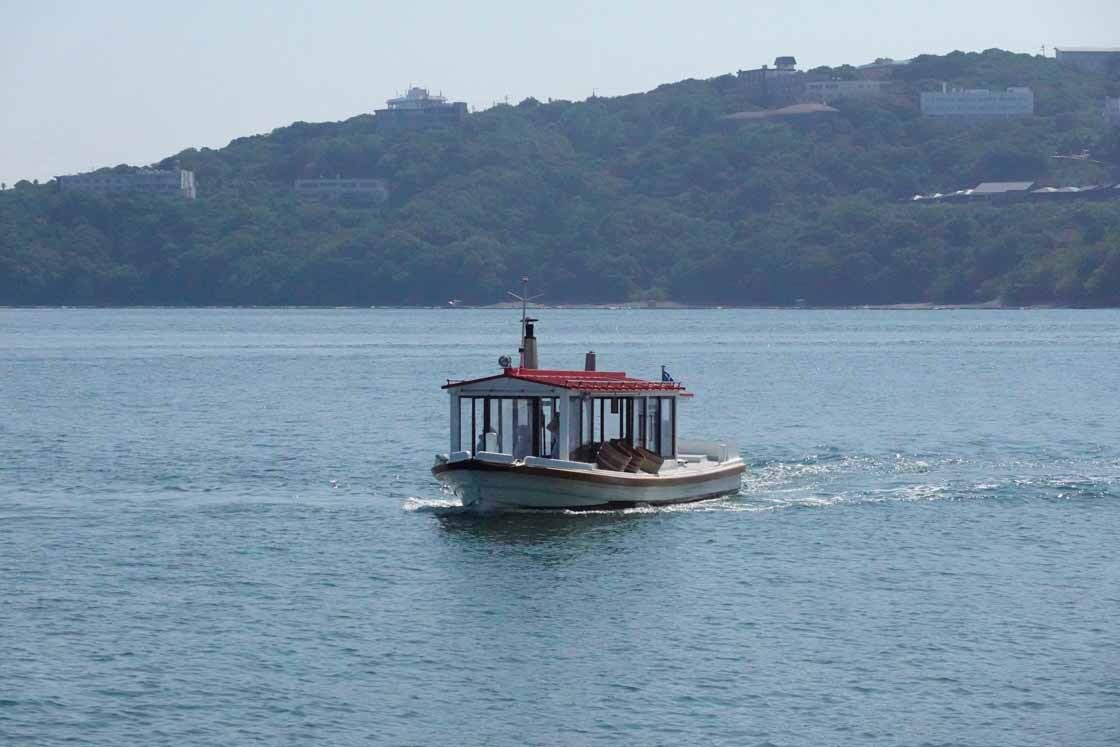
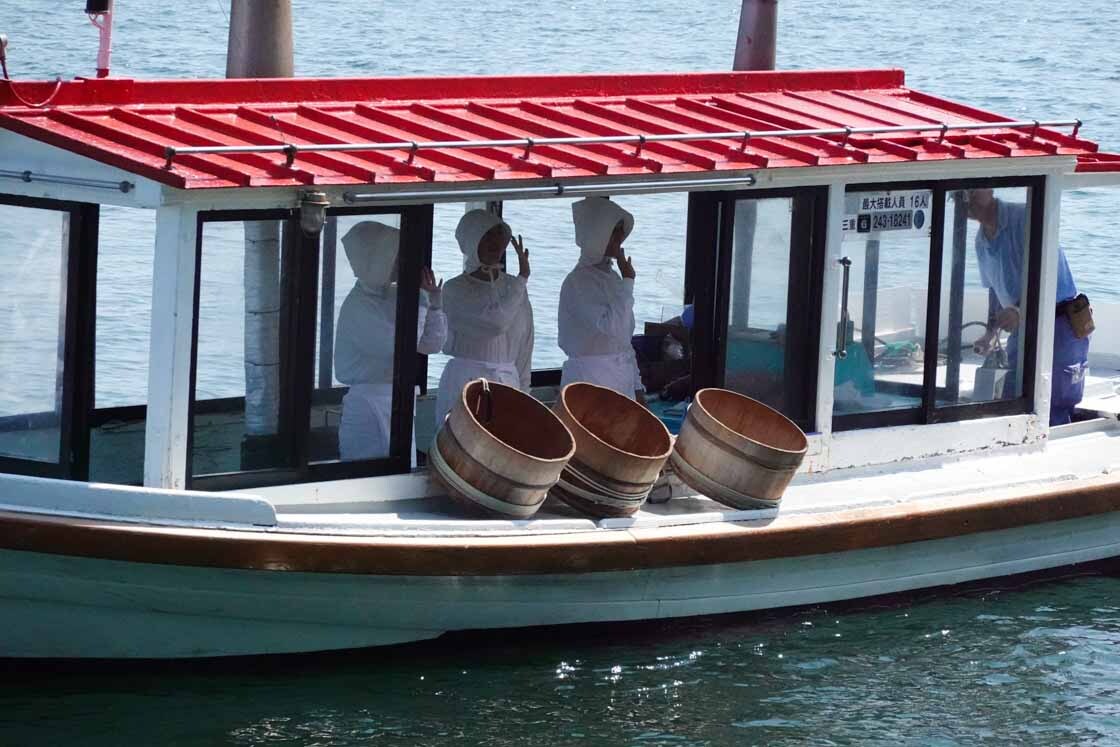
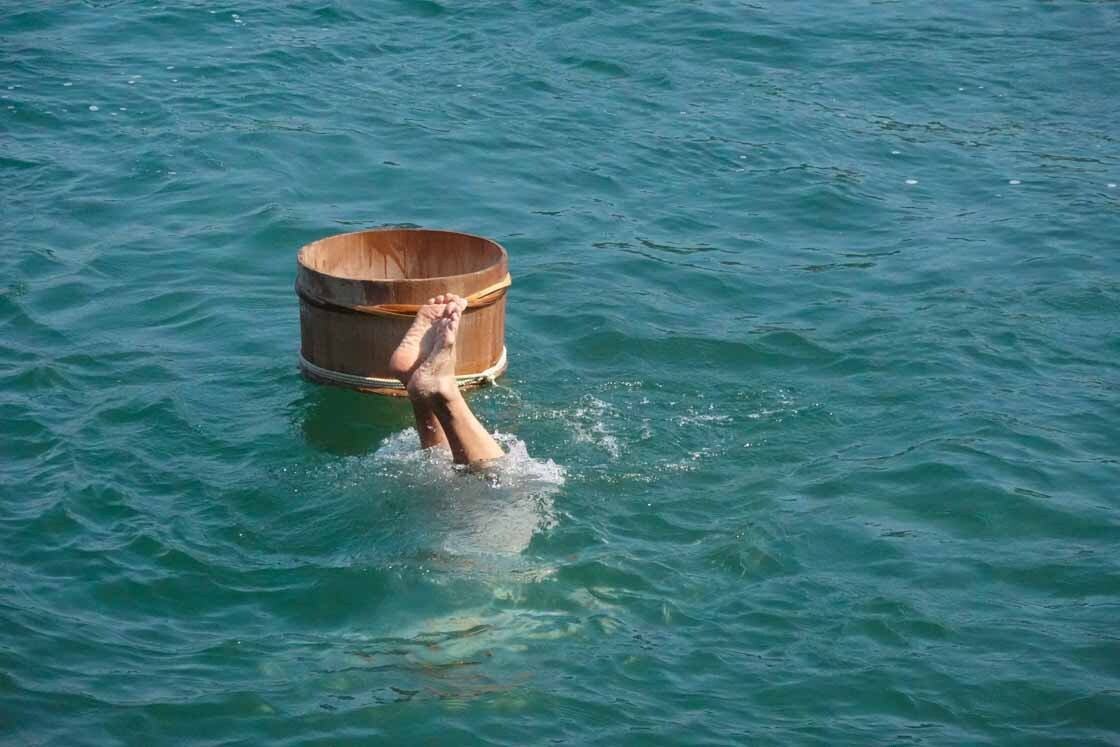
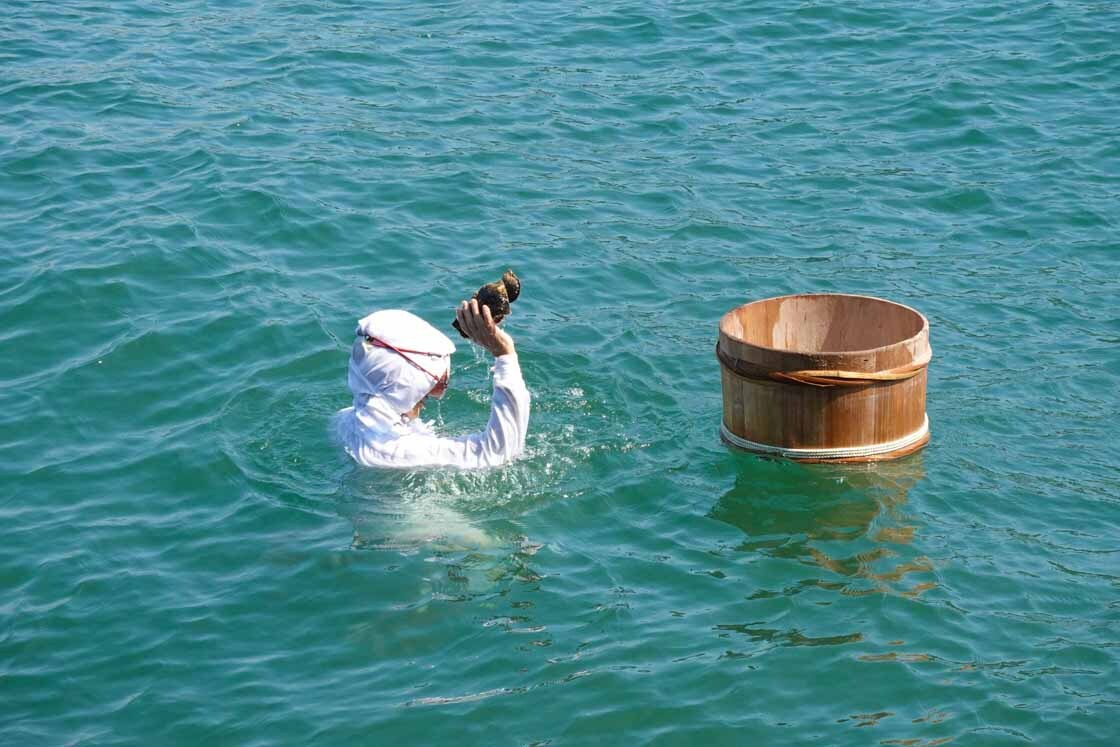
Here you can also see an ama diving performance, so if you're not able to book the boat tour this is an easy alternative. They dive at these times each day, and the performance lasts around 10 minutes. It was fun to see them arrive on their boat and wave to us spectators on the island. They had traditional wooden buckets instead of the rubber ring, and on my visit there were three ama diving at once. Each time they found something they would bring it to the surface and get a round of applause from the audience on land.
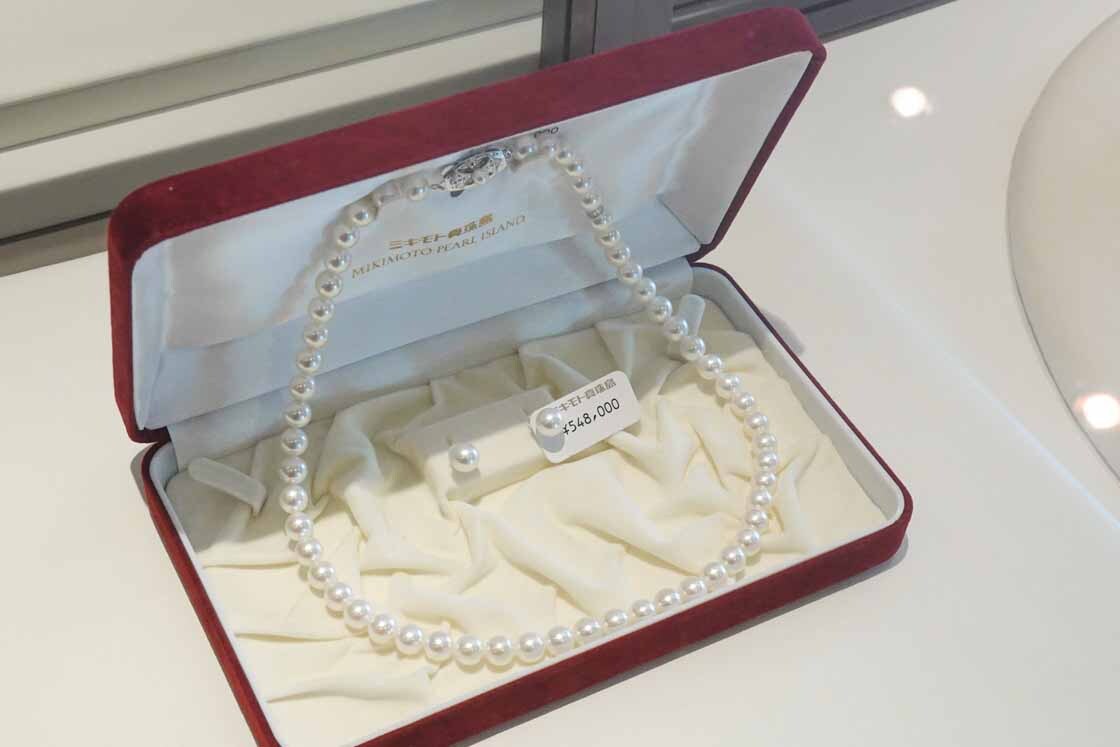
After the performance, I had a look in the shop, which had an array of different pearl items. With my pearl harvesting experience under my belt, I was a bit closer to understanding some of the steeper prices the strings of large pearls called for!
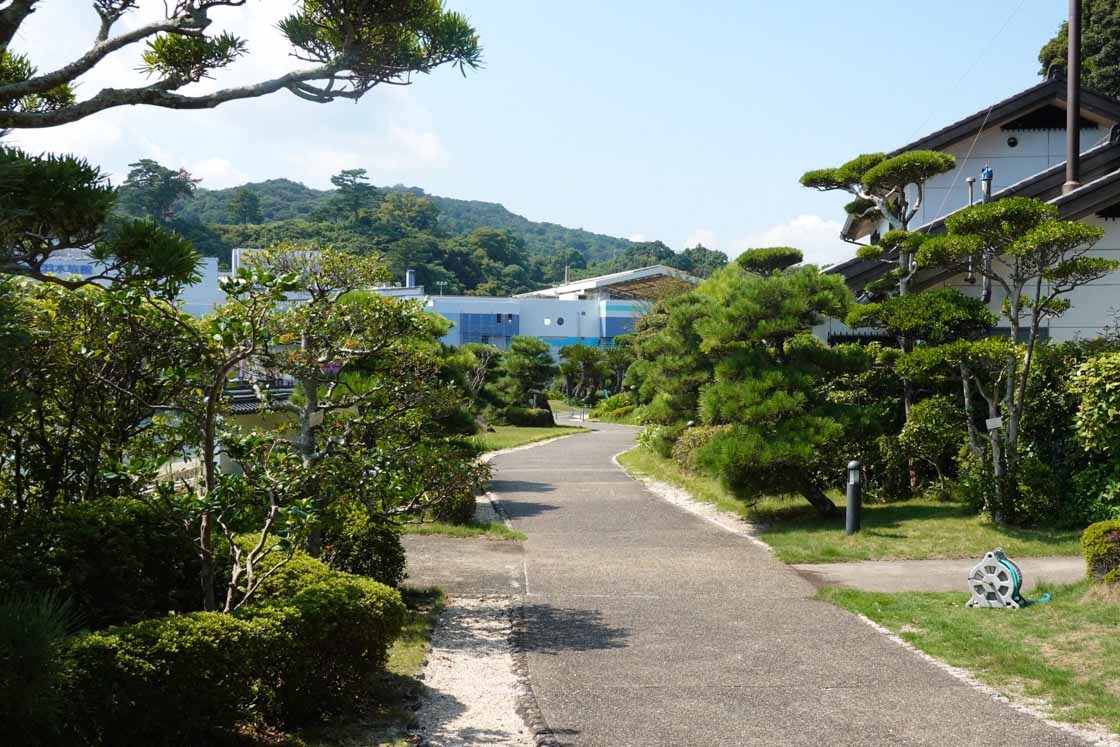
I then walked around the island a little, and although there is a museum there, I had a train to catch to Osaka, so I headed back to Toba Station.
Osaka
One of the reasons I wanted to show you Mikimoto Pearl Island on the last day is because it's very easy to go from there to Osaka. If you catch the limited express train, it's just over two hours directly to Osaka-Namba Station. Otherwise, you can also easily head back to Nagoya or Tokyo Station, instead.
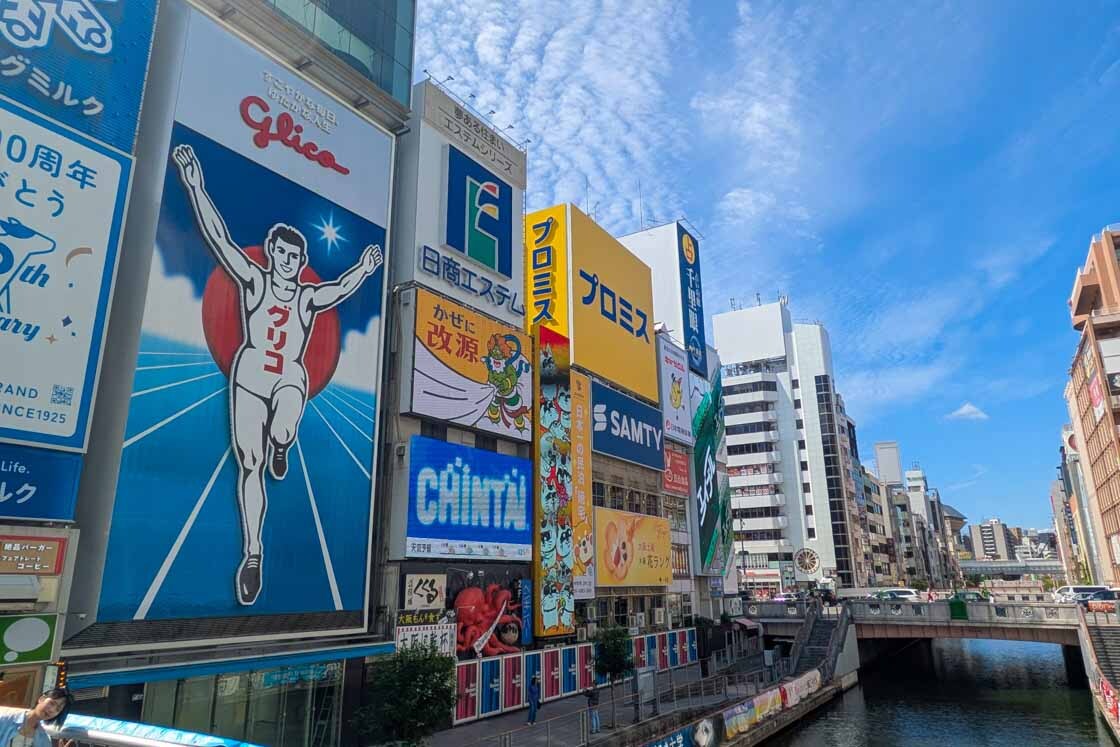
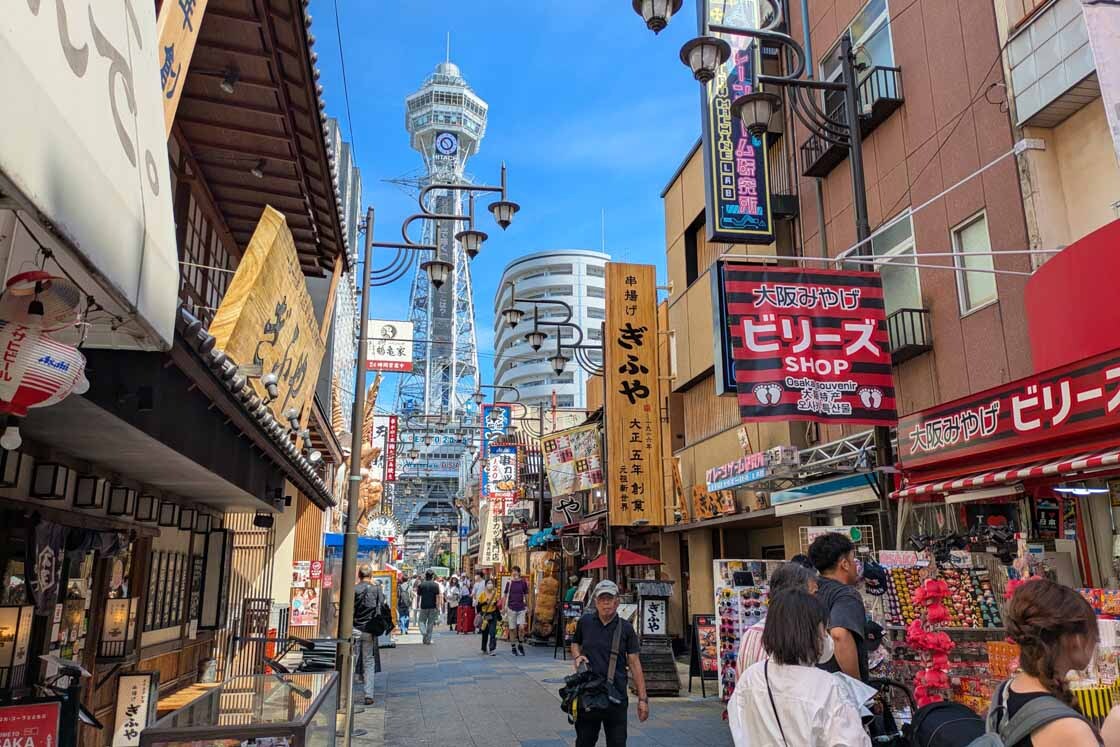
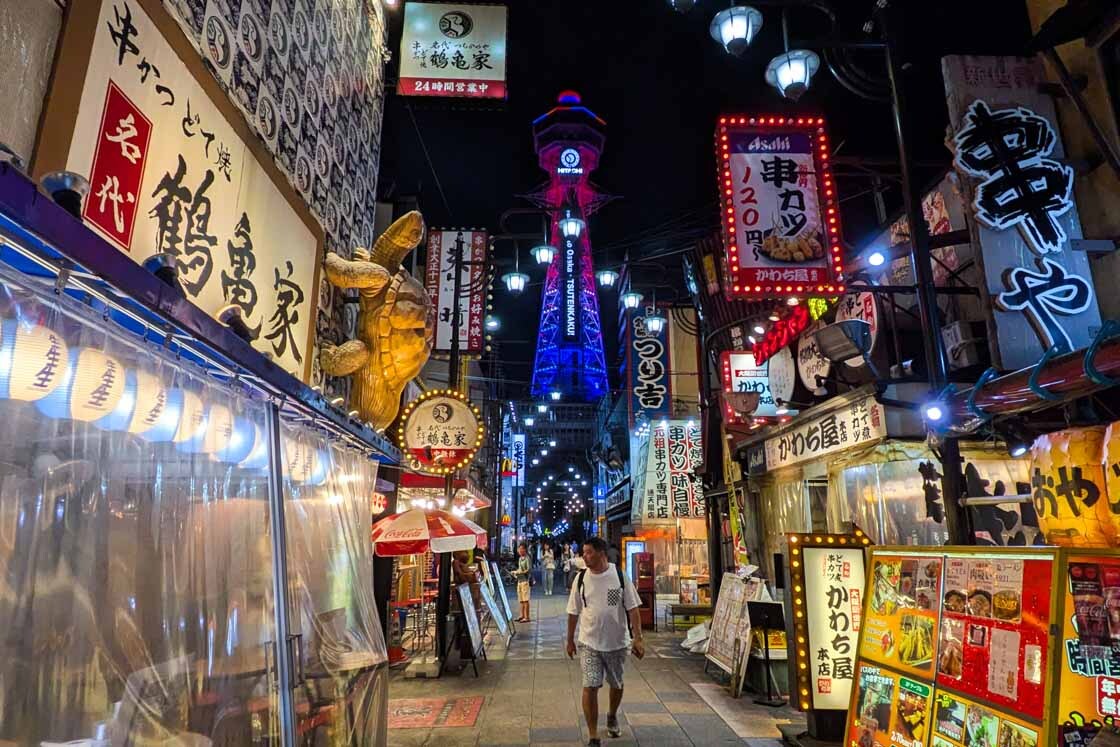
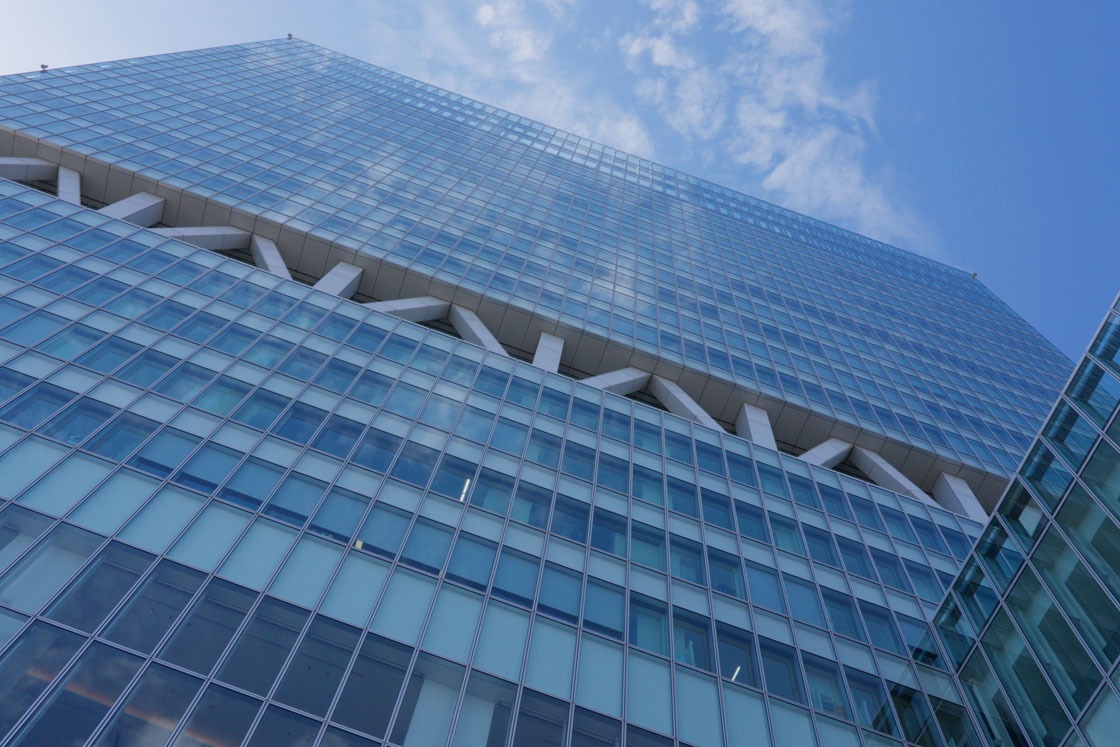
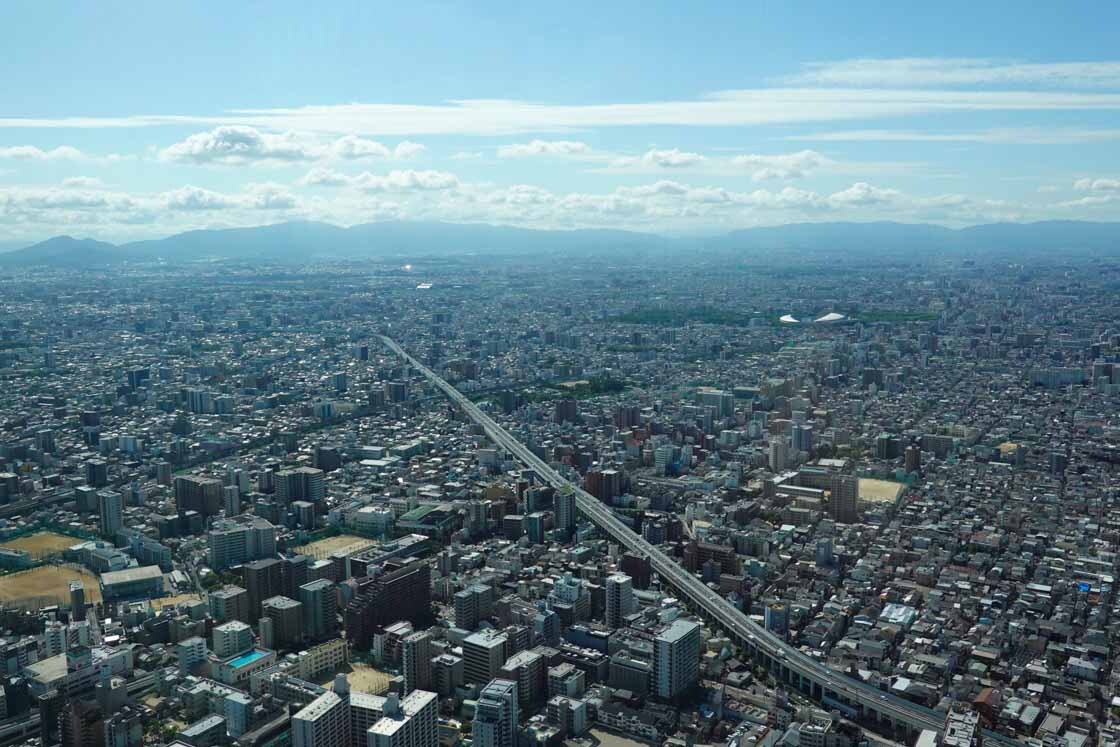
Namba is right next to Osaka's famous canal in the Dotonbori area, so after making a brief stop to take a few snaps, I headed over to the Shinsekai area by Tennoji Station for dinner. I also had to make a stop at the gorgeous top-floor observatory of Abeno Harukas, Osaka's tallest building, to get some photos from above.
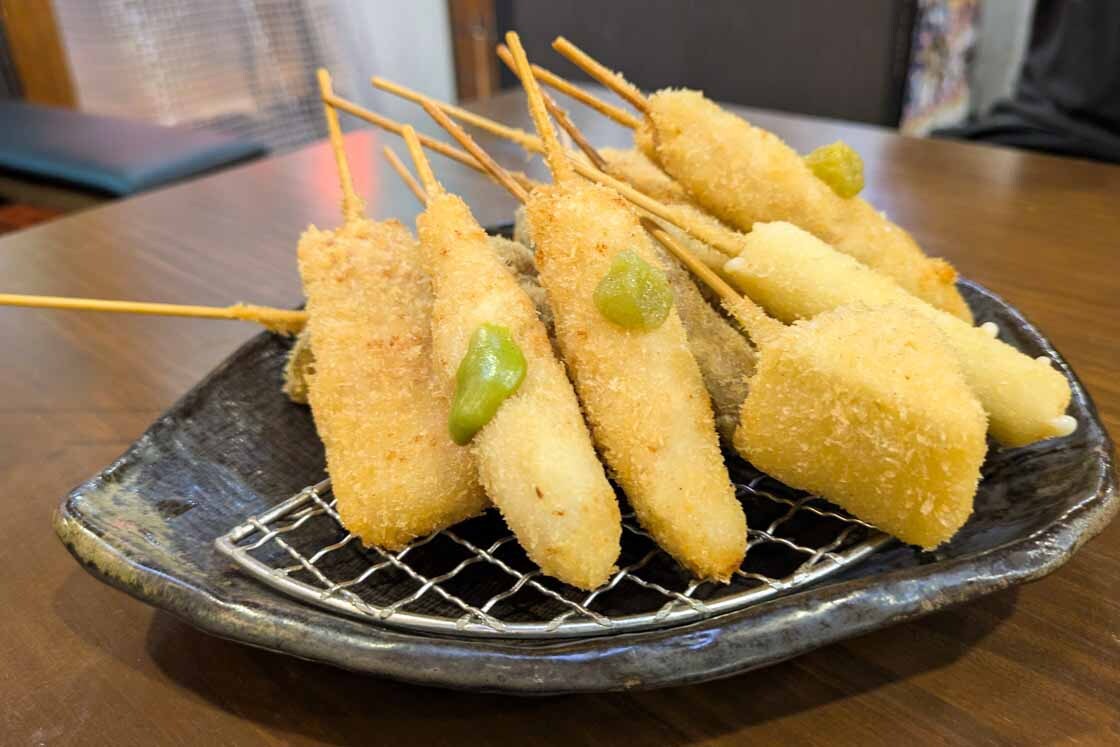
Of course there's a ton to do in Osaka and on the Golden Route, but I had to take the opportunity to stuff my face with kushi katsu, which is deep fried stuff on sticks. Pretty much anything goes, and I love it!
If you're thinking of doing the Golden Route, I hope I've convinced you to at least consider taking this pearl excursion on the side! If you have any thoughts, send a comment through the YouTube video linked above, I'd love to read them!