The perfect one-day escape to Kawagoe

So, you've made it - after months of planning, a phone full of bookmarked attractions and a long flight across the world, you're finally here in Tokyo. It's every bit as vibrant, dazzling, massive as you imagined. As the days go by, though, something begins to happen - between the crowds, the heat, the sheer churn of it all, it's all gotten a bit... overwhelming.
You certainly don't have to feel bad - it's a feeling that hits even the most seasoned city-slicker at one point or another, and in any case, one of Tokyo's best features has always been its easy access to a whole range of exciting side-trip options. What you need, perhaps, is a quick change of scenery.
With its perfectly preserved historic streets, local delicacies and a generally laid-back vibe that couldn't be more in contrast with the constant buzz of Tokyo, Kawagoe should certainly be one of the options on your radar. But there is a lot more to experience here than the usual touristy pleasures - in fact, what can too-easily be missed is just how unique, vibrant and culturally distinct from the capital this peaceful little city really is.
Following on from my previous visit last year, I recently spent another relaxing day of sightseeing there, but with one key difference: this time splitting my focus between the usual tried-and-tested attractions and some of my own picks that - for me at least - open a window on a deeper and more authentic side to this popular side-trip destination.
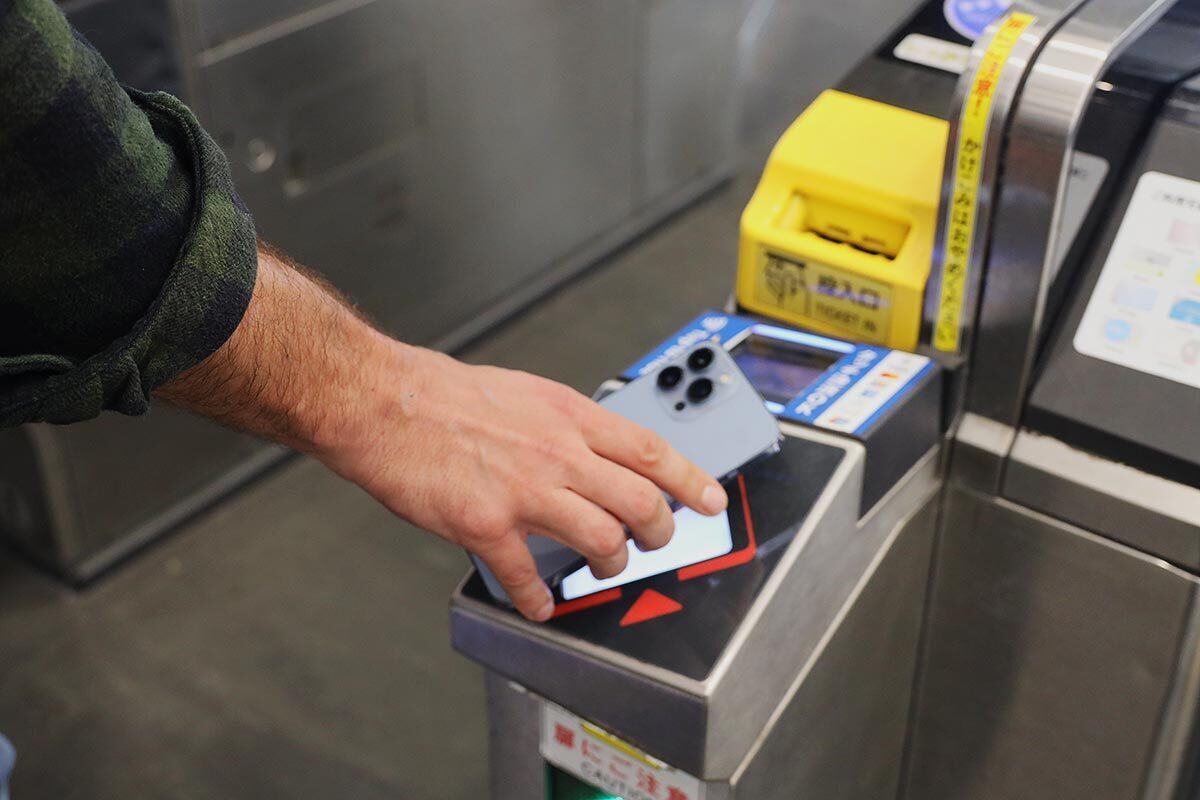
My day began in the heart of Tokyo at Seibu-Shinjuku Station, just a five-minute walk north along the tracks from JR Shinjuku Station. Here, I used a SEIBU KAWAGOE PASS booked online via Klook in combination with a seat reservation to jump on the Limited Express Koedo to Hon-Kawagoe Station. Priced at just 1,000 yen, the pass is valid for one day and covers a single roundtrip between Hon-Kawagoe Station and either Seibu-Shinjuku, Ikebukuro or Takadanobaba stations.
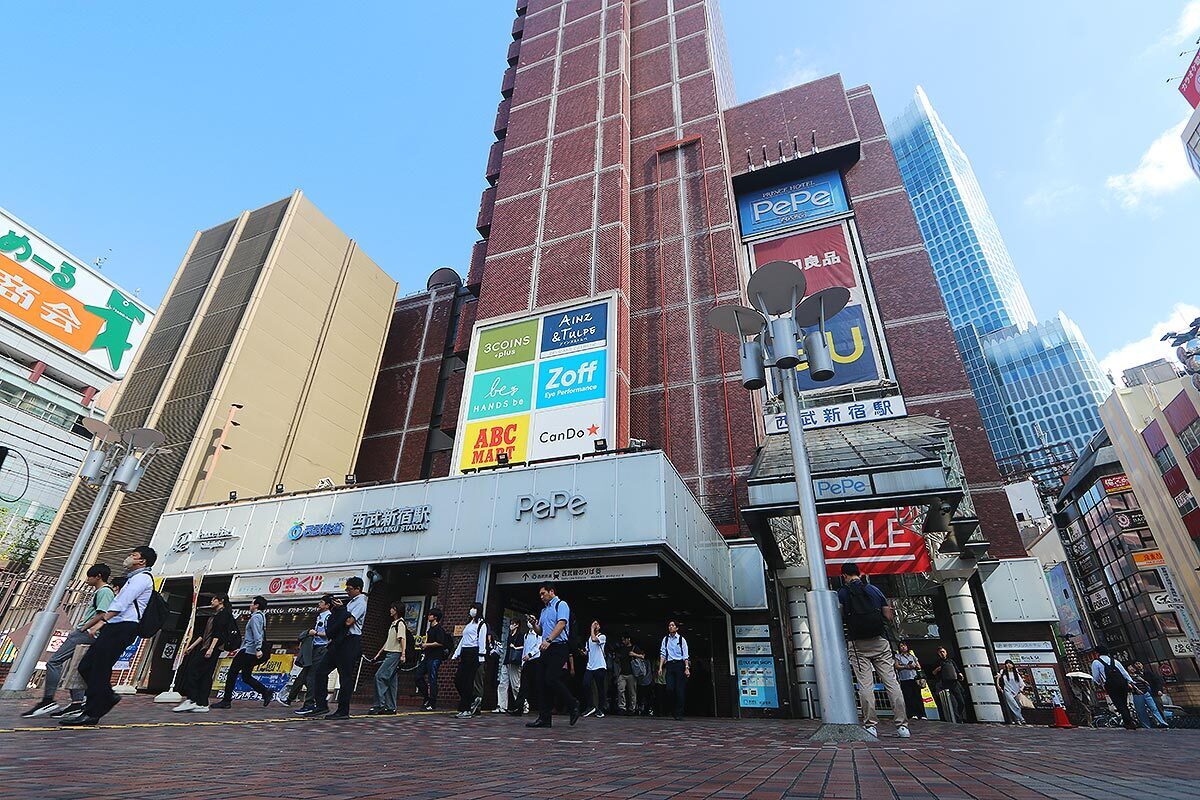
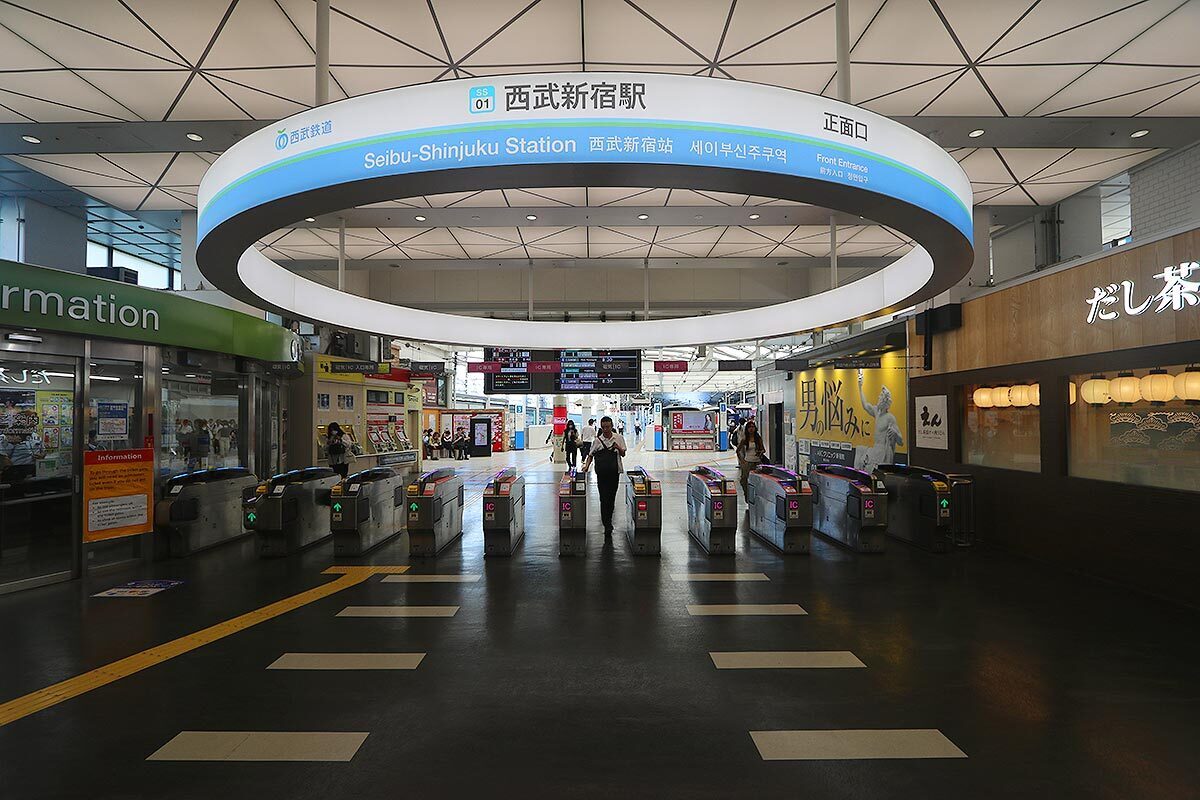
Seibu Railway is one of Japan's major private rail networks, with 12 distinct rail lines spanning the area from northwestern Tokyo to western Saitama. Known for connecting dense residential areas with leisure destinations and the surrounding countryside, the company can be traced back to a 1920 merger between Musashino Railway and the Kawagoe Railway, who established the same route I'd be taking all the way back in 1895.
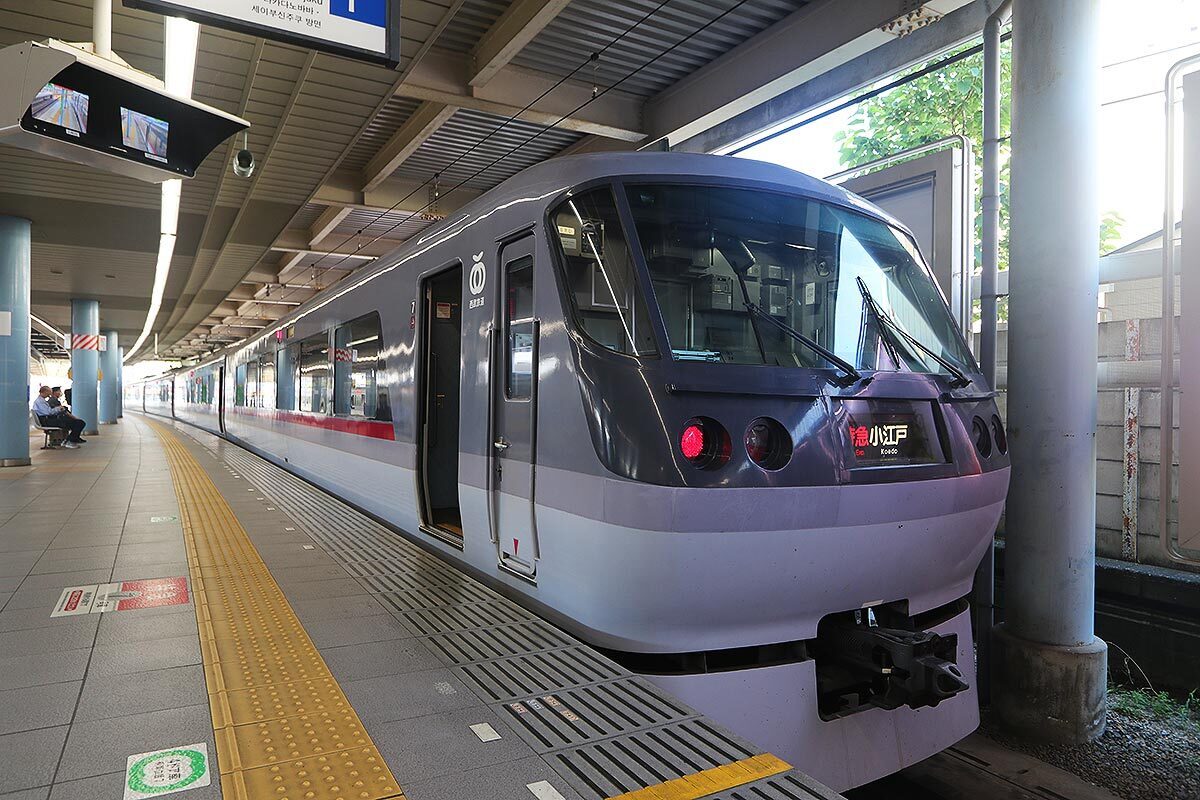
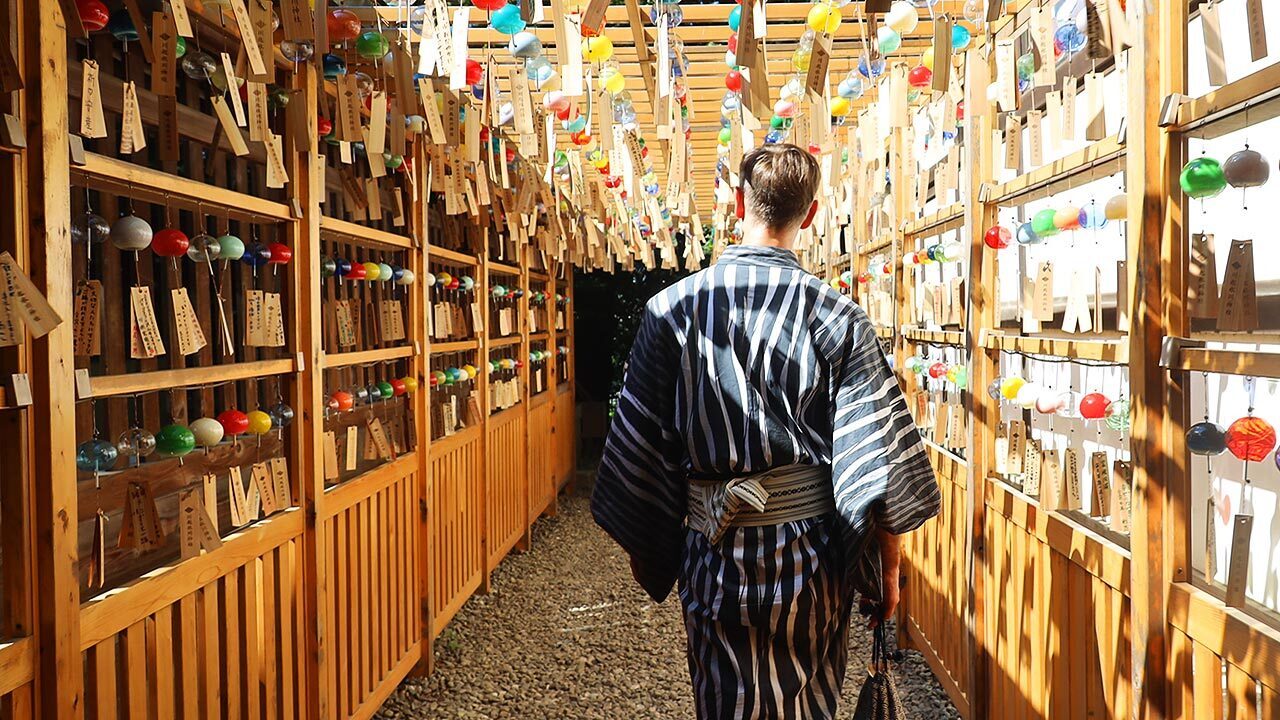
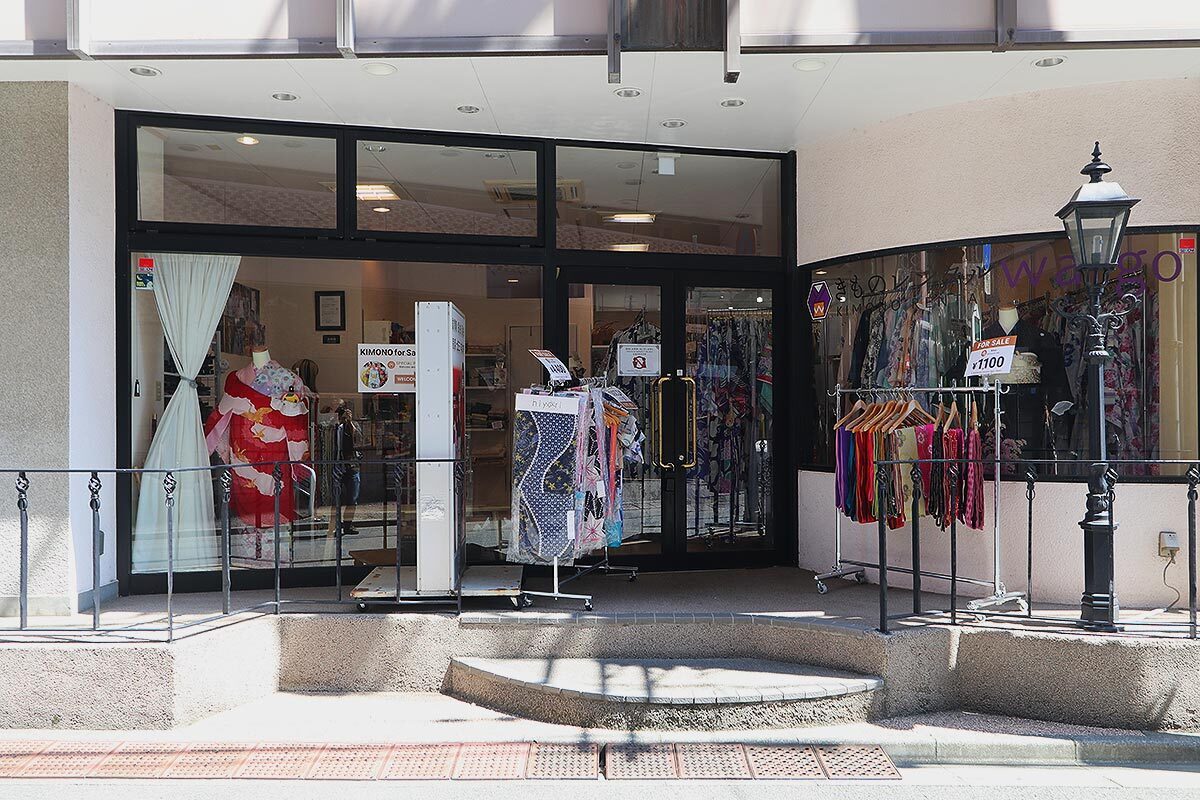
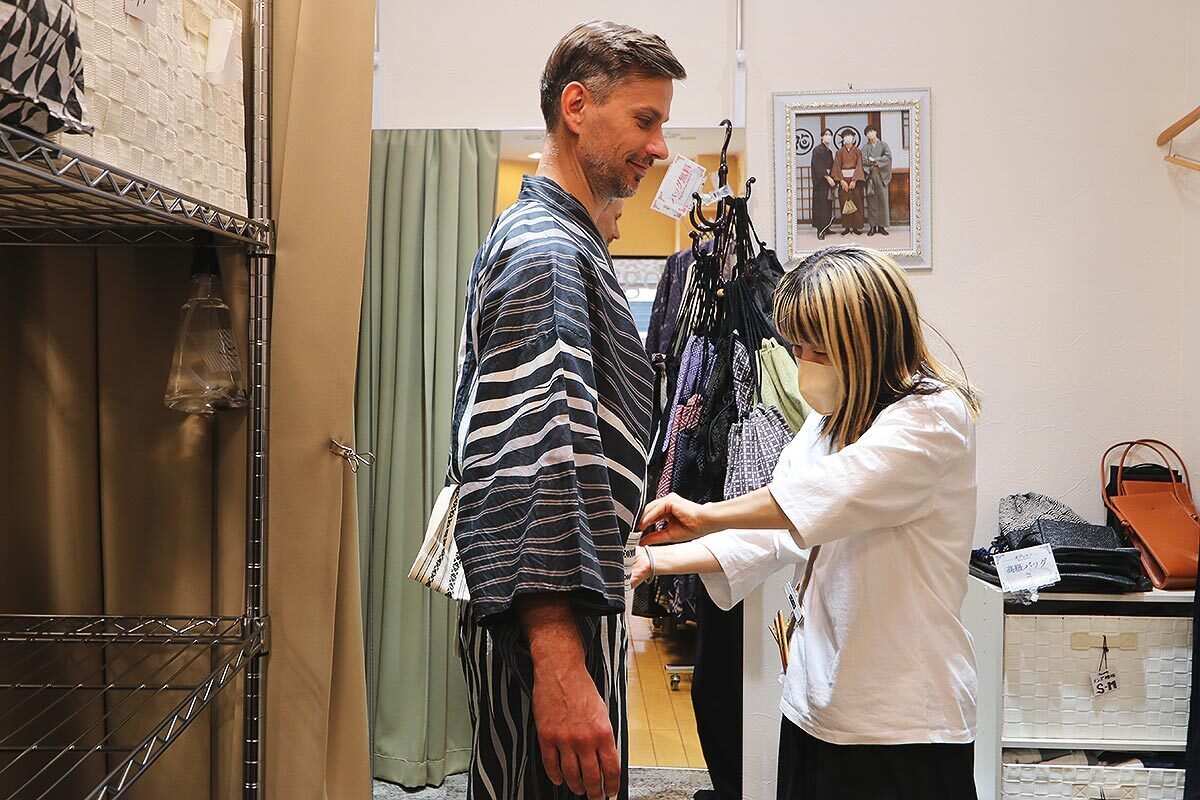
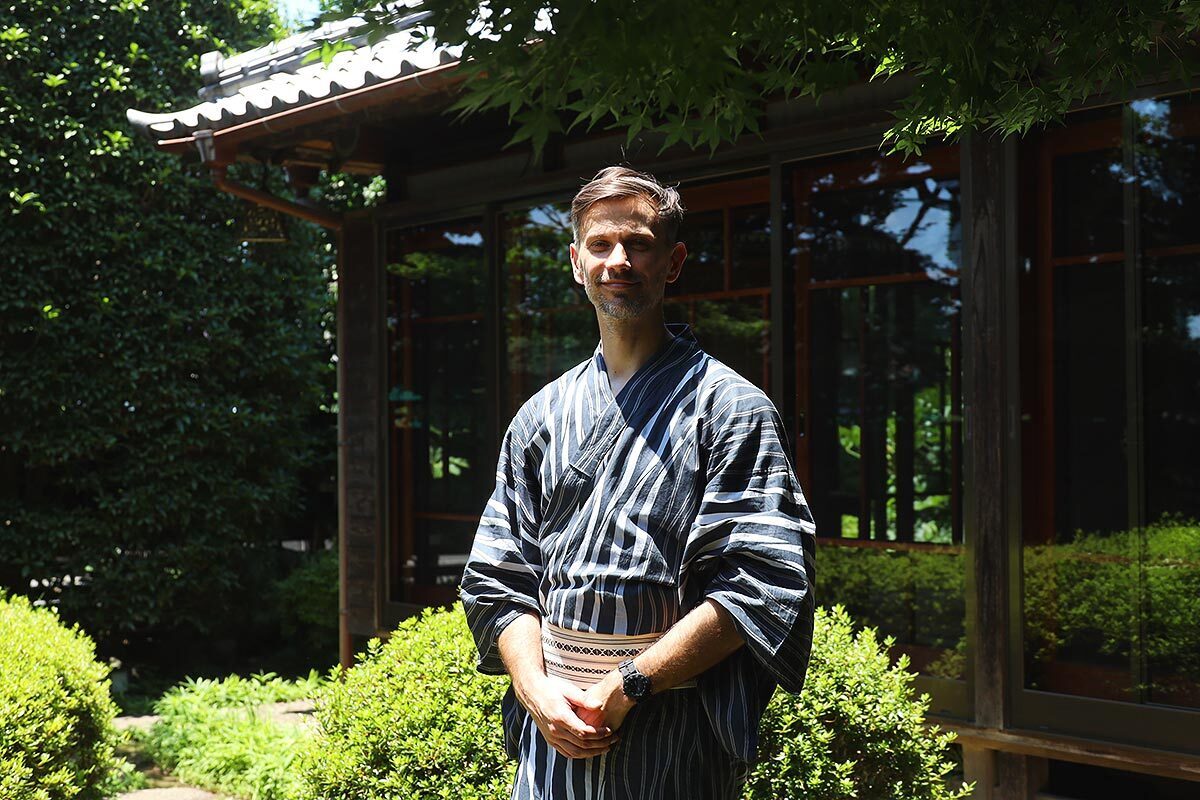
Arriving about 45 minutes later into Hon-Kawagoe Station - the more convenient starting point for Kawagoe's popular old-town area - I kicked off my day of sightseeing with a quick visit to Kimono Rental Wargo Kawagoe Store, just five minutes' walk in that direction. Here in Japan, the classic summer outfit for men and women alike is the yukata - a simple, unlined kimono that began life over a thousand years ago as a kind of loungewear for aristocrats to wear after bathing.
By the Edo Period (1603-1868) the garment had been widely popularized, becoming a common sight at bathhouses, festivals and warm summer nights. Today, it can still add comfort and a touch of classic style to a day of sightseeing - even though most of us will need the help of an expert to choose the right one.
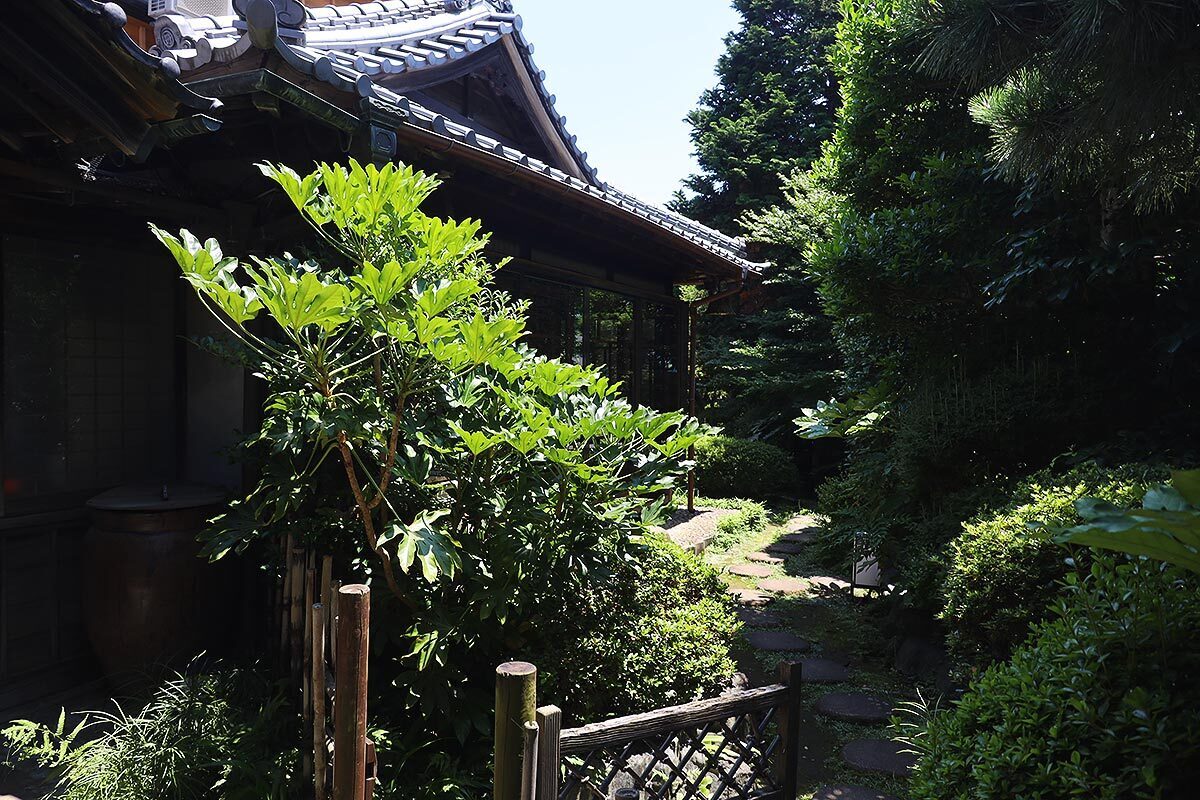
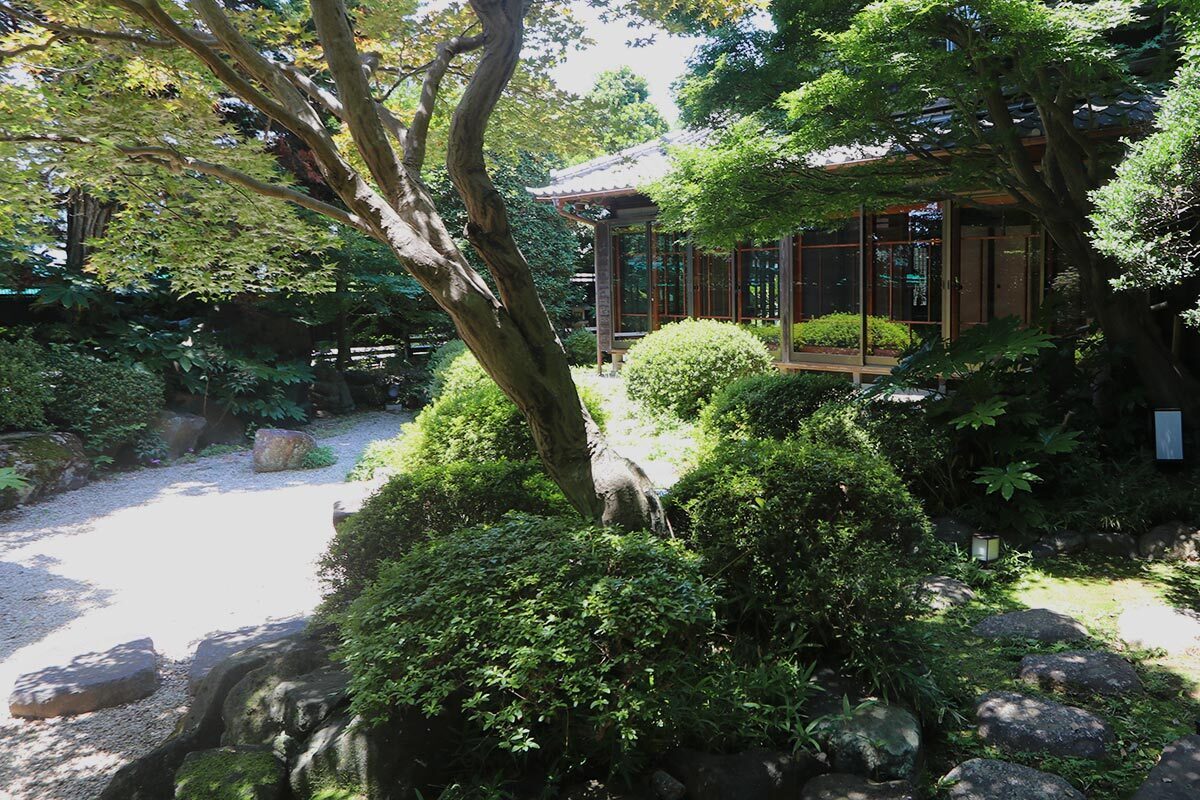
A few minutes' walk along residential streets brought me to my next stop at Tantoku Garden, in fact not just a garden but a beautifully preserved merchant estate dating to the Meiji Period (1868-1912). When the company he established in 1869 became a success, local lumber merchant Suzuki Tokujiro chose this spot to build his family home. Over the decades he continued to expand it, adding a Kyoto-inspired traditional garden and a luxury guest wing or hanare in 1901.
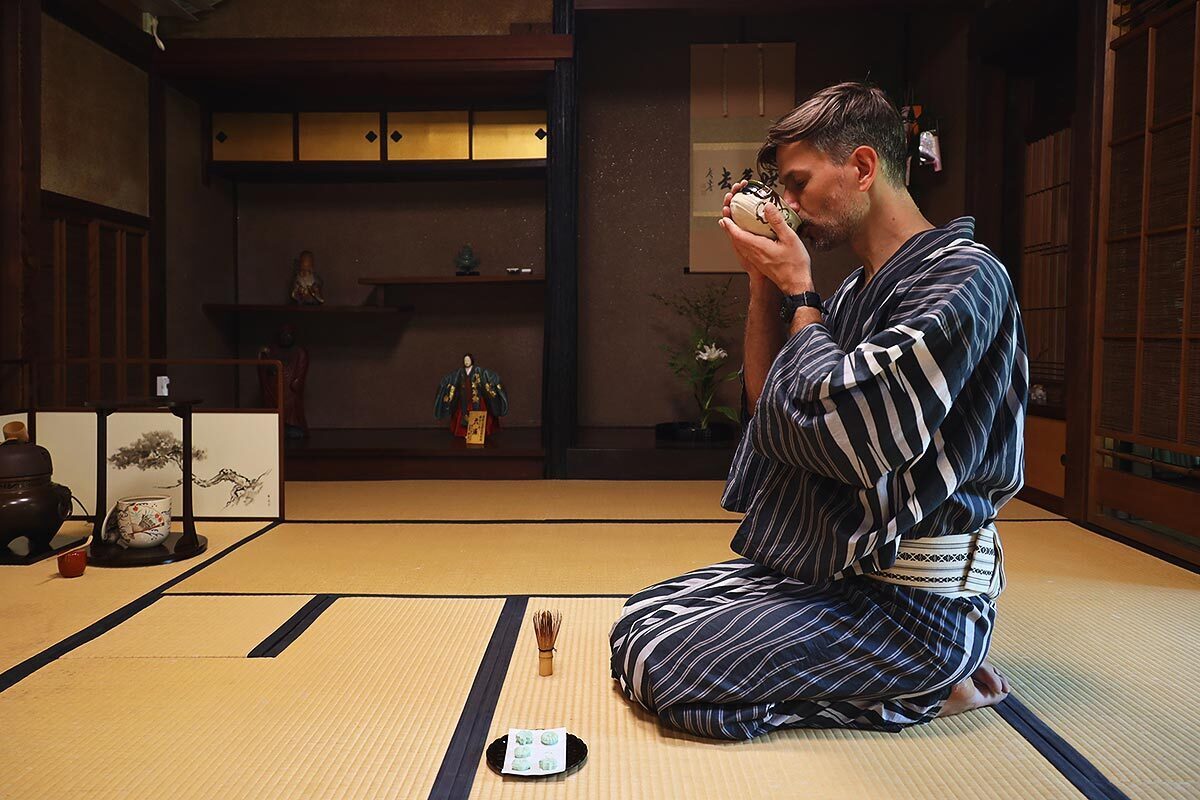
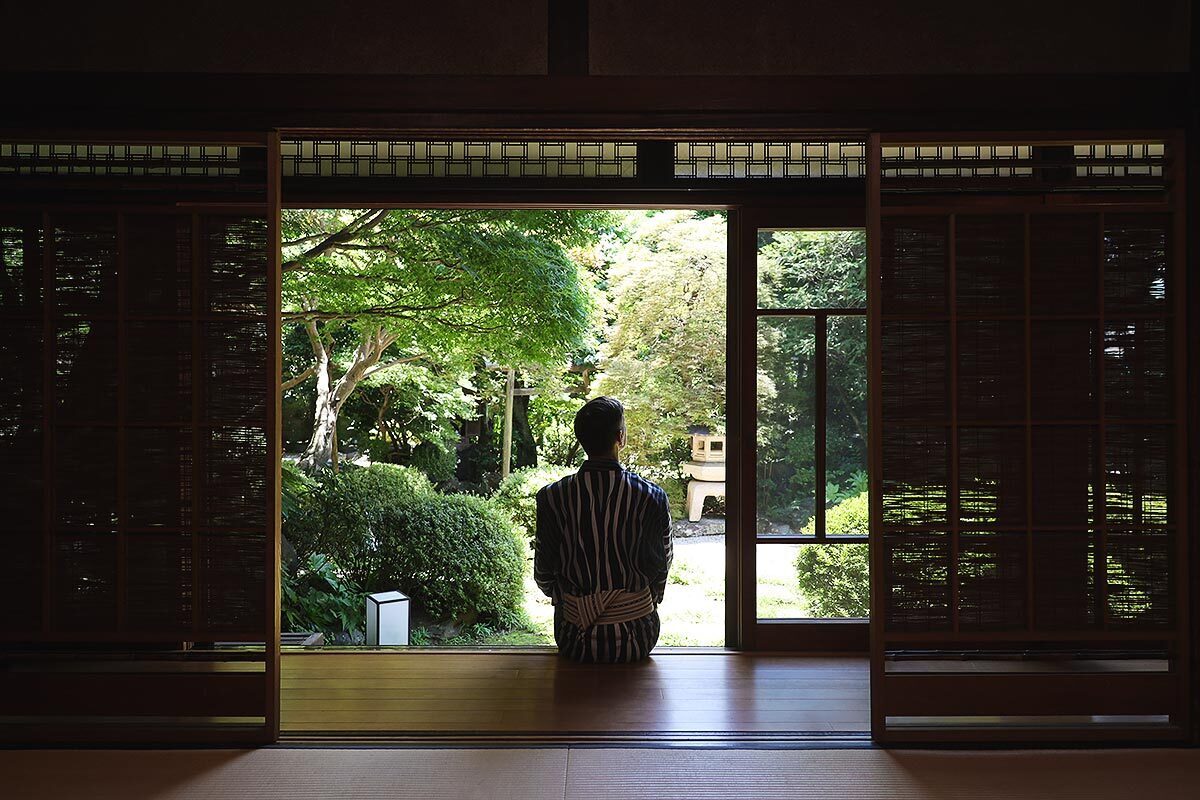
It's this combination of a gorgeous old sukiya-style building with a sheltered, leafy garden that is today the estate's main attraction, serving as the perfect venue for light cultural experiences or as a backdrop for wedding or fashion photography. In my case, I got to practice making traditional sweets called higashi - a simple matter of pressing unrefined wasanbon cane sugar into little molds - before enjoying them with a bowl of matcha in a simplified version of the tea ceremony.
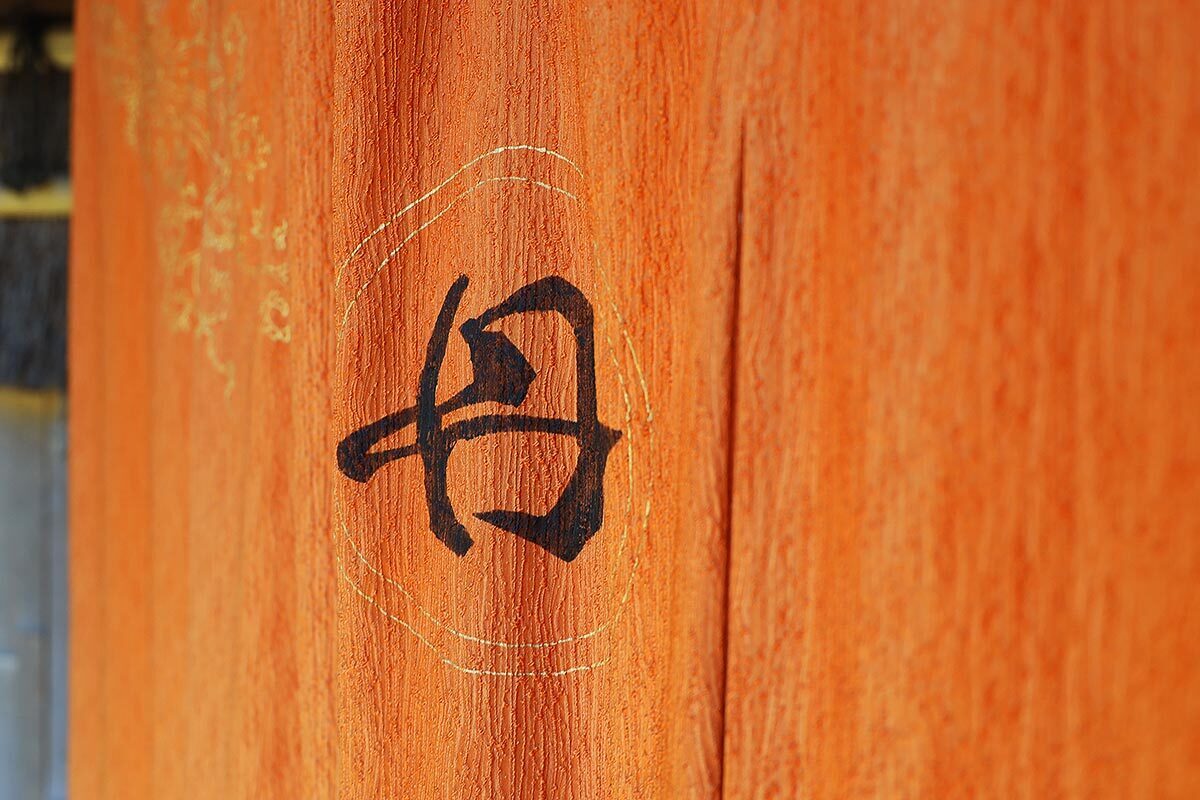
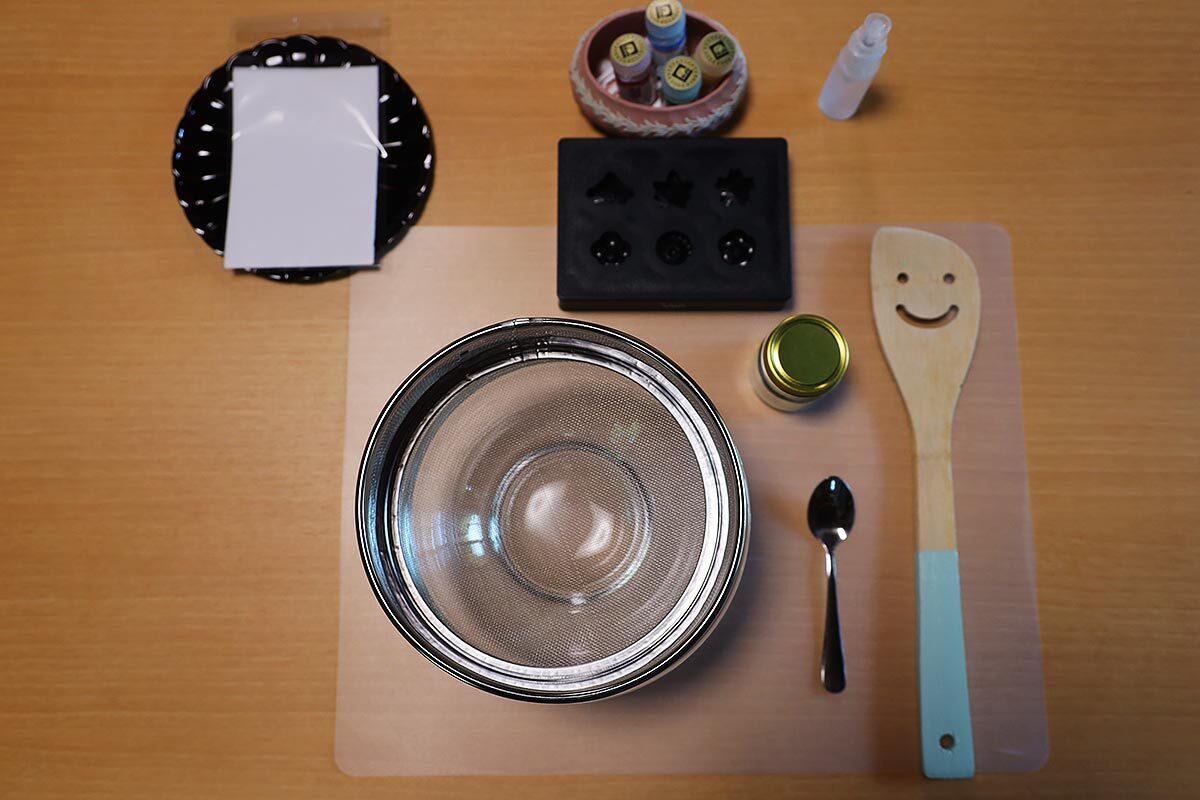
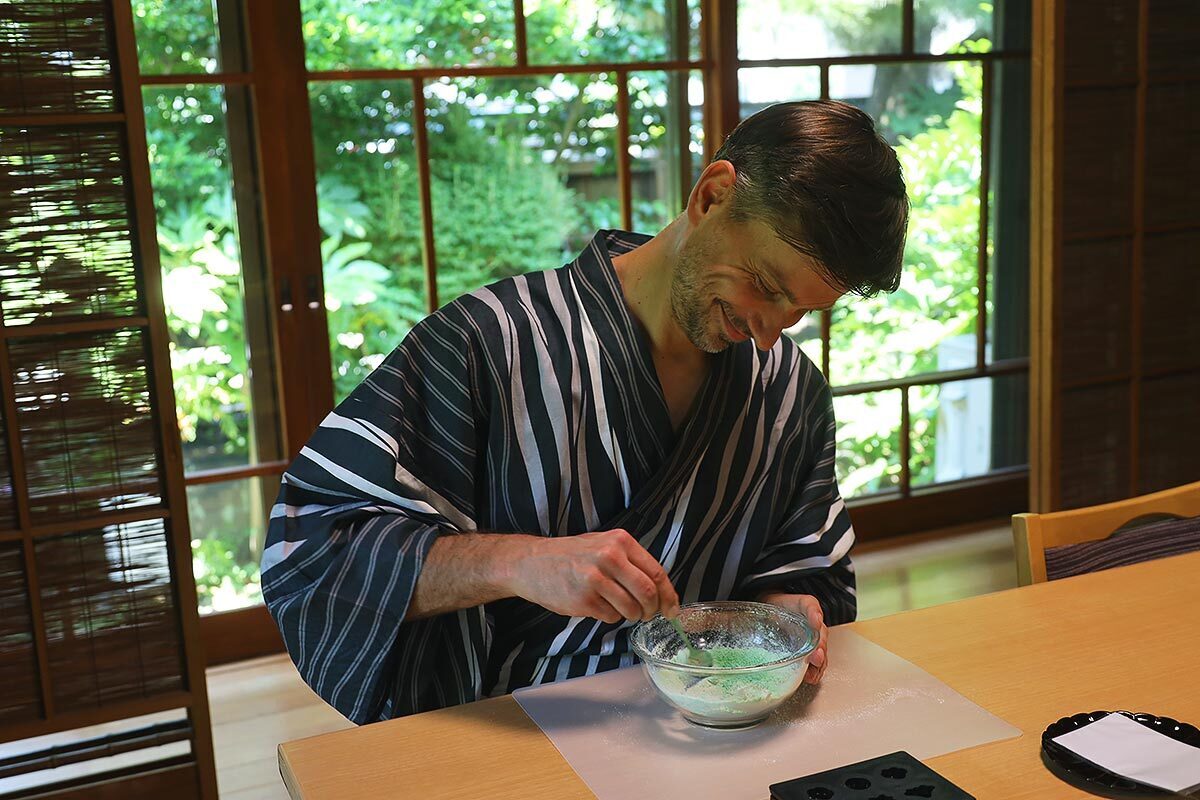
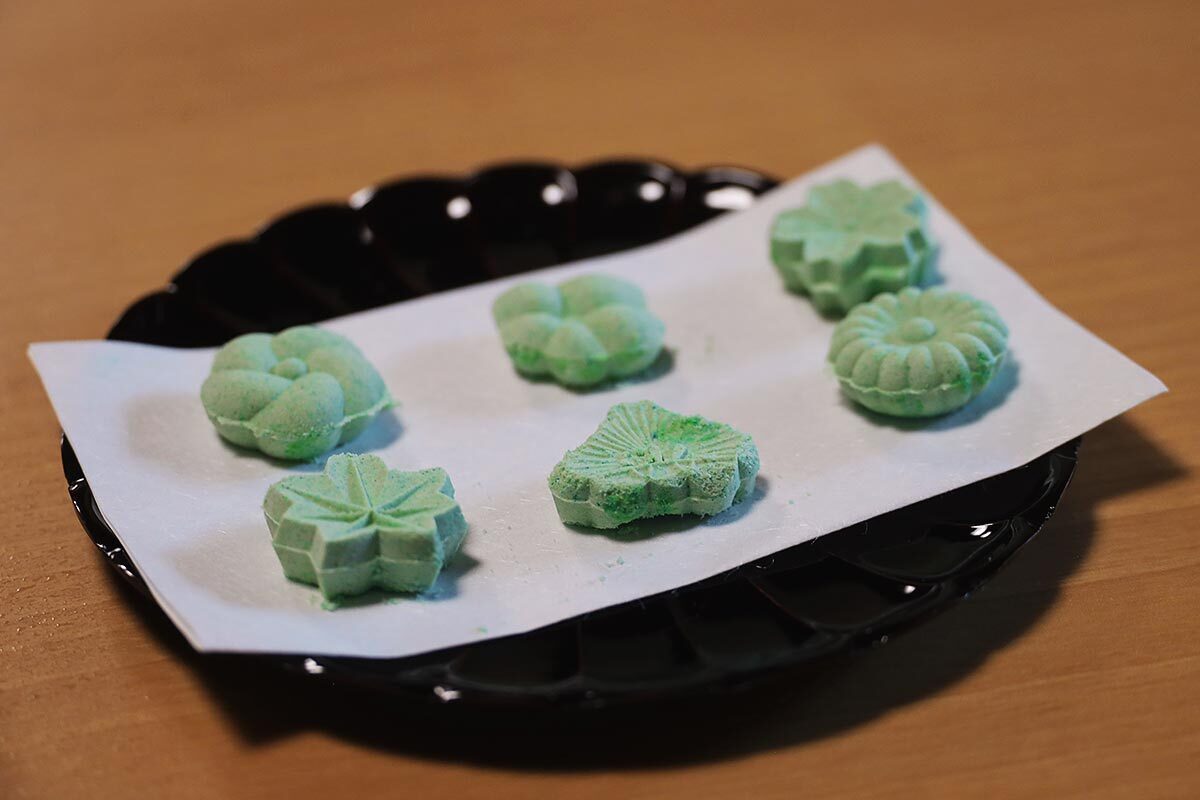
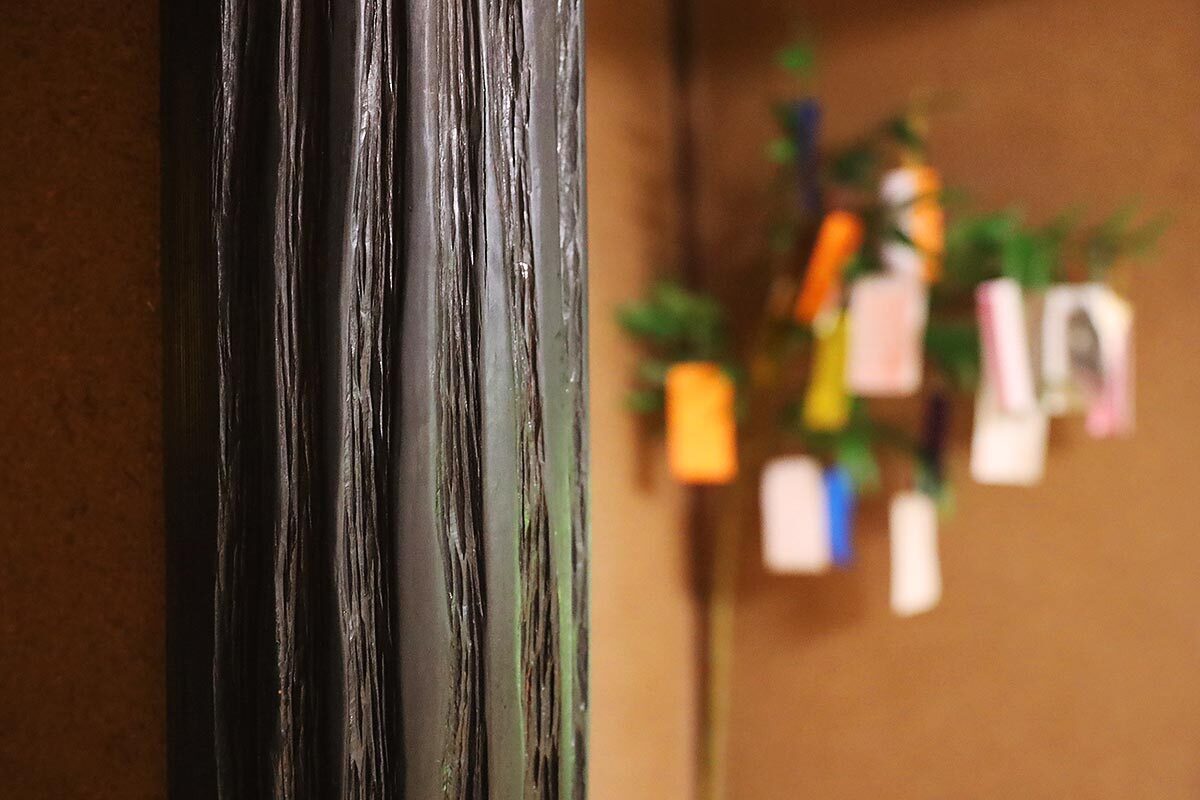
Apart from the experiences themselves, what I really liked about the old villa lay in subtle details and what they had to reveal about its former owners - that they were prosperous, culturally literate, proud of their chosen industry and had a taste for fine craftsmanship. Integrated into the fittings of the main tatami room are several very special pieces of wood, from ranma or decorative panels left plain to show off their beautiful natural grain, to a single pillar of ebony supporting the tokonoma or alcove - an extravagant display in its own time.
Outside, the garden boasts rare ornamental trees, a traditional dry-rock garden inspired by temples in Kyoto and even a consecrated miniature shrine, all in a leafy, sheltered space that feels miles away from busy streets.
Kawagoe may be better known for its Meiji-Period townscapes, but my own stroll into the past began just around the corner from the more famous Kurazukuri district on Taisho Yume Dori, another picturesque street whose old concrete buildings and restored shopfronts conjure a very specific kind of early-20th century nostalgia.
Its historic appearance did not happen on its own but was carefully cultivated by the city government, who removed an arcade-style street cover, encouraged old-fashioned signage and even paid to have the usual tangle of overhead power and telegraph lines buried out of sight. The investment paid off, and today the street is a common sight on TV dramas set during the Taisho Period (1912-1926).
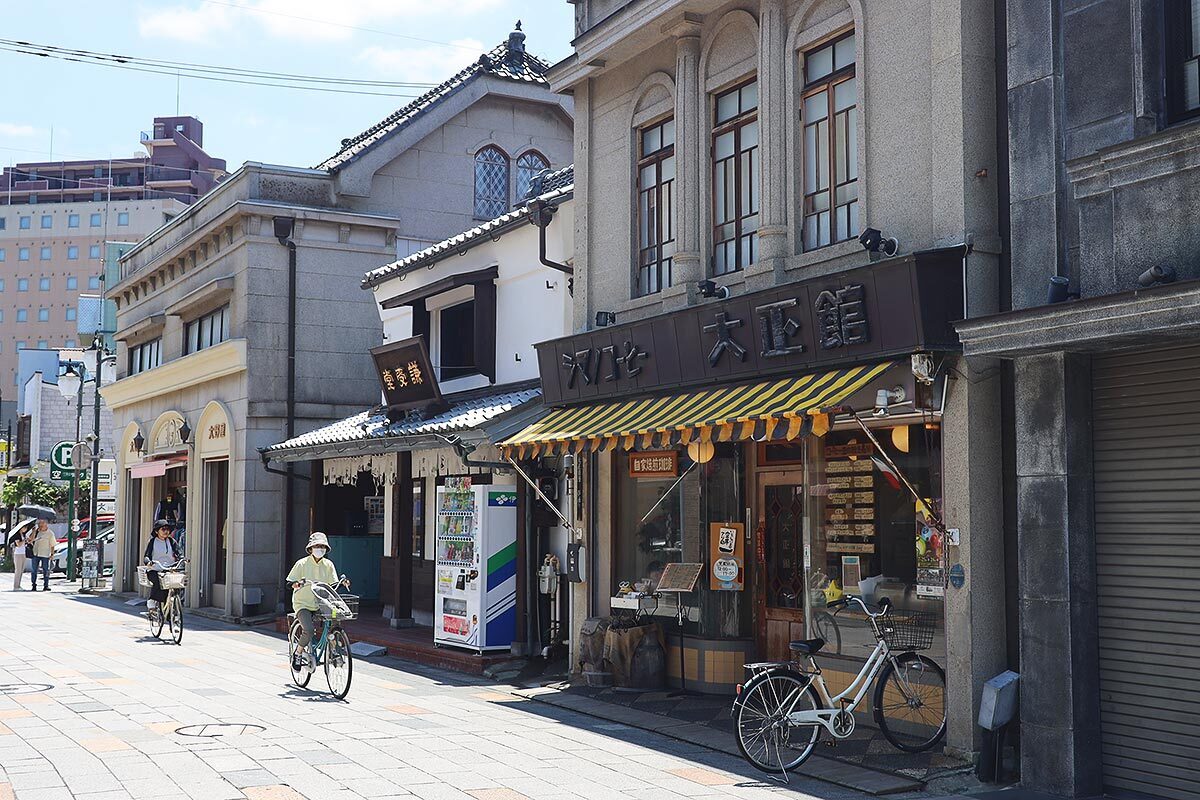
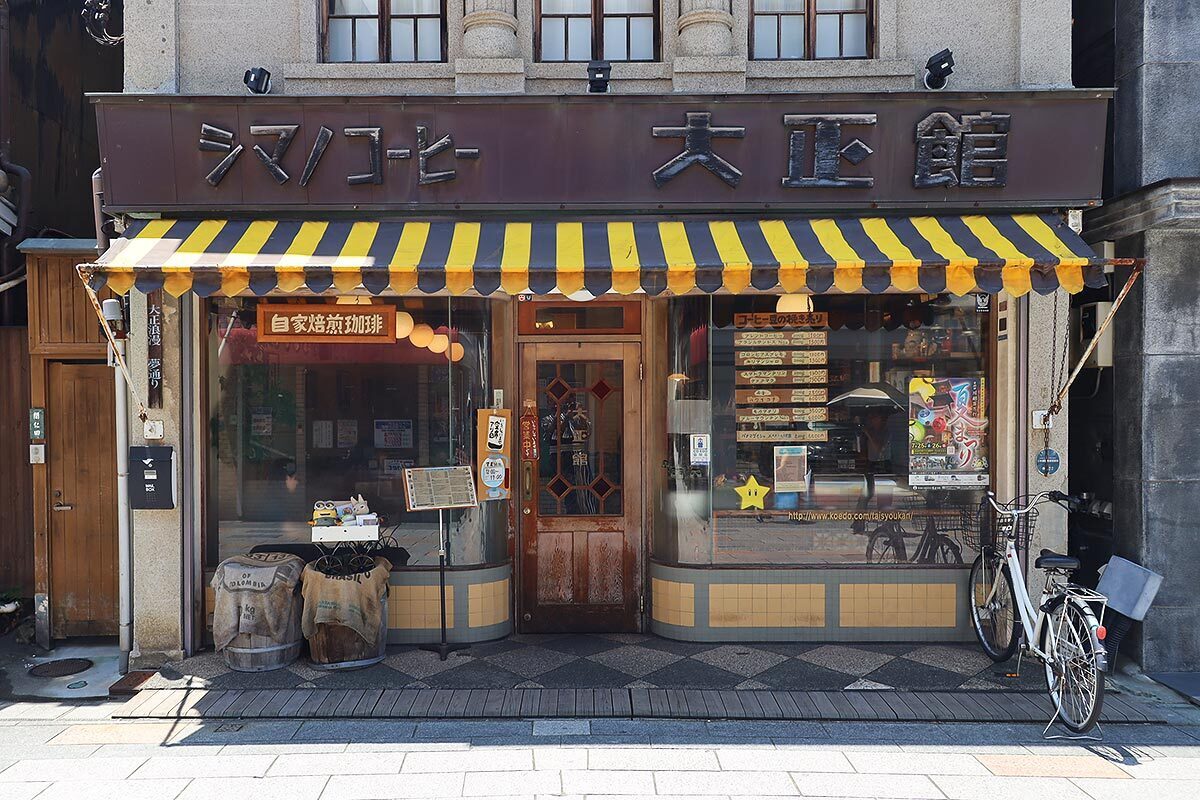
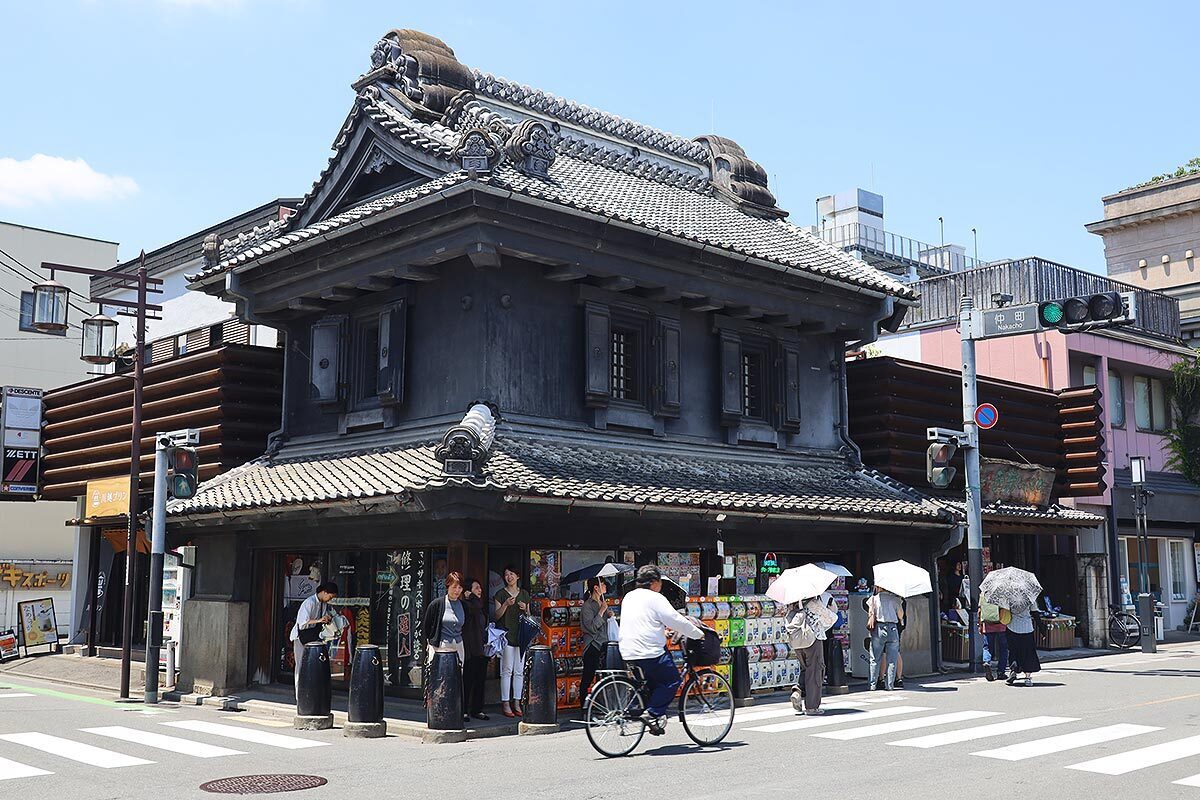
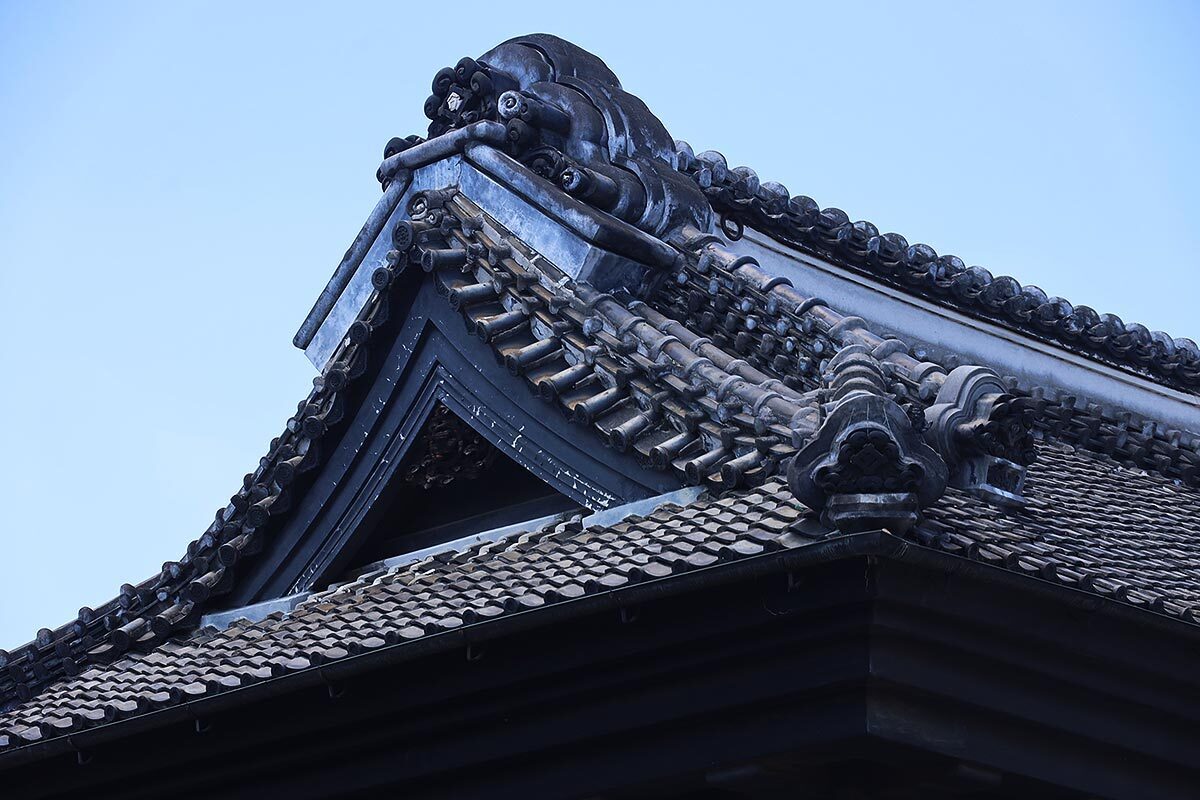
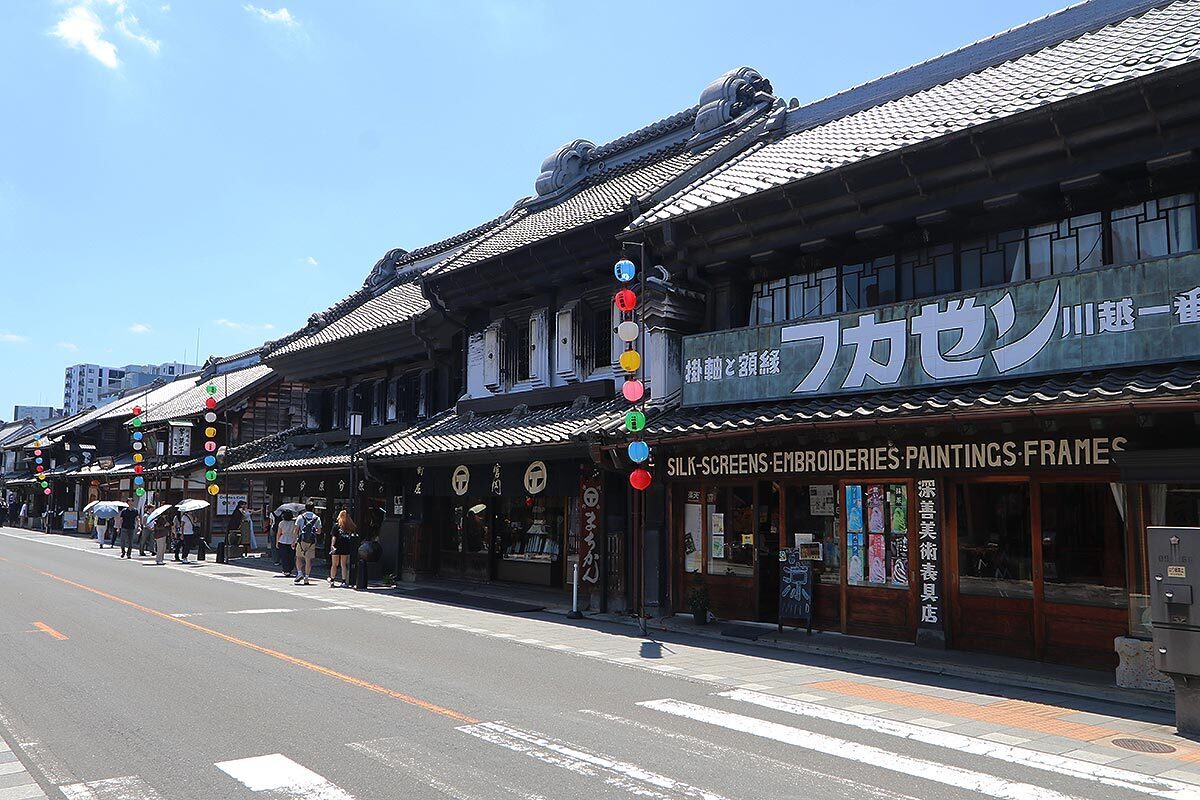
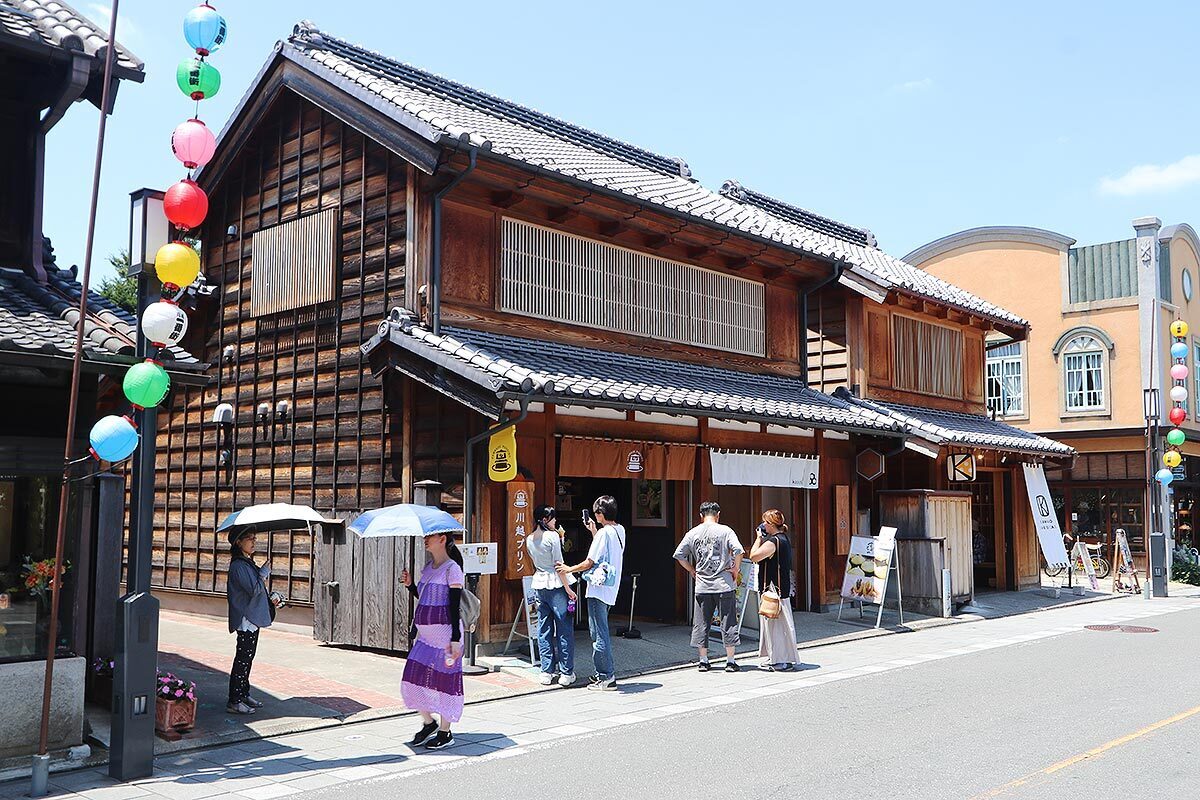
Crossing the street from Taisho Yume Dori I arrived at Kurazukuri Street, an historic part of town known for its beautifully preserved timber shopfronts and the dozens of storehouses, or kura, that give it its name. Standing out with their tiled roofs, plaster walls and heavy doors and windows, these unique structures developed to protect their contents against fire and are highly evocative of Tokyo before it became the modern city it is today.
Kawagoe's prosperity came from its position as the gateway for a variety of different goods into what was still then called Edo - here, everything from rice and sweet potatoes to timber arrived via northern roads to change hands and be transported the rest of the way, often by riverboat.
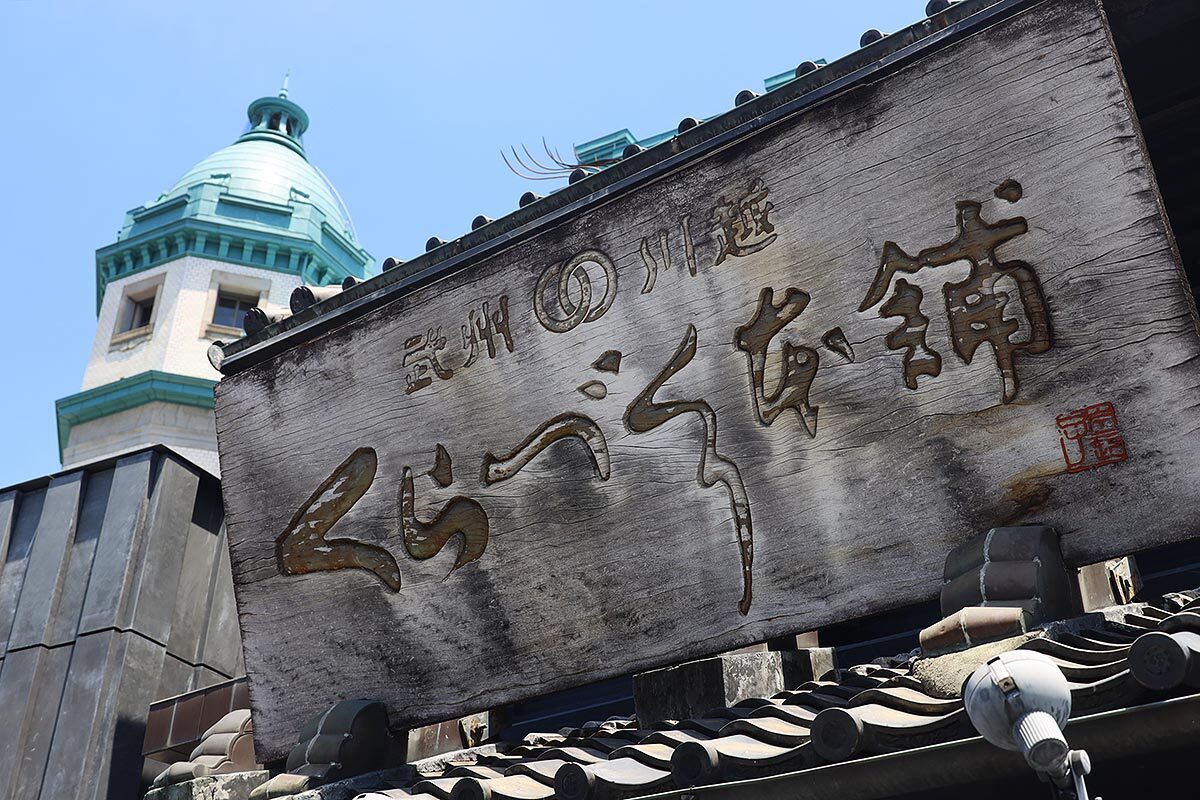
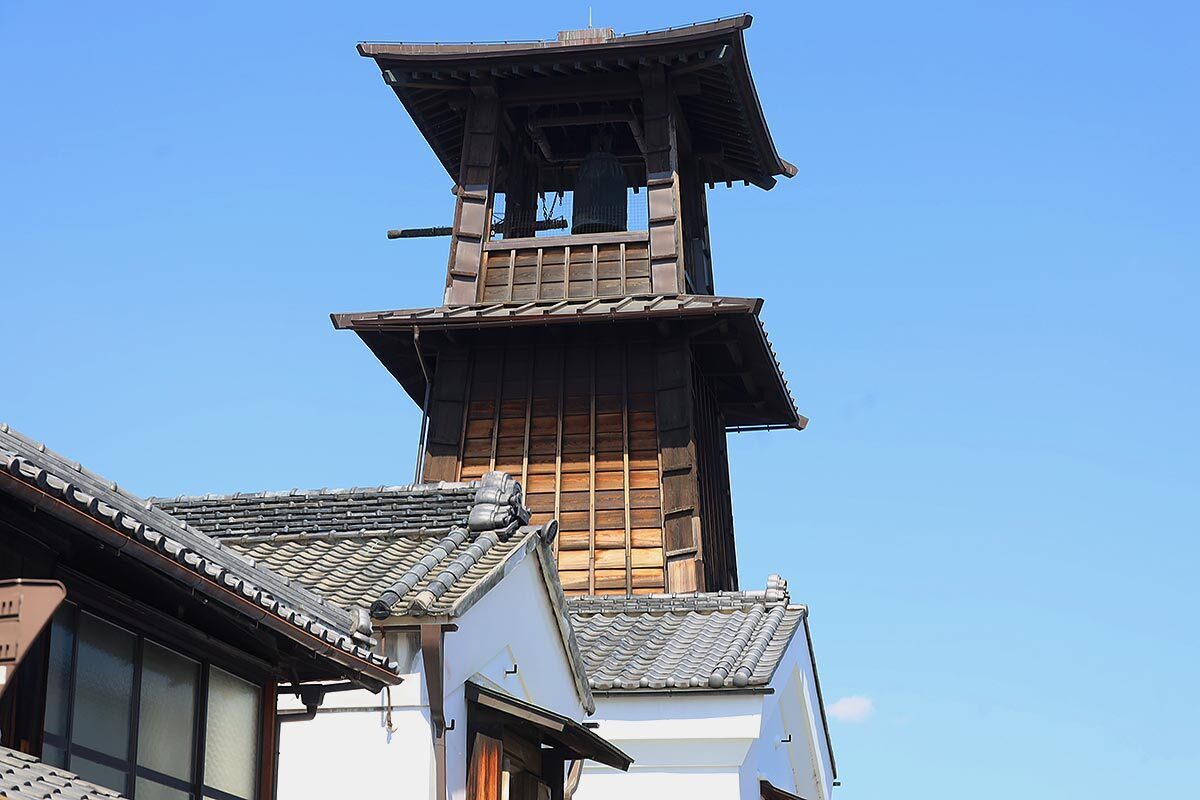
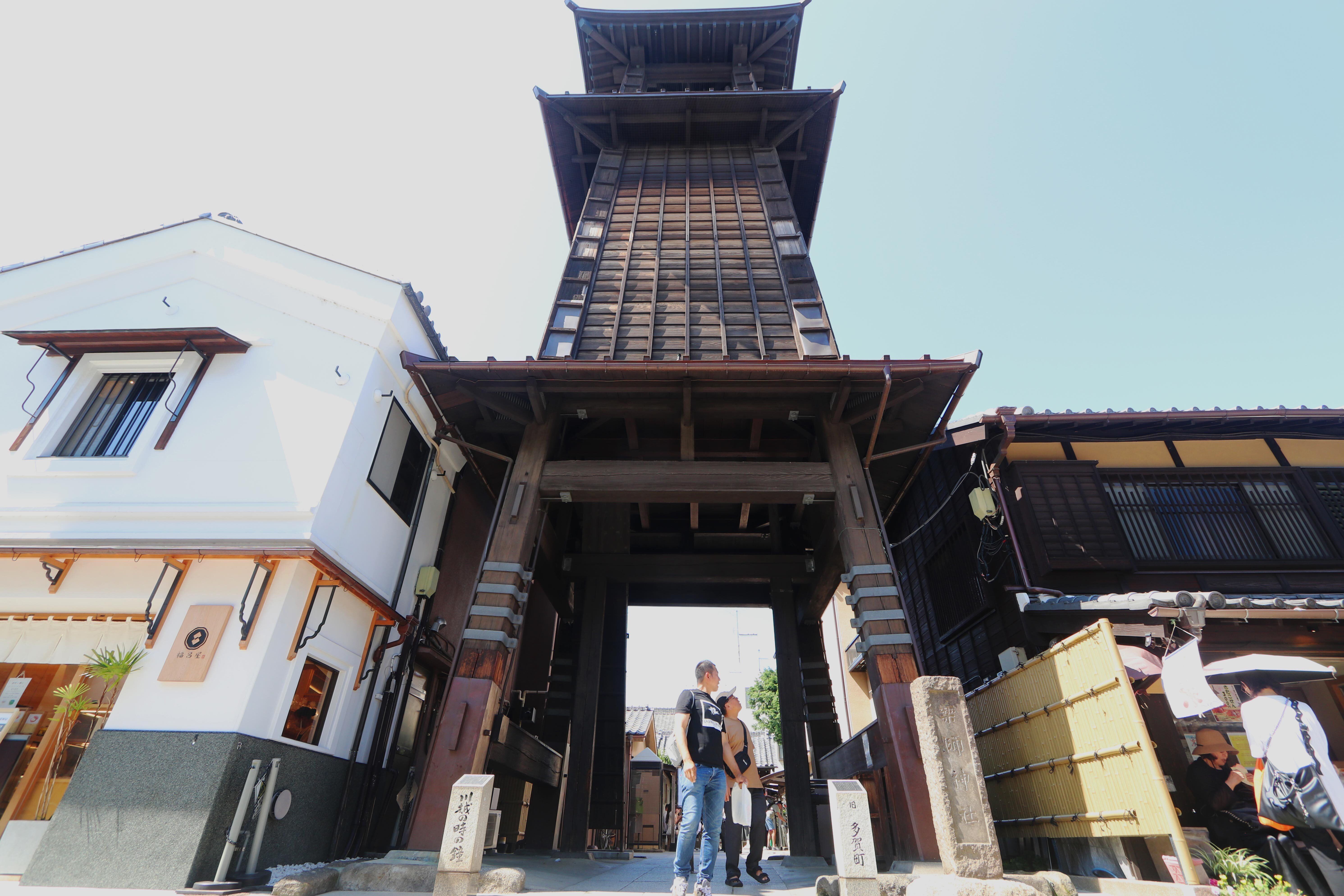
Standing head and shoulders above the surrounding rooftops in Kawagoe's old town center is the 16-meter Toki no Kane or clocktower, a structure that has been embraced as something like the town's mascot. First commissioned early in the 17th century, it set Kawagoe apart as a town on the rise while setting a shared tempo for the lives of merchants, craftsmen and other residents.
While the tower that stands today is not the original - like many such towns in Edo-Period Japan, Kawagoe was severely damaged more than once by fire - local businesses came together to restore it every time, making it a symbol of the town's own renewal. Though other clocktowers like it were installed in major cities, Kawagoe's is today the most complete and feels especially resonant owing to its location on a preserved historical street. For many Japanese, it's enough to inspire a real sense of nostalgia, earning it a spot on the Japanese Environmental Agency's 100 Soundscapes of Japan.
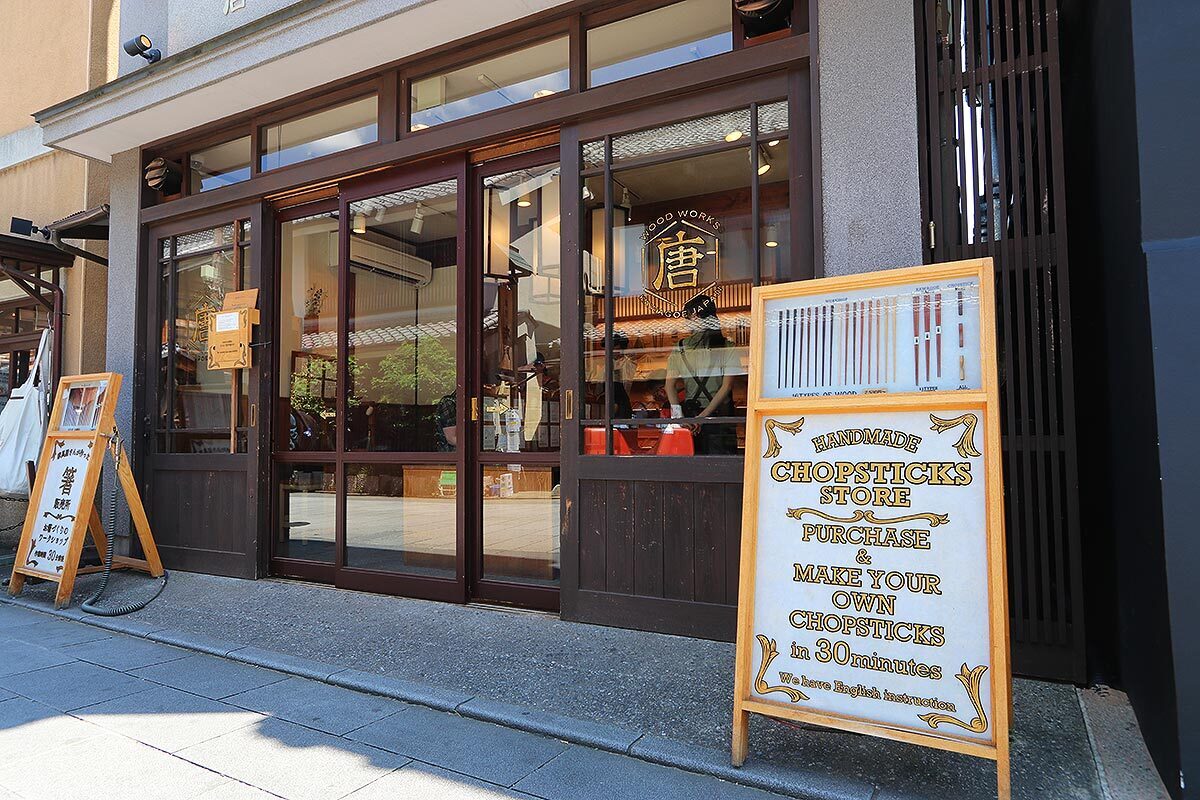
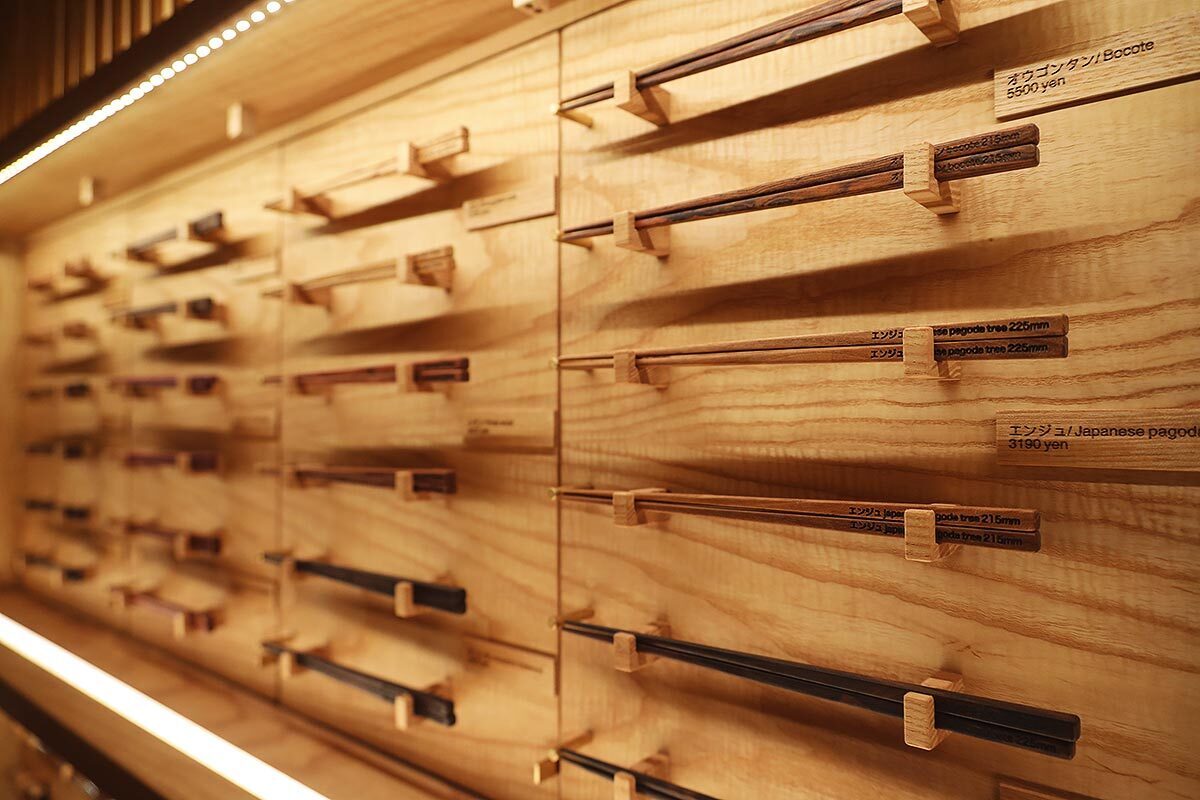
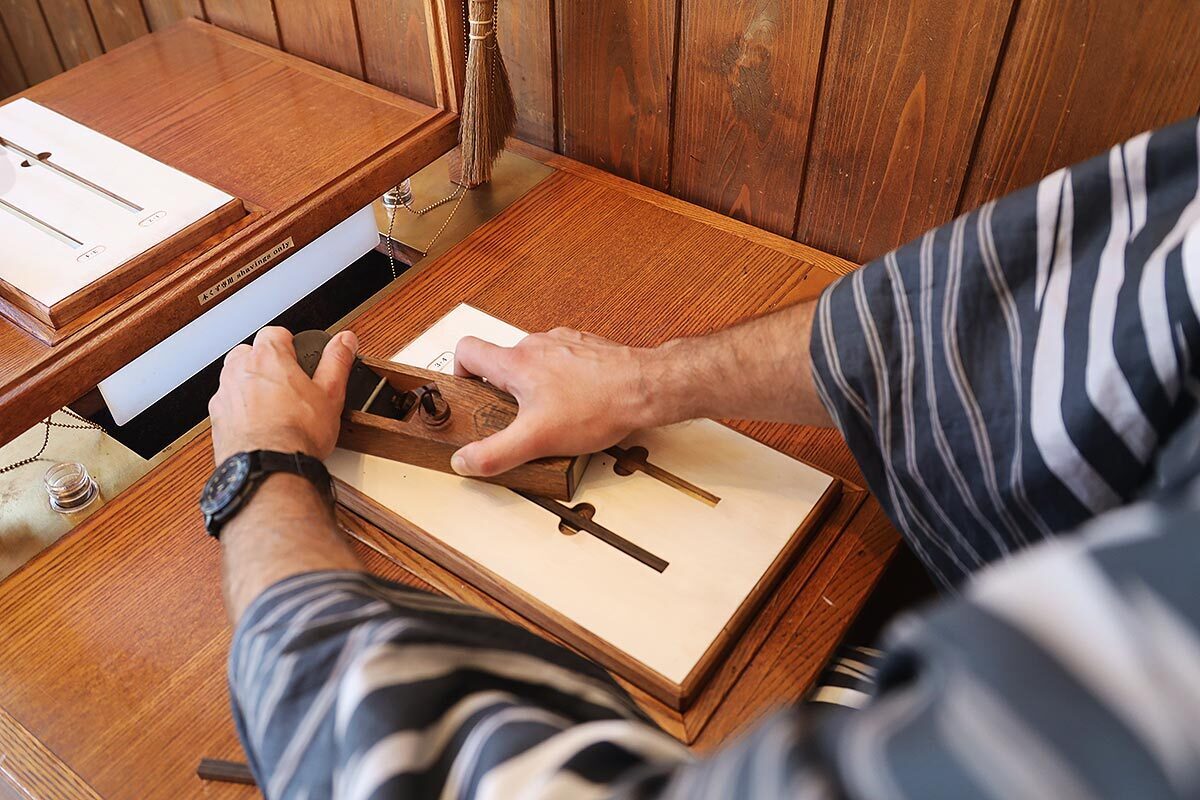
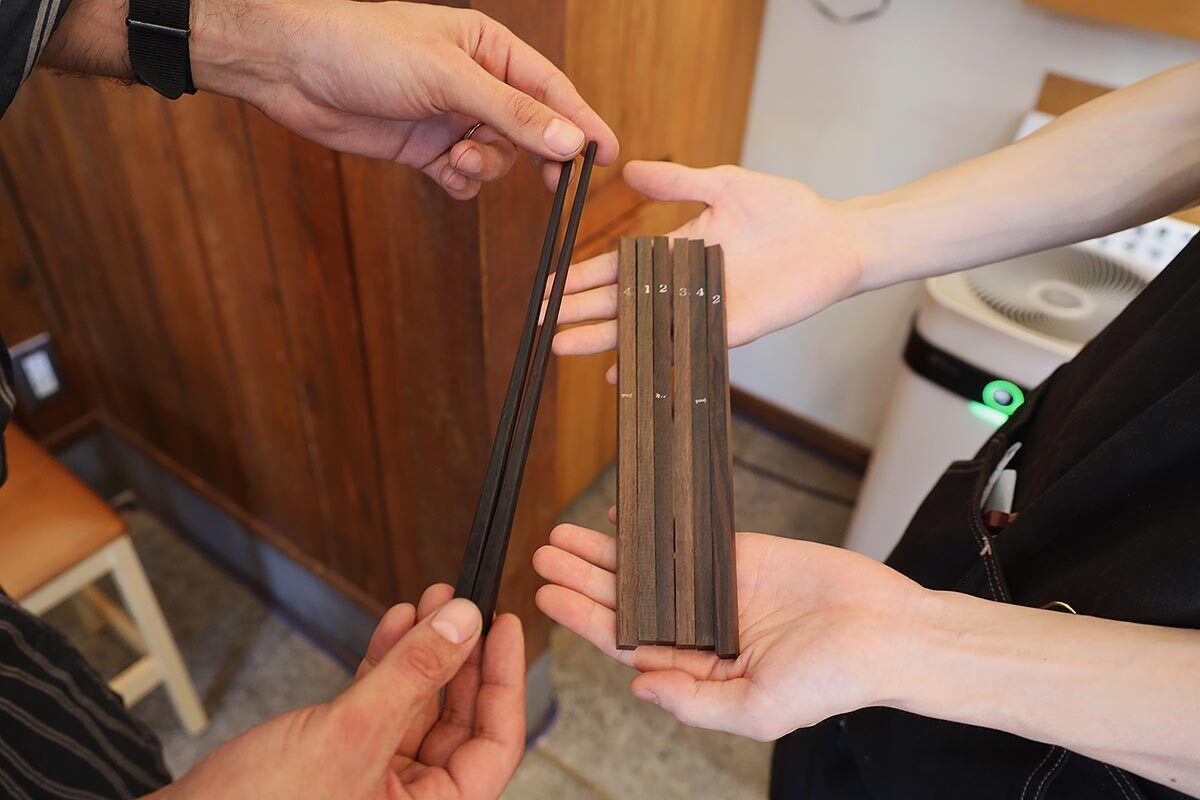
Just across the street from the Toki no Kane, my next stop was at Karaki Mokkou - a neat little woodworking studio where guests can make their own set of souvenir chopsticks from their choice of material. Though consisting of just a handful of easy-to-follow steps - the customer's job here is mainly to plane down two matching pieces of wood into the right shape, sand off the edges and apply a simple oil finish - the half-hour experience was surprisingly satisfying, while the end product makes for a perfect little souvenir.
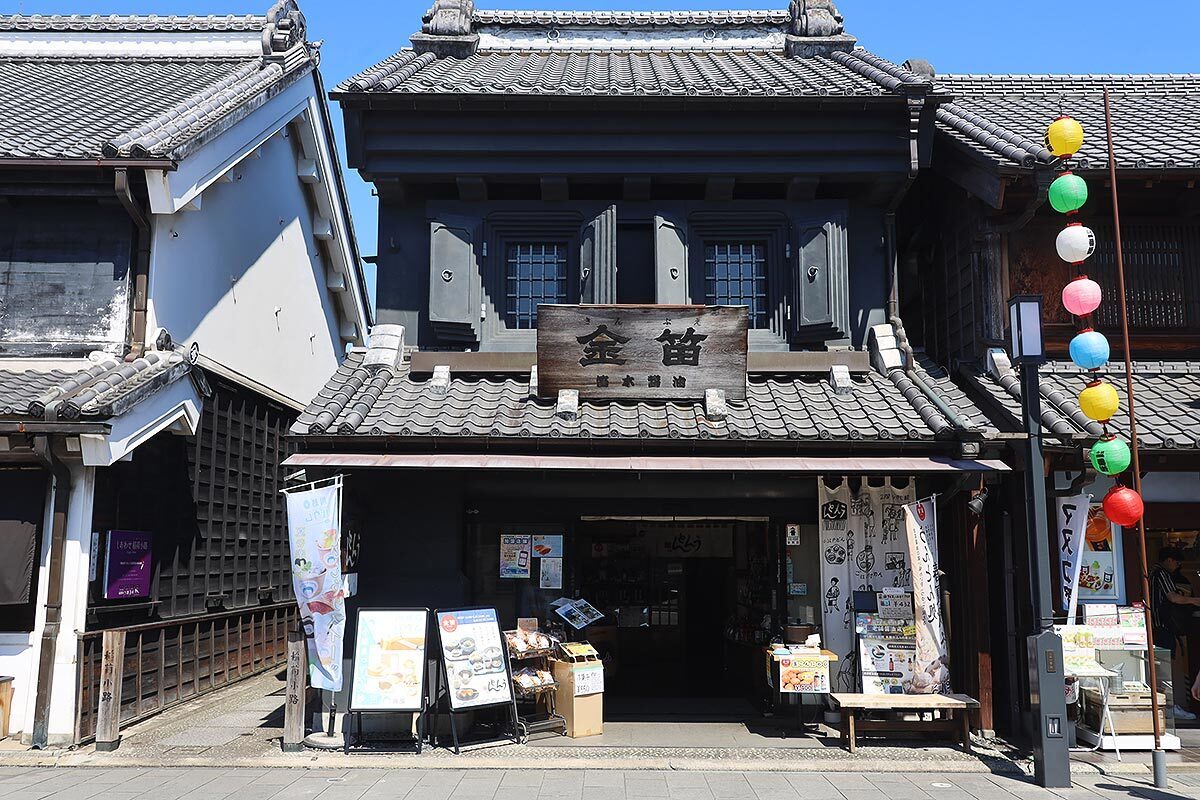
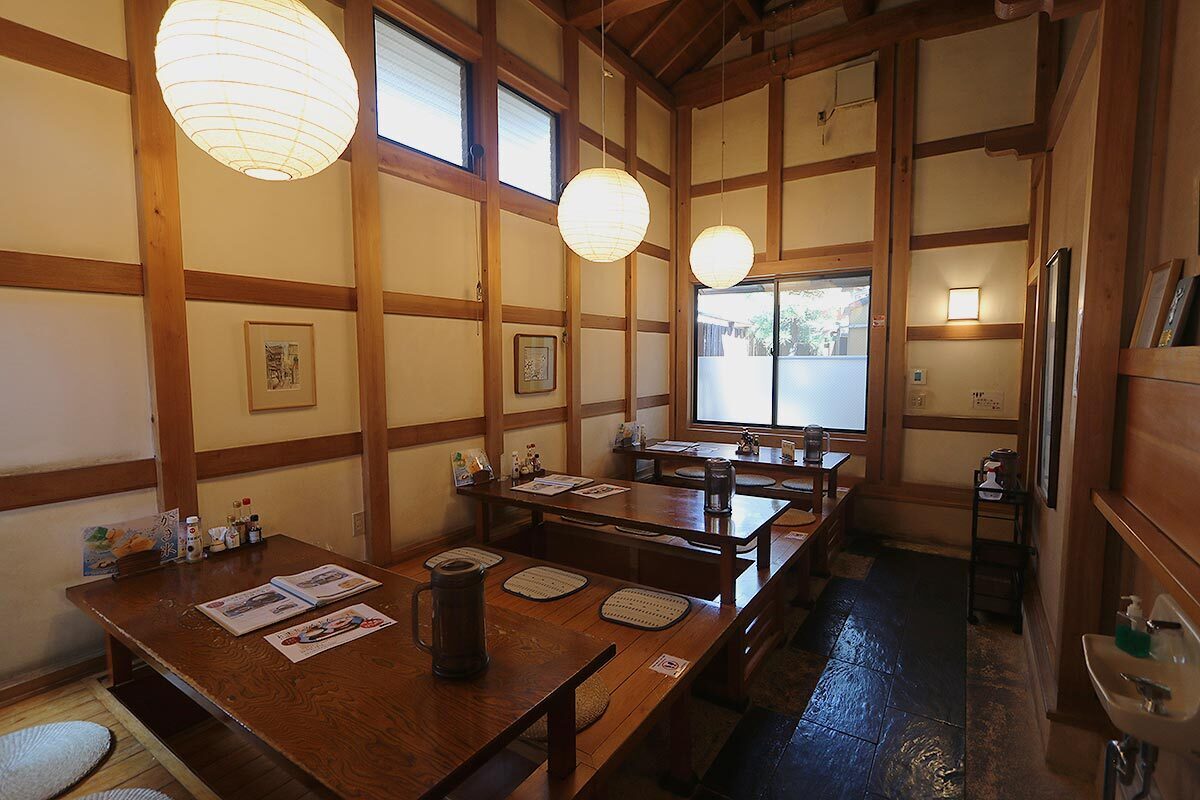
For lunch, I settled on Kinbue Untondokoro Shunka Shuto - an udon restaurant set nearby in a beautiful recreation of an old storehouse, with the usual tiled roof and thick layers of clay covering a timber frame. The period details continue into the interior, where a high ceiling and heavy exposed beams add to the pleasantly folksy feel. Interestingly, the restaurant is operated by Kinbue, one of the oldest soy-brewing companies in Saitama Prefecture, and exists in part to showcase their traditional brewing methods.
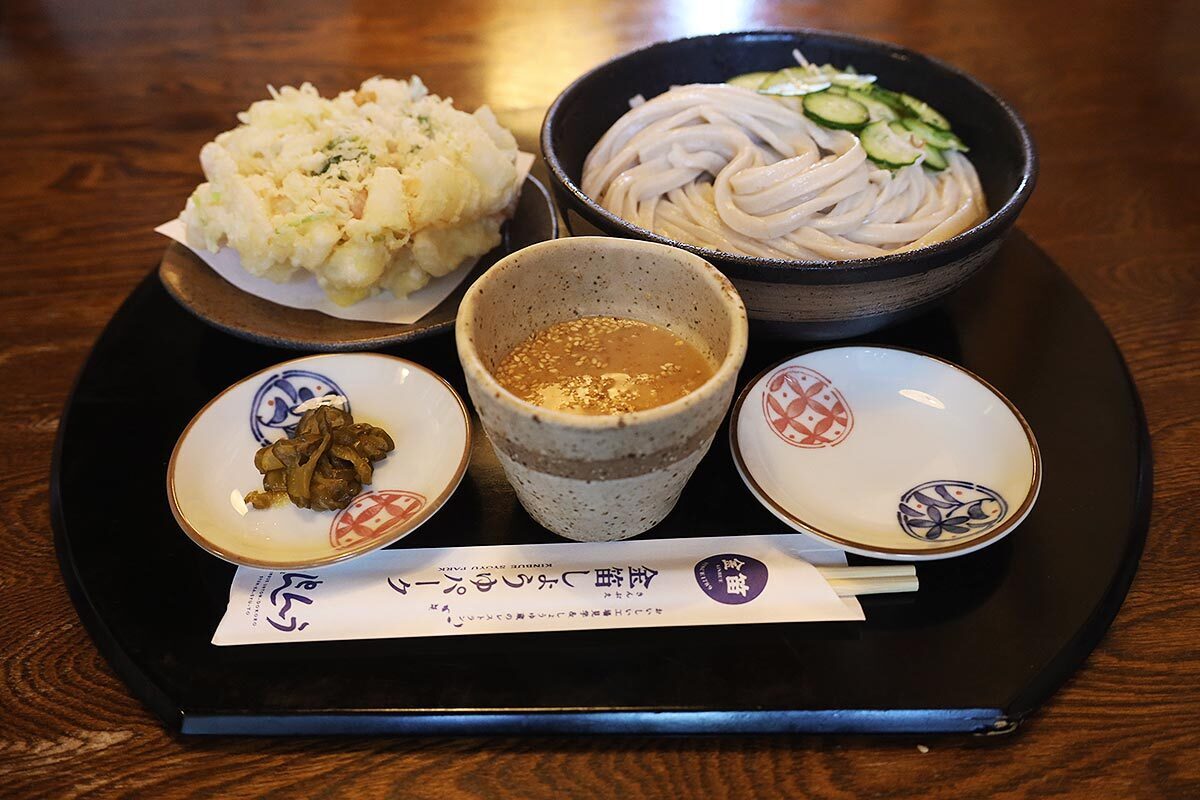
Here, I ordered chilled or "zaru" udon, served with a sesame dipping sauce and a side of mixed tempura. As well as being absolutely delicious, cold noodles have a long history as a popular summer dish, and felt like just the right thing for a day in Kawagoe.
Back on the street, I took a 10-minute walk north, then east to my next stop at Kawagoe Hikawa Jinja, an attractive shrine complex founded around 1500 years ago and celebrated as the guardian shrine of Kawagoe. Dedicated to five Shinto deities including two married couples, the shrine has been known since at least as far back as the Edo Period as a powerful aid in matchmaking and happy marriages.
It's an especially pleasant spot to visit during the Enmusubi Furin or "matchmaking windchimes" festival that typically runs for about 10 weeks from the end of June through to early September, when thousands of traditional glass windchimes are displayed throughout the grounds. A common sight in the summer, their glassy, tinkling sound has a chilly quality offering a little relief from the heat.
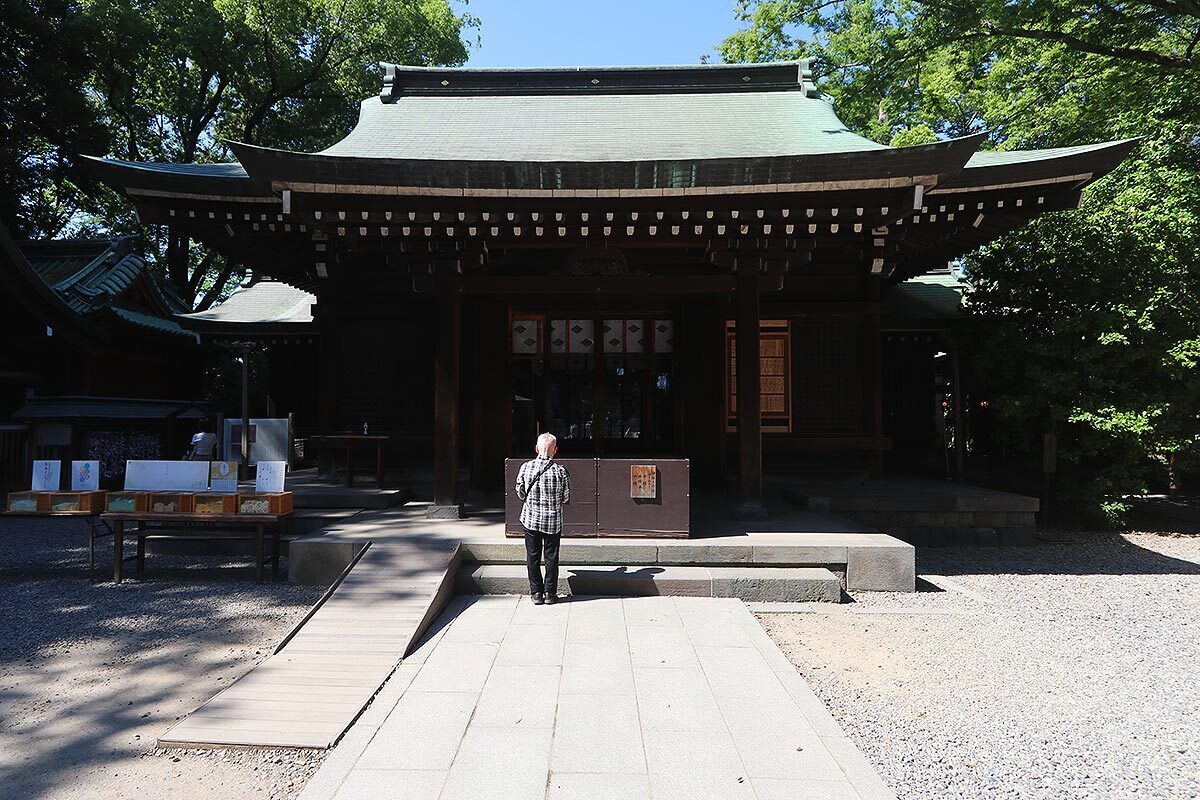
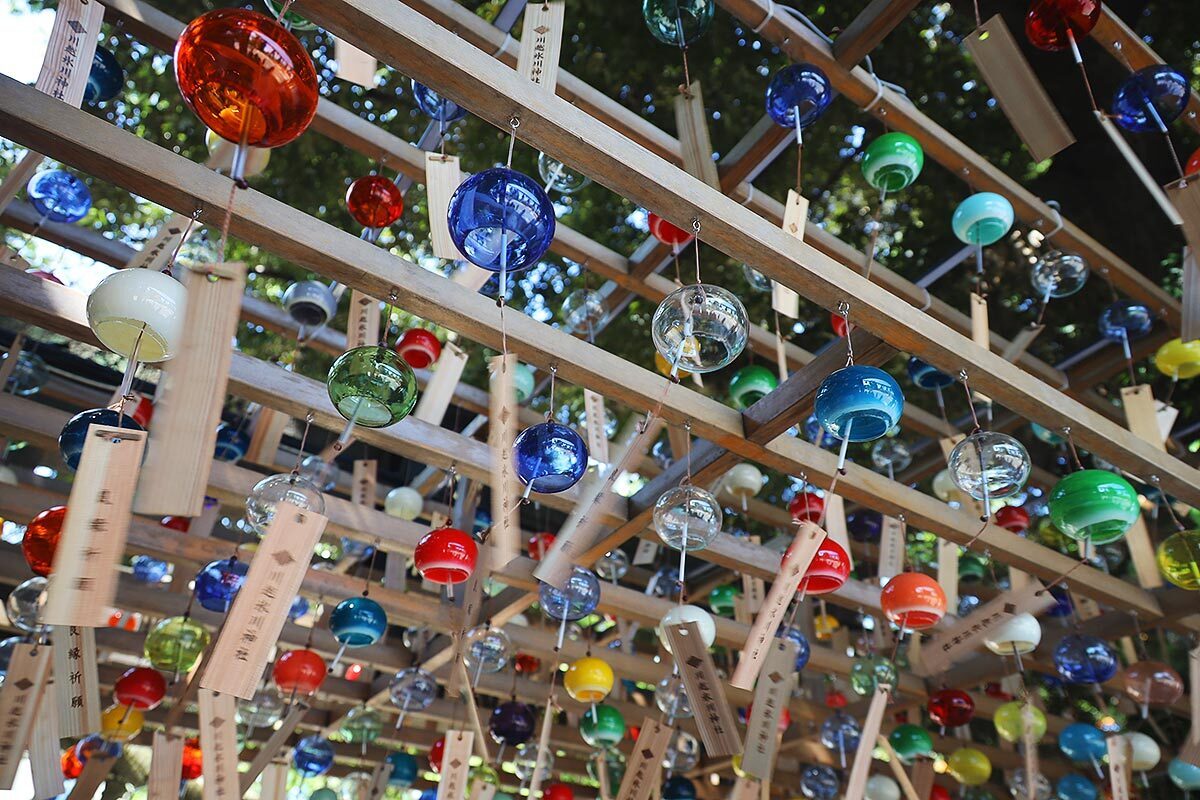
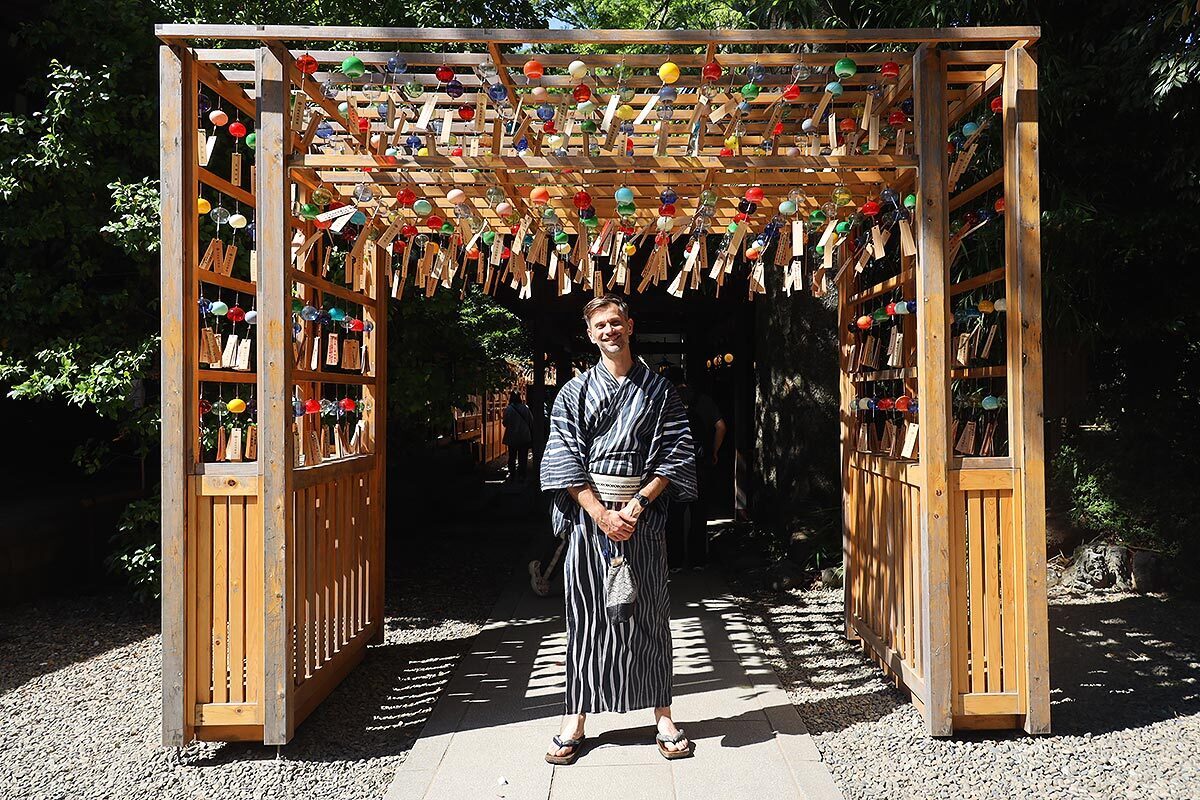
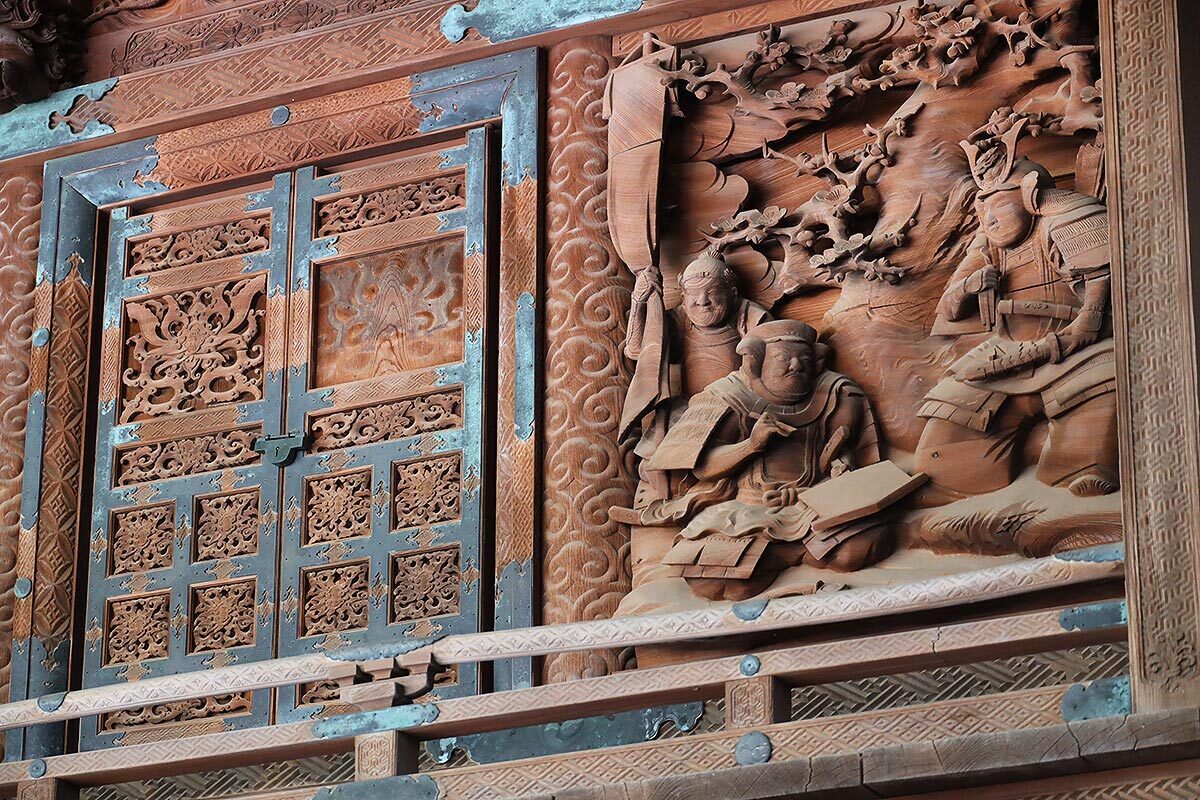
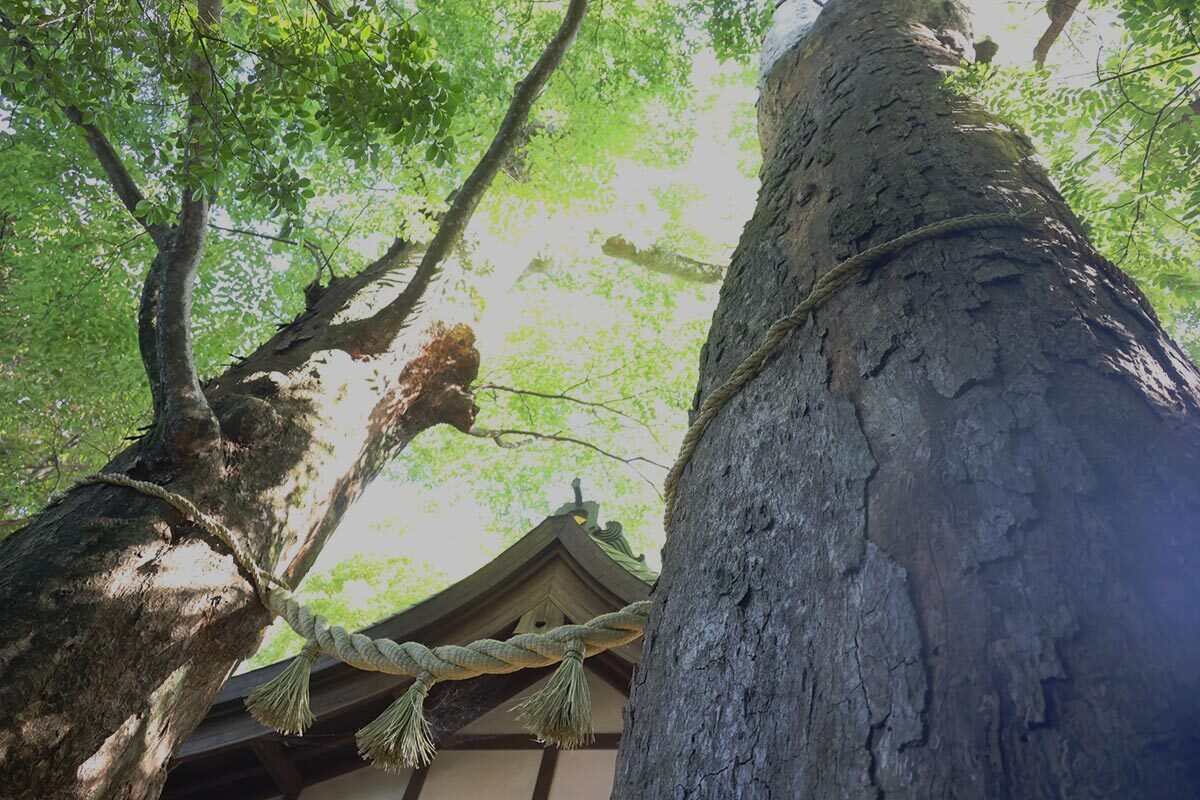
Within the shrine's grounds are a number of unique points, not least the giant 15-meter tori gate that ranks among the largest in Japan. Though the outward facing haiden or prayer hall itself is quite plain, the honden or main sanctuary tucked away behind it was completed in the 1840s by master carpenters, many of its surfaces covered in ornate carvings that can be glimpsed through a fence to one side. Also worth a look are the famous meoto keyaki or married zelkova trees, bound by a sacred rope and believed to pre-date the shrine buildings by as much as a few centuries.
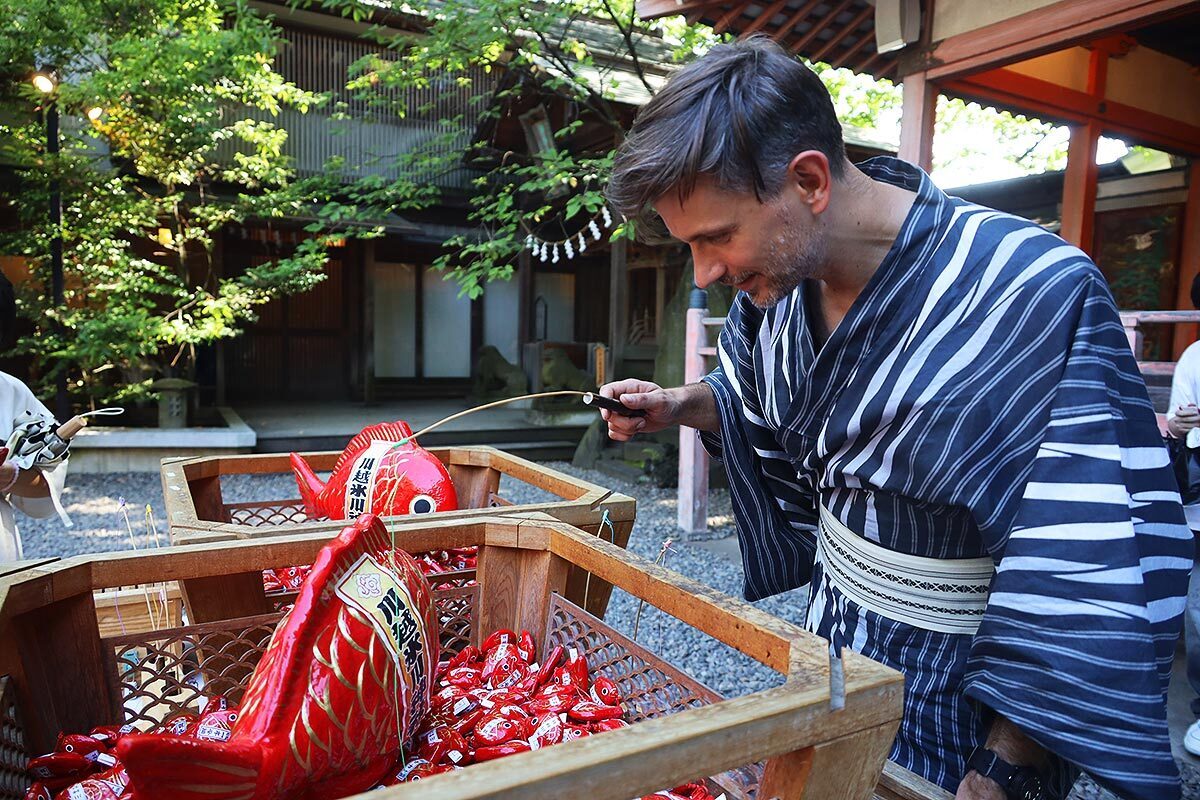
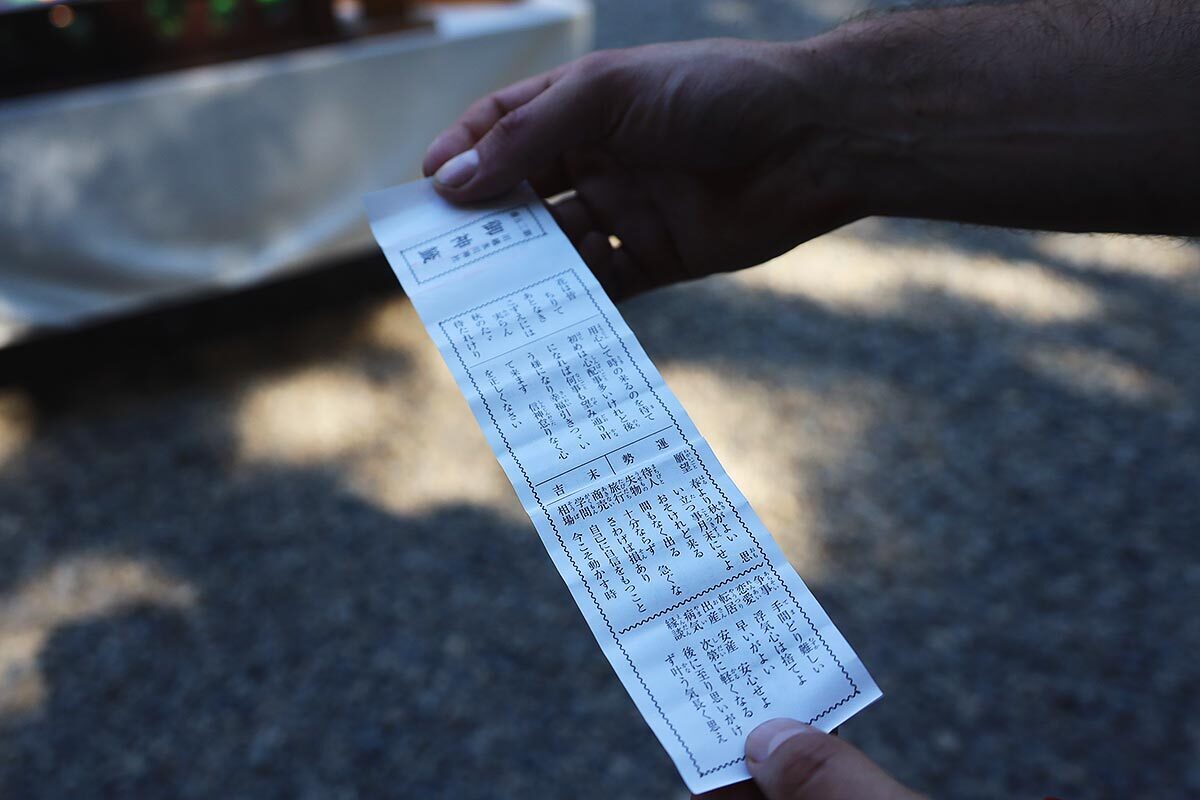
While here, I also couldn't resist taking part once again in an adorable little challenge - hooking an omikuji or fortune wrapped up in the shape of a fish out of a box using a little fishing rod. After reeling one in, I found that my prediction for the coming year was "suekichi". Ranking just behind "kichi" or good luck, it means something like "good luck to come", so I'll look forward to that.
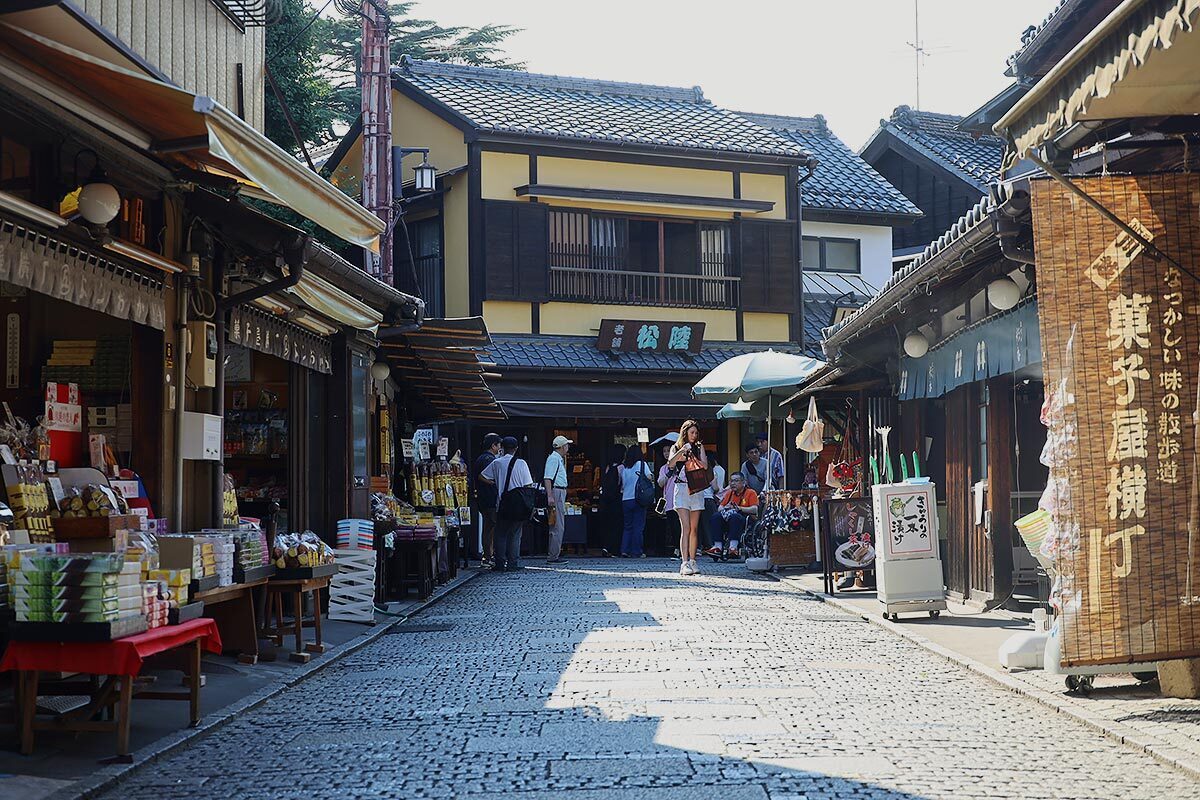
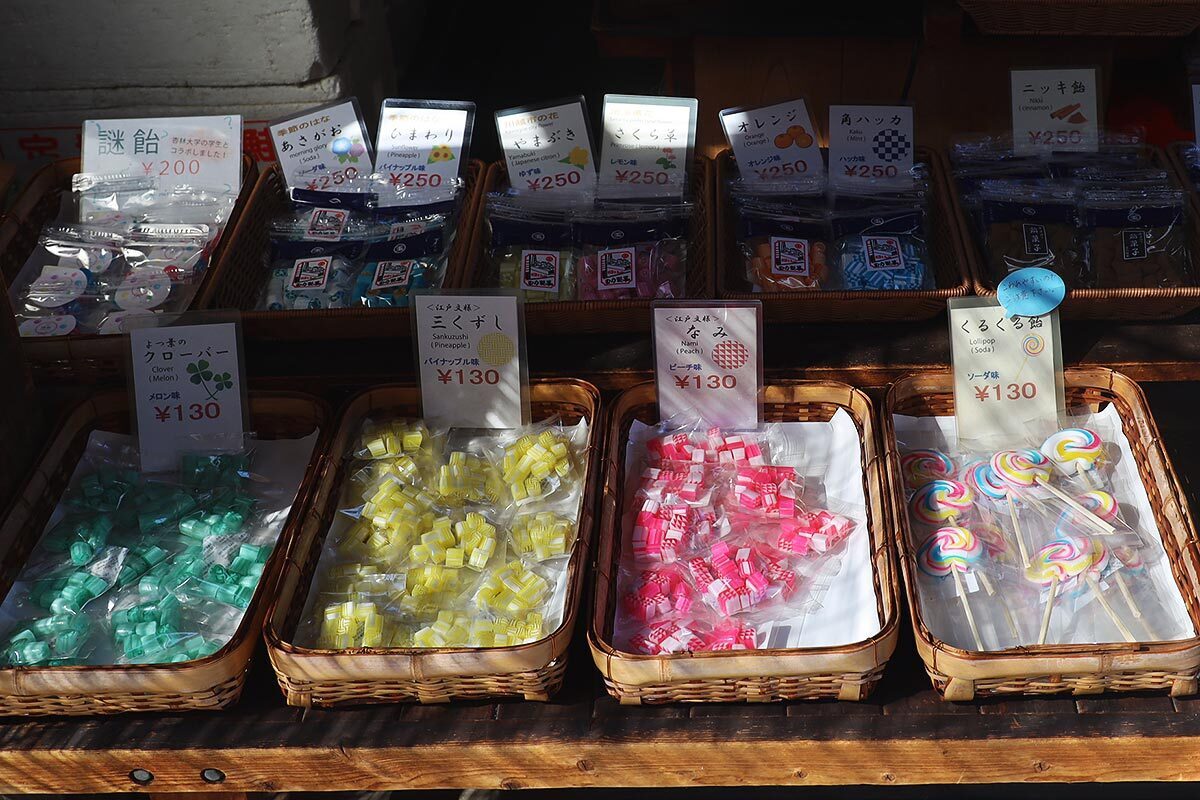
Leaving the shrine behind, I retraced my steps back towards the old town district, stopping on the way at Kashiya Yokocho, a small laned lined with rows of small traditional sweetshops and one of the most charming spots in the area. Unlike the main strip with its old shopfronts, the appeal here is less about striking architecture than it is the nostalgic local vibe.
According to local history, the street developed not long after the great fire of 1893 as a product of the town's success, selling mostly simple, inexpensive sweets for the children of locals and visitors alike. Geography also seems to have played a role, as the surrounding Kanto Plain had many areas poorly suited to rice but where sweet potatoes could thrive - becoming a popular ingredient in the town's sweets and confectionery.
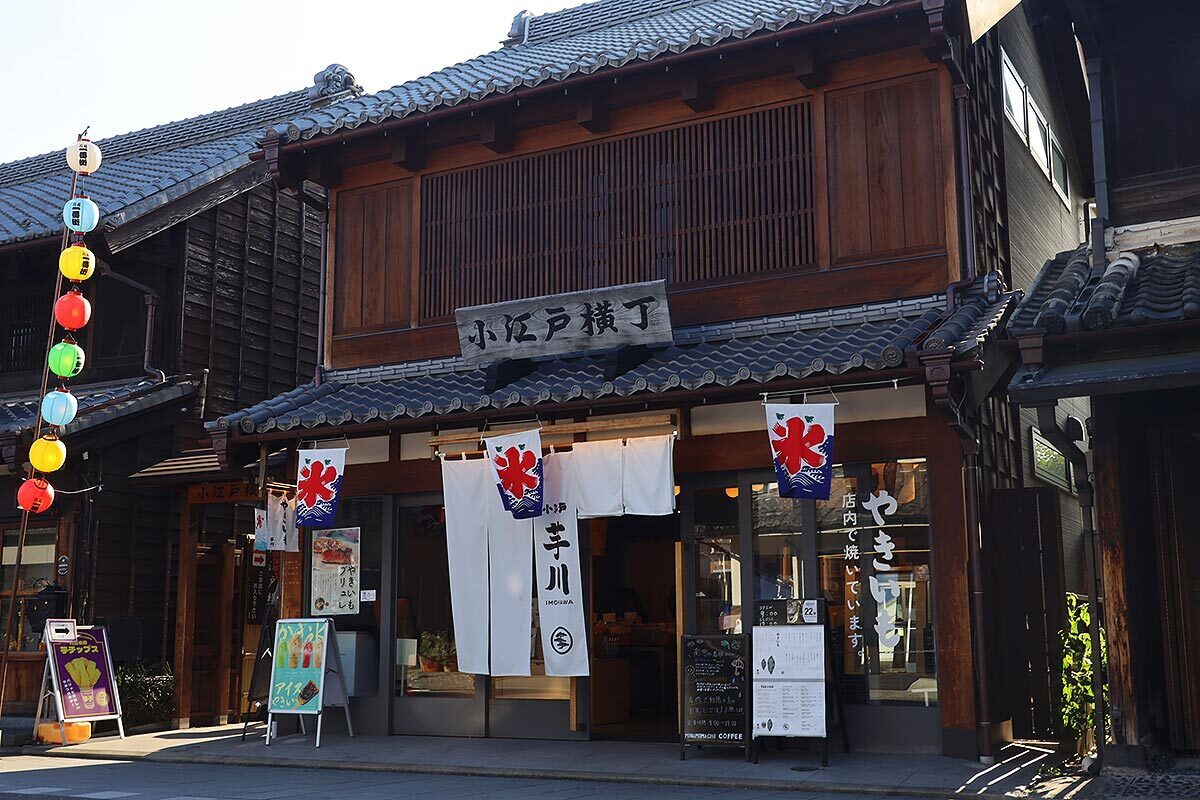
One of the most exciting ways that Kawagoe has played with or recontextualised its historic feel is in its thriving cafe scene, often combining traditional-style buildings with sleek, modern interiors in a way that feels genuinely stylish rather than exploitative. One of my favourite examples is IMOKAWA, set inside a near-perfect recreation of an old merchant house along the main strip.
Inside, customers can enjoy the usual lineup of coffee and matcha drinks, alongside a range of sweet potato desserts. Alongside a nice cup of dark roast, I tried a plain roasted sweet potato and the "imo-brulee", which were both sweet, sticky and delicious, and I couldn't help but admire the re-framing of an old-fashioned snack in such a contemporary way.
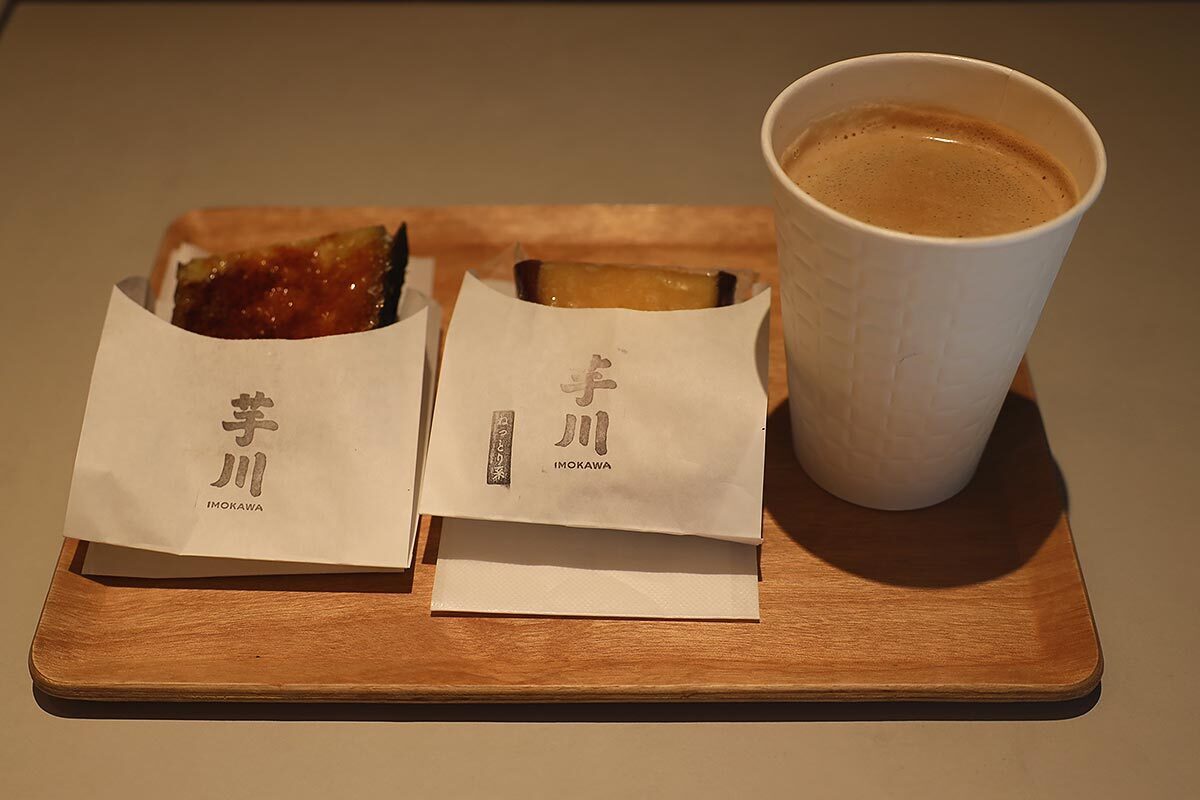
imo-brulee
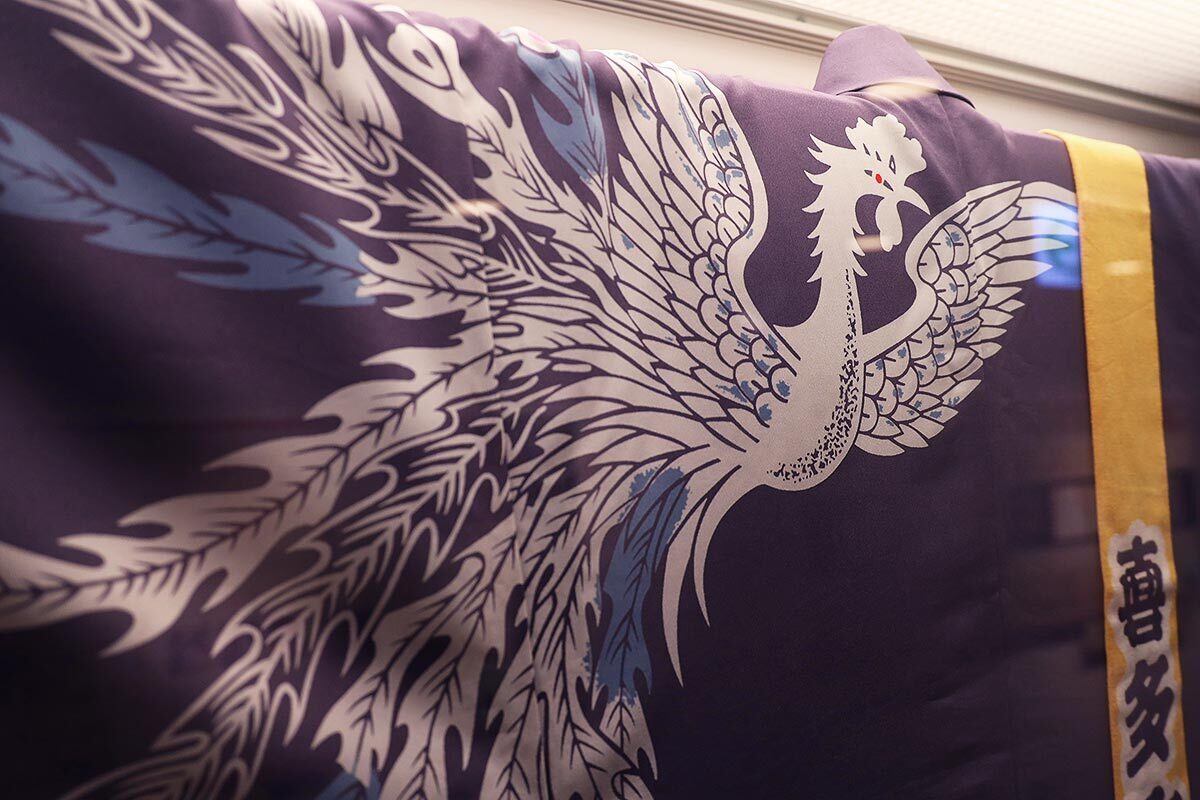
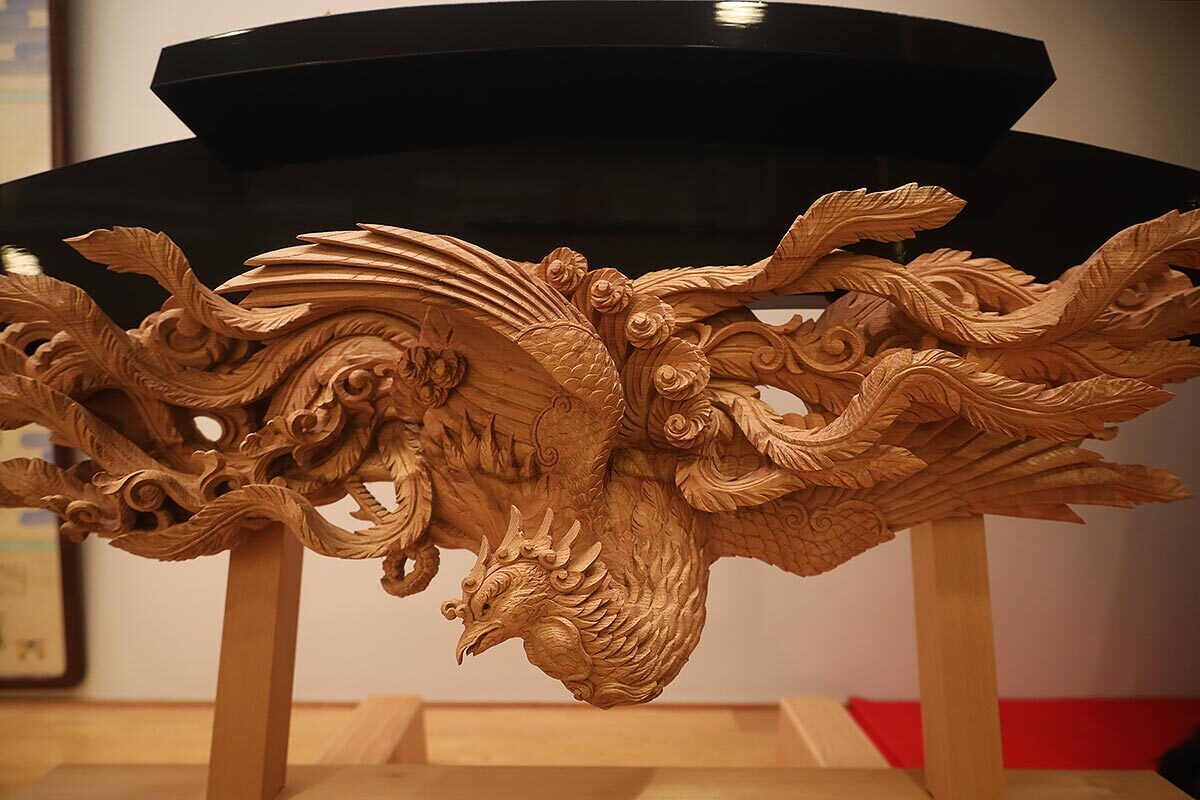
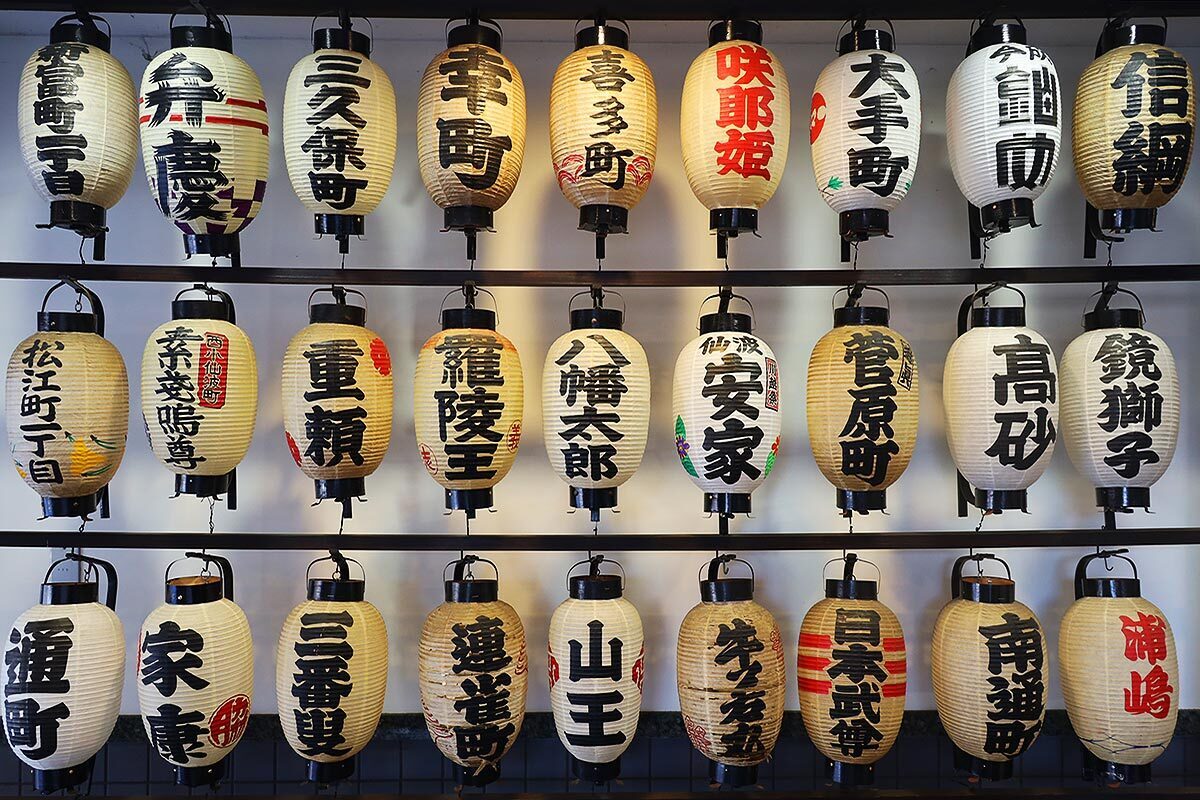
For my final visit in the town, I made a stop at the Kawagoe Festival Museum, dedicated to Kawagoe's annual festival held in the third weekend of October. Influenced by the developing urban culture in what is today Tokyo, the event features elaborate two-story festival floats called dashi, each carrying costumed performers and a doll representing a mythic or historical figure.
The festivities are divided into a series of distinct ceremonies that take place over the course of the Saturday. During the Jinkosai at Hikawa Shrine, the resident deities are transferred into mikoshi or portable shrines and paraded through the streets. From around 6pm comes Yoiyama, where the floats are hung with lanterns and take their position at key spots throughout the town. The day climaxes with Hikkawase, when the floats are allowed to move freely along the streets. When two floats meet, they are turned to face one another and a musical "battle" commences - in reality, it's more of a friendly improvised jam session.
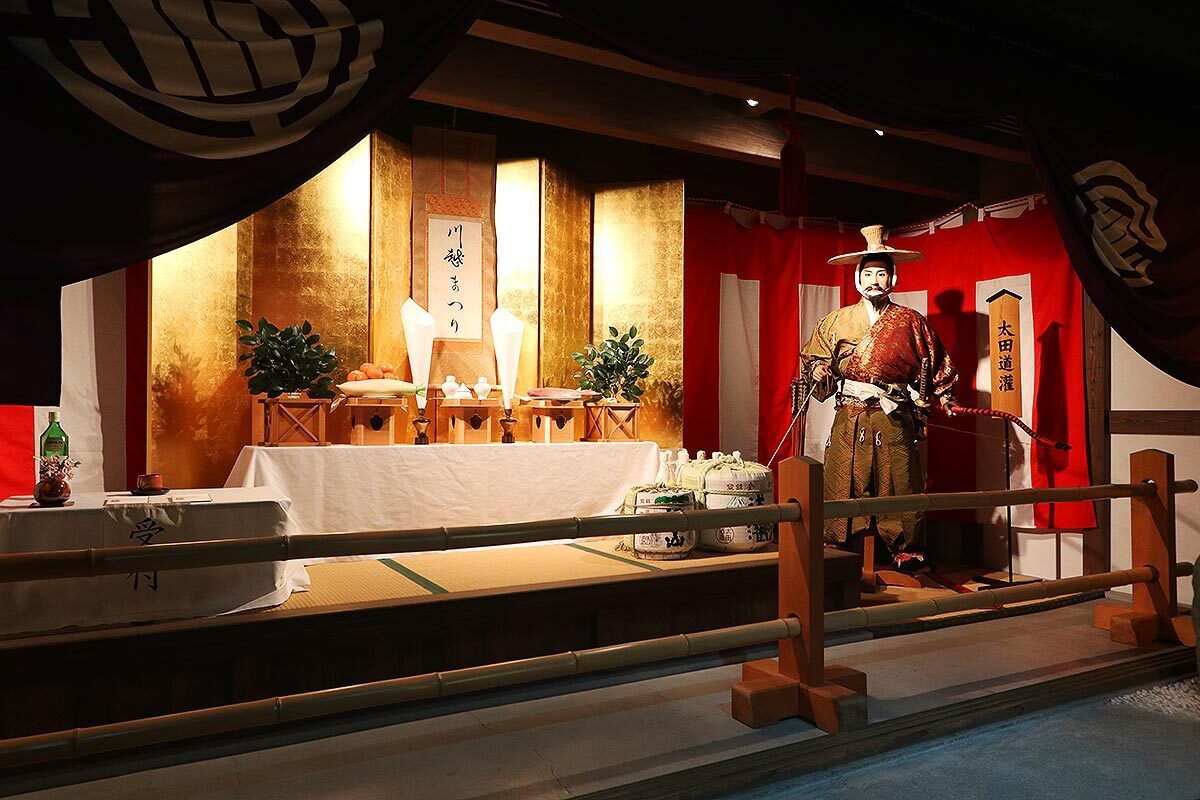
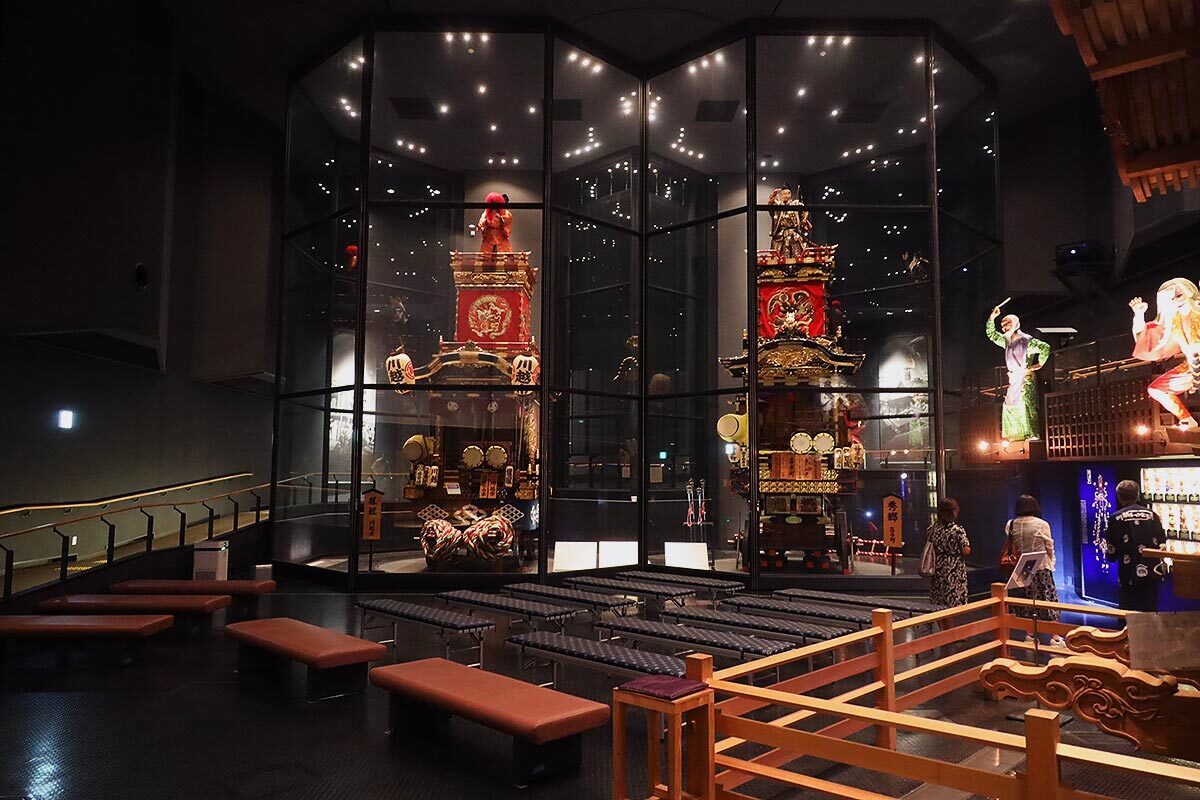
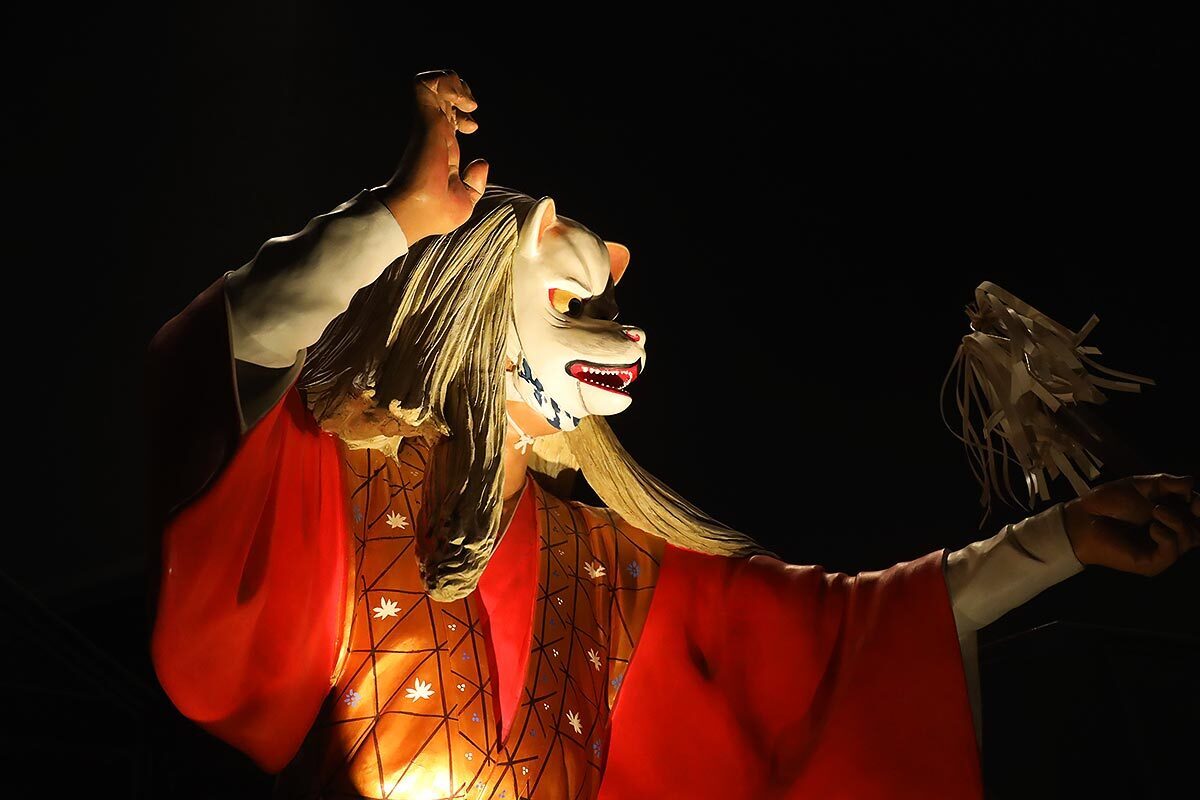
Within the museum, visitors can delve into the traditions and local lore behind the festival, as well as costumes, instruments and even two of the massive floats that feature so prominently in the spectacle. What grabbed my attention was the scale and depth of the event, with around 15-20 unique floats taking part each year - one is owned by Kawagoe itself while the others each belong to a particular neighborhood - and a dazzling array of costumed characters, each with their own unique dance and musical accompaniment.
After a good look around the museum it was time to begin retracing my steps back to Shinjuku, with one last brief stop to drop off my rented yukata. While my last visit to Kawagoe had been perfectly enjoyable, I also felt that investing just a bit more time getting to know the real Kawagoe had given me a more rounded and memorable experience of the place. Travelers with time to spare in Tokyo have a wide range of day-trip options to choose from, but for those looking to enjoy some slow-paced sightseeing with real cultural depth to match the usual tourist activities, Kawagoe may be just the thing.