Exploring the Kumano Kodo - Hongu Taisha Shrine

What do an ancient pilgrim trail, a slime mold researcher and a hot spring accommodation have in common? They have more in common than you might expect, and it all starts with the location, Tanabe. The quiet city is about 2.5 hours by limited express train from central Osaka, and a well-known gateway to the ancient Kumano Kodo pilgrim trails. The most famous sightseeing attractions in Tanabe are located in the city's mountainous interior: Kumano Kodo, Wataze Onsen, Hongu Taisha shrine - all of which are part of the UNESCO World Heritage Kumano Sanzan sites.
The coastal side of Tanabe is home to the Kamenoi Hotel Kii-Tanabe, one of the few natural hot spring accommodations along the sea, as well as the former residence of Minakata Kumagusu, Japan's most illustrious slime mold researcher. All in all, Tanabe is a convenient base for those planning to visit the Kumano Kodo or simply enjoy a relaxing overnight trip at a hot spring accommodation.
I visited Tanabe on an overnight trip to experience both mountain and sea, but I highly recommend spending at least two nights there for a more leisurely visit.
Exploring central Tanabe
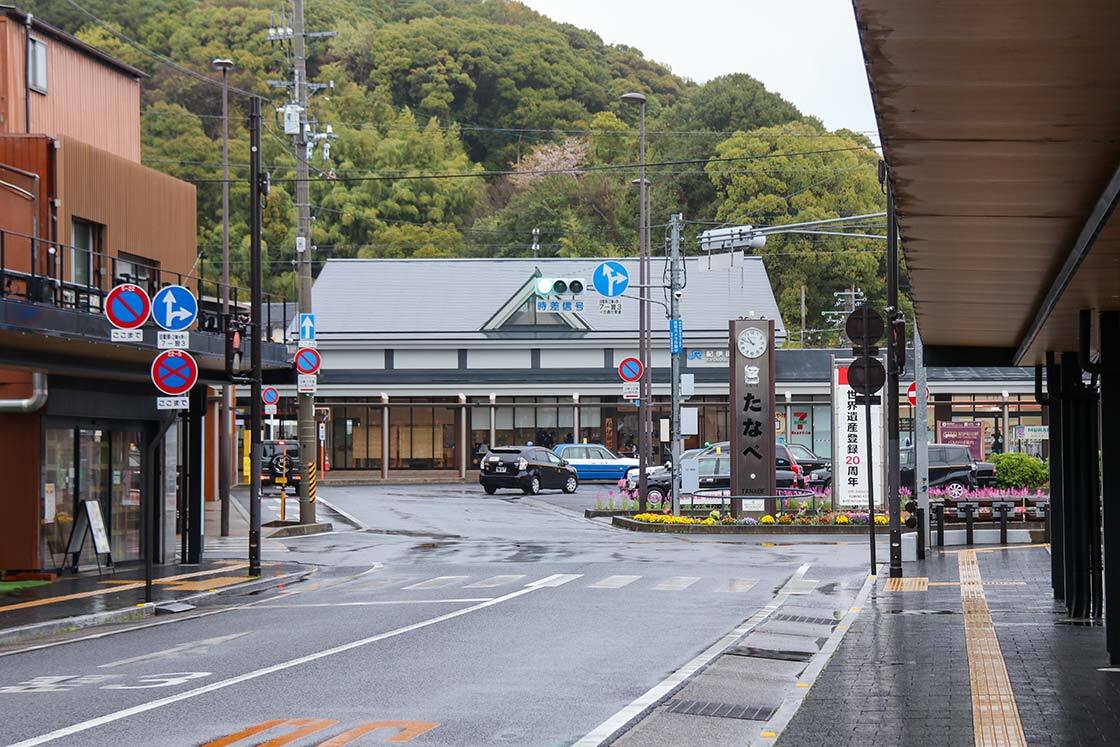
Tanabe's downtown core is in the vicinity of Kii-Tanabe Station and highly walkable, and the two most interesting spots for me were Tokei Shrine and the Minakata Kumagusu Archives. Access details to these two spots can be found below.
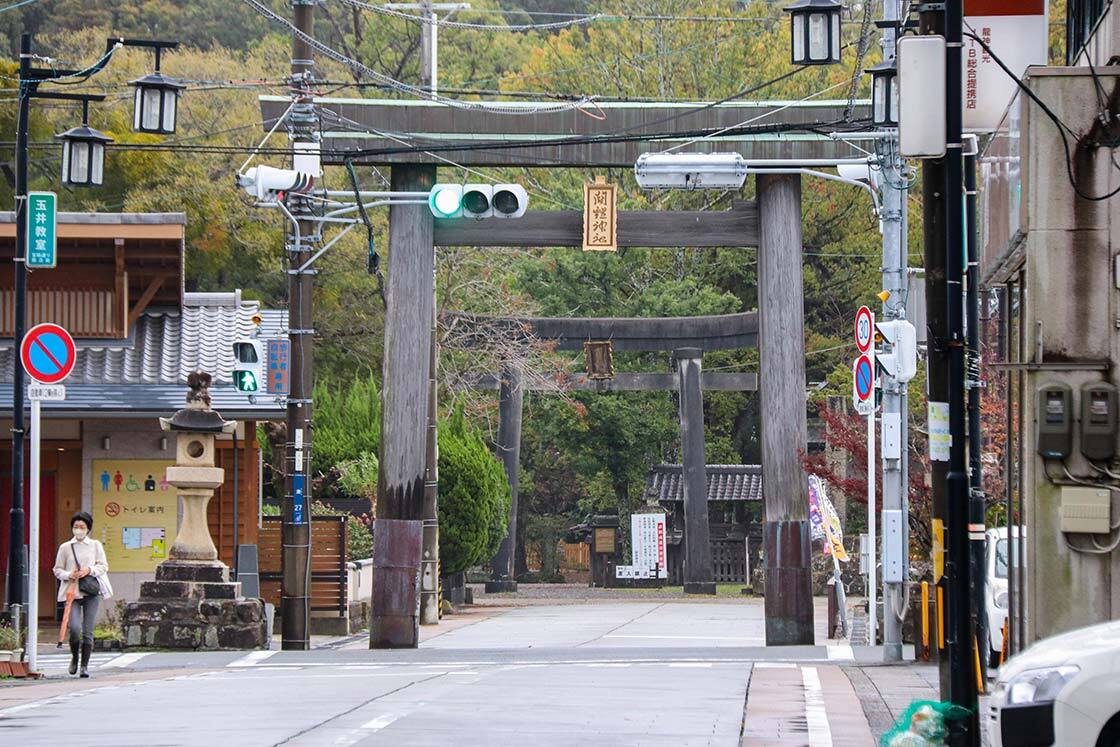
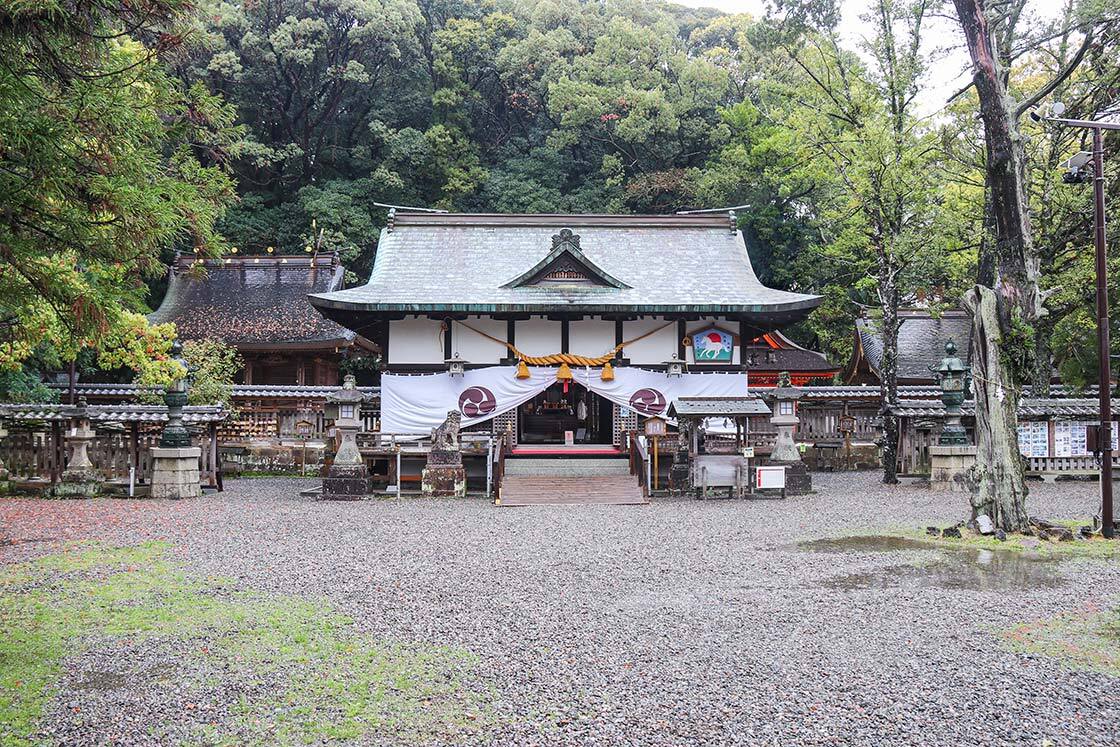
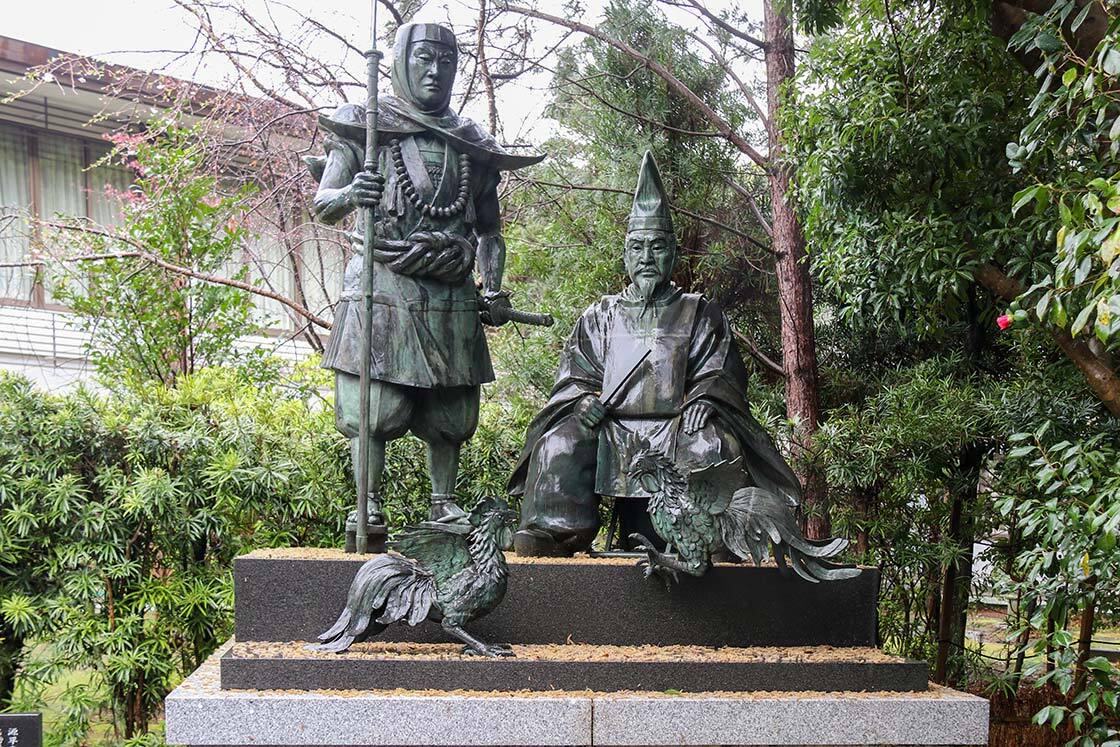
Tokei Shrine literally translates to cock fighting shrine, and it is one of the more uniquely named shrines. The name has its origins all the way back in the late 12th century during the Genpei War, when the two warring parties were looking to get the support of the Kumano Suigun - the local maritime warriors. The leader of this naval force ordered a cock fight between seven red roosters and seven white roosters - each color representing one side - for the gods to decide which side his company should support. The gods spoke, and the Kumano Suigun leader listened. The side the naval force supported ended up winning the war in the historic battle at Dannoura in Kyushu, changing the course of Japanese history.
As someone interested in Japanese history, I was impressed by the quiet and unassuming Tokei Shrine. It was fun for me to connect all the dots - learning that the shrine played a role in the historic and decisive Battle of Dannoura, and that Benkei, a legendary strong medieval warrior monk, was a Tanabe son and his father was the leader of the Kumano Suigun.
Another interesting point at Tokei Shrine is its connection to the Kumano Kodo, whose pilgrimage trails connect the Kumano Grand Shrines of Hongu Taisha, Hayatama Taisha and Nachi Taisha. Tokei Shrine enshrines the deities of the Grand Shrines and has long played a significant role in the Kumano faith. In fact, Tokei Shine is part of the UNESCO World Heritage Kumano Sanzan designation due its history.
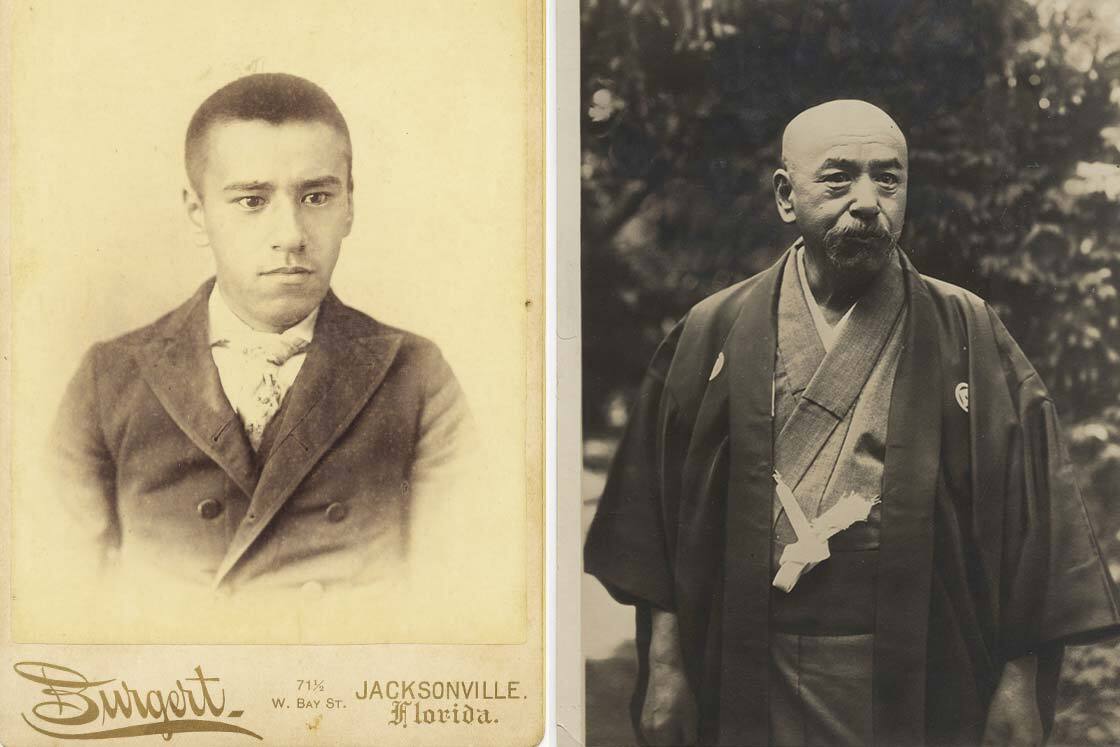
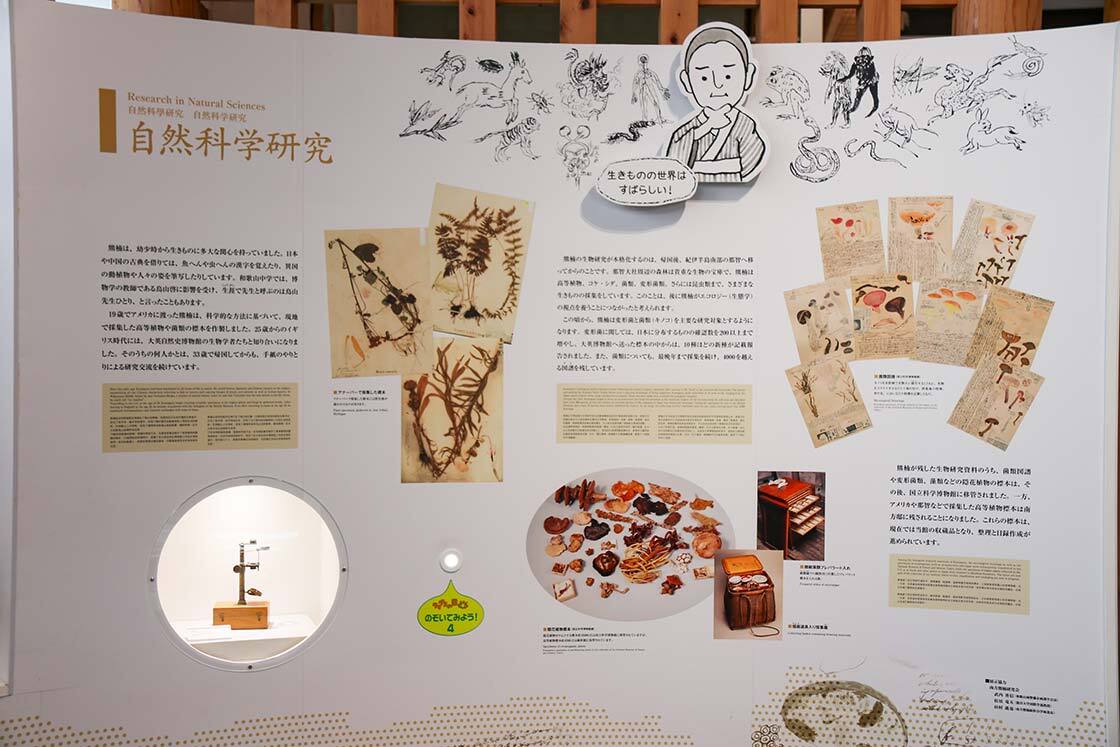
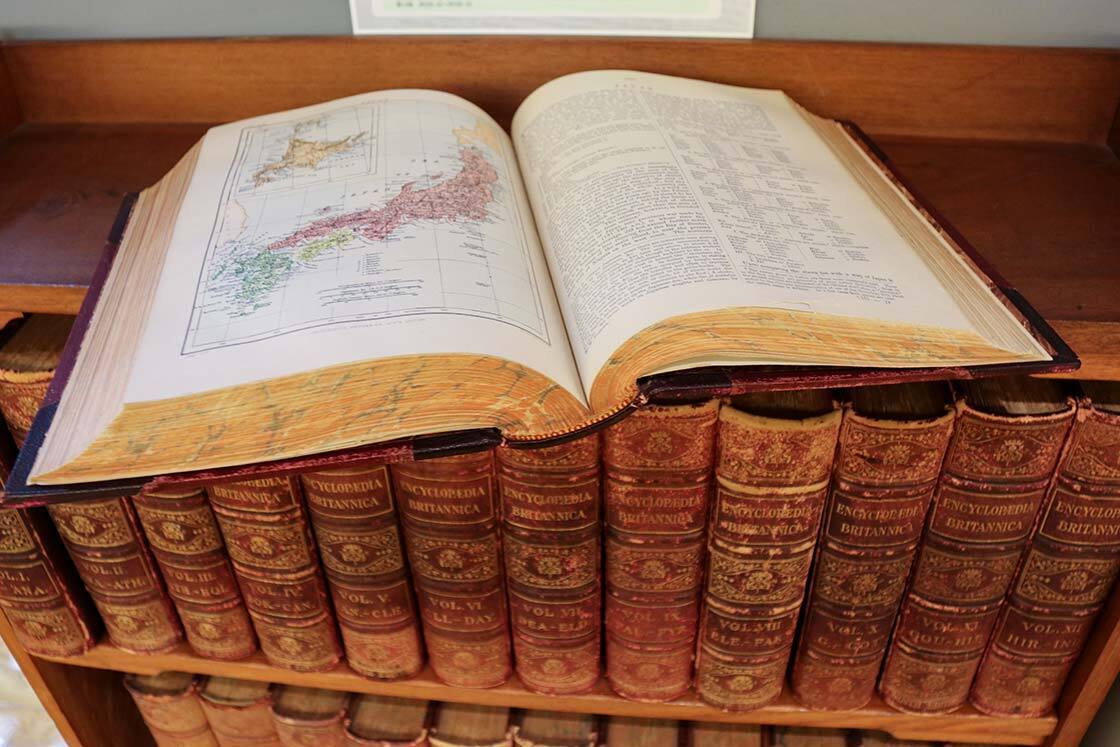
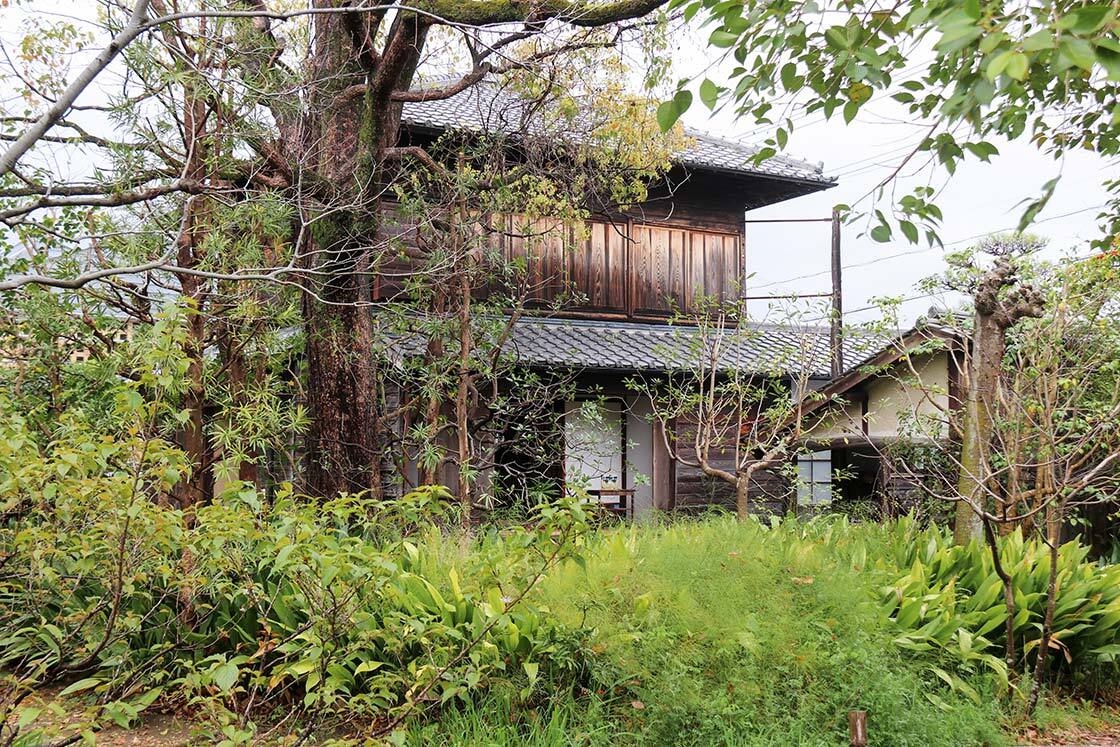
I have to admit that I was already a bit biased toward my next spot, the Minakata Kumagusu Archives. Minakata Kumagusu is best known for his slime mold research, in addition to being an intellectual, naturalist and author amongst other distinctions. The first time I heard of him was when I visited his memorial museum, about 30 minutes by car in the neighboring town of Shirahama. I was very impressed by Kumagusu's life and research, and had to visit this facility in Tanabe dedicated to showcasing his research and the house he retired in.
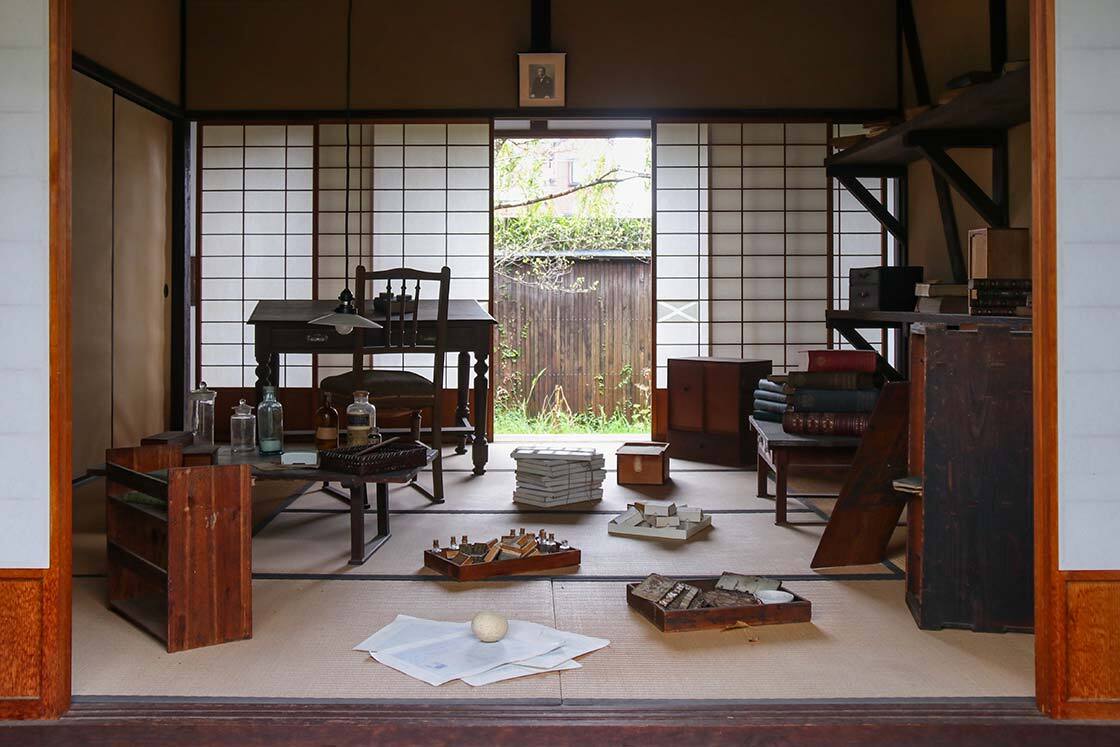
Even though the facility is compact, it contains a lot of very interesting information. In addition to seeing Kumagusu's retirement home, which has been preserved, one of the biggest highlights for me was seeing actual slime mold through the microscope. Kumagusu was also passionate about preserving local traditional culture, specifically preserving the small, local shrines and their natural environment. It is because of this that we can now chance upon a small, quiet shrine and discover something new. Kumagusu also went to the Kumano Kodo on his research trips, and visited the hot springs in the mountainous interior.


Kamenoi Hotel Kii-Tanabe
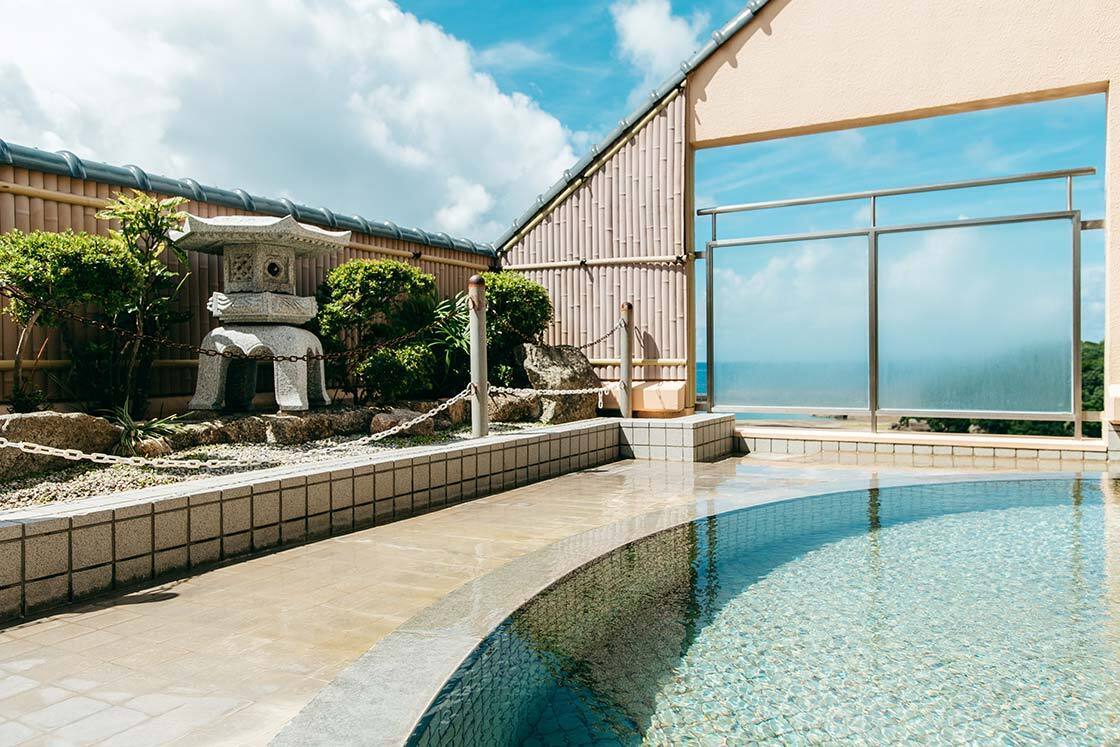
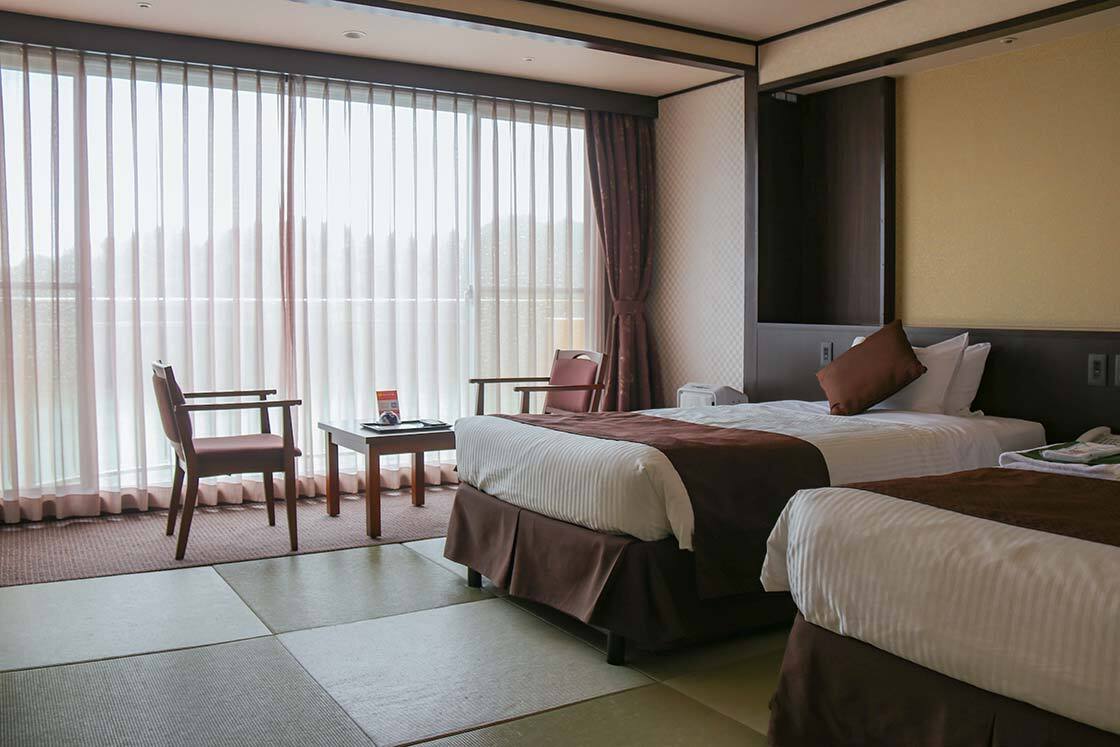
Kamenoi Hotel Kii-Tanabe is a waterfront accommodation that is popular with local Japanese tourists. Many go to enjoy the ocean views, soak in the natural hot spring baths and enjoy the delicious meals. In addition to unwinding in a comfortable place, the hotel is worth considering as a base to relax before or after going on the Kumano Kodo pilgrimage trail. Access details to the hotel can be found below.
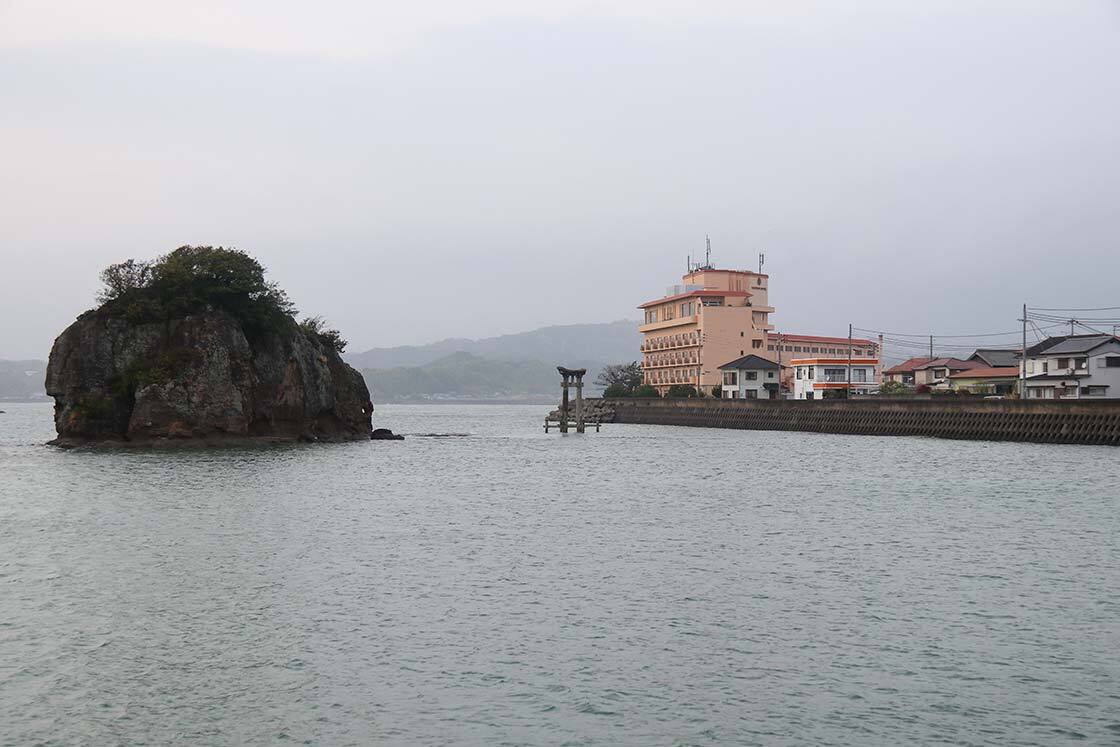
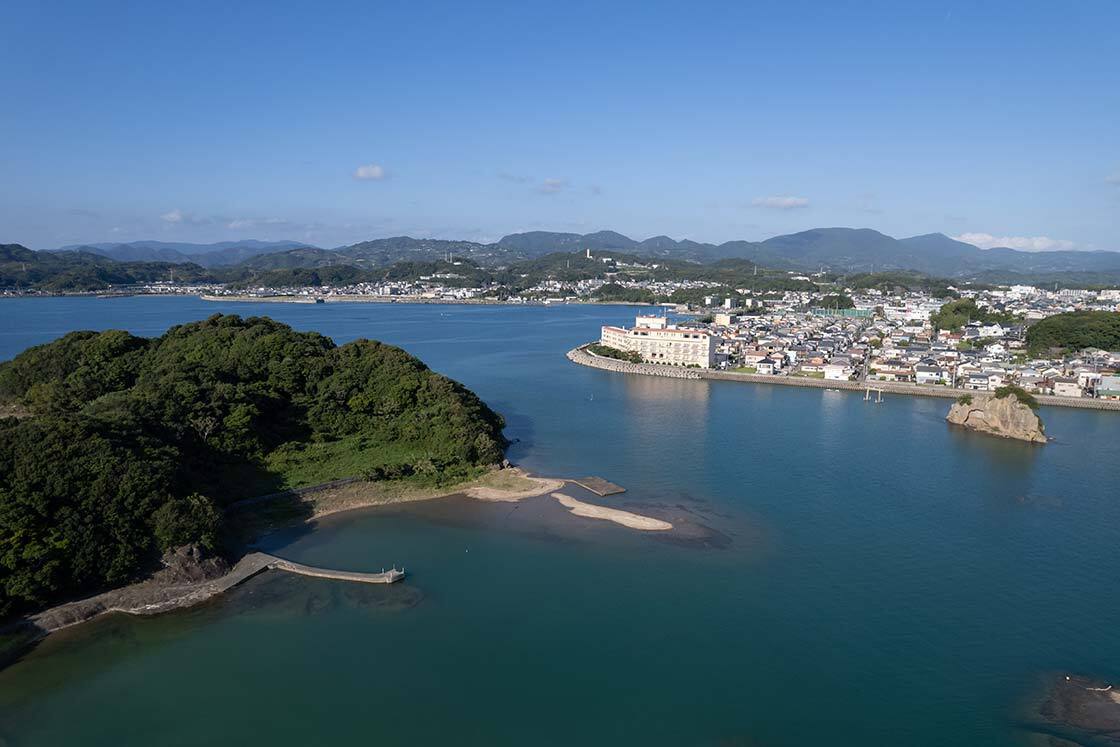
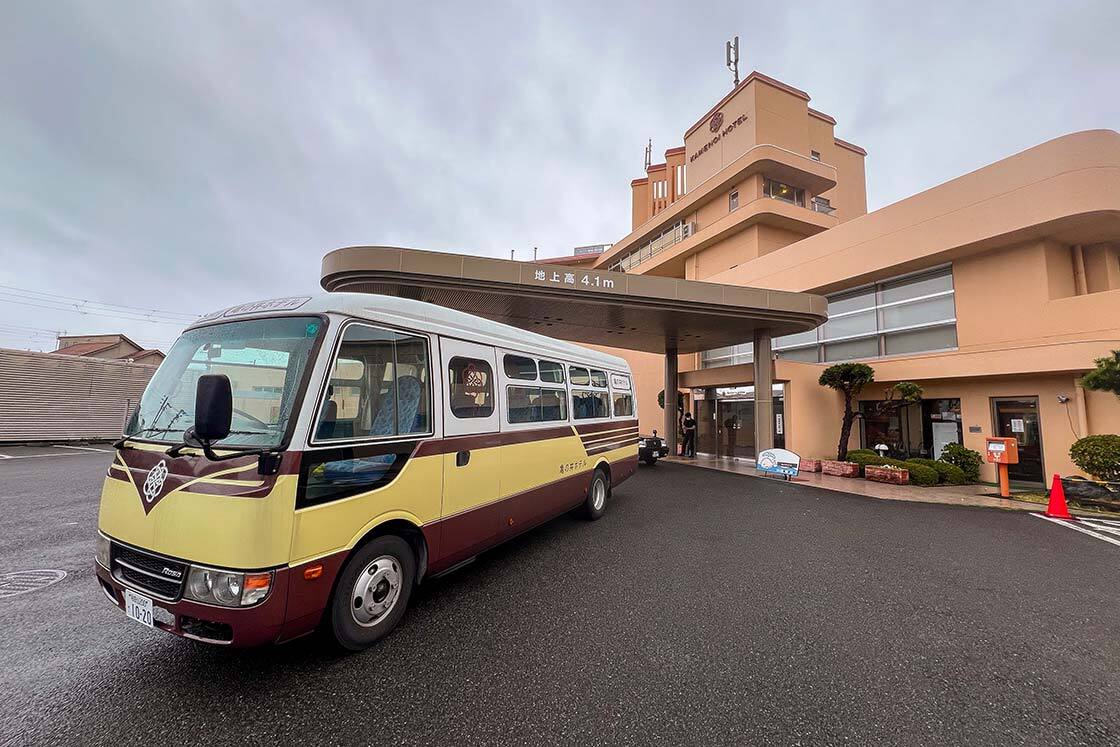
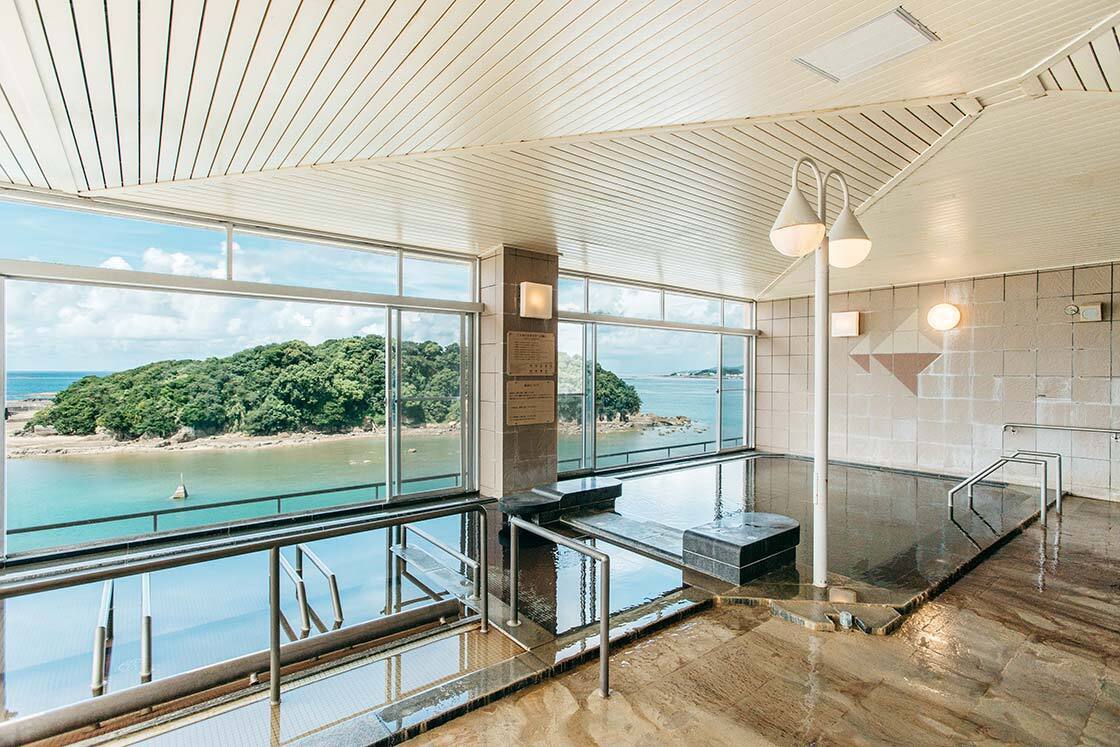
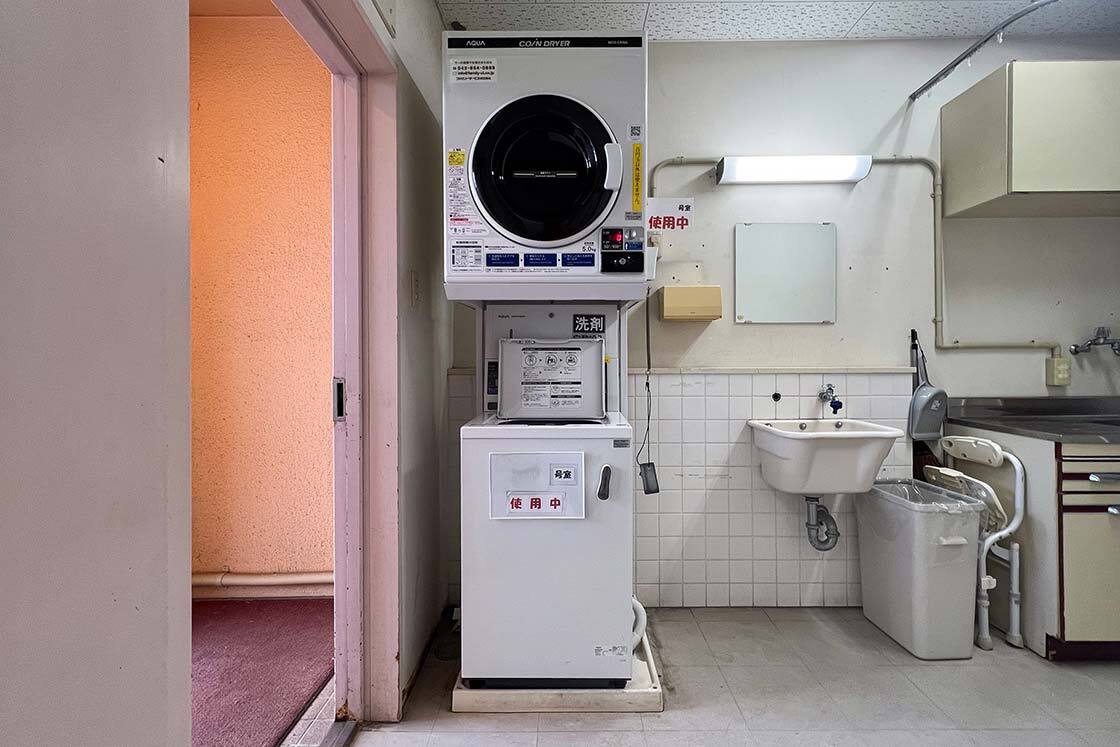
While I stayed for only one night, I would recommend staying for at least two, especially for those doing the pilgrimage trail, to have a day of relaxation and gentle walking on either side of the long walk. A suggested itinerary would be to arrive and relax on day 1, do a long walk on the Kumano Kodo on day 2, and relax before checking out on day 3.
Even if the Kumano Kodo is not in your itinerary, two nights at Kamenoi Hotel Kii-Tanabe will ensure you have a restful mini-holiday during your holiday. For example, arrive and relax on day 1, explore central Tanabe on day 2, and enjoy a leisurely departure on day 3.


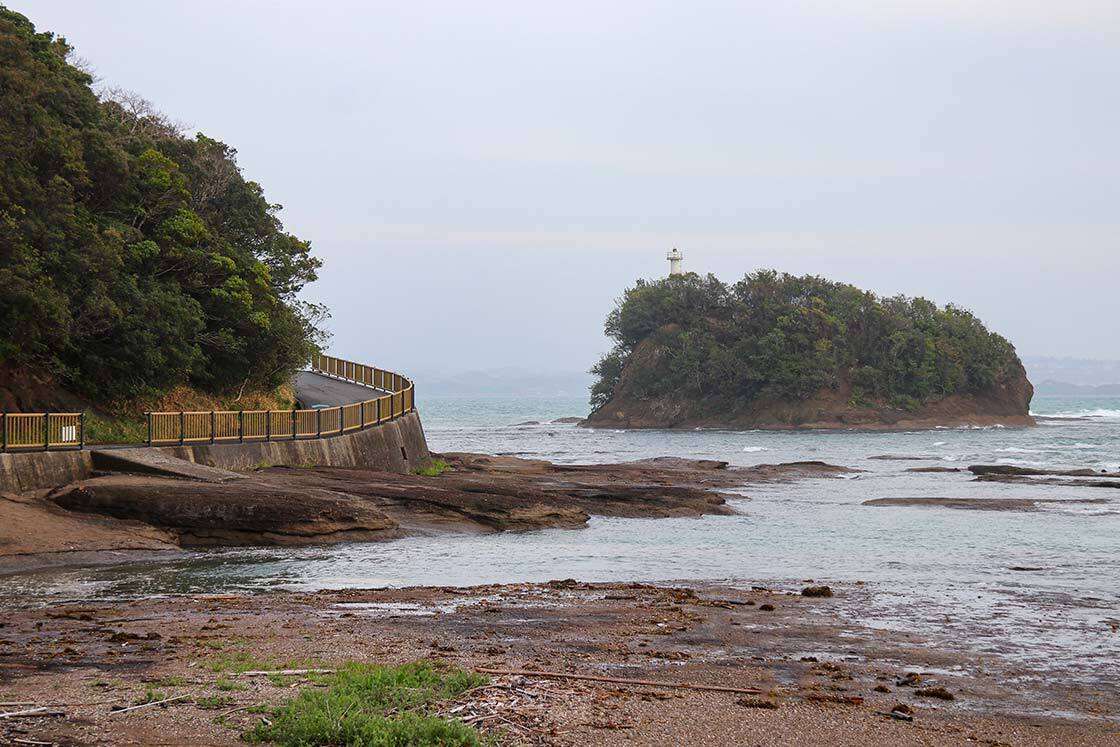
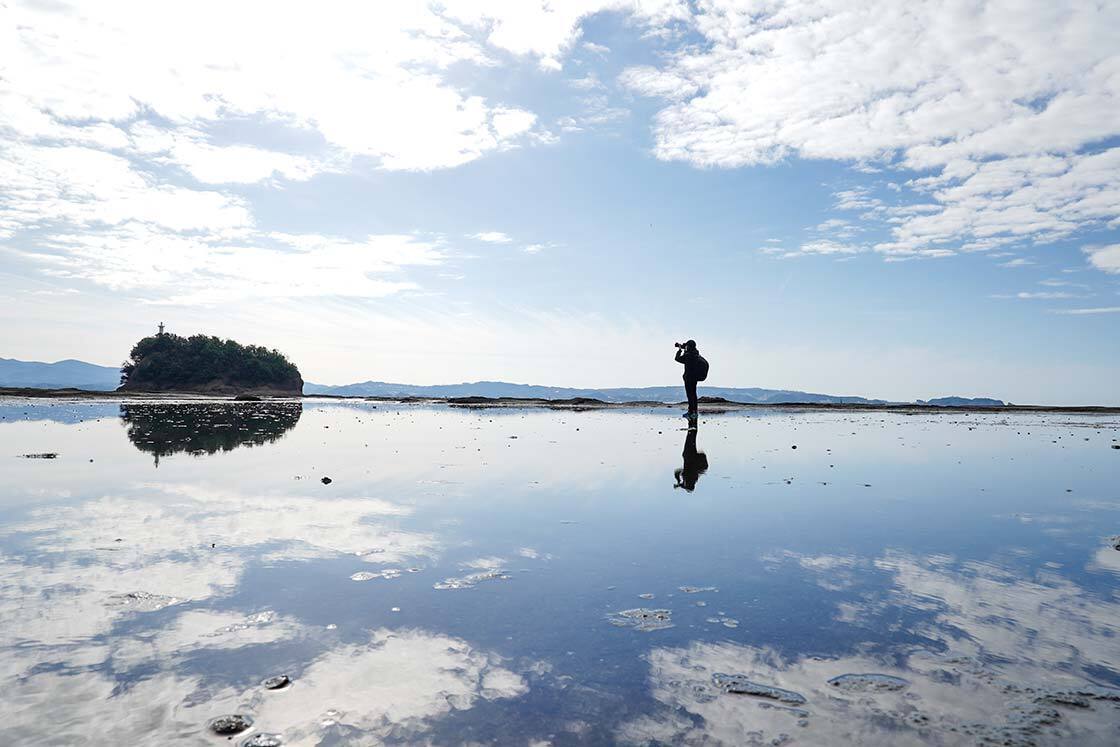
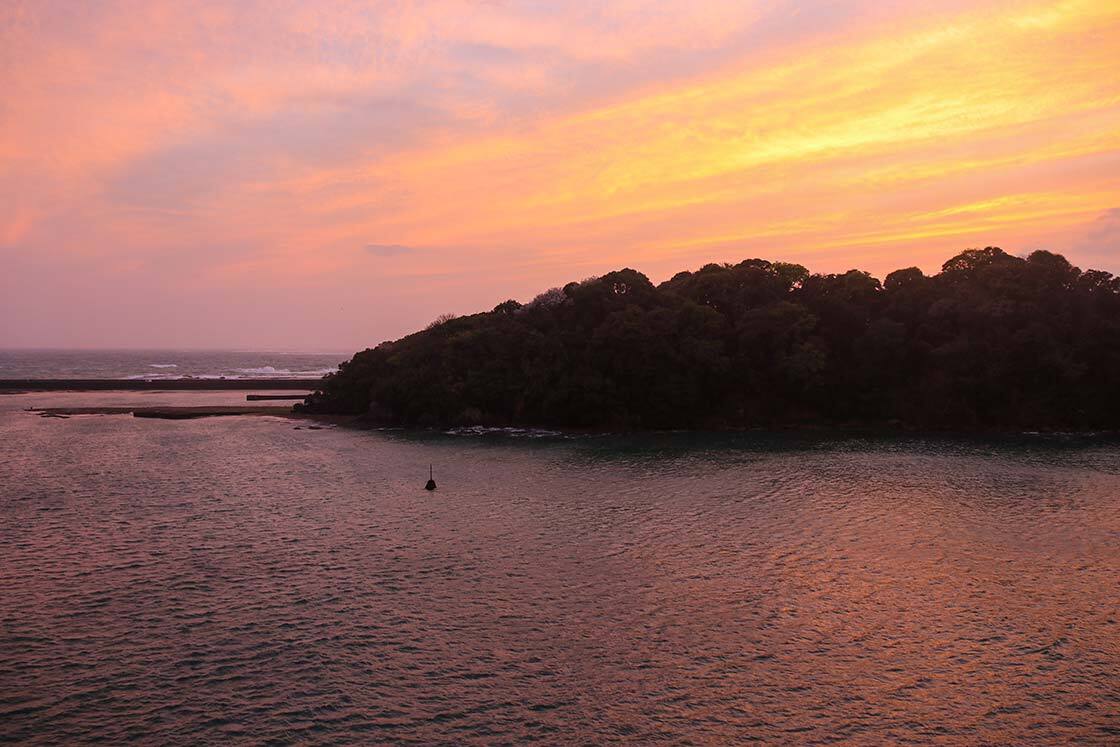
Before dinner, I took advantage of the hotel's waterfront location to go for a walk along the coast. About a 15-minute walk away are tide pools that offer scenes reminiscent of the Uyuni Salt Flats in Bolivia when the winds are calm and the sky is blue. Unfortunately, lady luck was not smiling on me during my visit, but I still got a chance to see some epic waves on a pre-dinner walk.
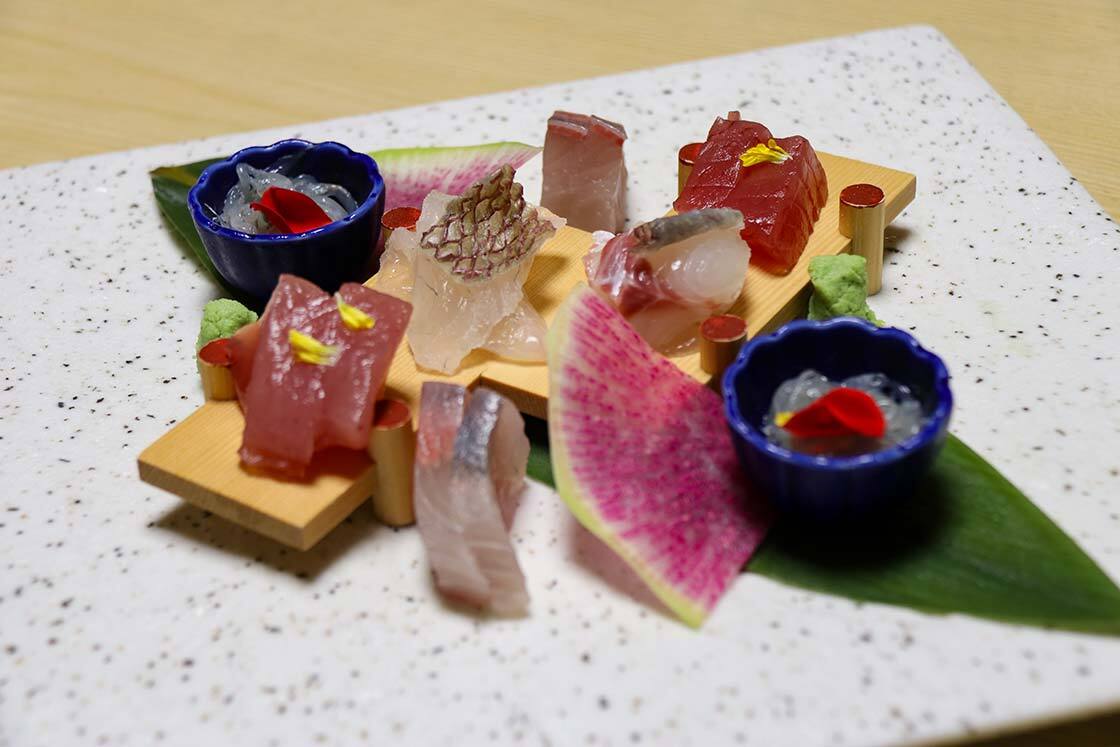
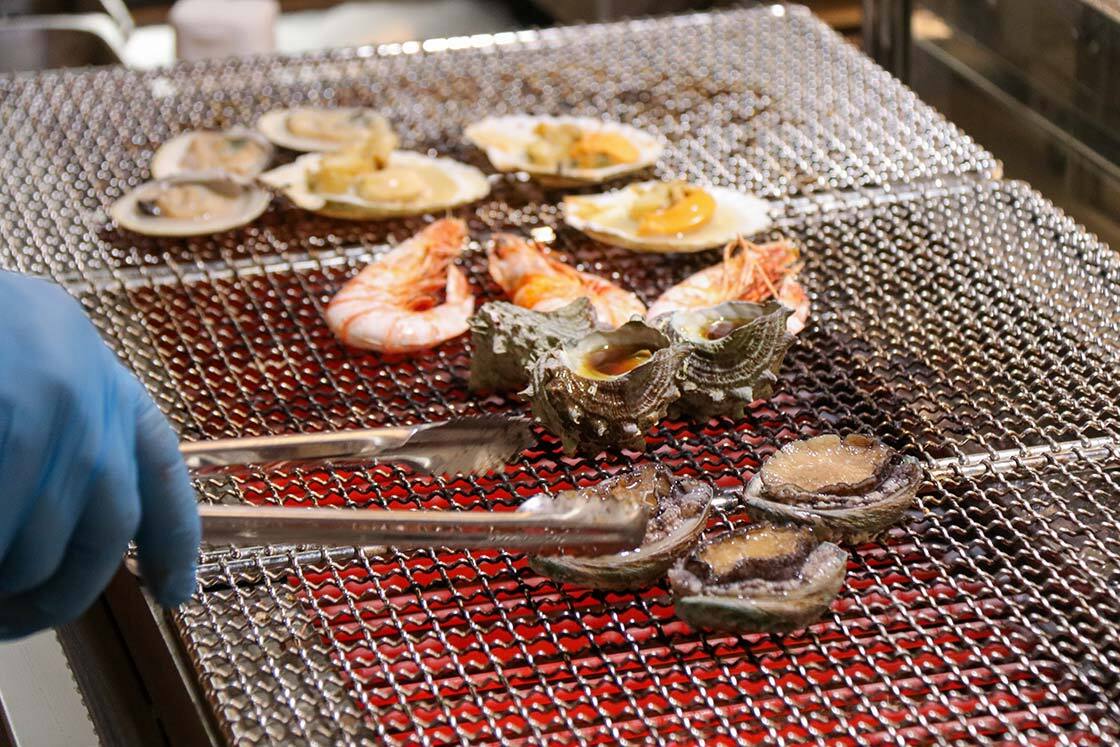
The meals were one of the highlights of my stay, showcasing local ingredients and dishes. Seafood was on my dinner menu, which was grilled live in the dining room. Breakfast was a beautiful buffet spread that also highlighted local produce and dishes.

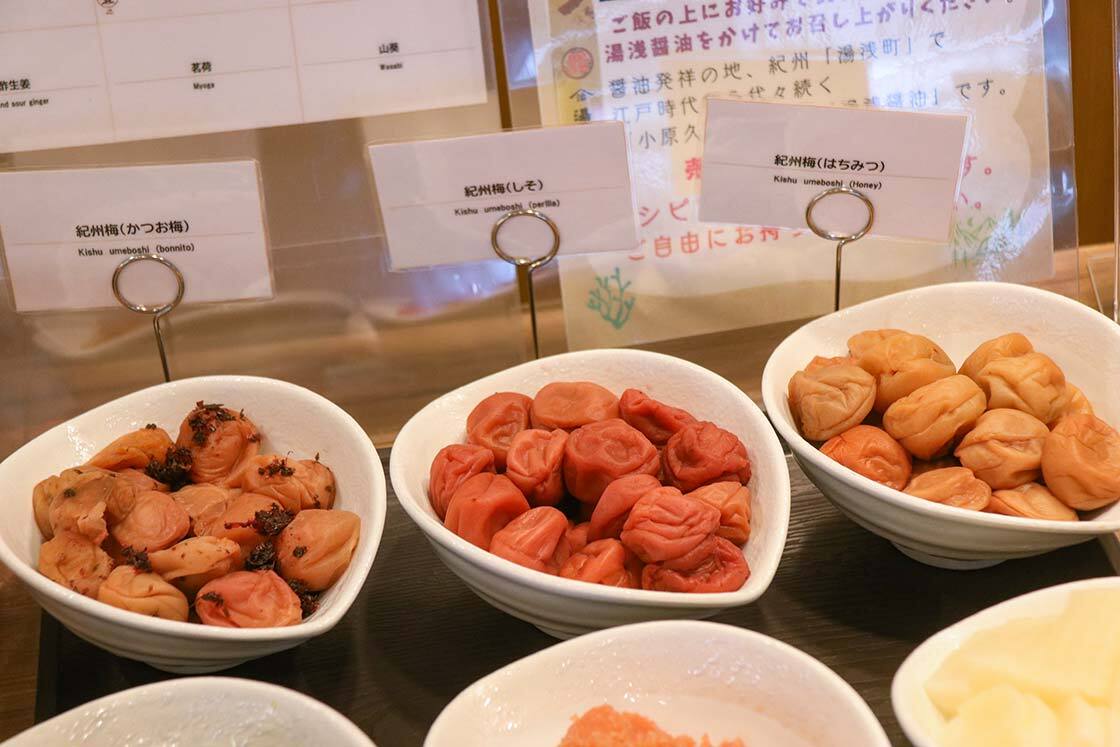
My favorite was the leftmost one - umeboshi with bonito
Kumano Kodo - Hongu Taisha
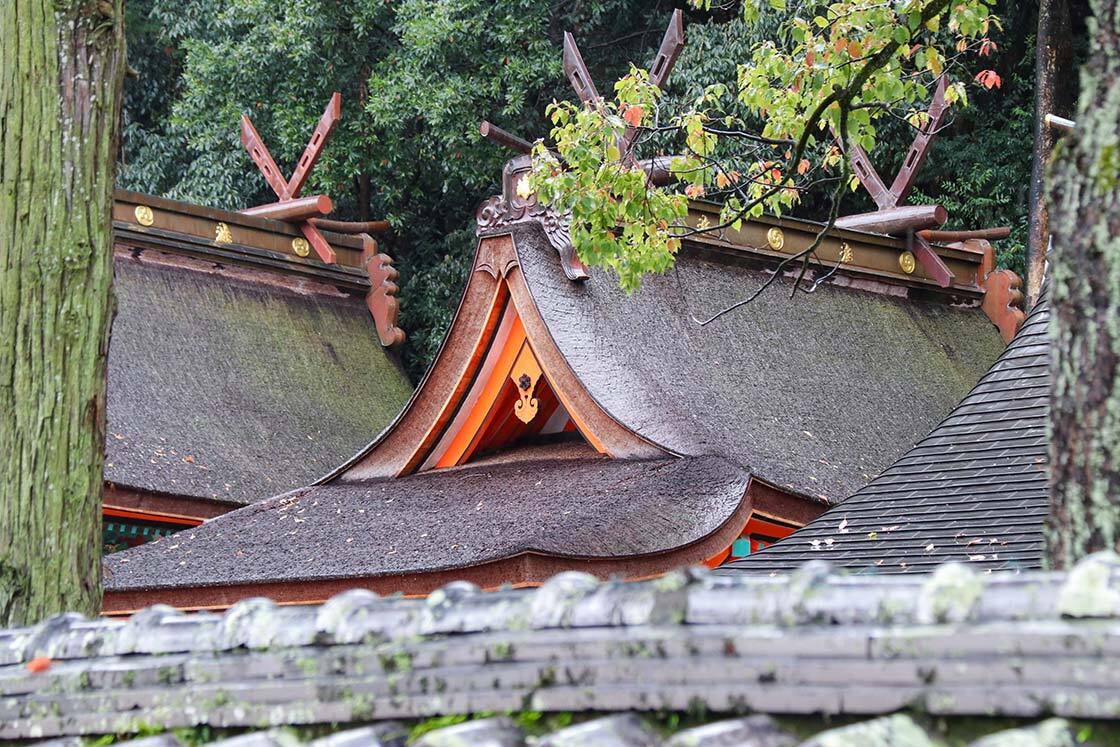
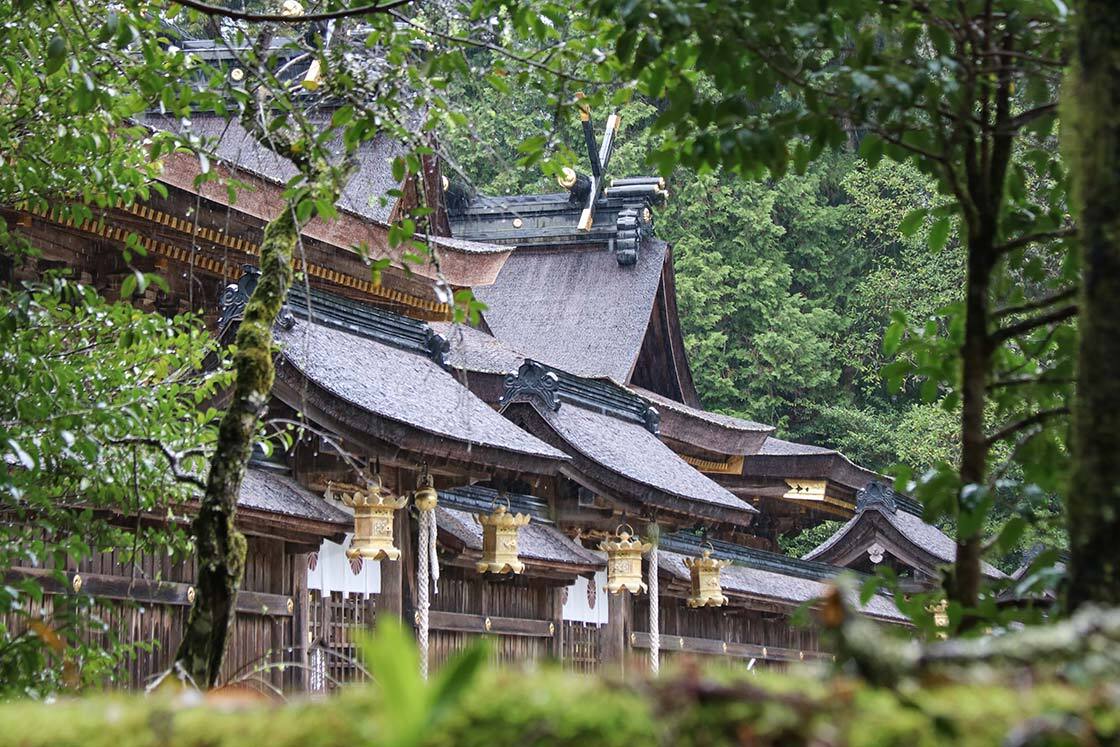
The Kumano Kodo is a network of ancient pilgrim trails connecting its three Grand Shrines of Hongu Taisha, Hayatama Taisha and Nachi Taisha in the Kumano Region. Hongu Taisha is typically the first shrine to visit while walking the historic route.
I spent the second day of my trip visiting the Kumano Kodo, specifically Hongu Taisha from central Tanabe. Transport details to and around Hongu Taisha are available in the access section below.
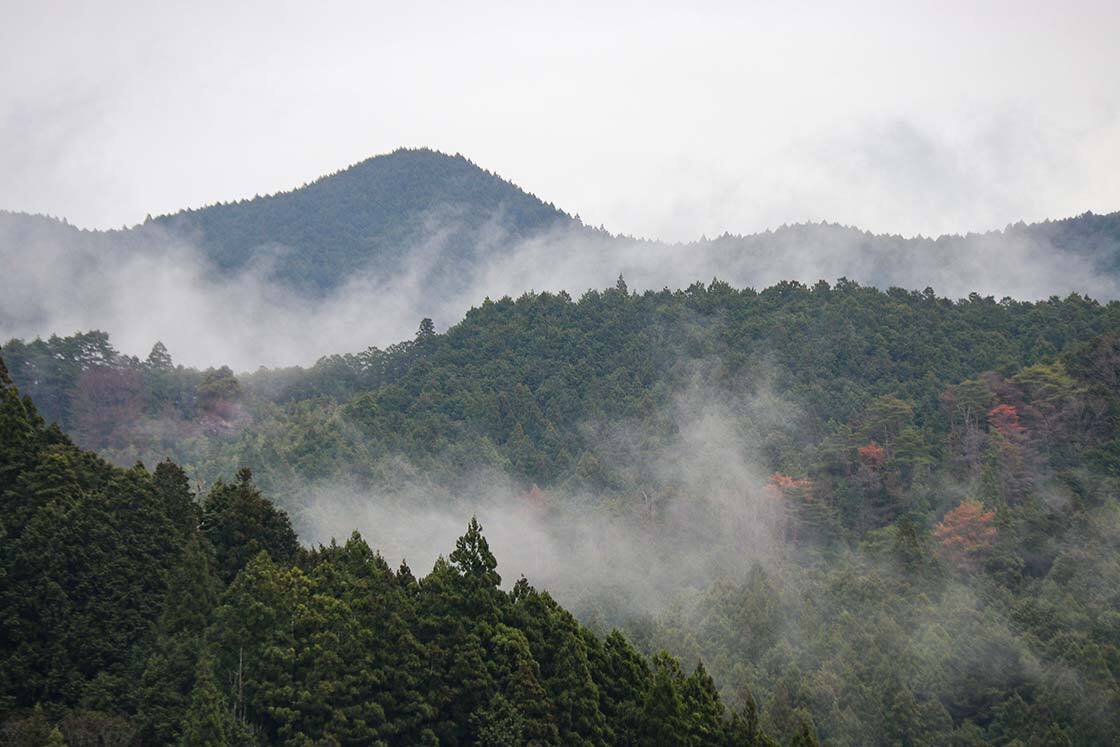
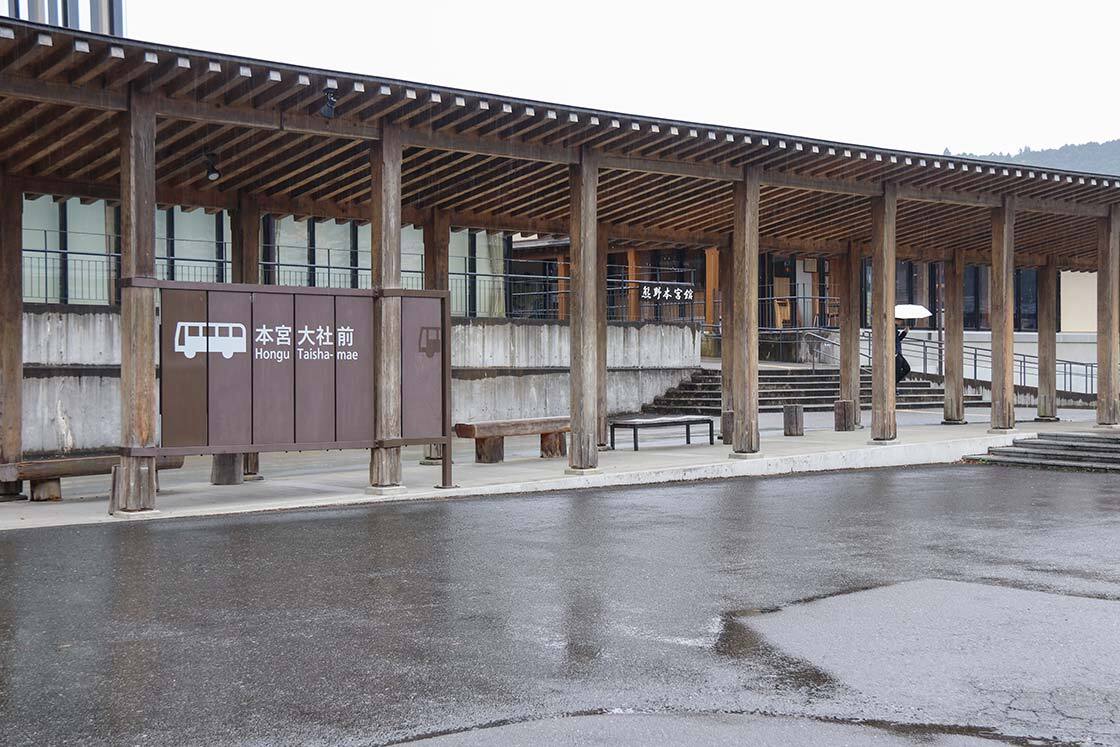
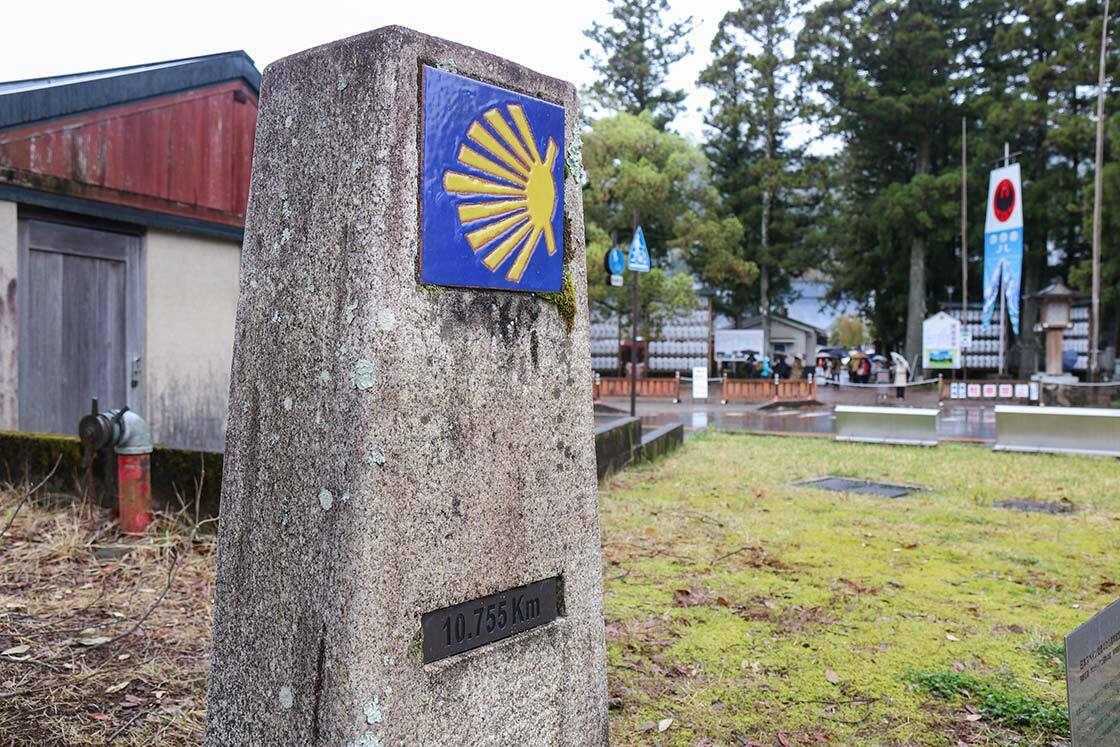
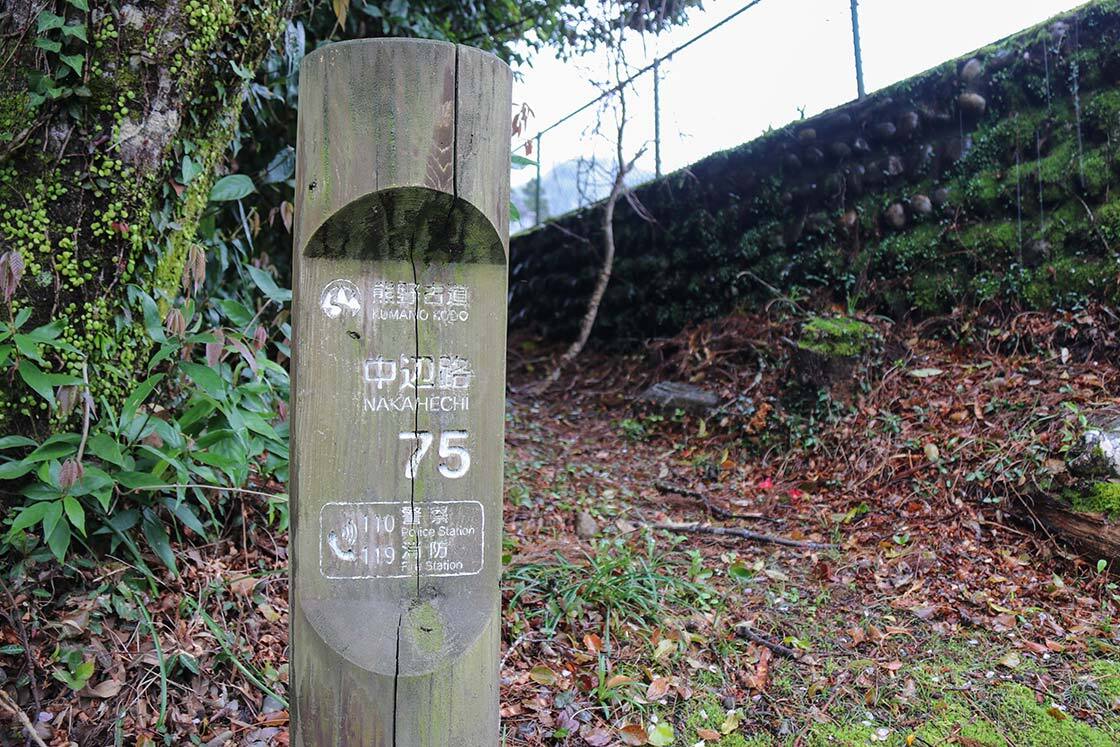
It is reassuring to know that the shrines on the route can be easily visited by public transport. For reference, the walk from Takijiri Oji, about 40 minutes by bus from central Tanabe, to Hongu Taisha typically takes two days, covering about 40 kilometers with 7-8 hours of walking per day, while the same journey by bus takes 1.5 hours. At Hongu Taisha, the main sites can be visited in about 90-120 minutes at a leisurely pace. However, since the Kumano Kodo is a pilgrimage route, it would be a shame to not experience it on foot. Those with a bit more time can consider walking a section of the trail to Hongu Taisha.
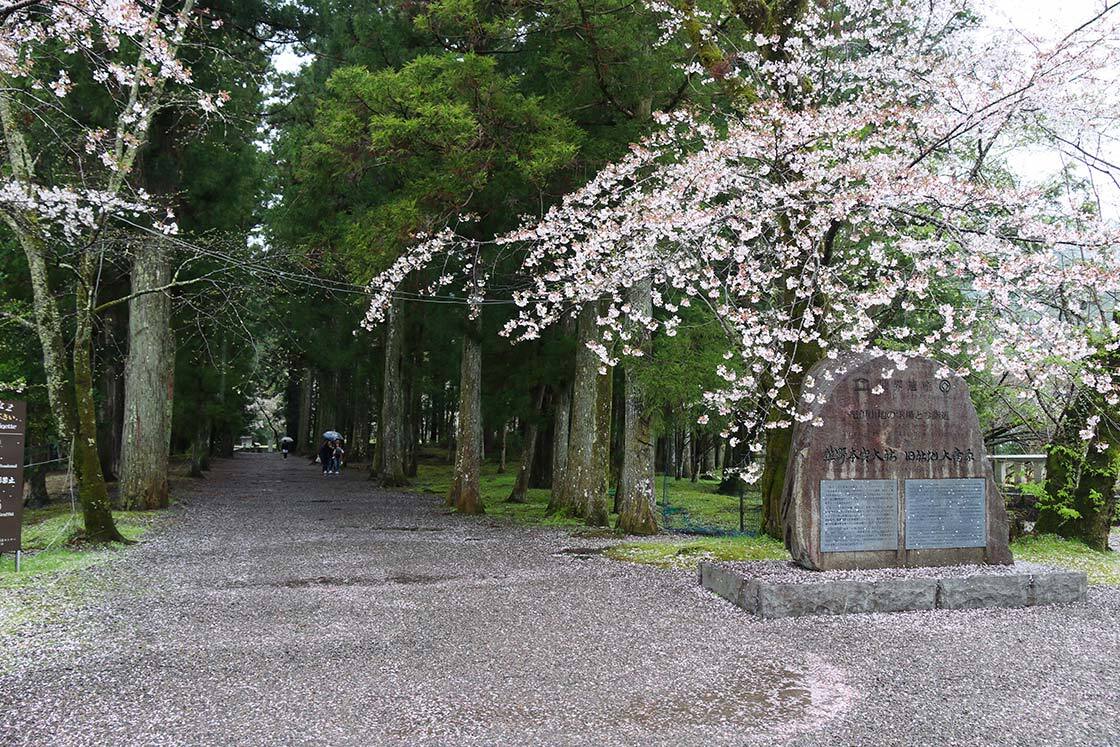
As I was a little pressed for time, I only visited the main shrine and the shrine's original site located along the river with a quick look at a small section of the Kumano Kodo trail.
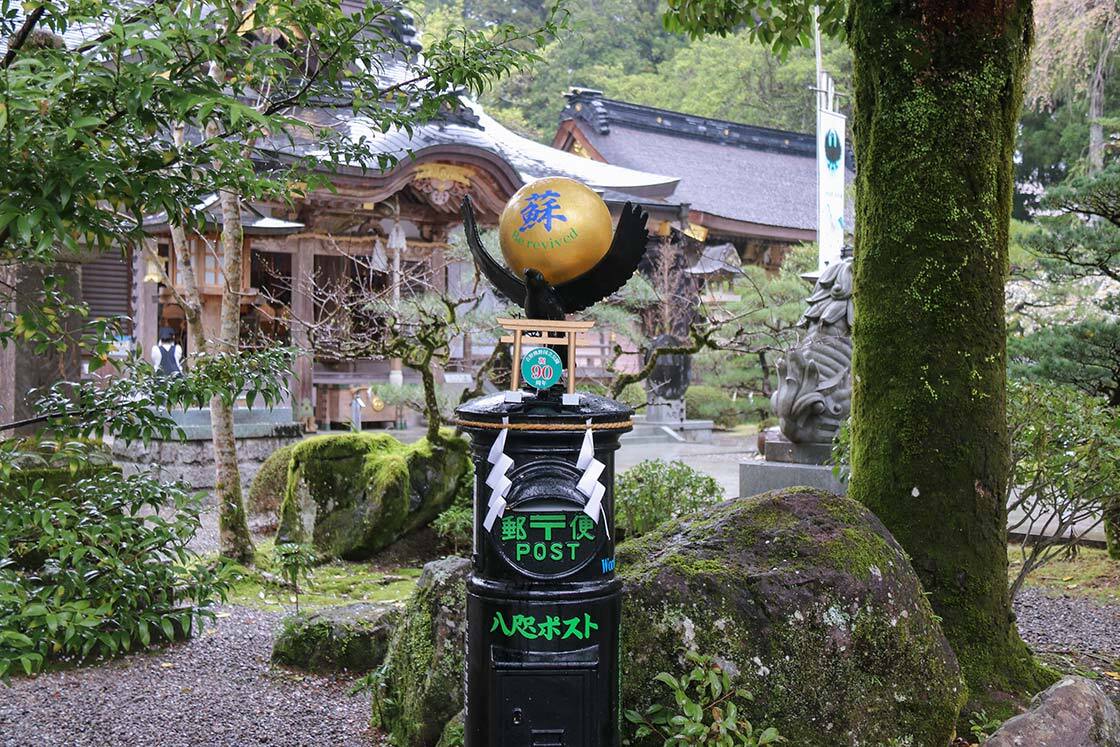
At the Hongu Taisha, the one thing that stood out the most to me was the crow symbol. Sacred crows with three legs, known as Yatagarasu, are said to be the messengers of God. In fact, legend has it that this divine bird led Japan's first emperor through the perilous Kumano mountains. The three-legged crow is a symbol of the three Grand Shrines of the Kumano Region, and this symbol is most commonly seen at Hongu Taisha.
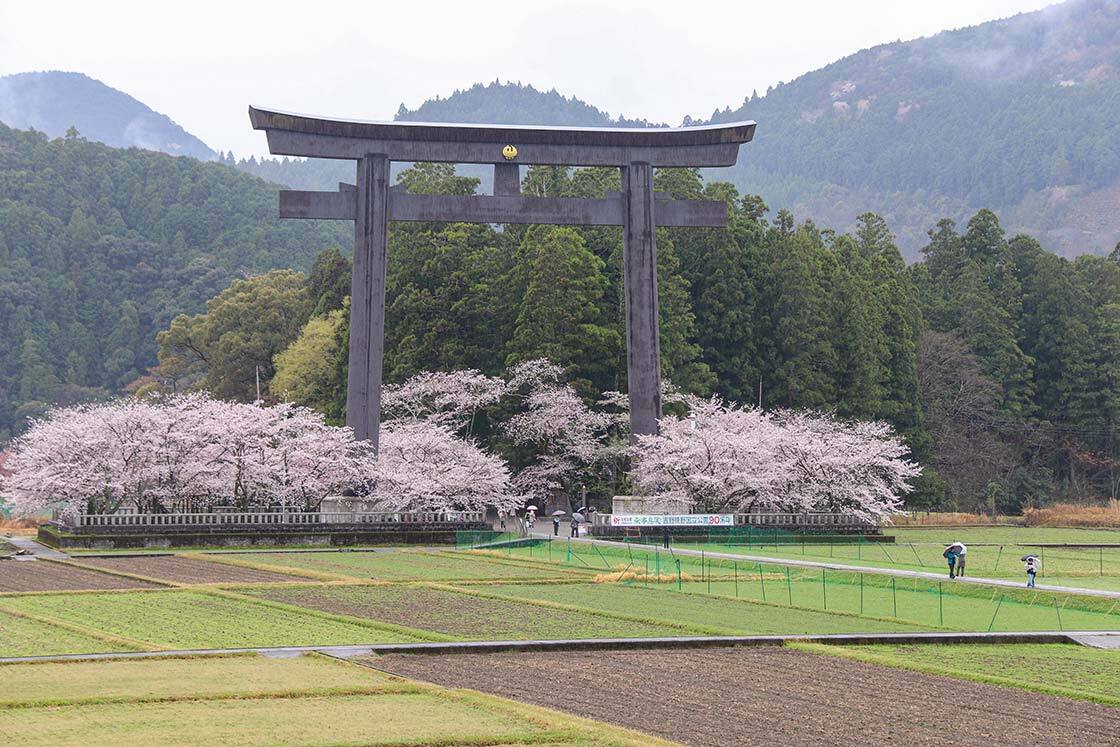
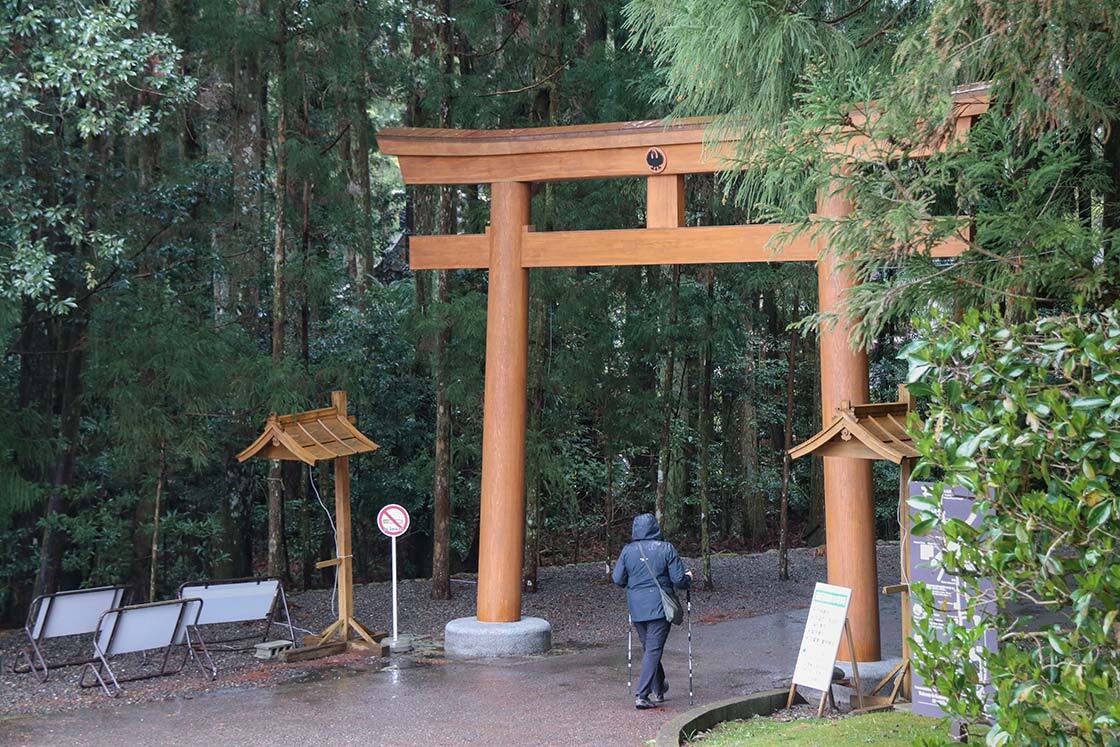
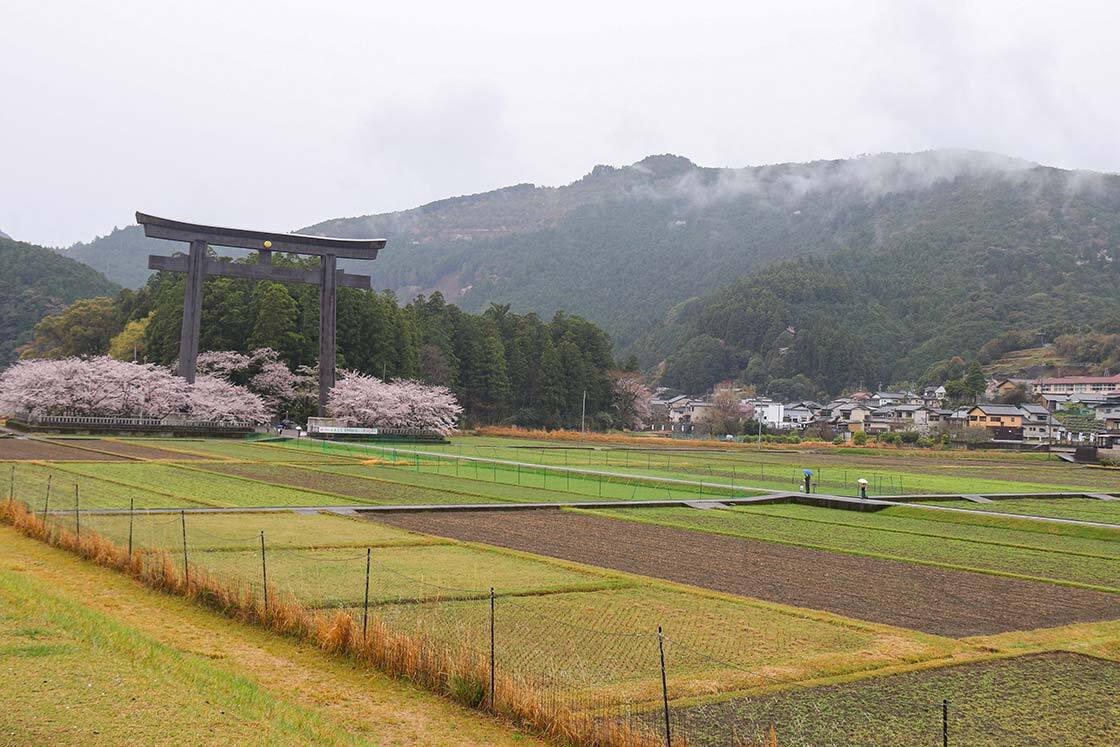
It is interesting to note that all of the Kumano Kodo trails lead to Oyu no Hara, the original location of Hongu Taisha. Unfortunately, the shrine was destroyed in a terrible flood in 1889, and Hongu Taisha was subsequently rebuilt at its current location about 500 meters away on a hill. Oyu no Hara is marked by a 34-meter-tall torii gate, the tallest of its kind in Japan.
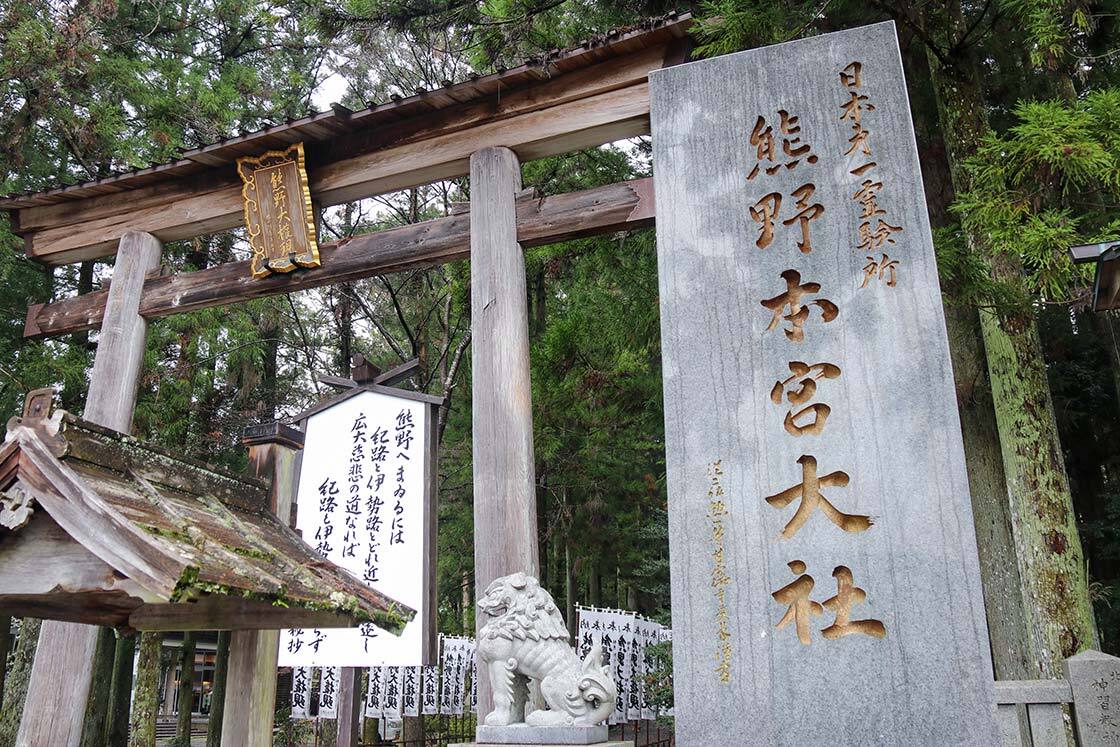
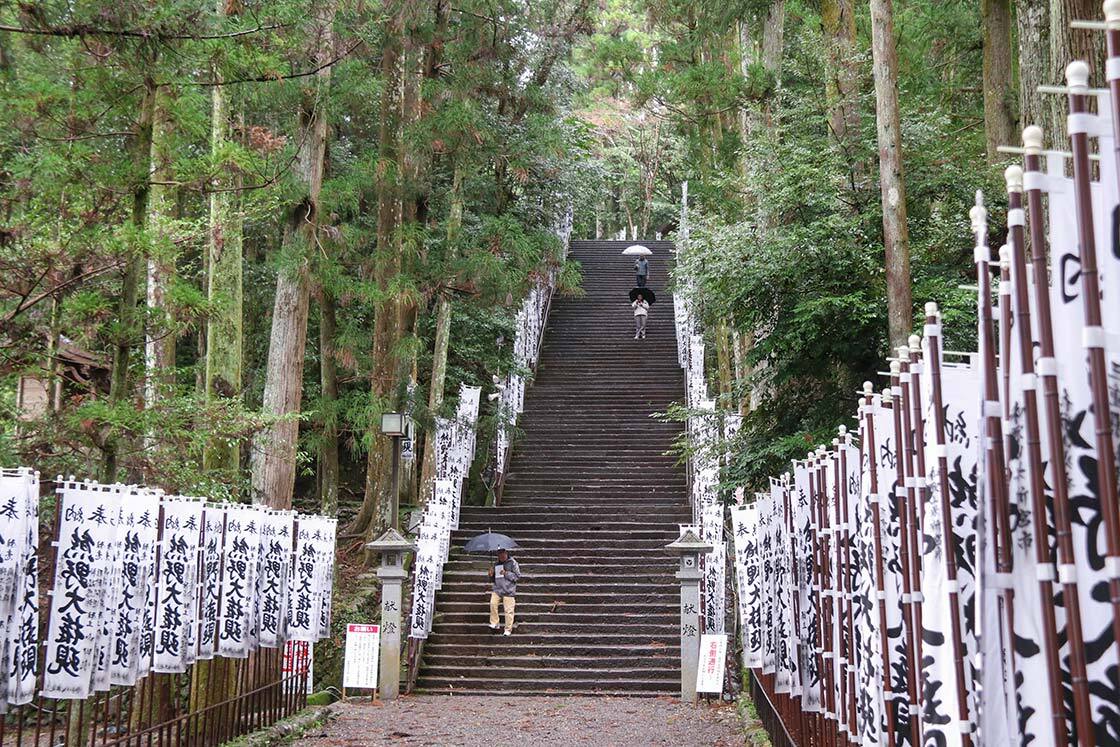
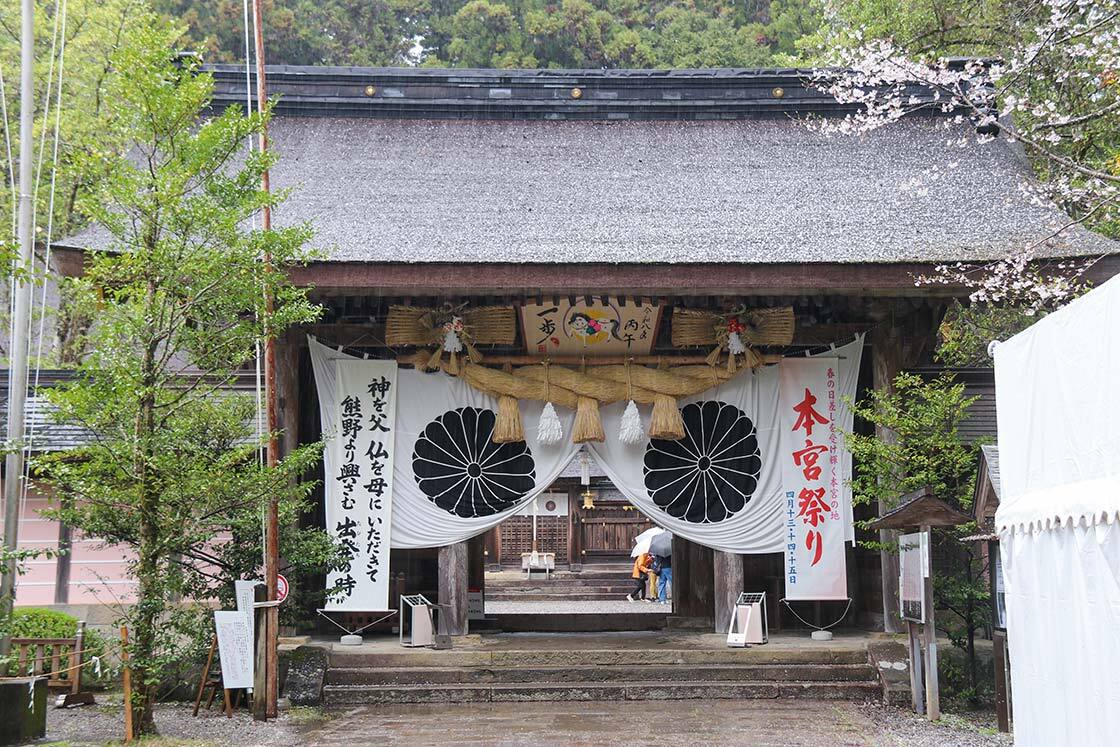
My visit to Tanabe concluded after my visit to Hongu Taisha. It was a fulfilling experience, allowing me to experience both the mountains and the sea.
Access information
How to get to and around Kii-Tanabe
Take the Kuroshio limited express train from Osaka or Shin-Osaka stations and get off at Kii-Tanabe Station. The one way journey takes around 2.5 hours. With the exception of the accommodation, the two spots in the article are within walking distance from the station.
Approximate walking times
- Kii-Tanabe Station to Tokei Shrine: 5 minutes
- Tokei Shrine to Minakata Kumagusu Archives: 10 minutes
Kamenoi Hotel Kii-Tanabe operates a shuttle service between the hotel and the station. Reservations are required. Alternatively, a taxi ride from the station costs around 2000 yen and takes about ten minutes.
How to get to and around Hongu Taisha
Local buses connect Kii-Tanabe Station and Hongu Taisha (Hongu Taisha-mae bus stop) in about two hours. It takes about 90-120 minutes to visit Hongu Taisha and the surrounding spots covered in this article on foot.
Those with more time to hike part of the Kumano Kodo on a day trip can take the same local bus further into the mountains and get off at Hosshinmon Oji. From Hosshinmon Oji, it is about two hours on foot to Hongu Taisha.