Getting to know Miyajima through immersive experiences
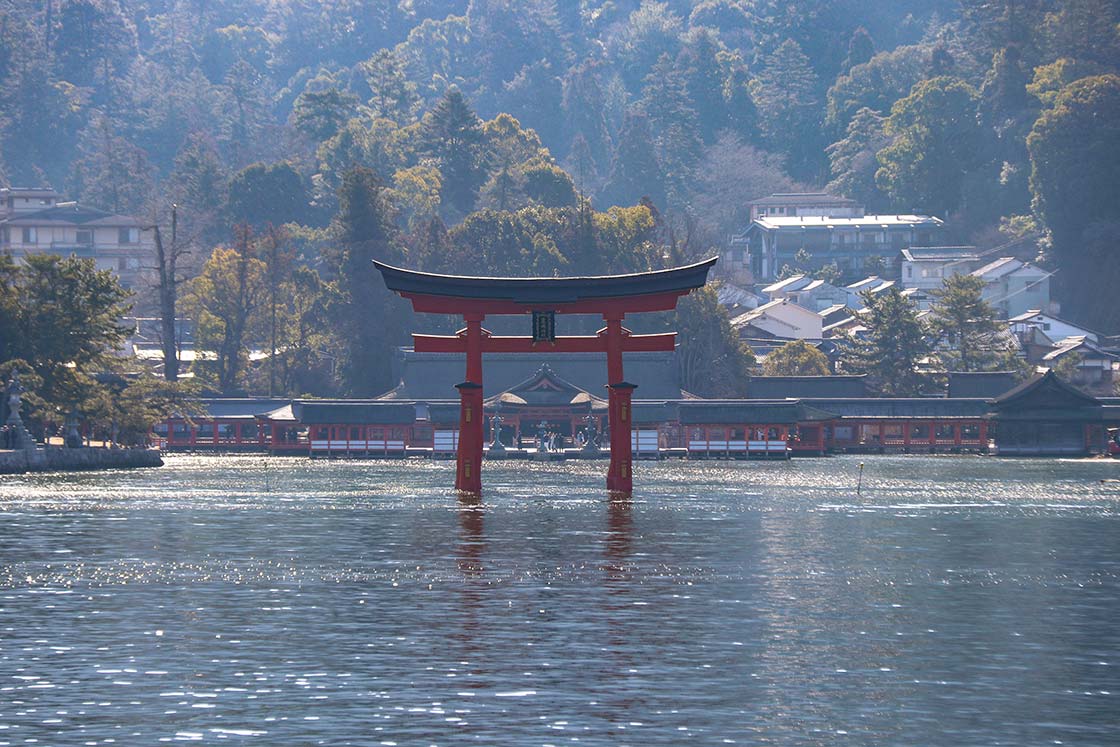

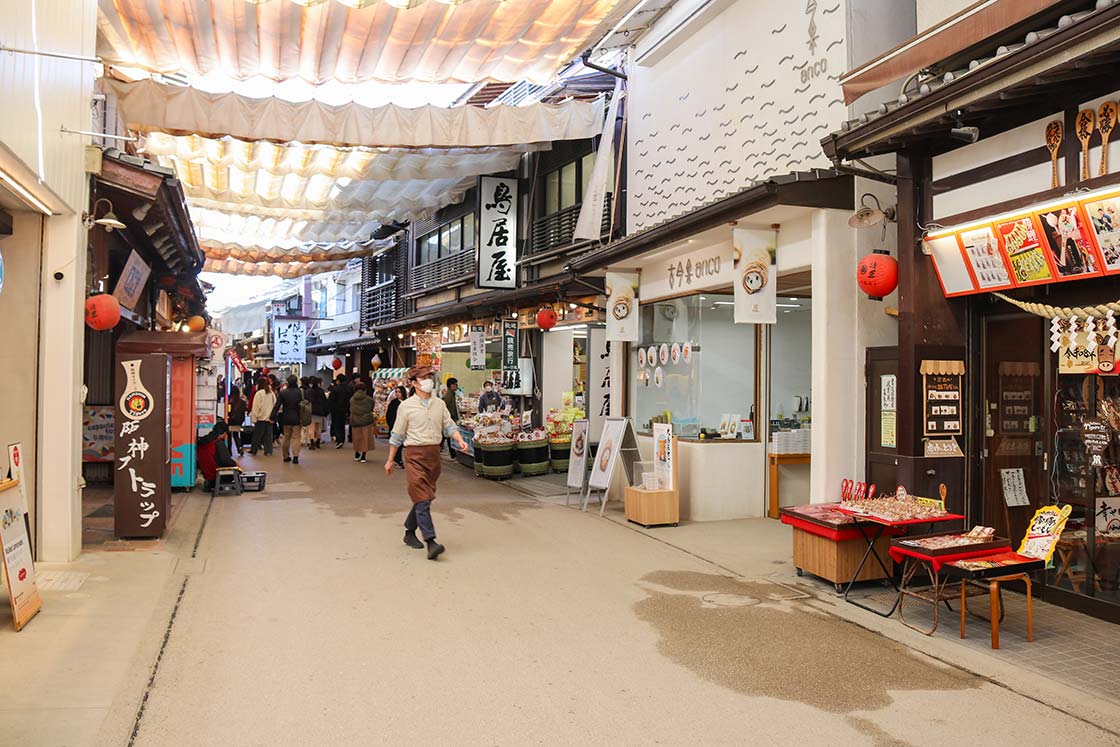
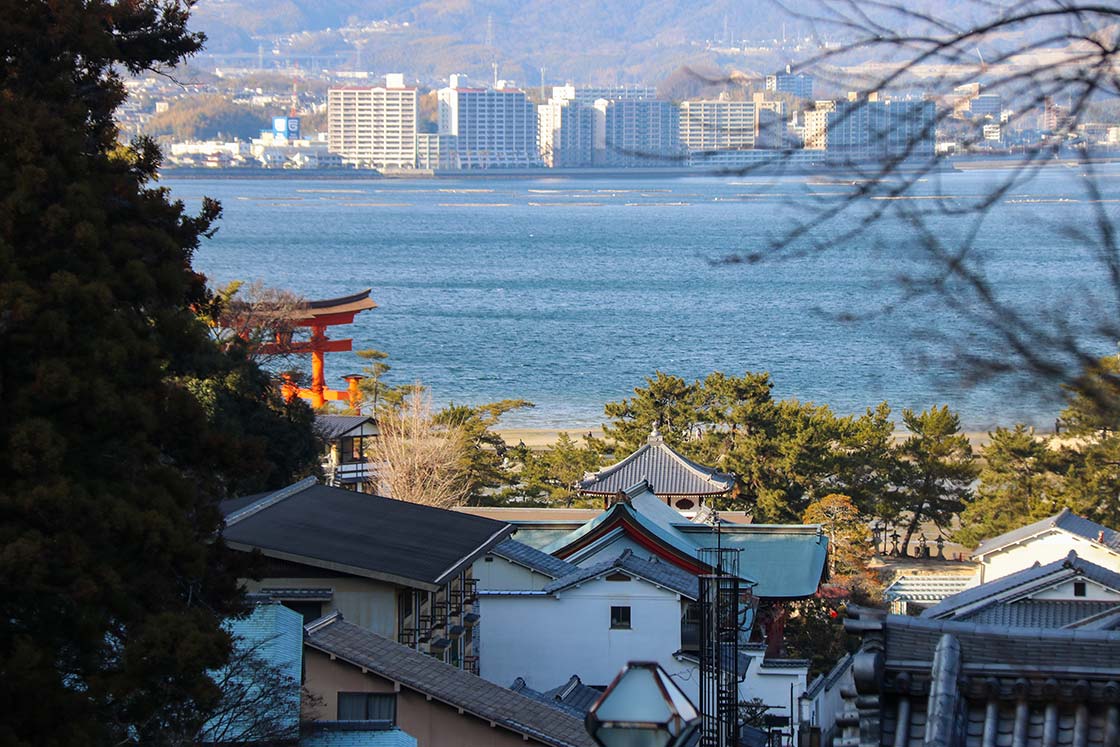
Less than an hour from Hiroshima by public transport, Miyajima is one of the region's most visited destinations. The island is known for its iconic torii gate standing in the sea, a UNESCO World Heritage-listed Itsukushima Shrine that is built partly over water, freely roaming deer, scenic hiking trails, seasonal flora, panoramic views of the inland sea and a lively shopping street.
Miyajima has long been regarded as a sacred island, and in its early history, ordinary people were not allowed to set foot on its shores for fear of desecrating holy ground. It is said that the island's shrine and torii gate were built over water for this reason. This unique design allowed worshippers to approach by boat to pray without stepping onto the island itself. Another interesting fact relating to the sanctity of Miyajima is the absence of cemeteries. Today, while no less sacred, Miyajima offers visitors a respite from their busy lives, with its calm and peaceful atmosphere.
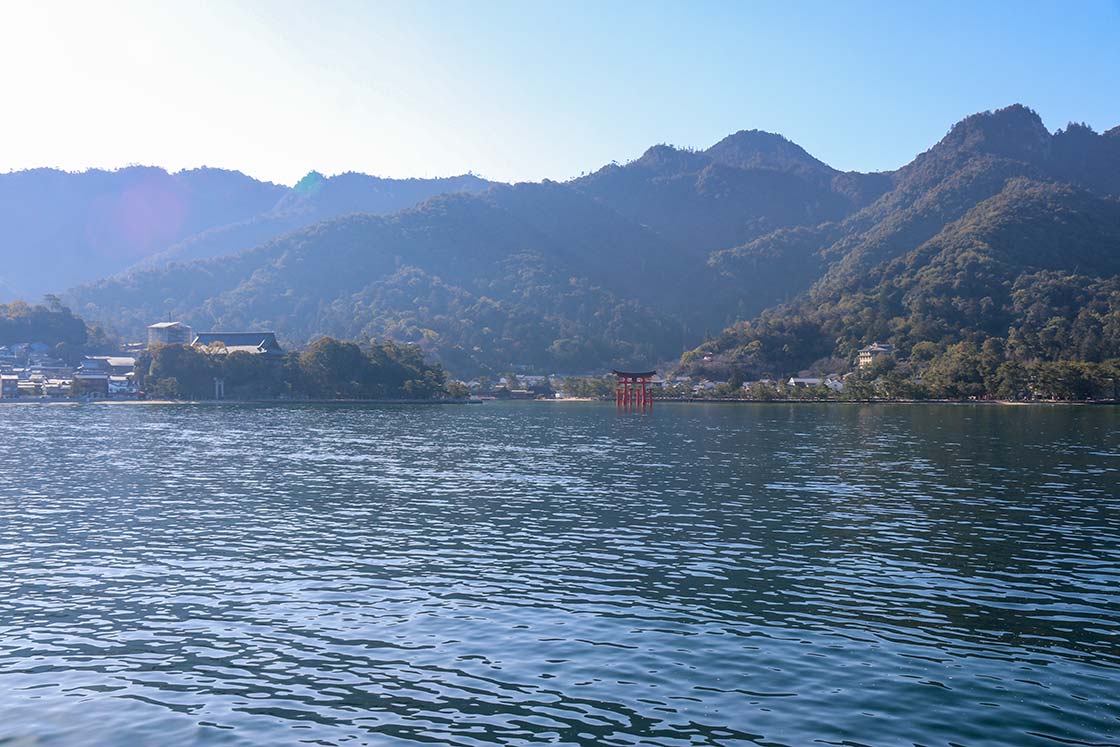
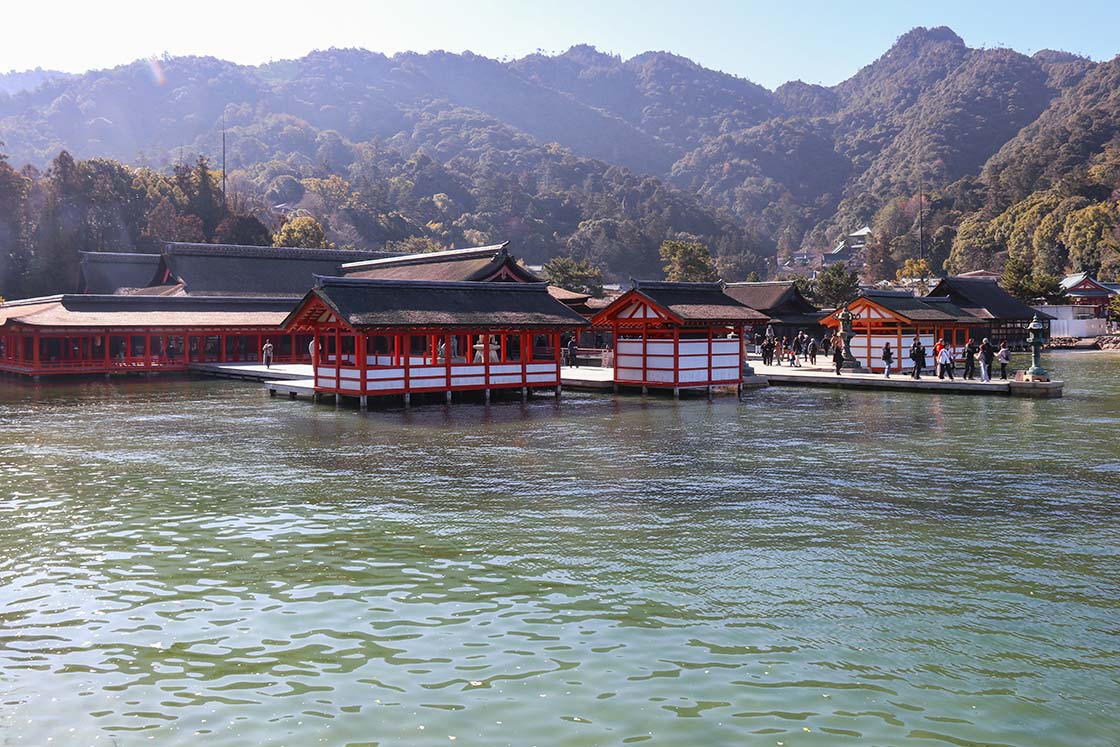
For many visitors, a typical itinerary includes viewing the torii gate, exploring the shrines and temples, strolling through the shopping street, and then returning to Hiroshima. While this route offers a valuable introduction to Miyajima, there are ways to experience the island beyond the classic path. See the access section below for details on how to get to around Miyajima.
Guided tours provide a more personal and immersive exploration of Miyajima's cultural heritage and natural landscapes. The following two half-day tours offer local insight and deeper engagement, making them a worthwhile addition to an otherwise independent itinerary.
Tour 1: Miyajima Magic - Oyster culture and cruise experience
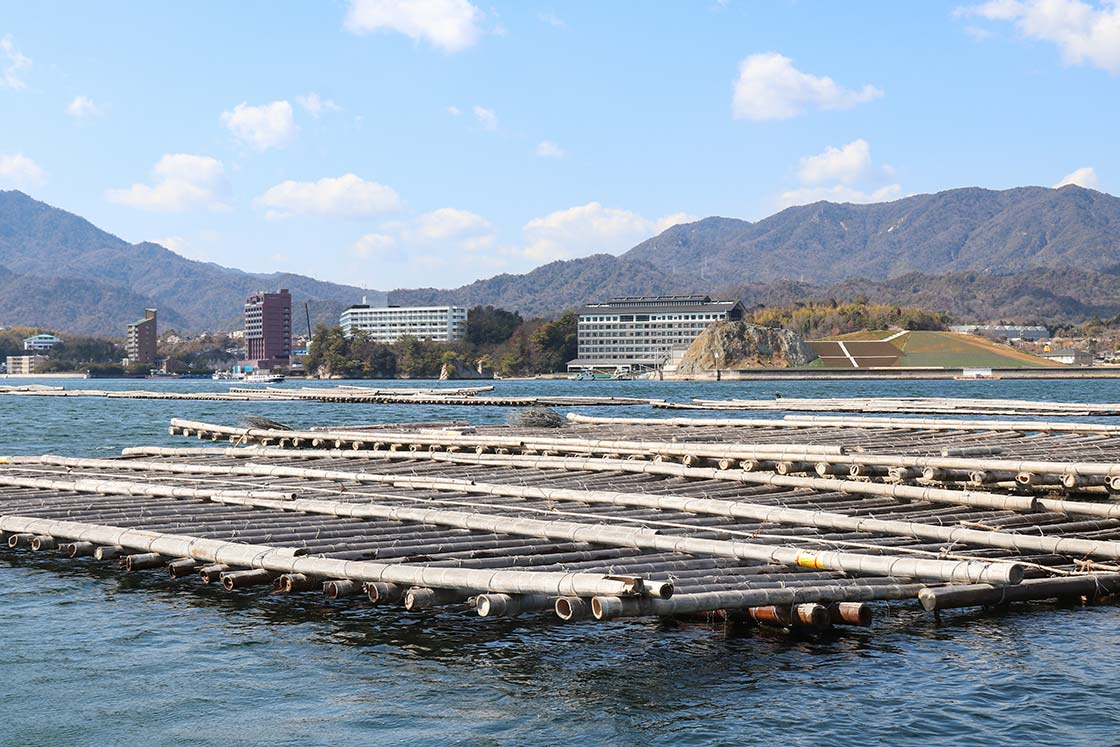
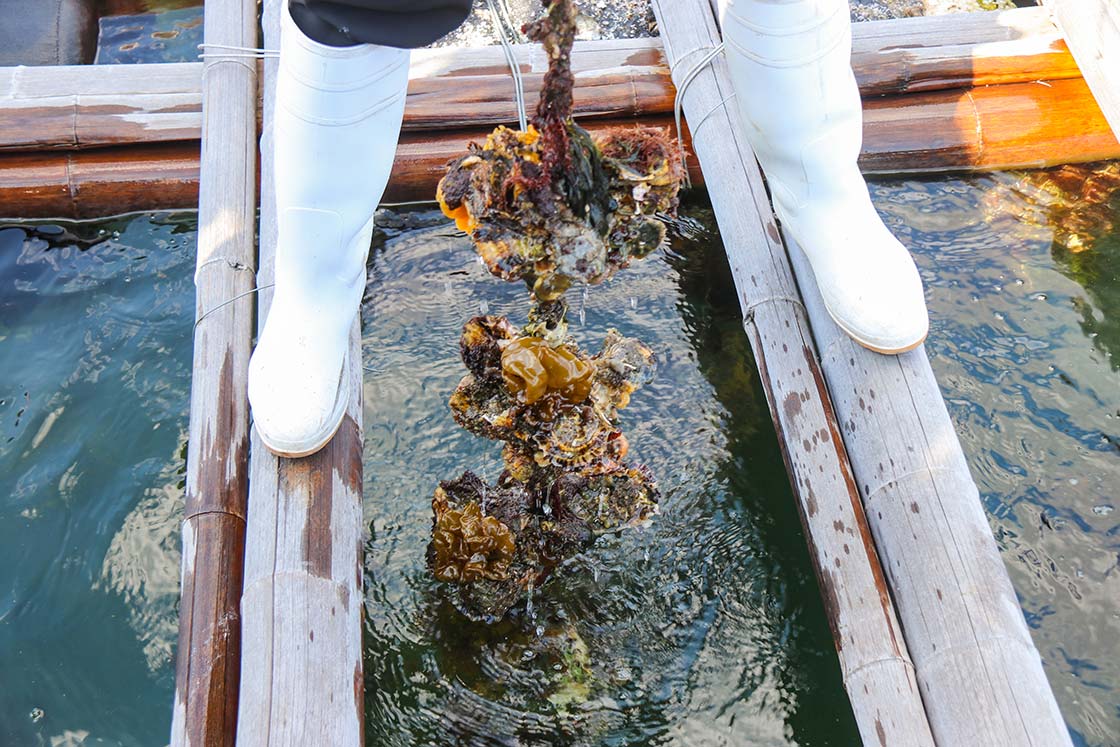
Oysters are one of the local specialties of Hiroshima. In fact, the prefecture is the top producer of oysters in Japan! The waters between the mainland of Hiroshima and Miyajima are one of the places where oysters are grown, and oyster rafts can be seen on the way to the Miyajima.
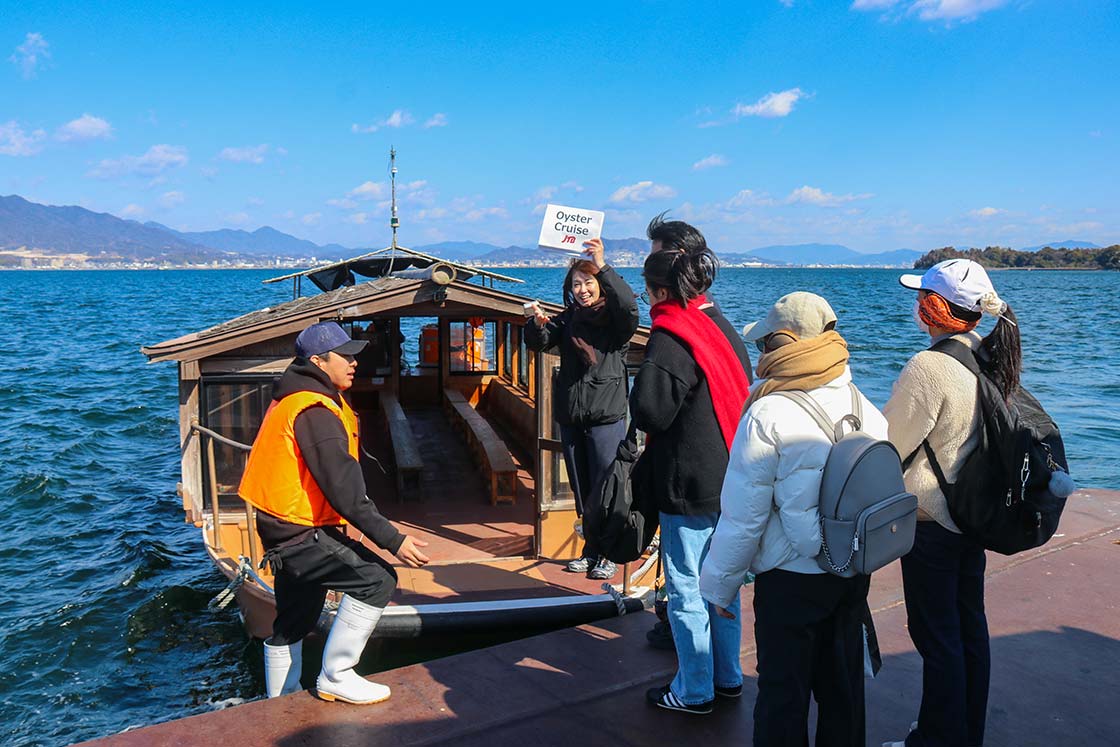
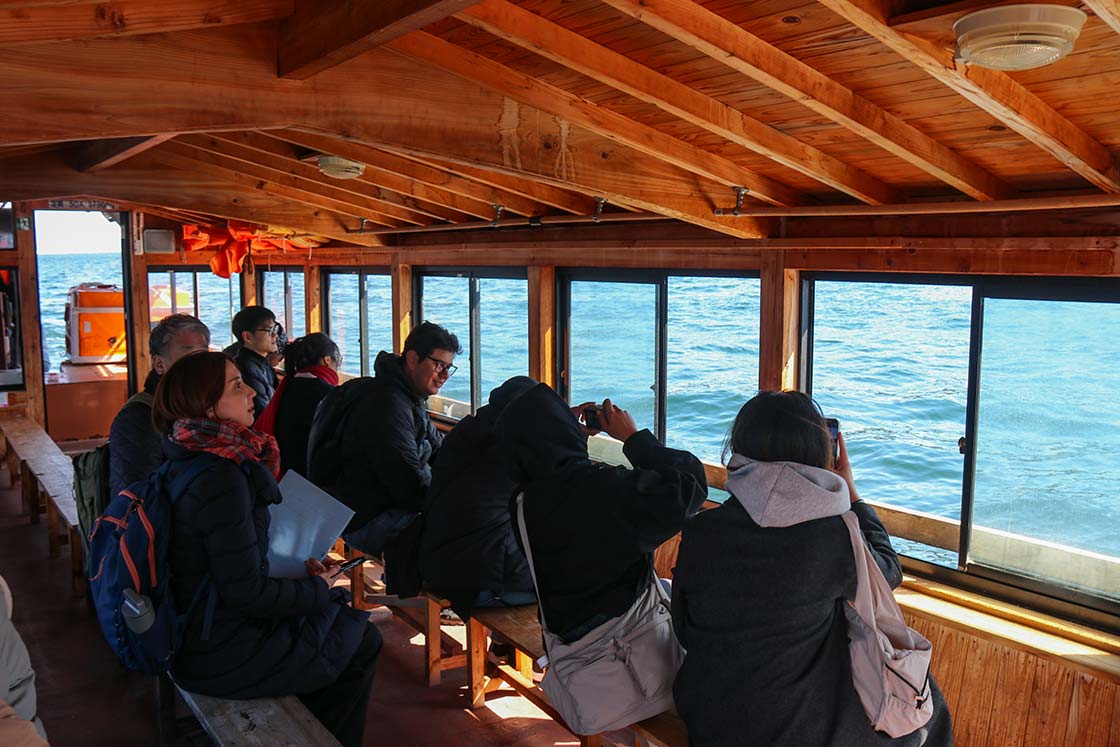
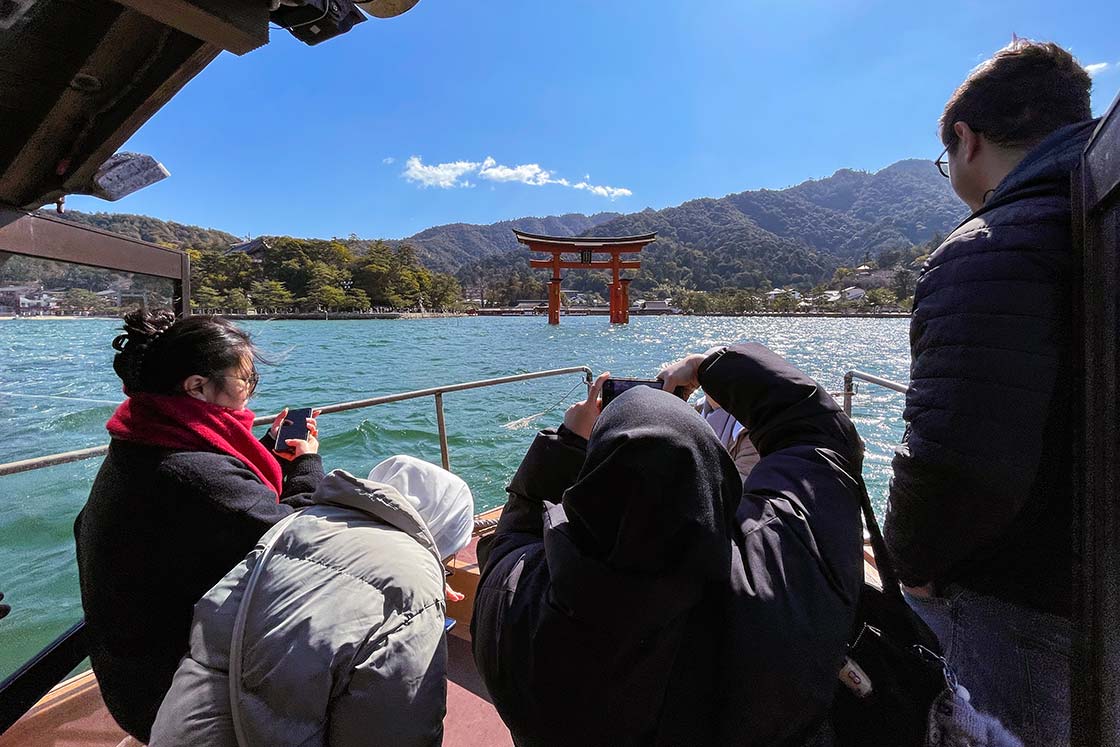
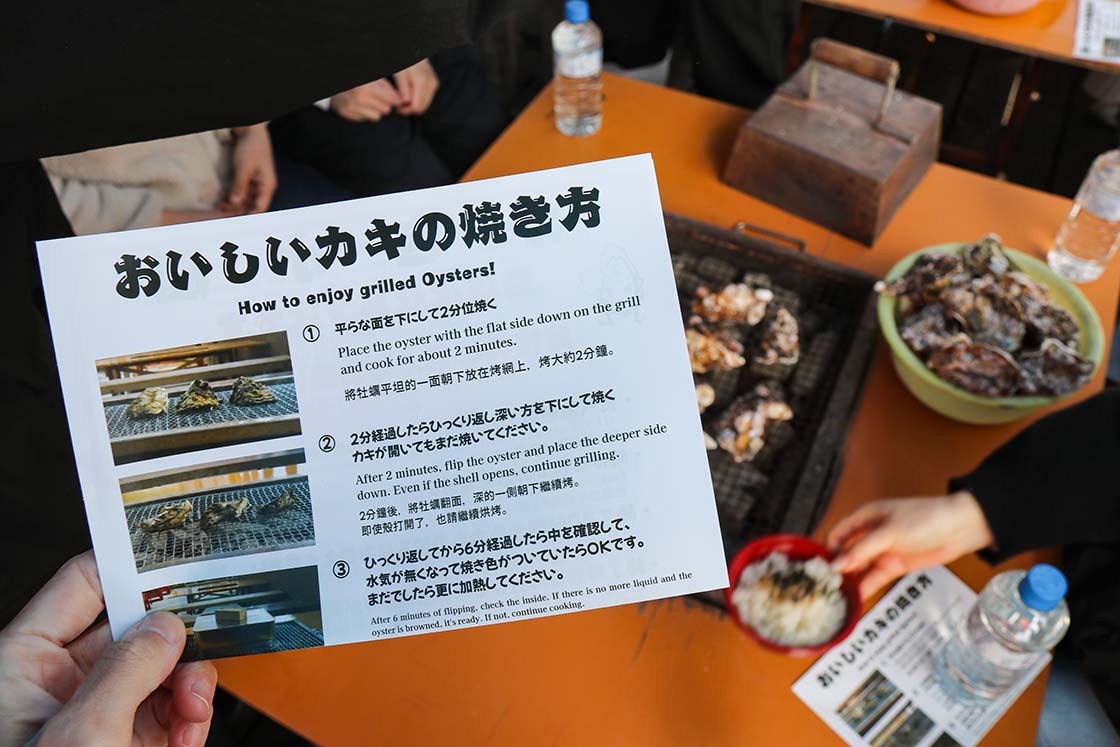
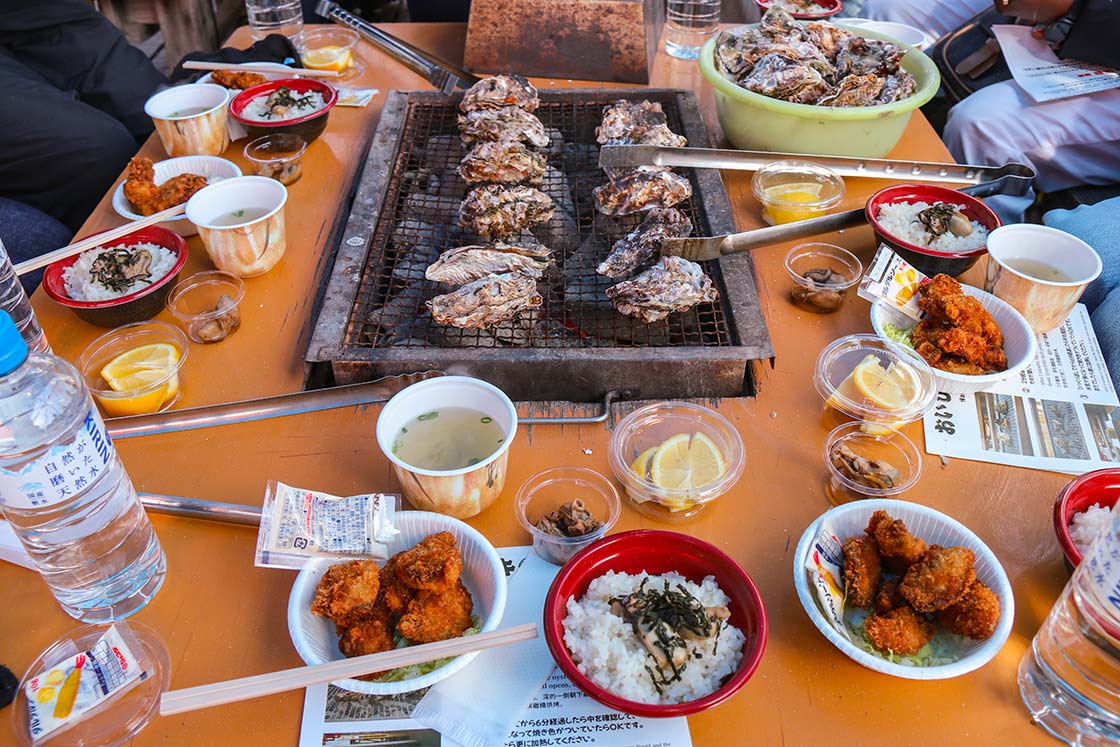
This half day Oyster Cruise tour takes visitors through Itsukushima Shrine before boarding a boat to see the oyster rafts up close and closing with an oyster-filled meal. Those who want an overview of Miyajima that efficiently covers the essential spots should definitely consider this half day tour because it takes one through the highlights of the island. The most common ways to see the iconic torii gate are admiring it from land when the tide is high or walking up to it when the tide is low. But one of the tour's highlights is cruising from Miyajima towards the oyster rafts, passing close to the torii gate - giving passengers a chance to experience what pilgrims once did, praying from the sea. Of course, these days it is also the perfect photo opportunity for modern-day tourists.
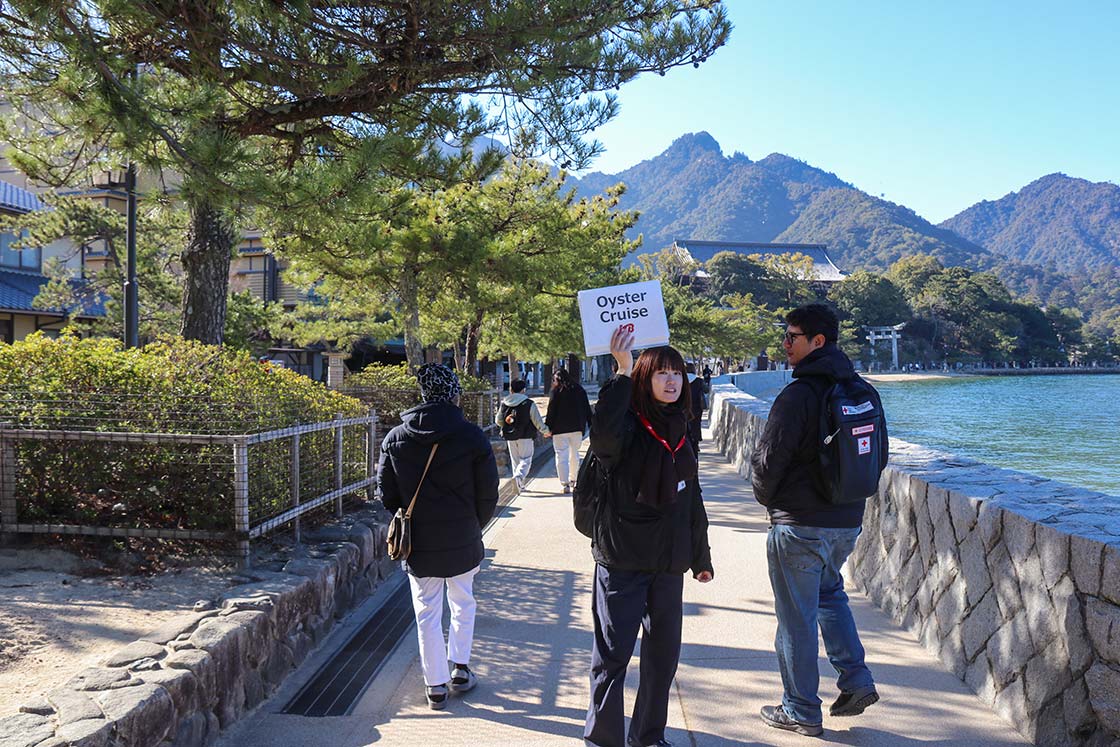
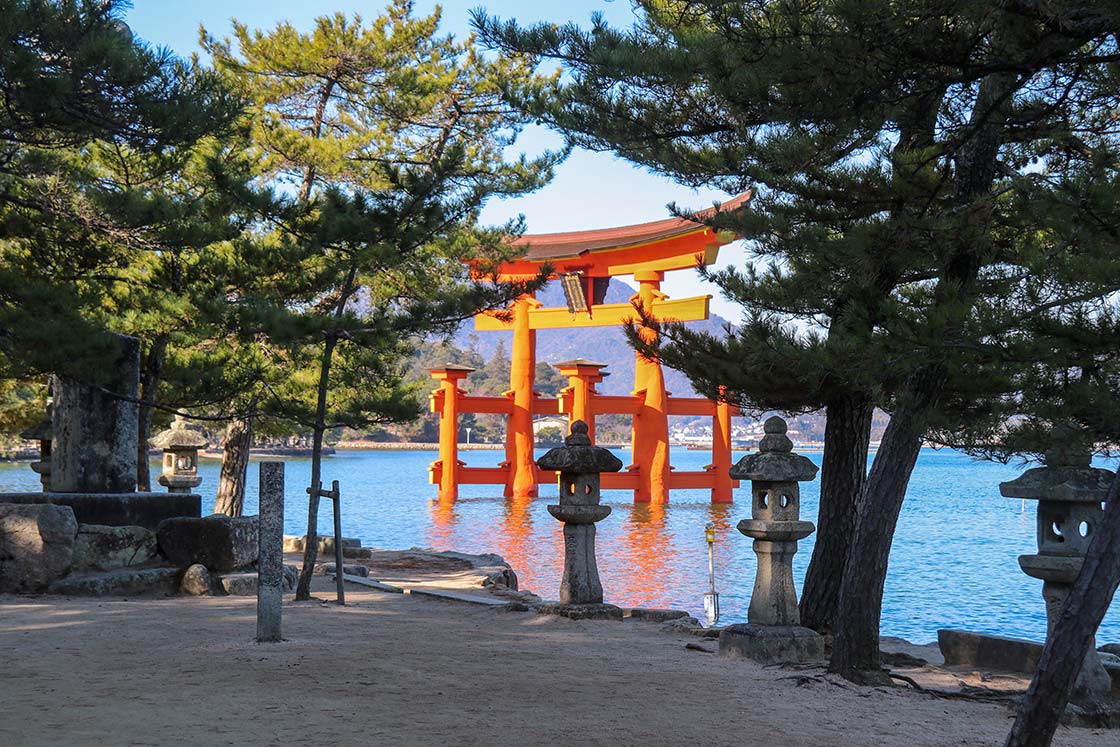
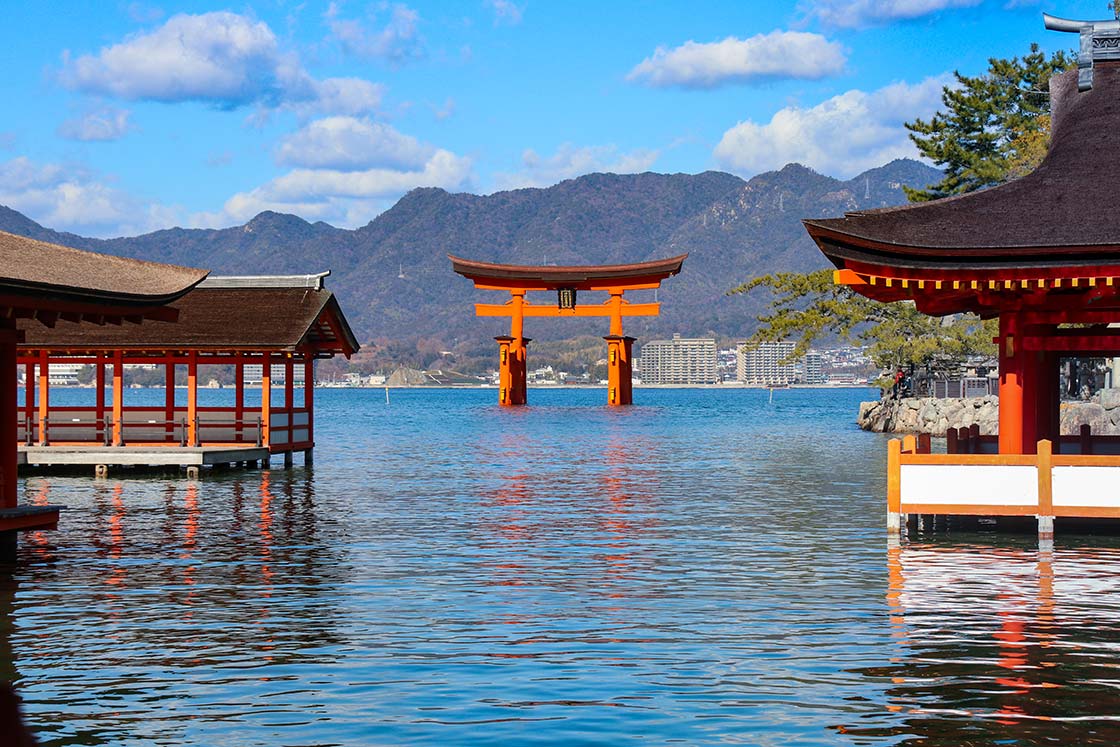
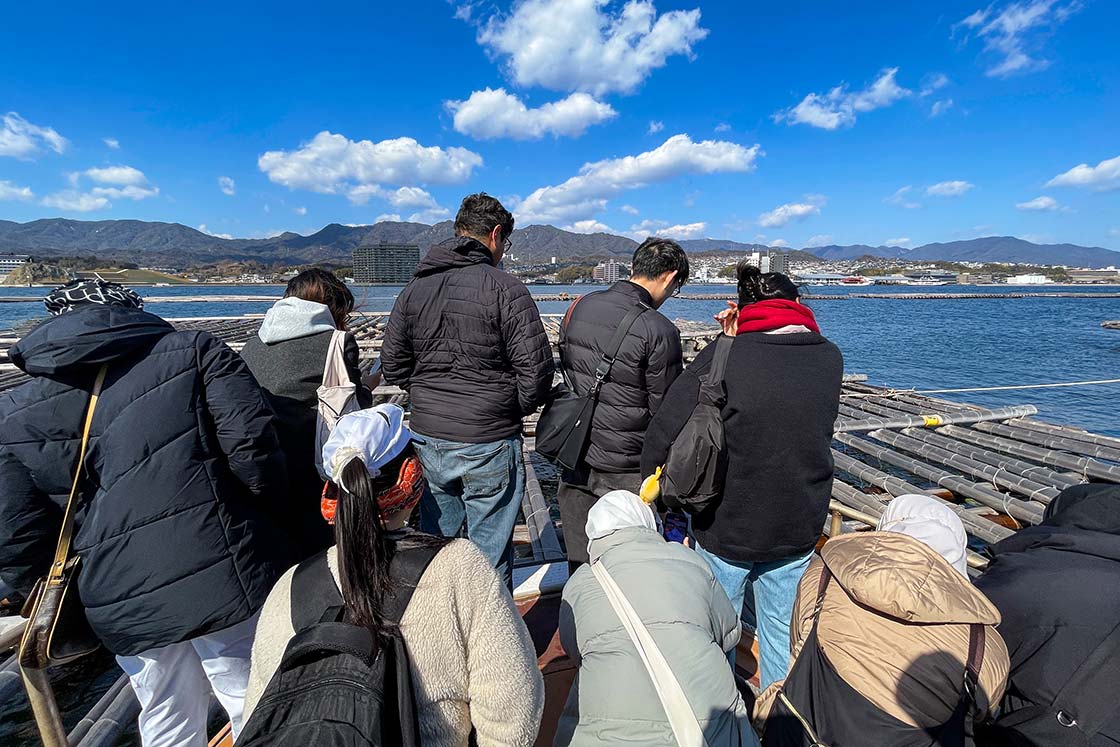
The other highlight of the tour is learning about oysters and, of course, eating them. Shimada Suisan, a Hiroshima-based company that grows oysters in the waters off Miyajima, was established over 335 years ago. Thanks to single seed oyster growing techniques, the company has also developed their original brand of Hiroshima oysters. Tour participants will get a chance to see Shimada Suisan oyster rafts and learn a bit about oyster farming. The Oyster Cruise tour ends at Shimada Suisan's oyster hut for an oyster meal.
Tour 2: Spiritual Culture at Daishoin Temple, Miyajima
Daishoin Temple is a Buddhist temple tucked away at the base of Mount Misen on Miyajima. The temple was established in 806 by Kobo Daishi or Kukai, the founder of Shingon Buddhism in Japan, who trained on Mount Misen on his return from China. At the top of Mount Misen is a hall where a flame has been kept burning for over 1200 years, ever since Kukai trained there. This eternal flame is also the one used to light the Flame of Peace in Hiroshima's Peace Memorial Park.
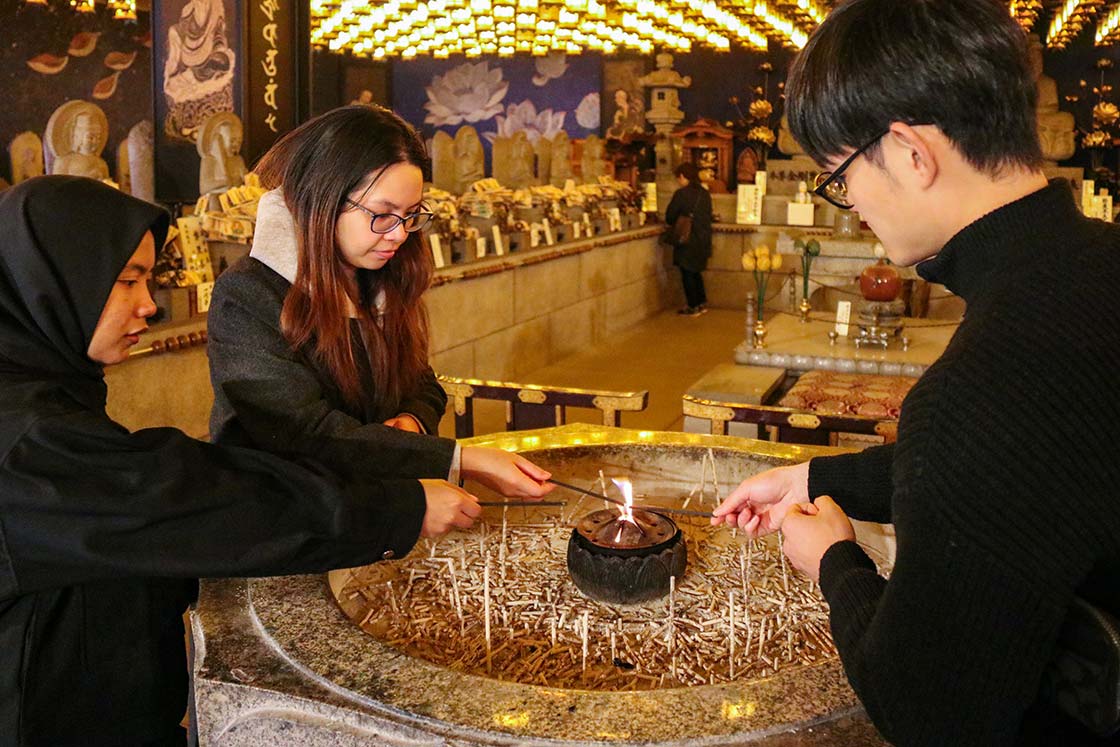
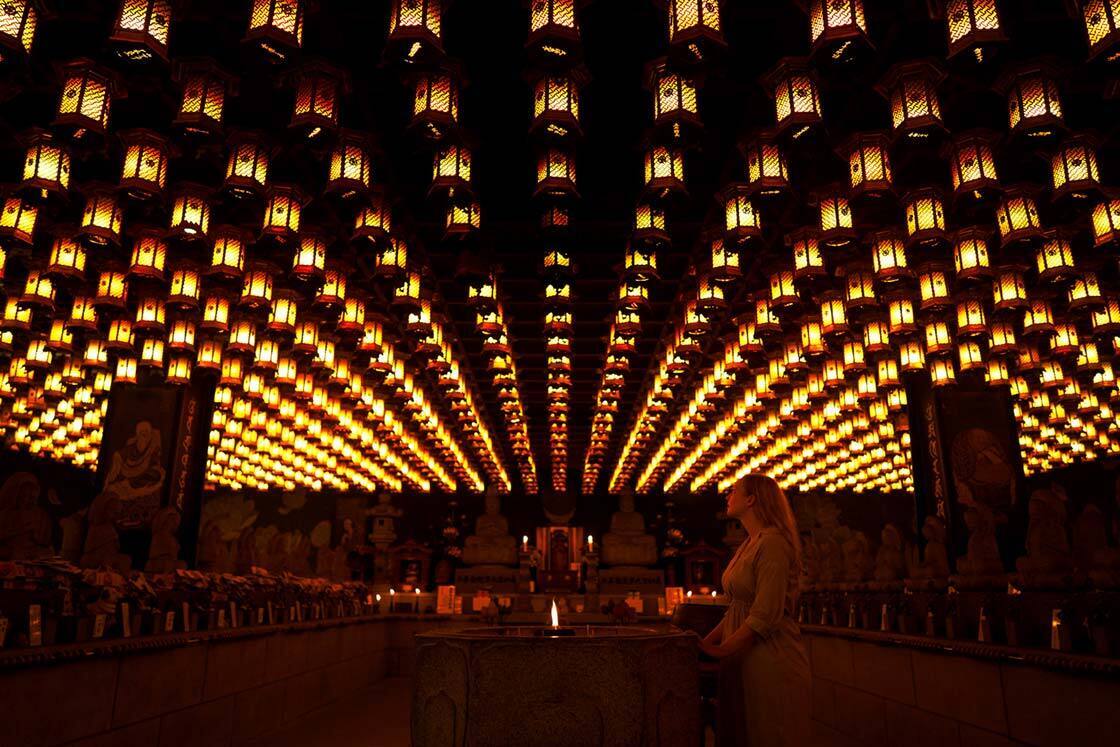
The temple is typically not as crowded as Itsukushima Shrine, but it does not lack in history and significance. Without a guide, most visitors usually walk around Daishoin Temple and have just a short casual visit. Instead, to get the most out of your visit, a half-day tour of Daishoin Temple through the eyes of a local is an experience not to be missed. In this case, the local is Okita-san, the owner of Hexagon Cafe on the grounds of the temple.
Over the course of about three hours, Okita-san takes participants around Daishoin Temple pointing out the various quirks and changes that only someone who is there everyday will notice. Starting and ending at Hexagon Cafe, the tour engages all five senses: sight, smell, touch, taste and hearing. Those looking for a meditative time will find it at Daishoin Temple and Okita-san's excellent guidance.

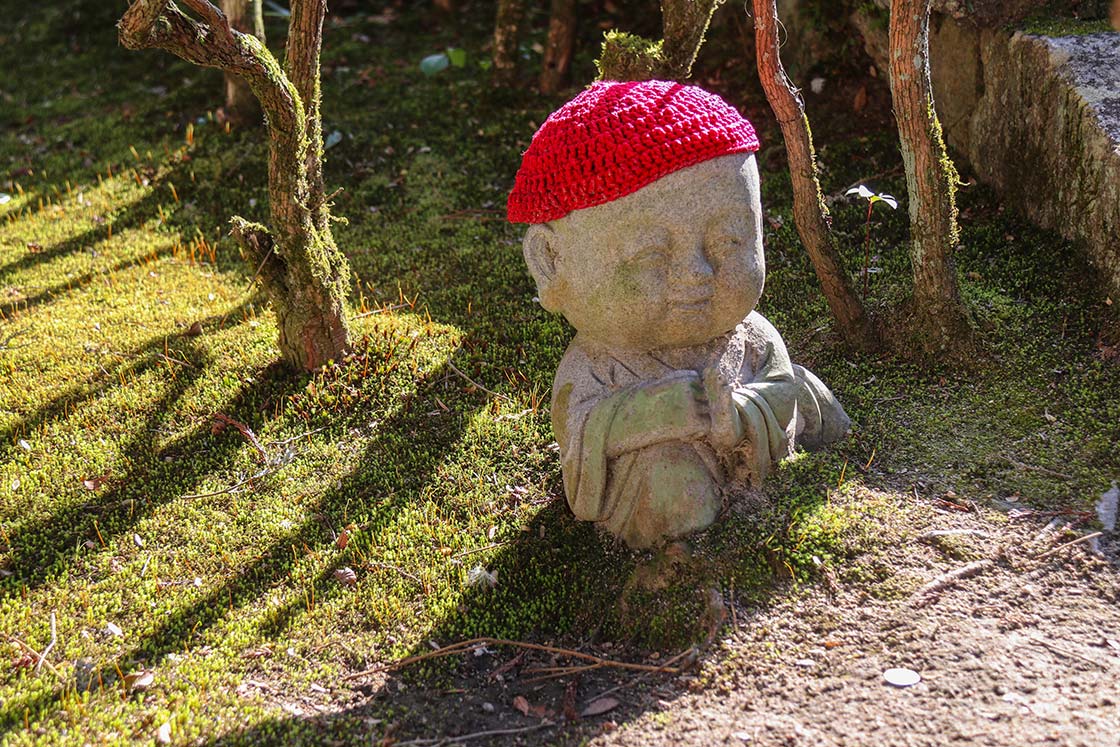
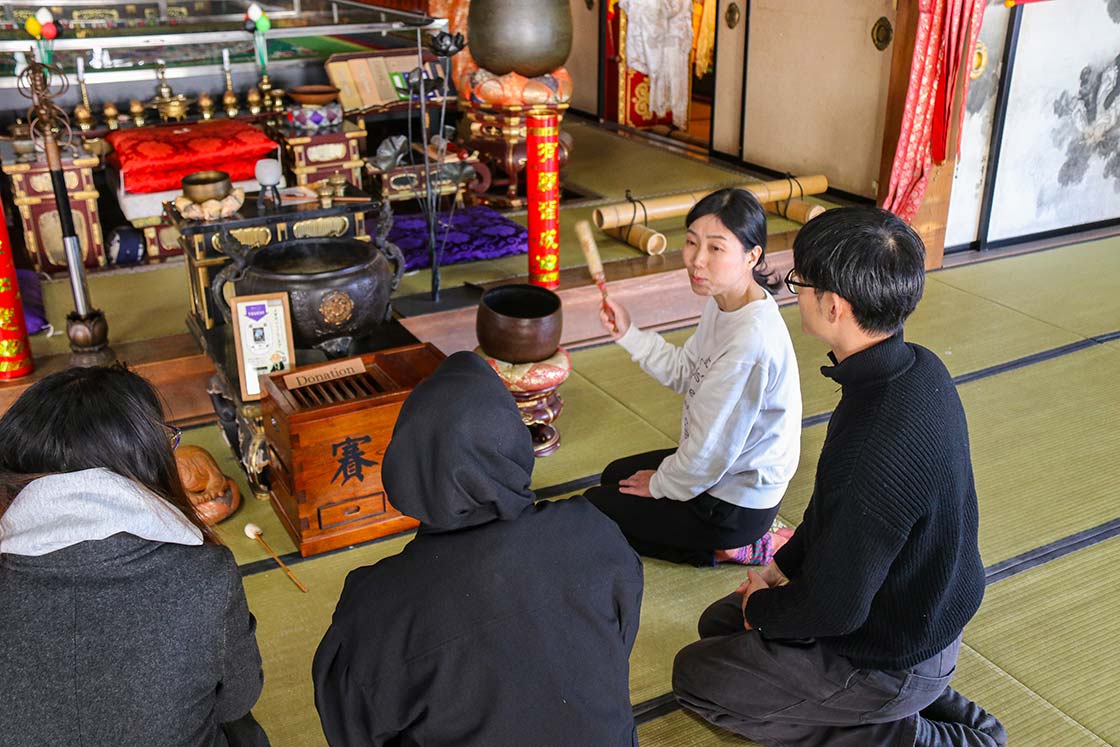
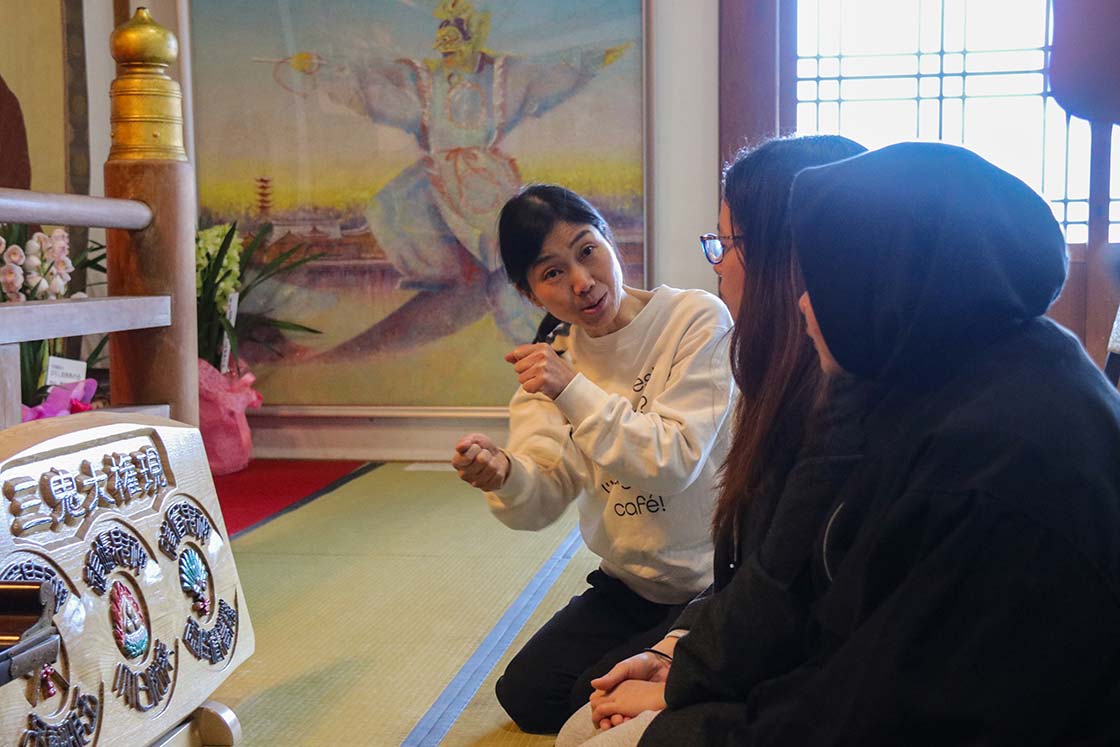
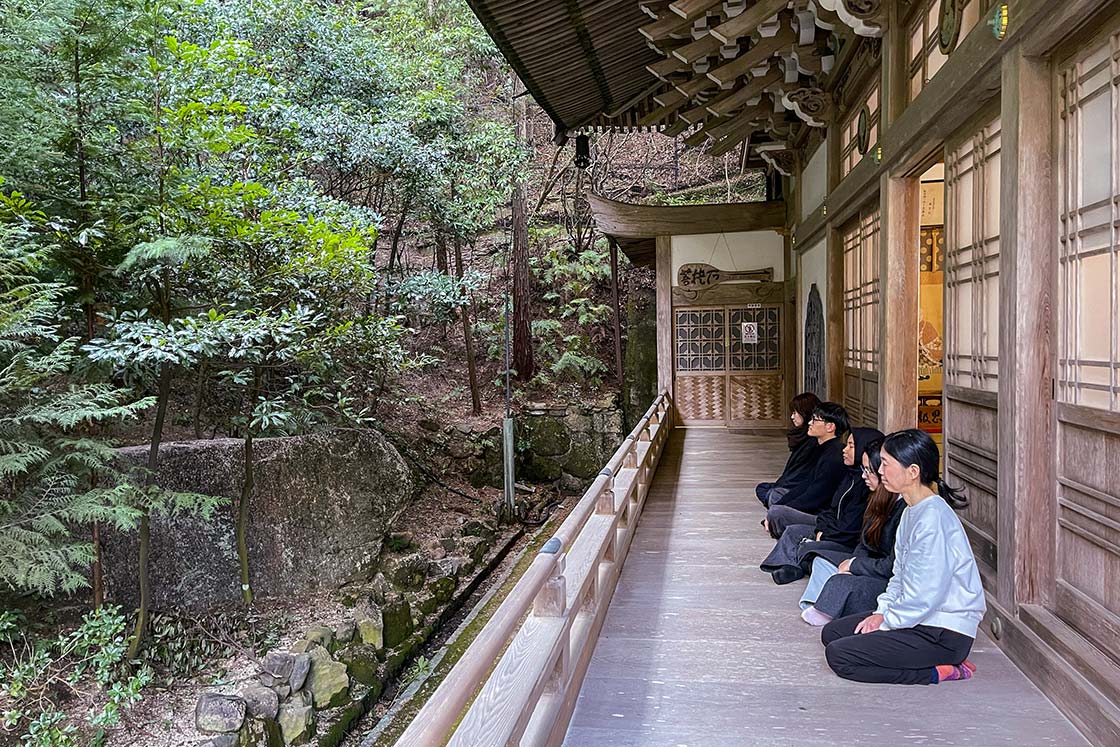
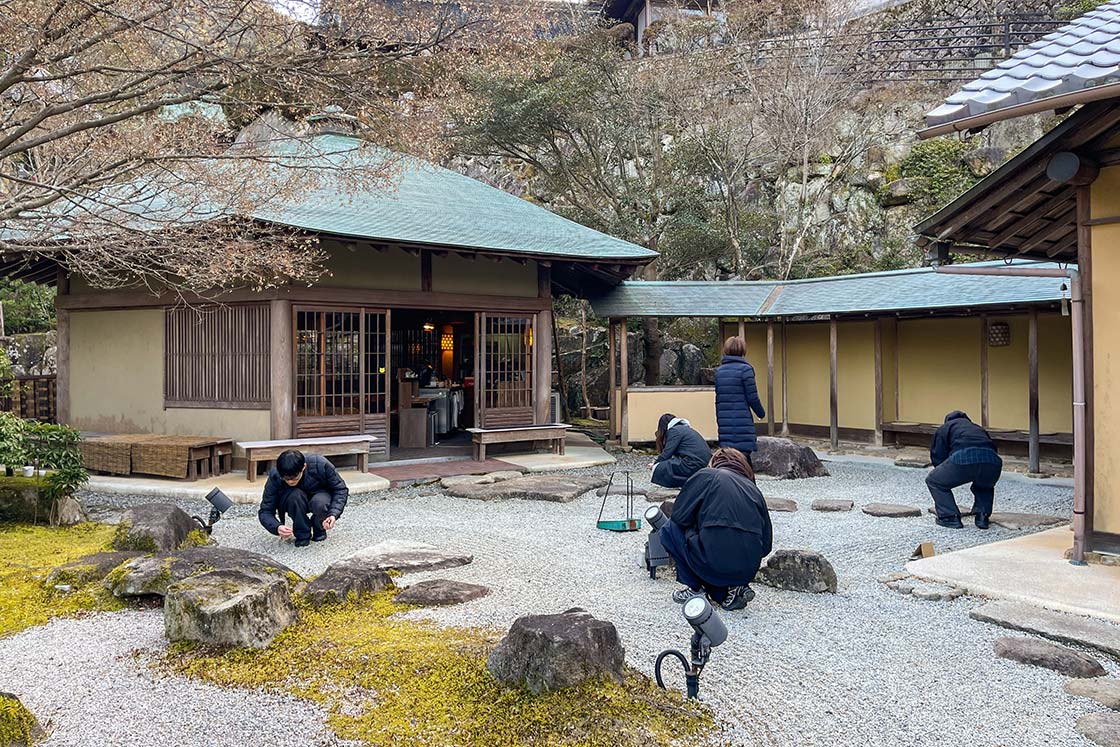
You might wonder, how does one spend over three hours at a temple? When you take time to feel and understand your surroundings, three hours might end up feeling too short, which was exactly how I felt when I participated in the tour. It was time well-spent for me, and a unique experience that is hard to duplicate elsewhere.
Suggested itineraries
The following are two suggested itineraries - one for a day trip and one for an overnight stay - to help you plan a visit to Miyajima.
Those looking for a simple daytrip of Miyajima, the oyster cruise is more fitting. It gives visitors a quick introduction to Miyajima and its local cuisine. This maximises your time, allowing you to experience the local food culture as well as get the best of the island sights - all in one day before returning to central Hiroshima.
For an overnight stay, spending the night in Miyajima offers the chance to experience the island without the crowds. In the quiet of the following morning, a meditative experience at Daishoin Temple extends the sense of calm and reflection. The afternoon can be spent exploring more of Miyajima before returning to central Hiroshima.
How to get to Miyajima
There are three main ways to get from Hiroshima to Miyajima.
- Fastest option: Take the JR Sanyo Line (about 30 minutes one way), then ferry (10 minutes)
- Direct but slightly pricey option: Take the World Heritage Sea Route high speed boat (about 45 minutes one way) from the Peace Park.
- Slowest and cheapest option: Take the Hiroden Tram Line 2 (about 80 minutes one way), then ferry
For convenience, consider taking the direct World Heritage Sea Route high speed boat between Miyajima and the Peace Park in central Hiroshima for at least one leg of the trip.
Book the tours
- Oyster cruise - Itsukushima Shrine and Oyster Cruise booking page
- Spiritural Culture - Daishoin Temple booking page