Spring Graces the Halls of a Popular Tokyo Art Museum
This spring, flowers are in bloom both inside and out of the National Museum of Modern Art, Tokyo (MOMAT) for its annual Spring Festival. First held in 2016, the Spring Festival will be celebrating its 10th anniversary this year and will last from March 13 to April 12.
A repository of modern art
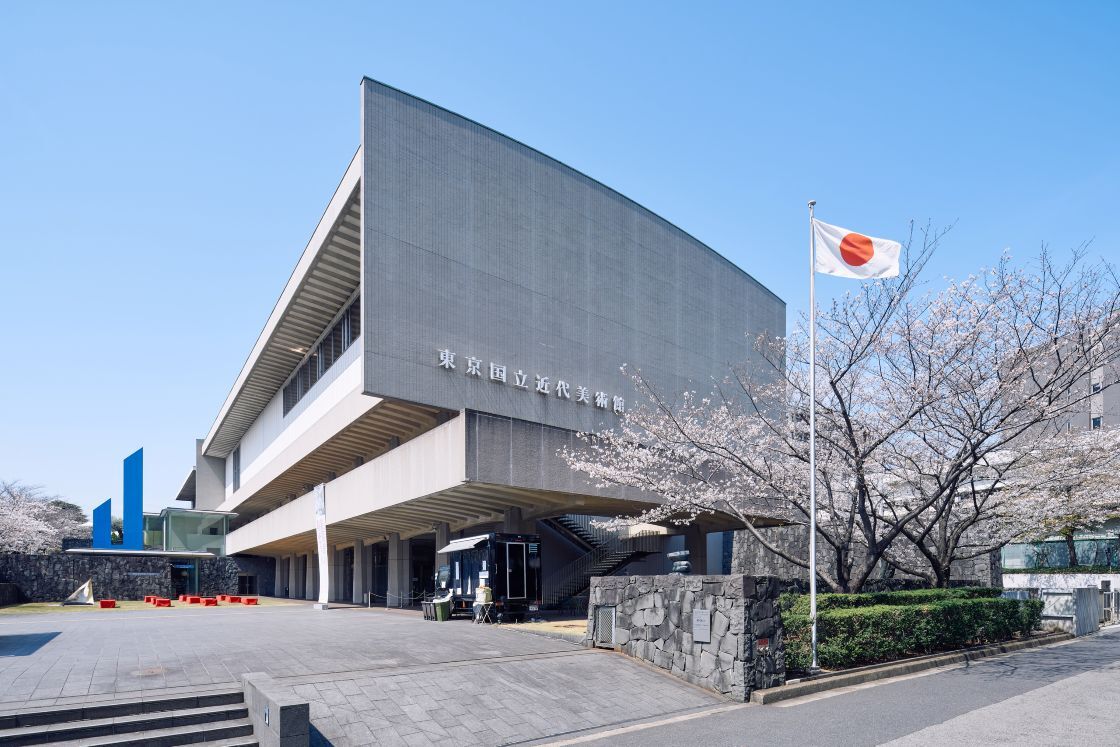
Located near the Imperial Palace in the heart of Tokyo, MOMAT is one of the leading museums dedicated to modern art in Japan. Its collection encompasses pieces from the early days of modern art in the late nineteenth century to the present, from Paul Cezanne to Nara Yoshitomo. Of the museum's collection of nearly 14,000 works, around 200 are carefully selected for display in MOMAT's 12 exhibition rooms. During the Spring Festival, artwork such as folding screens, paintings, and sculptures featuring themes of spring are put on display. A guided English-language Collection Tour is also available, offering an introduction to the museum's major works and highlights. After exploring the museum, relax with a spring-themed bento in the museum's front yard and browse the original seasonal merchandise on sale in the museum shop.
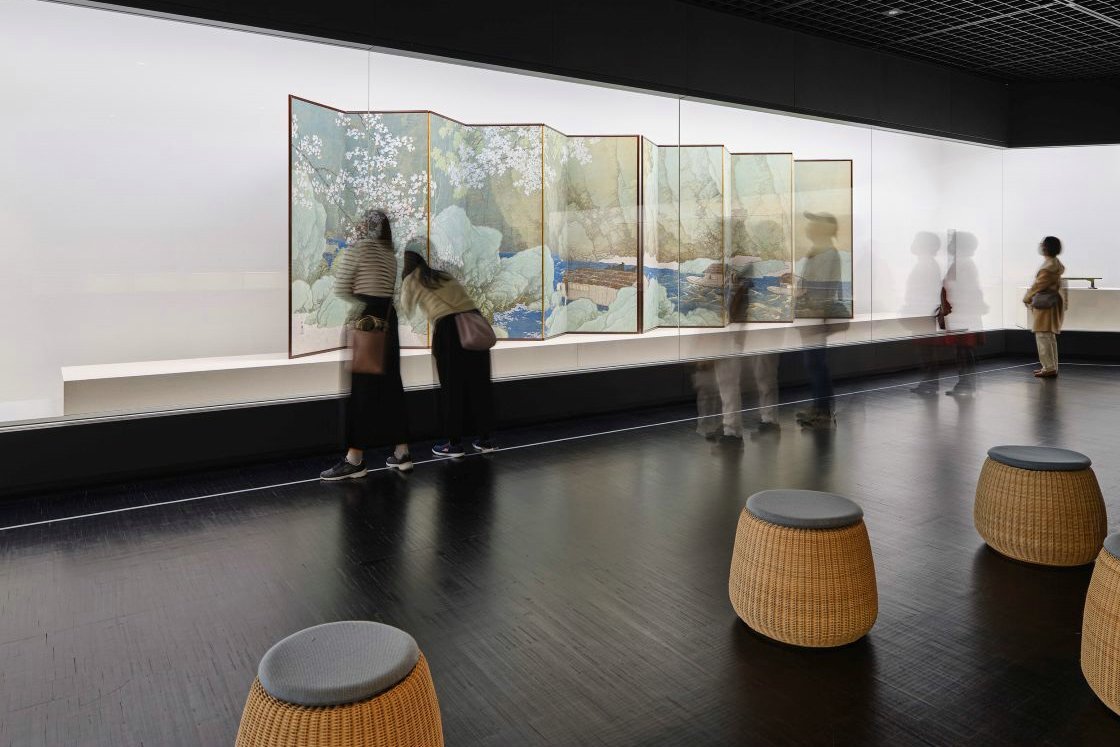
The approximately 200 art pieces on display at the museum, known as the MOMAT Collection, spans three floors, each of which lead you on a journey through the development of modern art in Japan. The majority of the collection is made up of Japanese art and includes works by Kusama Yayoi, Murakami Takashi, and Yokoyama Taikan. However, the museum also has international works from some of the giants of modern art, including Wassily Kandinsky and Pierre Bonnard. The themes and artwork of each collection gallery are carefully curated to provide a balanced look at MOMAT's modern art masterpieces.
Spring Festival 2026
Spring is an especially popular subject in Japanese literature and painting and is associated with general themes of transience and renewal; however, specific themes can be conveyed through different spring flowers. For example, plum blossoms symbolize resilience due to their resistance to the cold, which allows them to bloom in the still-wintry conditions of February. Cherry blossoms, on the other hand, often symbolize fleeting beauty due to how quickly the flowers fall from the tree, with most cherry blossom trees only blooming for about one week. MOMAT's Spring Festival focuses on the depiction of spring, in its many shapes and colors, in modern art. The Spring Festival's special exhibition will be located on the museum's second through fourth floors. The focus of the exhibition will be on the third floor, where an entire room will be dedicated to spring-themed works.
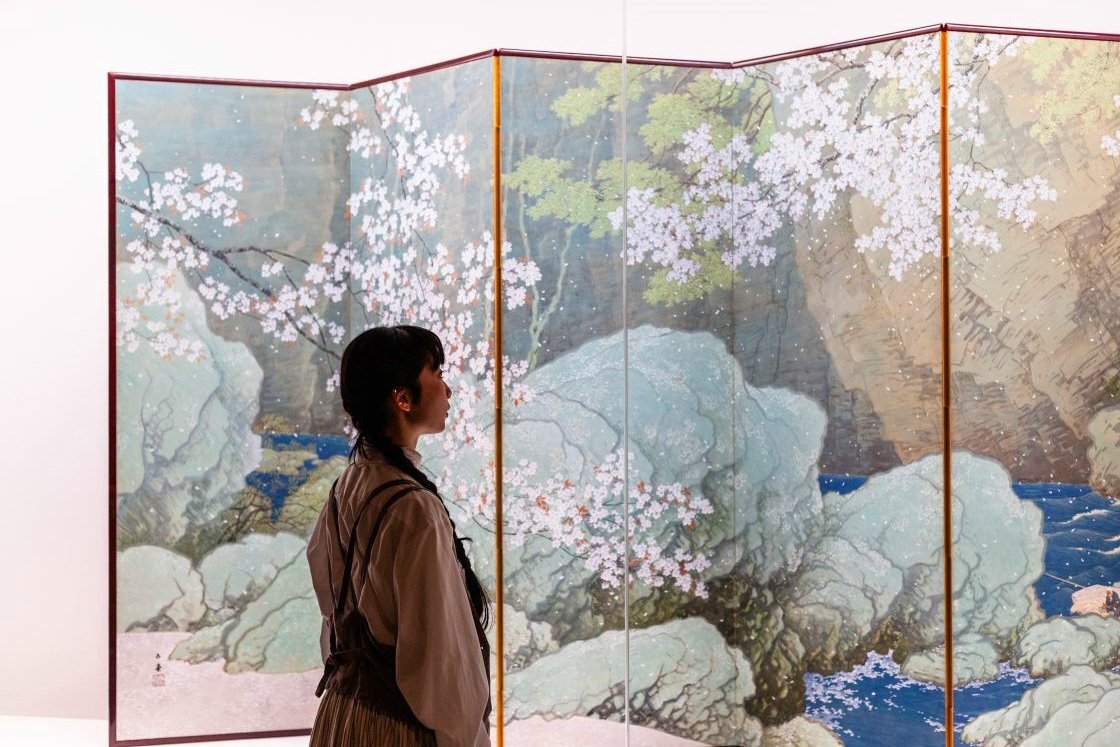
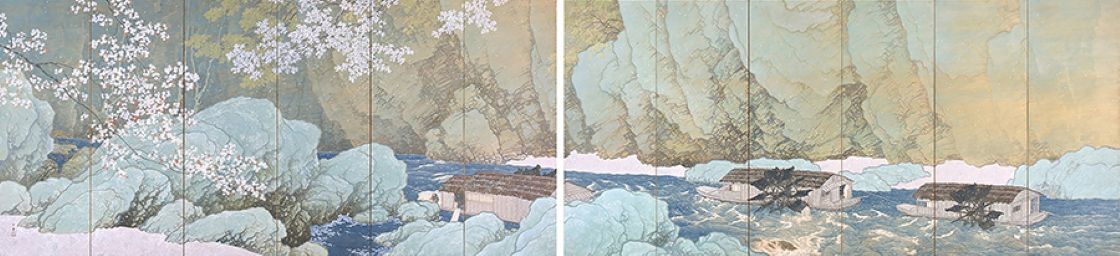
The highlight of the Spring Festival is Kawai Gyokudo's Parting Spring, a pair of painted folding screens that depicts river boats traveling down a gorge amid a flurry of cherry blossoms. Painted in 1916, Parting Spring is a masterpiece of nihonga, a genre of modern painting that uses traditional Japanese techniques and materials, and it poetically explores themes of spring against a vignette of daily life. From the rushing waters of the river to the soft pink petals dancing in the air like snow, Gyokudo fills these folding screens with an exquisite sense of movement. Parting Spring is a designated National Important Cultural Property and is only put on display during the annual Spring Festival.
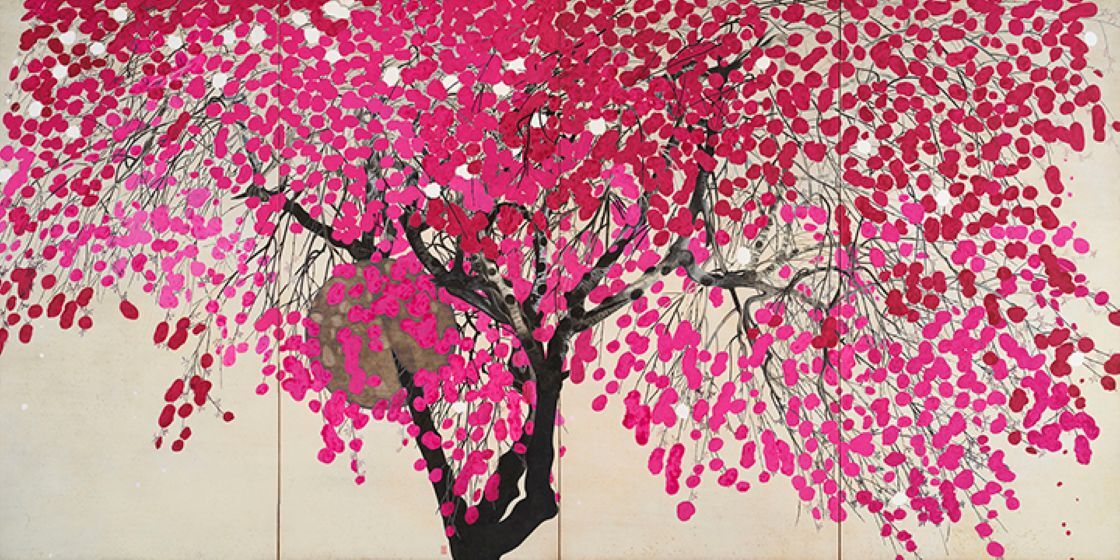
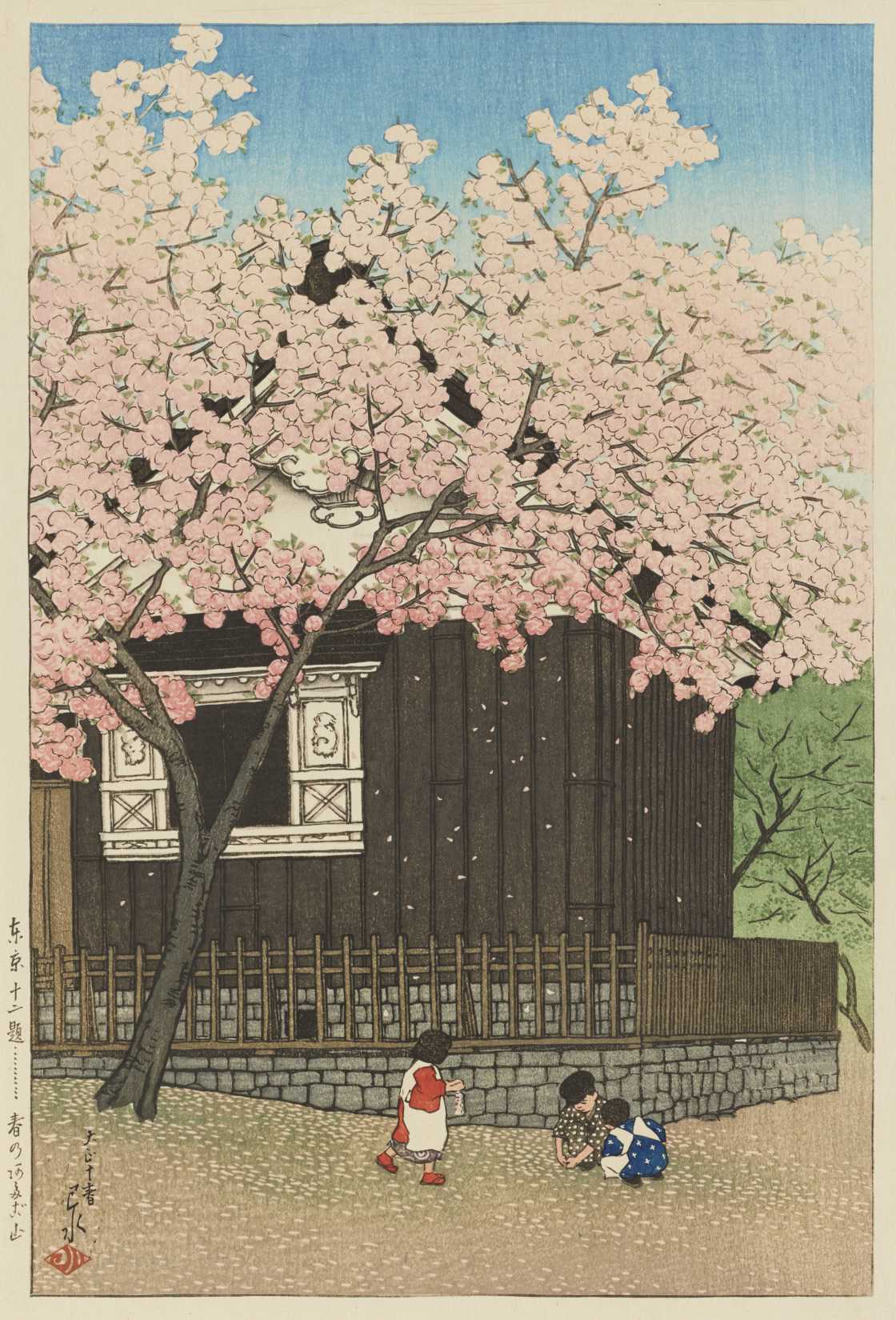
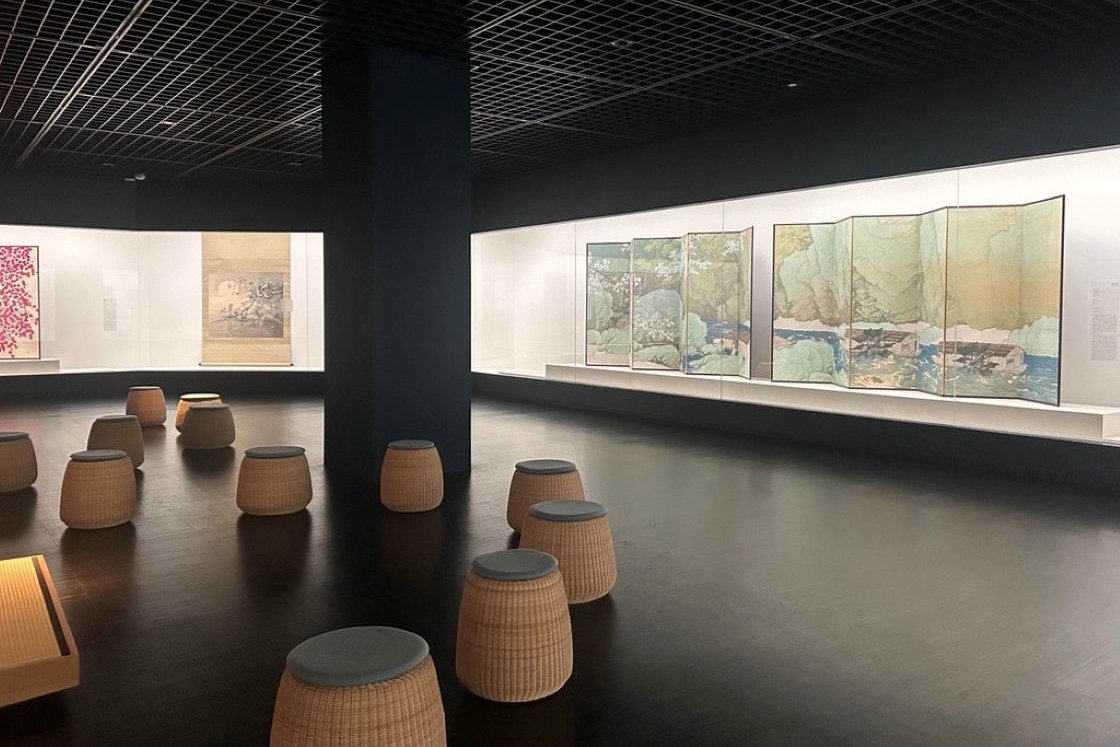
As you browse the Spring Festival's exhibition, wander through fresh blossoms, mountains flecked in flowers and rain, and even abstract colors and shapes as artists such as Kawase Hasui, Funada Gyokuju, and Paul Klee bring the season to life in their respective styles. In the center of the exhibition's main room on the third floor are woven seats and a tatami mat, which were originally pieces from a past architecture exhibition, on which you can rest. Take a seat and contemplate the art that surrounds you: your personal impressions play a significant role in the interpretation of modern art. After spending your time among the museum's modern art masterpieces, relax in the lounge on the fourth floor, known as "A Room With A View". The lounge has large windows that fill the room with light and allow you to look out onto the lush greenery of the neighboring Imperial Palace East Gardens, as well as get a panoramic view of the city.
Collection Tour "Explore with Us"
For the duration of the Spring Festival, the museum organizes a guided tour known as the Collection Tour "Explore with Us". This tour is led by a volunteer guide who will walk you through the museum's exhibitions and introduce the art on display in English. The Collection Tour is a wonderful opportunity to learn about the museum's collection, especially for first-time visitors. The Collection Tour is held on select days* during the Spring Festival at 10:30 a.m. and 12:00 p.m., with each session lasting approximately 30 minutes. No reservation is required for the tour. Those interested in joining the tour need simply meet the guide in front of the elevator on the fourth floor at the appointed time. An announcement will also be made in the museum as the time for the tour approaches.
*Collection Tour "Explore with Us" is offered on the following dates:March 19, March 25, March 26, April 1, April 2 and April 9
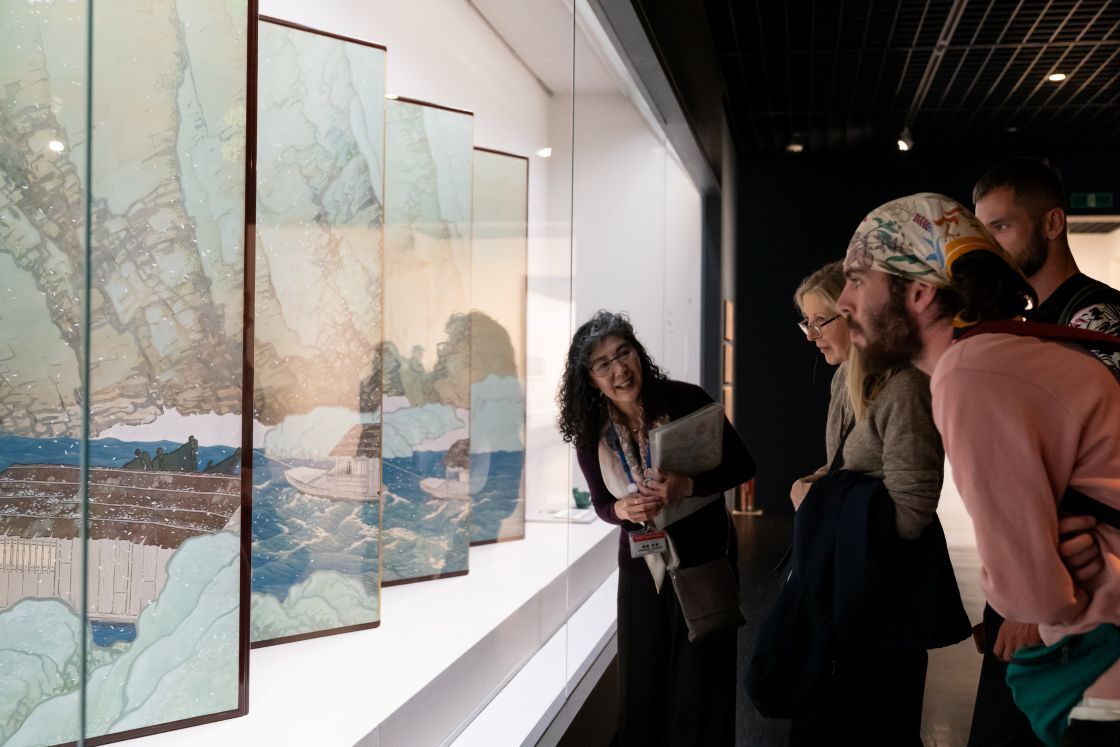
MOMAT also offers a free guide through the Bloomberg Connects app. The app provides information on collection highlights and ongoing exhibitions, as well as explanations of different works, videos of curator talks, and museum services. You can choose from over 40 languages in the app, and the information can be accessed at any place and time, whether you are visiting the museum or browsing the information from the comfort of your own home.
Gaze Upon the Cherry Blossoms with a Seasonal Bento
Hanami, or "flower-viewing", is a popular spring activity in Japan. During hanami, friends and family come together to picnic beneath blooming cherry blossom trees and admire the pink flowers.
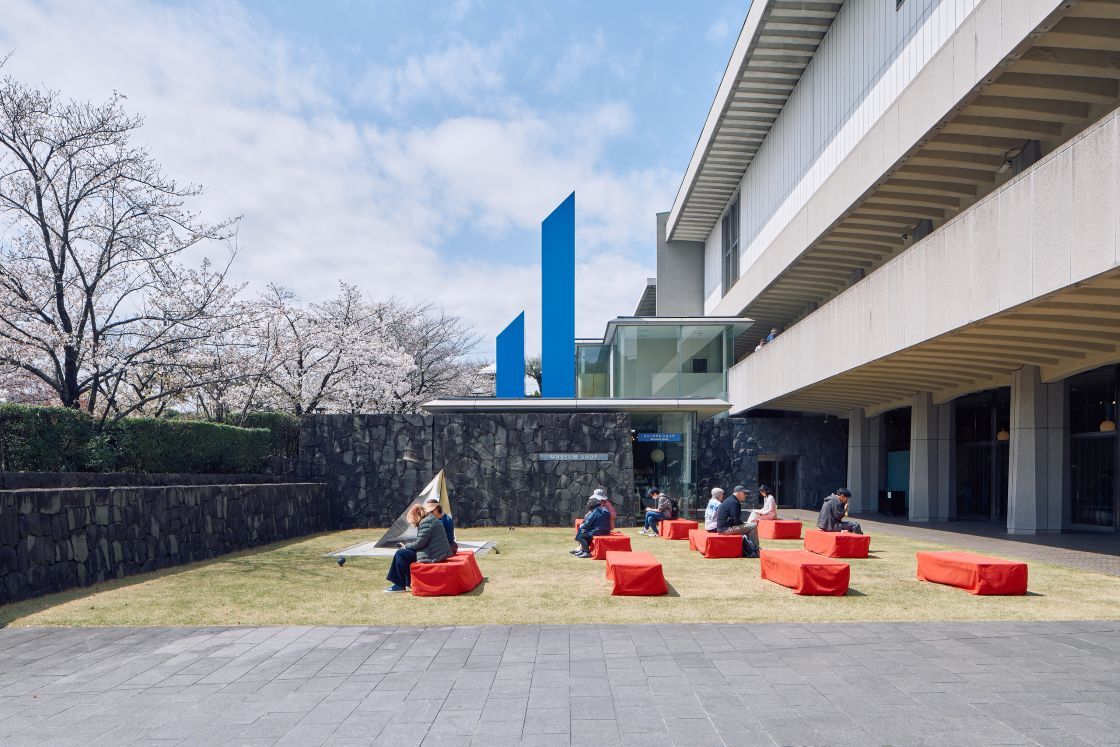
After strolling along the artistic renditions of spring inside the museum, make your way to the museum's front yard and grab a hanami bento from the kitchen car offered by L'art et Mikuni, the French and Italian fusion restaurant in MOMAT. Traditional benches covered in red cloth are set up on the lawn, offering you a place to sit with your bento and gaze upon the cherry blossom trees blooming nearby. The special seasonal bento resembles traditional homemade lunches that are often eaten during hanami picnics. Savor the delicious, hearty flavors of your bento lunch as you partake in some hanami of your own.

Spring Festival Pop-Up Shop
During the Spring Festival, a pop-up shop on the museum's first floor will sell original seasonal merchandise. This limited-time shop sells an array of spring-themed souvenirs, such as magnets, stationery, furoshiki cloths, ticket holders, and traditional sensu fans.
Touring the Cherry Blossoms: On the Doorstep of the Imperial Palace
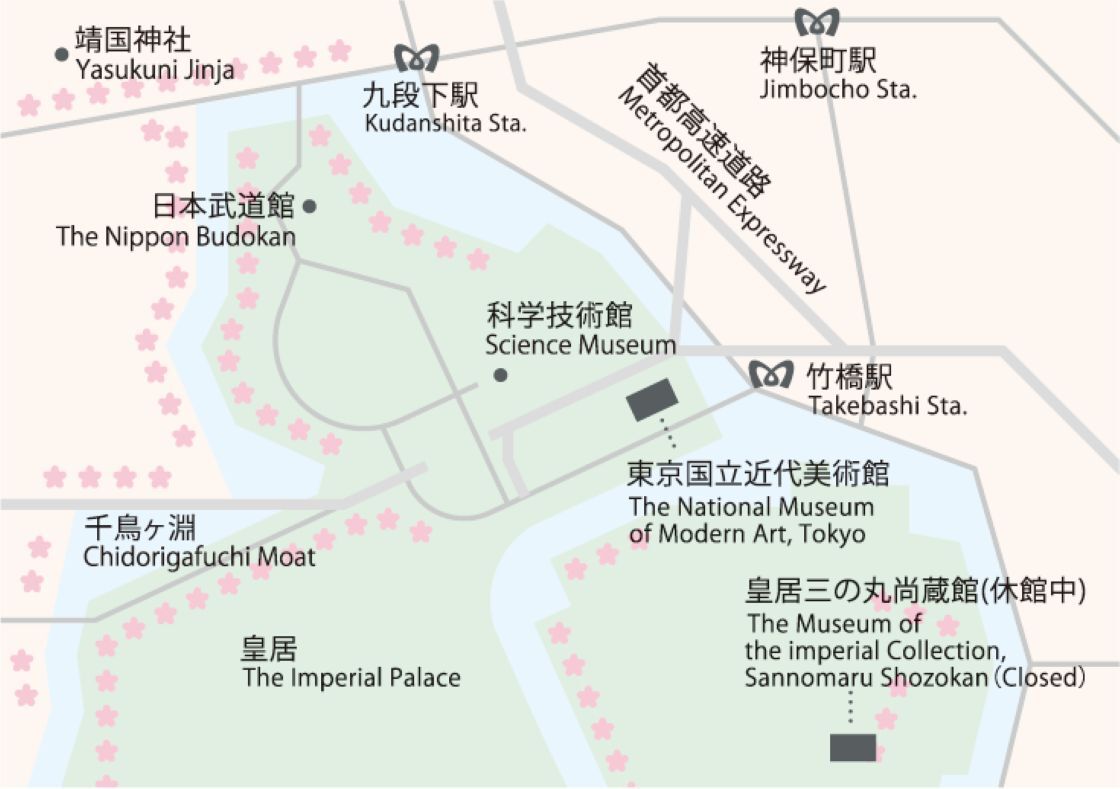
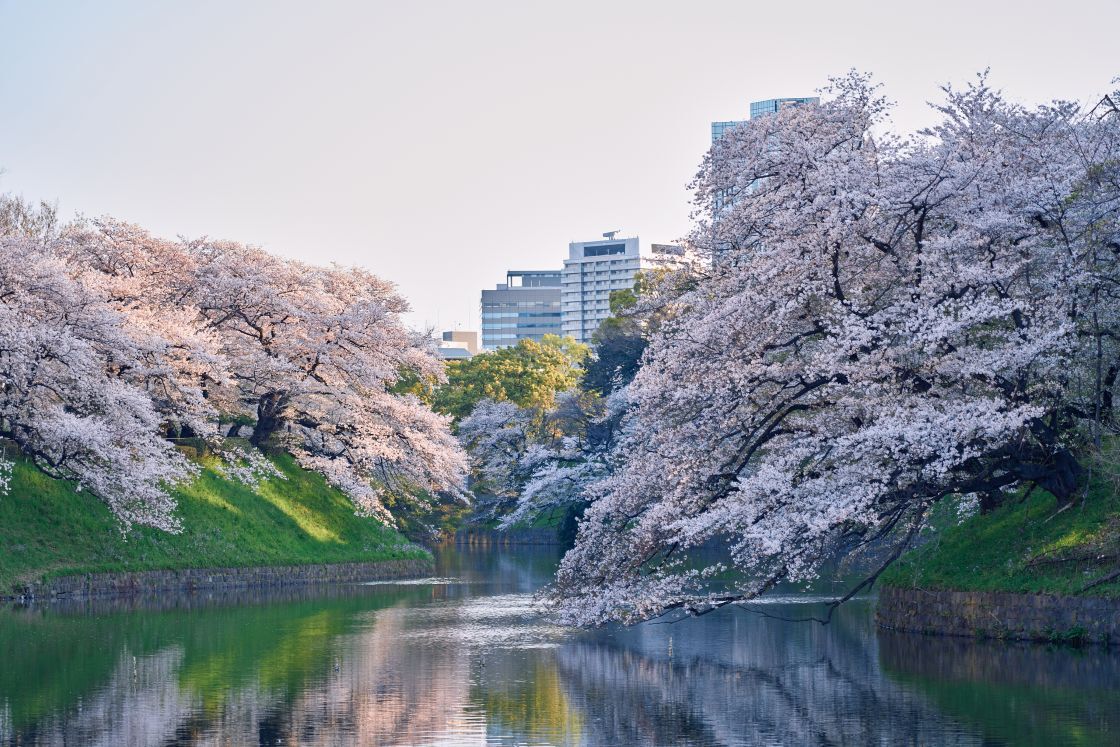
MOMAT's location on the edge of the Imperial Palace and its East Gardens makes it the perfect addition to a day dedicated to exploring the historic center of Tokyo. Built on the remains of what was once Edo Castle, the Imperial Palace is the official residence of Japan's Imperial Family. Clusters of cherry blossom trees are found throughout the palace grounds, making it a popular destination during the spring. Many of the paths and waterways of the Imperial Palace, including several near MOMAT, are lined with cherry blossom trees. Only steps away from MOMAT are Kitanomaru Park and Chidorigafuchi Moat, where you can rent a rowboat and glide below the tunnel of cherry blossom trees that stretches over the water from the moat's banks. Experience spring in Japan to the fullest with a day among the ephemeral pink petals of cherry blossom trees and the undying blooms immortalized in art.
Tickets and More Details
Buy tickets to the 2026 Spring Festival from the official MOMAT website.
See the official website of the MOMAT Spring Festival 2026 for more details.
How to get there
A 3-minute walk from Takebashi Station (Exit 1B)
A 20 to 25 minute walk from Tokyo Station
Venue
The National Museum of Modern Art, Tokyo
3-1 Kitanomarukoen, Chiyoda-ku, Tokyo 102-8322, Japan