3 days in Yamaguchi, the westernmost prefecture of Japan’s main island

For many visitors to Japan, Tokyo, Kyoto, Osaka and sometimes Hiroshima are the usual suspects when it comes to travel destinations. There is plenty to do in these cities, but sticking to the typical spots means missing out on great discoveries in lesser known places.
There are a couple of options to expand your travel - heading toward the northern or western ends of Honshu, Japan's main island, or going to the other islands. I chose to head west and visited Yamaguchi Prefecture, the westernmost prefecture on Honshu, which is rich in history and atmosphere. The capital, Yamaguchi City, is known as the Kyoto of the West, and some of the highlights of the prefecture include massive limestone caves, sprawling karst fields and the country's largest pufferfish market.
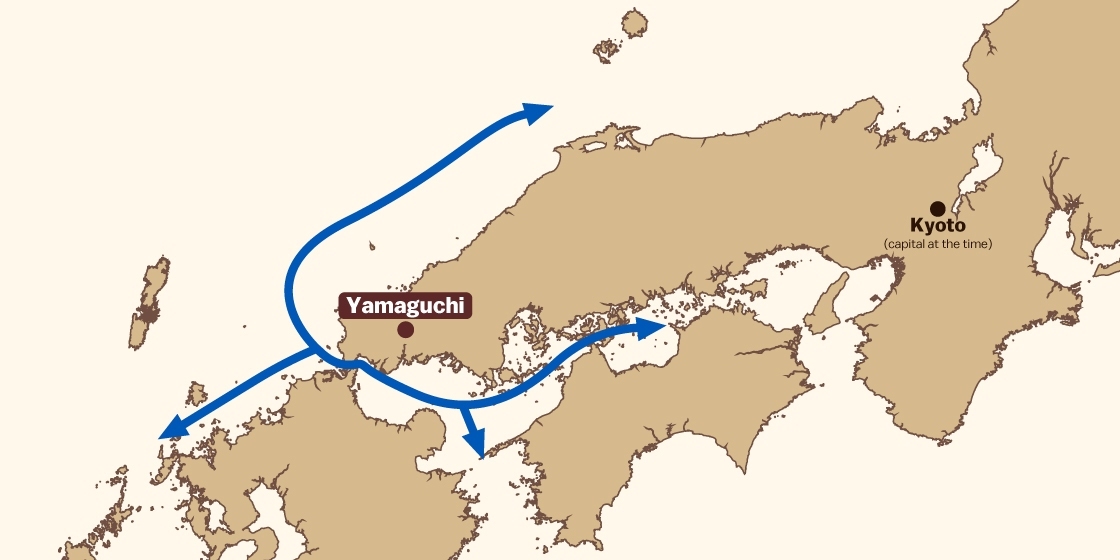
I spent three days exploring the southwestern half of Yamaguchi Prefecture, and the map below shows where I spent my time. This itinerary is relatively slow-paced and perfect for those looking for a relaxing time.
Yamaguchi City - culture and tradition in the peaceful city
My first day in Yamaguchi begins in the capital city, also known as the Kyoto of the West. I strolled along a pleasant river, enjoyed lunch, visited a pagoda designated as a national treasure and stayed in Yuda Onsen, the city's hot spring district. See the access section below for more detailed transport information.
Yamaguchi has a very interesting history, with plenty to uncover and learn. Briefly put, its westernmost location on Japan's main island was strategically valuable, while its distance from Kyoto - the capital at the time - allowed rulers greater independence. Access to sea routes was also advantageous, as the region bordered the sea on three sides. The region's rulers took advantage of these factors, shaping the course of Yamaguchi's history.
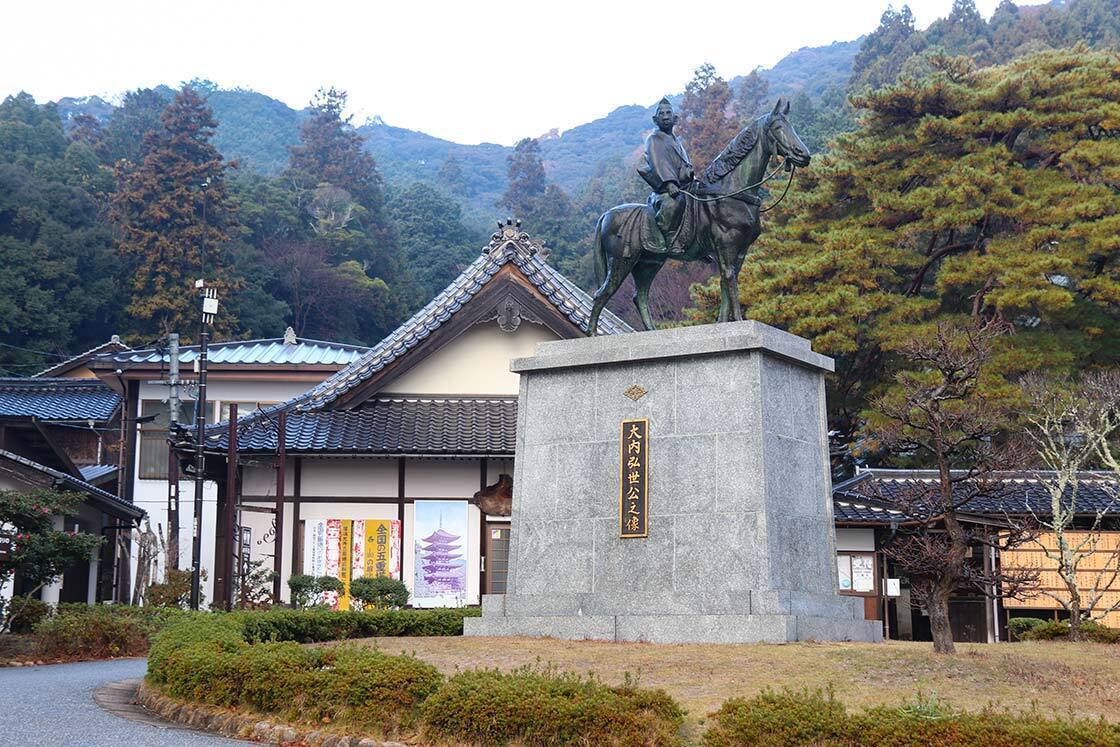
The Ouchi Clan ruled ruled Yamaguchi for several centuries, and their influence can still be seen long after their rule ended. In fact, it was the 24th lord of the clan who set up his base in central Yamaguchi in 1360 and modeled the area after Kyoto, which is why the city became known as the "Kyoto of the West".
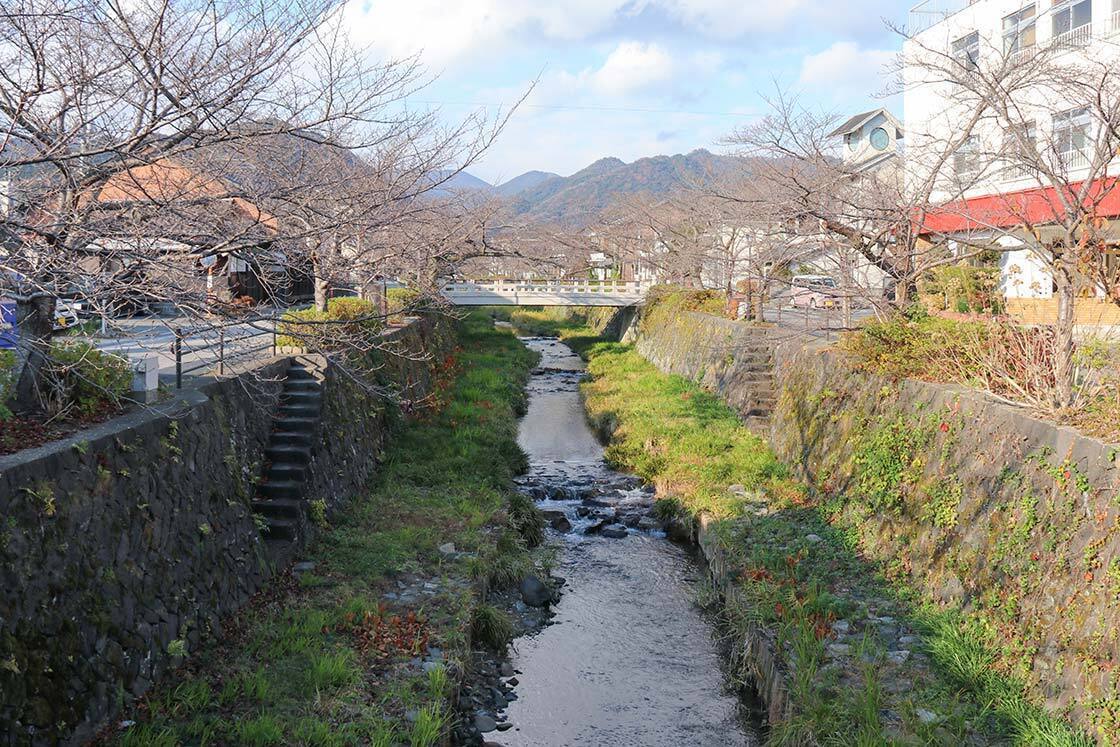
The Ichinosaka River is Yamaguchi's version of the Kamogawa, the river that runs through central Kyoto. Around 200 cherry trees line its banks, making it a popular cherry blossom viewing spot in late March to early April.
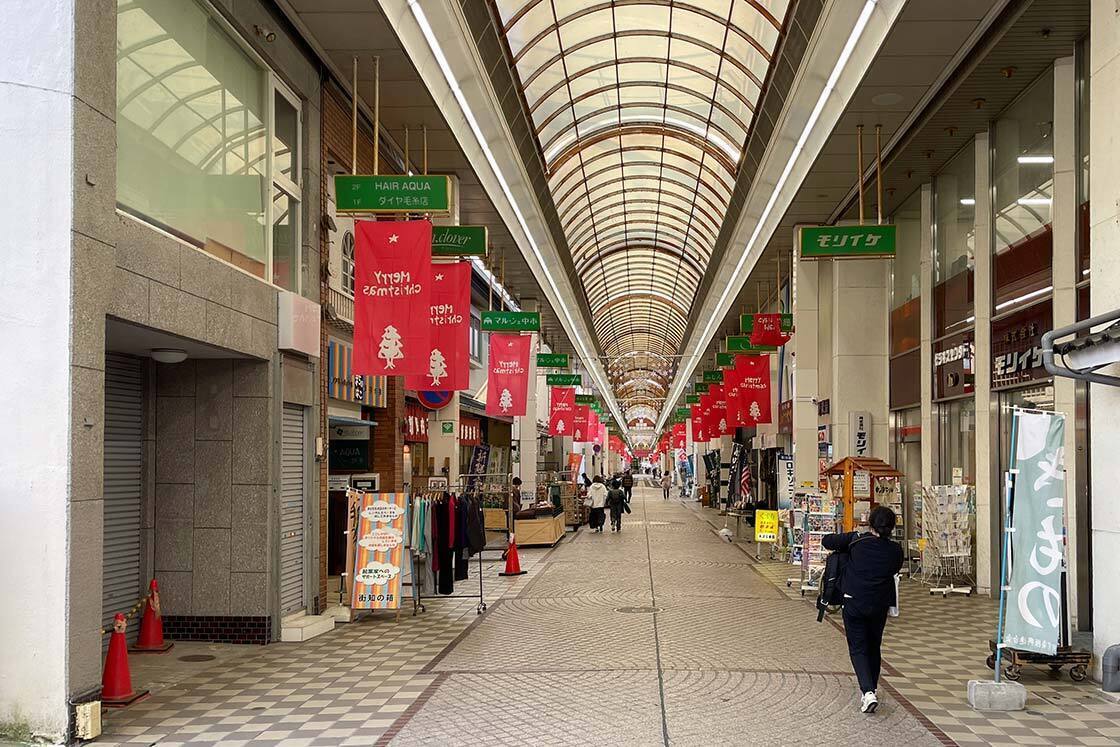
Outside of the cherry blossom season, the riverside is a nice alternative to the city's busier main roads. Restaurants and cafes can be found along the route, offering convenient places to stop and break up the walk.
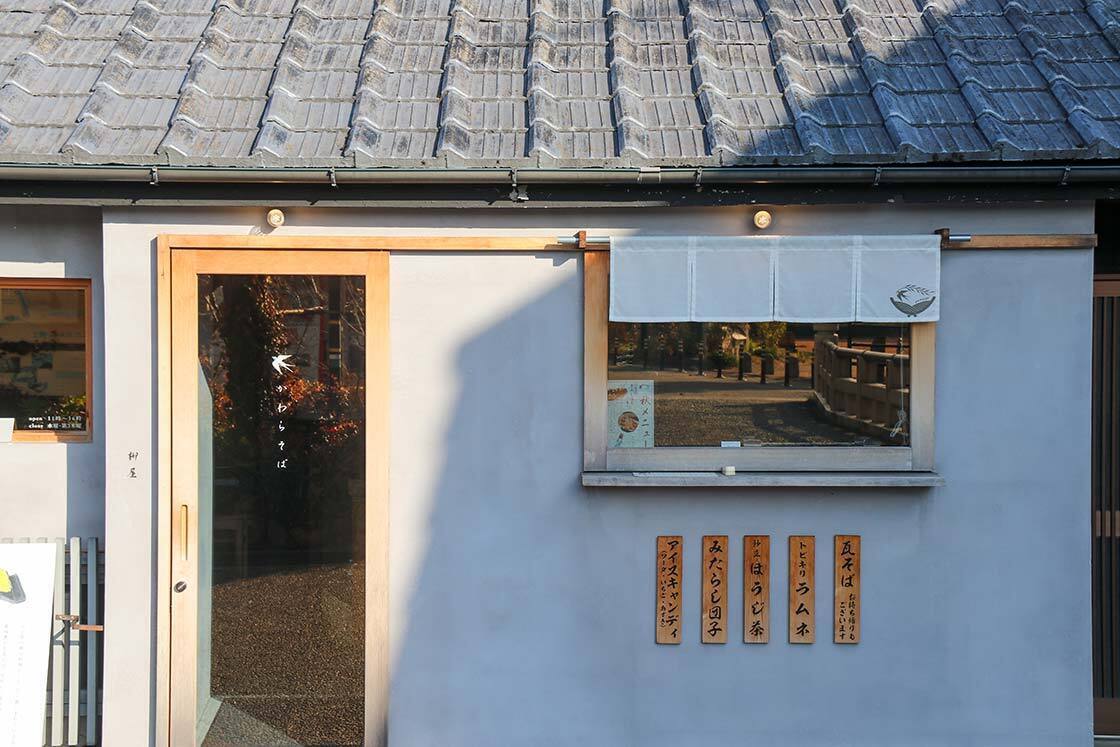
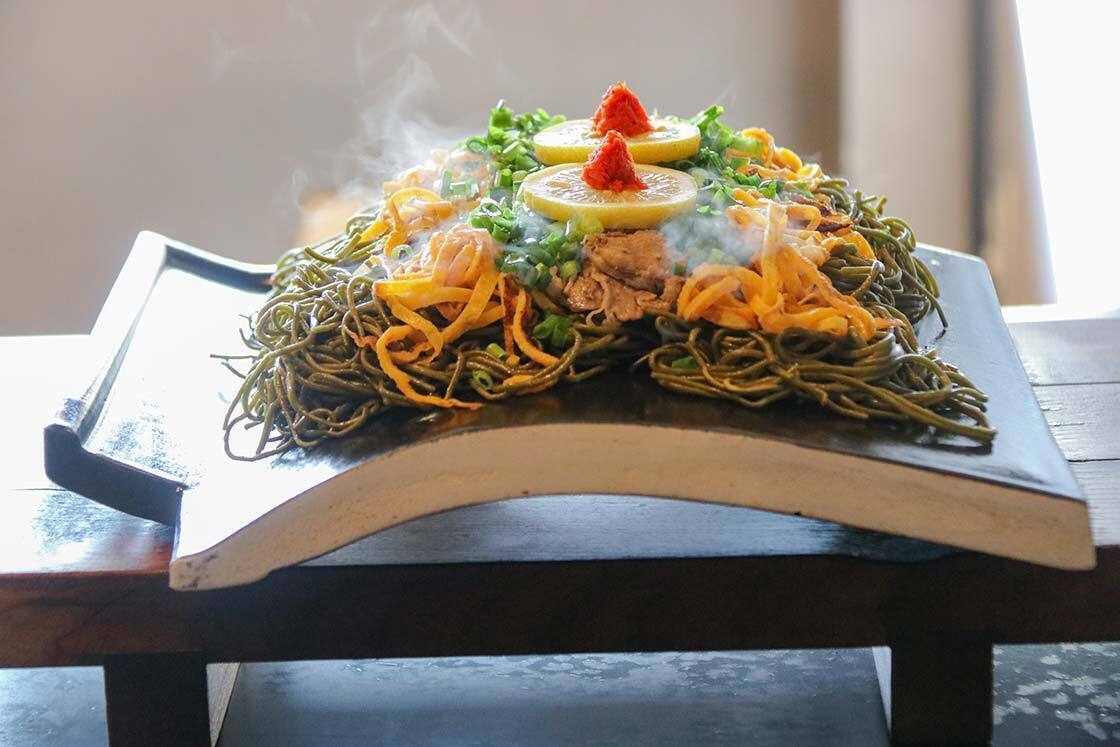
I stopped for lunch along the way at Yanagiya, a restaurant specialising in kawarasoba, a local specialty of Yamaguchi. Kawara is the Japanese term for ceramic roof tiles, and kawarasoba consists of soba noodles served on top of a piping hot tile. I thought it created the perfect balance of crispy and chewy noodles.
After lunch, it was on to visit Yamaguchi's most famous attraction and a designated national treasure: Rurikoji Temple's five story pagoda. It was built in 1442 by the 26th lord of the Ouchi clan as a memorial for his brother, the 25th lord. Fun fact: you can actually see the tip of the pagoda from the Ichinosaka riverside, making it pretty hard to lose your way.
The pagoda is also considered to be one of the three most beautiful pagodas in Japan, alongside the ones at Horyuji Temple in Nara and Daigoji Temple in Kyoto. I was a little skeptical of the designation before seeing the pagoda, but consider me a convert now that I've seen it with my own eyes.
Apart from the pagoda, the grounds of Rurikoji Temple feature other interesting sights, including a small museum that houses a collection of miniature pagodas from across Japan. Having been to a fair number of temples in the country, I found it fun to count the ones that I recognized.
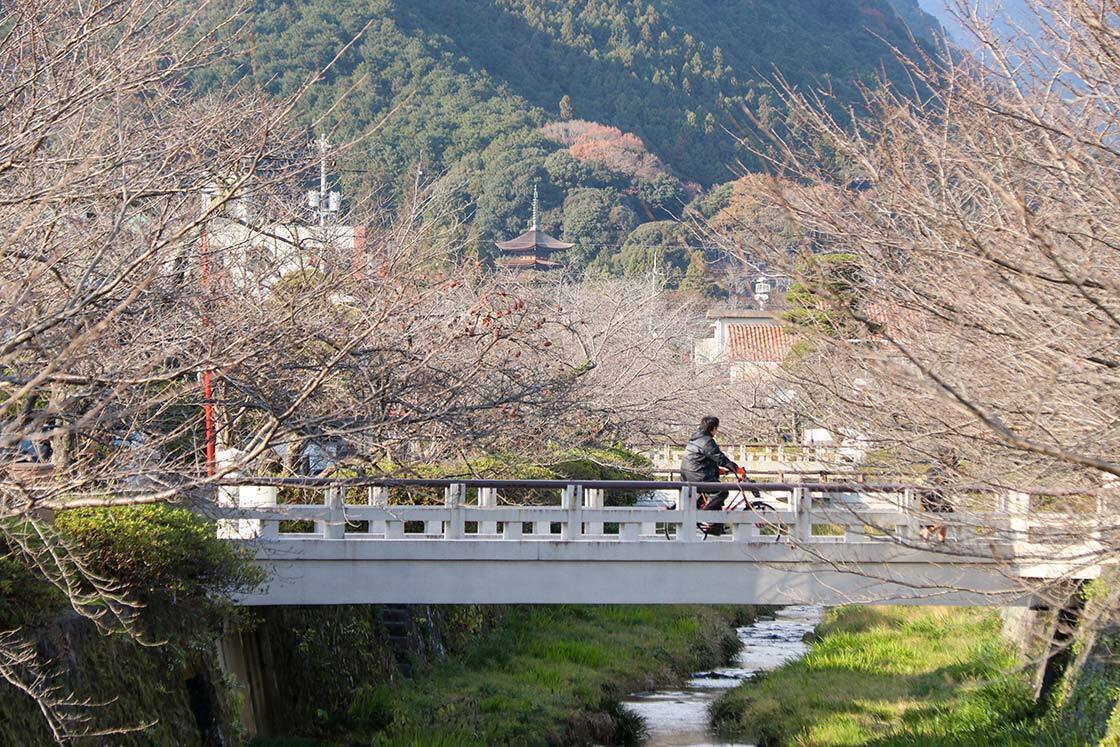
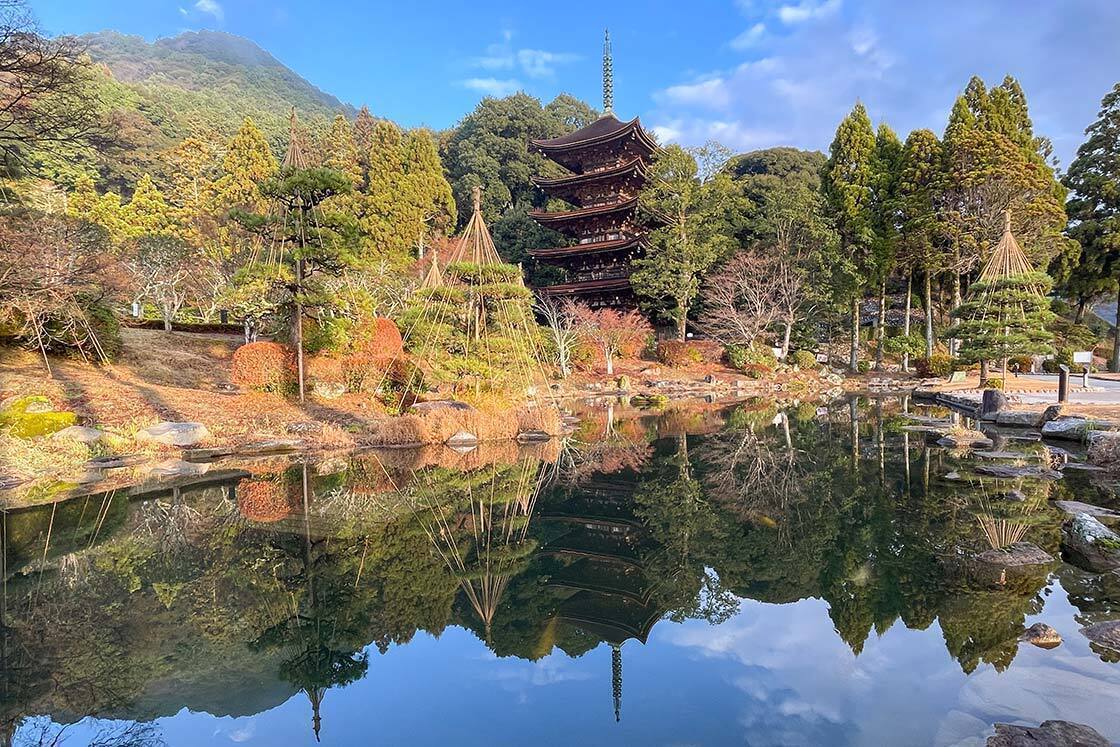
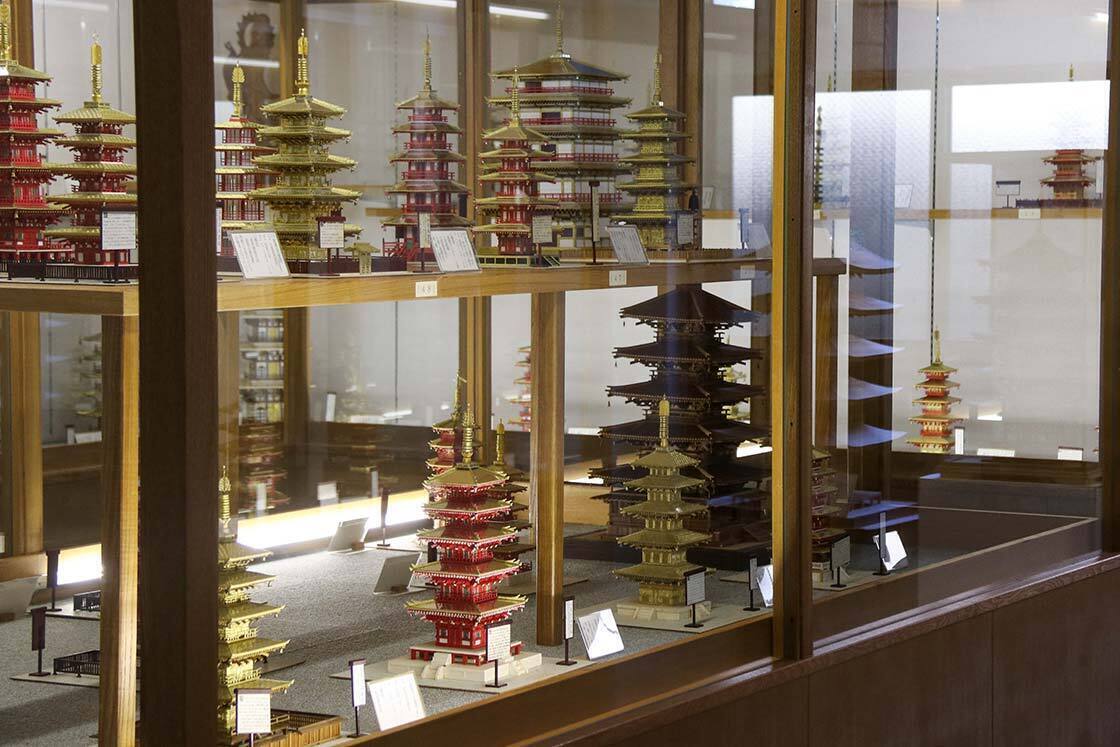
From there, I made my way to Yuda Onsen, the hot spring district in central Yamaguchi, where I had booked a night's stay. The area is home to several public foot baths, perfect for relaxing and soaking tired feet. If you have read The Hitchhiker's Guide to the Galaxy, you'll already know this - but a towel is the most useful thing a traveler can have. In my case, it came in handy when I tested out the footbaths.
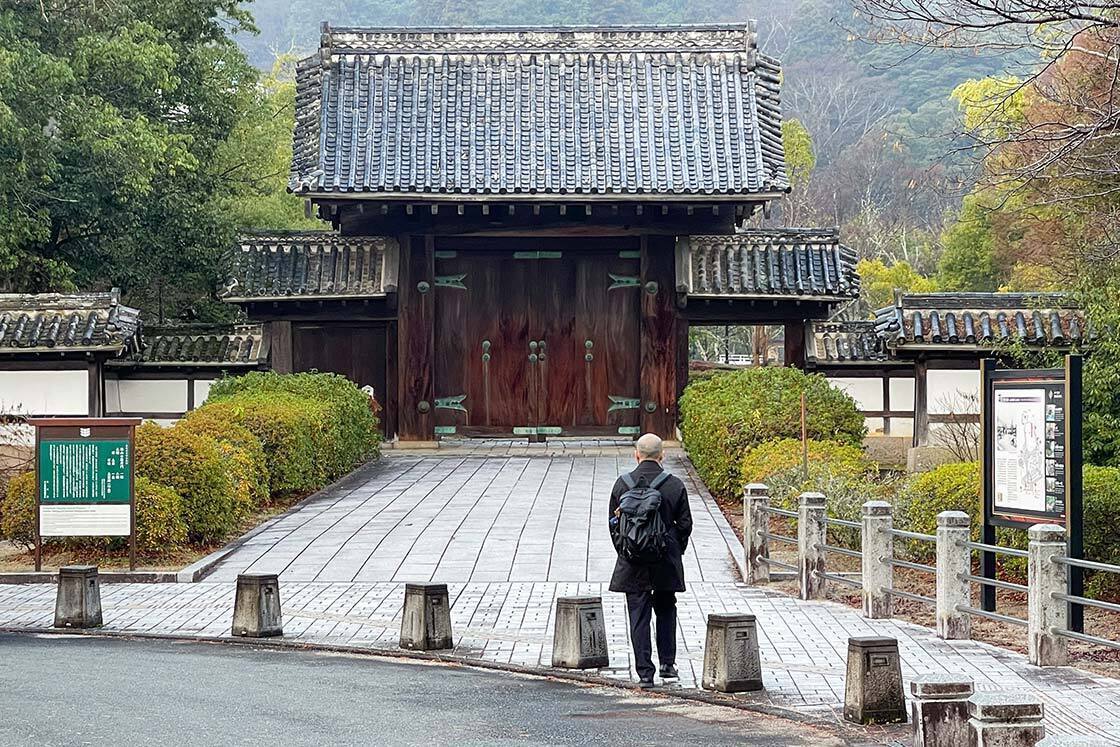
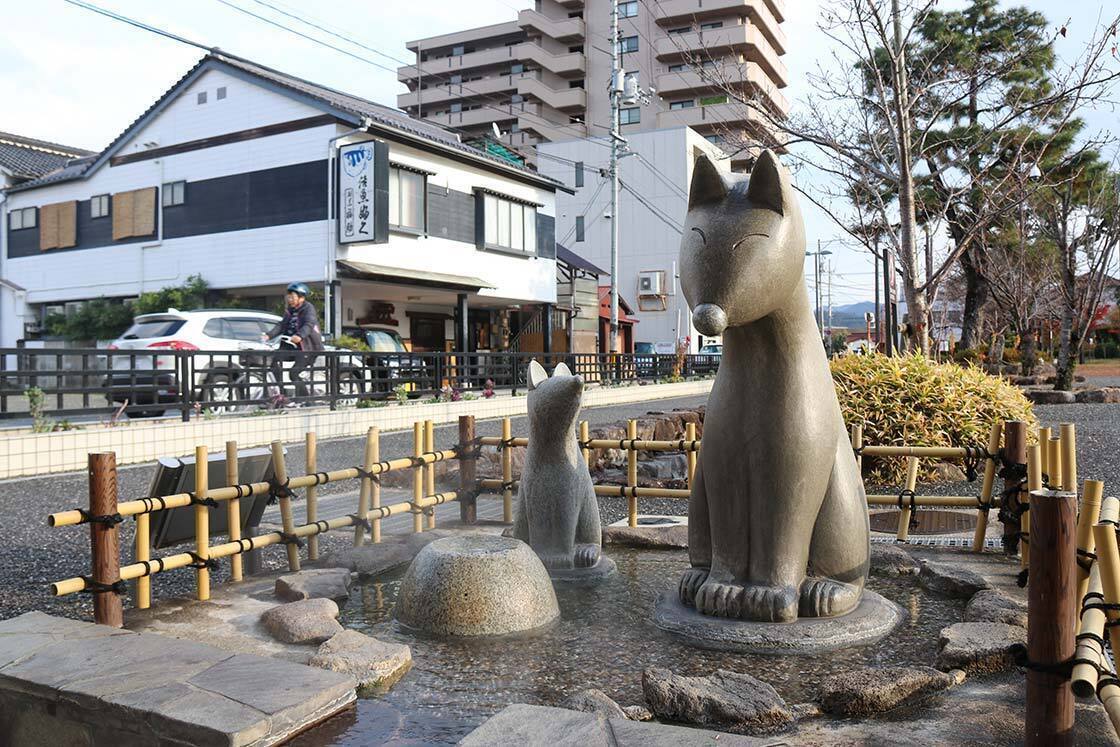
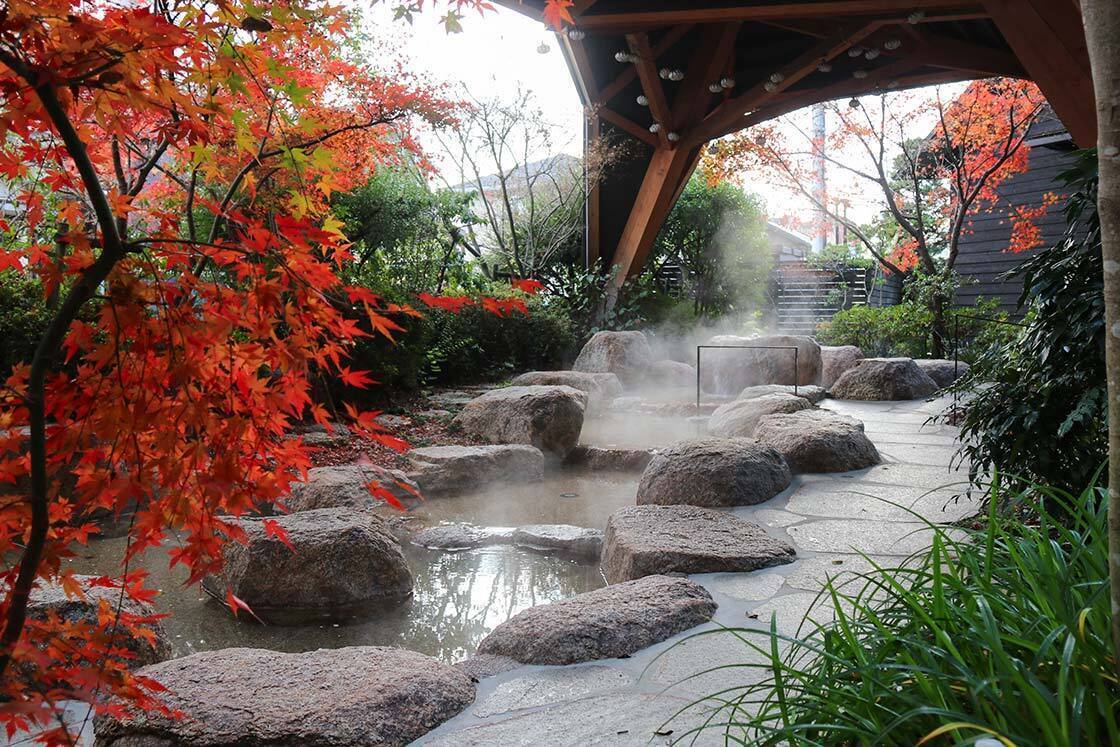
Akiyoshido - Japan's largest limestone cave
My second day in Yamaguchi was mostly spent in Akiyoshidai Quasi National Park, about an hour by bus from central Yamaguchi. From there, I continued on towards Shimonoseki, where I spent the night. See the access section below for more detailed transport information.
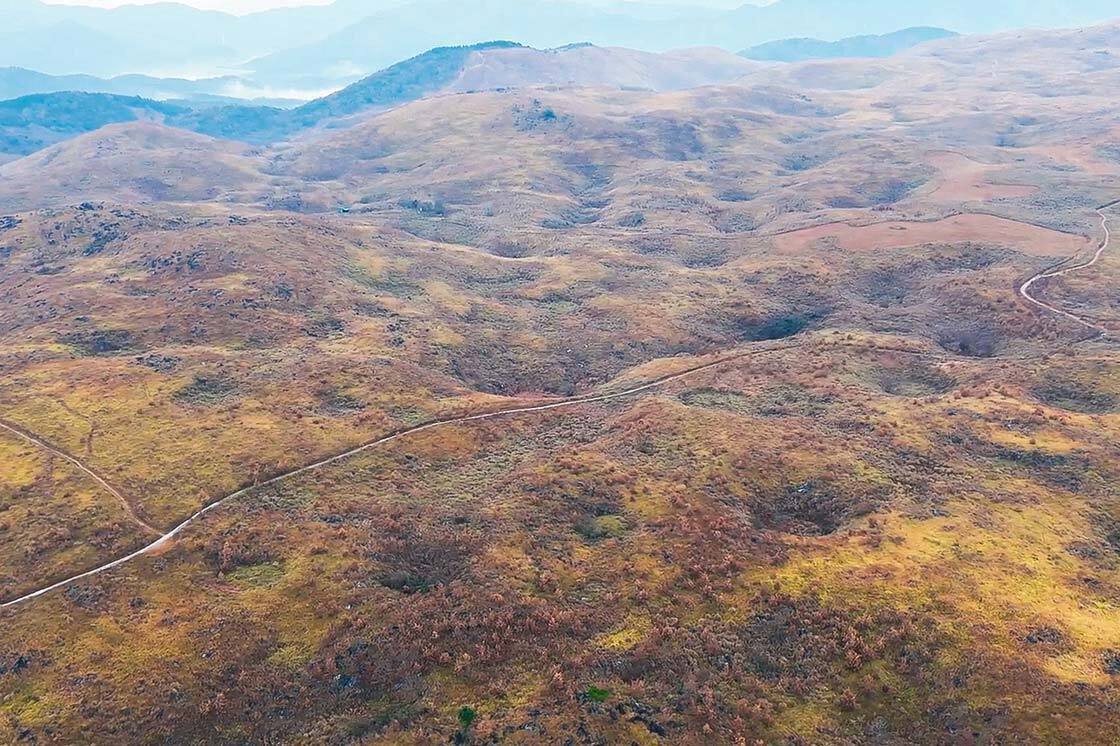
Akiyoshidai Quasi National Park is home to Akiyoshido, the largest limestone cave in Japan, as well as Akiyoshidai, the karst plateau above it. It is easy to spend an entire day hiking and exploring the park, but I chose a semi-adventurous route that allowed me about half a day there.
My route started from Akiyoshido, the cave. Here are some practical things to keep in mind: although the cave is lit, it is still relatively dark, and your eyes will need a few minutes to adjust. There are limited exits in the cavernous underground space, and there are no toilets inside. Completing the walking route takes about an hour.
At one end of the route is an elevator that takes visitors up to the plateau. I took the elevator to the surface, and continued on to explore the karst terrain above. Ticket holders are allowed to re-enter the cave by showing their ticket, which I did after I had my fill of exploring the plateau.
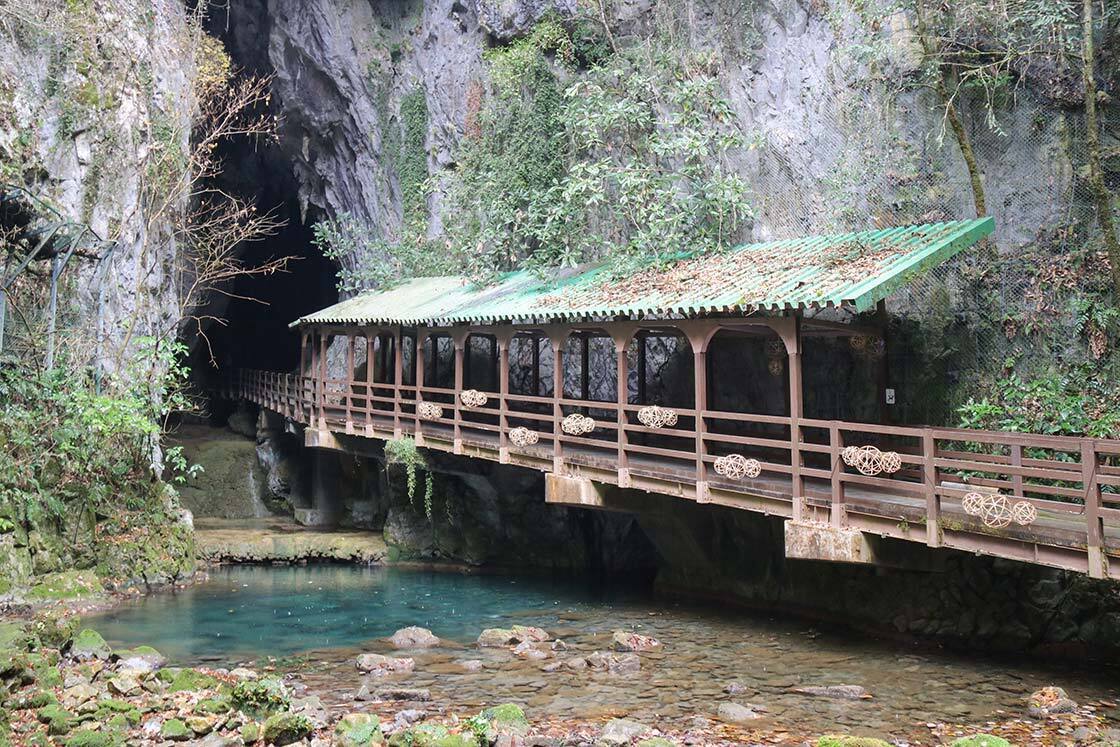
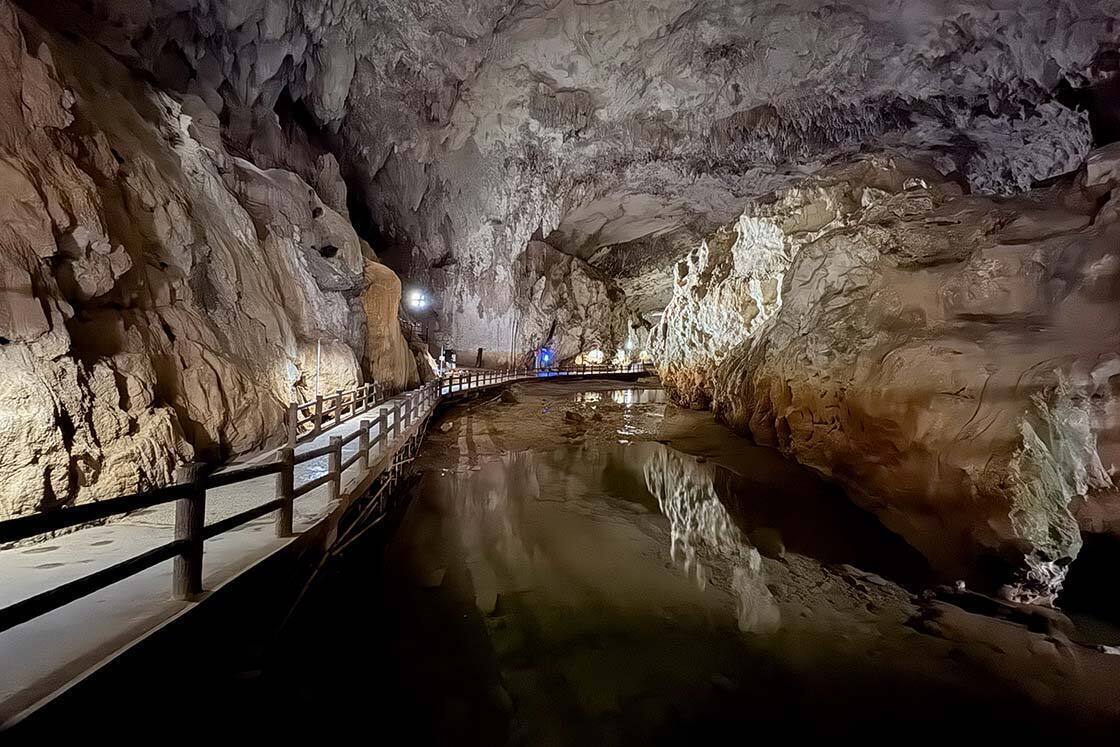
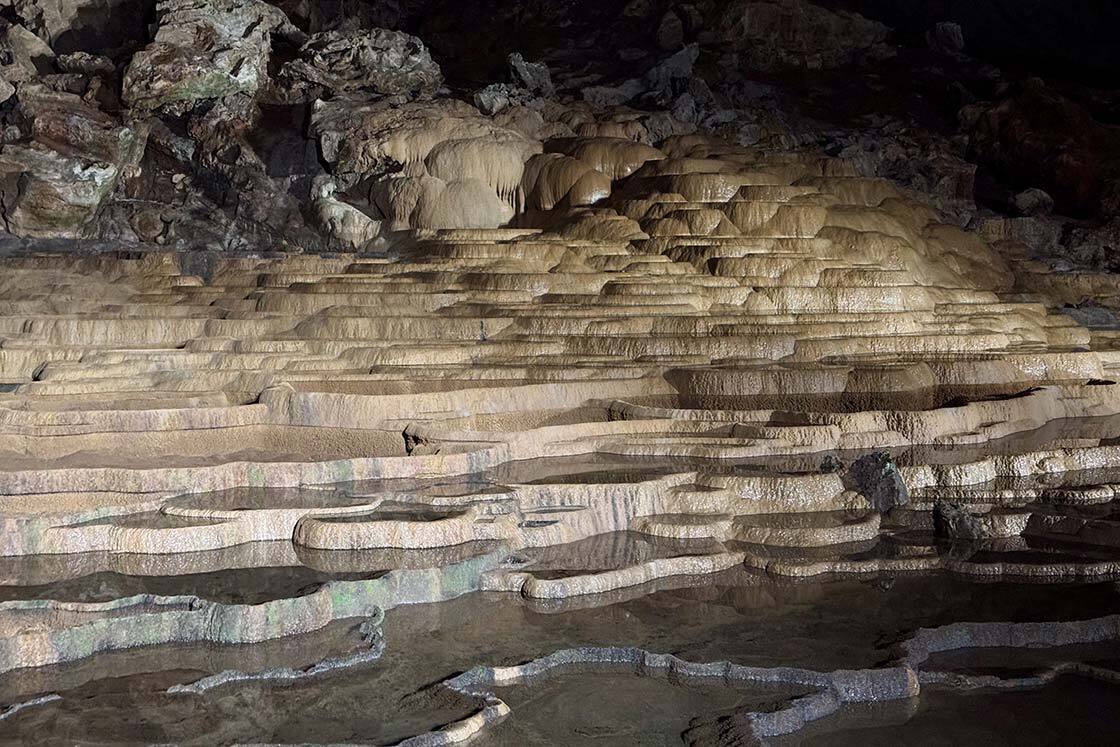
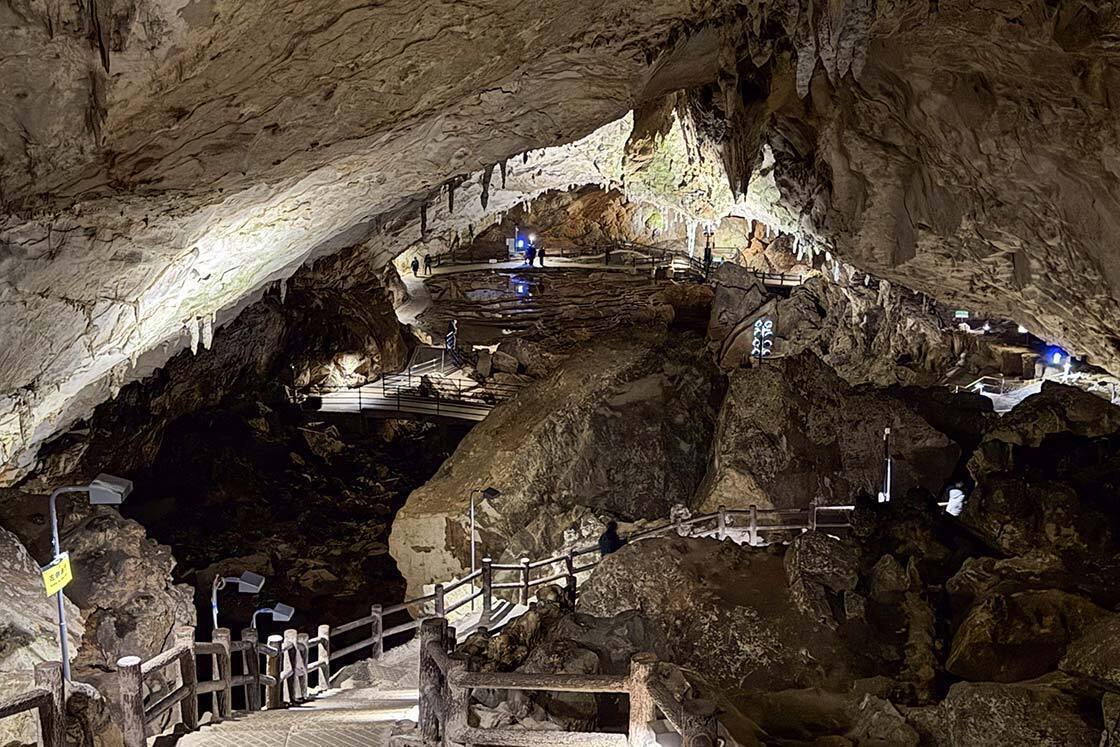
Akiyoshidai, the karst plateau, is one of three major karst landforms in Japan. The other two are the Shikoku Karst on the border of Kochi and Ehime prefectures, and the Fukuoka Karst in Fukuoka, Kyushu. I had previously visited the Shikoku Karst, and with this stop, I now only have the Fukuoka Karst left to complete the list.
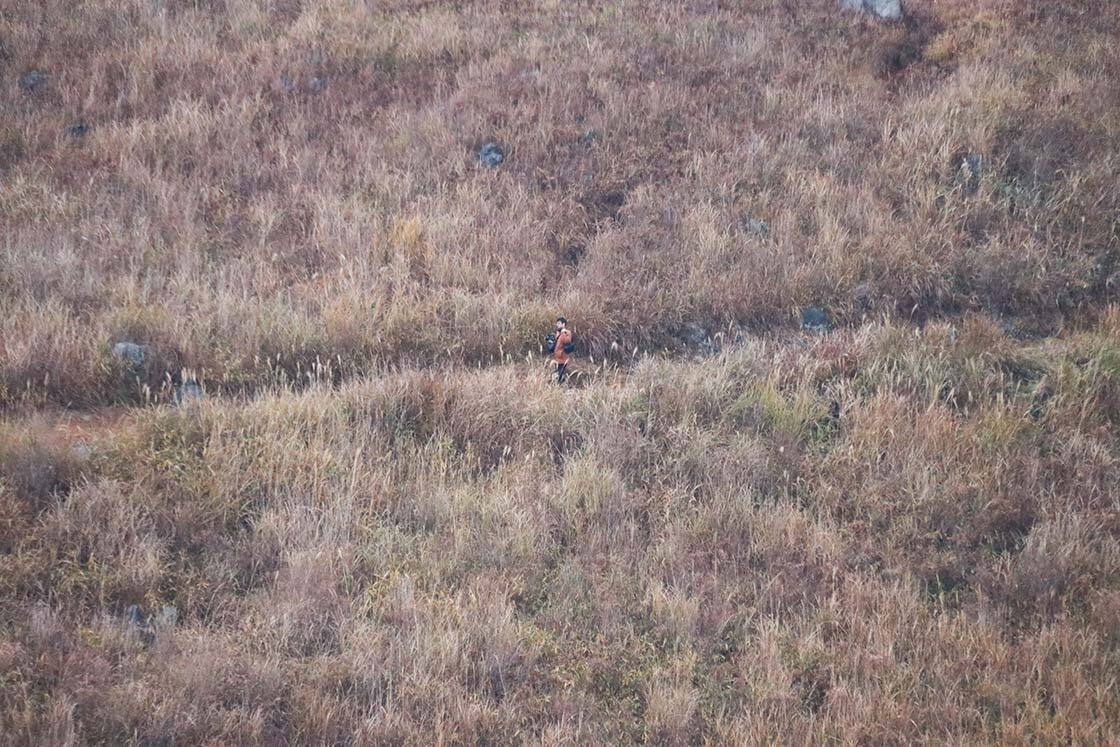
Walking trails across the plateau allow visitors to get up close to the landscape and experience its unique terrain. My route led me through a doline - a bowl-shaped depression - then across flatter ground and past large limestone formations. One thing to remember is not to get carried away and wander too far toward the horizon. Don't forget, for those using public transport, like me, the return route leads back through the cave.
Shimonoseki City - seafood galore in the port town
My final day began in Shimonoseki, the westernmost city on Honshu. See the access section below for more detailed transport information.
Shimonoseki is Japan's fugu or pufferfish capital. Large pufferfish statues can be found along the waterfront near Karato Market, one of the largest wholesale fugu markets in Japan.
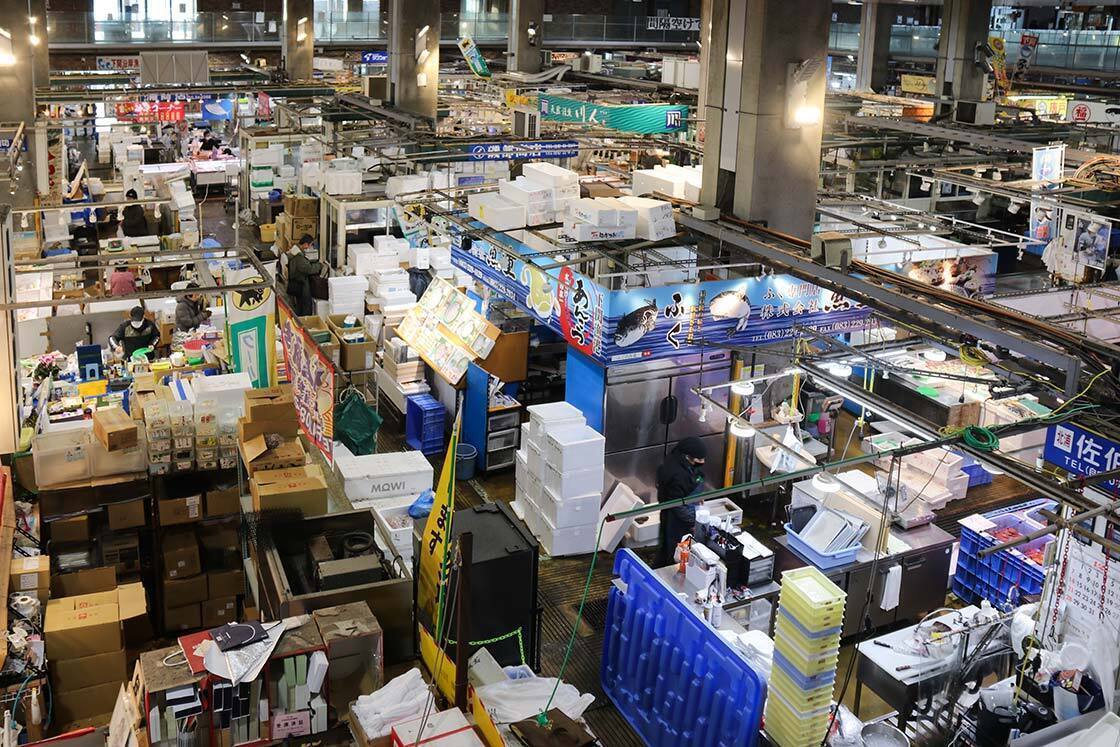
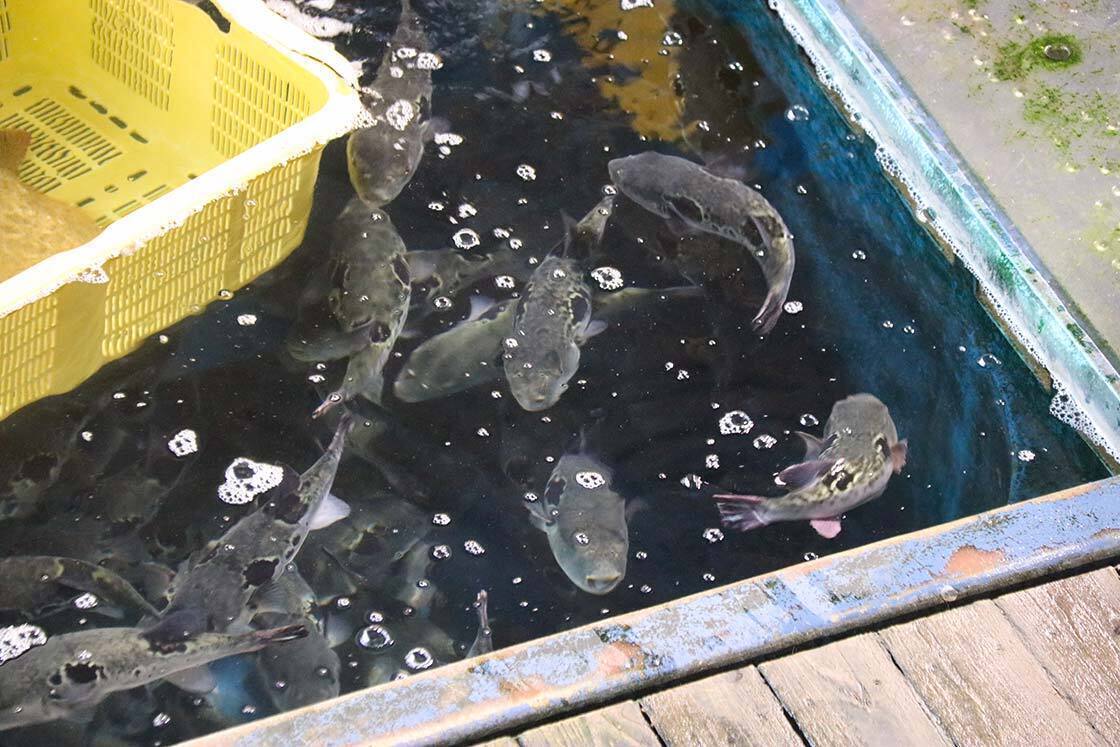
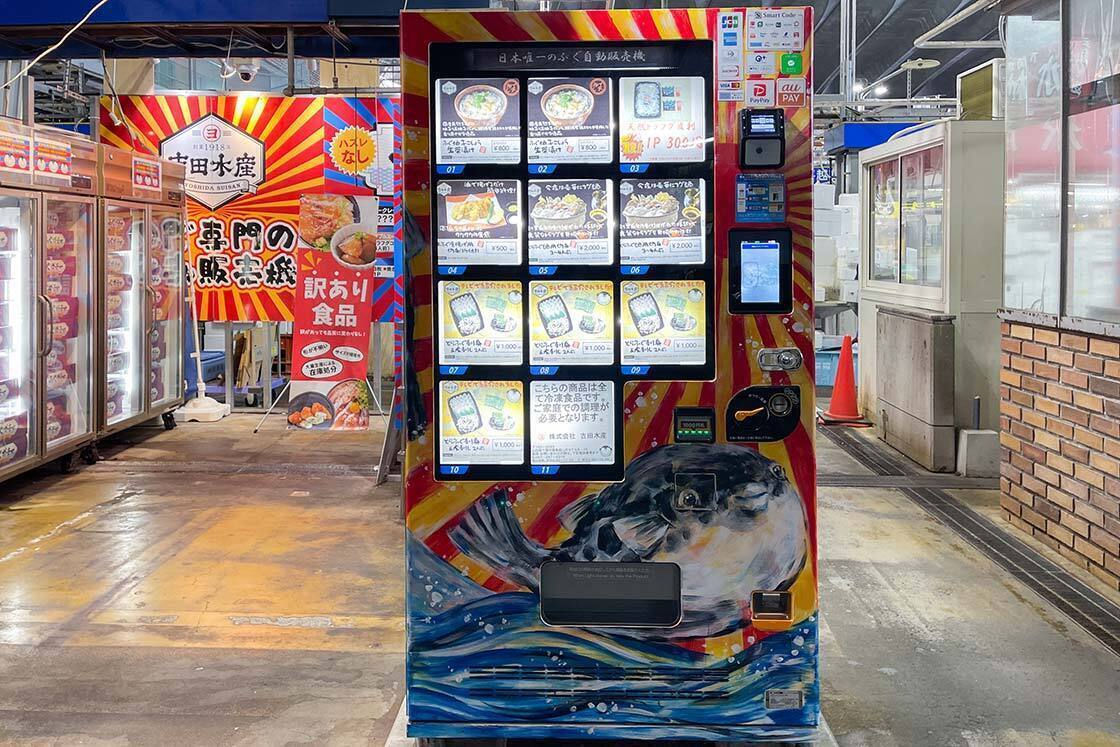
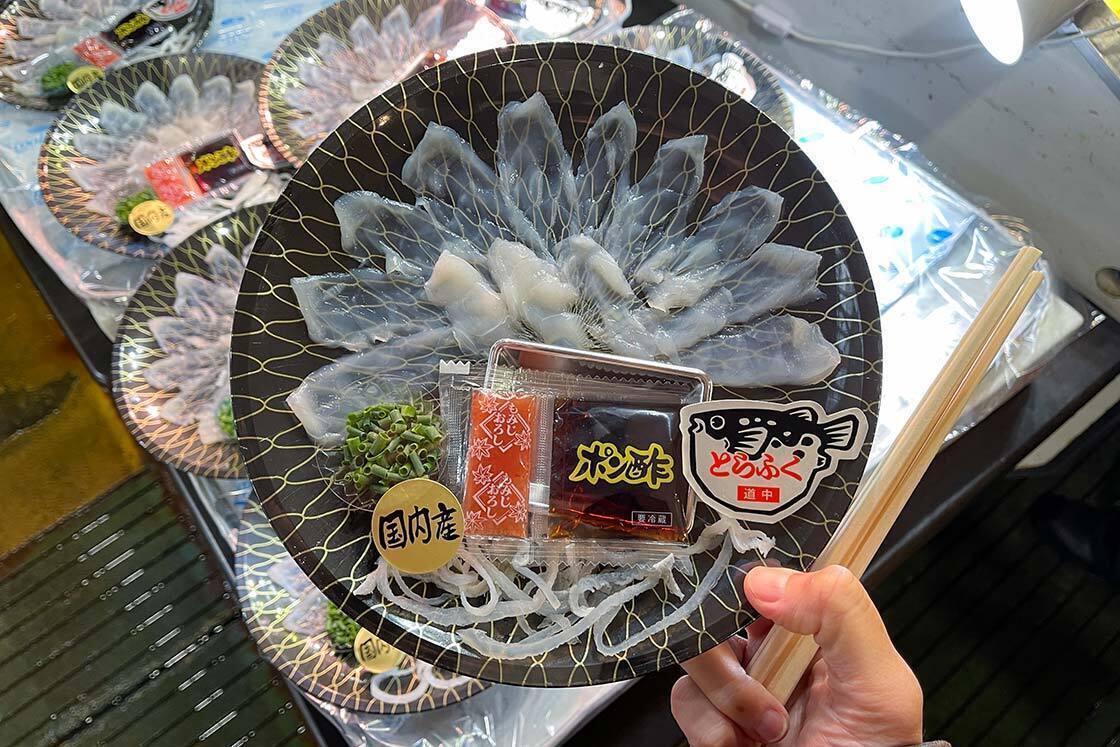
Pufferfish is often overhyped as a deadly delicacy, but in reality, fugu is only dangerous when prepared incorrectly. Japan has strict laws to ensure that only specially licensed professionals are allowed to prepare pufferfish by removing the toxic parts before it can be consumed or sold at licensed establishments. The most common ways to enjoy fugu are as sashimi, in a hotpot or deep fried.
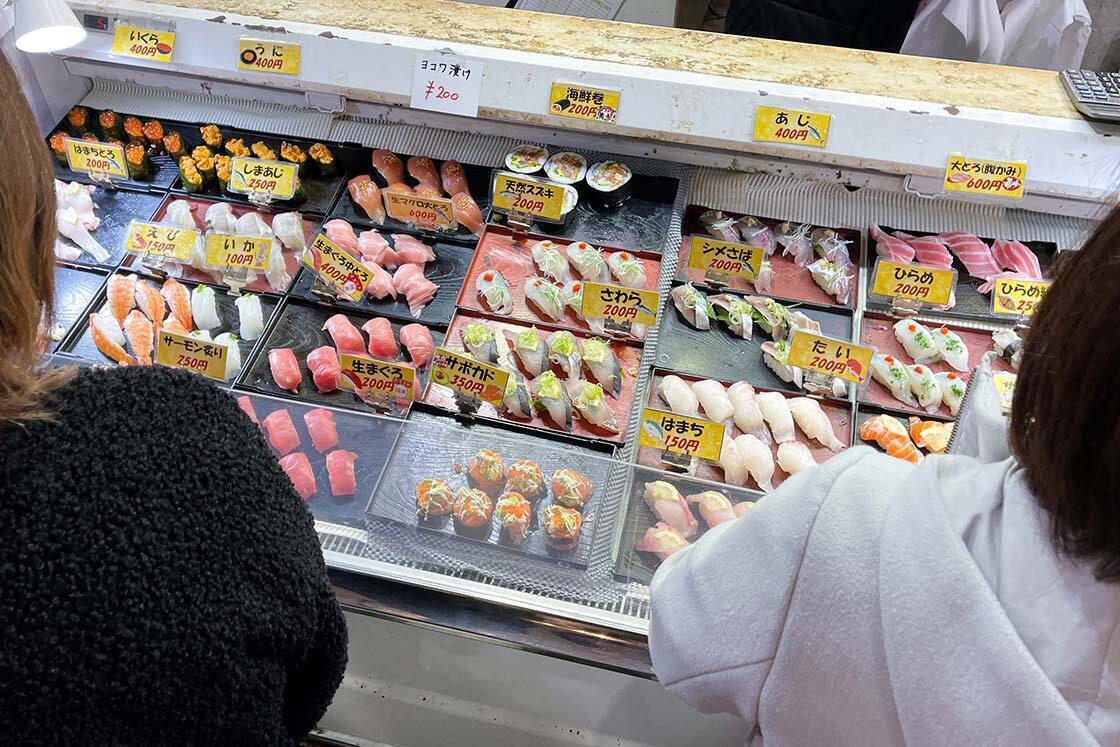
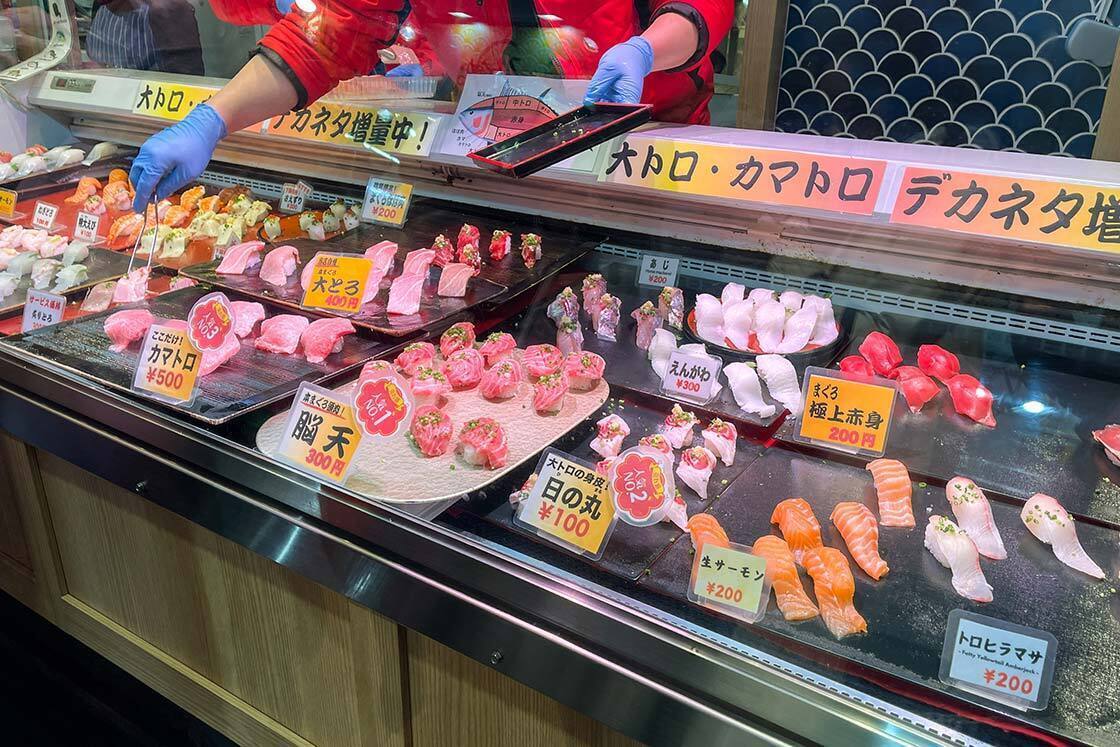
At Karato Market, visitors can enjoy pufferfish at one of the nearby restaurants or purchase properly prepared fugu with its poison already removed to take away. During my visit, I quickly realized that one of the best times to come is on Fridays and weekends when the Bakangai "sushi battle" event is held. This was easily one of the most fun fish market experiences I have had, and I may or may not have gone a little overboard with the sushi ordering. Participating shops display a variety of sushi, and visitors simply pick and pay for what they want.
If you have never tried pufferfish before, I would recommend the Bakangai event as a casual and approachable introduction to the delicacy. I made sure to try pufferfish sashimi, served on a plate alongside pufferfish skin, and also went for some deep fried fugu in addition to other types of sushi.
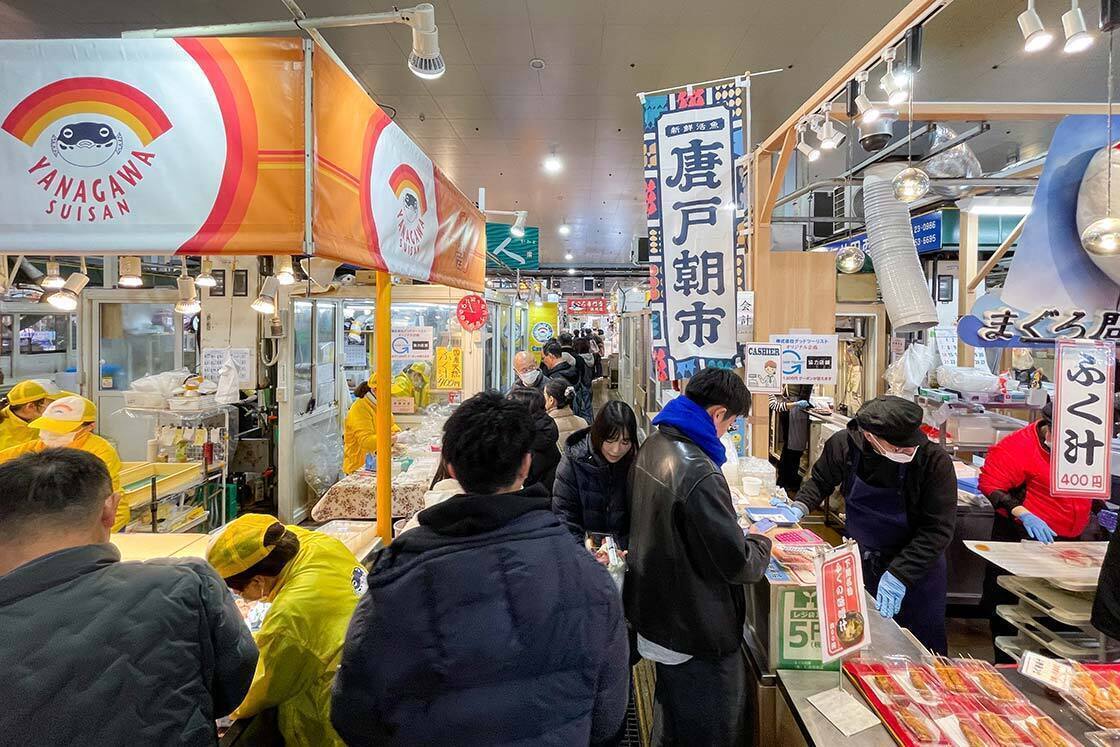
Shimonoseki faces the Kanmon Strait, the narrow stretch of water separating the islands of Honshu and Kyushu. The strait is also one of the busiest shipping routes in Japan, with numerous container ships passing through hourly. Apart from pufferfish and seafood, another unique attraction in Shimonoseki is the opportunity to cross under the sea on foot to Kyushu.
The Kanmon Pedestrian Tunnel is an underwater passage connecting Honshu and Kyushu at the narrowest point of the strait. It takes about 15-20 minutes to walk across, and those who start in Shimonoseki will emerge in Moji, a historical maritime gateway to Kyushu.
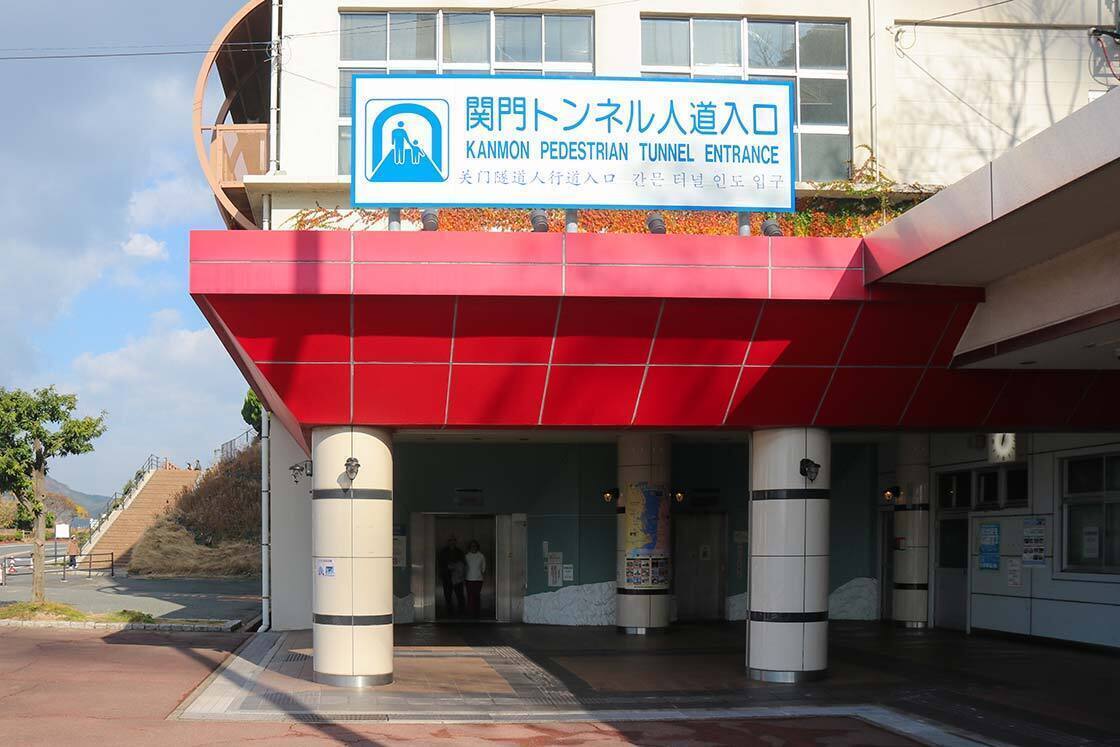
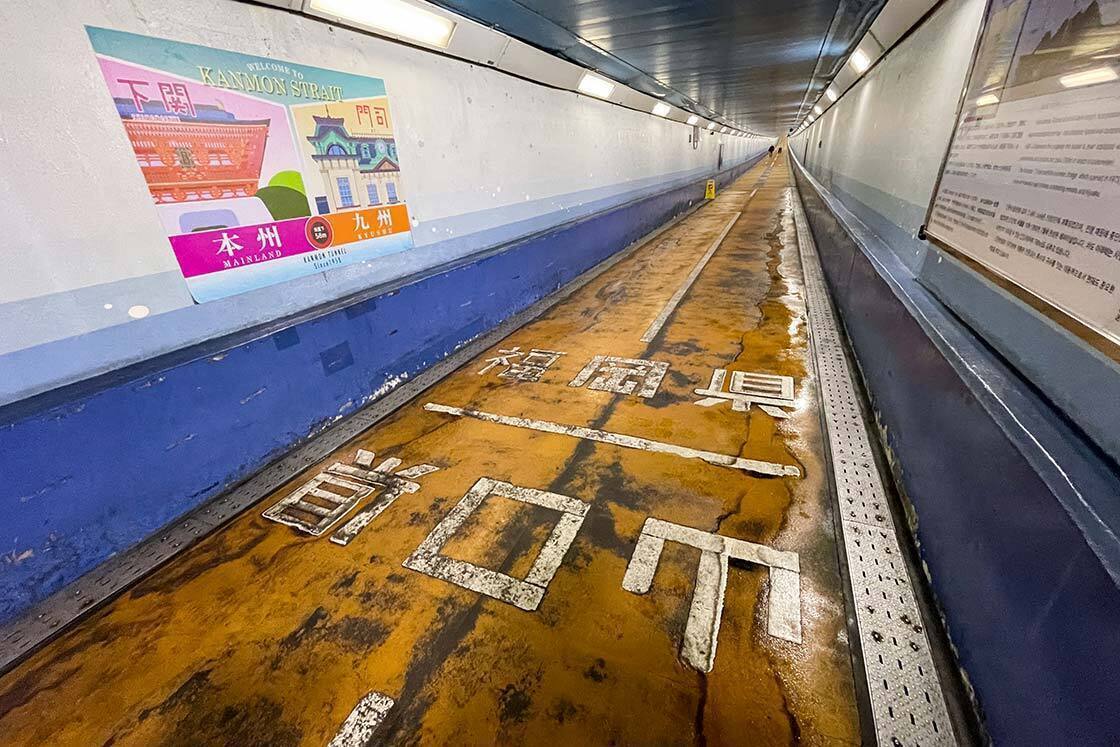
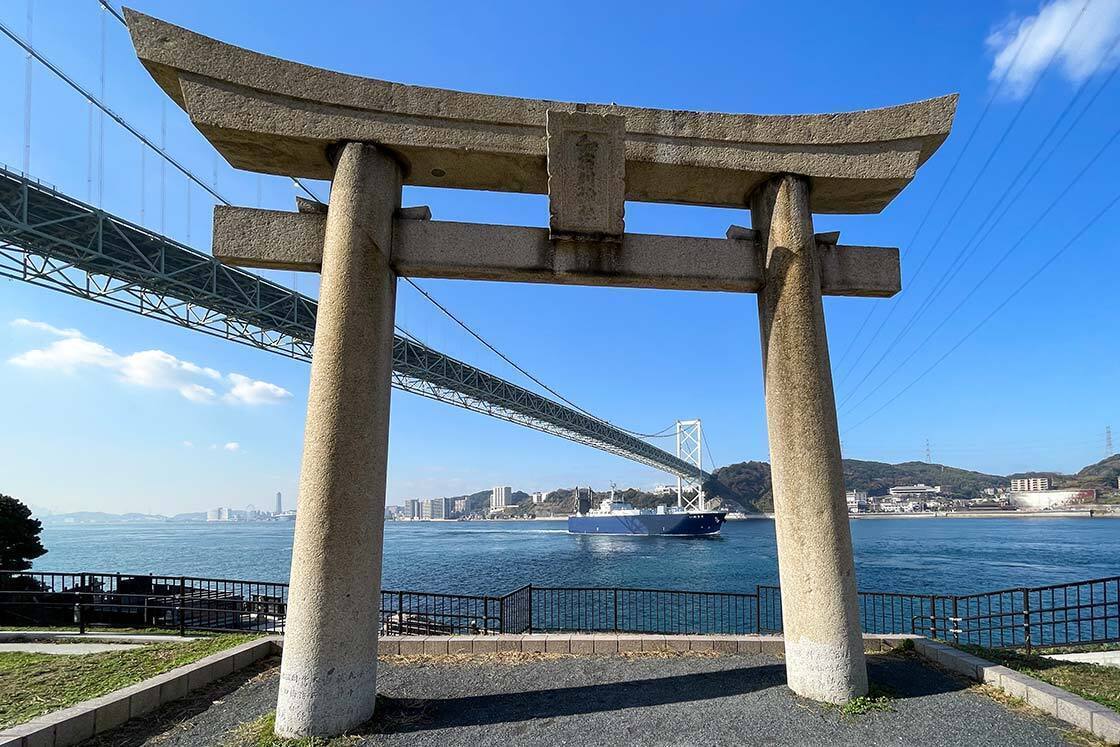
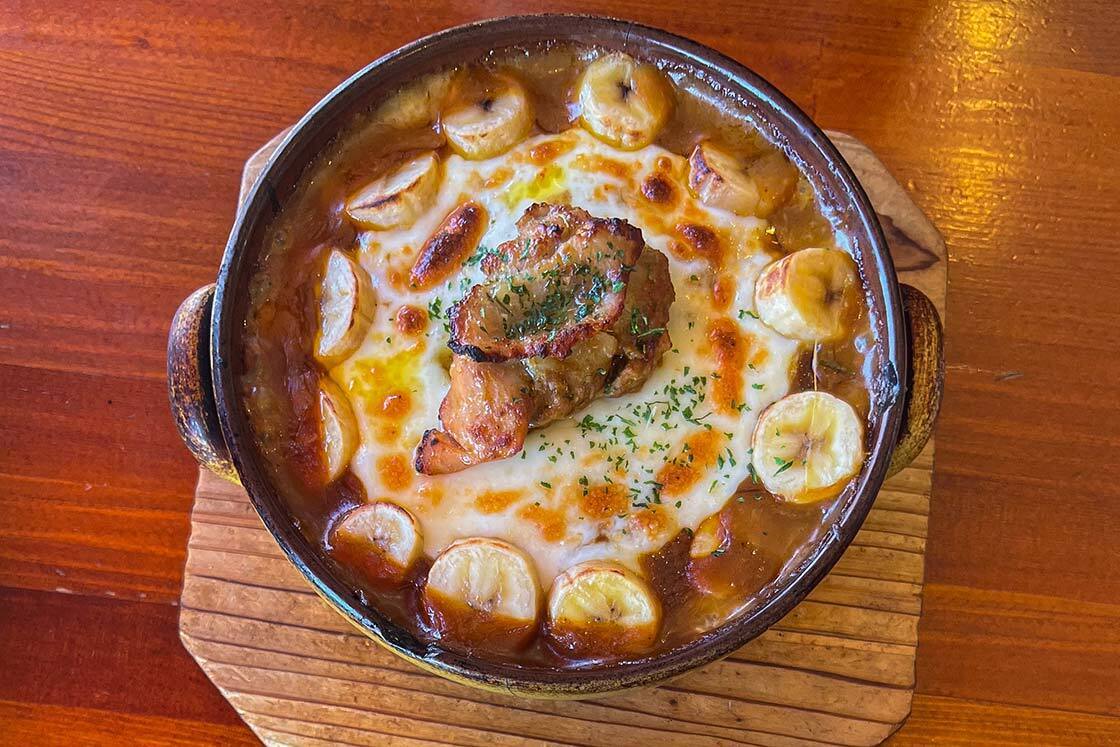
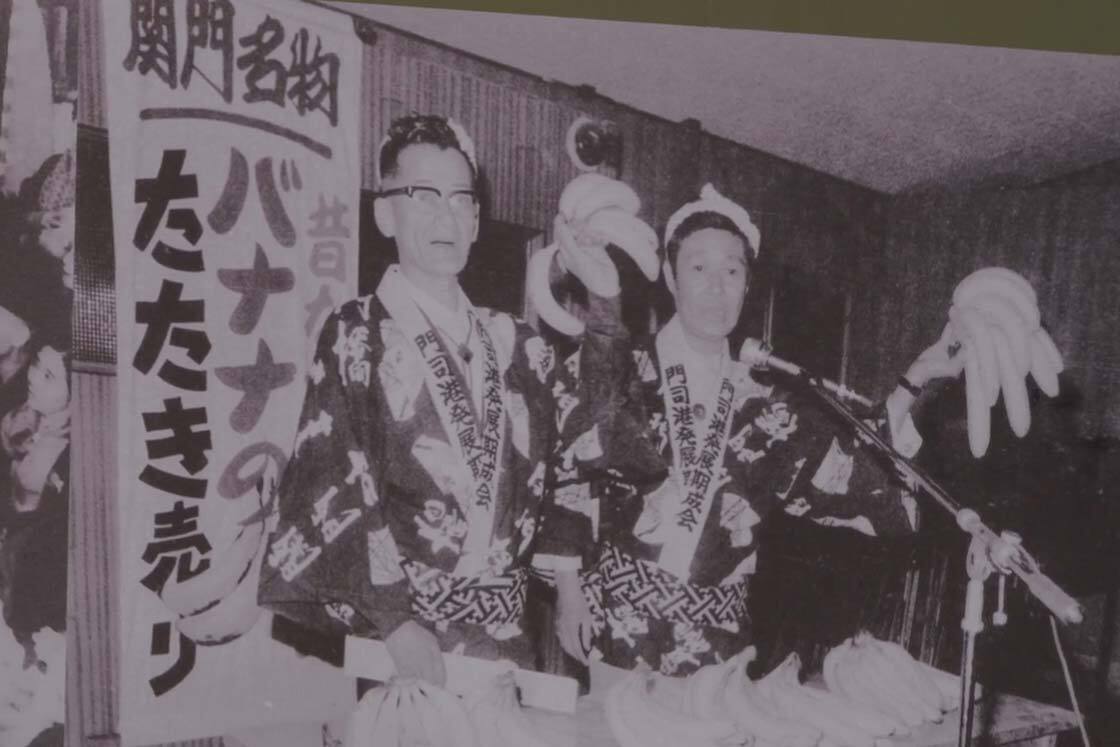
Moji Port has been an important international trading port since the late 1800s. In fact, the commercial import of bananas to Japan began here in the early 1900s. This banana legacy still remains today, with banana statues in the area and using bananas as ingredients in the local specialties.
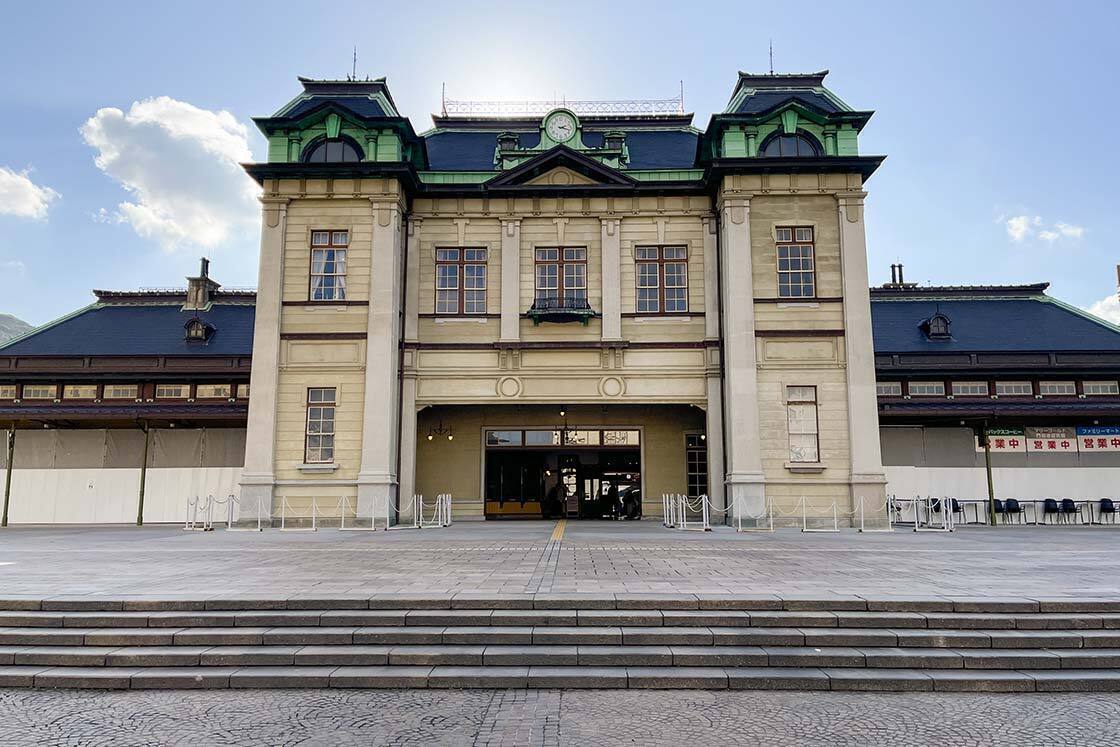
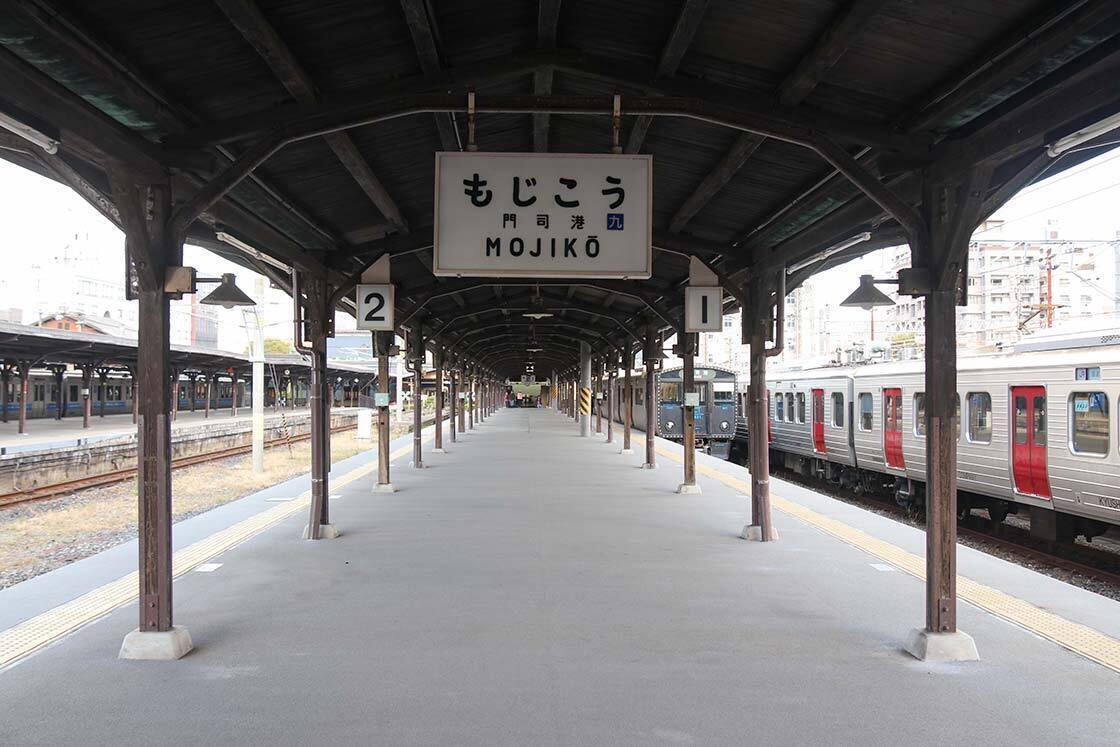
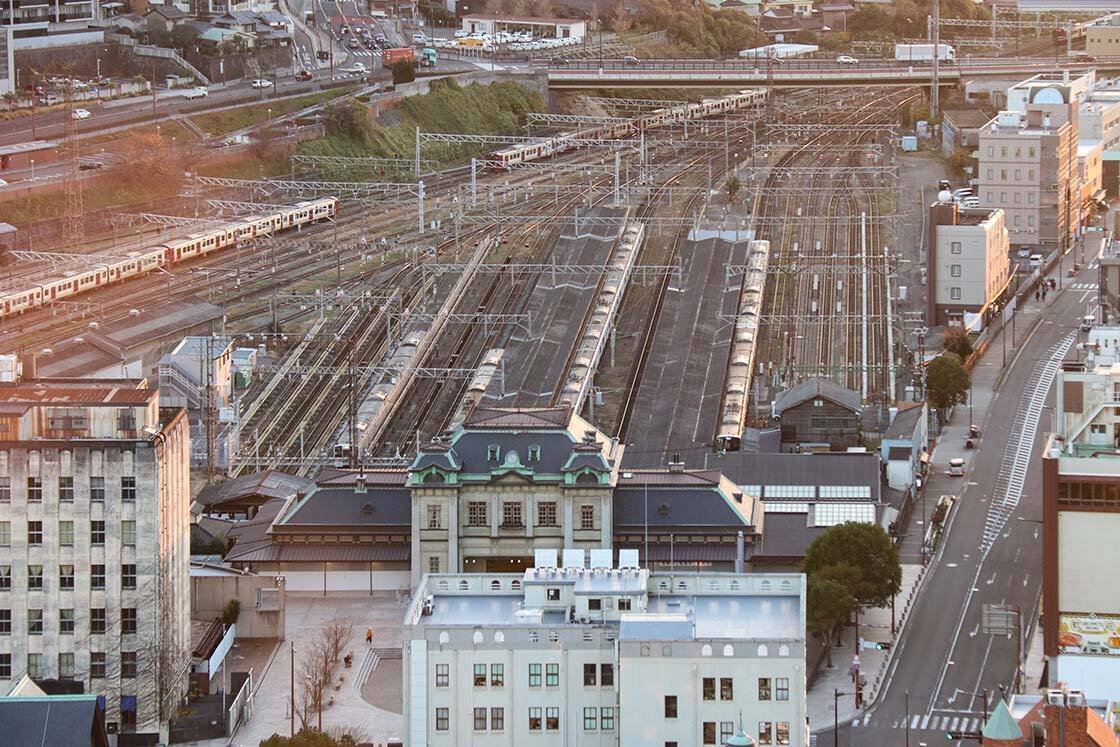
A number of Western-style historical buildings remain in the district, adding to its nostalgic atmosphere. One notable example is Mojiko Station, one of the oldest stations in Japan. In the past, rail passengers crossing between Honshu and Kyushu had to make the journey by boat, and Mojiko Station (formerly Moji Station) served as their first point of arrival on the island of Kyushu.
While I would have loved to continue my journey into Kyushu, my trip came to a close at Mojiko Station. I spent three lovely days exploring Yamaguchi Prefecture and enjoyed experiences that would have been hard to find anywhere else!
Access
How to get to and around Yamaguchi City
Central Yamaguchi is accessible by train. The closest bullet train station is Shin-Yamaguchi on the San-yo Shinkansen. From there, take the local JR Yamaguchi Line to Yamaguchi Station (25 minutes one way). The total travel time is about 1 hour from Hiroshima or about 2.5 hours from Osaka. The city is fairly large, but good walkers can cover the main attractions in central Yamaguchi on foot, which was what I did.
Approximate walking times between spots:
- Yamaguchi Station to Yanagiya Kawarasoba: 15 minutes
- Yanagiya Kawarasoba to Rurikoji Temple: 20 minutes
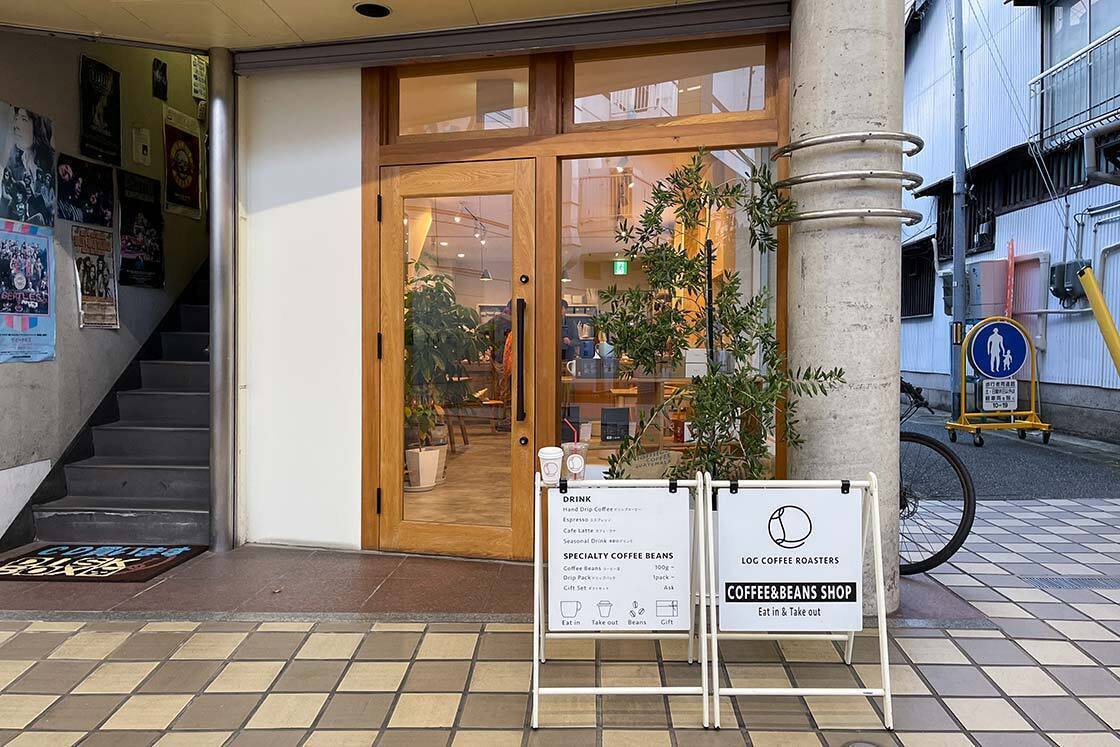
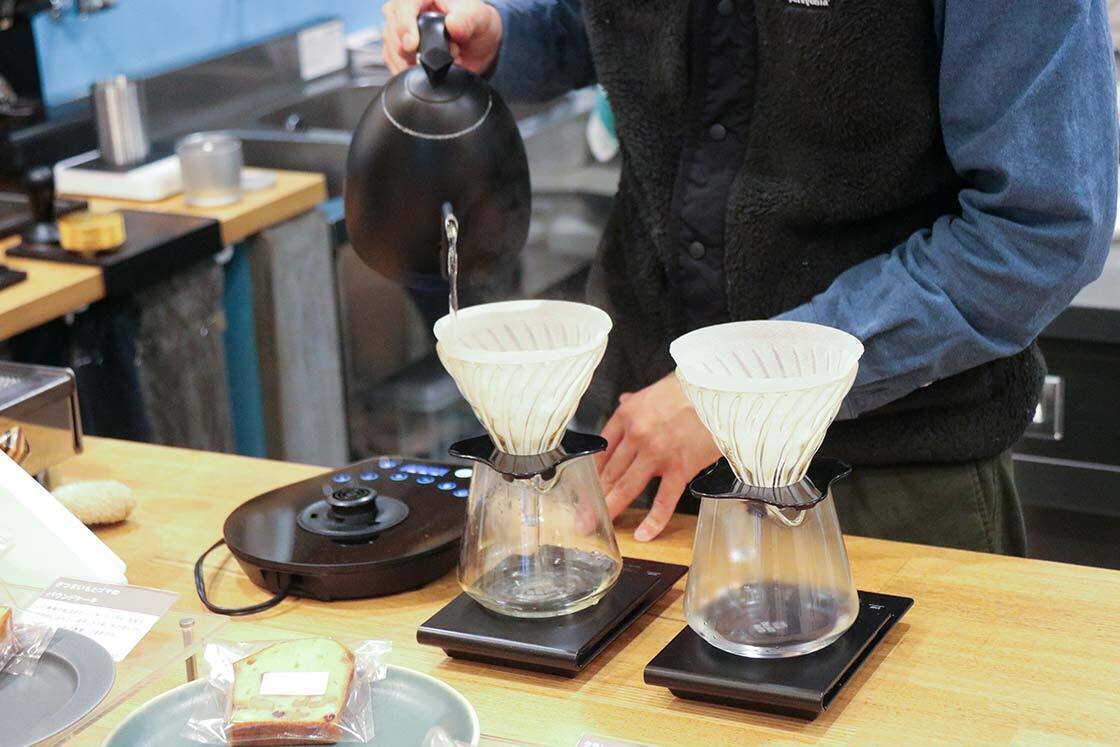
- Rurikoji Temple to Log Coffee Roasters : 30 minutes
- Log Coffee Roasters to Yuda Onsen: 40 minutes
How to get to and around Akiyoshido Cave
The easiest way to get to Akiyoshido Cave is by bus, and there are direct buses from either Yamaguchi Station (about 60 minutes, one bus every 2-3 hours on weekdays or 2-4 hours on weekends and national holidays), Yuda Onsen (about 50 minutes, one bus every 2-3 hours on weekdays or 2-4 hours on weekends and national holidays) or Shin-Yamaguchi Station (about 35 minutes, hourly buses).
From the bus terminal at Akiyoshido, it takes less than 10 minutes to walk to the cave ticket gate.
How to get to and around Shimonoseki City
Central Shimonoseki is served by Shimonoseki Station, and it is accessible by the local JR San-yo Line from Shin-Yamaguchi Station (about 70 minutes). The city is fairly large, but good walkers can cover the main attractions in central Shimonoseki on foot. Taxis are readily available and will reduce transit time.
Approximate walking times between spots:
- Shimonoseki Station to Karato Market: 35 minutes
- Karato Market to Kanmon Pedestrian Tunnel: 20 minutes