From Tokyo’s Newest Attractions to the Nature and Tradition of Gunma
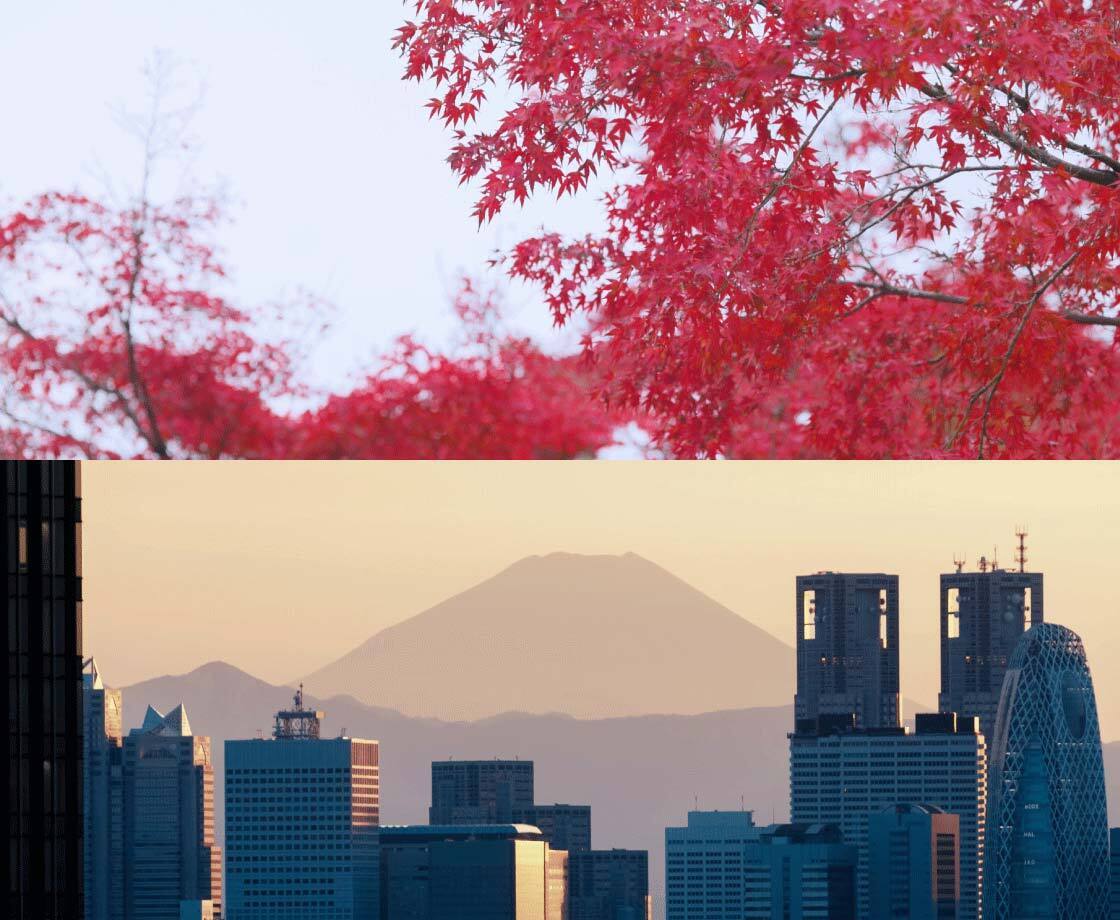
Gunma Prefecture is famous for Ikaho Onsen, one of Japan's foremost hot spring destinations, as well as for offering a wide variety of activities that take advantage of its natural beauty, such as the "torokko" (sightseeing trolley train) that runs on Watarase Keikoku Railway, glamping featuring sauna and BBQ, and waterfall meditation at Tanashita Fudo Waterfall, selected as one of Japan's top 100 waterfalls. November is one of the best times to visit, when the beautiful fall foliage and other seasonal attractions can be seen at famous landmarks.
We recommend starting your journey in Tokyo,where you can enjoy cutting-edge art at museums such as teamLab Borderless: MORI Building DIGITAL ART MUSEUM and stay at the JW Marriott Hotel Tokyo, before moving to Gunma Prefecture to experience traditional crafts, regional cuisine, and magnificent nature. This four-day trip gives you ample time to discover the distinct and captivating charms of these two unique areas,just one hour apart by Shinkansen.
Day 1 Tokyo: Digital Art and Urban Luxury
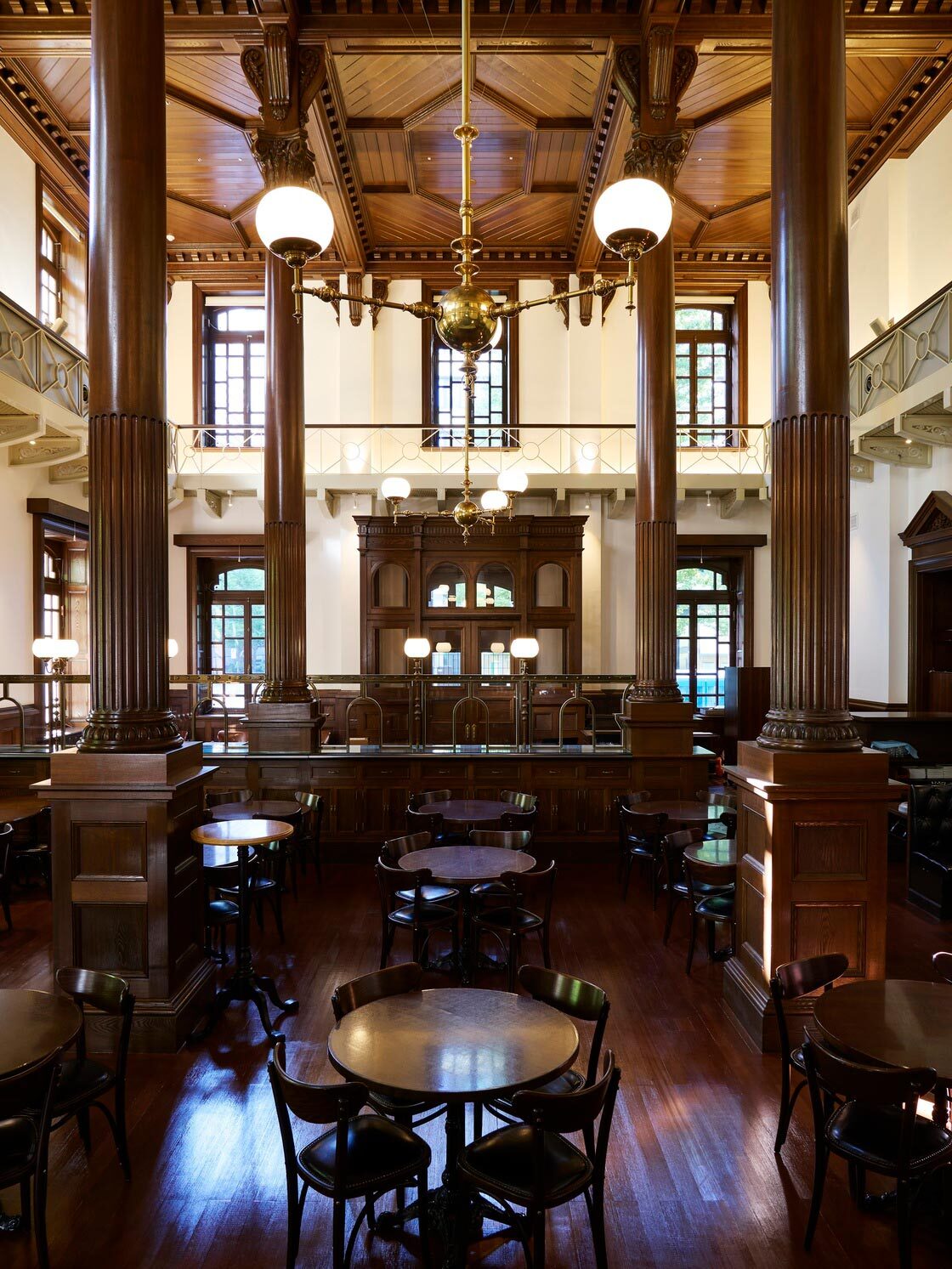
Your adventure begins a few minutes' walk from Tokyo Station at Marunouchi BRICK SQUARE, where you can enjoy lunch at Cafe1894, the Mitsubishi Ichigokan museum cafe and bar. Formerly a bank, this location has been renovated into a classical dining space that preserves its traditional Meiji era architecture. Collaborations with the museum produce menus that are a feast for the eyes as well as the palate. Enjoy this cultural experience that combines history, art and cuisine.
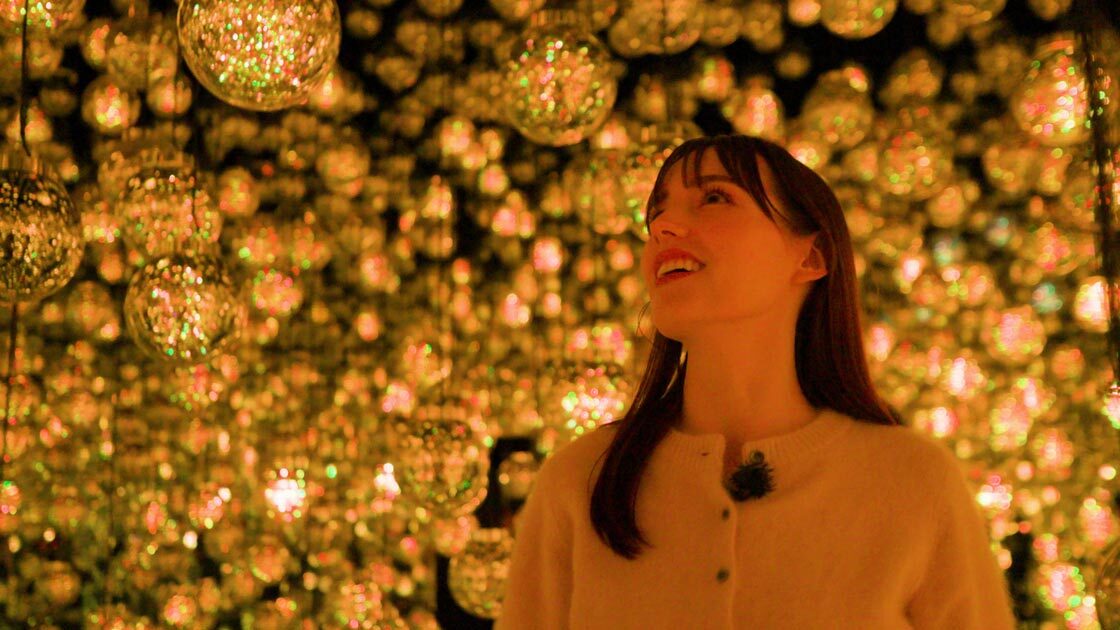
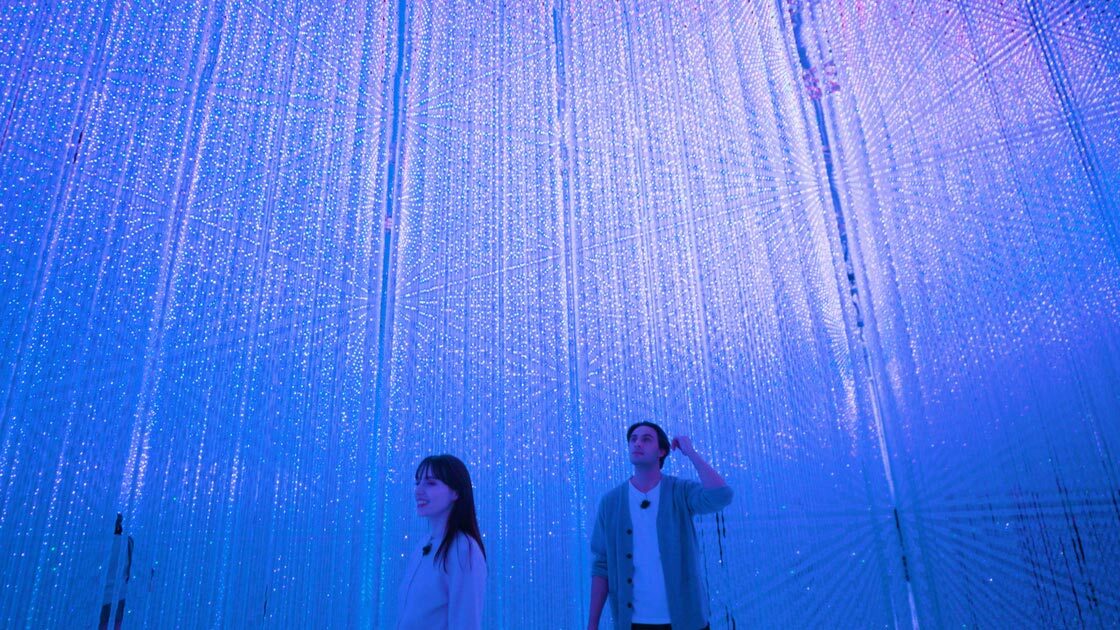
After lunch, head to Azabudai Hills in Minato Ward for teamLab Borderless: MORI Building DIGITAL ART MUSEUM, the must-see freely explorable "museum without a map" created by an international art collective teamLab. Here you can have a one-of-a-kind experience immersing your mind and body in a "borderless world" where artworks move seamlessly into and influence each other. While teamLab Planets TOKYO DMM in Toyosu is also popular, this museum is based on a completely different concept, offering visitors a distinct experience.
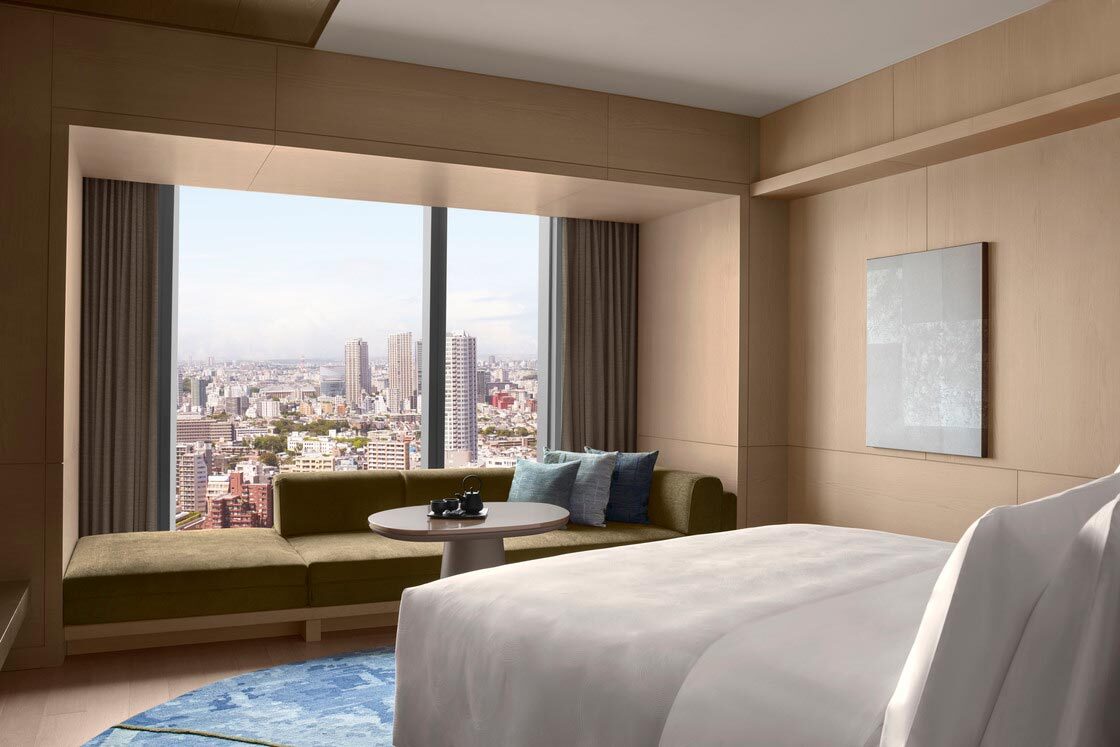
Finally stay at the much-talked-about JW Marriott Hotel Tokyo in Takanawa. A luxury hotel newly opened in October of 2025 by Marriott International, offering premium global-standard hospitality. Inspired by Zen philosophy and the beauty of nature, they emphasize mindful experiences that harmonize mind and body. Relax to the fullest in a space that incorporates Japanese aesthetic and natural materials, resting your body for the Gunma journey that awaits you the following day.
Day 2 Gunma: Tradition, Craft and Onsen Heritage
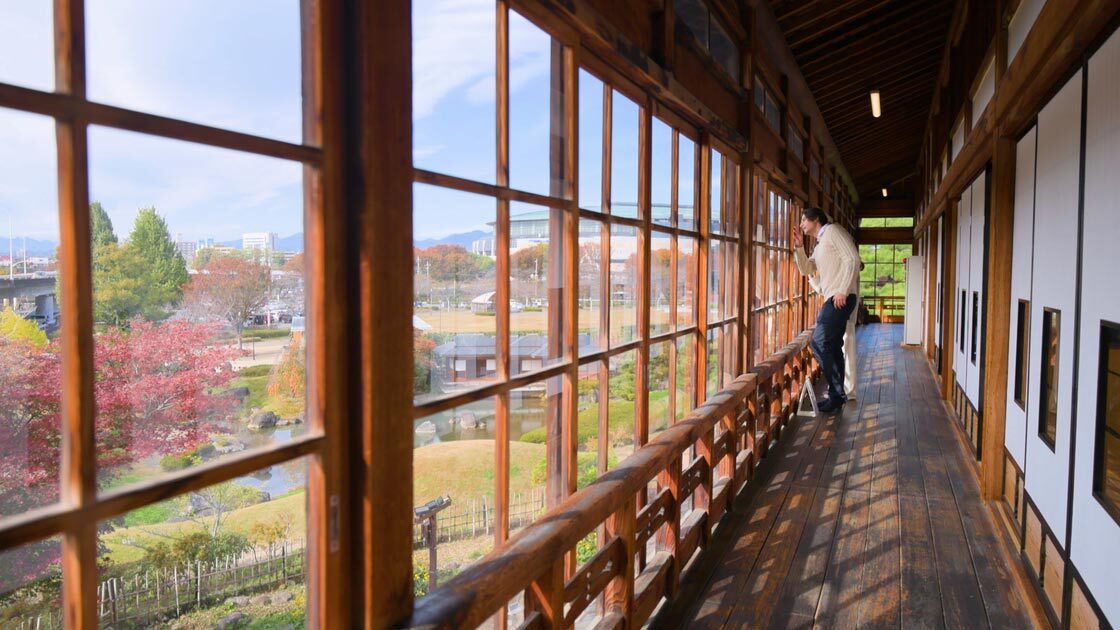
Let's depart for Gunma on the second day, arriving in Gunma prefecture after a brief one-hour ride from Tokyo on the Shinkansen. Head first to the Rinkokaku, Nationally Designated Important Cultural Property, constructed as a State Guest House in the Meiji era. The harmony between the building and the waterfront scenery casts a beautiful aura. Experience the beauty and spirit of Japan as you explore the Japanese garden, where a variety of seasonal scenes unfolds.
You can also get a magnificent picturesque view of the town, mountains and autumn foliage from the spectacular 300 square meter tatami-floored grand hall on the second floor of the annex.
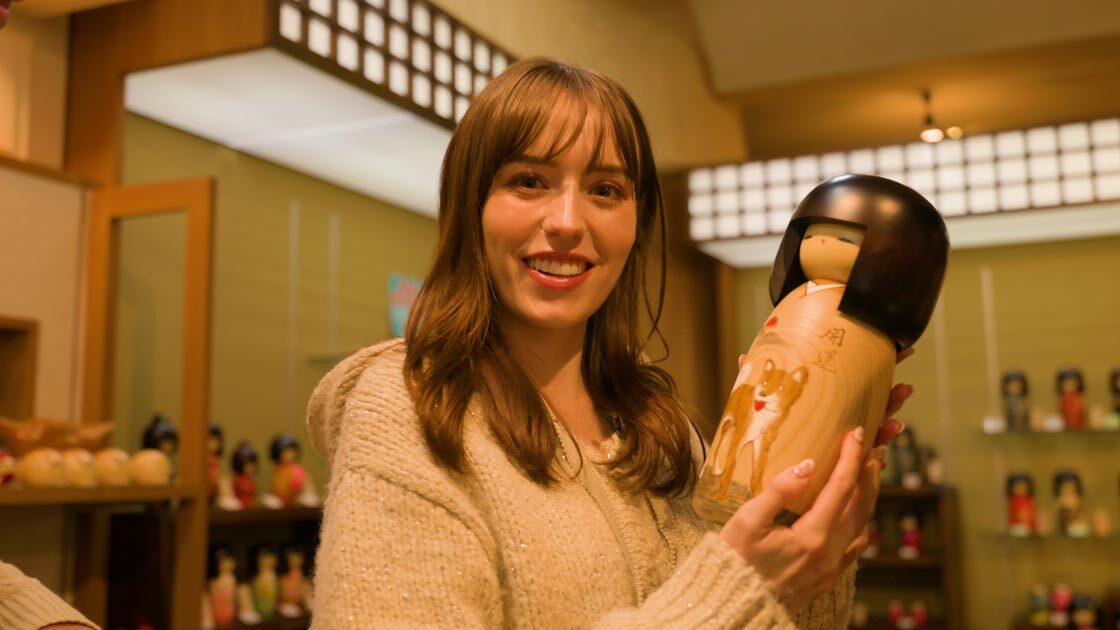
Next, check out artisanal tradition with Japanese craft kokeshi dolls on a studio tour of Usaburo Kokeshi. The studio produces "sosaku kokeshi" made with free-form designs such as egg shapes, "character kokeshi" featuring anime and character collaborations, and many other unique works.
In addition to the tour, you can also paint your very own kokeshi for an original souvenir. Usaburo Kokeshi uses matured wood from the Gunma mountain forests, which also contributes to SDGs that foster forest restoration.
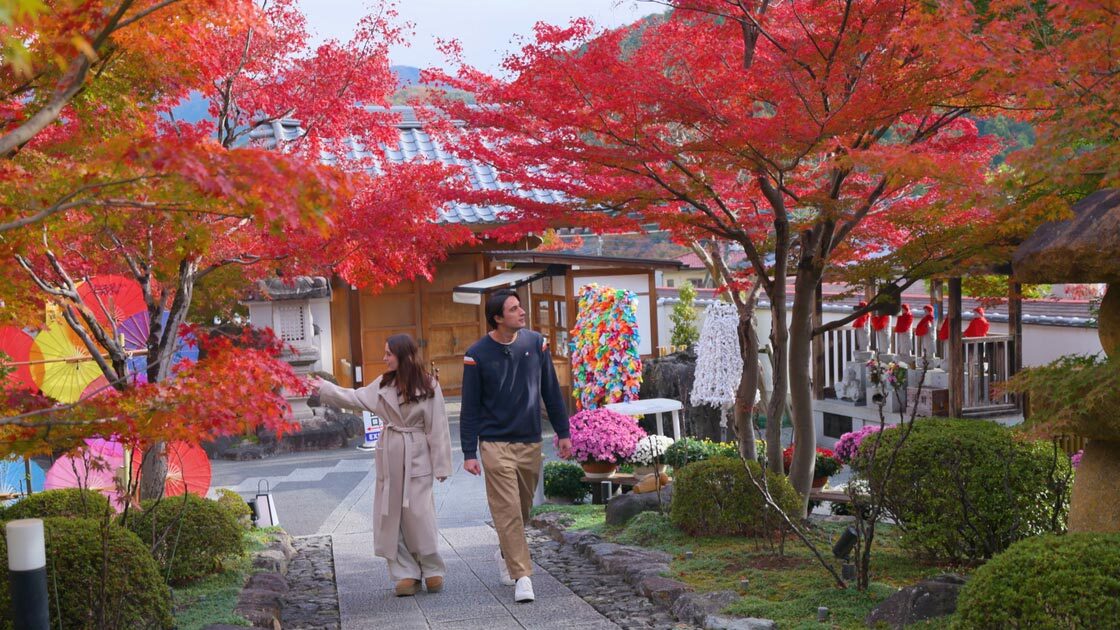
At last, head to one of Gunma's premier onsen towns, Ikaho Onsen, famous for its 365-stone steps, one for each day of the year. As one of Japan's major hot spring towns, it's dotted with numerous lodgings, restaurants, and souvenir shops. Strolling while sampling the famous onsen manju (steamed buns filled with red bean paste) is highly recommended.
Another must-see highlight is the seasonal foliage at Kajika Bridge, where the harmony between the vermilion-lacquered Japanese arched bridge and the vivid crimson maple leaves during peak autumn foliage season is breathtaking. At night, the bridge is illuminated, creating a truly enchanting landscape.
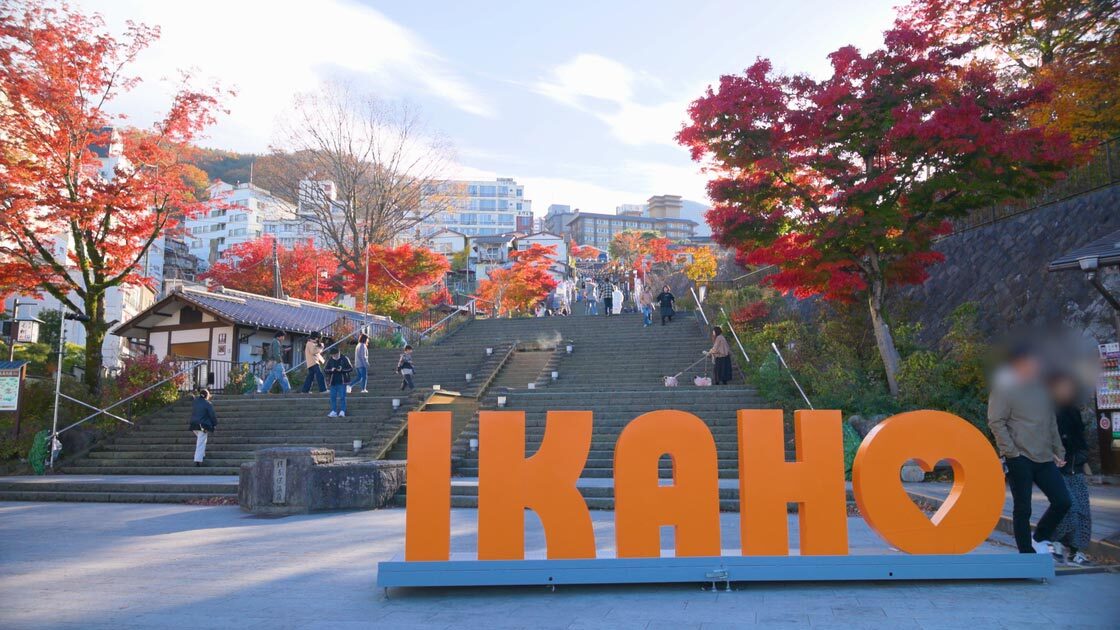
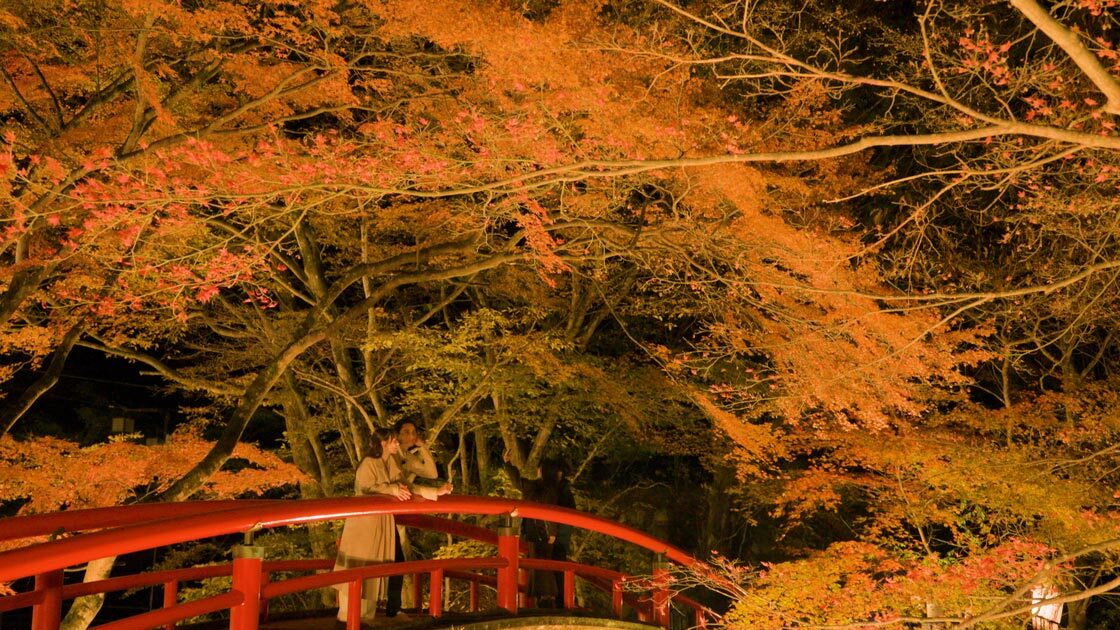
After enjoying your stroll, soothe your travel fatigue in the renowned hot springs of Oyado Tamaki, a stay superbly located adjacent to the stone steps which boasts abundant hot spring water sourced directly from the plentiful Ikaho springs. Here you can enjoy two different types of onsen water, the iron-rich, reddish gold "Kogane no Yu" (literally "golden spring") and the clear, colorless "Shirogane no Yu"(literally "silver spring") warming your body to the core. For dinner, savor Japanese cuisine featuring Gunma brand Wagyu beef "Akagi Beef" alongside seasonal ingredients. You'll find deep comfort in this attentive hospitality that can only be found at an authentic Japanese ryokan, the traditional inn.
Day 3 Gunma: Scenic Train, Nature and Refreshment
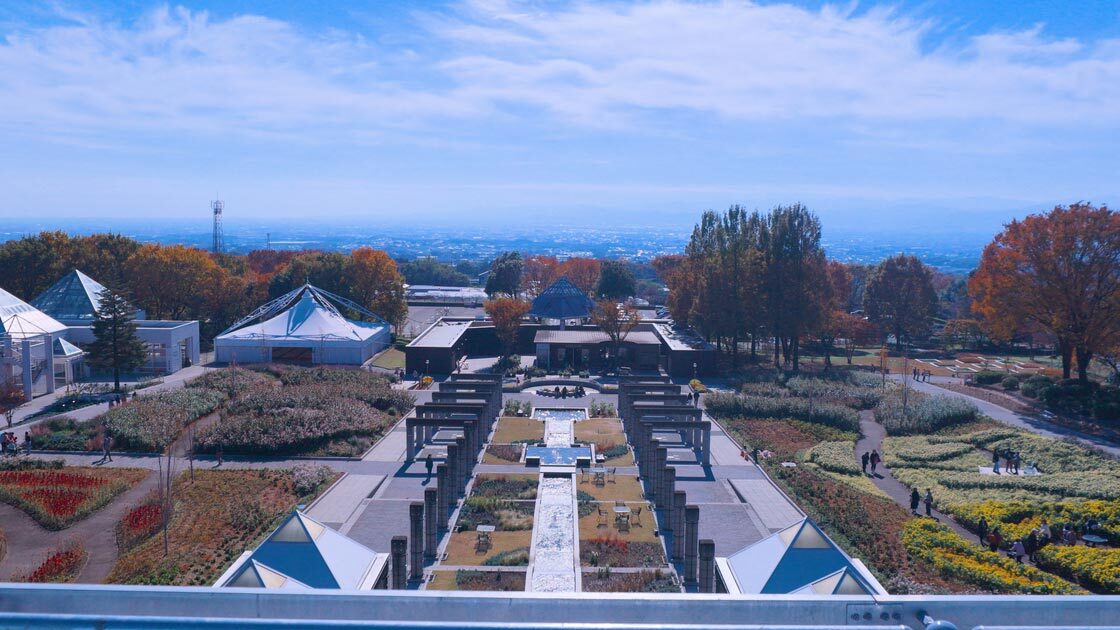
Let's enjoy Gunma's abundant nature the following day.Gunma Flower Park+ was newly renovated in 2025 to include activities, shopping and more alongside flower and nature viewing. With the concept "that combines activities as well as appreciation" you can enjoy seasonal activities such as flower picking.
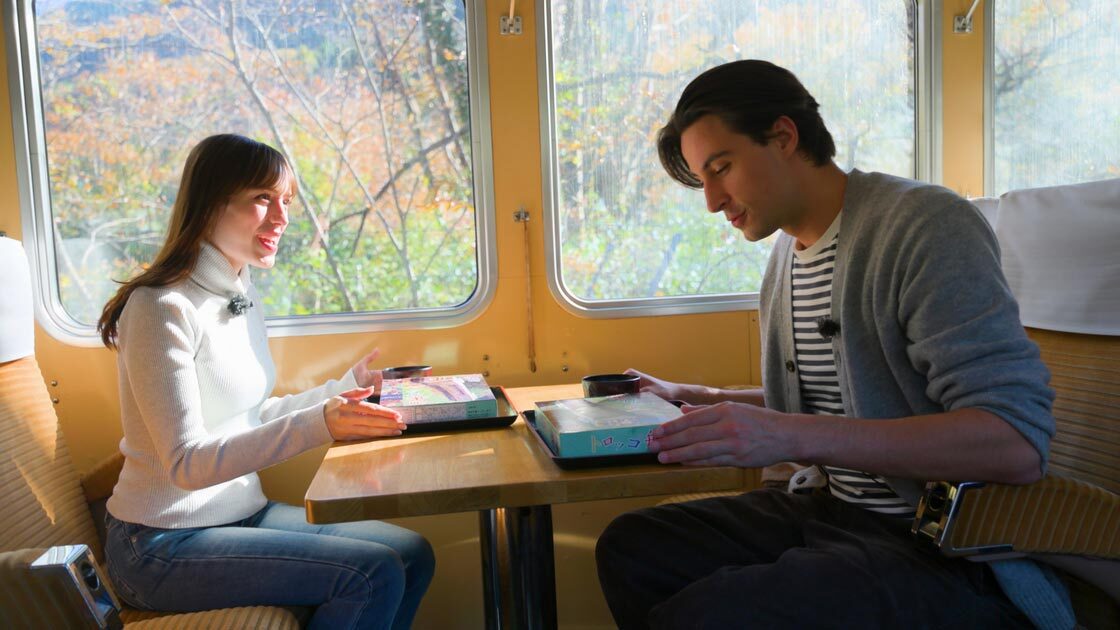
When you get hungry, you can have a special lunch at Train Restaurant Seiryu inside Godo Station on the Watarase Keikoku Railway, a unique restaurant housed in a repurposed train car of the famous Series 1720 "Kegon" Deluxe Romance Car limited express. Enjoy the retro atmosphere as you sit inside this preserved limited express train car with a boxed lunch packed with Gunma's finest ingredients such as Yamato Pork and maitake mushrooms. Experience Japanese railway culture and history while enjoying your meal, taking in the changing seasonal scenery through the train windows.
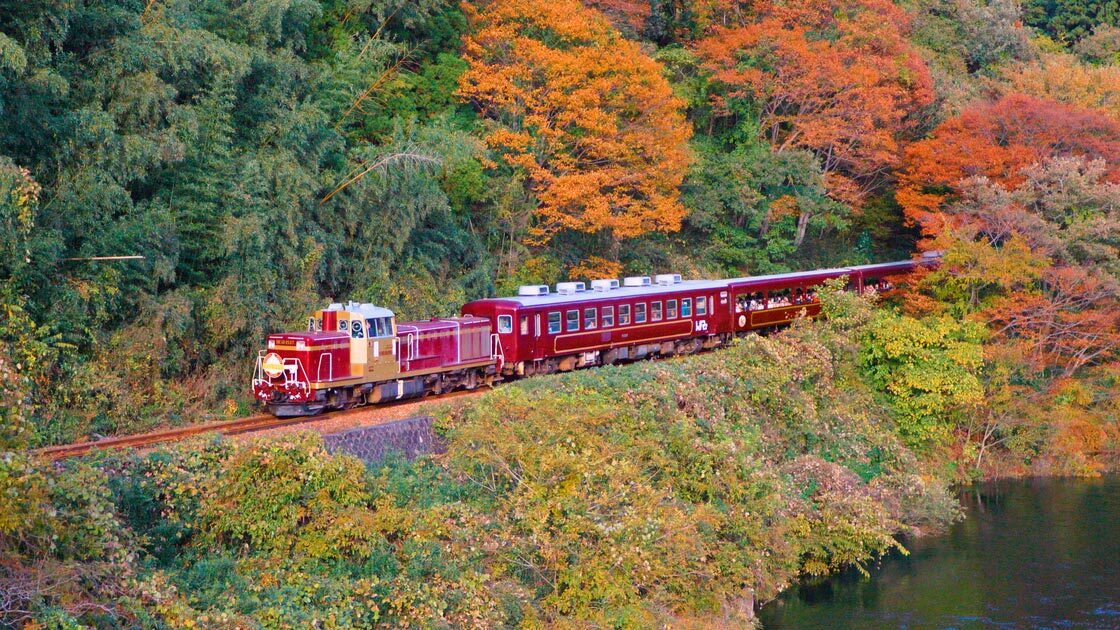
From Godo Station, ride the Watarase Keikoku-go torokko and bask in the autumn foliage. This nostalgic locomotive heightens the travel experience, as the Watarase Gorge spreads out beyond the train windows, allowing you to fully savor the beauty of the mountains turned crimson, yellow, and orange. You can feel the breeze through the open-air cars, making for a wonderfully exhilarating ride.
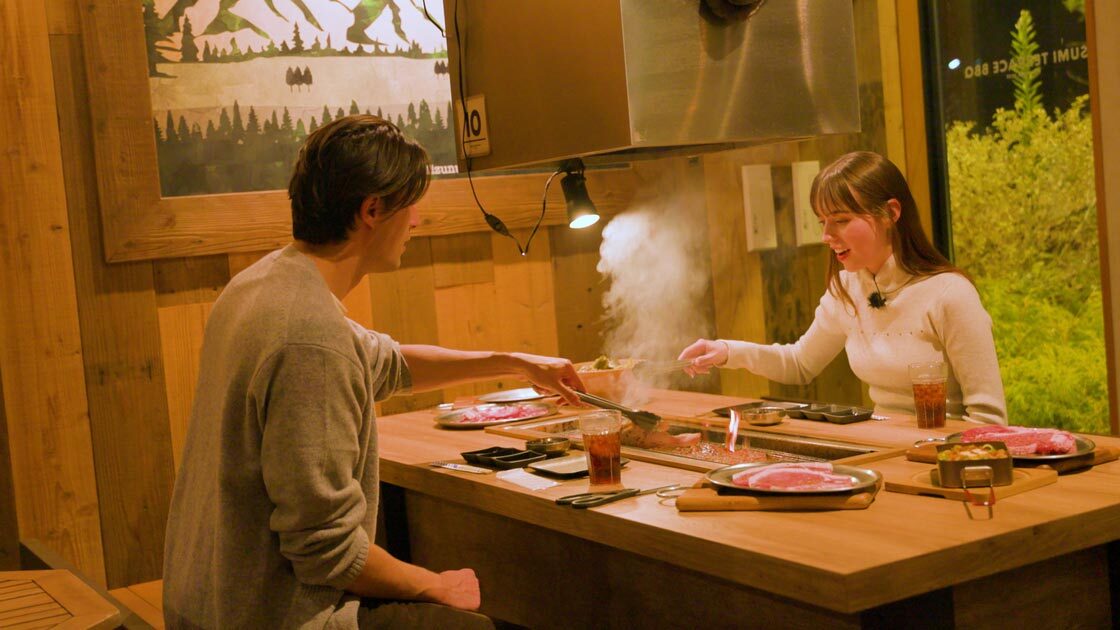
Disembark at Mizunuma Station to visit forest resort facility Sauna Forest Mizunuma Village. Opened in 2024, it offers a selection of saunas, cottages and glamping facilities, and meal options such as BBQ and cafes that use Joshu variety of Wagyu beef and other prime ingredients from Gunma.
A collaborative workshop with locally sourced essential oil producer "Mori no Kaori. foreal" enables you to create your very own loyly (sauna water) water using your favorite scents, which you can then enjoy in a luxurious private sauna. Get fully refreshed with this retreat amidst abundant nature.
Day 4 Gunma: Zen, Local Food, and Historical Townscape
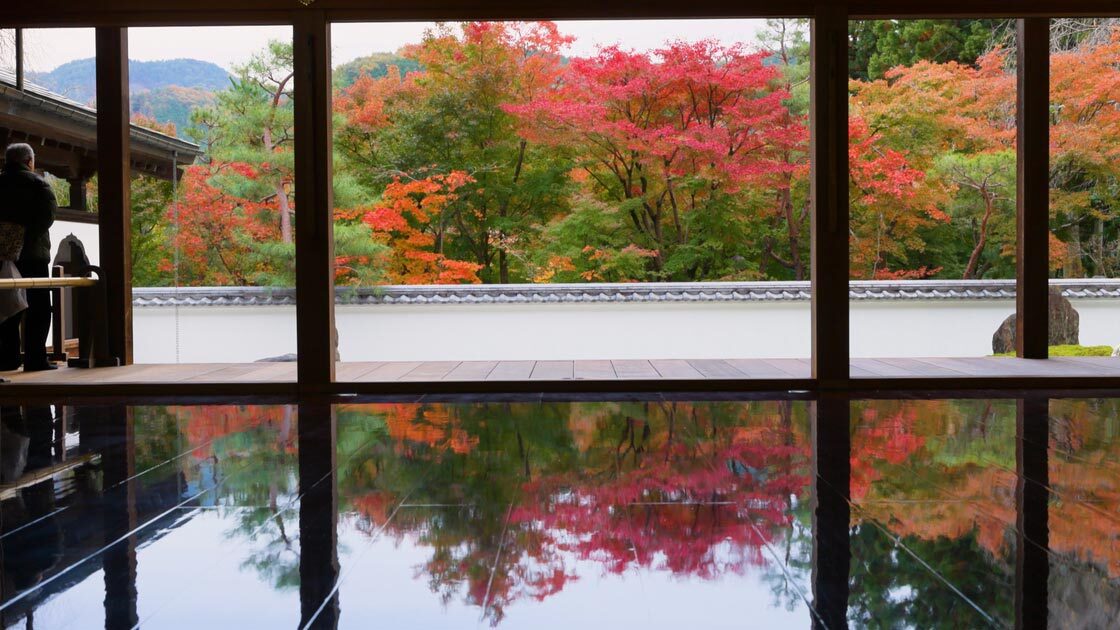
On your final day in Gunma, head to Hotokuji Temple in Kiryu City. This historic Zen temple founded around 1450 is most famous for the "Floor Maples," which are specially open to the public in the autumn each year. Enjoy the beautiful sight of fresh greenery and autumn leaves reflected on the temple grounds' polished mirror-like wooden floors. The temple is emerging as a popular tourist spot, and this ethereal autumn foliage is especially beloved.
When visiting Gunma, you must experience the regional cuisine. Try Kiryu City's long-established specialty, Himokawa Udon, at Mendokoro Sakedokoro Furukawa Kuremutsu. This unique udon features flat, wide noodles up to 15 centimeters wide and are characterized by their impressive appearance and smooth, chewy texture.
Next visit Tanashita Fudo Waterfall, selected as one of Japan's top 100 waterfalls, and try out takigyo (waterfall meditation), an ancient Japanese ascetic practice. Entering the waterfall basin and chanting sutras while enduring the cascade is a practice aimed at purifying the mind and body and achieving spiritual focus. Participants often feel deeply refreshed and gain a strong sense of accomplishment.

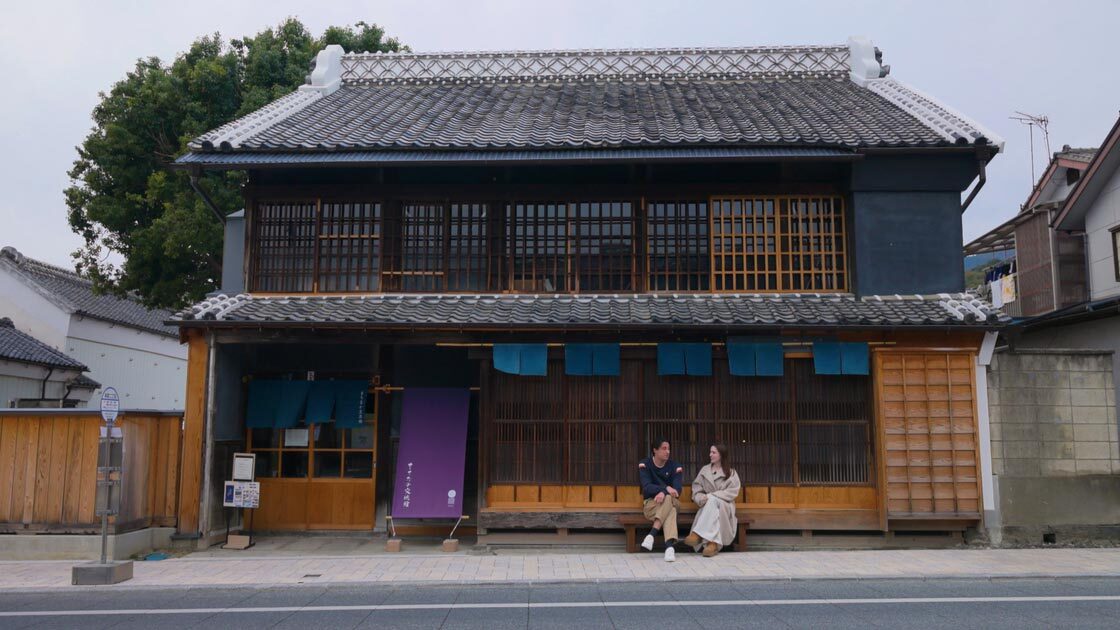
The final stop on your journey is the Kiryu Shinmachi Traditional Building District. This area, where storehouses, townhouses, and sawtooth-roofed factories still stand, has been designated an Important Preservation District for Groups of Traditional Buildings. It is a valuable townscape preserving the history of Kiryu City, which prospered through its textile industry dating back to the 1600s.
While strolling the nostalgic streets, you can feel the importance of this historical location which passes on the future of silk culture to future generations.