The historic townscape of Uchiko

The smallest of Japan's four main islands, Shikoku stands out for its tranquil character set against a wild, sometimes dramatic landscape - a part of the country that, though better connected than ever, still feels remote and unique. Of the four prefectures that comprise it (the name itself means "four countries"), each has its own distinct geographic and cultural character, setting the stage for multi-day trips that feel varied, immersive and even a little bit adventurous.
Occupying a long stretch of coast across the island's northwest corner, Ehime Prefecture offers an impressive range of local attractions, from historic castles and townscapes to hot springs and traditional crafts, not to mention one half of the popular Shimanami Kaido cycling route - yet still lags behind the usual circuit of must-see destinations on the mainland.
While some will be content to play the hits, others in search of a quieter, slower paced and more authentic experience may find exactly what they're looking for in Uchiko - a rural town in scenic surroundings, known for one of the best-preserved historic districts in all of Japan.
Recently, I was lucky enough to spend two slow-paced days exploring some of Uchiko's best-loved attractions, from beautiful old houses to shops and museums dedicated to the town's industrial past, not to mention a few plates of delicious sushi at a local high end restaurant - in short, something very much like the perfect small town retreat.
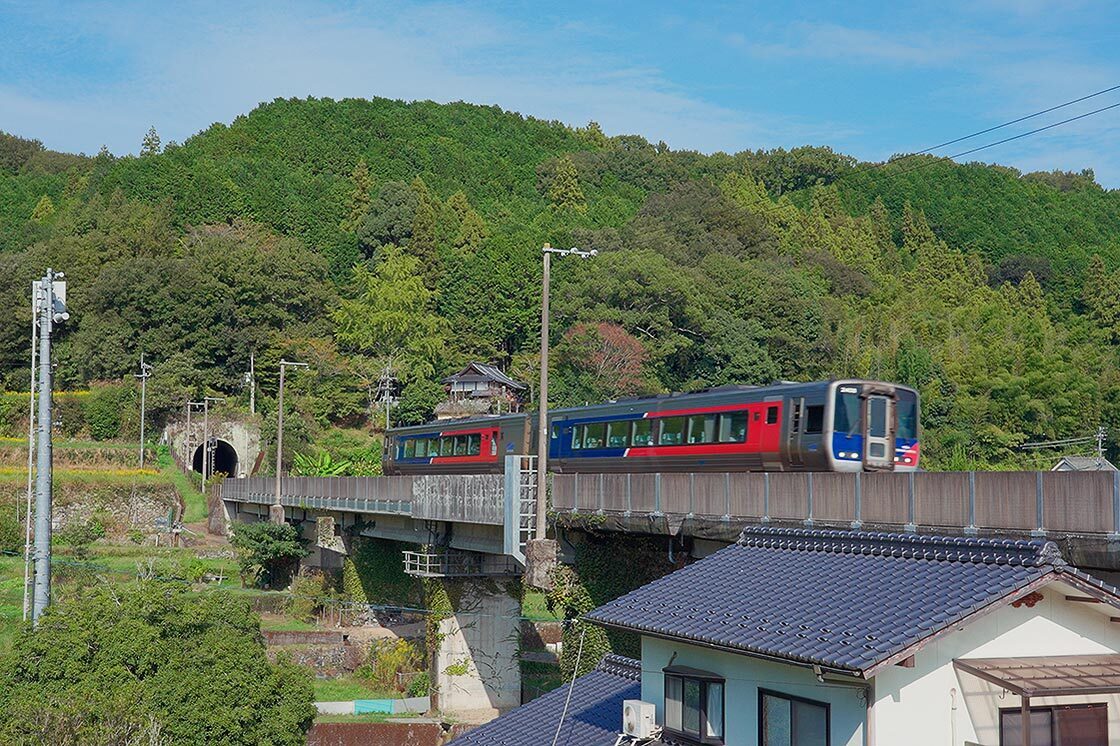
For most visitors, the way to Uchiko leads through Matsuyama, Shikoku's largest city known for its historic hot spring district and impressive original castle, from where the town can be easily reached in around 30 minutes by limited express on the JR Yosan Line.
Day 1 - Exploring the old town
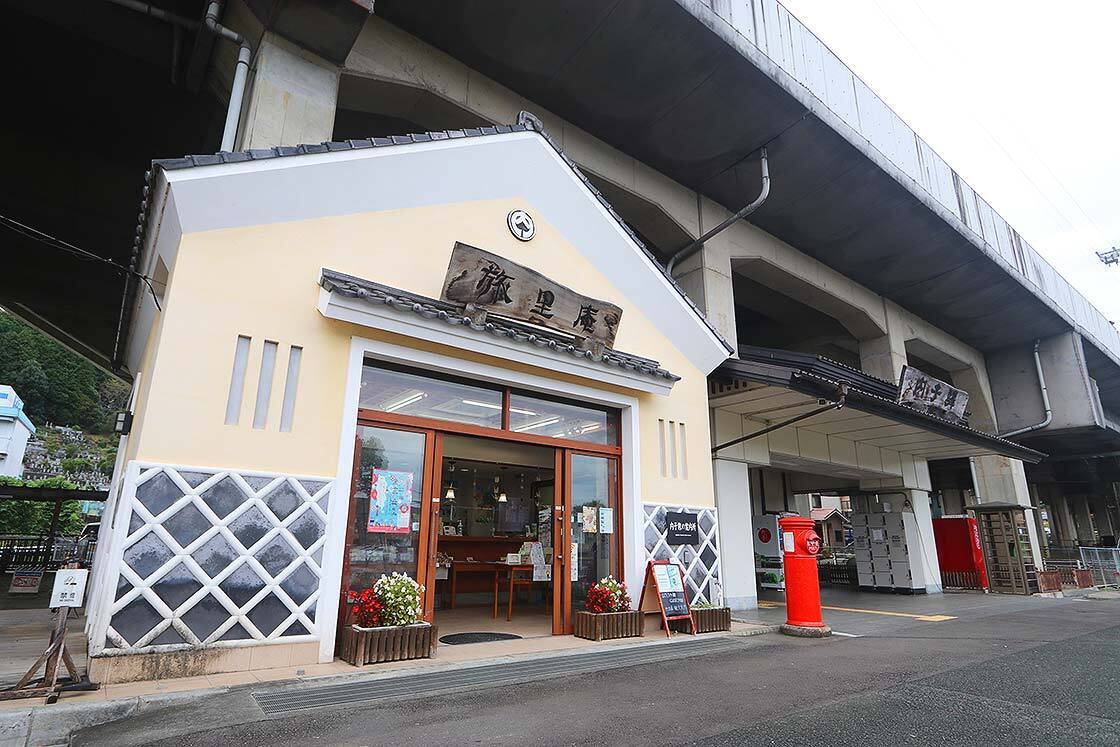
Arriving into the town's little station, squashed a little eccentrically under raised traintracks and guarded by a grand old steam train dating to 1939, I set off for the town's historic district located some 20 minutes to the northeast.

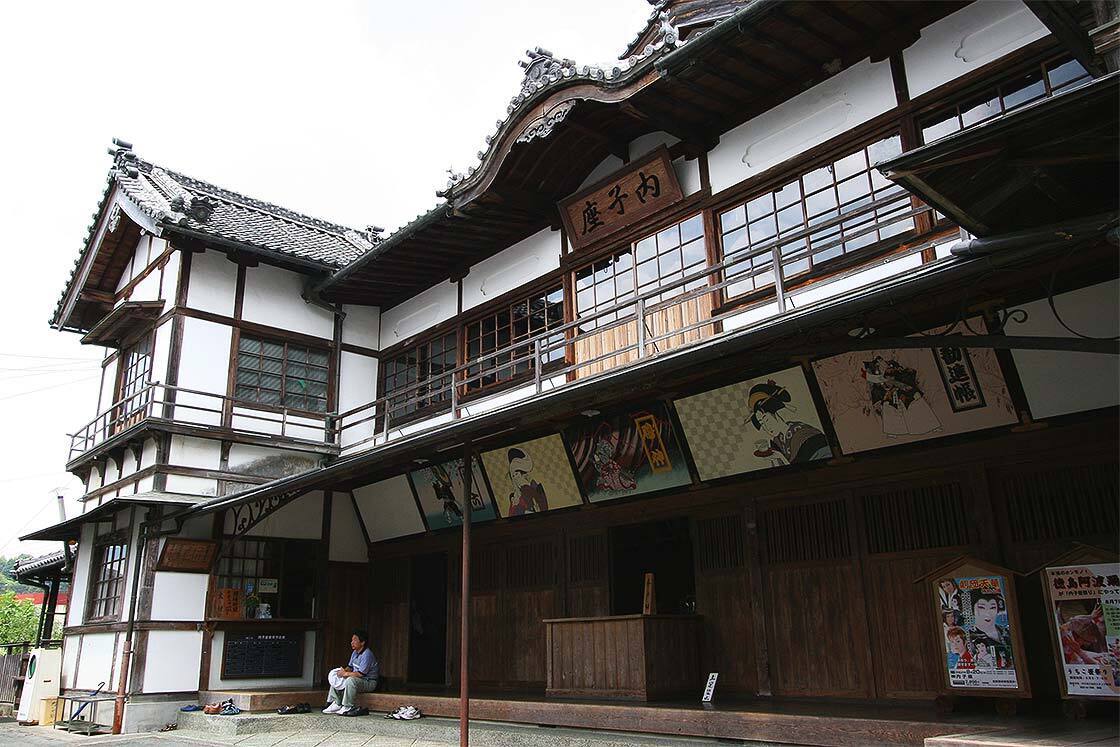
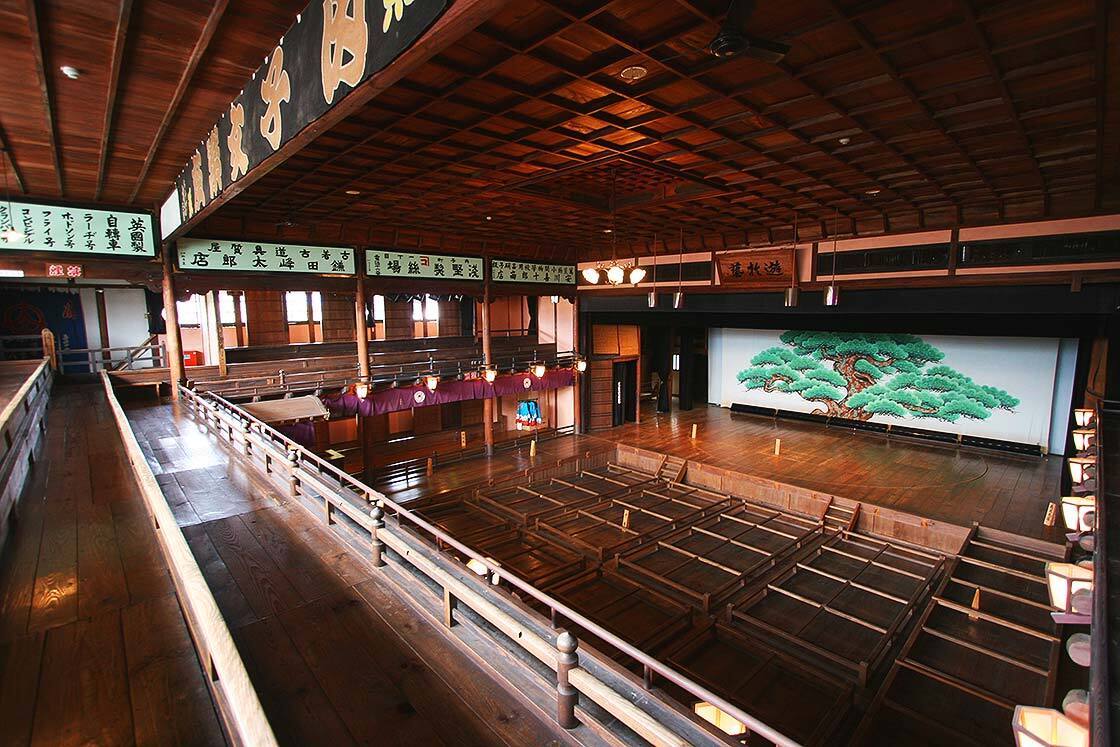
On the way, I stopped for a look at the famous Uchiko-za Theater - an early 20th century kabuki theater that is the town's main cultural gem. Built in 1916 when the town was at the peak of its prosperity, the theater hosted kabuki, bunraku and rakugo performances by traveling groups from far and wide.
In time, the theater became one of the region's most popular entertainment centers and continued to draw packed crowds for many years, although by the 1980s it had begun to fall into disrepair. Thankfully, local residents were able to rescue it from demolition and it later reopened in 1985, restored to its former glory. Today, it's known for its beautiful decoration inside and out, as well as features like trapdoors and concealed passages, but due to further restoration work is currently under tarps and will remain closed until 2029.
Leaving the old theater behind, another 5-minute walk brought me to the lower part of Uchiko's historic district, clustered around a single 600-meter road leading up into the northern section of the town.
Along the way, I soon started to notice a few old buildings like the Shimohagatei, a soba restaurant that was once a rather grand merchant residence.
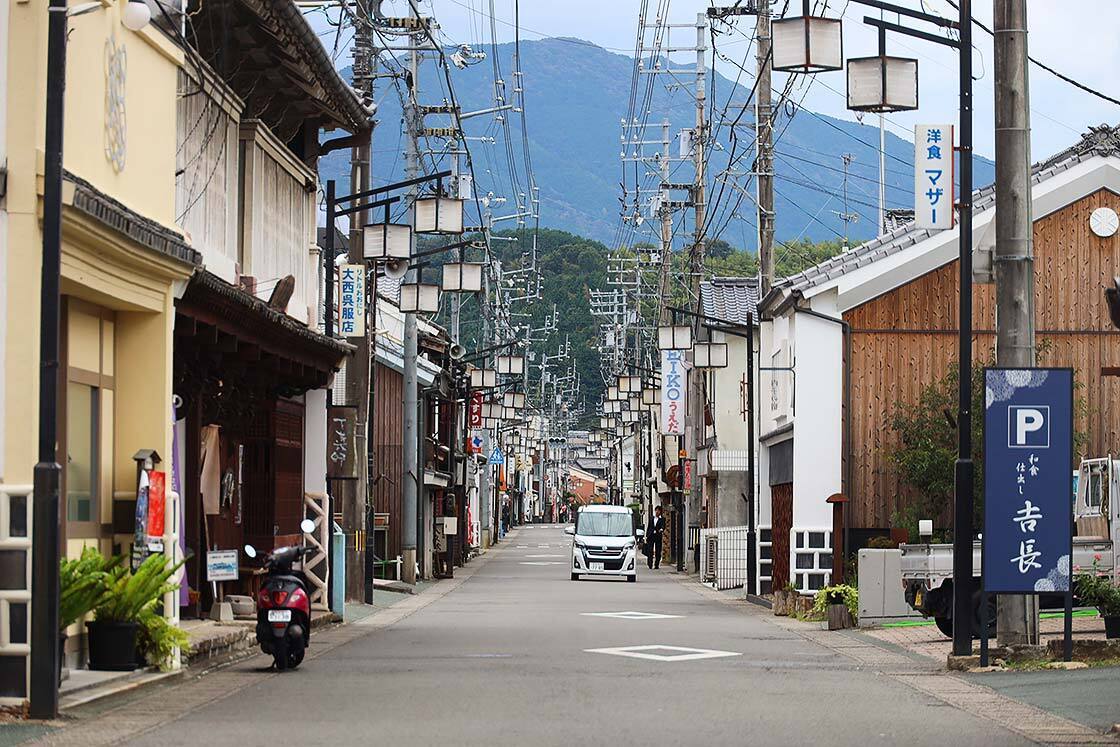

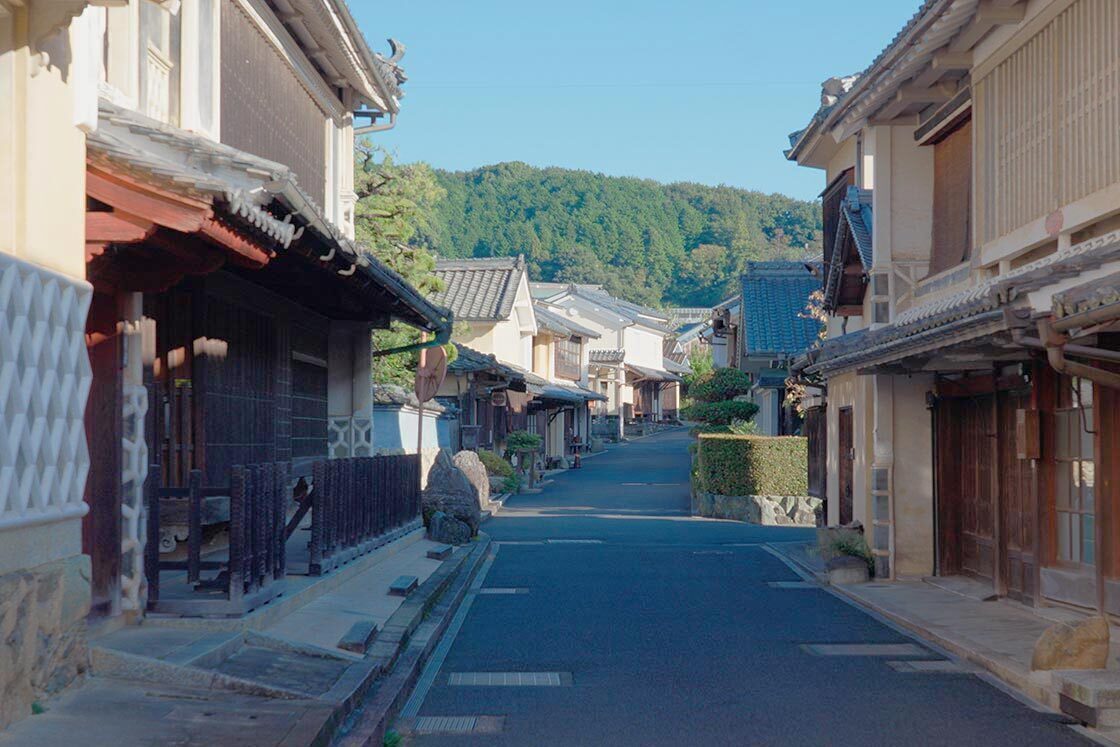
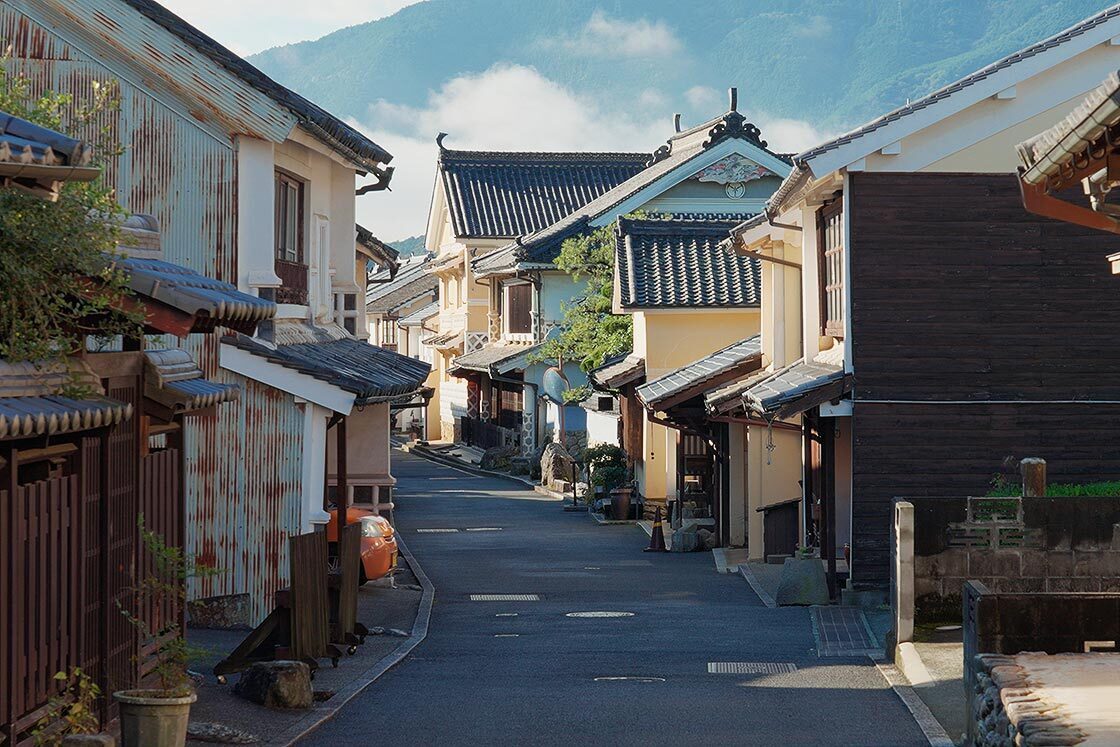
From here, I took a leisurely uphill stroll along the main street, passing dozens of immaculately preserved shops, homes and storehouses. This main part of the historic district is called Yokaichi, or "eighth day market".
For most of its history, Uchiko was little more than a minor rest stop on the busy Ozu Highway. That all changed in the late Edo Period when the local economy began to boom - suddenly local merchants had the money for beautiful new houses, many of which survive today. The main reason for the town's new prosperity was wax made from sumac berries, an ingredient widely cultivated in the hills nearby, but its merchants also traded in paper, silk and other local handicrafts.

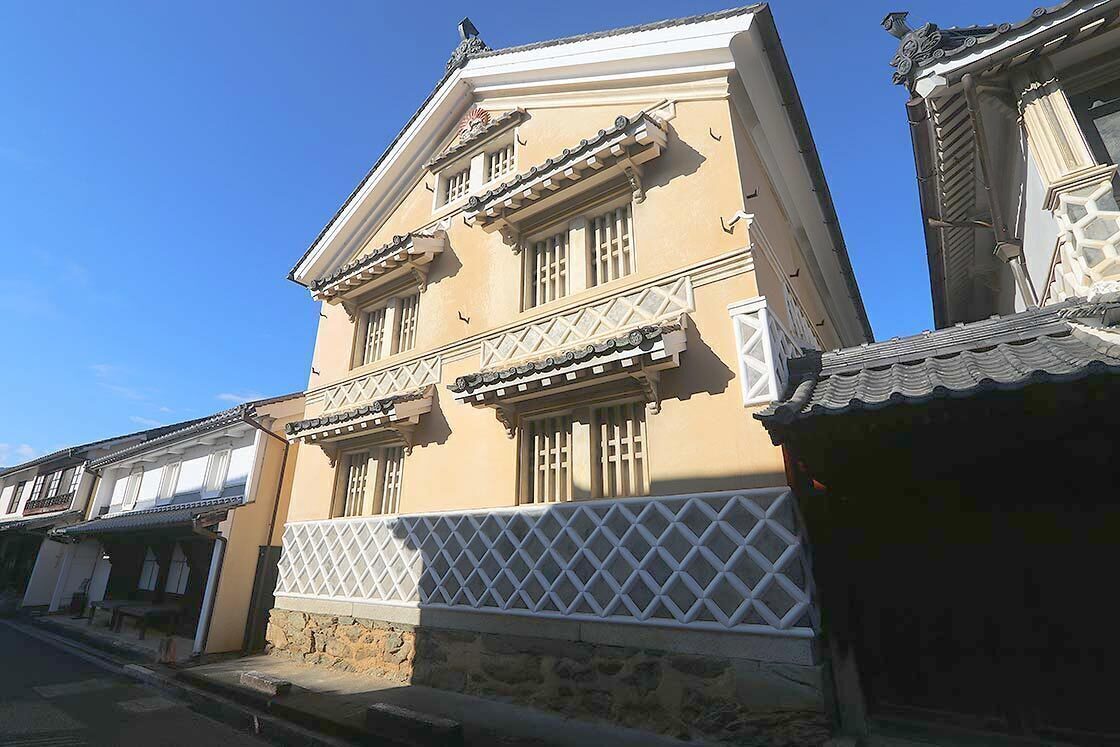
Reaching the upper part of the old town, I passed by what must have been the grandest house of all - the Honhaga Residence. Built in 1889 by the town's wealthiest merchant family, the wooden, two-story townhouse is lavishly decorated with elaborate plasterwork, from the noticeable strip of namako or sea urchin patterning to symbolic motifs like cranes, turtles and waves.
It was in many ways this house that established the blueprint for what was to follow, as other merchants joined the wax trade, reaped the rewards then built their own expensive showpiece homes, even mimicking the Honhaga's design.
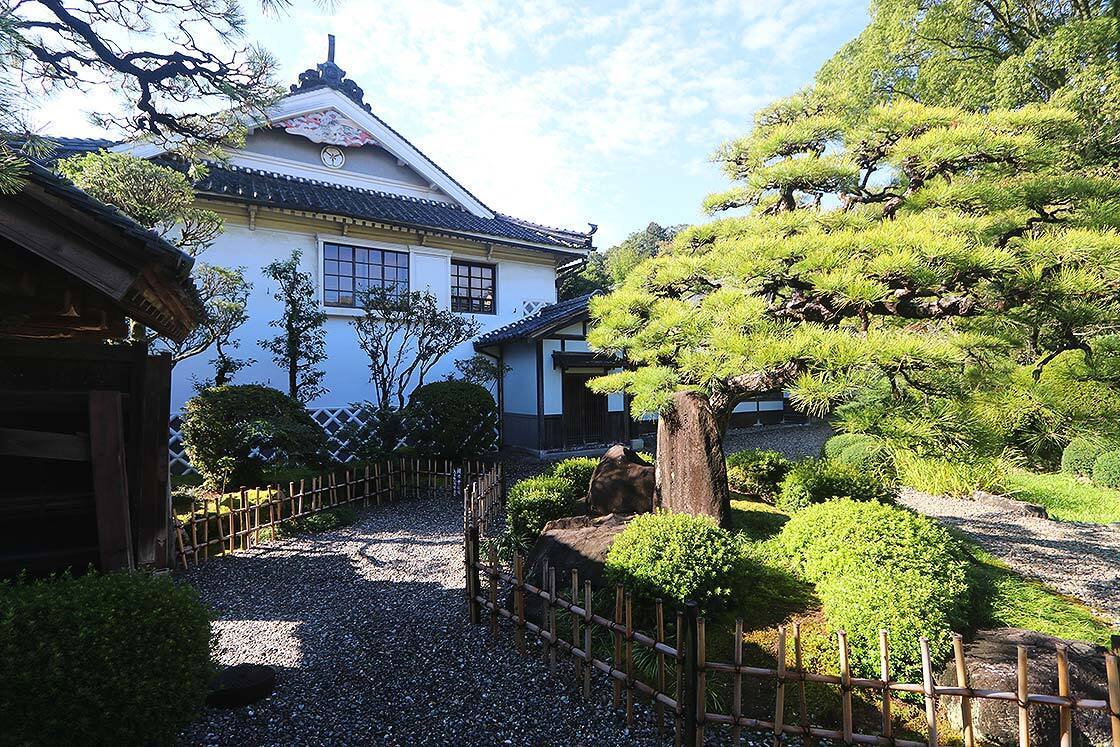
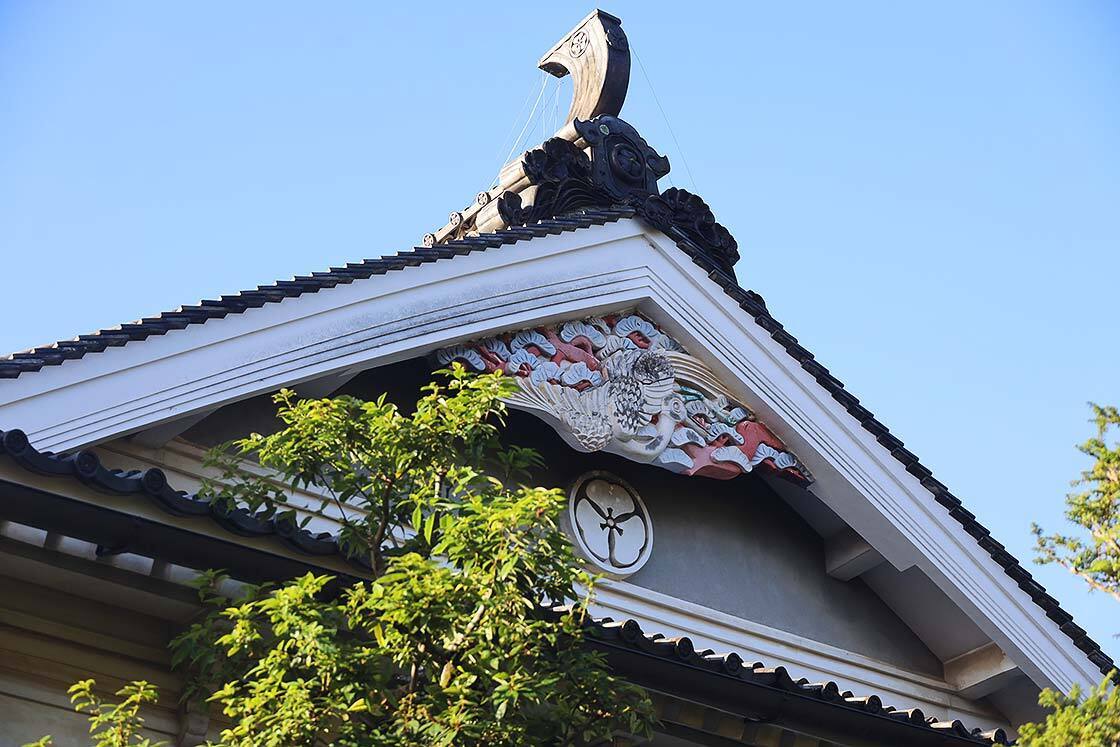
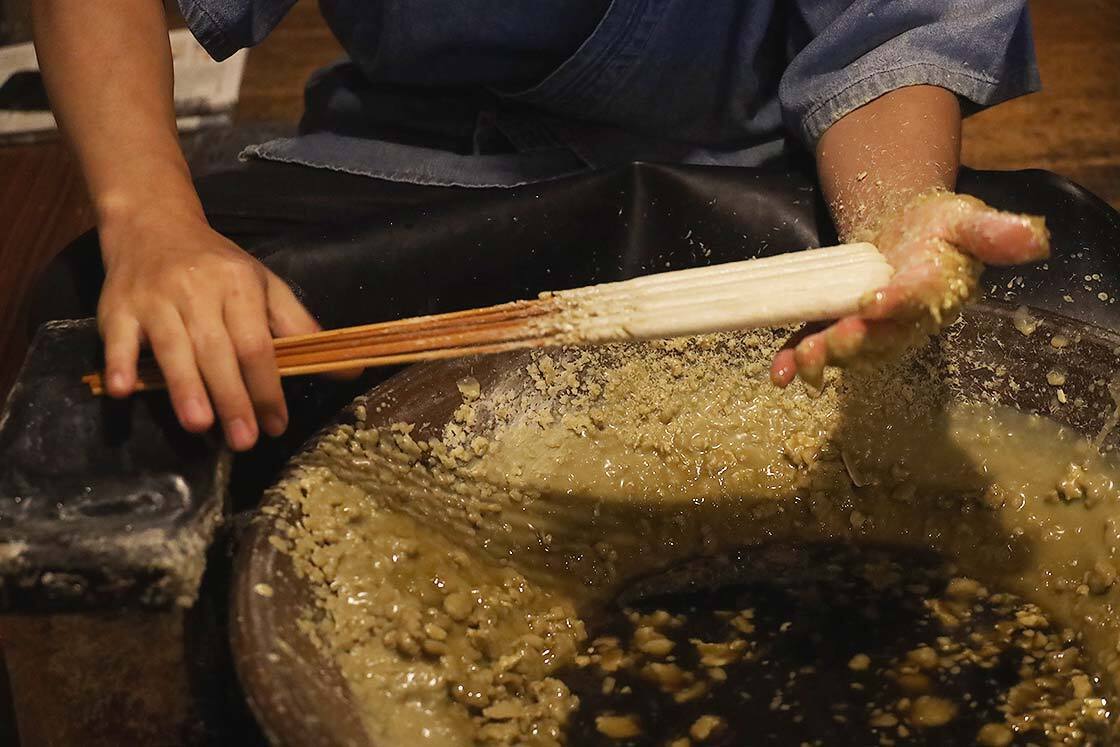
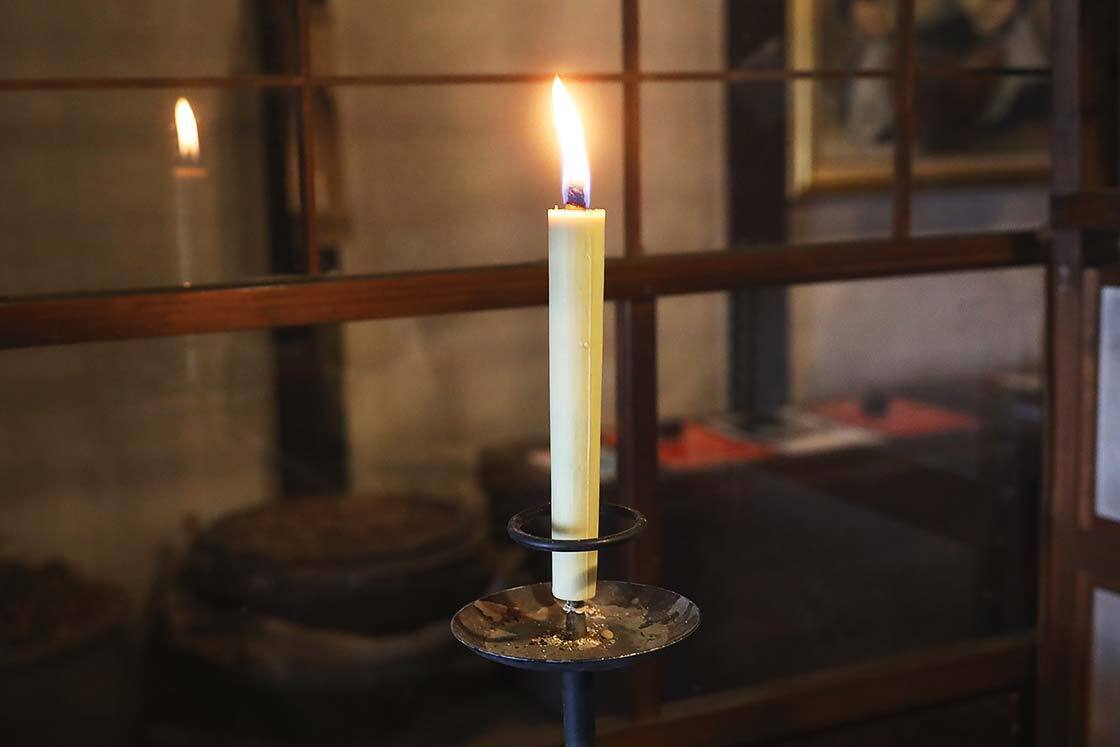
Of course, it wasn't just wealthy merchant families that tapped into and profited from the wax boom, but a host of smaller businesses like the Omori Candle Shop, still in operation after almost 200 years. Here, visitors can see the current family head and his son making traditional candles by hand in much the same way they have been for seven generations.
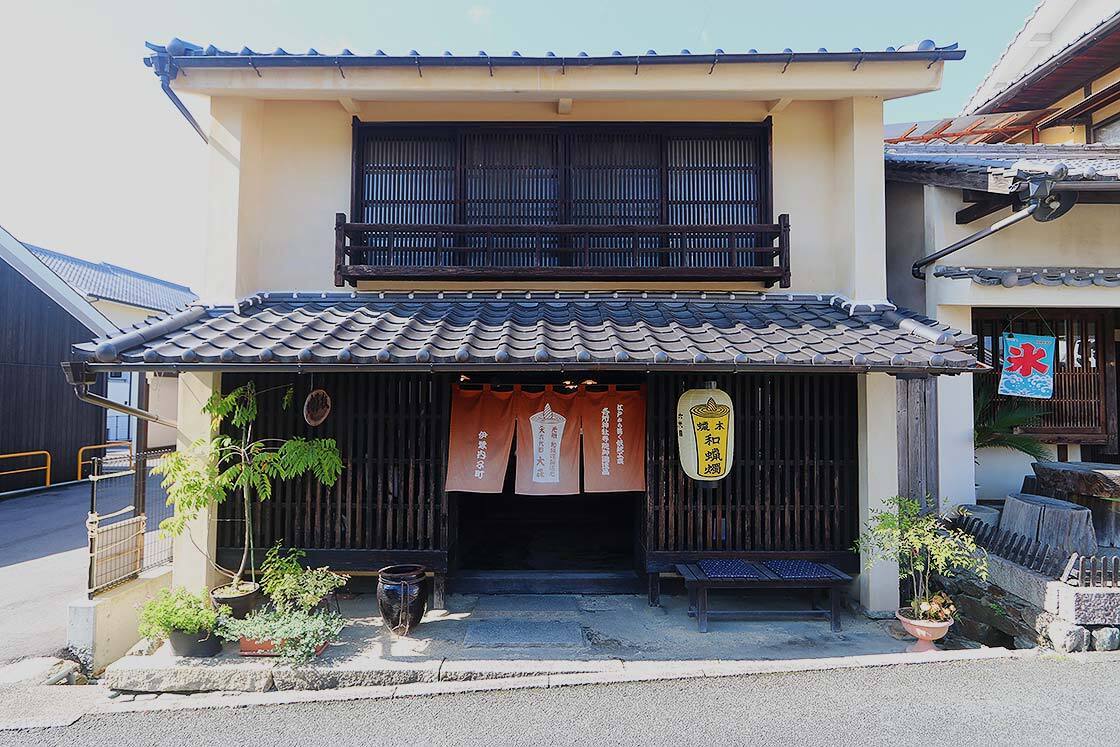
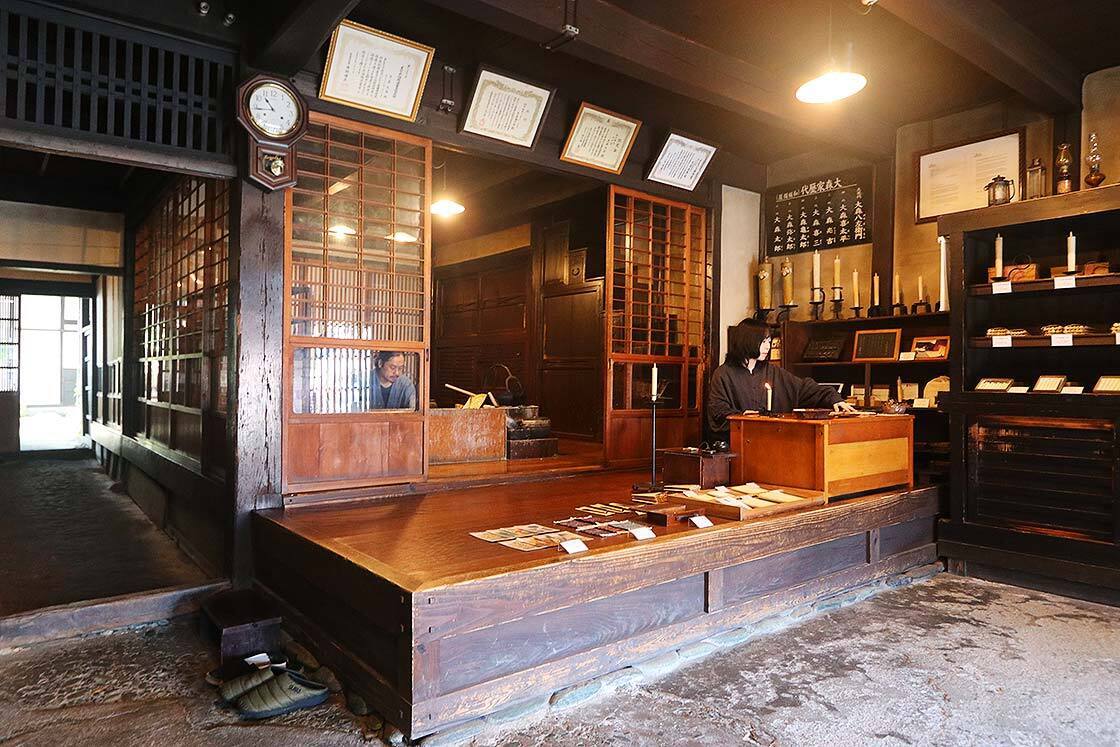
Traditional Japanese candles like the ones made in the shop are quite different from western ones - particularly in the flared shape of the tip giving it a more stable structure and an elegant appearance. Inside, the wick is actually hollow, which draws the molten wax back up and feeds the flame more efficiently.
A little further up the main street I arrived at another of the town's best-known attractions - the Kamihaga Residence and Wood Wax Museum. An offshoot of the Honhaga or "original" Haga family line, the Kamihaga - "kami" meaning upper and referring to the family geographically, rather than in terms of status - struck out on their own in 1861 and also found great success in the same trade, completing their own extravagant residence in 1894.

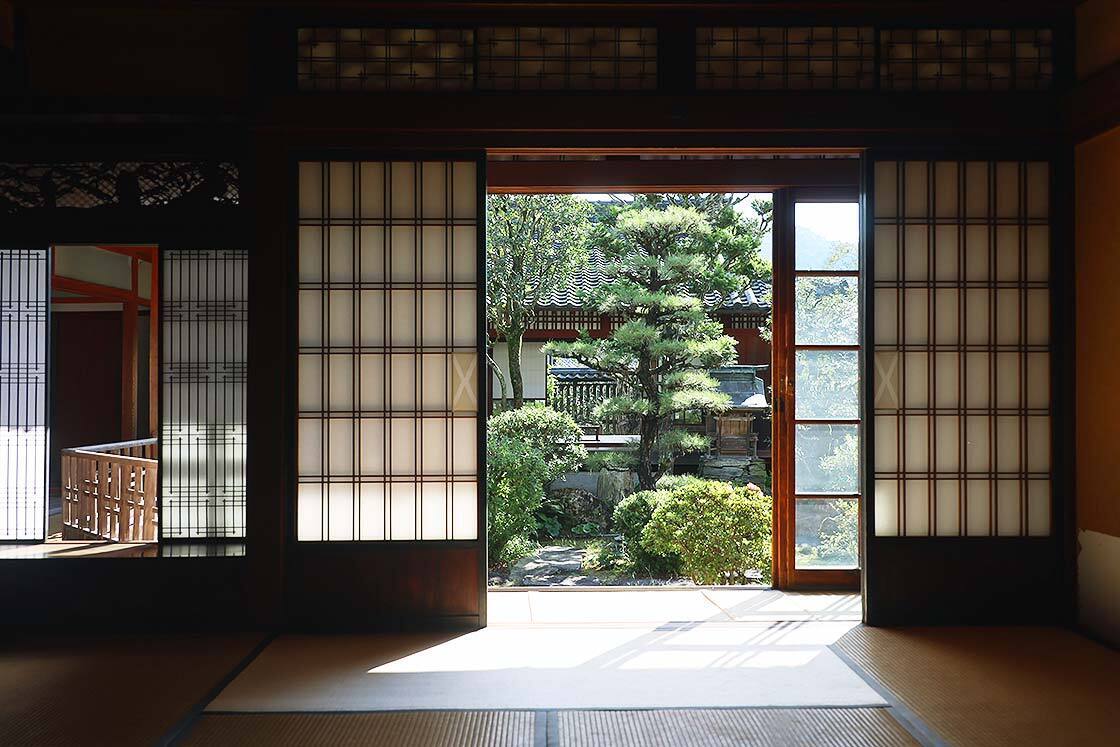
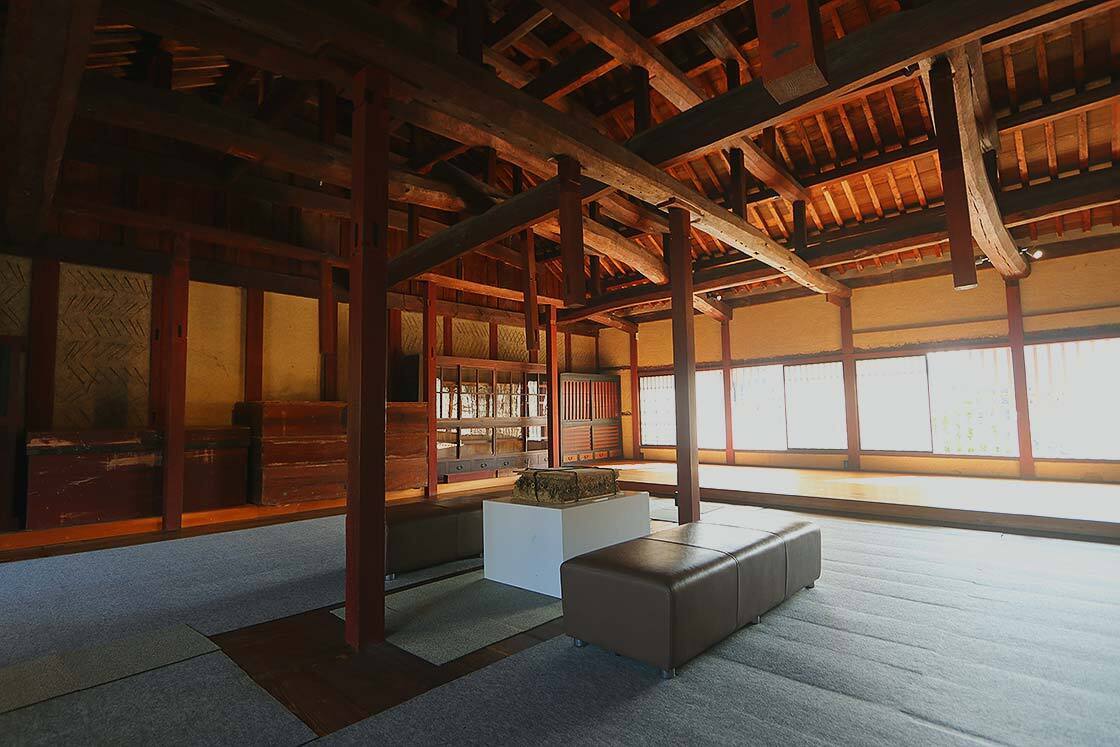
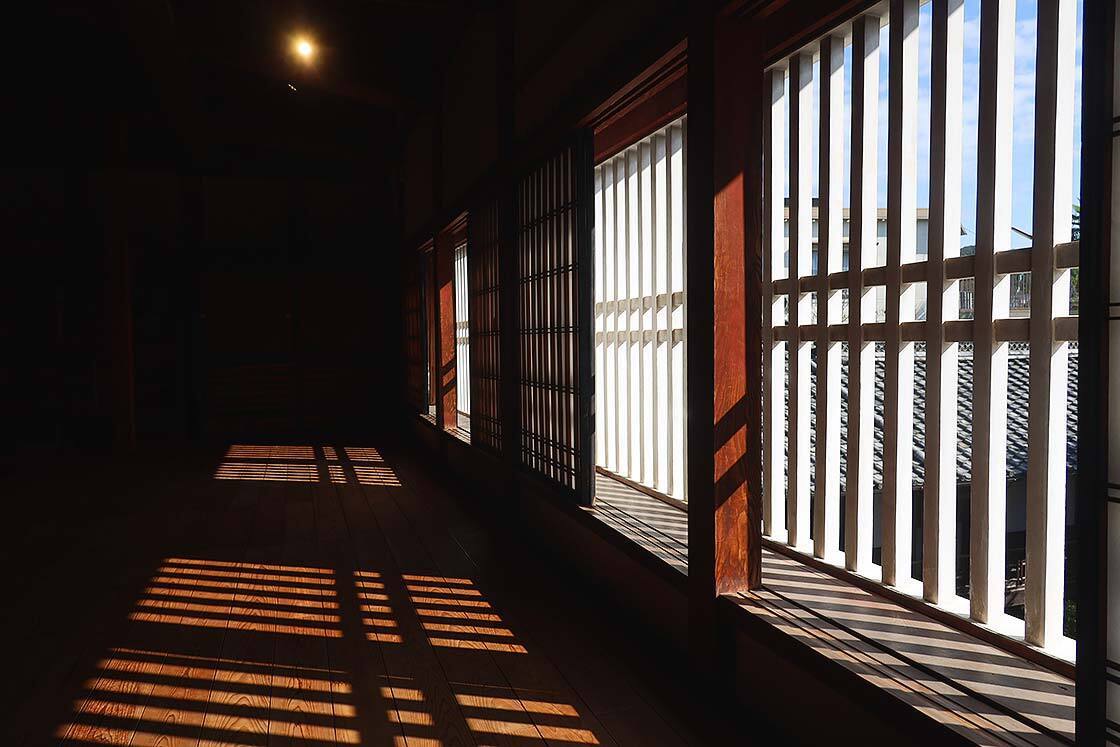
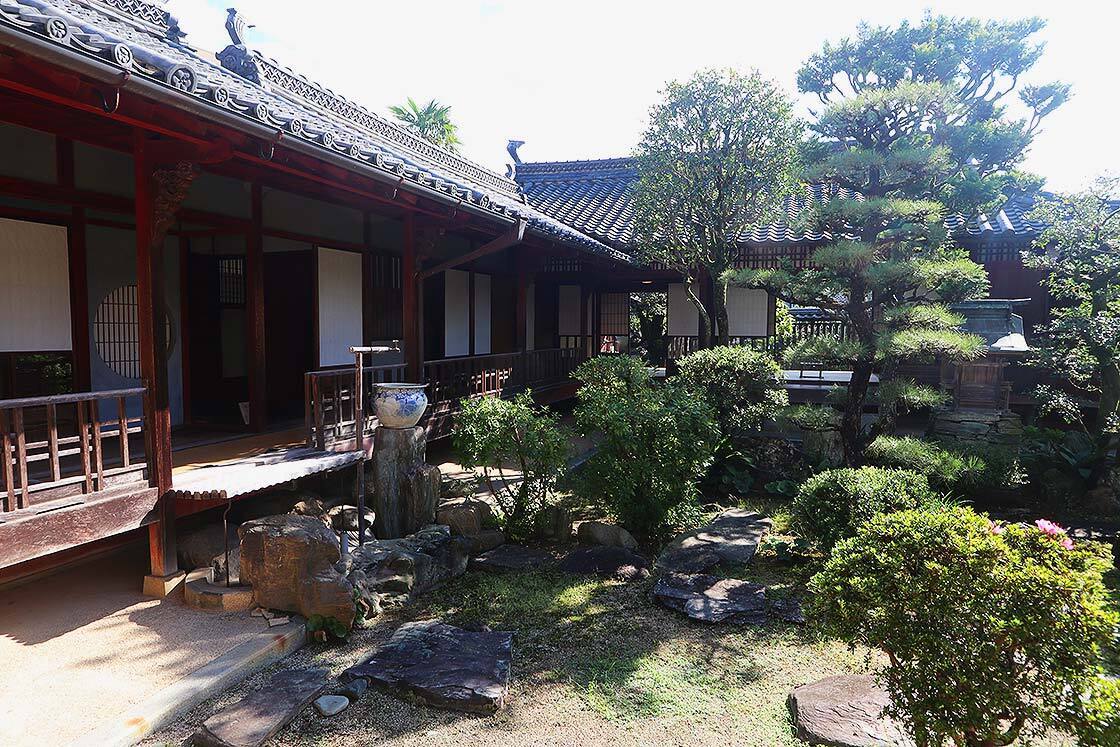
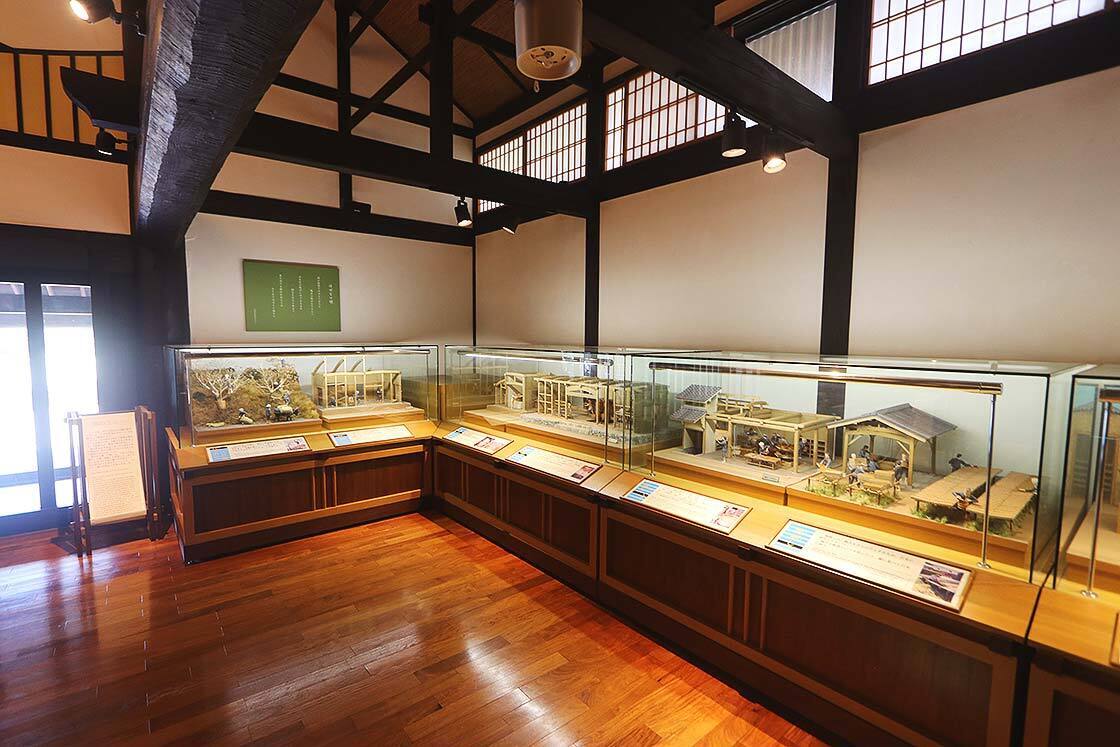
Inside, visitors can explore a series of nicely preserved traditional rooms, a leafy enclosed garden and even a few smaller outbuildings. Also worth a look is the separate exhibition space, where a series of detailed dioramas show the day to day tasks of running a profitable wax business.
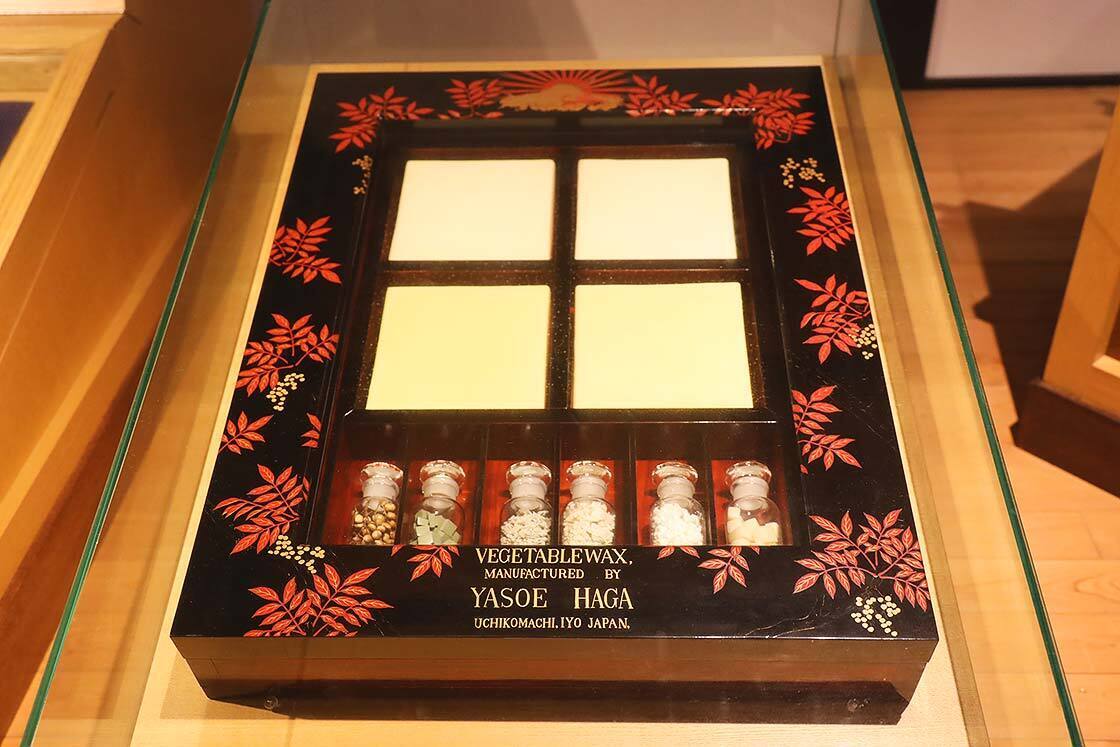
One of my favorite items here was a display case from the 1900 Paris World Expo, where the family presented their wax to an international audience - a significant achievement that would have really put the company and the town on the map.
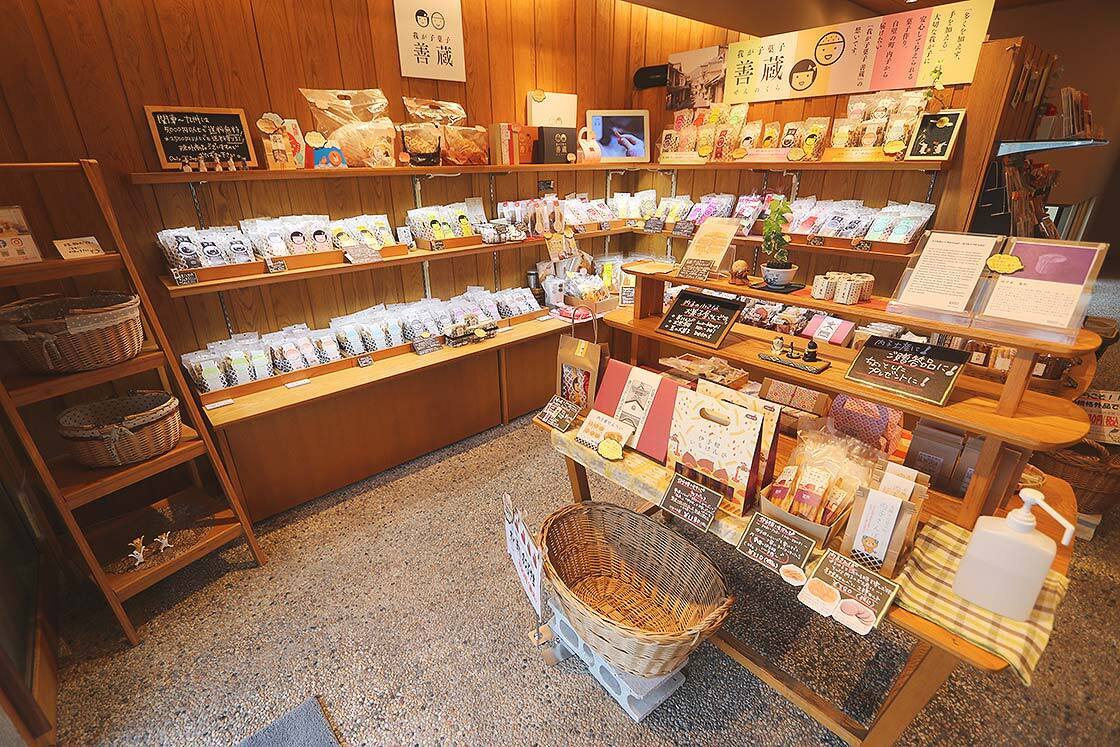
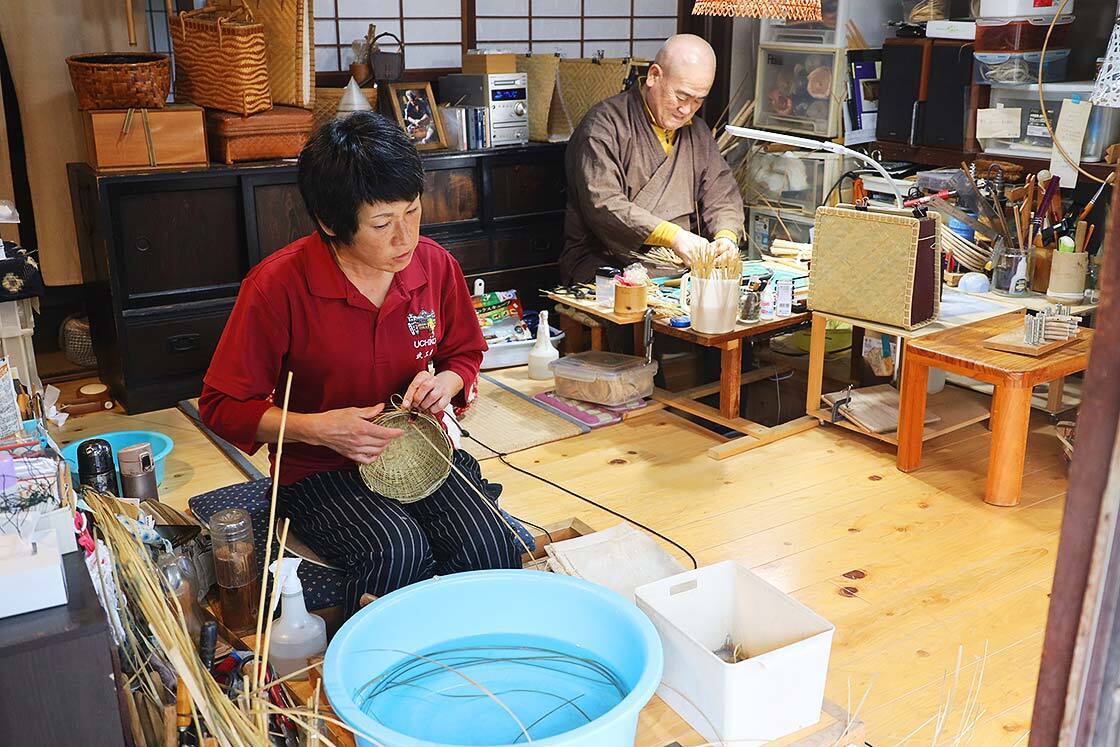
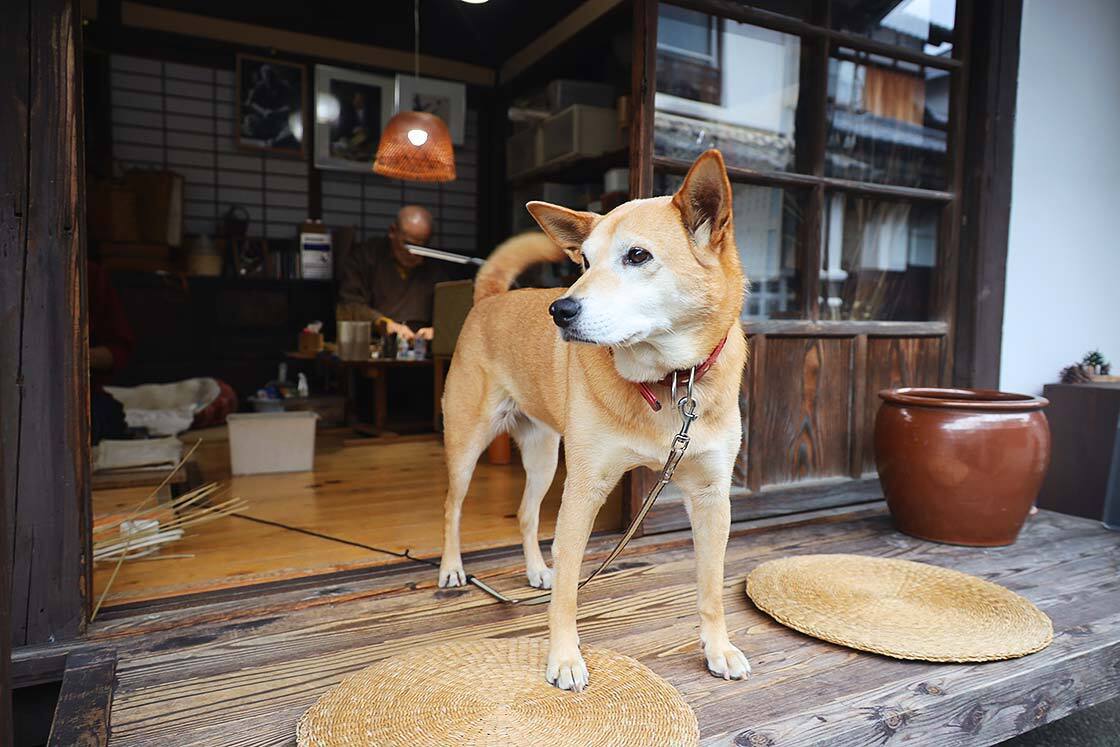
Two more modest highlights from my wanderings around the town were Miyaei - an attractive little store in the lower part of the district selling a mix of traditional Japanese sweets and tableware - and Take Kobo, a quaint, semi-open workshop a few steps from the Wood Wax Museum, where I met Takechi-san, his partner Akiyama-san and the adorable Shiba mix, Ko-san.
An Ehime native, Takechi-san learned the living traditional art of carving and weaving bamboo in Kyoto before returning to establish himself here. Pausing on my way back down the sloping main street, we soon found ourselves chatting easily about his work and how to spot some of its finer details - just one of many such little encounters that add so much richness and warmth to poking around in a town like this, and a reminder of how much easier things can be without the constant push and pull of packed crowds.
To spend just a couple of relaxing hours exploring an old district like Yokaichi is a fine thing, but there's something about actually spending a night there that really takes the experience up a notch, especially when your accommodation matches the local vibe as perfectly as my choice for the evening.
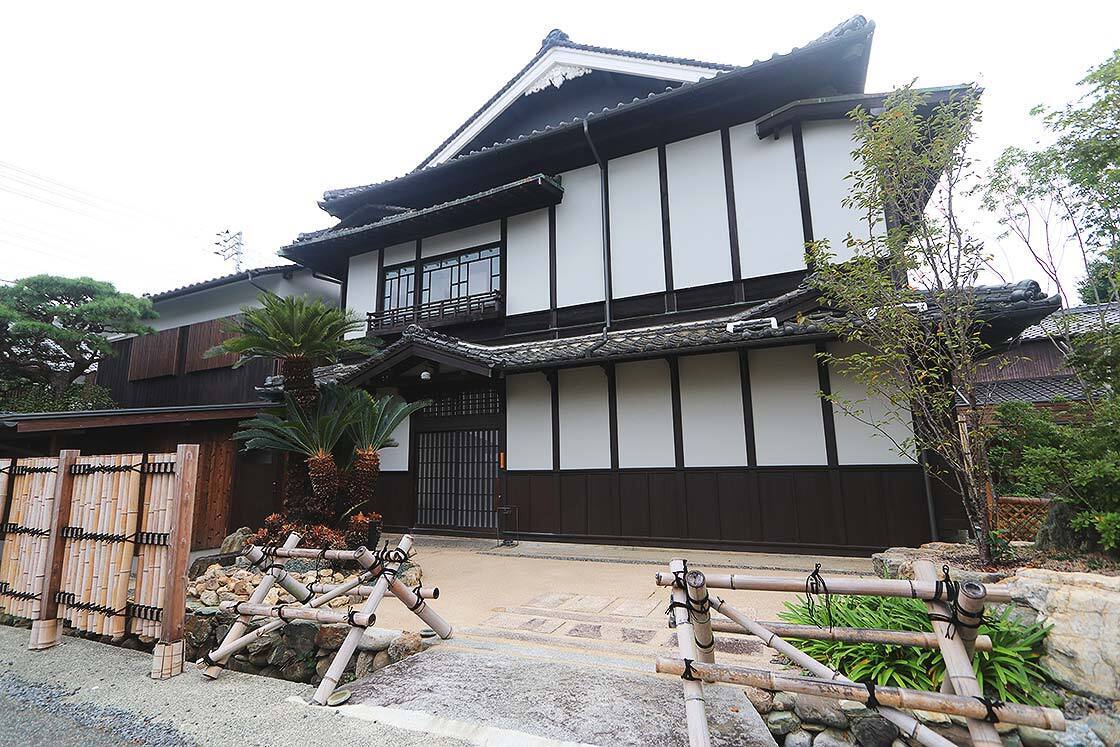
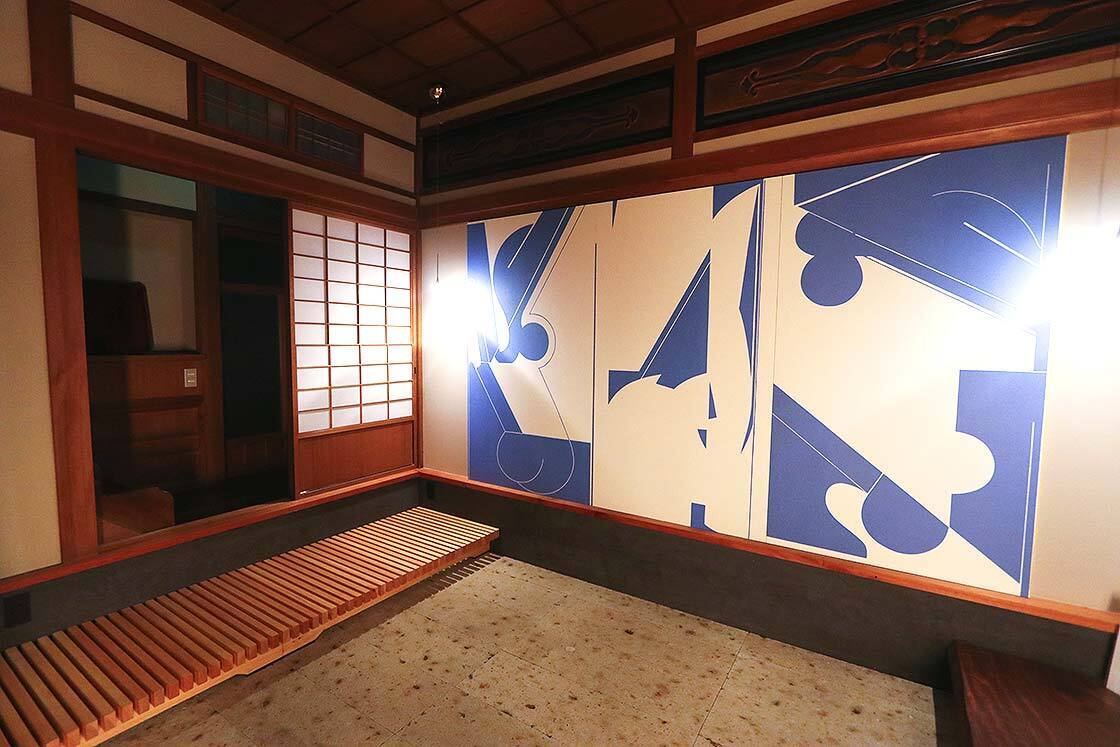
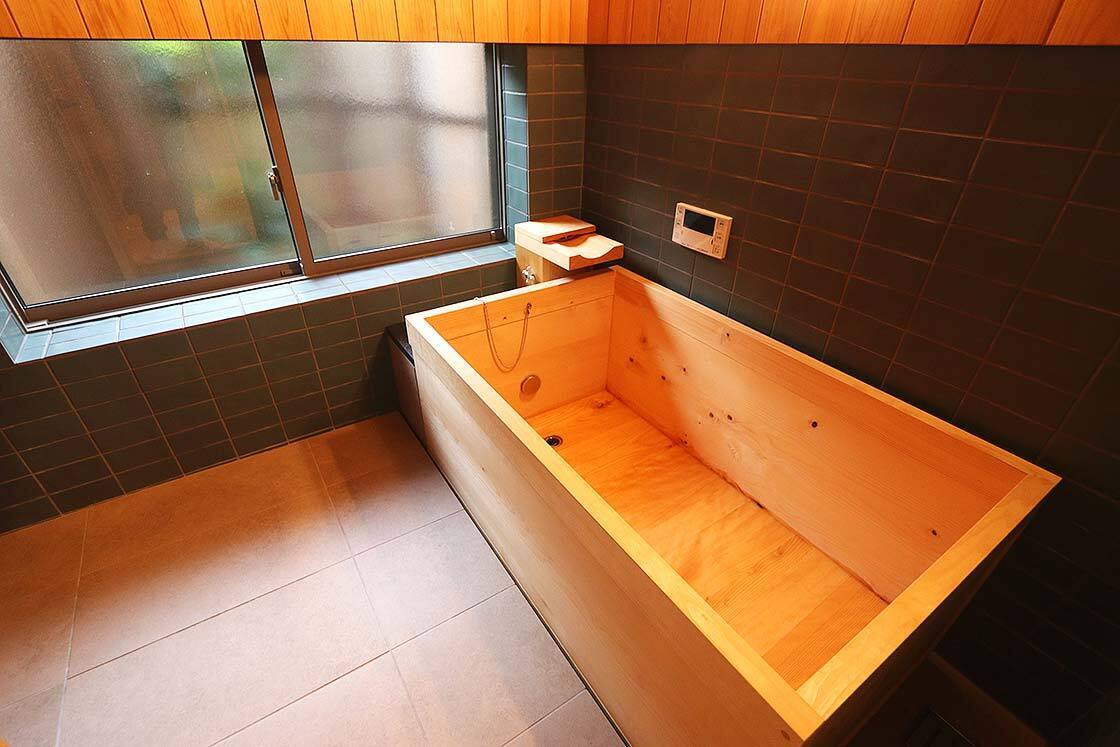
One of eight similar properties managed by Uchiko Inn, Tsumugi was built in 1926 as the home of a kimono and fabric merchant and has been lovingly restored as a private guesthouse, complete with antique furniture, period correct details and a surprising amount of space.
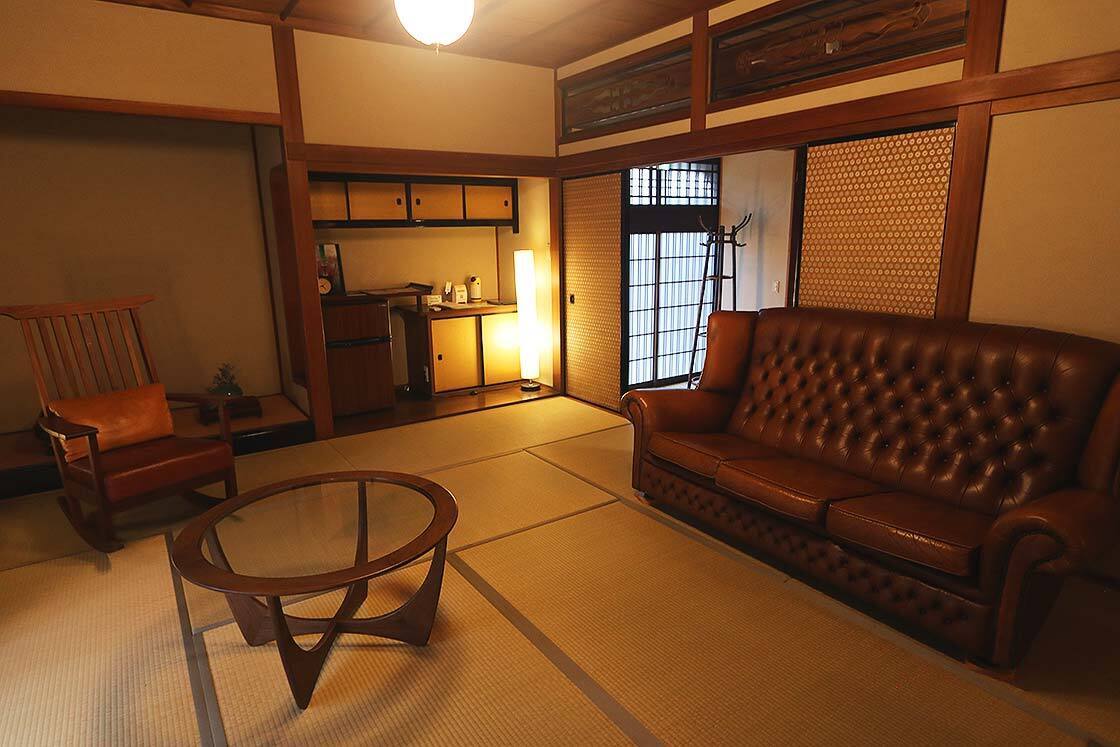
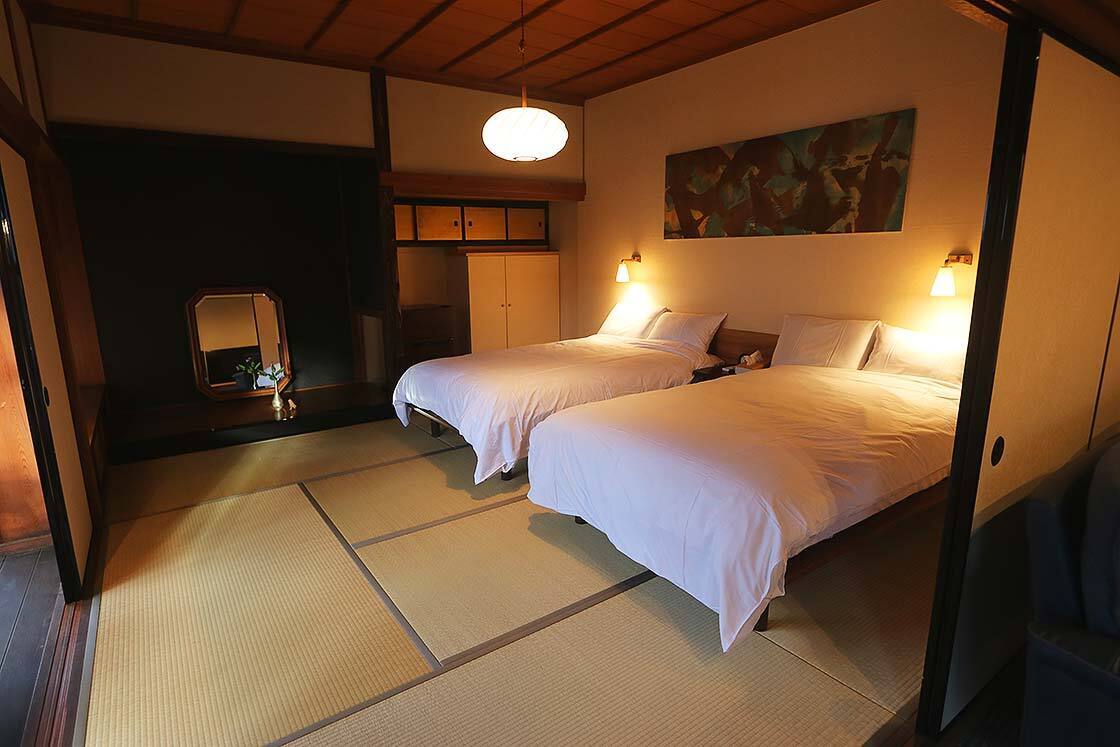
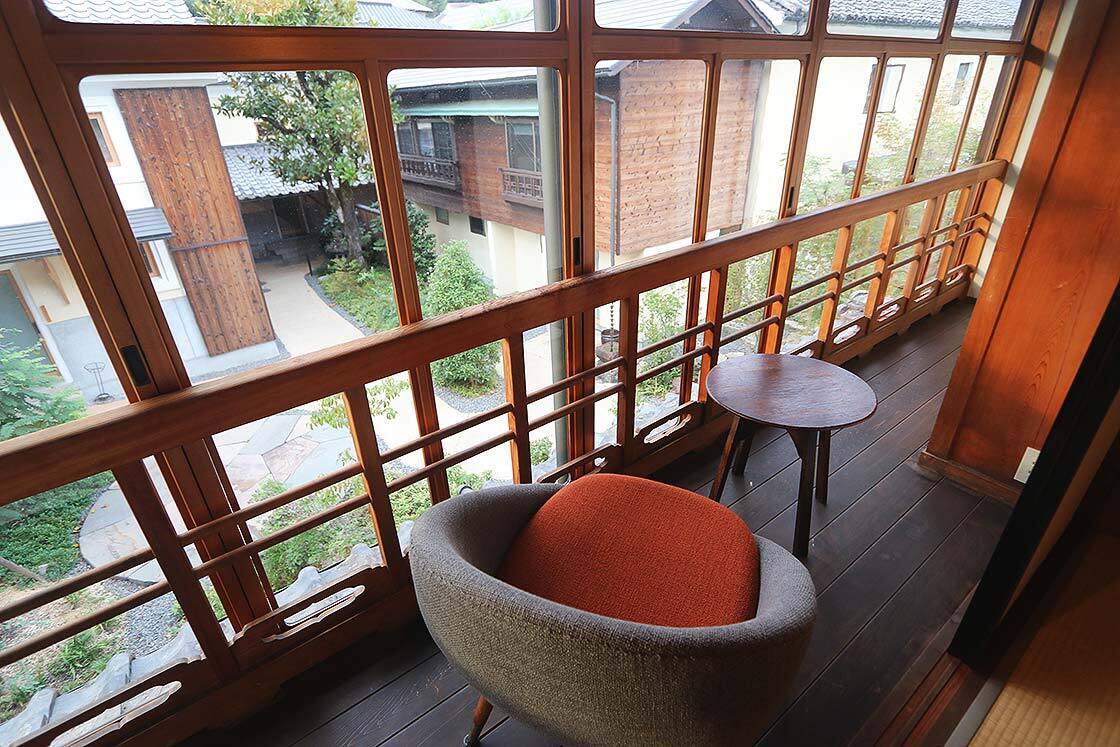
Once settled in, it was soon time to head out into the darkening street for dinner at nearby Sushi Izakaya Kotetsu - a refined yet cozy restaurant with just the right traditional look to match its surroundings, a warm atmosphere and an elevated take on the usual classic seafood dishes.
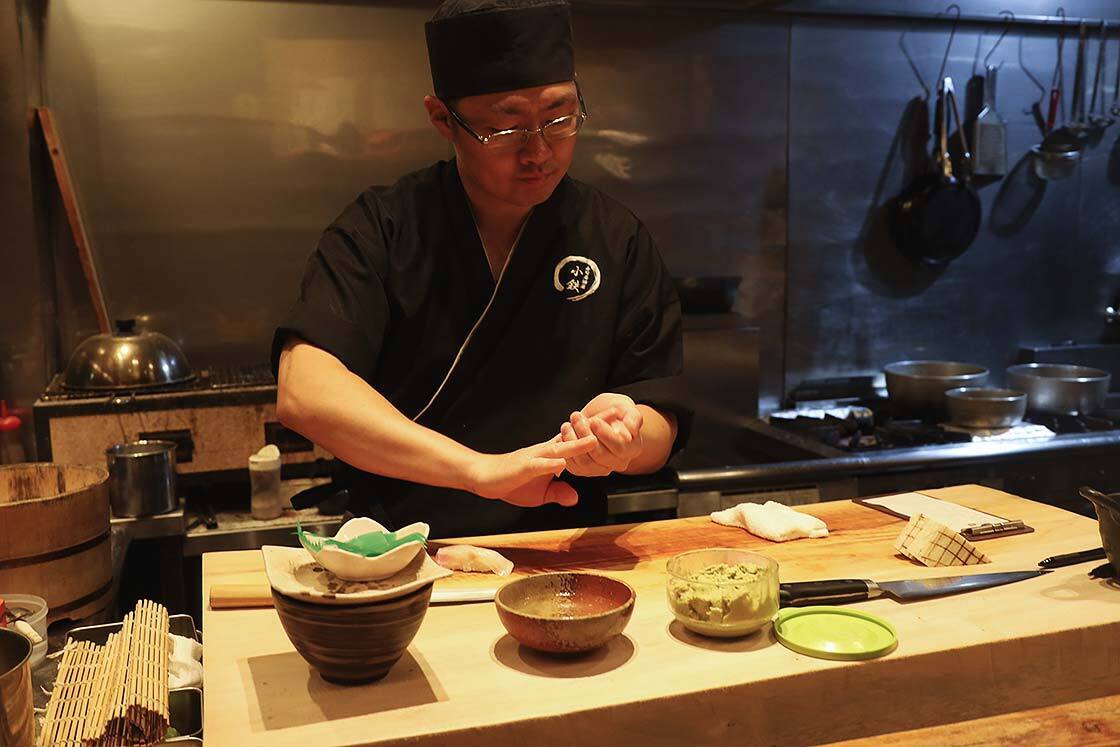
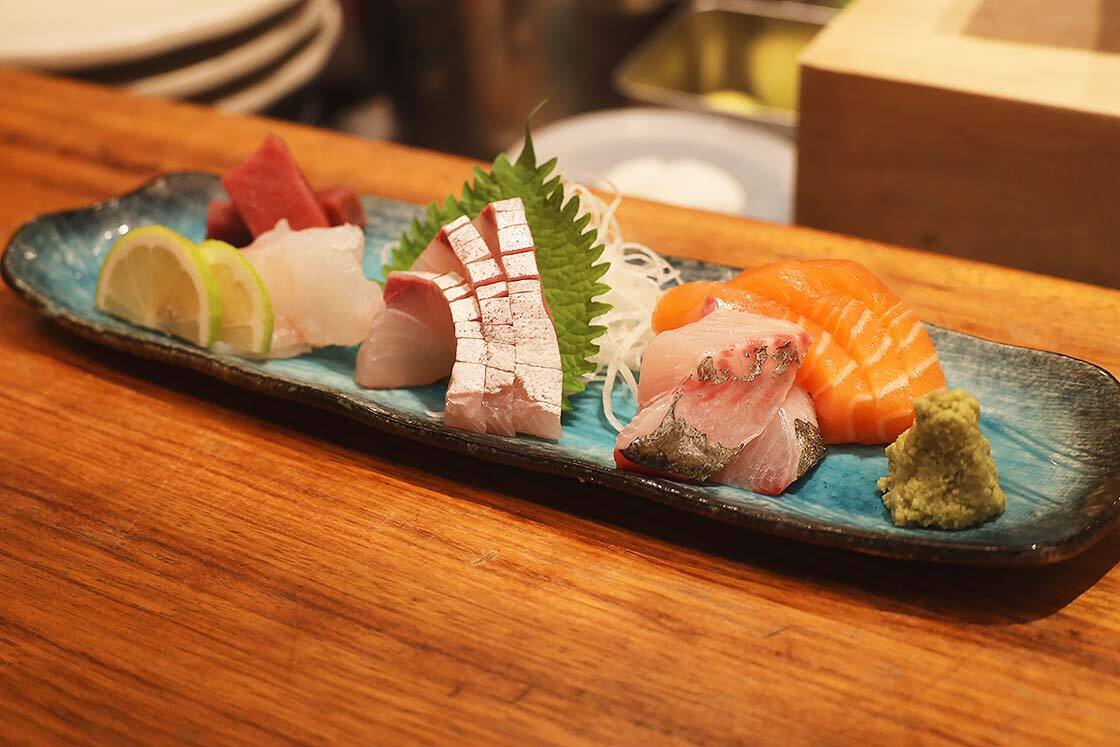
Keen to try a bit of everything, I kicked things off with a sashimi plate and a few pieces of sushi, put together in front of me by hand. One interesting local variation I noticed was in the tamagoyaki or egg roll sushi - unlike the more common Tokyo or Edomae style, here the egg is set into a thicker block, scored diagonally with a knife and lightly seared for a smoky edge to the flavor.
Another highlight was the mixed tempura, with a selection of seafood and vegetables lightly coated in a delicate batter. The difference between "ok" and exceptional tempura comes down to a handful of subtle details - you want the batter to be thin enough to float around the ingredient rather than submerge it, not too much oil, a whispery crackle that disappears to almost nothing on the palette and perhaps above all a perfectly cooked filling. When it all comes together as perfectly as it did here, the dish always seems to clear itself in no time at all.
After a delicious meal, it was time to retrace my steps to my machiya house for a dip in the gorgeous Japanese cypress bathtub and an early night, ready for my second and final day of sightseeing in the town.
Day 2 - Outside the town by e-bike
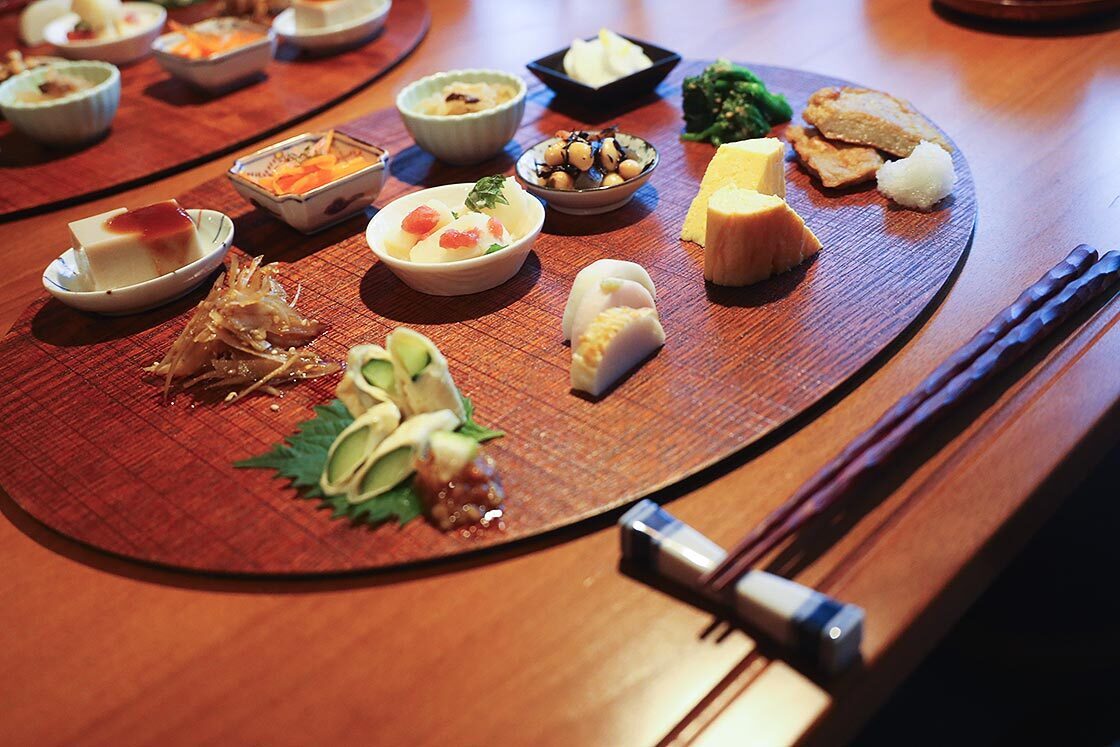
As I often do when staying somewhere especially nice, I began the next day just a little earlier than usual, wanting to enjoy the last of my time in Tsumugi to the fullest. Breakfast was traditional style - albeit with some very stylish presentation - and served just a few steps away in CAFE & Dining Tasuki, an equally cozy space in a separate building that doubles as the management office and check-in desk.
Breakfasts that come with traditional stays can sometimes feel just a little heavy for those not used to them, so I appreciated the light, almost bitesize pieces that made up my meal alongside rice, a rich miso soup and freshly ground coffee.
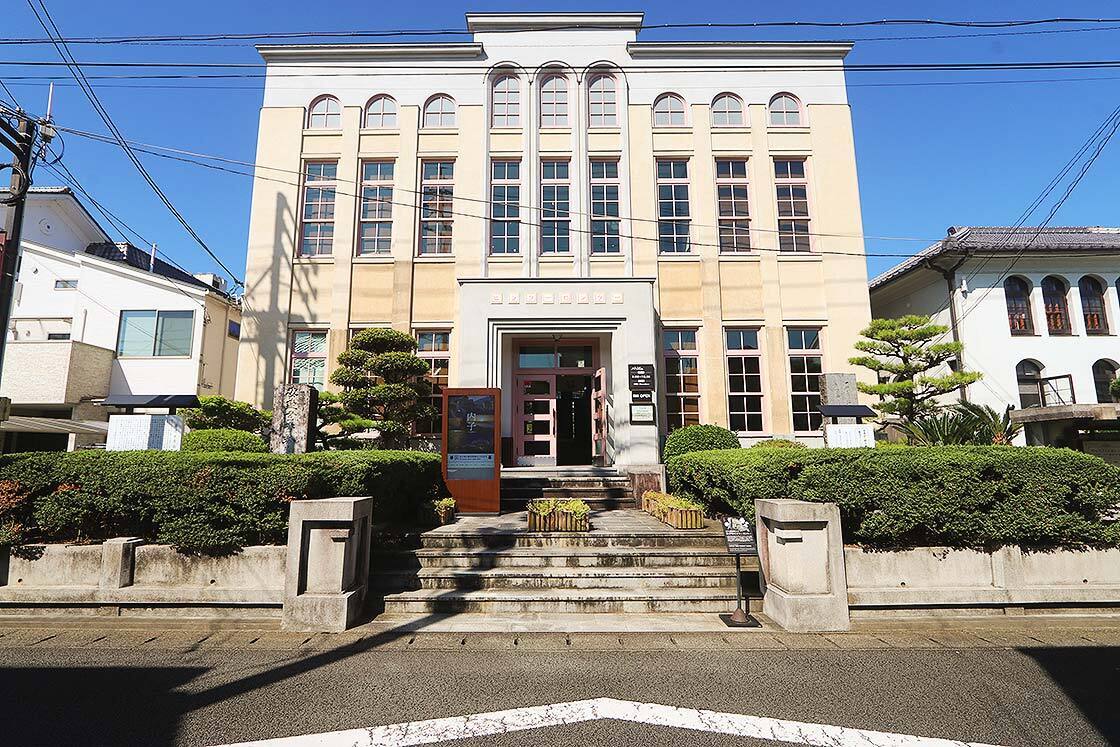
With the spots on that day's itinerary generally a bit further from the town center than the day before, I made my first stop at the Uchiko Visitor Center to pick up a rental e-bike. Although quite a bit younger than many of the houses in the Yokaichi District, the center is every inch a historic building in its own right, having served as the town's police station from 1936 to around 1980. Today, it's a handy spot for tourists offering walking maps, brochures, recommended accommodation and of course free wi-fi.
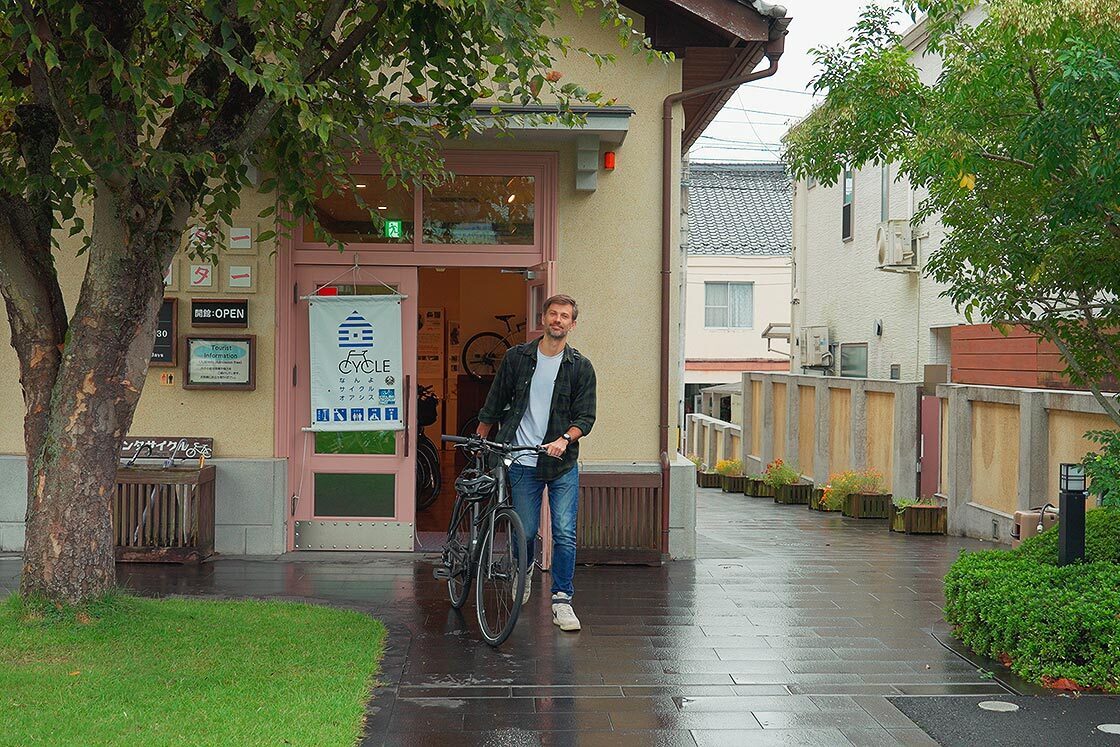
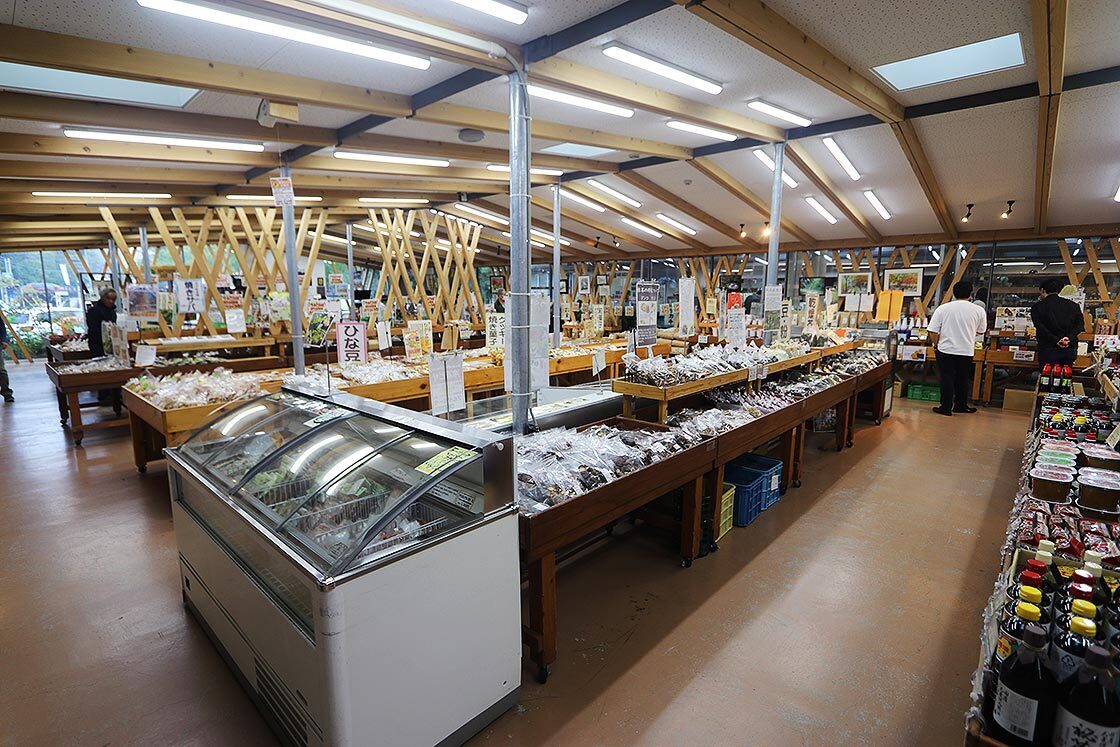
Outfitted with a new-looking bike and cycling helmet, I set off southeast just outside of the town center and along the river for my next visit - the Karari Roadside Station. Also known as michinoeki, stations like this are a common sight in rural towns throughout Japan, often combining a place to rest and grab a bite to eat with informal tourist information or farmers' markets.
Familiar as it was, I was actually quite taken with Karari - located in a nice woody spot, it features terraces looking out over the river, stalls selling various kinds of local produce and even a great little bakery that seems very popular with locals.
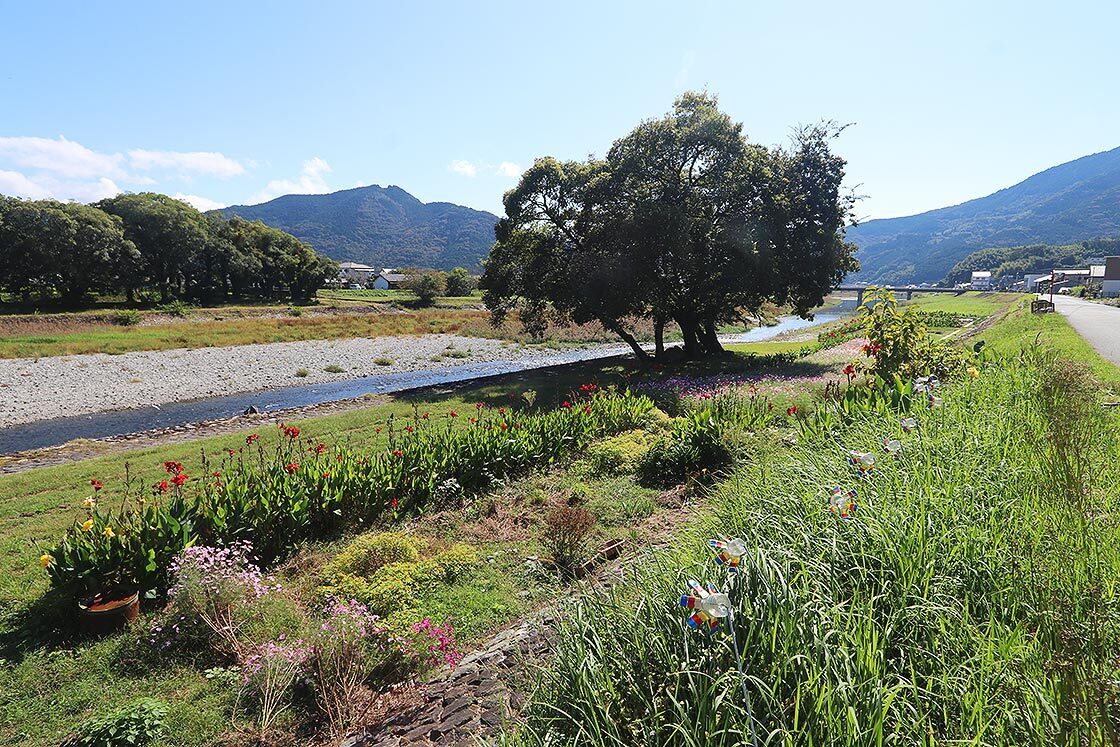
Leaving the roadside station behind, I set off on a 15-minute ride roughly tracing the curve of the Oda River to my next stop at the Tenjinsanshi Paper Factory, for another dive into the town's industrial past. Here, local craftspeople carry on the practice of making Ozu Washi - a traditional style of paper that can be traced back to the Heian Period (794-1185)and the Ozu Domain, to which Uchiko and Ikazaki once belonged.

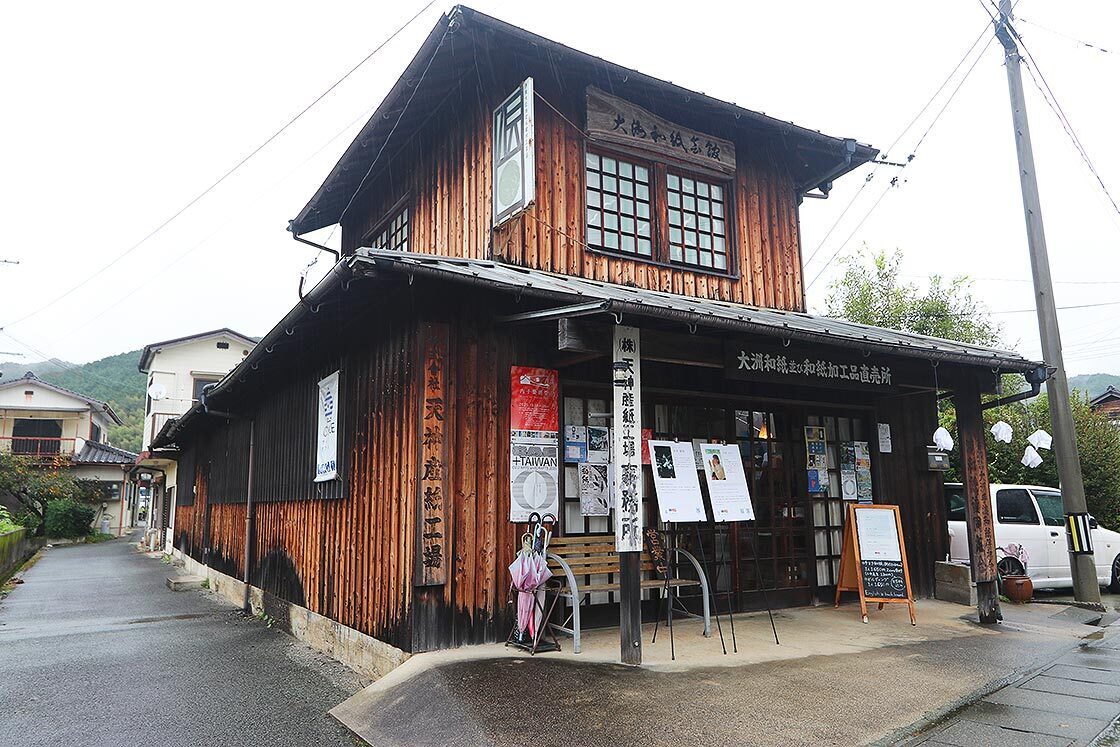
Founded around 1919, the factory was initially just one of many in the area, collectively one of the major providers of traditional paper in the country. Today, it continues to produce a wide range of products, from artisanal calligraphy paper to modern decorations - all of it by hand - while opening its doors to visitors like me for hands-on craft experiences that can be booked online. Available only on weekdays, the experience lasts for about half an hour and provides an absorbing introduction to the art, its components and the process behind it.
The process begins with kozo or mulberry branches, usually cut during the winter months when the bark is at its thickest. These are steamed, scraped and peeled to remove an inner layer of clean, white bark, which is then boiled and beaten with hammers to soften it. The resulting fibrous material is placed in clean water with a plant-based thickener called neri, creating a milky pulp that forms the basis of all Ozu Washi paper.

Stepping onto the factory floor where artisans can be seen busily forming and stacking sheet after sheet with practised ease, I was guided to my own little trough and was soon practising the deceptively tricky steps of scooping and draining the mixture with a wood and mesh frame.
With a single, expert motion, my guide flipped the resulting layer of fibers onto a hot plate, sending up a gust of steam as it solidified into a flat, smooth sheet - every bit as satisfying as taking a cake out of an oven!
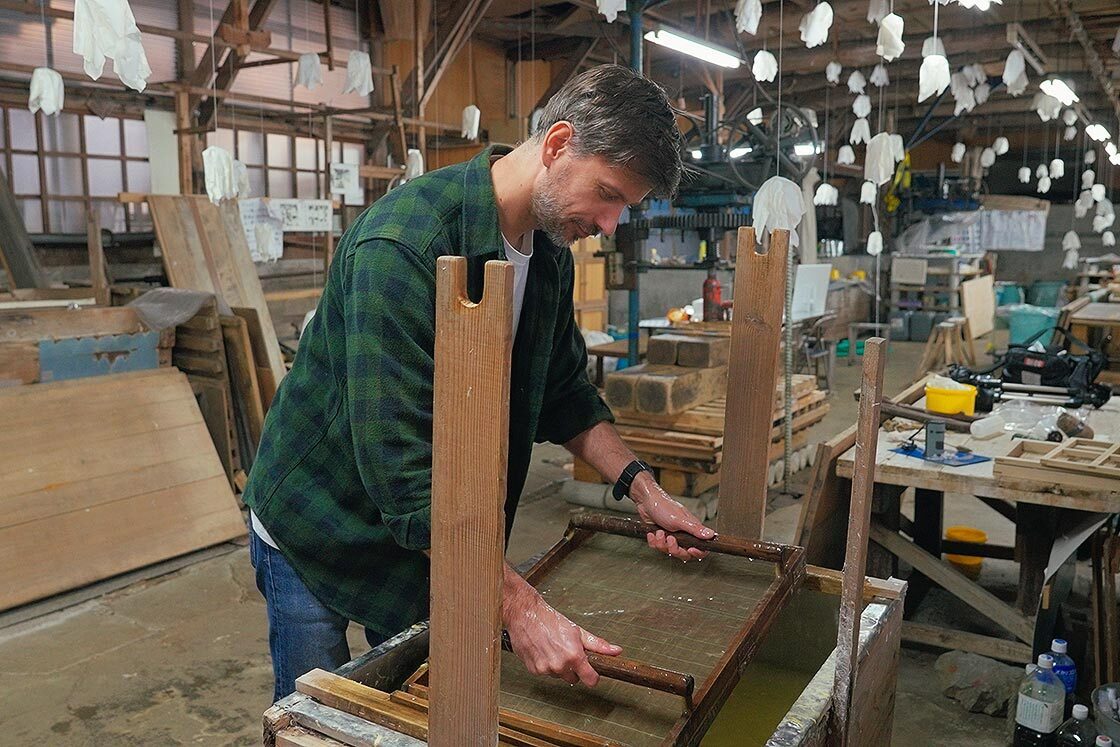
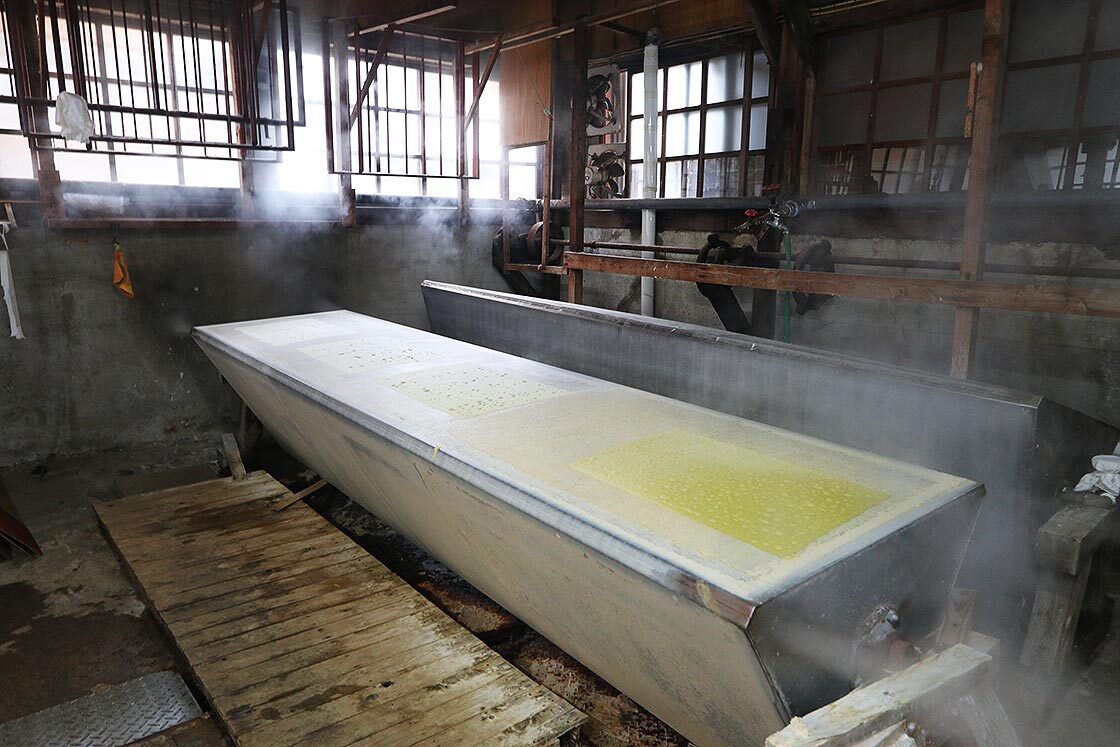
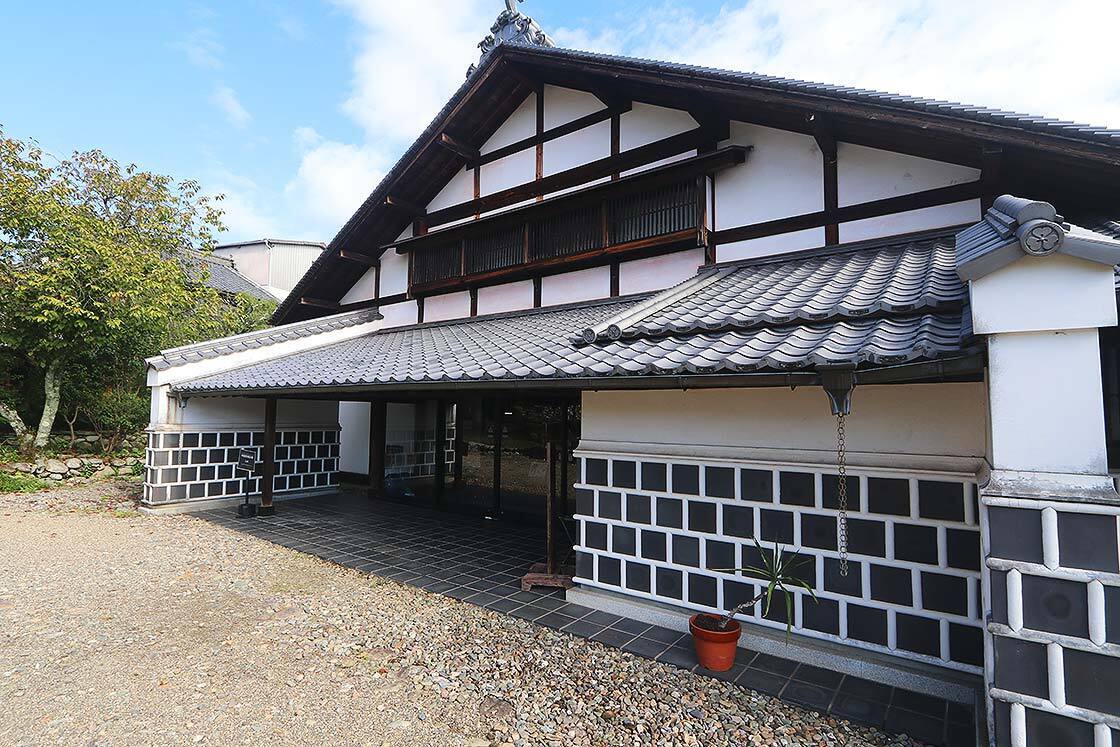
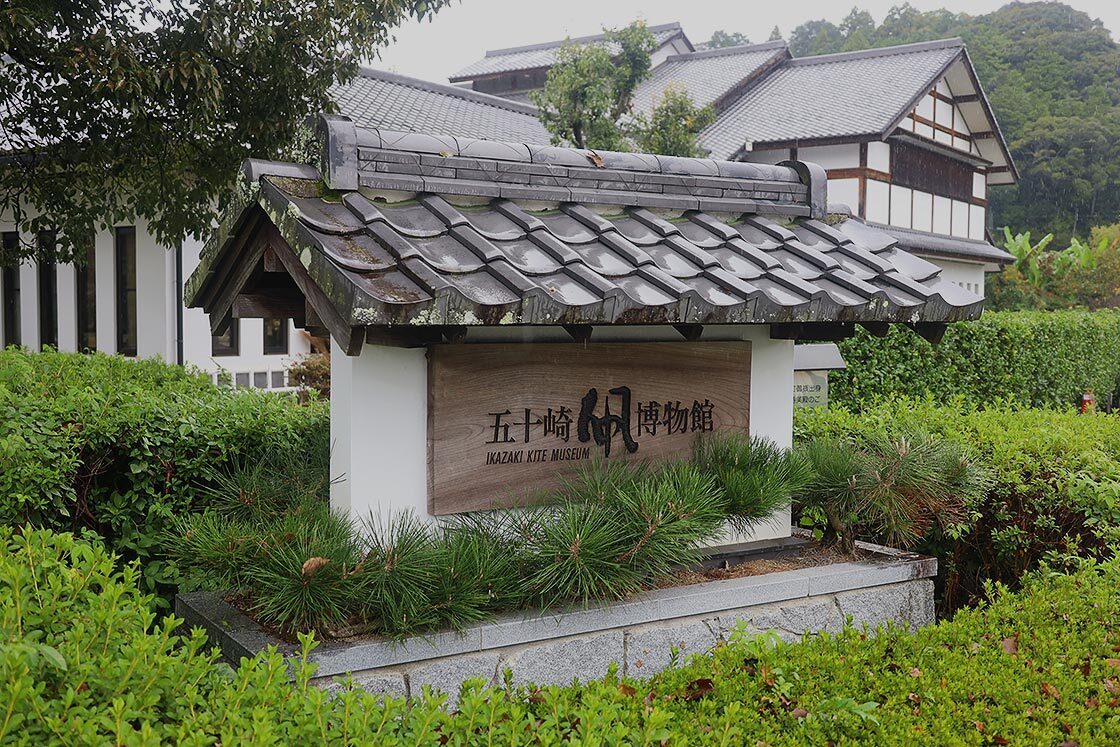
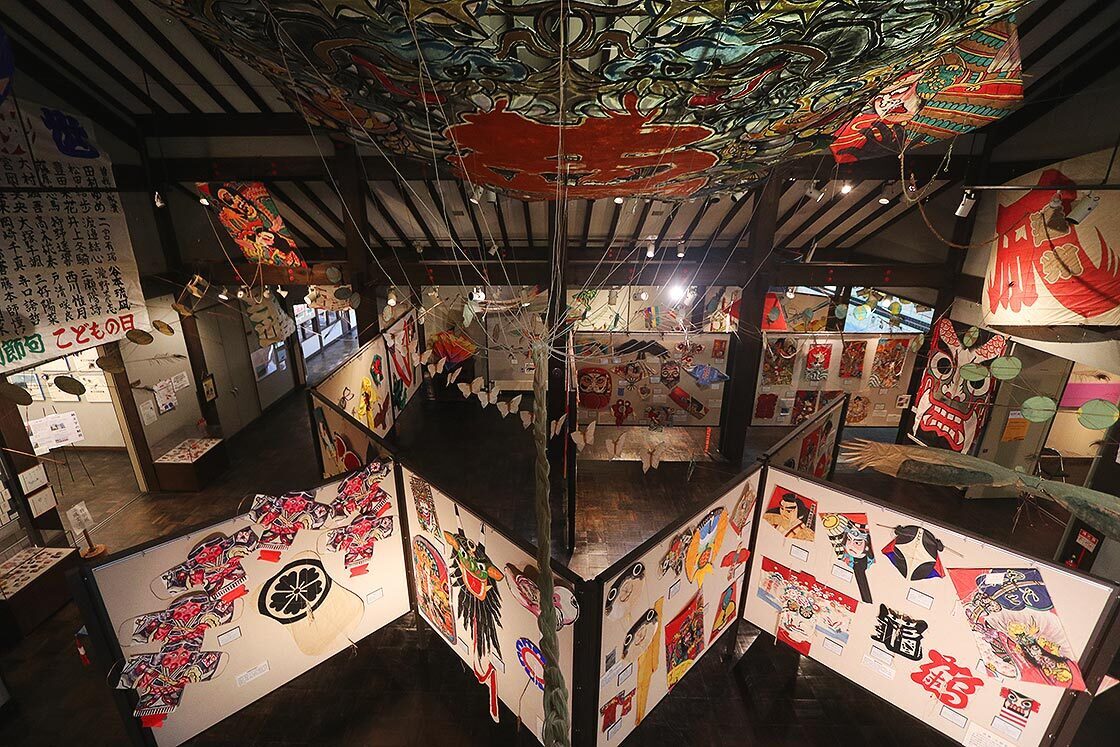
With my handmade paper carefully packed away, I was soon back on my bike and heading across the river for my final stop at the Ikazaki Kite Museum. In this colorful exhibition space set inside an attractive traditional-style building, visitors can take in an impressive collection of around 400 kites from Japan and around the world.
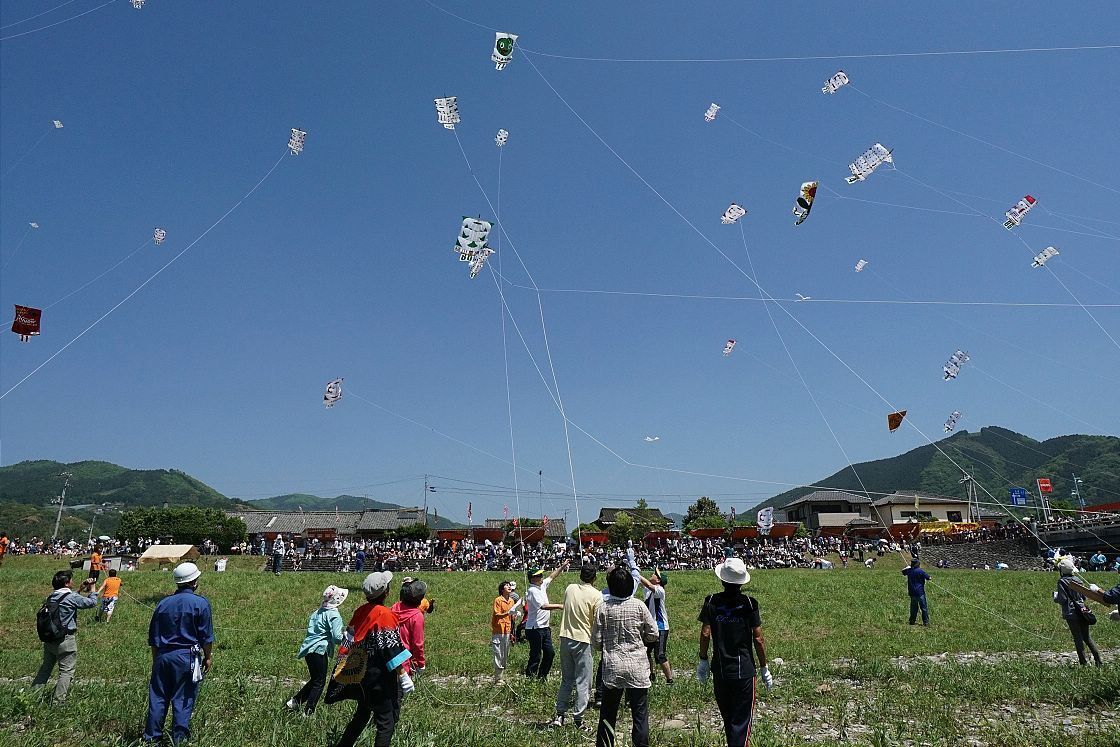
Kites have a long-standing significance in the area thanks to its once-thriving paper industry, the native Ozu Washi lending itself perfectly to the craft with its light weight and durability, allowing for large and striking designs. For over 400 years, that connection has been celebrated right here on the banks of the Oda with the annual Ikazaki Kite Festival, held every year on May 5 to mark the national holiday of Children's Day.
One very sweet way that the festival reflects and binds itself to the community is through large, banner-like kites proudly displaying the names of local children - originally only boys after their first birthdays, but later including both girls and boys up to older ages.
The festival culminates with a spectacular display in which the strings of competing kites are fitted with special blades called gagari. Each flyer then tries to maneuvre their own kite to cut the strings of their opponents - a hugely challenging feat requiring great skill and coordination.

With that, my time in Uchiko was drawing to a close, and I turned back towards the town center to drop off my e-bike and begin my long journey home via train and domestic flight. It had been a quiet but hugely rewarding couple of days, and I could easily picture the same experience forming the perfect thoughtful pause in a wider Shikoku-based itinerary.
