Yame Tea and Traditional Crafts in Yame City
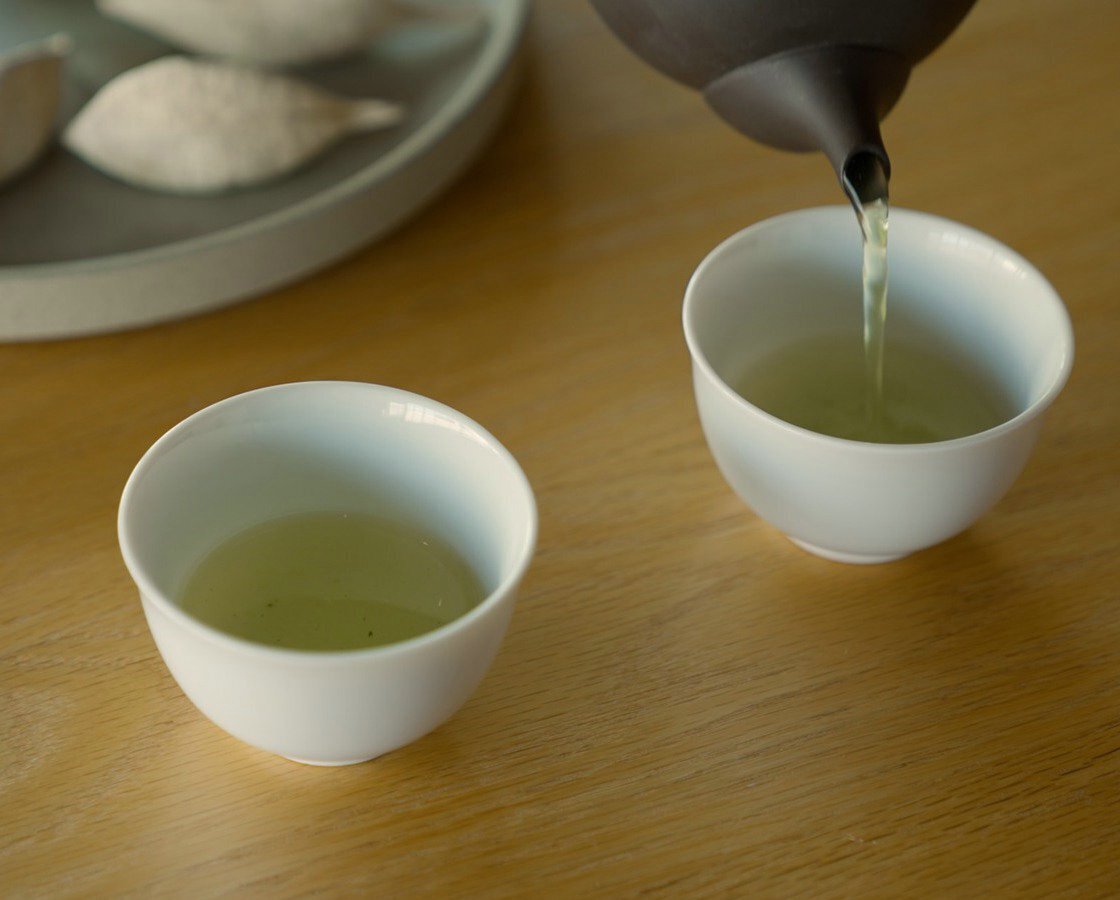
Yame City, located in the southern part of Fukuoka Prefecture, bordering Kumamoto and Oita prefectures, is a region where a culture nurtured by rich nature and history thrives. In particular, "Yame Tea" and the "Traditional Crafts" that have been passed down for many years are attractions synonymous with Yame City, receiving high praise both domestically and internationally for their high quality and beauty. This introduction delves into the background and appeal of the two treasures that Yame City proudly offers.
Yame Tea, Japan's representative fine tea
History and Geographical Advantage of Yame Tea
The history of Yame Tea is old, said to have begun when Zen master Eirin Shuusai brought tea seeds from Ming China and sowed them on the grounds of Reiganji Temple during the Muromachi period. While its full-scale popularization began after the Edo period, the dramatic improvement in its quality is due to Yame City's unique geographical and climatic conditions.
The Yame region is blessed with abundant water resources from the Chikugo River system and a climate typical of mountainous areas with large temperature differences between morning and evening. In particular, the "river fog" that frequently occurs from autumn to spring covers the tea leaves, blocking direct sunlight and promoting the abundant production of the amino acid L-theanine. This theanine is the source of Yame Tea's greatest features: its "rich umami" and "mellow sweetness." The soil is also a fertile clay best suited for tea cultivation. These natural conditions create a miraculous harmony, nurturing high-quality tea leaves.
Furthermore, the Yame tea cultivated in the hilly regions is also a scenic spot known as the Yame Chuo Daichaen (Yame Central Grand Tea Garden). From early summer to around summer, visitors can see the expansive grounds covered in a green carpet.
Traditional Authentic YAME GYOKURO - Boasting the Highest Quality
Among Yame Teas, the absolute finest is considered to be "Traditional Authentic YAME GYOKURO". Gyokuro is a type of tea grown using "covered cultivation," where the entire tea field is shaded for about 20 days starting when the new buds sprout, blocking out sunlight. This labor-intensive cultivation method suppresses bitterness, bringing out a concentrated "umami" and "sweetness."
"Traditional Authentic YAME GYOKURO" has even stricter standards. In particular, high-level skills and passion from producers are required, such as harvesting by hand-picking and adherence to traditional manufacturing methods. Its flavor is not merely sweet; it is characterized by a deep, lingering richness on the tongue and a refreshing aroma. In fact, fragrances using Yame Tea are also sold. It is consistently highly rated in national tea competitions, and its high quality is guaranteed.
The Diverse Appeals of Yame Tea
Yame Tea produces various types beyond Gyokuro, including Sencha (green tea), Kabusecha (shaded green tea), and Matcha (powdered green tea).
- Sencha: Characterized by the refreshing aroma of fresh young leaves and a balanced flavor of umami and astringency, it is popular for daily consumption.
- Kabusecha: Although not shaded for as long as Gyokuro, it is grown by blocking sunlight for a certain period, possessing both the refreshing quality of Sencha and the umami of Gyokuro.
- Matcha: Finely ground with a stone mortar, Matcha has a vibrant green color and a rich umami, making it popular not only for tea ceremony but also as an ingredient in Japanese sweets and desserts.
Yame Tea producers aim to make the best tea constantly, blending generations of experience with the latest technology, and their passion has established Yame Tea's solid position.
Yame's Traditional Crafts where Tradition and Innovation Reside
Yame City is not only known for Yame Tea but also as a "city of craftsmanship" where various traditional crafts cultivated over a long history are deeply rooted. These crafts have been close to people's lives and have shaped Yame's culture and aesthetic sense.
Yame Chochin (Yame Lanterns) Emitting Elegant Light
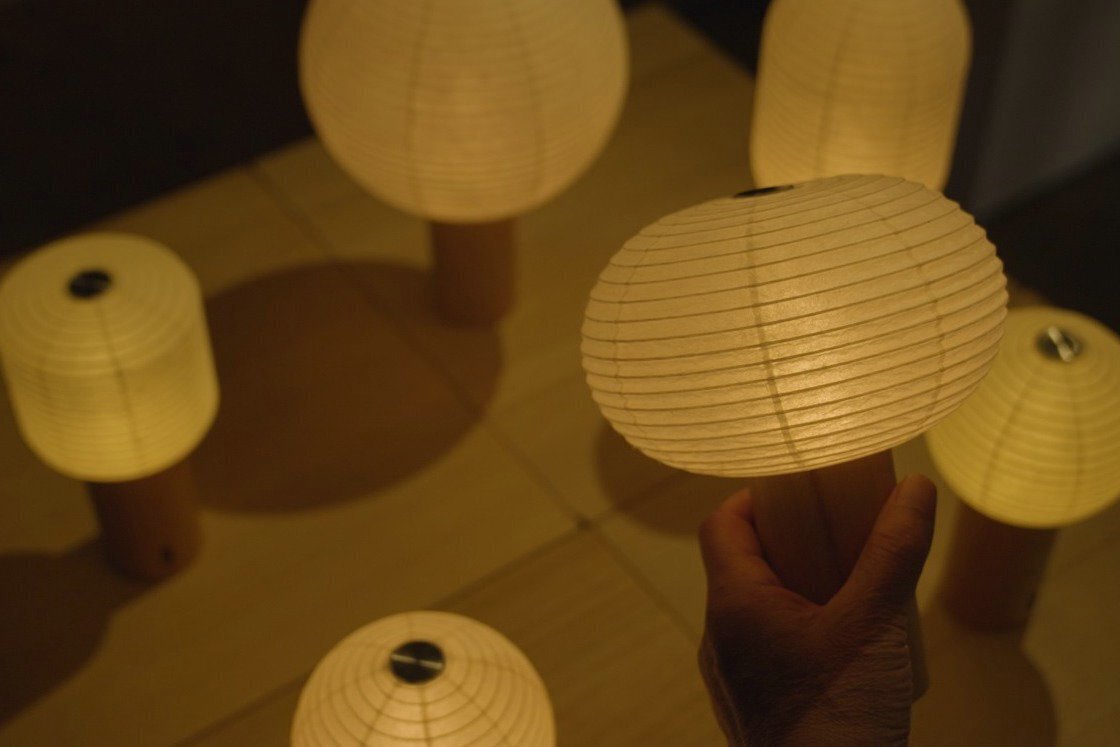
Yame Chochin are traditional crafts said to have begun in the late Edo period. They are characterized by using thin bamboo taken from Yame's abundant bamboo groves for the framework, covered with thin washi paper or silk, and painted with elegant designs.
Their greatest appeal is their collapsible structure. They can be compactly folded when not in use, making them convenient for storage. The delicate "higo" (bamboo splint) processing technique applied to the framework and the vividly hand-painted designs of flowers, birds, wind, and moon create a fantastical beauty when the lamp is lit. They are often used as Bon lanterns (Bon-chochin), becoming a gentle light to remember the deceased and a feature of Japanese summer. Modern designs of lanterns that can also be used as interior decorations are being created today, continuing to evolve with the times while preserving tradition.
Yame Fukushima Butsudan (Yame Fukushima Buddhist Altars) Featuring Intricate Decoration
Yame Fukushima Butsudan is one of Yame's representative crafts, designated as a Traditional Craft by the Minister of Economy, Trade and Industry. Its origins date back to the mid-Edo period, developing from artisans involved in the construction and repair of temples and shrines who transitioned to making altars for common people.
A distinctive feature of the Yame Fukushima Butsudan is its production through a division of labor by "Seven Artisans." The seven high-level skills - woodworker, shrine carpenter, carver, metalworker, lacquerer, makie artist (lacquer with gold/silver powder), and foil presser - come together to complete one majestic altar. The beauty of the gold leaf, the gorgeously elaborate carvings, and the precise makie ornamentation applied throughout give it a splendor not seen in altars from other regions. The production process, which takes several months to complete, is truly worthy of being called a "comprehensive art," condensing the best of Japanese traditional technology.

Other Yame Crafts
In Yame City, there are diverse crafts rooted in the region besides lanterns and Buddhist altars:
- Yame Washi (Yame Paper): Washi paper manufactured using traditional hand-pulping techniques with high-quality kozo (paper mulberry) from the Chikugo region as the raw material. It is durable, with a rustic and warm texture, and is used for shoji paper, calligraphy paper, and as a material for lanterns.
- Hand-Scented Incense (Tesuki Senko): Incense making, which developed with the backdrop of Buddhist altar technology, is also flourishing. It is made by artisans carefully kneading natural fragrances by hand, focusing on them.
- Yame Koinobori (Yame Carp Streamers): Due to the prosperity of dyeing industries in Yame, benefiting from the Chikugo River, vividly hand-dyed koinobori are also created.
Yame's future woven by tradition
Yame Tea and traditional crafts are separate industries, yet they are deeply connected by the history, culture, and spirit of the land of Yame. The soil and climate that produce the highest-quality tea, and the artisan spirit that nurtured the precise techniques for Buddhist altars and lanterns - all are evidence of the Yame people's commitment to pursuing "authenticity" and sparing no effort.
In recent years, Yame City has actively undertaken initiatives to pass these traditional cultures on to the next generation. Young artisans and tea farmers are preserving traditional techniques while developing new products tailored to modern lifestyles and actively disseminating information both domestically and internationally.
For example, Yame Tea is moving forward with challenges in organic cultivation and strengthening exports backed by the global Matcha boom. In the field of traditional crafts, innovative attempts are seen through collaboration with other industries, such as furniture making utilizing the Buddhist altar techniques and the development of modern lighting fixtures incorporating lantern designs.
Yame City continues to create new value while cherishing the old. Visitors to this region can taste the rich umami of Yame Tea and touch the beauty of the elegant traditional crafts, allowing them to feel the deep charm of Yame and the passion of the people living there. Yame City is sure to remain an important region that continues to transmit Japan's "authentic" culture to the world.
We invite you to experience the tradition and future of Yame for yourself. For those who wish to enjoy the culture of Yame City, we recommend this 1 night 2 days Yame Culture Tour.
Experience the sights and culture of Yame City in a 1-night, 2-day tour. The second day can be customized, allowing you to choose 2-3 of your preferred experiences.
Examples:
Yame Tea
Kiya Hoyu-en's Chabo Seisuian is a place that suggests various ways to enjoy tea beyond simply drinking it. You can choose a special tea pairing seminar where the proprietor, a certified Japanese Tea Master, maximizes the rich flavor and aroma of "Yame Traditional Hon Gyokuro," leading you to discover new charms of tea in a calm setting.

Yame Chochin (Yame Lanterns)
At the long-established "Shiraki Kogei," you can experience painting "Cocoran", a mini lantern. Learn the delicate brushwork of an artisan while creating a personalized mini lantern to your liking.
Yame Fukushima Butsudan (Yame Fukushima Buddhist Altars)
You can experience lacquer coating at the studio of a nushi (lacquerer), one of the "Seven Artisans."
In this experience, you can choose chopsticks or accessories and go through the processes of polishing, coating, and finishing. This will surely become a special souvenir with the deep color and luster unique to lacquer.
Morihiro Kaji Kojo (Morihiro Blacksmith Factory)
This is a valuable experience where you can create a knife with your name engraved, said to have an 8-year waiting list. Morihiro Kaji Kojo's knives use the highest-grade steel, sandwiched with rust-resistant stainless steel to create a masterpiece that combines both durability and sharpness. With regular sharpening, it can be used for decades.