A stroll through Sendai

Located about 300 kilometers north of Tokyo, the city of Sendai is not only the largest of the Tohoku Region but also - via its connection to the Tohoku Shinkansen - the most important gateway into it, making it a popular stopover for visitors looking to explore the wilder and more remote upper corner of Honshu Island.
Founded in 1600 at the very start of Japan's realtively peaceful Edo Period, it's a city that still feels firmly rooted in its history, even with just a handful of key historic buildings surviving to the present. Today, it's leafy, surprisingly youthful owing to its several universities and vibrant without the overcrowded intensity of, say, Tokyo or Osaka.
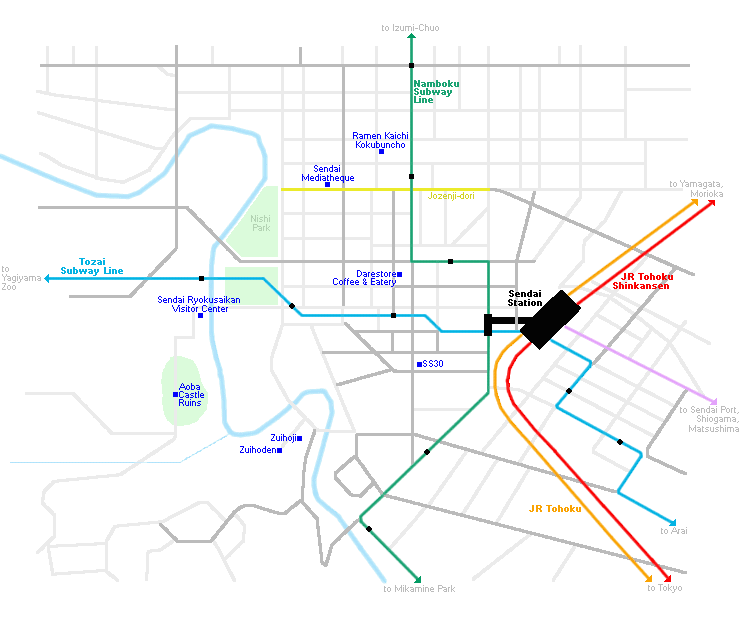
After passing through a few times, I finally got the chance to explore the city in some depth just recently, and while it won't be for every visitor to Japan, it's clear Sendai has a huge amount to offer beyond a stop in the road on the way to the deep north.
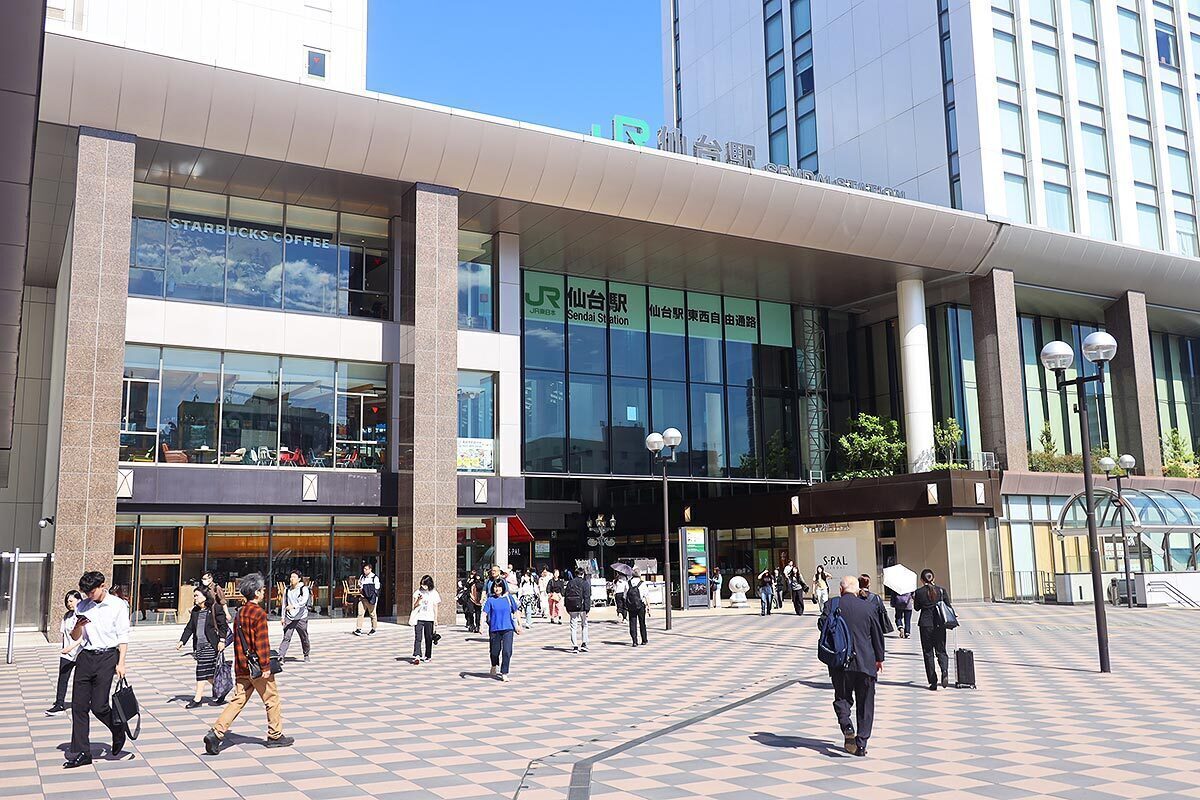
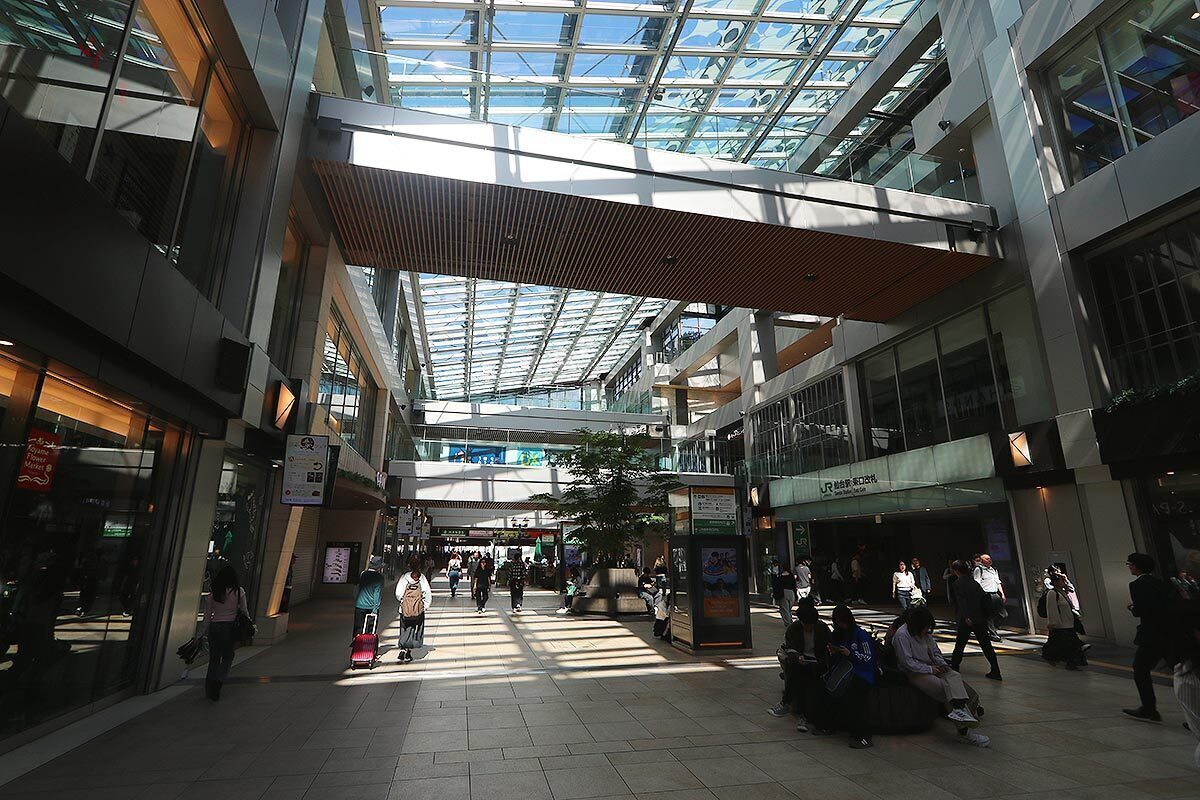
Naturally, my day began at Sendai Station, a sprawling, multi-story building in the center of the city's modern business district. While the current building was built in 1987, the original station dates all the way back to 1887, and changed the city almost overnight by connecting it for the first time directly with Tokyo. Its scale today - the product of repeated rebuilding and expansion in the decades since - hints at its continued importance as a regional hub.
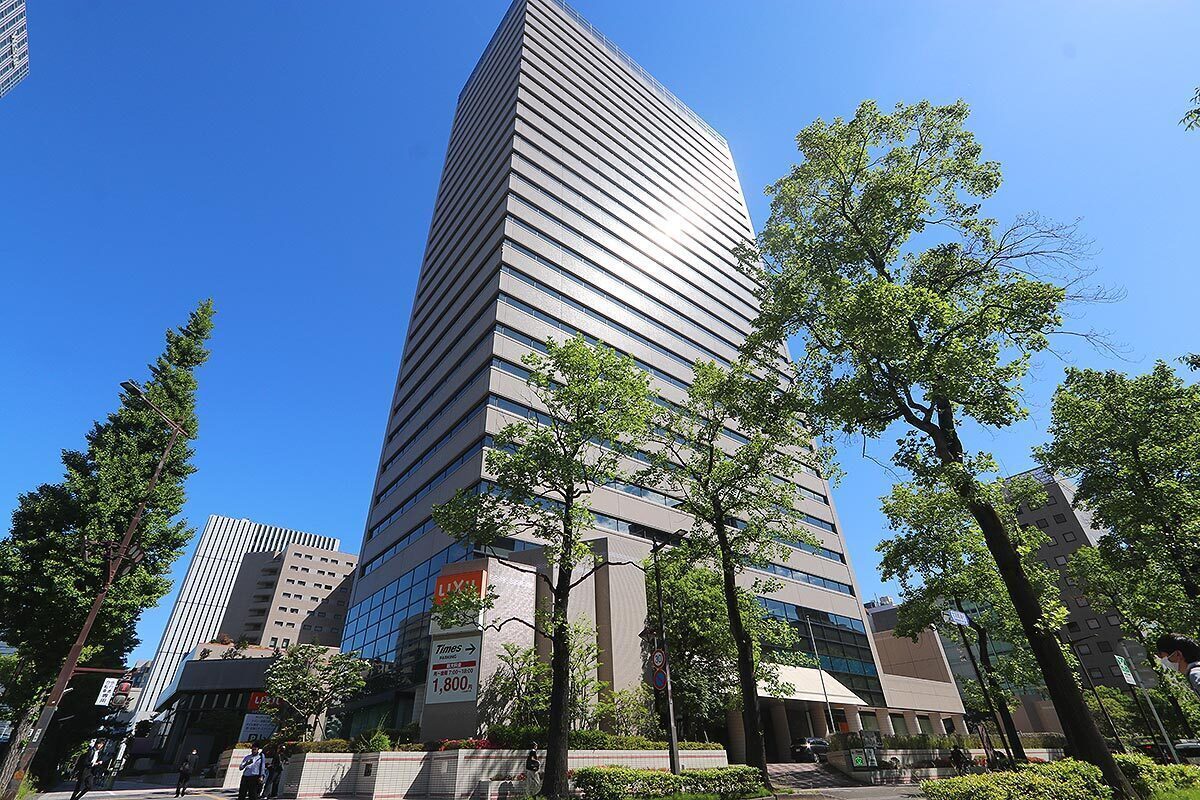
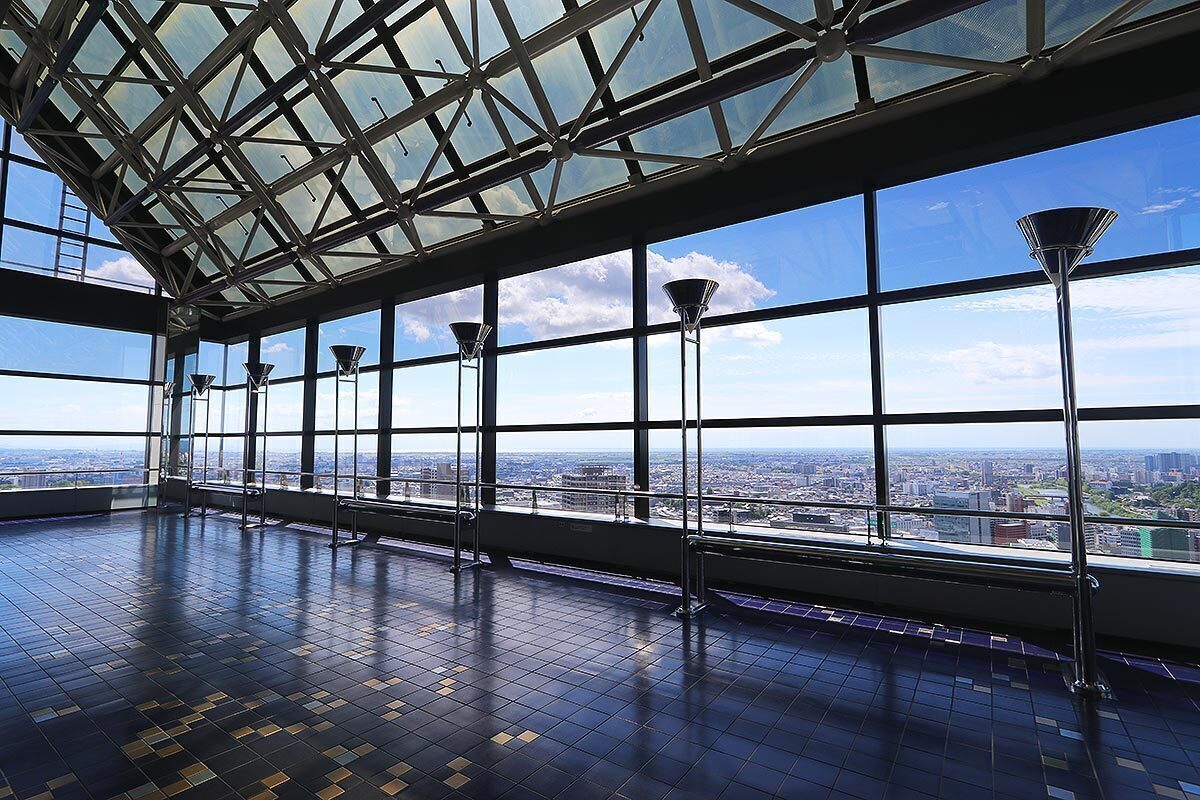
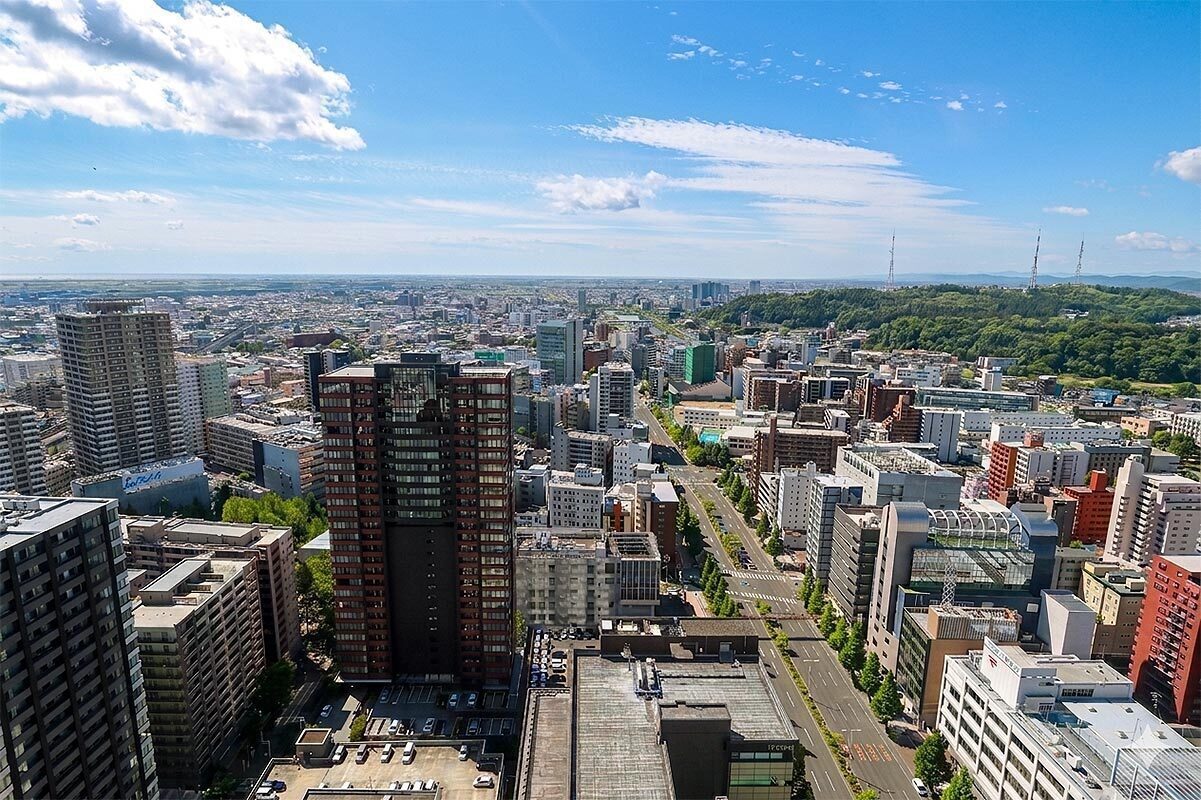
Keen to get a sense of the city from above, my next stop was a 10-minute walk southwest of the station at the SS30 Tower. Though it can feel today like a bit of a holdover from Japan's bubble era - all blocky design and gleaming surfaces - it caused a sensation when it opened in 1989 as the first building in the entire Tohoku area to reach higher than 100 meters. In fact, it remained the city's tallest building until 1998 when it was overtaken by the AER Building.
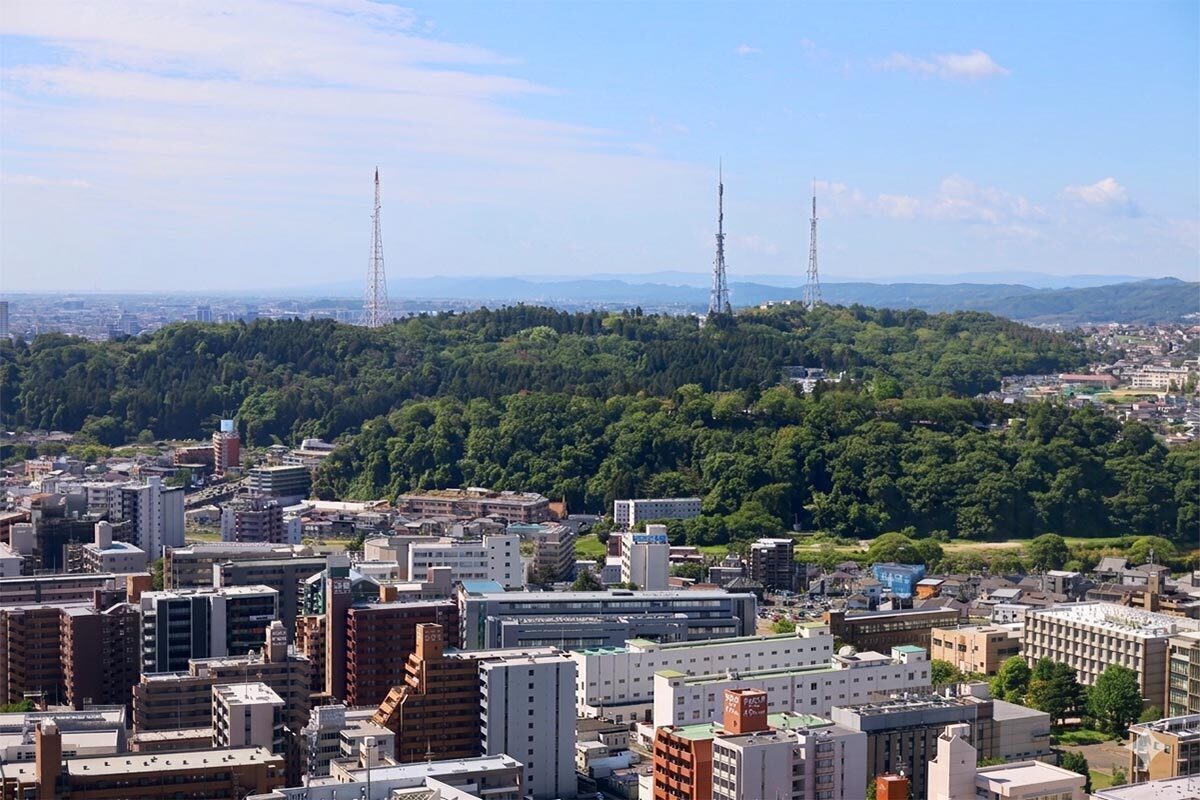
Even without the distinction of being the top spot, the tower's 30th floor observation deck reveals the surrounding geography surprisingly well, from the broad green avenues and flat urban basin of the city center to the western mountains and pacific plain beyond. If you happen to visit at night, look out for the glowing red TBC broadcast towers dotting the hilltops - in the wake of the Great Tohoku Earthquake of 2011, resulting in much flooding and loss of life in the Sendai's port district, the gradual relighting of these same towers over weeks and months became an unlikely symbol of the city's return to normality.
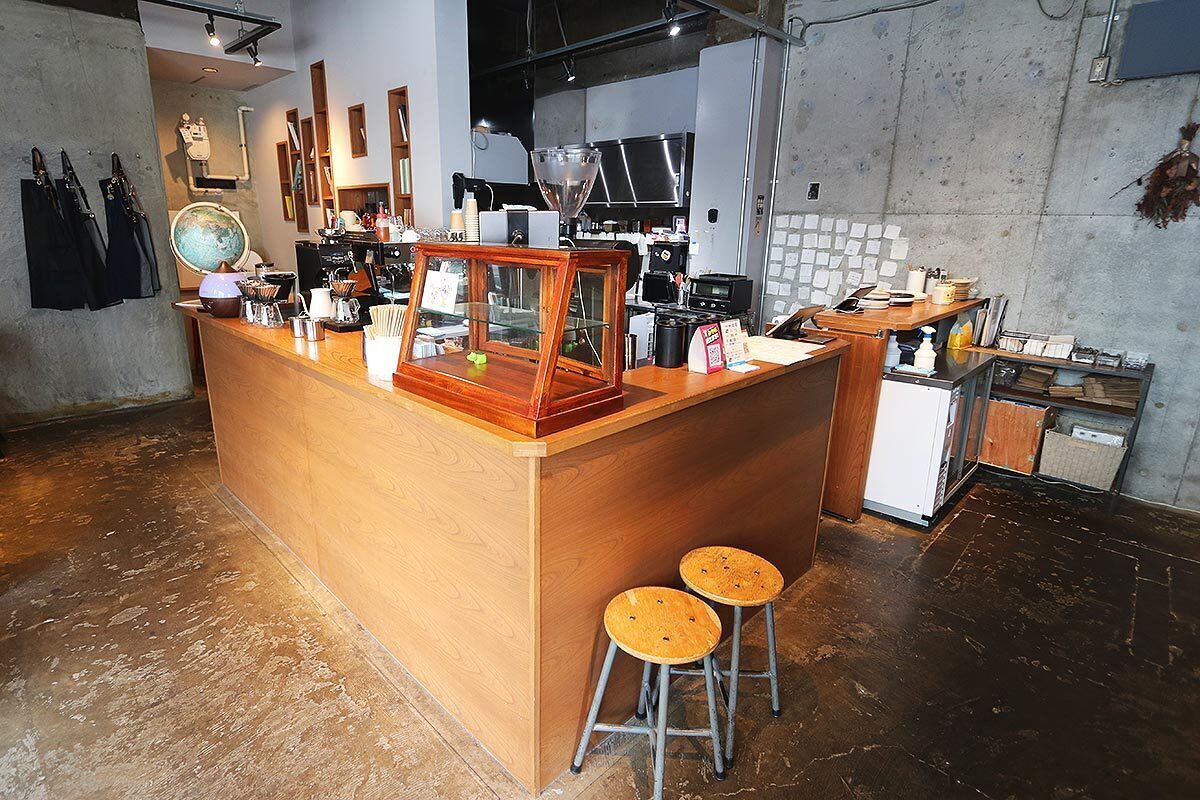
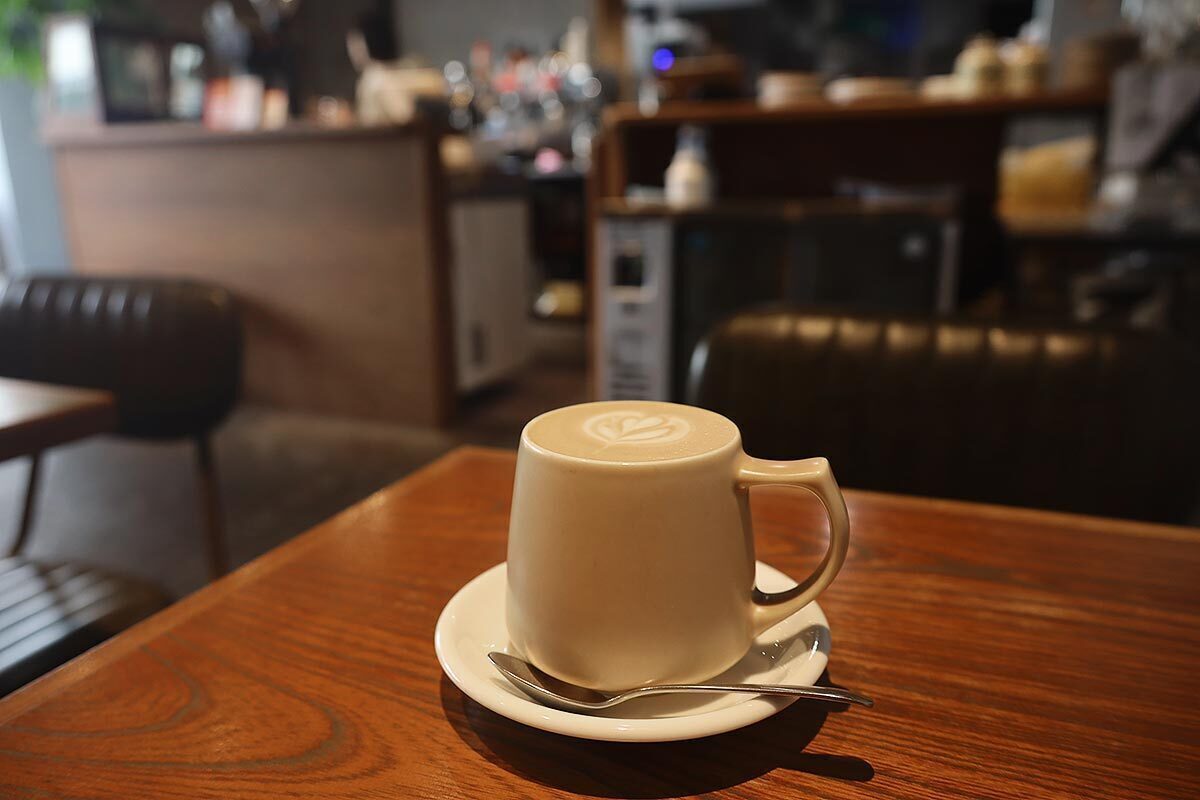
My next stop lay about 20 minutes' walk to the northwest, so upon leaving the tower I made a quick detour to Darestore Coffee & Eatery, an unpretentious, modestly-sized cafe that has quietly risen through the ranks of Sendai's coffee scene on the back of strong customer reviews and appearances in specialty magazines.
In interviews, the brand's founding duo pointed to two very different inspirations for the kind of atmosphere they worked to create - one to the experience of working in Melbourne's famous cafe culture, the other to serving coffee to refugees at the time of the 2011 disaster.
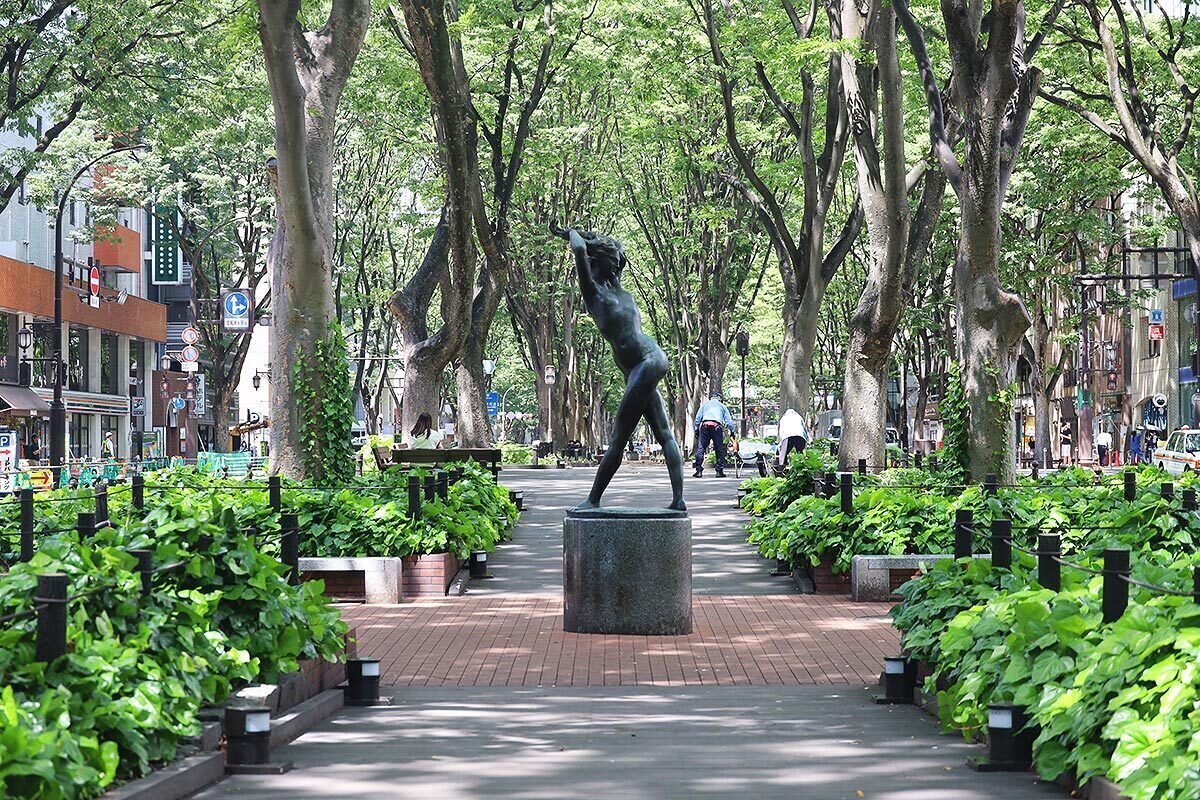
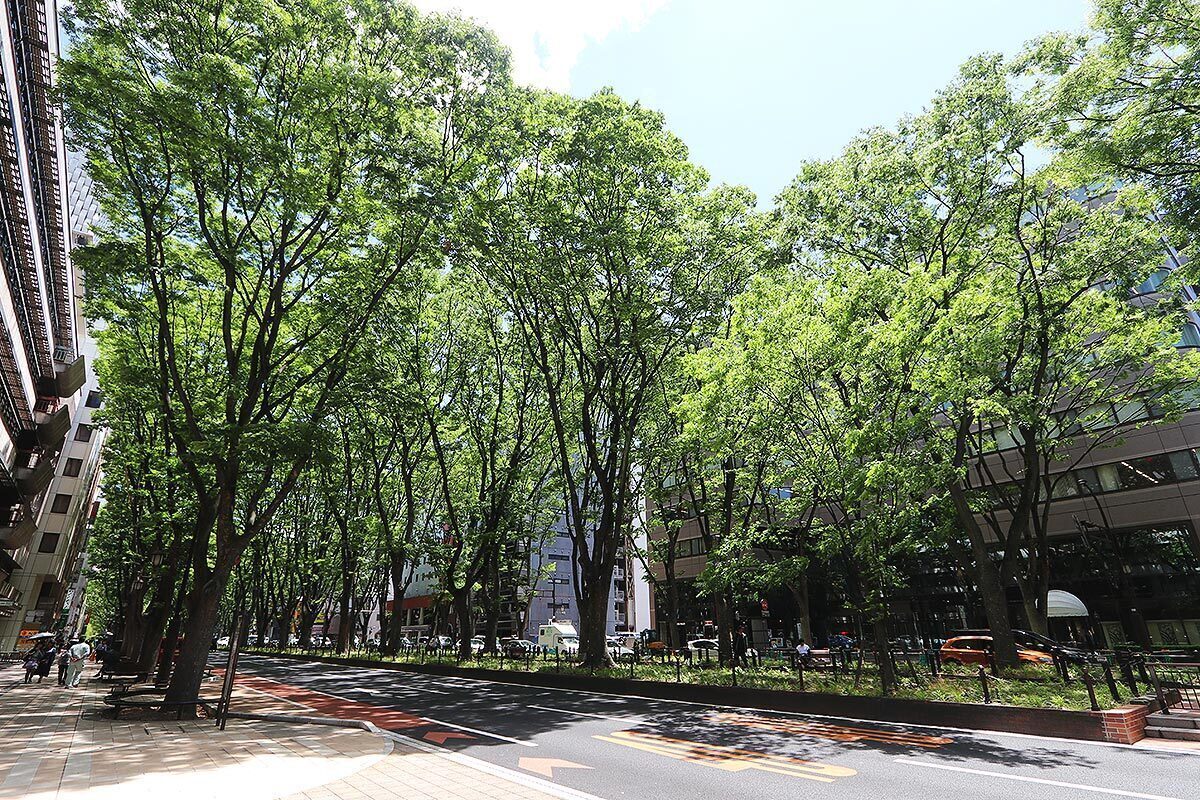
Sendai is often called the "city of trees", and with stately rows of the things seemingly everywhere you look, it's easy to see why. In fact, this reputation can be traced back to its early-17th century rulers, who actively encouraged its businesses, private citizens and even temples to plant "garden forests" - a rich source of timber that could be drawn on in times of need.
Today, one of the city's most striking leafy spots is the oddly European-looking Jozenji-dori, a busy downtown street lined on each side and along a central pedestrianised avenue with around 160 tall, slender zelkova trees, creating a thick, green canopy that turns a golden yellow in autumn. Officially ranked as one of Japan's best 100 streets, it is not just picturesque but feels like a showcase of daily life in Sendai, with a constant flow of office workers coming and going while groups of elderly friends sit chatting in the shade.
Though rarely mentioned alongside the "greats" of Tokyo, Yokohama or Fukuoka, Sendai nevertheless draws visitors from far and wide with its strong craft ramen scene, and a competitive spirit known to boil over from time to time; locals in the know still talk about the heady days of the late 2000s to early 2010s, when restaurants egged on by blogs and ranking websites embarked on what is still called the "ramen warring states period".
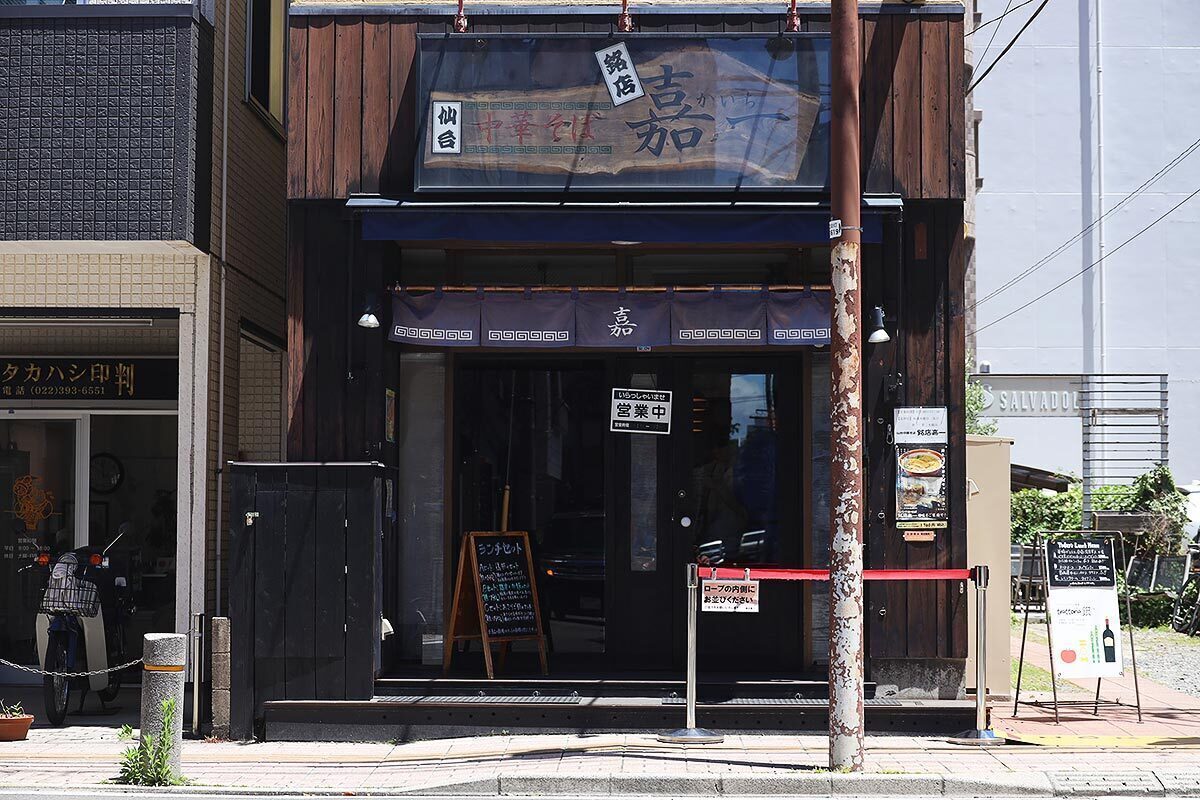
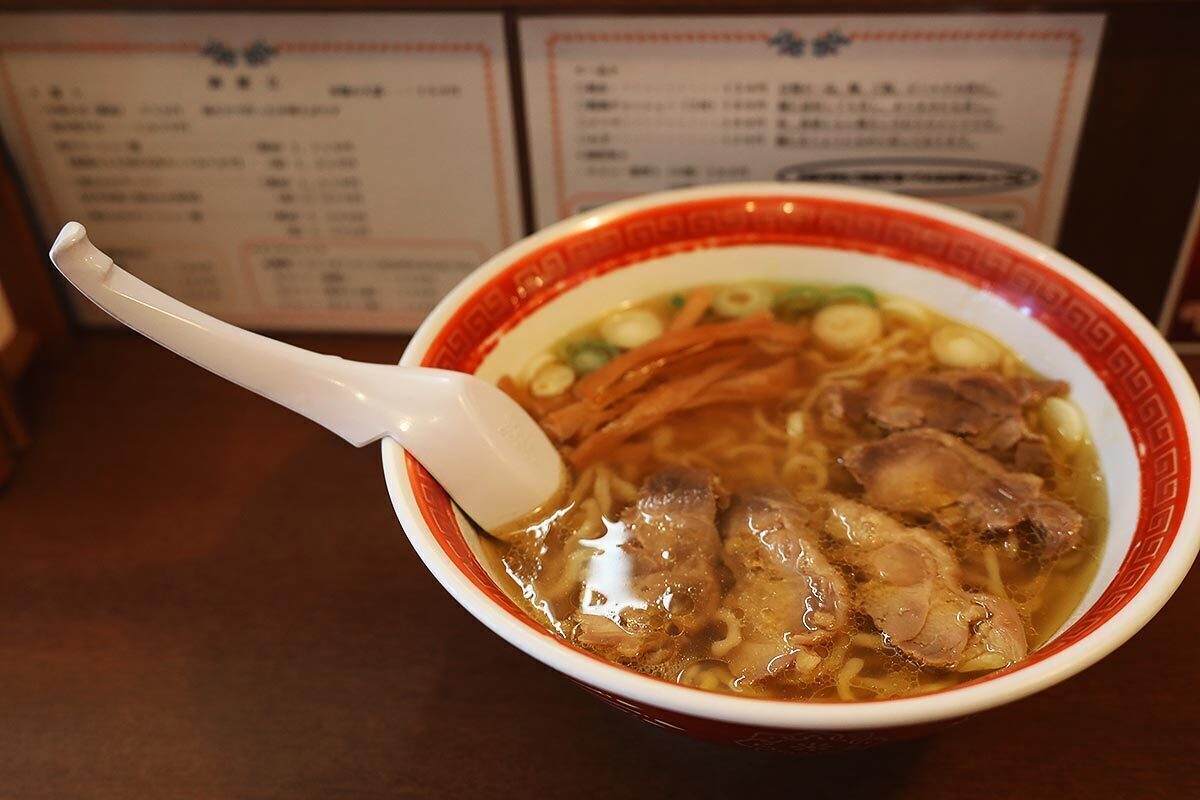
Located just a few blocks north of Jozenji-dori is Ramen Kaichi Kokubuncho, one of the city's best-known ramen shops and a popular choice among the enthusiast crowd. Even arriving some time before noon, I found the little eatery wall-to-wall with waiting customers, its staff looking perfectly at ease with the pace. Here, the speciality is tori chashumen shoyu aji, or ramen noodles topped with a light yet rich chicken broth and strips of meat from mature, egg-laying hens - a little tougher, but known to impart a stronger, more umami-rich flavor.
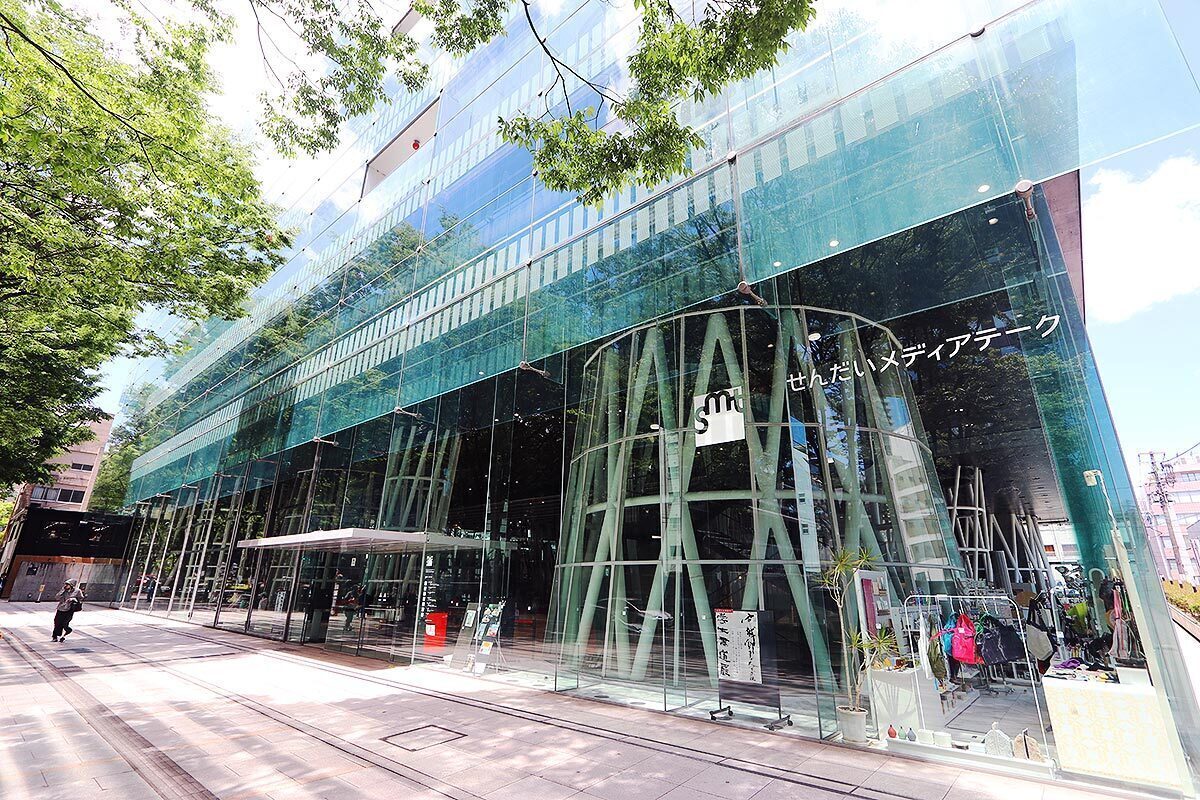
Another instant favorite for me along Jozenji-dori is Sendai Mediatheque, an eye-catching glass and steel structure designed by Ito Toyo and considered one of Japan's most influential modern buildings. Serving as something between a library, meeting venue and informal exhibition space, it matches its surroundings with a sophisticated feel and a lack of touristy pandering.
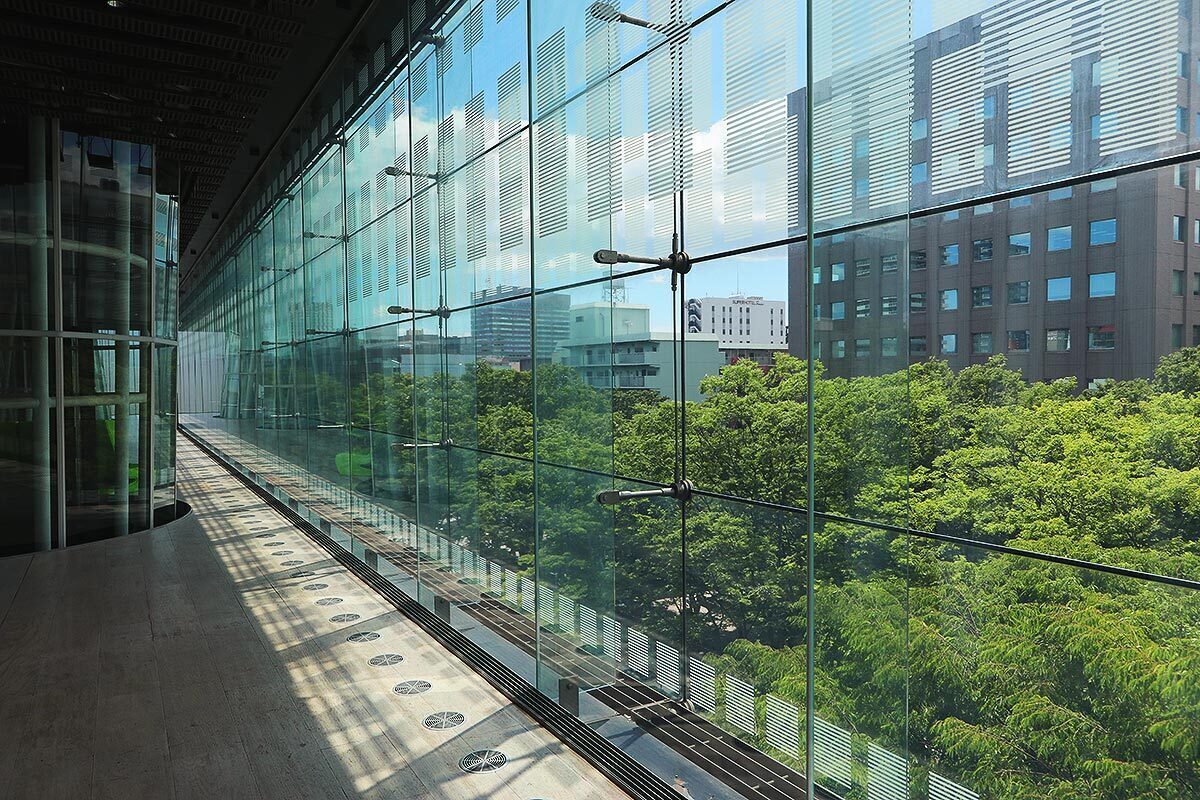
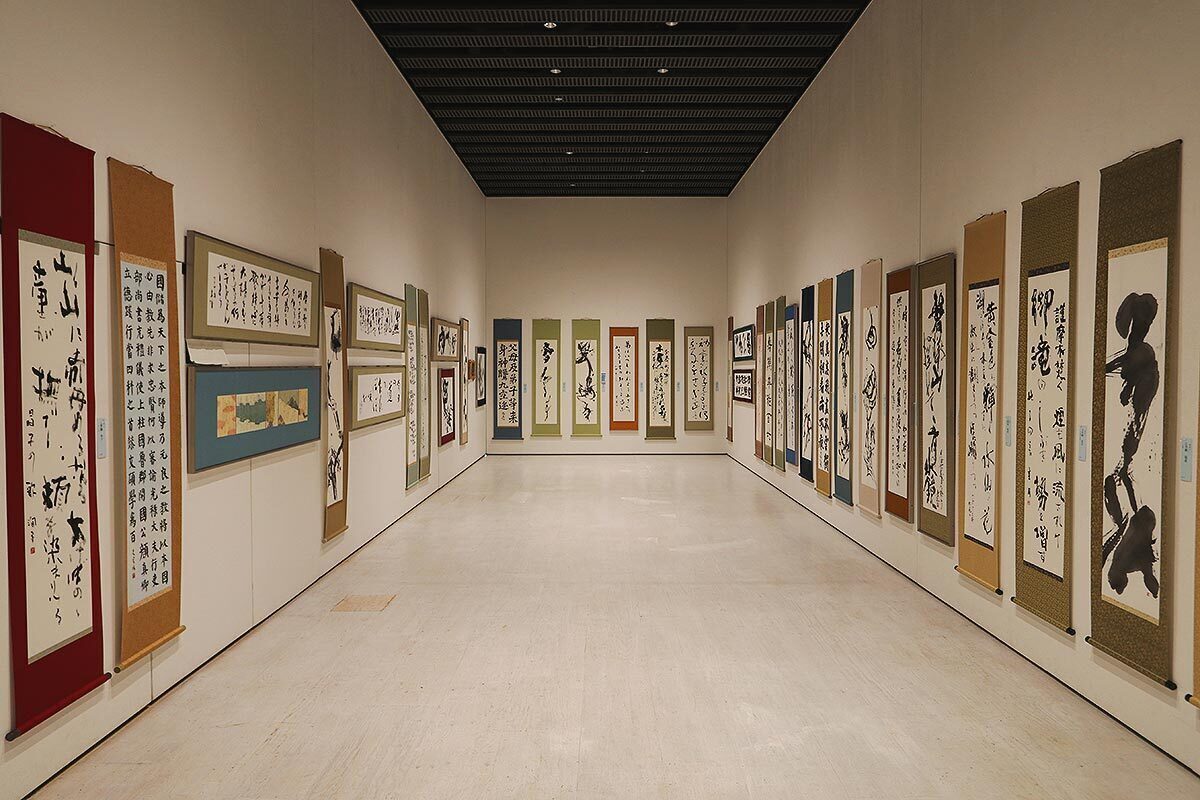
I had only expected to step in for a few moments to get a sense of the building itself, but soon found myself drawn in by a temporary exhibition of calligraphy by locals on one of the two gallery floors. From the same level, I was also treated to a nice view across the treetops outside.
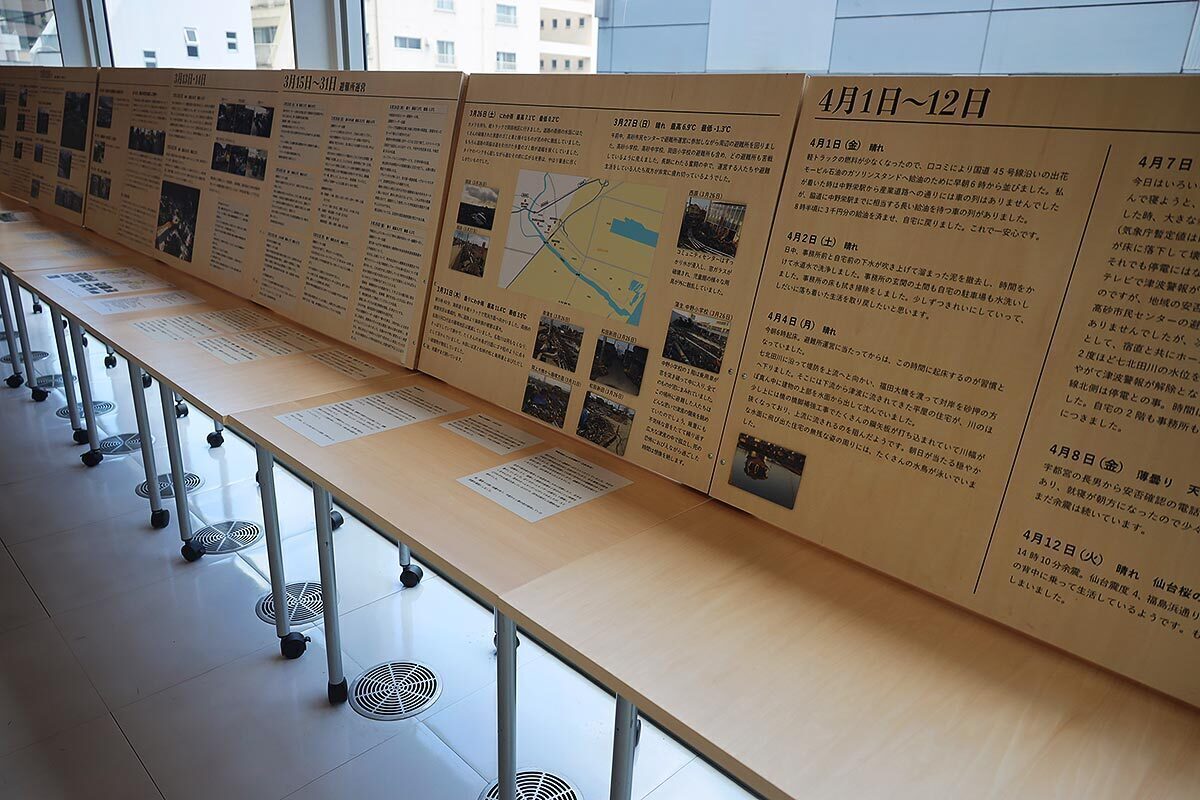
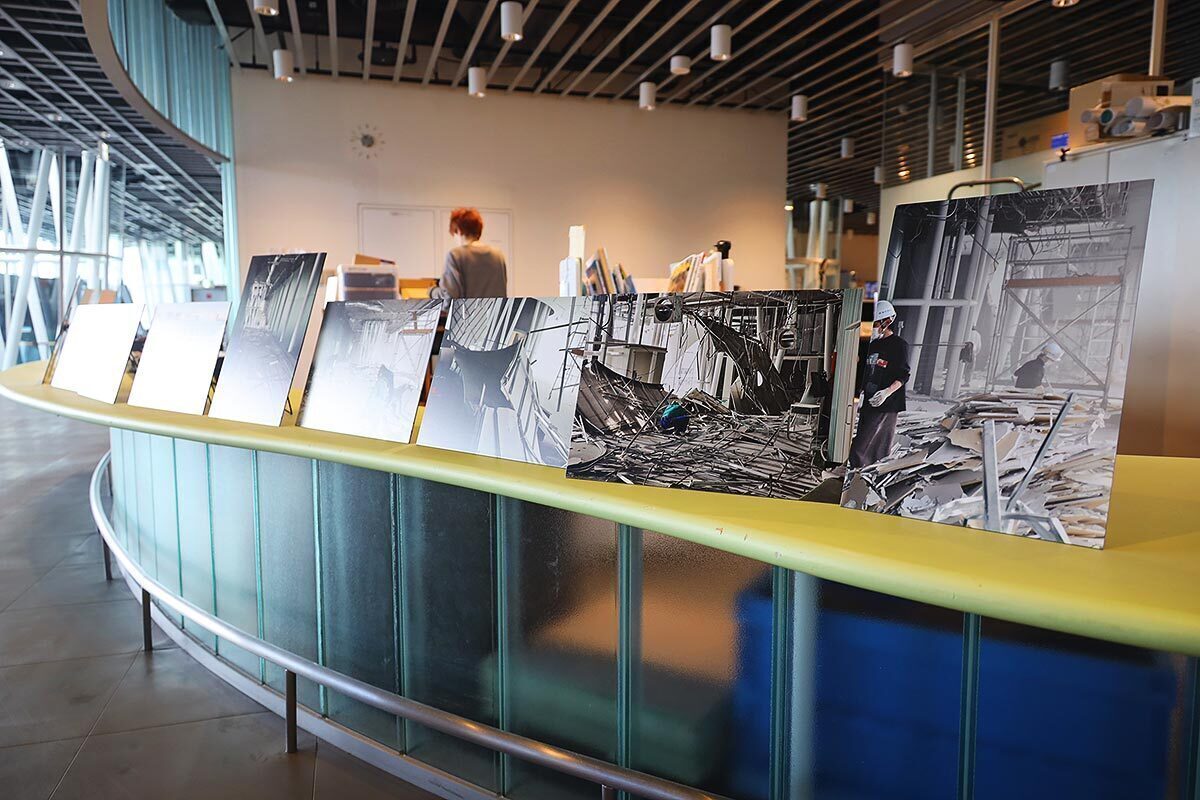
On the library floor, I found a series of charts showing a timeline of events during the 2011 Tohoku earthquake and tsunami, some including handwritten notes by survivors. These were displayed alongside a collection of hand-shot community diaries on DVD titled "Wasuren!", or "don't forget!", recording the immediate and long term impact of the devastation on lives, livelihoods and cultural endeavours from dozens of local perspectives. Though too pressed for time to stay and go through it in any great detail, I was very impressed not only by the collaborative effort that had clearly gone into it, but also the simple, understated dignity I found there.
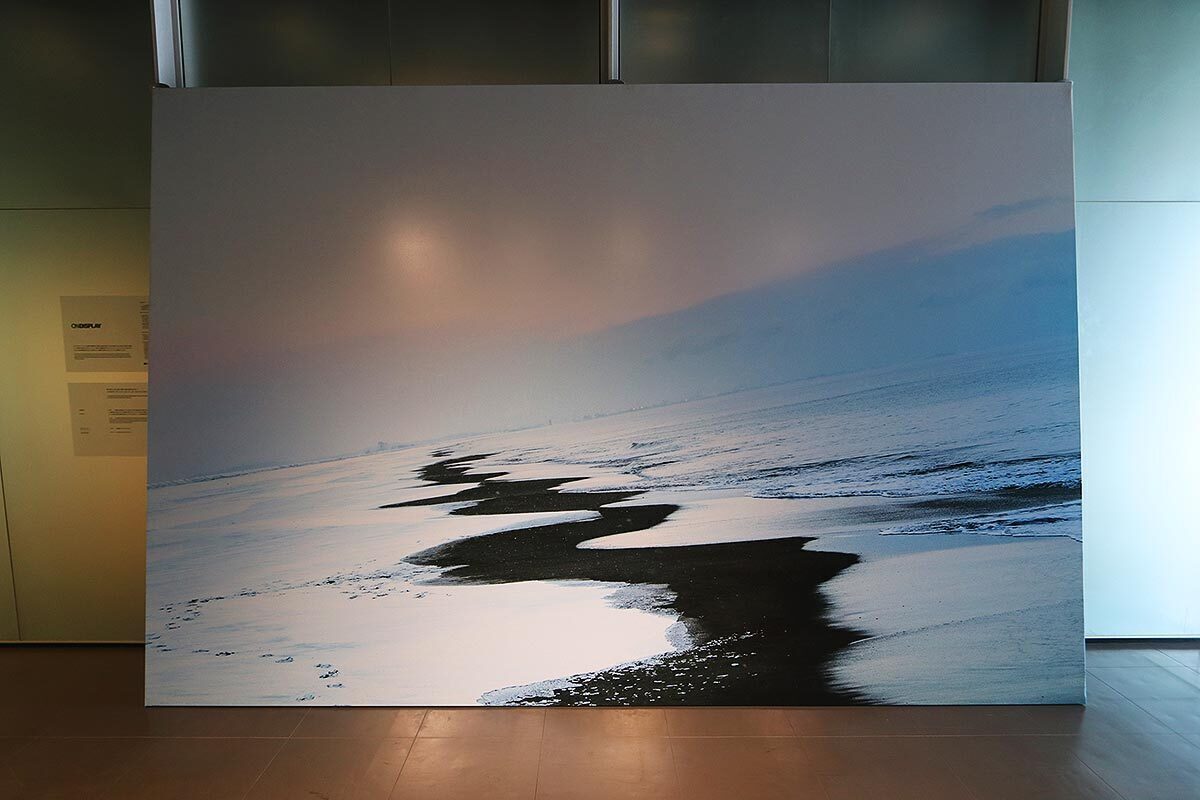
The theme of recovering from tragedy continued up to the seventh floor, combining meeting and workshop rooms with a kind of informal display space. Here, I found two large-sized canvas prints by Shiga Lieko, a photographer from the area around Sendai Airport that bore the brunt of the tsunami on that fateful day in 2011.
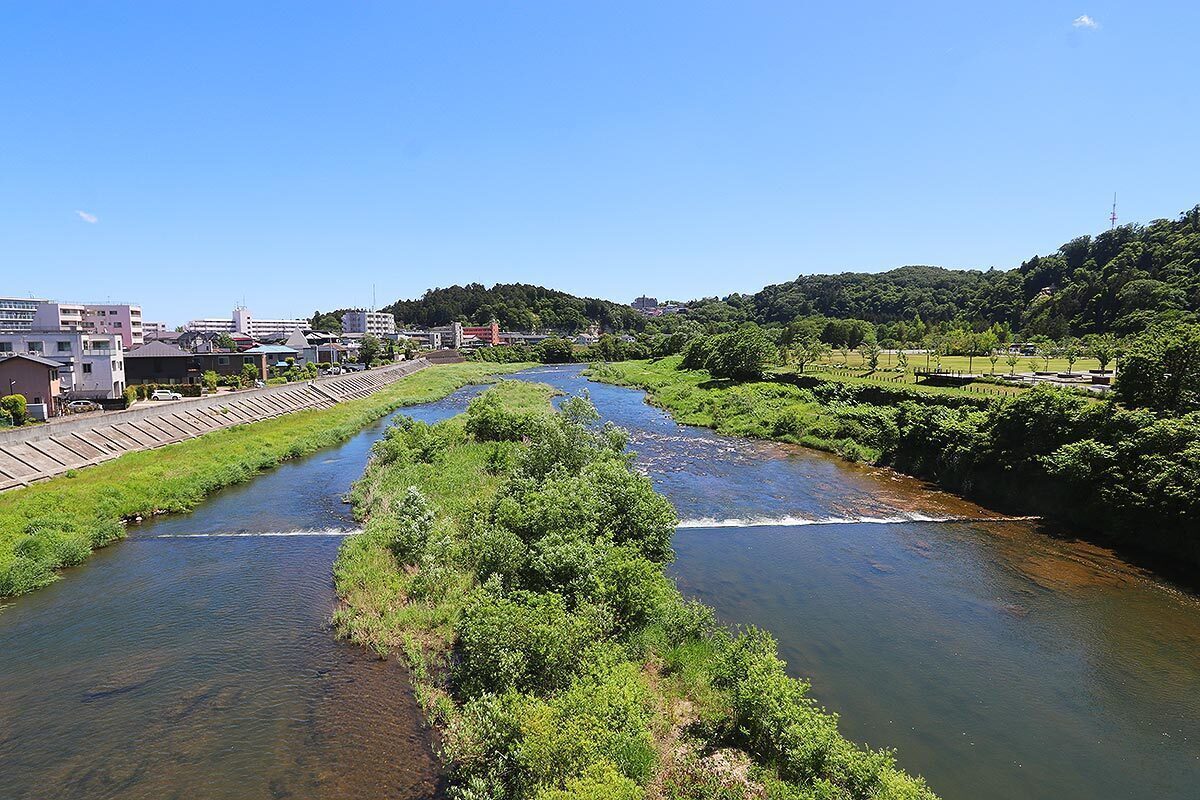
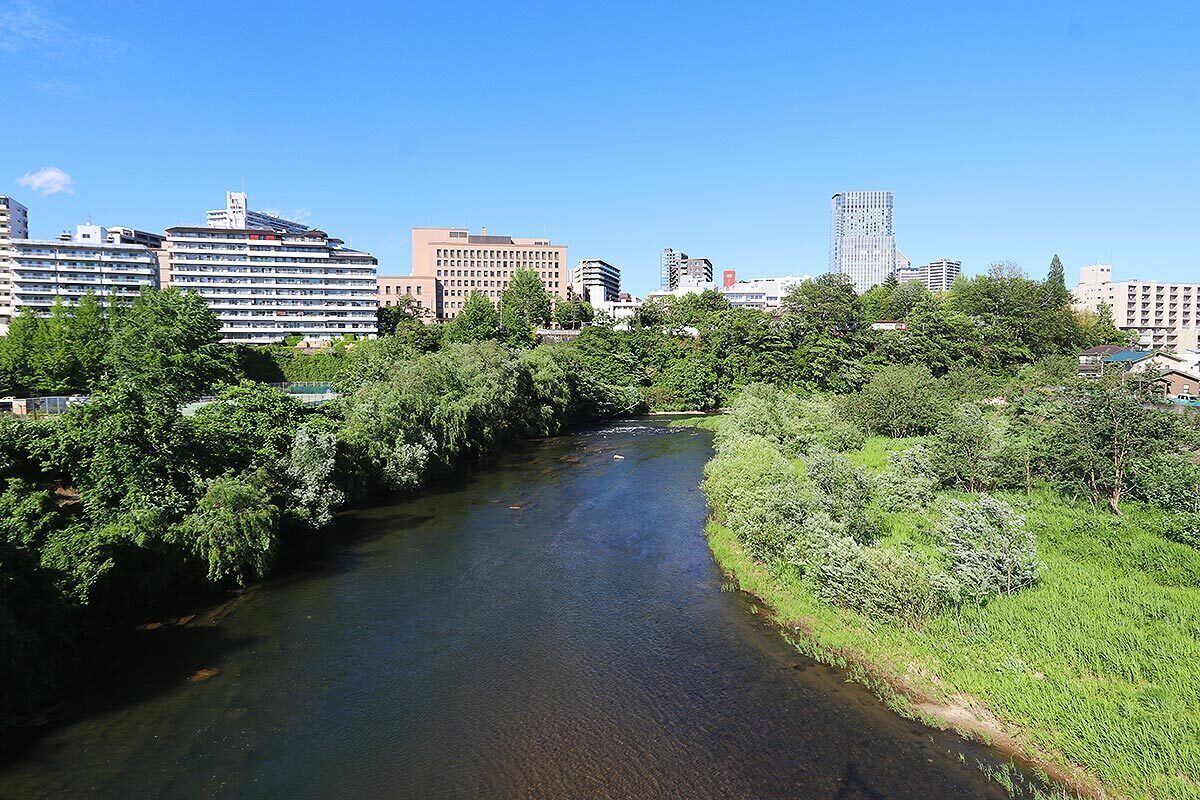
From the western end of street, I made my way south along the edge of Nishi Park until I found myself looking down towards the Hirose River where it traces a sharp series of bends around the city's western side.
One key contrast here with many other Japanese urban rivers is the absence of heavy concrete grids and barriers, often used to shore up riverbanks and steep hillsides. Without them, the river is banded with lush, green undergrowth and supports a surprising range of wildlife for somewhere so close to an urban center - according to residents, it is not unusual to spot kingfishers and even wild salmon.
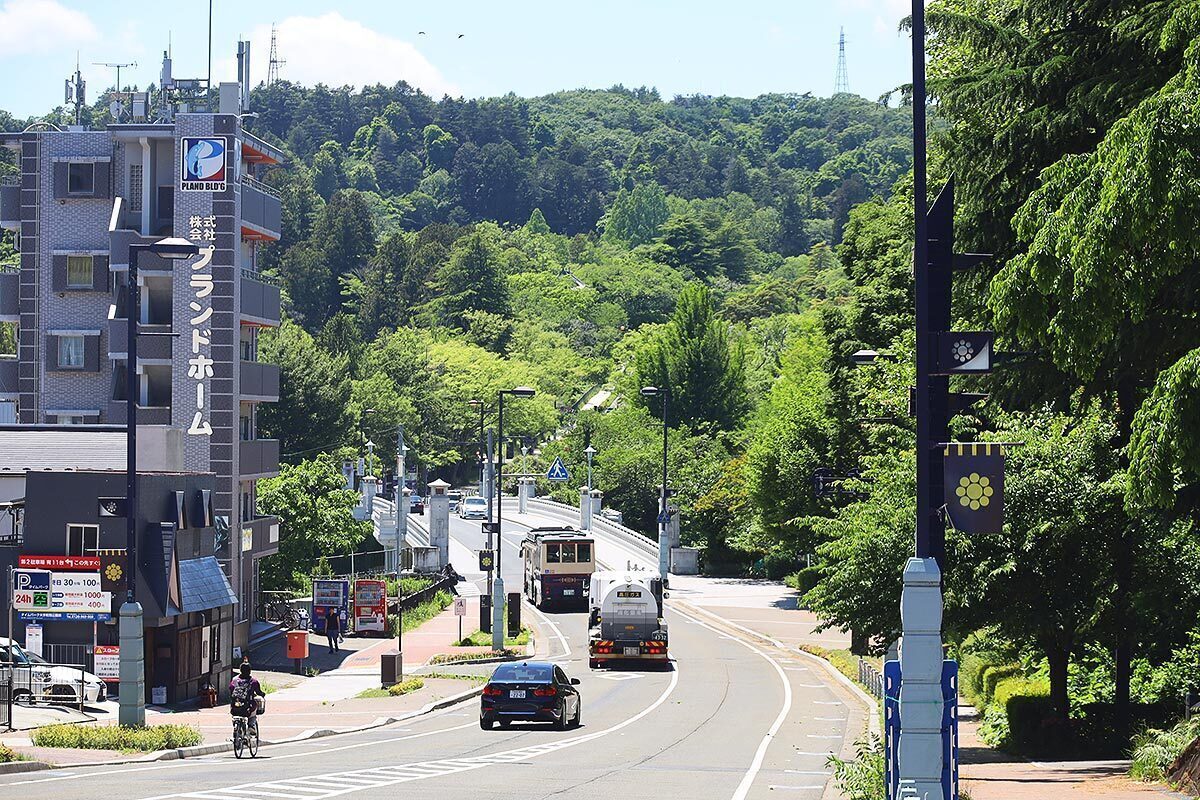
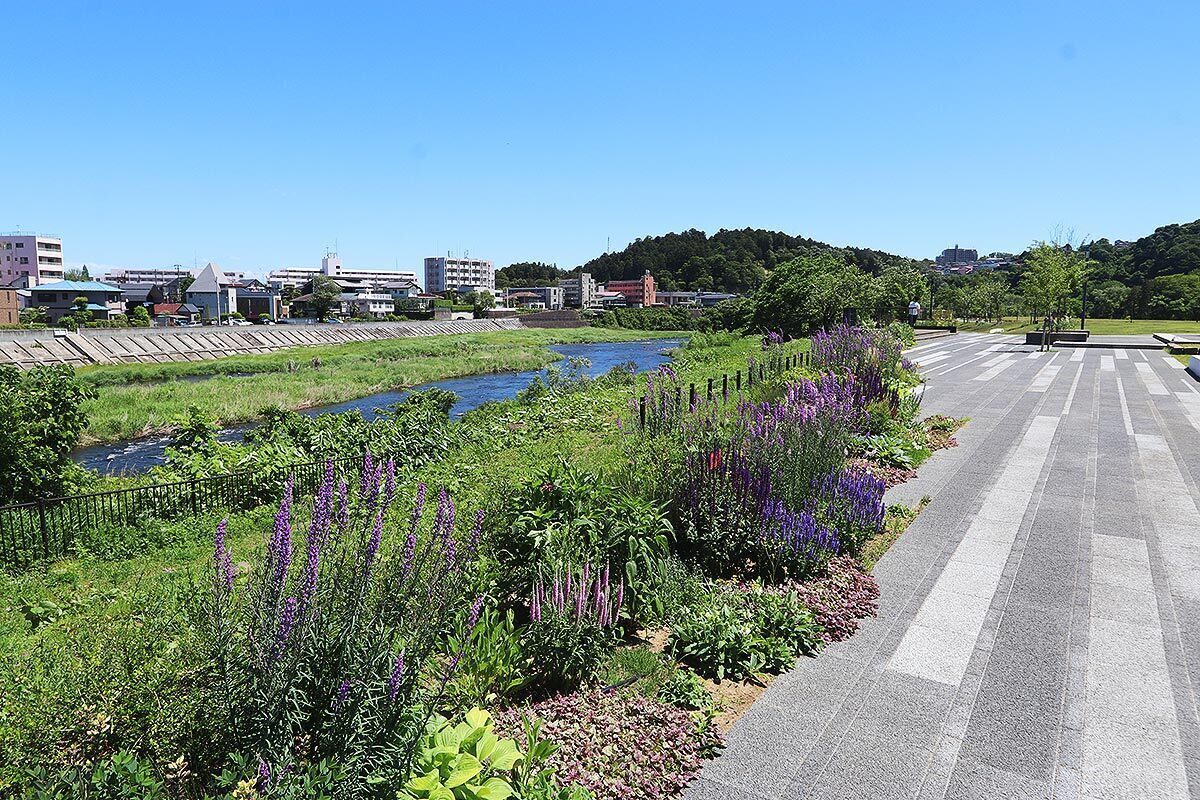
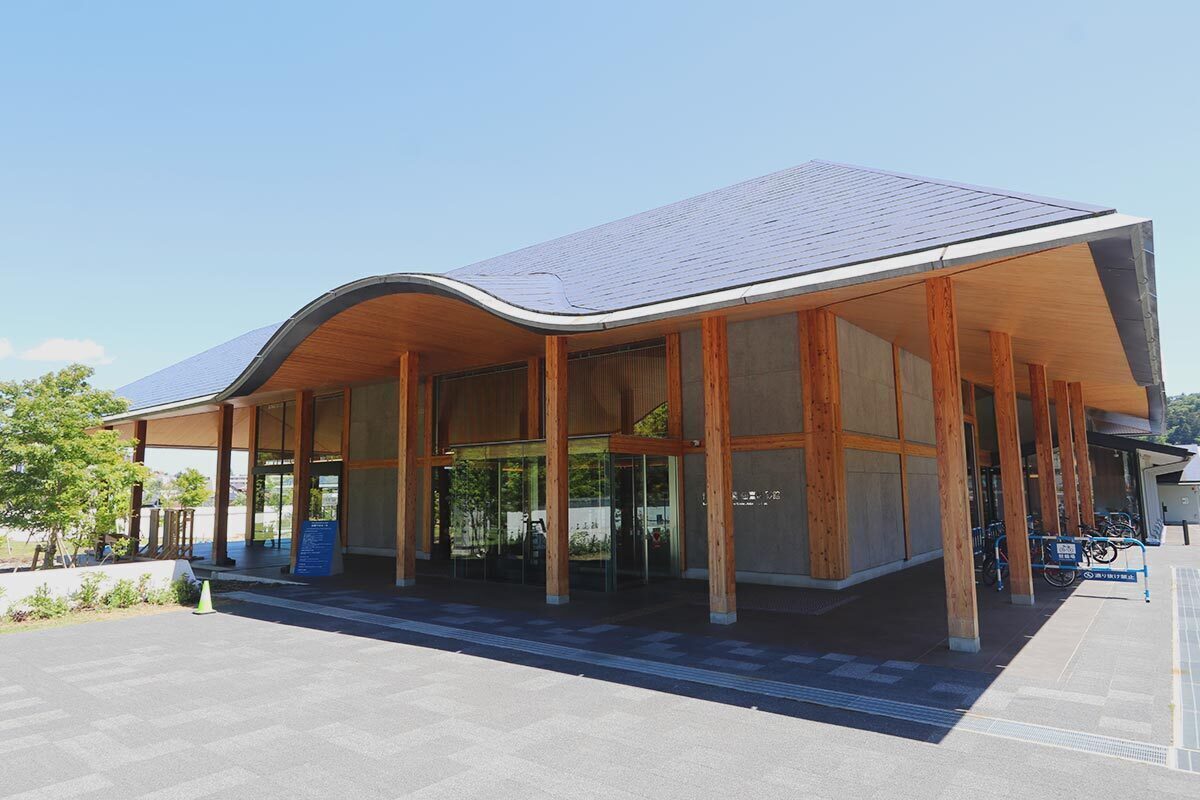
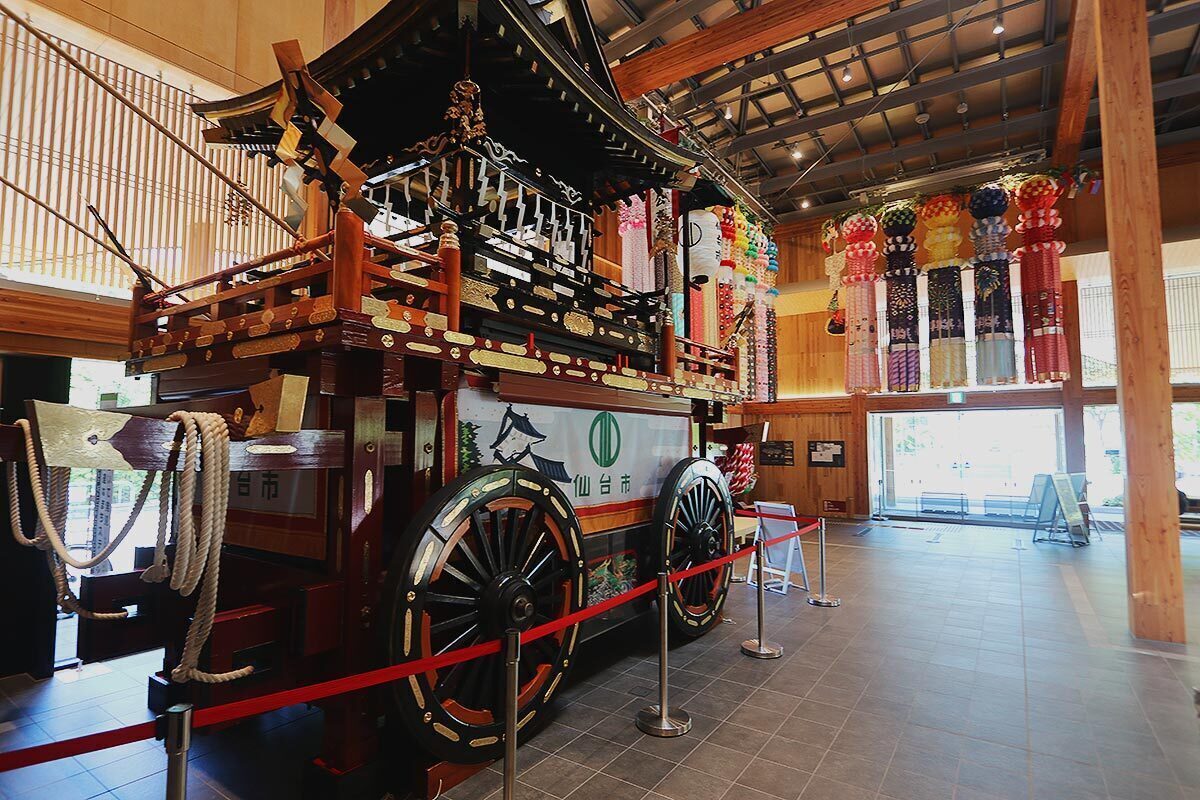
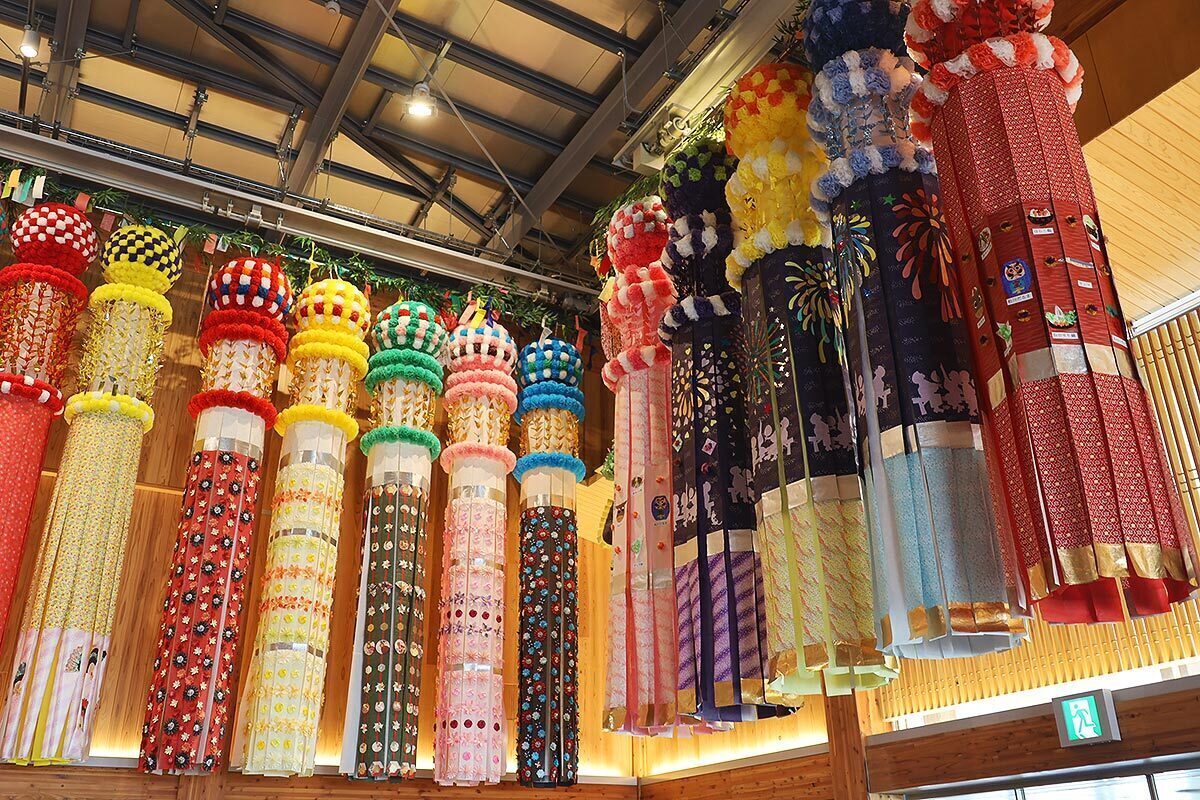
Over on the opposite bank, I could see an open green space lined with walking paths and wildflower beds, all clustered around a distinctive wood and glass building. Opened in 2023, the Sendai Ryokusaisan Visitor Center welcomes travelers to nearby Aobayama Park with a mix of sleek, modern minimalism and samurai-coded design elements. On display inside I found a tall festival float and a colorful series of long, cylindrical streamers called fukinagashi, both important props from the city's annual Tanabata Festival, which takes place on August 6-8 and is by far the largest of its kind in all of Japan.
Originating in ancient China, the festival relates the tale of two star-crossed lovers, fated to meet only once a year when the two stars of Vega and Altair meet from opposite sides of the Milky Way. Quite why the city came to embrace the festival so prominently is not fully understood, but it seems its early rulers linked it directly with craftsmanship, and that the merchant class competed among themselves to create the most elaborate decorations.
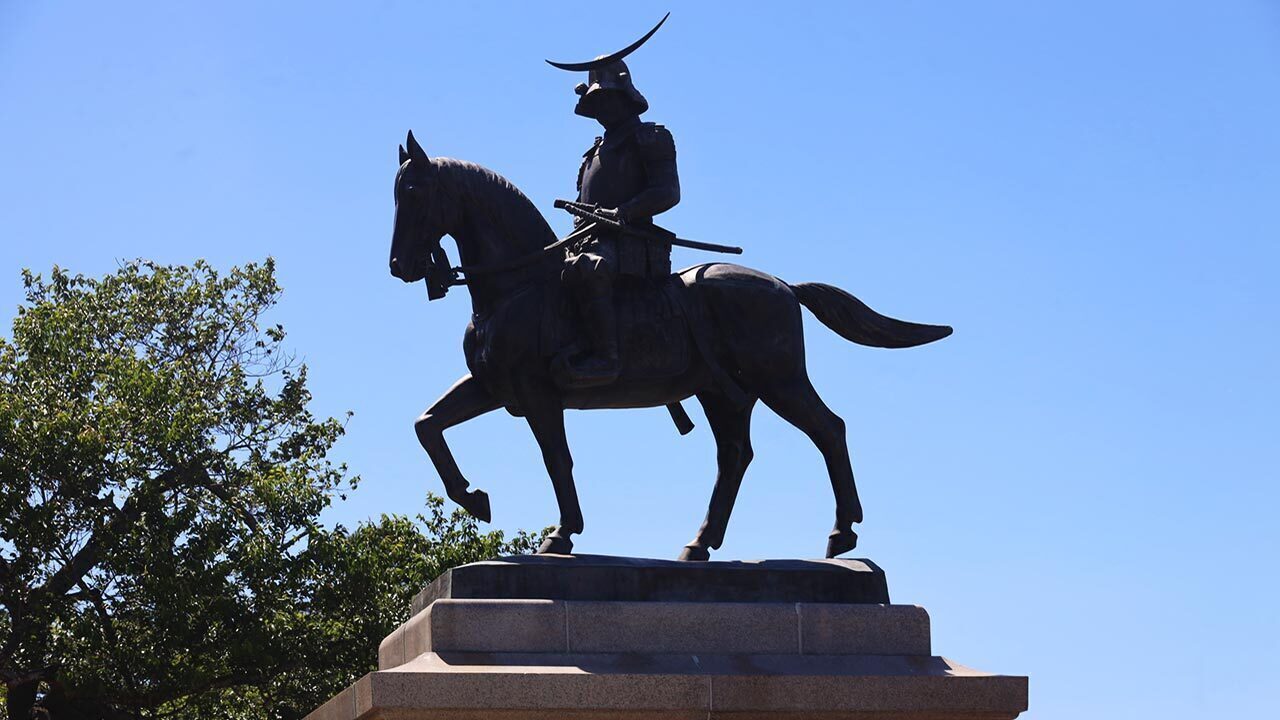
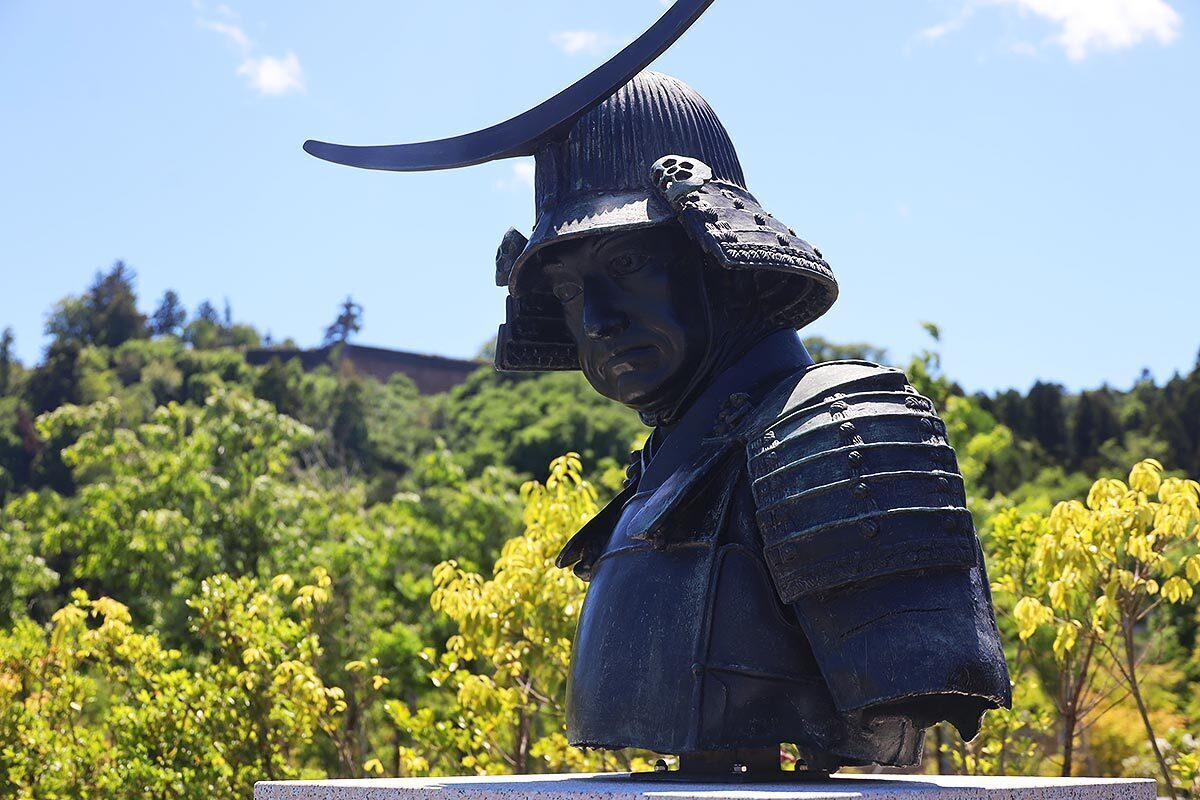
It was while exploring a lovely little garden outside that I had my first encounter with Date Masamune (1567-1636), the powerful warlord who founded the city and remains one of its most enduring symbols. Born in his clan's then primary seat in Yonezawa, present-day Yamagata Prefecture, he participated in battles from the age of 14, and with his father's blessing, took over the clan leadership at just 17.
Celebrated as much for his political skill as for his military achievements, Masamune greatly expanded his territory to include much of the Tohoku Region, but was forced to submit to the even greater warlord Toyotomi Hideyoshi, later allying with Tokugawa Ieyasu just in time for the latter to consolidate his own rule over a united Japan. Despite relinquishing much of his family's ancestral territory, Masamune ended his days as one of the wealthiest and most powerful lords, with a thriving new city as his legacy.
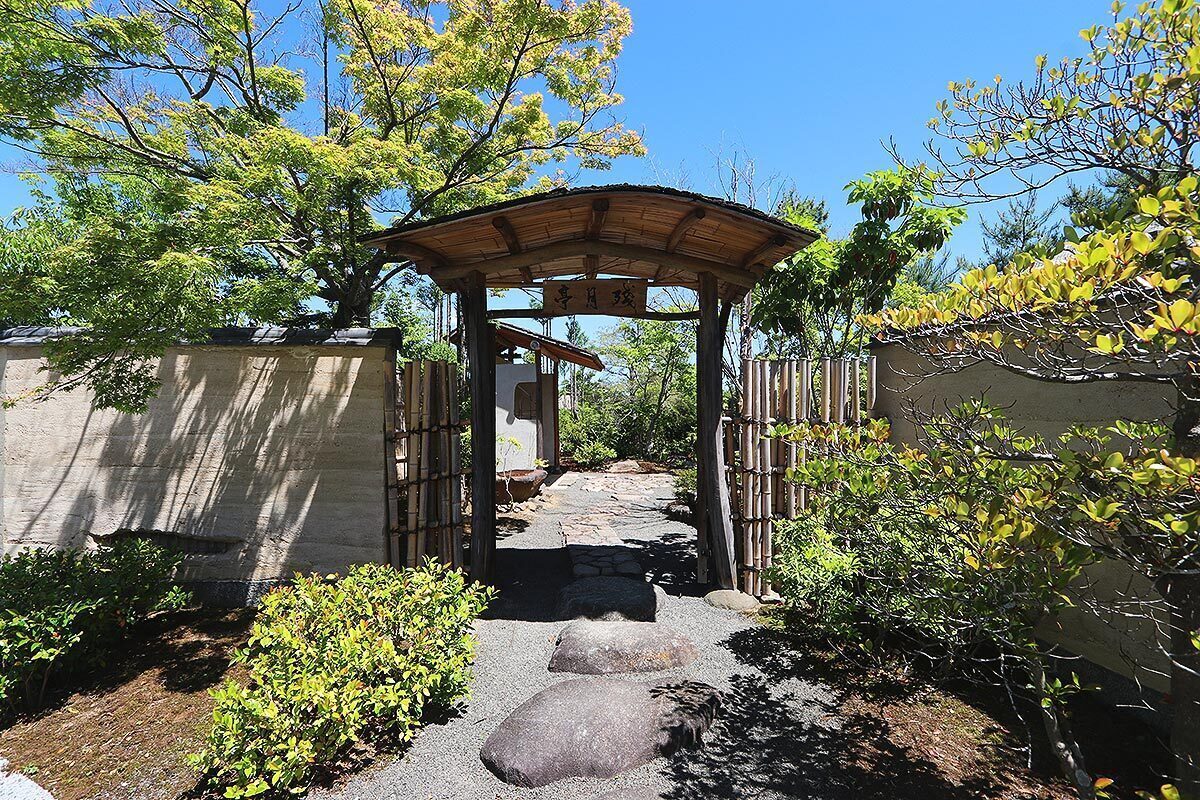
Leaving the visitor center behind, I continued uphill along a winding road towards what remains of Aoba Castle, overlooking the city from its perch at the summit of Mount Aoba. It was here that Masamune, with Ieyasu's blessing, chose to build the administrative center to his newly expanded territory, and while it was an eminently defensible spot - so much so that the classic central tower was considered unnecessary - it seems he was just as interested in one with the right conditions to invite a thriving castle town: access to fertile plains, proximity to key northern trade routes, and of course plenty of room for urban expansion.
While the town survived to the present as a thriving, modern city, the castle itself sadly went into a steep decline following the end of samurai rule in 1868, with many of its buildings being torn down or relocated in the 19th century, then much of what remained being destroyed in the bombing of Sendai during the Second World War.
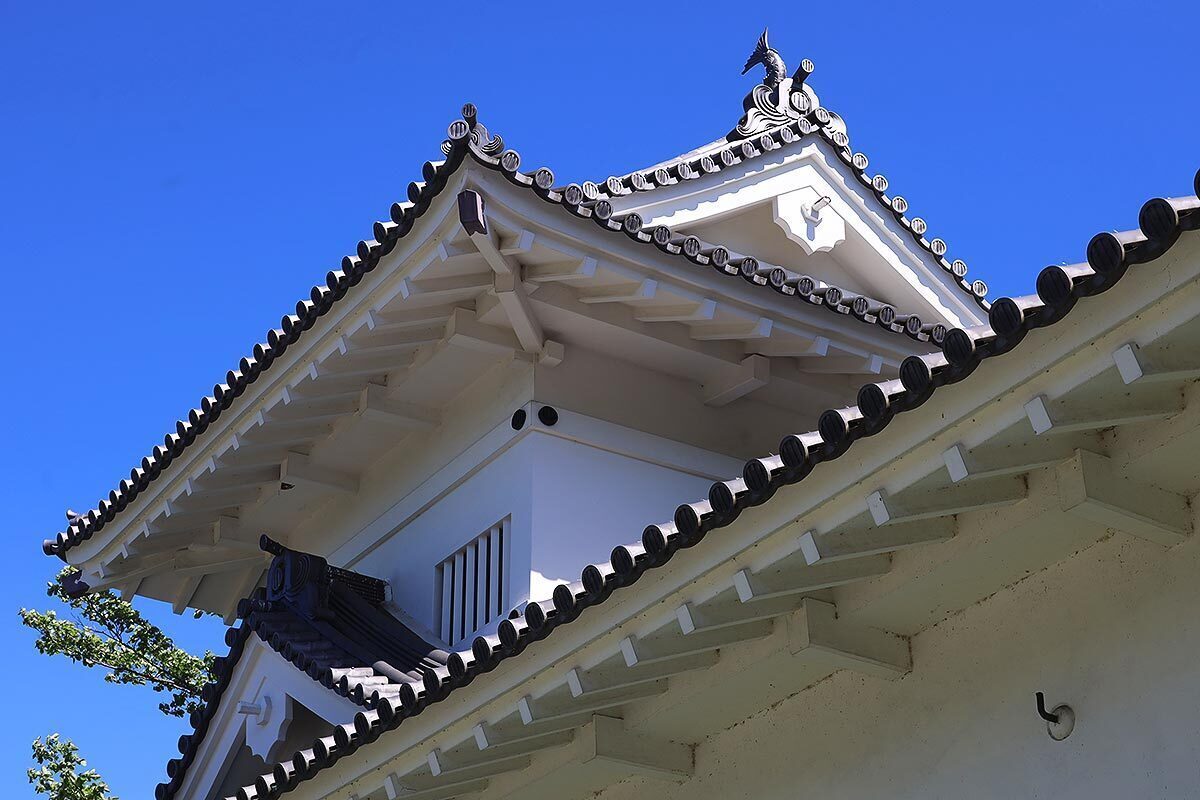
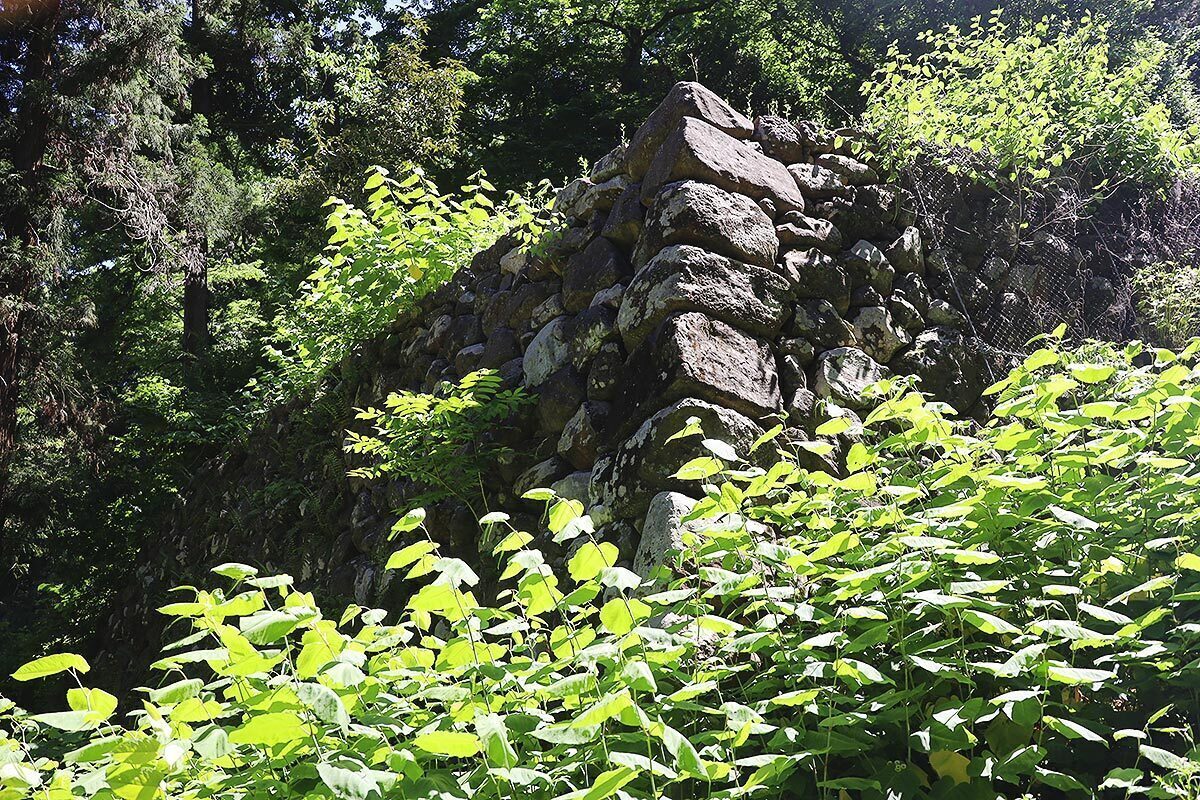
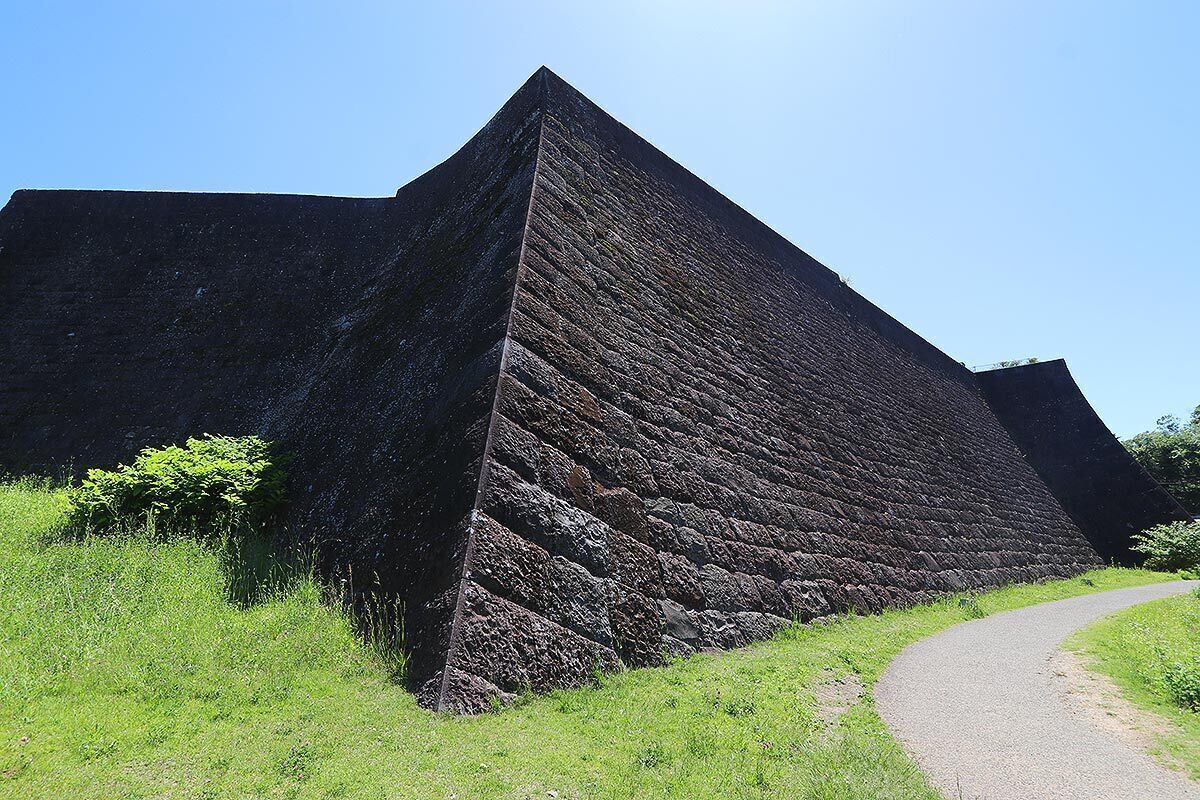
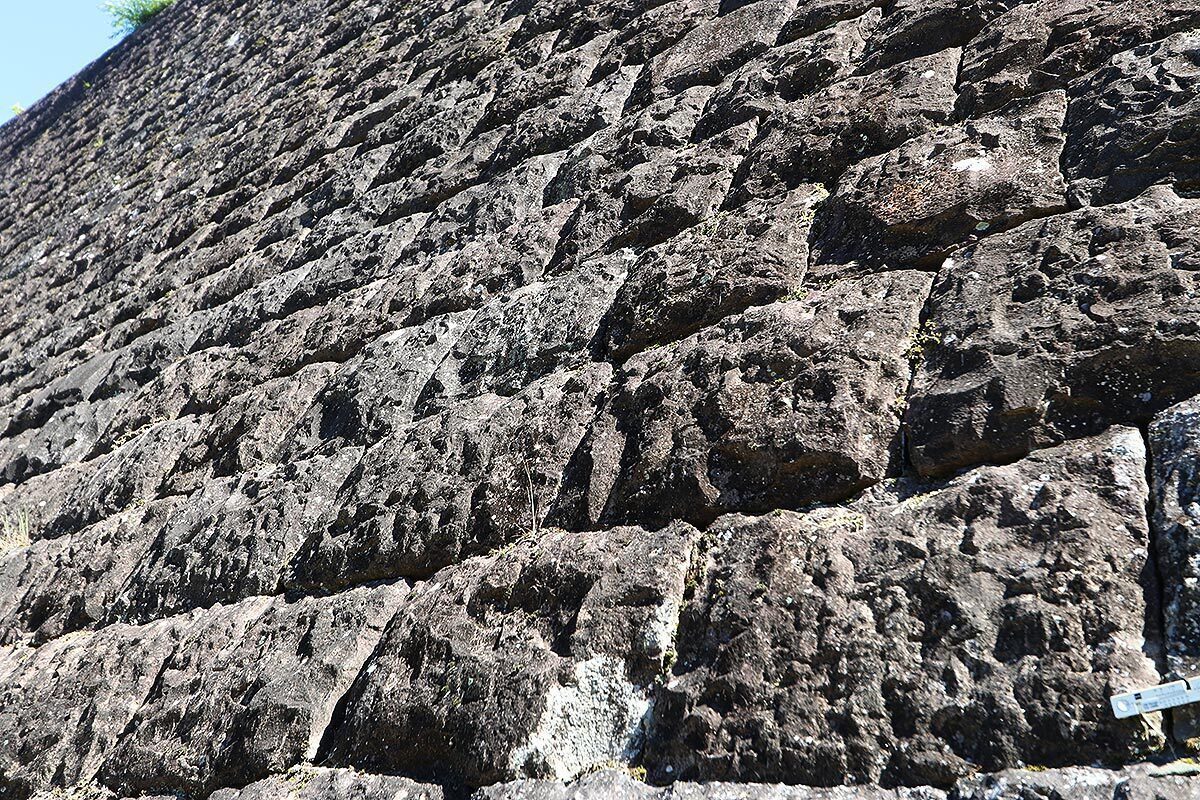
Though the buildings may have disappeared, the 15-meter stone walls surrounding the inner bailey are still impressive and largely original. One thing to notice here is the refinement of the stonework - created in the uchikomihagi or "driven in" style popular around the turn of the 17th century, each of its stones would have been individually shaped and carefully pressed together with tight, uniform joints.
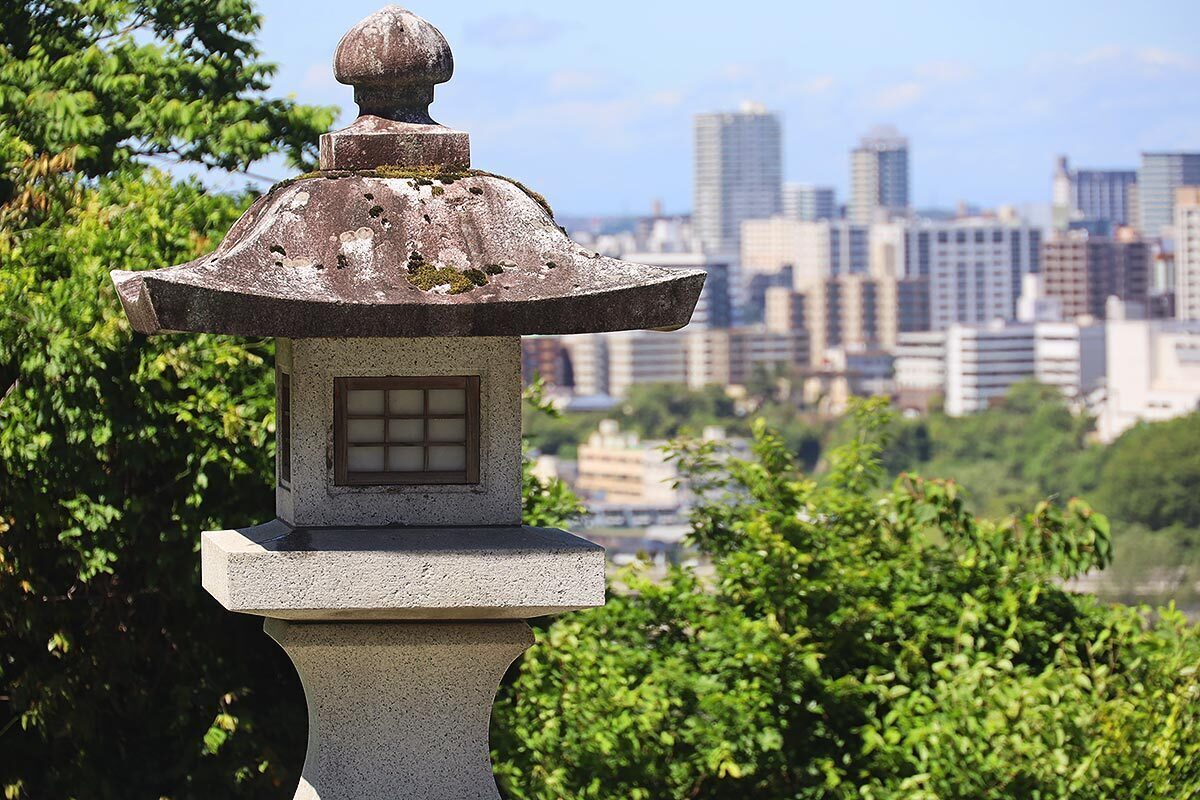
Today, visitors can enjoy some impressive views across the city from an elevation of around 130 meters, get a close-up look at the foundations of the former palace, or pay a visit to the nearby Gokoku Shrine - a prefectural branch of the more famous Yasukuni Shrine in Tokyo. There is also a modest exhibition space in the upper floor of the Aoba Castle Honmaru Hall including samurai weapons and armor, as well as scale models of the castle's buildings at its peak.
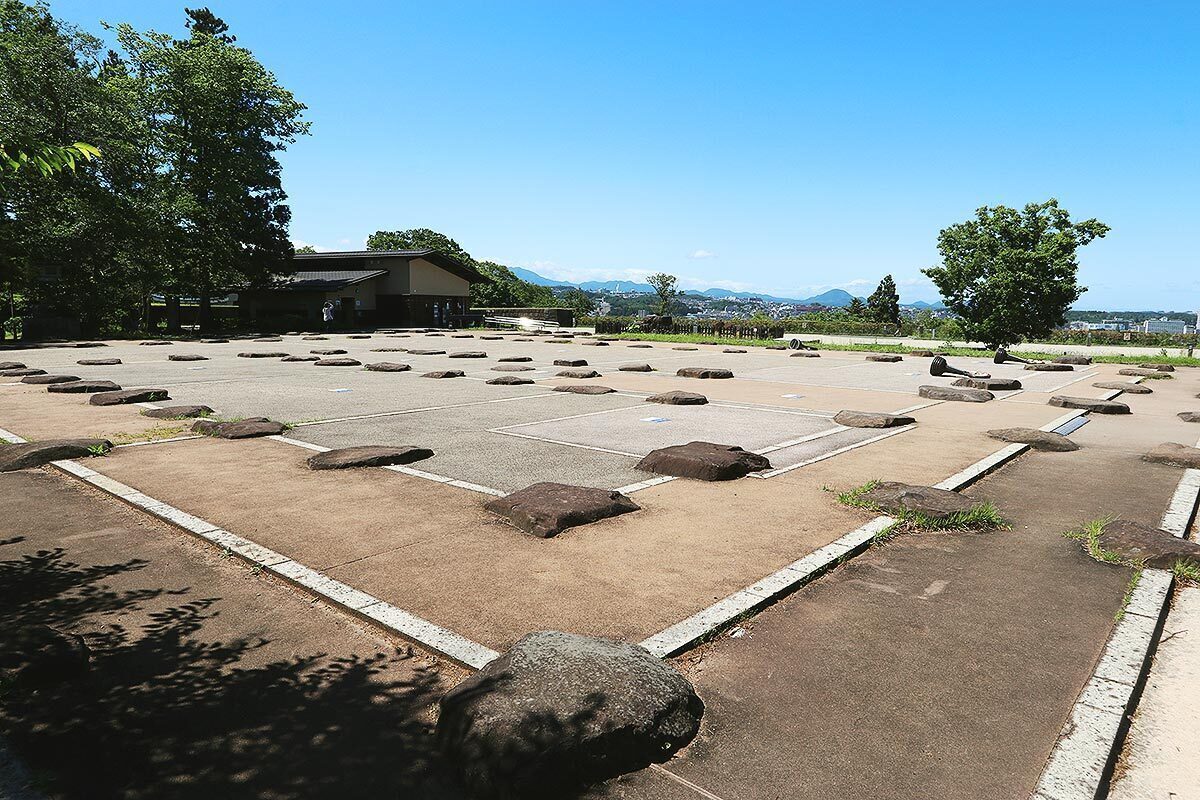
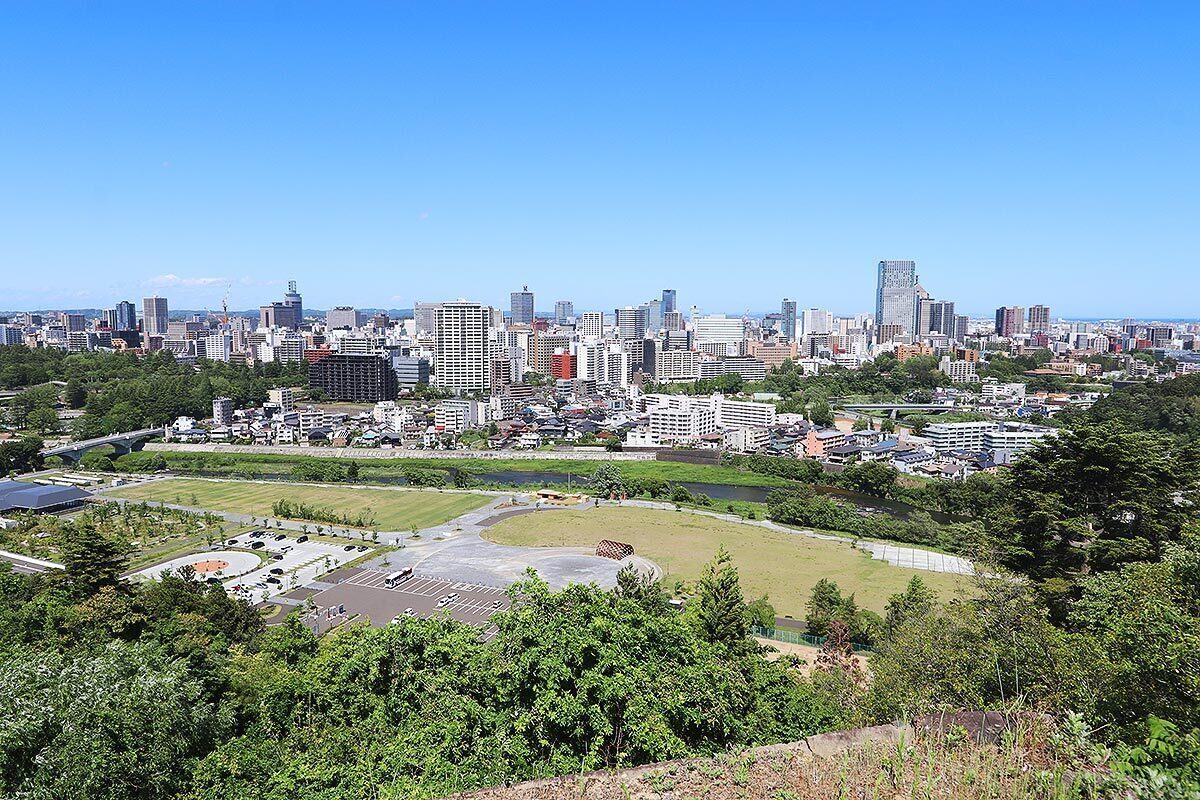
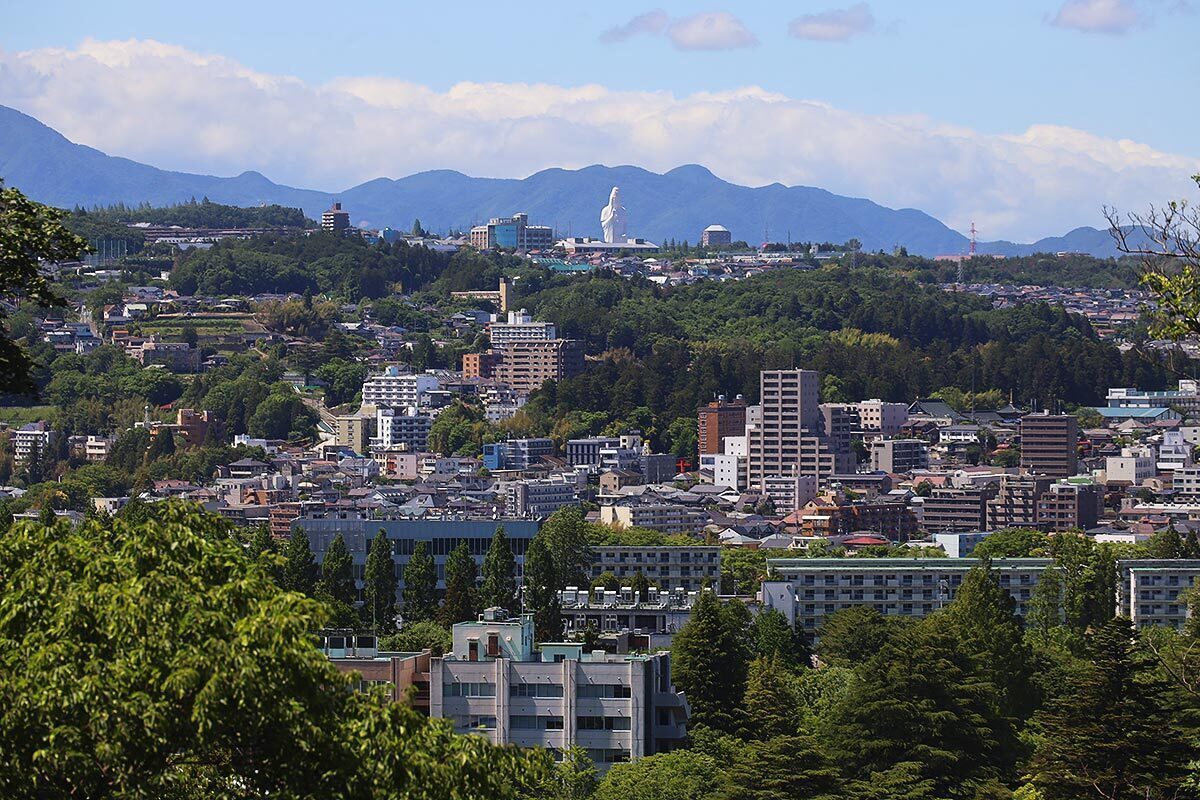
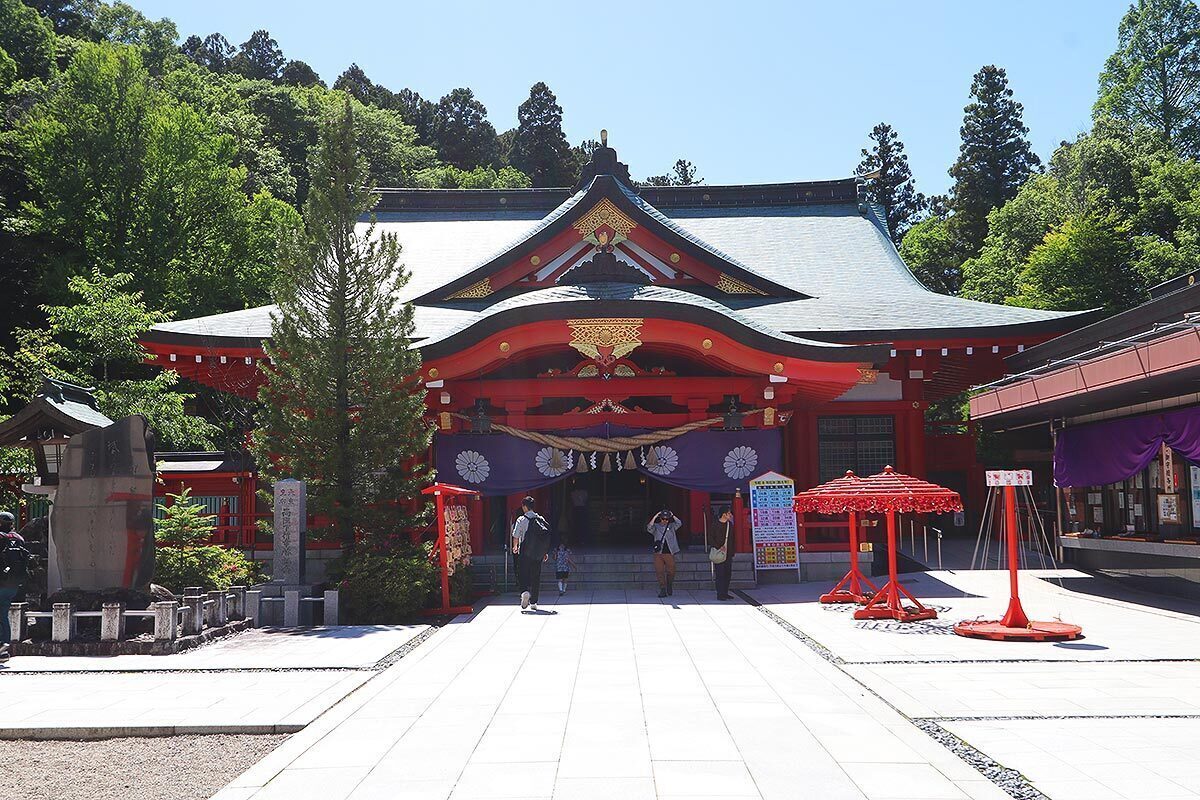
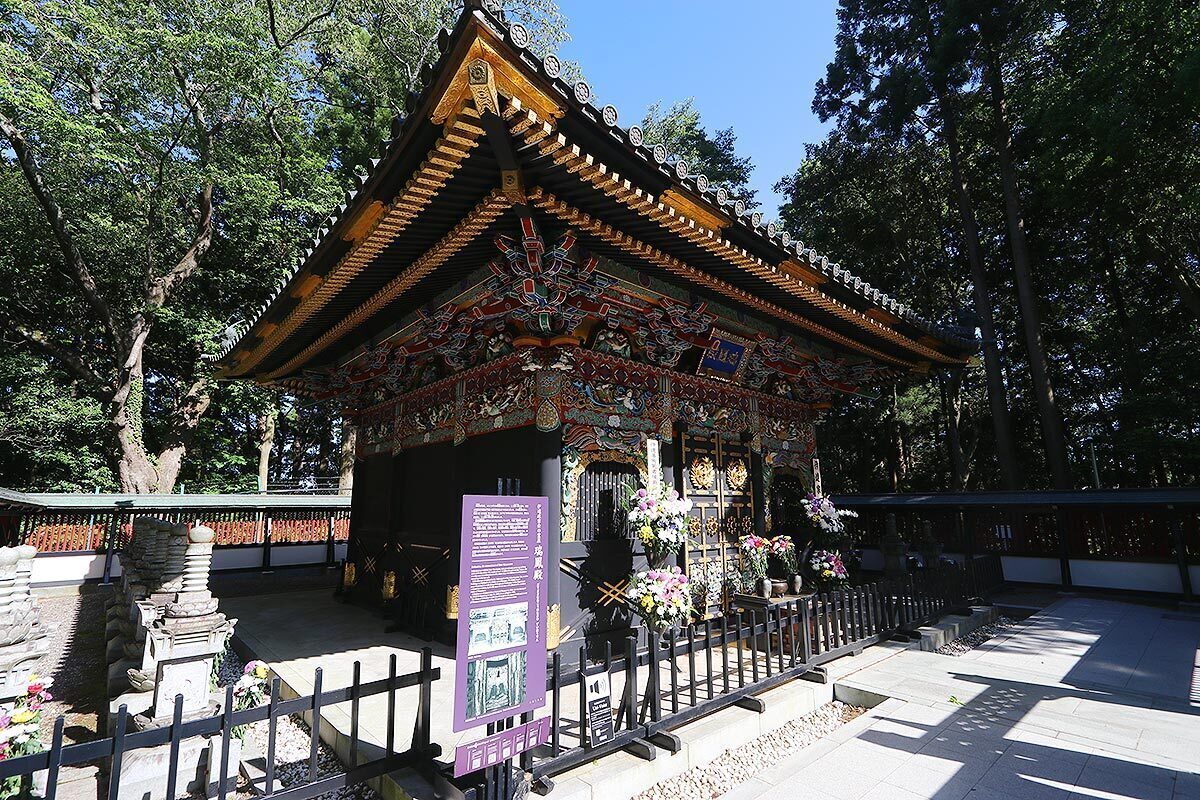
Before his death at the age of 70, Masamune specified that he was to be buried on Kyogamine, a wooded ridge facing the castle from across the river to the southeast. The tomb was completed just a year later, and as time passed the area, called Zuihoden, expanded to house the remains of the second and third lords of Sendai, with smaller spaces set aside for later lords and consorts, and sons who passed before reaching adulthood.
Making my way down from Mount Aoba in a broad arc that took me twice across the river, I arrived 30 minutes later at the entrance to the complex - a flight of stone steps leading mysteriously into a forest of tall cryptomeria.
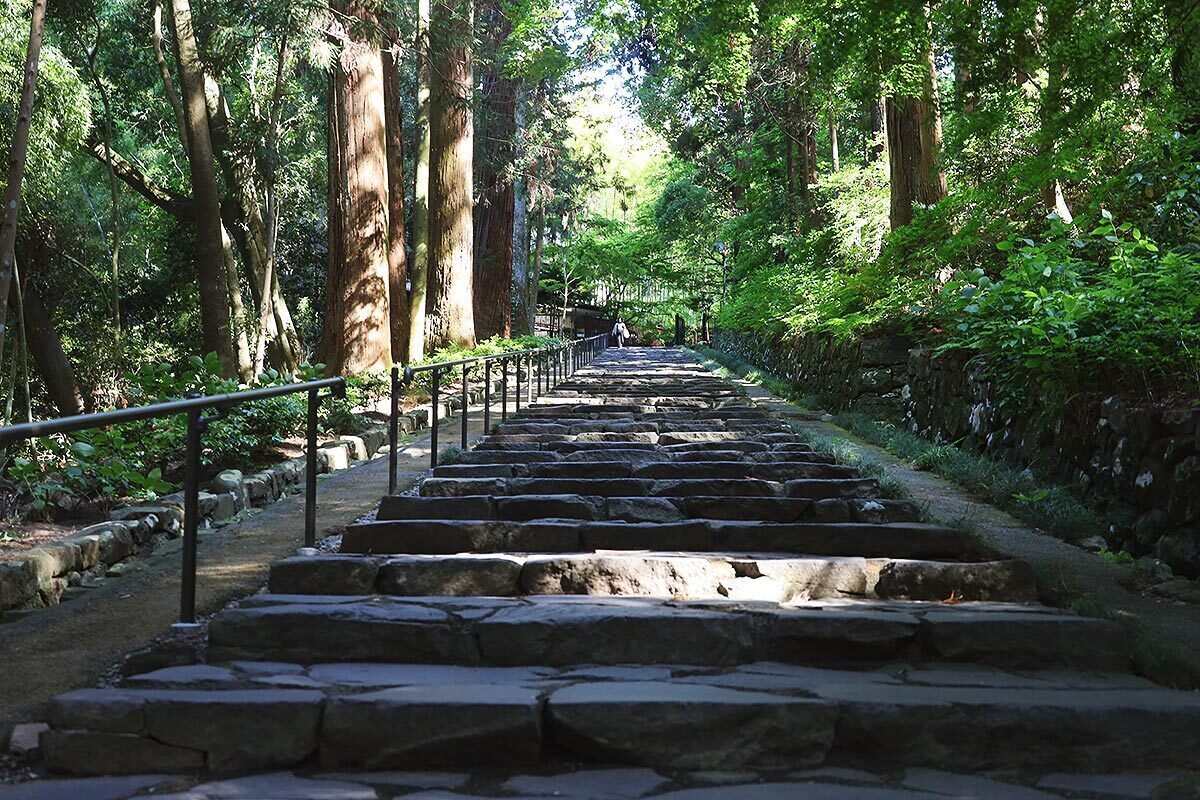
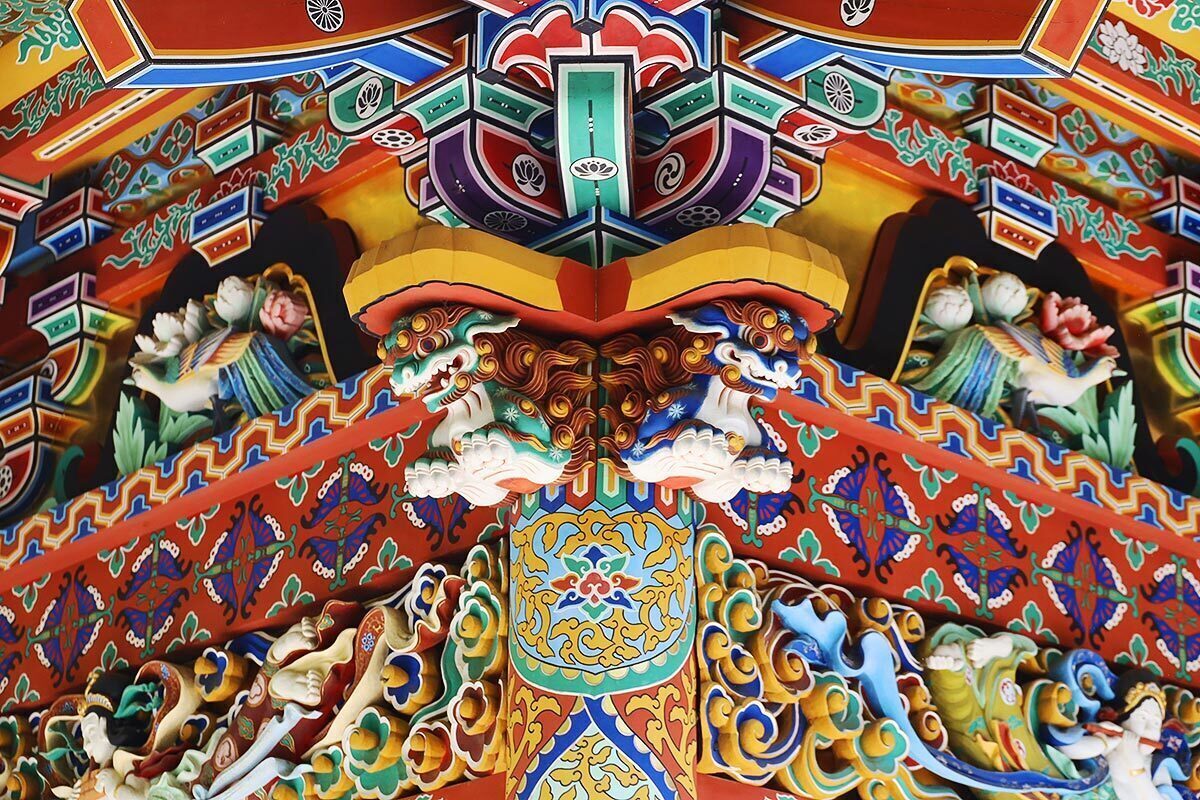
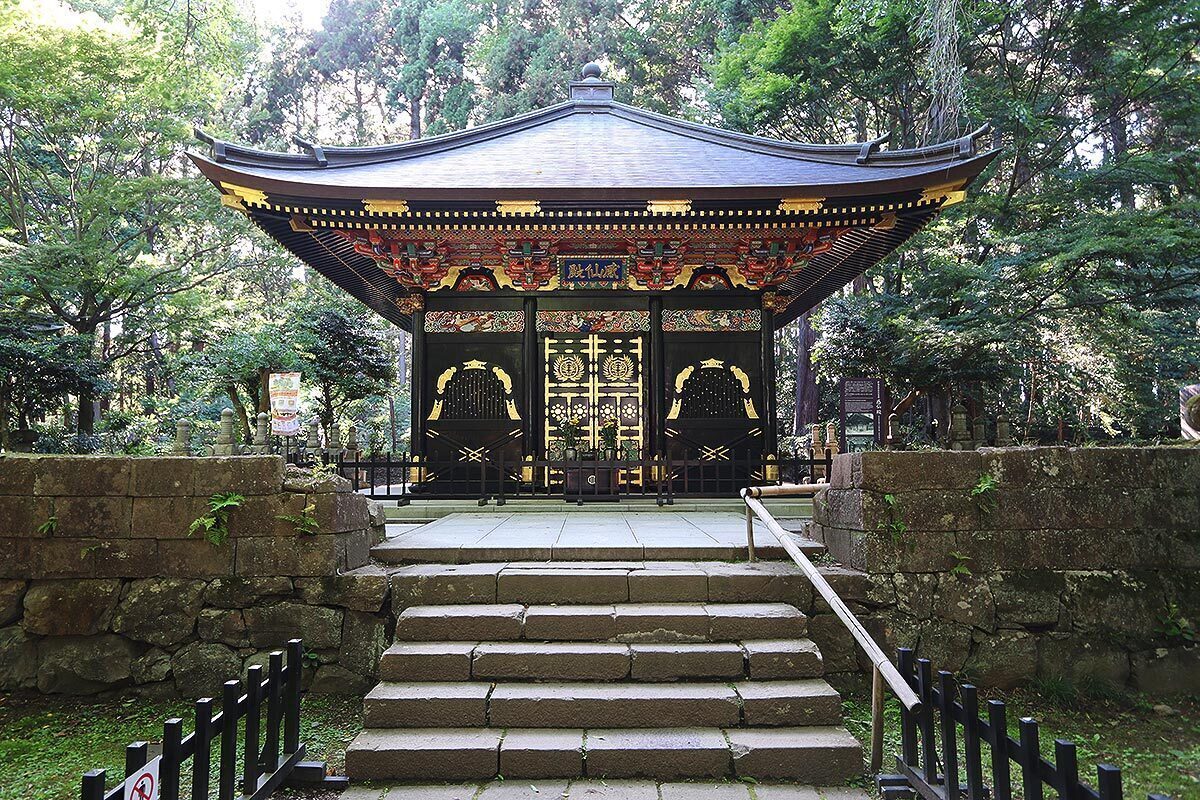
Like the castle, the tombs within the complex were almost completely obliterated in air raids on the city during the Second World War, but were later restored to something very like their original appearance following years of research and archaeological excavation. Especially impressive are the ornate and brightly painted carvings on the tombs of Masamune and his two successors, all representative of the elite style in the early Edo Period and more than a little reminiscent of Ieyasu's own mausoleum at Nikko.
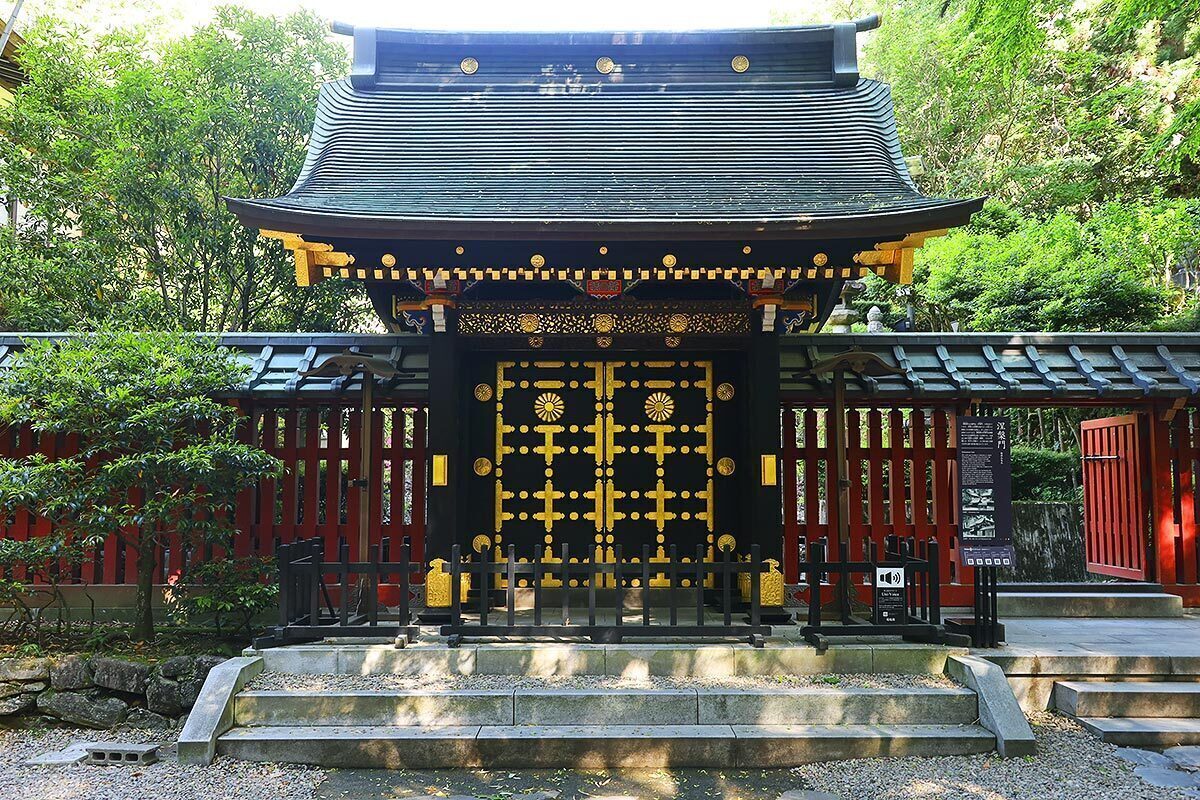
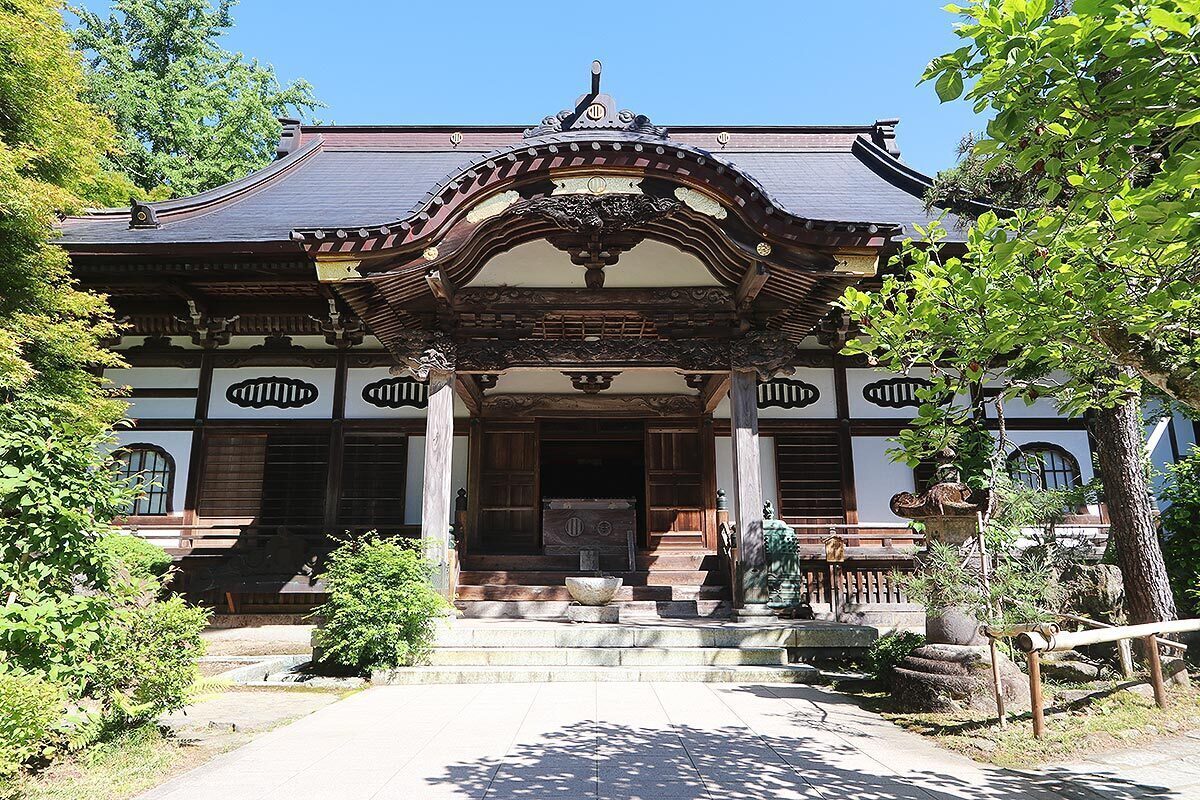
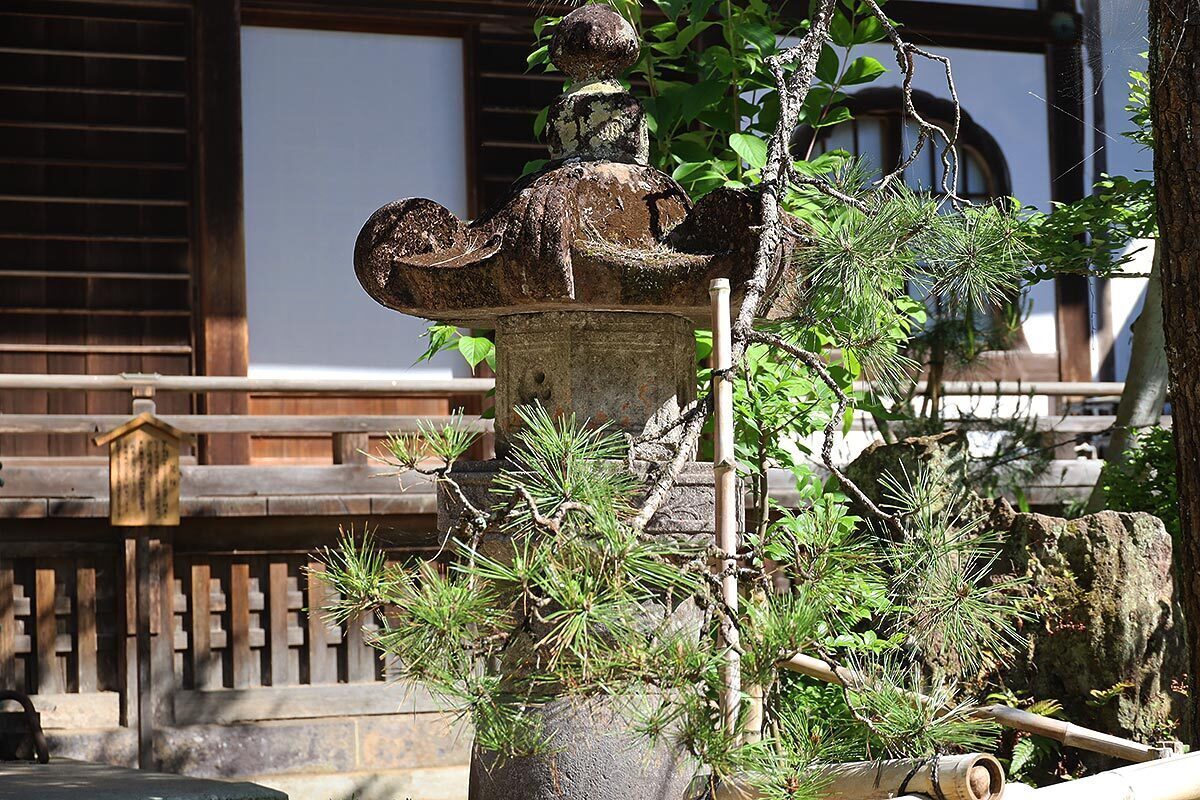
Tucked away in a leafy precinct just beside the entrance to the complex is the pleasant but easily overlooked temple of Zuihoji. Today limited to a single main hall and a few outbuildings, it was once a sprawling complex that would have dwarfed the attached mausoleum complex, but was never fully restored after the war.
Founded in 1645 by Masamune's son Tadamune, the temple belonged to the Rinzai Zen school, which was widely favored among Japan's warrior elite. Here, monks sponsored by the Date family maintained the tombs and their environs, and performed countless memorial rituals in the name of Masamune and his successors up until the abolition of feudalism in 1868.
After soaking up the atmosphere for just a little longer, I threaded my way across the river and back to Omachi Nishi-Koen, from where a four-minute ride on the Tozai Line brought me easily back to Sendai Station. I would soon be back on the shinkansen heading south towards Tokyo, but there was still one more classic Sendai experience I didn't want to miss.
Beef tongue, or gyutan, is one of those countless dishes forever linked in the Japanese mind with a particular place, but also a relatively rare instance where we know exactly why and how that came to be. Its discoverer was the Sendai-based restaurant owner Sano Keishiro, who in 1948 had been experimenting with methods of grilling and seasoning to salvage lower value cuts of meat. Coming at a time of great scarcity, the new delicacy that was both delicious and affordable to normal people soon took off in the popular imagination.
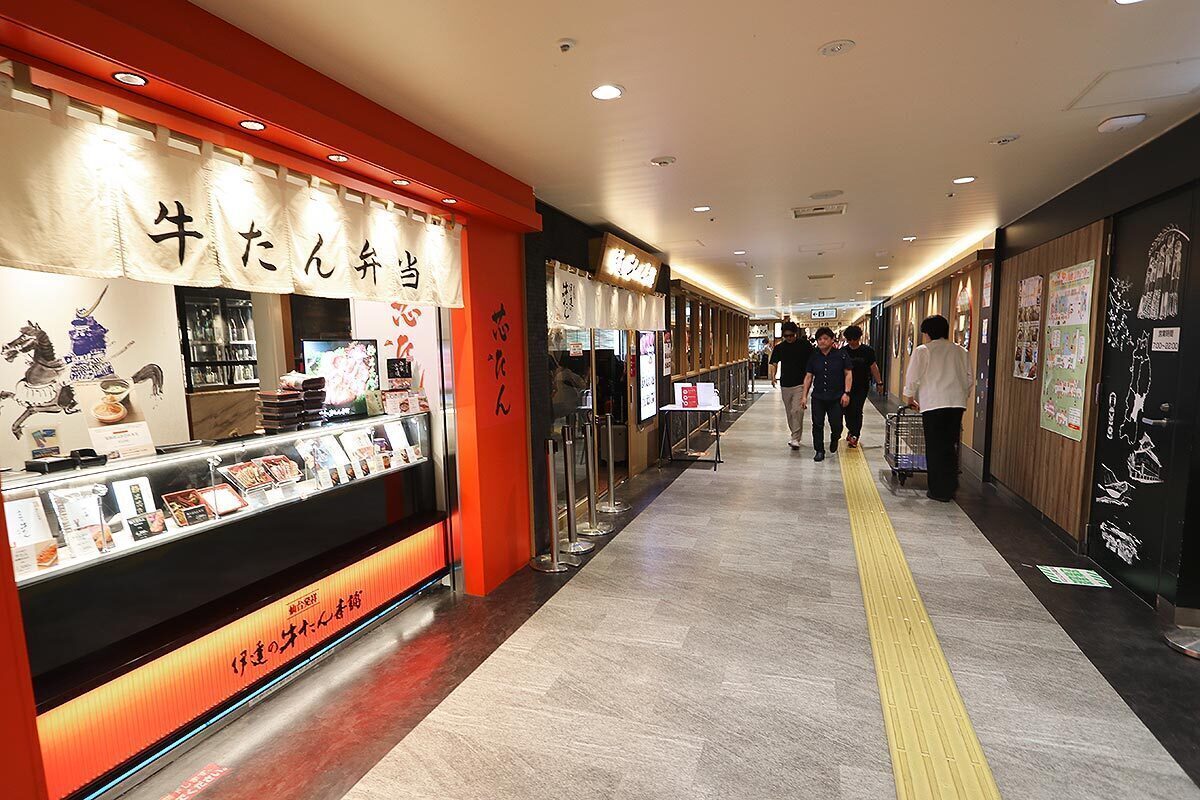
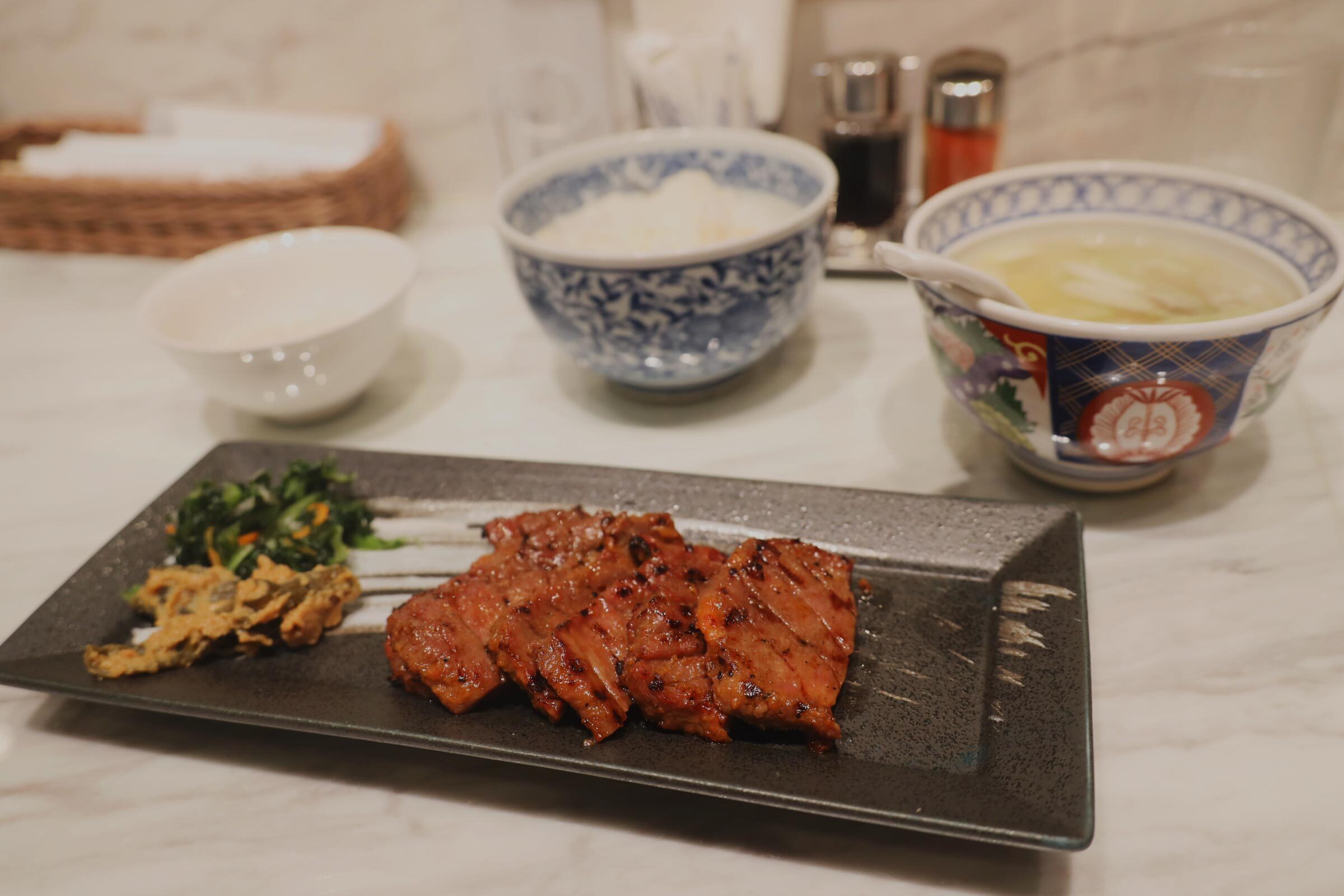
Today, visitors keen to try gyutan can do so without even leaving the station. Arranged along a corridor close to the second-floor shinkansen gate is a row of restaurants and takeaway shops all specializing in the dish, called Gyutan-dori or beef tongue street. Taking a counter seat at Date no Gyutan Honpo, I ordered the most traditional variation of gyutan teishoku, including a few thick-cut pieces of the meat itself plus barley rice, a bowl of clear oxtail soup, and a unique condiment called nanban miso made with miso paste, koji and surprisingly hot green peppers.
With that, it was time to head through the ticket gate and leave Sendai behind. For me at least, it had been one of the most satisfying visits yet in the series - a vibrant, attractive city with the perfect mix of traditional versus modern culture and a certain youthful energy that reminded me a little of Fukuoka. While it may lie a little too far out of the way for visitors sticking to the Kanto or Kansai regions, others heading into Honshu's upper part might want to consider freeing up some itinerary space to experience it for themselves.