4 Side Trips from Hiroshima for Every Traveler

If you're thinking of visiting Hiroshima, make sure to leave some space in your itinerary! Today we're going to look at four different side trips you can do easily from Hiroshima, and what kind of traveller they each suit.
Iwakuni is the trip for anyone interested in history, as you get to see the iconic Kintaikyo Bridge and Iwakuni Castle. Sandankyo is for the outdoorsy adventurers, where you can explore a picturesque gorge and decide how long to make your walk or hike. Simose Art Museum is for the culture vultures, and can be made into a full day or overnight trip thanks to the stylish villas on-site designed by the museum's architect. Finally, Saijo is for the foodies, because this is where you can explore seven sake breweries in one day, or try different food made with sake.
Which one will you pick?
 History Trip: Iwakuni
Iwakuni is an area just outside of Hiroshima Prefecture known for its historic Kintaikyo Bridge. You can get there by train to Iwakuni Station, from where you can visit the bridge, the castle, and wander through the town.
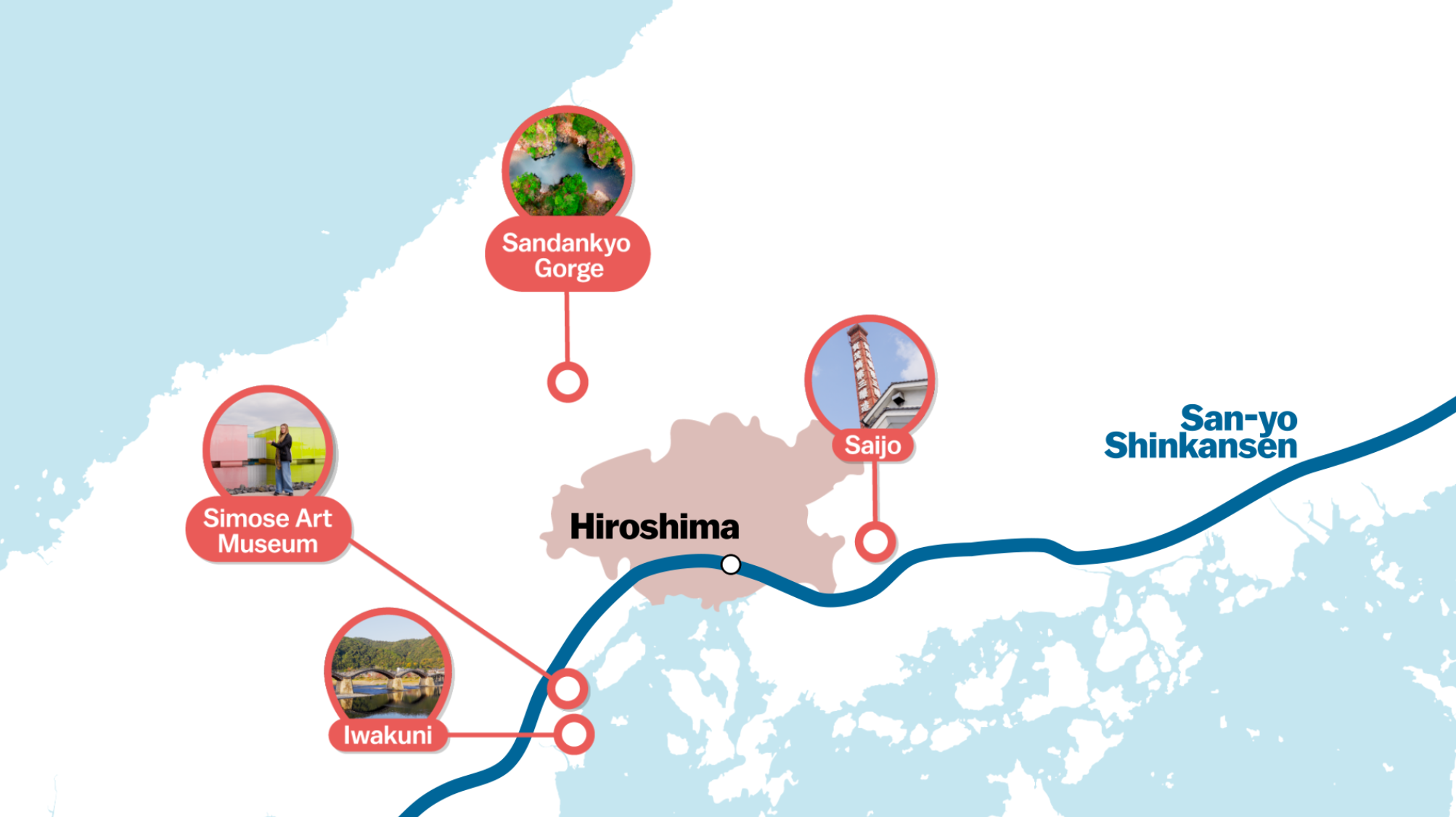
Kintaikyo Bridge
Kintaikyo Bridge was built to connect the castle town to the lord's residence, and had been a problem point for the region as bridges kept getting swept away by floods. In an attempt to avoid further flood damage, the lord of Iwakuni was inspired by Chinese paintings to try a linked arch approach, resulting in the five-arched bridge we see today, completed in 1673. While the bridge did in fact get swept away by a flood a year after its completion, it wasn't until 1950 that it got struck again, and ever since its creation it has been renovated and rebuilt to the same specifications thanks to the preservation of its original blueprint.
As of March 2026, the bridge costs 310 yen to cross. Or you can buy a set ticket for the bridge, cable car and castle.
Iwakuni Castle
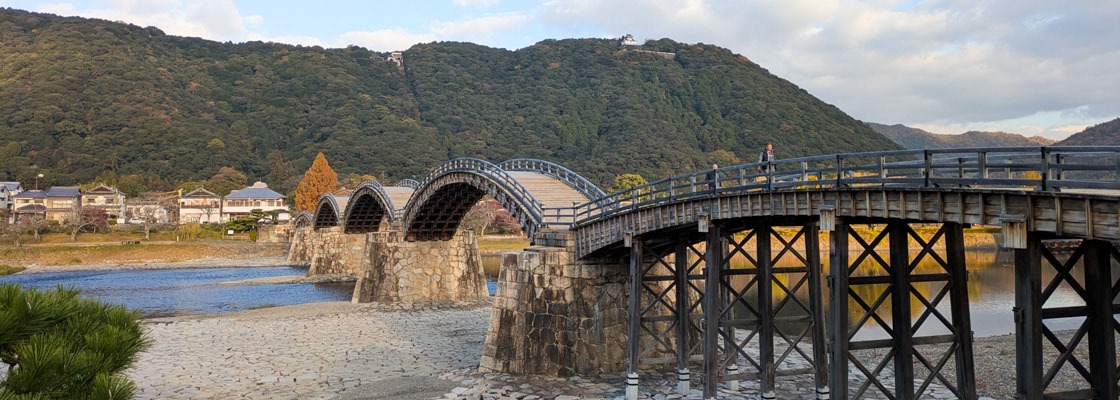
Waiting on the other side of the bridge and through Kikko Park is Iwakuni Castle. The cable car round-trip costs 560 yen, or you can hike Mount Shiroyama to the top. The castle keep is small and simple, but rather pretty with its white walls and surrounding trees. Inside is a three-story museum, followed by a final lookout floor with lovely views of Iwakuni and Kintaikyo Bridge down below. The castle itself was originally built in 1608, and torn down by shogunate decree just seven years later. The version we see today is a ferro-concrete reconstruction completed in 1962 - it has already lasted much longer than the original!
Entry to the castle alone costs 270 yen, and is open between 9:00 and 16:45, with last entry at 16:30.
Iwakuni Cafes and Restaurants
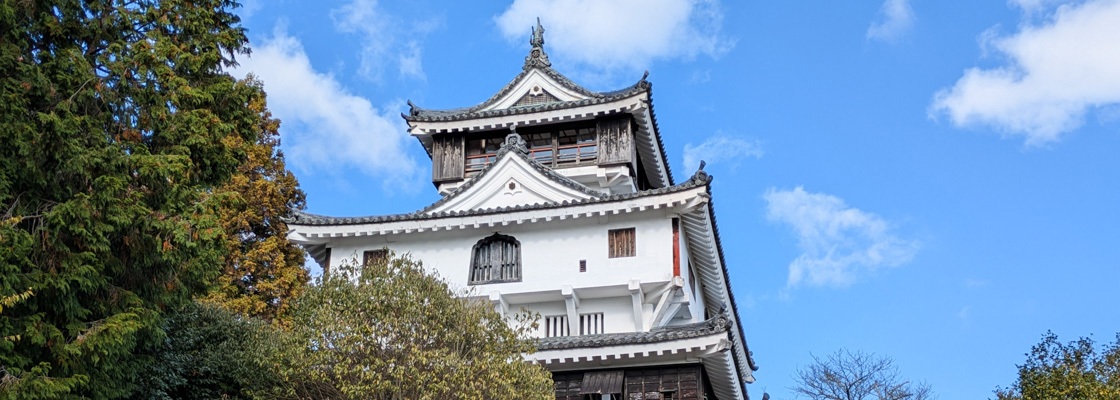
If you spend a day in Iwakuni, there are a good amount of restaurants and cafes to choose from for a break. There are a few around Kikko Park, but even more near Iwakuni Station. On my visit, I went to Kofudo Cafe. The atmospheric cafe also has a few craft items on sale, and you can have their signature curry, generous sandwiches, or other snacks and drinks.
Getting to Iwakuni
It takes around 50 minutes to reach Iwakuni Station from Hiroshima Station via the JR Sanyo Line. From there, you can visit the bridge and castle. For Kintaikyo Bridge, it is a 15-20 minute bus ride (or 10-minute taxi). To access the castle, you need to first cross the bridge, then walk through Kikko Park to the cable car station. Cable cars run every 15 minutes between 9:00-17:00, starting on the hour.
 Adventure Trip: Sandankyo
Sandankyo is a picturesque gorge that you can reach from Hiroshima Station with an express bus.
Sandankyo
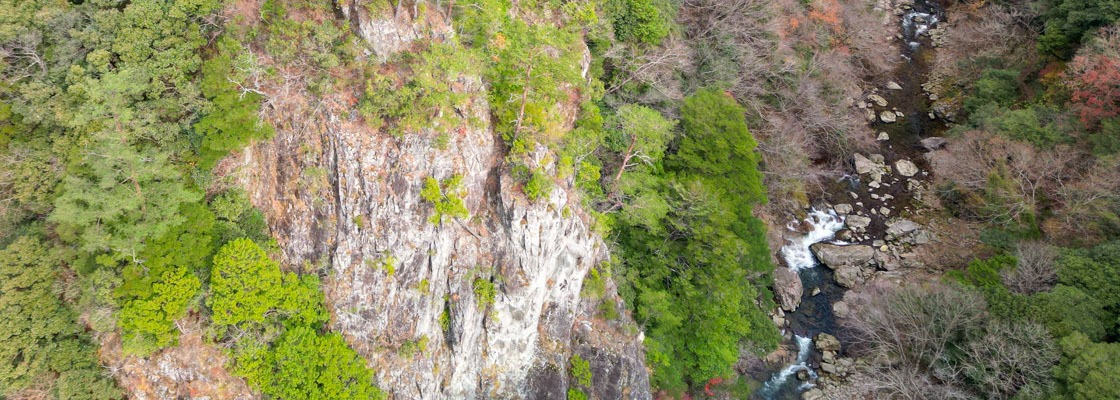
The gorge is 16 kilometers long, and has one main hiking route that splits into different routes of different lengths. If you just want to take a simple stroll in nature, the short course to Shimaidaki Waterfall takes around 10 minutes one way. The main course takes around one hour one way, bringing you to the Kurobuchi area where you can go on a scenic 10-minute boat ride. You can also keep hiking from there, resulting in a four to five hour round-trip. The route is very pretty as you are mostly walking alongside the gorge itself, with various big and small waterfalls along the way. Depending on the season, you may also be able to see some wildlife, such as flying squirrels and kingfishers. Even the rare Japanese giant salamander has been spotted in the gorge.
Getting to Sandankyo
Buses to Sandankyo depart from the Hiroshima Bus Center, near the Peace Memorial Museum. Both regular and express buses are available, and at the time of writing, the morning express bus leaves Hiroshima Bus Center at 8:18, arriving at 9:36. No other express buses run until 16:05, and the regular buses take around 2 hours. The boat rides from Kurobuchi run outside of the winter months (December to March) usually from 10:00 to 16:00 and take around 10 minutes.
 Culture Trip: Simose Art Museum
The Simose Art Museum opened in 2023, and has a fresh and welcoming feel to it.
Simose Art Museum
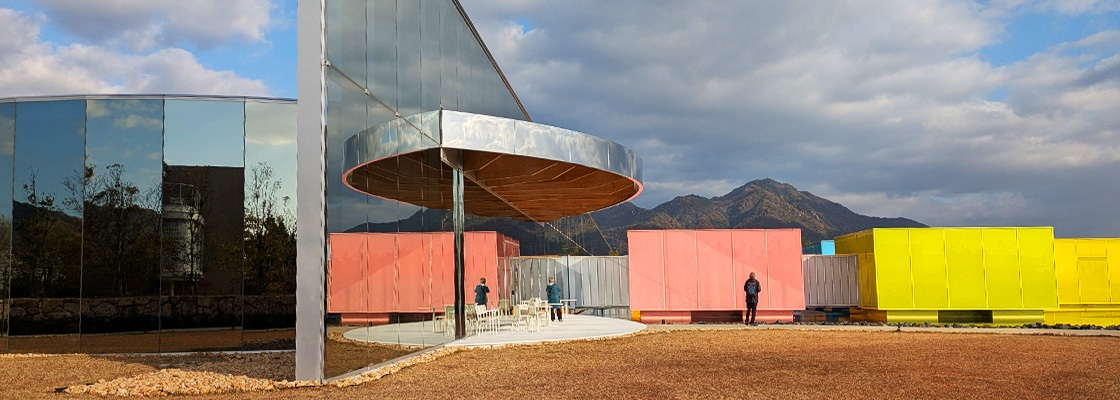
The museum was designed by Ban Shigeru, and is characterized by its rounded entrance and mirror walls towards the back, which reflect the seaside landscape. On the side with the mirror walls is a shallow pool with movable exhibition rooms, inspired by the scattered islands of the Seto Inland Sea that it looks out onto. Inside are temporary exhibitions which are changed throughout the year, both in the galleries and the main building. Outside, there is a garden inspired by the works of Emile Gallé, which has a variety of trees that look their best at different times of the year.
To make a full day, or even a night, out of a trip to the Simose Art Museum, there is also a restaurant and villas to stay in. Each of the 10 villas are recreations of iconic Ban Shigeru works, making for a very stylish stay.
Getting to the museum
To get to the Simose Art Museum, take the JR Sanyo Line to Kuba Station (40 minutes) followed by the Koikoi bus to Yume Town (20 minutes). On weekends, there is also a shuttle bus to the museum from Otake Station on the same JR Sanyo Line.
 Foodie Trip: Saijo
Saijo is a town known for its concentration of sake breweries not far from the station, which contribute to its overall atmosphere.
Breweries
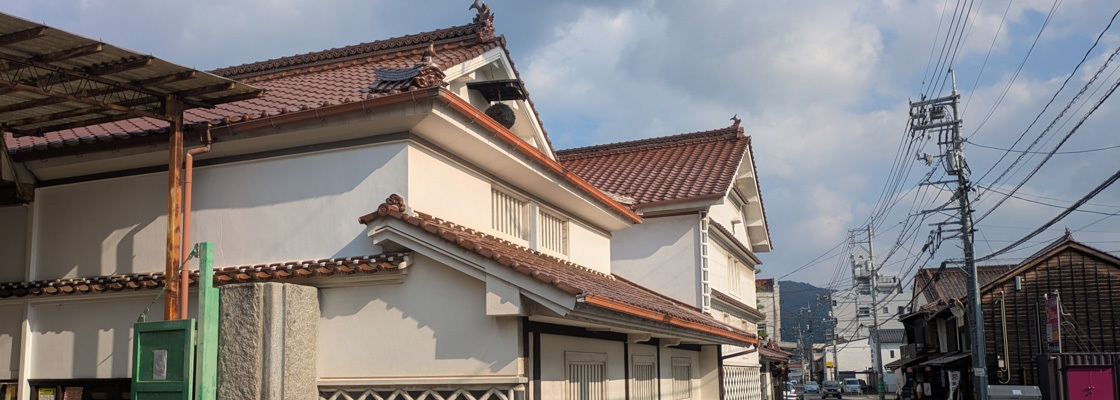
There are seven main breweries in the Saijo area, and although many of these breweries came about in the 1600s, it was not until much later that the town made a name for itself for its sake. The relatively low temperatures and abundance of fresh well water made for ideal sake brewing. The breweries are characterized by their tall brick chimneys, white walls and red roofs, and you can explore a small museum of the town's sake history at Kamotsuru Brewery. Most of the breweries have shops and sake tasting options, and many have different souvenirs, too. On my visit, I went to Fukubijin Shuzo, which is known for its sweeter sake. The sweeter taste makes it a good option for sake beginners, and you can do tastings at the brewery before committing to buying a whole bottle!
Shops and Streets
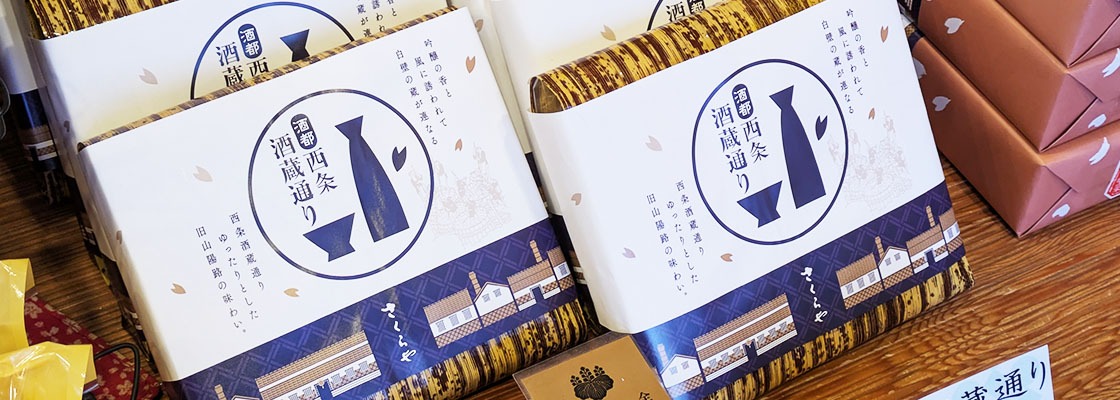
The main point of interest is the Saijo Sake Brewery Street, where most of the breweries are gathered together. The streets still retain much of their traditional atmosphere and style, and many shops and restaurants have been built in renovated traditional buildings. At these different shops and restaurants, you can try sake in different forms, rather than just straight sake, such as in chocolate at Mike Cacao, in food and cocktails at France-ya, or in sweet souvenirs at Sakuraya.
Getting to Saijo
To get to Saijo, take the JR Sanyo Line from Hiroshima Station to Saijo Station, which takes just under 40 minutes. Exit via the South Exit and head east, where you will very quickly be greeted with the white walls and brick chimneys of the breweries.