24 Hours to See the Different Sides of Shinjuku
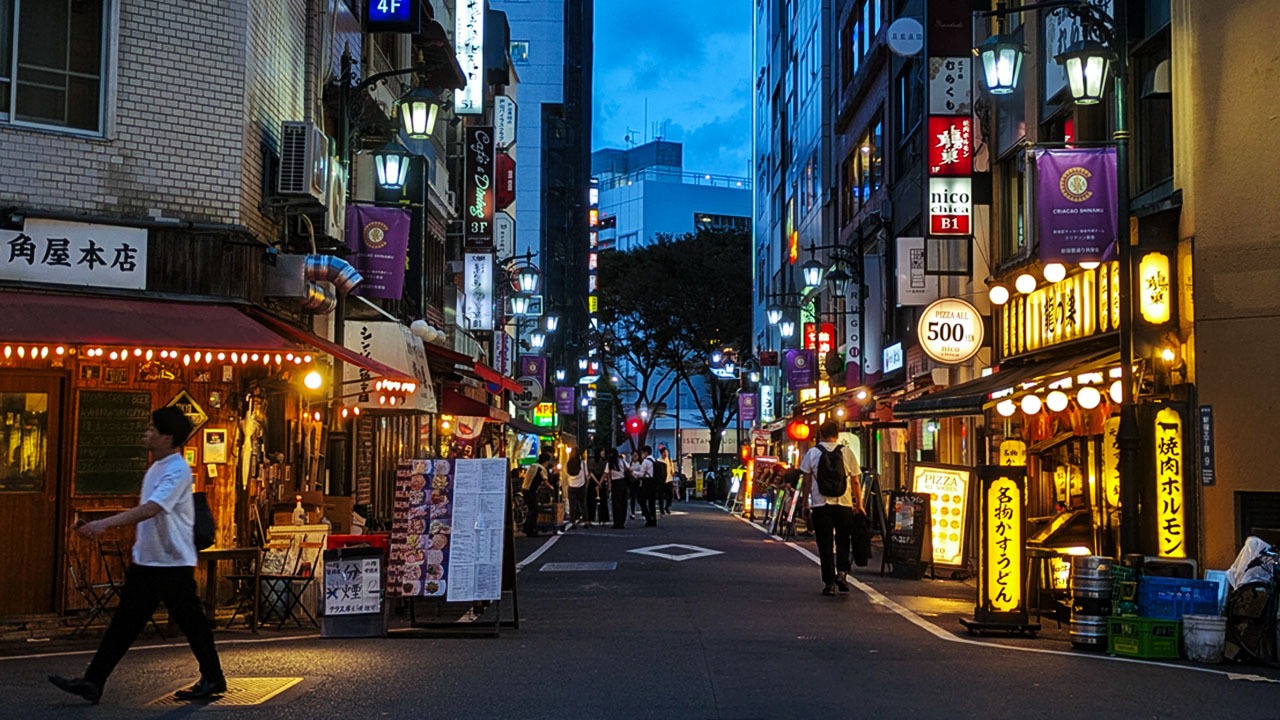

Tokyo is a city of many different elements, and of many different "cities". One of those cities is the famous Shinjuku. But even Shinjuku has many different sides to it.
Shinjuku has its quiet side at Shinjuku Gyoen, the boisterous side of Kabukicho, the cultured side, the musical side... There are so many different faces to Shinjuku, so on this trip, I decided to explore just a few, while also spending a night at the Tokyu Stay Shinjuku, which embraces its more elegant, jazzy side.
So come with me to find out which side suits you, or if you want to explore them all!
Day 1
After dropping my bags at the hotel, I started my day with the green side of Shinjuku, at Shinjuku Gyoen. This spacious garden is one of my favourite gardens in Tokyo, because even though you can see the skyscrapers of the city peeking through behind the trees, it is so calm and easy to lose track of time here.
I'd say for a leisurely walk around the whole garden, about two hours is a good amount of time. That way you can see its own different elements - I suppose Shinjuku just has more and more to it the deeper you go.
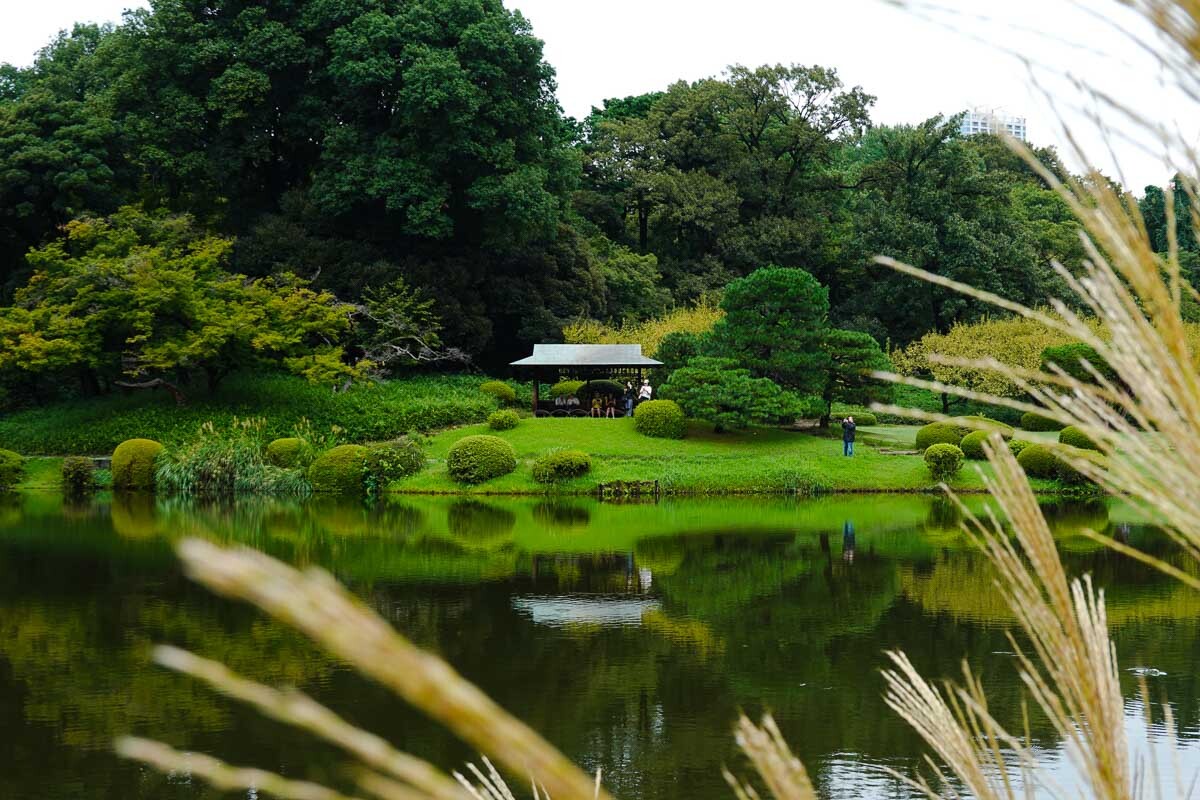
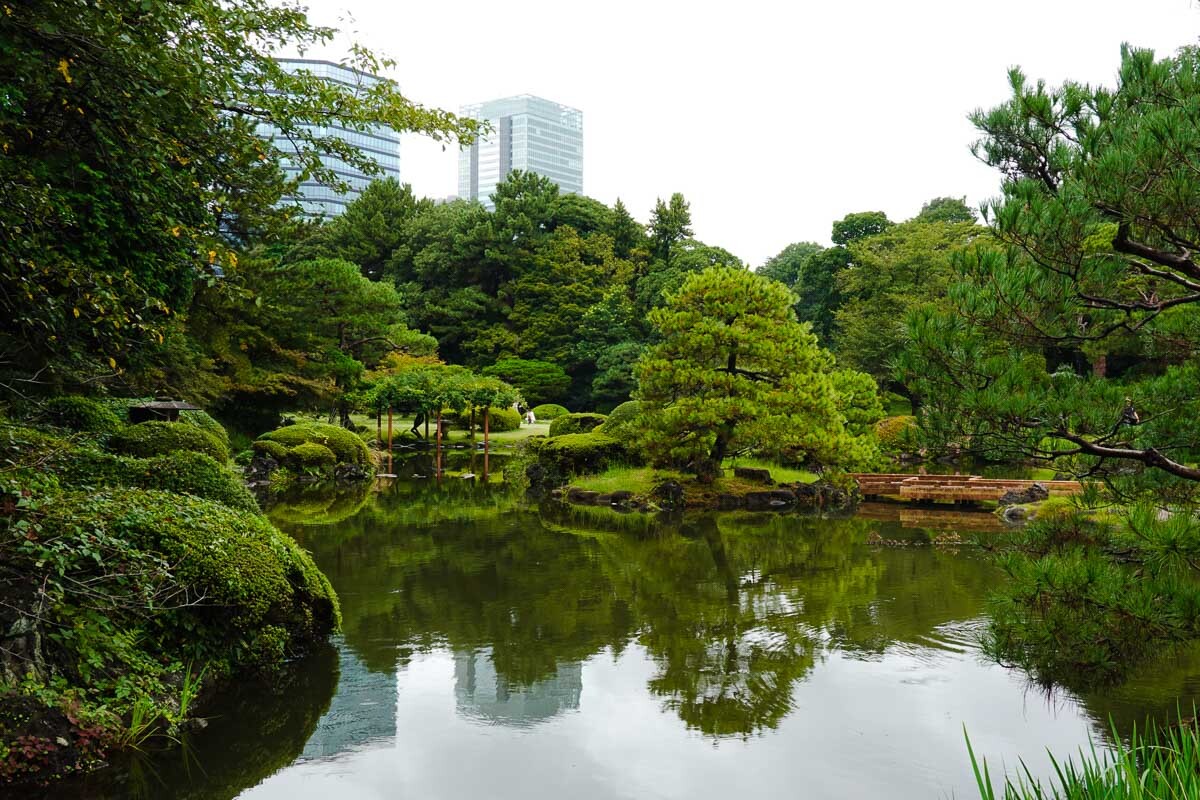
I came in from Shinjuku Gate on the northwest side, and headed straight towards the Japanese garden. I find this one of the most peaceful parts of the garden. It is not elaborate or extravagant, just a peaceful pond to walk around or sit by.
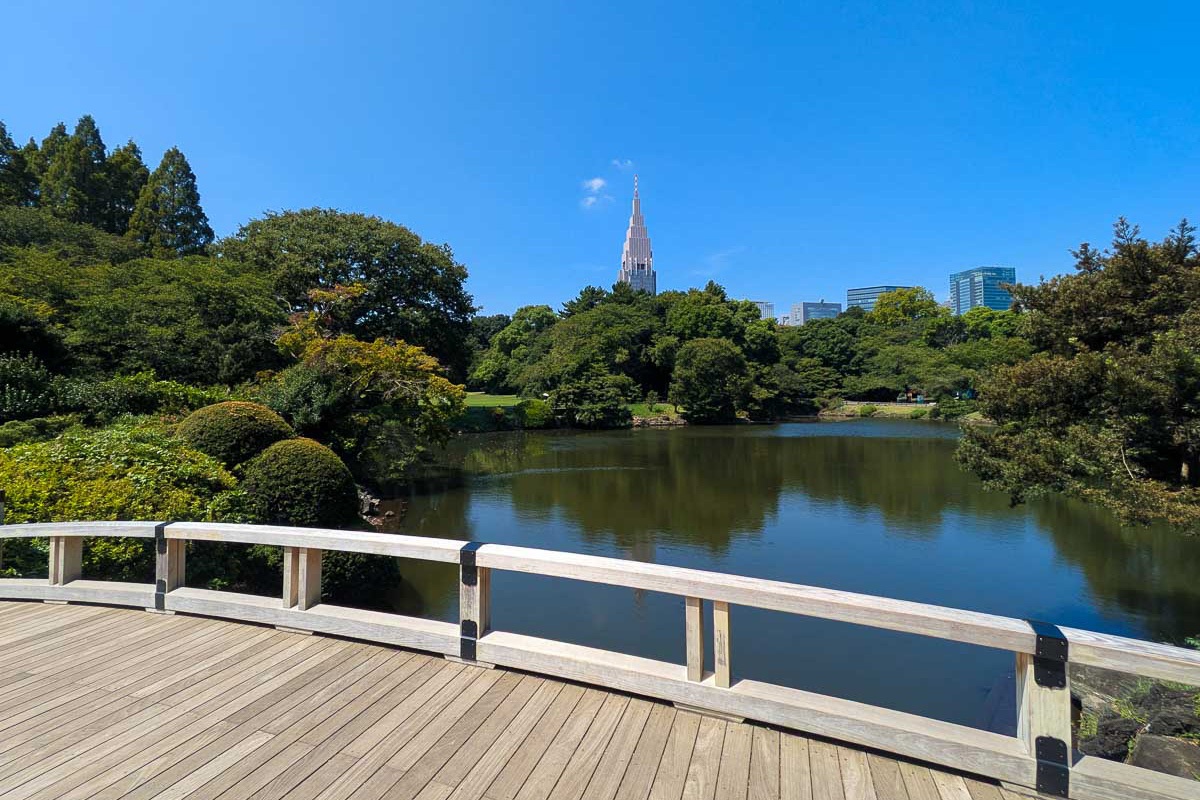
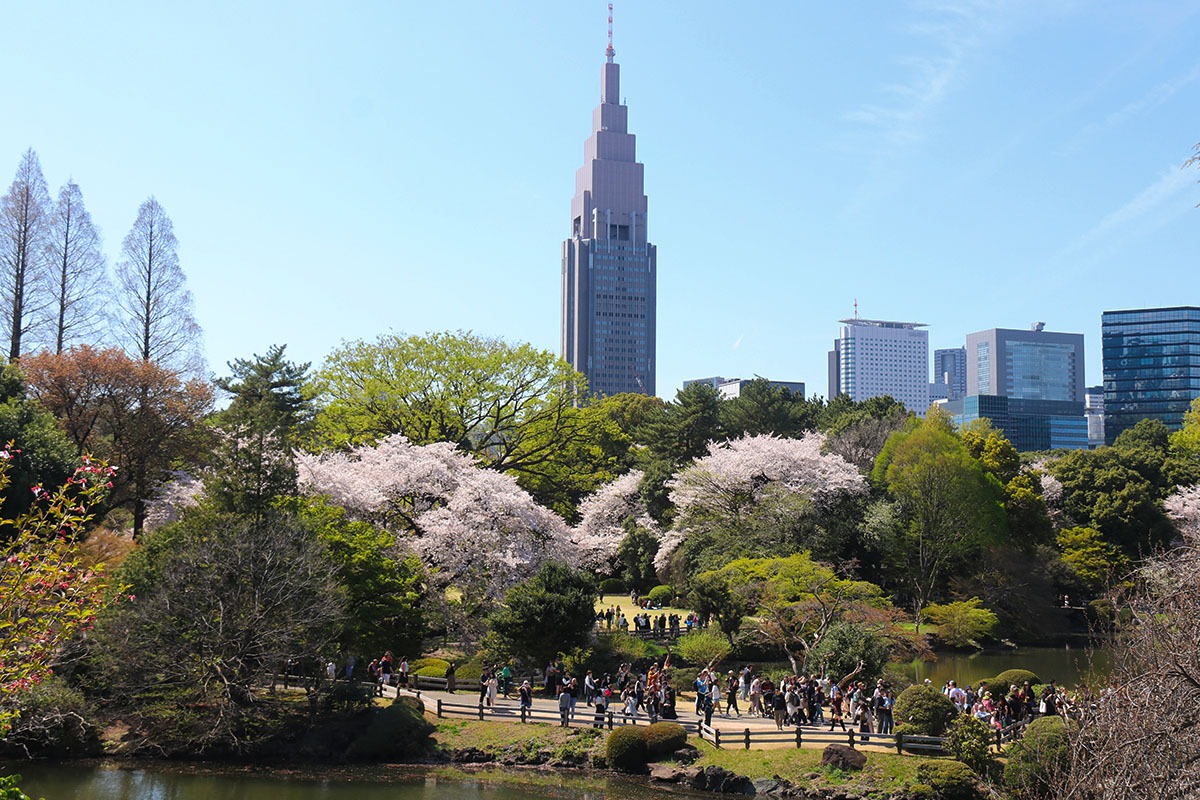
Then I strolled over to Naka-no-ike pond to get some pictures from the bridge. This area and the cherry tree area further south are particularly beautiful during the cherry blossom season in spring, but the reflections and the trees make for some nice picturesque spots at different angles.
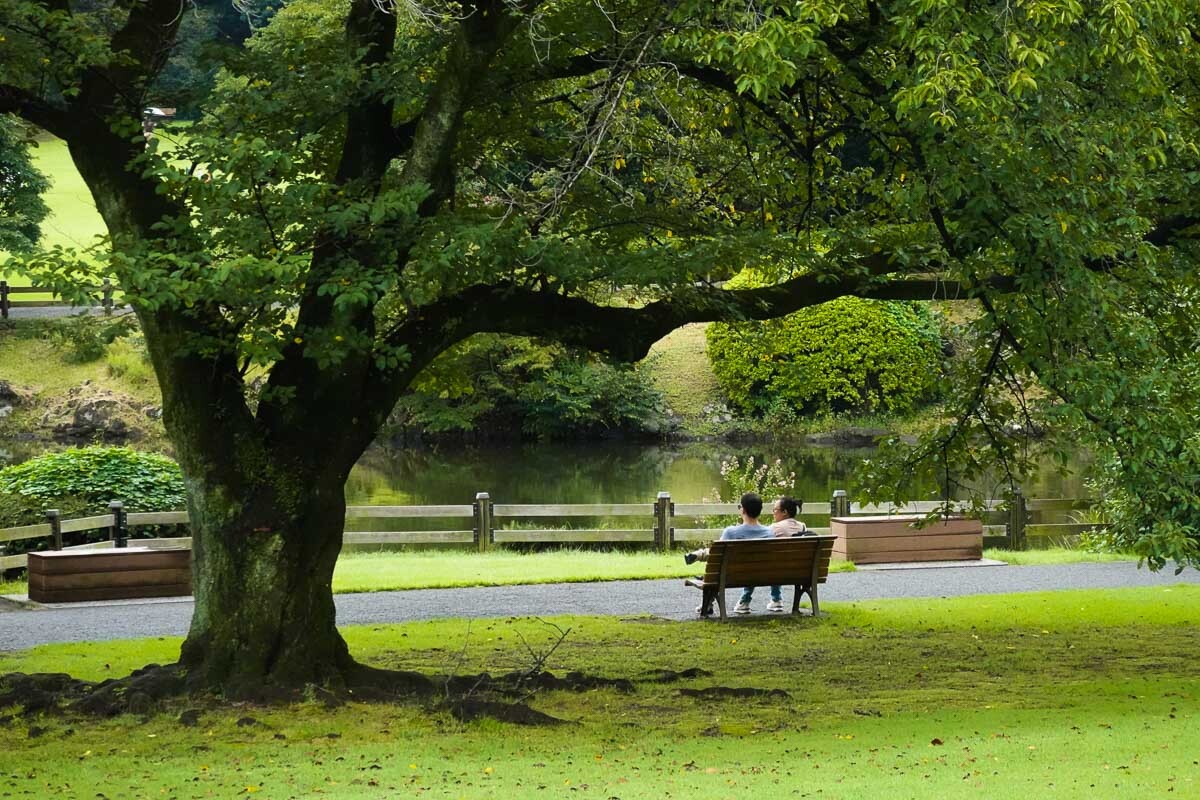
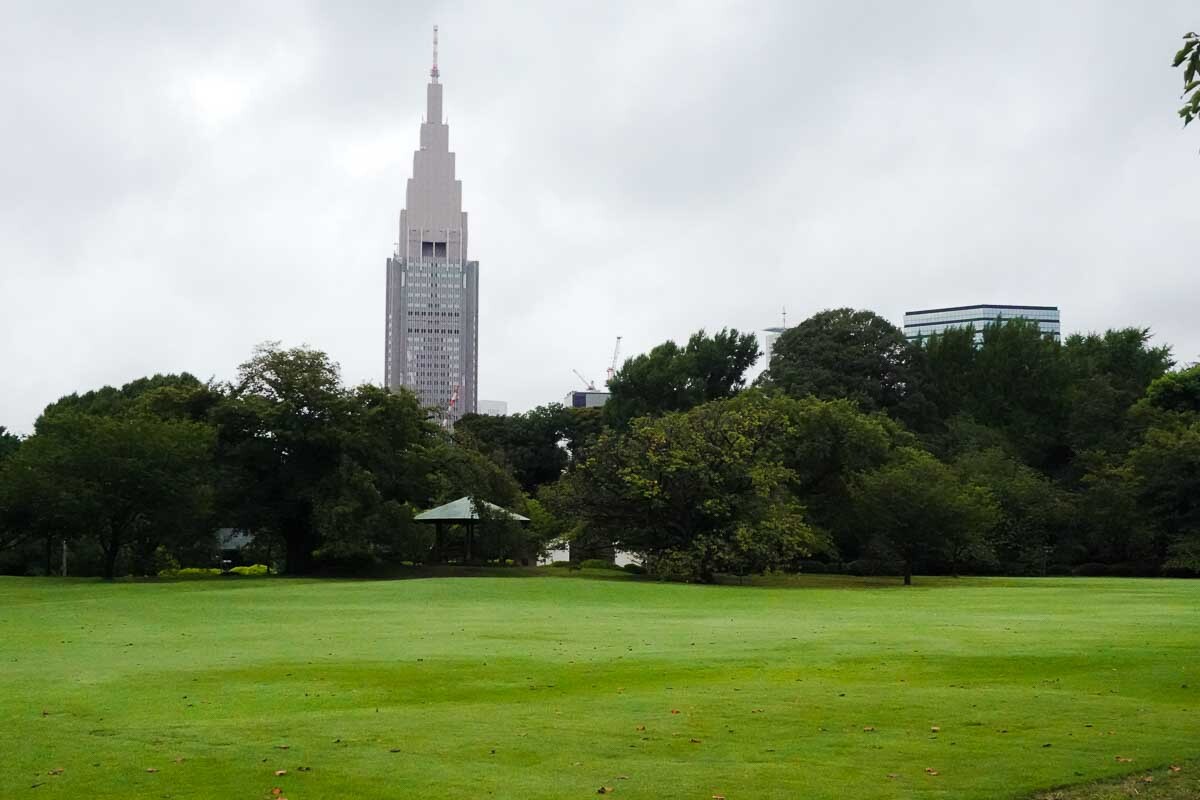
In the center, there's also a spacious landscape garden which I always think is great for picnics if you want to spend a bit more time there. Whereas the greenhouse to the northeast is a good spot if you're caught in an unexpected rain shower!
Somehow I had already made my way all the way round to the Okido Gate exit though, so it was time to get to the next side of Shinjuku: food and shopping.
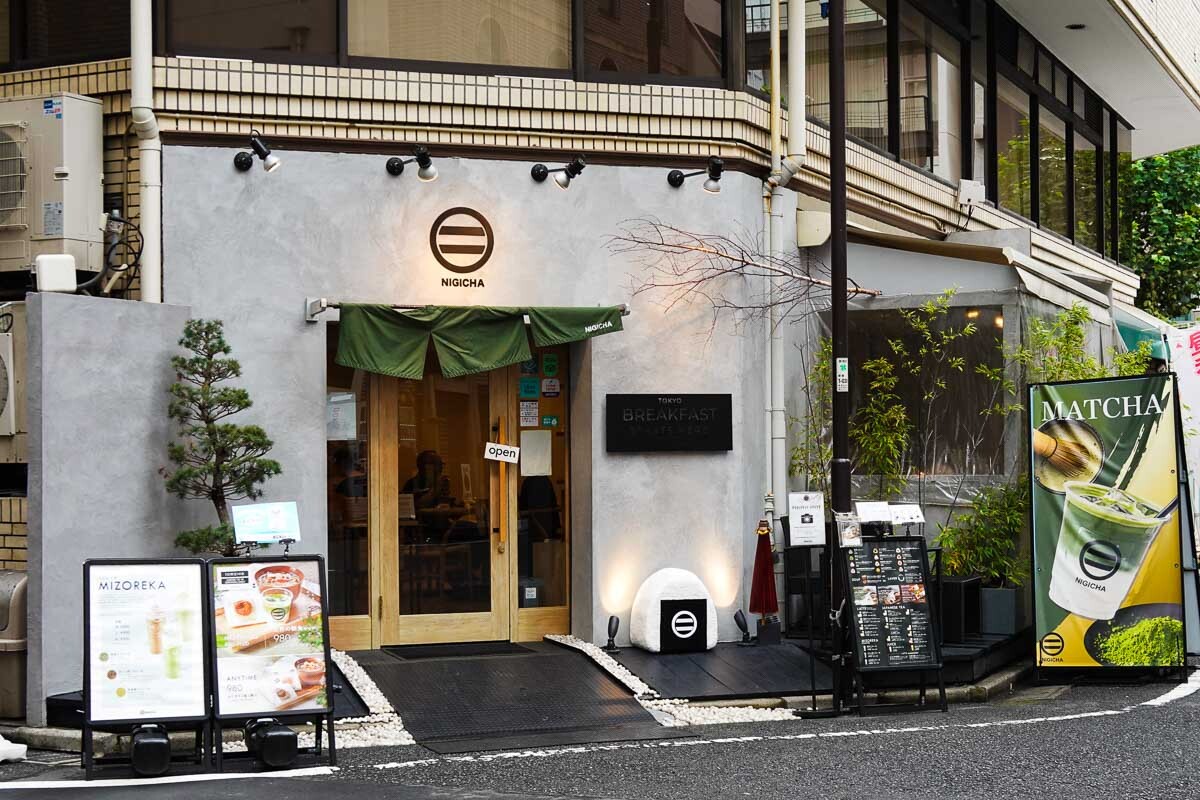
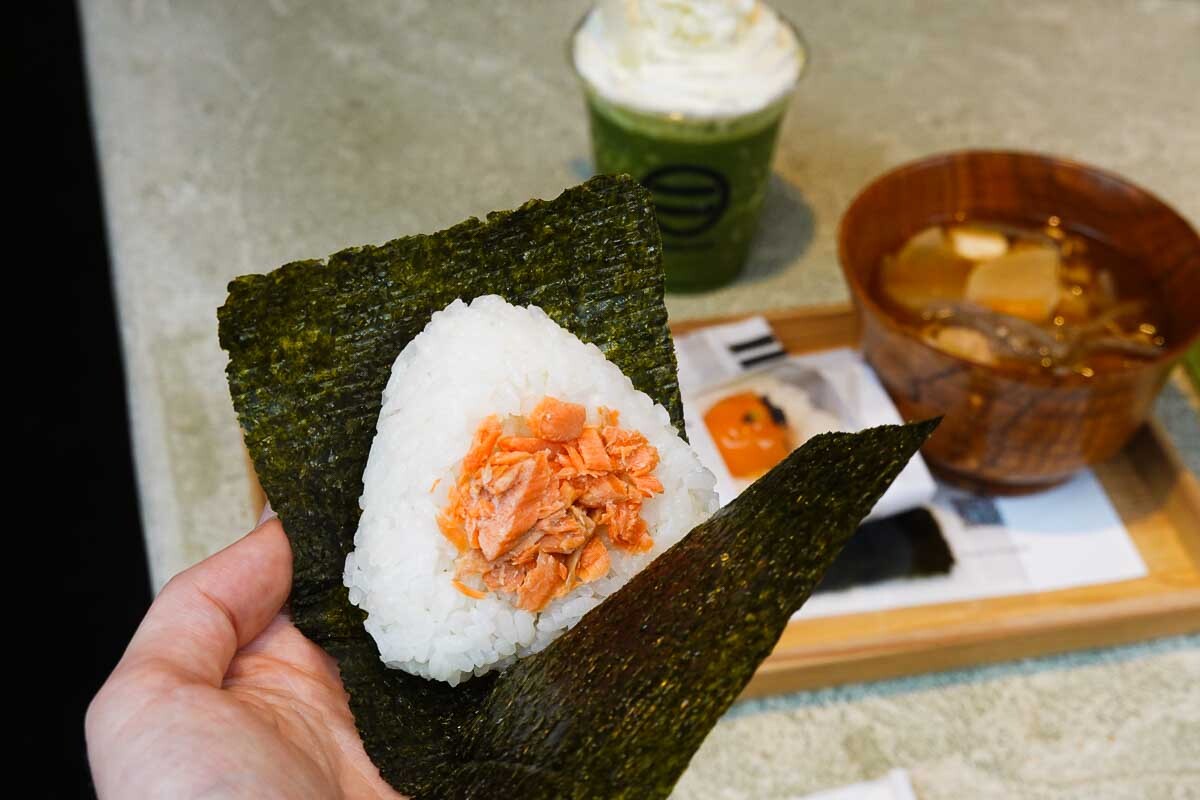
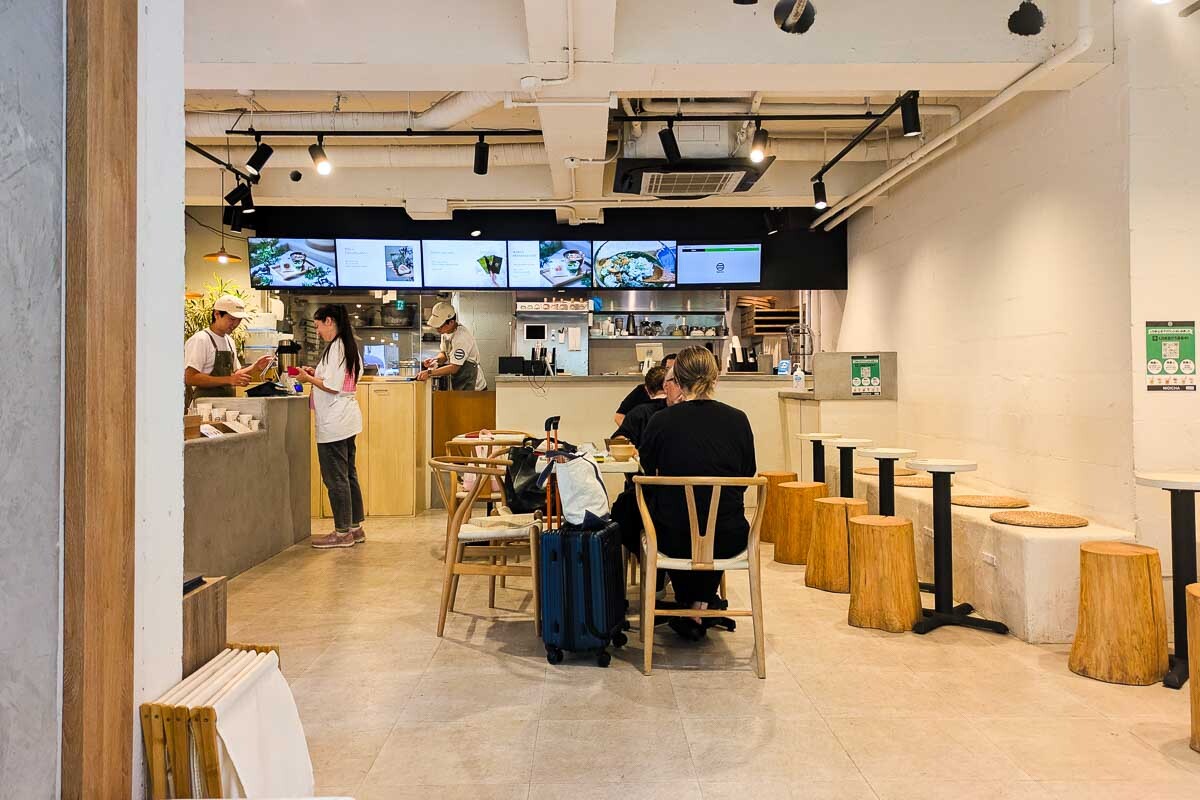
Just outside of the park is Nigicha. This modern cafe does two things very well, and they are onigiri and matcha. The idea is that you choose an onigiri, choose your nori, and then put it together yourself for maximum crunch. I got the pork soup set with two onigiri, and treated myself to a Matcha Frappe. I often don't feel full after onigiri, so I was very pleasantly surprised that I felt comfortably full after this meal!
I was pretty happy to feel so full, because shopping in Shinjuku can be tiring. There's a lot to choose from and it involves a good amount of walking if you want to get a variety.
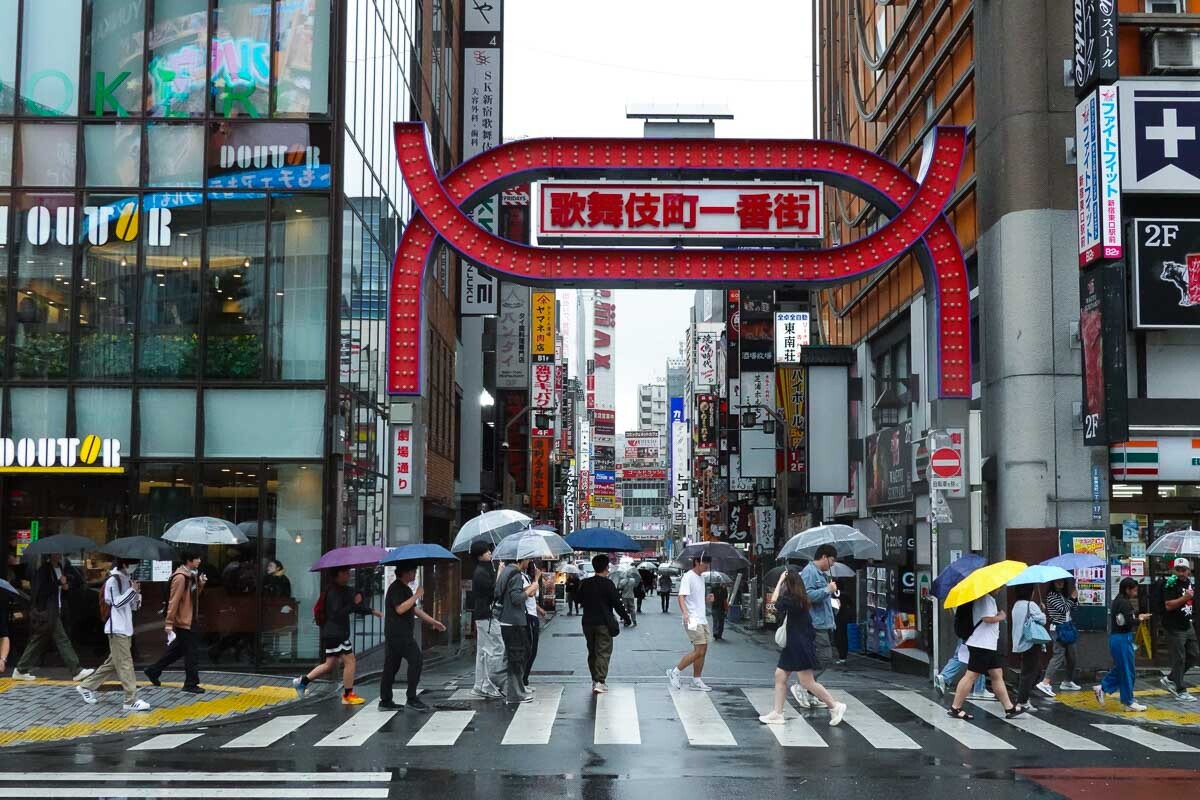
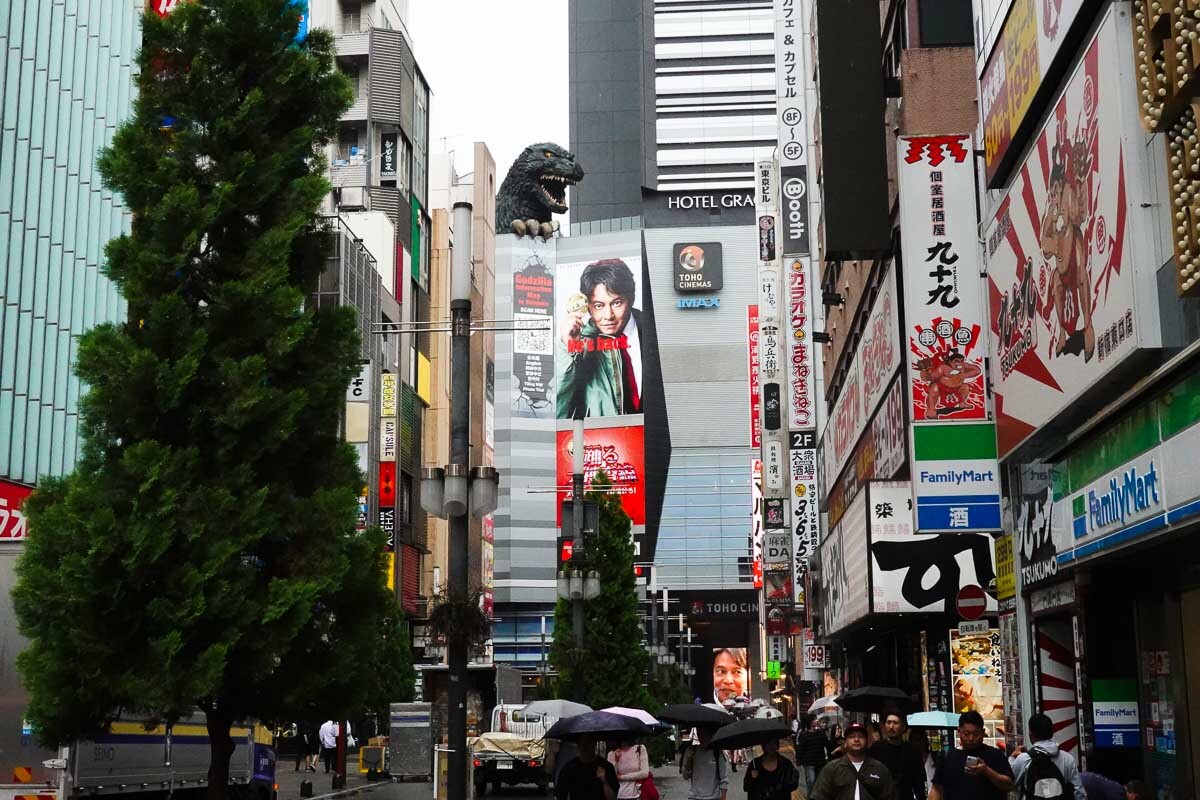
The main area for shopping in Shinjuku is by the station and in an area called Kabukicho. Near the station is Isetan, an upscale shopping mall, but this time I was more in the mood for picking out some snacks and silly souvenirs, so I headed to Don Quijote. When you're near Don Quijote, make sure to look out for the Godzilla towering over the buildings too!
Don Quijote is a bit of a crazy place, with all sorts of knick-knacks and doodads hiding amongst the tightly packed shelves. On the basement floor there was a whole selection of different Kit-Kat flavors!
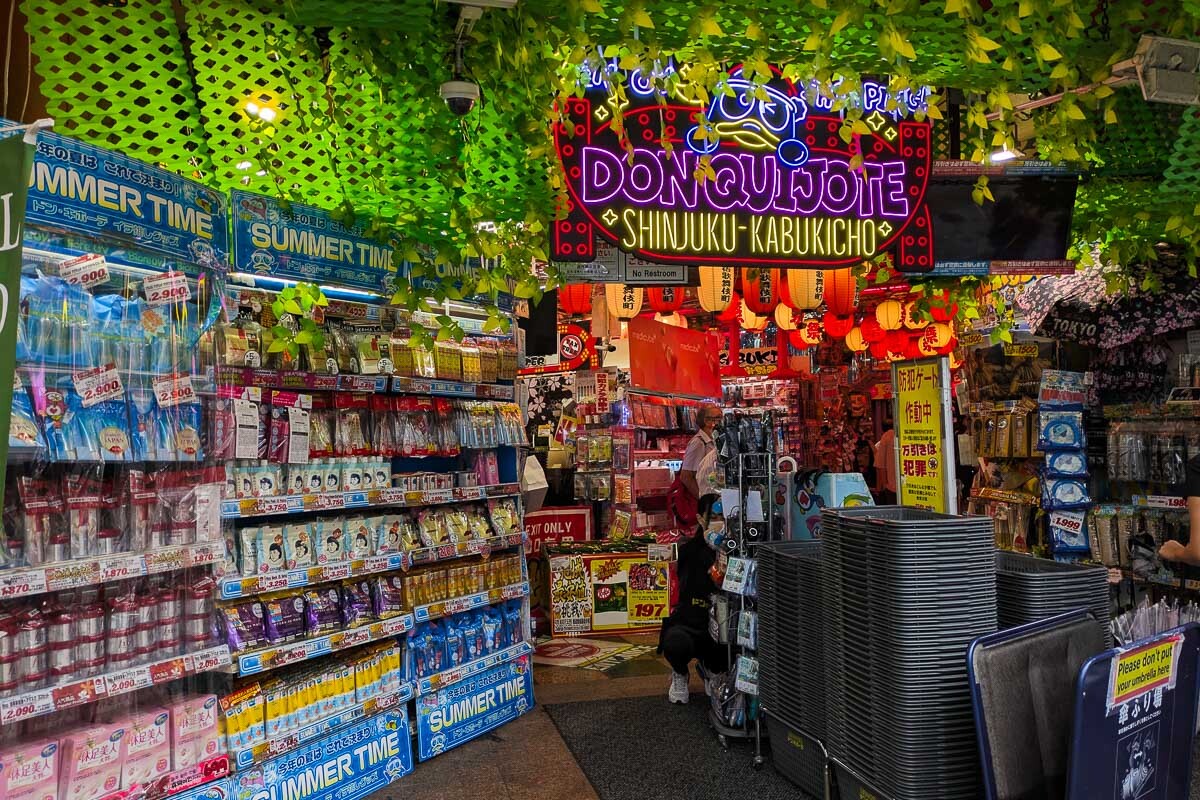
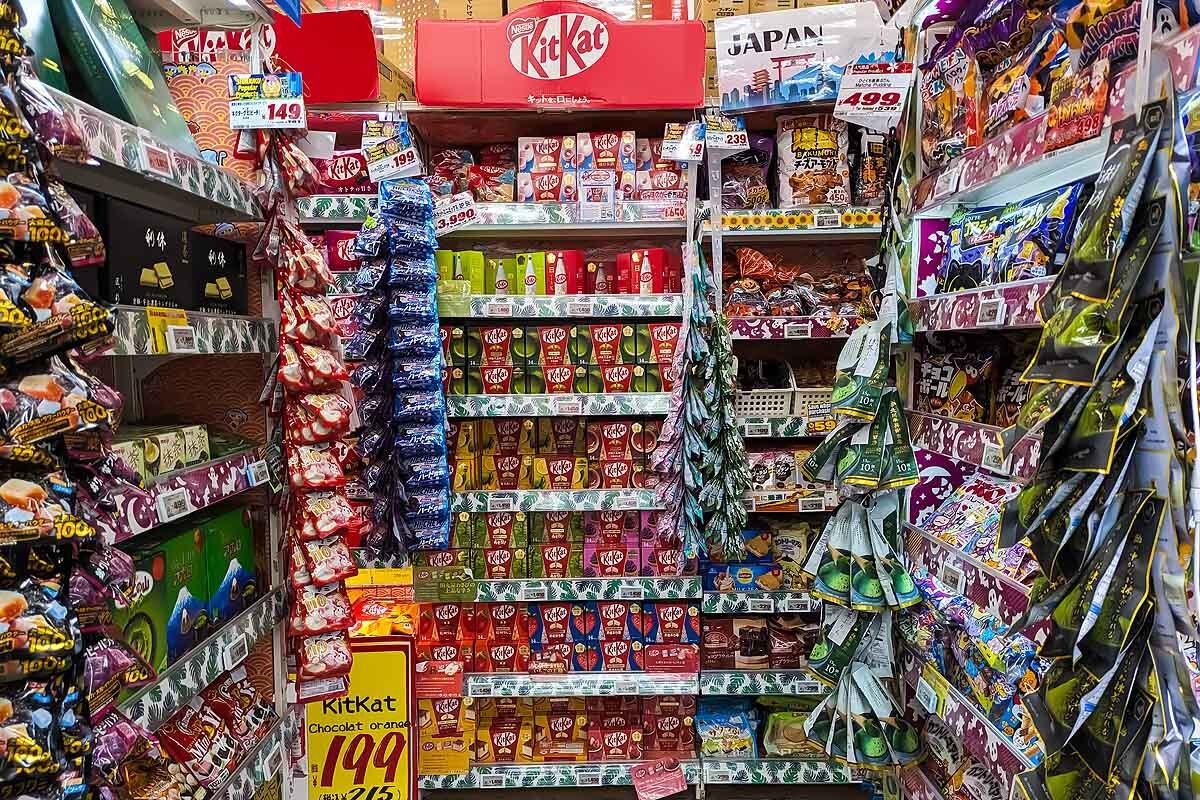
I started to lose track of time finding all my souvenirs for friends abroad, and before I knew it I realized the sun was starting to set, so it was time to move on to another side of Shinjuku: Jazz and nightlife.
Shinjuku has a surprising number of jazz bars dotted around, but knowing that the Tokyu Stay hotel had its own jazz night planned, I decided I would go to hear the band there before venturing out to one of the local izakaya (Japanese style pubs).
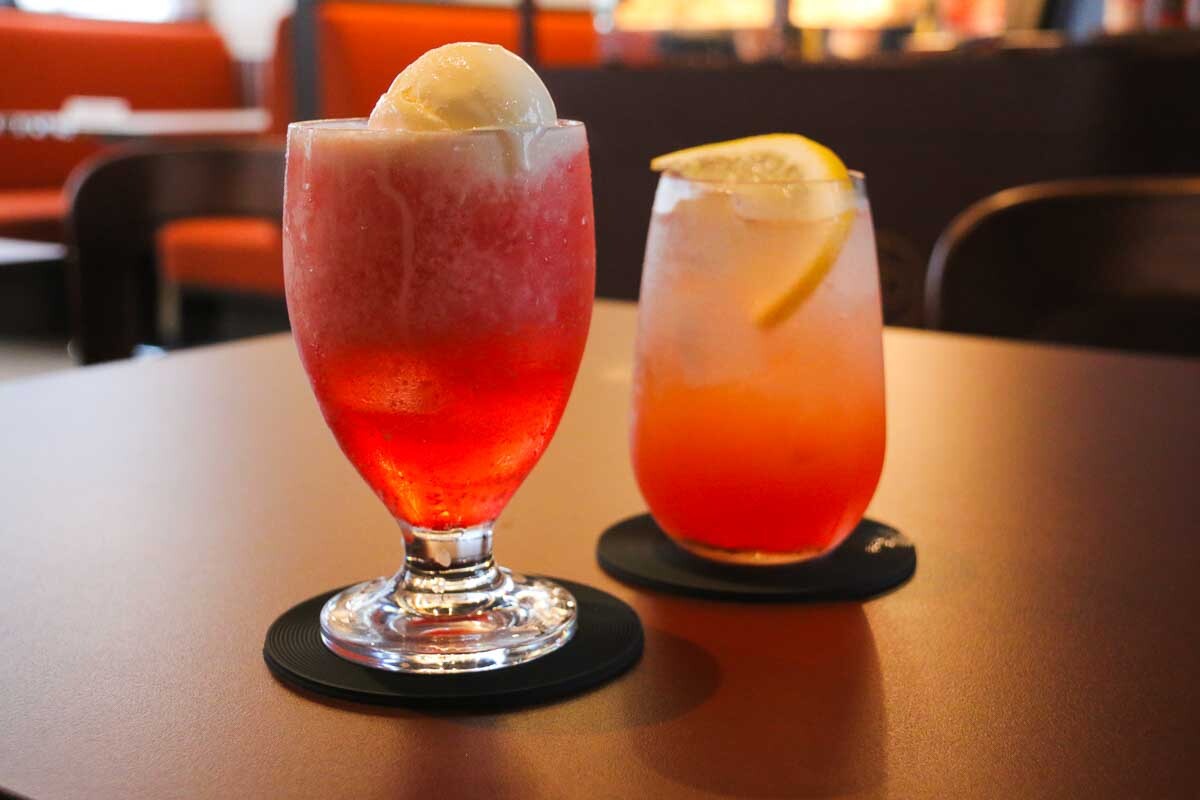
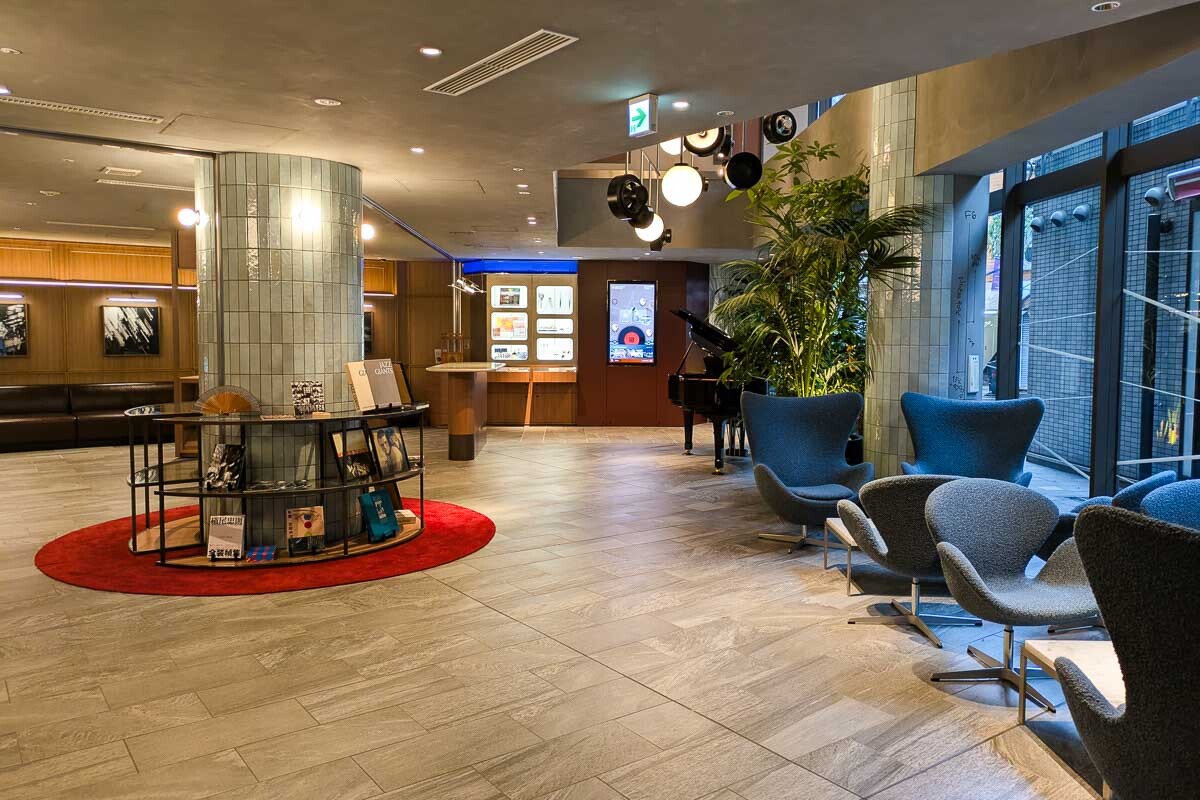
After checking in, I headed to the Re:cord Lounge for staying guests a little bit before the performance. They had a variety of snacks and drinks, with a choice of different types of soda floats and cocktails.
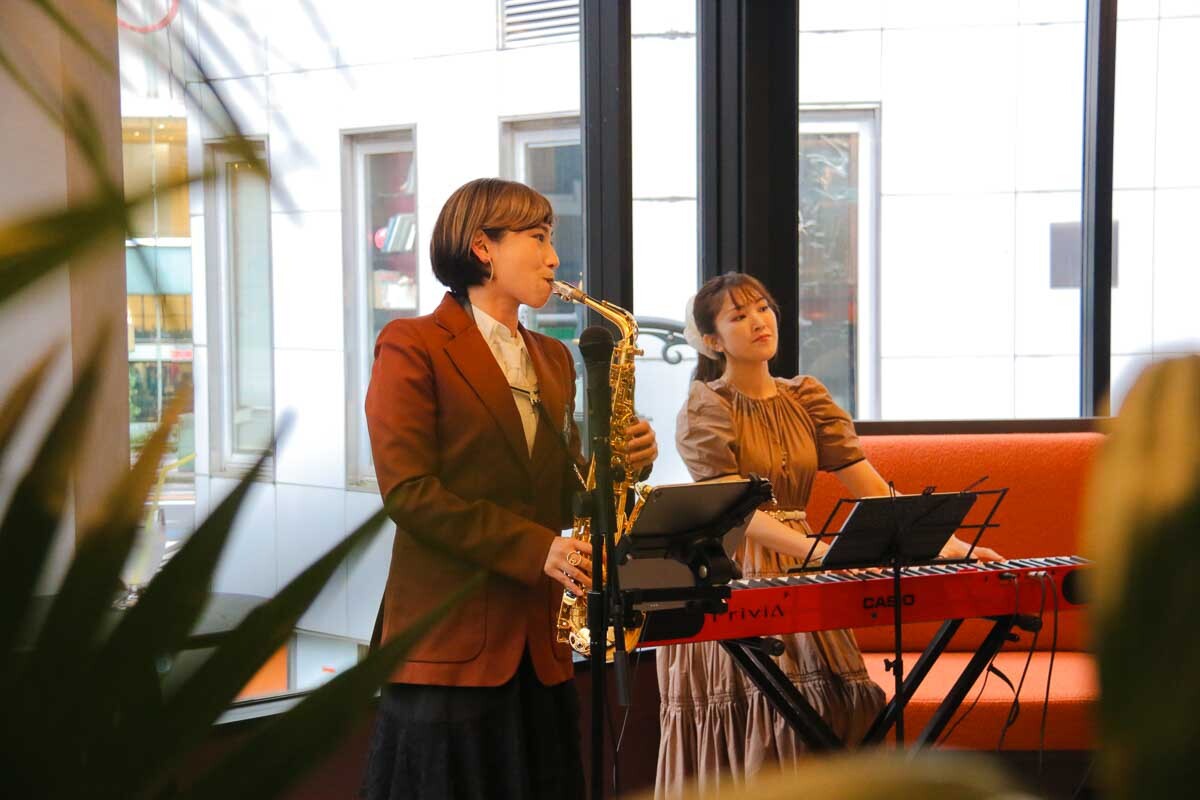
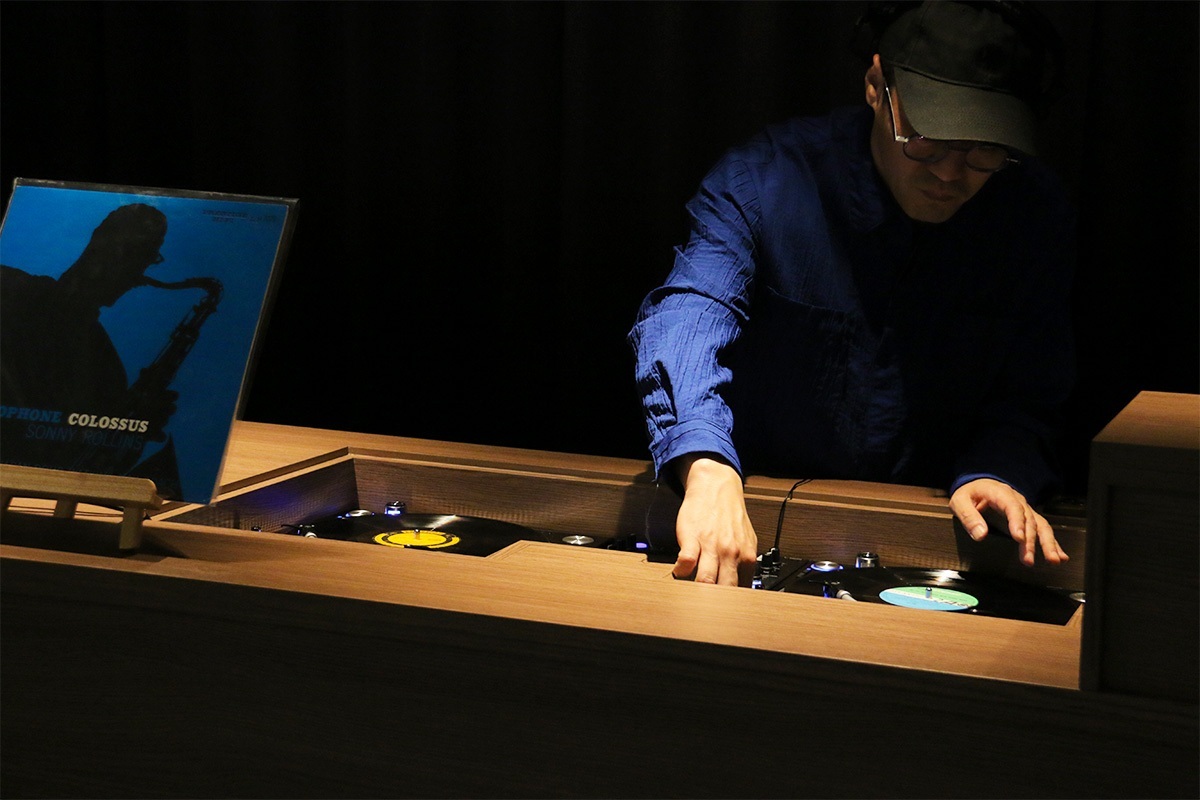
The jazz duo came on and lit up the room. The two of them played some classics as well as some of their own creations, leaning into the autumn feeling. The lively saxophone and vibrant piano made me want to get back into music myself! The retro diner atmosphere of the lounge made me feel like I had been transported out of modern central Tokyo and into somewhere else entirely, where everyone put down their phones and just enjoyed the music for a moment.
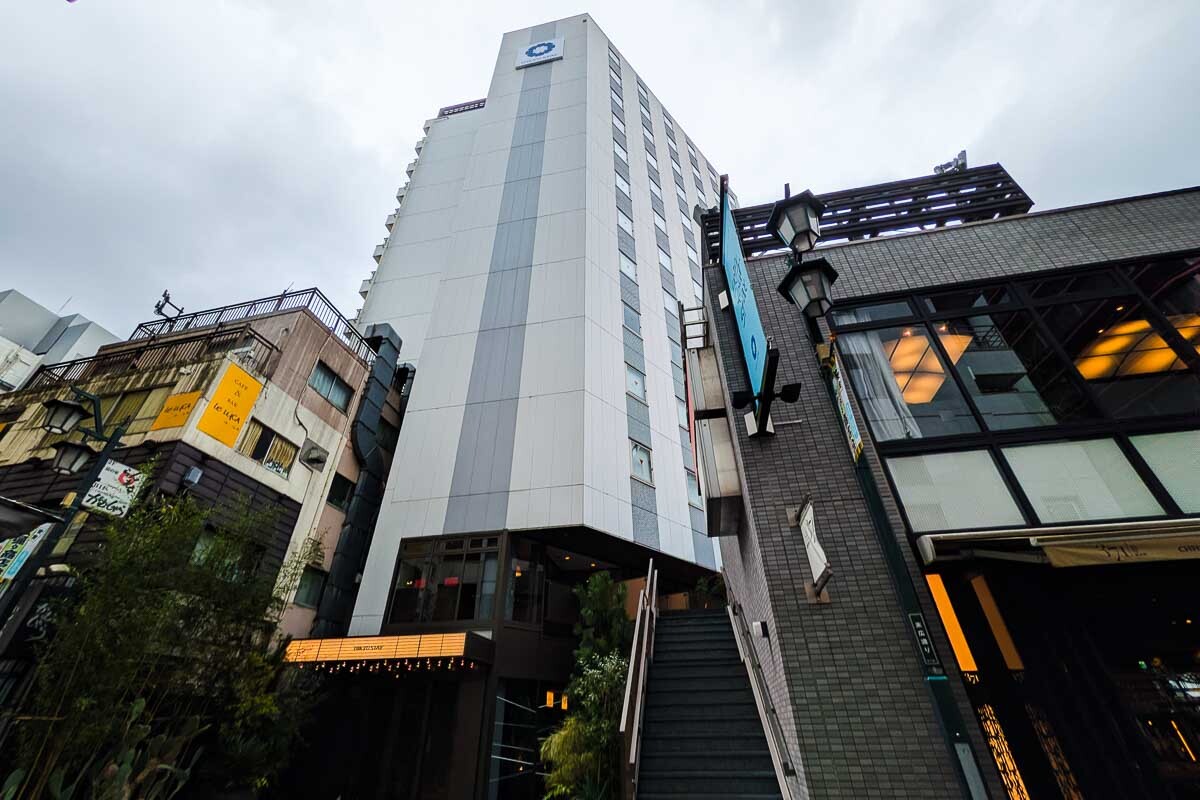
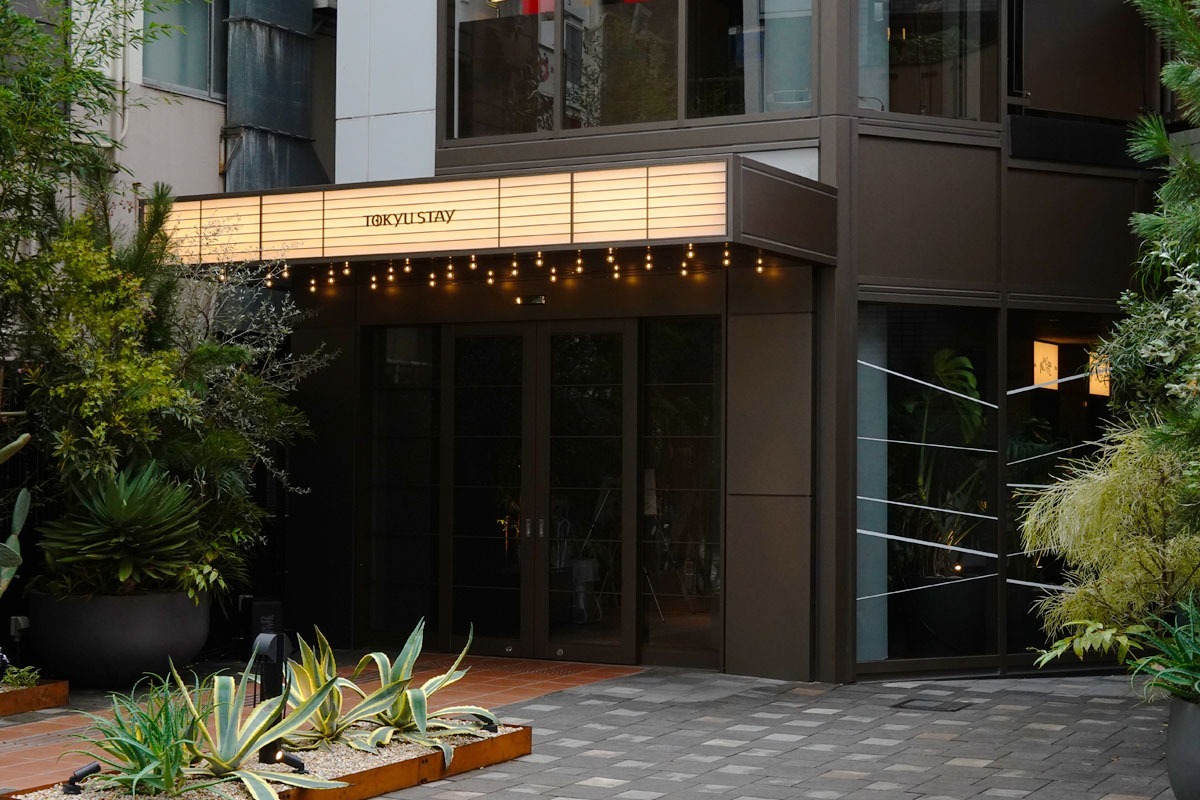
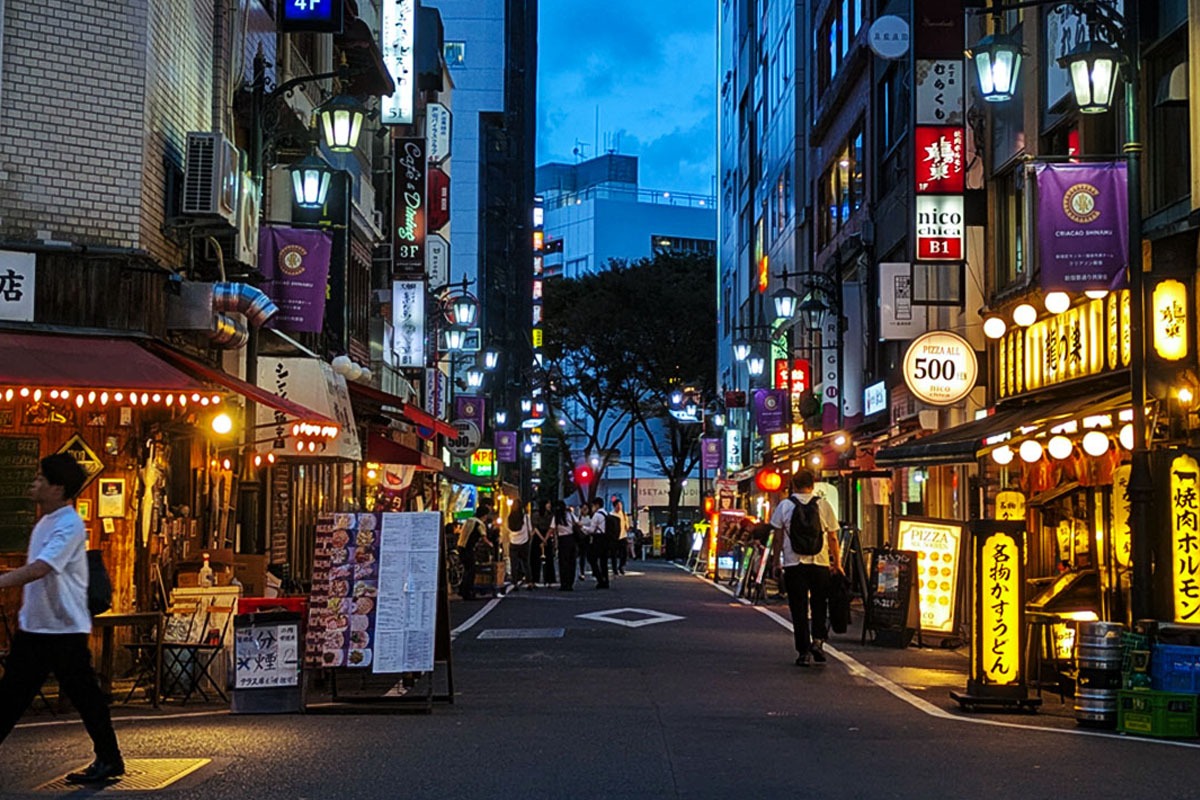
Following on from the good spirits the drinks and music had put me in, I headed down to explore the bar scene right outside the hotel. While some izakaya can feel a little tricky to venture into for the first time in Tokyo, I found the places nearby seemed to have plenty of seating for larger groups or solo diners and English menus.
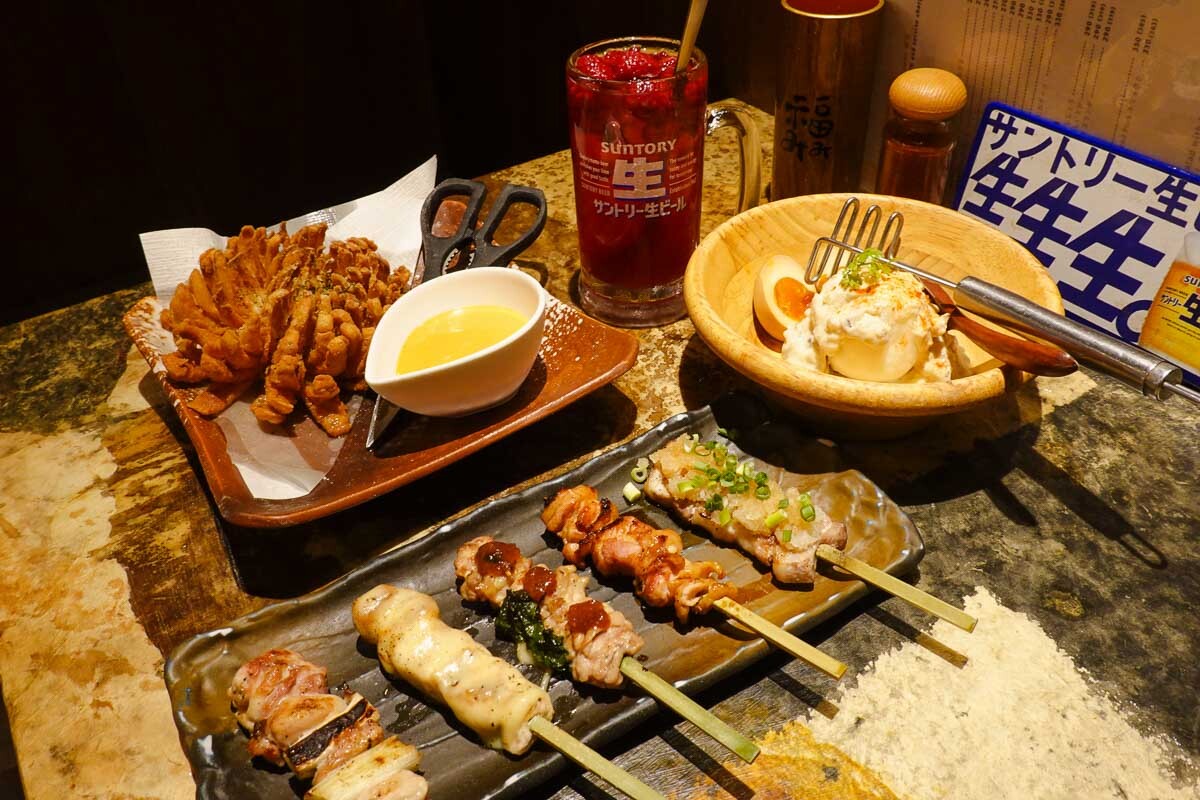
I headed up the little stairs and into an izakaya where I ordered everything that looked good: a special potato salad, a giant blooming onion, a selection of yakitori (grilled chicken skewers), and of course, a drink to round off the evening.
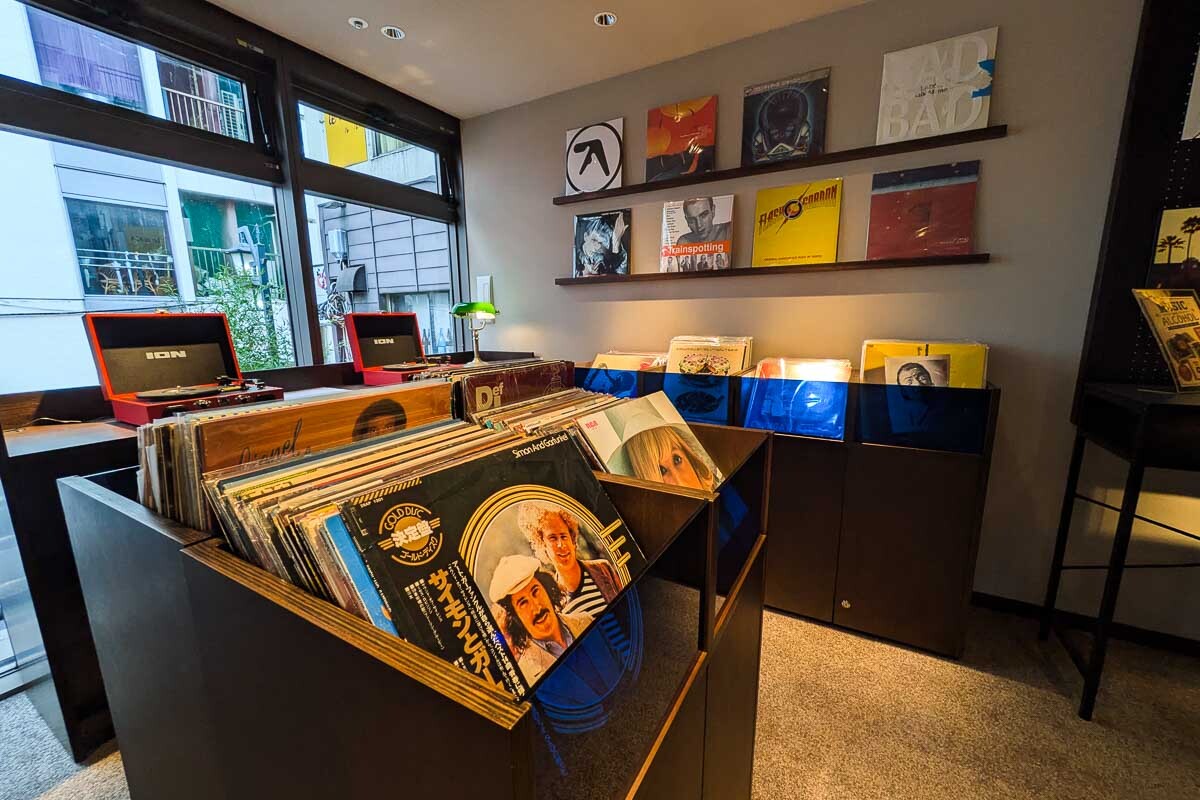
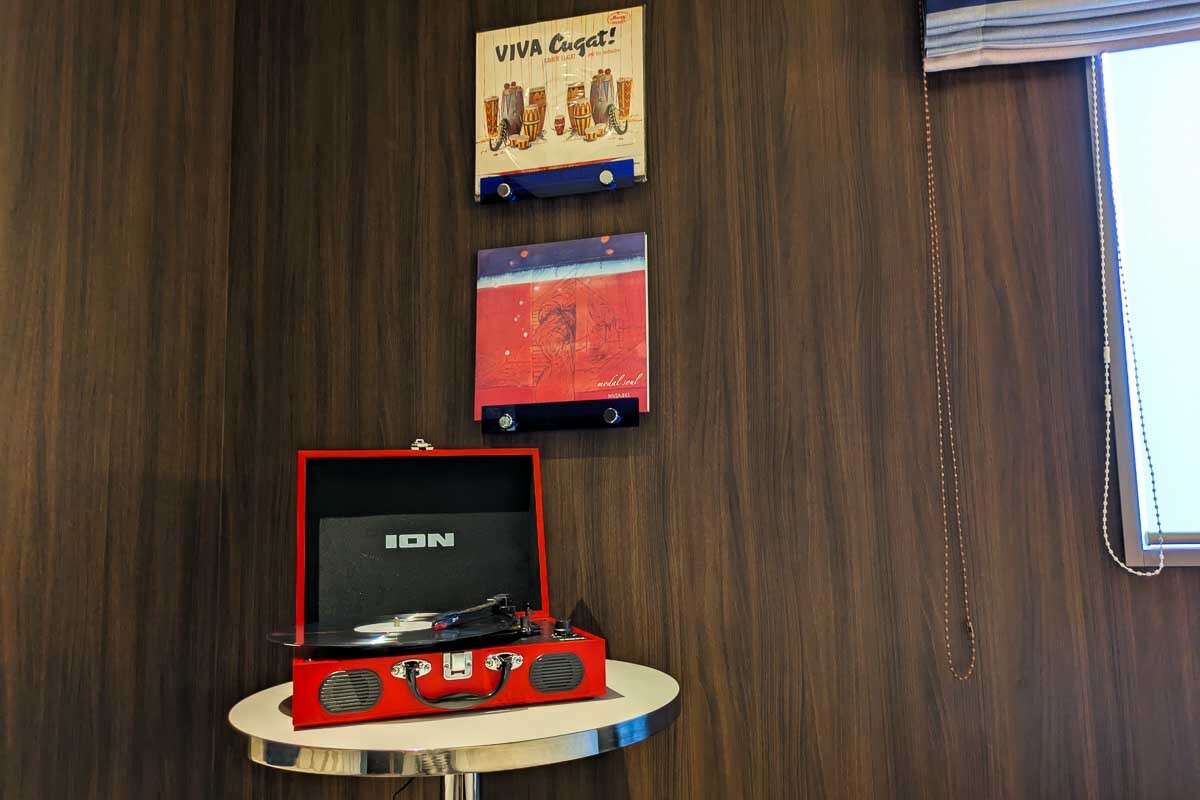
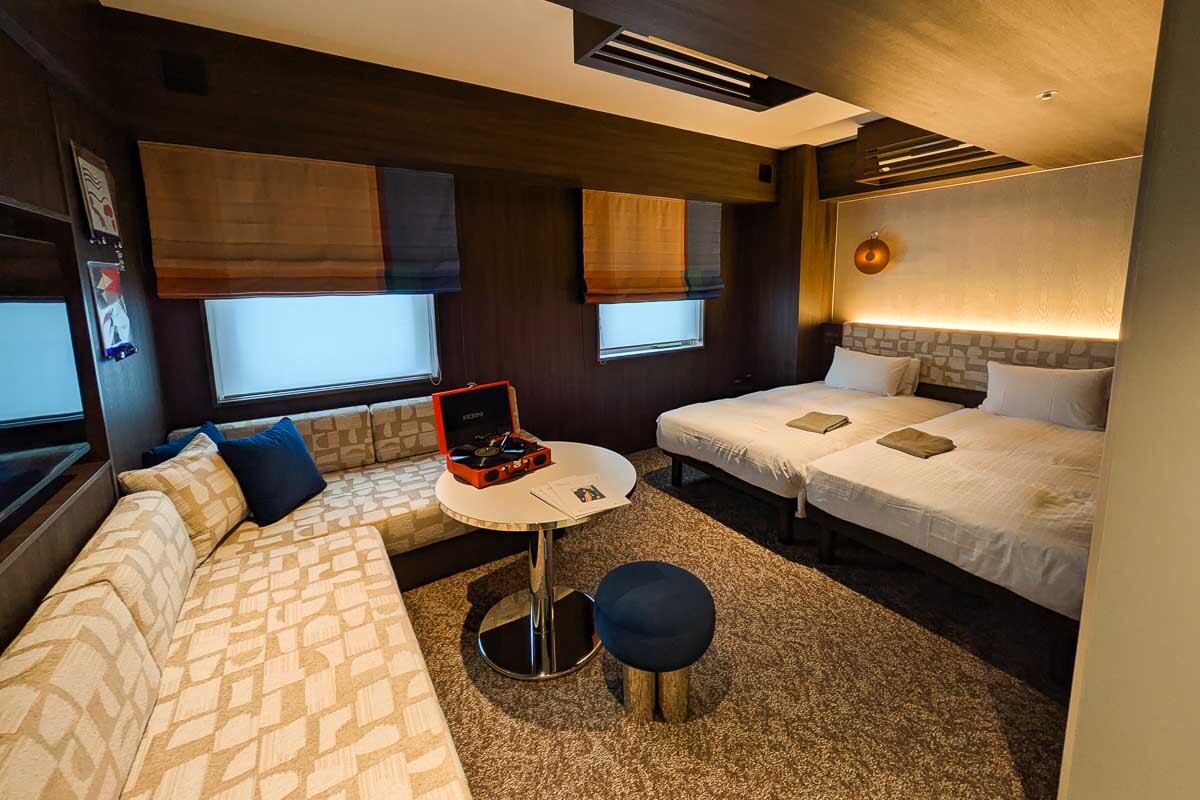
Feeling full of Shinjuku's foodie side for the day, I headed back to the hotel, but felt more of a hunger for something else... that velvety jazz I had just had a taste of earlier. So I went to peruse the hotel's selection of vinyl records that you can take back to play on the record player in your room.
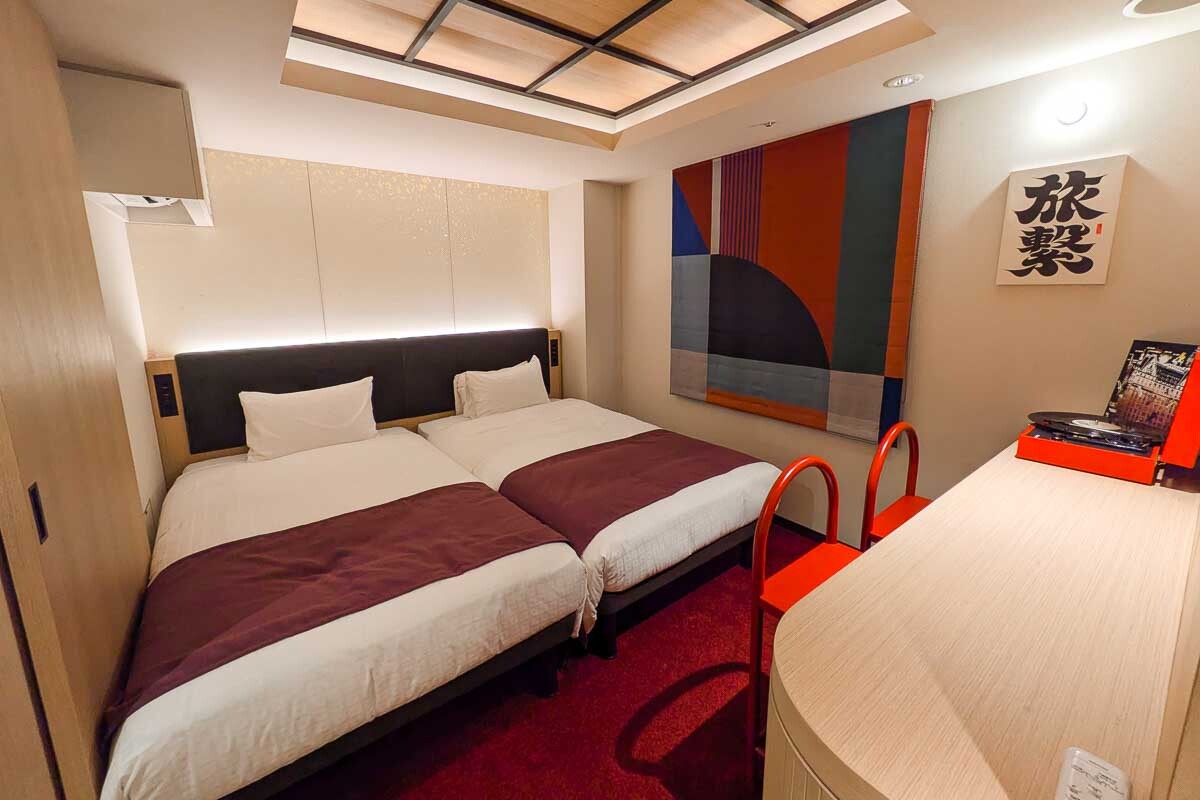
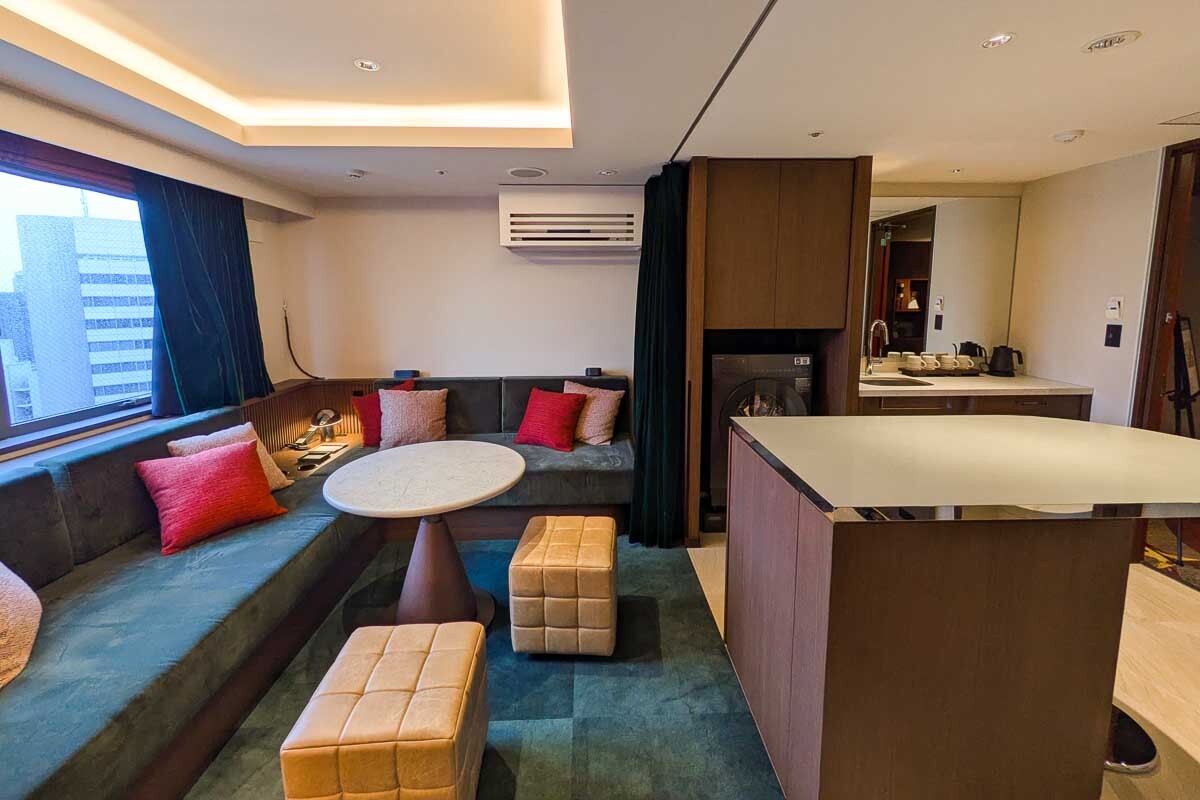
My room felt comfortable and luxurious with the dulcet tones of Nujabes filling the room as I lounged on the giant bed between sips of tea.
At some point in all that comfort, I fell asleep!

Day 2
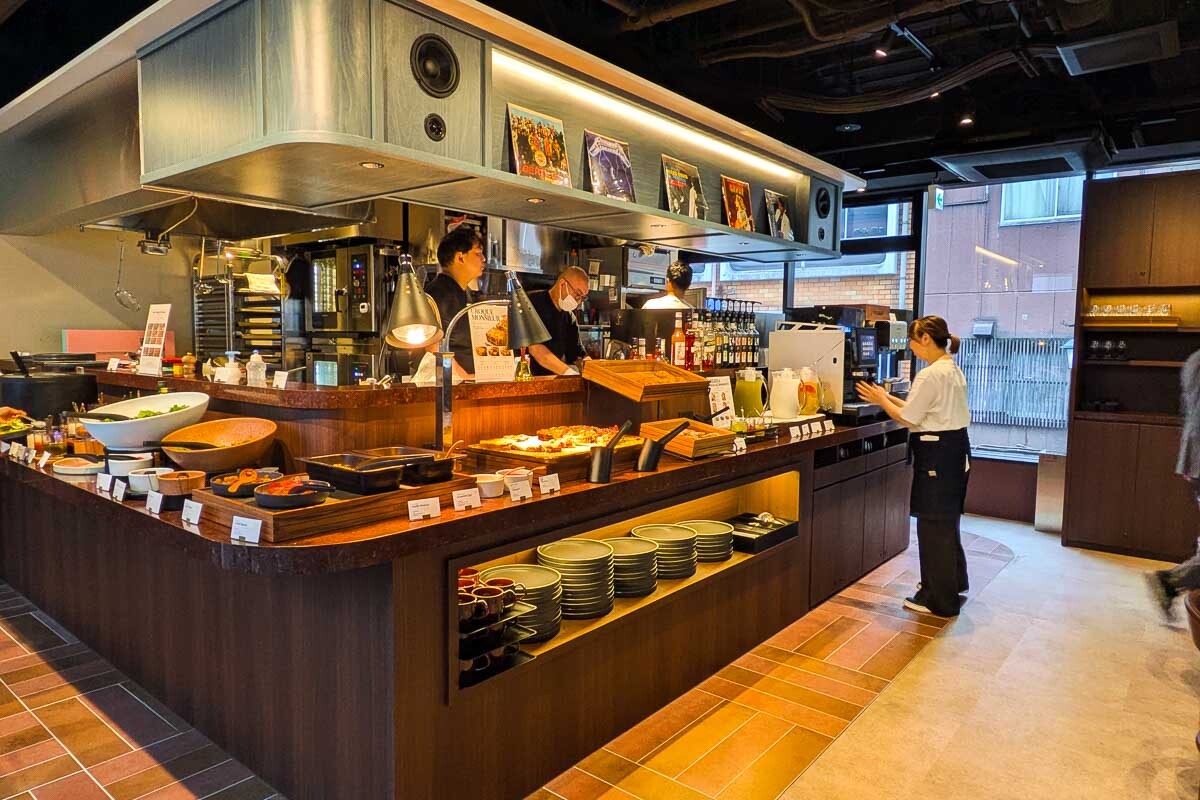
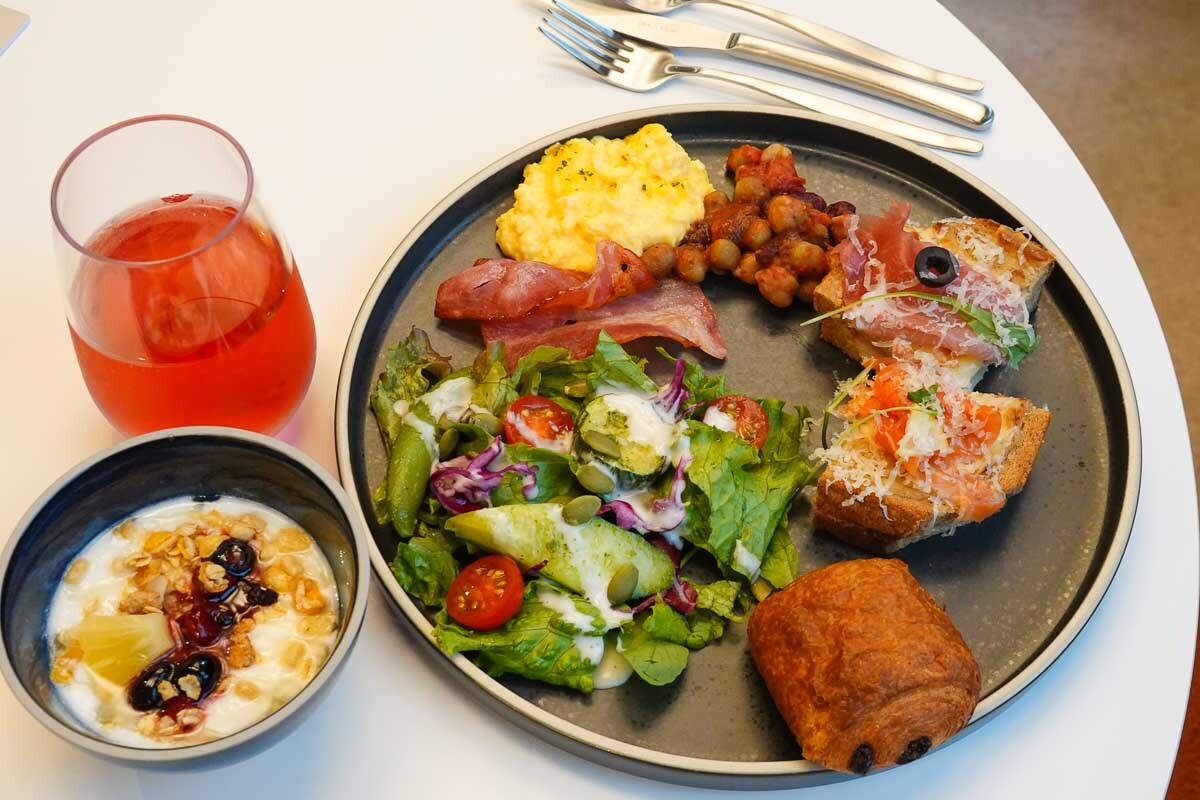
The next morning I headed back to the Re:cord Lounge for breakfast, getting a little bit of everything. It's hard not to go back more than once!
Then I left my bag with reception again before heading out to explore one last side of Shinjuku: its cultural side.
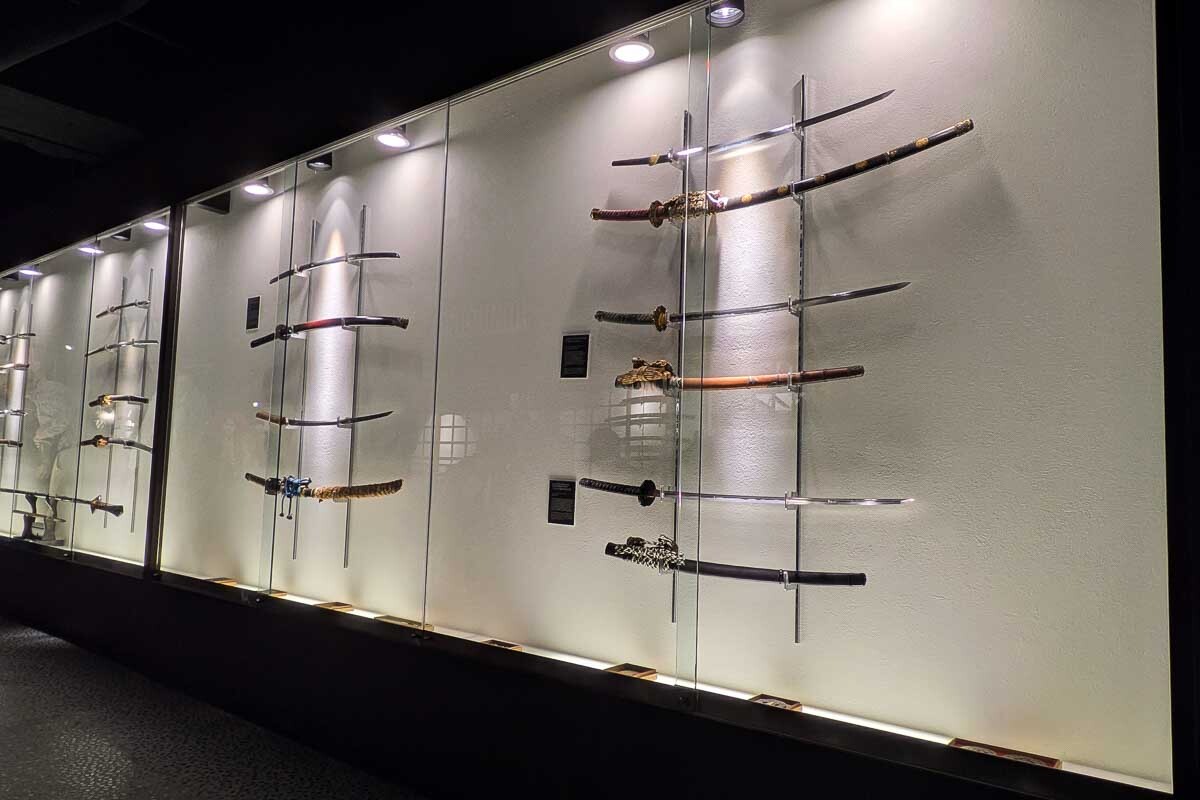
Shinjuku has quite a modern feel to it, but at the Samurai Ninja Museum and Kimono Tea Ceremony MAIKOYA I really felt they did a great job of introducing some of Japan's deeper culture and history into the modern age in a fun and interactive way.
I arrived at the creative entrance, designed to look like a historic castle jutting out of an ordinary Shinjuku building, and checked in for my samurai guided tour.
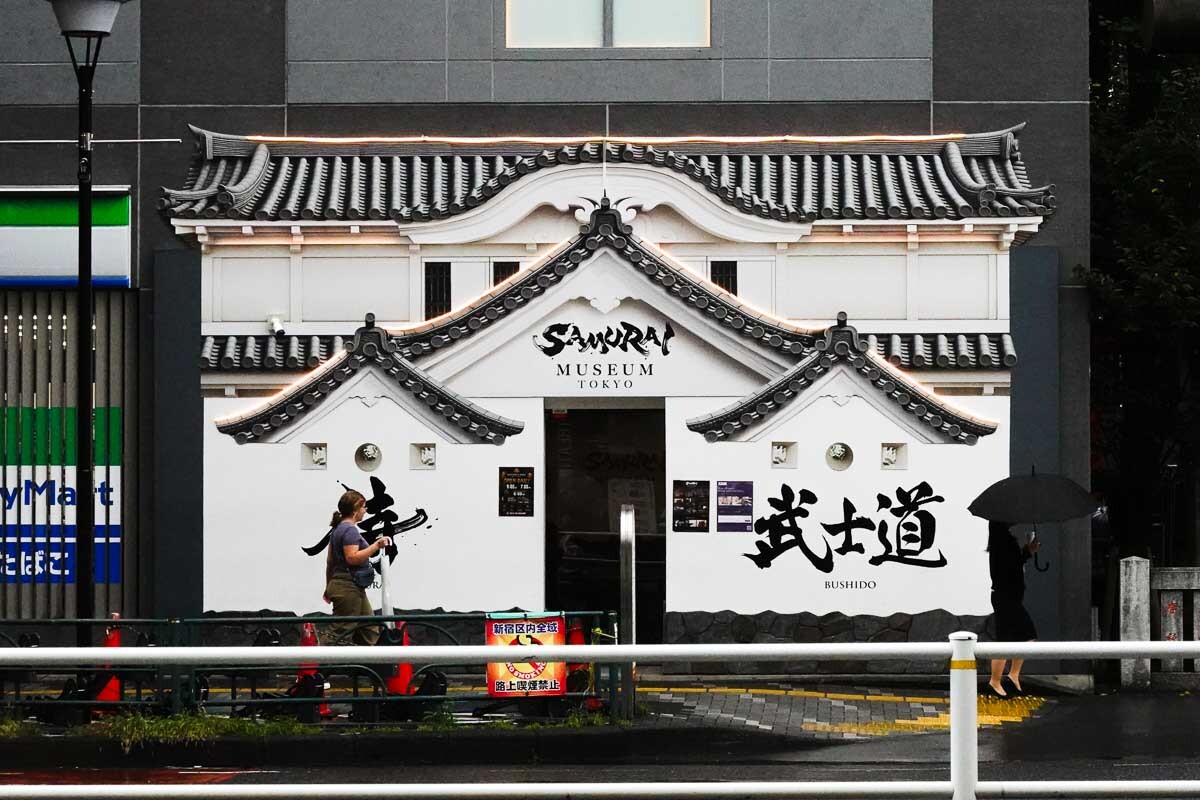
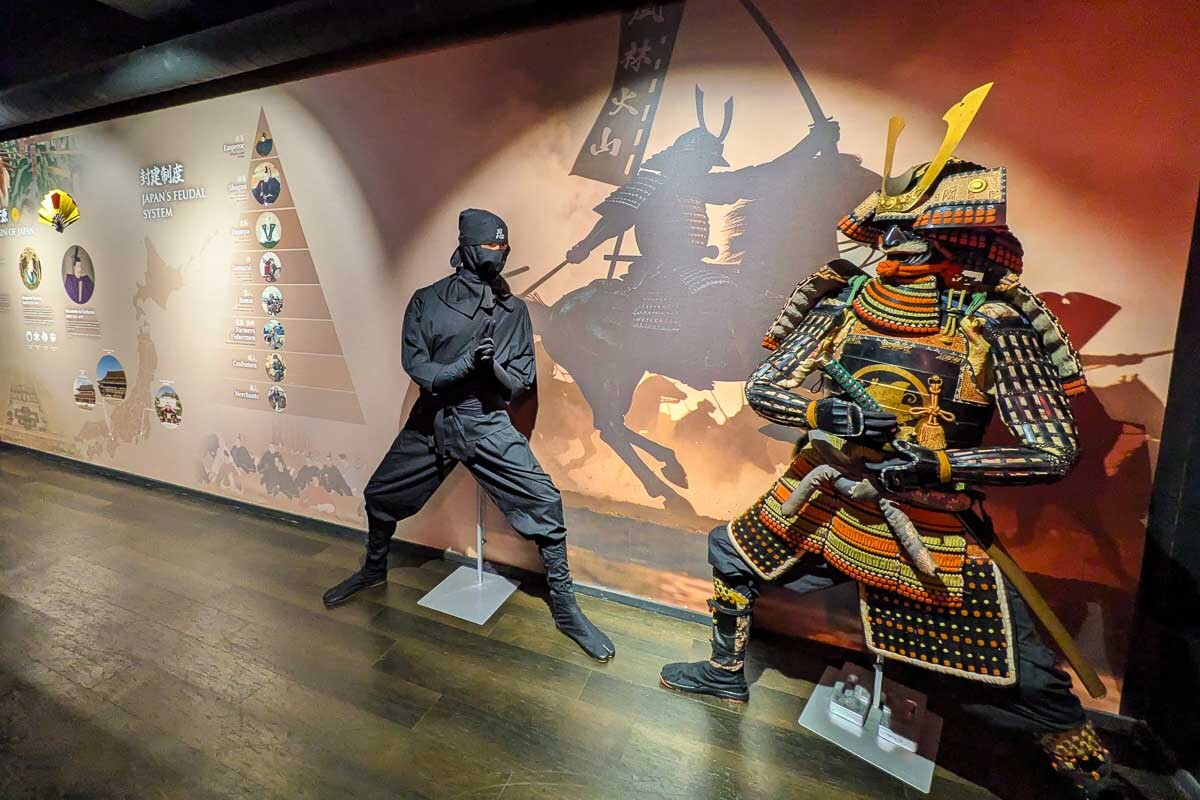
After watching a dramatic overview of the history of samurai, the tour group was taken through four different rooms going into different eras and elements of the samurai. Our tour guide was incredibly enthusiastic and ready to talk us through everything. It started with a very easy-to-understand explanation of the hierarchy with the emperor at the top and the merchants at the bottom. He told us how the "samurai" character (侍), originally meant "servant", as they served under the feudal lord. The feudal lords reported to the shogun, who was the leader of Japan and the samurai government, while the emperor was more of a symbolic leader.
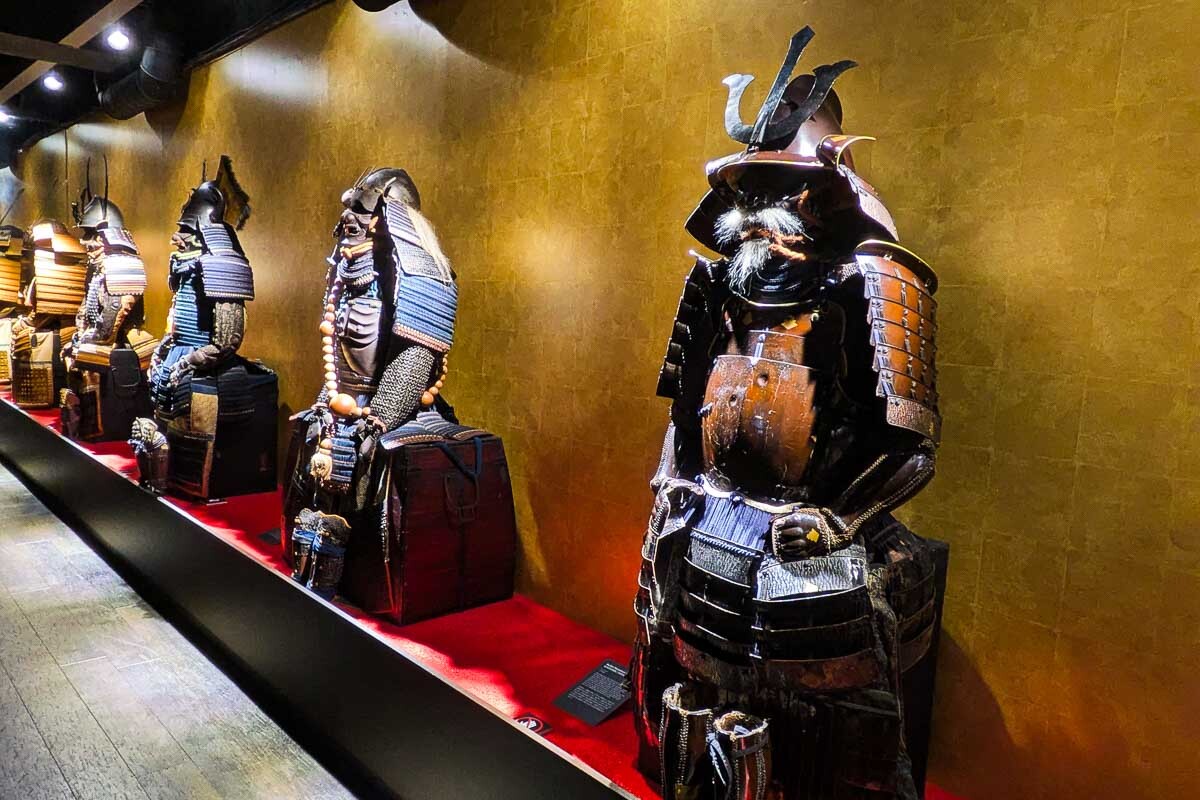
This was all clear context to set us up for the rooms ahead, where we were able to not only look at, but also touch and try on various parts of armour and weapons replicas.
It was interesting to follow the story of the samurai all the way up to the end of the last samurai's moments - though I won't spoil it for you if you don't already know!
After the samurai tour, we made our way to the fourth floor to learn a little bit about ninja and shuriken, before trying our hand at shuriken throwing ourselves! We were given rubber shuriken and chose a target. There was a bit of a knack to getting the shuriken to even stick in the wall, let alone hit the bullseye, but we got a fair few goes which meant a bit of time to get used to it!
Afterwards you can take pictures in samurai gear, but for me it was time to move on to the tea ceremony experience on the same floor.
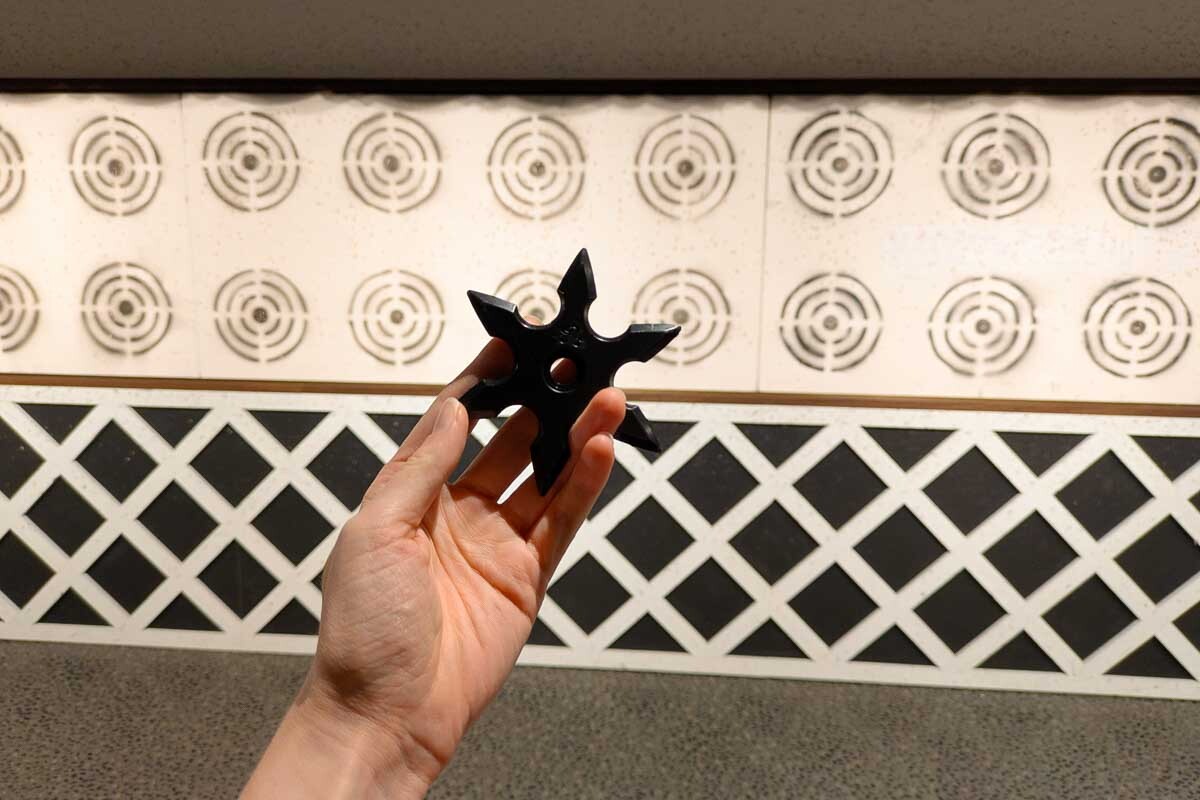
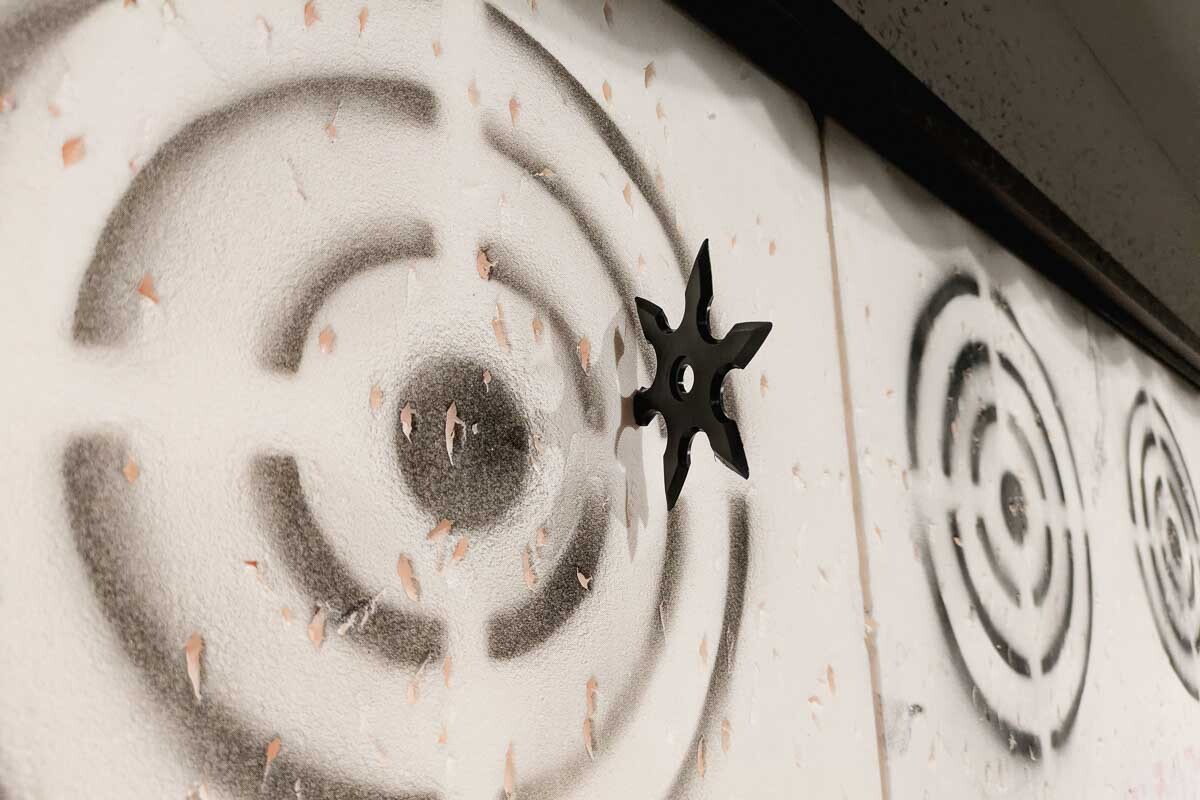
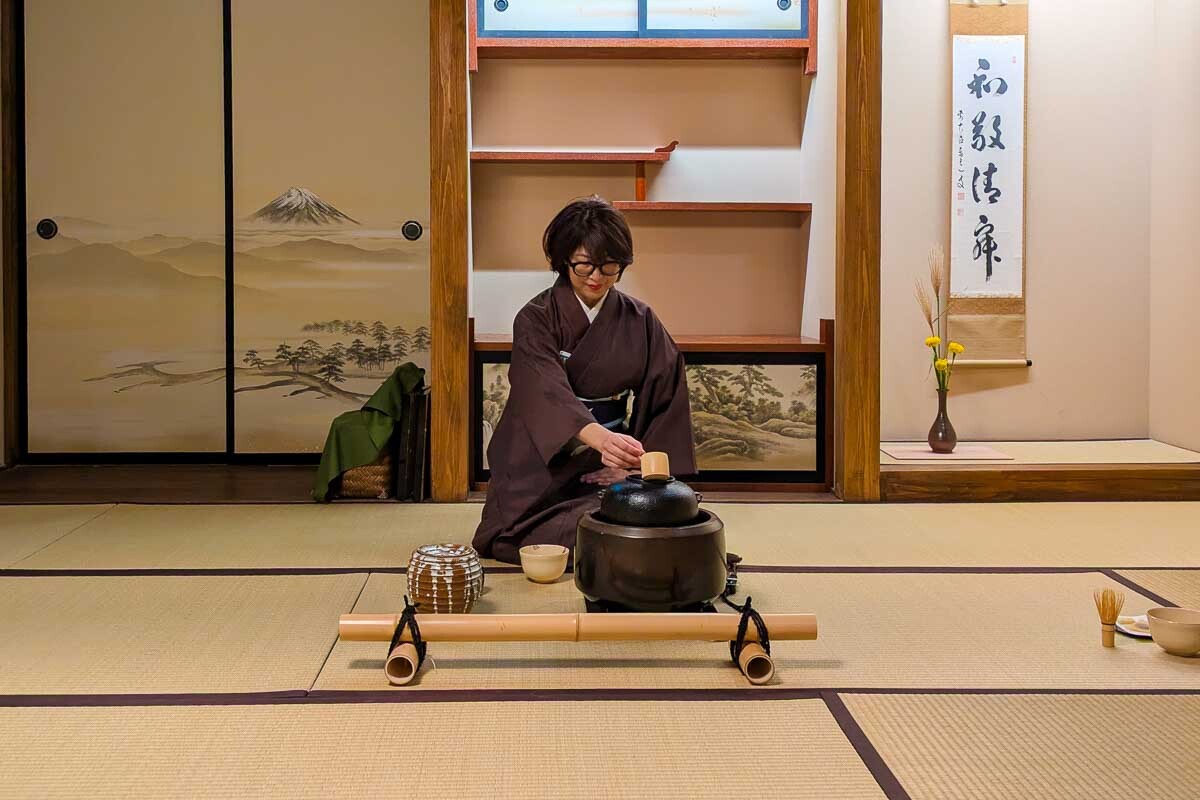
After the adrenaline of the shuriken experience, a calm immediately washed over me as I entered the MAIKOYA area and was ushered into a tatami room with fresh white tabi socks (with the big toe separated). My tea ceremony guide, Ms. Suzuki, made me feel right at home and gave me time to feel comfortable, offering me a seat if I wasn't able to sit directly on the tatami for a long period.
Often, tea ceremony experiences for tourists are very hushed with minimal words, but at MAIKOYA, it is more about teaching you the ways of tea ceremony and sharing stories. To me, this felt like a great introduction to the tea ceremony to give you all the context to feel comfortable going to more historic or traditional tea spots on your travels, and there is even a kimono plan if you want to go all out.
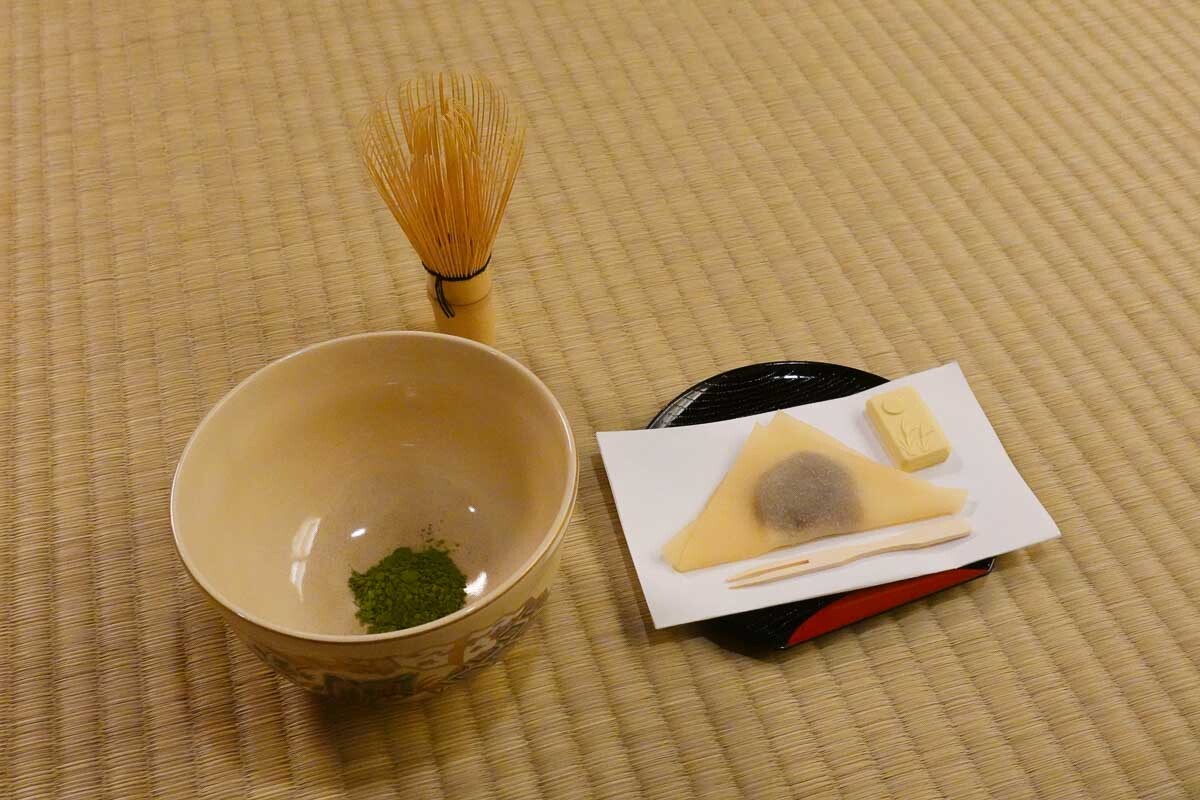
Ms. Suzuki had laid out a seasonal set of wagashi (traditional sweets) for me, and explained that there are different types of wagashi to go with different types of tea, and they are typically eaten before.
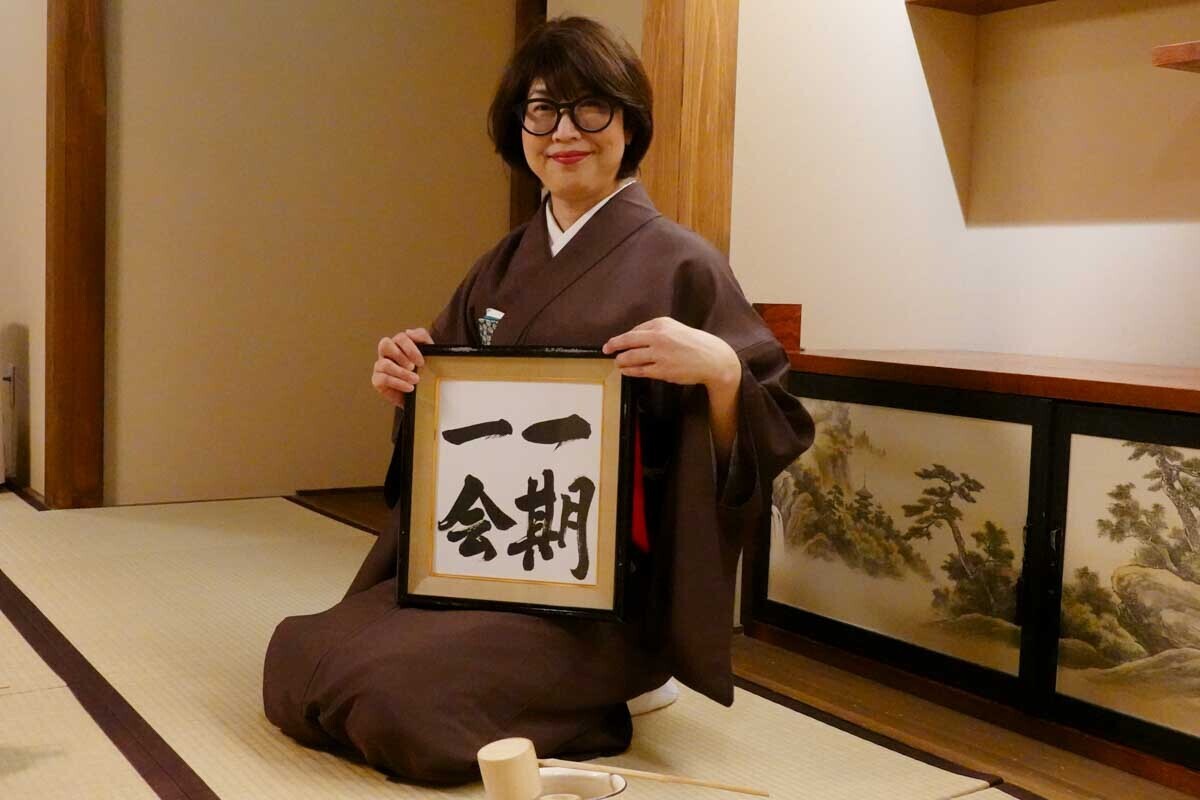
She then explained the idea of "ichigo ichie", which means "once in a lifetime encounter". This is a core concept in the tea ceremony, and Ms. Suzuki was very happy to explain how she gets to have different encounters with different people all the time through this tea experience, and how each time is unique.
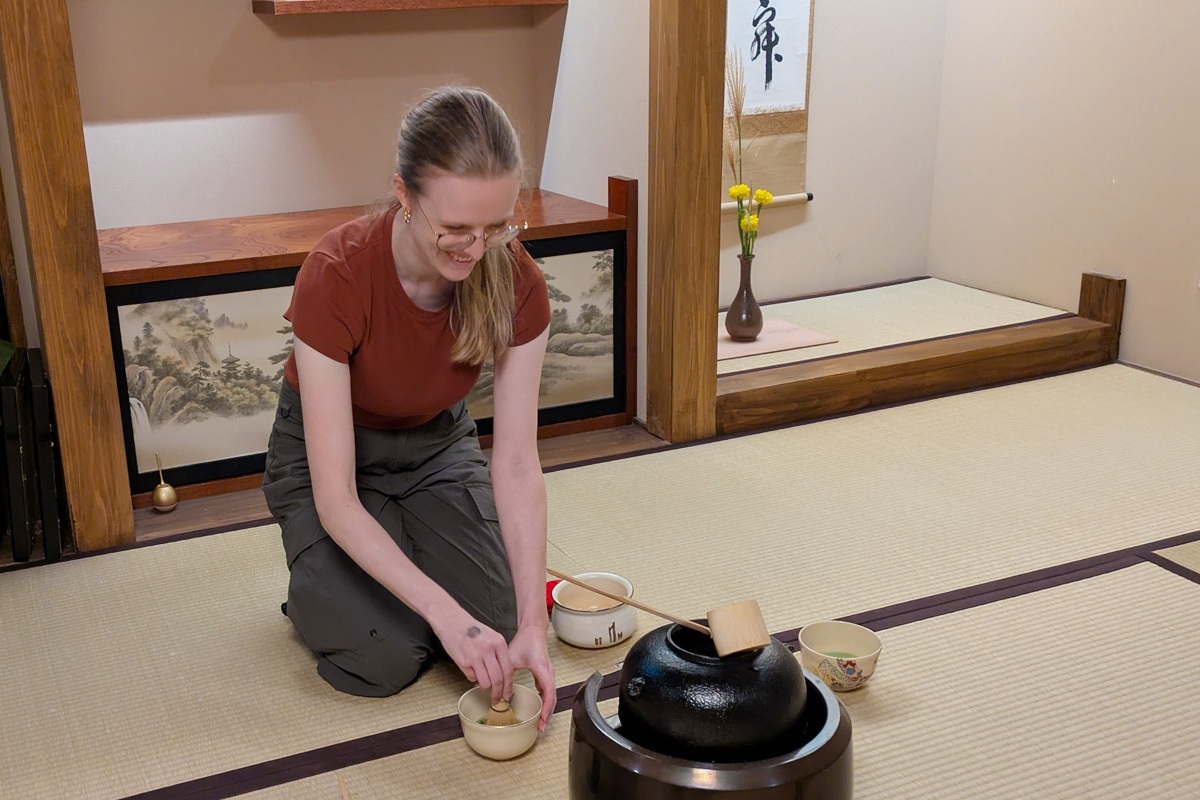
She showed me how to whisk my own matcha, then when it was time to drink it, how to turn my cup so that the pattern is facing outwards, then turn it back to myself when I'm done.
She was very knowledgeable and easy to talk to, and I came away feeling calm and happy to have visited. I really feel this is a great option for first timers to Japan in particular, as it gives you some great context and a foundation to go and explore the history and culture of Japan further.
But alas my exploration of Shinjuku's different sides had come to an end, and it was time to go and pick up my bag and head home. I said one last goodbye to the classy, jazzy lobby of the Tokyu Stay, and left feeling excited to come back again to go deeper into Shinjuku's many different faces another day.
Useful Links
Tokyu Stay Shinjuku Official Website
Tokyu Stay Official Instagram