New Opening: Nara Prison Museum

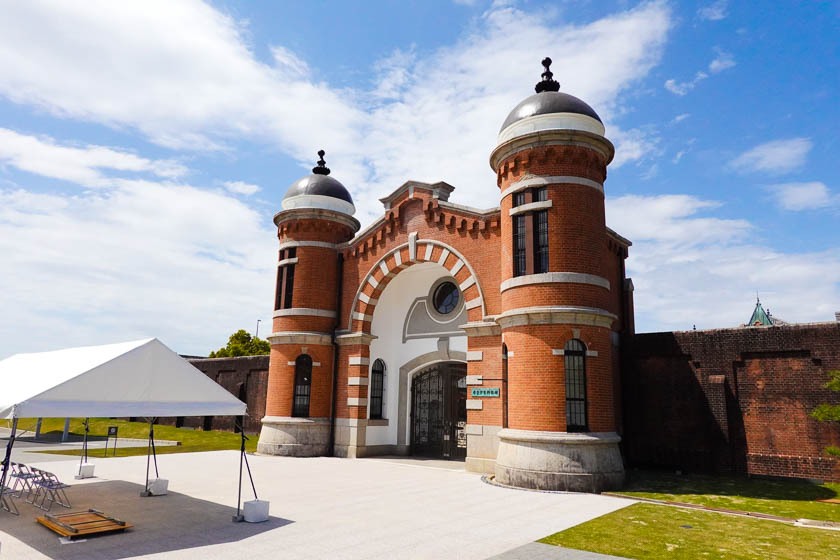
When I first heard that the Nara Prison Museum was opening, I wasn't sure what to expect. Would it be a tour of an abandoned prison? Or perhaps a simple small museum with a few pictures from when it was in use? And crucially... Would I find it interesting?
Well, after visiting the other day for their press opening before they open to the public on April 27, I am happy to say it far exceeded my expectations. Not far from central Nara, the museum is well thought-out, with different sections by theme, making everything very thought-provoking yet easy to understand.
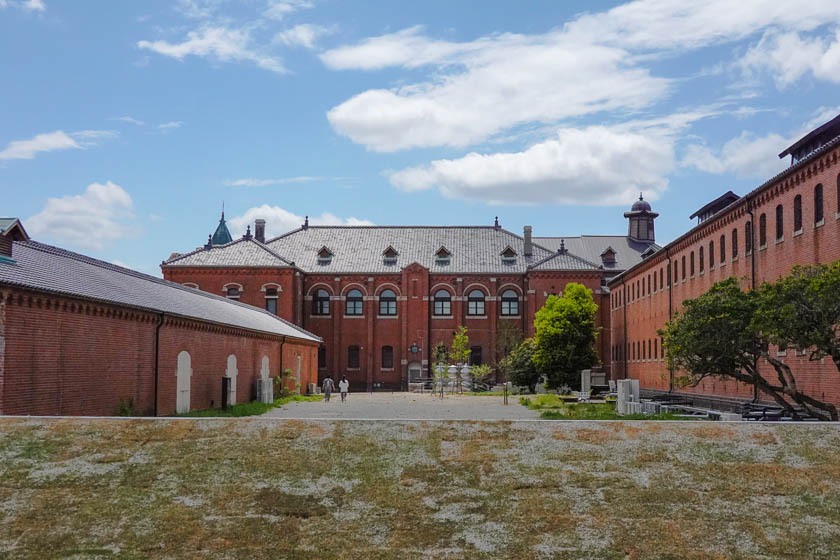
The themes are collected into four main blocks in the exhibition area:
- Block A: History and Architecture
- Block B: Lifestyle and Regulation
- Block C: Prison and Art
- Block D: Cafe and Shop
But before getting to the blocks in the exhibition area, the route starts with a walk around the red brick building and in through a corridor of the former prison cells.
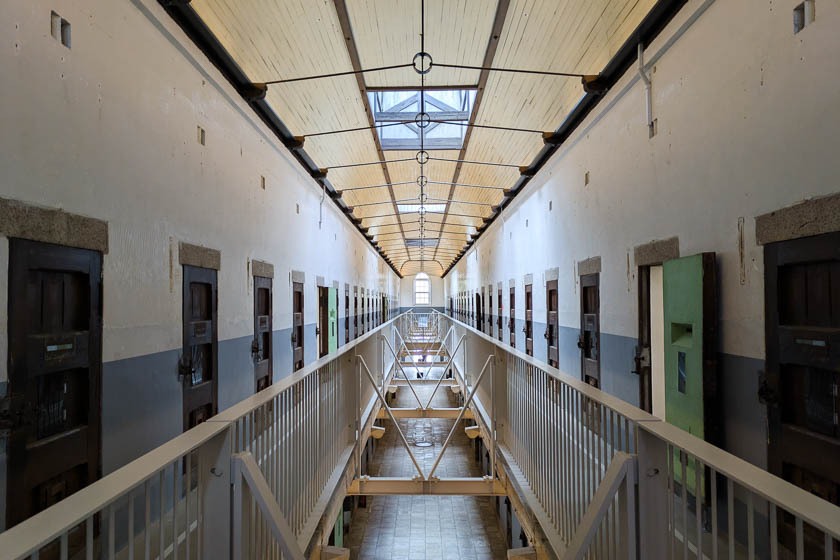
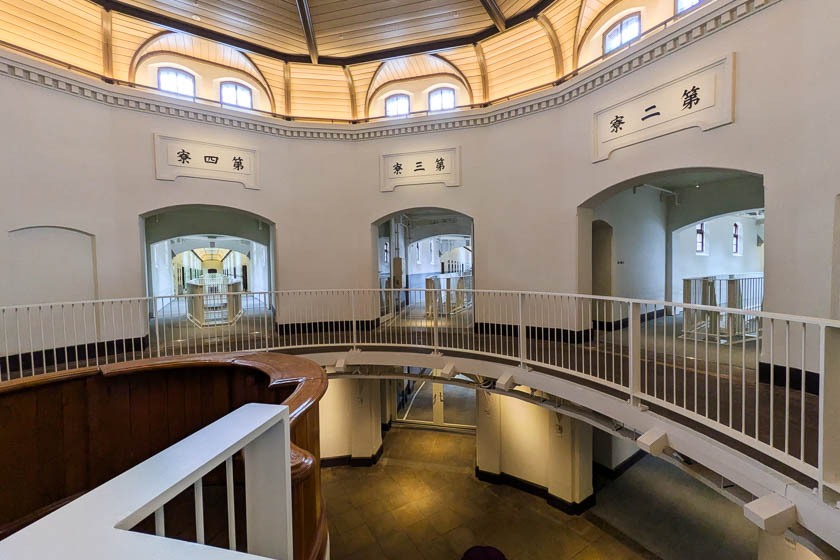
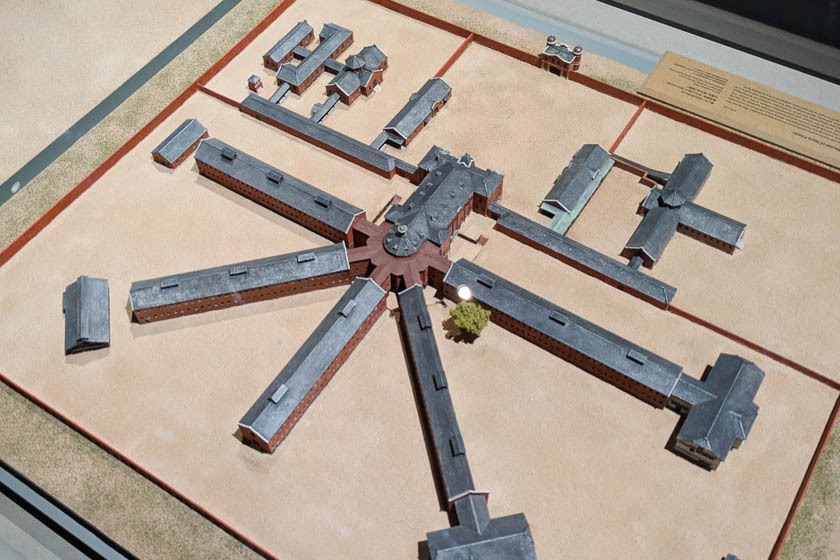
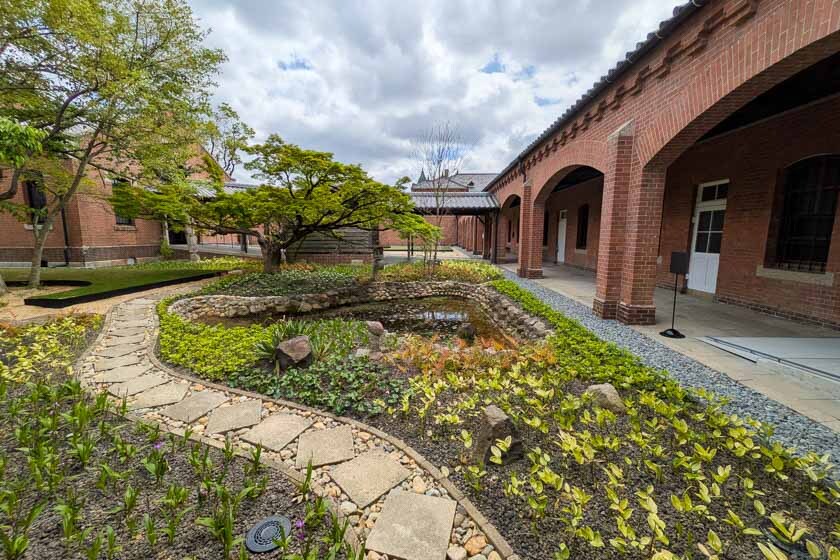
Even from the entrance it is clear this is not a typical Japanese building, let alone prison. That's because this prison was built in during the Meiji Period (1868-1912), a time when there was a push to be more like Western countries. So the prison made use of an architectural style popular abroad called the Haviland System, which is why there are all these corridors - it meant the guards could see down each one from a single point.
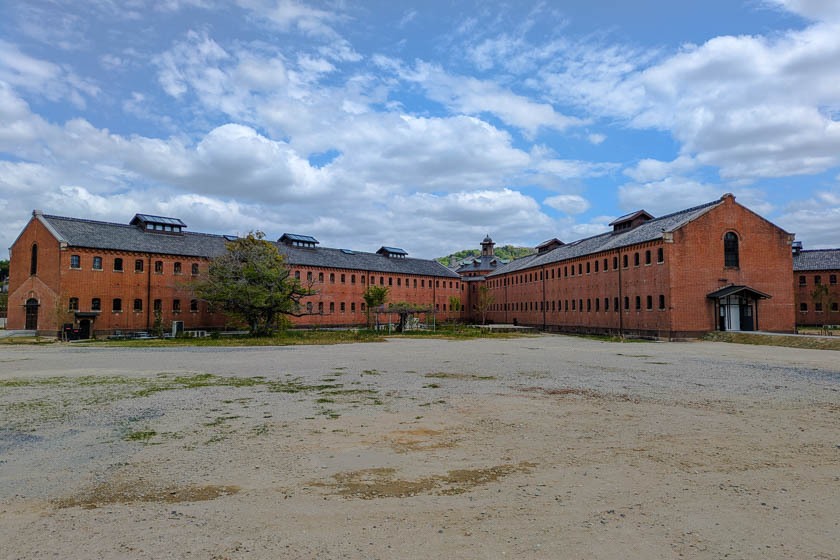
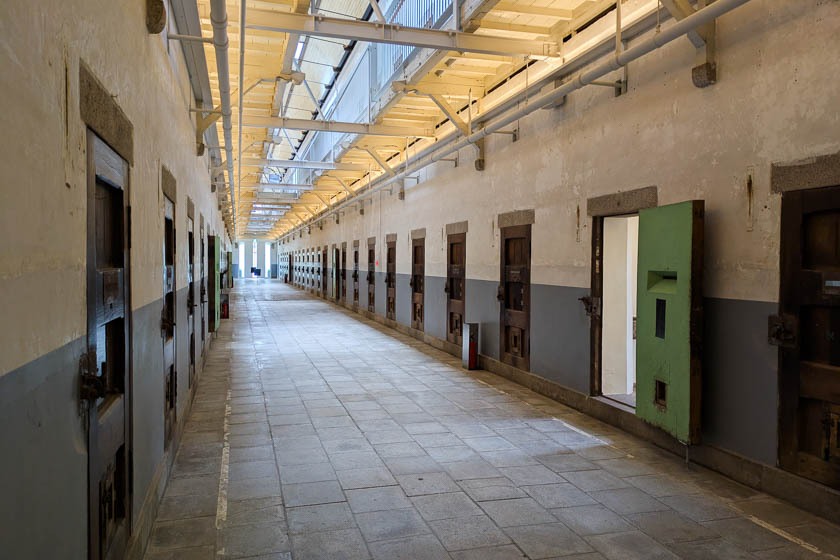
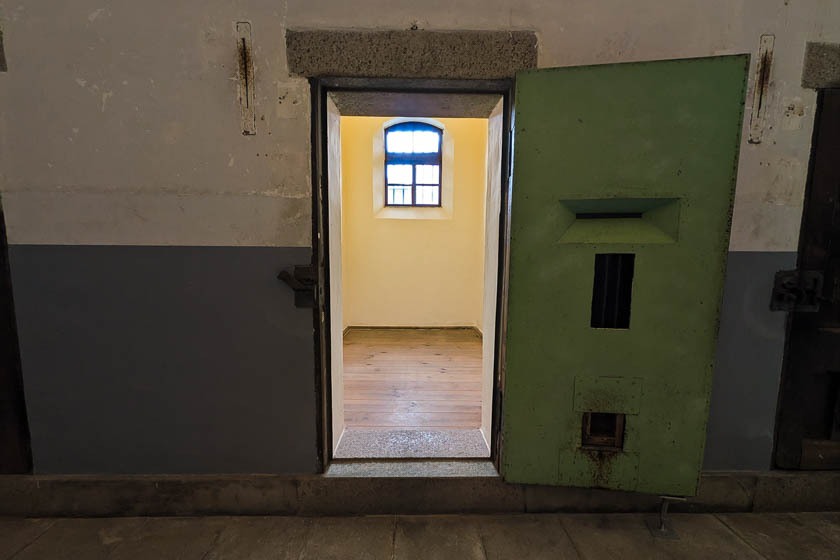
Walking through the corridor, you can see into each cell, and stand where the guards would have stood to keep an eye on things.
Although you start by walking down one of these corridors, actually only one is part of the museum, the rest are for a hotel! Hopefully I'll get a chance to see it at some point and let you know what it's like.
But for now, on with the museum.
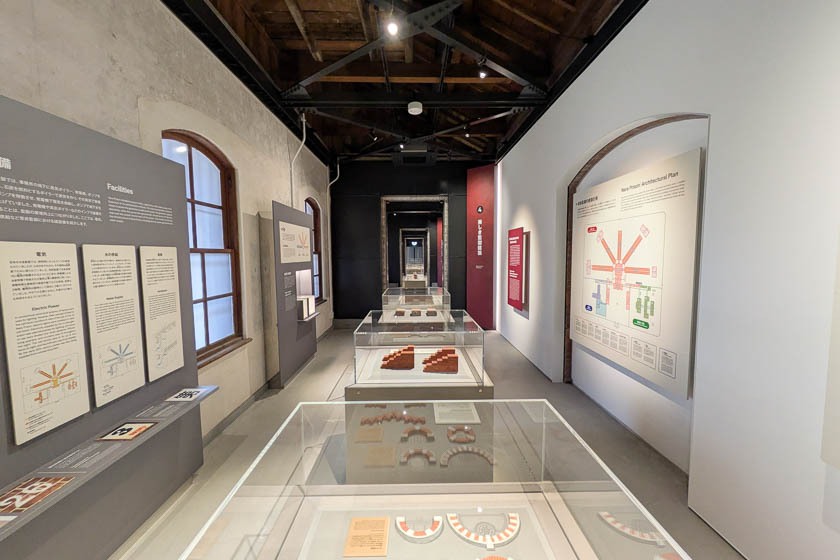
At this point you enter into the exhibition area blocks. Block A, with its history and architecture, is where I learnt about the Haviland system and the prison's structure. It's interesting to learn about the history and how the focus was on rehabilitation rather than simple punishment.
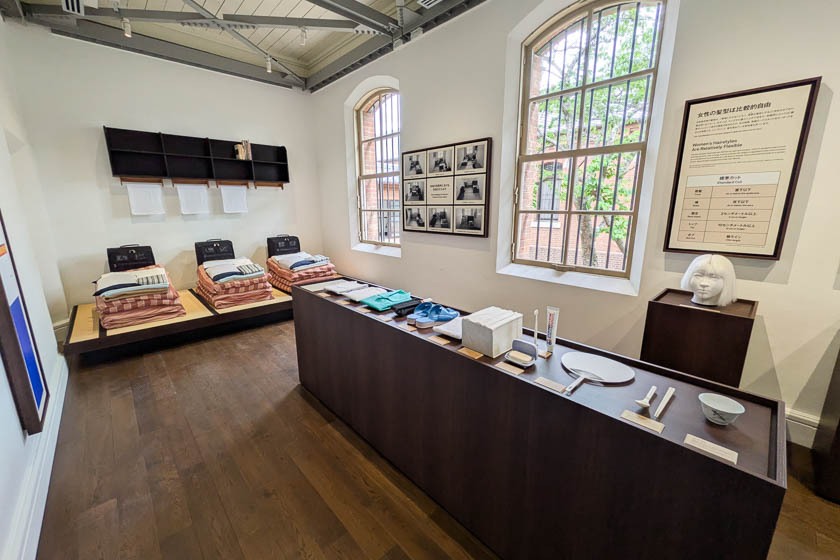
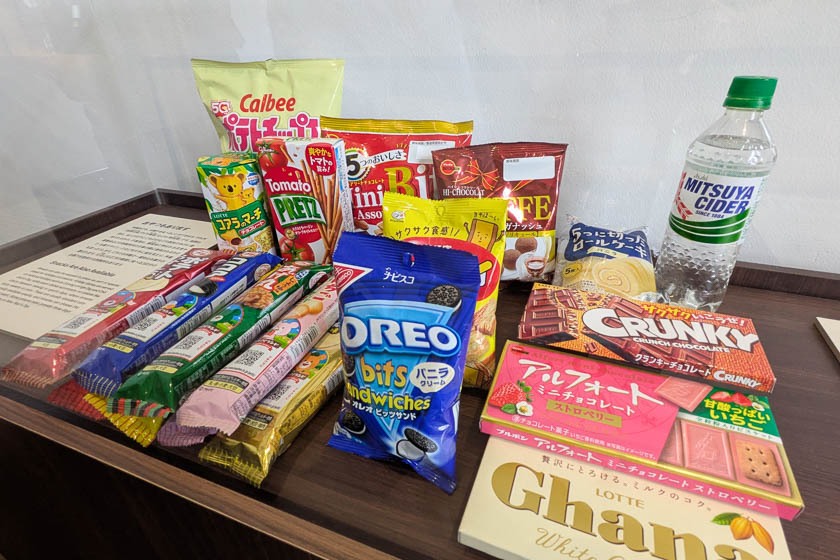
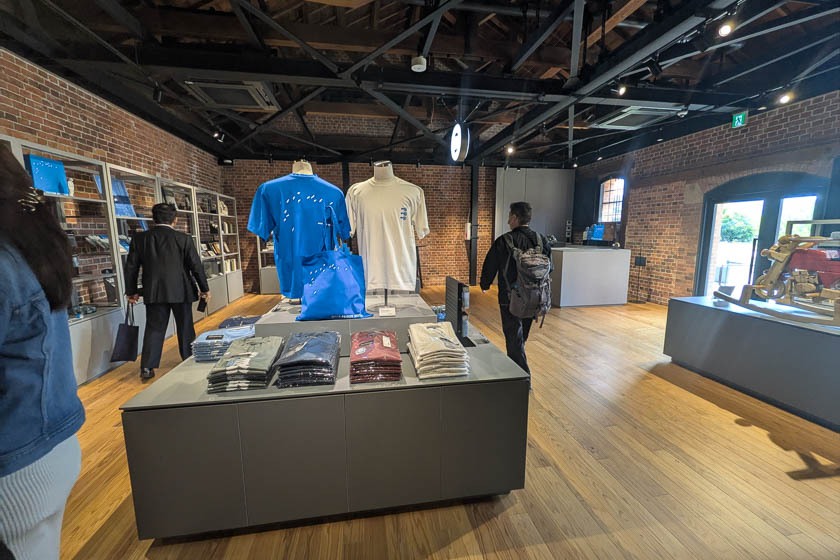
That idea then flows into Block B, where you can explore exhibitions about the inmates' lives, both at this prison and at different ones around Japan. This is where I also learnt that the inmates work to earn a regulated wage, which they can use to buy various items. Some of the work they do is very intricate, such as shoe making and wood carving. You can buy similar items at the shop, which I'll show you in a moment.
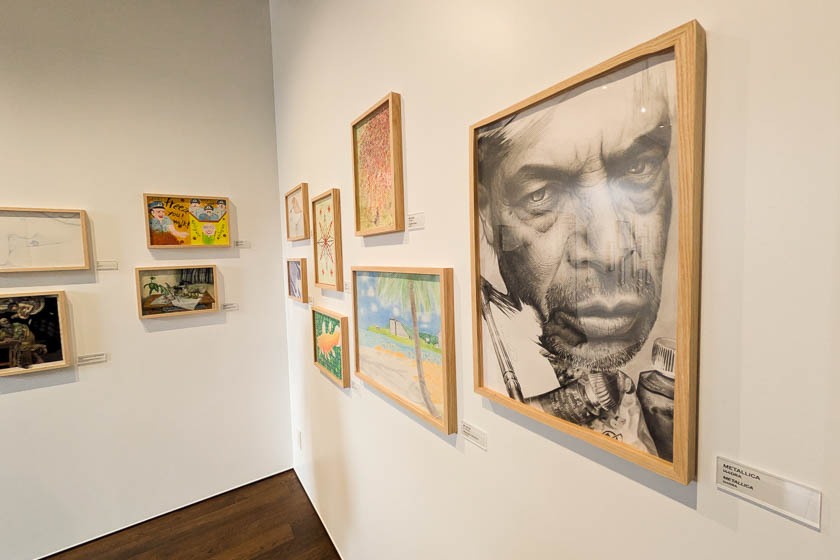
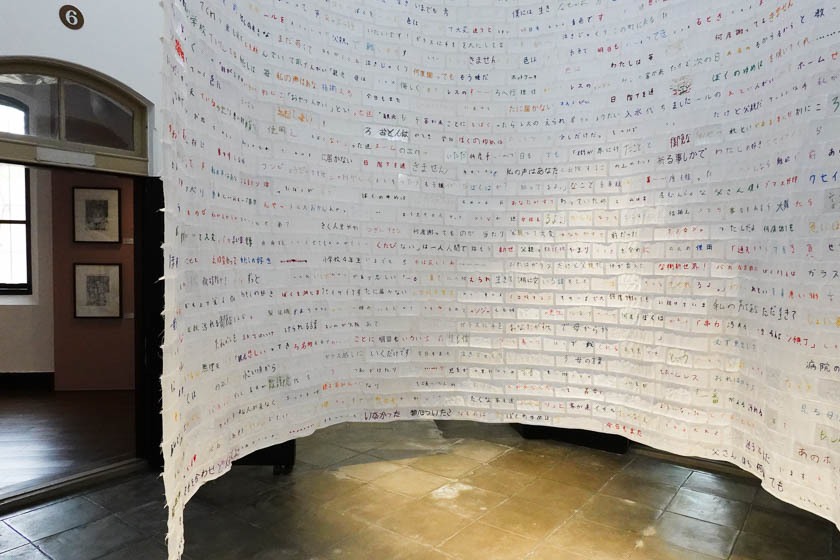
Then Block C is quite different, as this is the art block. You're greeted by a piece of large white fabric hanging from the ceiling, the work of Yoshinari Nishio. It features poems written by the former inmates of the Nara Juvenile Prison in stitchwork, and is the centerpiece to a number of different rooms with artwork related to prison life or created by inmates from around Japan.
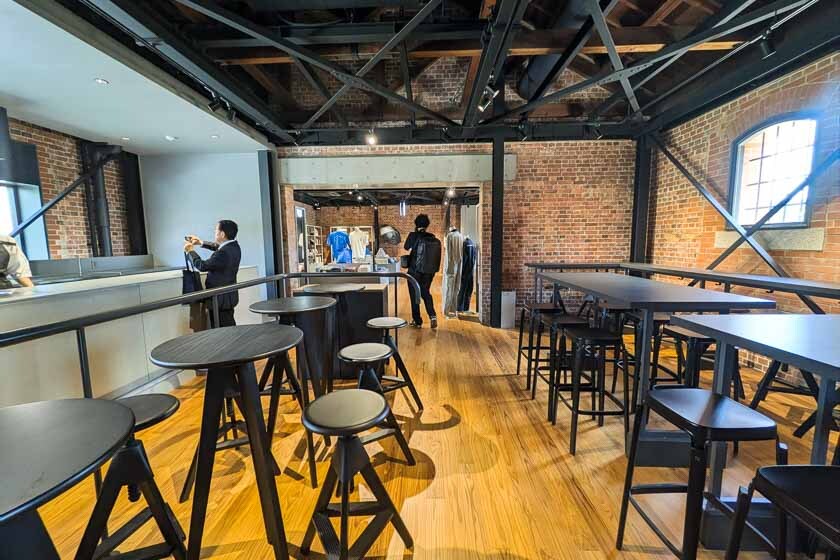
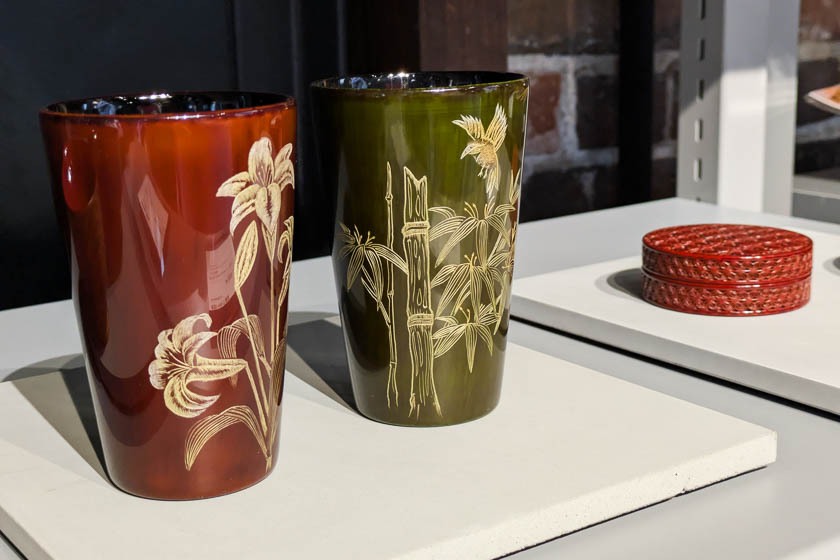
Finally, the theme of Block D is much lighter, as it is home to the cafe and shop. Here you can get various nara prison items, but the most interesting is the corner where you can buy items created by inmates. Some of them are surprisingly beautiful. There is also some seating space and a cafe where you can get the signature Curry Pan, a curry-filled mini loaf of bread which is designed to look like one of the red bricks of the building, and filled with curry as that was a common dish served at the prison.
The central concept of the museum is to get you to rethink the idea of "freedom". Are there elements of prison life that crossover with you day-to-day? What are the things that you take for granted on a regular basis that you wouldn't have here? The museum does a good job of combining this theme with fascinating exhibitions that make you think without being overwhelmingly dark or difficult to process.
Overall, I really enjoyed my trip to the Nara Prison Museum, and I'm looking forward to finding out more about the hotel soon, which is due to open on June 25.
Nara Prison Museum Information
Opening date:
April 27, 2026
Hours:
9:00 to 17:00 (entry until 16:00)
Closed:
No closing days
Entrance fee:
3500 yen (discounts for Japan and Nara residents)
Reservations for a specific date and time slot can be made in advance.
Online purchase is possible via Klook.
Access:
About a 10-minute bus ride and 10-minute walk from Kintetsu or JR Nara stations (3-4 buses per hour, 250 yen one way; take bus number 81, 118 or 153 and get off at Hannyaji (般若寺) bus stop; how to get to Nara)
Link:
Official website