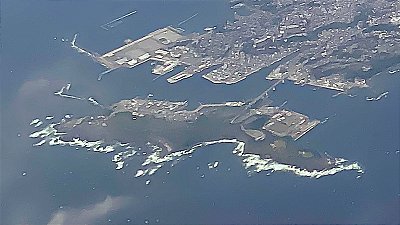
Himakajima Island

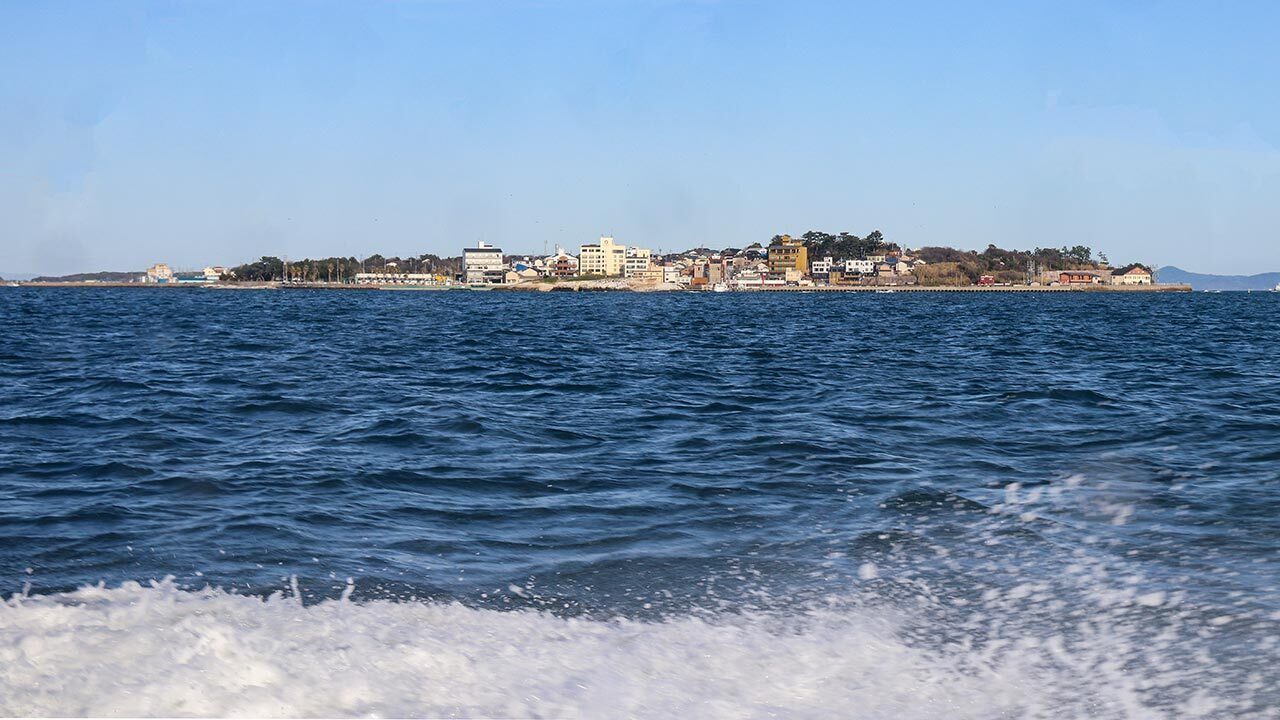
If there is one island that qualifies as a local open secret, it is Himakajima. Located about 70 minutes from Nagoya, the transport hub and economic center of central Japan, this island is well off the typical international tourist trail, despite being easy to reach and a popular playground for locals. In fact, the only reason it came onto my radar was thanks to a friend who grew up in Nagoya.
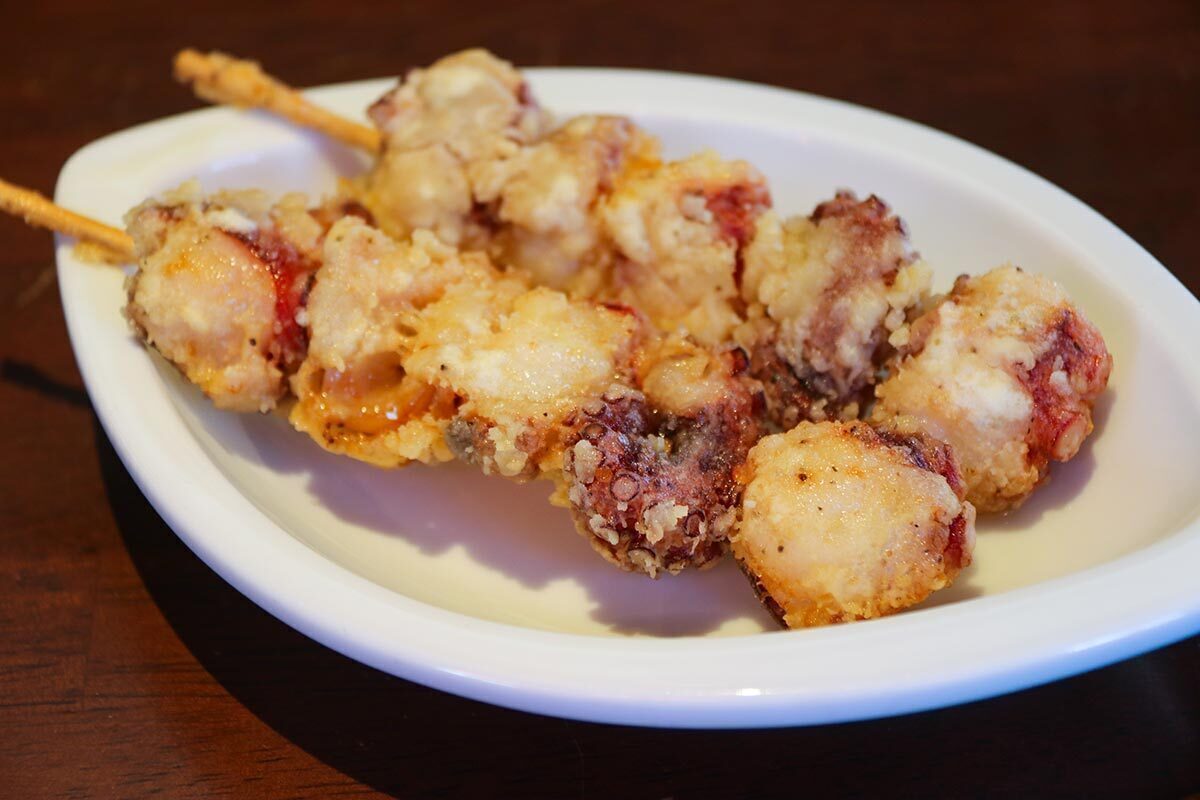
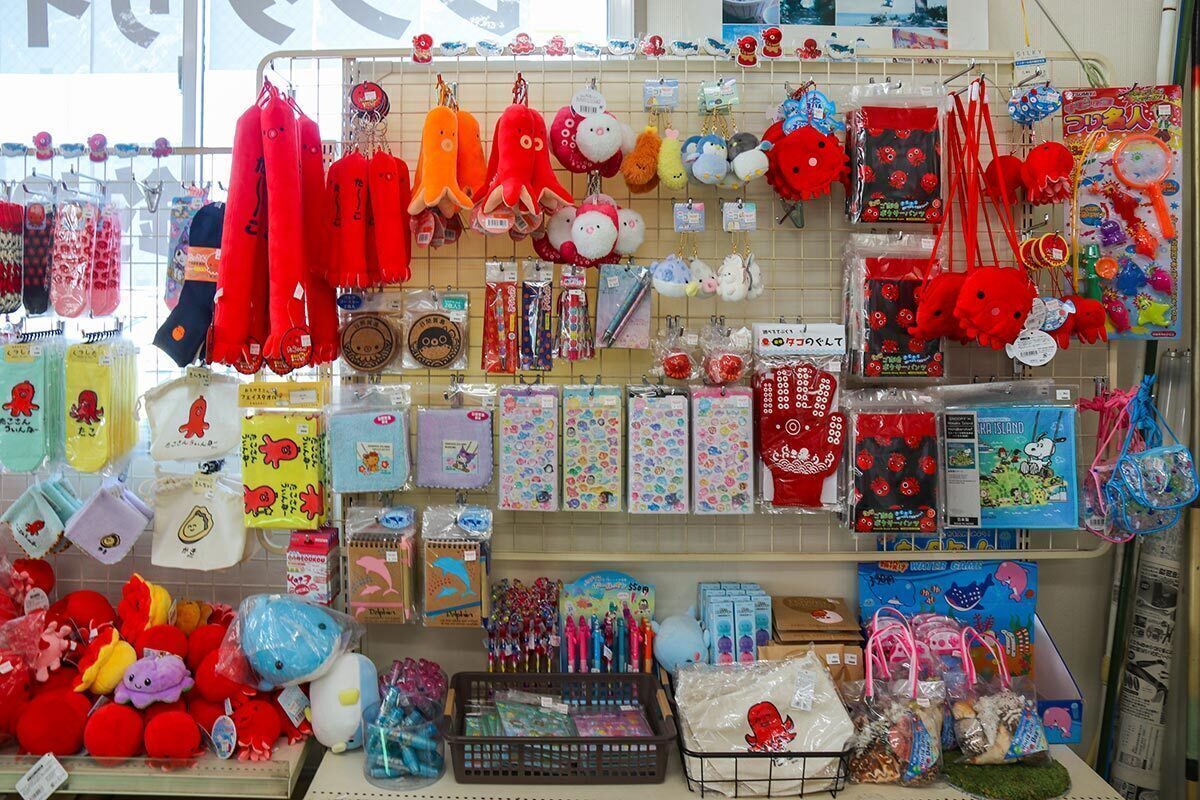
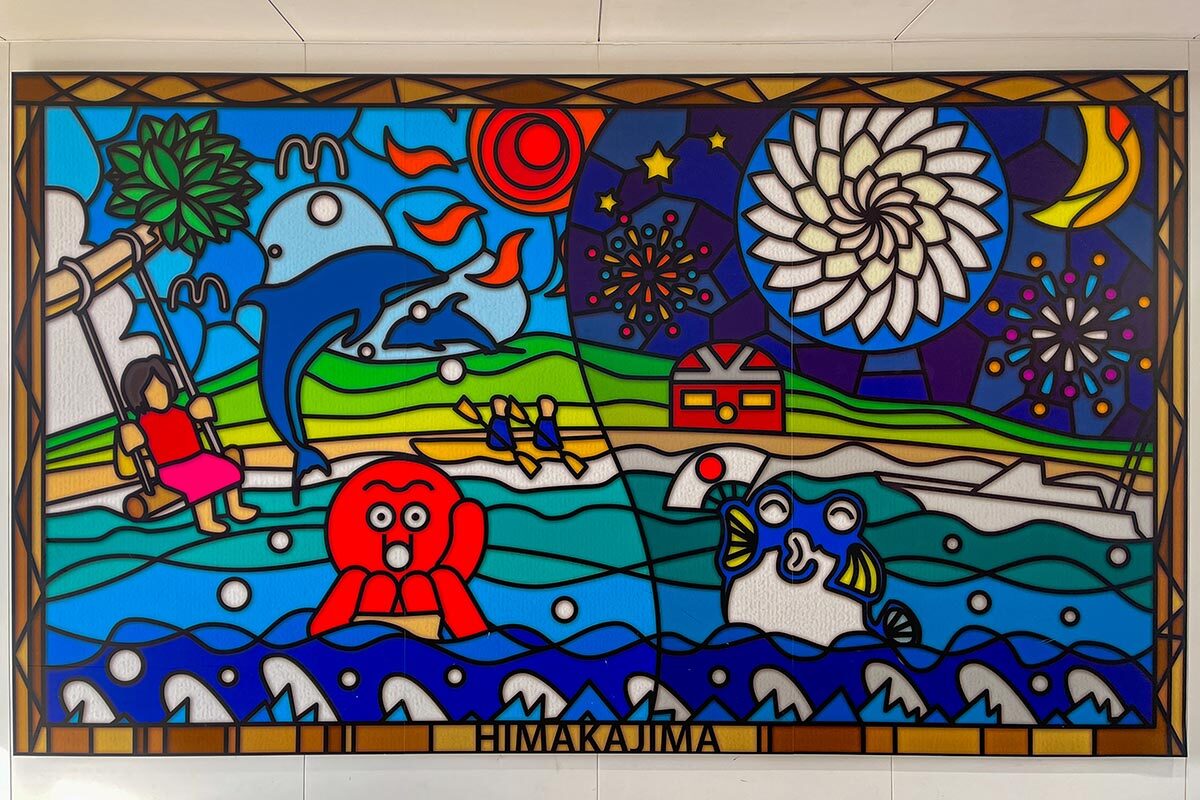
Himakajima is known for its octopus and pufferfish, but octopus is by far the more popular of the two. There are enough octopus-themed monuments and souvenirs around the island for me to declare Himakajima as Octopus Island.
The high speed boat whisked me from the mainland to Himakajima in no time, and I arrived eager to explore. The island is easy enough to cover on foot, but rental bicycles and kick scooters are available if you want to cover the same ground in less time. I ended up doing a mix of both walking and cycling. For detailed transport information, see the access section below.
With a circumference of just 5.5 kilometers, you can circle Himakajima on foot in under 90 minutes. Given its compact size, I was surprised to find so many accommodation options on the island, especially since you could see and do everything in a day. Day trips are definitely popular, but staying overnight seems to be an equally attractive choice for locals.
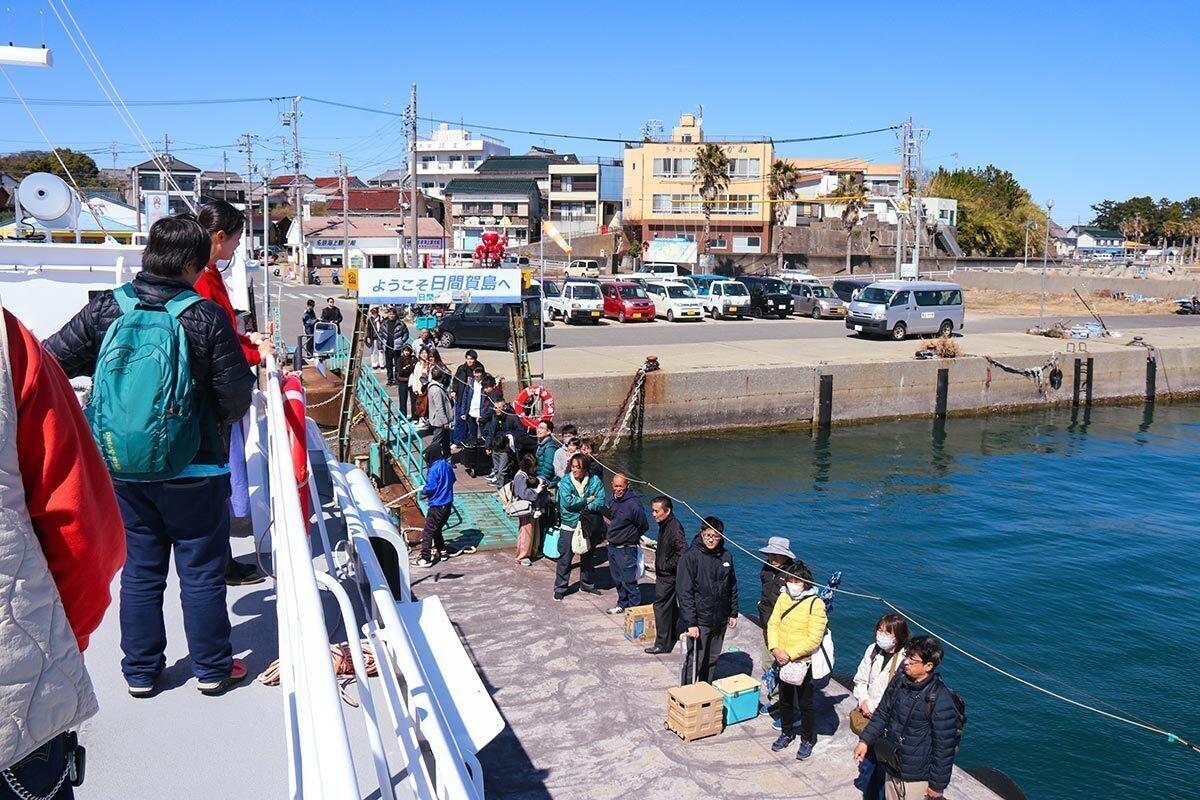
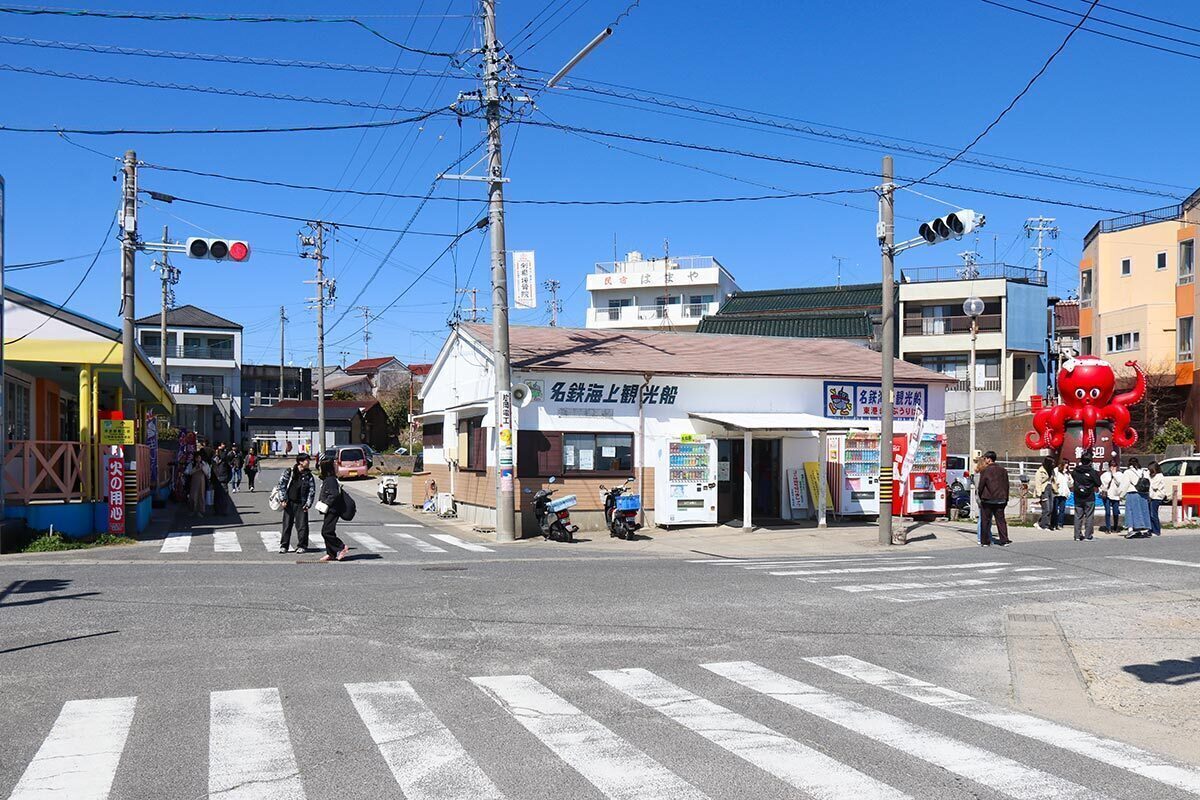
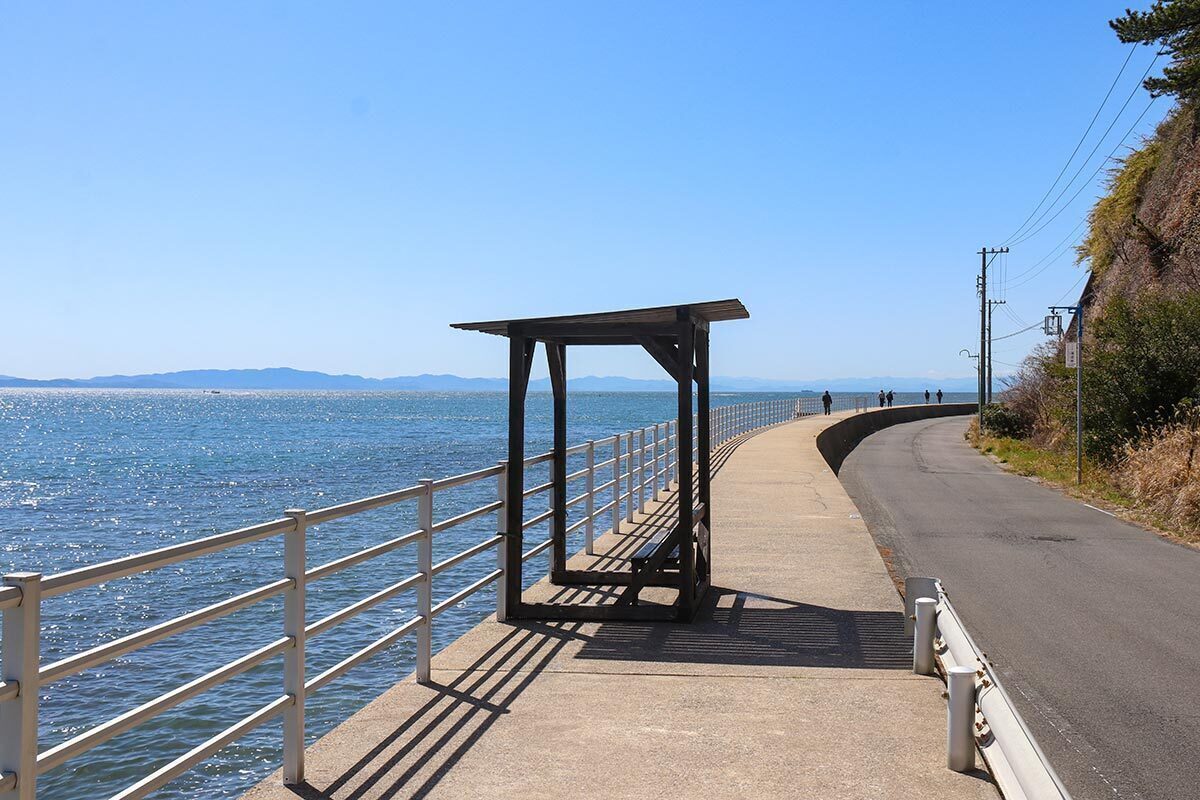
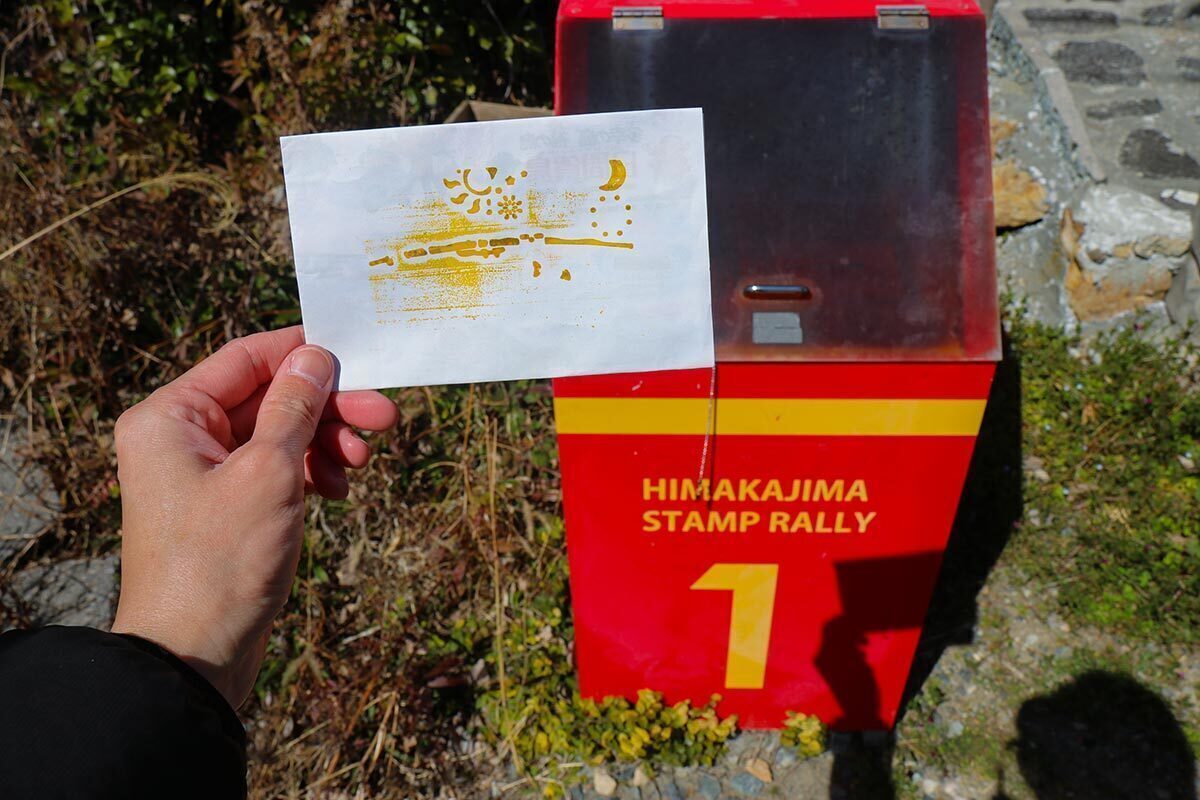
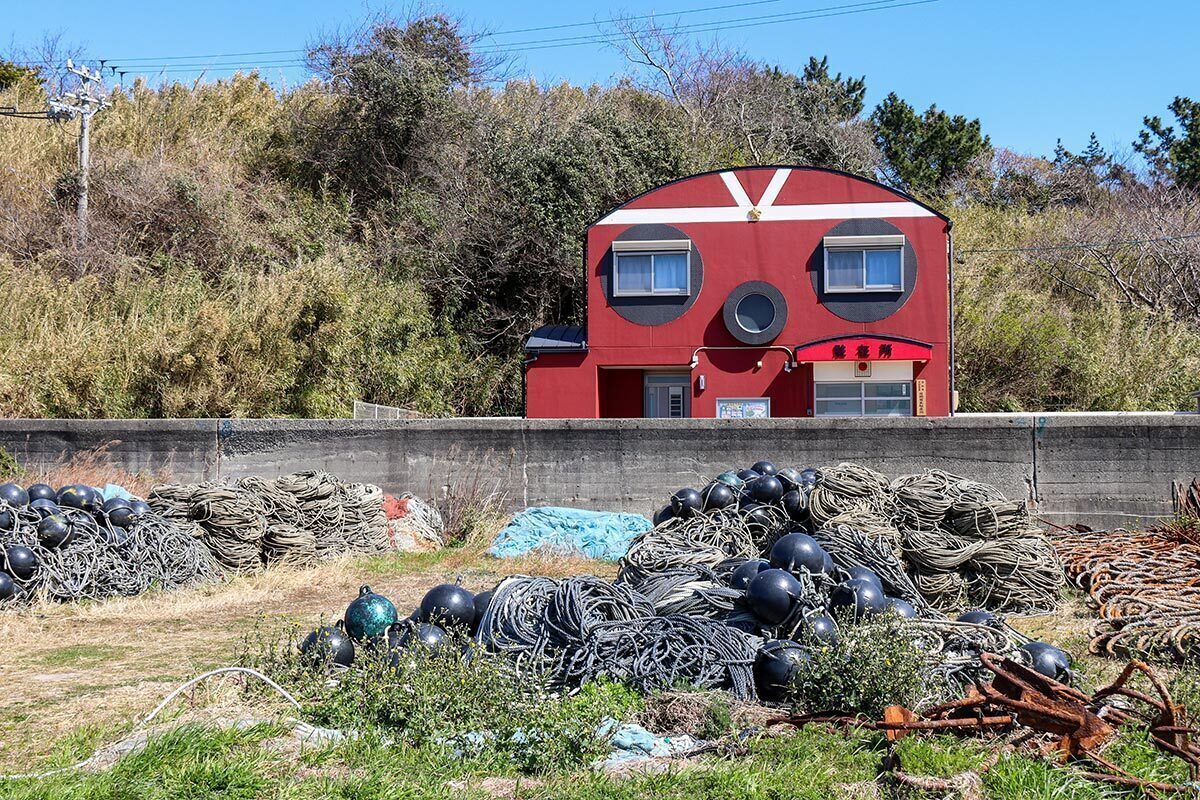
Himakajima has two ports - East Port and West Port - with the West Port being the livelier of the two and home to many of the restaurants, shops and accommodation.
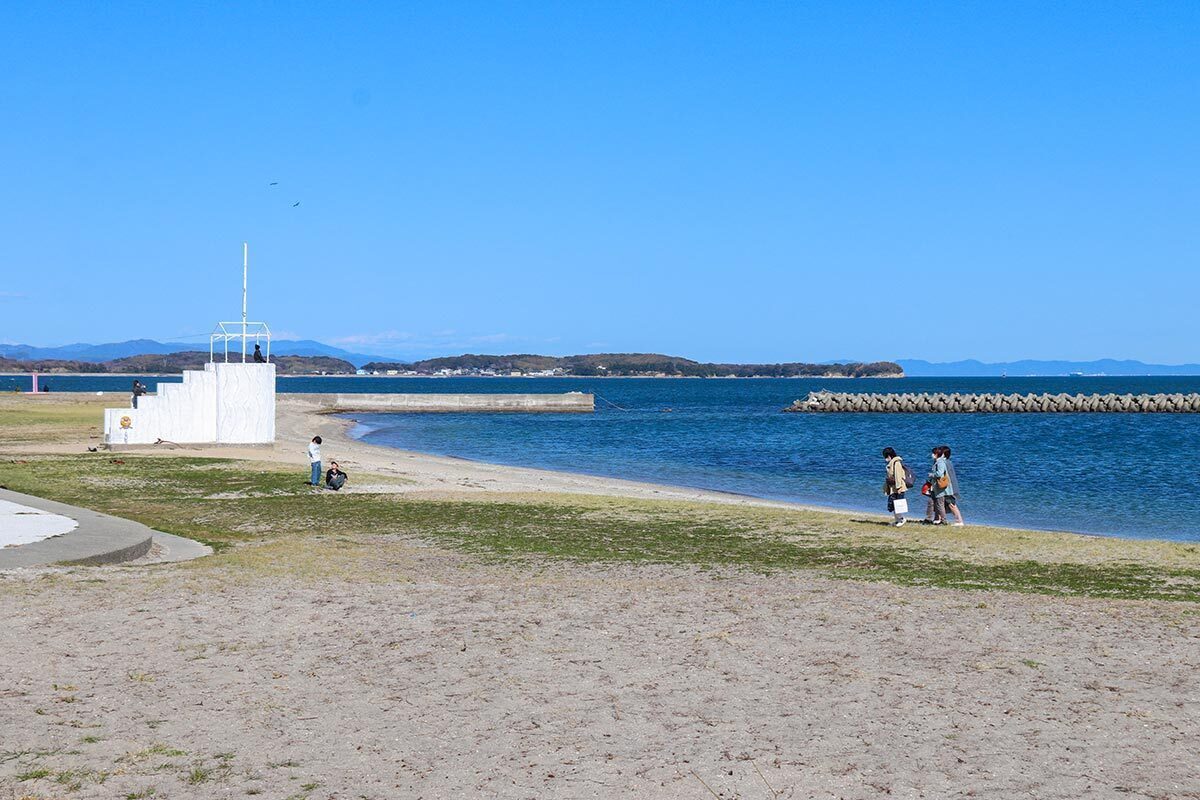
I kicked off my island adventure by renting a bicycle from the East Port, where I arrived, to cycle around the perimeter, enjoying the lovely ocean views, and soaking up the relaxed and carefree atmosphere. My only goal was to see as much as possible.
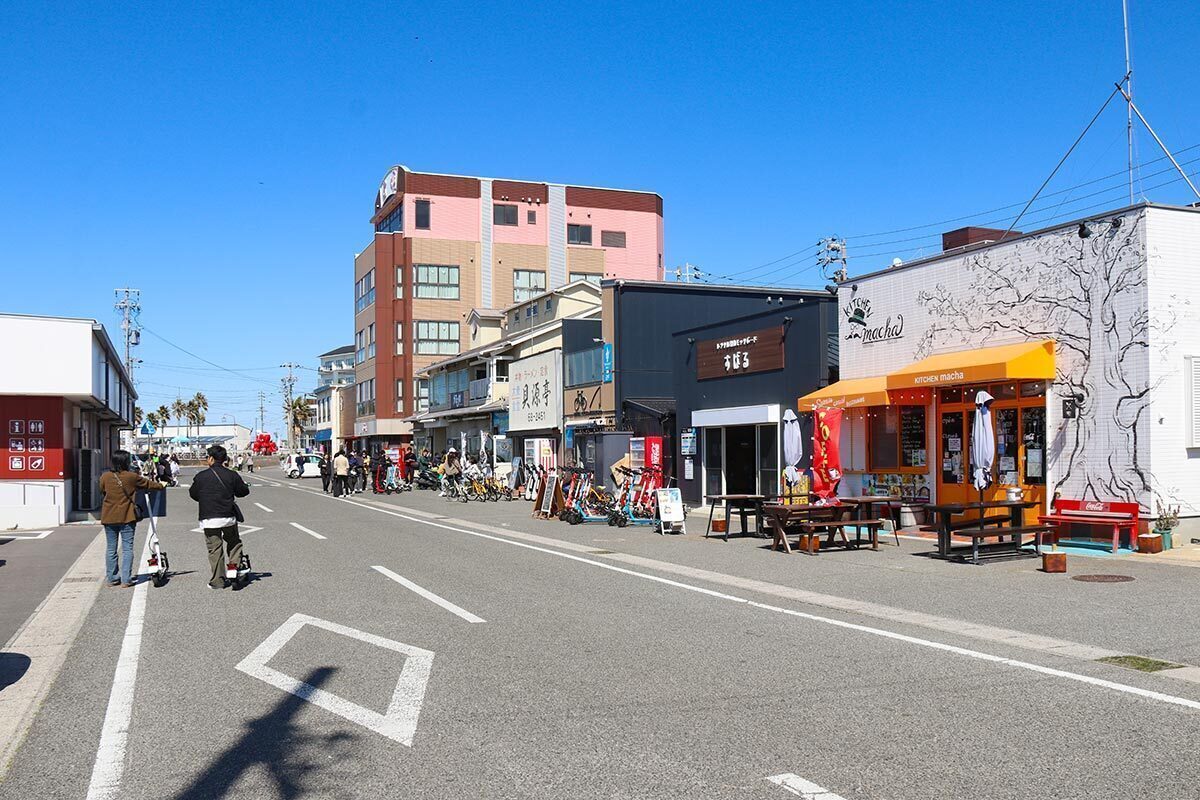
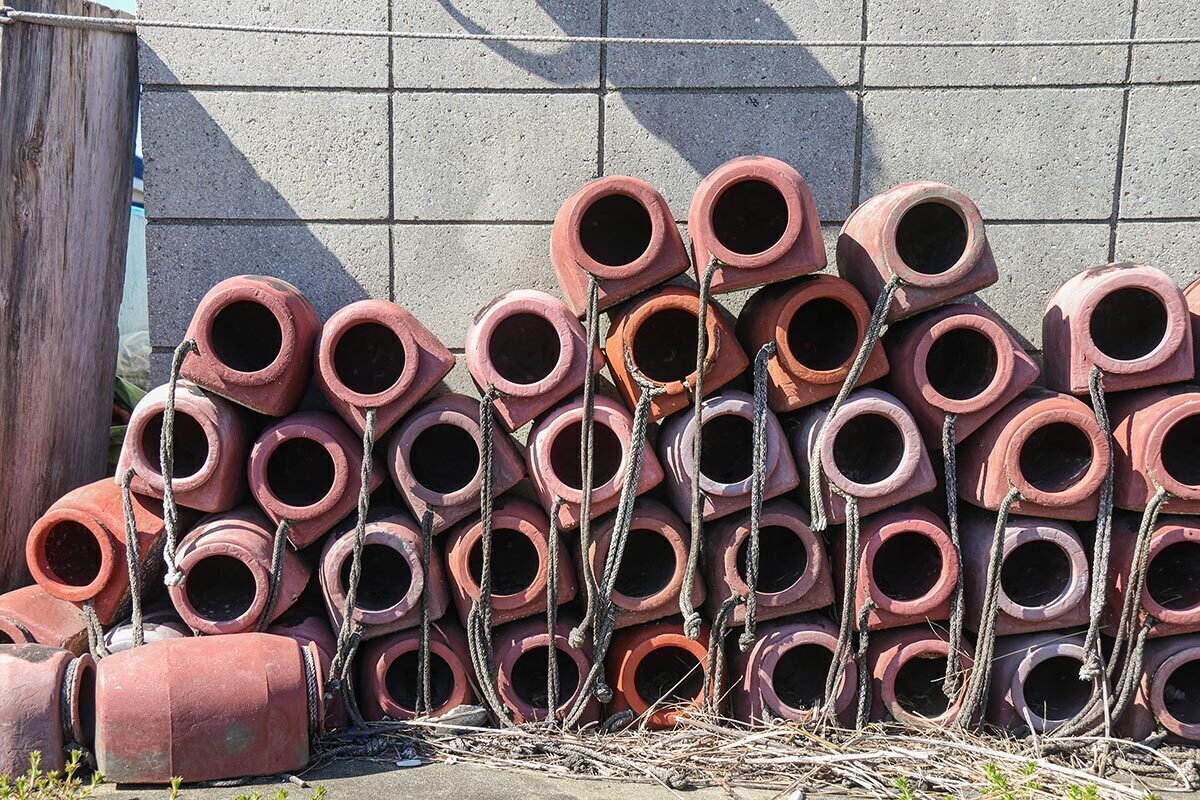
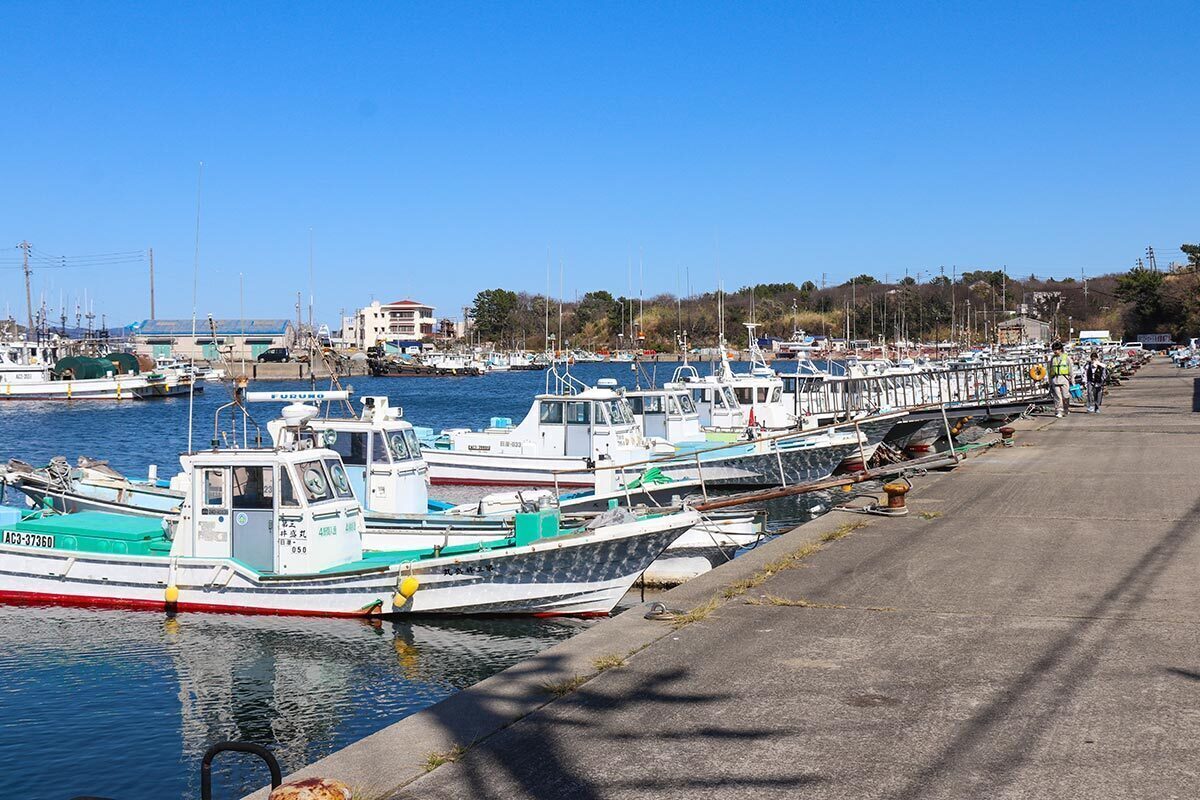
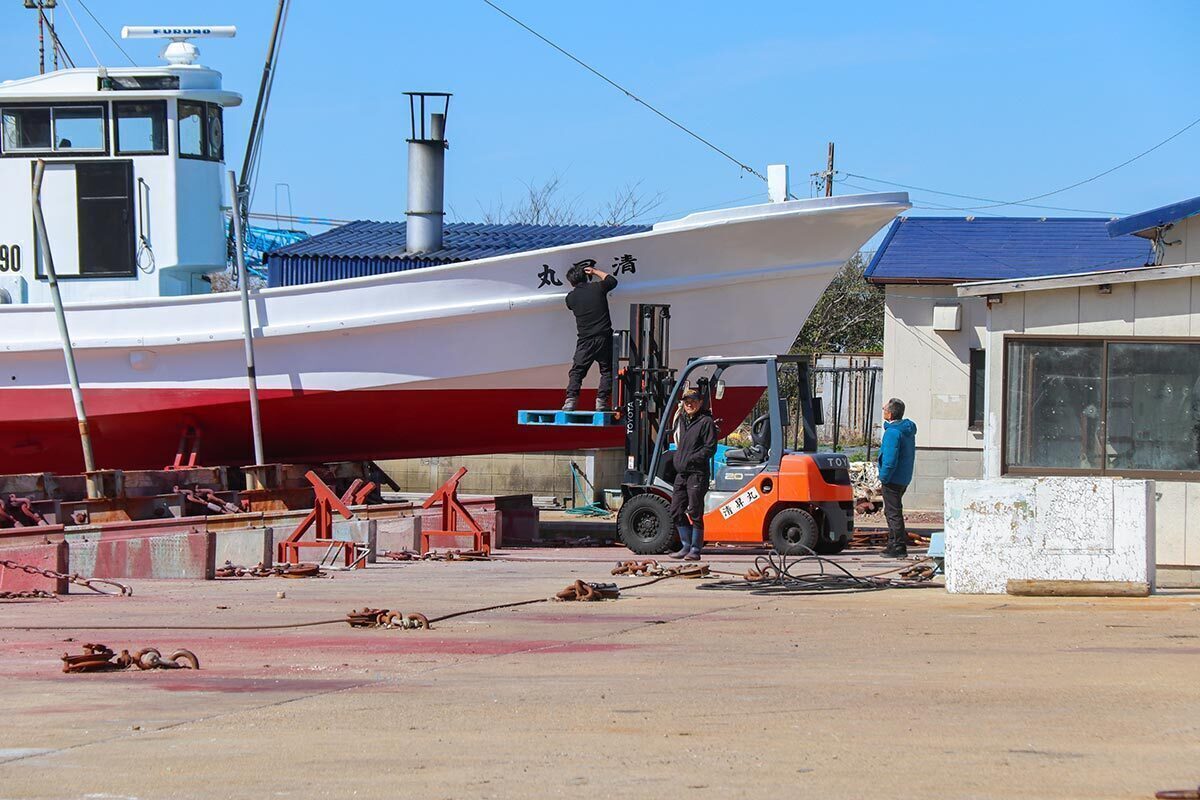
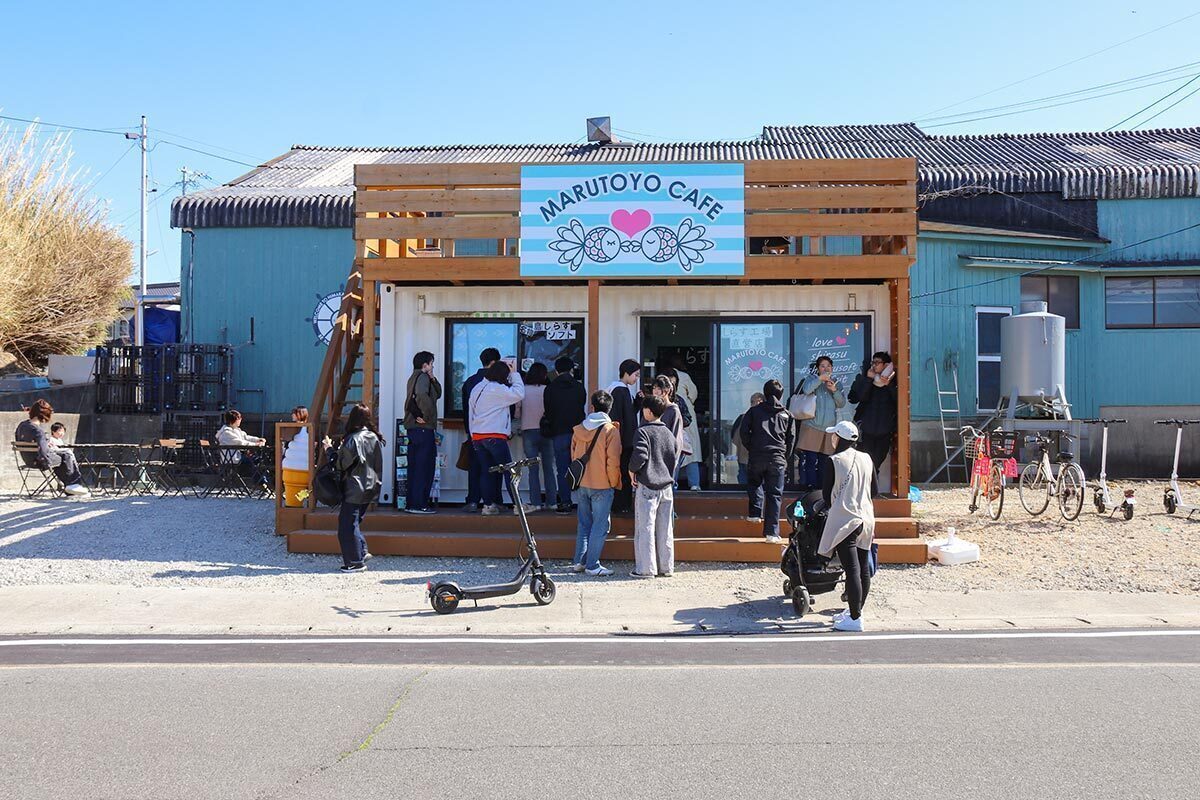
Having declared Himakajima as the Octopus Island, it would be a shame to leave without tasting the delicacy the island is known for. Octopus snacks and dishes are easy to find at shops around the West Port, and for me, ordering a serve of deep fried octopus on sticks was an easy decision.
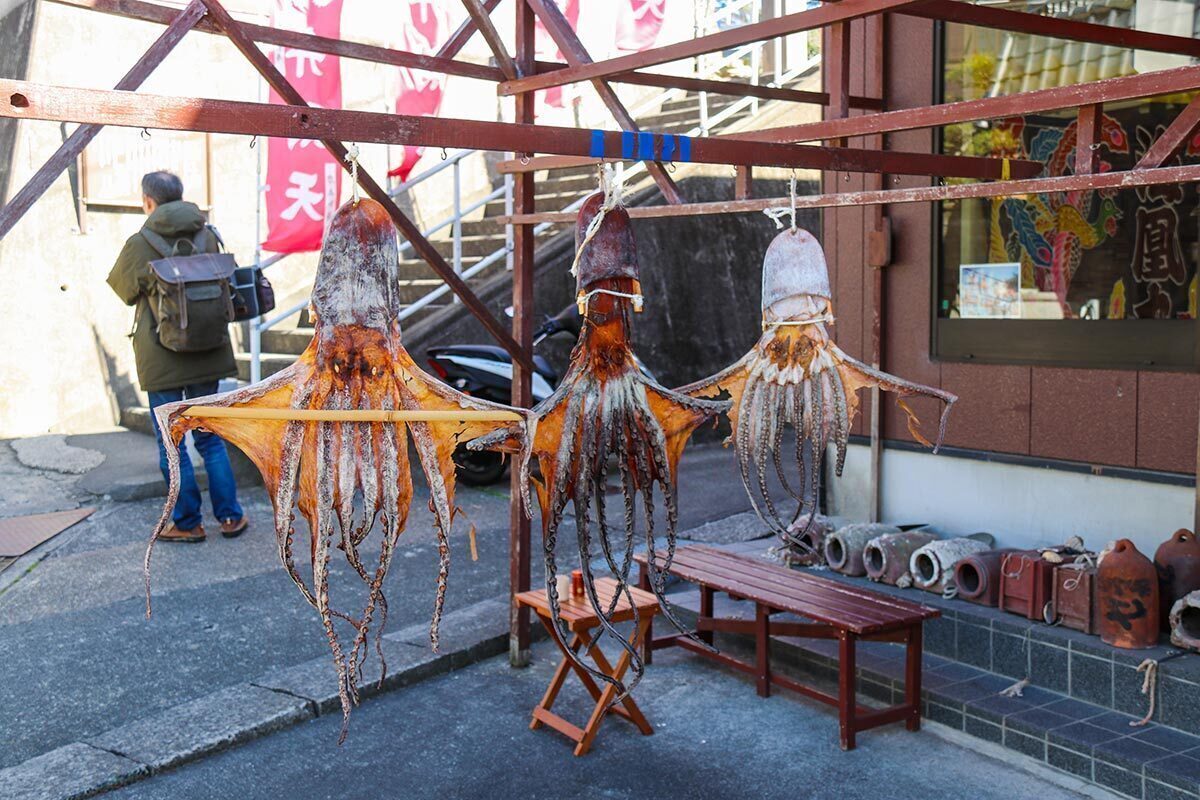
After returning my bicycle, I set off to explore the island's interior on foot. Away from the busy port areas, the quieter residential interior is where the island's approximately 2000 inhabitants live. I passed an elementary school, a handful of hotels and one of the three small convenience stores on the island.
Covering Himakajima by bicycle and on foot at a leisurely pace took me around four hours. I could easily imagine lazing on the beach in summer and stretching a day out further. Considering Himakajima is just 70 minutes from central Nagoya, it makes for an effortless easy day trip from the city!
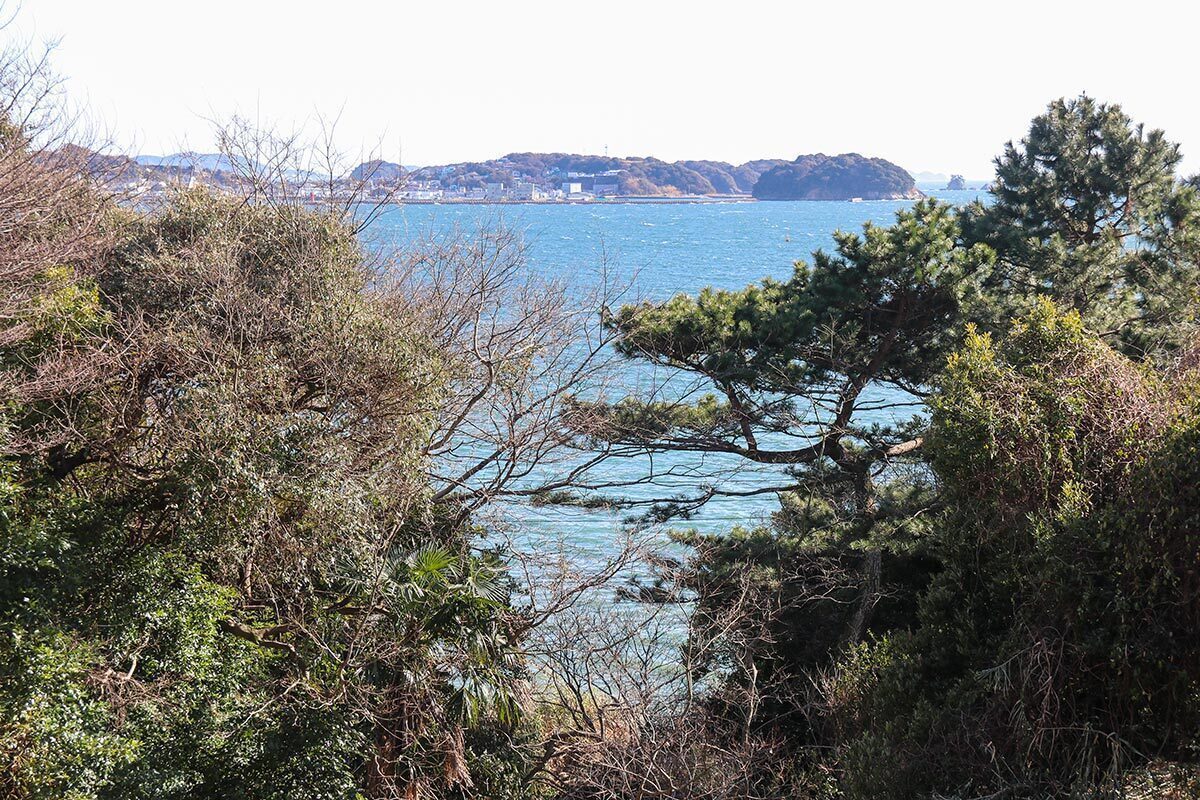
I came to Himakajima not knowing what to expect, and left feeling like Goldilocks. The island was just the right size to explore without feeling rushed, and lively enough to keep things interesting. I would recommend it to anyone looking for a break from the city.
How to get to and around Himakajima
Himakajima Island can be accessed only by ferry. There are two ports, West Port and East Port, on the island, offering both high speed boat and car ferry access to Kowa Port and Morozaki Port on the Chita Peninsula.
Kowa Port is the most convenient port for those traveling by public transit. Take the Meitetsu Railway train bound for Kowa from Nagoya Station and get off at Kowa Station, the terminal (50 minutes, 2 trains/hour). Kowa Port is about 5-7 minutes on foot from the station. Then, take a high speed boat from Kowa Port to Himakajima (20 minutes, 1 boat/hour). The ferry timetable is available on the ferry company's official website (Japanese only).
Himakajima can be explored on foot, and it takes 60 minutes to walk one round of the island. Alternatively, rental bicycles (about 550 yen/hour) and kick scooters (about 2000 yen/hour, only at shops by the west port) are available at rental shops near the ports, which allow visitors to circle the island in about 30 minutes.
It is possible to travel between Himakajima and Shinojima Island. It takes about 10 minutes by high speed boat (2-3 boats/hour) and costs 500 yen one way.