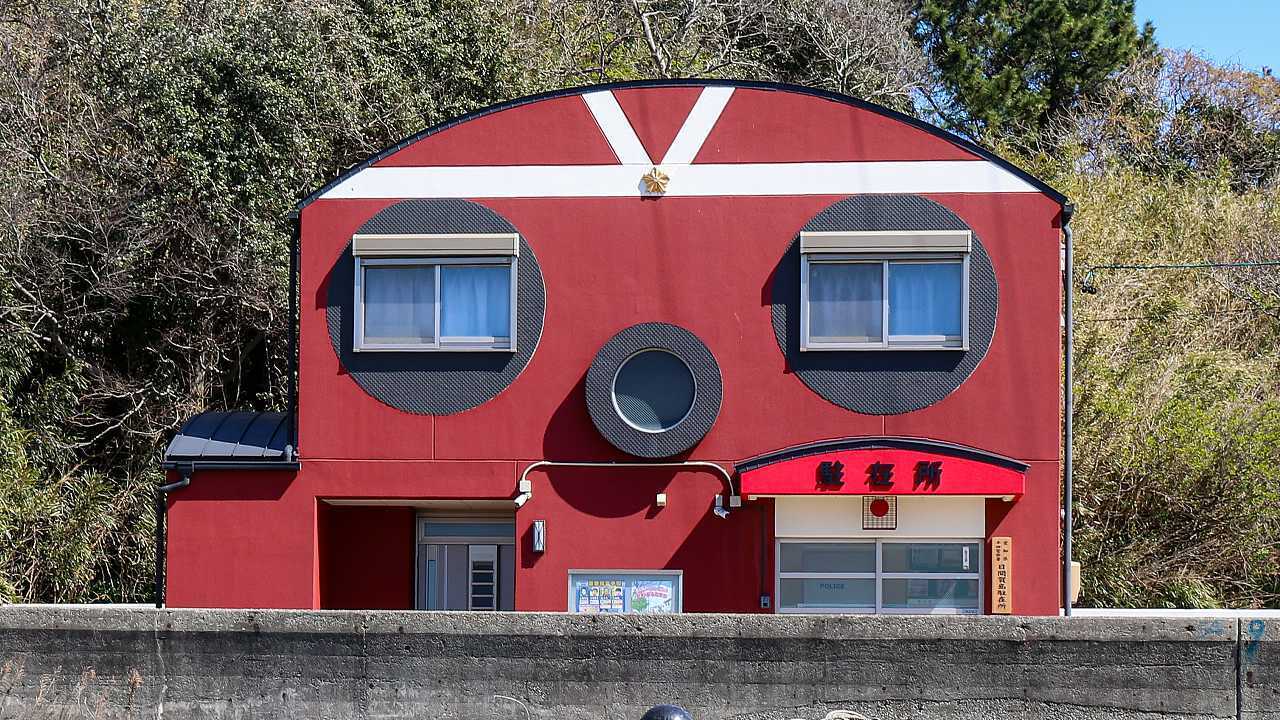
Shinojima Island

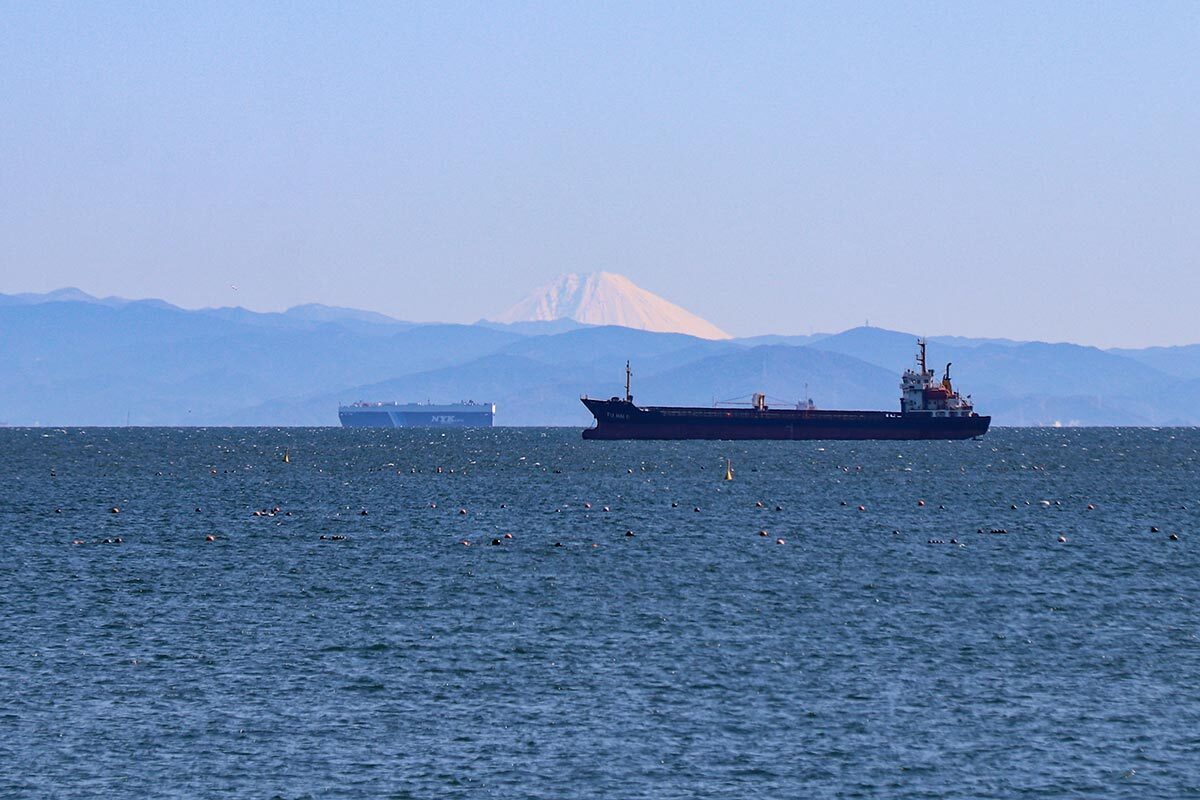
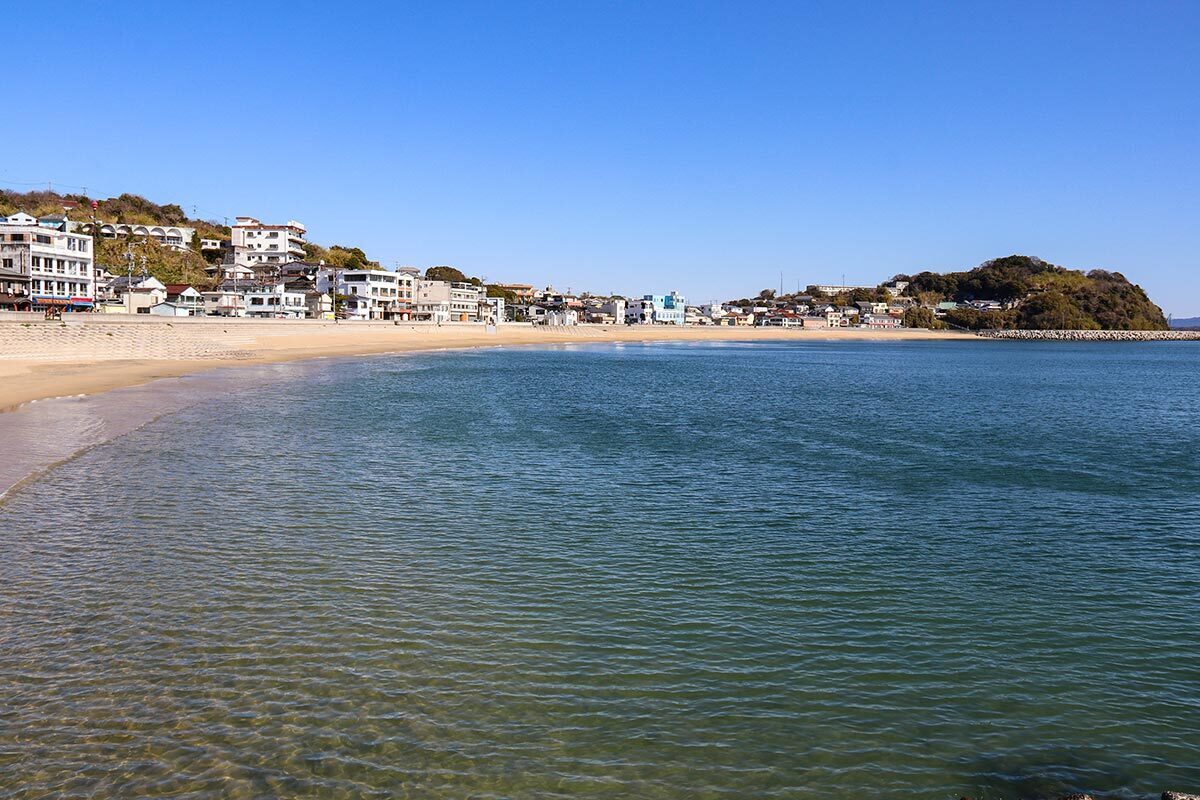
Shinojima is not your typical island. Hiding in plain sight in Mikawa Bay, just 10 to 20 minutes by high speed boat from the Chita Peninsula, it is a small island with a long and deep connection to the grand Ise Shrines - Japan's most sacred Shinto shrines. The quiet and peaceful Shinojima has a circumference of about eight kilometers, slightly bigger than its popular and more touristy neighbour, Himakajima.
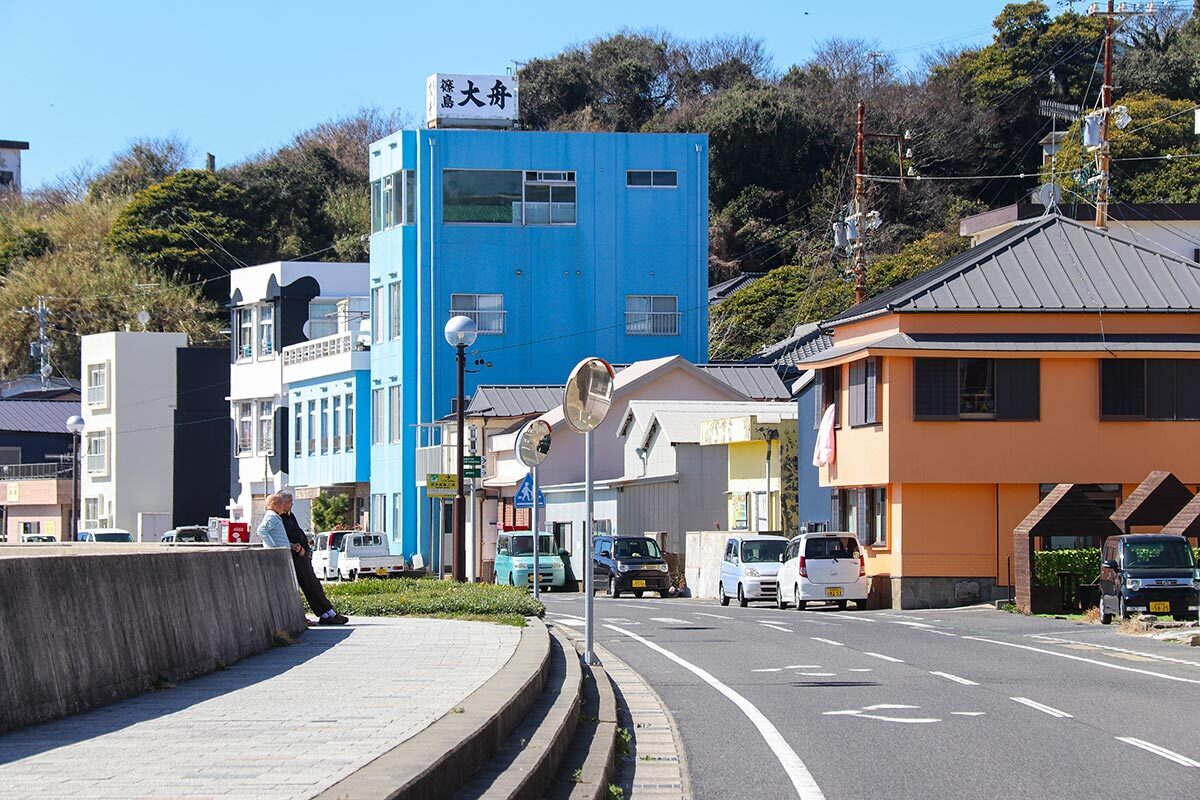
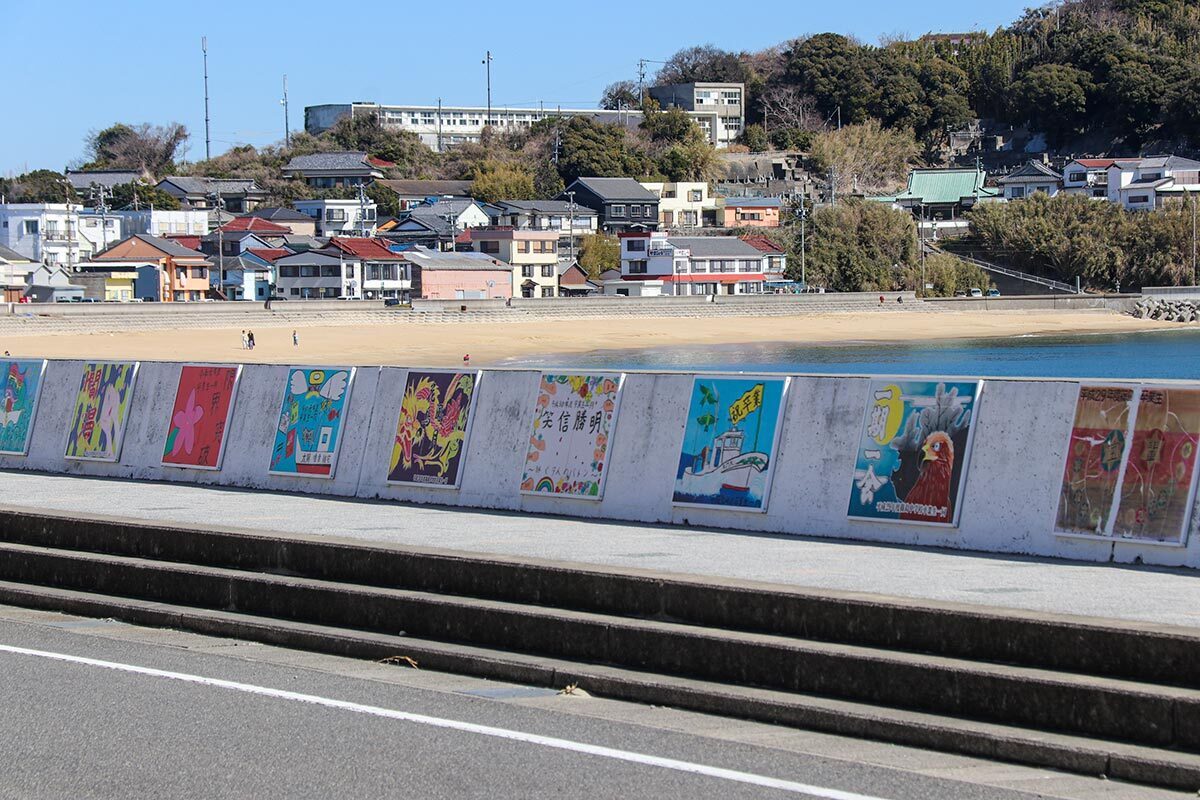
Shinojima is compact enough to cover comfortably on foot, but rental bicycles are available for those who prefer to cover the same ground in less time, and that was the option I went for. See the access section below for detailed transport information to and around the island.
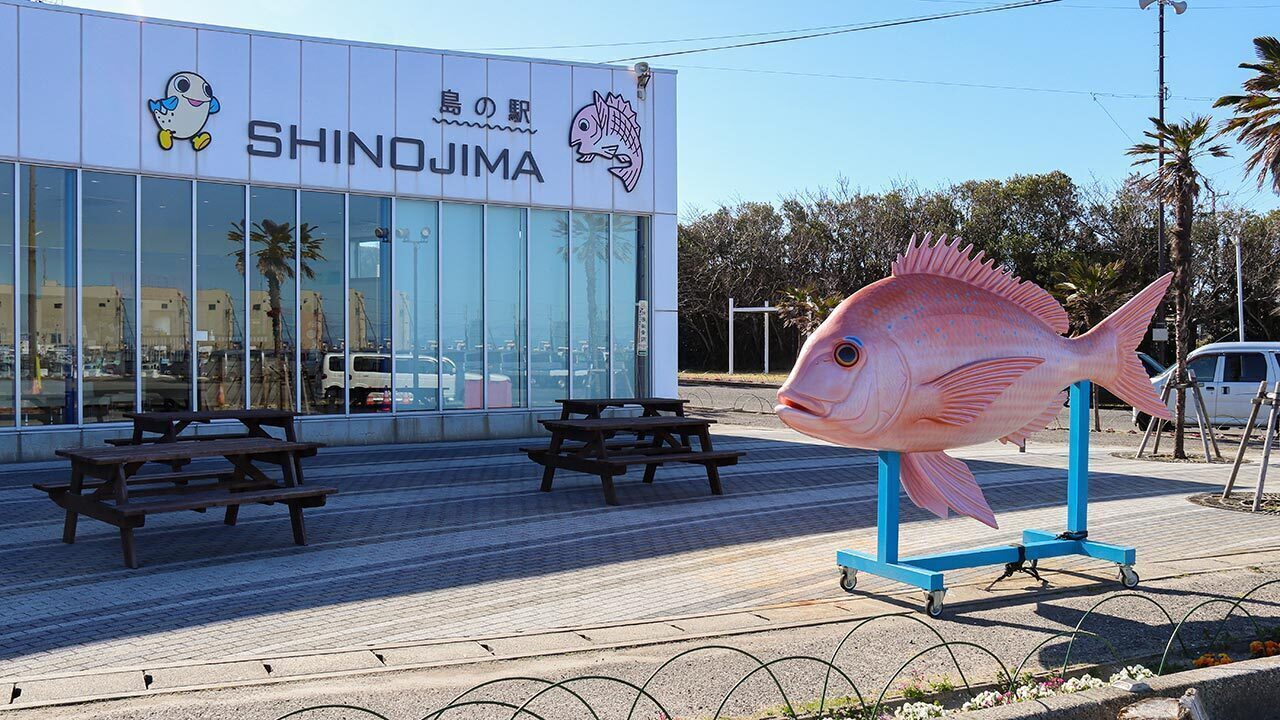
A large sea bream sculpture greeted me at Shinojima's only port, hinting that sea bream must be a big thing on the island. This was my first clue to Shinojima's history and its connection to the Ise Shrines on the Shima Peninsula, about 36 kilometers southwest of the island.
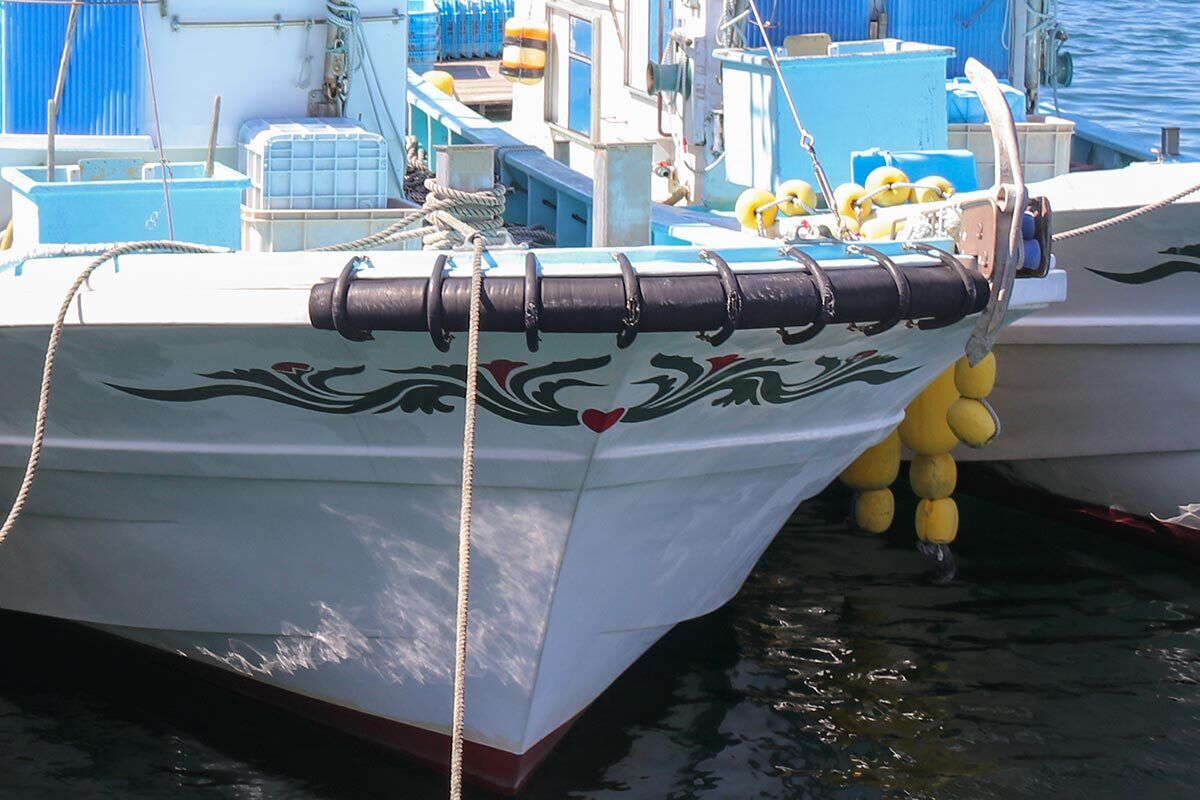
Fishing is the biggest industry on Shinojima, in contrast to the more tourism-oriented Himakajima Island next door. The island's major catches include whitebait (shirasu), conger eel (hamo), abalone (awabi) and sea bream (tai).
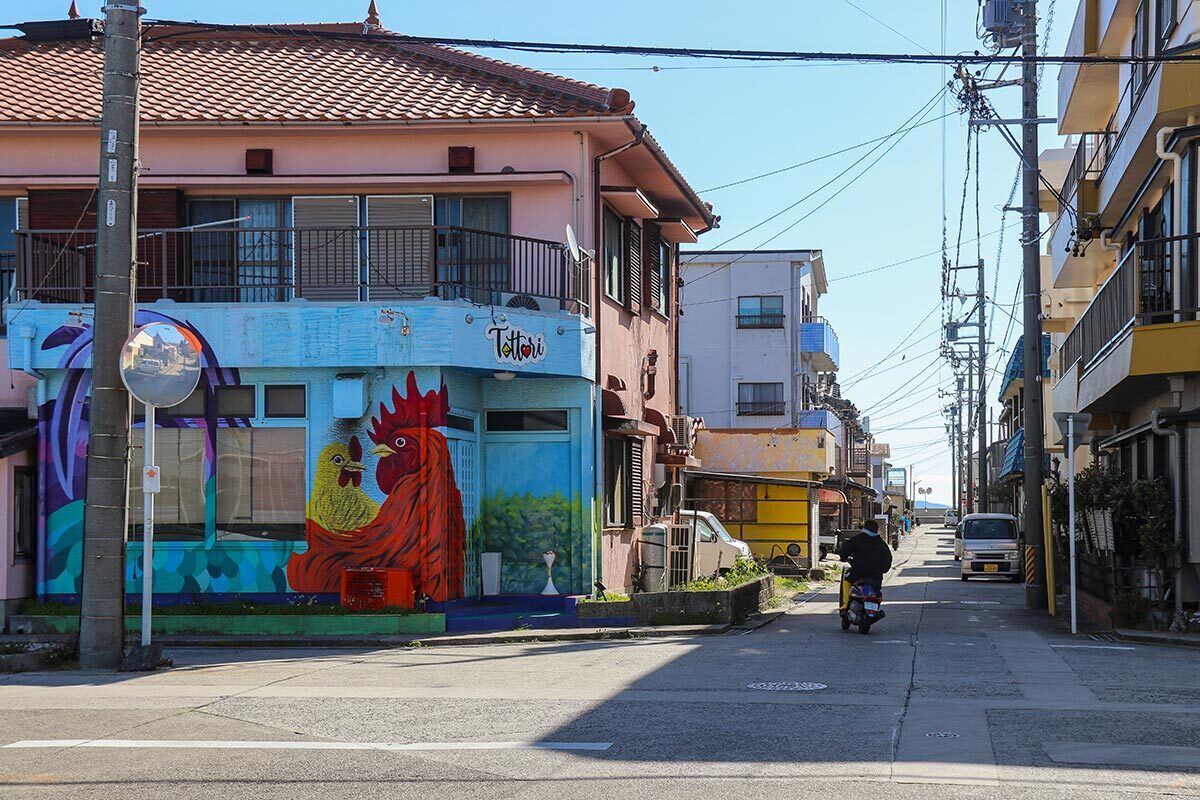
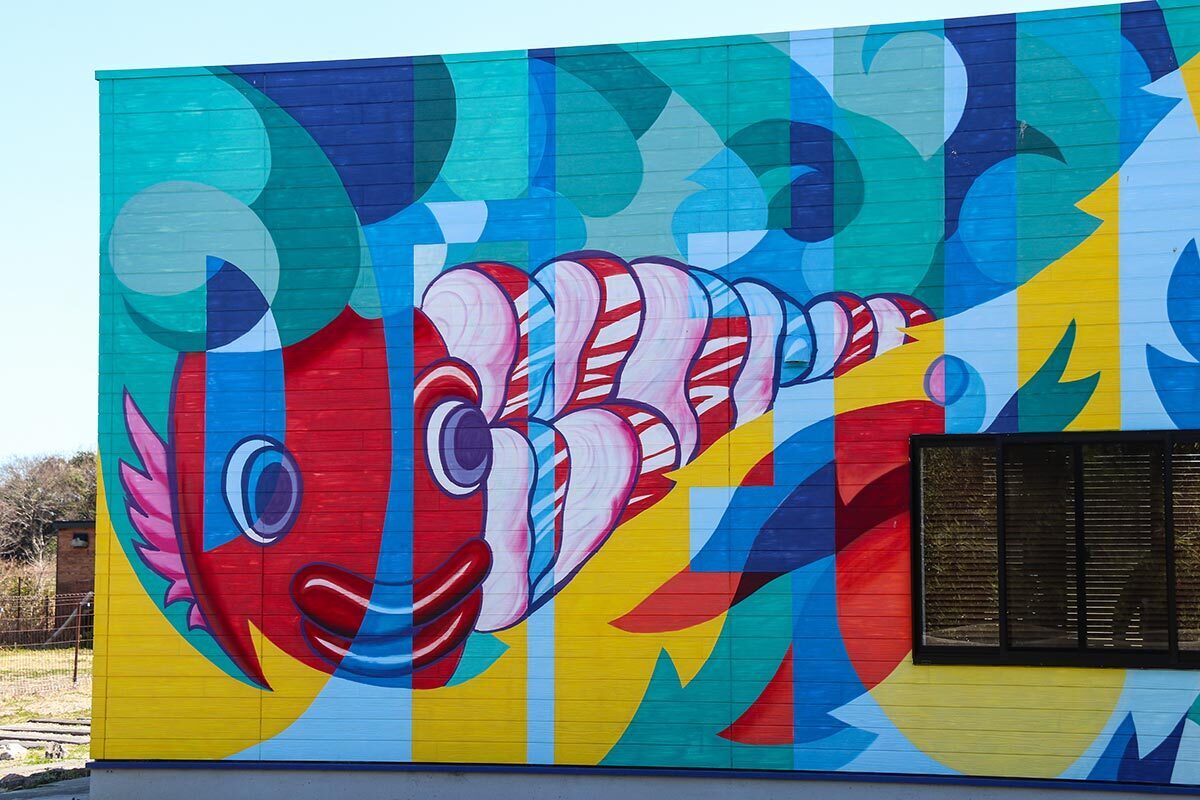
For over a millennium, Shinojima has been known to be where sea bream is caught, processed and presented to the gods at the Ise Shrines. This offering takes place three times a year, with the biggest offering event being the annual Onbe Tai Hono Matsuri (おんべ鯛奉納祭), a festival in which dried sea bream are loaded onto boats before setting sail for Ise Shrine. This Onbe Tai Hono Matsuri is held in mid-October, and coincides with the major harvest offering festival at Ise Shrine.
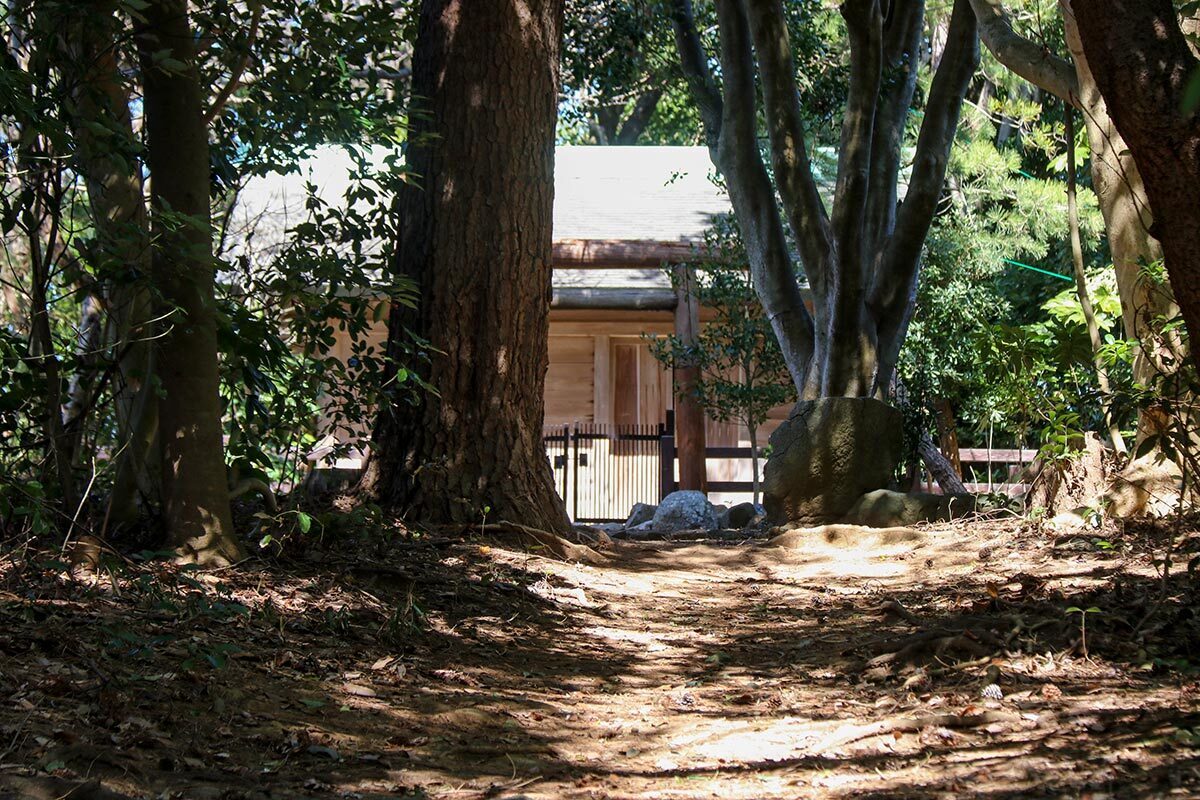
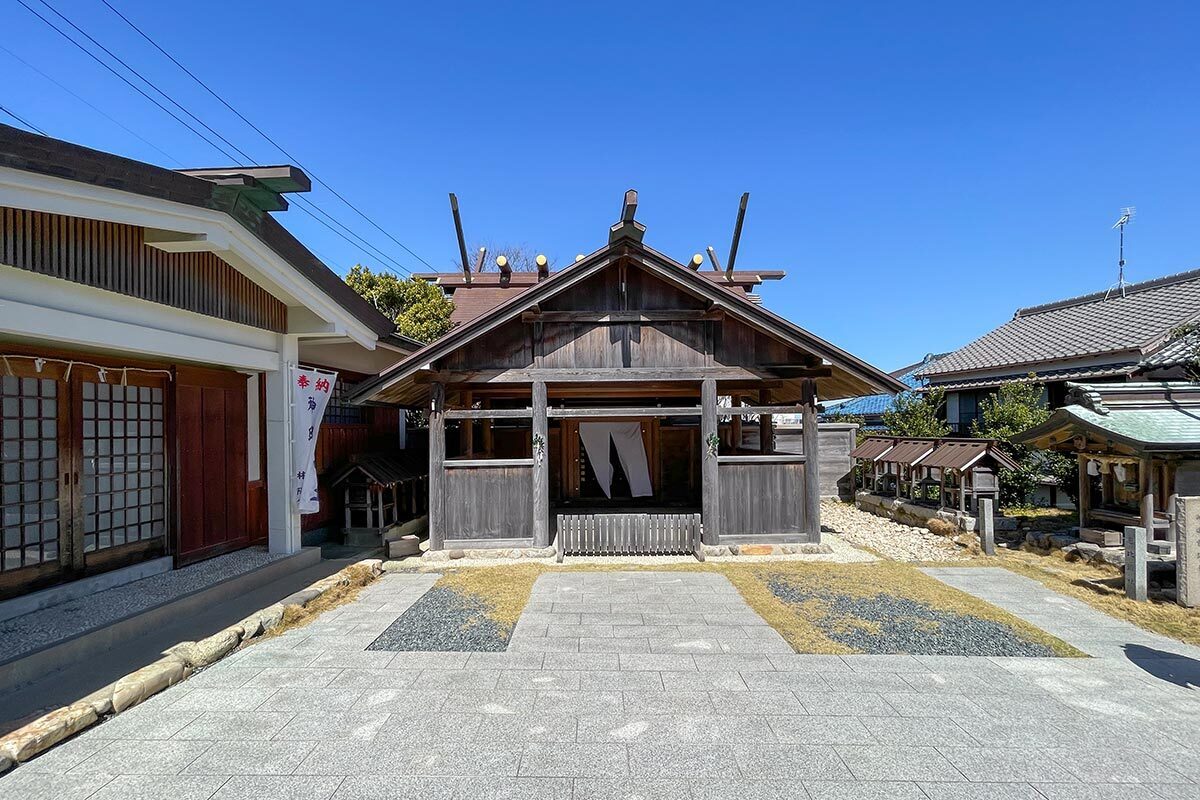
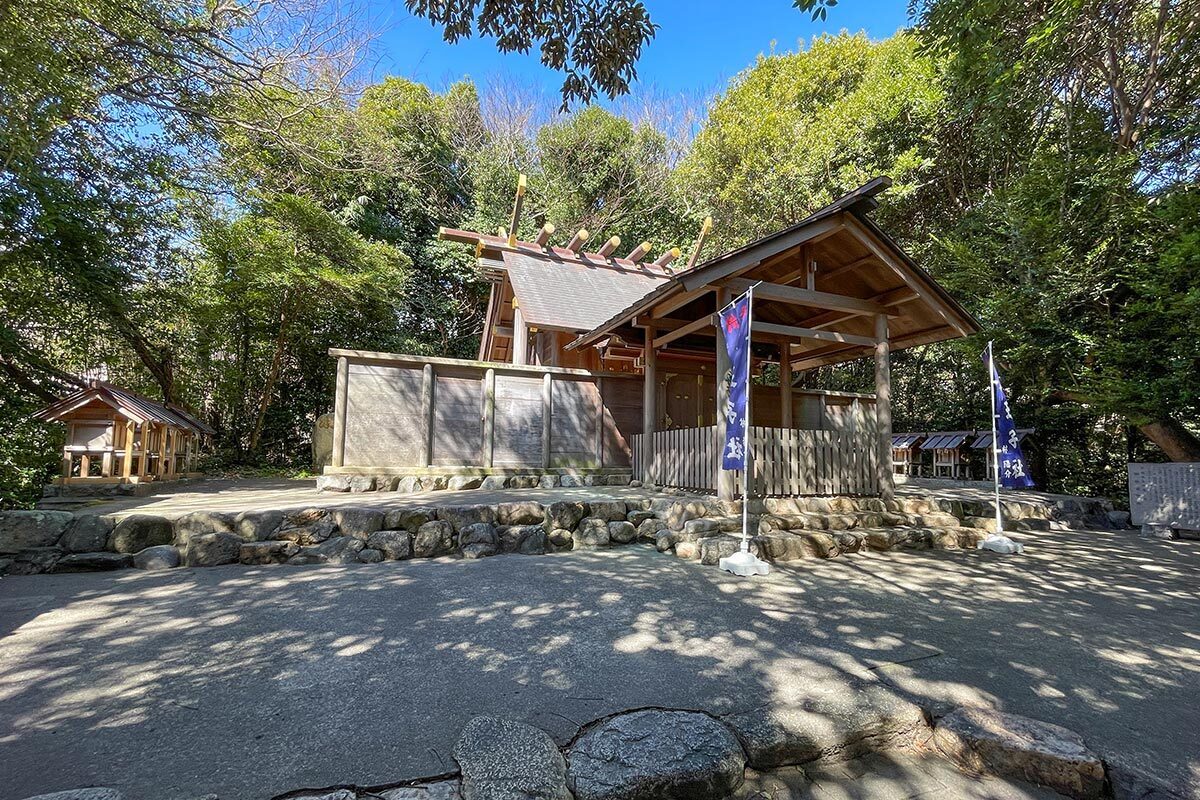
Continuing the Ise Shrines connection are Shinmei Shrine and Hachioji-sha, two shrines rebuilt using wood from the Ise Shrines themselves. The Ise Shrines are rebuilt every 20 years in a tradition spanning over 1300 years known as the Shikinen Sengu, a practice that has allowed the shrines to maintain their original appearance across the centuries. The old building materials are then distributed to shrines across the country for rebuilding or maintenance.
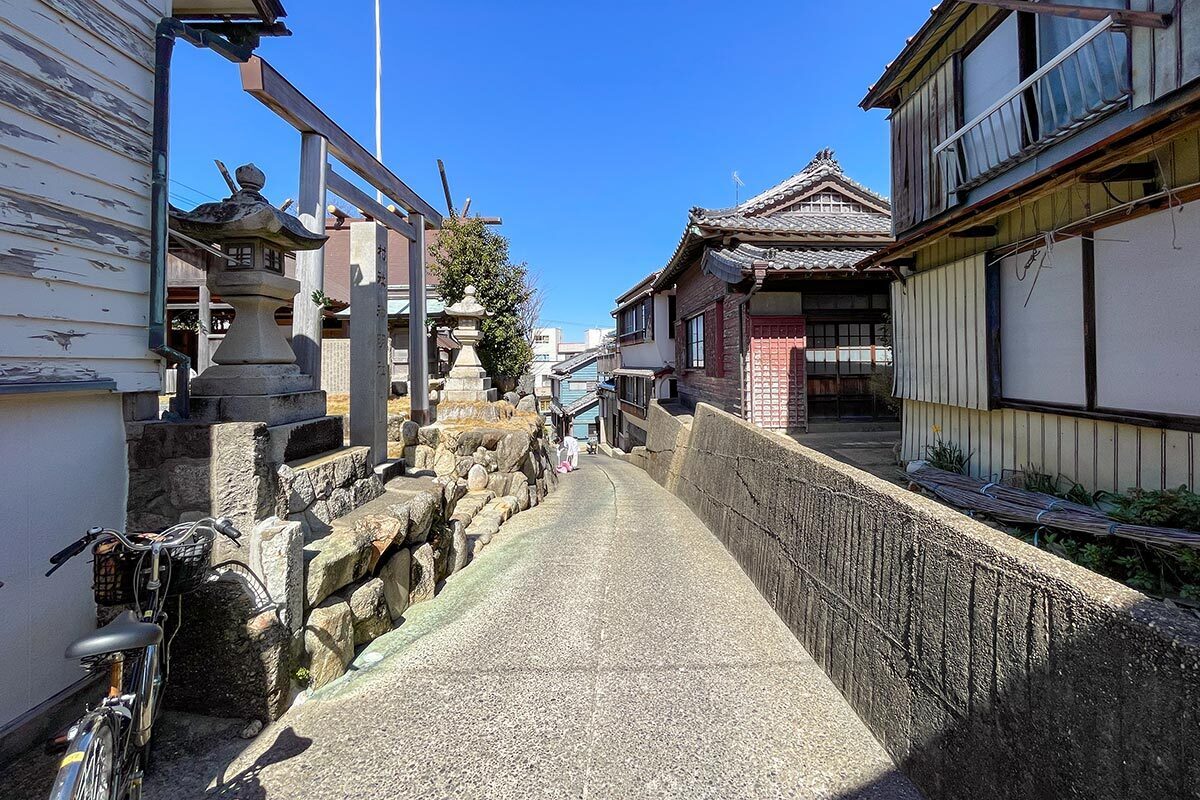
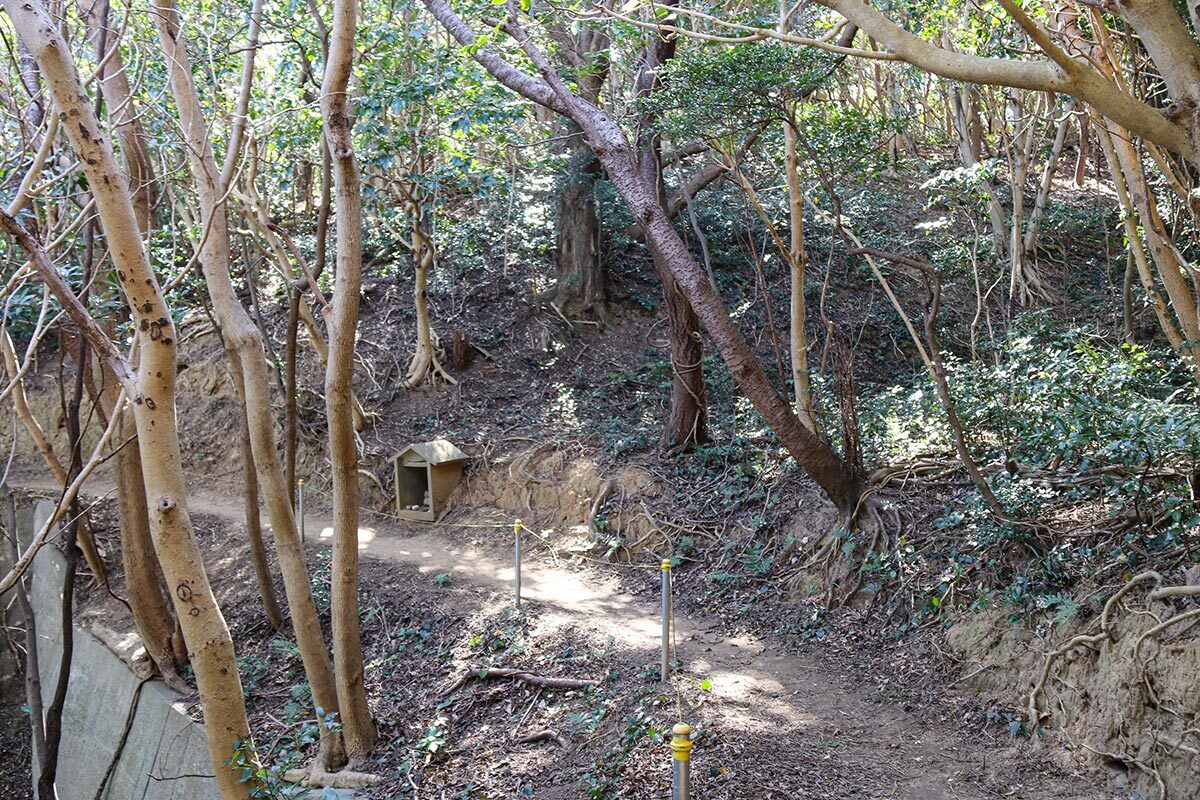
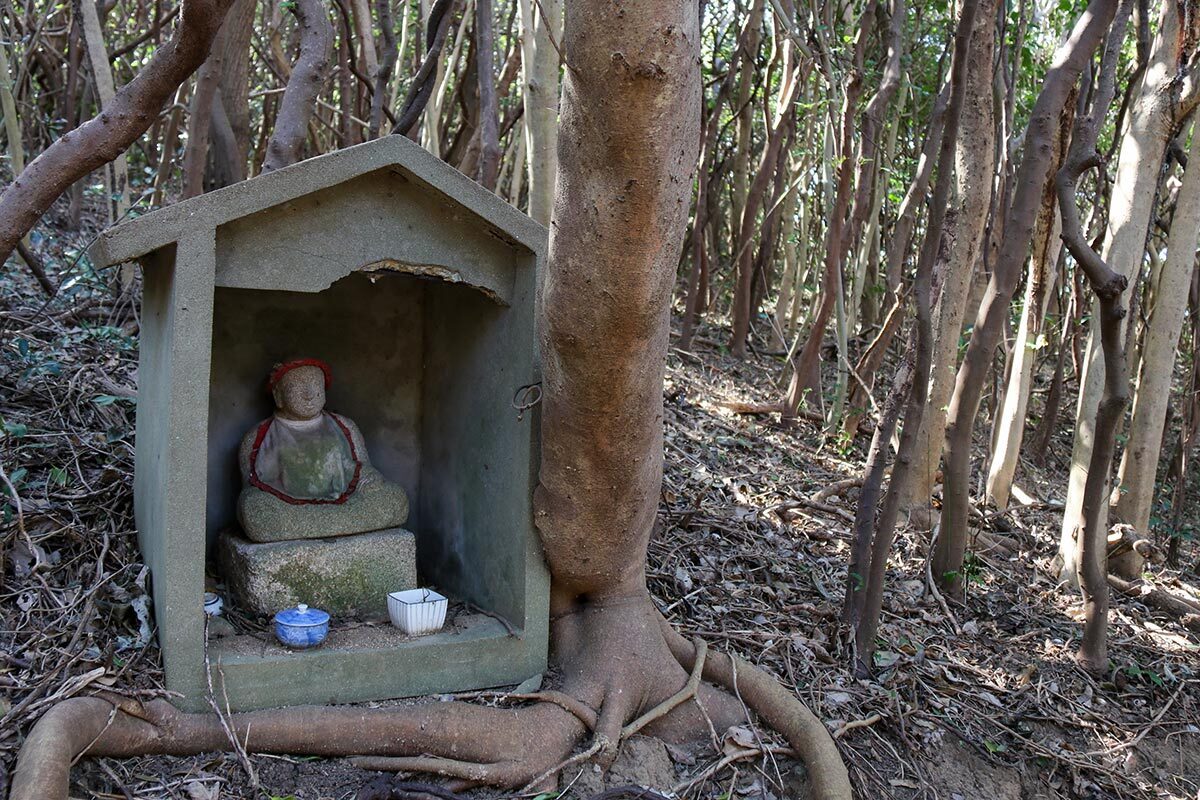
Another religiously significant attraction is the 88 Buddhist statues found around the island. Originally placed to pray for maritime protection and for the lives of those lost at sea, the statues have since become another way to explore the island as visitors can follow a trail that passes all 88.
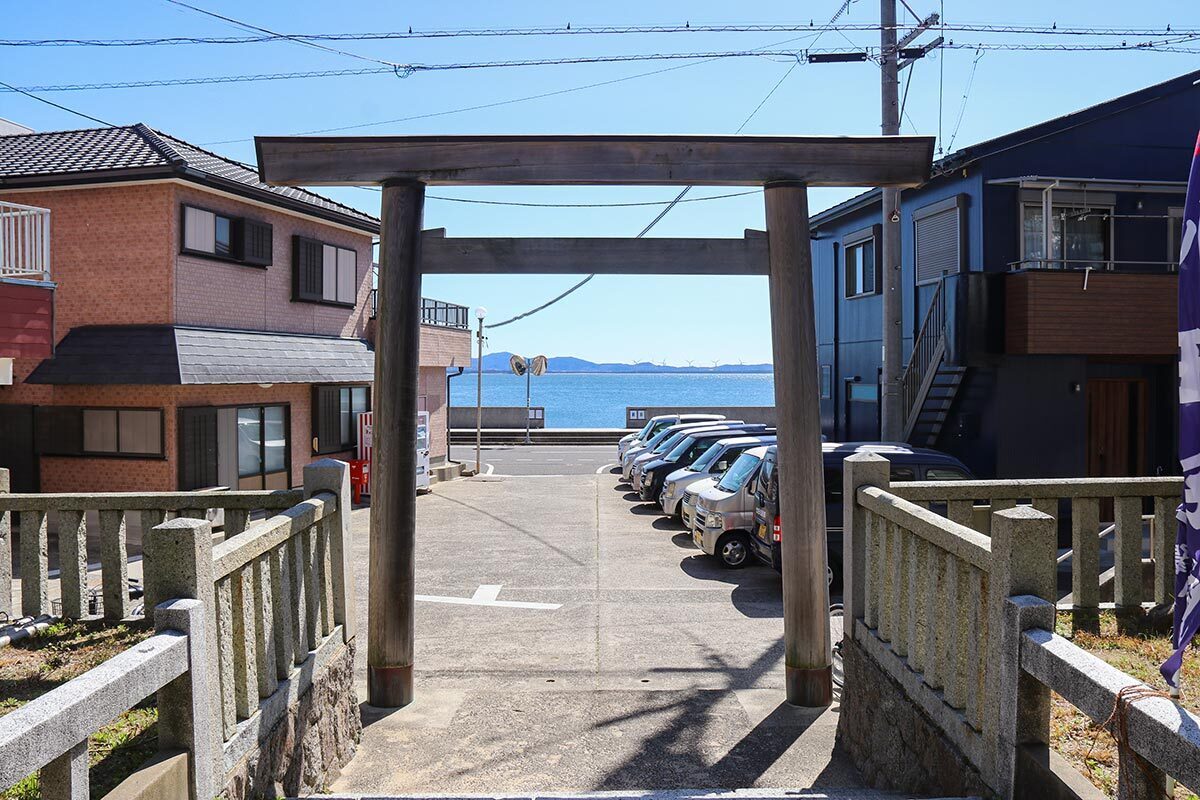
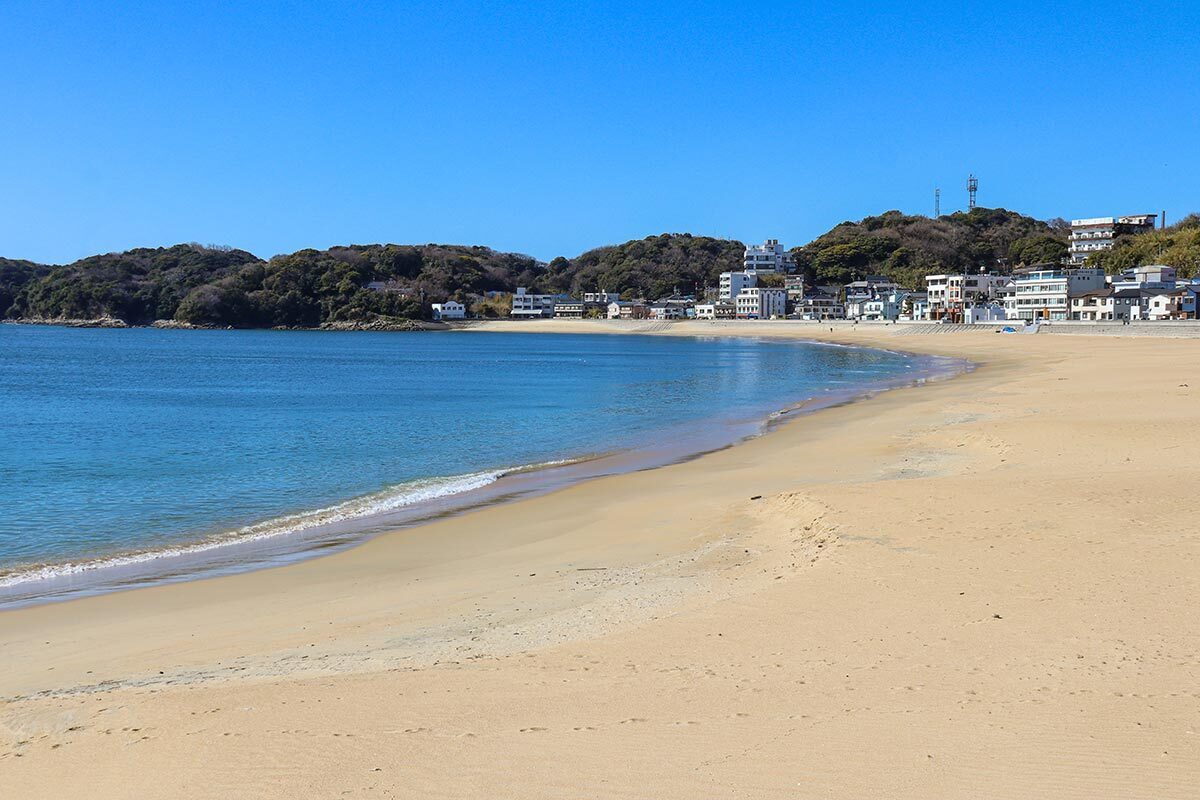
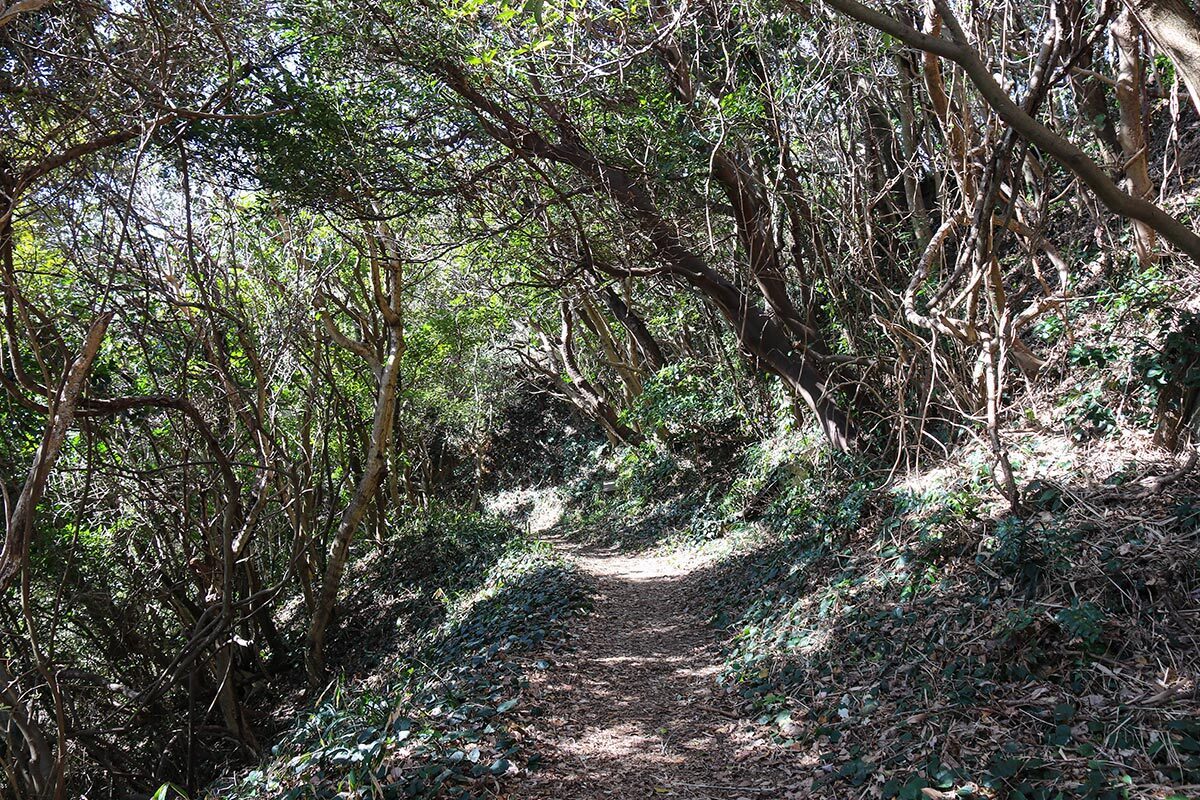
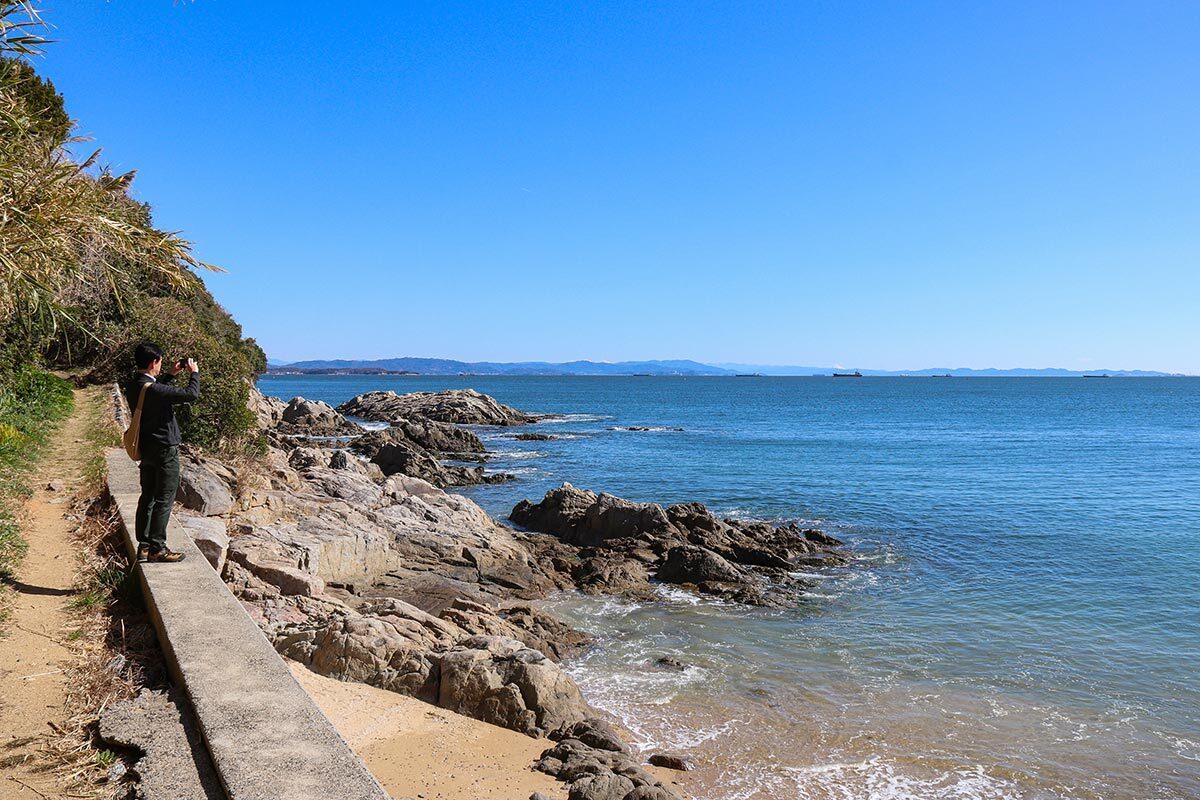
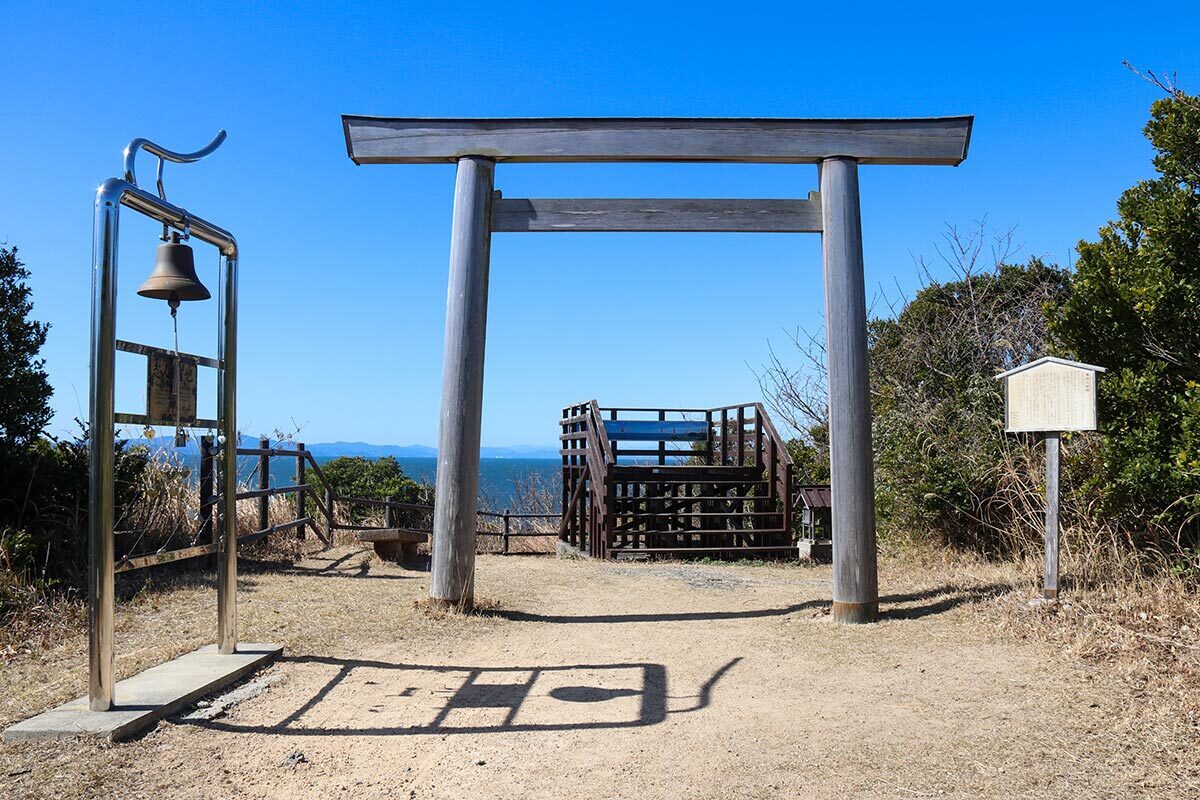
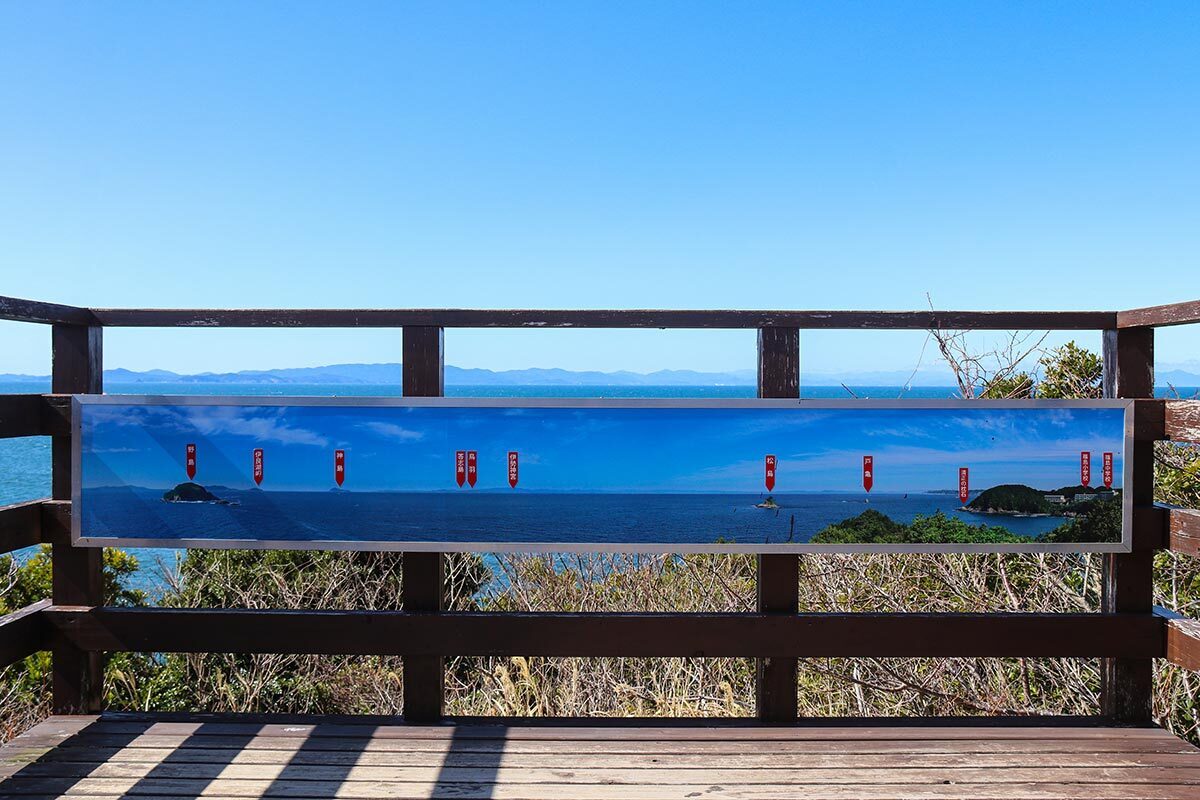
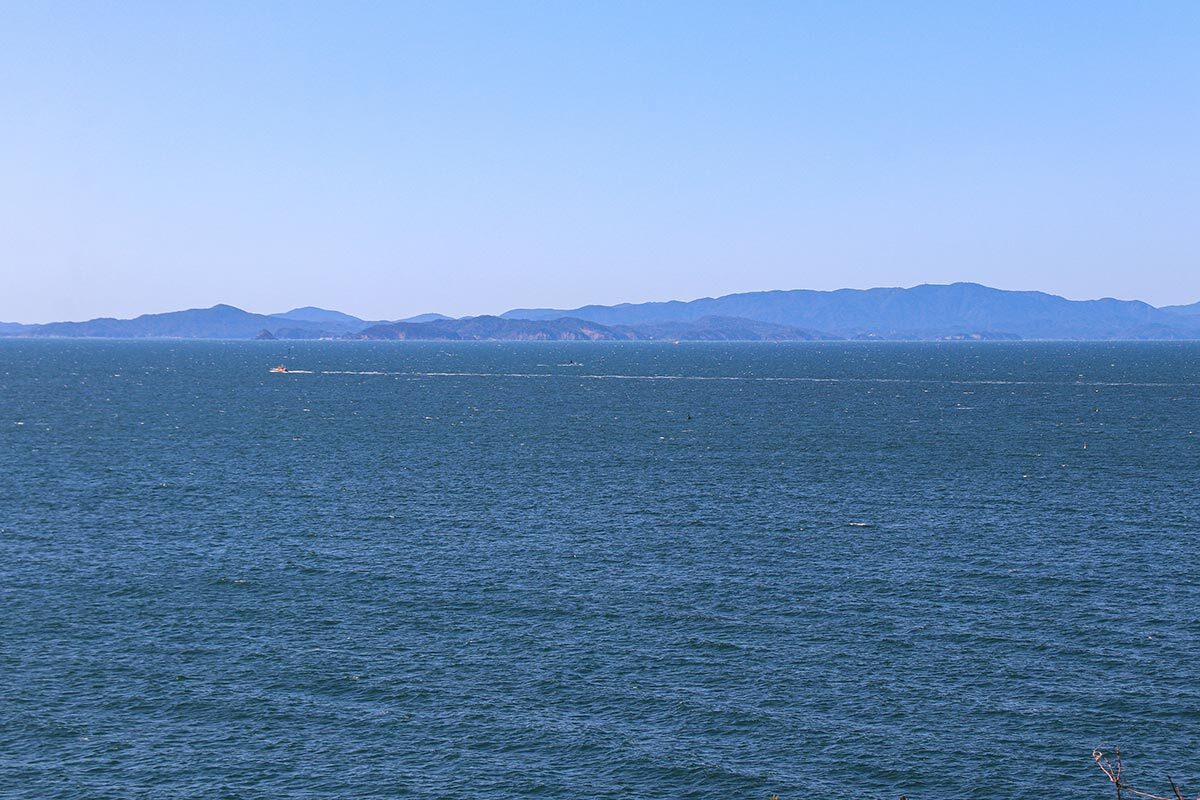
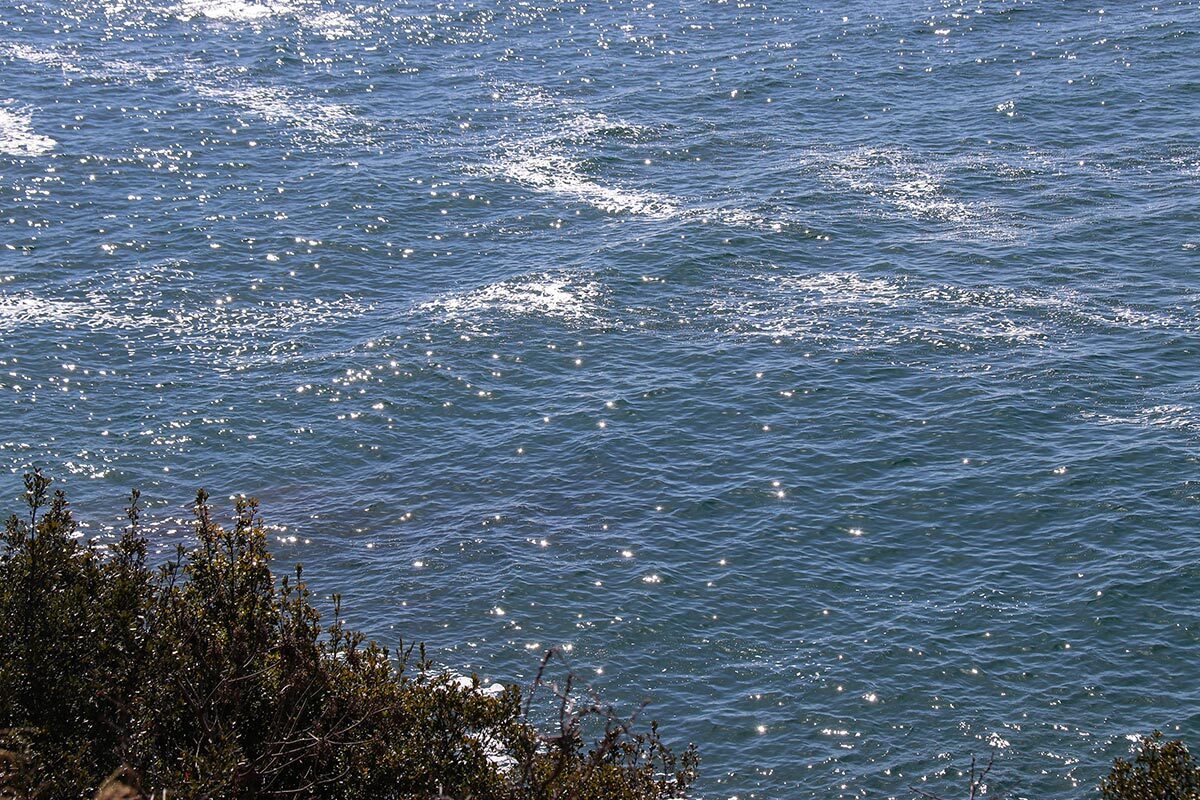
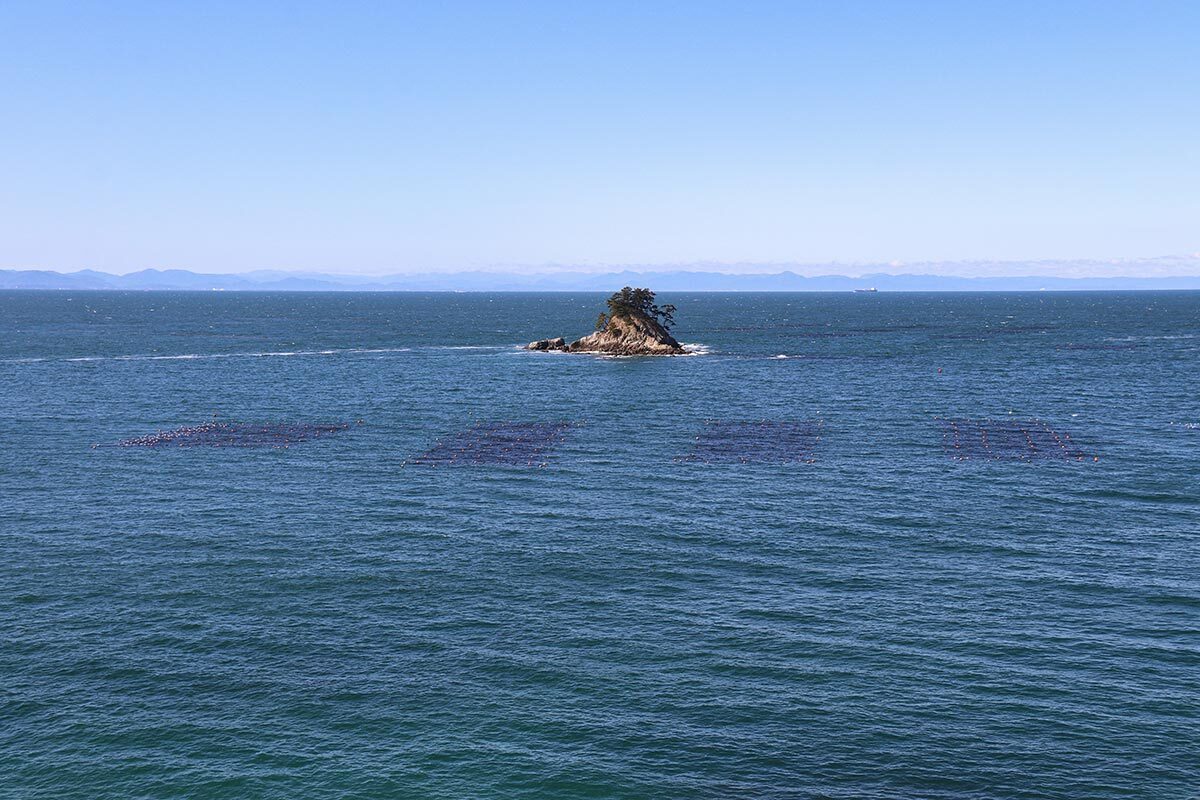
I embarked on the Southern Coast walking trail, a path that winds along the southern coastline, which coincidentally is where some of the Buddhist statues are placed. My destination was the observation deck at the island's southernmost point, and it was no surprise to find that the torii gate was constructed with wood recycled from an earlier rebuilding of the Ise Shrines. My walk took about 40 minutes, starting and ending at the southern end of the beach.
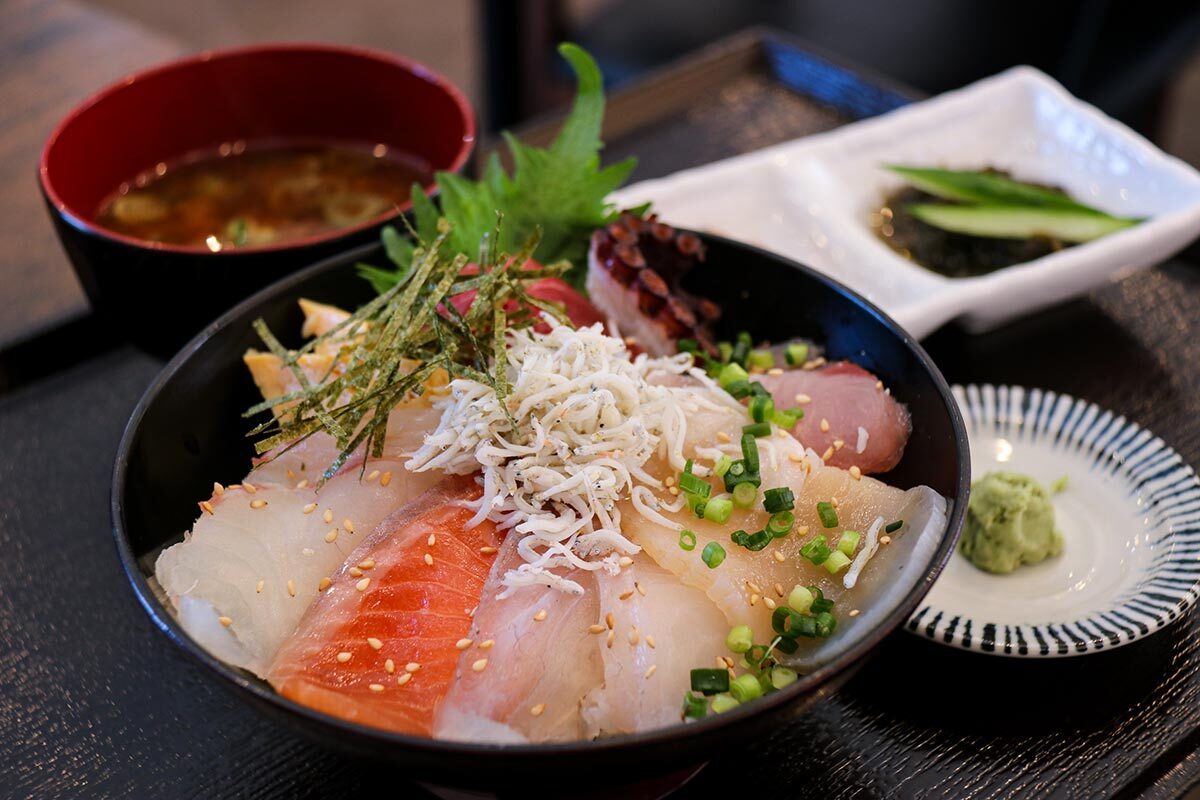
To round off my visit, I stopped at a restaurant near the port to try some of Shinojima's seafood. Ordering the seasonal seafood rice bowl was an easy decision, as I could try whitebait as well as sea bream in addition to the other seasonal seafood. A satisfying end to a day on a godly island.
Had I not come to Shinojima myself, I would have found it hard to believe that such a tiny island could contain so many connections to the grand Ise Shrines. I left feeling like I had uncovered a hidden layer of Japanese history and religion, and found myself wondering how many more islands out there hold similar stories like Shinojima's.
How to get to and around Shinojima
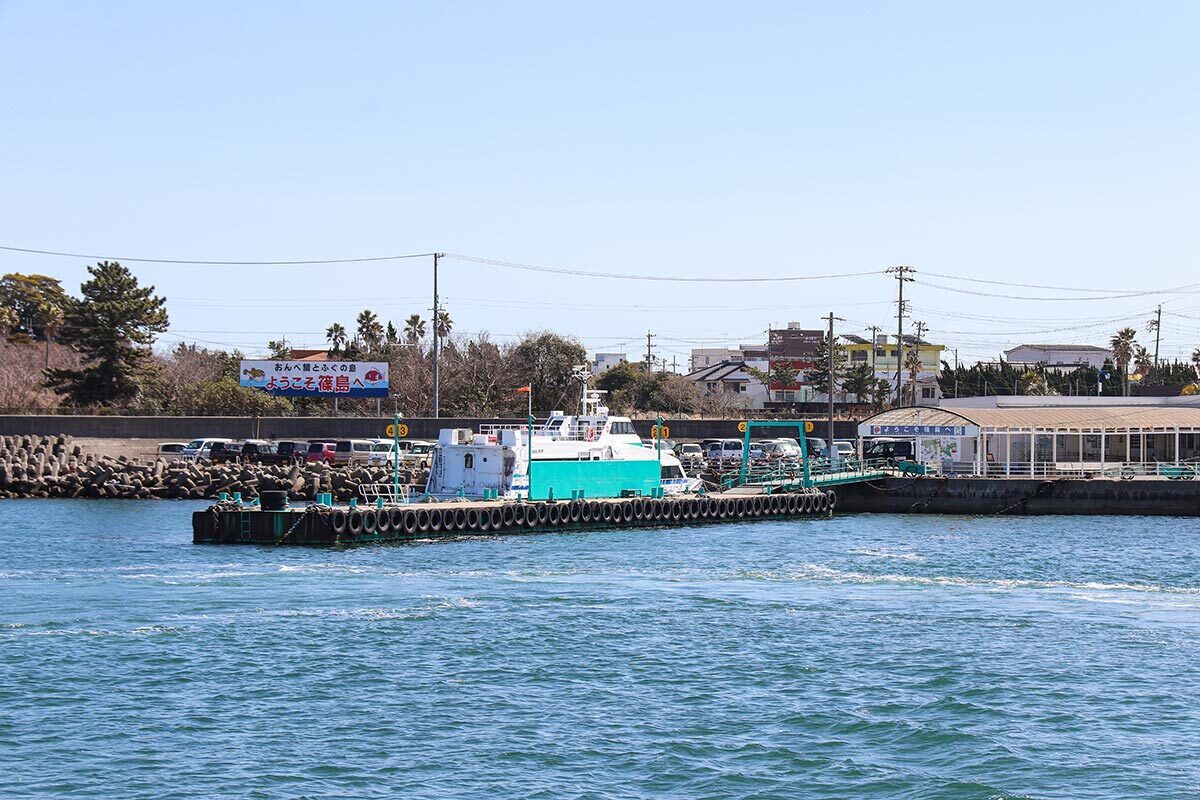
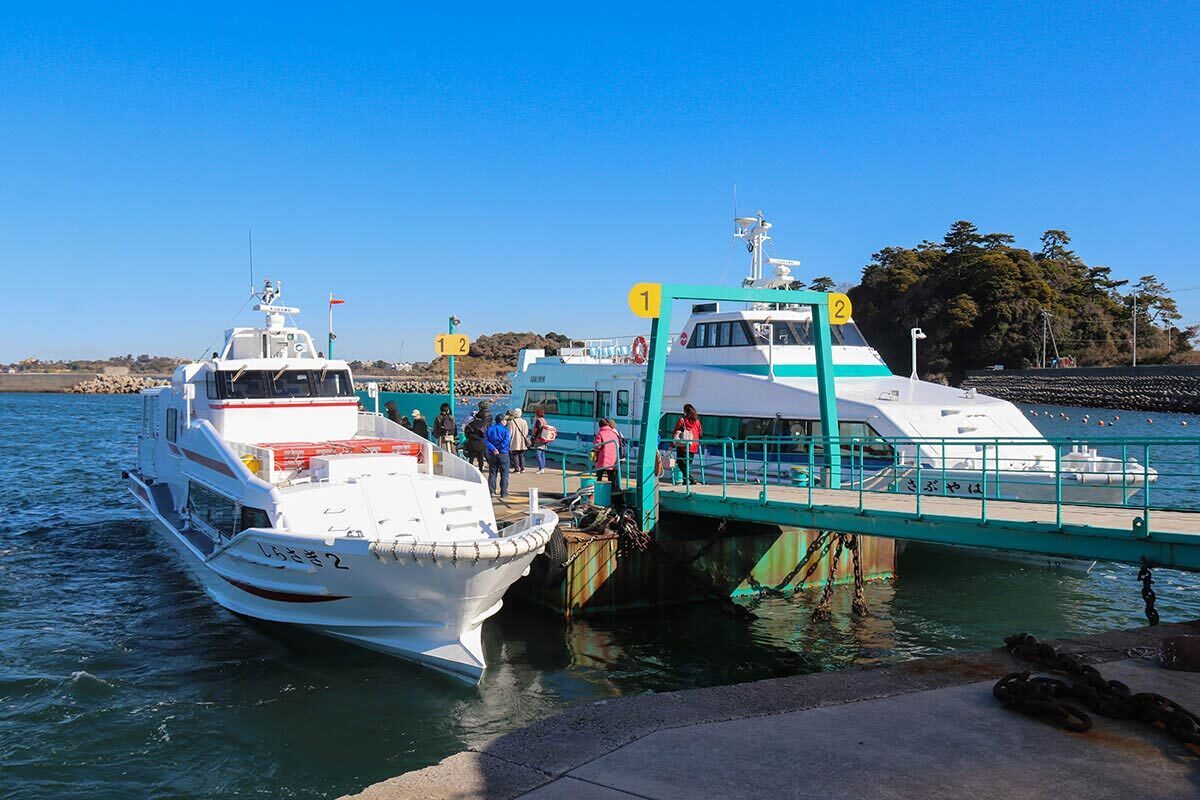
Shinojima Island can be accessed only by ferry. There is one port on the island with high speed boat and car ferry access to Kowa Port and Morozaki Port on the Chita Peninsula.
Kowa Port is the most convenient port for those traveling by public transit. Take the Meitetsu Railway train bound for Kowa from Nagoya Station and get off at Kowa Station, the terminal (50 minutes, 2 trains/hour). Kowa Port is about 5-7 minutes on foot from the station. Then, take a high speed boat from Kowa Port to Shinojima (30 minutes, 1 boat/hour) via Himakajima. The ferry timetable is available on the ferry company's official website (Japanese only).
Shinojima can be explored on foot, and it takes 90 minutes to walk one round of the island. Alternatively, rental bicycles (250 yen/hour, 1000 yen/day) are available at the visitor center near the port, which allow visitors to circle the island in about 45 minutes.
It is possible to travel between Shinojima and Himakajima Island. It takes about 10 minutes by high speed boat (2-3 boats/hour) and costs 500 yen one way.