A visit to the Museum of Narratives

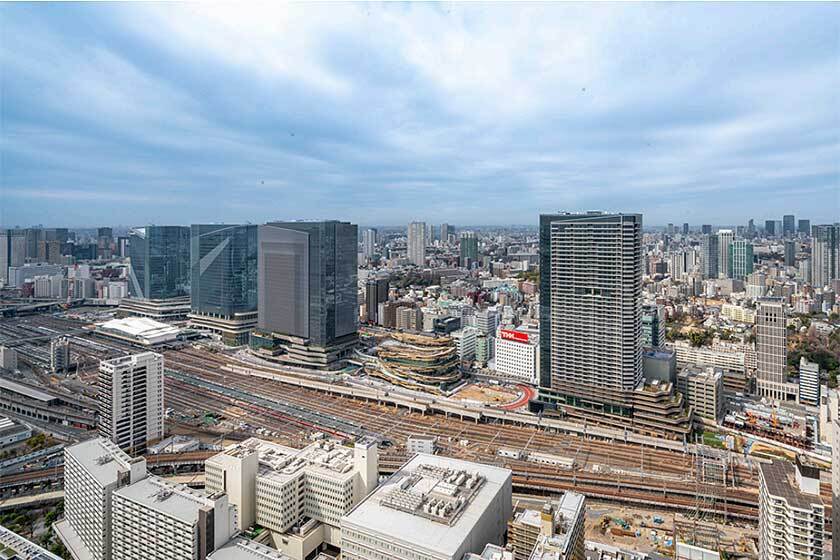
In spring of 2025, I was lucky enough to attend the press opening for Takanawa Gateway City - an ambitious new Tokyo development creating a kind of city within a city, centered on the then newly added station of Takanawa Gateway, only one stop north of the major rail hub of Shinagawa.
With the conclusion of that initial phase, the development already came with an impressive scale and the tantalizing sense that this - open plazas, organic lines and flowing, interconnected terraces - might just be a glimpse of the kind of public architecture to dominate Tokyo in years to come.
As exciting as all this was, the phased nature of the development left a lot of blank spaces still to be filled in, with ongoing construction, empty buildings and broad walkways still missing the greenery promised in CG promotional images.
In the time since we've seen some continued rollout within the Linkpillar 1 building including the major NeWoMan shopping facility, and now March 28 of 2026 will see the opening of two key components.
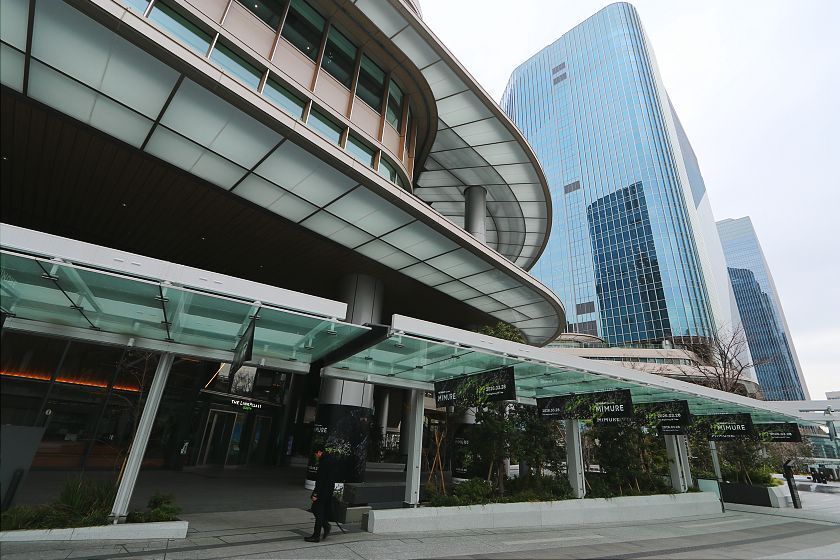
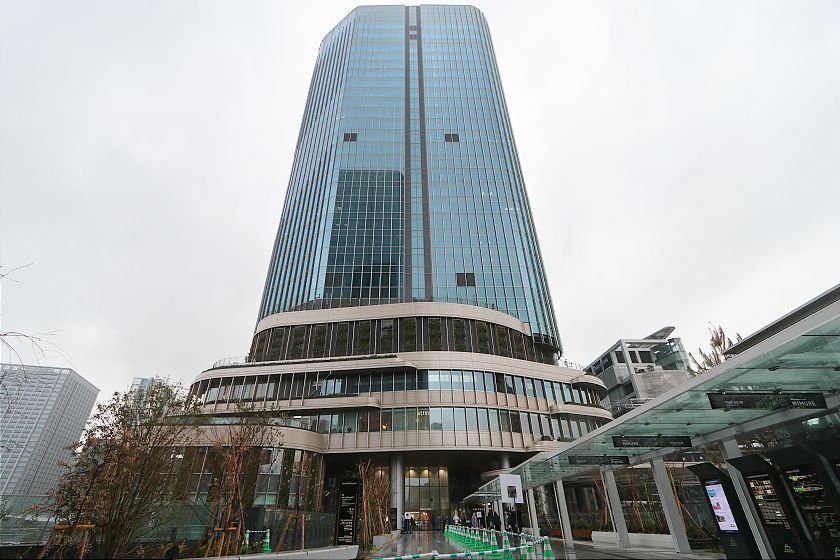
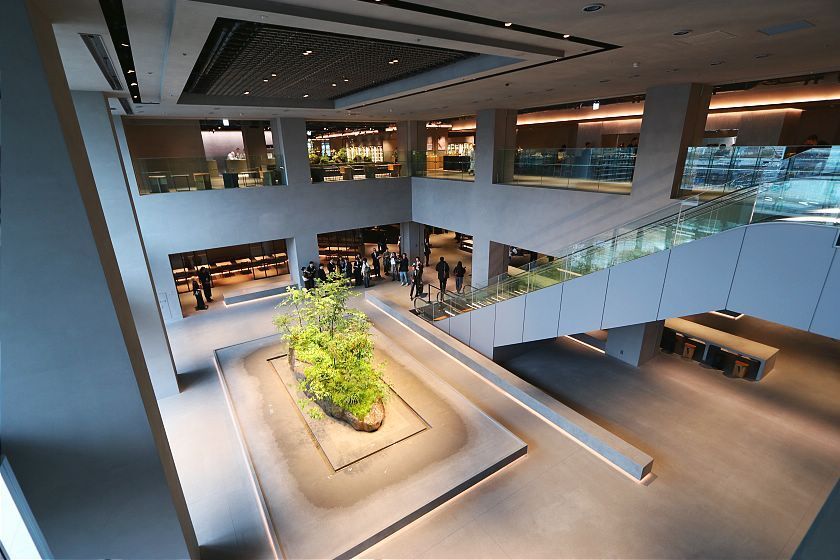
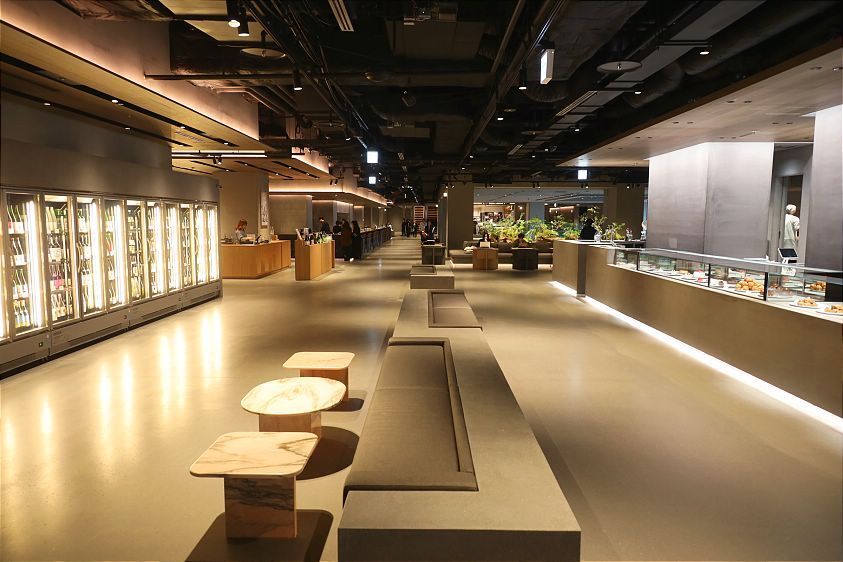
Linkpillar 2 is another mixed use tower with more office space, wellness facilities and - one of the standout features I've seen in the development as a whole so far - two beautifully designed floors of shopping and retail, also part of NEWoMan Takanawa and called Mimure.
For many visitors though, the real star of the show will be the much-anticipated Museum of Narratives (MoN) - a self-styled "cultural creation hub" featuring a bold design by Kuma Kengo And Associates, set to host a mix of live performances and immersive digital exhibitions.
This week, I was delighted to attend the museum's advance press opening for a sneak peek at what this eye-catching building will actually have to offer, and the chance to see how things were progressing with the wider development as a whole. How would it look up close? Could the substance possibly live up to the polished exterior? And just what is a "cultural creation hub", anyway?
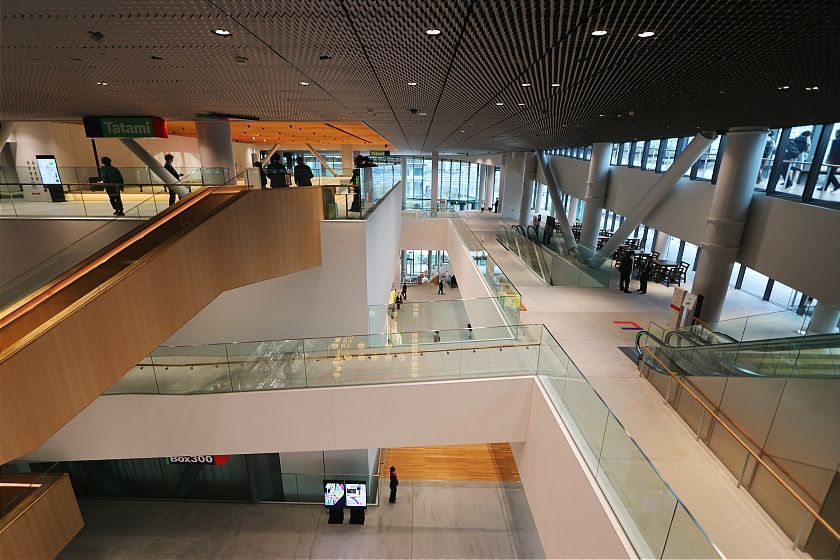
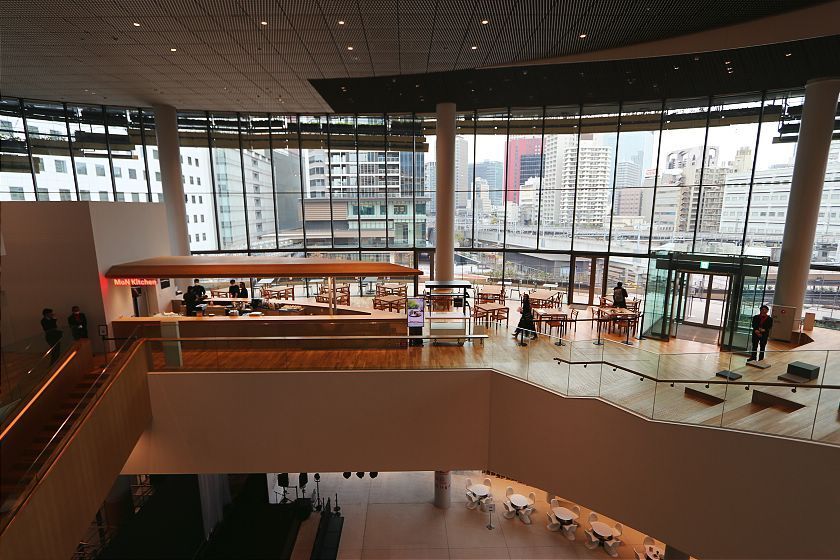
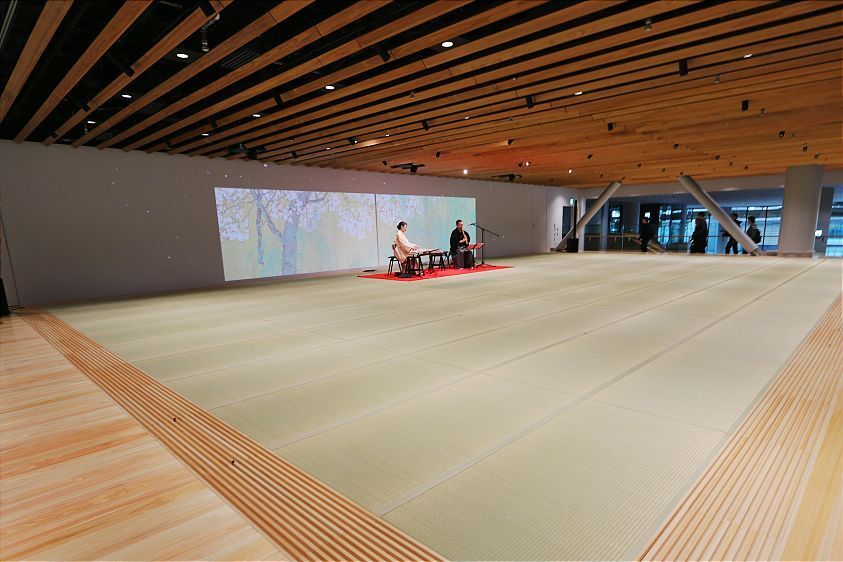
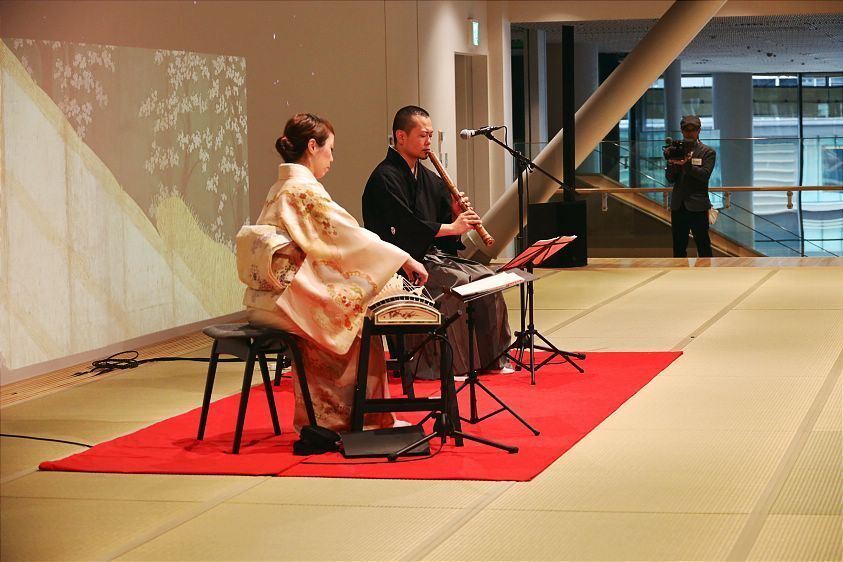
To get at the latter question, it may be easiest to start with what it isn't. Here, you won't find a permanent art collection, library or large-scale digital experiences a la Teamlab - rather, the building will serve mainly as a venue with a varied line-up of spaces: a 1,500m2 exhibition hall called Box1500, a mid-sized theater and performance space called Box1000, a smaller experimental space known as Box300, a suite of three additional "labs" and lastly Tatami - an attractive space overlooking the lobby, outfitted with around 100 of its namesake mats.
Filling up these spaces will be a roster of performances, events and exhibitions, nominally tied together by an overarching theme spread across six months, beginning with "Life as Culture". On the menu at the time of opening are "Guru Guru" ("spiral") - a cross-disciplinary exhibition all about spirals - a multimedia performance dedicated to the Firebird anthology of manga comics by Tezuka Osamu and a loose grouping of art installations spread across the facility and coming under the "Life as Culture" umbrella.
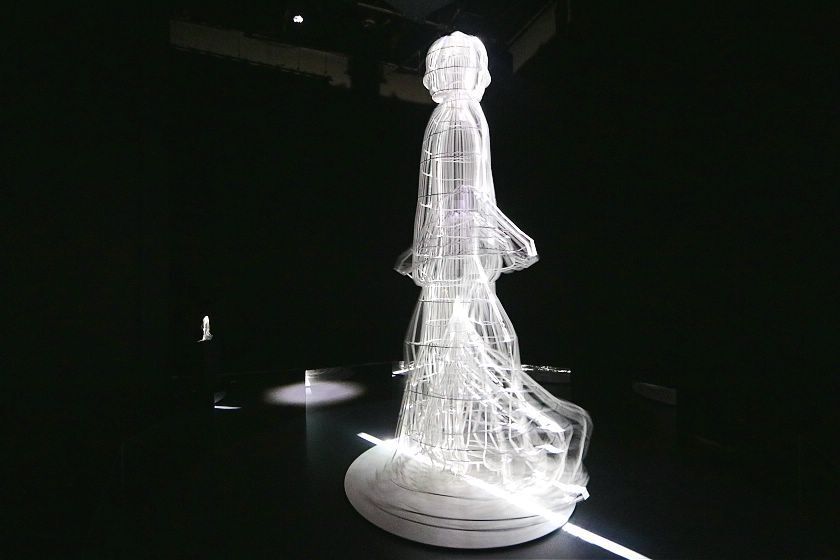
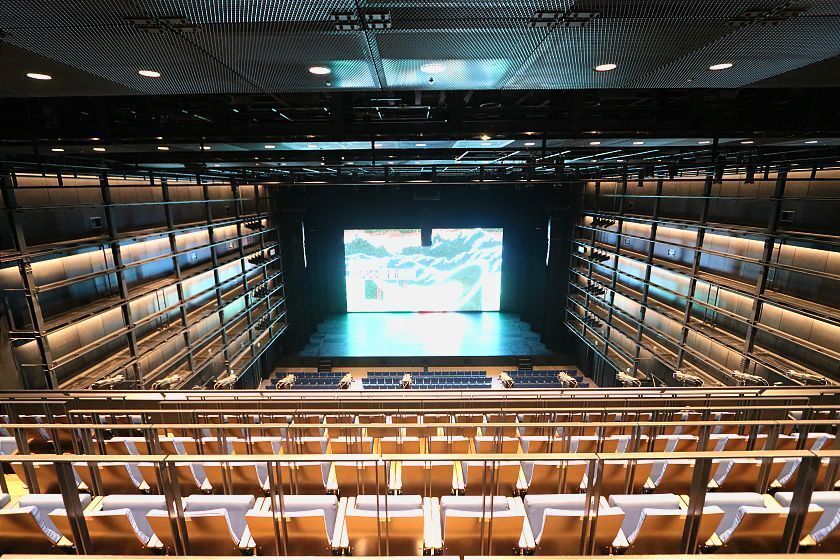
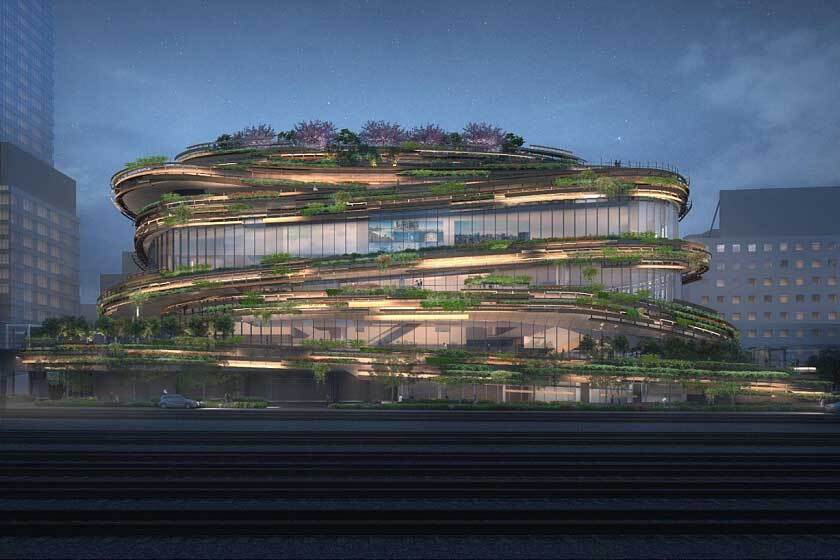
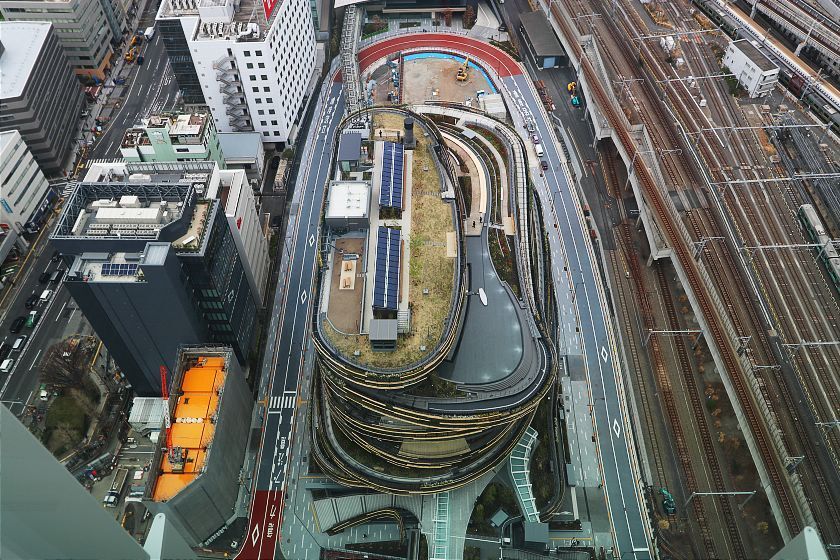
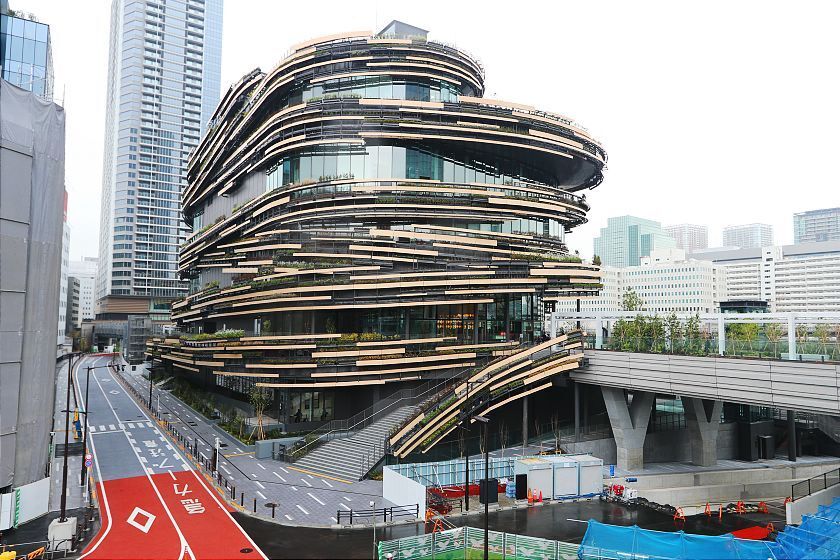
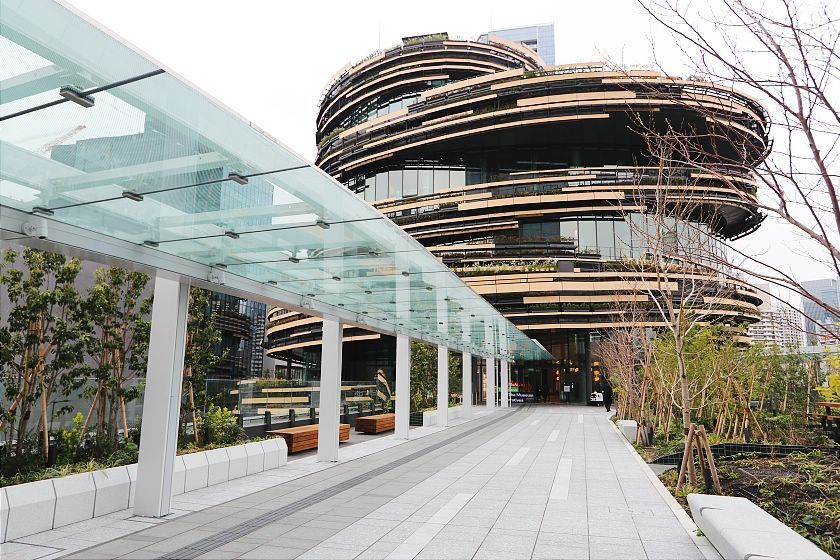
Visually, the building itself has the feeling almost of an experimental pavilion - the sort of thing you might have seen at the Osaka Expo - and in contrast to the glass-heavy structures surrounding it, is surprisingly solid and inward-looking. From outside, it looks rather like a low, rocky hill, wrapped in a distinctive, winding structure that connects the various levels as it spirals toward an open, grass-covered top floor.
It's this structure that gives the building its distinctive organic look while tying elegantly into the simple, flowing lines of the wider development. In some places purely ornamental, in others it forms staircases and balconies, opening up on the penultimate floor into an attractive space with flowerbeds, a sleek, modern pond and a footbath.
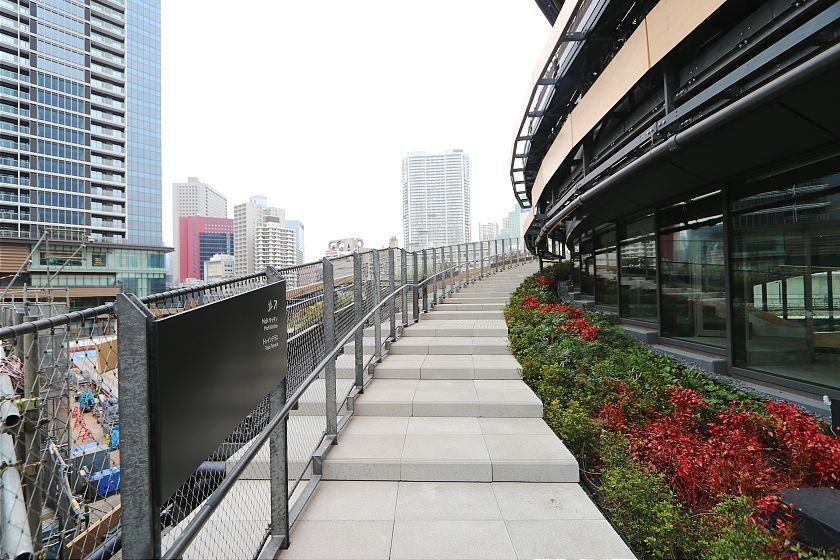
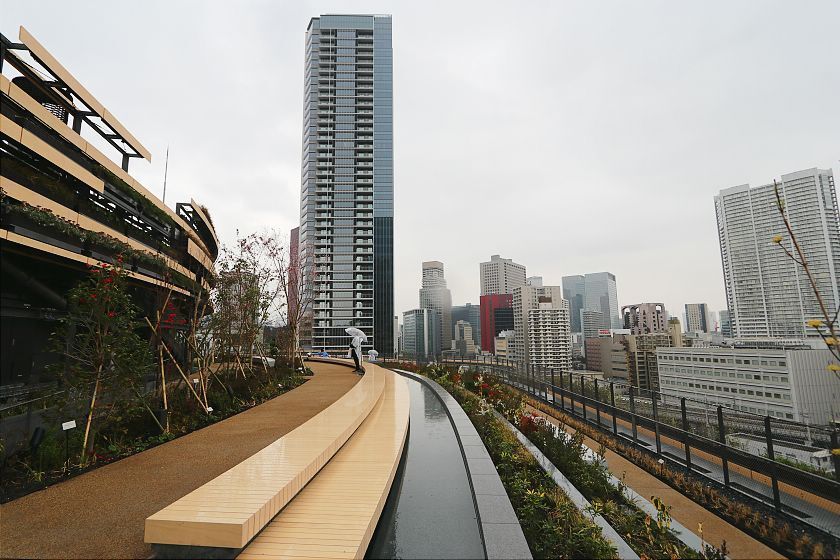
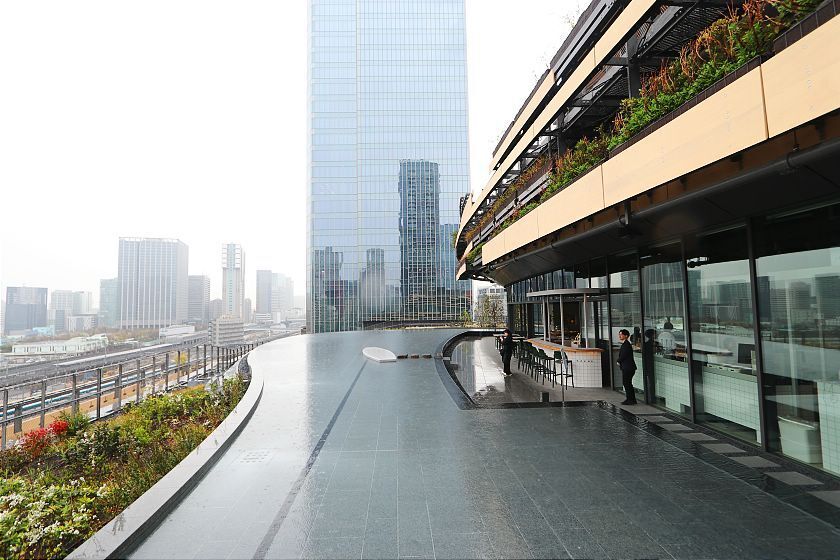
Scanning through press releases and other media coverage of the building ahead of my visit, I found myself at once genuinely excited to explore this new environment and just a little puzzled about the kind of facility it wants to be - a true cultural venue and attraction in its own right, or an exercise in cultural cache for the development as a whole? Having now seen it, I'm not sure that the idea of a "cultural creation hub" makes any more sense to me than it did, but it is a beautifully designed building and one I can absolutely imagine coming back to, especially on sunnier days when the rooftop terrace and those spectacular city views will really come into their own.
As for the multiple exhibition and performance spaces that represent the real substance of the building, these certainly have a lot of potential - I'll be interested to see what kind of projects they attract in the coming months.