New boat line opens in Tokyo

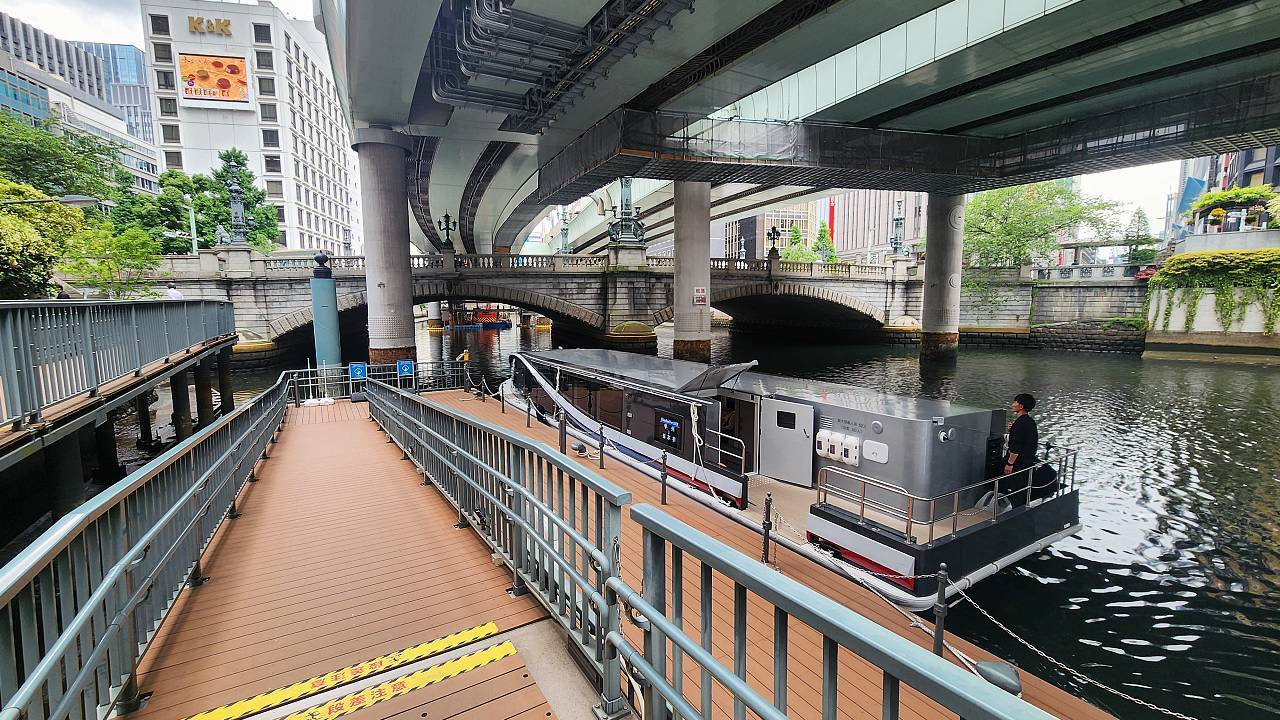
Some readers may already be familiar with the sightseeing boats that operate along the Sumida River between Asakusa and the Odaiba. But beyond the Sumida River, Tokyo also has an extensive network of canals and waterways that the city hopes to make greater use of in the future as an alternative to trains and subways for both tourists and commuters.
Several experimental boat routes have been tried out in past years, but most operated too infrequently to become practical. A more promising service began operating on April 26 between Nihonbashi, the historical heart of Tokyo near Tokyo Station, and Toyosu, a popular waterfront district known for attractions such as teamLab Planets.
The boats are electric and operate almost hourly between around 9:00 and 21:00, except on Thursdays. One way fares cost 900 yen and can be purchased online in advance or on board on the day of travel if seats are available. In addition to connecting two interesting neighborhoods in 25 minutes, the route offers passengers a different perspective of the city from the water.
More boat routes are planned for the future, including possible connections to Haneda Airport, although no further details have been announced yet.
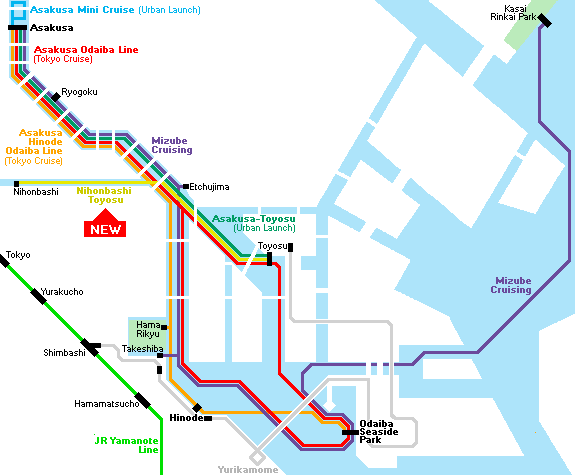
Nihonbashi and Toyosu
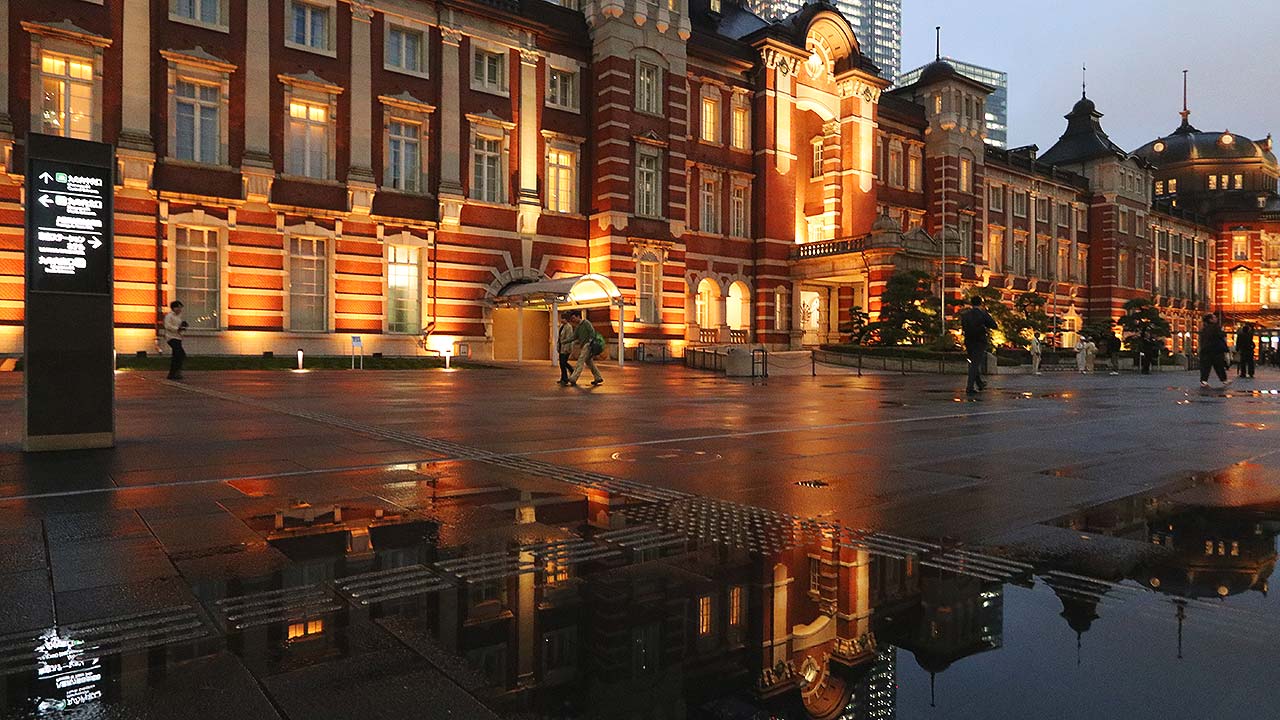
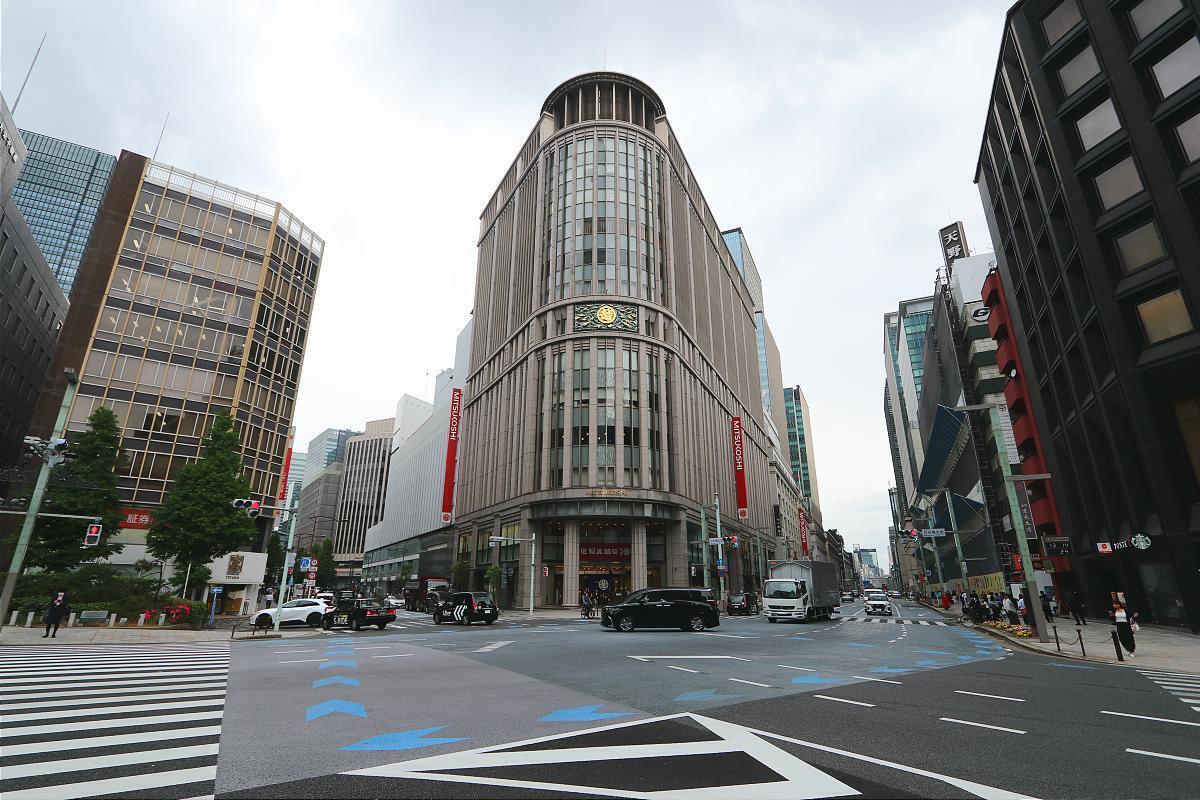
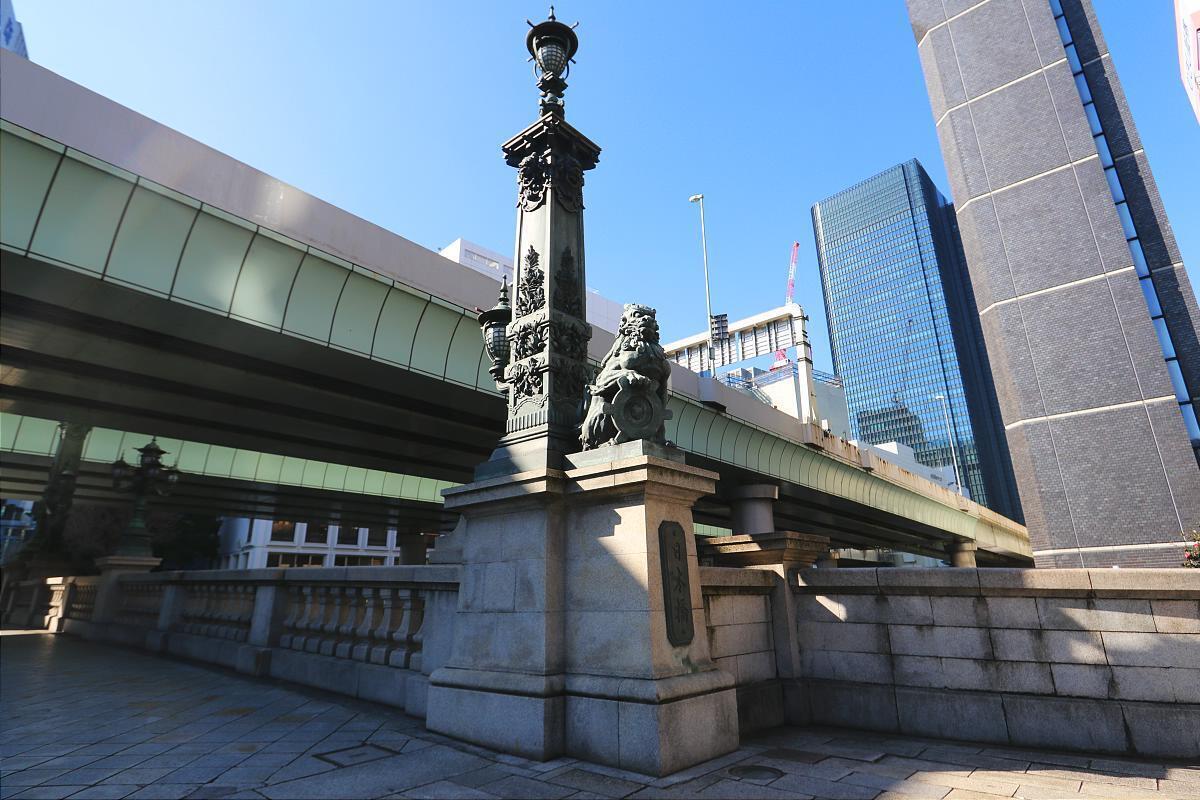
Within easy walking distance of Tokyo Station, Nihonbashi is one of Tokyo's leading business districts and home to landmarks such as the Tokyo Stock Exchange, Mitsukoshi Nihonbashi, Japan's first modern department store, and the historic bridge from which the district takes its name and which still serves as the kilometer-zero marker of Japan's road network.
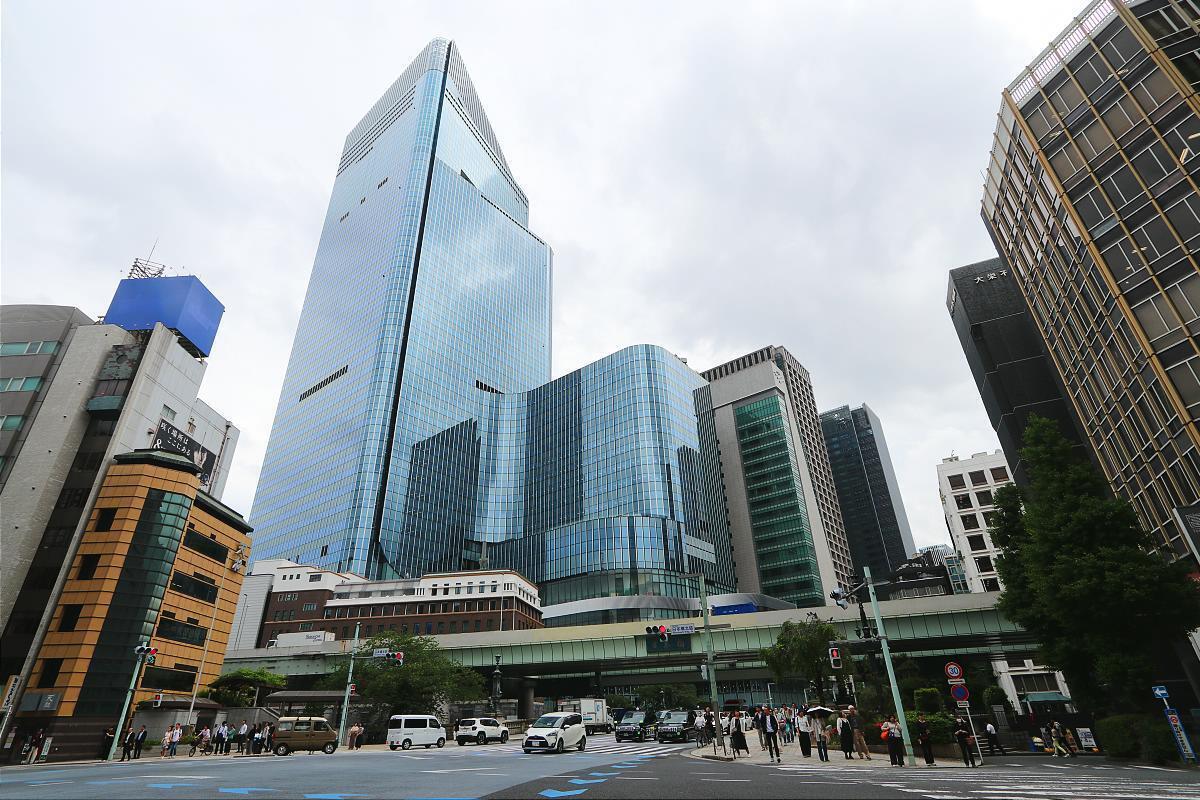
The district is set to transform into one of Tokyo's most vibrant urban hubs over the coming years, with major new developments including Tokyo Midtown Nihonbashi in autumn 2027 and Tokyo Torch, Japan's tallest building, in 2028. Further plans to beautify the area include the removal of the elevated expressway by around 2040.
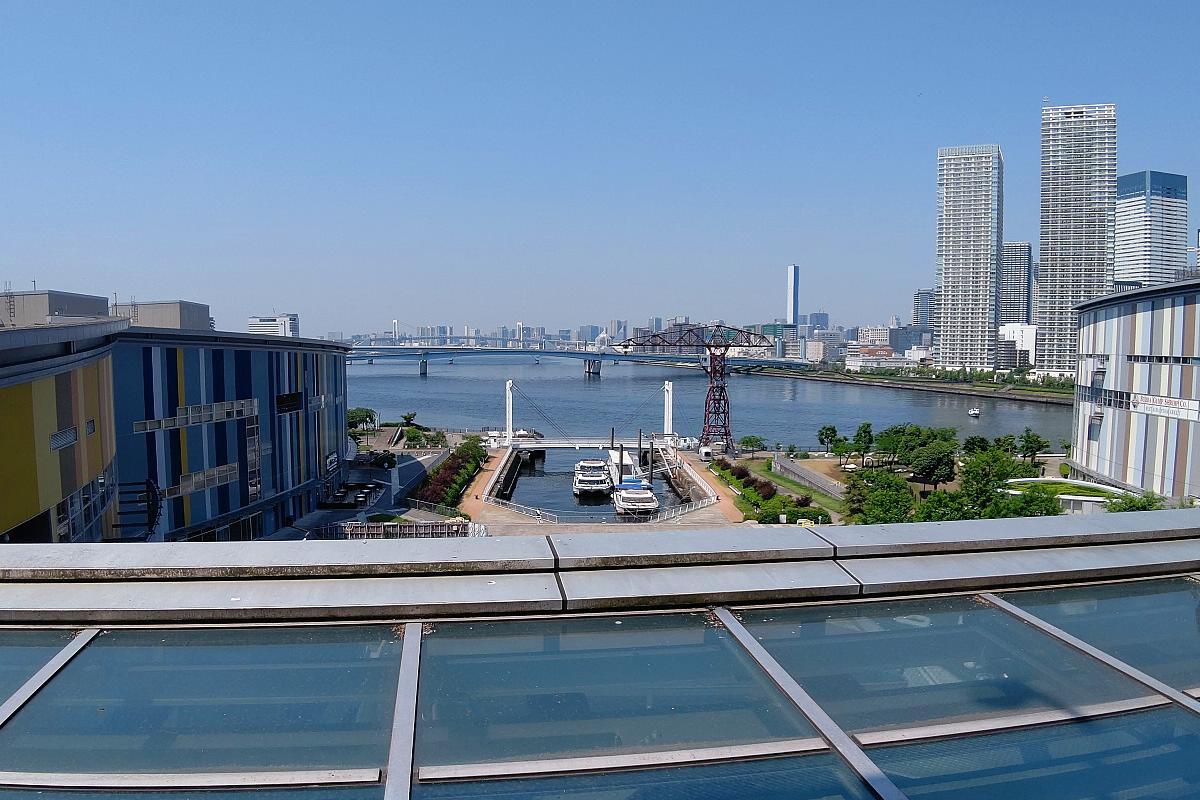
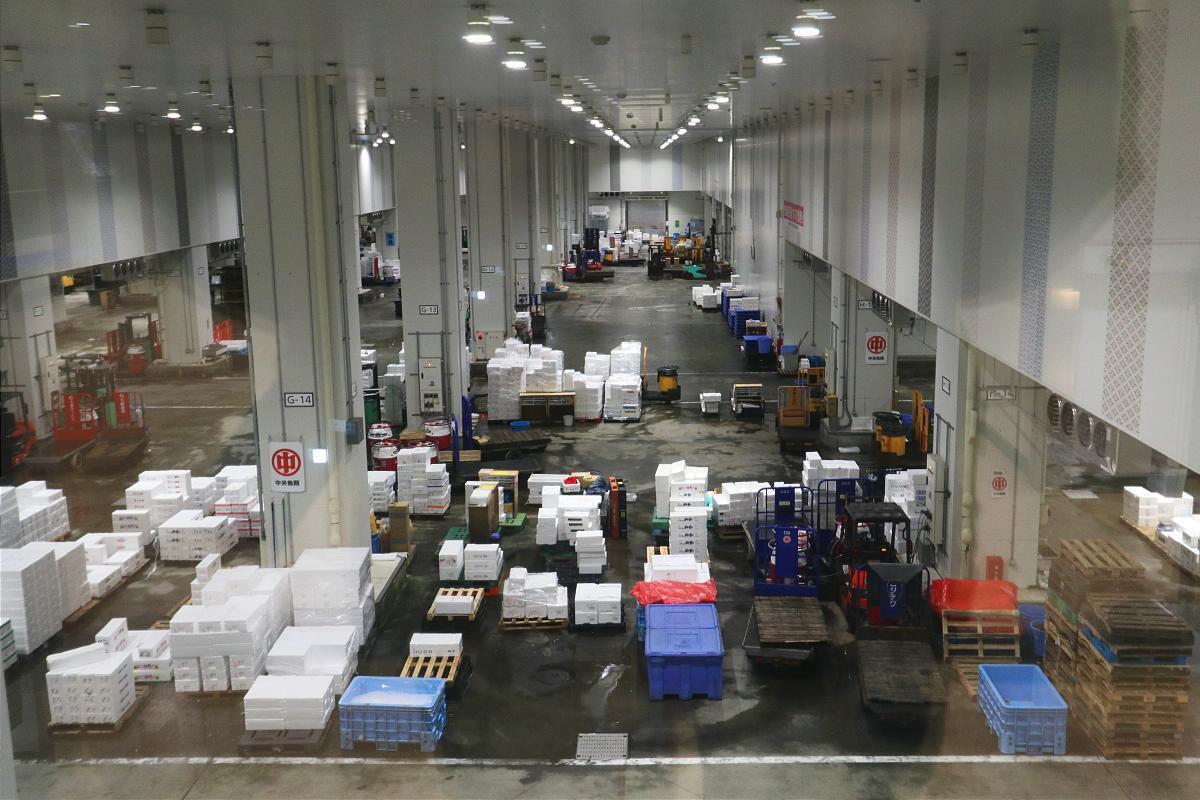
Toyosu meanwhile is a major waterfront district on reclaimed land in the Tokyo Bay. Once an industrial zone, it has become something of a shopping and entertainment hub in recent years, home since 2018 both to the popular teamLab Planets attraction and the Toyosu Market facility that replaced the older Tsukiji Market.
The ride
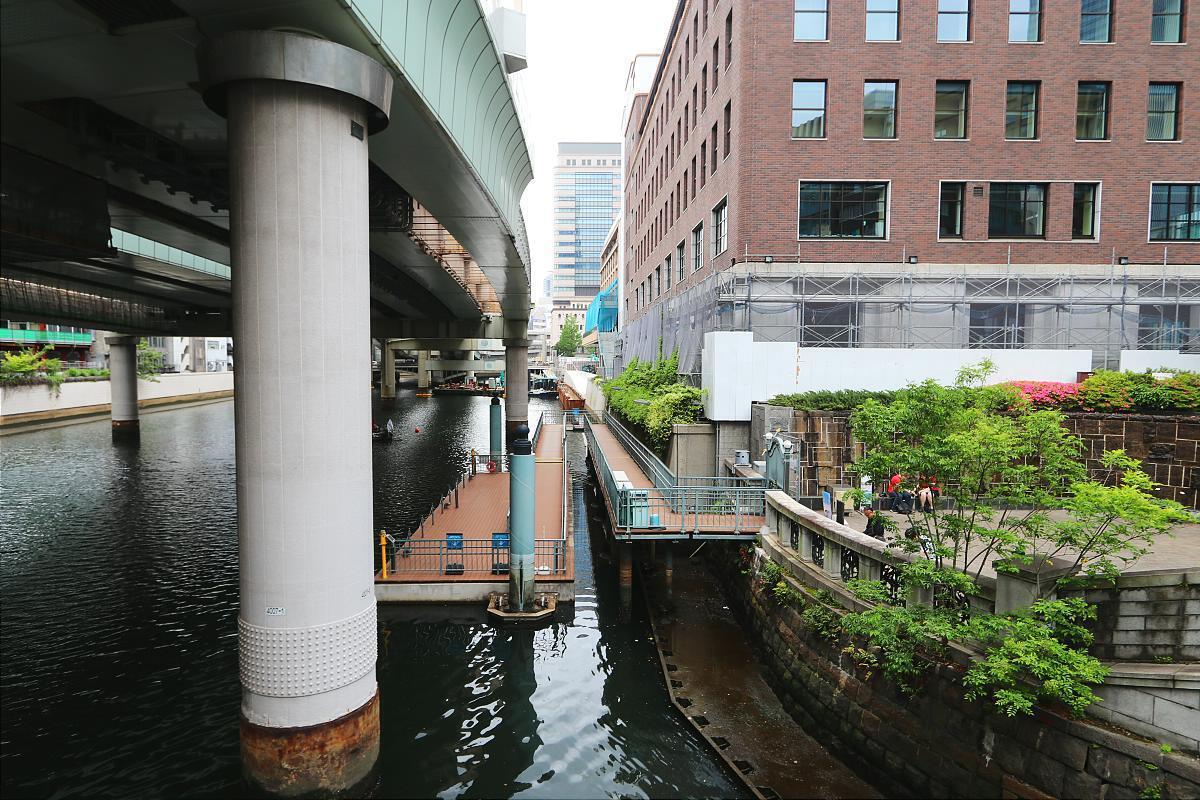
Keen to experience the ride for myself, I booked a ticket online in advance and boarded the ferry at the Nihonbashi Pier, located at the foot of the famous Nihonbashi Bridge on the south bank. The process was smooth and straightforward, with nothing more complicated to worry about than planning for the journey and picking a time.
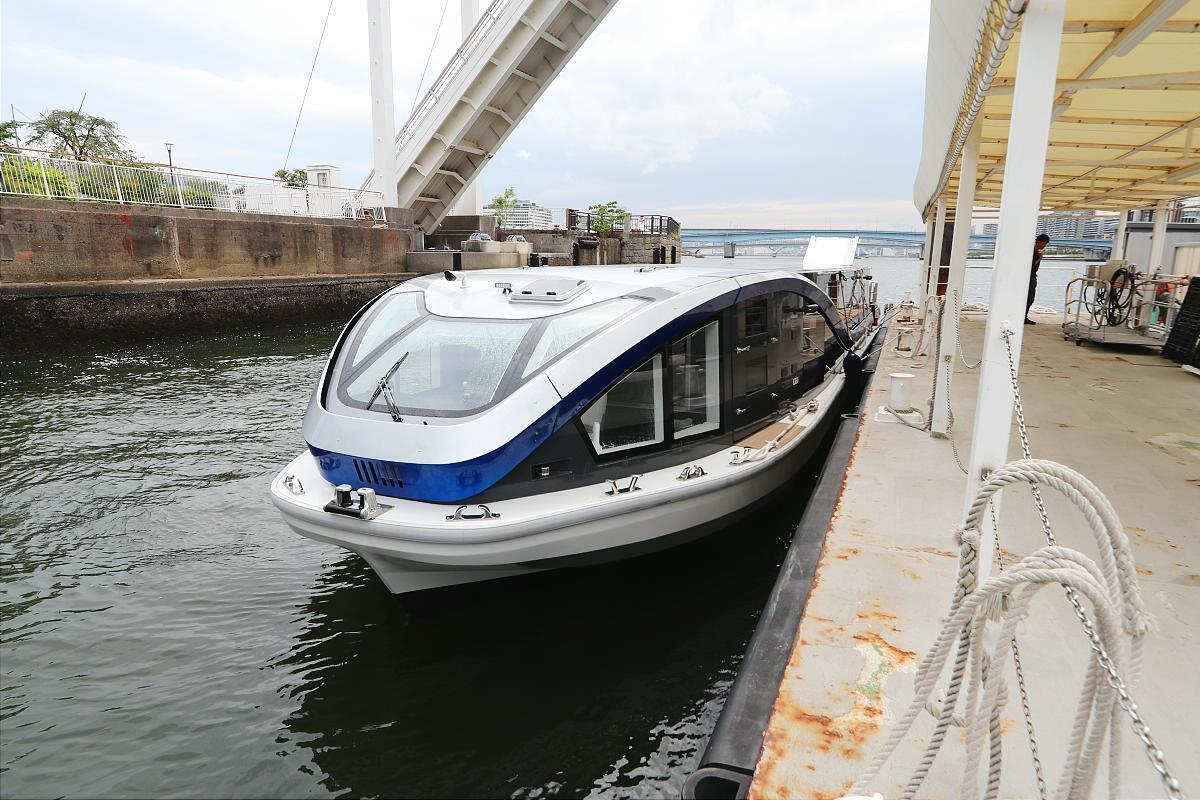
The vessel itself runs only on electricity and features a simple though futuristic design, further accentuated at night with a glowing blue strip running the full length of its hull. Although open deck space is somewhat limited, with passengers only allowed access for part of the ride, the cabin itself is comfy and nicely designed. In addition to an on-board toilet, passengers can make use of power outlets and even a designated standing desk area for laptops.
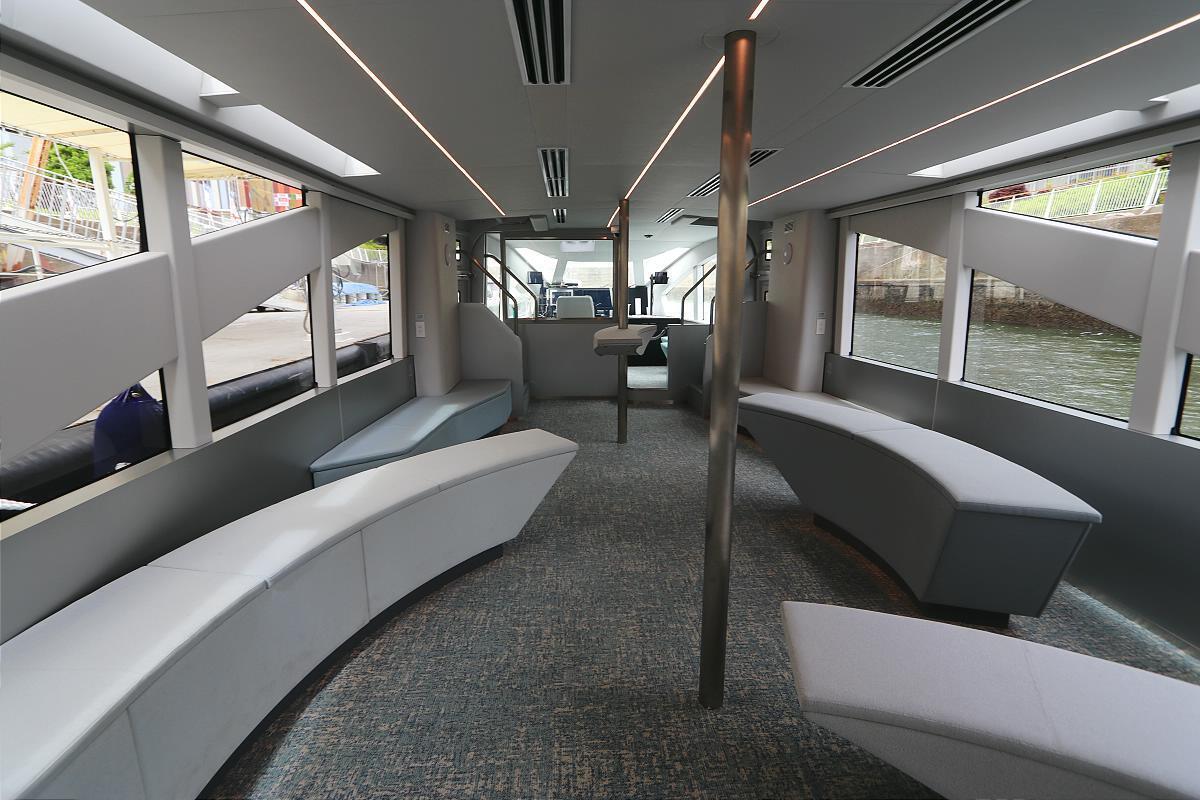
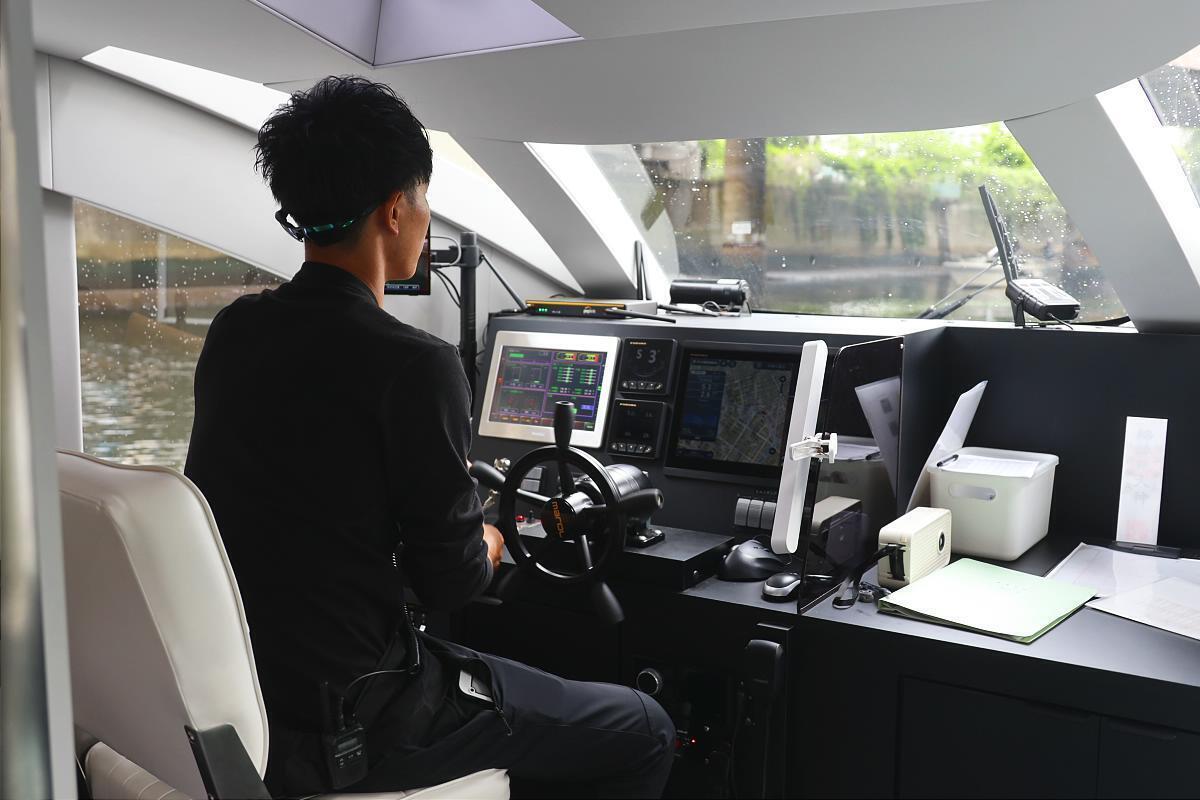
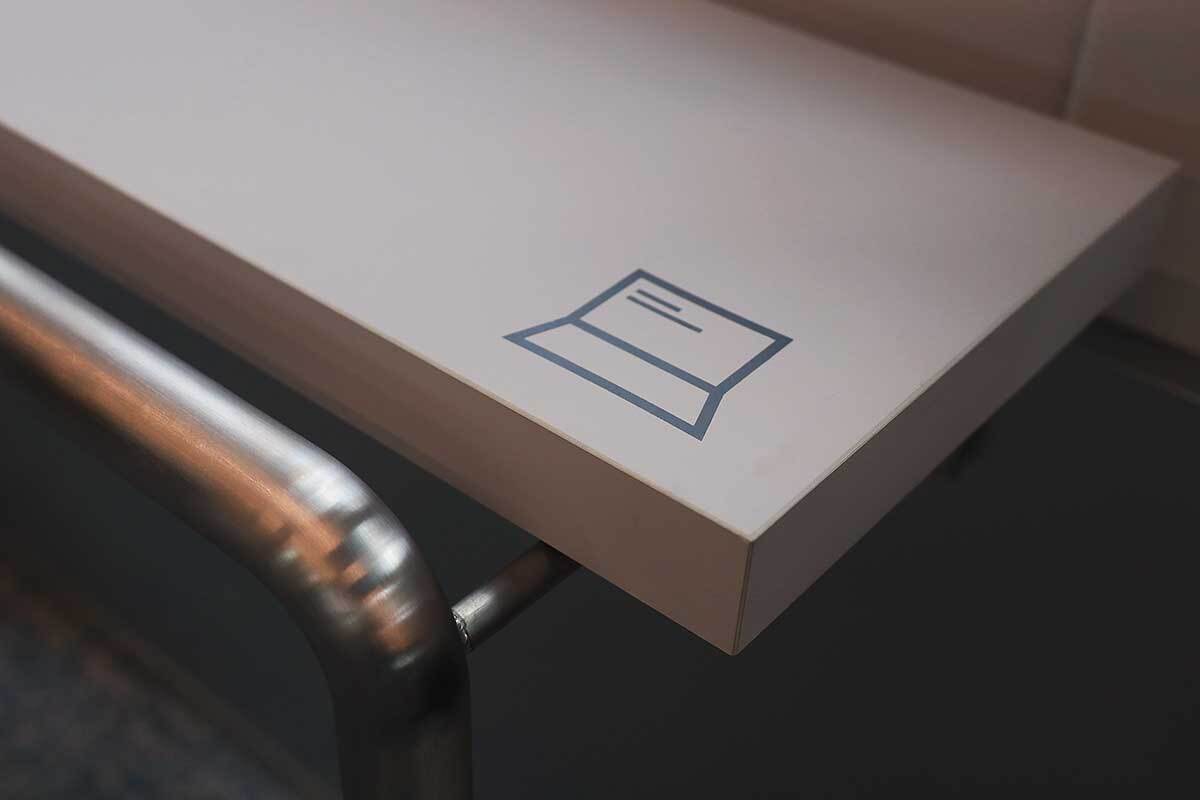
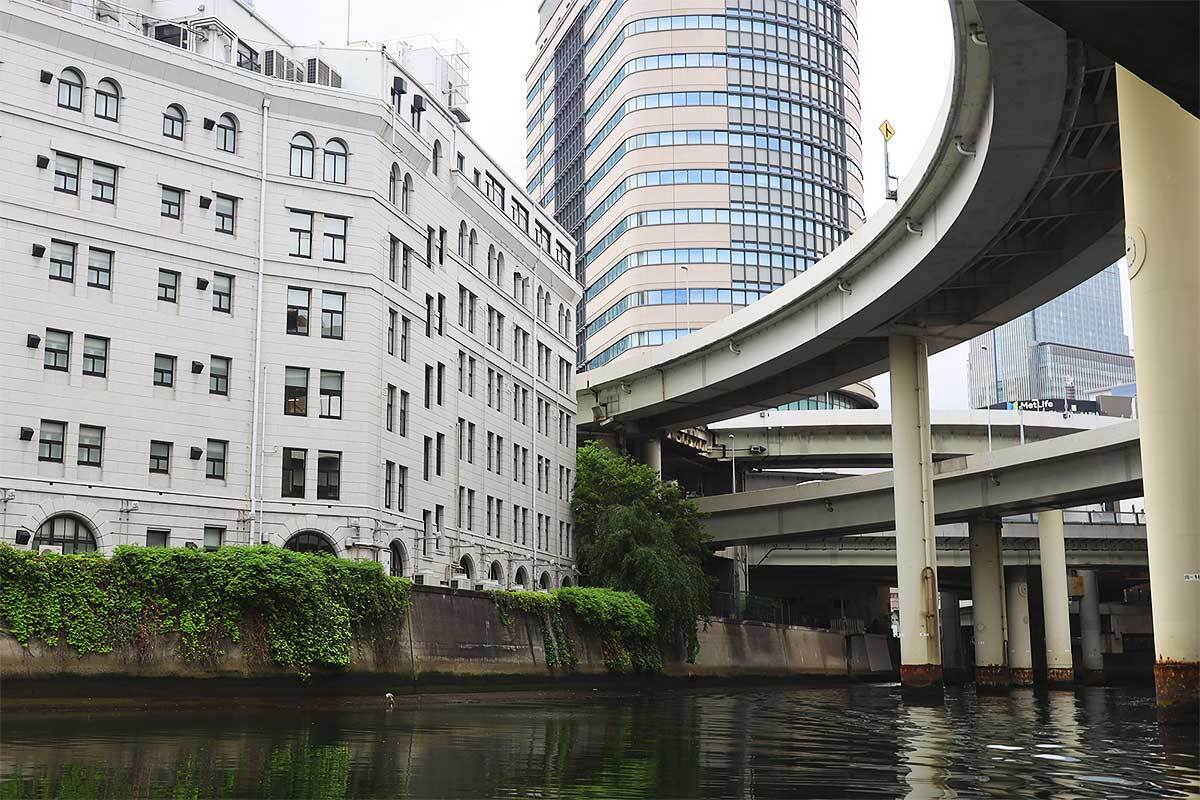
The ride was smooth and comfortable, with an interesting mix of scenery. From the unusual shapes formed by the overhead expressway and other bits of infrastructure to the little snippets of city life glimpsed along the embankments, there's something uniquely fascinating about exploring a city by boat.
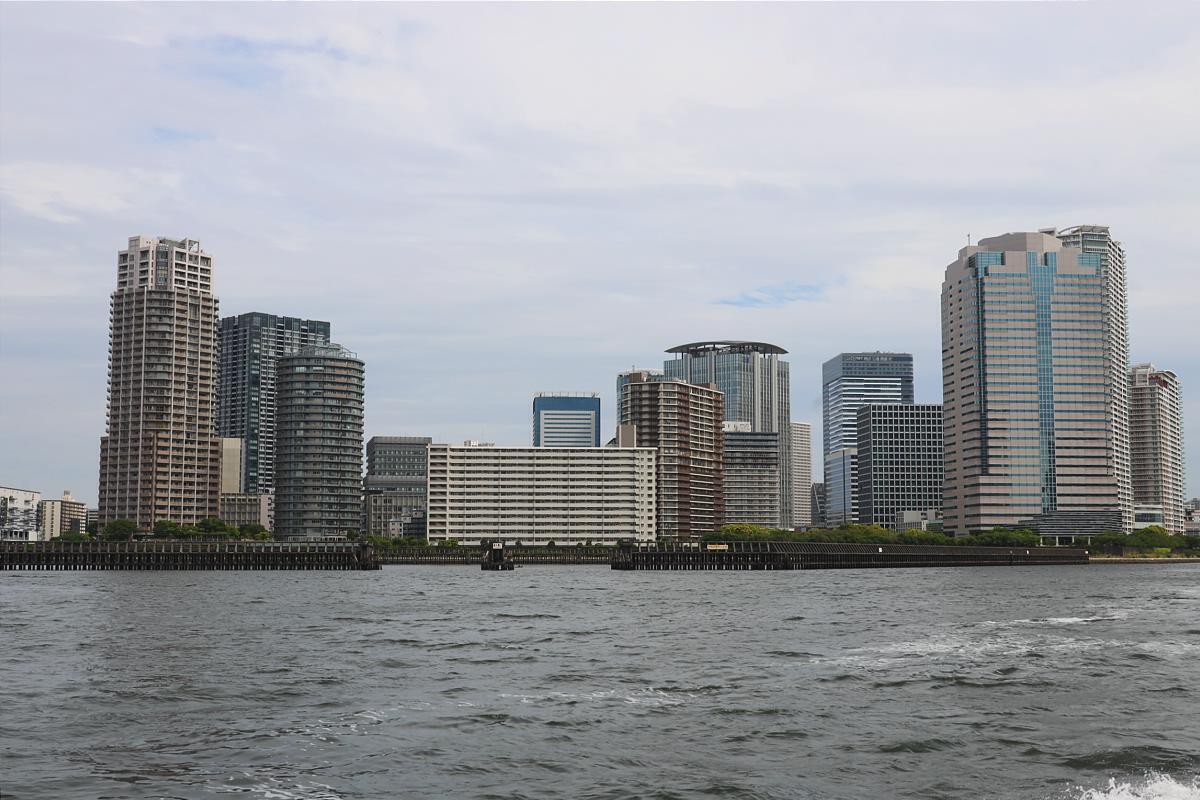
I especially enjoyed the moment when we crossed over from the Nihonbashi River into the wider Sumida, and the city suddenly opened around us revealing a distant view of the Tokyo Skytree. The atmosphere shifted again on the final stretch through the Tokyo Bay, with urban sprawl giving way to warehouses and neat residential towers.
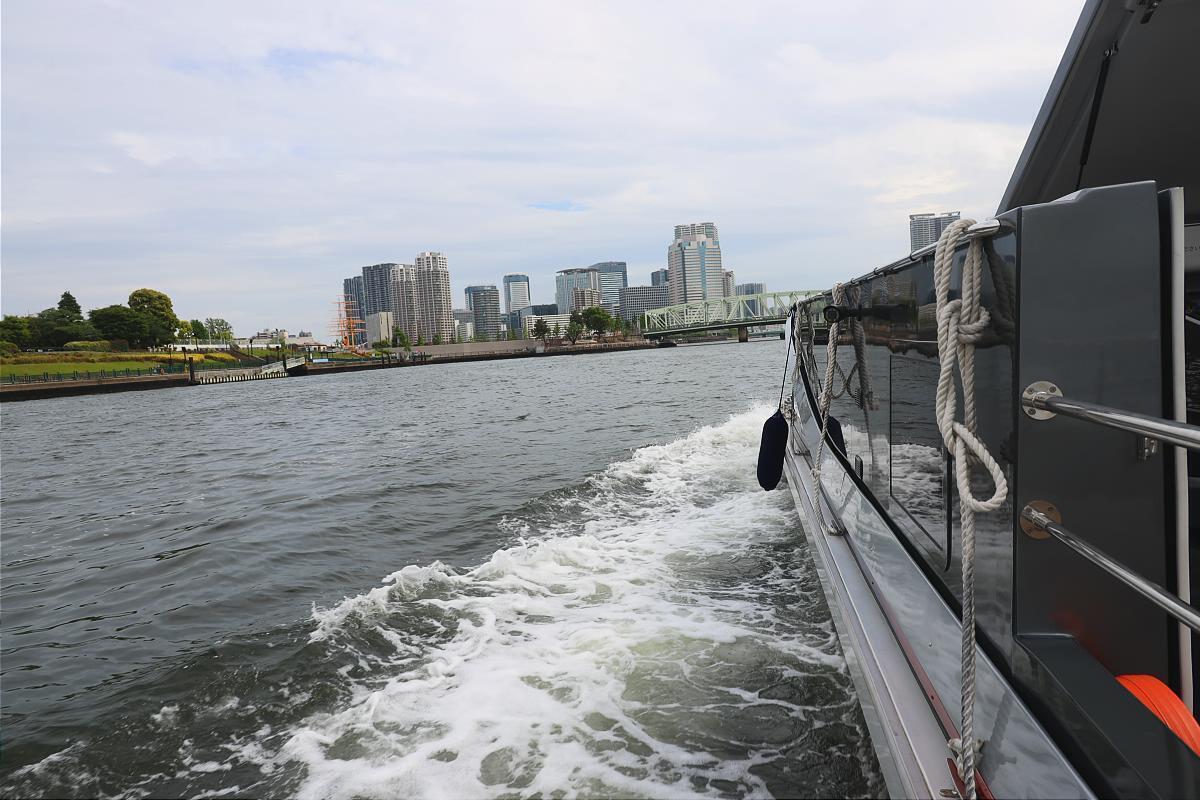
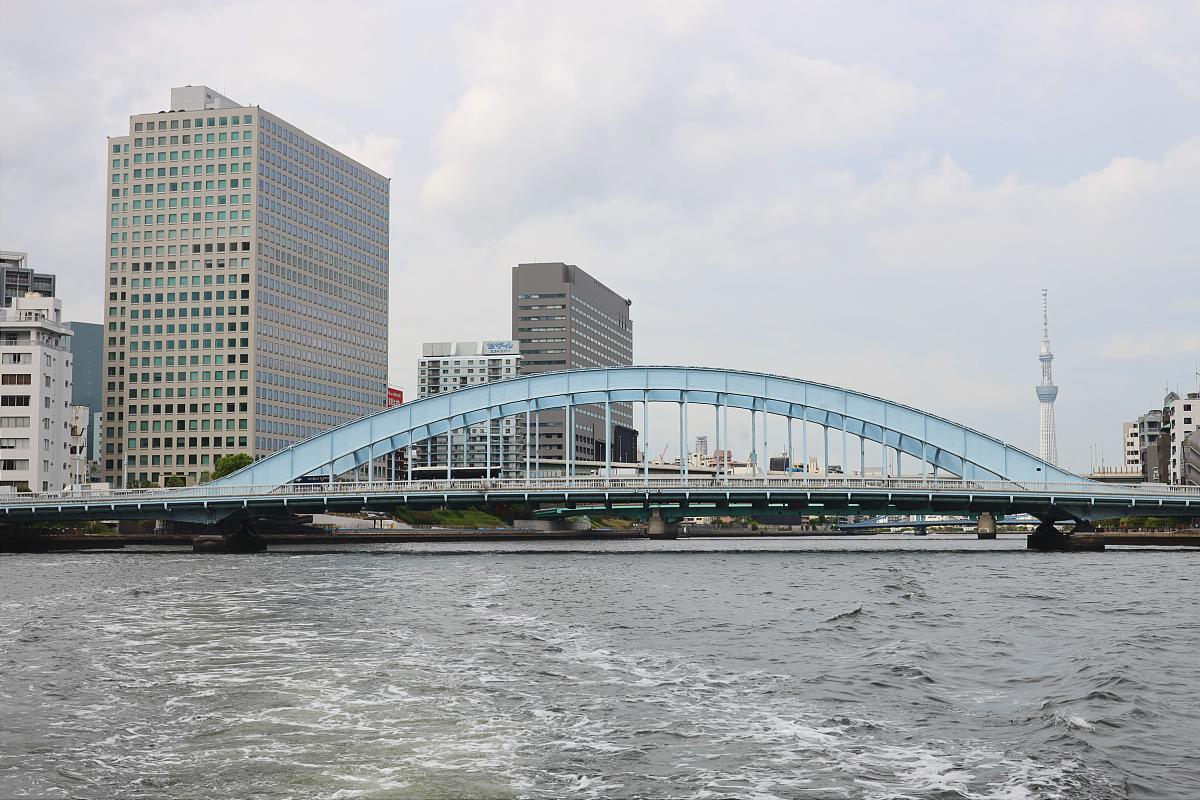
The ride passed surprisingly quickly and we pulled in finally at the foot of the LaLaport Toyosu shopping mall, a handy spot with shopping and entertainment options, as well as easy rail access to the Yurikamome and Yurakucho Subway Line via nearby Toyosu Station.
Overall, my experience on the ferry was excellent - I liked the smoothness of boarding, the comfortable interior that felt very different to boating experiences in the past and the choice to link two such attractive and rapidly developing neighborhoods. While it seems likely that the liner will still be of most use to tourists, it's fascinating to think how the face of travel along Tokyo's waterways could change in the future, and I'll be excited to see how things develop.