The perfect rainy day in Tokyo

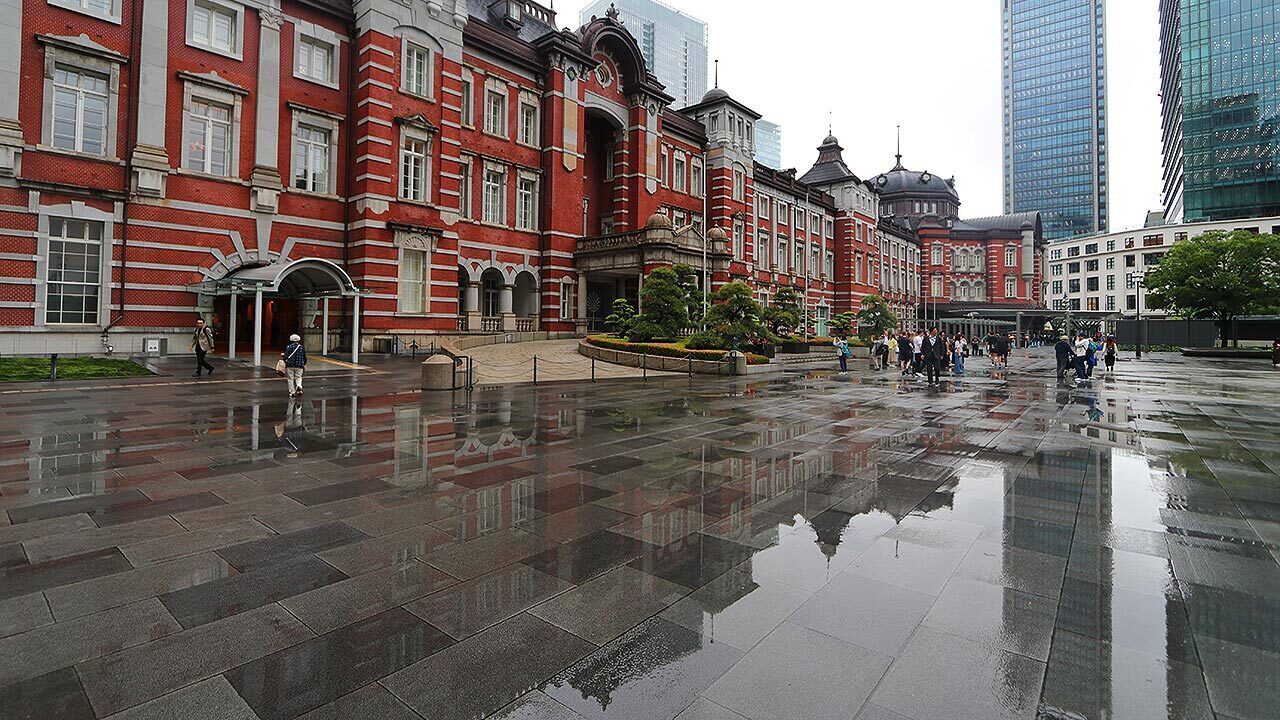
Picture the scene - you've been thinking of this trip for months, maybe even years. You've scrolled for hours in search of those perfect sightseeing spots, saved up for your flight tickets and maybe even planned everything out to the nth detail. Now your long-awaited day in Tokyo has come at last and... it's throwing it down with rain.
While this might mean some last-minute changes to your itinerary however, all is far from lost. As it happens, Tokyo is not only one of the biggest cities in the world but also one of the most interconnected, with many of its train and subway stations linking into vast, sprawling retail complexes, often via a maze-like expanse of access tunnels.
Japan's early summer rainy season, or tsuyu, tends to run from early June to mid-July and will make an appearance in most places throughout Japan. To mark its official start in Tokyo on June 7, I spent a day in the big city to take on an unusual challenge - to enjoy a full, varied and exciting day of sightseeing while fully committing to the silliness of the bit and not stepping out into the elements even for a moment.
Of course, all this can be rendered somewhat pointless if your hotel happens to be far from the nearest underground access, but there are no shortage of connected options when looking at areas like Marunouchi, Shinjuku, Shiodome or Roppongi. And what exactly would count as cheating? To keep things manageable, I'm sticking to the basic rule that all routes must offer some kind of unbroken shelter - so a walk along a covered promenade still counts while even a quick dash in the open is right out.
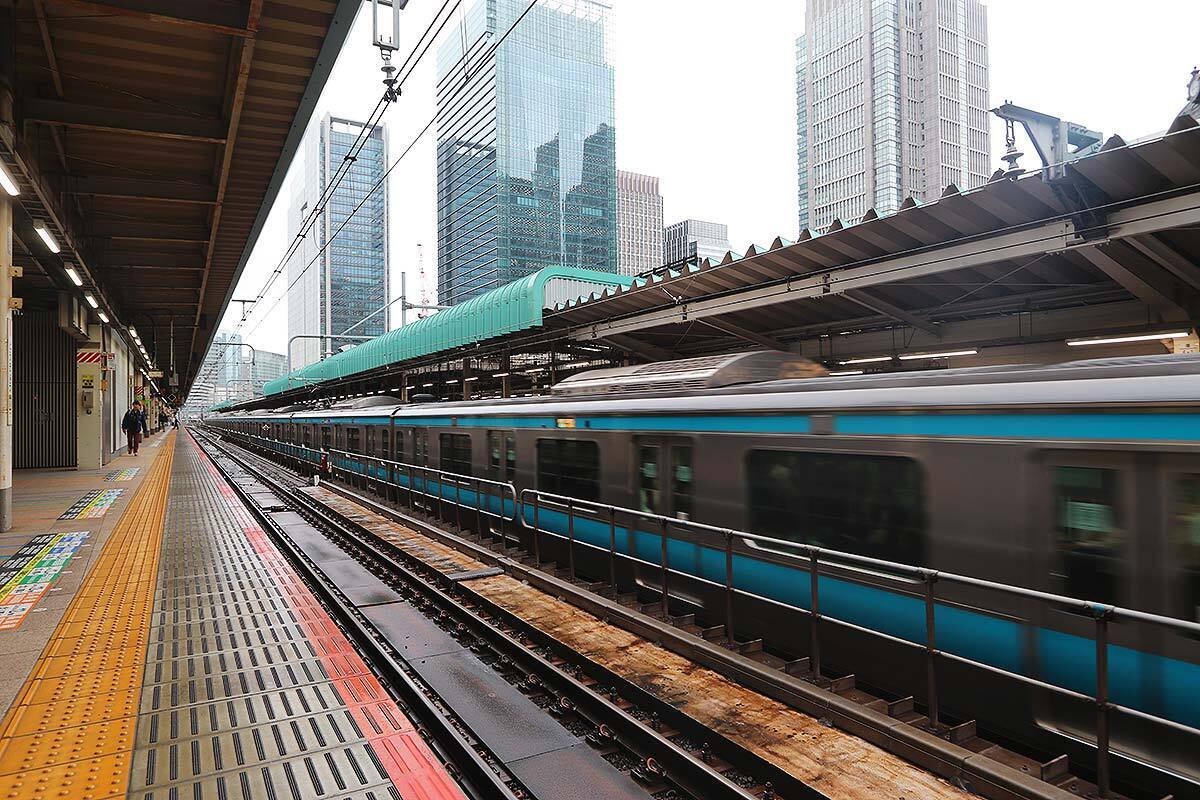
Tokyo Station
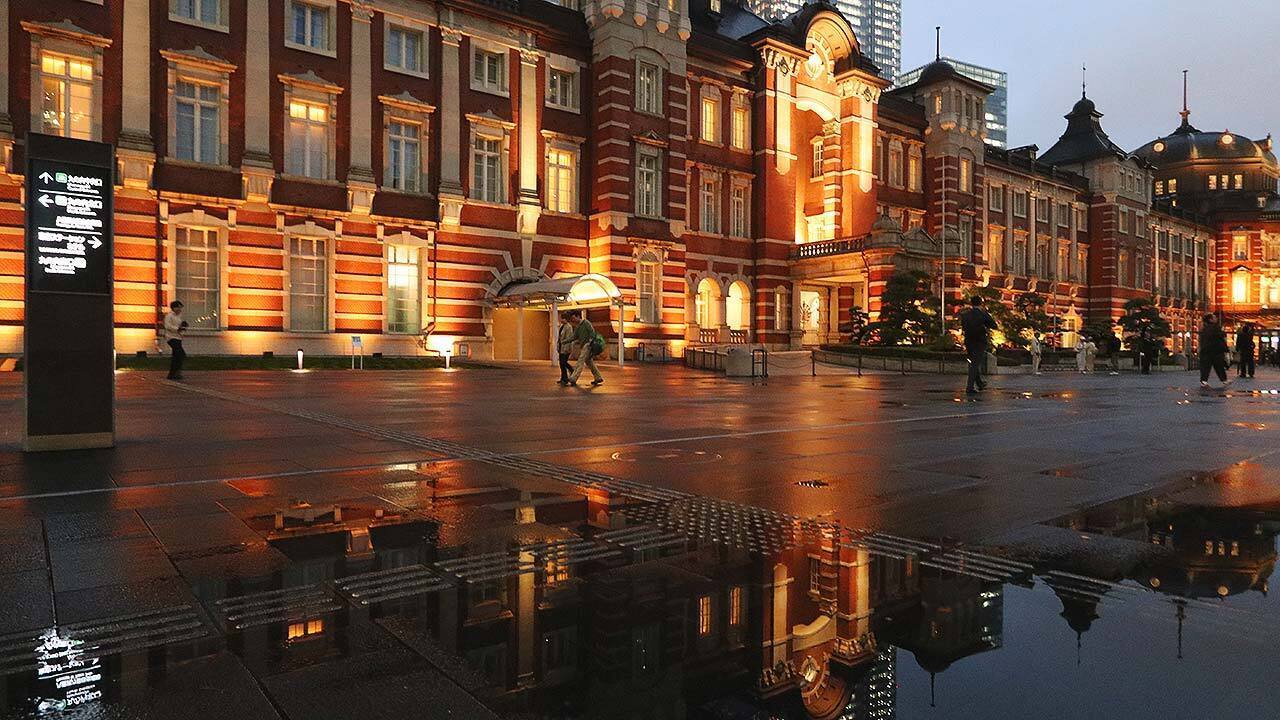
Like countless other visitors every day, my first stop was at Tokyo Station - the city's central transport hub where the high-speed shinkansen, conventional JR lines and underground rail come together. Located within the Marunouchi business district, the station however has far more to offer than simply getting from A to B.
Inside, visitors of all kinds can explore a kind of city-within-a-city, with street-like corridors packed with shops, dining and services, and seamless access through to surrounding malls like Yaechika and Kitte Marunouchi.
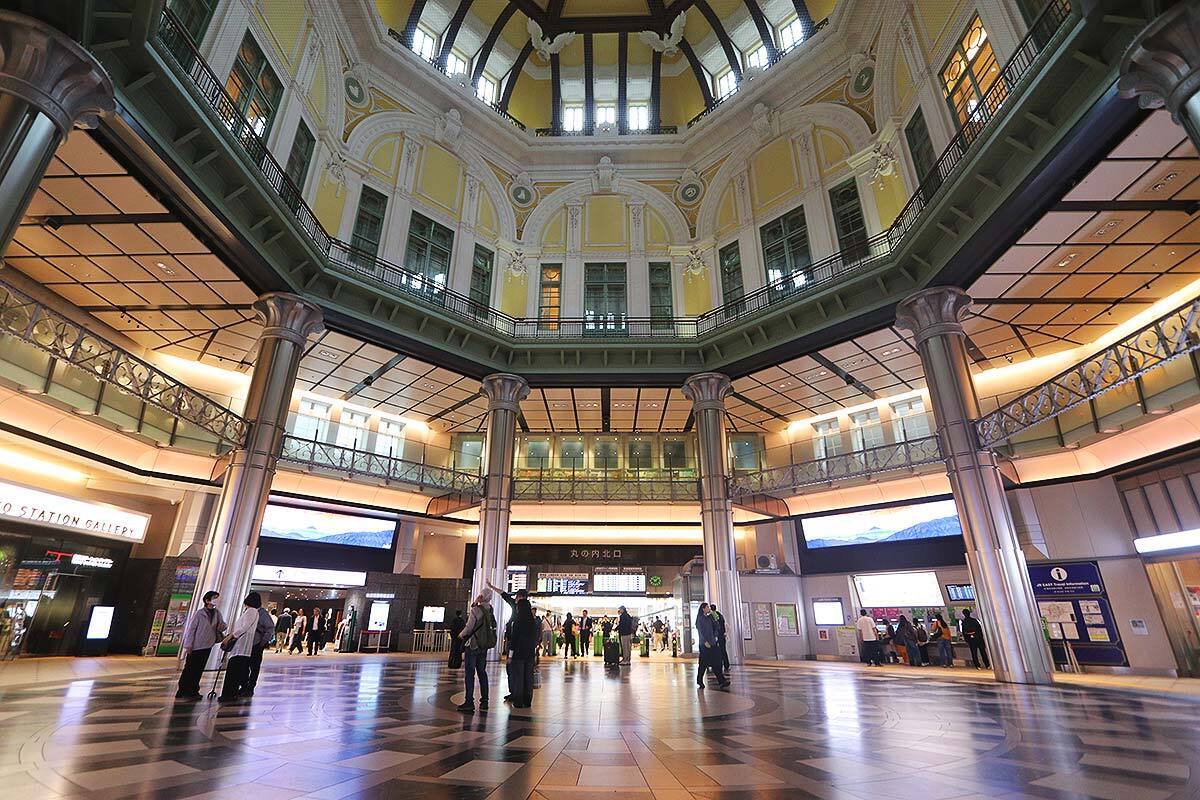
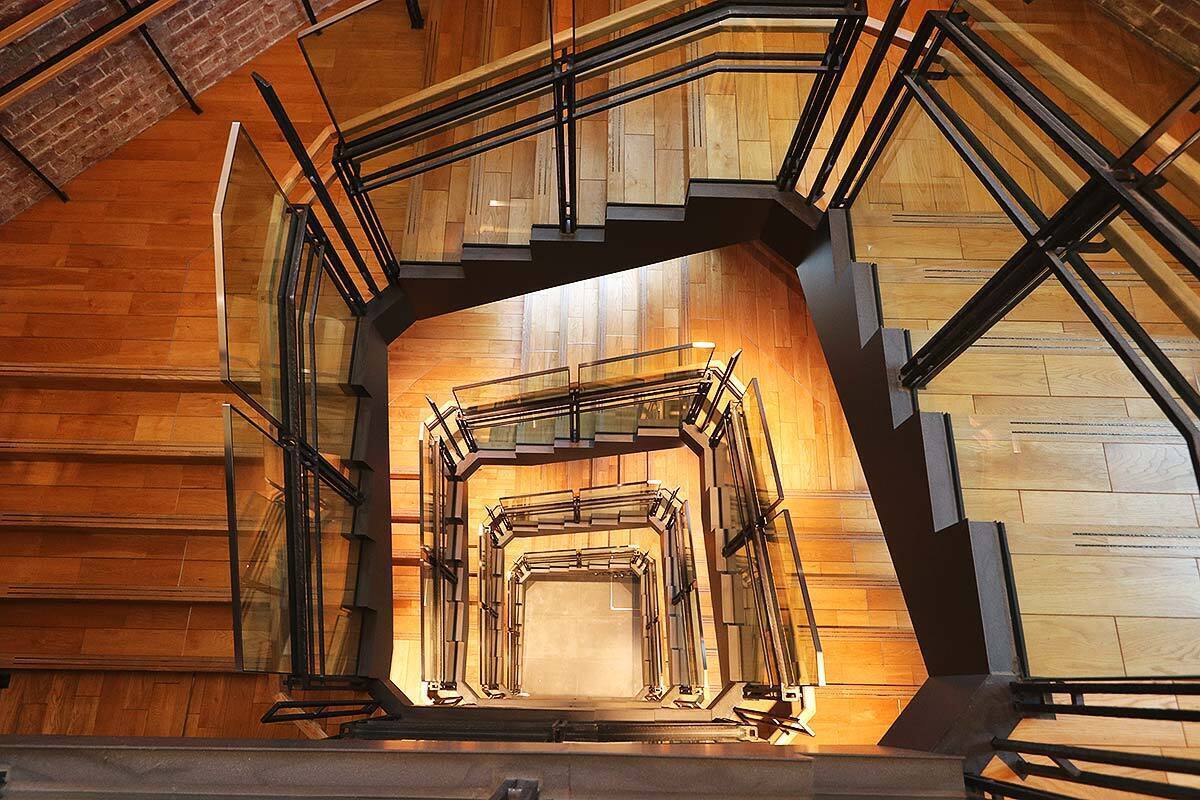
Located just outside the ticket gates in the north dome of the Tokyo Station Marunouchi Building, one popular attraction is the Tokyo Station Gallery - an attractive, split-level exhibition space with exposed steel and brickwork creating a very distinct atmosphere.
Like the nearby Mitsubishi Ichigokan Museum, the focus here tends to be on impressionist and early-modern art, which sets an elevated tone while nicely complementing the environment. Apart from the artworks themselves, the walking route through the space also leads around a walkway in the upper part of the dome, with views over the ticket gate and a series of models charting the development of the station building over time.
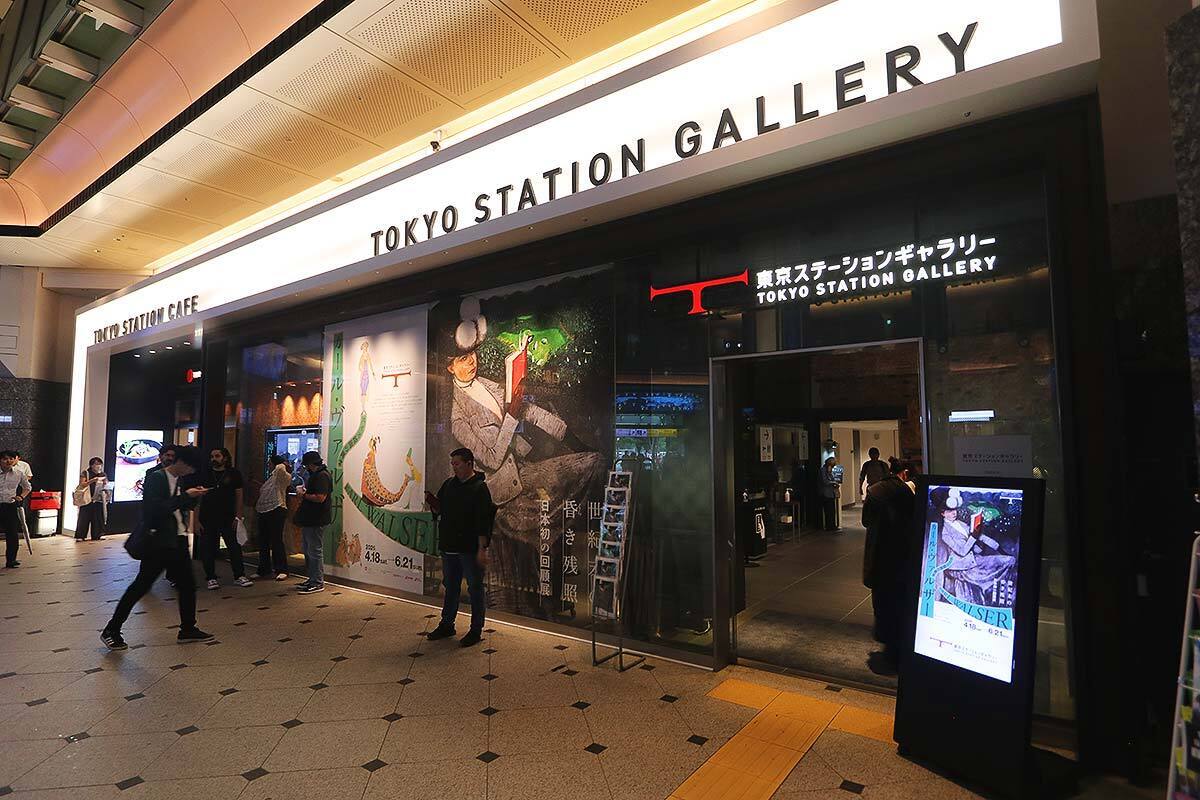
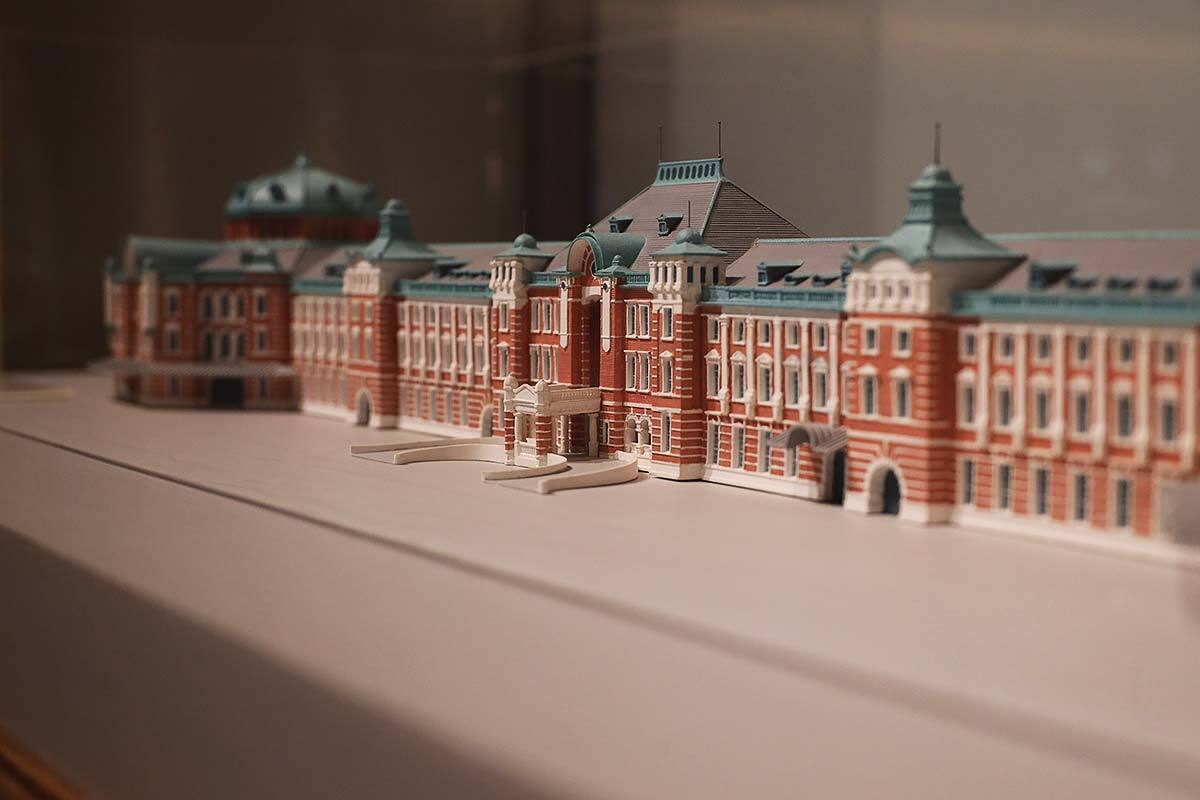
After coming full circle to the gallery entrance, I stepped outside the dome - still protected from the elements by a narrow glass canopy - and down a set of stairs into the station's extended underground area.
Now going north to south along a wide passageway, I continued past the Marunouchi Central Underground Exit while sticking to the left side, ultimately making a left turn into another section of tunnel. Over on the opposite side to the right lay the basement level entrance to my next stop, Kitte Marunouchi.
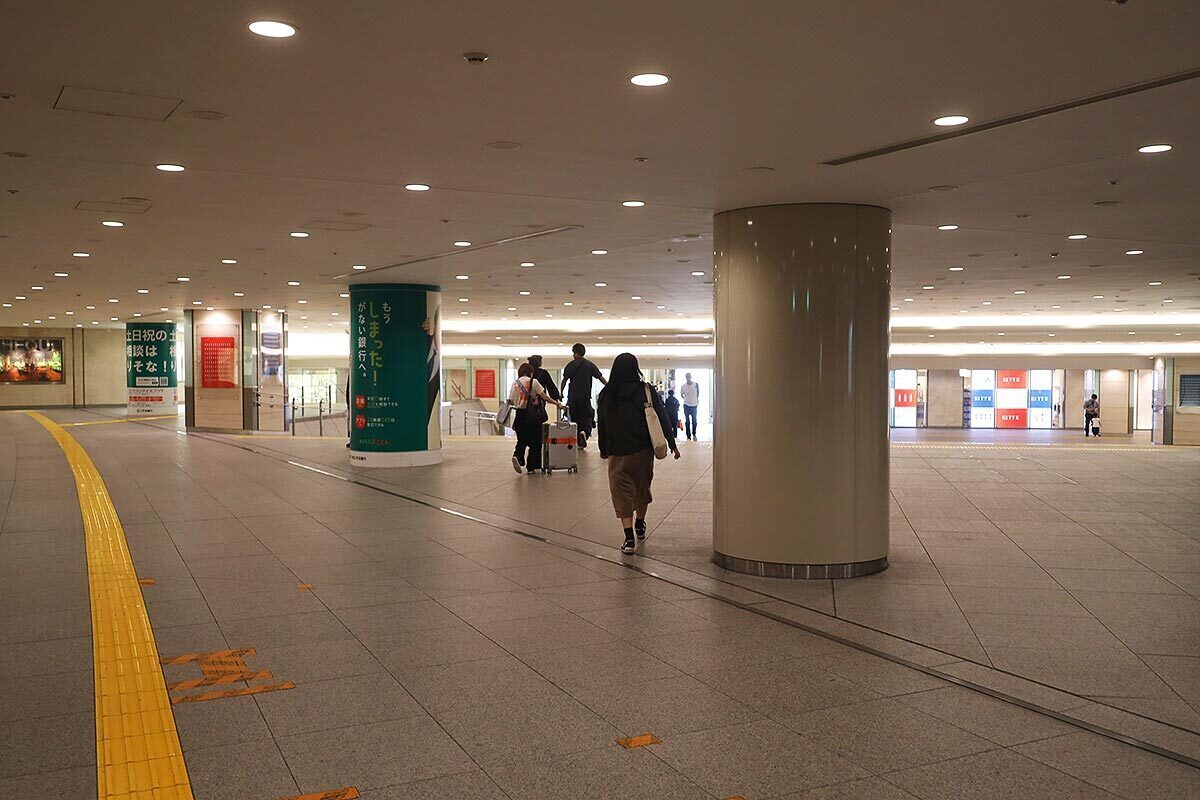
The name "Kitte", or postage stamp, is a reference to its location on the site of the old Tokyo Central Post Office, an important modernist building completed in 1931, whose original facade is preserved in the new structure. Seen from street level, the current building has a strong, civic look that harkens back to its predecessor while fitting right in alongside its modern surroundings. Inside, its broad, triangular atrium is every bit as eye-catching, all blocky white stone and translucent, shimmering glass.
While shopping and dining may be the main draw here, there are two particularly worthwhile attractions for sightseers - a rooftop terrace with a superb view across Tokyo Station's domed roof and brick facade (off-limits today due to the lack of a roof), and the free Intermediatheque gallery split between the second and third levels.
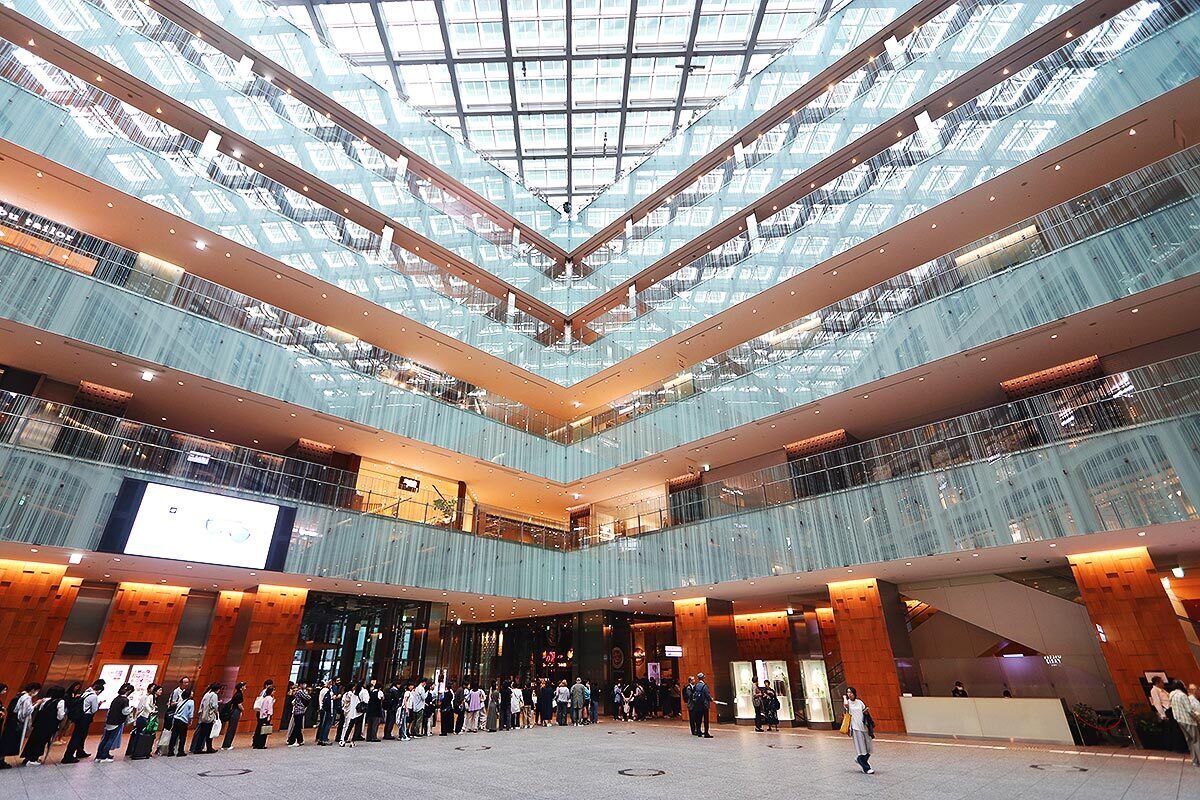
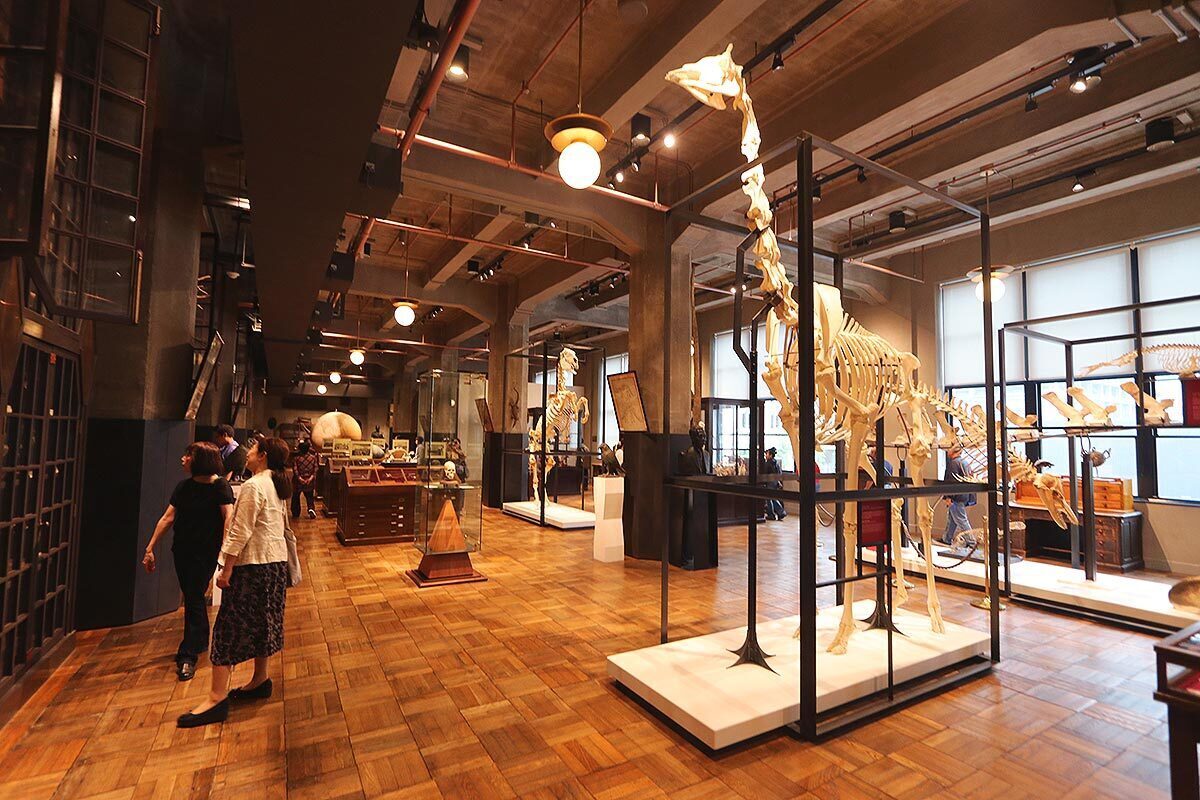
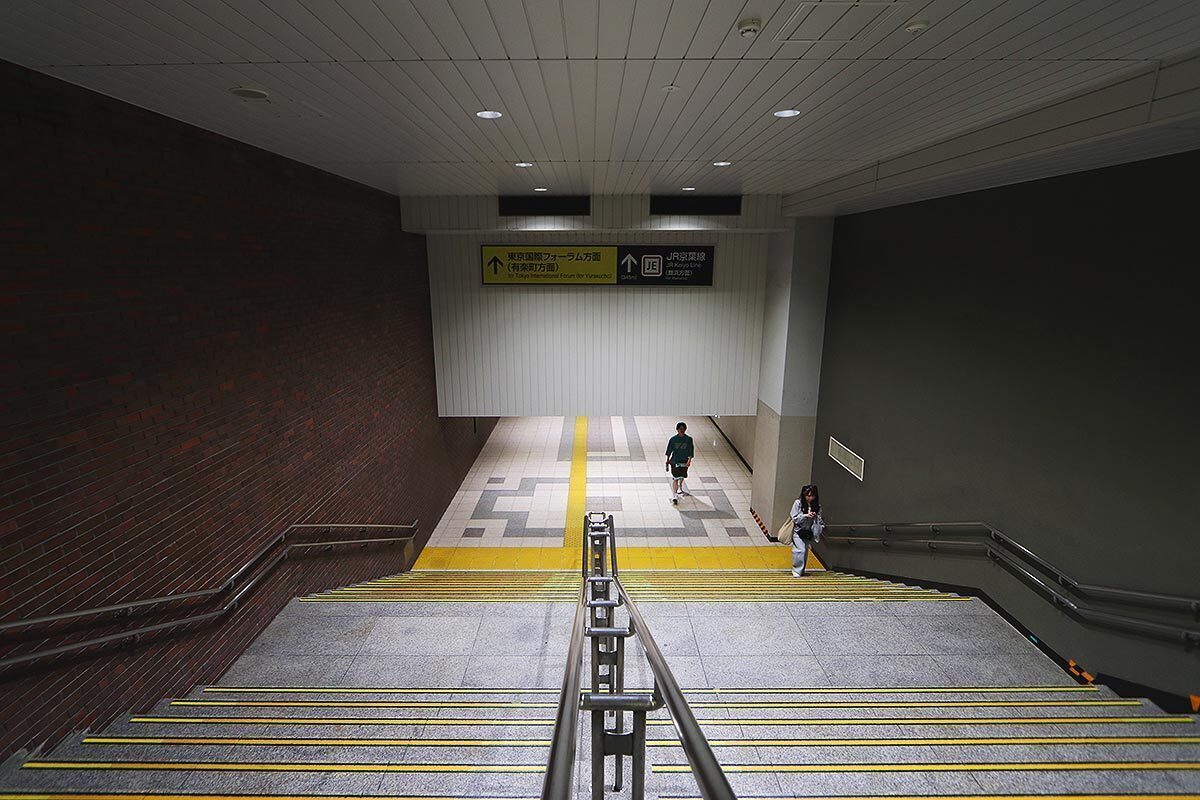
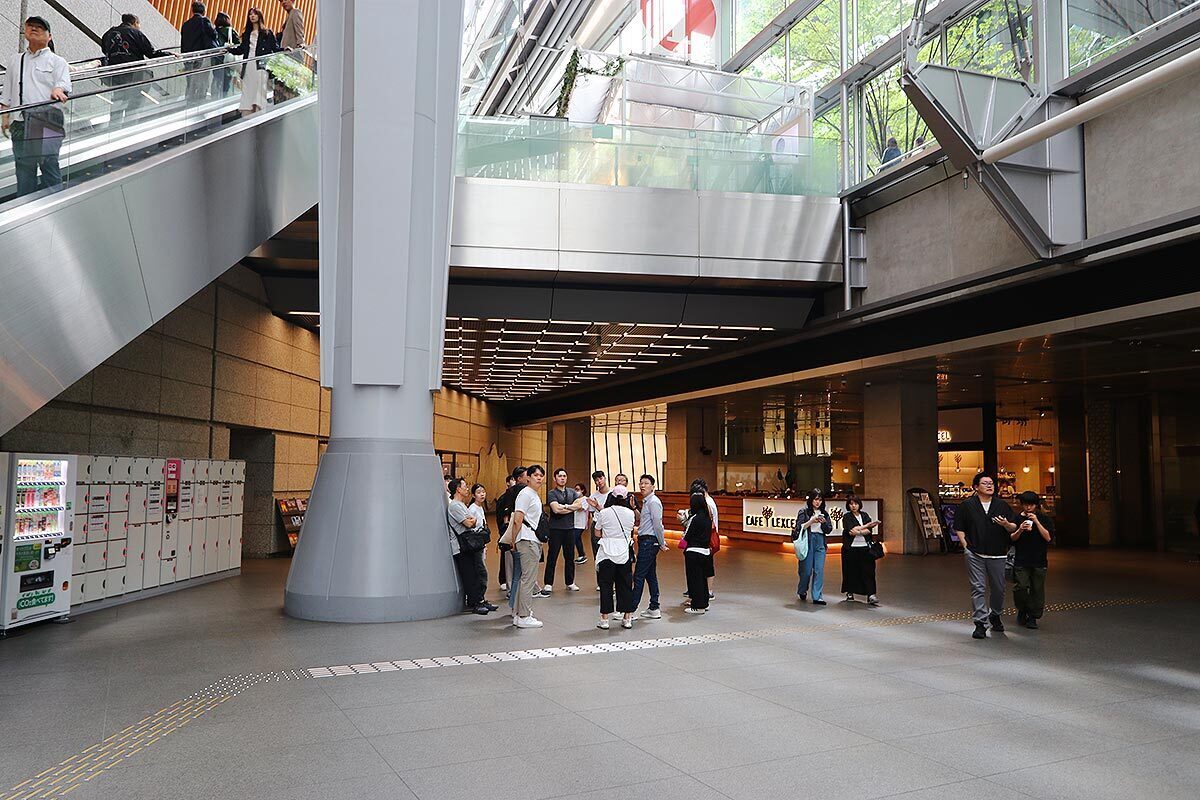
When it was time to move on, I retraced my steps back to Kitte's basement and followed signs for Yurakacho Station. From here, a passage led me to the basement level of the Tokyo Building TOKIA and on to Tokyo Station's Keiyo Line section, from where an underground access point leads up into my next stop, the Tokyo International Forum - a walk of about 250 meters in total.
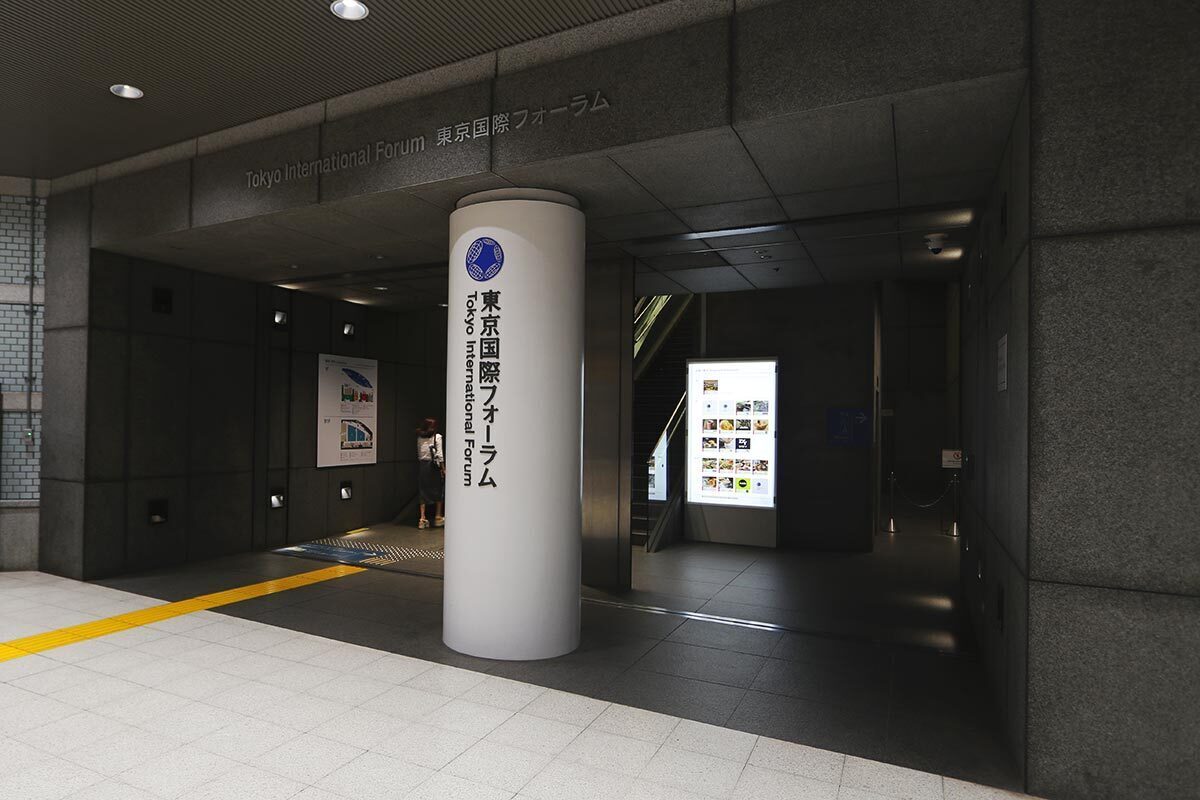
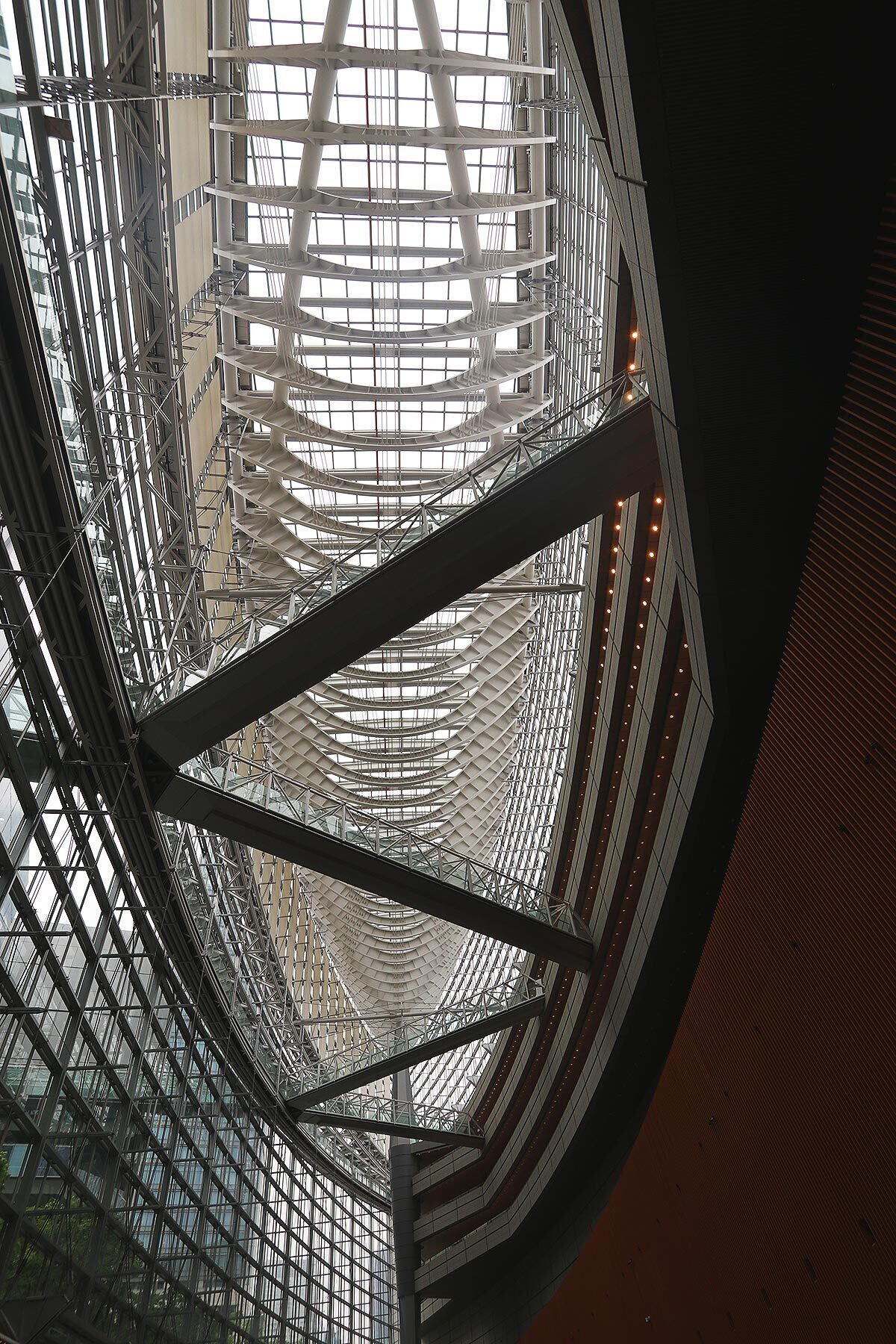
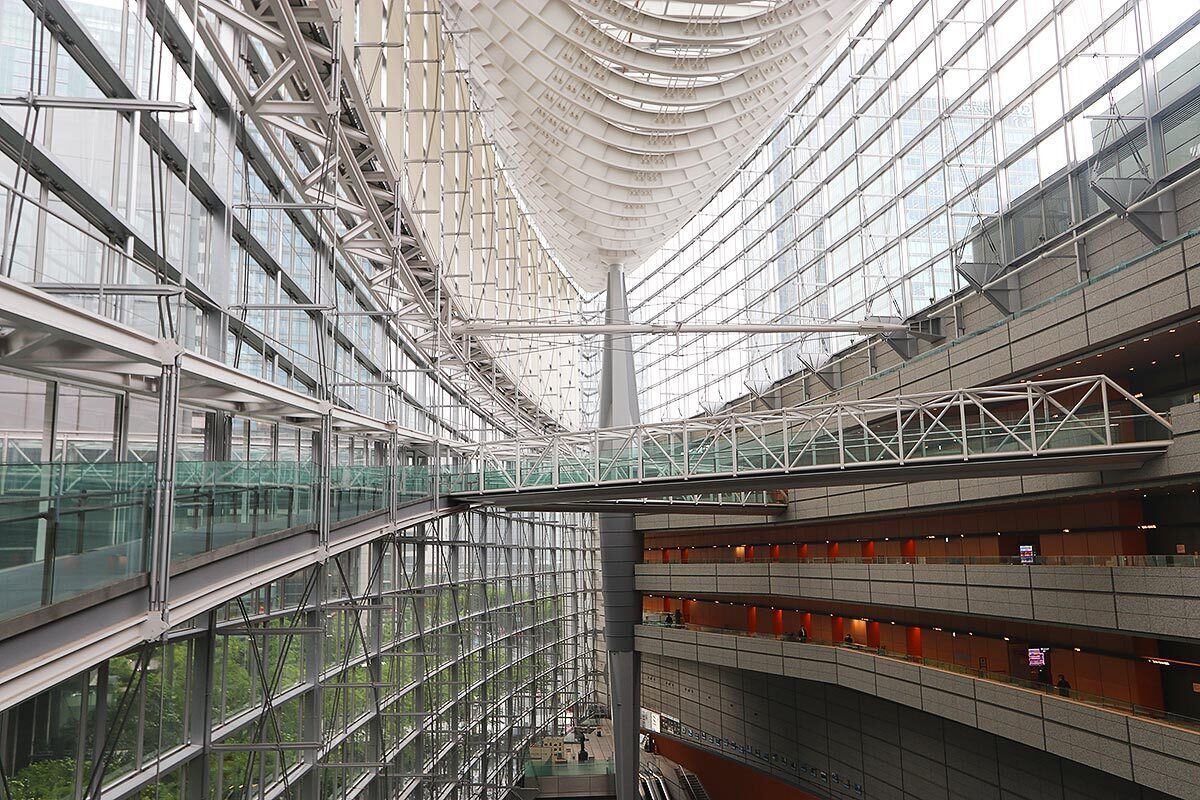
Completed in 1996 on the site of the former Metropolitan Government Building, the forum is the brainchild of Uruguayan-American architect Rafael Vinoly and widely considered to be among the most important late-20th century buildings in the city.
While it functions as a venue for conferences and exhibitions, it is surely best known from magazines and instagram feeds for its breathtaking glass hall - a vast structure of glass and steel that feels somewhere between a cathedral and the hull of a giant ship.
teamLAB Borderless
After taking a few minutes to enjoy the view from a few different angles, I left via an underground exit at the southeastern end leading to a different set of underground tunnels. From here, a cirquitous walk of about 400 meters brought me to Hibiya Station, where I jumped on a Hibiya Line train to Kamiyacho, three stops in the direction of Naka-Meguro.
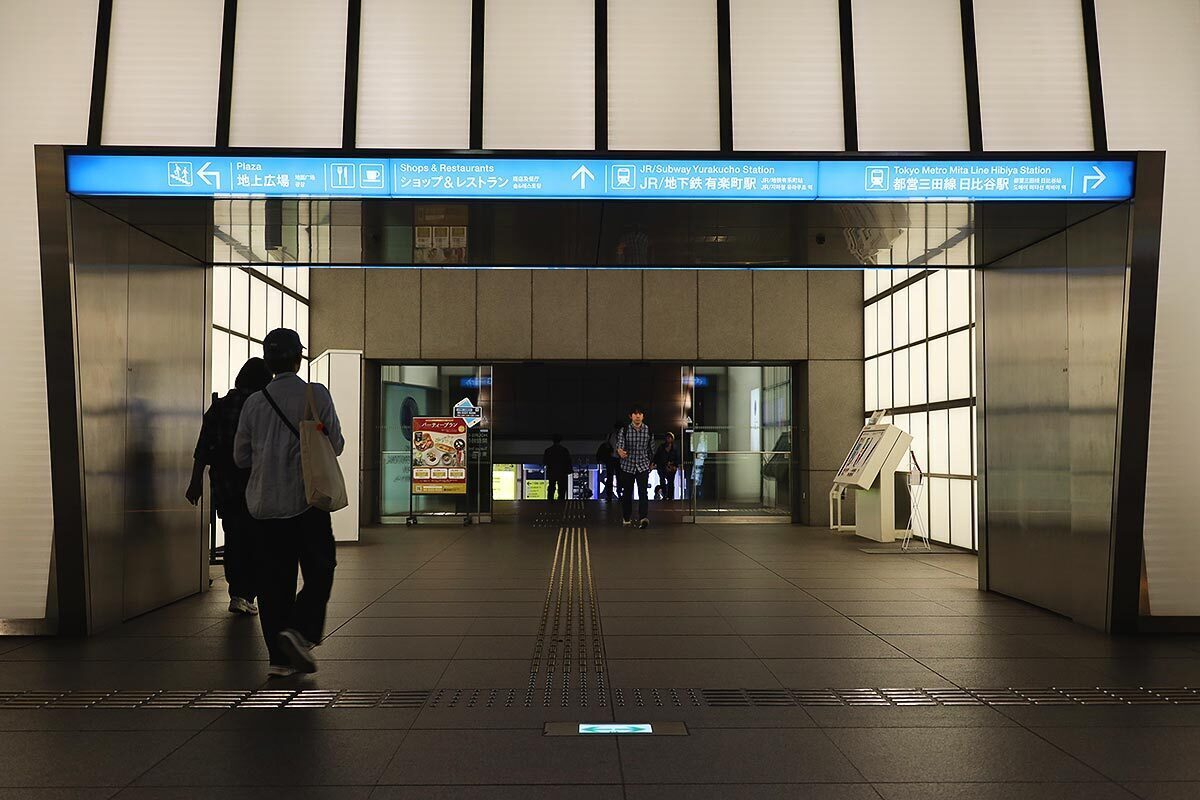
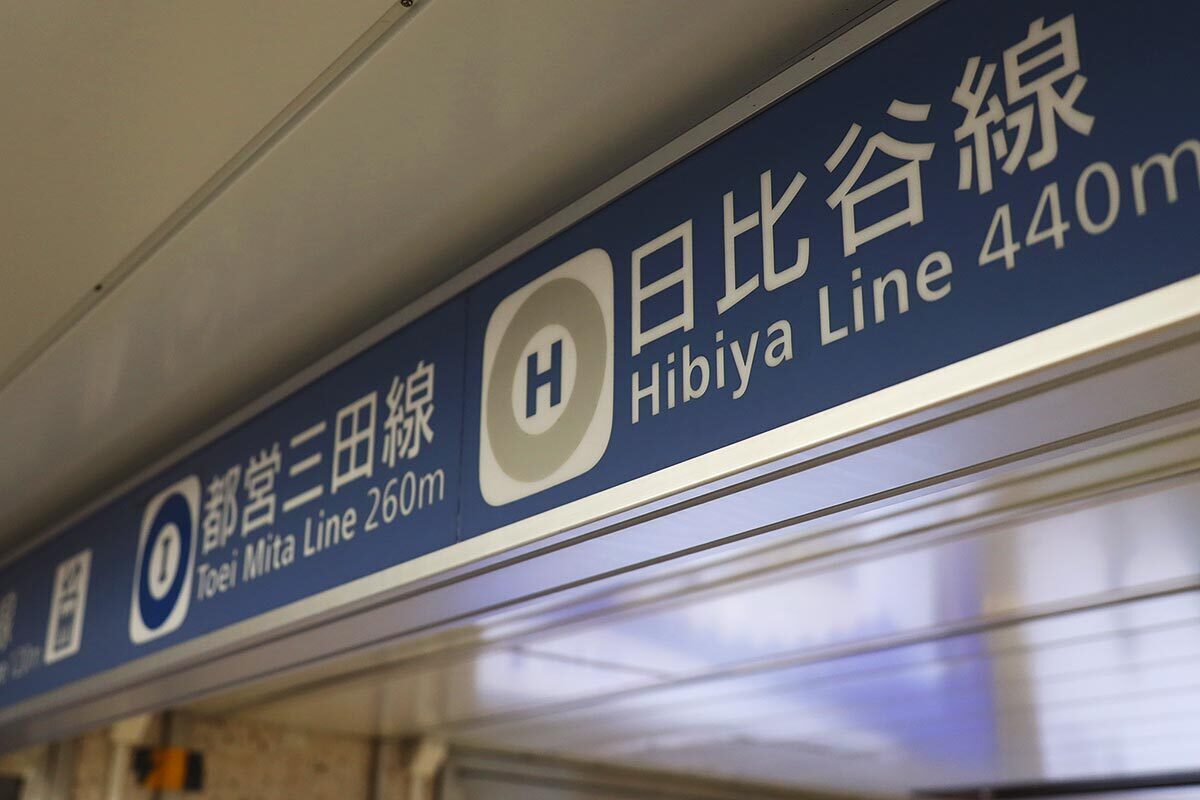
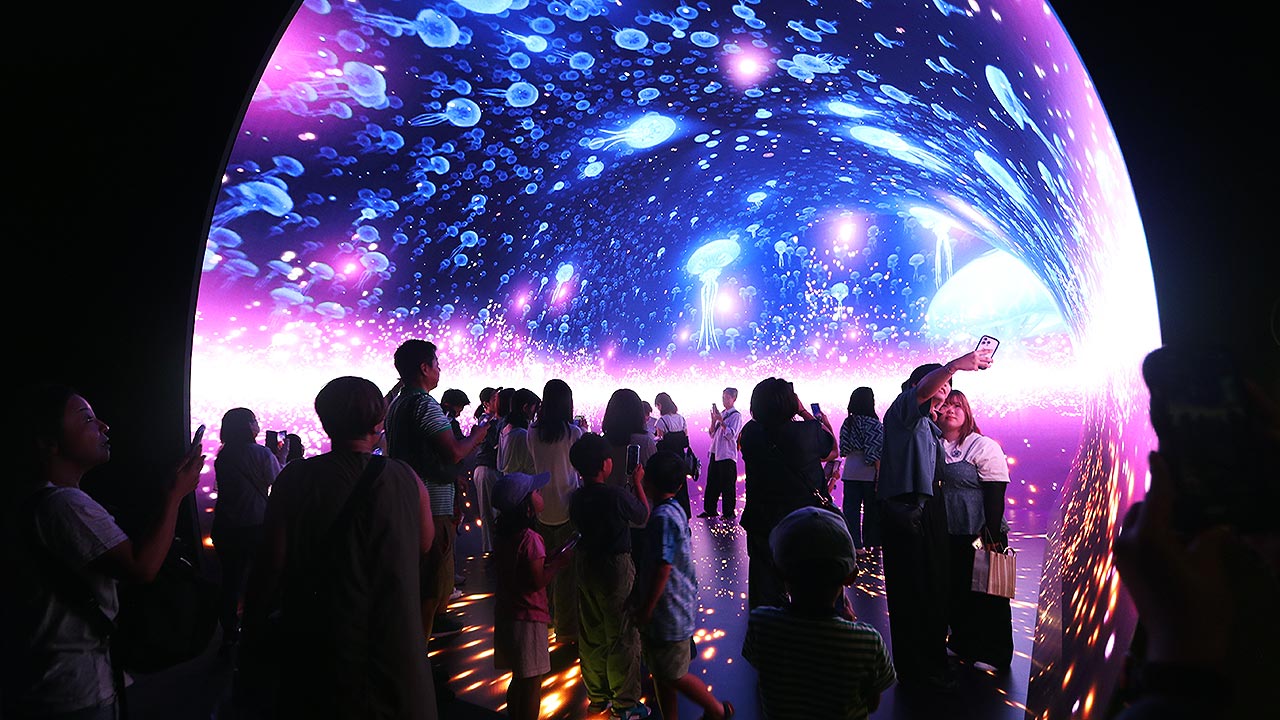
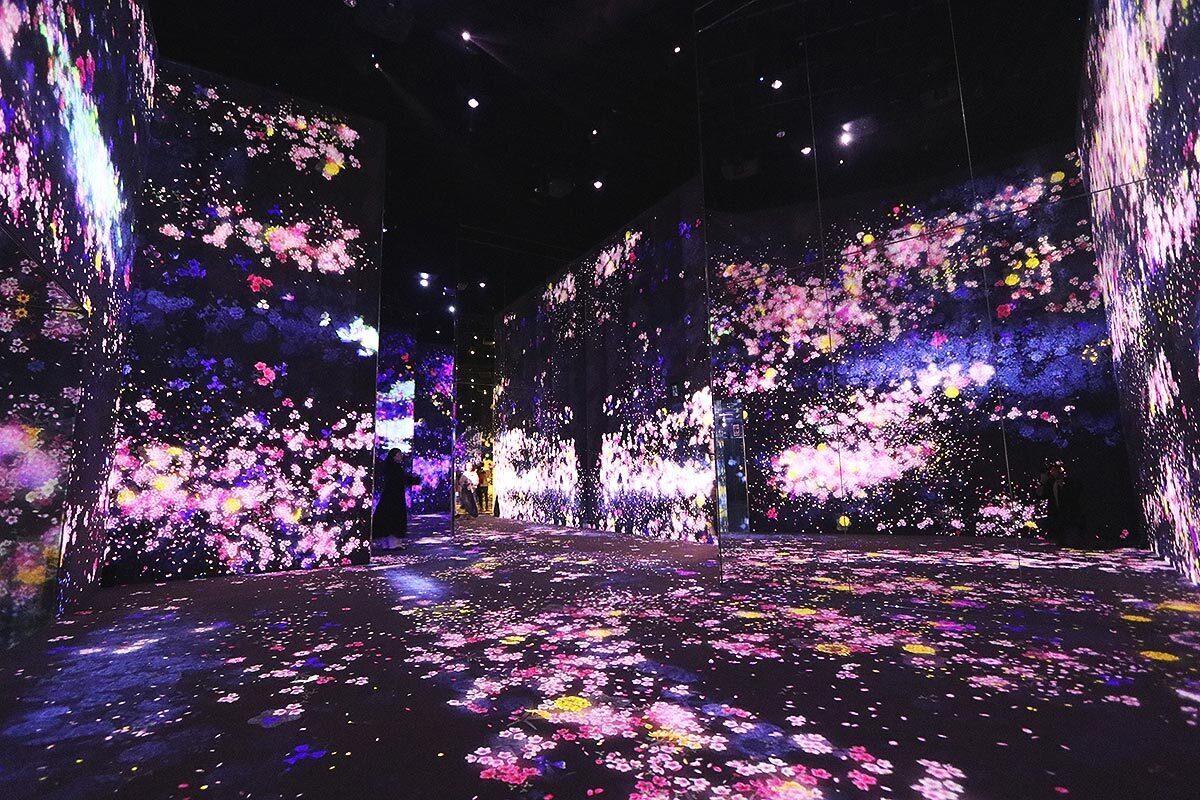
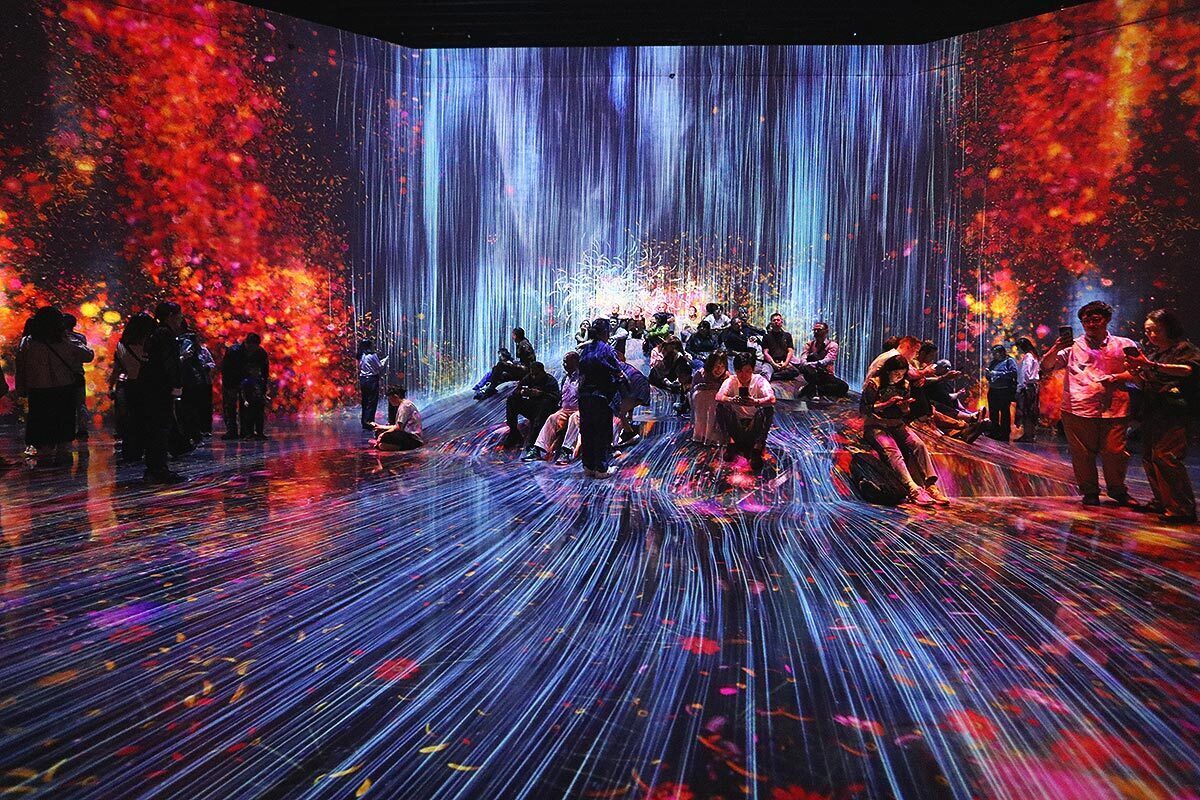
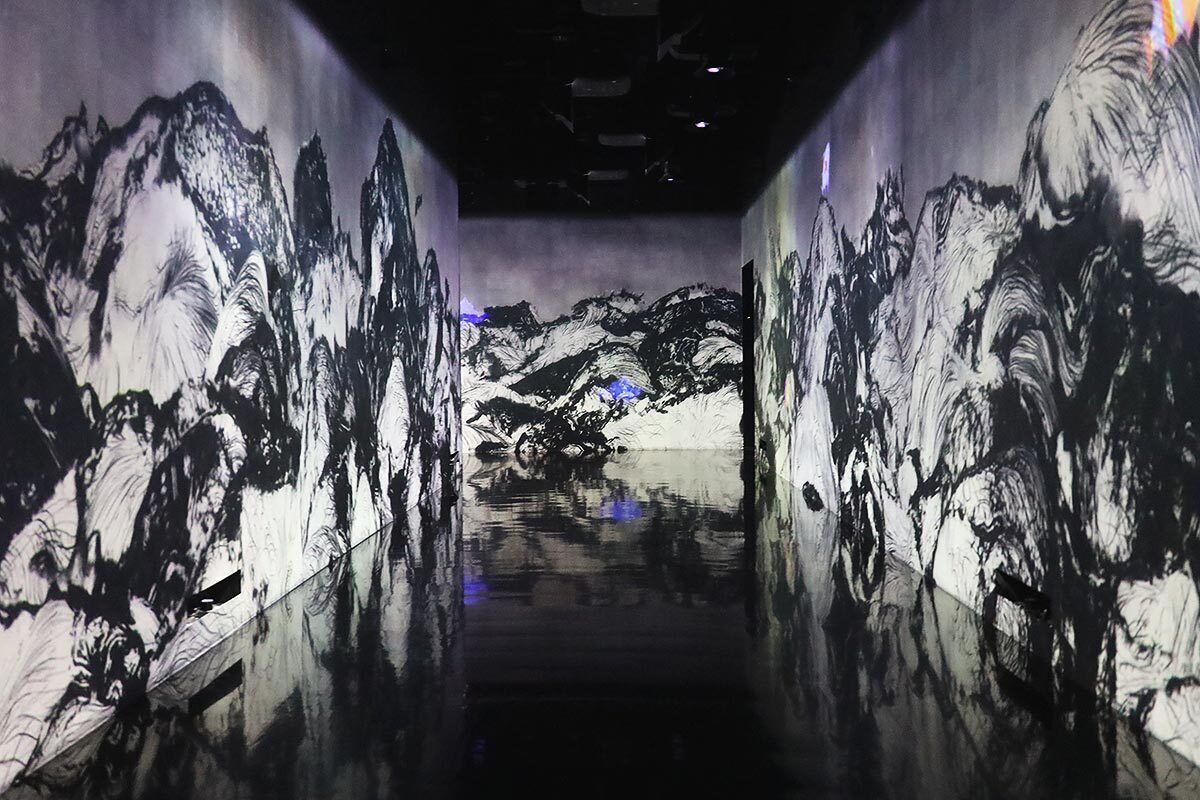
From the platform, I followed the signs for exit 5, emerging just a few moments later inside Garden Plaza B of Azabudai Hills, one of the city's most ambitious commercial developments, said to have taken over 30 years of planning and negotiations to complete and currently home to Japan's tallest building. It's also an ideal spot for hungry visitors to pause for lunch, with dozens of restaurants, cafes and food retailers to choose from. My destination here though was teamLAB borderless - the most recent permanent attraction by the hugely successful digital art collective, completed in 2024 as a replacement for their former Odaiba location.
While very much following the same concept as its predecessor, the newer Borderless feels different in a few ways - more structured and refined where the original felt open and playful. Particularly impressive is the way the projections move freely between spaces and react to the movements of the crowd, so you rarely get the same experience when returning to a room for a second look.
Roppongi Hills
Once I was confident that I'd seen everything - staff actually warn you at the beginning that some smaller rooms can be easy to miss entirely - it was time to turn back to Kamiyacho Station. Once more on the Hibiya Line, I continued on for just one stop in the same direction as before, this time getting off at Roppongi Station.
Leaving the station via exit 1C, an escalator brought me up through a circular atrium into the Roppongi Hills development, another city-within-a-city consisting of office buildings, luxury residences, the usual shopping and dining and a handful of popular attractions clustered around its centerpiece, the 238-meter Mori Tower.
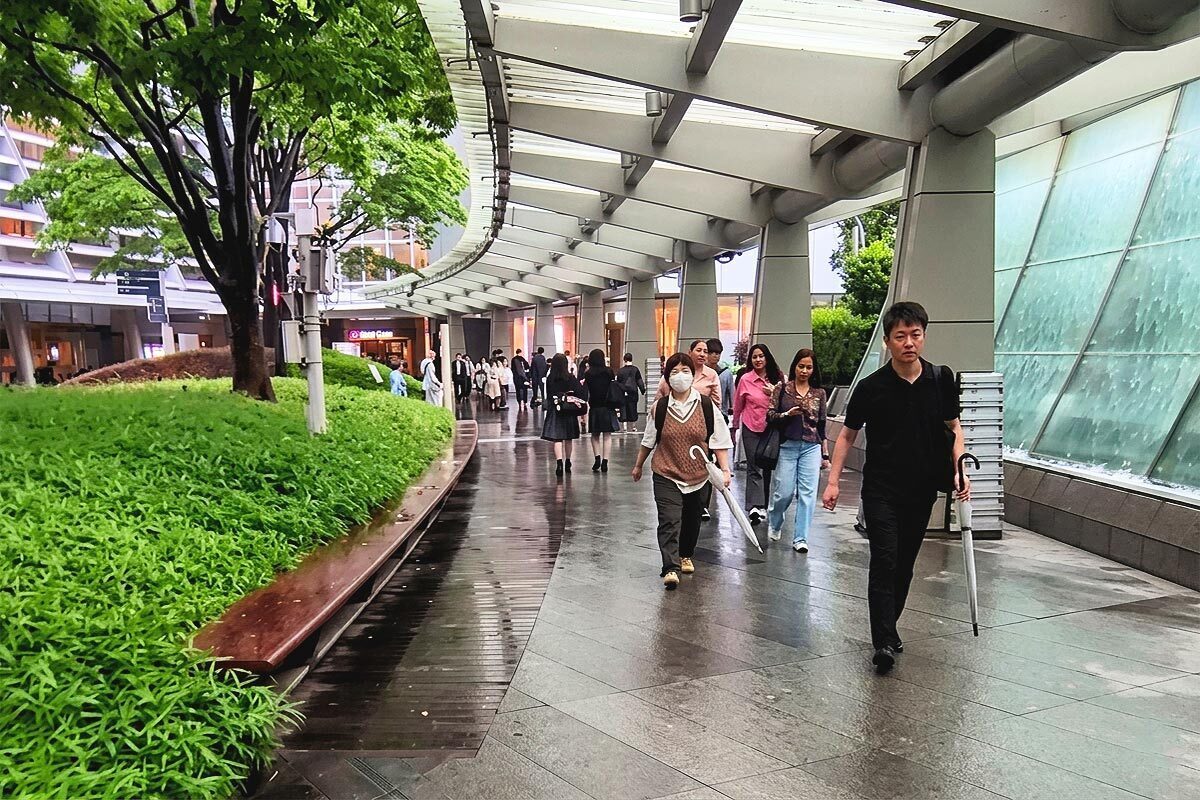
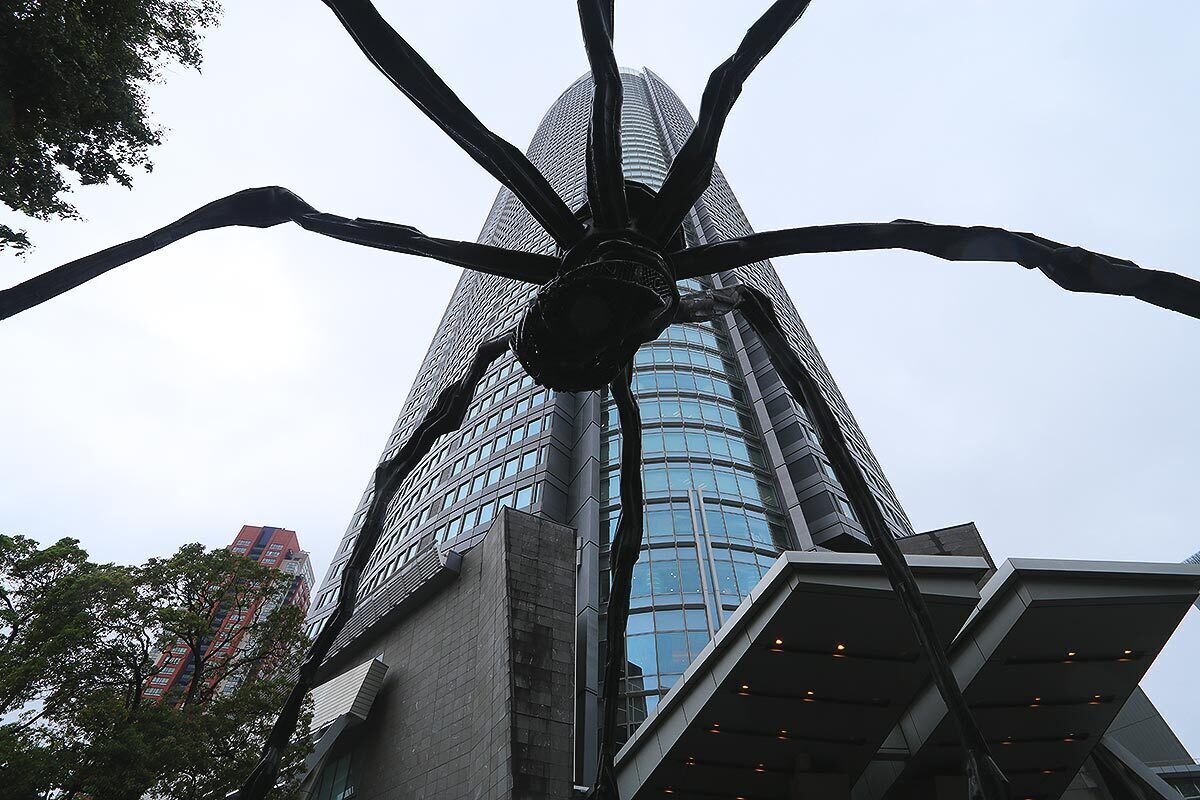
From the third-floor reception lobby, visitors take an express elevator up to the 52nd floor where an observatory, cafe and restaurant, dedicated art spaces and the entrance to the Mori Art Museum are all located. My first stop here was at the observatory, called Tokyo City View, which remains a bit of a personal favourite despite being far from the tallest in the city. On the day of my visit, I was lucky enough to get views that were on the atmospheric side, but it's worth noting that on especially rainy days you might not be able to see much of anything!
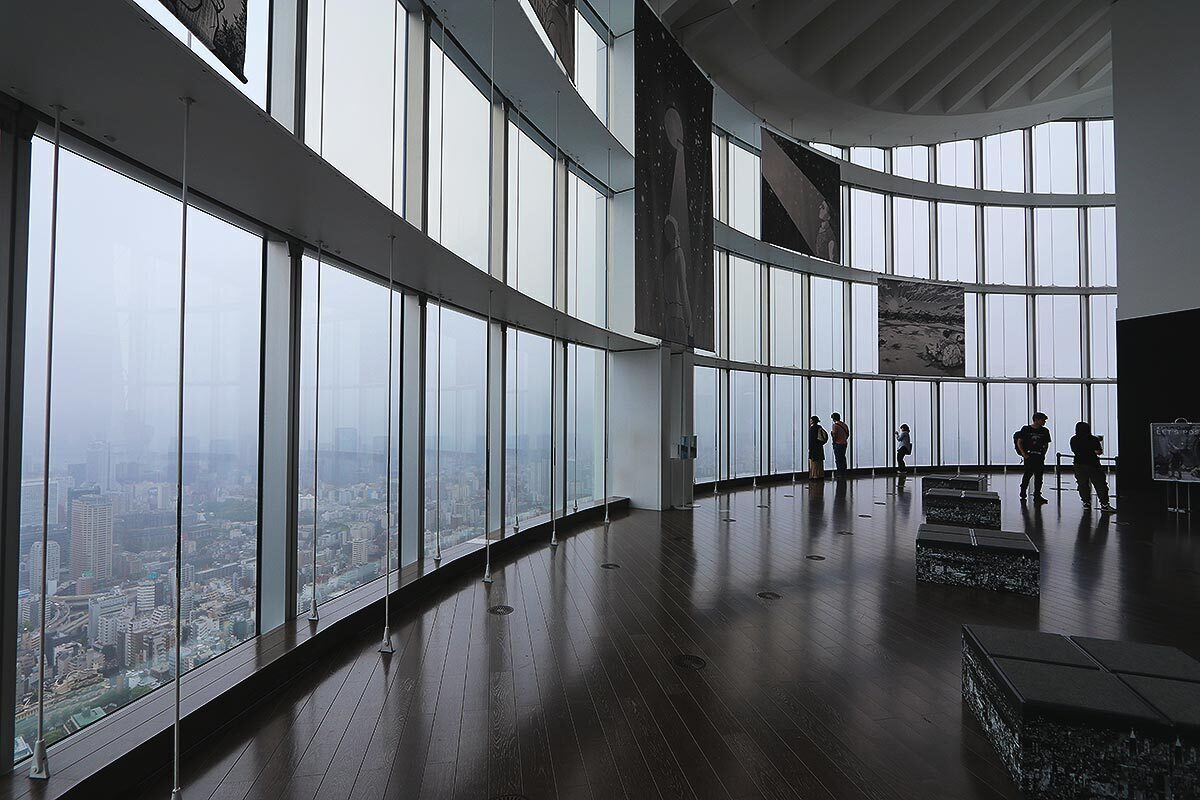
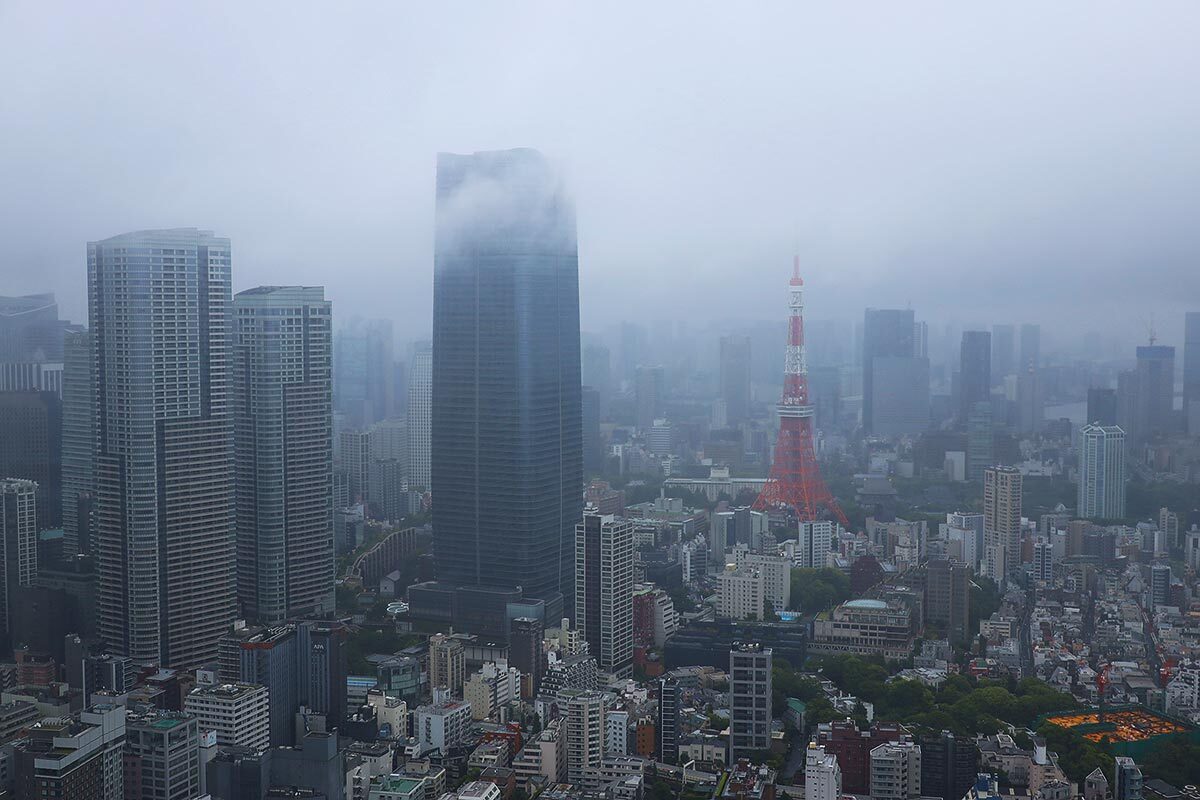
Rounding off my visit to the tower and my time in Tokyo, I made a final stop at the art museum. Usually given over to a single major temporary exhibition, the space is until September 23, 2026 home to eleven eerily hyperreal sculptures by Ron Mueck.
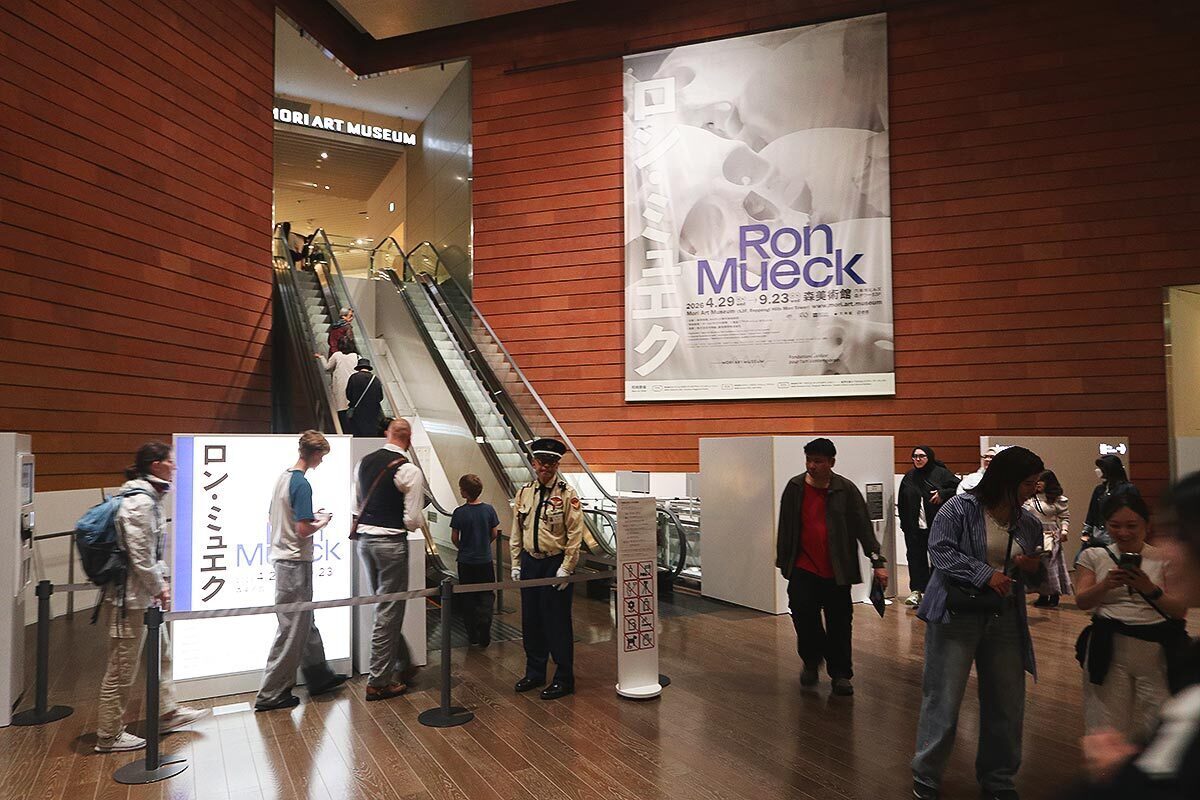
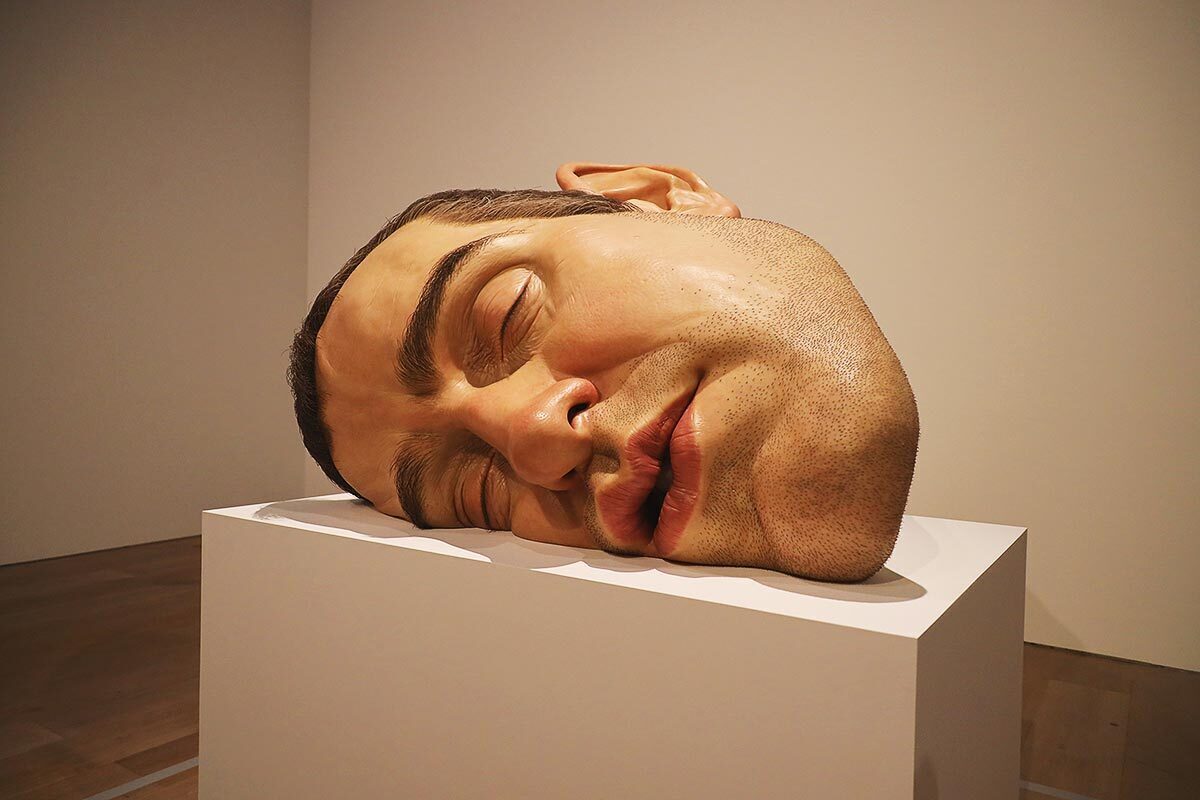
With that, I felt my day had come to a pretty successful conclusion; in just a few hours I managed to pack in two art galleries, one immersive digital experience, what must be one of the city's most dramatic indoor views and another of the city itself from above, and all without catching a drop of water. While I chose to start off in Tokyo Station, I could just as easily have begun with Shinjuku - another station with its own massive underground labyrinth to explore. I had long suspected that visitors who especially like shopping cafes could easily spend days at a time in Tokyo without setting foot outside - now it seems there is more than enough for the rest of us as well.