Two of the latest digital art attractions in Tokyo and Yokohama

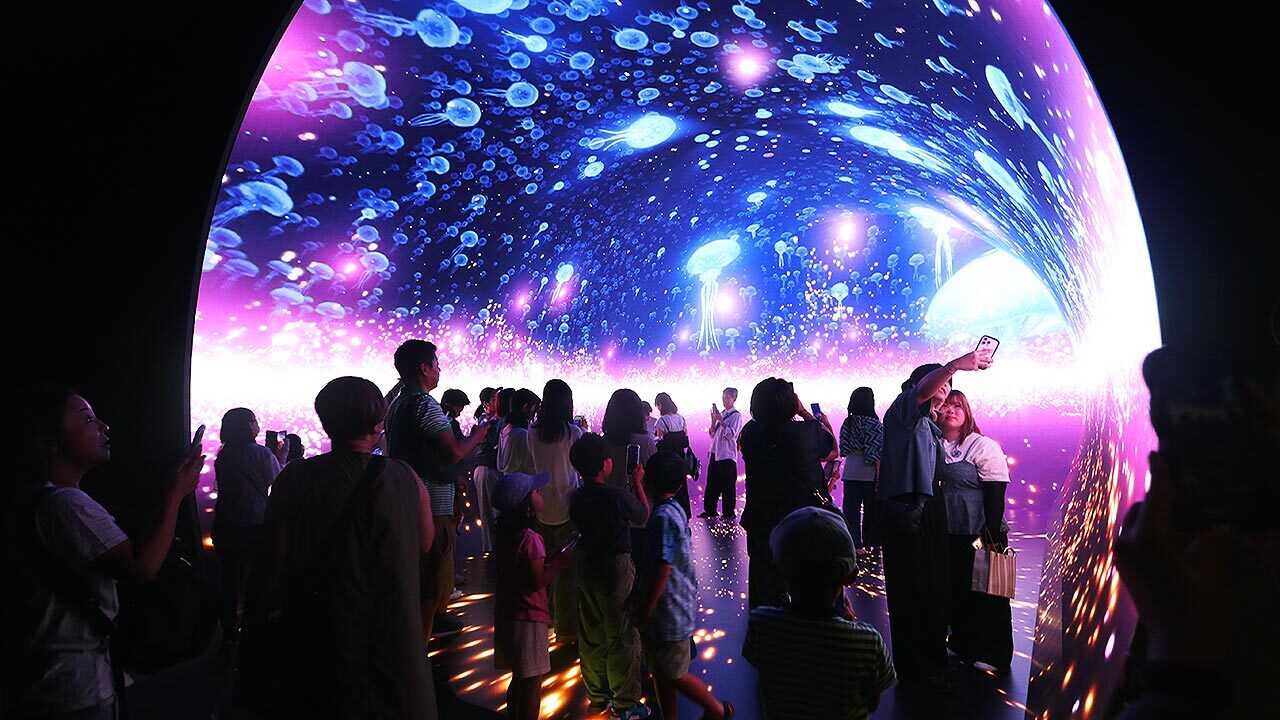
From the ever popular teamLab to the whole range of displays popping up in museums and galleries across the country, right now it feels like there is no getting away from so-called "immersive digital art". But with so many new shows and exhibitions to choose from, which are genuinely worth your time, and can any of them truly rival the original?
While there's no way for us to review every new attraction out there, we thought it the perfect time for a fresh look at this emerging artform, together with a critical look at two of the latest exhibitions to appear - Rêve Des Lumières in Tokyo and Wonderia in Yokohama.
Though it may have only cracked the mass-market formula fairly recently, digital art has been with us in at least some form since the 1950s and 60s. Over the following decades, artists increasingly became interested not just in the image a computer could create, but how to make those images part of a physical space, ultimately bringing video art and multimedia installations into art galleries.
It was into this evolving field that teamLab emerged in 2001, founded in Tokyo as an interdisciplinary collective of artists, programmers, engineers and other specialists. Instead of treating technology as a means of displaying an artwork, it made the digital environment itself the artwork: images could flow between rooms, react to visitors and change over time, all while deliberately blurring the lines between individual works, the space and the audience.
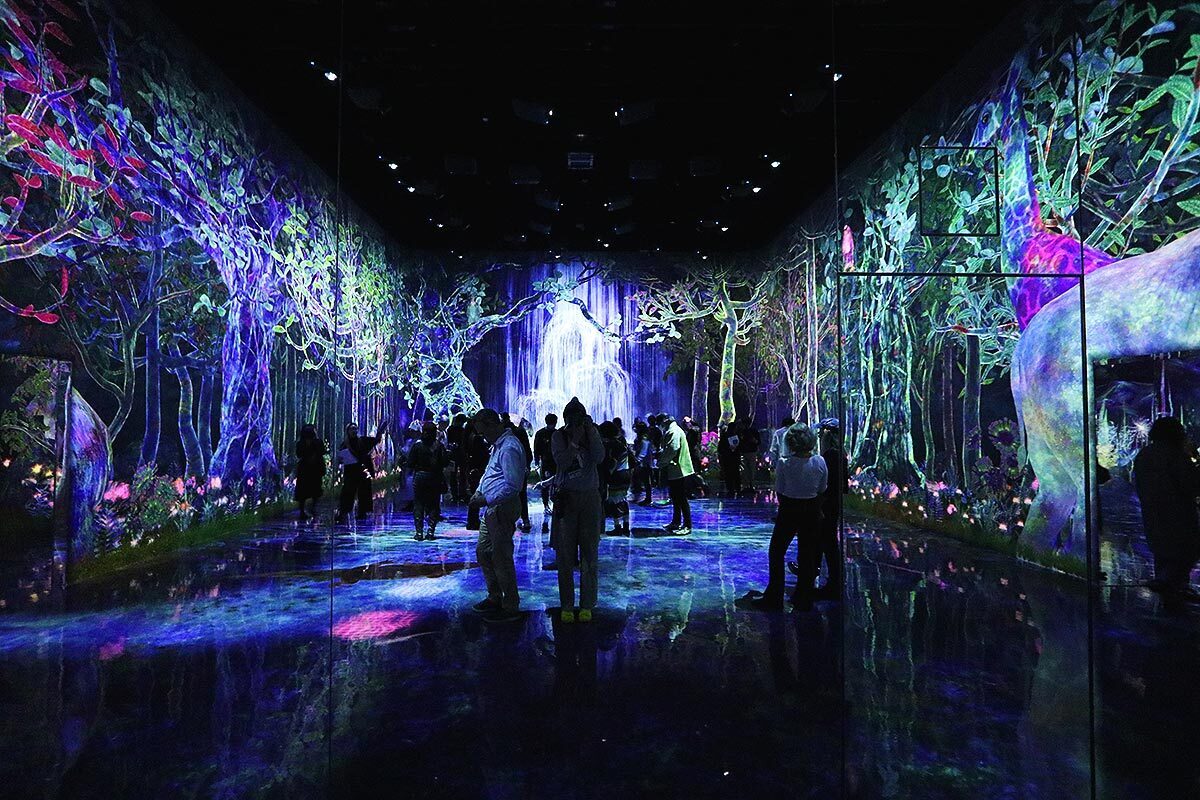
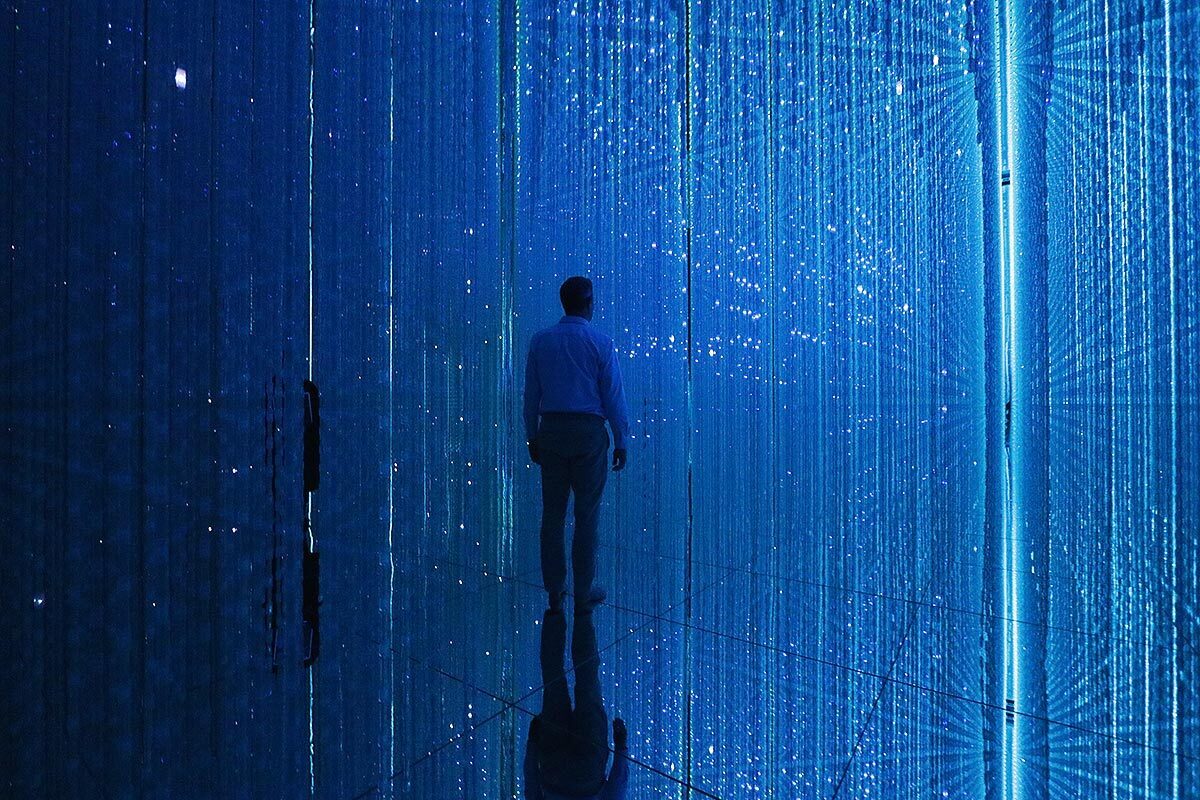
teamLab's runaway success spawned a whole series of attractions in Japan and beyond, with Planets in Toyosu attracting an incredible 2.5 million visitors in 2025 alone - with numbers like that, it's no surprise that many other design studios have stepped in to claim a piece of the market for themselves.
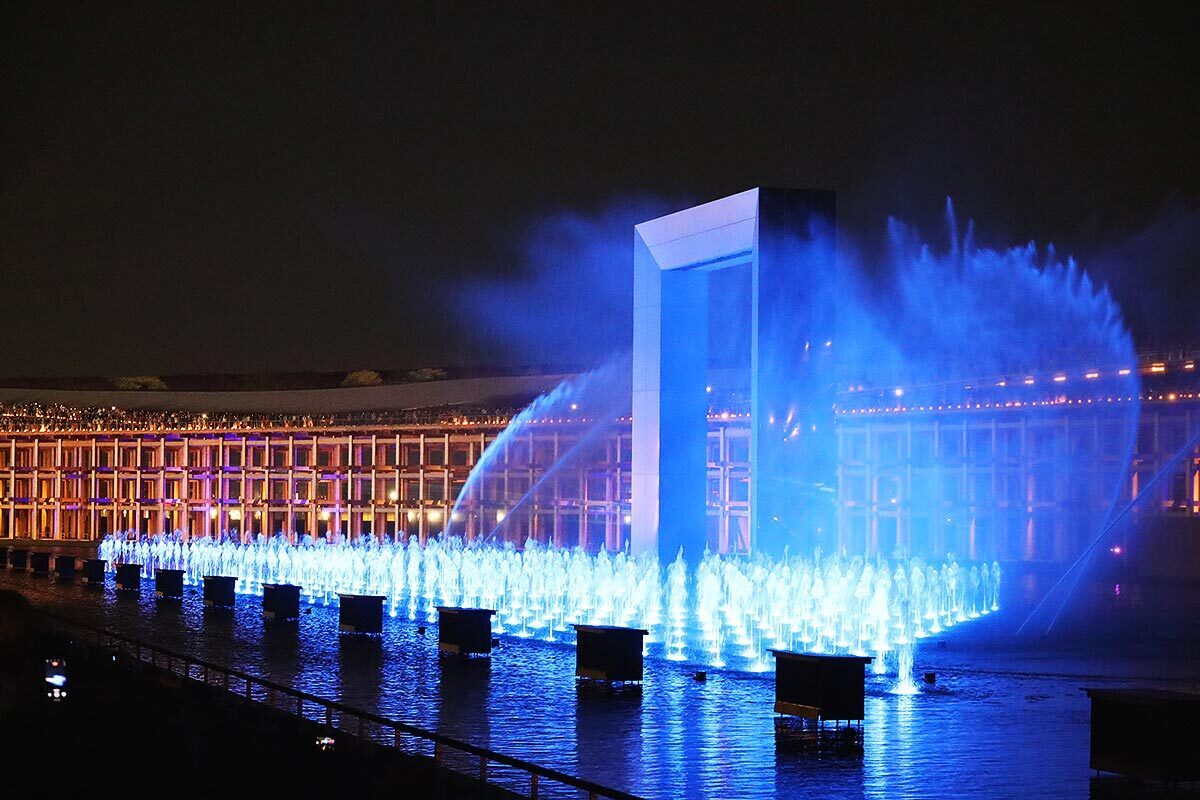
Another watershed moment likely arrived the same year in the form of Expo 25 in Osaka, with a huge breadth of immersive digital media built into its pavilions and public performances. Aside from providing countless new creative teams with experience and a vast sandbox to work in, the event ultimately proved that digital art had reached a kind of maturity, and was by now very much part of the mainstream.
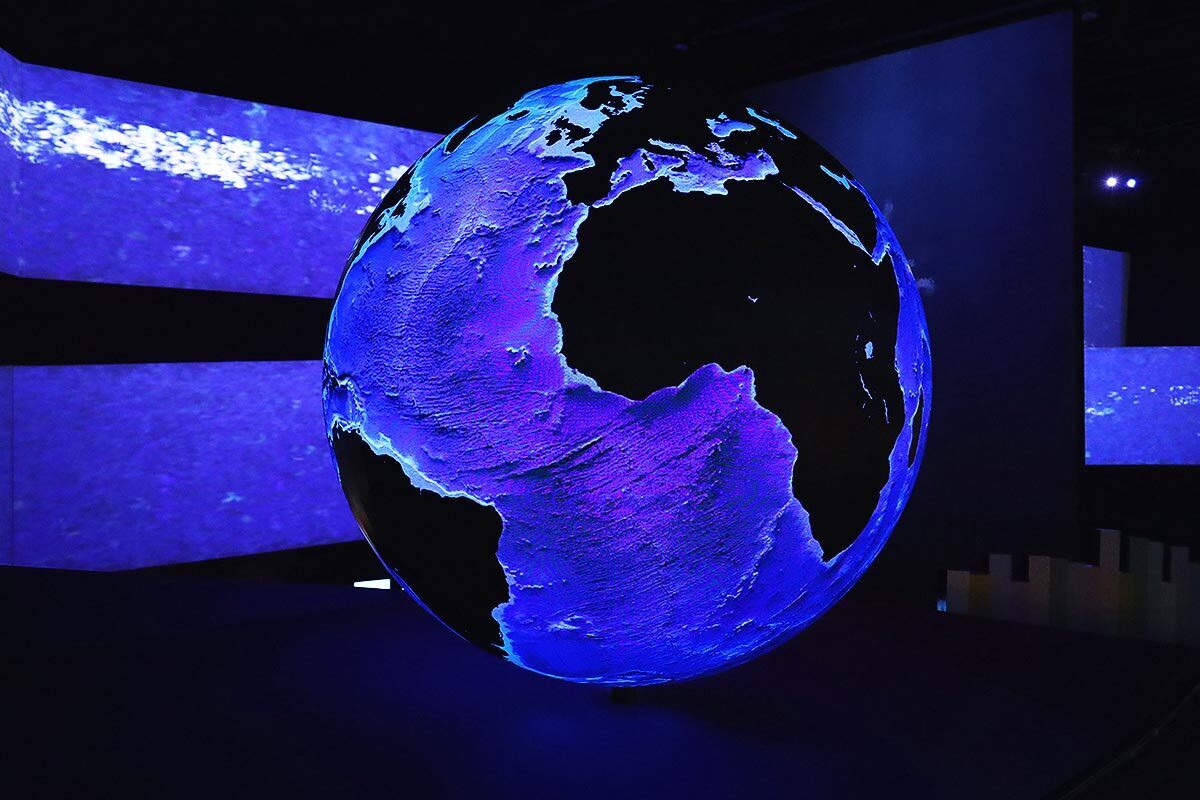
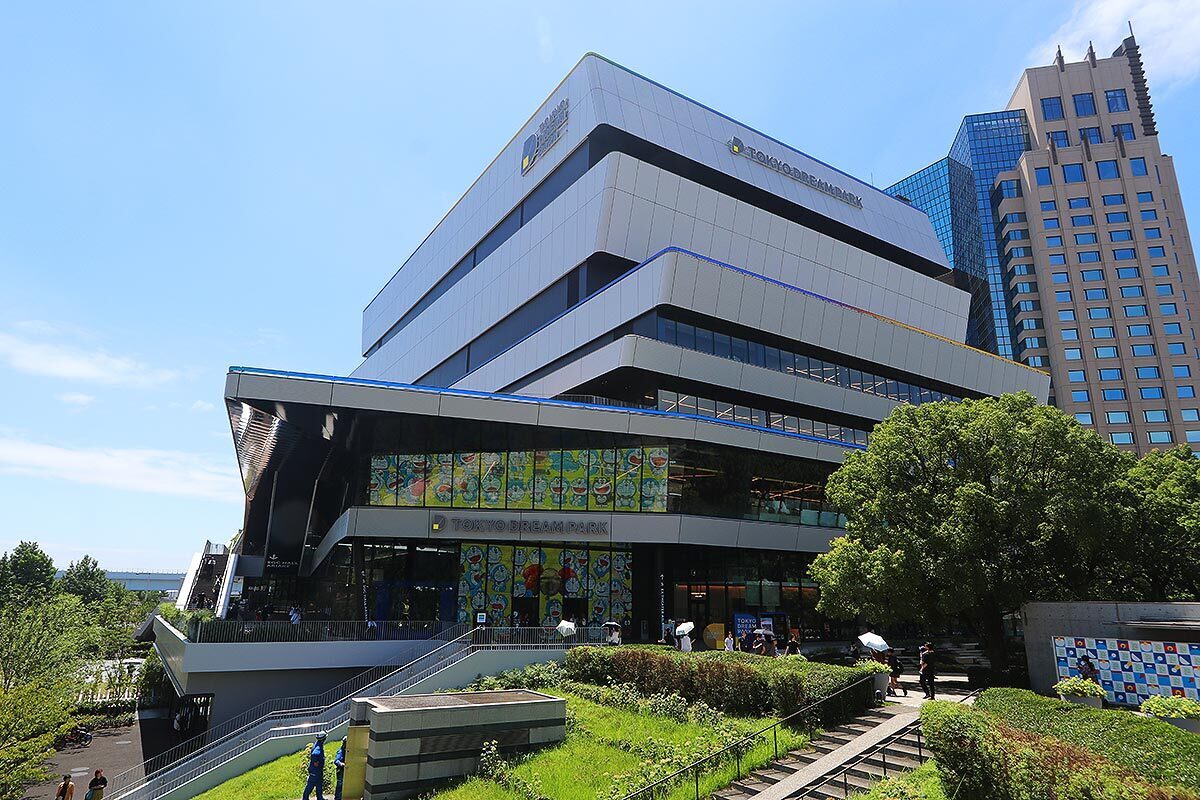
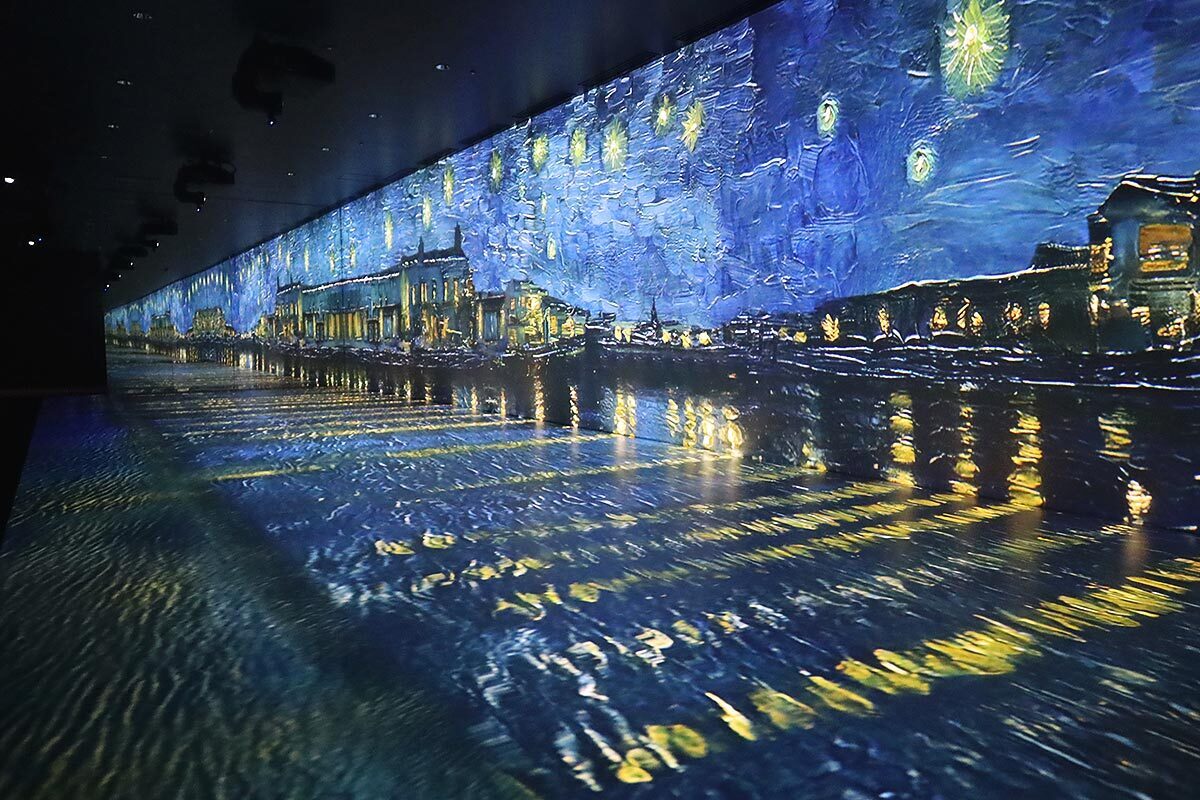
Located in the new Tokyo Dream Park development in the Odaiba area about 10 minutes' walk from Tokyo Big Sight Station, Rêve Des Lumières opened on June 12 and is the 10th venue in the Atelier des Lumières project by the French team, Culturespaces. Here, the theme is all about bringing famous masterpieces to life, with the primary focus on Van Gogh and Gaudí, while a few works by Monet and Vallotton appear in one of two smaller areas.
The numbers are certainly impressive: around 1500 sqm of exhibition space, ceilings up to 8 m tall, 106 different projectors and 63 speakers all synced together... but how would that translate into actual experience?
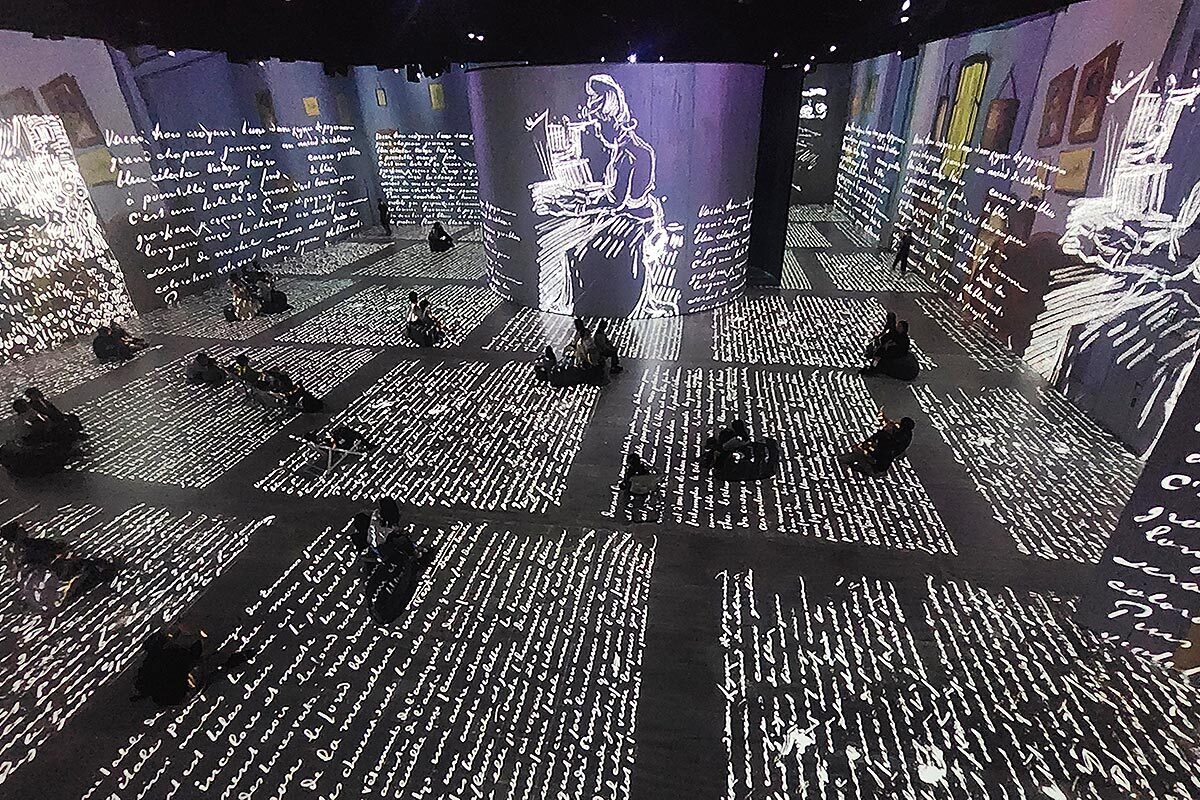
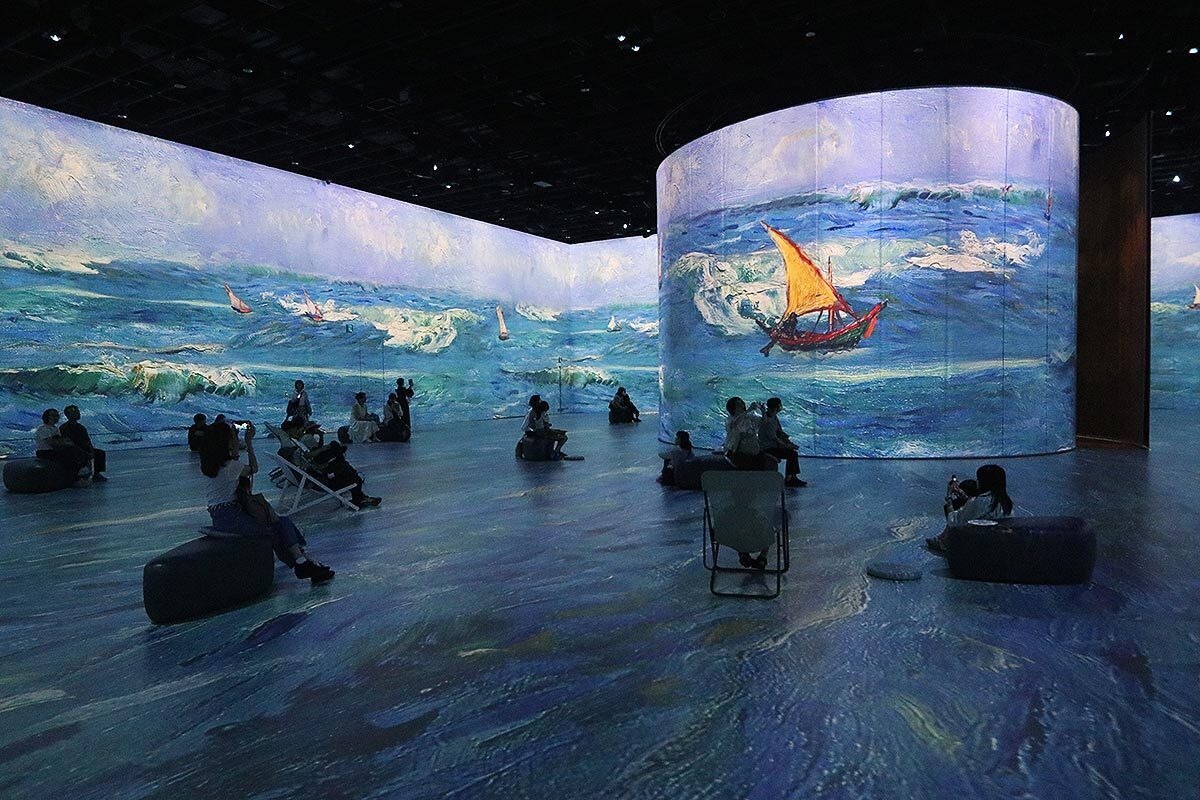
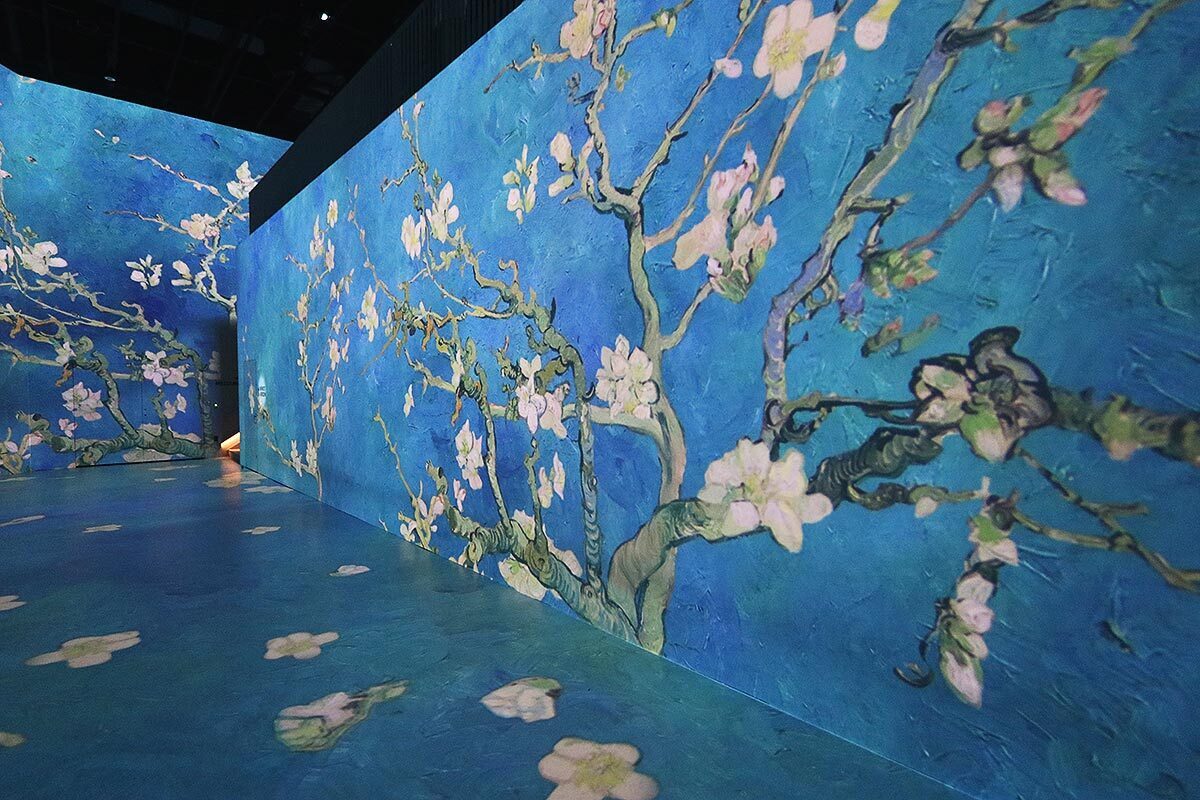
As it happened, pretty well - from the moment I entered the main area, there was a strong, cinematic vibe to the proceedings, with booming orchestral sound and beautifully captured visuals gliding across every surface, from a few memeified depictions of the artist himself to floral motifs, and ultimately fully realized landscapes giving us the feeling of having walked right into some of the artist's most famous paintings.
The overall effect was certainly immersive and not without merit even for the most serious art-lovers, who I could imagine enjoying the chance to pick out familiar details or admire the artist's brushwork, blown up to this extraordinary scale.
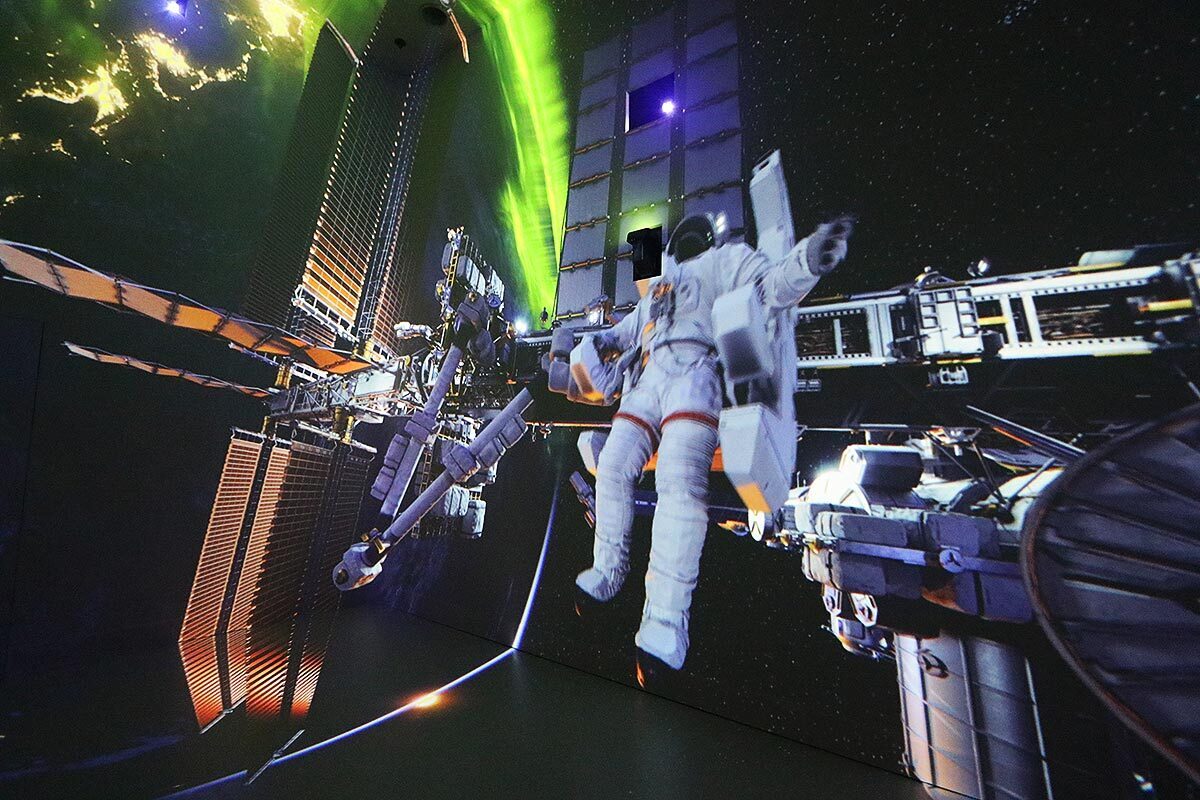
Somewhat less successful, I thought, were the two smaller rooms - "infinite horizon", turning a mirrored room into a static but endlessly repeating canvas, and the "360° cube", in which every surface of a room is used to project a slightly dizzying sequence putting you in the middle of a CGI space walk.
Overall, this was a stronger attraction than I was expecting - visually polished and offering a fresh, exciting take on at least the two main featured artists. As for how it compares to teamLab, I certainly felt the absence of the latter's interactive play and exploration - but it's also only fair to point out this isn't really what Lumières is going for. Though lighter and ultimately less groundbreaking, I'm sure many visitors will love it. Tickets for Rêve Des Lumières are priced at 3,000 yen and are available to book online via Klook
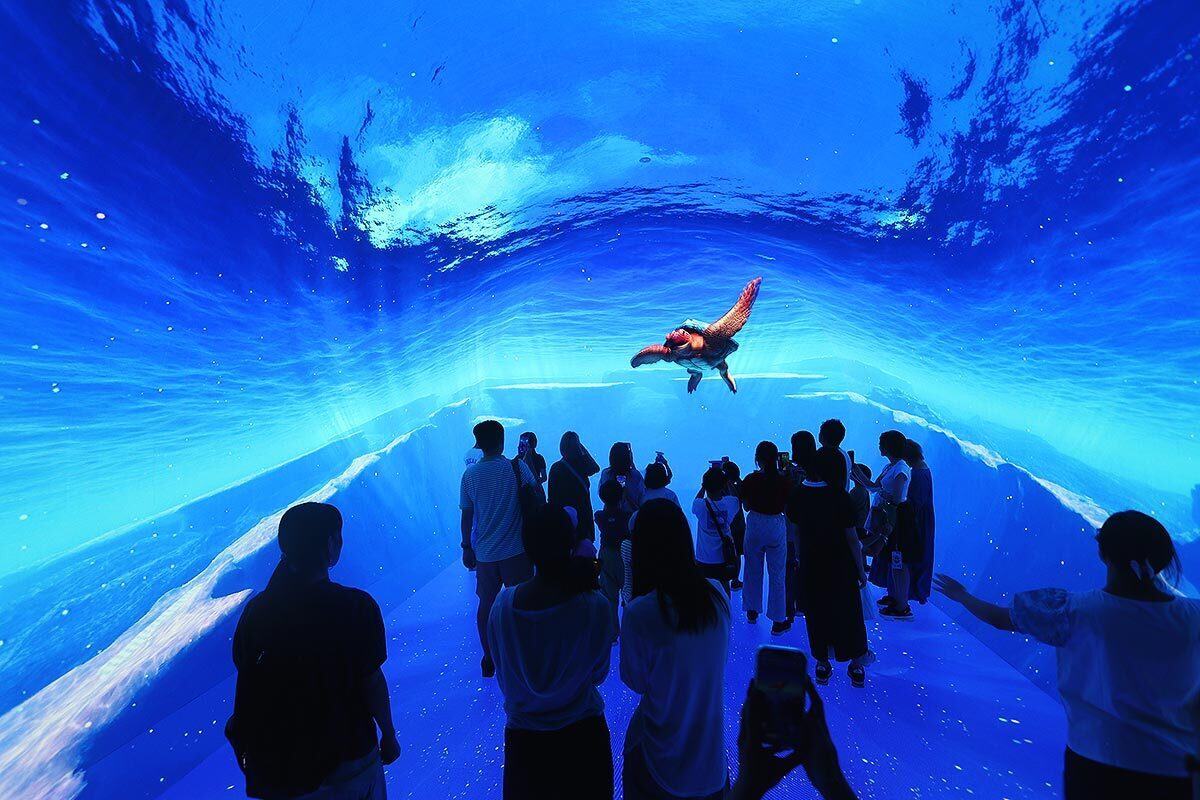
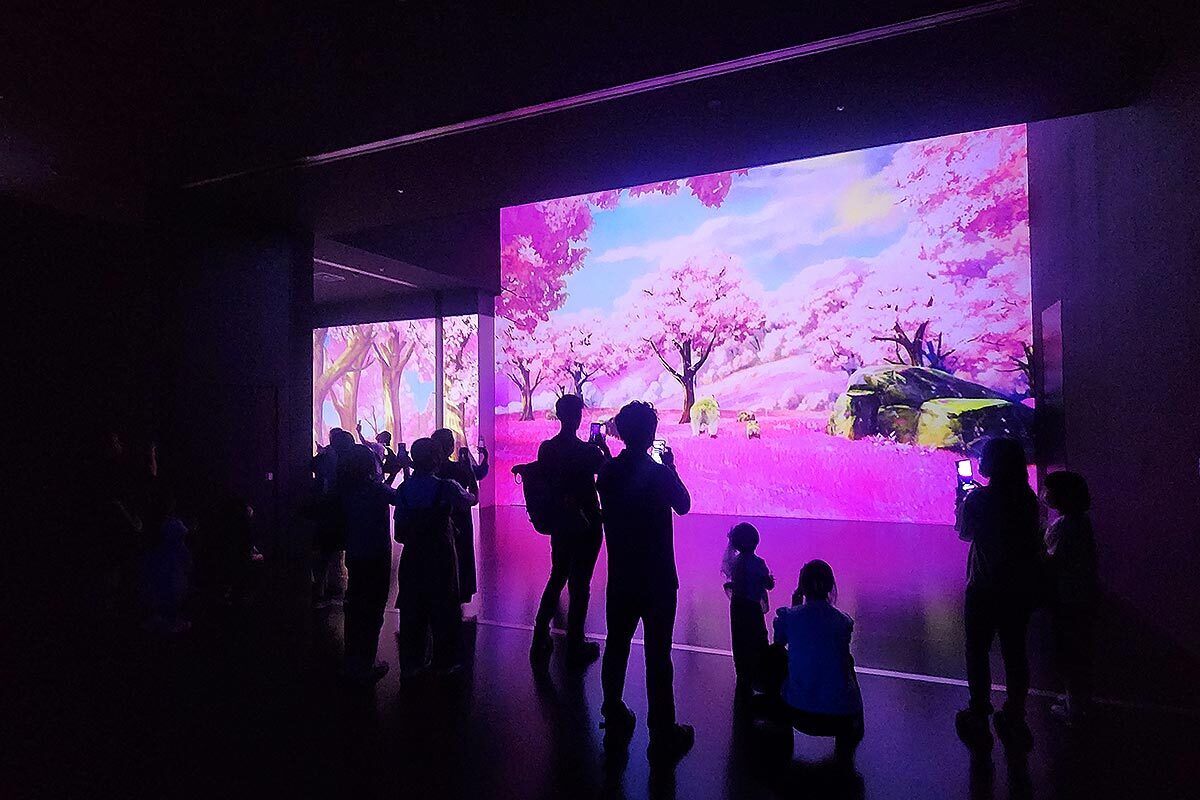
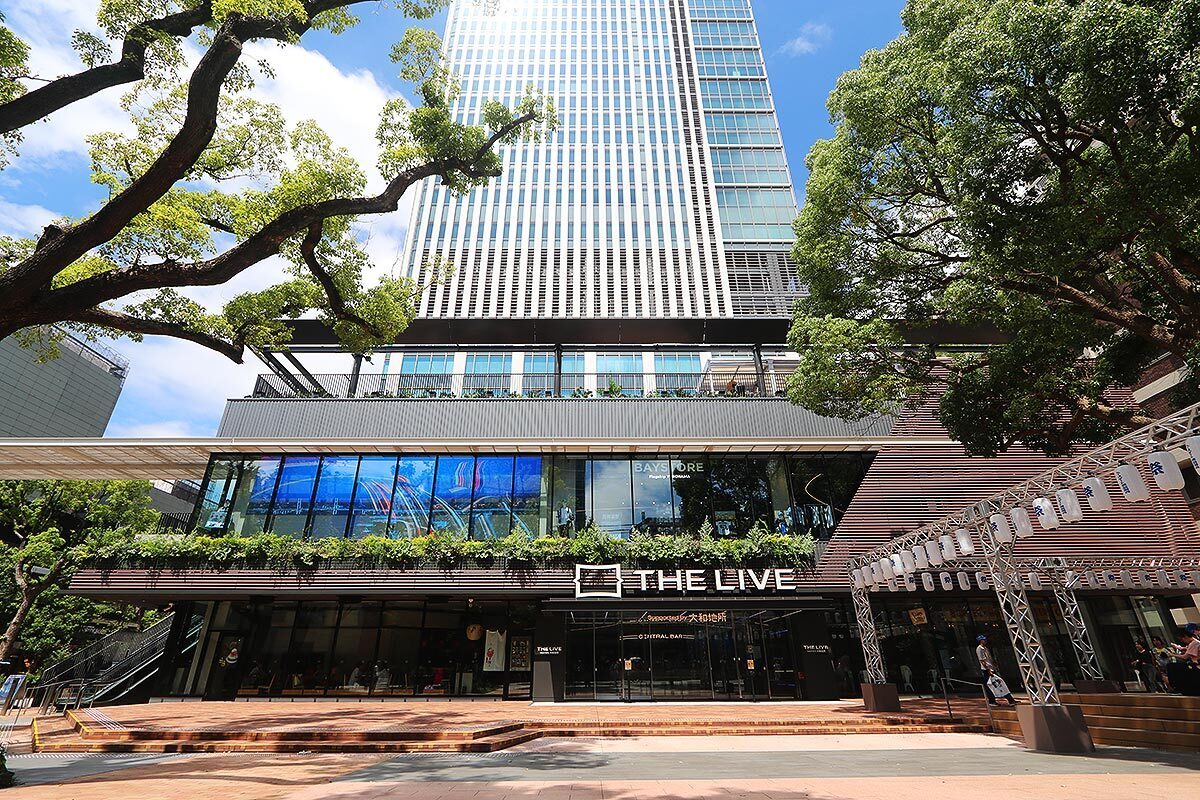
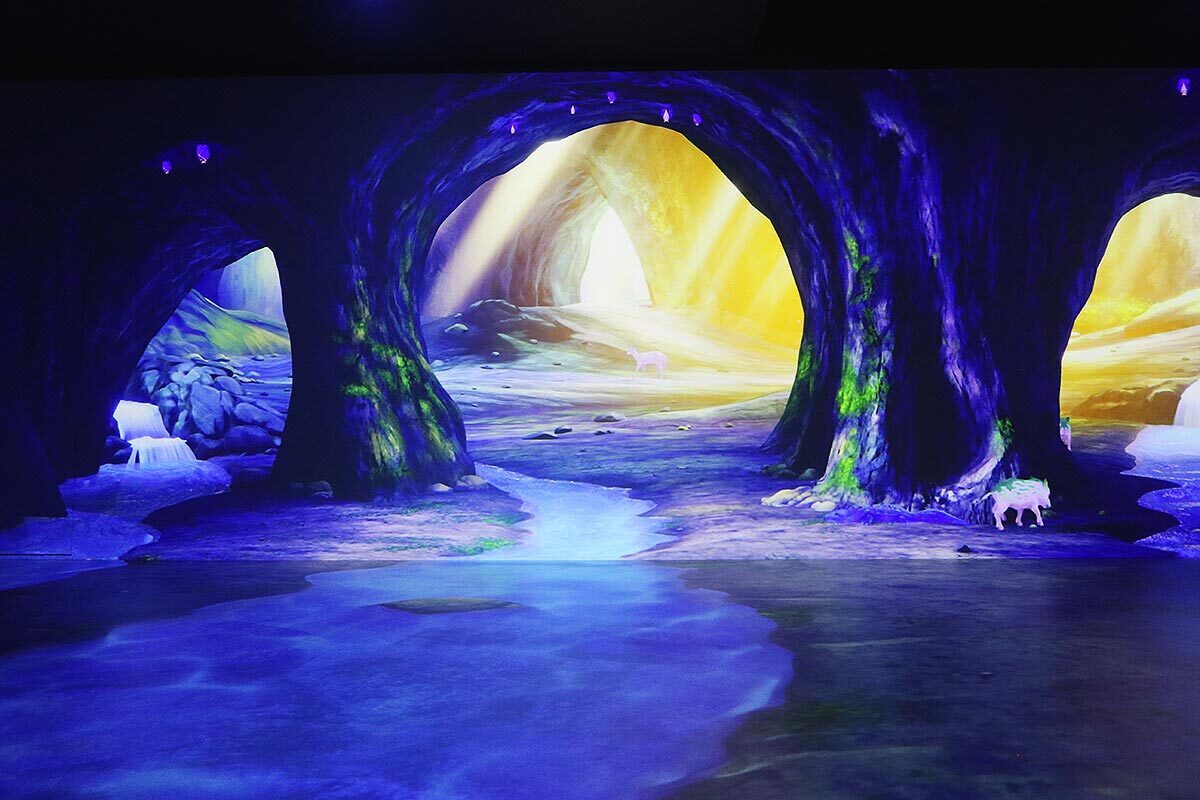
The second attraction I visited was Wonderia, which opened on March 19 and is set in the Basegate Yokohama Kannai development, directly across from Kannai Station on the JR Negishi Line. In this one, the theme is all about animals, spread across six differently themed environments with names like "camouflage forest" and "cave of light".
As with Lumières the experience is mostly passive, but there is one interactive feature in the form of a Pokemon Go-style feature allowing you to "catch" the creatures appearing on screen with an app on your smartphone.
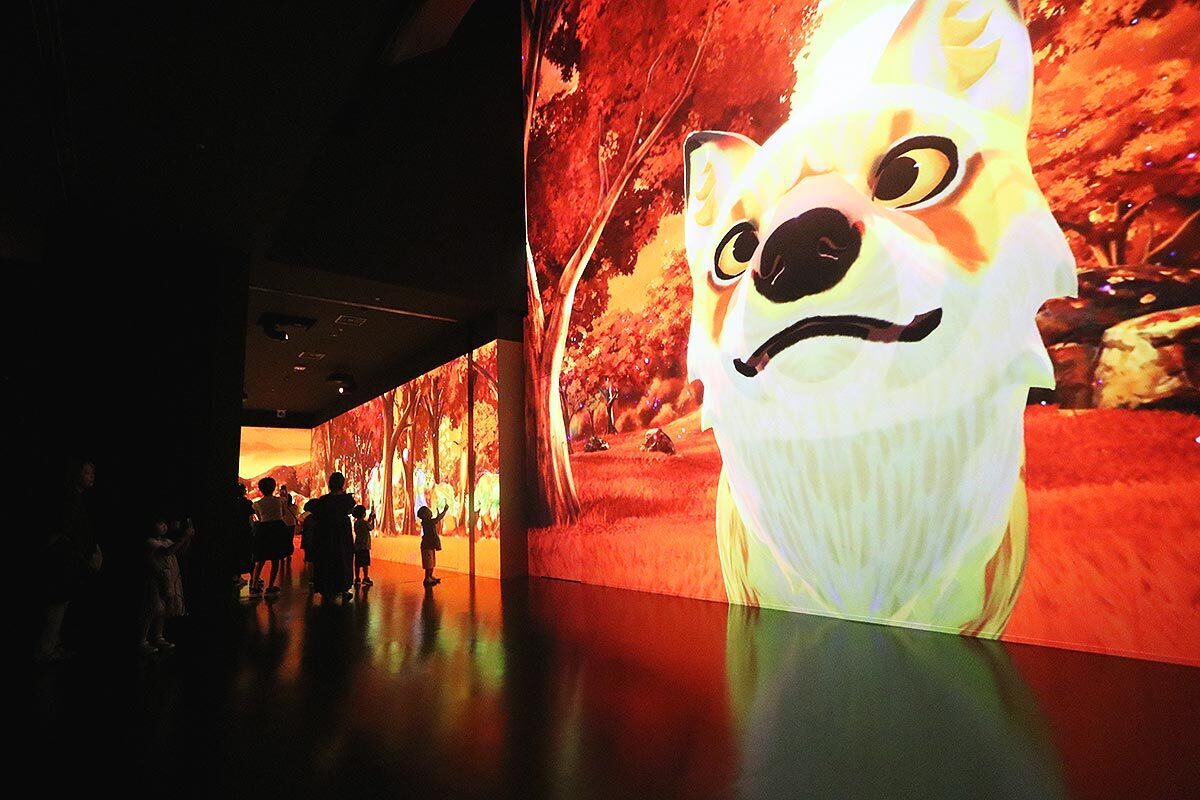
Each of the areas felt distinct and vividly realized, often using different features or unexpected viewing angles to keep things from feeling repetitive. Ultimately though, the experience felt a little on the light side, while the lack of a wraparound narrative left the various rooms feeling like a series of unrelated sketches.
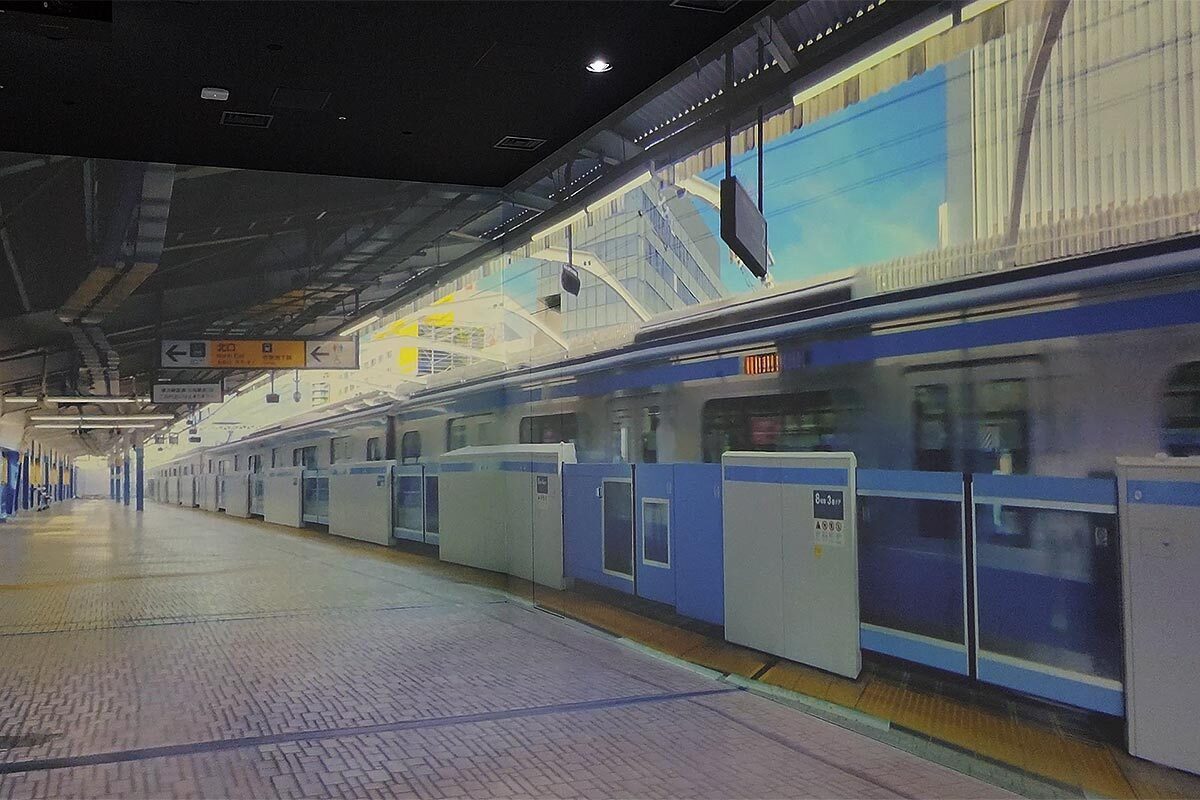
This was especially true of the two later urban-themed spots - soaring over a cityscape beside a flying blue whale, or waiting at a hyper-realistic station platform until a train arrives with an ape on board - which looked great but felt a little bit random and disconnected.
In the end however, this is an attraction aimed squarely at kids, and the kids I actually saw - from toddlers to the early teens - seemed to be having a blast. From the point of view of parents traveling with younger children and looking to keep them entertained for an hour or two with minimum fuss then, I can absolutely see the appeal. Tickets for Wonderia begin from 2,900 yen and are available to book online through the official website.
In conclusion, what I think we have here is two mid-tier attractions that are solid rather than groundbreaking, each with a fairly specific audience in mind. Though neither can match the depth or technical wizardry of teamLab, they may be perfect for travelers looking for a child-friendly or simply less intense alternative.