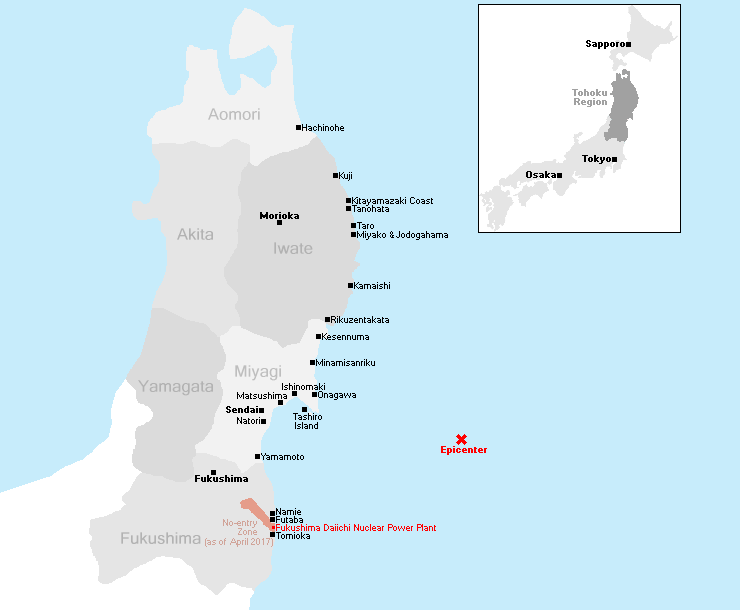
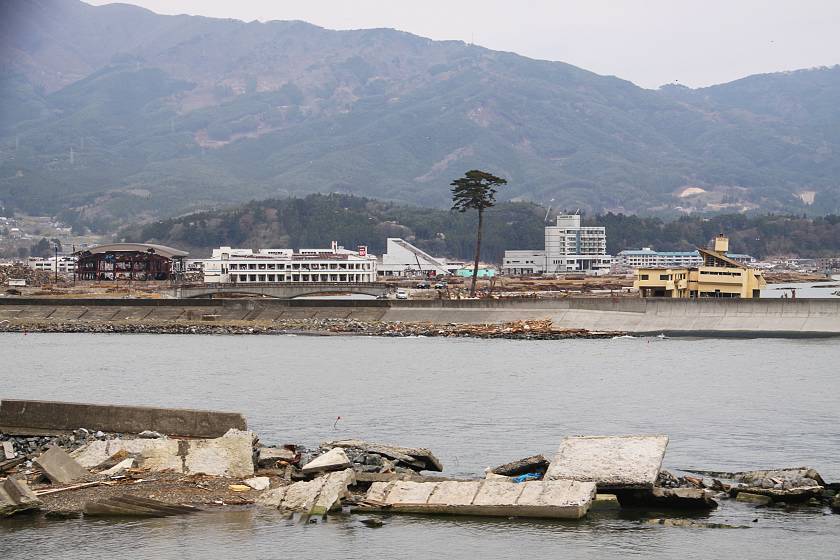
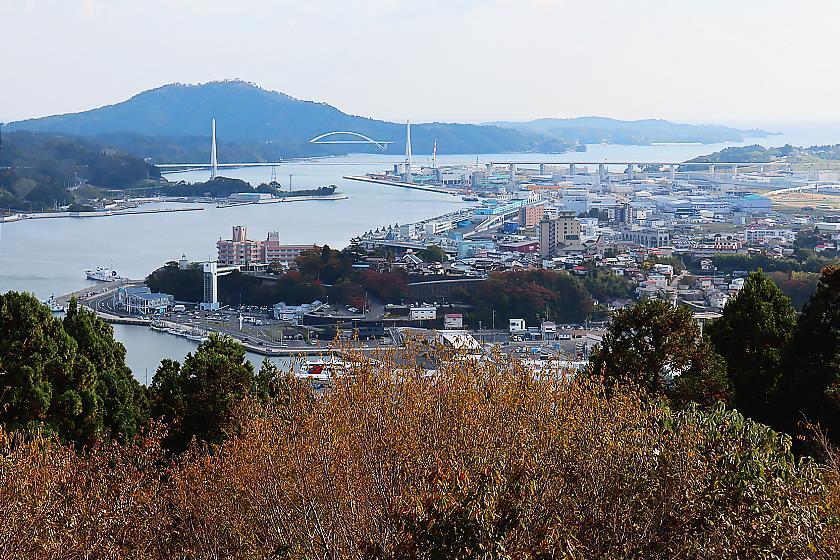
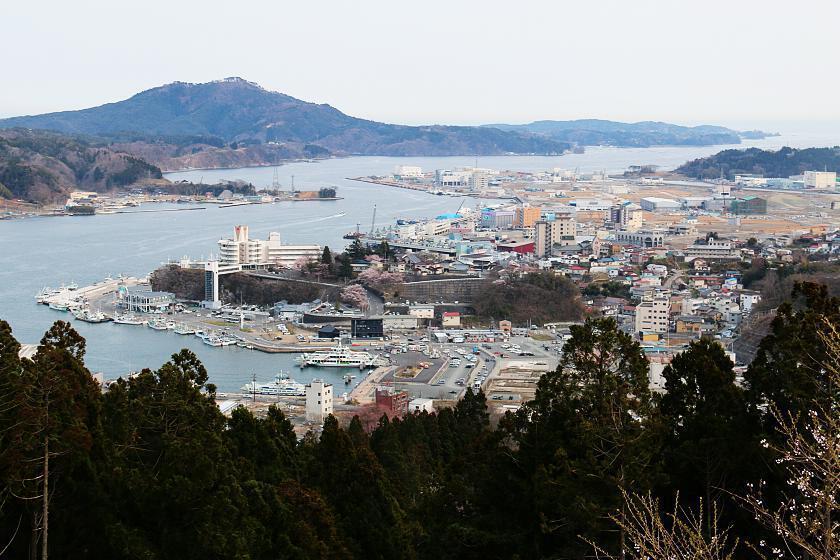
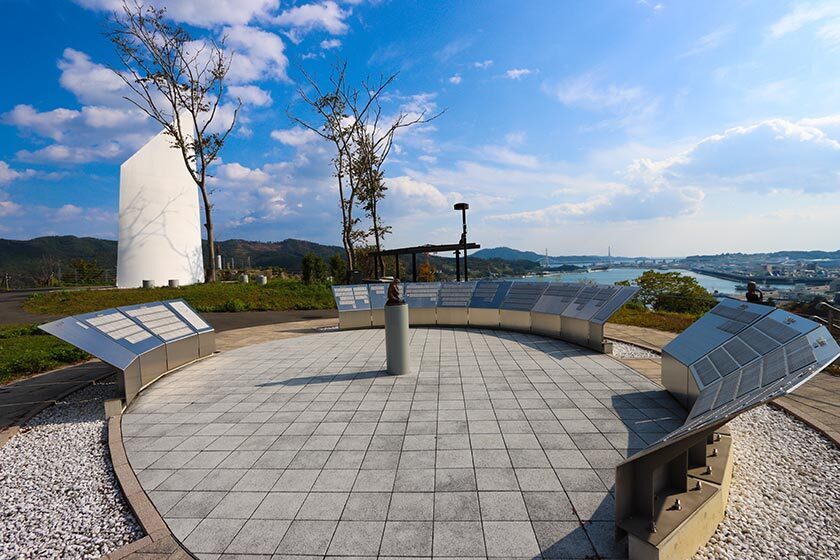
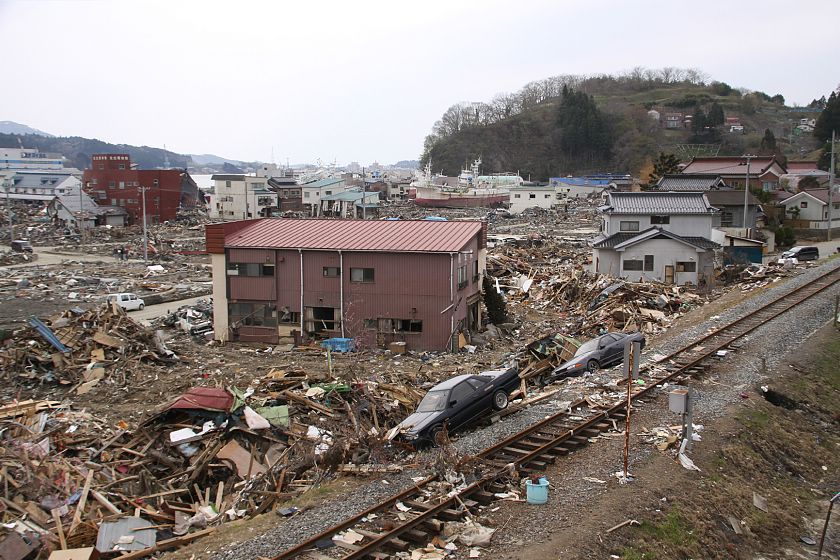
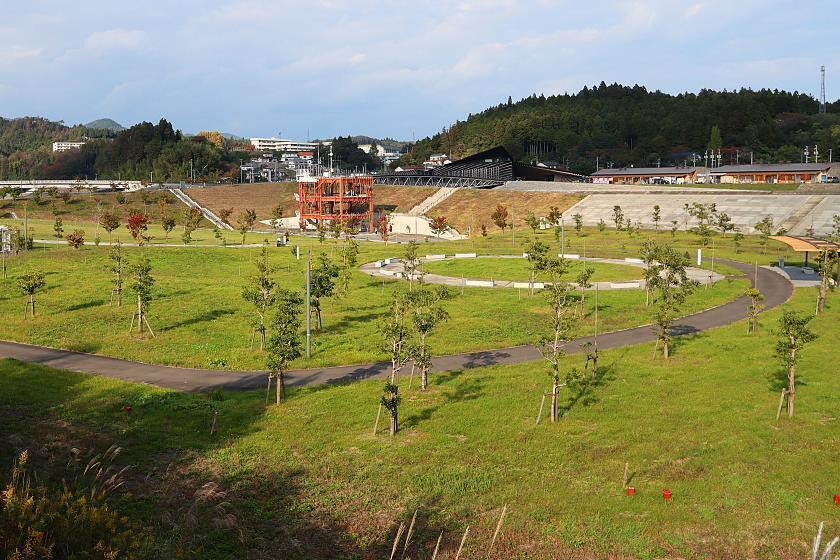
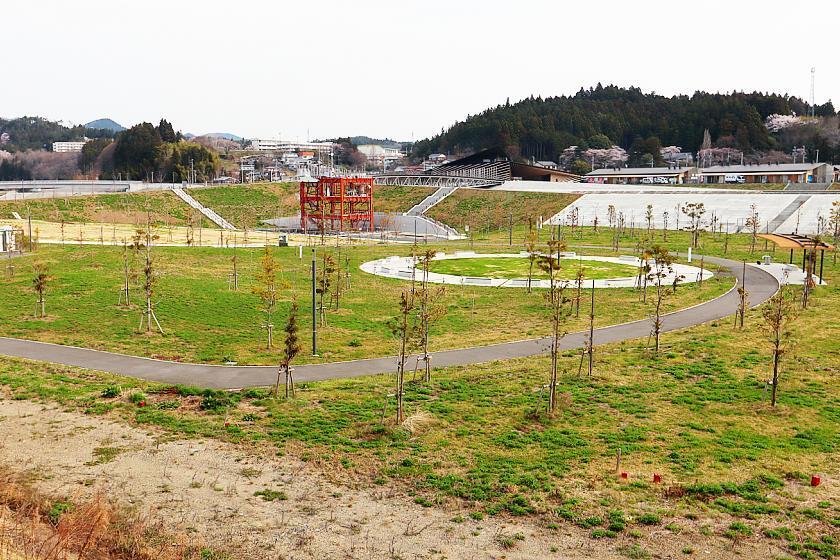
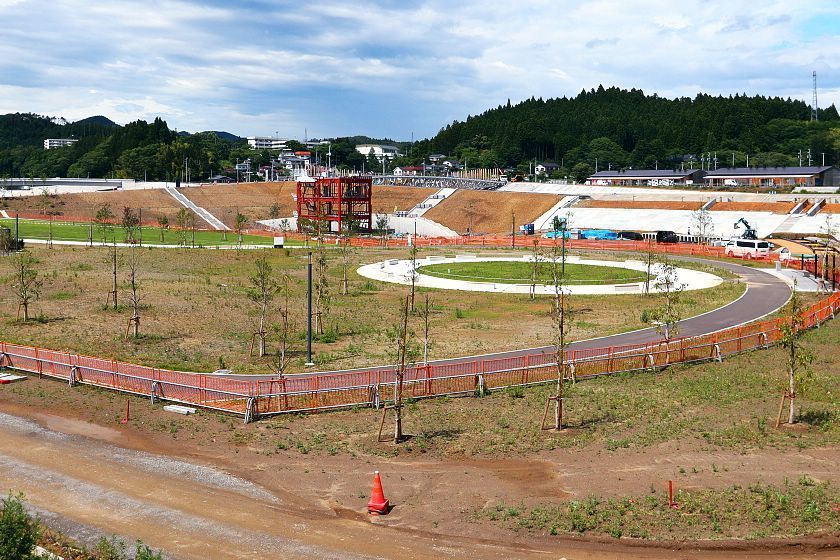
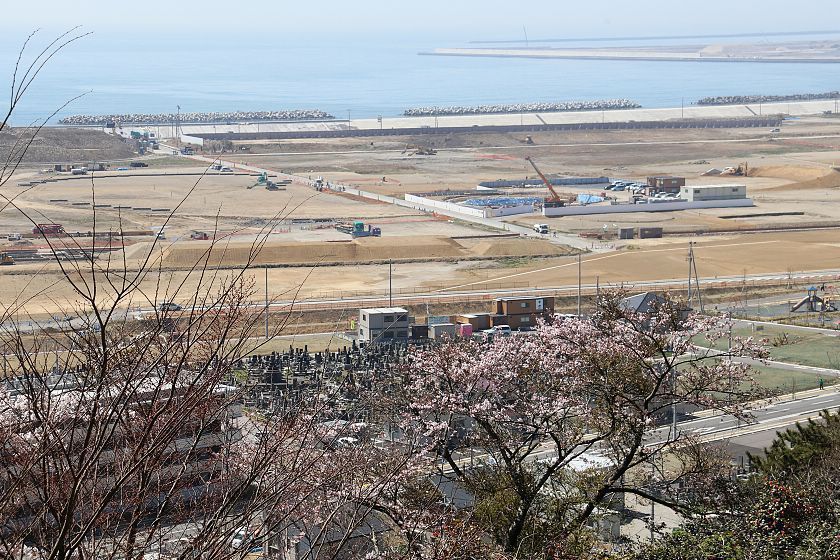
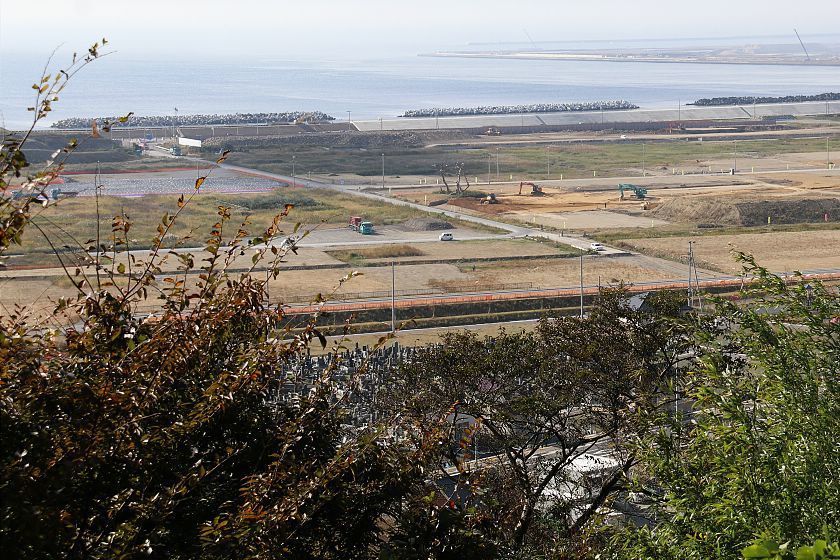
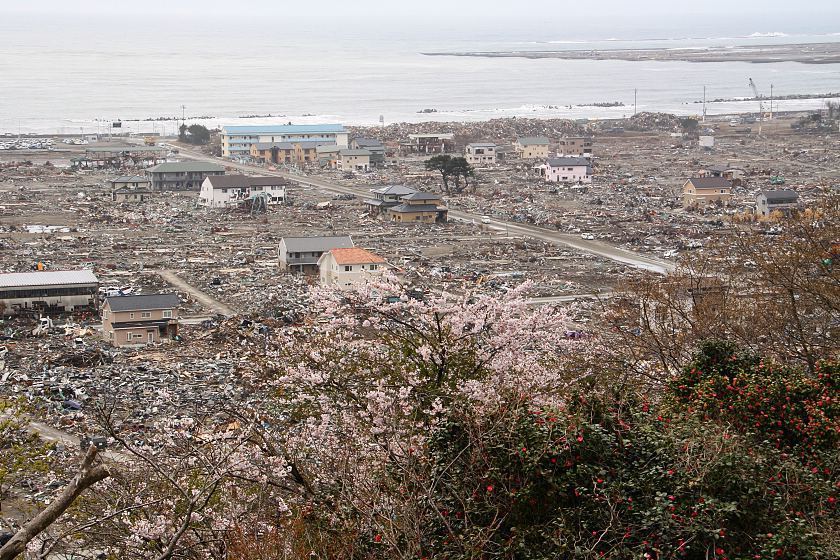
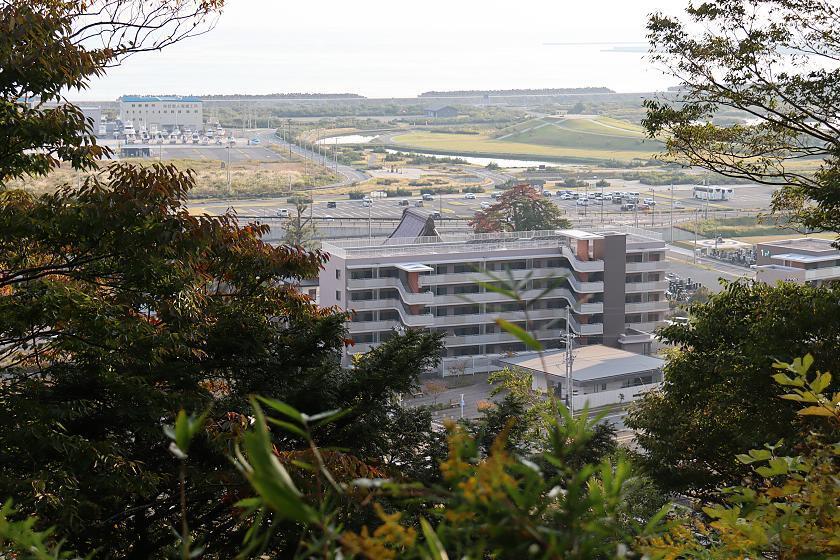
This is the 23rd part of our open-ended series to document the recovery of the tsunami-hit coast of northeastern Japan, where nearly 20,000 people lost their lives and entire towns were destroyed on March 11, 2011. 14 years after the tsunami, we traveled along the coast from Iwate to Fukushima and revisited some of the worst-hit cities on October 28-30, 2025.
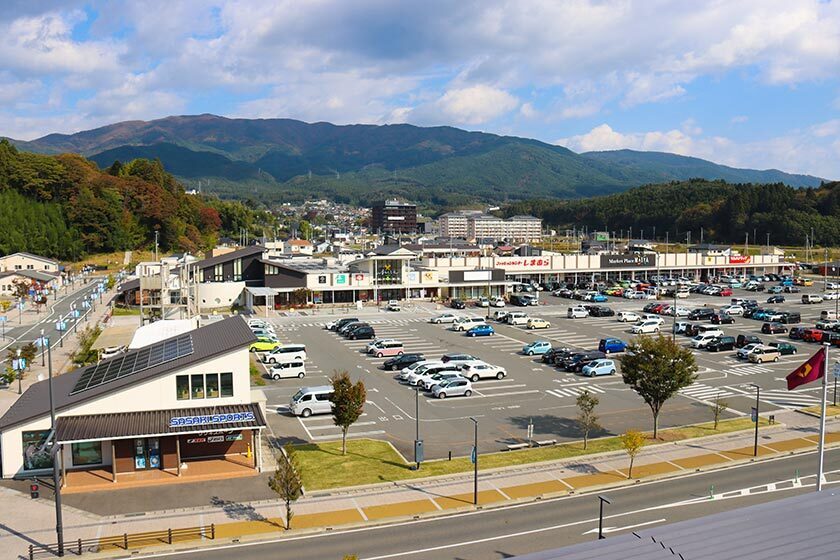
For the first time in a few years we returned to Tanohata, a village in the northern part of Iwate, which is famous for its spectacular coastline and delicious milk. We didn't have the time to see the most spectacular Kitayamazaki Coast, but we did stop at some monuments further down the coast, which saw a tsunami of almost 18 meters in height, and checked out the Michinoeki Tanohata roadside station, which reopened in a new location in 2021.
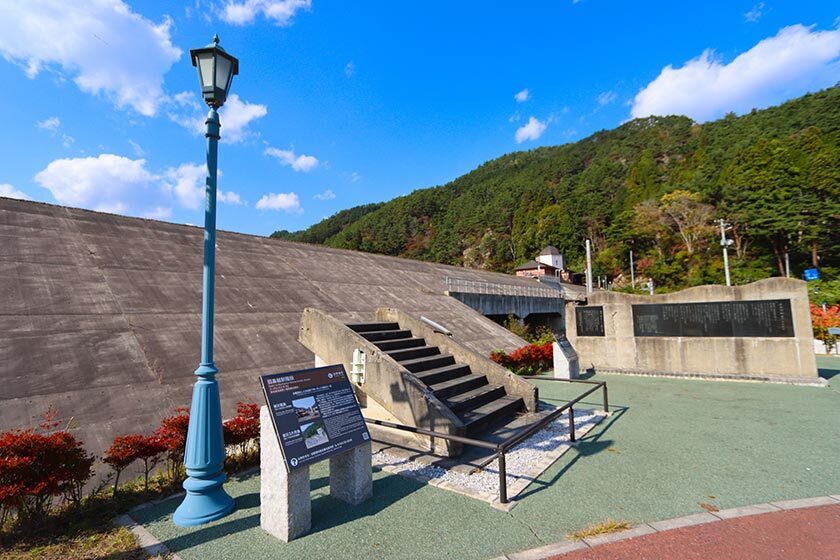
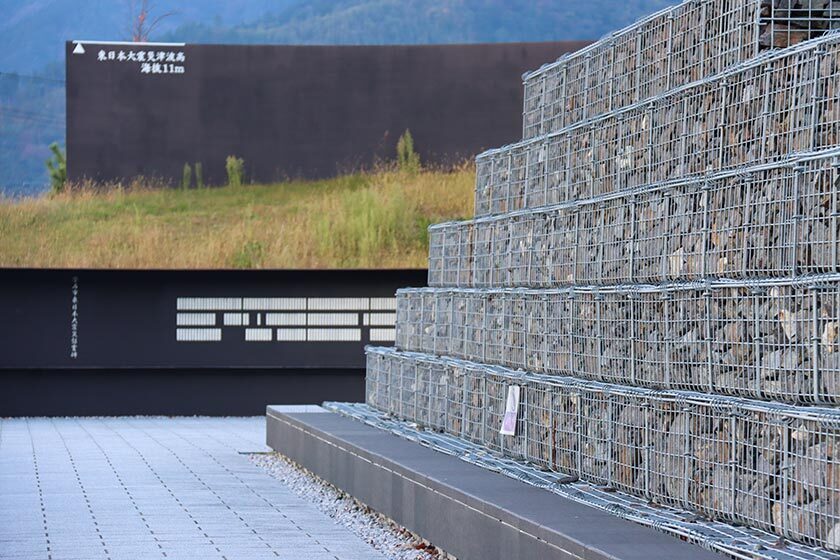
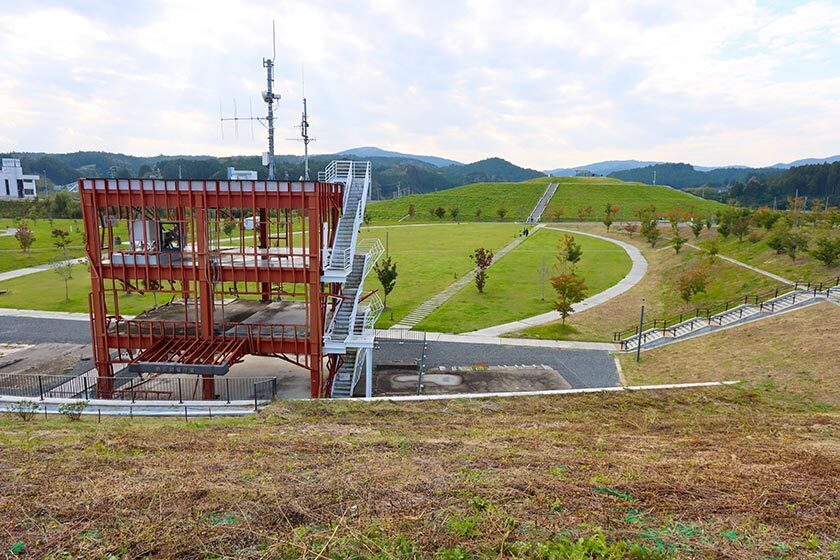
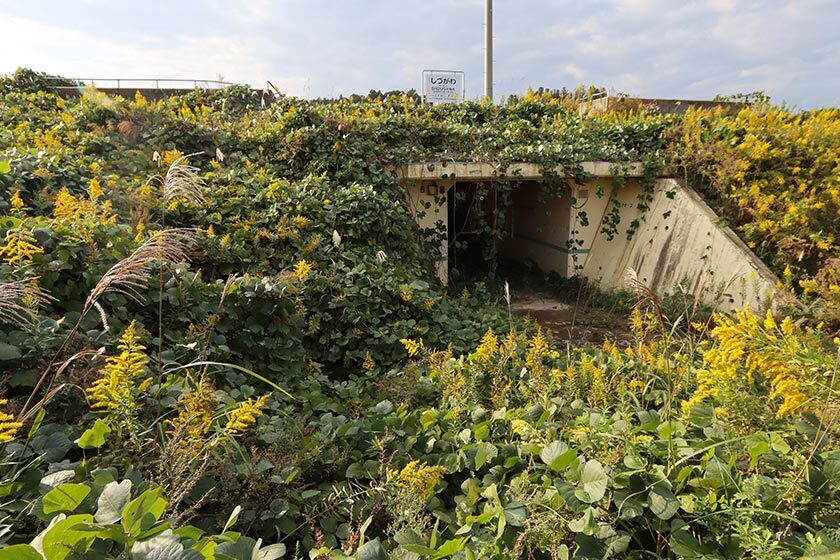
A small memorial at the reconstructed Shimanokoshi Station, where the tsunami reached a height of almost 18 meters
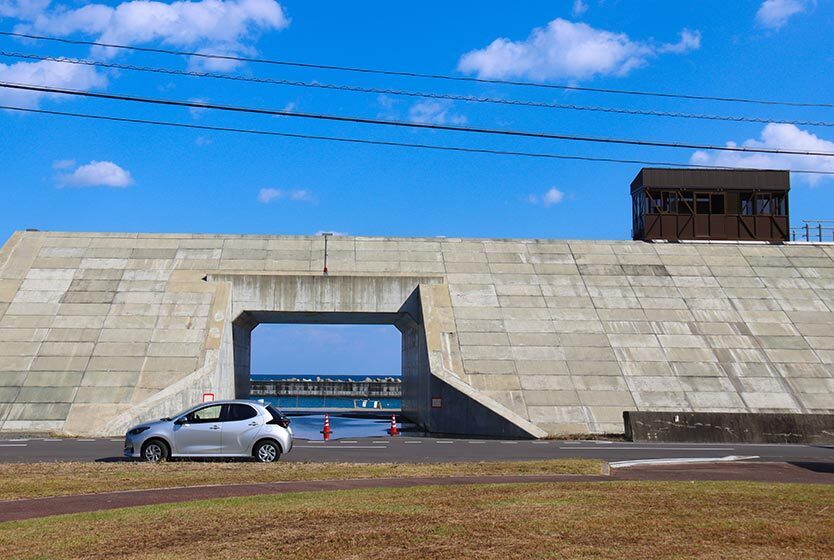
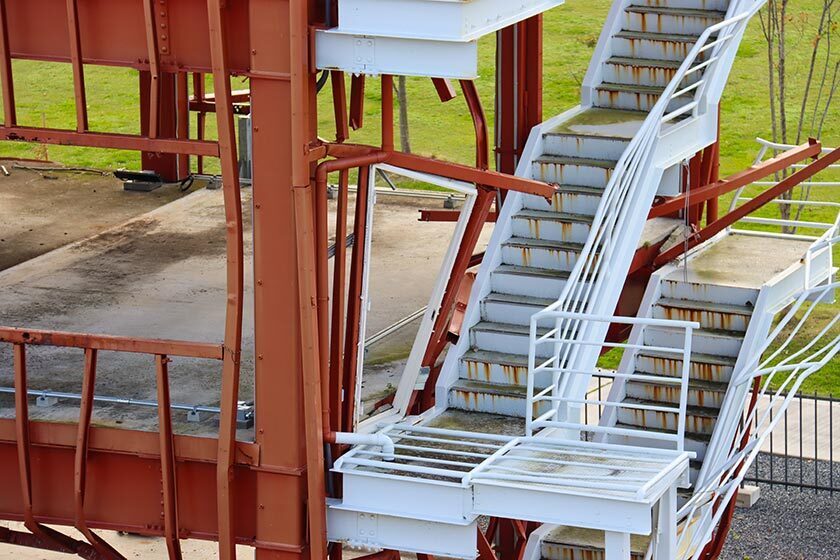
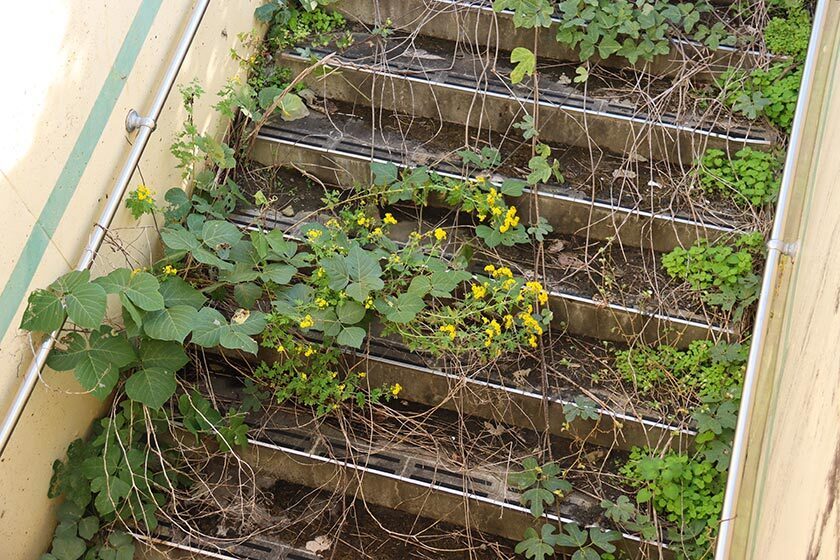
A protective wall opposite of the memorial
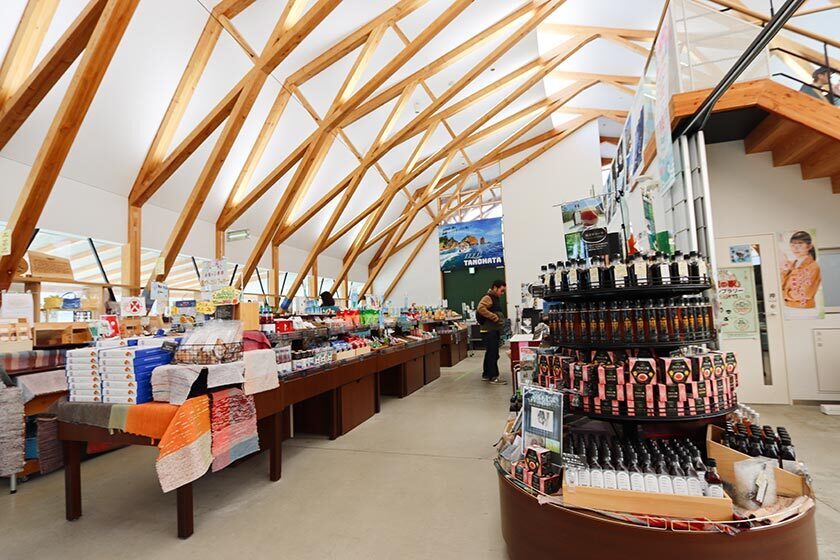
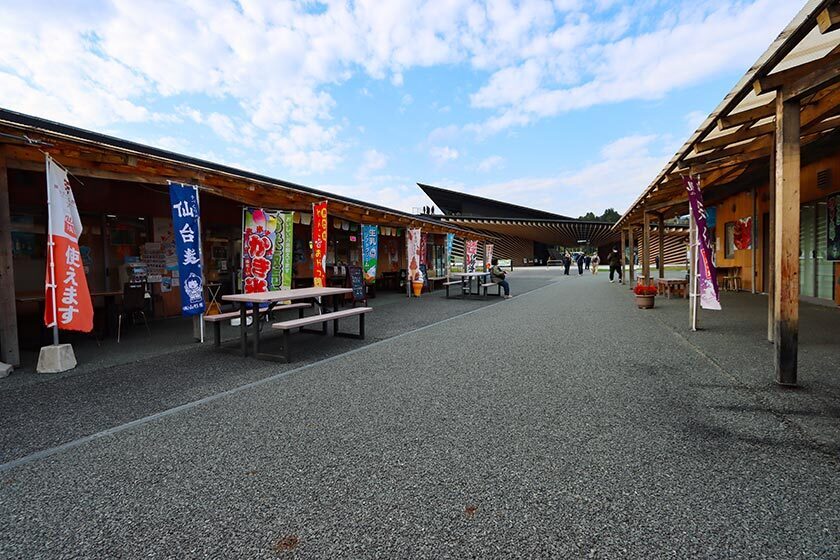
Michinoeki Tanohata roadside station
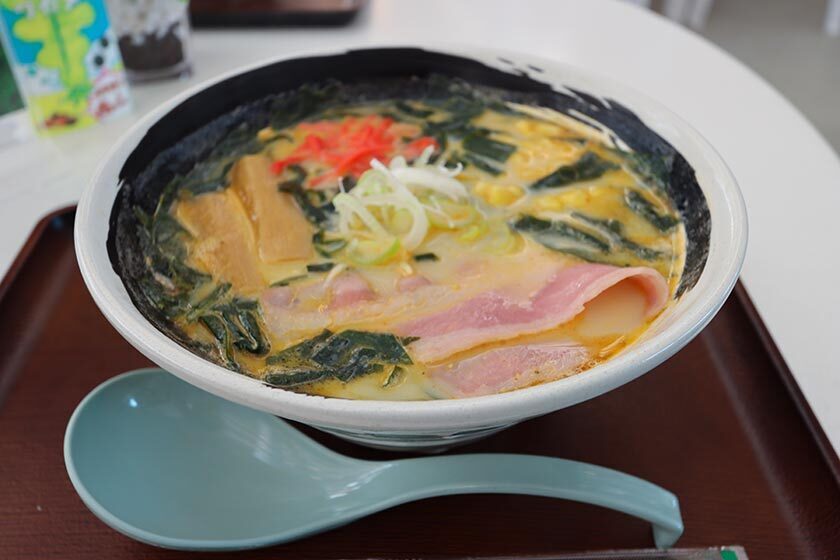
I enjoyed milk ramen with seaweed at the roadside station's restaurant
On day 1, we also visited Taro, Jodogahama and Kamaishi before staying the night in a nice small hotel at the Goishi Coast.
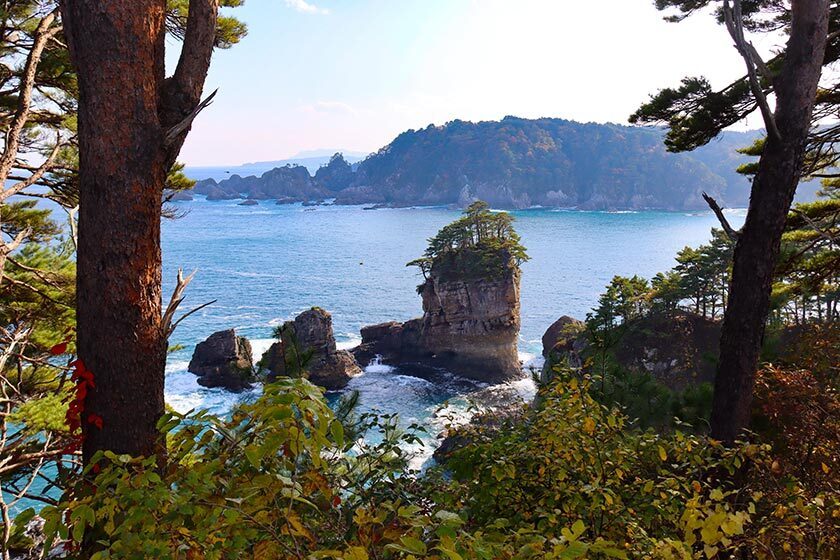
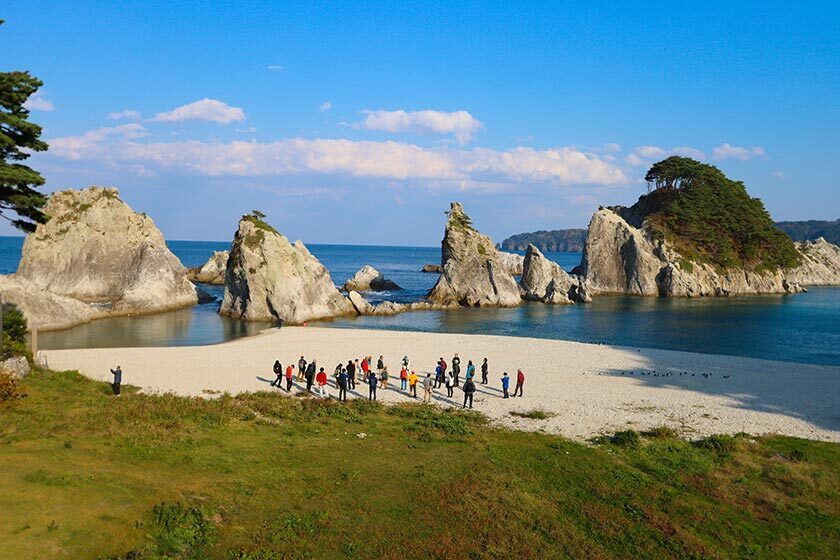
Sannoiwa Rocks in Taro
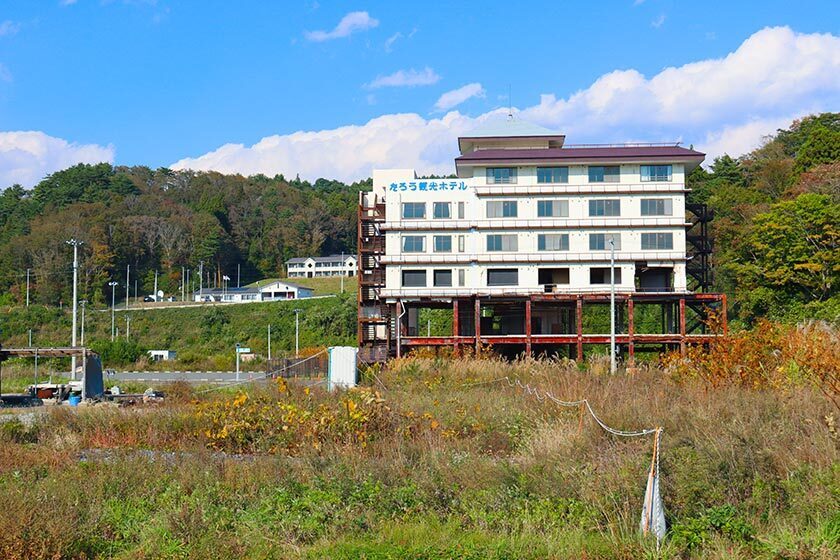
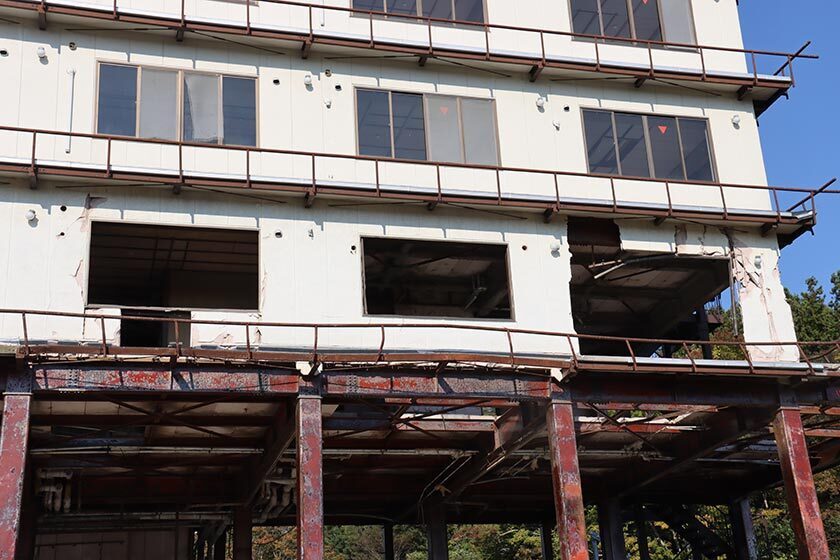
The monument-turned Taro Kanko Hotel
The hotel was flooded up to its 4th floor
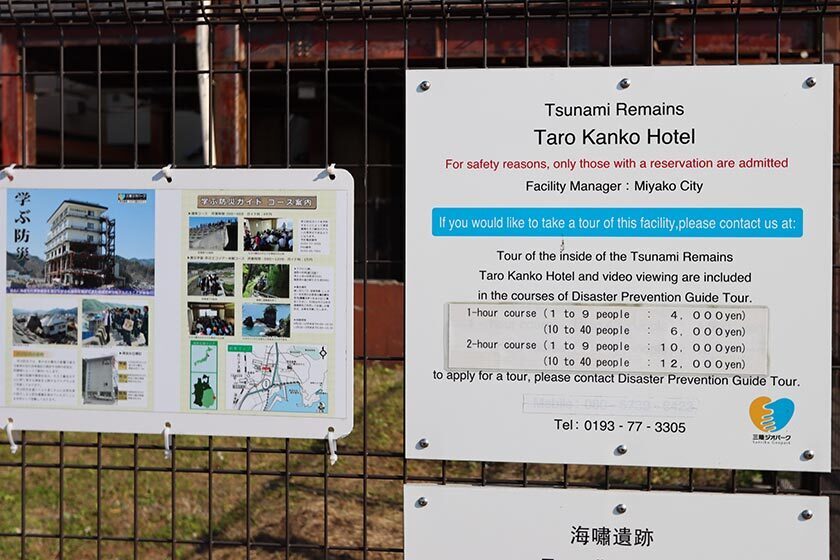
The interior of the hotel can be viewed on pre-arranged tours
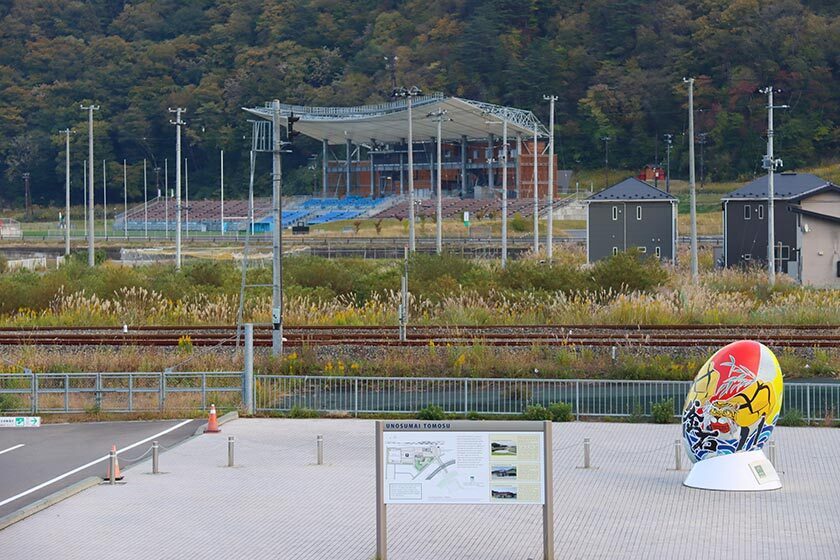
The tsunami memorial in Kamaishi, next to Unosumai Station
The city's rugby stadium was the venue of an unforgettable match at the 2019 Rugby World Cup
We started day 2 with an amazing breakfast and enjoyed a walk along the Goishi Coast before continuing to Rikuzentakata, whose attractive new city center is growing increasingly busy.
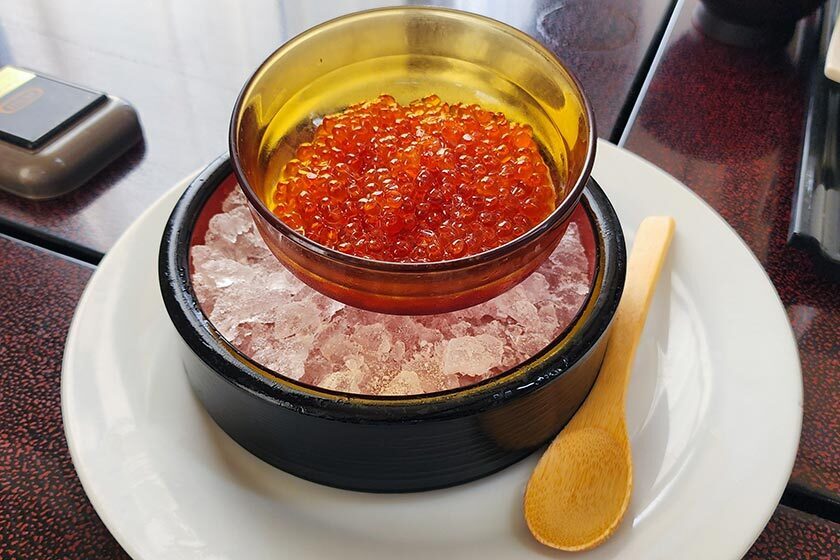
The amazing breakfast came with a big bowl of ikura
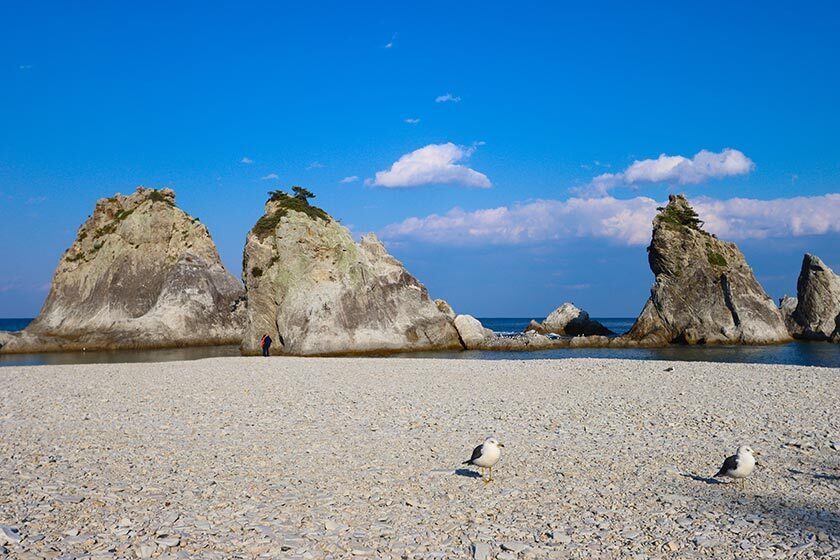
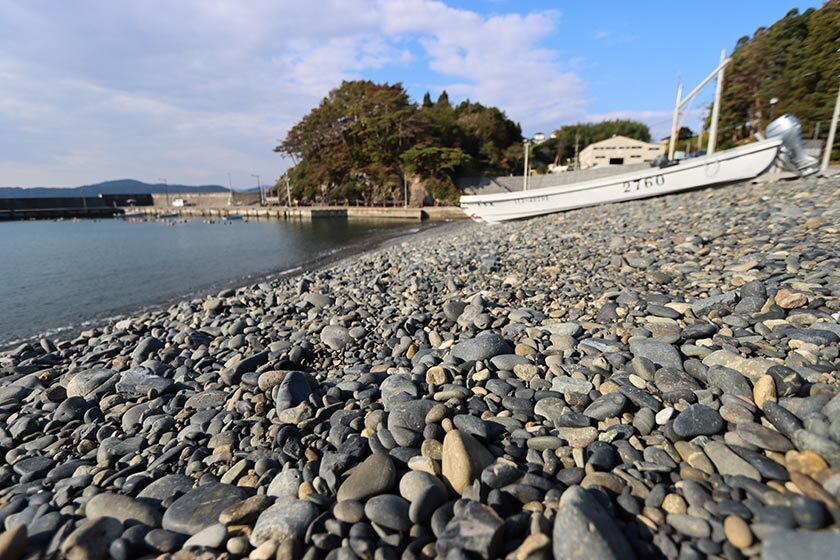
Goishi Beach, named after the naturally polished, round stones that look like the pieces used in the game of go
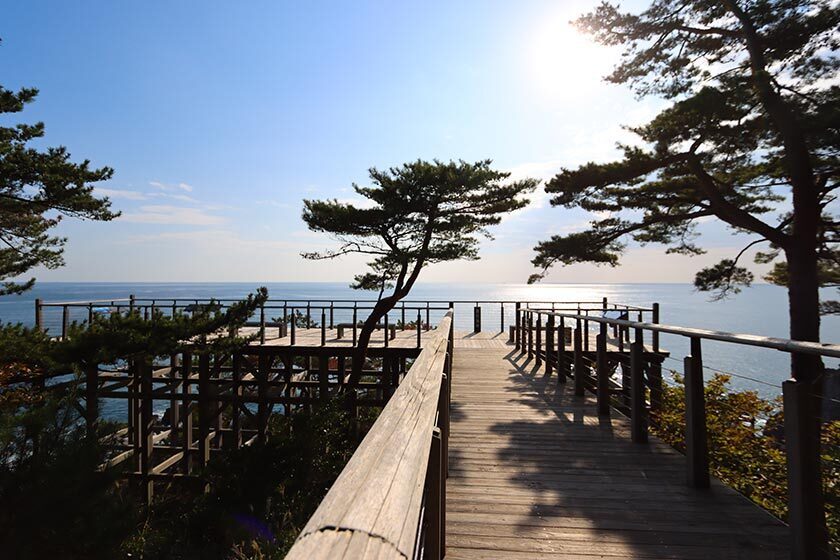
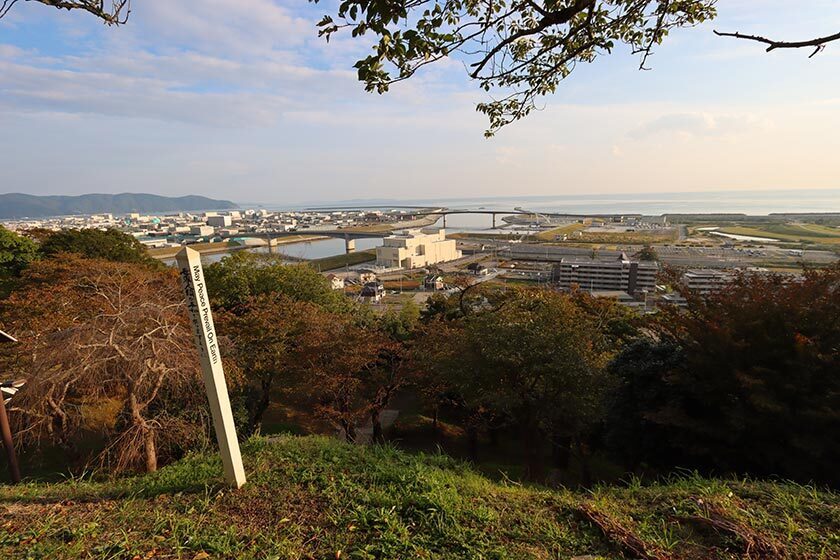
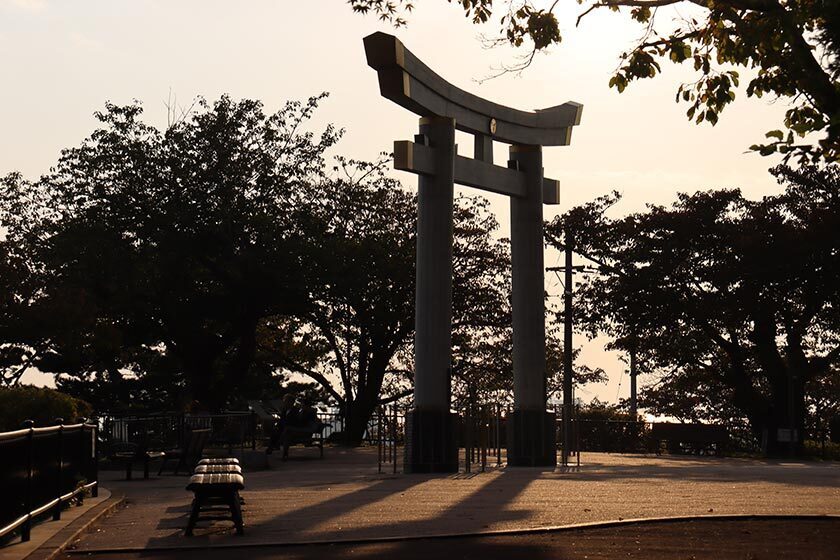
A new attractive observation deck at the Goishi Coast
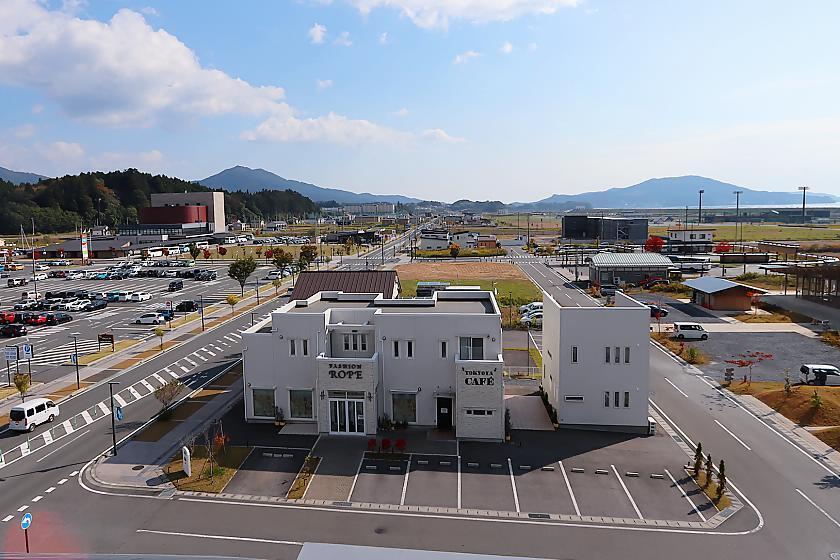
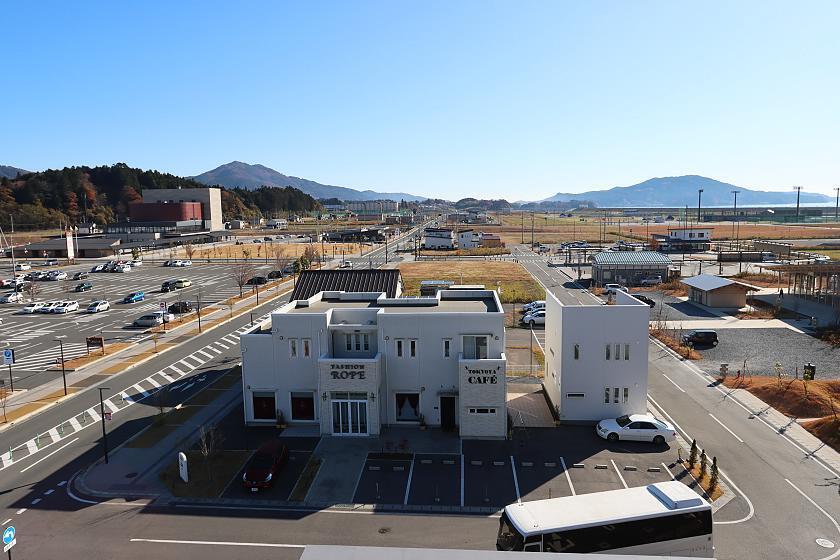
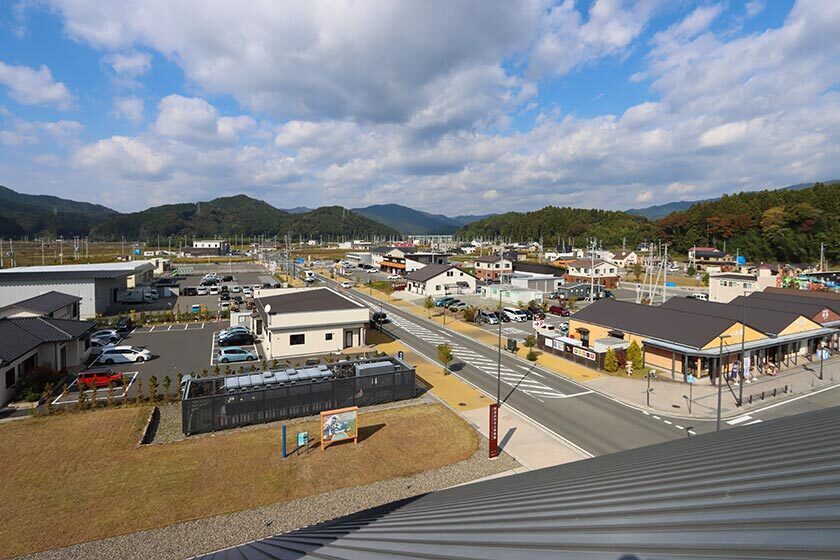
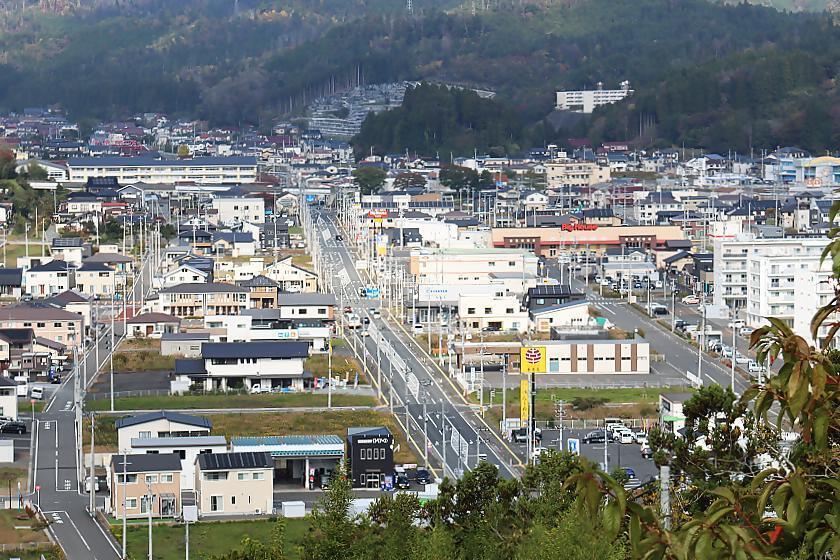
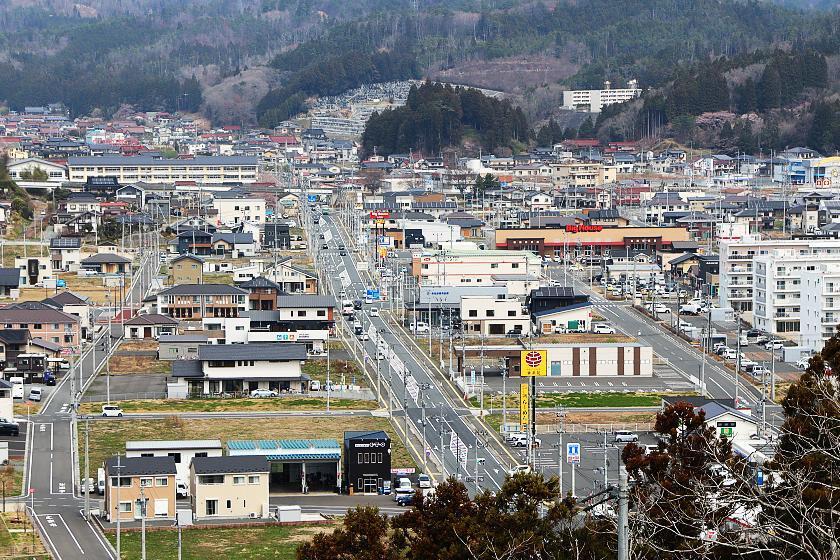
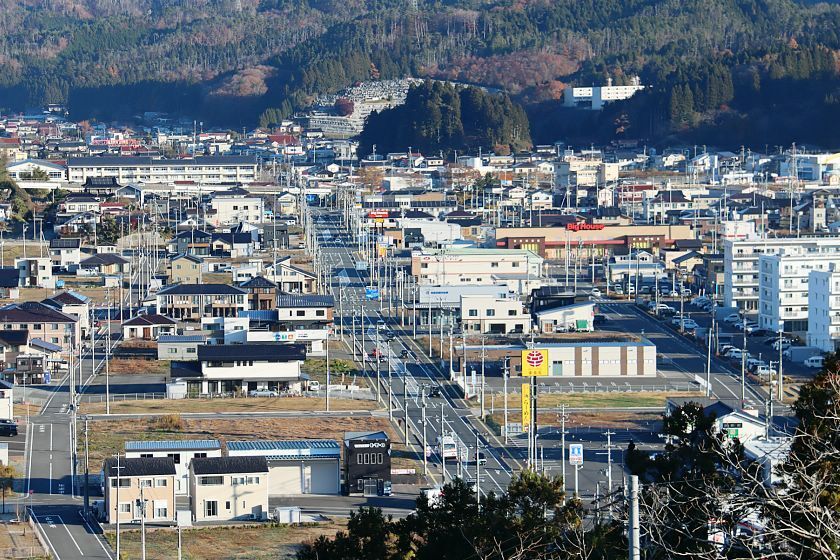
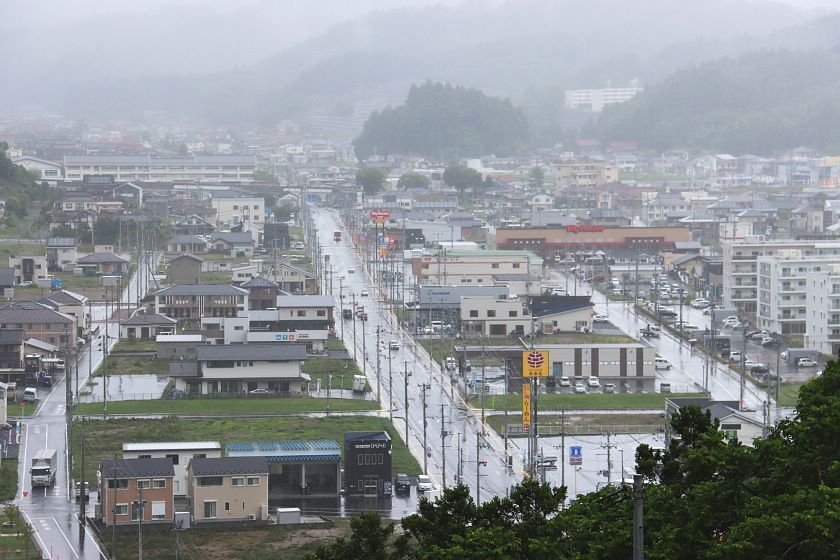
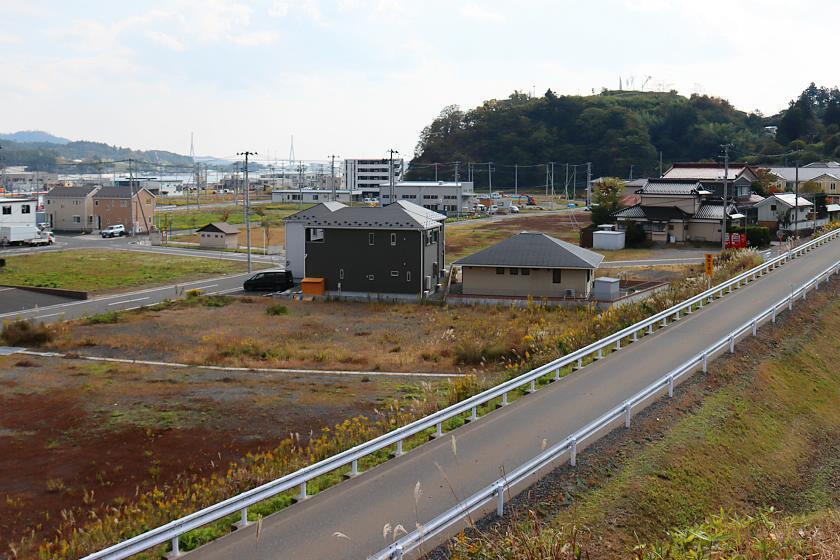
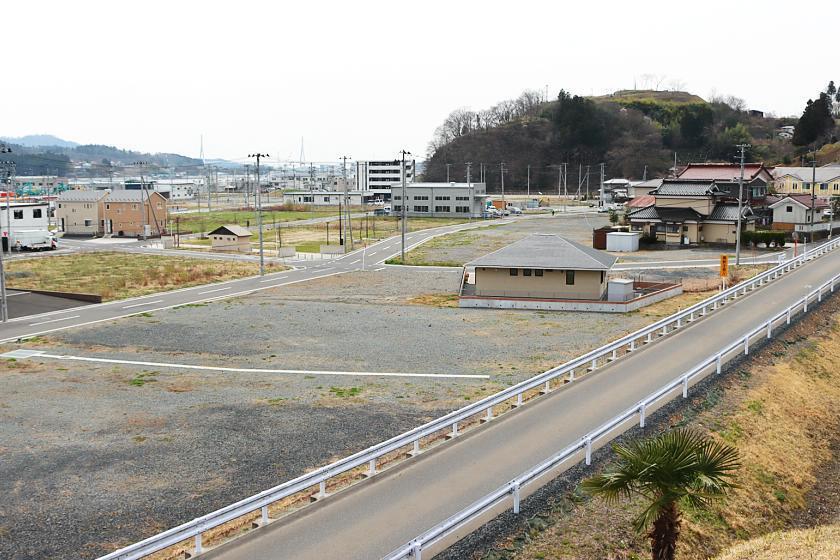
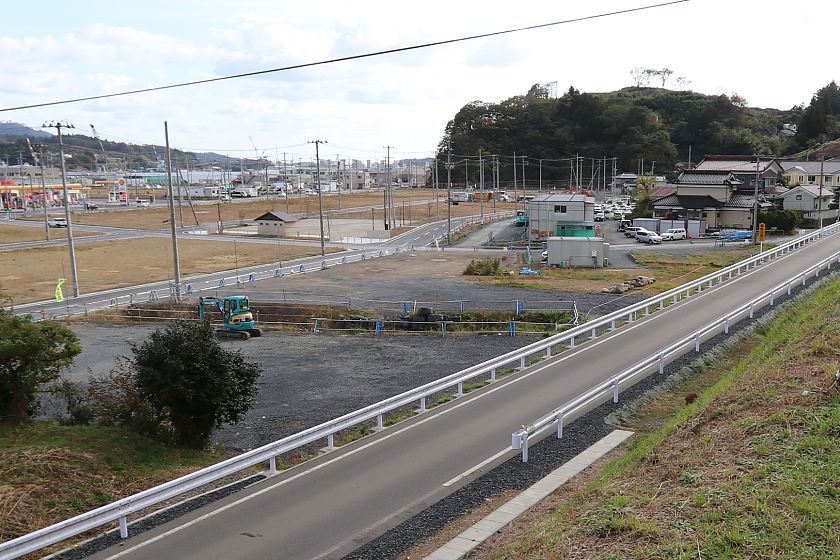
Rebuilt central Rikuzentakata is growing increasingly large and busy
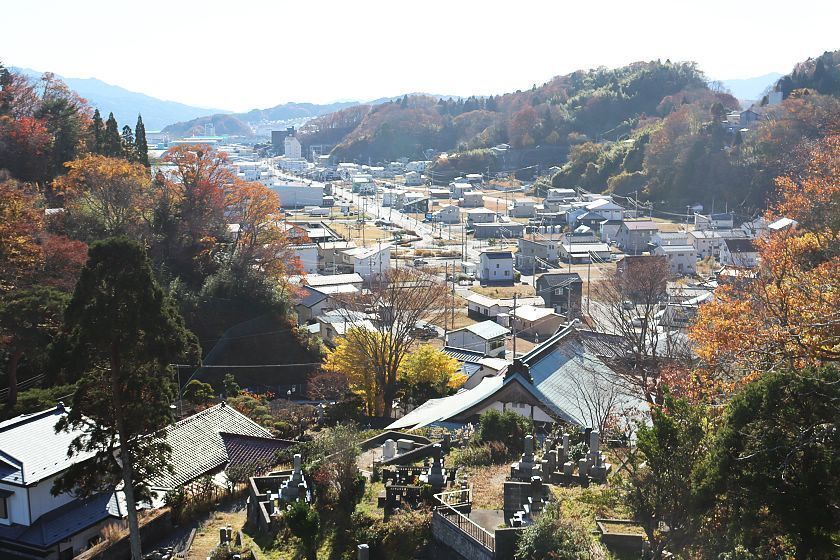
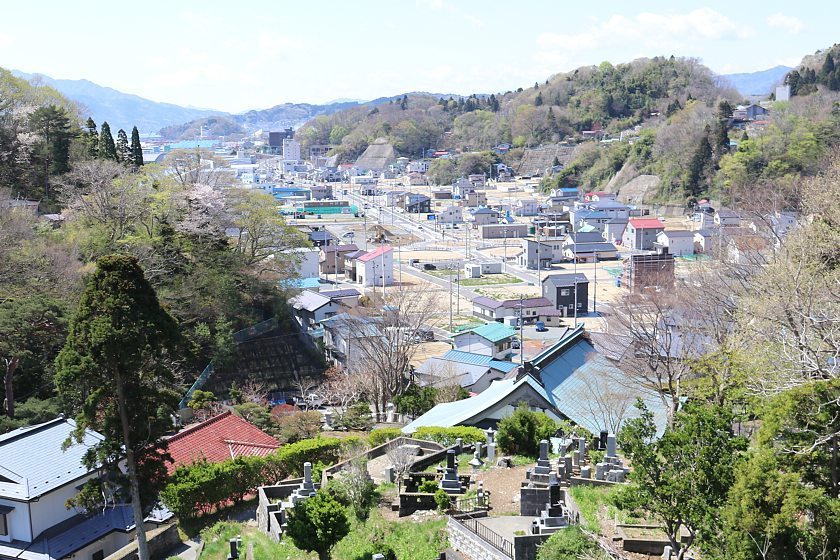
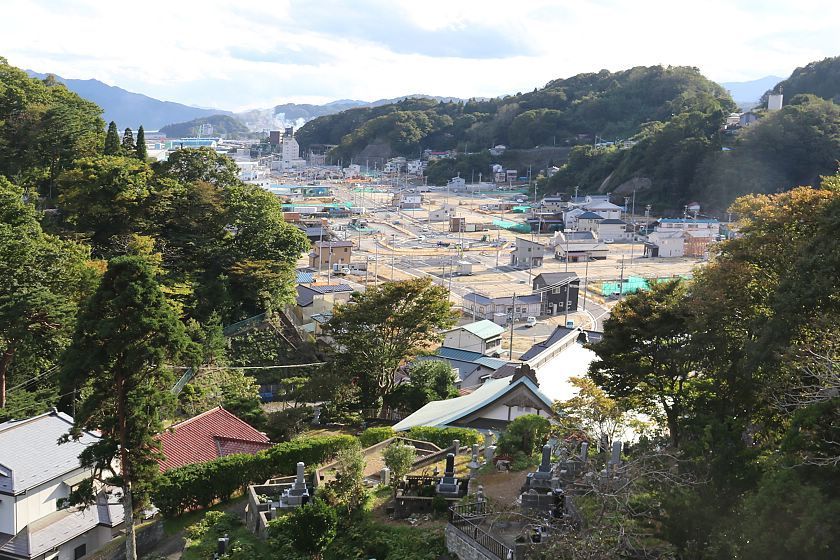
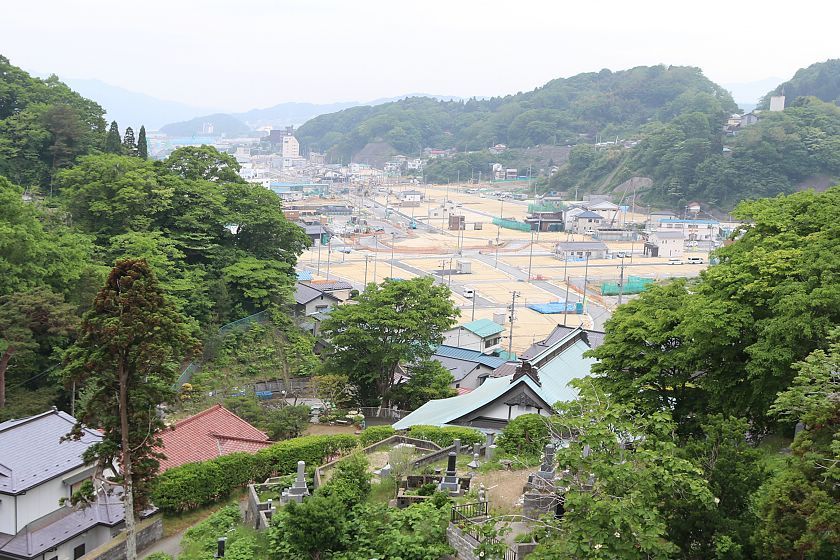
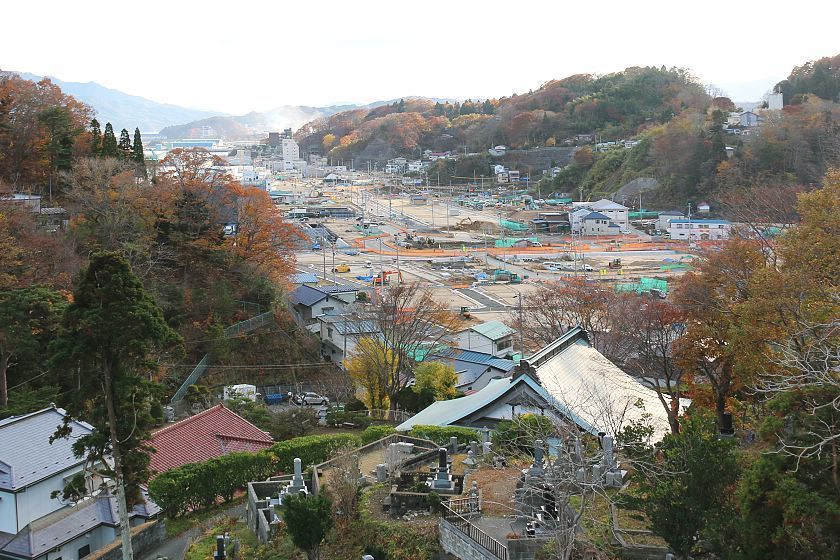
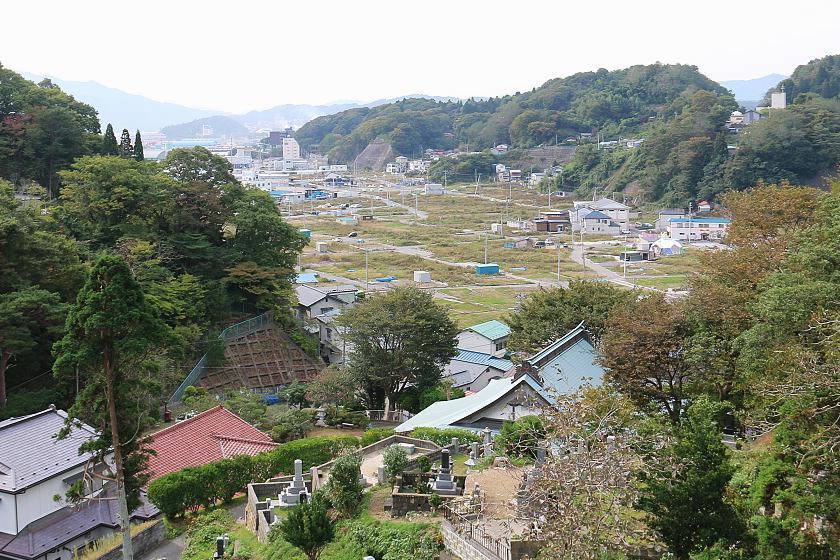
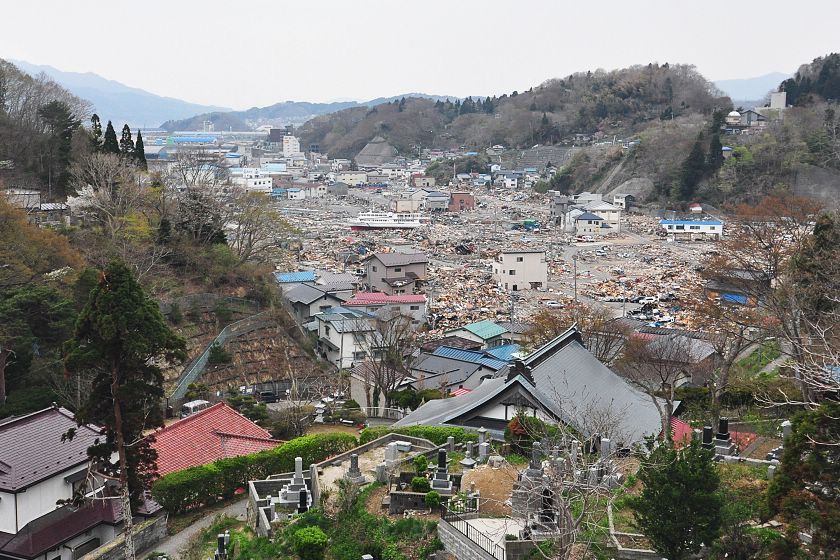
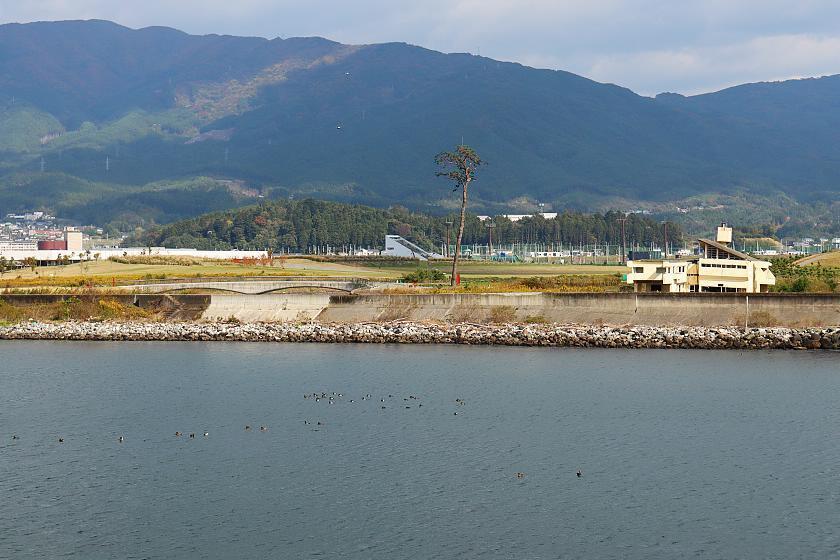
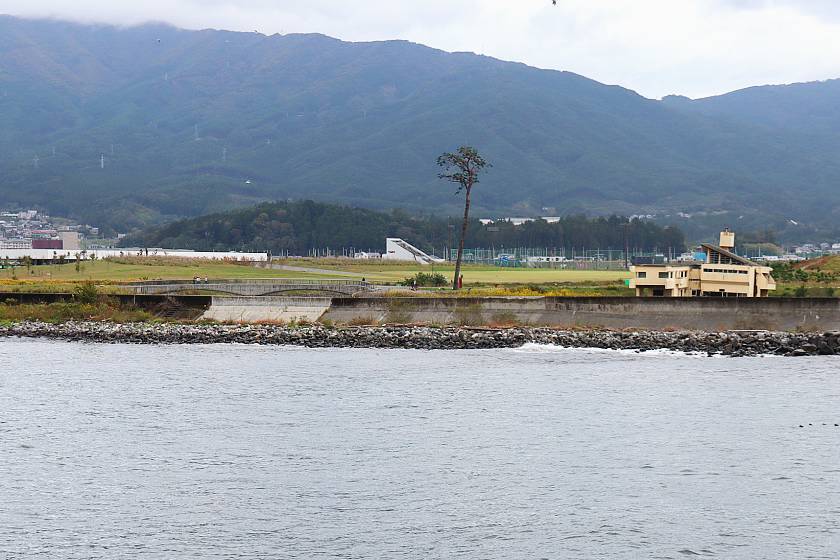
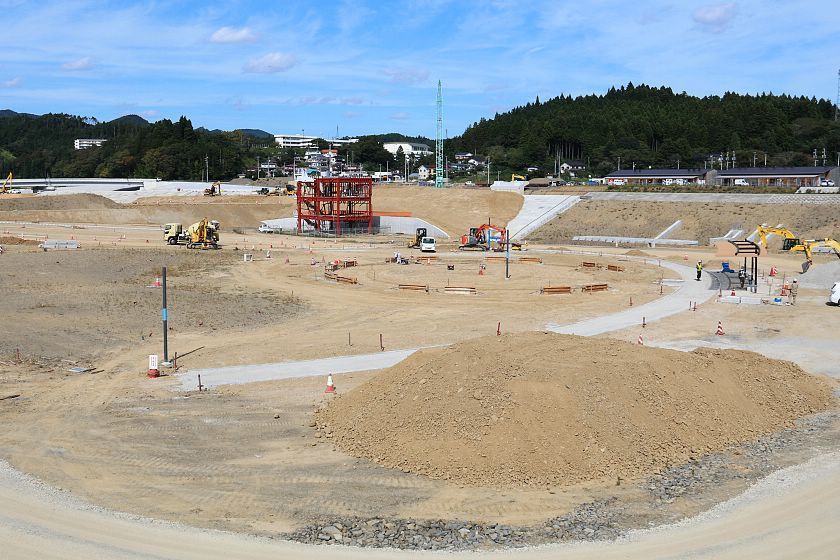
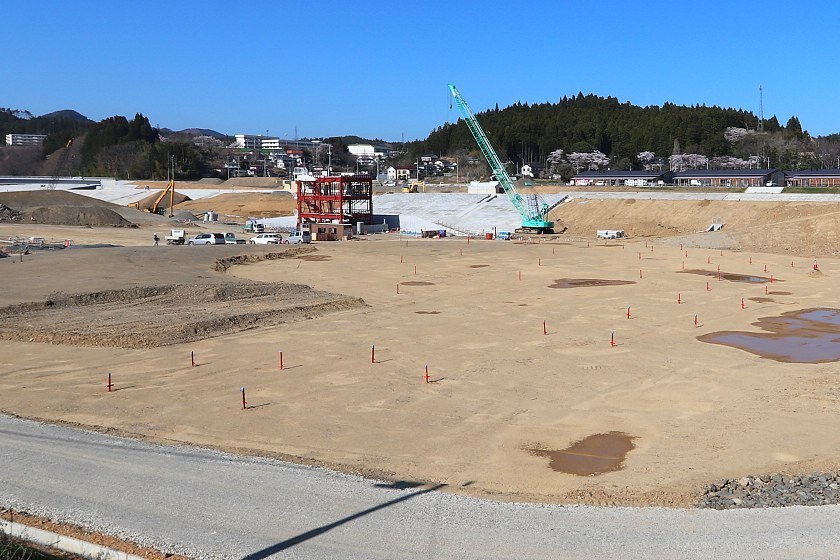
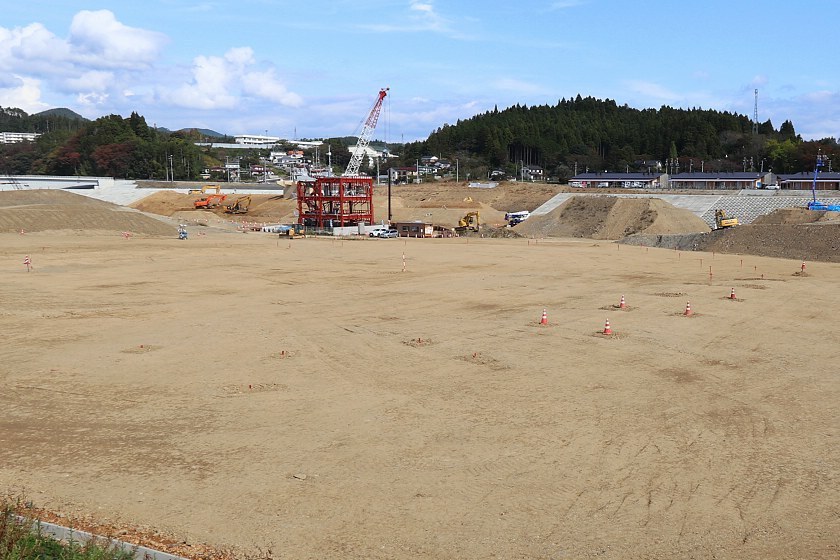
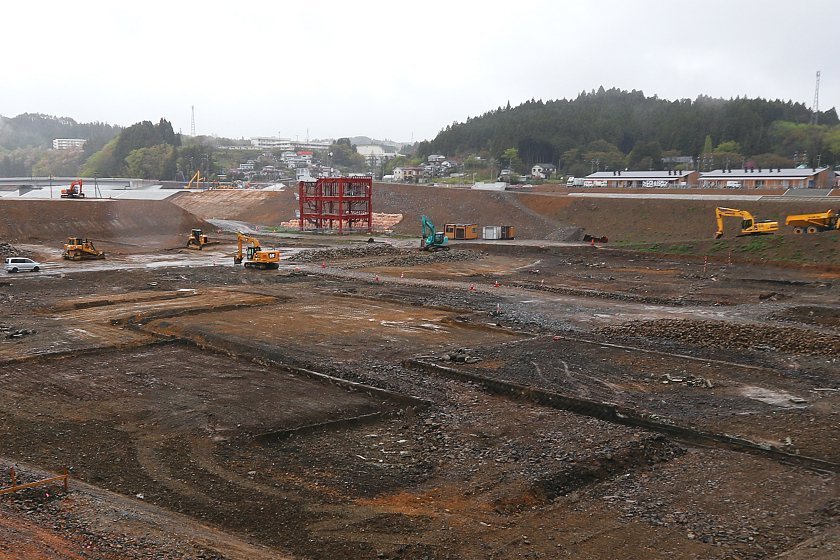
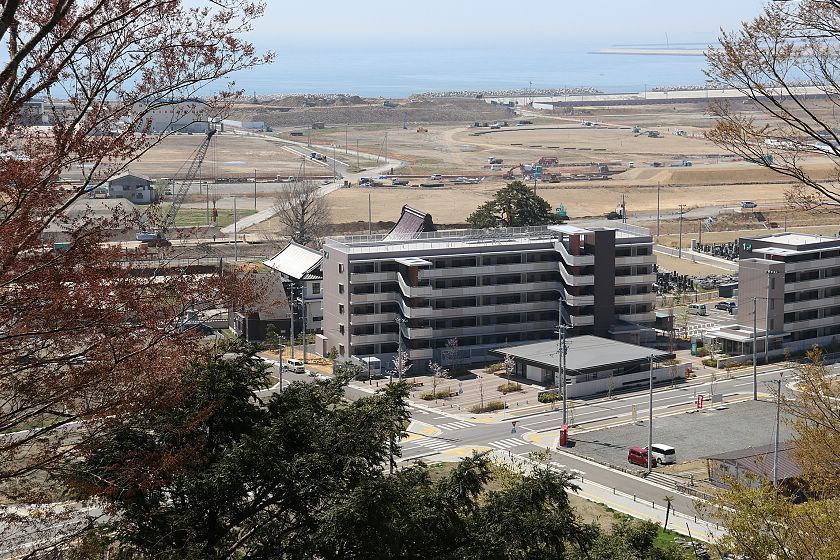
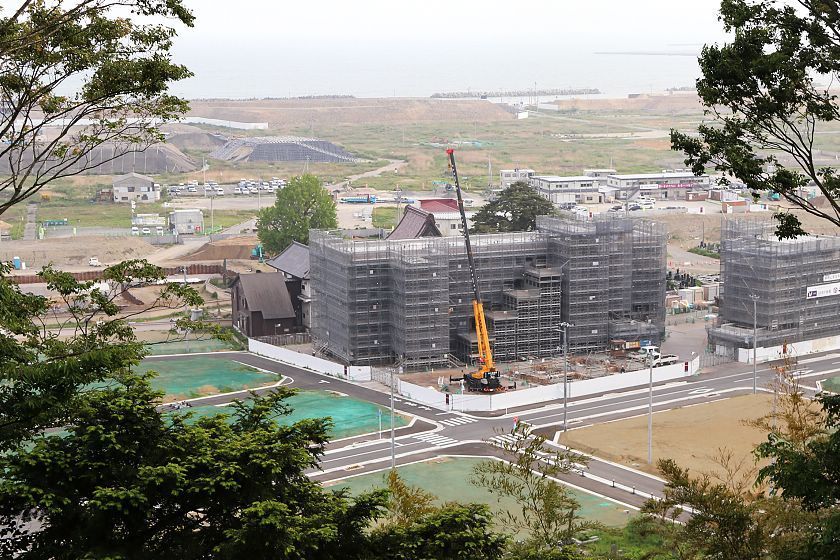
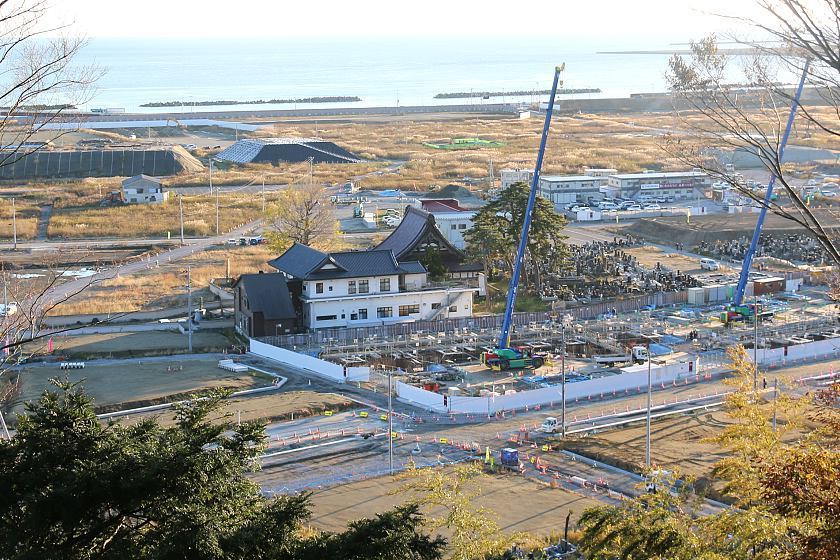
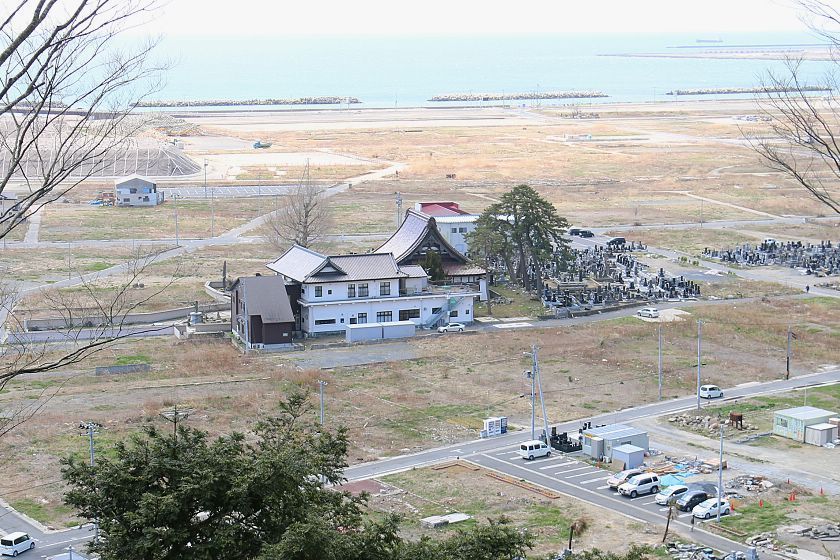
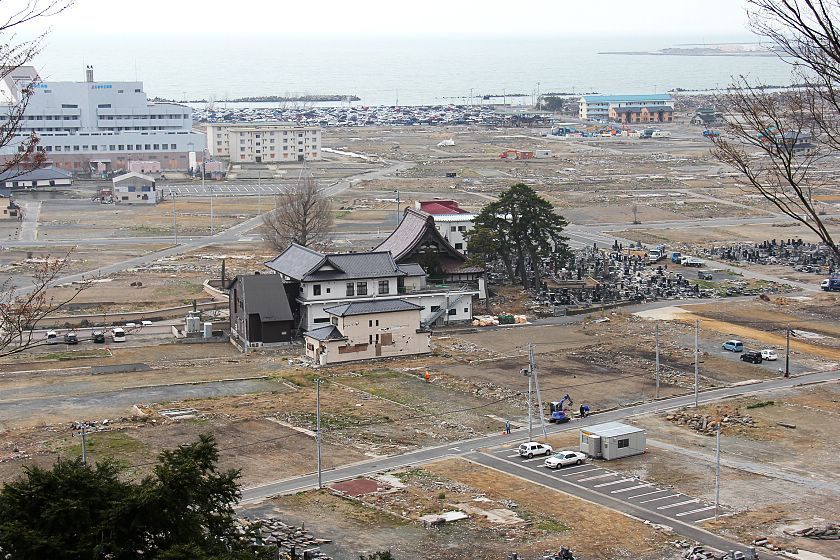
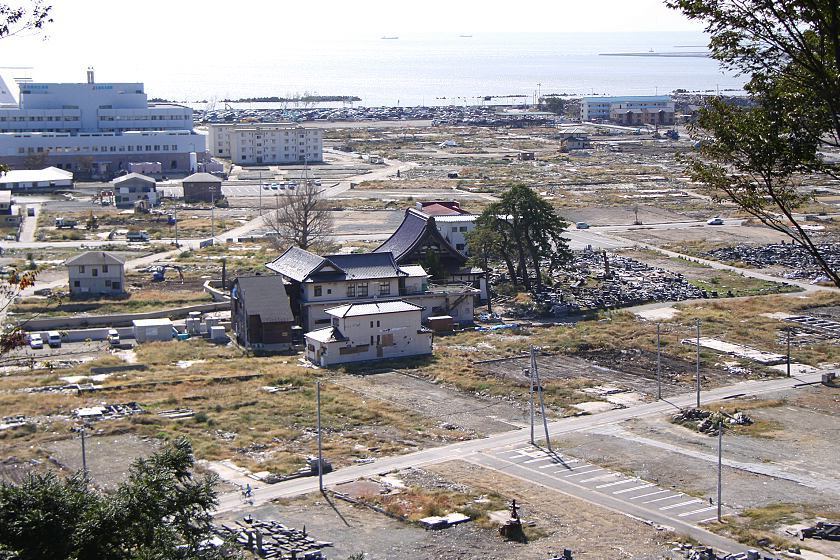
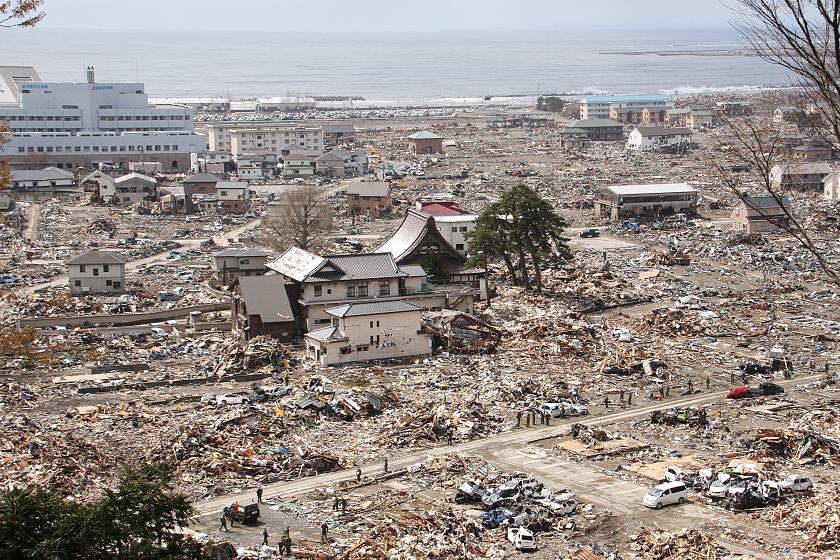
Central Rikuzentakata: looking westwards Compare: Oct 2025 - Nov 2022
Central Rikuzentakata: looking westwards Compare: Oct 2025 - Nov 2022
Central Rikuzentakata: looking westwards Compare: Oct 2025 - Nov 2022
Central Rikuzentakata: looking eastwards
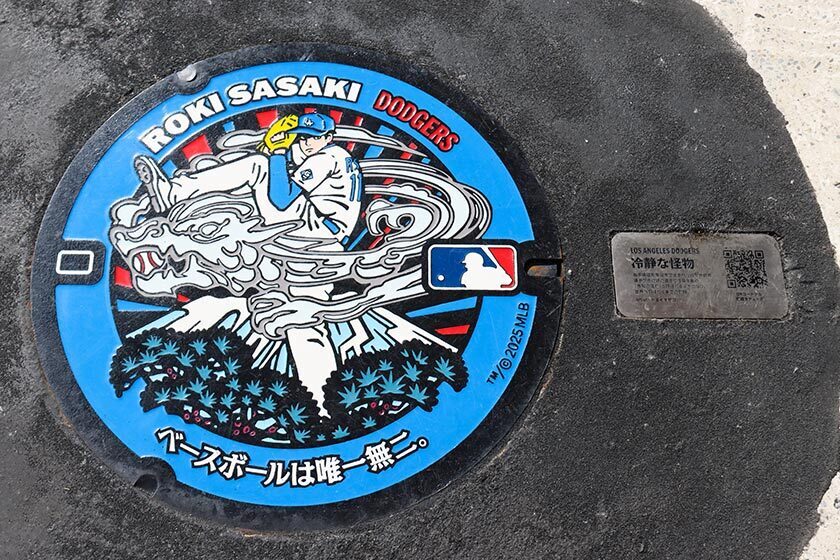
Sasaki Roki was 10 years old when his hometown of Rikuzentakata was destroyed by the tsunami
We started day 3 with a morning walk through Matsushima before devoting the rest of the day to southern Miyagi and Fukushima prefectures, where we visited another museum-turned former elementary school in Yamamoto Town and checked on the state of the Fukushima Recovery Memorial Park, which is scheduled to open in March 2026 in Namie Town near the former nuclear power plant.
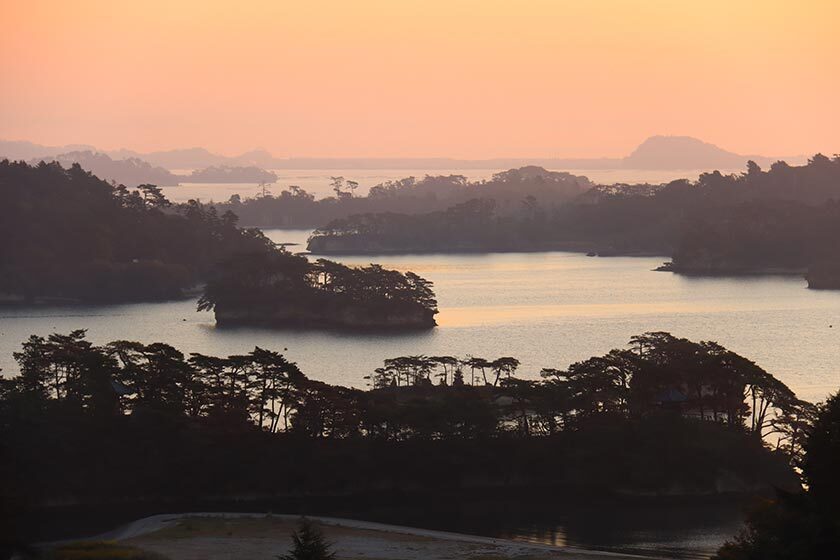
Matsushima Bay viewed from the Hotel Matsushima Taikanso in the morning
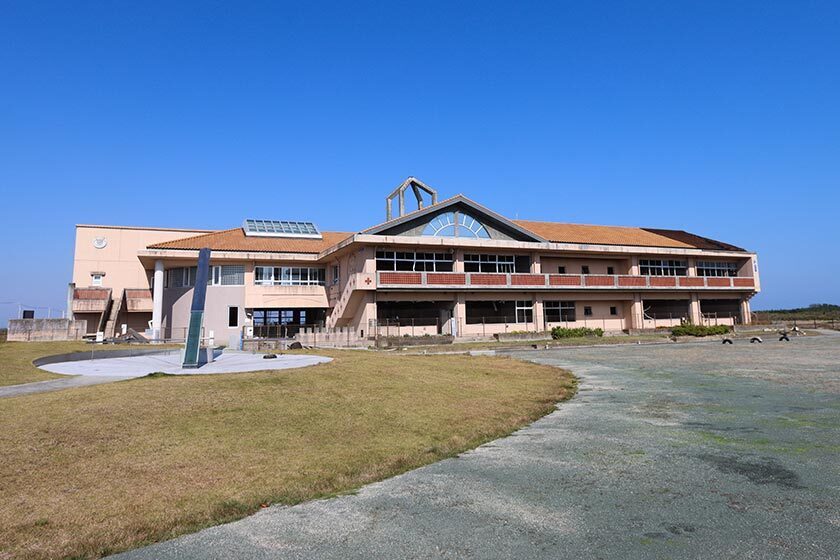
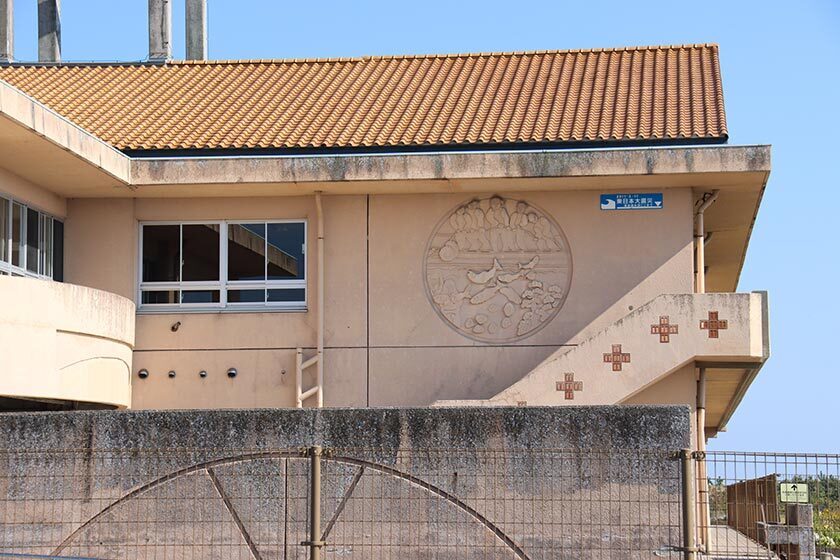
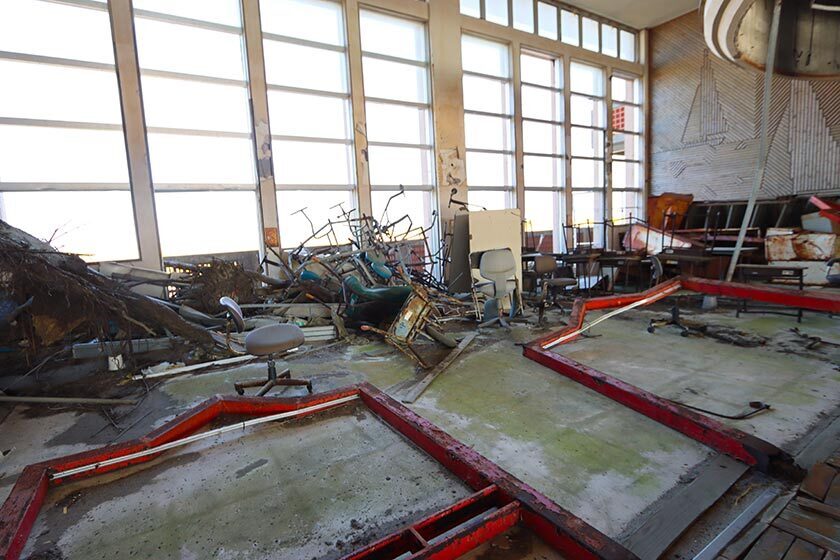
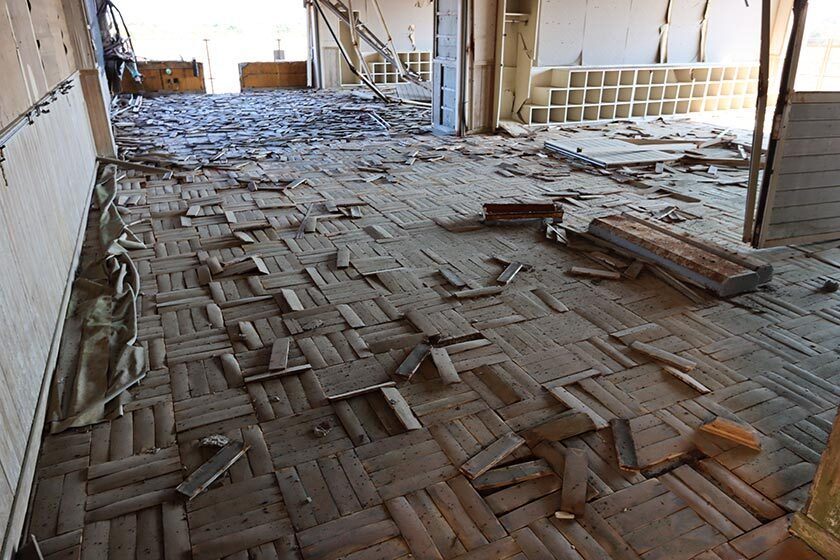
The former Nakahama Elementary School was opened as a tsunami museum in 2020
The tsunami was almost as high as the building (the blue sign marks the tsunami's height)
All students survived the tsunami by evacuating to the building's roof and spending a cold night there
The visit to the school includes free exploring, a video and a guided tour to the roof
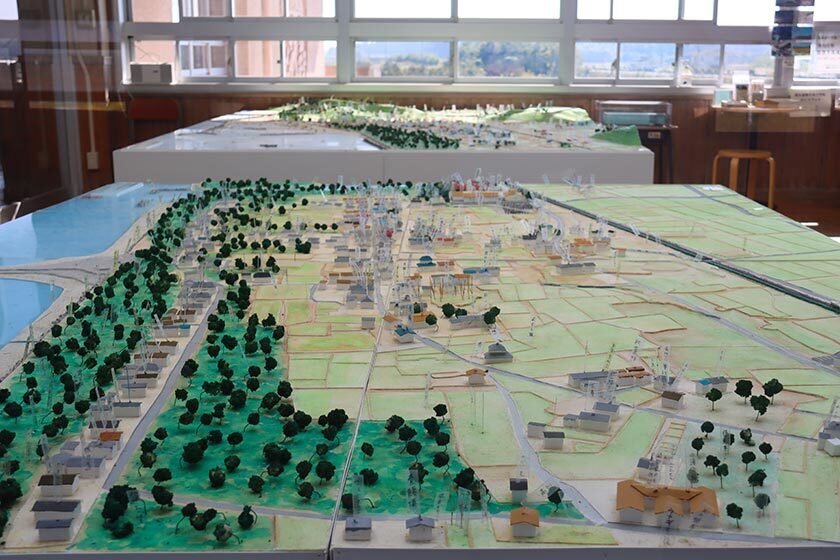
The residential districts surrounding the school - here recreated on two dioramas - were destroyed by the tsunami, claiming dozens of lives. They won't be rebuilt due to their proximity to the sea.
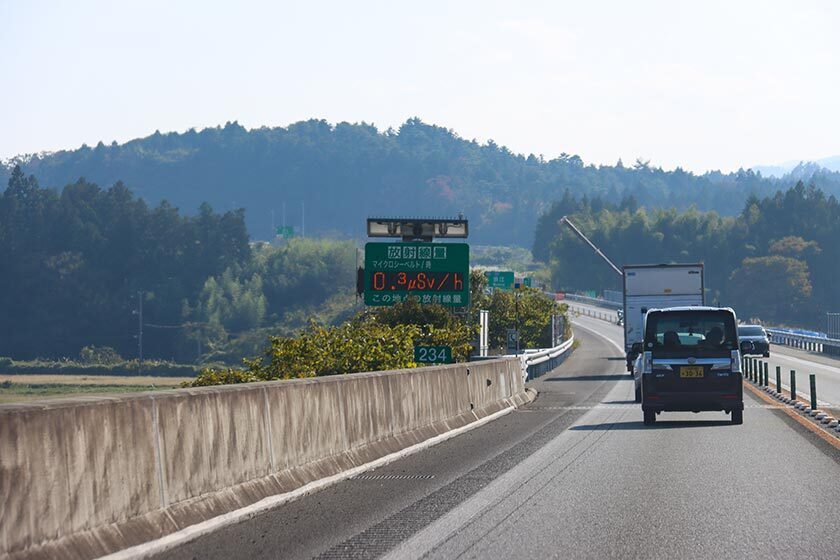
Radiation levels measured along the expressway about 10 kilometers from the former nuclear plant were very low
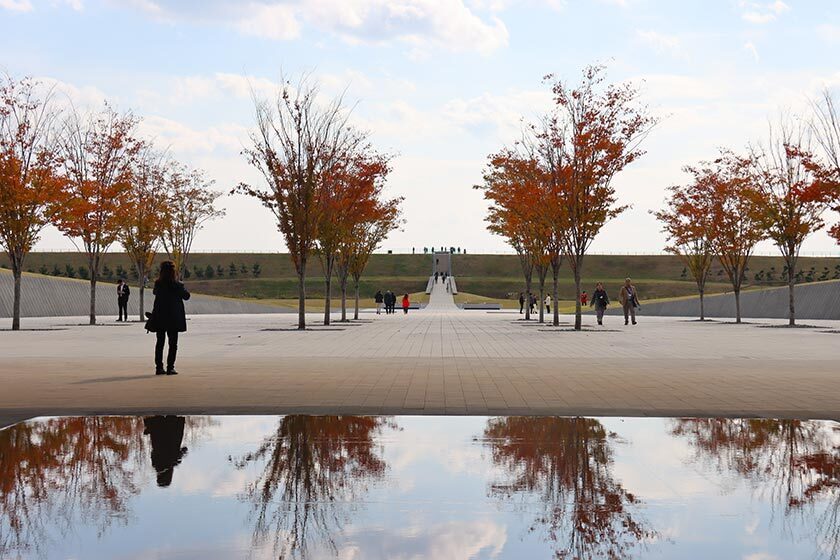
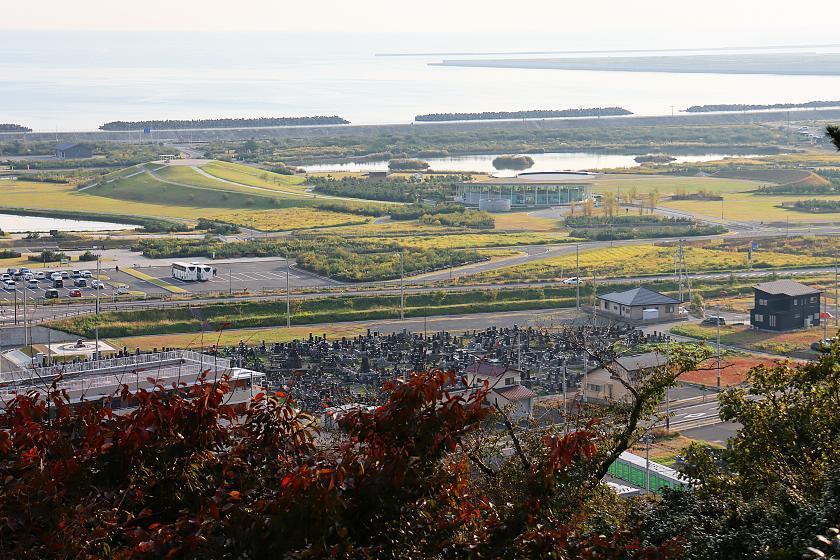
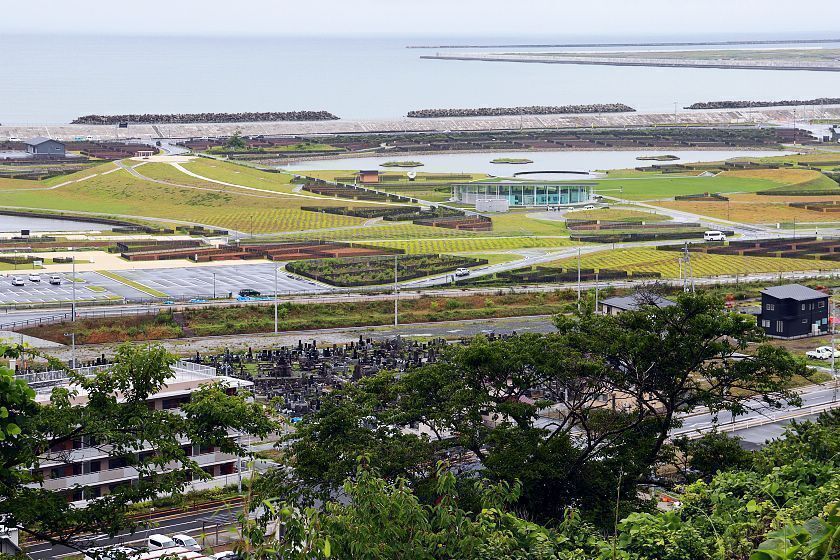
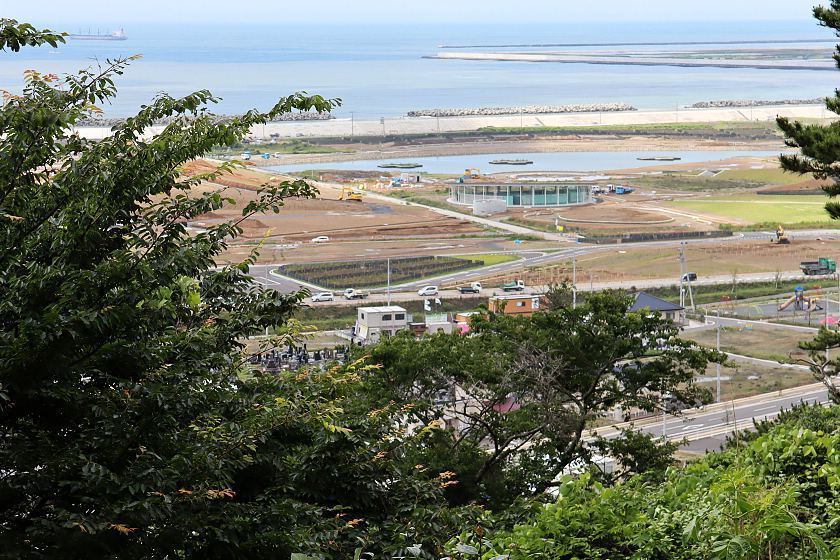
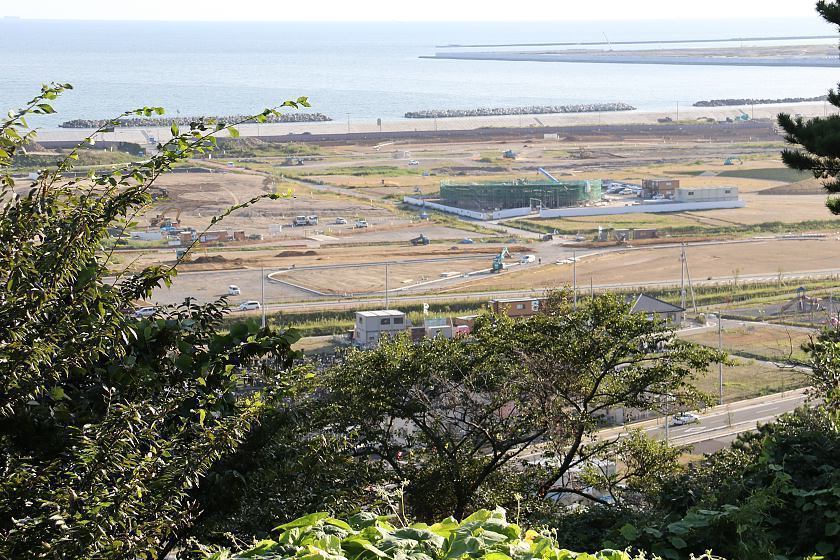
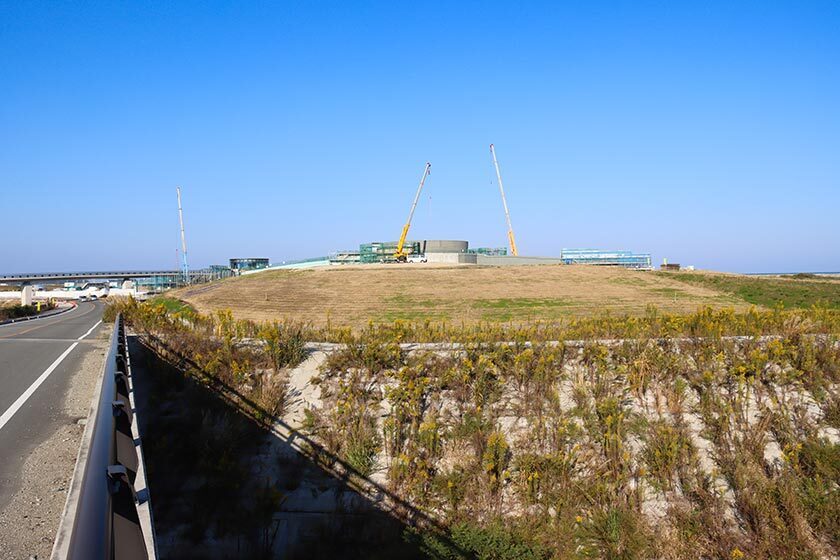
The Fukushima Recovery Memorial Park half a year before its opening
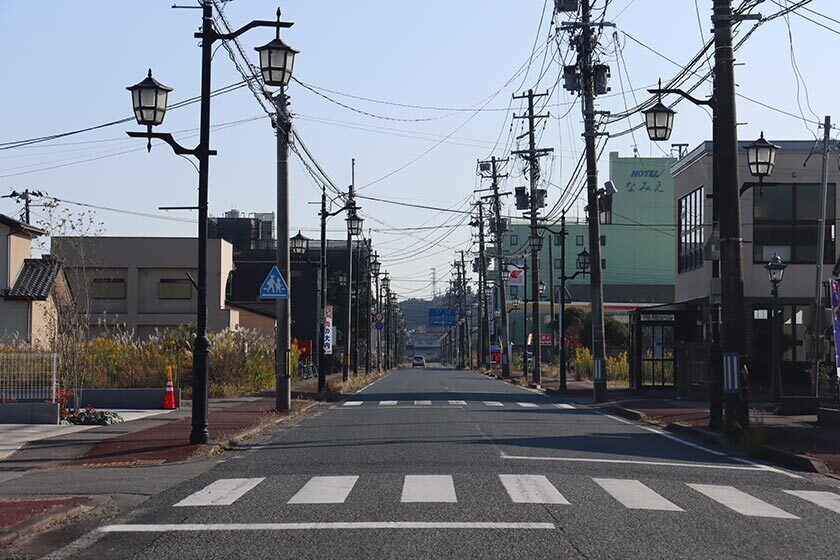
Central Namie remains calm
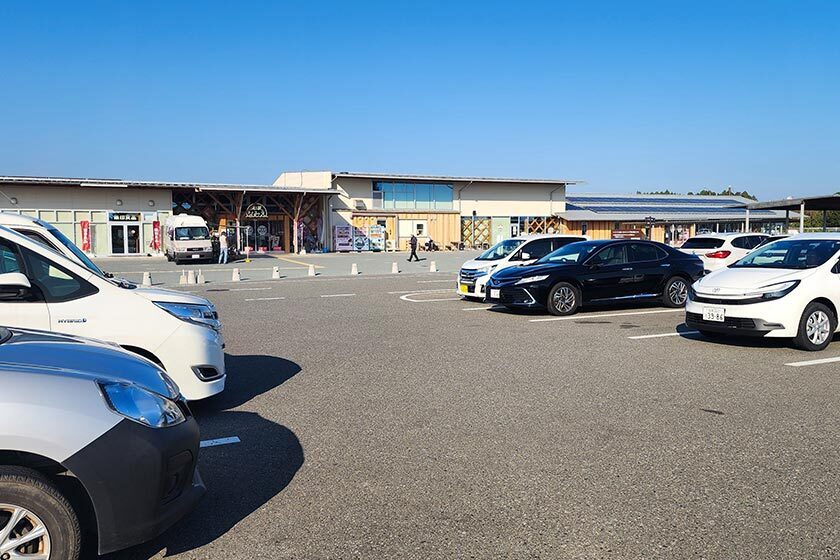
But the nearby Michinoeki Namie roadside station is always busy when we visit
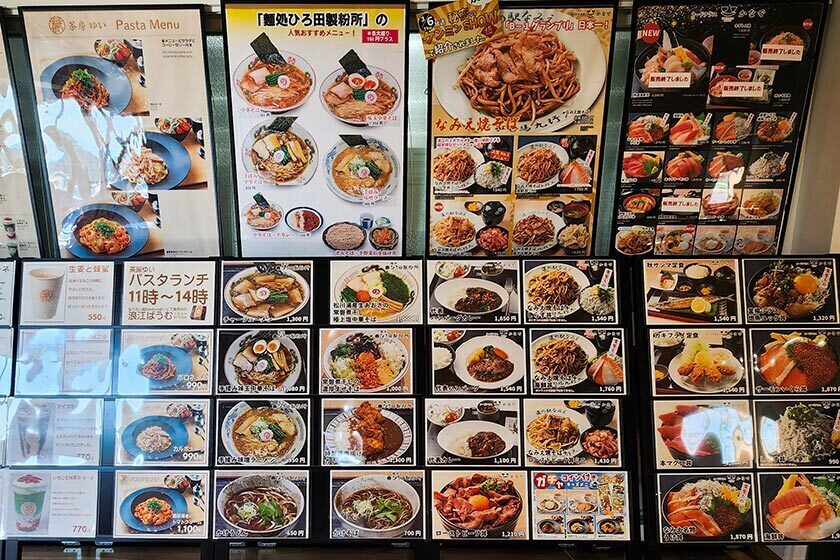
Dishes on offer at the roadside station
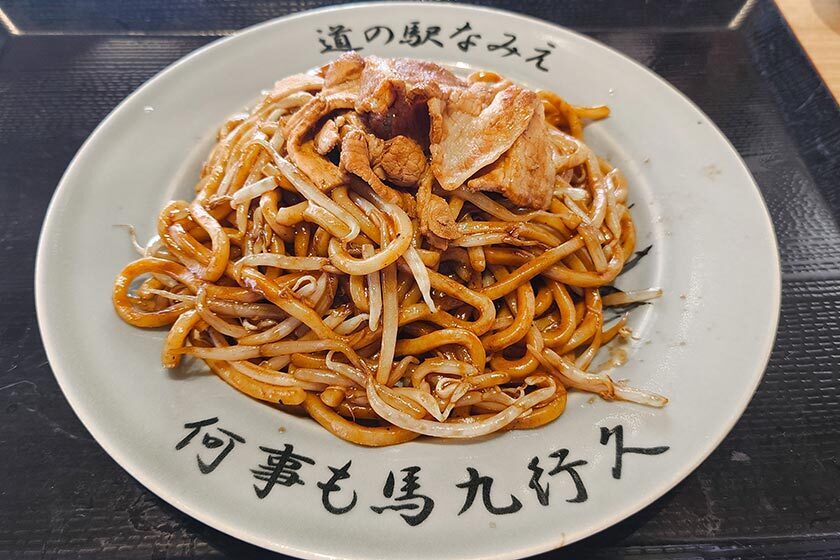
Namie Yakisoba is a particularly popular and delicious one among them