Summer heat in Japan
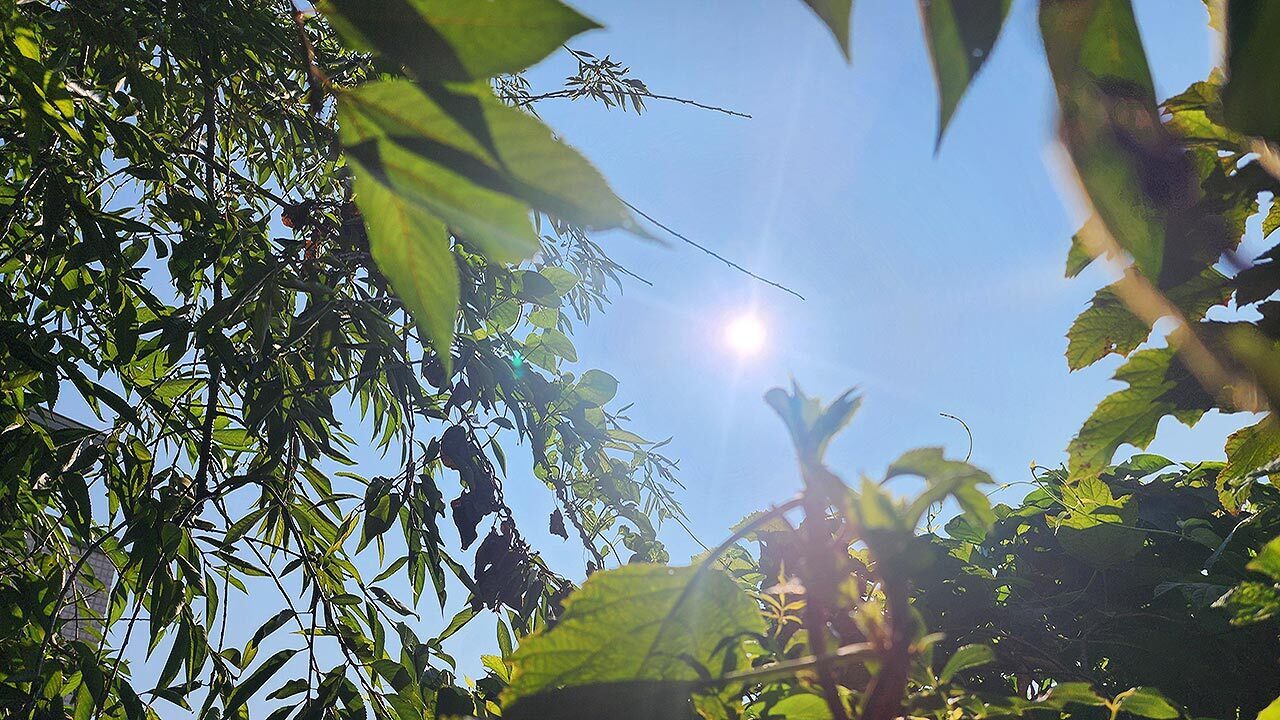
Summers in most of Japan are very hot and humid. The hottest period generally lasts from mid July, after the rainy season has ended, through August, although it has been growing longer in recent years. The heat tends to be especially intense in large cities, where concrete absorbs and radiates heat and tall buildings restrict airflow, and in inland basins, where heat can become trapped. On some days, it can reach dangerous levels.
Making matters worse is high humidity, typically around 50-60% during the day in most major cities and even higher in the morning, evening and at night. Besides making the heat feel several degrees more intense than under drier conditions, the humidity slows the evaporation of sweat, leaving clothes damp and making it much harder for the body to cool itself naturally.
Another difference from summers in more temperate climates is the high nighttime temperatures. In many of Japan’s major cities, temperatures often remain above 25°C (77°F) throughout the night, meaning that even opening a window may provide little relief - or, on the contrary, let more hot and humid air into the room.
Some weather terminology:
- Summer day (natsubi): daytime high of 25°C (77°F) or higher
- Mid-summer day (manatsubi): daytime high of 30°C (86°F) or higher
- Extremely hot day (mōshobi): daytime high of 35°C (95°F) or higher
- Brutally hot day (kokushobi): daytime high of 40°C (104°F) or higher
- Tropical night (nettaiya): nighttime low of 25°C (77°F) or higher
- Super tropical night (chō-nettaiya): nighttime low of 30°C (86°F) or higher
Average conditions in early August
|
|
|
| |
| Sapporo |
|
|
|
| Sendai |
|
|
|
| Tokyo |
|
|
|
| Nagoya |
|
|
|
| Kyoto |
|
|
|
| Osaka |
|
|
|
| Hiroshima |
|
|
|
| Fukuoka |
|
|
|
| Naha |
|
|
|
Tips for travelers
While you cannot change the weather or predict it with certainty, the following steps can help you prepare and reduce heat-related discomfort during your trip:
- Check the weather forecast every day before setting off and be aware of extreme heat before it hits.
- Bring water with you and remember to replenish sodium as well. Sports drinks like Pocari Sweat, salted snacks and salt candies (shio ame) are all good options, but avoid excessive intake.
- Choose suitable clothing - breathable fabrics, a loose fit and avoiding darker colors can make a big difference.
- Get enough sleep, avoid strenuous activity and pace yourself.
- Take regular breaks, seek shade and spend time in cool indoor environments such as museums, restaurants and malls.
Cooling products
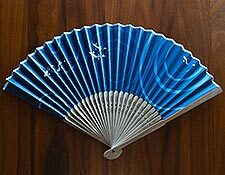
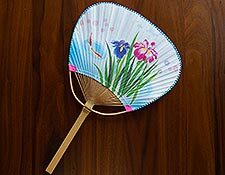
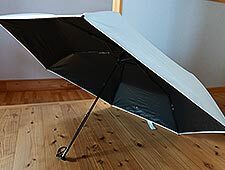
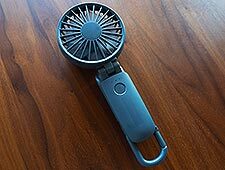
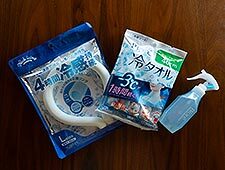
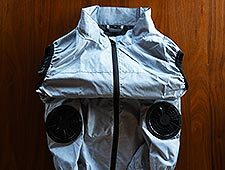
A wide range of products designed to make the heat more manageable, or at least provide temporary relief, is available at convenience stores and other shops, and can help make the heat a little more bearable:
Heatstroke
While millions travel around Japan every year without incident, it is important to recognize the risk posed by heatstroke, a potentially fatal condition that can occur when the body is unable to shed excess heat, causing its core temperature to rise uncontrollably.
Early symptoms can include heavy sweating, dizziness, headache, muscle cramps, nausea and unusual fatigue. More serious warning signs include confusion, loss of coordination, fainting and unconsciousness. Although anyone can be affected, young children, older people and those with underlying health conditions are at particular risk.
Should you or a member of your group fall ill with these symptoms, it is strongly recommended to take the following steps as soon as possible:
- Move the person into a cool, shaded or air-conditioned environment.
- Loosen or remove unnecessary clothing and cool the body with water, wet towels, a fan or cold packs applied to the neck, armpits and groin.
- If the person is fully conscious and able to swallow, encourage them to take frequent small sips of water or a sports drink, but do not give fluids to someone who is not fully conscious.
- In serious cases, call an ambulance by dialing 119.
Questions? Ask in our forum.